Shoot | Beswick Manchester

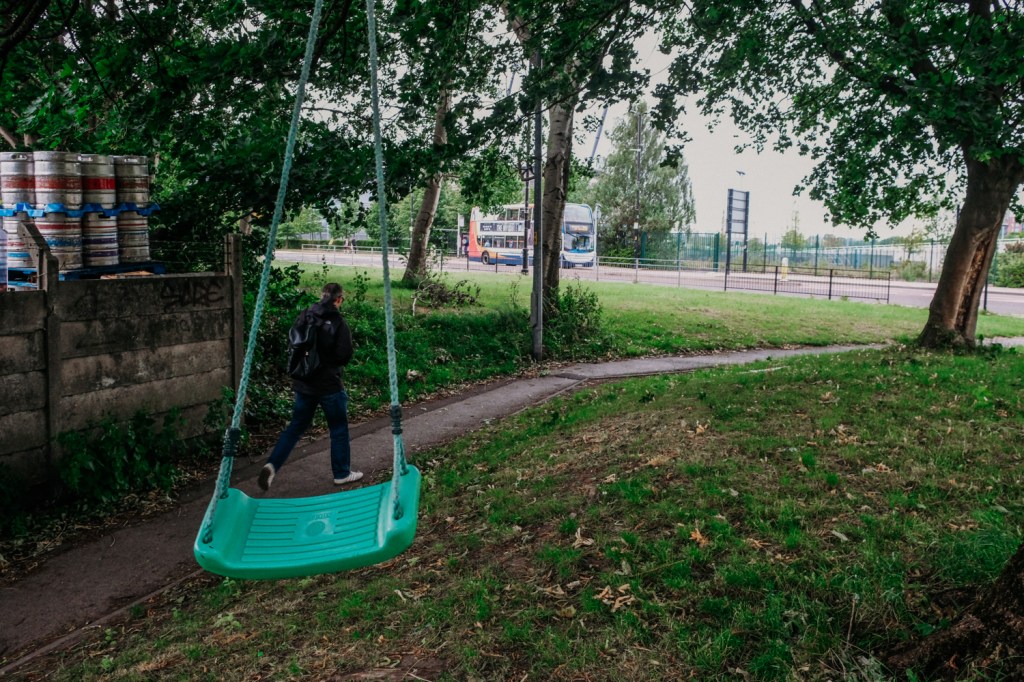
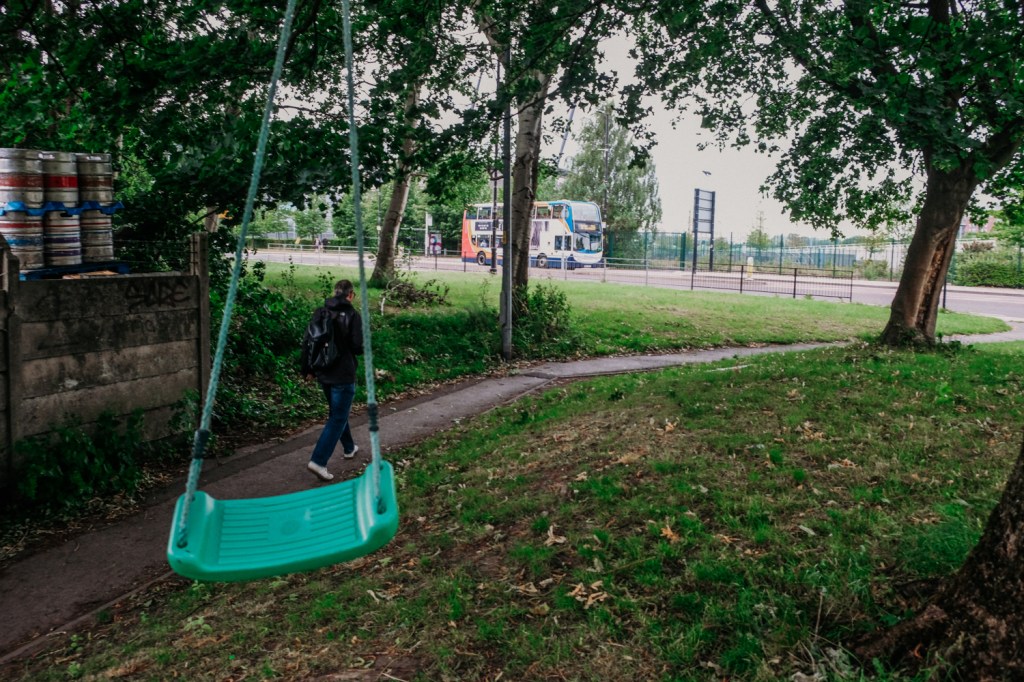
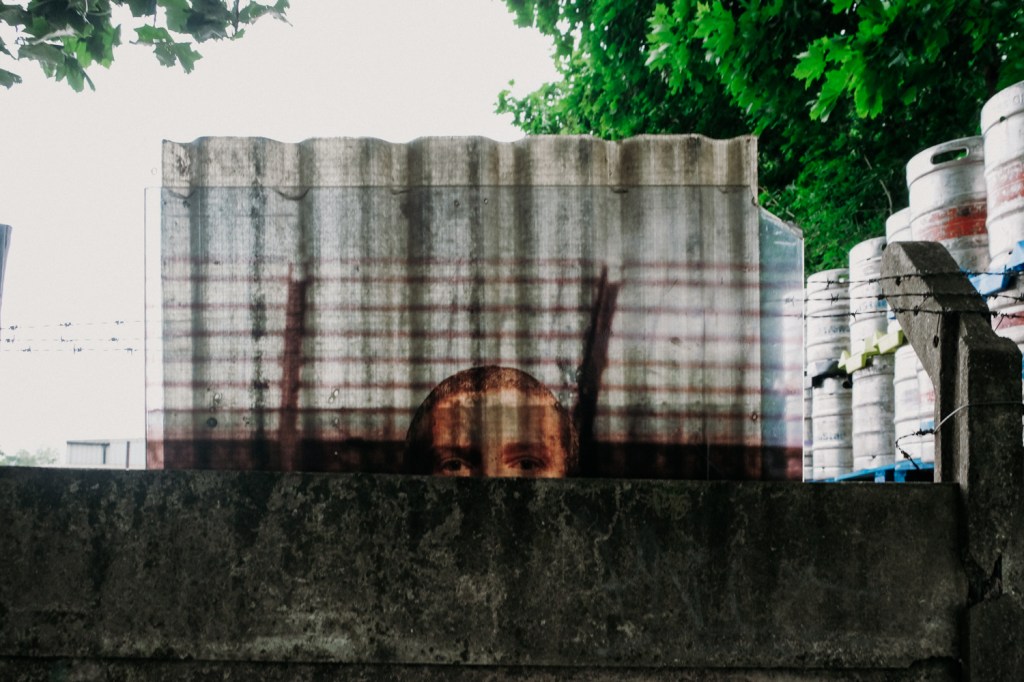
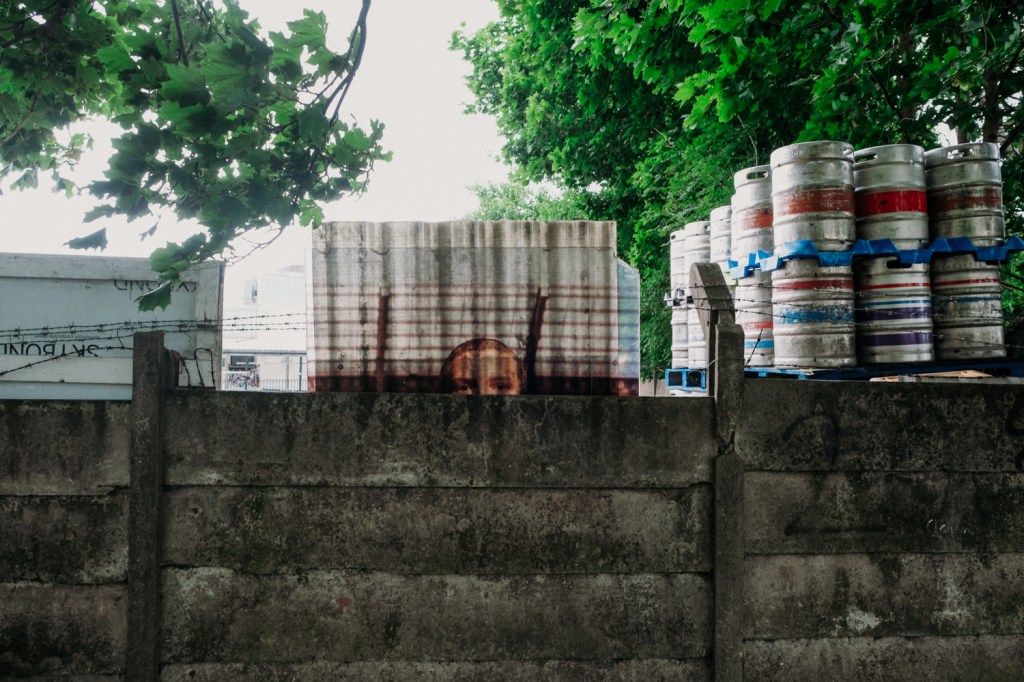
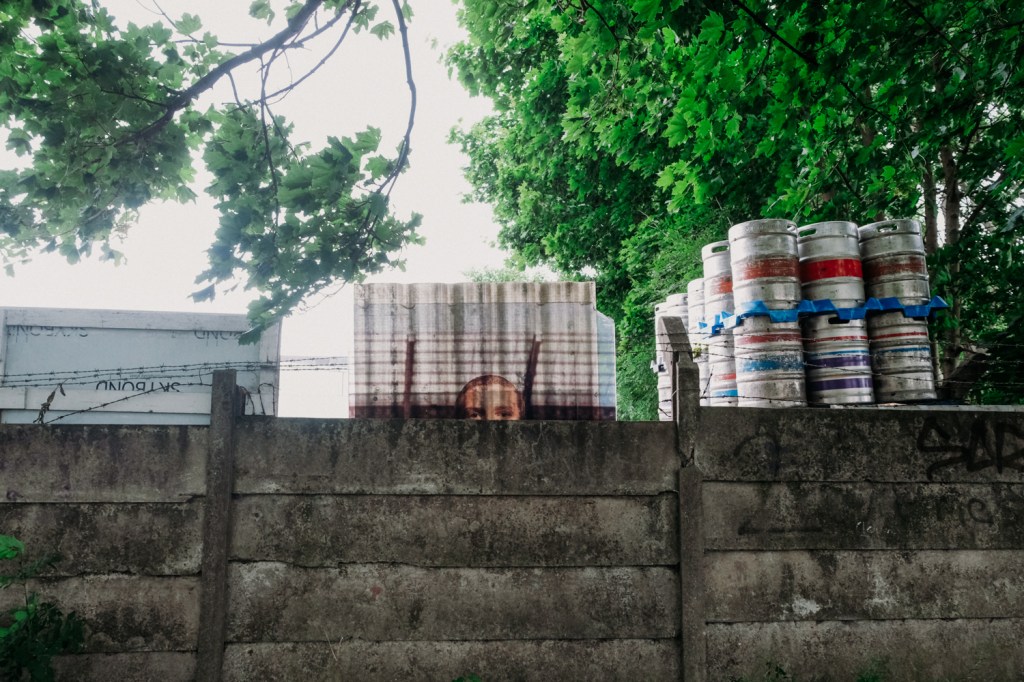
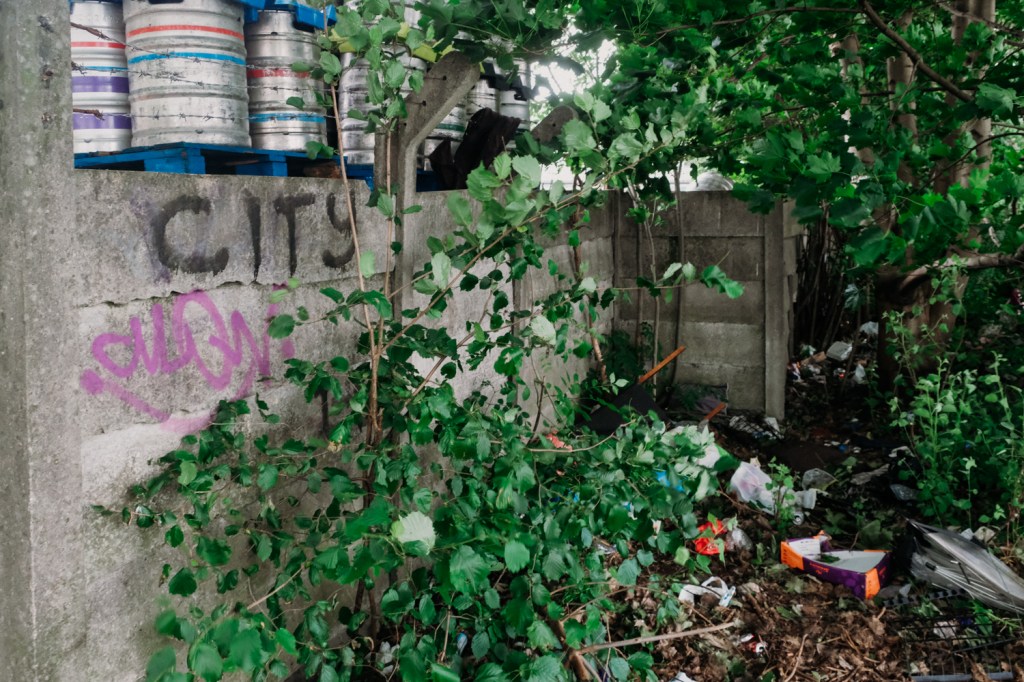
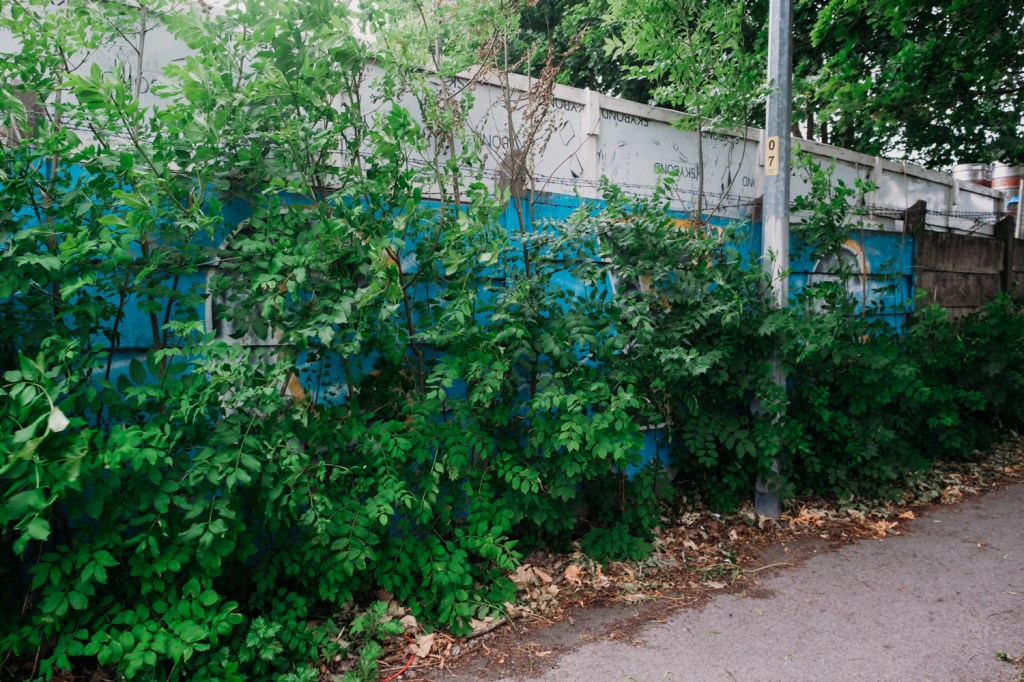
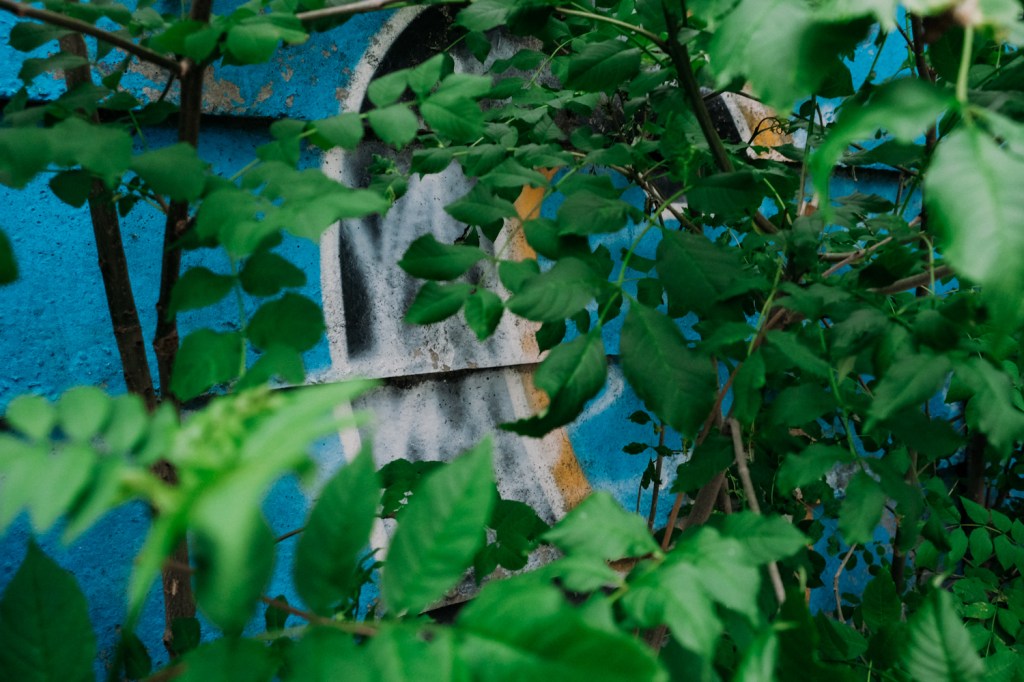
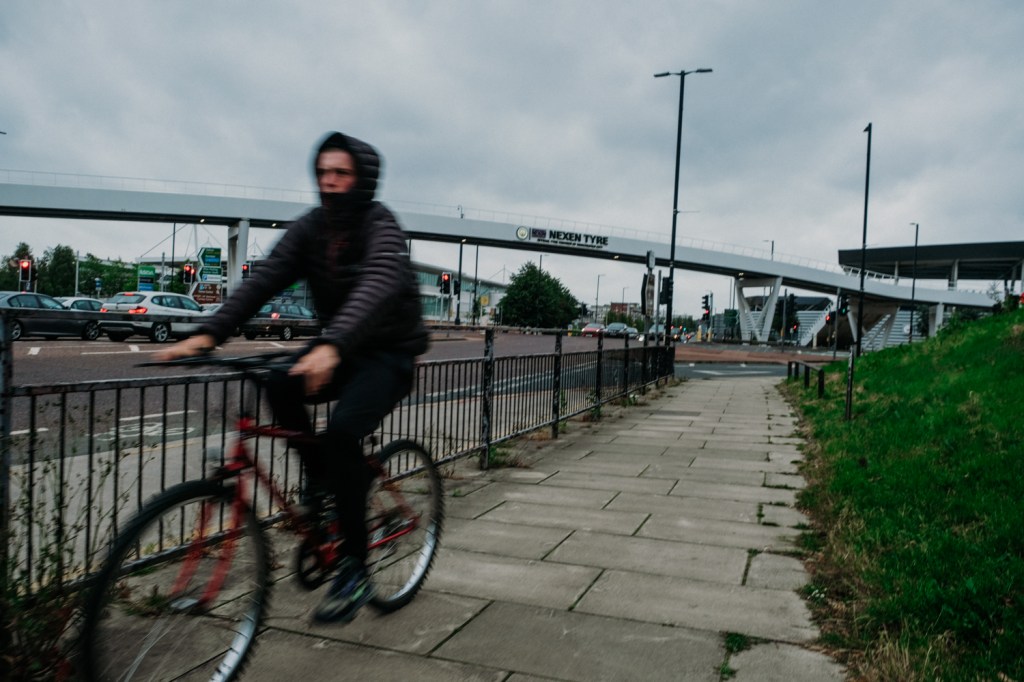
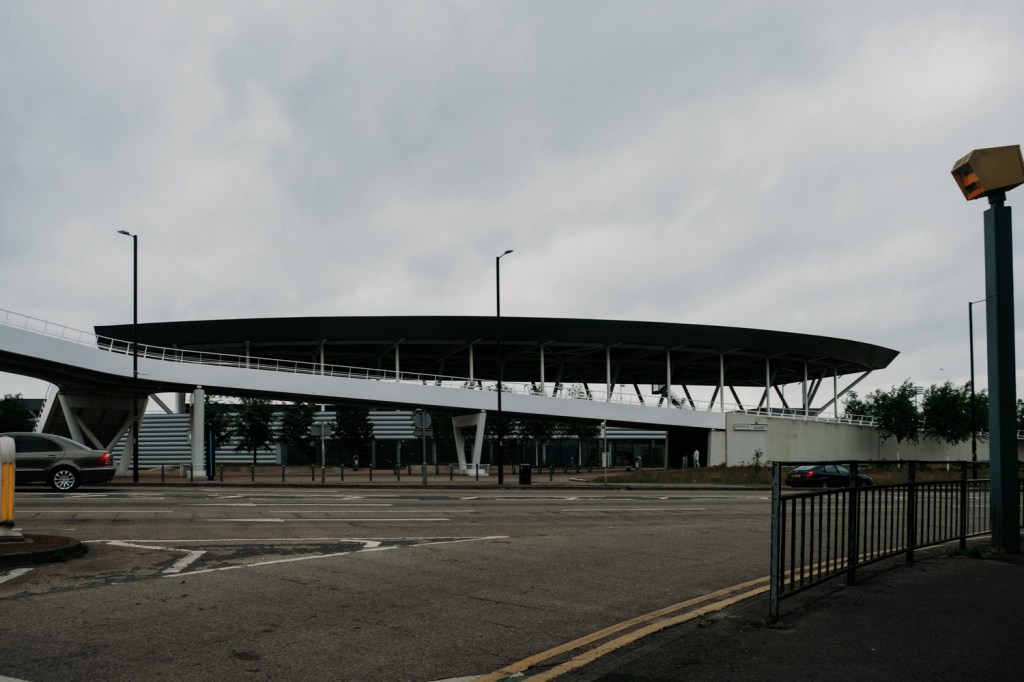
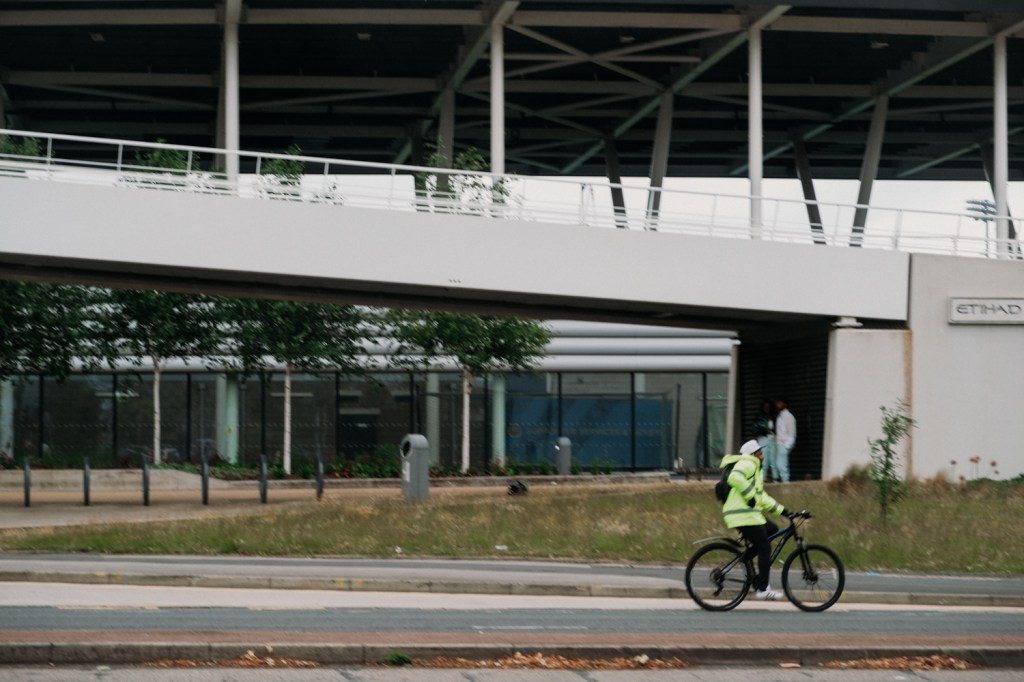
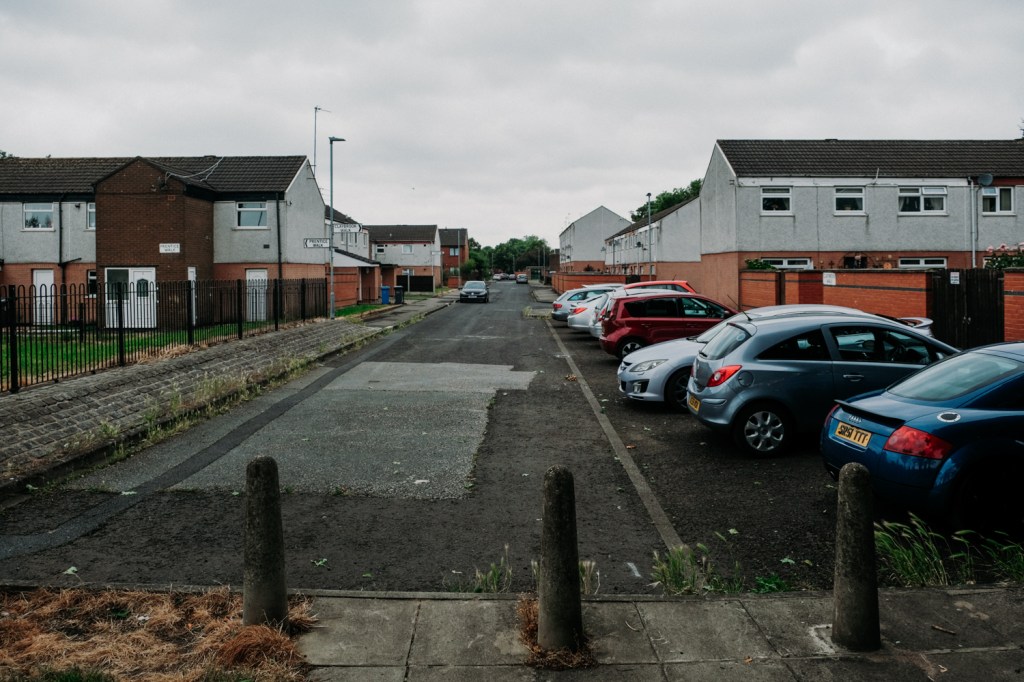
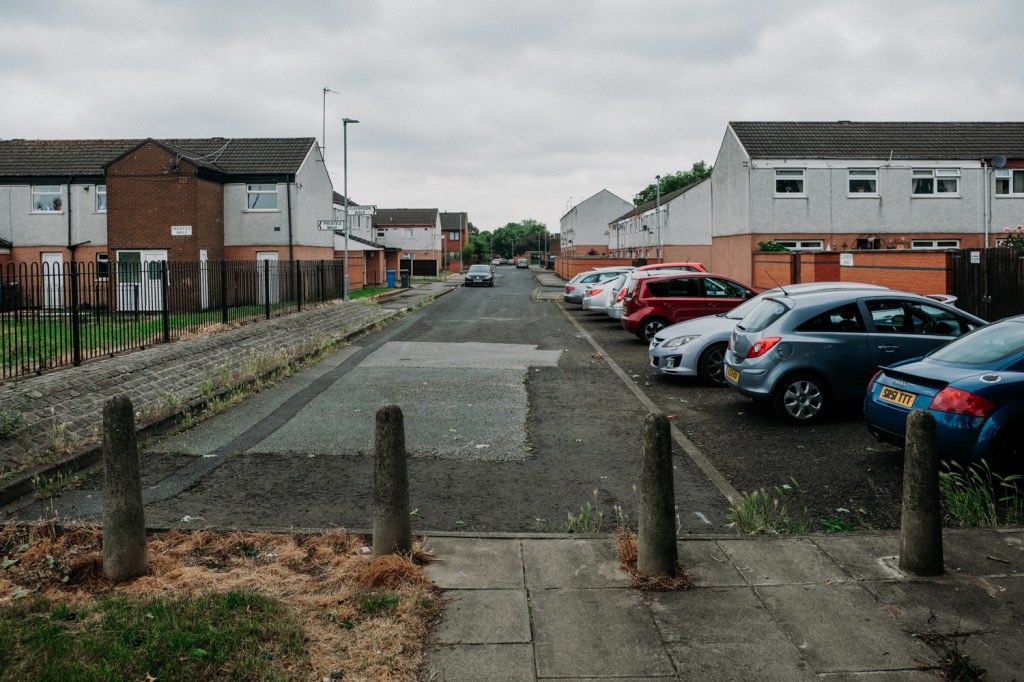
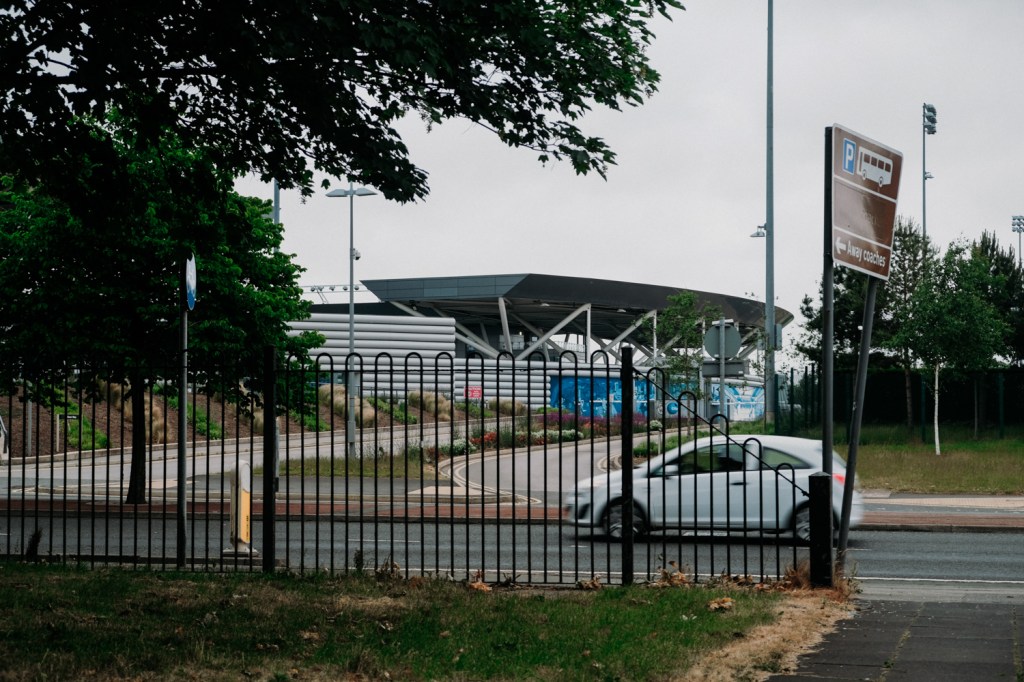
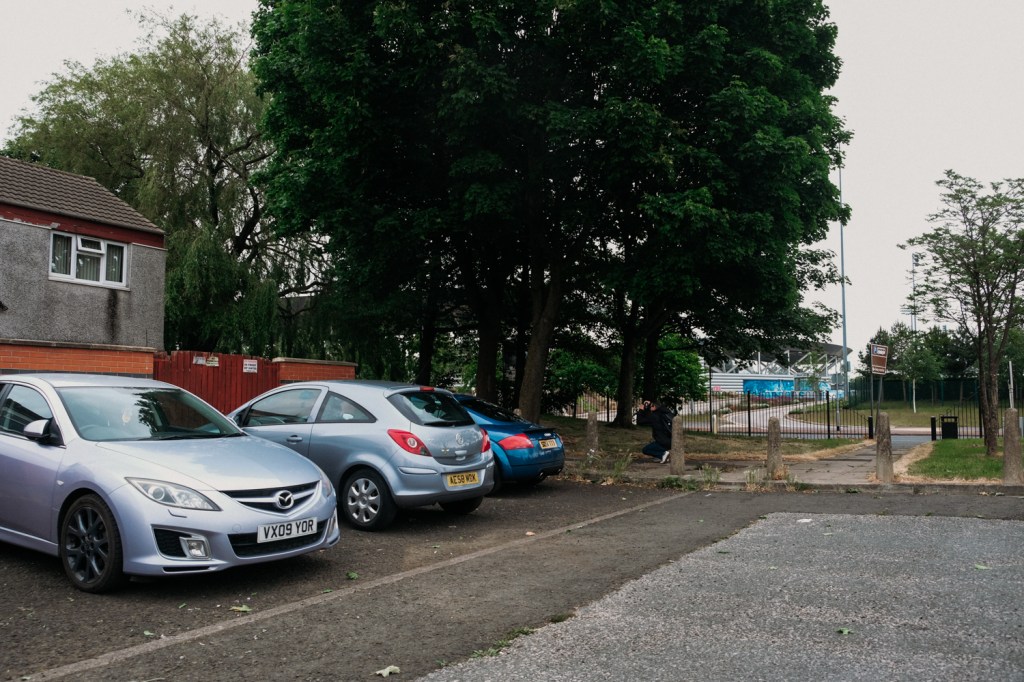
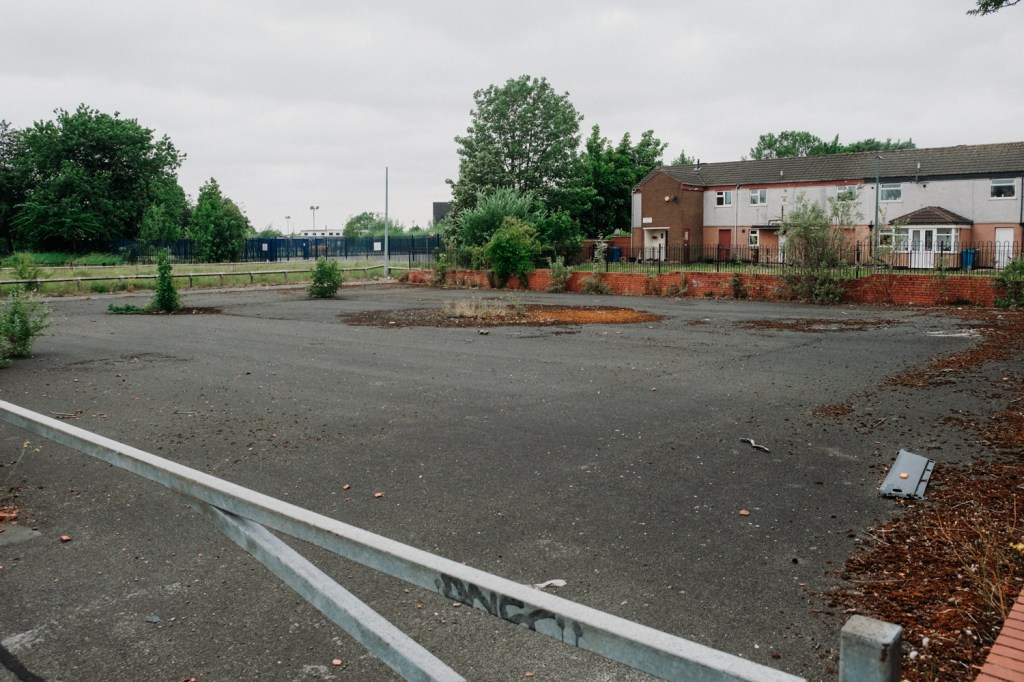
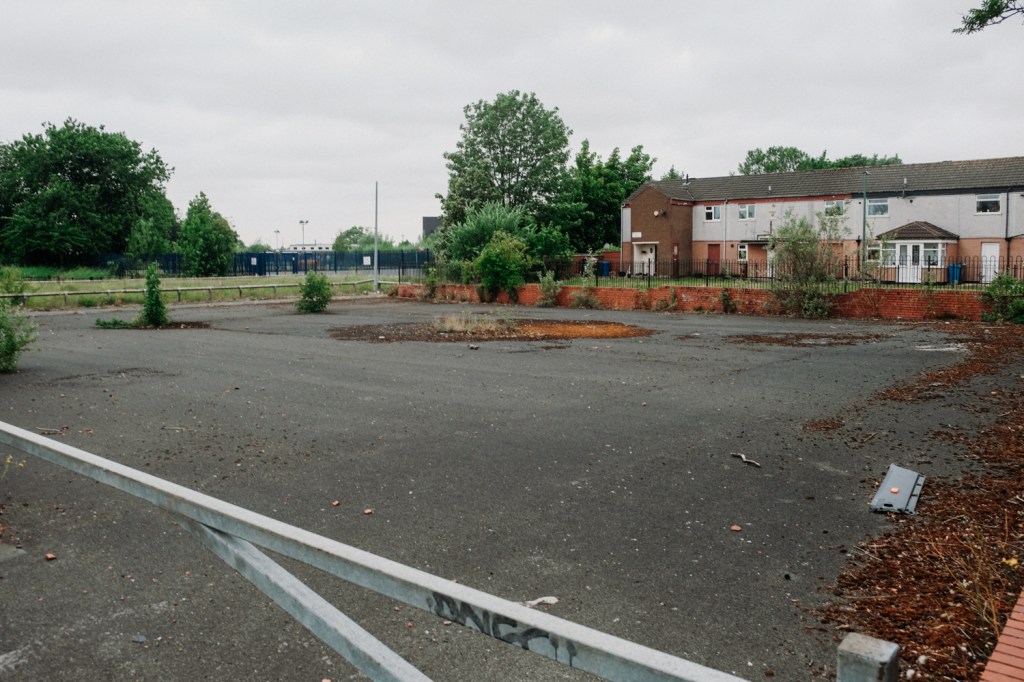
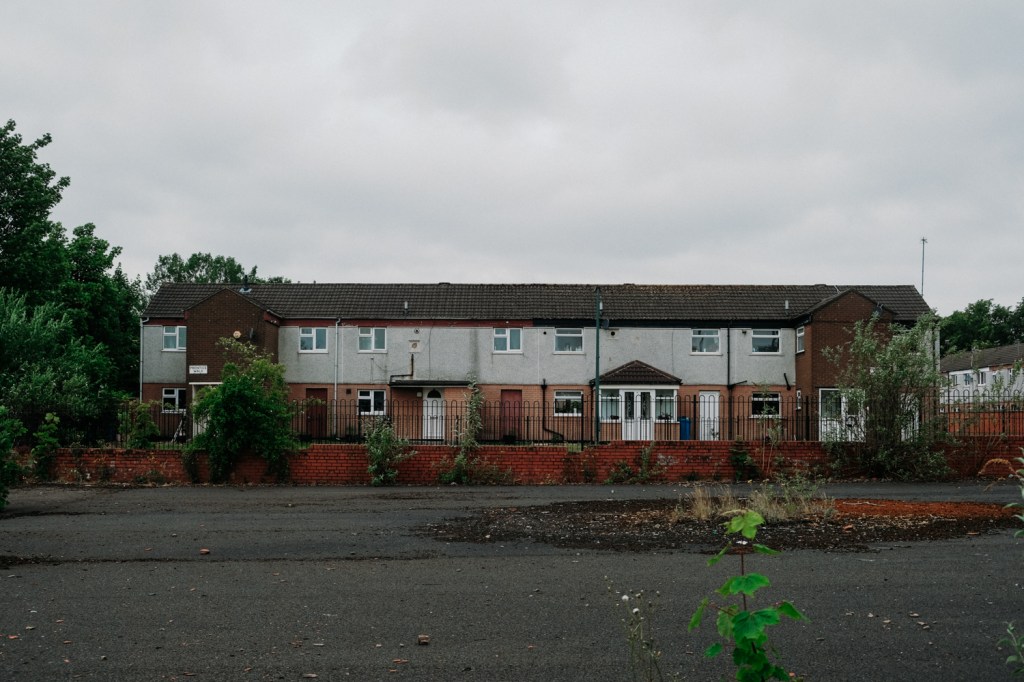
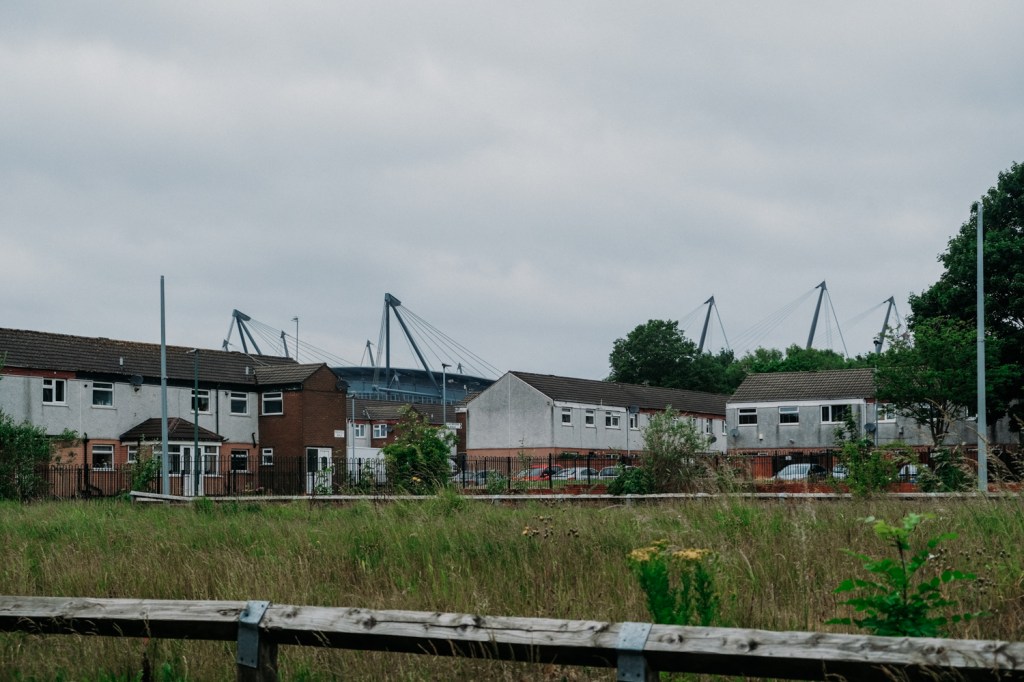
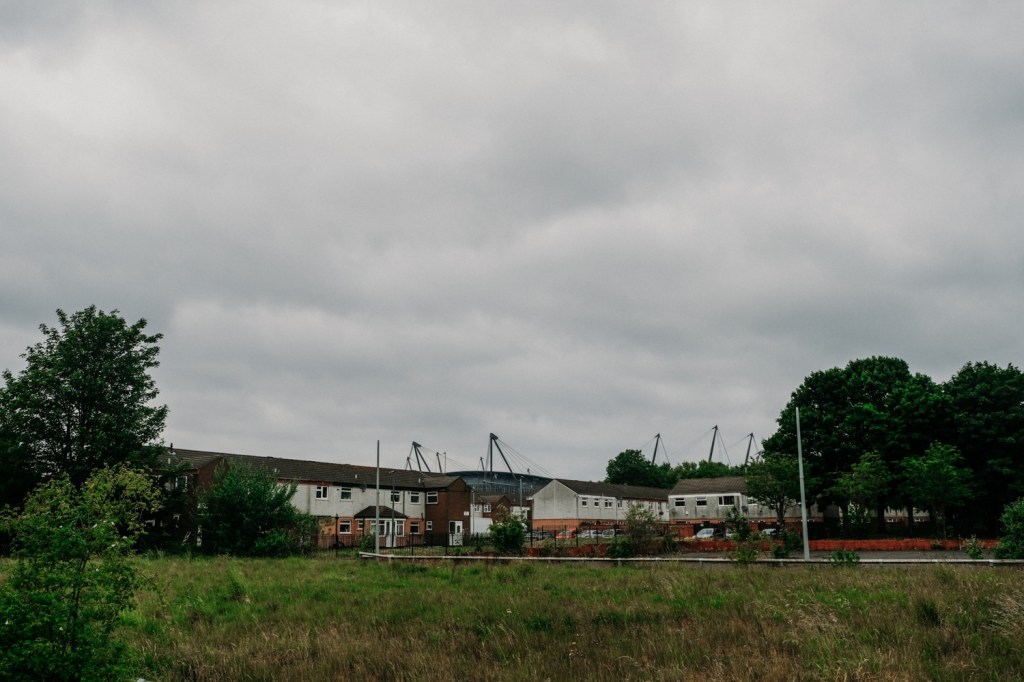
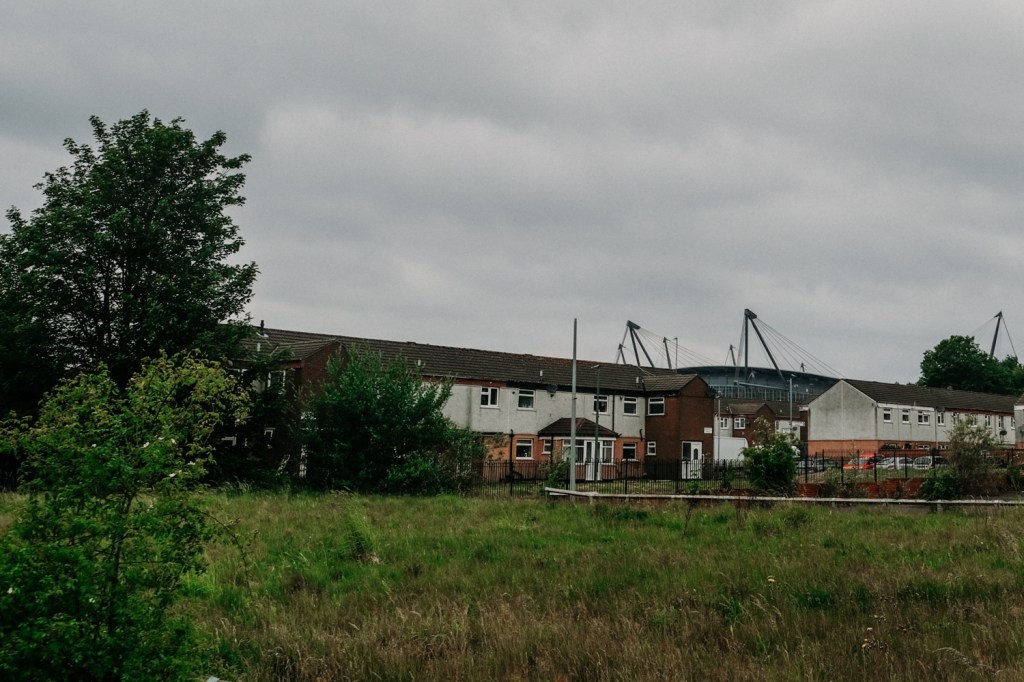
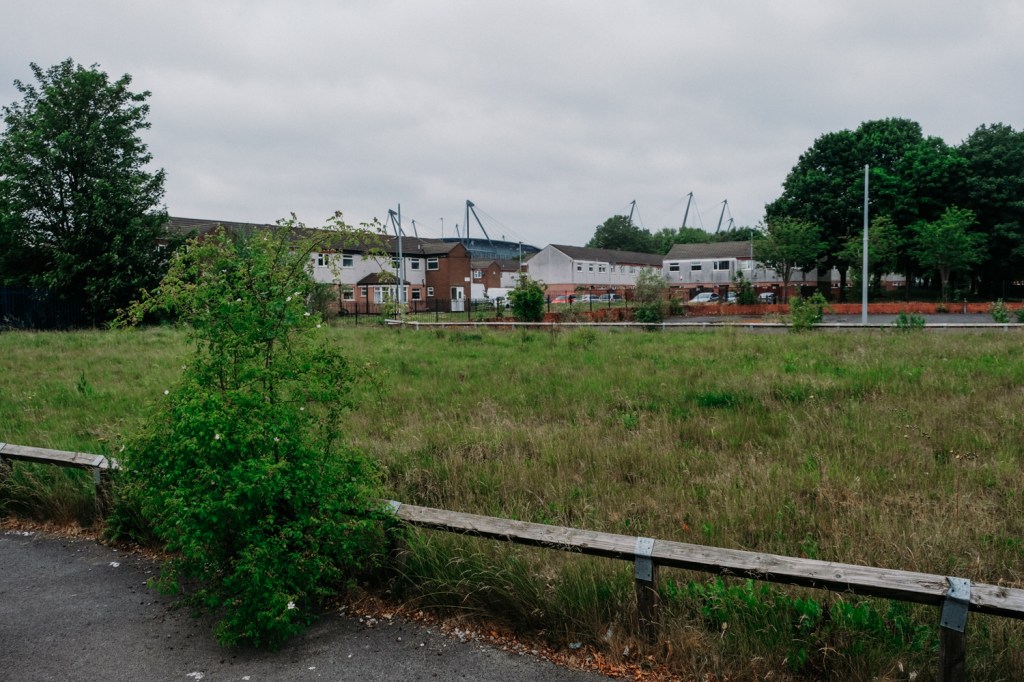
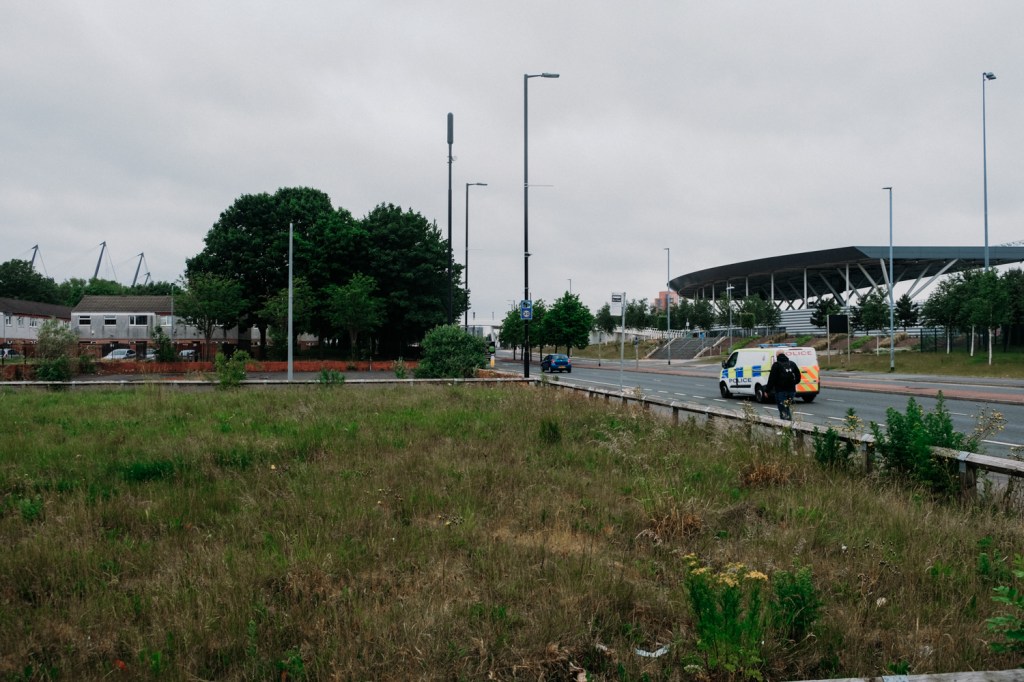
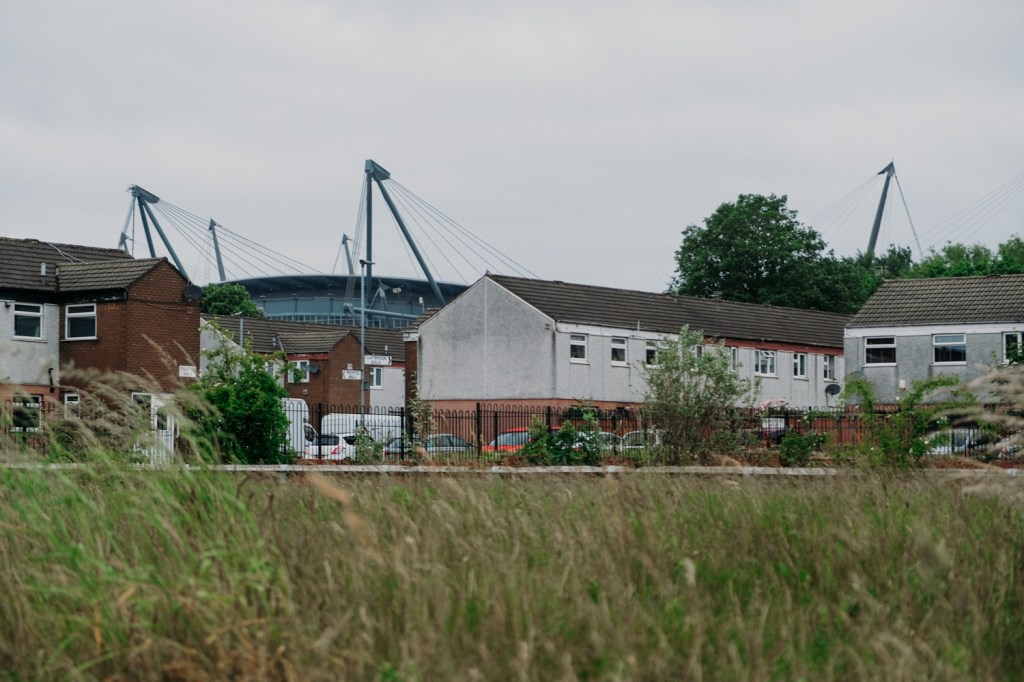
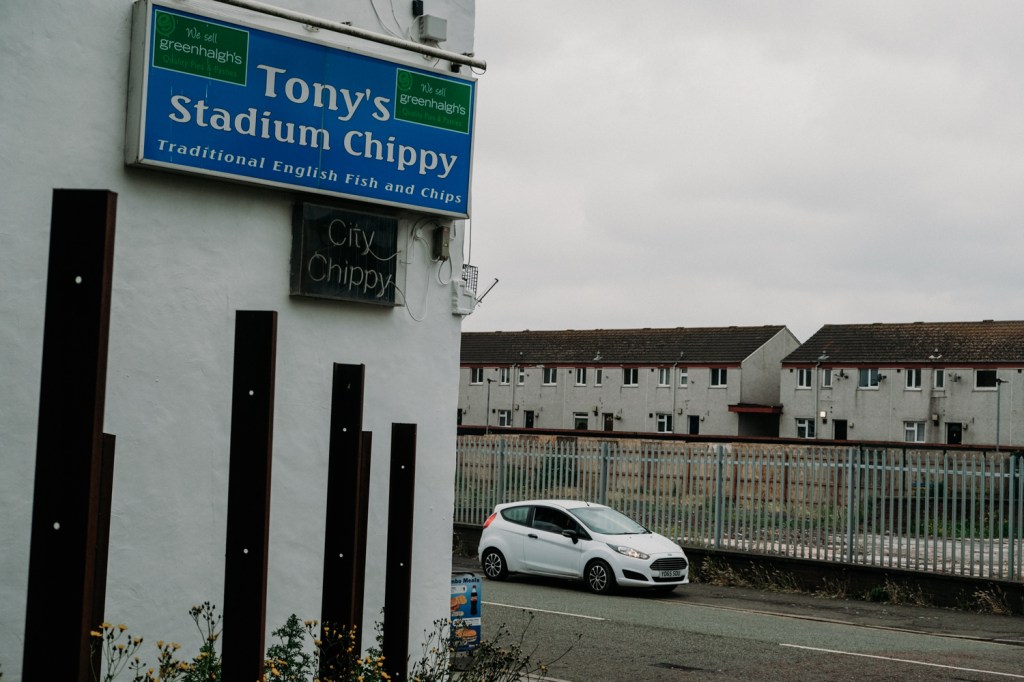
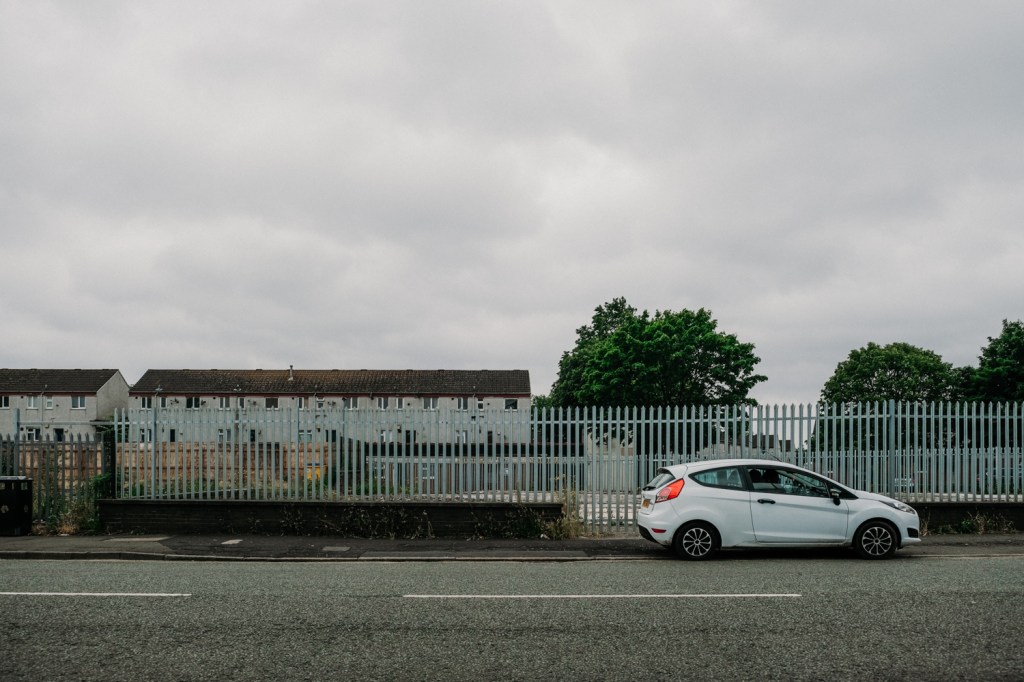
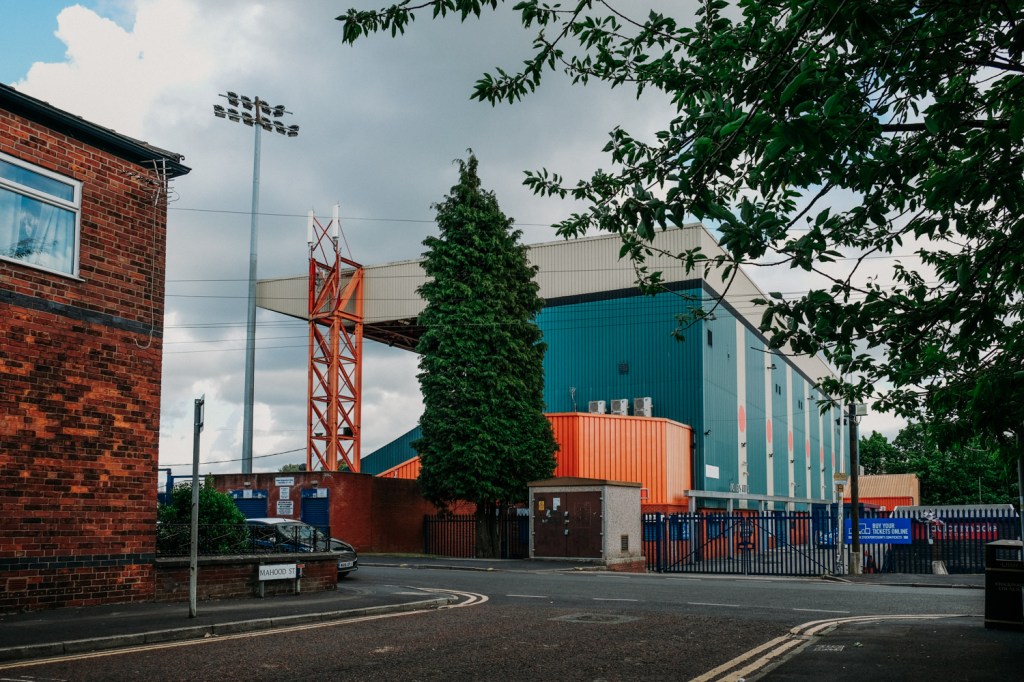
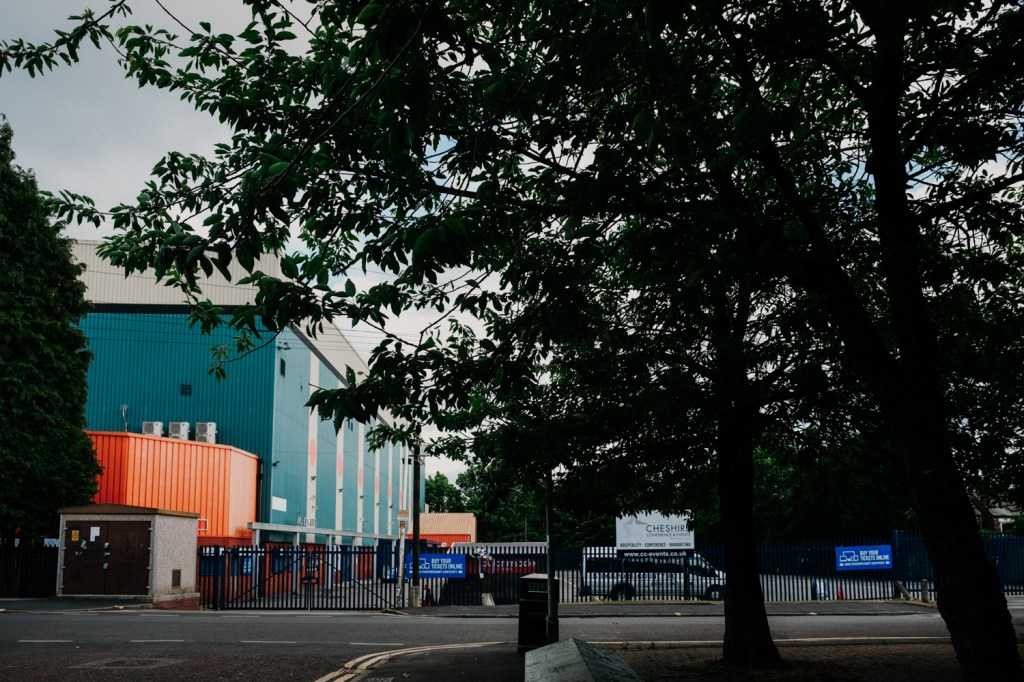
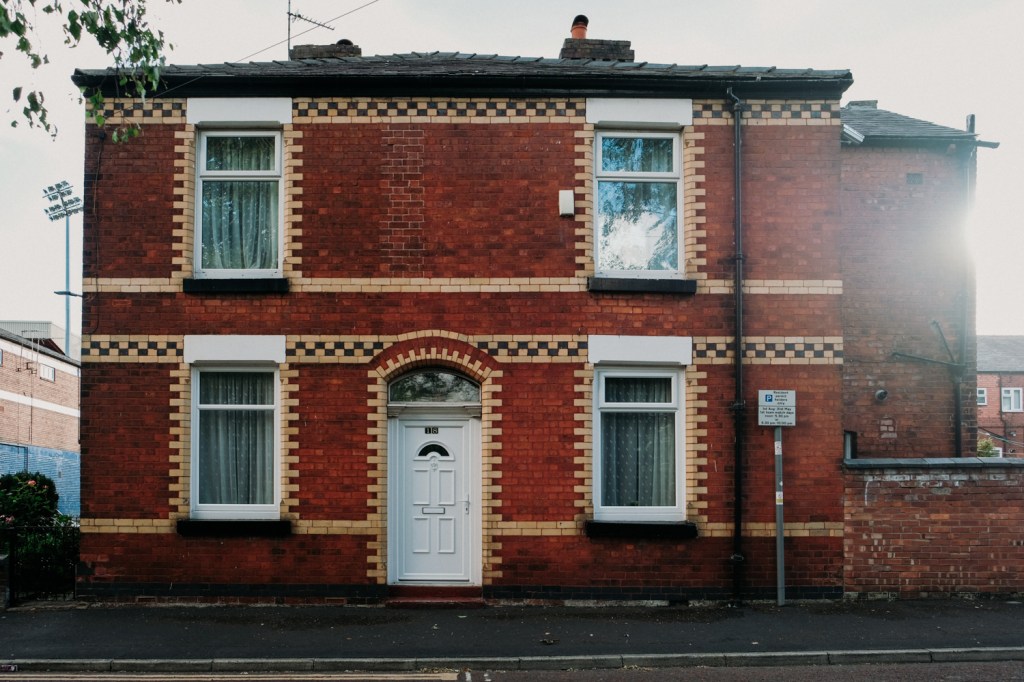
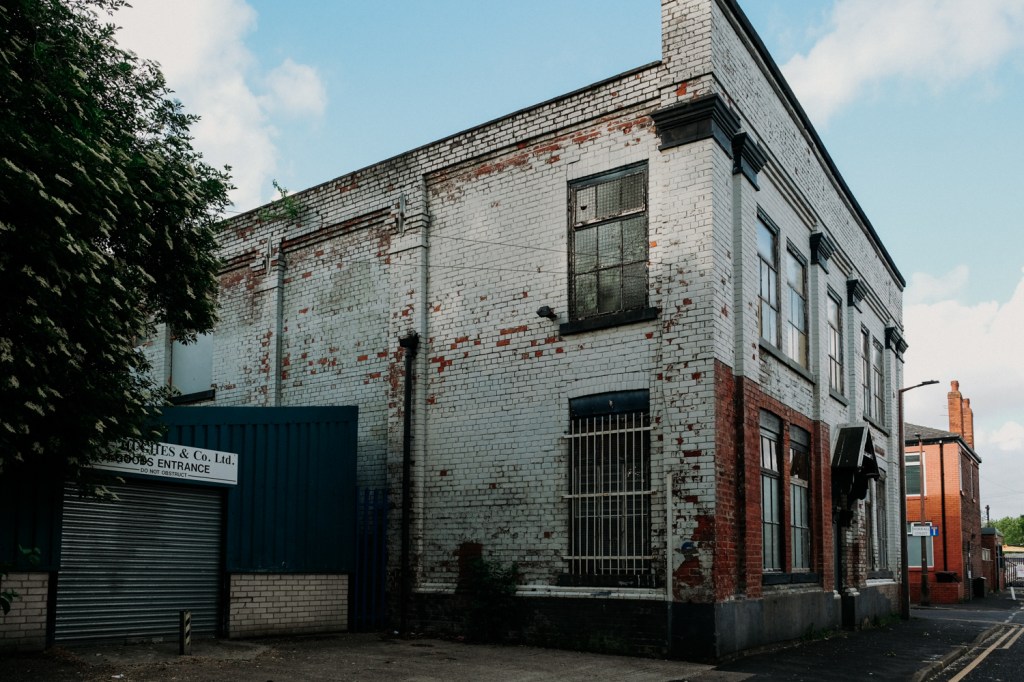
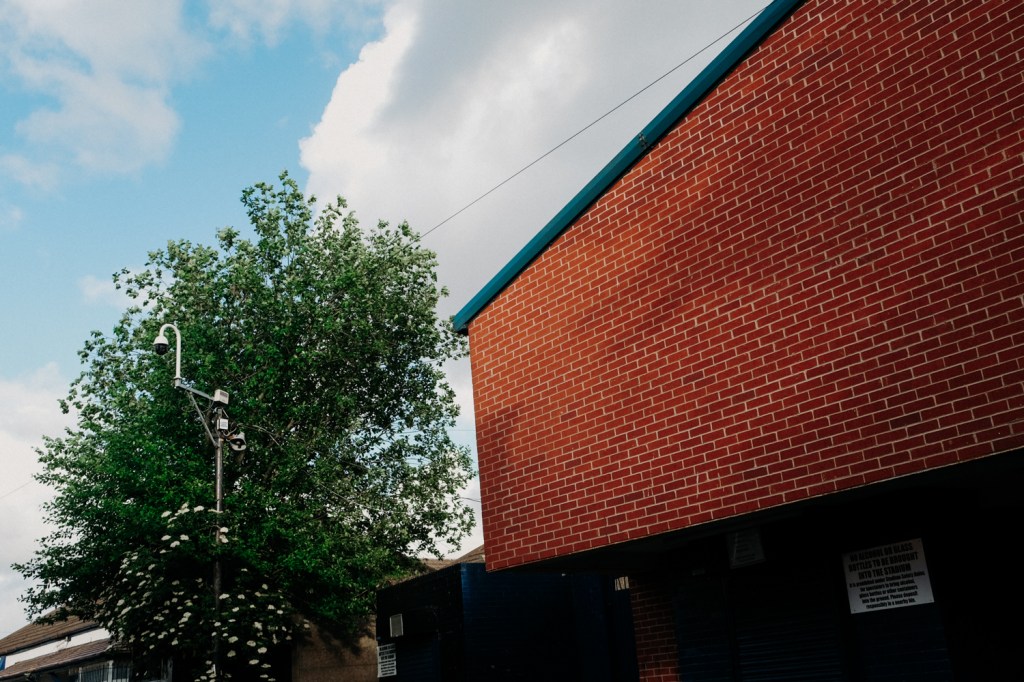
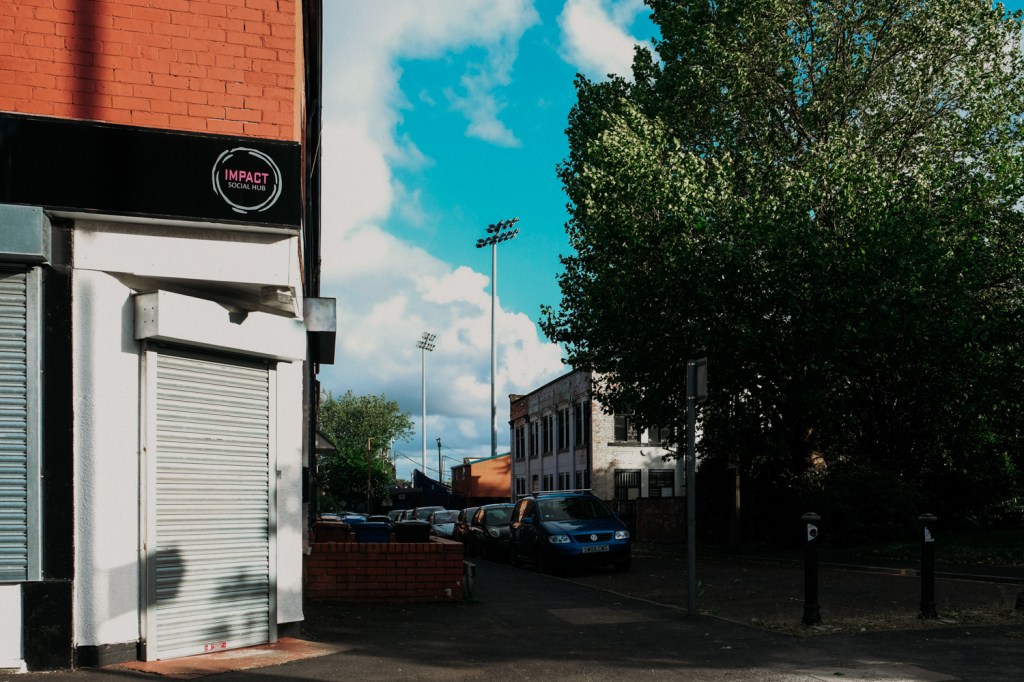
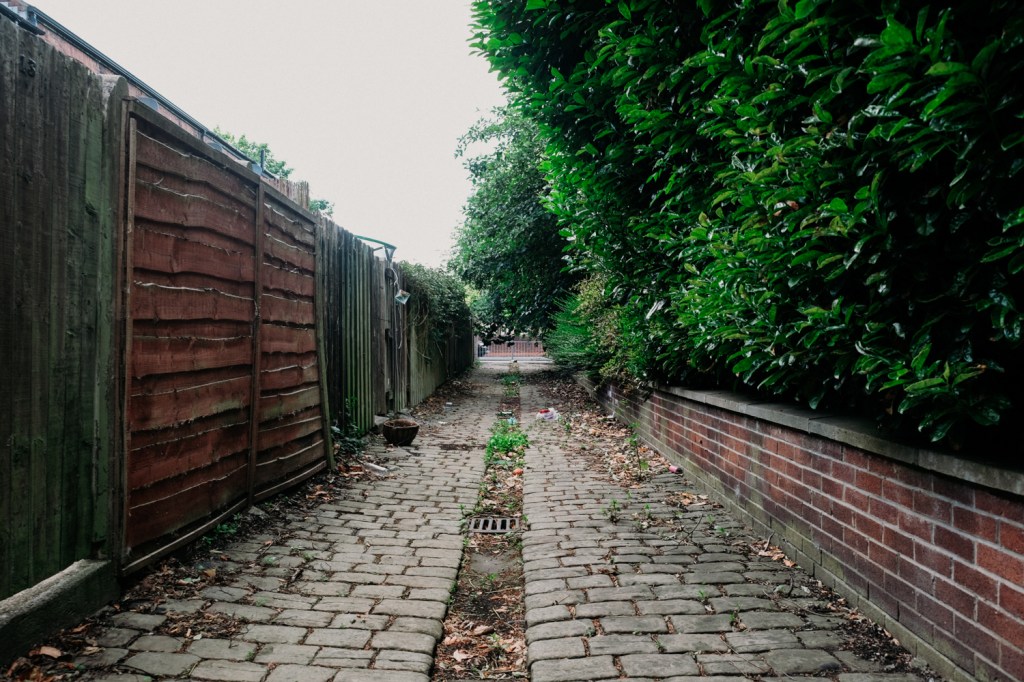
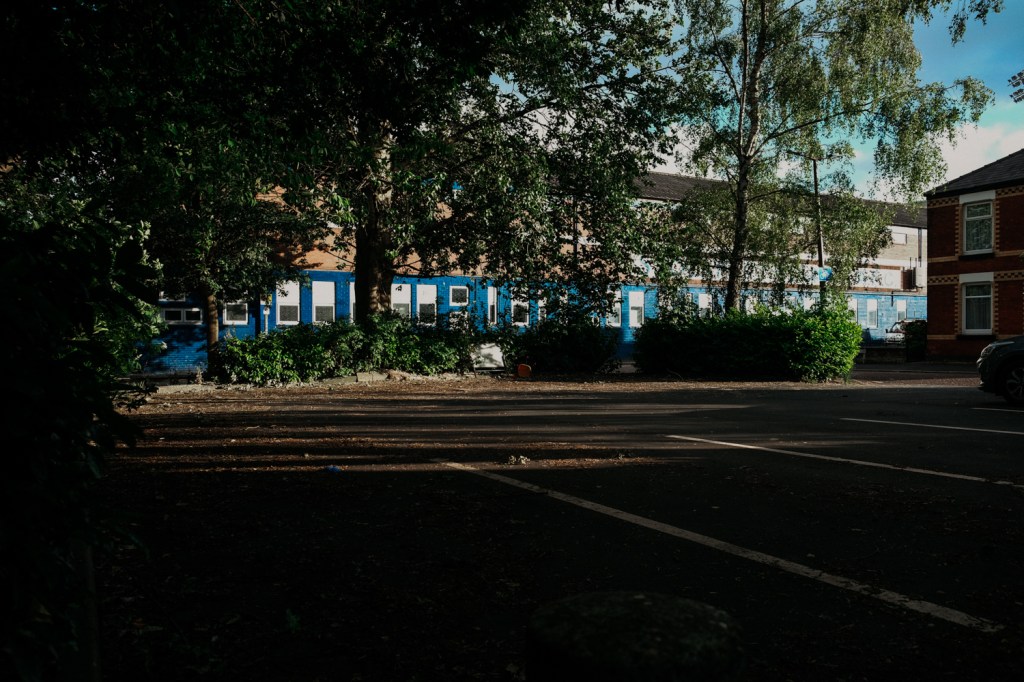
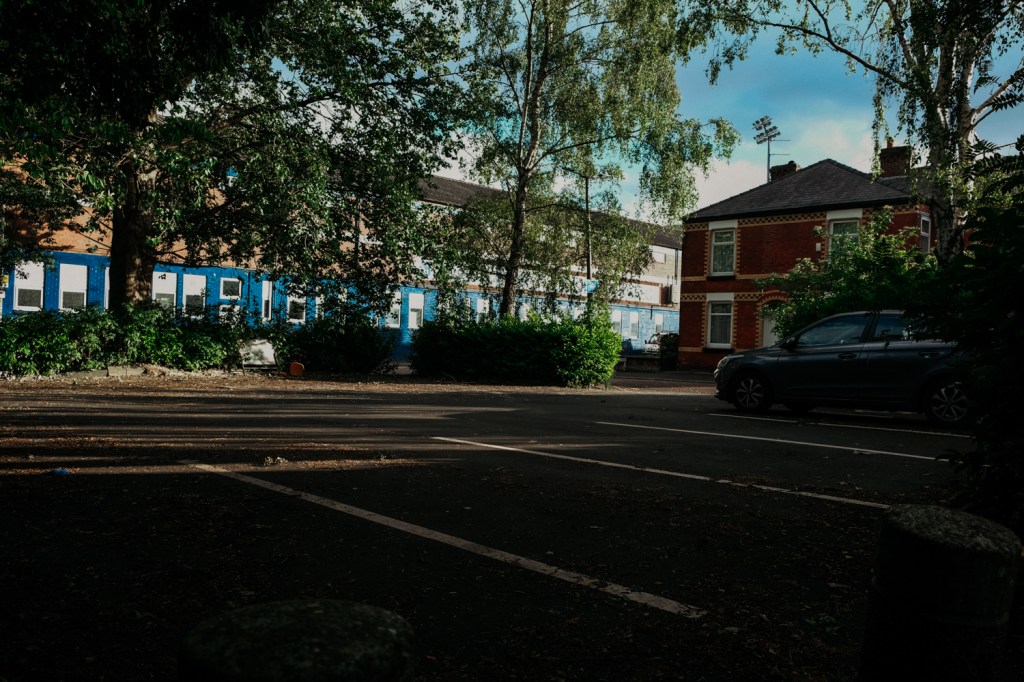
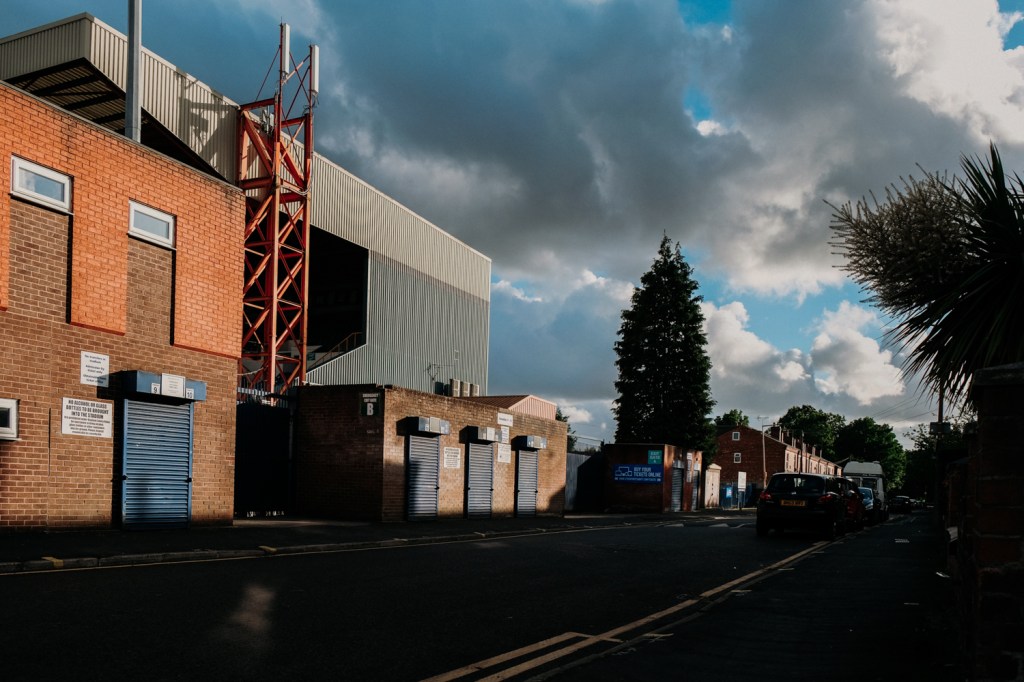
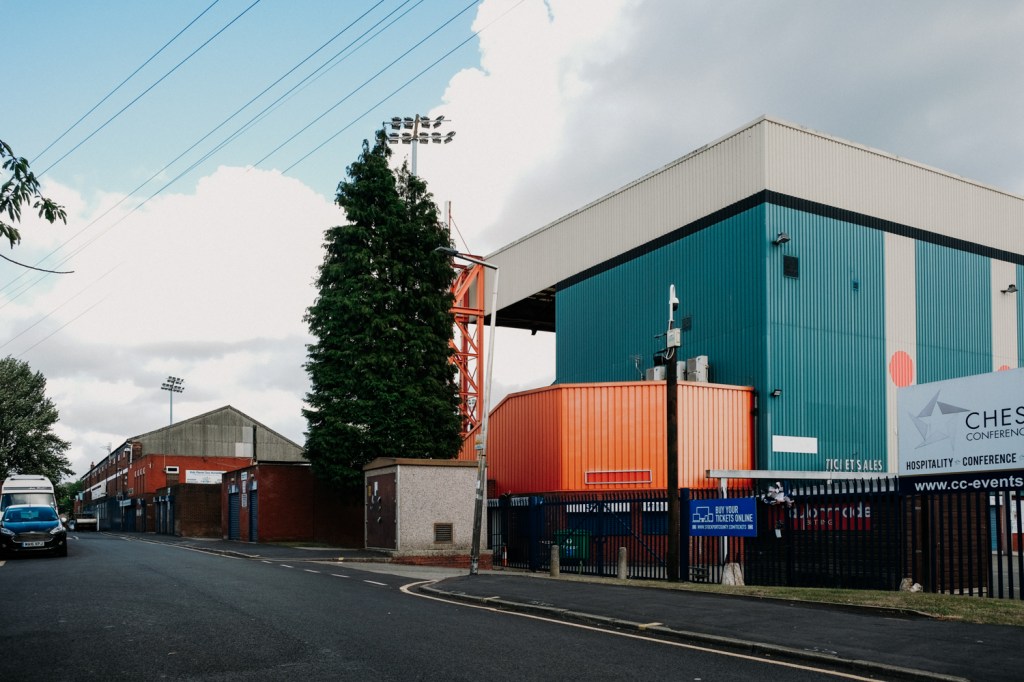
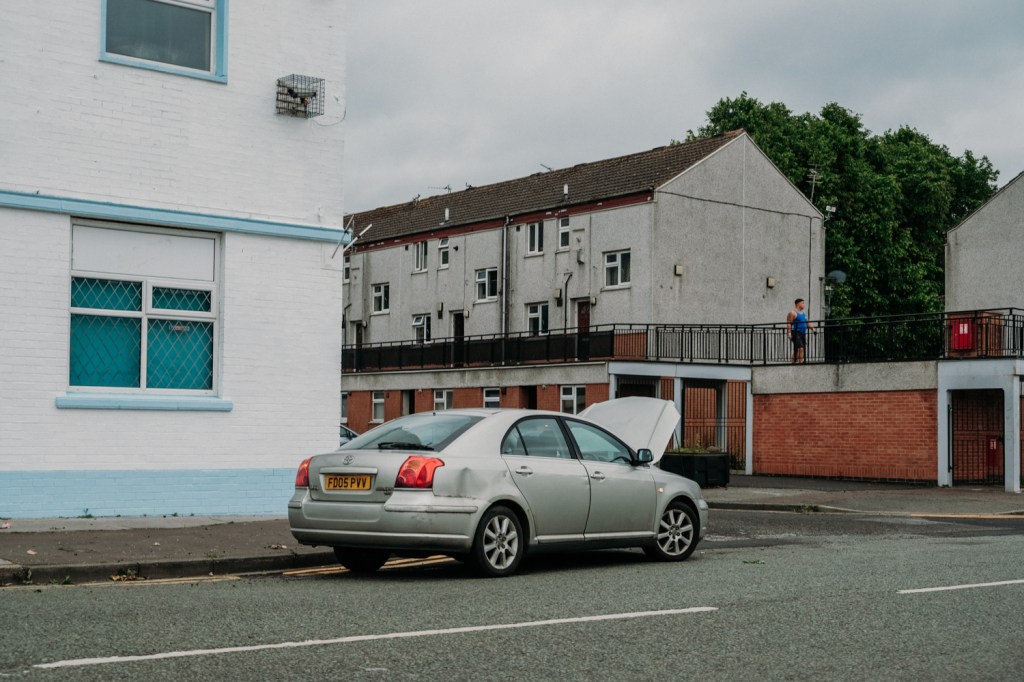
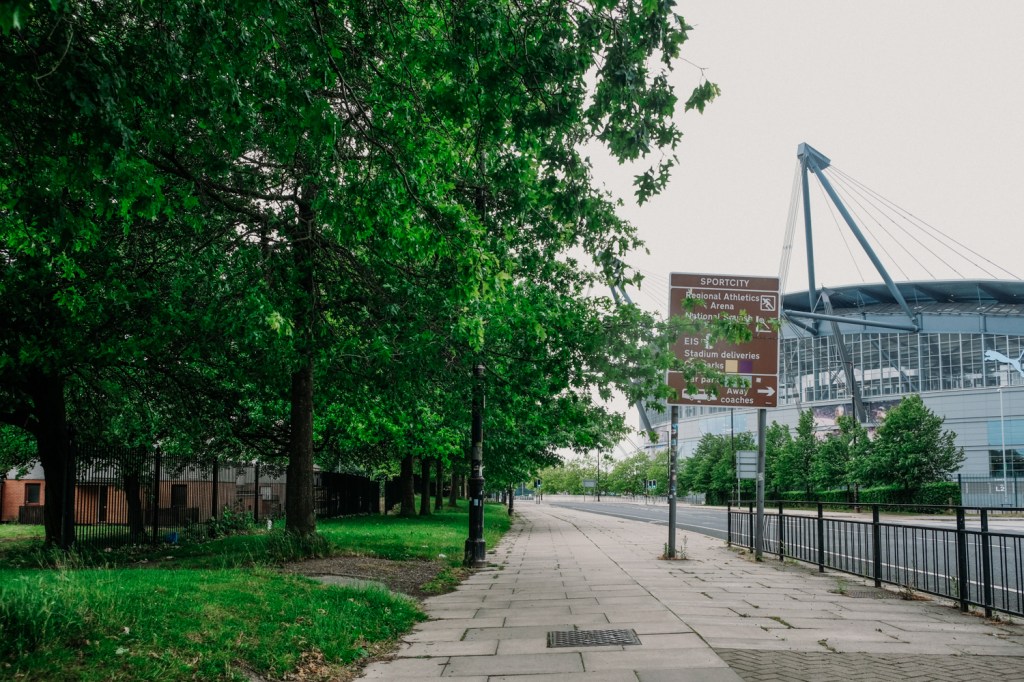
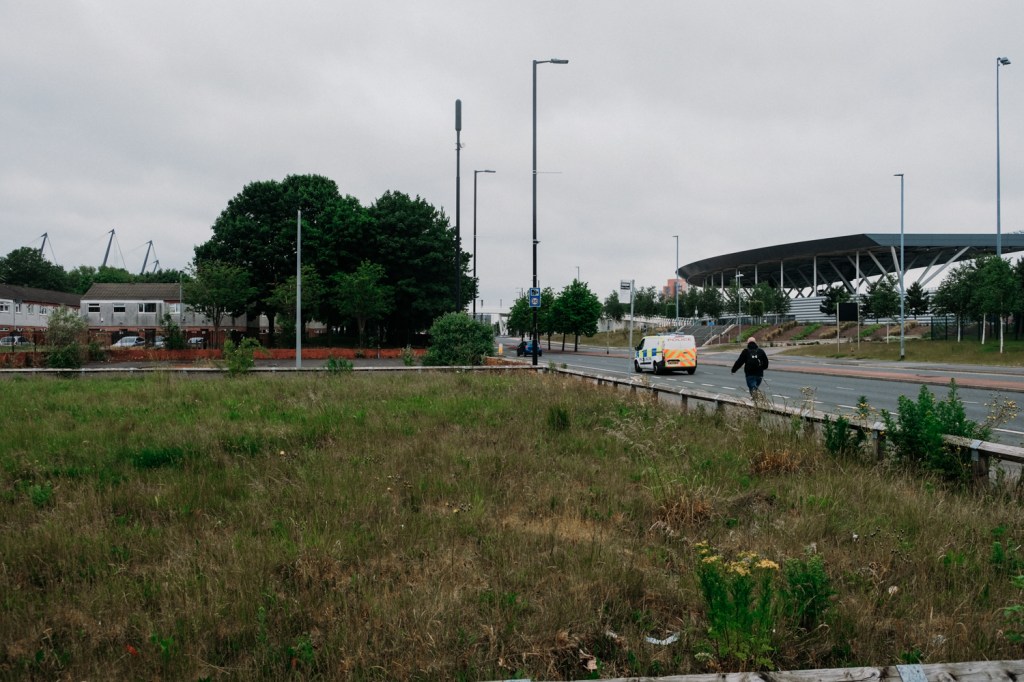
For this shoot my intention was to explore an area of East Manchester which houses the Manchester City football stadium. An area of contradiction.  The modern structures of Sport City as it is known, newly built roads, shopping centres and three stadiums, one for the mens football team, another for the women’s team and an athletics track. 


The area really is impressive. However these structures sit amongst some of the poorest residential areas within the city of Manchester. The motivation for this shoot was to hightlght the inequality and difference within the visual landscape. The old and the new, the future and the past. Whenever I visit this area I feel a sense of emptiness, yet I enjoy the expeience of visiting the surrounding area. Eating chips and having a beer before a concert or a football match. 


However when I enter the shiny complex where the stadium sits, the sense of enjoyment wains. Surrounded by mass commercialism, capitolism at its finest. Yet 100 yards away the story is very different. I have no doubt that the people of Beswick have benefitted hugely from this development but the poor social housing still exists in a type of symbiotic relationship. By inclinanation is to feel that the residents of the area deserve better. 

Michelle Sank Lecture | Personal Reflection

I found the lecture with Michelle Sank informative and and very useful in trying to decode the issues that I am trying to address with my own project. In terms of my approach to portraits, It was useful to learn that Michelle used flash as a fill light to compose her work. This is hugely relevant to my approach as I always felt that using an on camera flash was was unhelpful. Having previously attended wedding photography workshops with the likes of York Place Studios who profess to never using flash within their work. 


In reviewing some of the images Michelle has produced, I really like the way that she uses artificial light in order to expose skin tones and control the light which is something I was advised to do in my last set of feedback. I will definately be experimenting with this approach more as my portrait photography develops. I am taken back to one of the first shoots I did back in the positions and practice module where I photographed an evening football match. I was unsure whether to use flash as I was aware that I would probably be firing the speedlight into the air and felt the effect would probably be quite poor. However, revisiting these images I now feel that it was quite a successful approach. And I feel that some of my best work thus far was made at this shoot. 


Another aspect that I felt is impressive about Michelle’s work is the arrangement of her photographs and the relationship between the subjects and the background. This is something that I don’t feel I have addressed within my own work to a large degree. Listening to Michelle’s approach I was stuck by how careful she is and how thought provoking her work is. I was recently struck by a portrait I saw in the front garden of a local family I saw during on Instagram. The way that the frame was divided in addition to the human presence and secondary narrative between the child and who I assume to be mother serves to enhance the interest and raising questions beyond the visual. In my quest in search of the poetic, I found that this image really helped in trying to understand narrative. It strikes that the narrative and the poetic isn’t defined by the subject matter alone. The consideration of the photographer in terms of vantage point, in a personal sense is represented perfectly in this image with regards to the context of reflecting on how I may improve my creative choices. I understand that these considerations are nothing new and we have considered similar types of questions before but this image was helpful in illustrating such questions in a way that I identify with.


In keeping with my personal development. I have previously blogged about the importance of themes such as vantage point and the use of light. I have engaged with the selection of vantage points in previous shoots within this module. However the key focus here was in relation to photographing landscapes and structures. As a result  of recent reflections I feel that I should and will apply further emphasis to vantage within my portrait work. Combined with experimenting with flash in order to use as a fill light. At this stage, I feel the result of viewing the Michelle sank lecture will enable me to navigate a personal road map to improving my work.

Week 2 Reflection | Shooting Film

Over the recent weeks I have begun to consider without much intuition the idea of introducing analogue techniques in order to further my project. Throughout my research I have ascertained that many of the photographers I admire shoot their images mostly using film cameras. Admittidlay, lots of those artists such as Stephen Shore, William Eggleston and William Christneberry didn’t have the option to shoot digital. However the work of photographers such as Stuart Roy Clarke still choose to shoot film. 


In furthering my understanding of the motivations to shot film Zylinska (2010) discusses the ethics of shooting digital and highlights a range of issues which may be relevant to my project. As my project is about engaging with football in at the less commercialised end of the game and as argued by myself. I always felt that the project was a form of acitvism against the modern game that is disseminated on digital platforms for mass audiences to watch, listen and play interactively. All of which are binary opposites from spectatorship, participation and community. My project was always going to be about documenting the people places and objects which compose the game at a material level, the act of attending, collecting and creating historical artefacts in the form of photographs in different places within the same theme. A form of archiving, Zylinska (2010) provides some substance to my ideas…


‘archiving is an effort undertaken by an individual or institution – an artist, an amateur historian, a museum – not only to preserve the past but also construct a certain version of this past and a memory of it, by including certain objects and traces while excluding others.’


Of course I accept that when firing the shutter I am choosing to construct representations by choosing what to include and this idea isn’t new. However what I find interesting is the idea that by shooting in a digital format. I have the power to look, review and edit my work by reviewing images and deleting them almost instantly. Reflecting on this process leads to the conclusion that by doing this I am conforming to the idea of digital consumption and an instant culture that negates the idea of contemplation and reflection. In engaging with education at this level I feel that reflection and contemplation are central elements to improving my gaze and informing the creative choices I make. I want to see my mistakes and think about them before trying to identify solutions. 


Zylinska (2010) suggests that in using analogue techniques and collecting such work is important ‘preservers of value and the past, as keepers, against all odds, of a certain world that (allegedly) once was.’ 

This idea is hugely relevant to my project and it alligns well with my intent as I visit locations which encompass various structures and objects that have not yet been replaced by things that have been designed with maximum efficiency in mind. They are not new or innovative. In the future lots of these things will dissapear and no longer be functional. They will be replaced with user friendly structures designed with maximum occupancy in mind. As opposed to the places that I visit which are smaller, made from different materials and often bear no relationship to each other. 

Joanna Zylinska (2010) On Bad Archives, Unruly Snappers and Liquid Photographs, photographies, 3:2, 139-153, DOI: 10.1080/17540763.2010.499608

Webinar Week 2 | Reflection

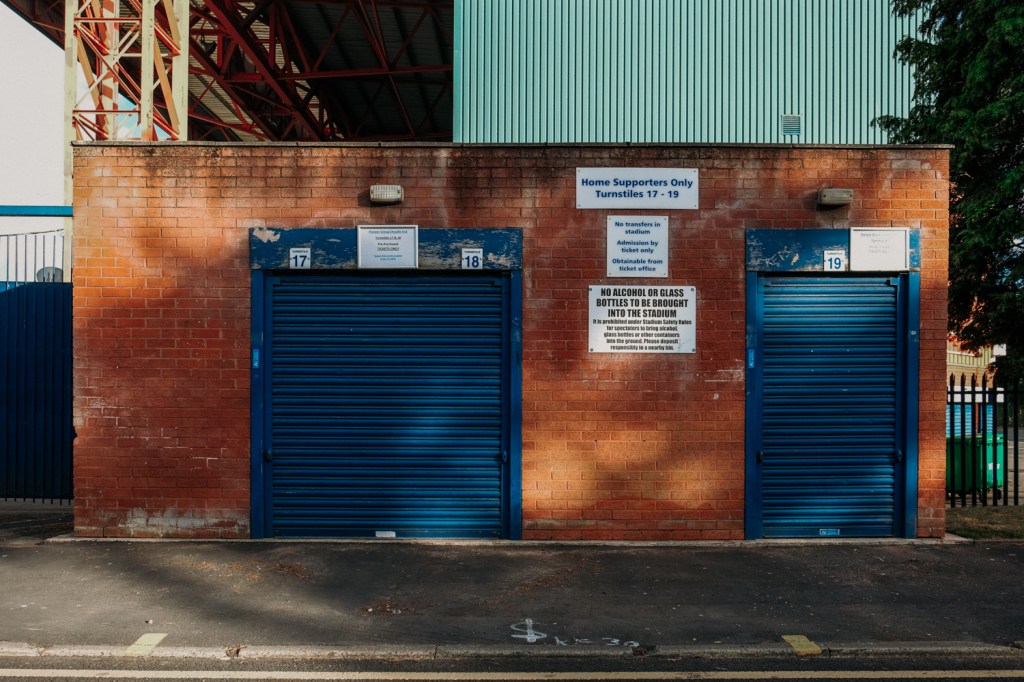
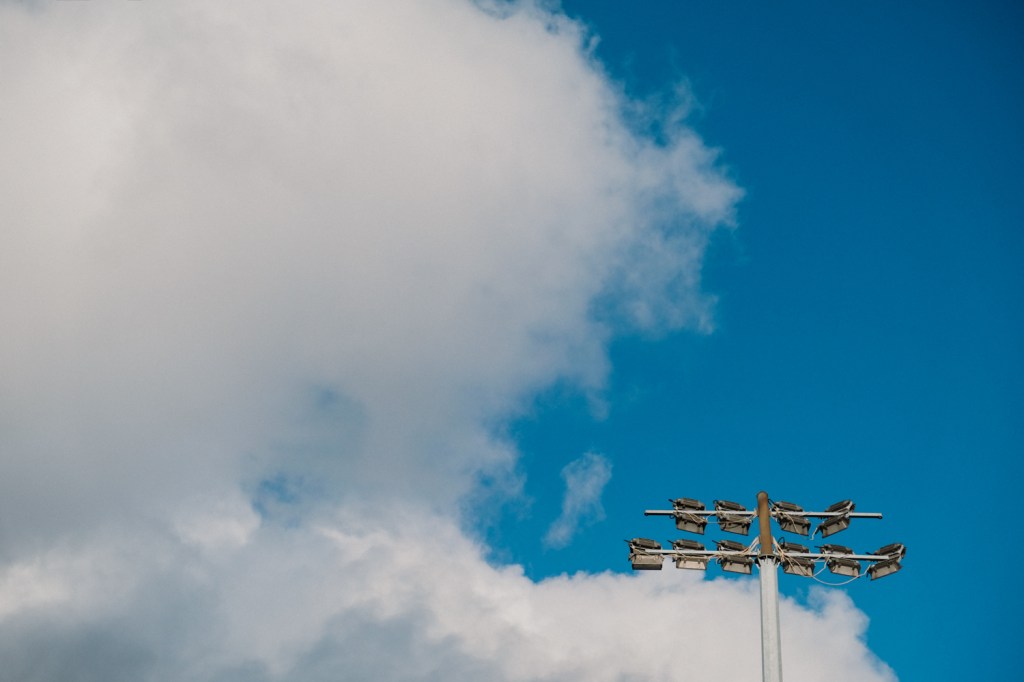
On reflection of the first webinar of this module with Cemre I had prepared images from the weeks tasks, the feedback I recieved was that they don’t really reflect my theme of non commercial football. The images were reflective of the places  in and around a football stadium. My intention was to reflect the broader context of where my project is based. My images do include archetecture associated with the stadium, turnstiles, floodlights etc but I feel the understanding of that wasn’t made clear by myself as I only included work made in the last two weeks. I appreciate that this didn’t really provide Cemre with much of a chance to understand my work on this occasion. 


In response, I emailed Cemre with a link to my last portfolio submission to hopfully provide a clearer indication of my theme. Going forward I feel that a major weakness I have is the selection of work that I choose to present in webinars. In the next webinar I will give a lot more consideration to the sequencing and presentation of my work ensuring that my attendance encompasses work which makes the intent clear. 


Going forward I do feel that I need to consider the intent of my project in further depth. As previously stated I felt that my project was a piece of quiet activism against the modern commercialised game at the higher levels. I feel that a relevant way to illistrate this would be to begin shooting some of my work on film as a reaction to the plethora of modern technologies used to disseminate the game to a non attending mass audience. 


Going back to the webinar, I expressed an idea around exploring male mental health and the connection with community based football as an outlet for people to talk. I feel that this may be an interesting direction and one worth exploring further however I feel there may be a danger of the project becoming too broad and losing impact as a consequence. 


In terms of further research, I have recently been drawn to the work of Alec Soth especially his book Niagara. The combination of people, place and written love letters really works as a narrative with a symbiotic relationship between elenents. Adding some type of written content to my project in order to support the message of my project may be a good idea to provide anchorage and I will cultivate this idea further. 

Edgeley Park Shoot | Gallery

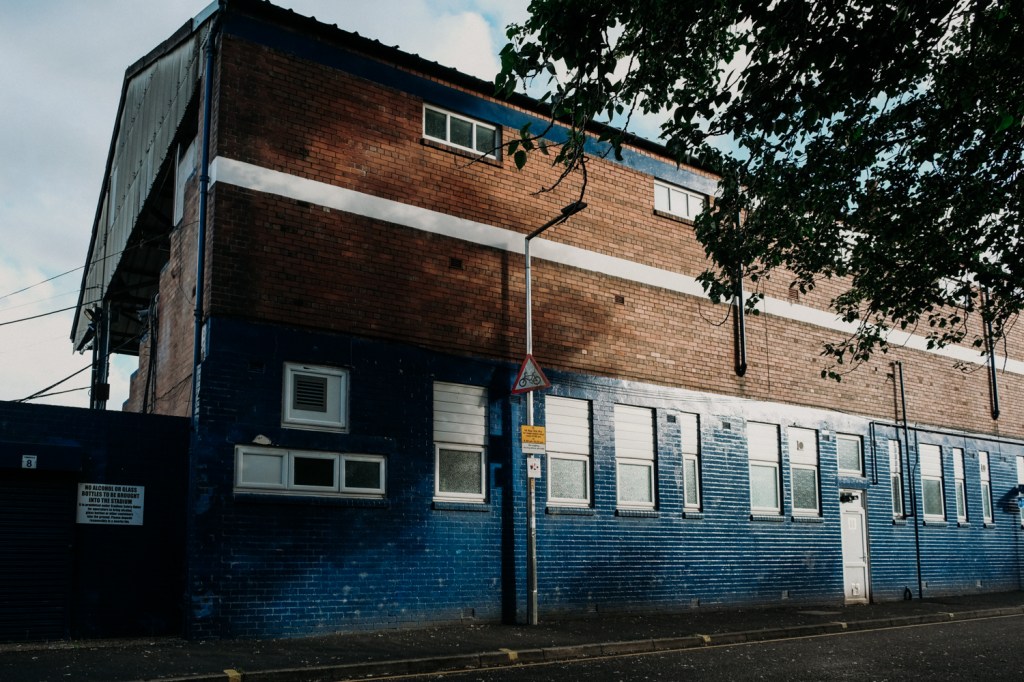
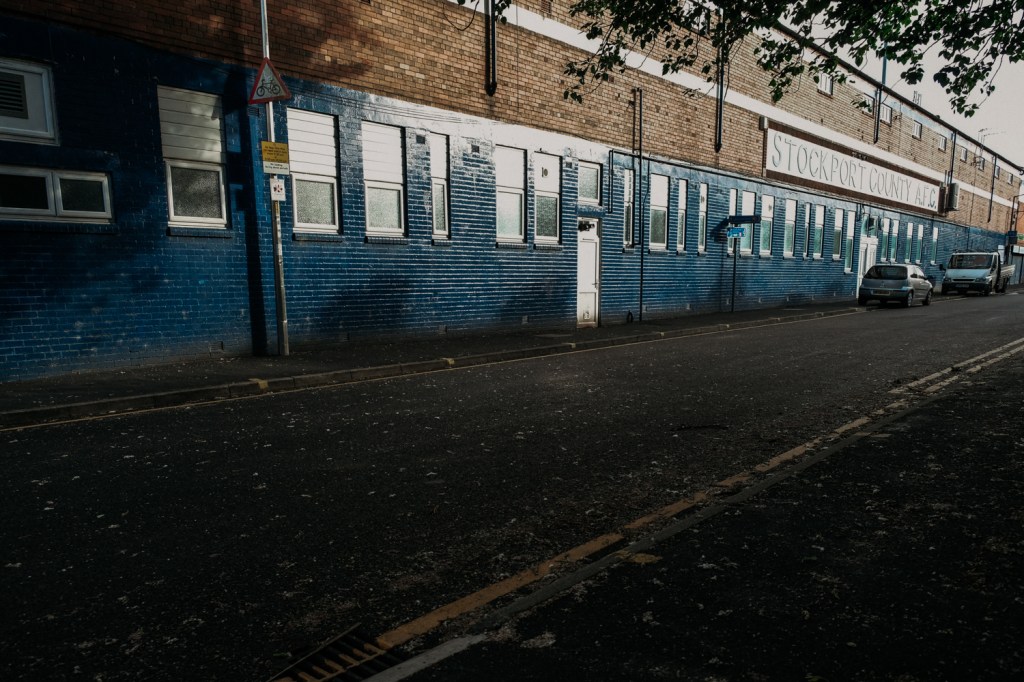
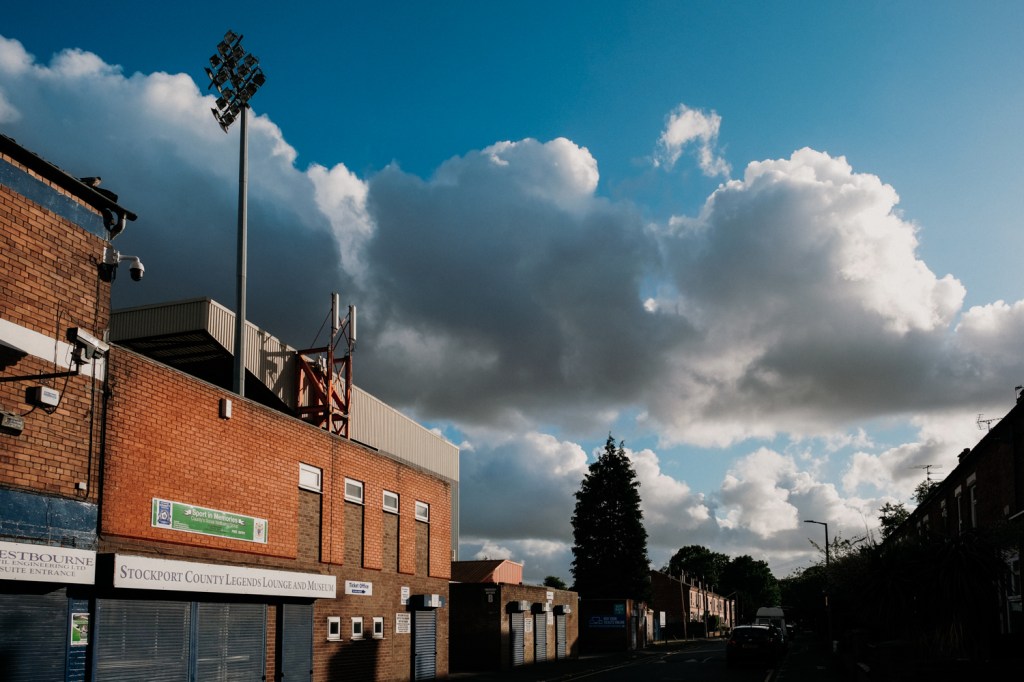
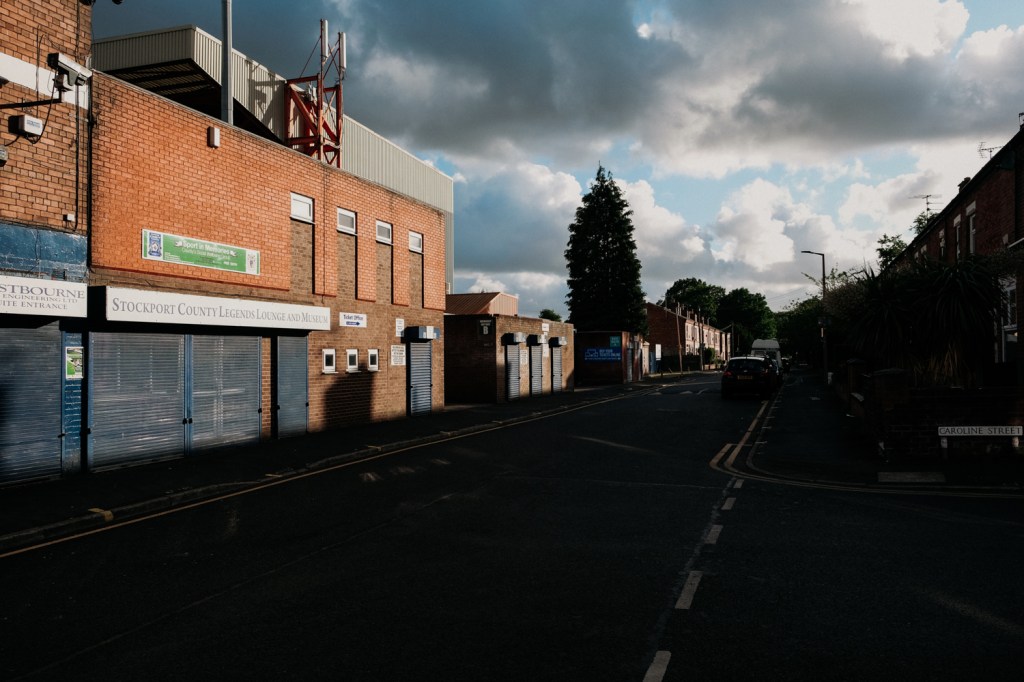
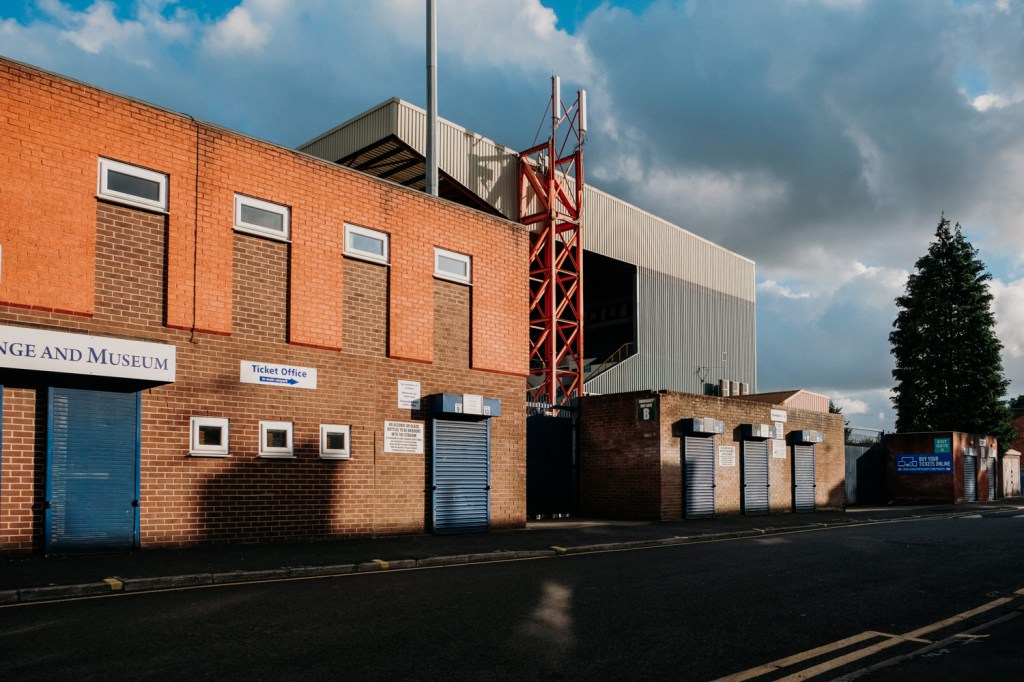
In response to the re-photography task in week 1 of the Surfaces and Strategies module I decided to revisit Edgeley Park, Stockport. I timed my shoot to coincide with golden hour in order to experiment with a different type of light. I also felt that it was a good opportunity to make some work which isn’t driven by human presence. Eggleston comments that when shooting he looks to separate colour from composition. Therefore I wanted to make this a theme within these photographs. I further intended to try to layer images and find alternative and peculiar vantage points as a result of the weeks reading. Another current influence is the work of Alex Webb who comments on his intention to create complex images which stop short of chaos.

I was also mindful of recent feedback from my tutors who suggest that to include more of a context, one would benefit from stepping back in order to include more of the environment. In using this approach I hope to learn more about the creation of a poetic image which alludes to a narrative or metaphor. I am conscious that some of my previous work is one-dimensional and although I feel that there is a place for this type of work, throughout this unit I intend to be ambitious in the hope of strengthening my voice.

In the days/weeks to come I will visit new locations however the current lockdown measures will hinder my ability to make work which has a human presence and fulfil my intentions. Therefore I will continue my research into photographers who shoot colour such as William Christenberry and Stephen Shore.

Week 1 Reflection | Re-Photography

My current practice is based around the theme of non commercialised football/soccer in the UK. To date I have produced work of a documentary nature, driven by human presence although I have engaged with some work which focuses on objects associated with the game at grassroots level. 

Within the week 1 tasks set in the Surfaces and Strategies module I revisited the area of Edgeley in Stockport which has been a significant destination for my work. I rephotographed some of the places outside of the football ground Edgeley Park. Opportunities were somewhat limited due to the current lockdown measures however the task was both relevant and rewarding. I then visited for a second time this week with the intention of producing a number of images in order to produce work which encompasses a wider context. This had varying success but I have begun to understand how such processes work and might be relevant to my work. 

At this stage, the methodologies have taken a type of trial and error  approach. I have struggled with vantage points, and shooting at a range of focal lengths to experiment with different effects. I will definitely be experimenting further as more opportunities arise as locations become more accessible as lockdown begins to ease. 

Going forward, my approach will explore the themes of environments and objects. The often tired and dated nature of non league football stadiums in addition to a developing gaze I hope will lead to furthering my own voice as a photographer. 

The week’s theme of re-photography has been somewhat enlightening in considering the range of approaches in addition to how new and emerging technologies are utilised to record the passing of time and understand the implications of this. 

When looking at my own engagement with rephotography, I was able to consider my work in a much quieter sense, standing back and contemplating before shooting. This has been a relevant experience personally as my work is driven by people and chasing moments that audiences will identify with. 

Being able to then compare images was useful and provided an opportunity to see my work in a different way and shifting the relationship I have with the photographs I take. I found that matching vantage points was very difficult and contemplating the impact of this was useful. 

The last module I explored portrait photography and the idea of the deadpan face and its ability to raise further questions. My recent work has been challenging in that it has required looking deeper, contemplating the whole frame and composition.  

My research of late has been in the area of focusing on objects and environments as opposed to people and human activity at football matches. My research is currently in the direction of the work of William Egglesdon, Stephen Shore and William Christenberry. All of which provide a powerful blueprint for the future direction of my work in the short term. Coupled with recent emphasis on vantage point and light, I have been able to reflect on the choices I make and consider how my personal voice is emerging and could be improved throughout this module. 

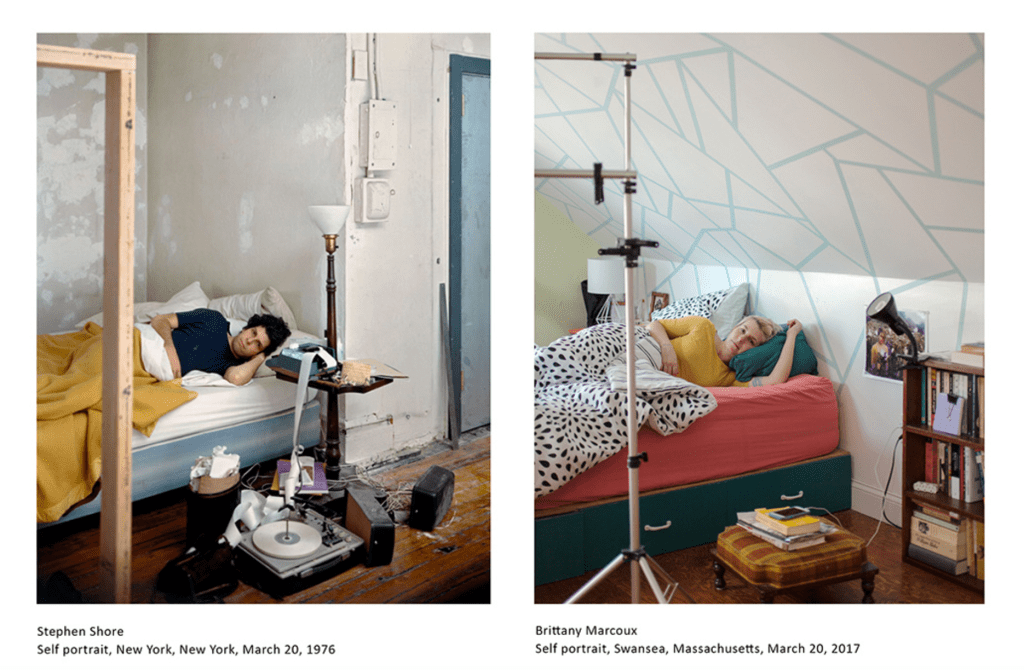
The Shore Project by Britanny Marcoux is an interesting use of rephotography and has its roots in fandom and the audience as producer as opposed to being an audience alone. Made possible by digital platforms such as instagram as a point of exhibition. More research into this type of fandom will be part of my personal roadmap in this case. 

Chatonsky and his project Vertigo@Home was a little more complex than the Shore Project in that the combination of the scientific recording of google street view with the musical score used in the Hitchcock film. This led to the consideration of how to separate discourses within my work. Using colour and thinking about the reason for this as opposed to shooting black and white. A factor I was criticised on when submitting my previous portfolio. 

Baudrillard, J ( 1994) Simulacra AND Simulation, Michigan, The University of Michigan.

Chatonsky, G (2015) Vertigo@Home, [online] Available at: http://chatonsky.net/vertigo/ (Accessed: 8th June 2020)
 

Chatonsky | Vertigo@home | Contextual Research

Chatonsky and the project ‘Vertigo@home’ is an interesting project in which he used google street view to recreate a scene from the 1958 film by Hitchcock, while using the soundtrack from the original film. This creates a bizarre union between sound and the visual which separate expectations between the ritualistic acts of using google street view and watching a film for pleasure. 

When one uses google street view they are active in choosing the route or place they are trying to get to, assuming the the operator is using it for a purpose and not to roam around. In watching a film the audience is positioned as passive although the ideas of active and passive spectatorship are aknowledged. 

In a personal sense, the interest here is the collision between the act of the functional with the act of pleasure by consuming art. The result is a mediated experience where one experiences the disjuncture between these two rituals, the functional, and pleasure. Sprengler (2014) comments on the ‘Although google Streetview offers us a virtual tour of San Fransisco, its images are read as real.’ However the score invites us to scrutinise the audio and I would argue that the music begins to dominate the consumption of the text which is rare as the sound/score of a film is often used to punctuate the visuals to bring understanding to the audience. In this case, conventions are deliberately subverted and provide a further passive experience here.

One may compare this text with the act of a teenager watching a video game walkthrough on YouTube. Not playing the game, but watching someone else play a game. 


The outcome of this project in synthesising the non-diegetic audio with the functional visuals of google street serves to produce a strange juxtoposition between science and art. Baudrillard makes ralatable conclusions when considering the book ‘Crash’ (Ballard 1973:116). The book explores a community who seek pleasure and sexual gratification with victims of car crashes.

Boudrillard comments ‘It is not a question of orgasm, but of pure and simple discharge. And the coitus and sperm that traverse the book have no more sensual value than the filigree of wounds has violent meaning, even metaphorically speaking. They are nothing but signatures’.  

Vertigo@home may be relatable to the ideas perpetuated by Baudrillard in relation to the google street view images rendering them as ’signatures of the film’. The images are not, and never will be part of the film however the route depicted will always have a vague association.

The google street view images are not loaded with intentional ambiguity for the meaning making process in the cinema or literary world, much in the way that Baudrillard (1982: 115)  highlights the language used by Ballard (1973) to seperate the literary discourse ‘Here, all the erotic terms are technical. No ass, no dick… But the anus, the rectum… No slang, that is to say no intimacy of sexual violence. But a functional language’. Here is where I draw similarities with the functional nature of the google street view in order to produce vertigo@home. 


In conclusion the project may support the idea of being a type of re-photography project, even a simulacra of sorts to produce a phantasms. The project also illustrates the possibilities of the ‘virtual’ by using technology sich as google street view in combination with texts such as classic films such as Vertigo. 

Brittany Marcoux | Contextual Research

Brittany Marcoux and her project ’The Shore Project’ is an intreguing approach to rephotographs. In creating a project that is a homage Shore.

The work is interesting when coupled with the original work by Shore and the shift in time is clear. Buildings have become dated or in many cases replaced by newer structures and it this is where the real interest is in a personal sense.

When observing the images my first experience was to observe the similarities before inspecting the differences. Is it the same structure? What has been replaced? How has the landscape changed?  

Such questions may align with the intentions of Marcoux as she states on her website about the project…

‘I hope to raise many questions such as these and make photographs that offer the visual pleasure of looking as well as provide a way of seeing objective change’. 

I feel that Marcoux has been successful in achieving the objectives she outlines for this project and her accuracy in composing the work provides voracity to the claim of seeing objective change. Relating to my own experience of consuming these works in such a way  Klett et al (2011: P117) offers guidance in order to aid contemplation. 

‘Carefully relocated vantage points result in photographs that convince viewers they are made from the same place, and encourage greater participation in interpret­ing the image contents. By eliminating the variable of where two photographs were made in space, the viewer is free instead to contemplate other differences, such as visible changes between the two views’. 

Klett’s emphasis on the importance of the vantage point represents a clear indicator of the success and voracity of Marcoux’s approach which is one of the central reasons the viewer is able to inspect the shift in time and change.
This work is interesting in furthering awareness of the work of Shore which I suspect that he would be pleased to be acknoledged in this way. Furthermore, the work when positioned side by side may invoke and rejuvonate phantasisms (Baudrillard 1981) in international audiences about American identity and the unique landscape consisting of wilderness, capitalism and a warm climate. 

In a personal sense I found myself making such phantasisms in the recognition of my own experience of living in the USA. The vanacular landscape, romance and poetry of Shore’s images has been capitolised on by Marcoux which has polite interest but it could be argued lacks a personal voice.

Brittany Marcoux, The Shore Project

Books

Baudrillard, J ( 1994) Simulacra AND Simulation, Michigan, The University of Michigan.

Klett et al (2011) The SAGE handbook of visual research methods (Repeat Photography in Landscape Research), New York, SAGE.

Websites

Marcoux, B (2010) The Shore Project, [online] Available at: https://www.brittanymarcoux.com/statement-3 (Accessed: 5th June 2020)
Contextual Research | Alex Webb

Building on my awareness of practitioners I am currently drawn to the work of Alex Webb. On my journey to understanding the ‘poetic image’ I have opened up to a new understanding or appreciation of work which really stands out and take personal enjoyment from. In studying the previous unit I begun to engage with a range of practitioners such as Todd Hido, William Eggleston and Stephen Shore, all of which I will research in further depth in order to inform my project.

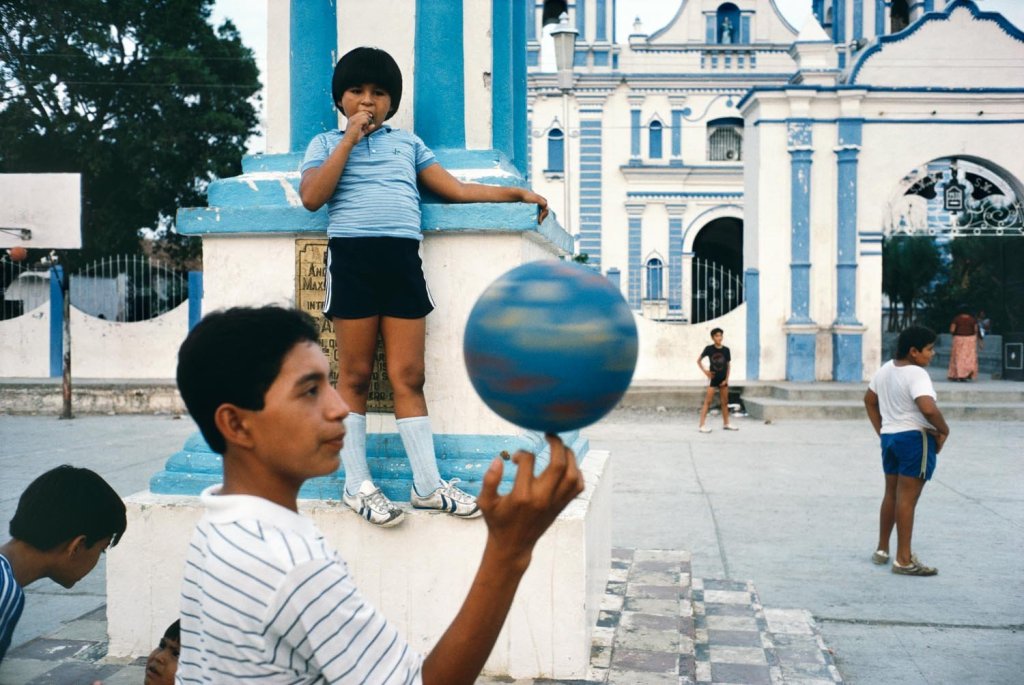
Within this post I have selected some photographs of Alex Webb which I feel will inform my community football project.

Figure 1:: Alex Webb

Figure 1 is an image that I would like to echo within my own project. Obviously, the presence of a football provides anchorage to my future intentions however the complexity of the image encompassing seven people while encompassing a clear theme of the colour blue in addition to a secondary theme of stripes and squares is quite magnificent. One could be suspicious as to whether this is a constructed image however that is unimportant in a personal sense because the vision of Webb to even plan such an image is so powerful. Snyder and Allen (1975: p65) cite Szarkowski who argues “the artist begins with the subject then does something to it – deforms it somehow, according to some personal sense of style” Szarkowski’s ideas are particular relevant to the work of Webb in the sense that the arrangements he composes in much of his work suggest a distinctive and complexed style. The fusing of the colour pallet to provide semiotic union with the composition and allow photographs such as figure 1 to come to life.

Culler who cites Riffaterre (1981,p 89) argues that ‘Reading a poem is a quest for unity, and unity is achieved or perceived only when the reader abandons the apparent referential or representational meaning of the discourse and grasps the unifying feature of factor that the various signs of the poem express by indirection’.

In considering figure 1, Webb’s photograph is a powerful example of unifying features such as colour, gesture and composition in order to produce a discourse which suggests a universal theme of children playing in the street. In addition to the lady in the background which suggests a parental element, ‘checking on the children, whilst the children in the bottom left of the frame appear to be engaged in a discussion of type. Webb himself (2014: p41) states in relation to his approach ‘pushing the frame to include more and more, just up to but falling short of chaos’. The assertion of Webb in the case of figure 1 certainly holds relevance as the image isn’t chaotic however I would argue that it is a very busy image while providing the viewer with a sense of space and time.

Culler, J (1982) Culler, The Persuit of Signs, Routledge, London.

Snyder, J. Allen, N.W. (1975) ‘Photography, Vision and Representation’ in Critical Inquiry, Vol.7, No.1. (Autumn, 1975)

Webb, A and Webb, R (2014) On Street Photography and the Poetic Image. Aperture, New York.

Week 1 | Repeat Photography

Comparing Images

At present, my understanding of this field of work is quite basic. However having engaged with making work of this nature I am developing an understanding of the challenges and motivations for making such work. In making work I am drawn to the intrigue and and change in the relationship an audience has.

Figure 1: Repeat Photography | Armoury/Greek Street Roundabout by Drew Findlay

My initial attempt to making repeat photography was both interesting and challenging. Figure 1 is a photograph I produced last year with the image on the right being my recent attempt. The first challenge I faced was concerning the vantage point. When I revisited the vantage point I was referring to a copy of the image taken last year which I had as a reference on my phone. This was useful in a very general sense however due to the vantage point being an elevated position, it was difficult to look at my phone, hold the camera whilst composing the shot. From this experience I quickly learned that considering the vantage point is pivotal in taking on a task of this nature. Klett (2011) suggests that a vantage point can never be exactly replicated and that unintended juxtapositions may be created as a result of this. In my own attempt, the approach was to use the black and white building as an anchor point whilst thinking that if I am accurate then the rest of the photography would fall into place. It is fair to say that this approach was unsuccessful in terms of vantage point however the result may still be interesting. The success within this experience is that an audience would be able to recognise where the photograph was taken and in looking at the image as a pair, the audience would be required to engage further to contemplate the differences within the images.

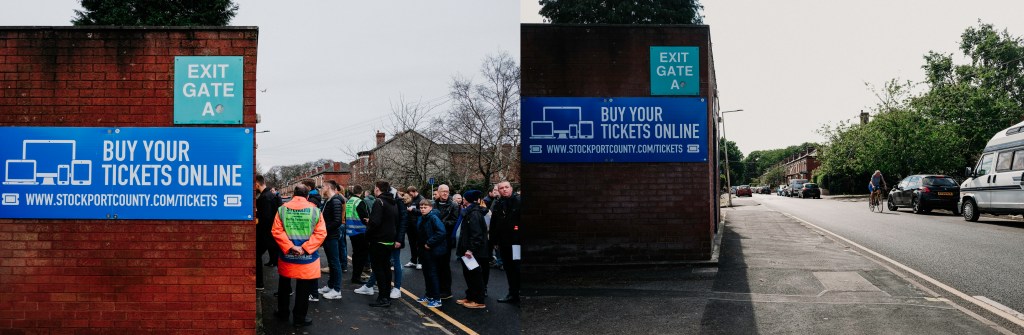
Figure 2: Repeat Photography | Turnstile, Edgeley Park. Stockport

My second attempt was closer in terms of vantage point to figure 1 although still some way from being accurate. As in figure 1, this image dominated by the absence of people which leads to a much quieter experience for the audience. The colour temperature was also a dictating factor when composing. Shooting in hard light served to make the orange brick structure appear much darker as the vantage point dictated that the photographer was required to shoot into the light. Klett (2011 p120) reaffirms conclusions made by stating ‘Together, careful replication of vantage point and lighting duplication provide the best visual evidence for monitoring changes over time’. Further elements suggest the shift in time such as the growth of the trees in addition to the cyclist who appears to be riding for leisure due to lack of safety equipment suggest the photograph was taken in Spring/Summer.
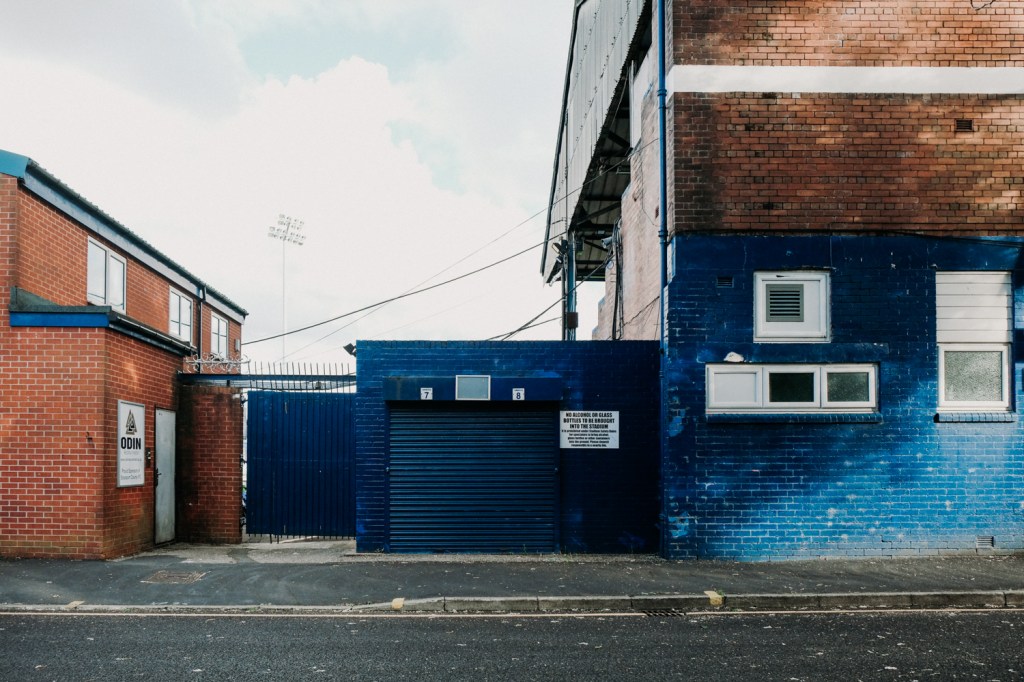
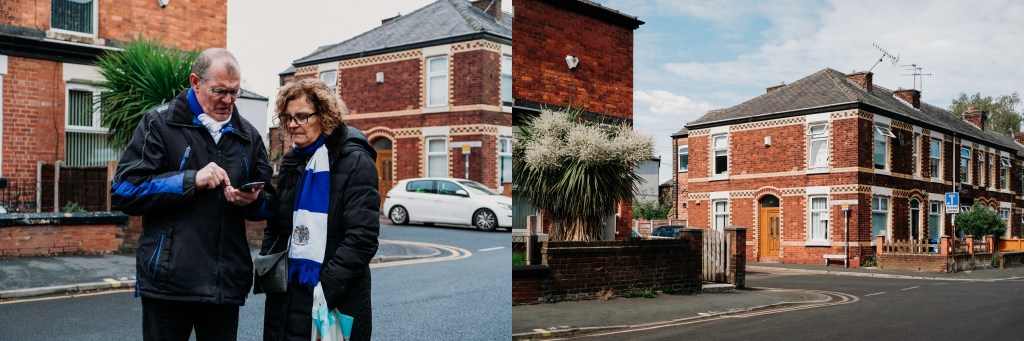
Figure 3: Repeat Photography | Castle Street. Stockport

I feel that figure 3 is the Mose successful of the combinations presented within this post. Again the vantage point is slightly different again in being a wider shot. In this case I feel the absence of human presence changes the not only the genre of the photograph but also the relationship a viewer has with the image. The tree to the left of the image points to a shift in time while the anchor point to the image rests in the centenaries of the frame supported by other layers of interest such as the junction in the road in addition to multiple entrances and such as windows, gates and doors.

I feel figure 3 represents personal development as current research in the direction of Alec Soth, William Eggleston and Steven Shore.

Working with Multiple Photographs

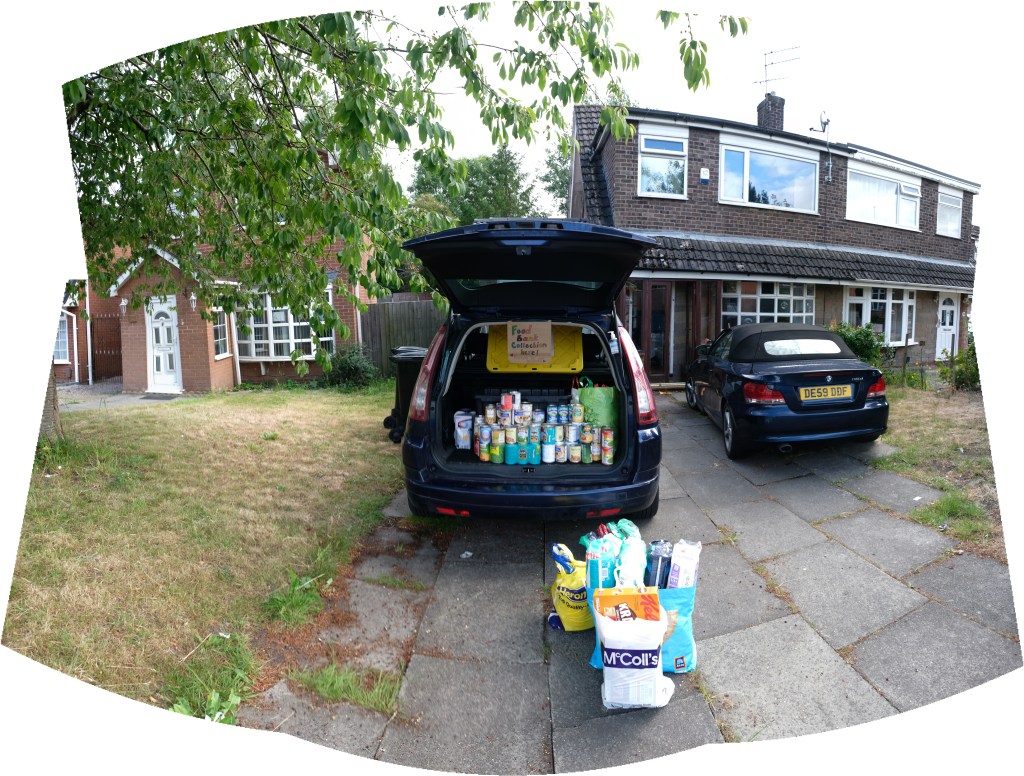
Figure 4 is the first engagement with working with multiple photographs and combining them to produce an image. I did have some knowledge of this technique through my commercial work within the wedding industry. The method is often used by Ryan Brenizer who utilises photoshop in order to produce dramatic portrait photographs. My first experimentation is an image of a food bank collection organised by my partner. When engaging with this technique I was unsure of what the outcome would be or if the attempt would be successful. In terms of the result, I am pleased that the technique appears to work in a technical sense in addition to being slightly amazed by the seamless result.

The intention of this technique allows the photographer to include more of the context within the image in order to invite the viewer to better understand how the subject has been depicted (Klett 2011). In anticipation of utilising this method further. I will research and experiment in further depth the presence of the context in addition to the lens distortion. Major questions at this time beyond experimentation are where, when and how I would use such a technique.

Technical considerations:

Vantage point, light and context.

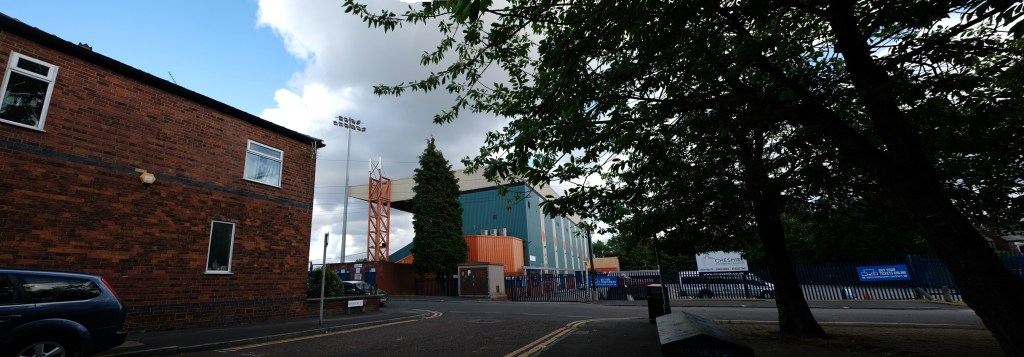
Having experimented with compositing techniques I have furthered this approach and attempted to relate the work to my own project. The image below was taken at Edgeley Park in Stockport. I feel the image does have some interest and the effect is quite novel, however the photograph does appear stretched and distorted. This I suspect is because the focal length (24mm) is probably too wide for such a technique. Therefore the next stage of this trial and error project will be to shoot images using an 85mm lens which may offer further compression adding to the authenticity of the image.

Books

Klett et al (2011) The SAGE handbook of visual research methods (Repeat Photography in Landscape Research), New York, SAGE.

Websites

Brenizer. R. (2012) Fearless Photographers, [online] Available at: https://www.fearlessphotographers.com/photographer/953/ryan-brenizer (Accessed: 5th June 2020)