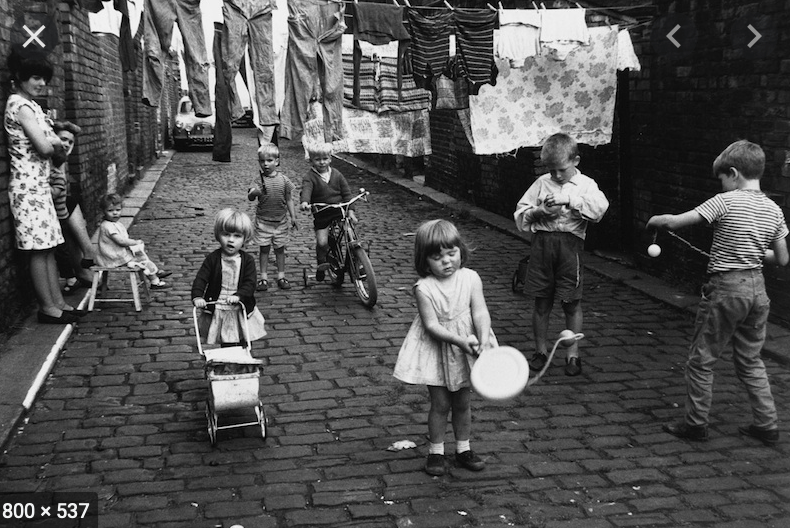
Week 6 | Exhibition Research

I feel that the best way to start this post is to refer to my earlier forum post about my intended exhibition.

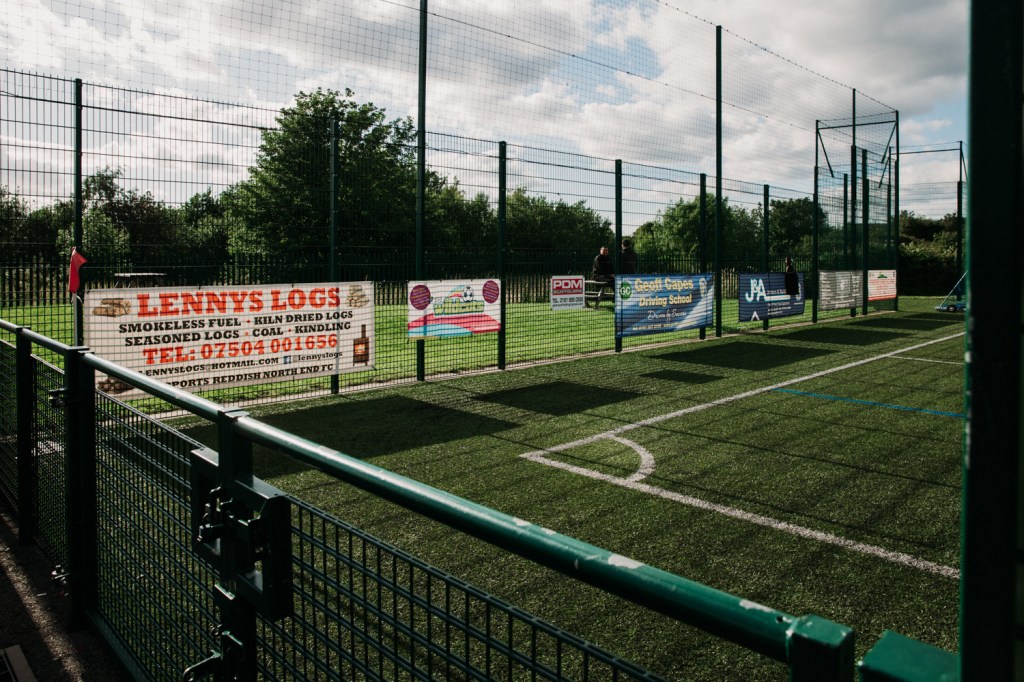
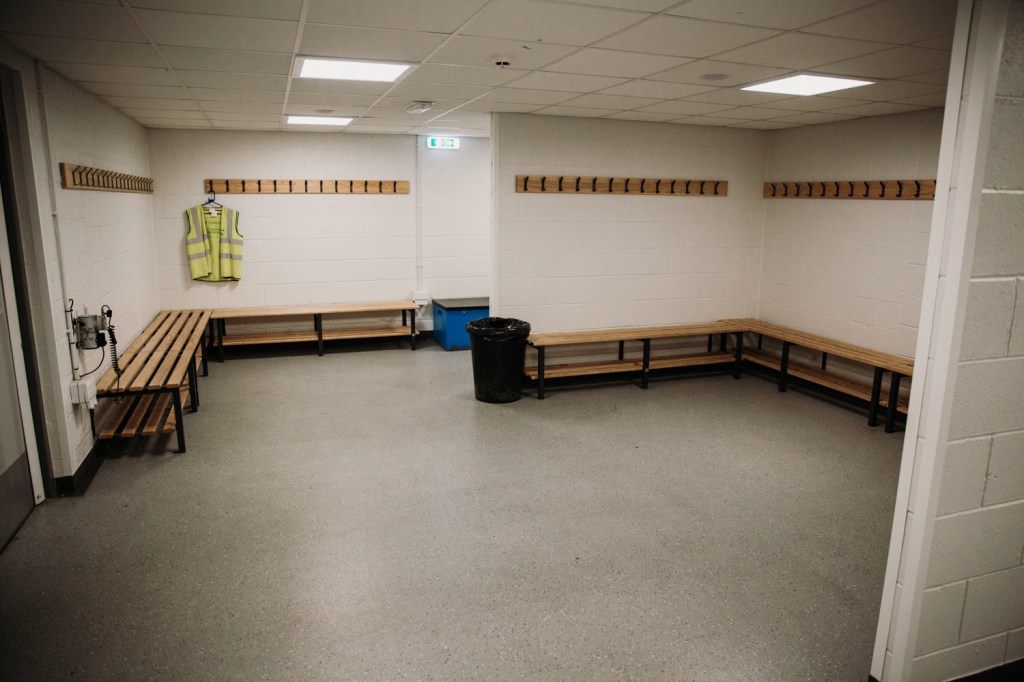
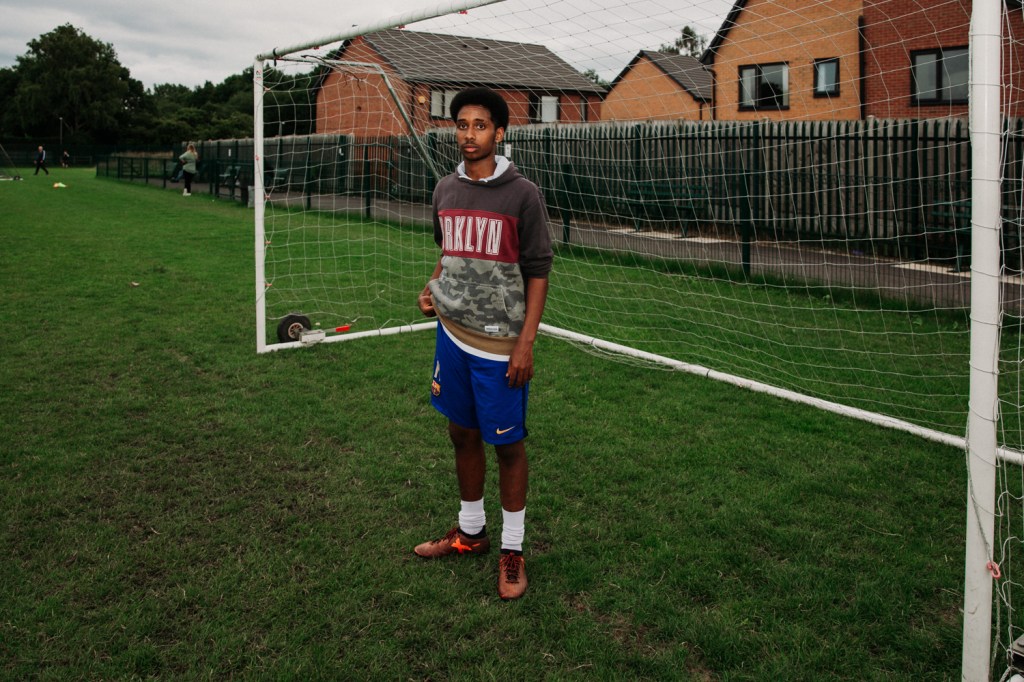
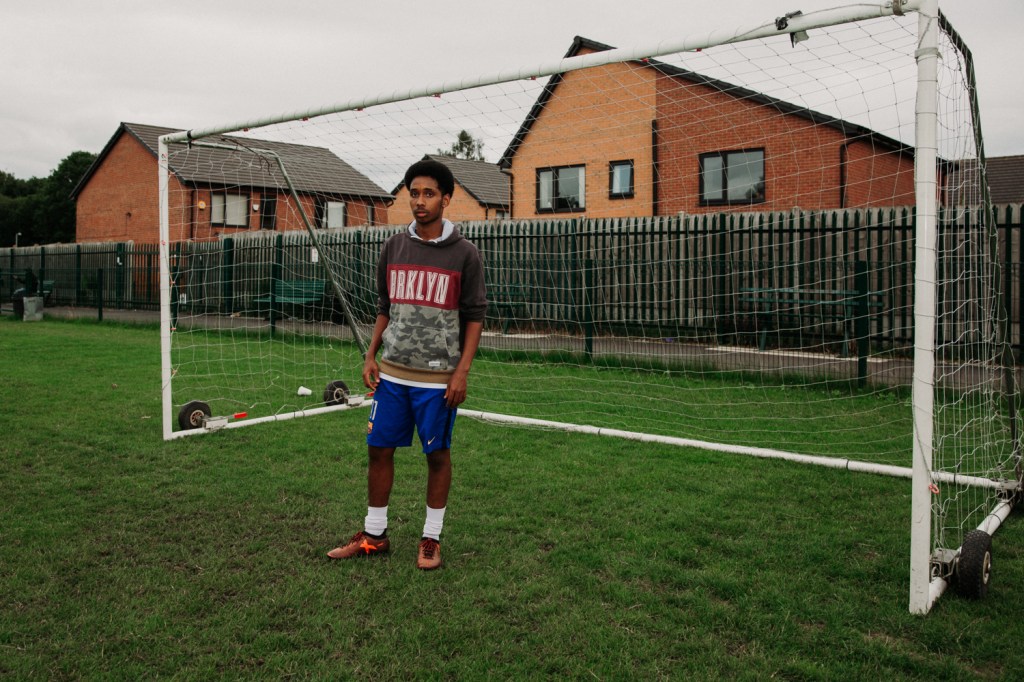
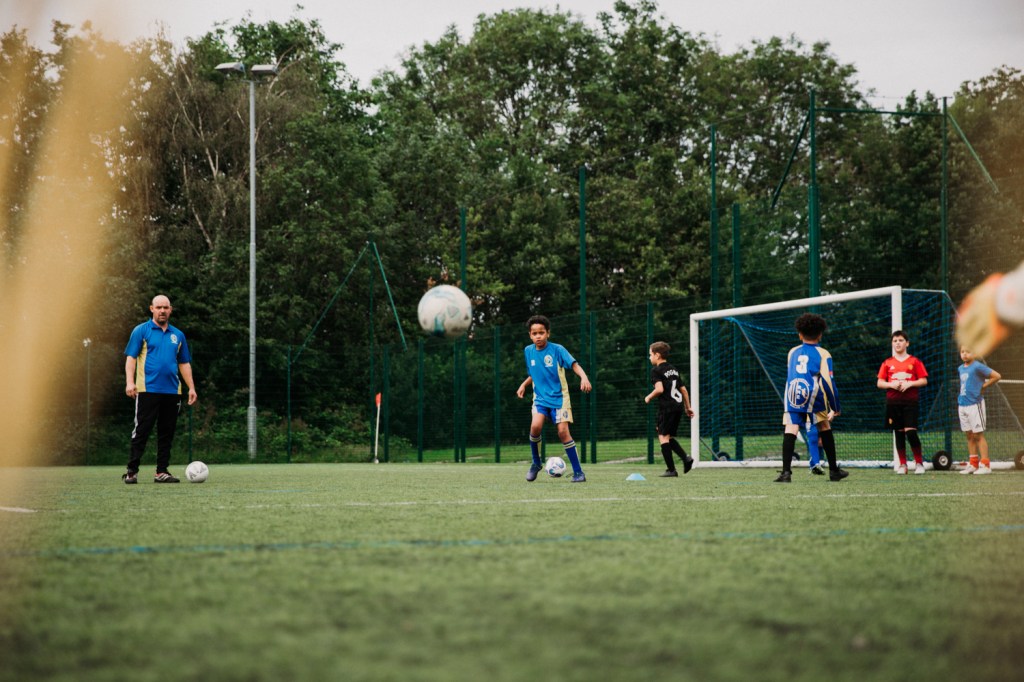
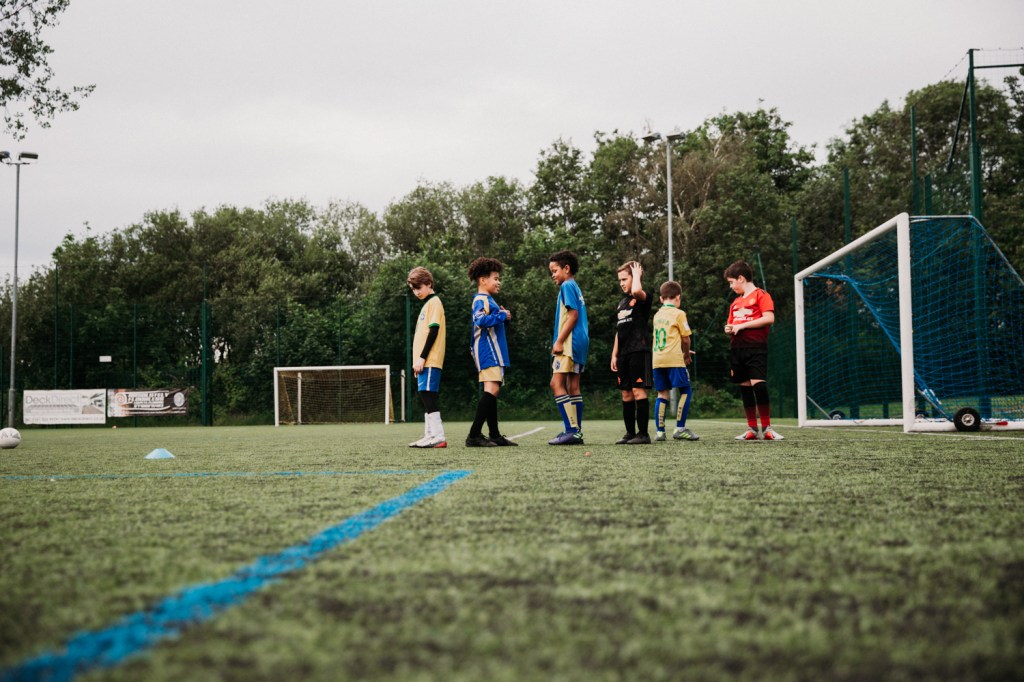
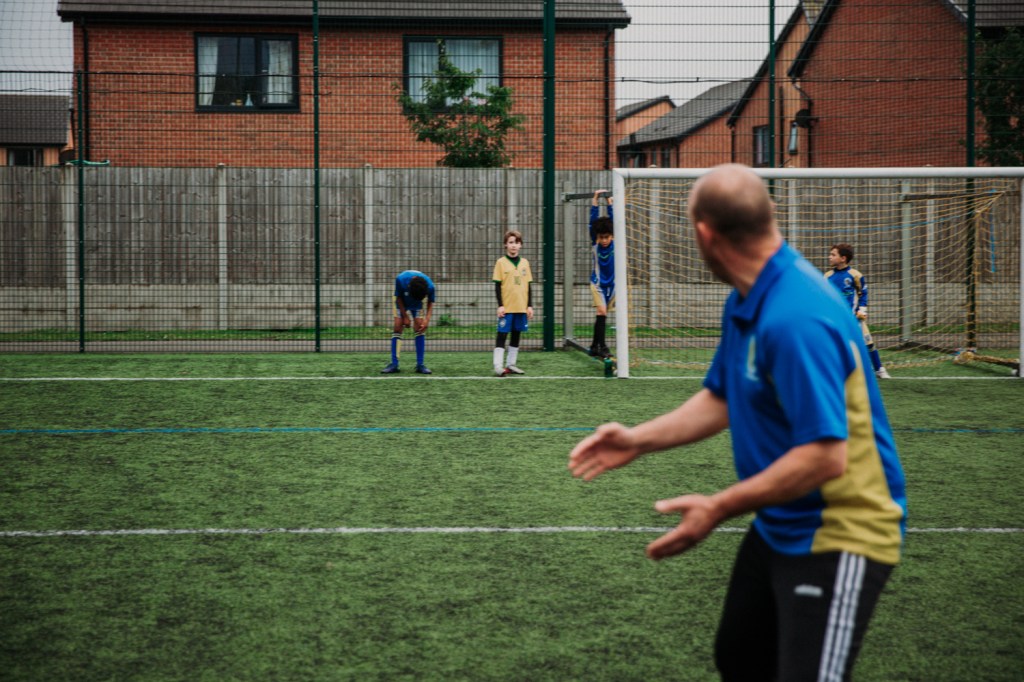
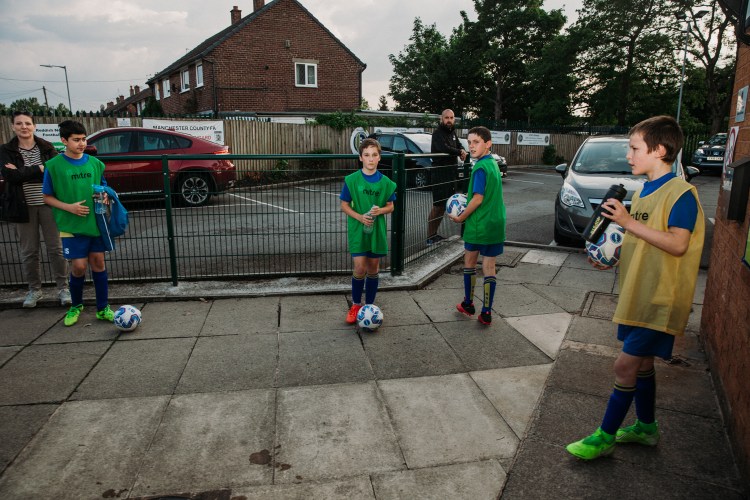
In response to this this task, I am considering the use of a football changing room as an instillation which would require the viewer to move around the space to view work situated in different corners of the room (Bishop 2005). A football dressing room is frequented usually at the same time on a weekly basis, by participants in sport in this case football players. The intention would be to ‘activate’ participants into consuming the photographs which would be framed and mounted, although I have not decided how the photographs would be mounted. This image is not the actual space as I won’t be attending until tomorrow.

As I engaged with the weeks reading I was unsure of how to apply lots of the ideas to my project. therefore I will use this post to review and discuss the various points of interest that I identified and apply them to my intentions accordingly.

Firstly Bishop (2005) makes the distinction between ‘Instillation of art’ and ‘Instillation art’. Instillation of art being secondary to the art itself is an interesting starting point as my understanding of the ideologies of galleries is quite basic. Reflecting on my own experience of attending galleries, I would always attend with the expectation of viewing object and artefact to look at them and spend a short time contemplating those objects that I found interesting. Never considering the idea that the space itself could constitute art. In terms of creating my own museum, it would be my intention to use the space I have access to, in order to turn it into a piece of ‘instillation art’. When I proposed this on the group forum my peers correctly pointed out that using a football changing room as an exhibition space would alienate much of the potential audience and severely limit the exposure of my work.

I am in total agreement with regard to the issue of audience however I feel that the intention of my exhibition at this stage isn’t to maximise audiences. The intention at this stage is to give something back to the organisers and participants of the football club (Reddish North End) who have granted total access to this space in addition to their trust.

And in a personal sense, being a community project, based in the area I spent my formative years, I feel like the location of a football dressing room based at the space I have been photographing is an accessible place for fellow volunteers, coaches and participants to enter the space of their own motivation as opposed to having the work bestowed upon them in a more public arena.

Furthering my argument for the football dressing room as a location for instillation art is the presence of white walls. O’Doherty, B (1999:15) states that ‘The object introduced into the gallery ‘frames’ the gallery and its laws’. With the ideas of O’Doherty in mind. It is my intention to transform this functional space into a place that resembles a type of ‘do it yourself gallery’ moving it away from a space which people occasionally use to change.
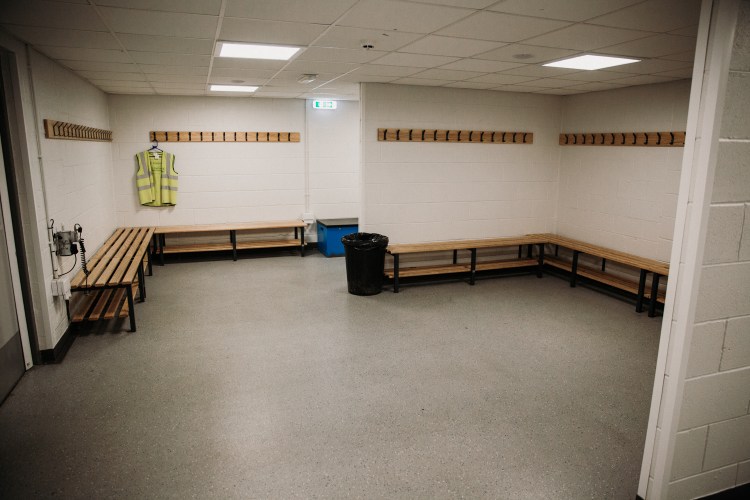
Gallery Space

It is my intention to place images in black frames slightly below eye level so that they may be viewed with a type of unconscious importance so that viewers are able to view the details in the work that I have created. Further justification of using this space and the use of white walls in addition to black frames, is the accessibility and in-expense of frames, furthermore, I will utilise frames to create a type of separation to emphasise the depth of the photograph compared to the wall. O’Doherty, B (1999:18) comments with regards to the ‘easel picture is like a portable window that once sat on the wall, penetrates with deep space’. I don’t purport a frame to be the same as an easel however the use of a frame I feel will be important in order to achieve the separation as argued above.

In terms of the method of hanging the works I exhibit, O’Doherty (1999) states ‘hanging editorialises on matters of interpretation and value and unconsciously connected to taste and value. In terms of the way I intend to hang my work, I would like nothing more for them to be a permanent fixture. However before this potentially happens, I feel that the work will need to met with approval with the viewers who frequent the space on a regular basis.

In conclusion, the impact of this task is of significance in a personal sense as I see it as an opportunity to visualise the impact of the club and the volunteers. I see the exhibition of as celebration of the people that use the room and it is the hope that the participants/viewers take a small sense of pride from being exhibited in this space.

My potential audience may also be diverse in terms of cultural background, however the presence of physical prints may be novel as Cotton (2014:219) points out ‘the physical characteristics of photographic prints, no longer the default platform for photography but an increasingly rarified craft divorced from our day to day experiences of the medium’ Cotton makes an important point which may be relevant to my potential audience and how their day to day experience of photography is largely divorced from viewing printed photographs in a physical sense. In favour of endless streams of digital photographs seen on social media using various digital methods. Cotton’s ideas certainly provide a solid argument for the printing of photographs. The potential audience for my exhibition at the football club are probably digital natives as opposed to remembering the days of analogue photography. Thinking back to my own childhood, I have really good memories of looking through my grandparents photo albums of family holidays and days out. An interesting study would be to gain an insight into whether this still happens. Although digital natives, do children still look at printed photographs? Thinking forward, I could add a participatory element to my exhibition by using a photo album and asking members of the club to fill it by contributing one photograph each, signing it on the back before collecting at the end of the exhibition. The results may be unrelated directly to my broader aim however it would be interesting to gain an insight into the lives of the members of the club.

Upon further investigation of exhibitions and their importance to the art world as a whole, I feel I have mad important steps forward in developing my understanding. Barker (1998) has been useful in attaining this knowledge, initially illustrating the different types of galleries and museums in addition to understanding them as a type of currency for artists, the more galleries and the bigger the galleries an artist may exhibit, the broader their credibility and capitol within the art world. Ultimately making their work more appealing to buyers. Barker (1998:113) illustrates this assumption when she states ‘Exhibitions are central to the economic and social system within which all art is produced, distributed and debated’. In considering the importance of an exhibition, my thoughts are led to considering them as a type of shop window to moving through the various circuits of galleries and museums. A means of building a reputation and credibility with the gatekeepers of the industry. A point further illustrated by Barker (1998:p114) who suggests ‘In the usual run of things, the works that fetch the highest prices on the art market are also the ones that are most exhibited’. This leads to a form of scepticism about the art world as Barkers ideas allude to a hierarchy of name and reputation as opposed to quality and intent. In making this statement I don’t mean to suggest that producers of high art don’t produce important pieces of art however the ideology and capitalism present within the world of exhibitions may inhibit new talent and the discovery of it. Furthermore, the prejudice of representation in terms of diverse groups is a further issue which needs consideration.

Barker, E (1998) Contemporary Cultures of Display. London, The Open University.

Bishop, C (2005) Instillation Art: A Critical History. London, Tate.

Cotton, C (2014) The Photograph as Contemporary Art. London, Thames & Hudson.

O’Doherty, B (1999) Inside the white cube: the ideology of the gallery. University of California Press.
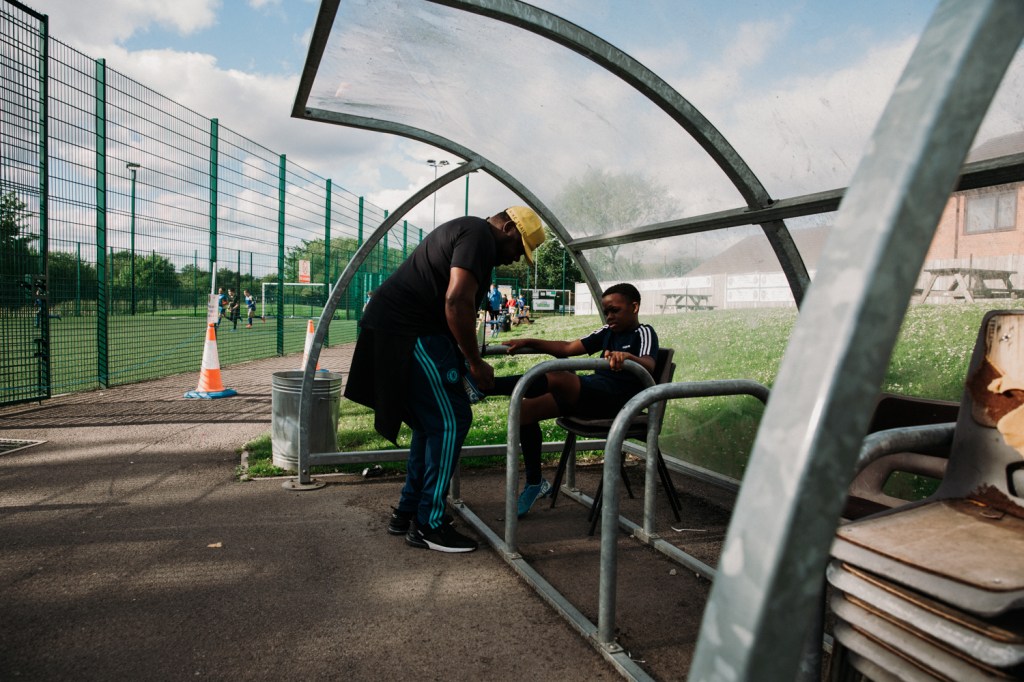
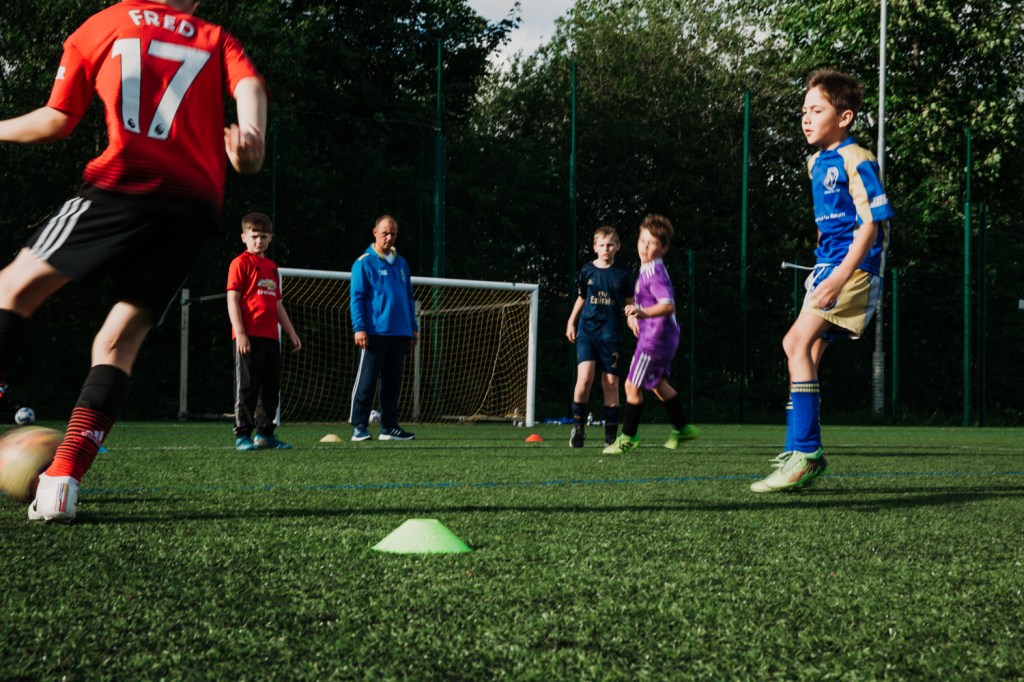
Reddish North End | Gallery 2

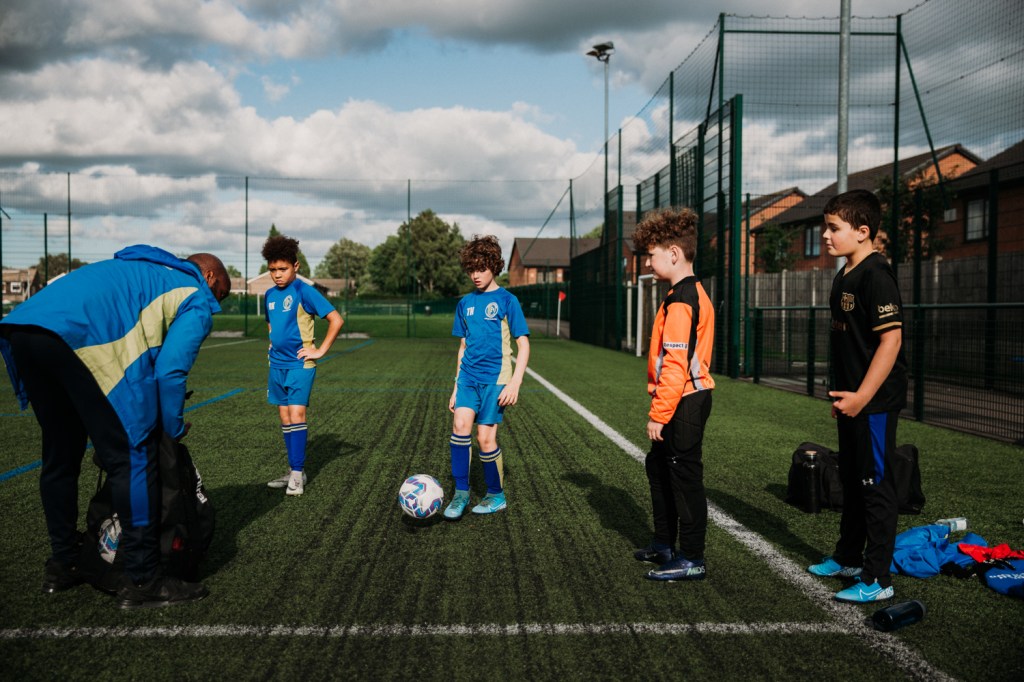
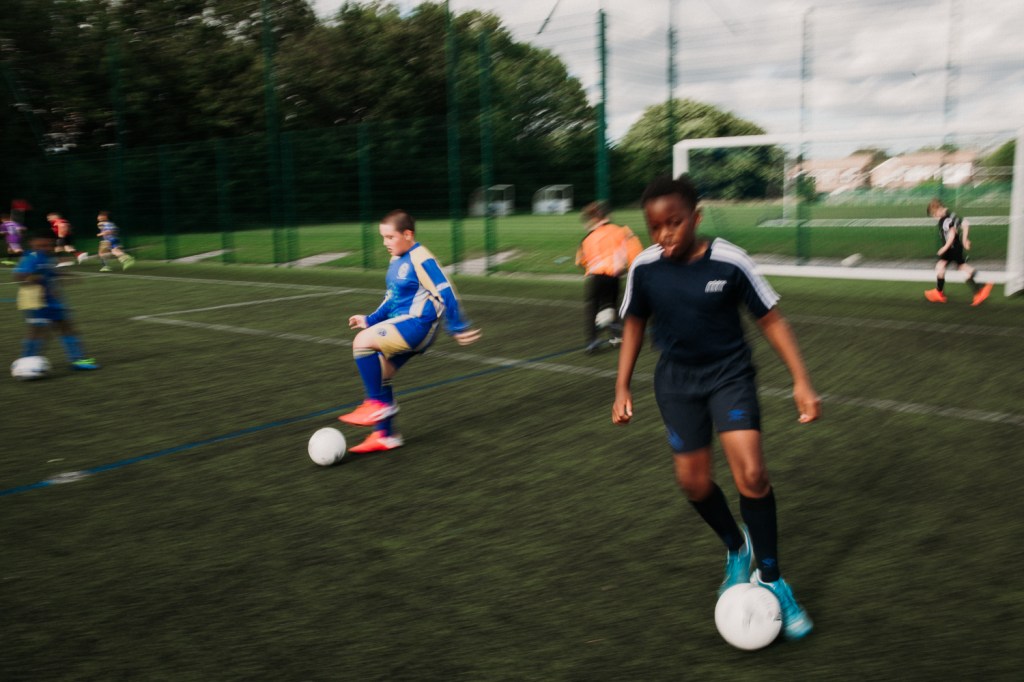
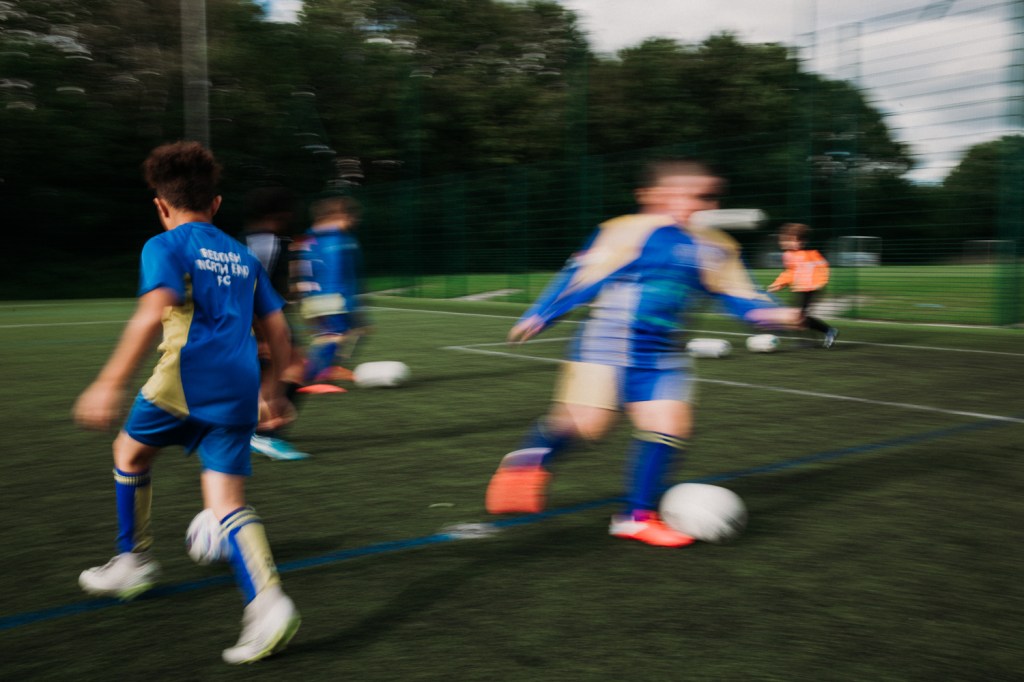
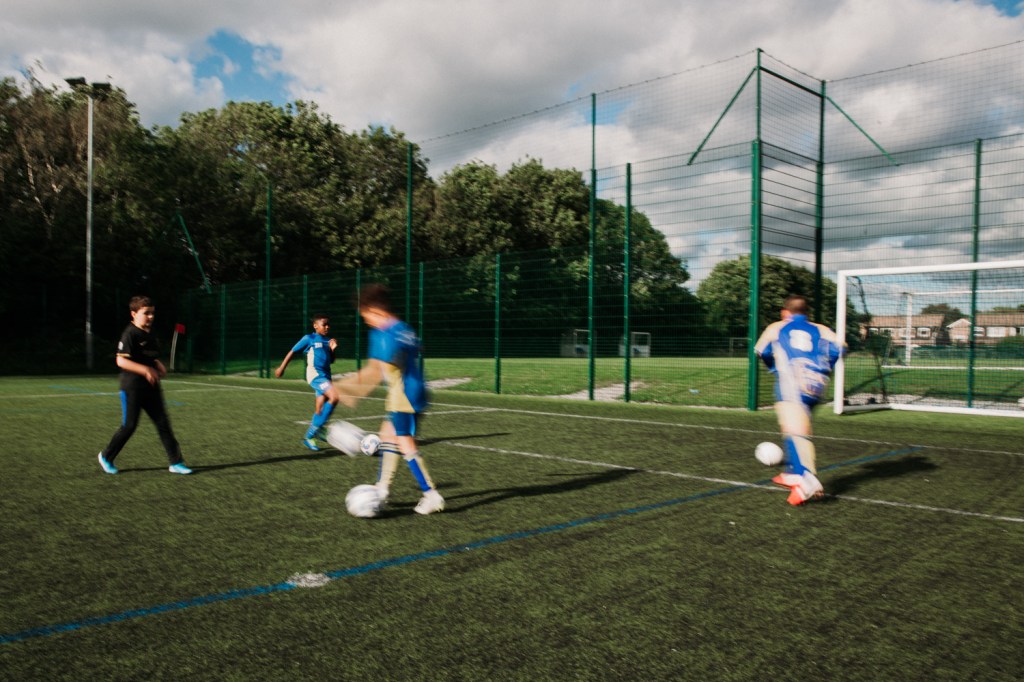
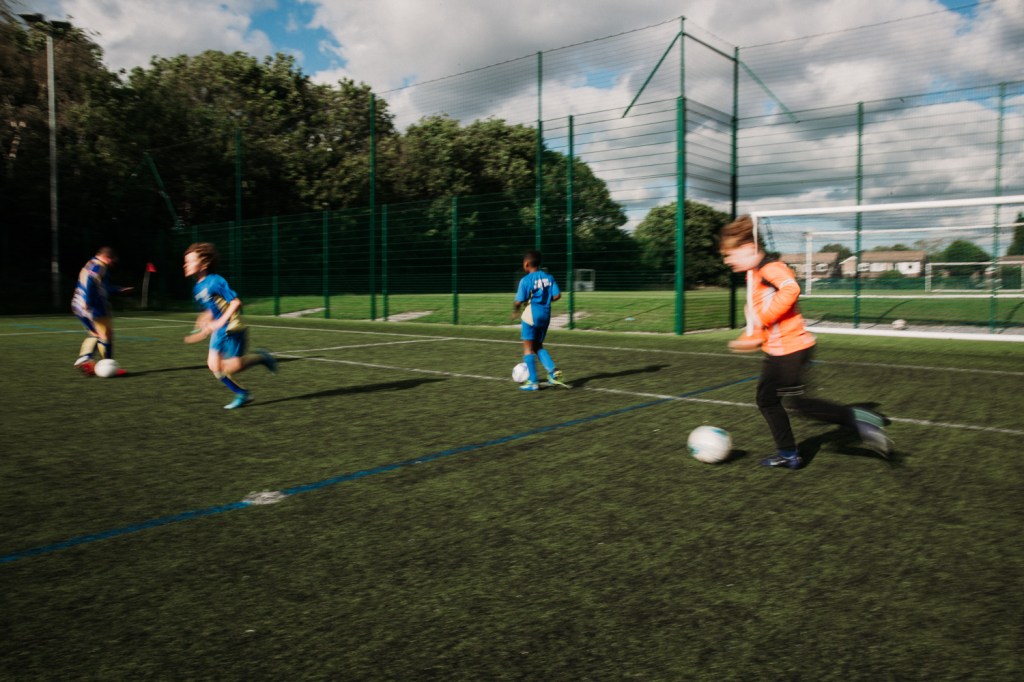
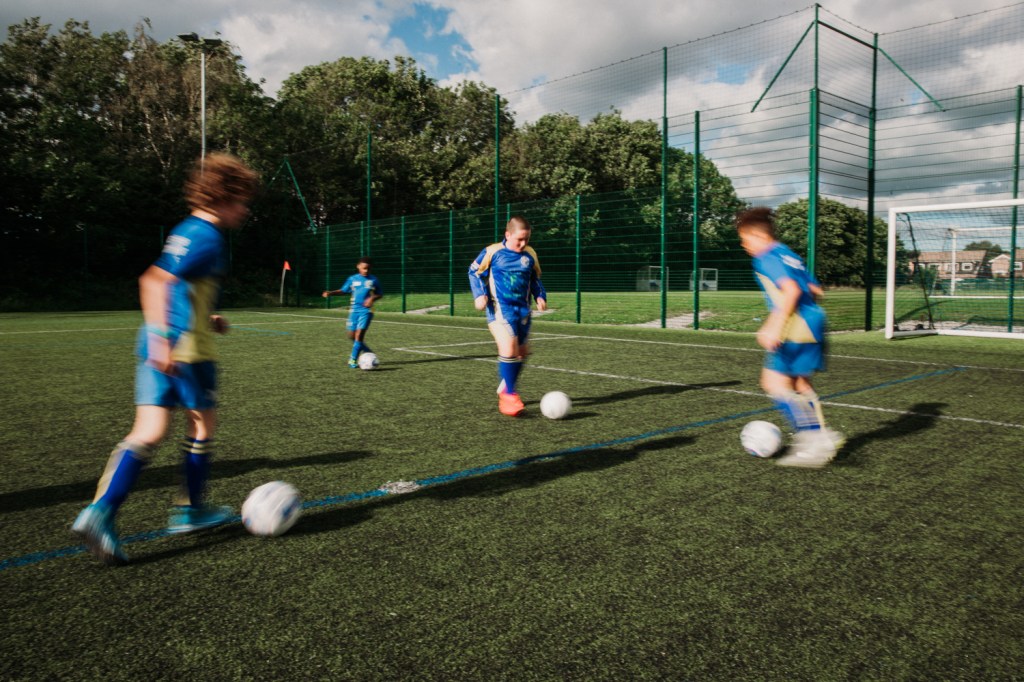
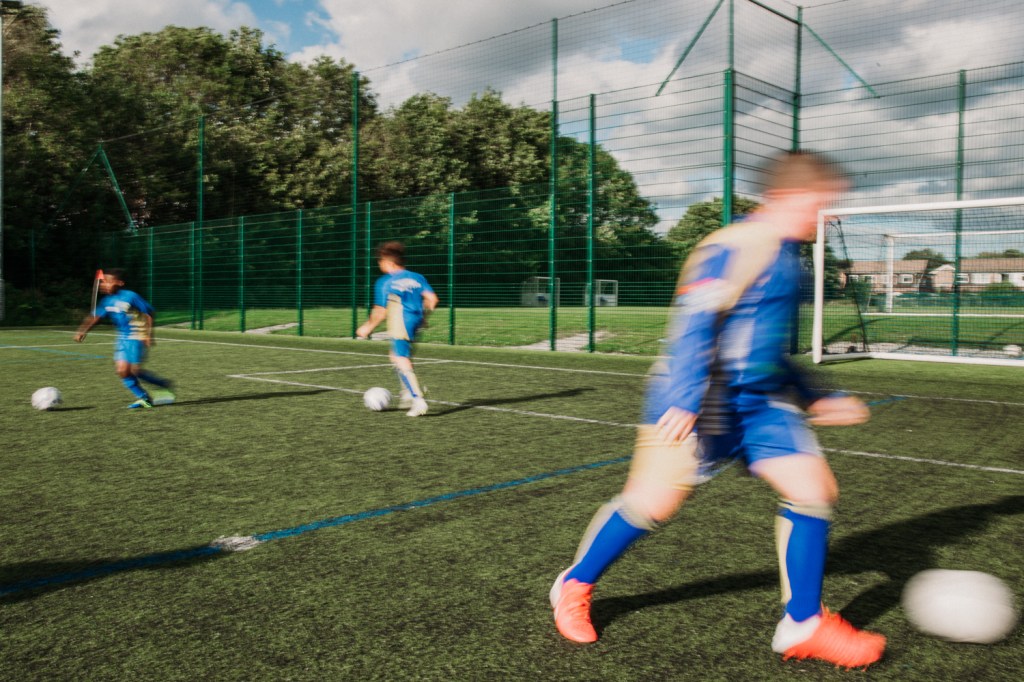
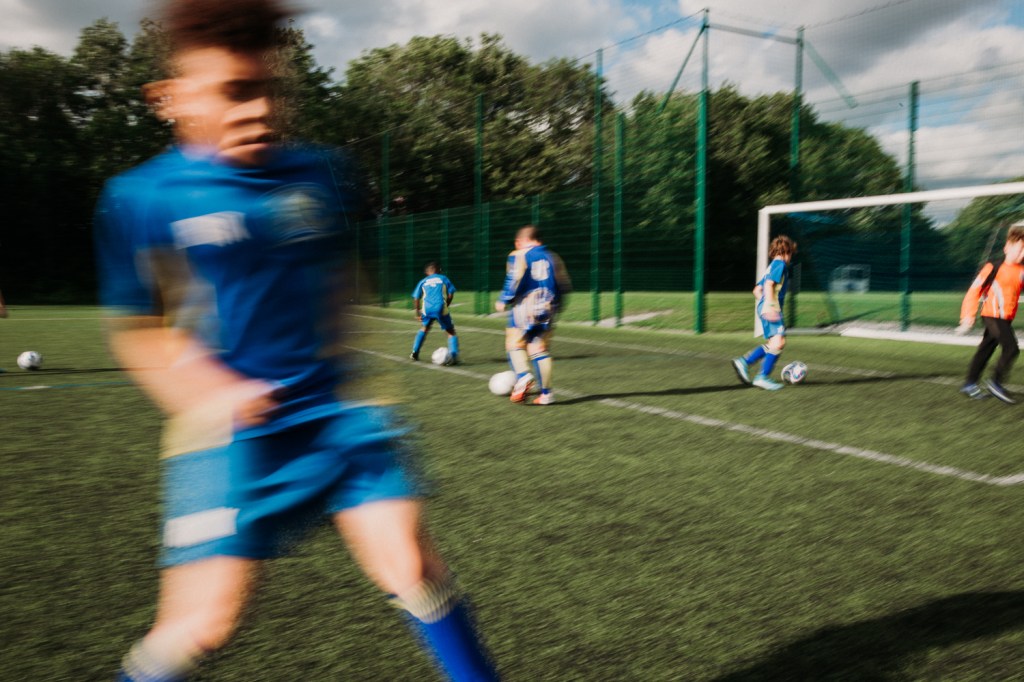
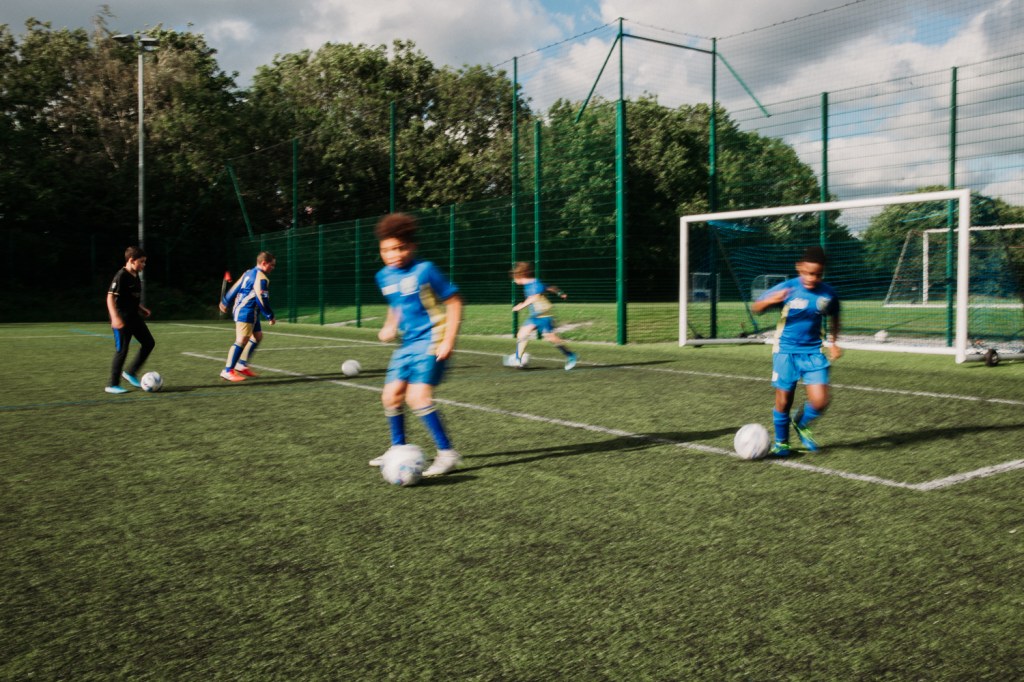
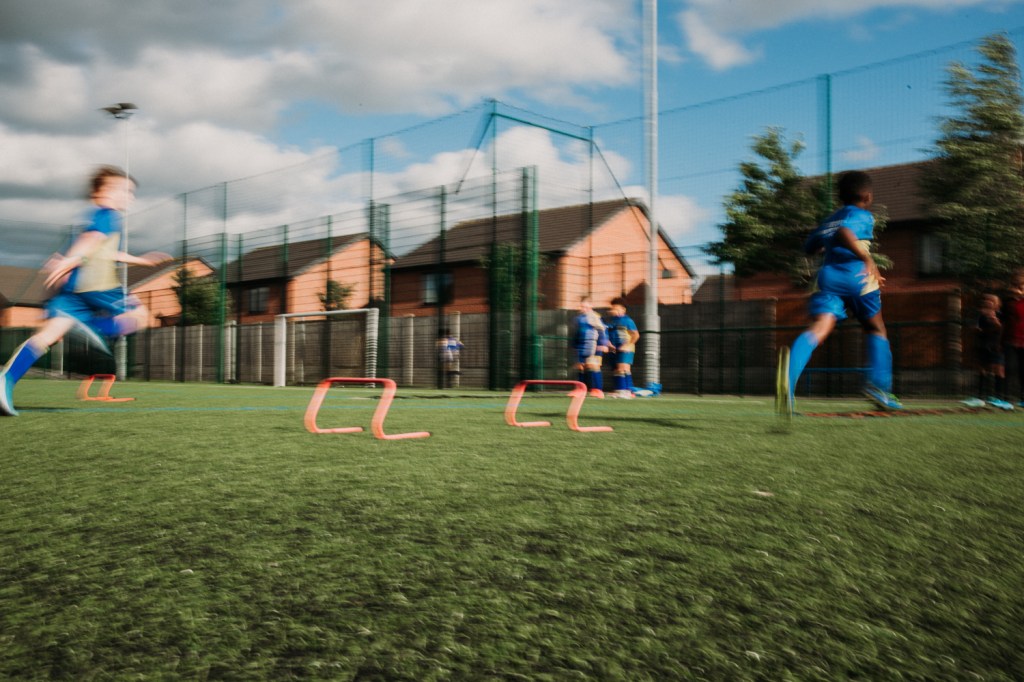
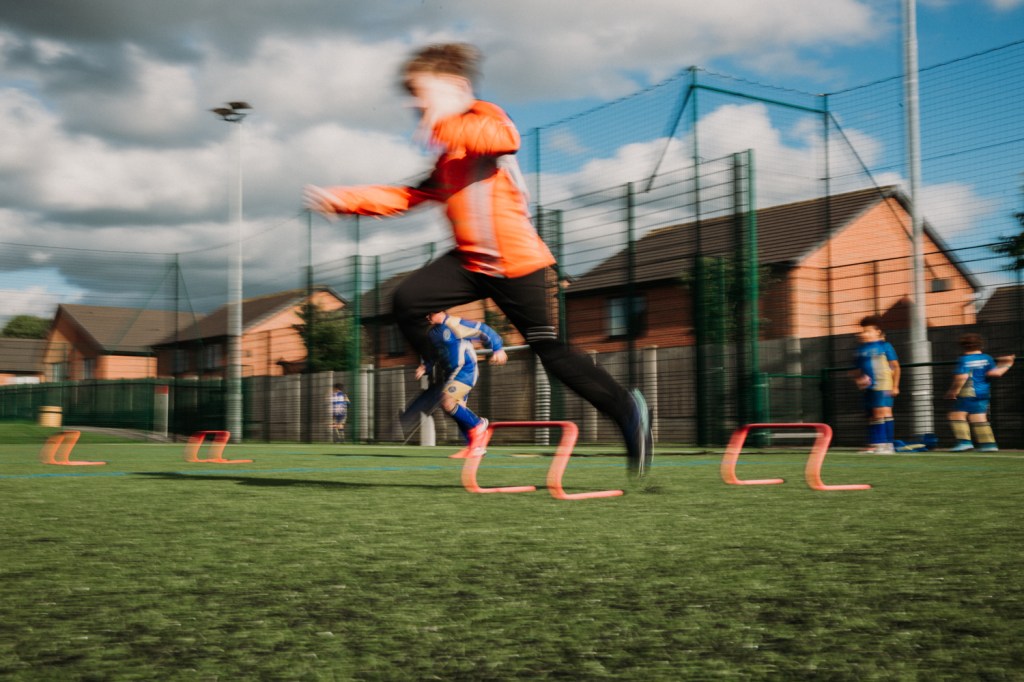
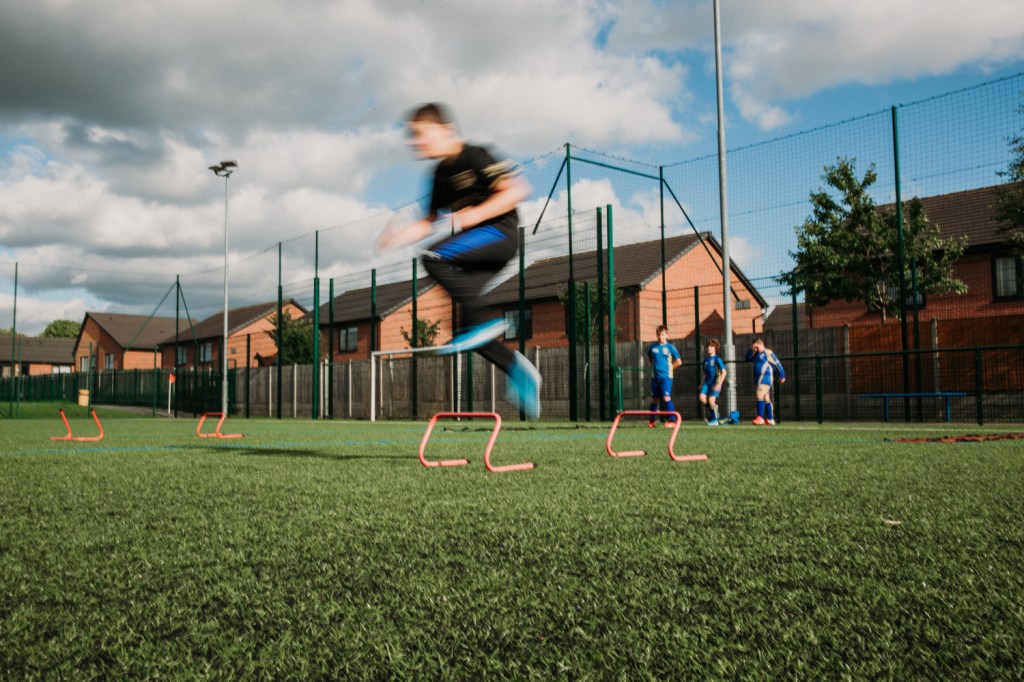
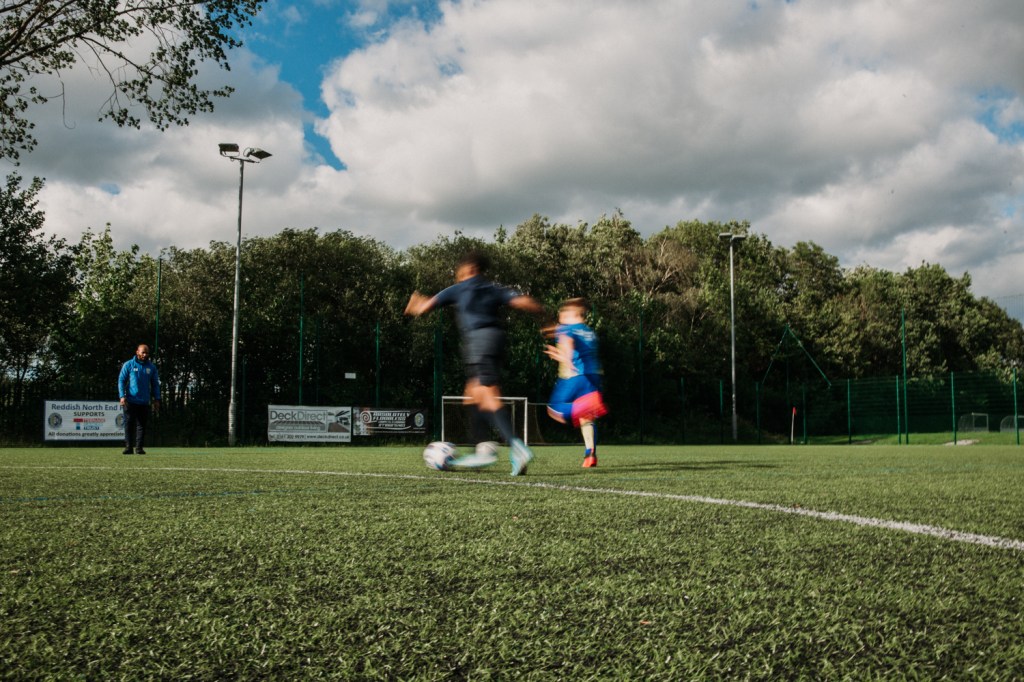
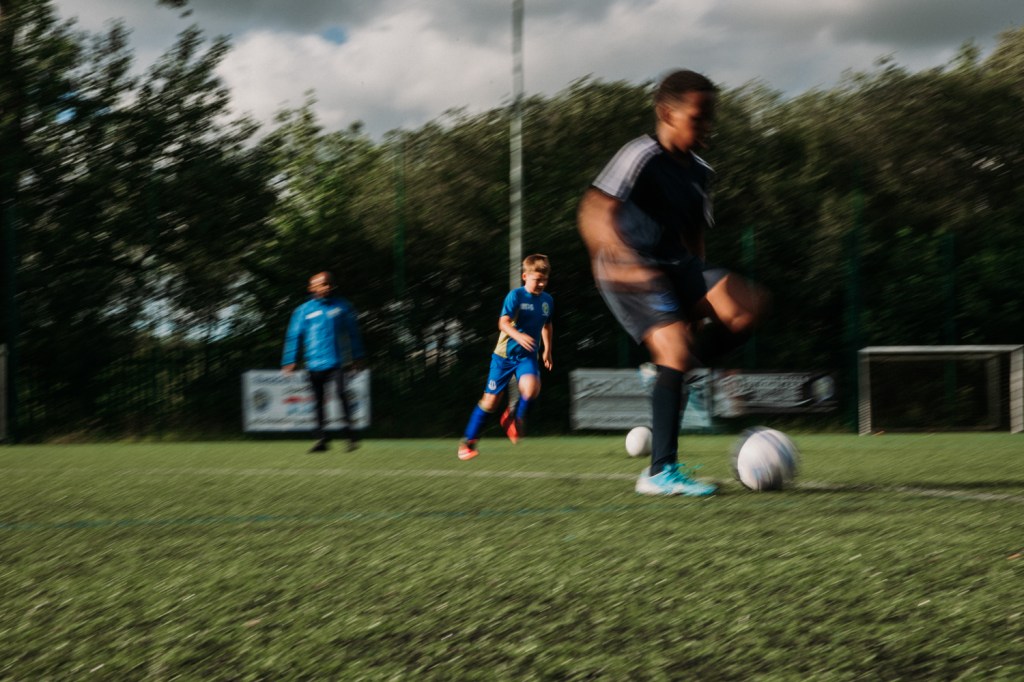
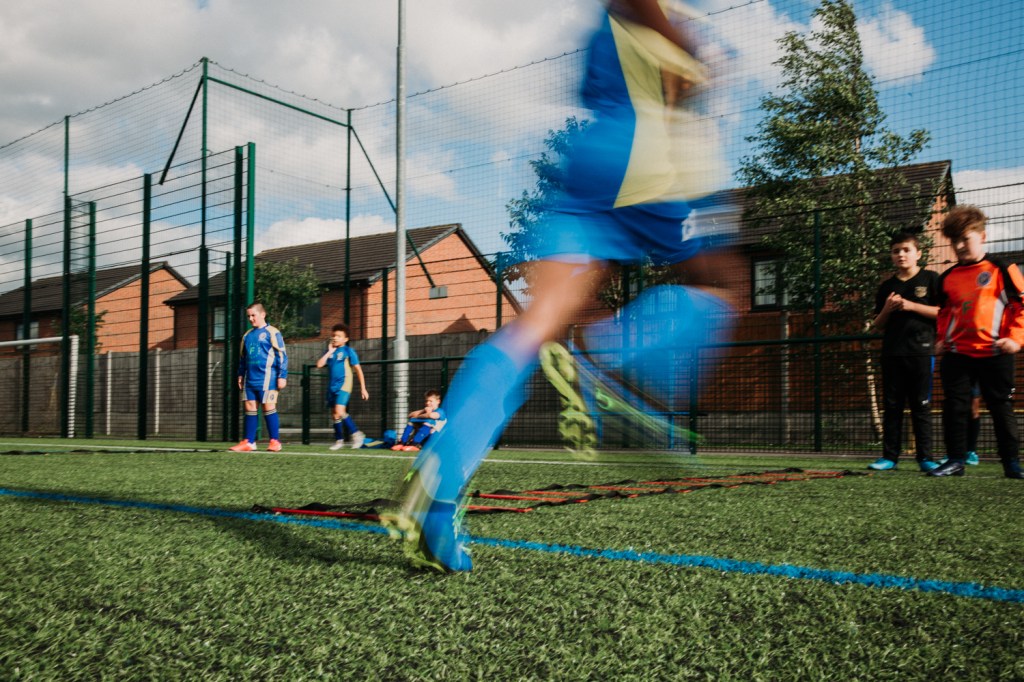
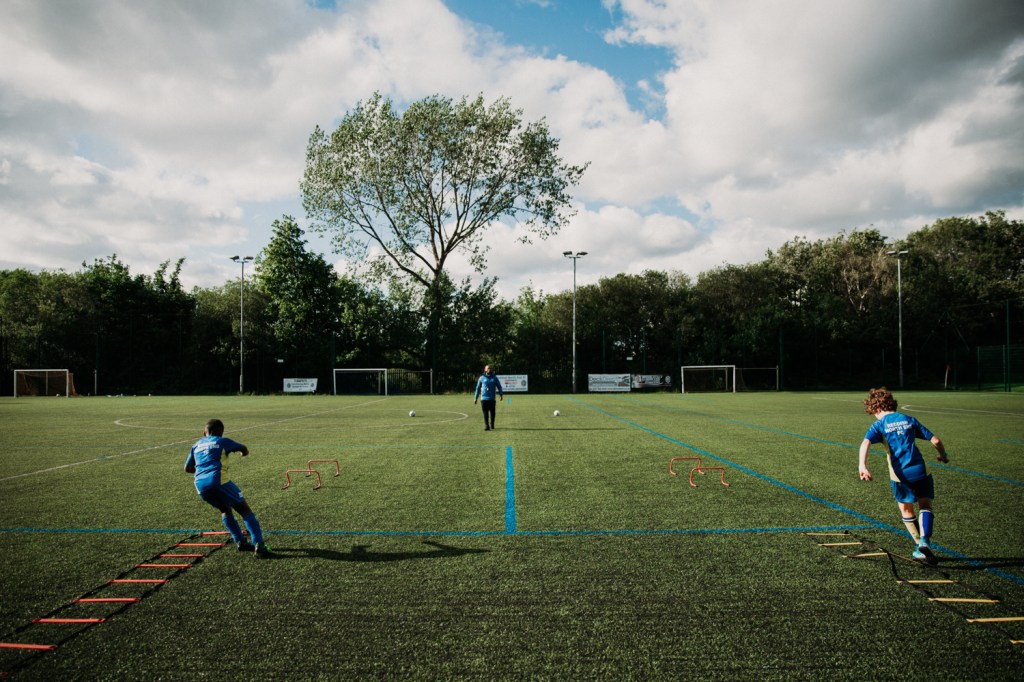
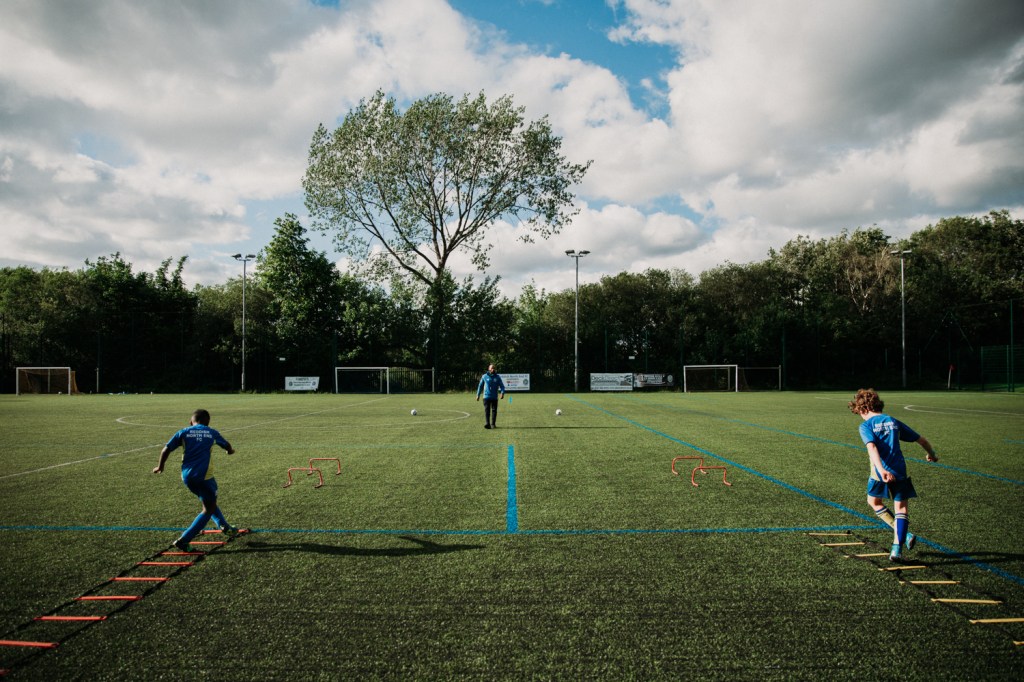
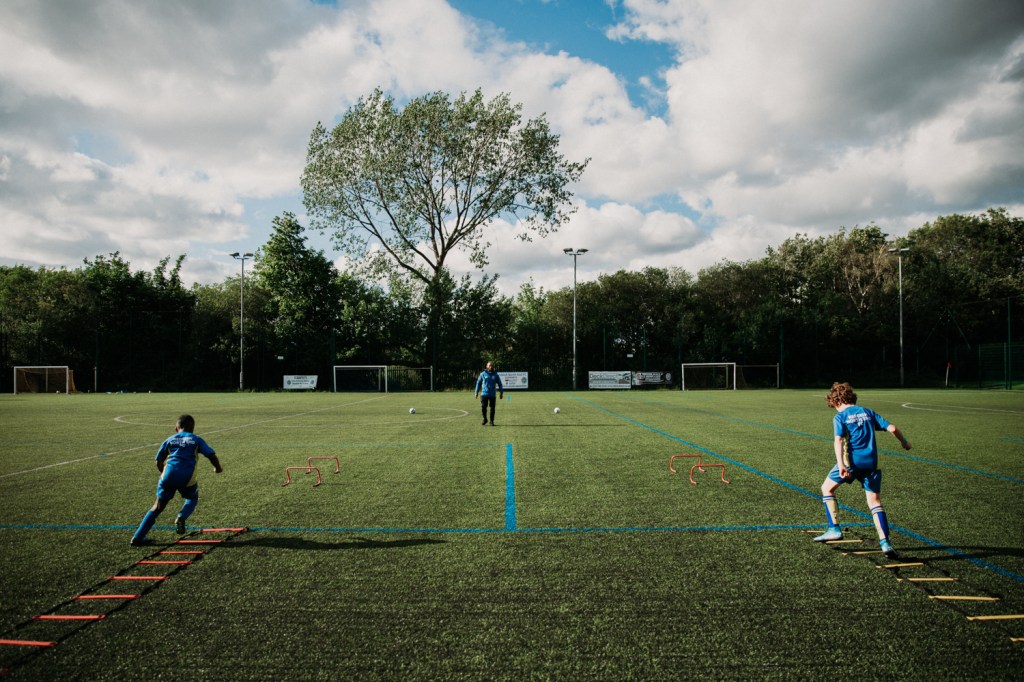
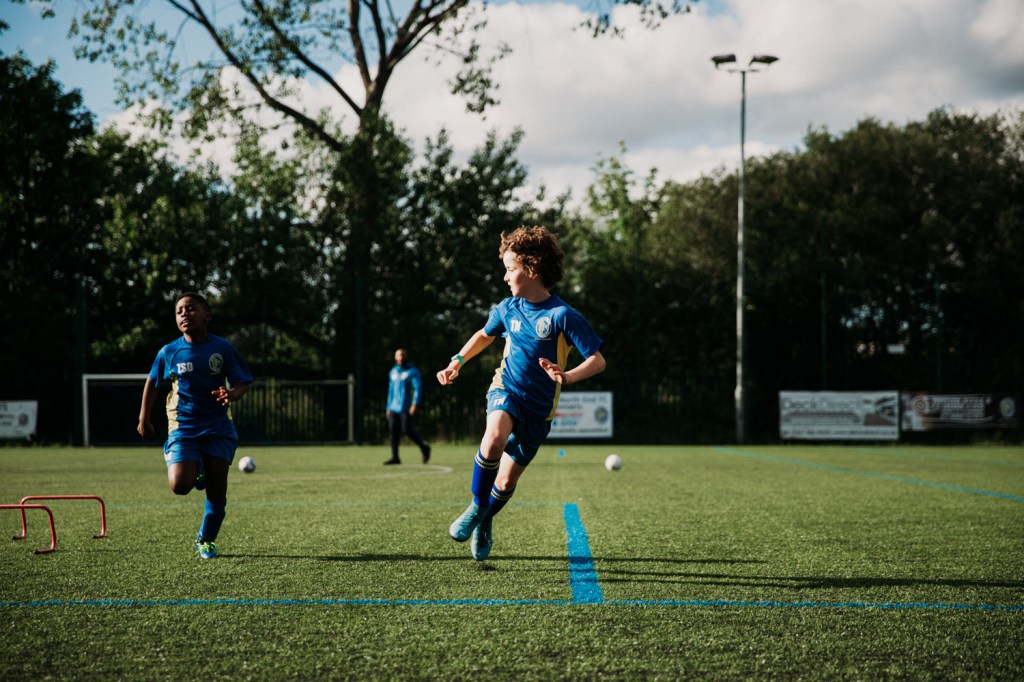
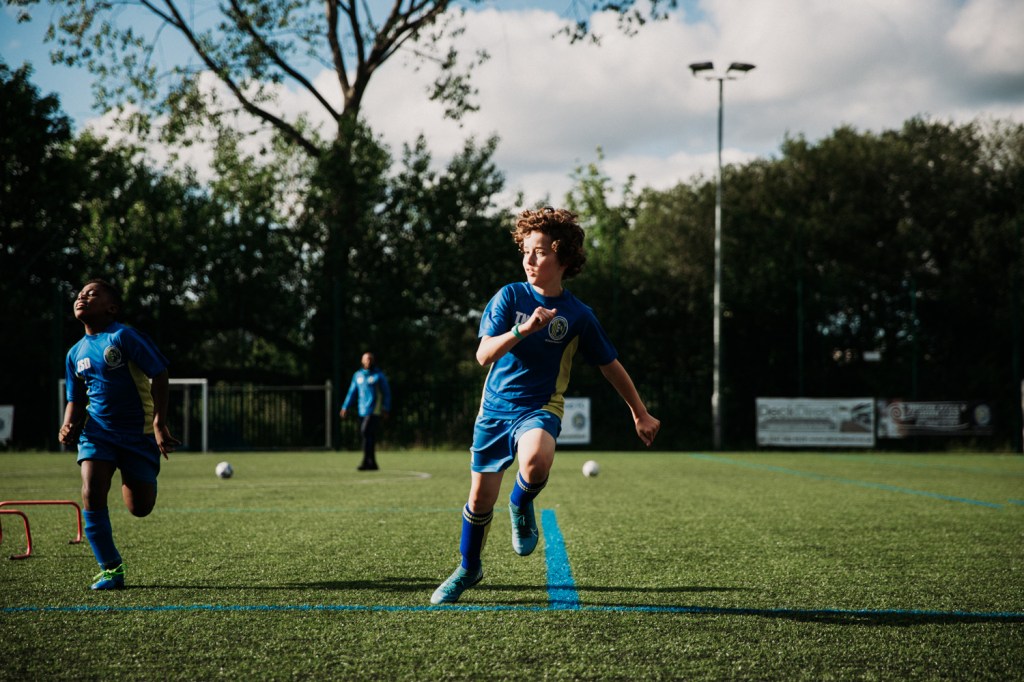
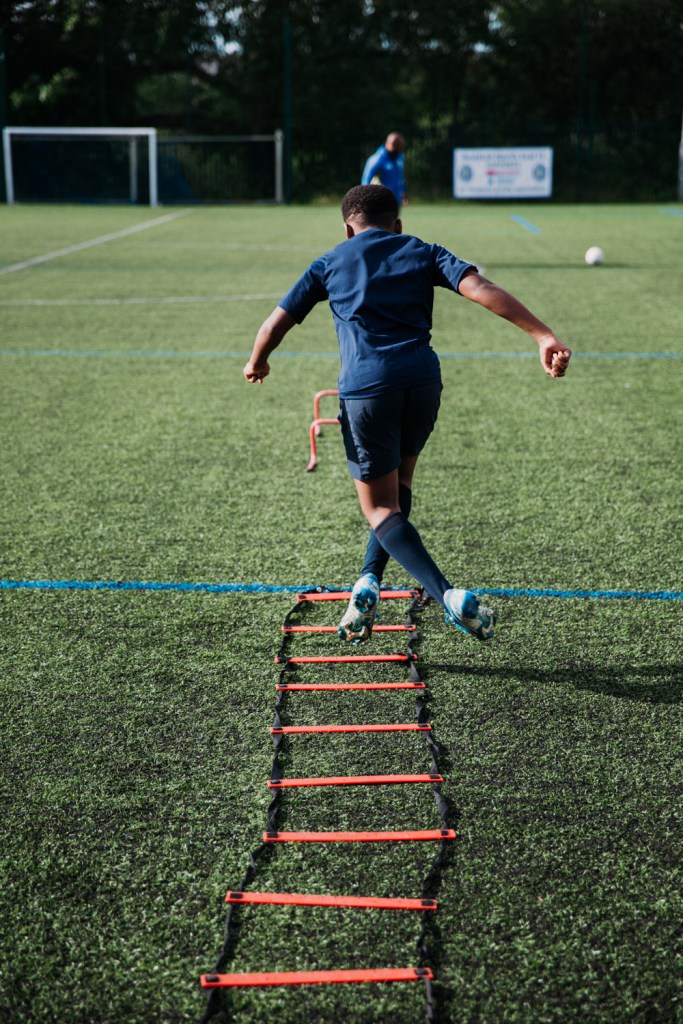
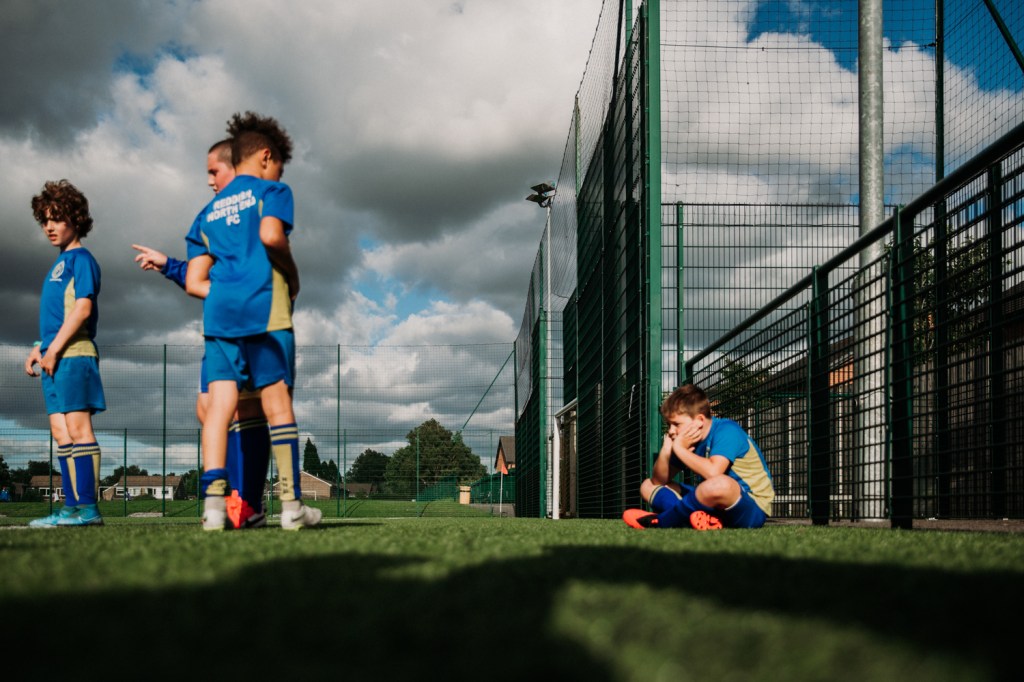
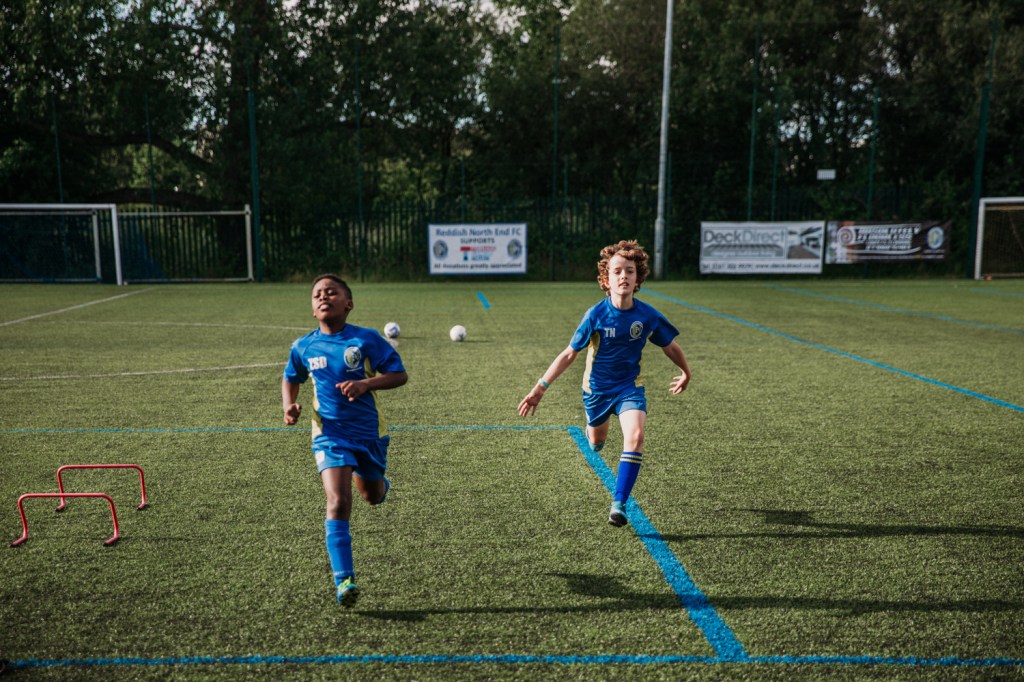
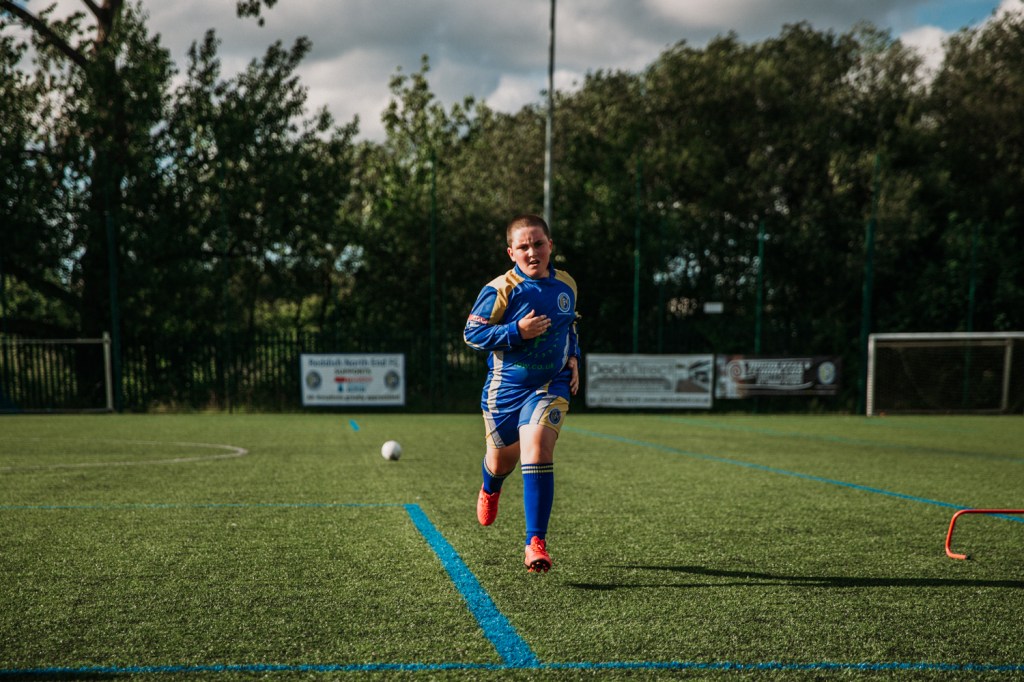
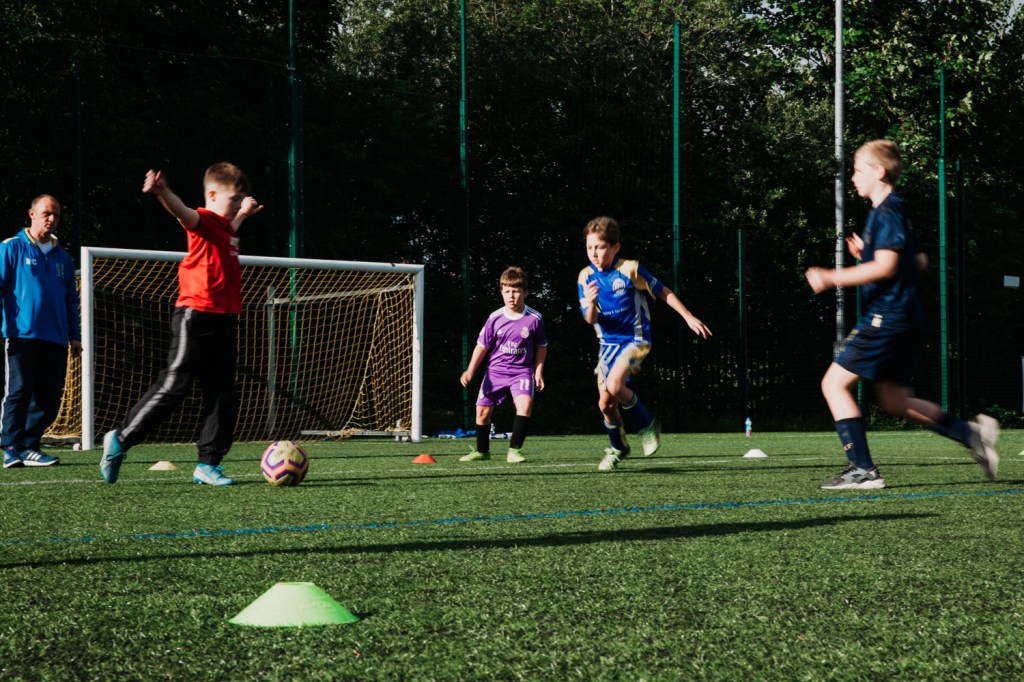
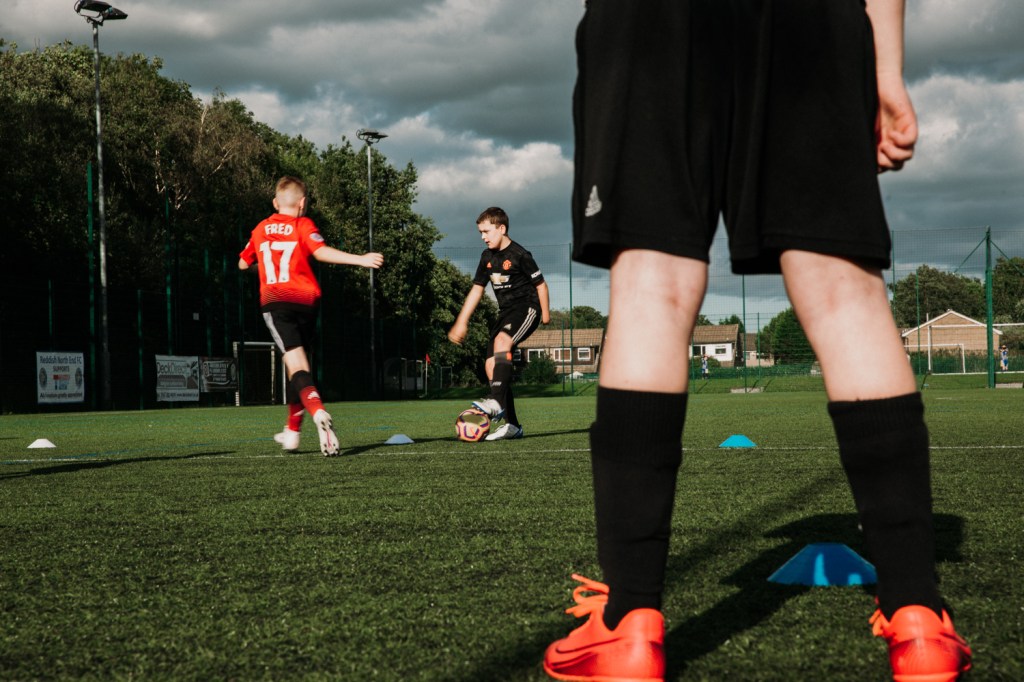
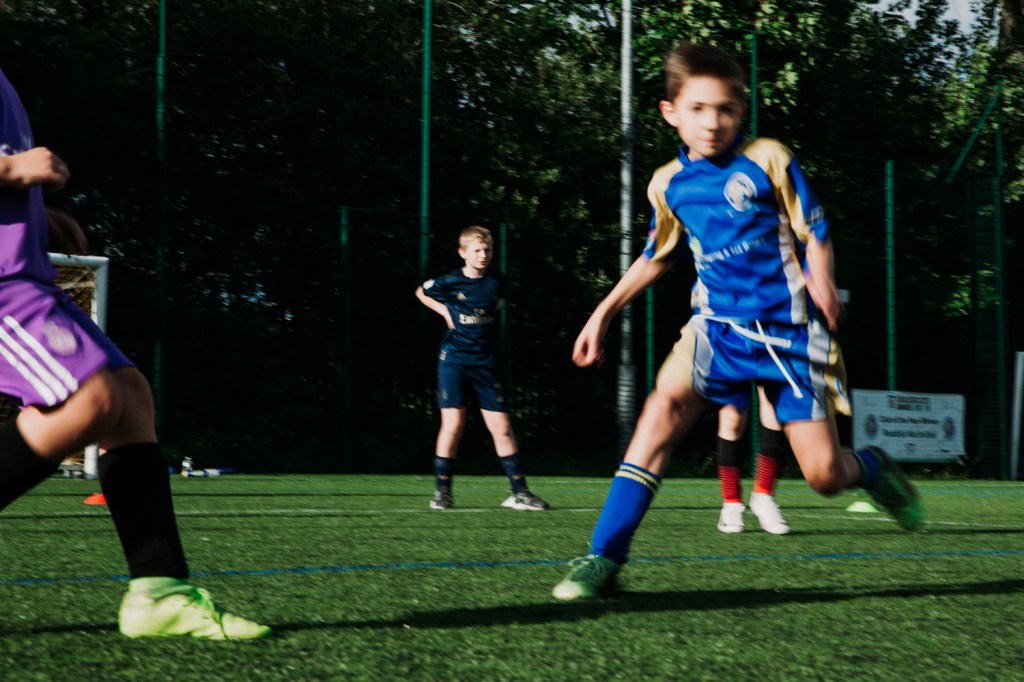
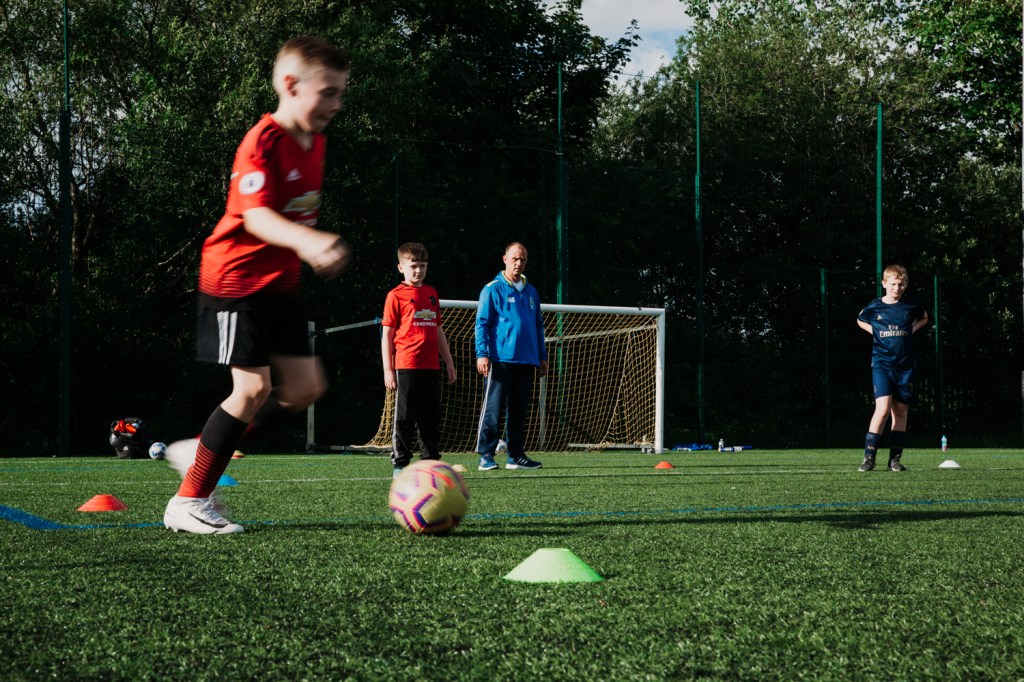
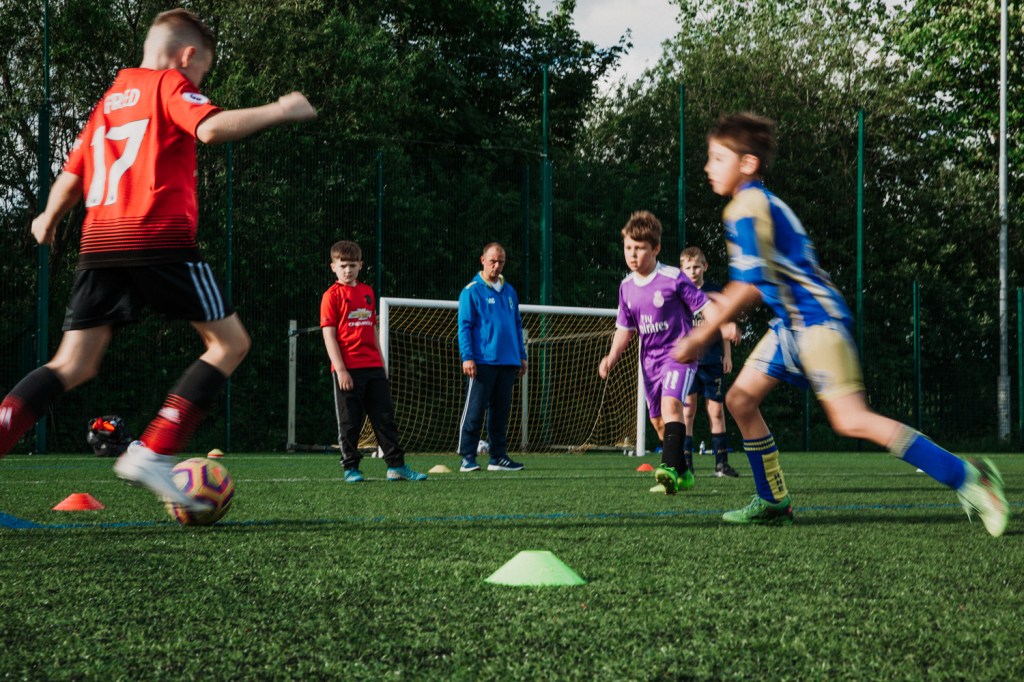
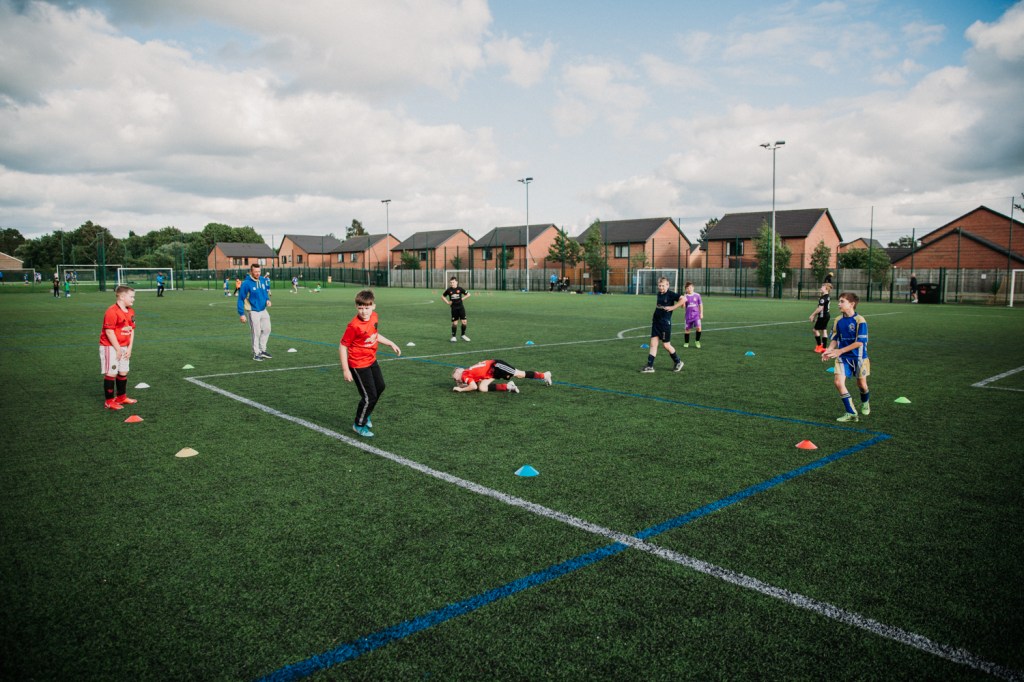
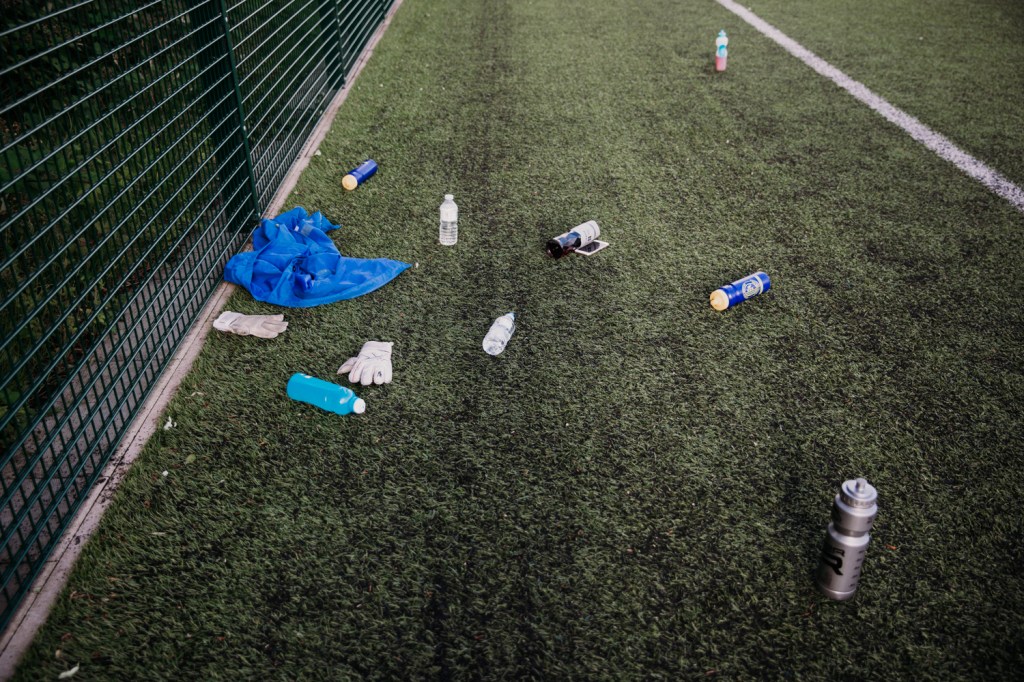
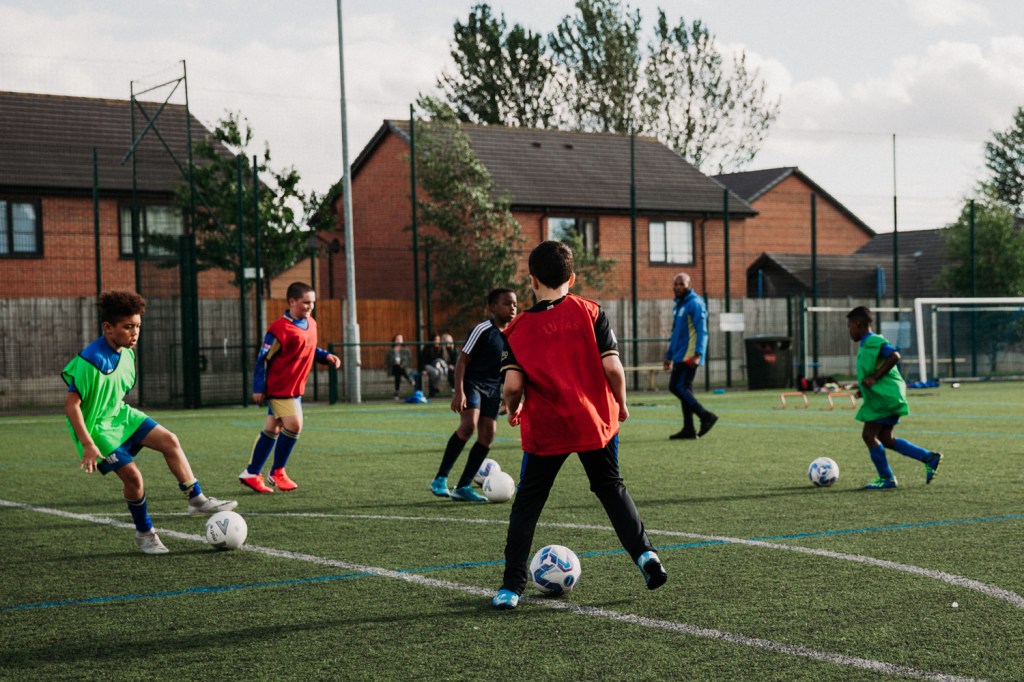
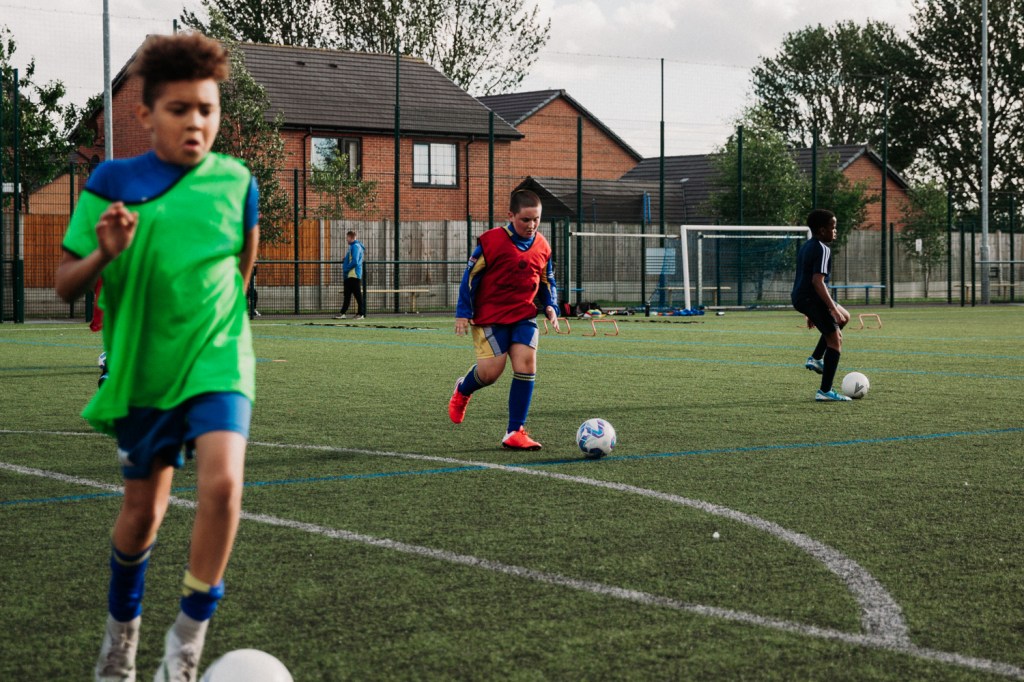
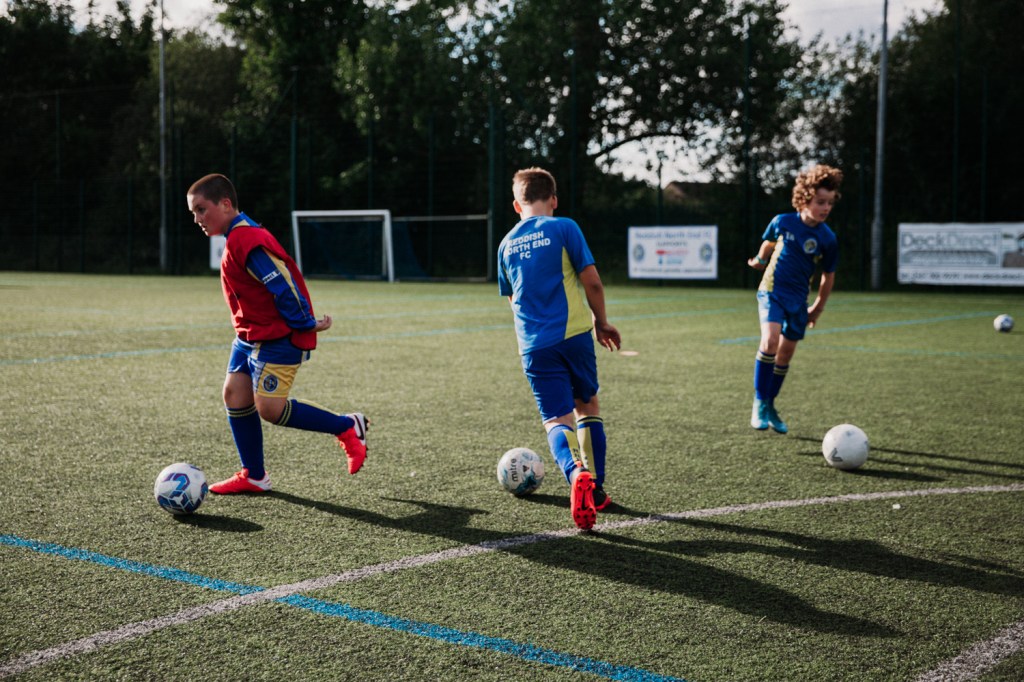
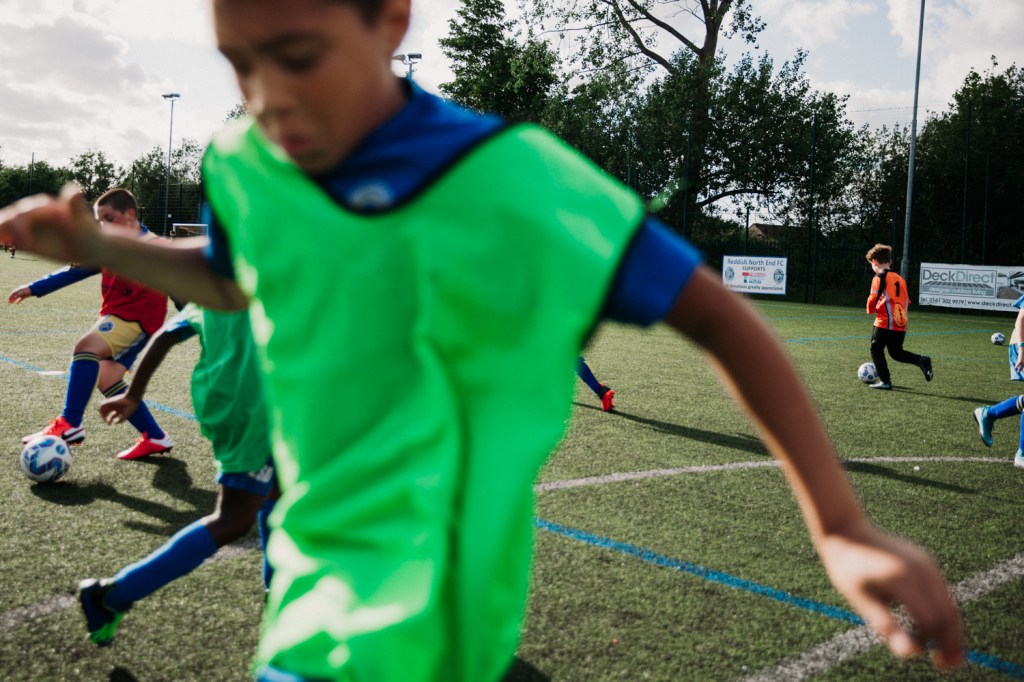
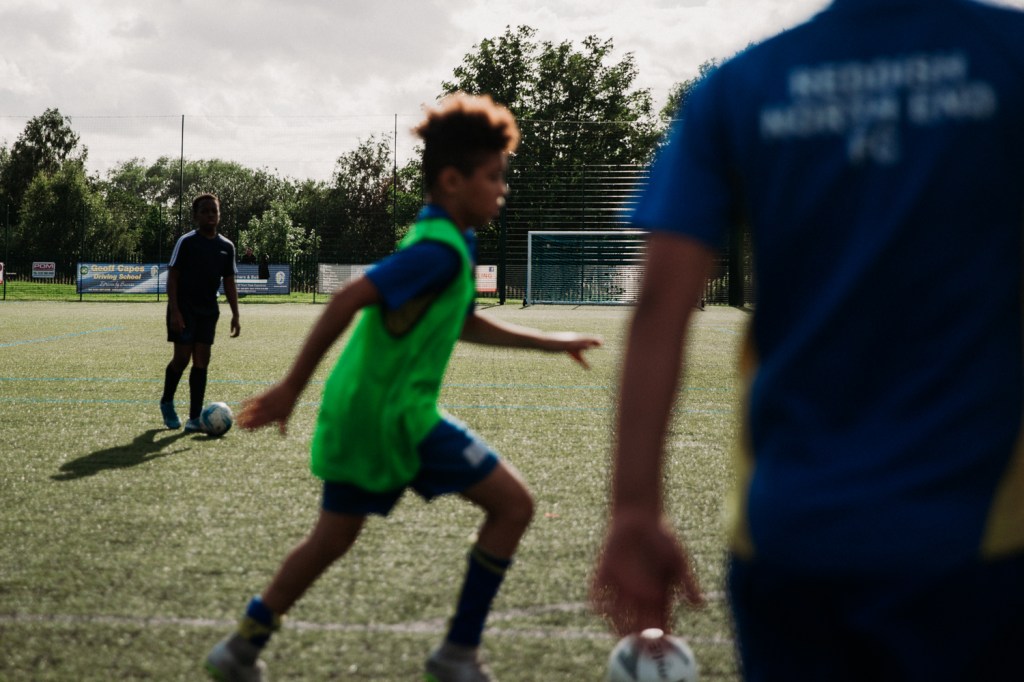
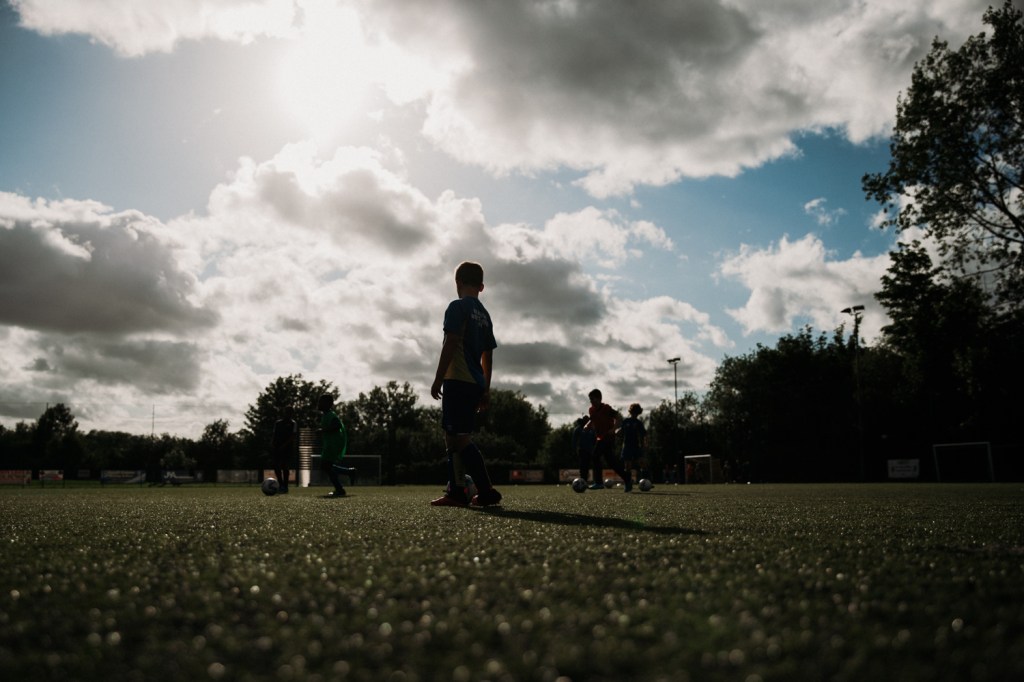
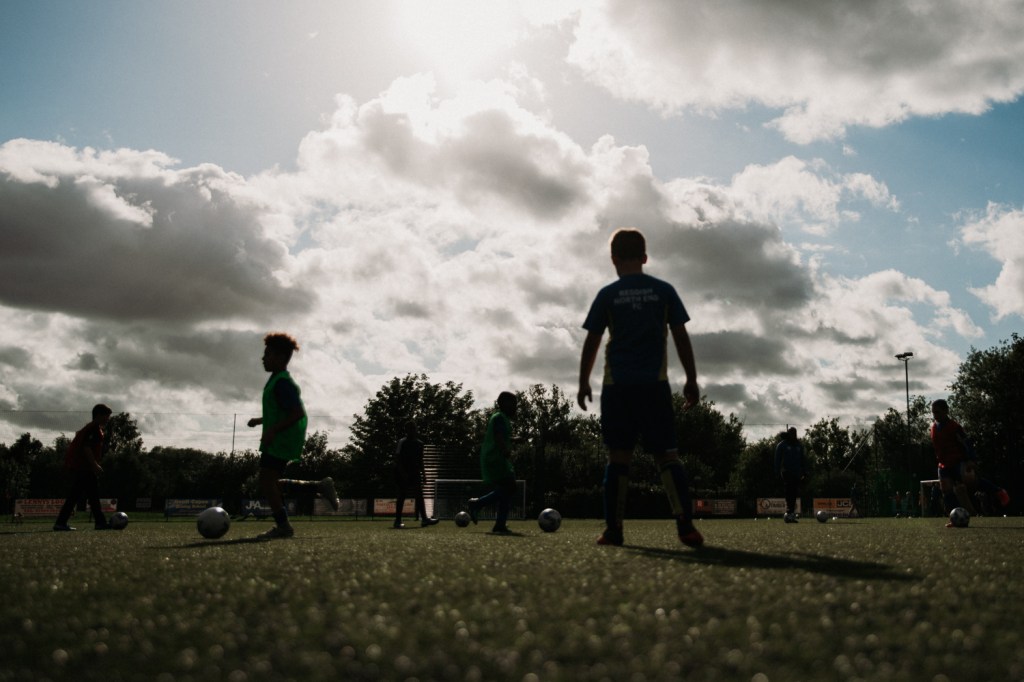
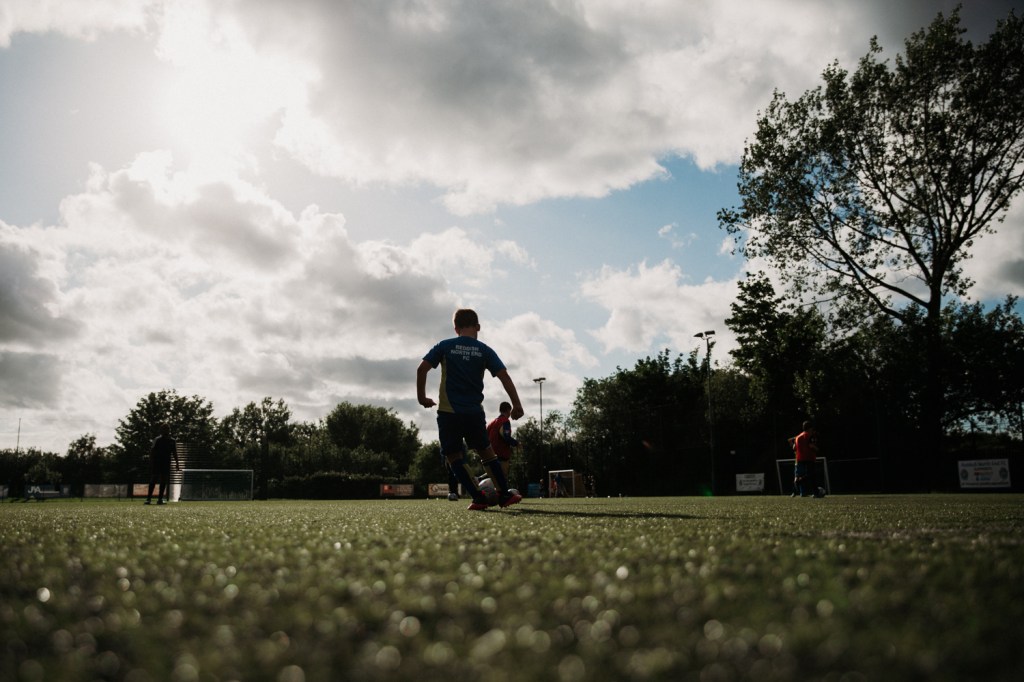
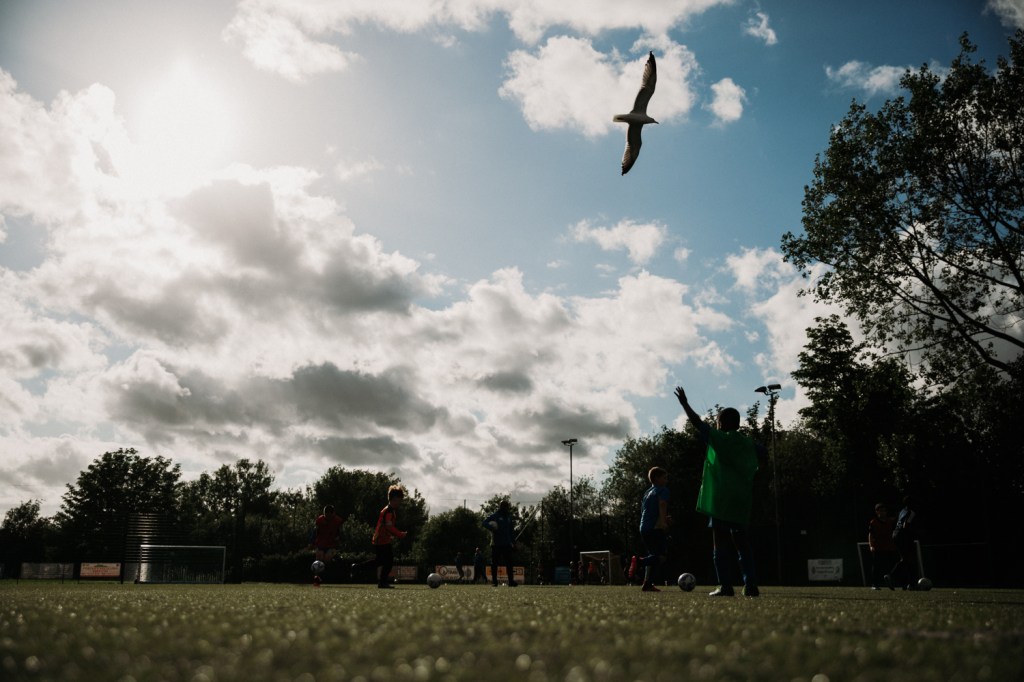
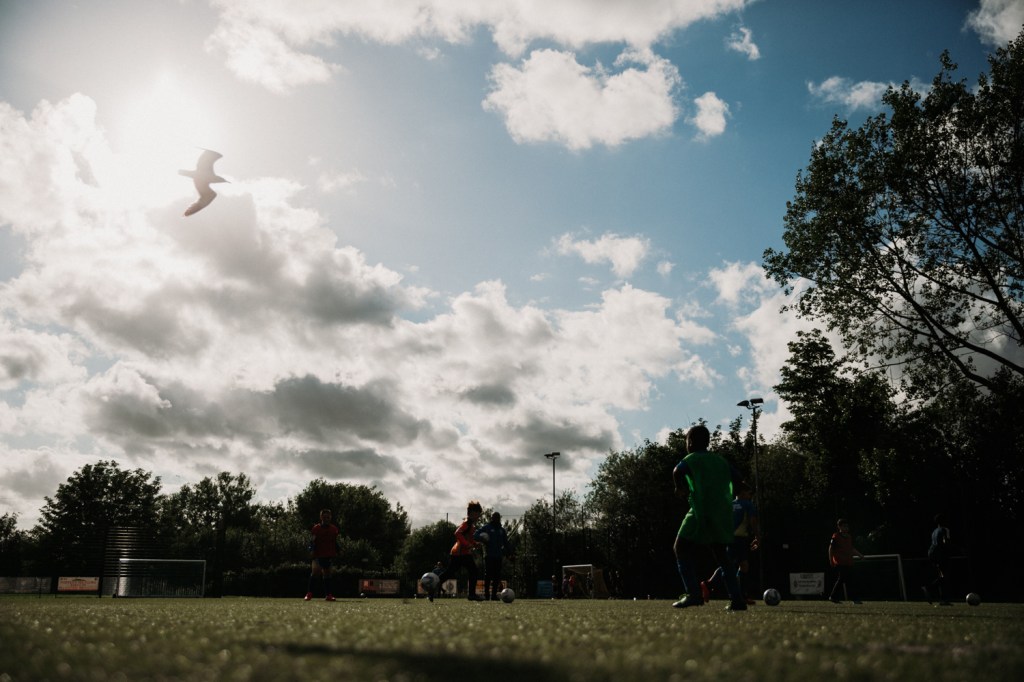
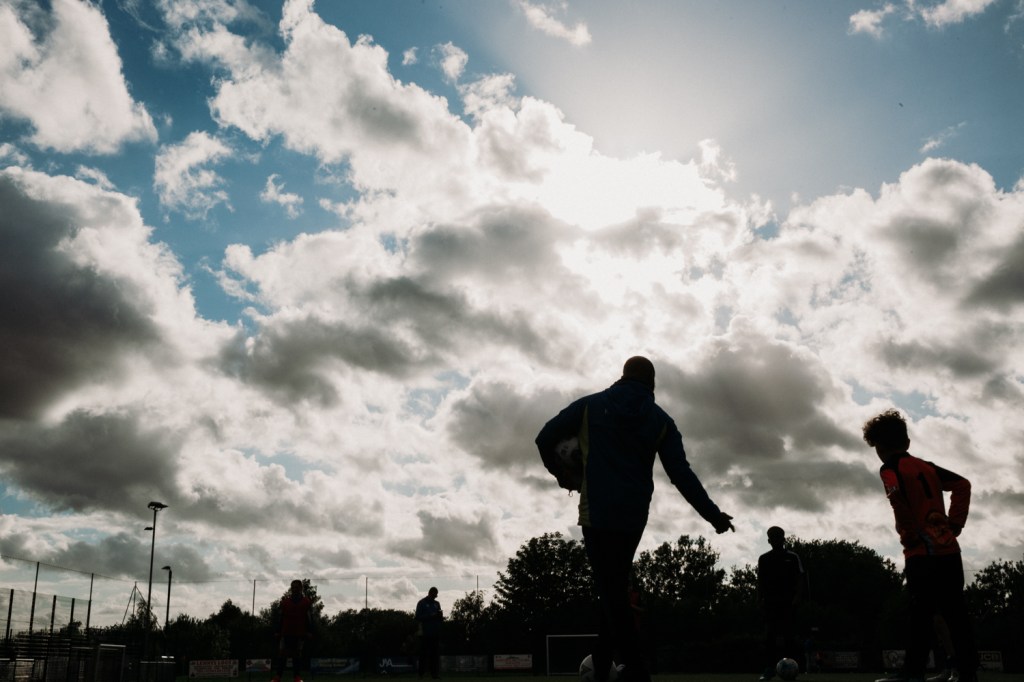
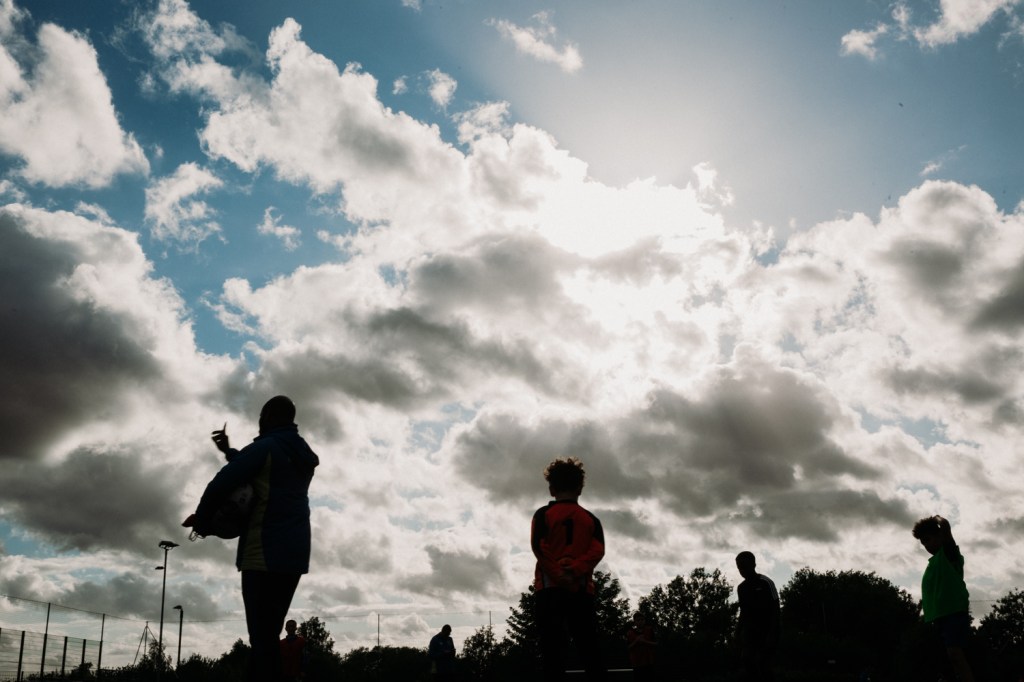
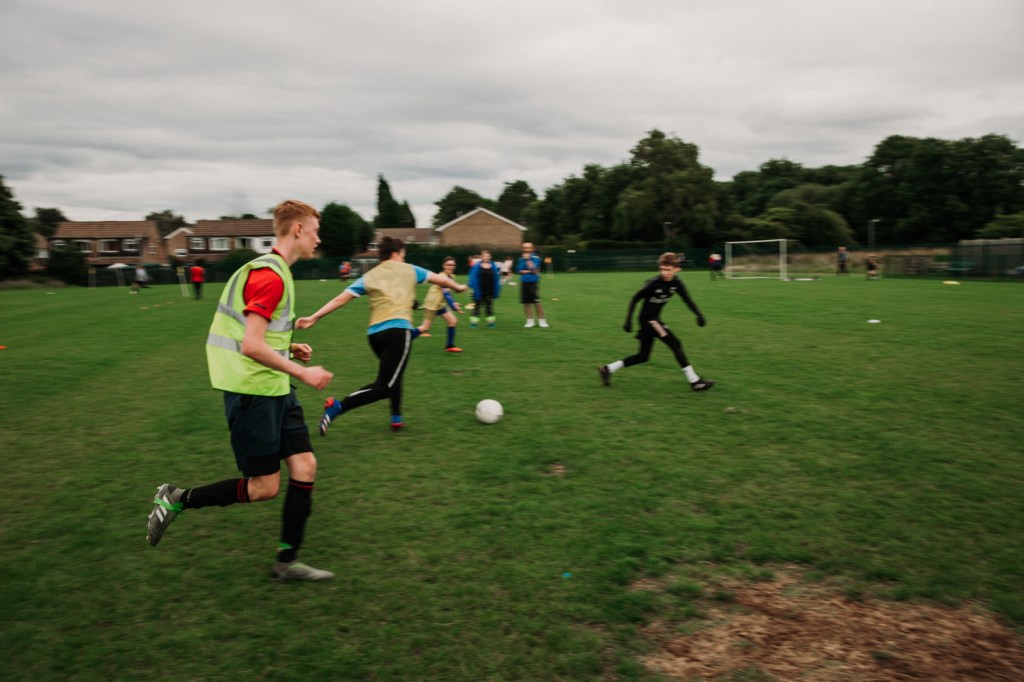
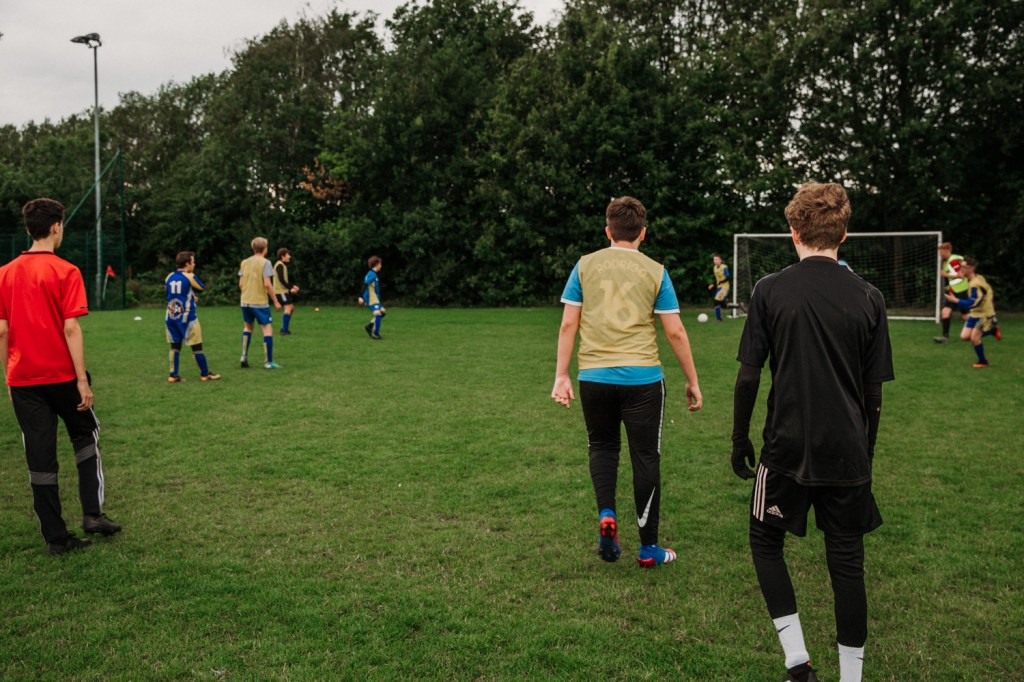
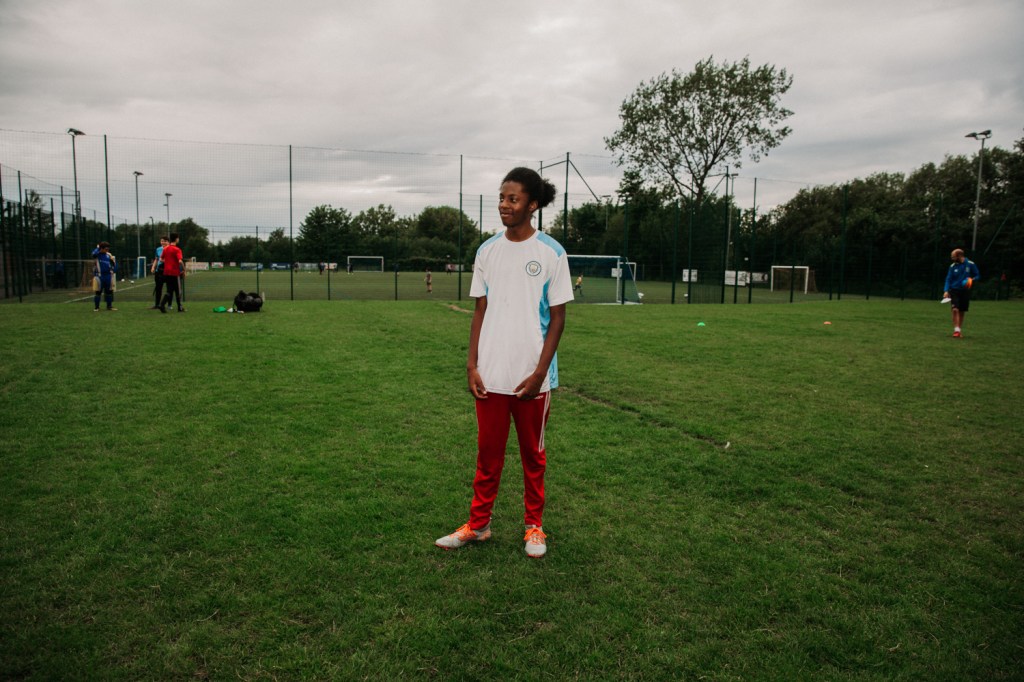
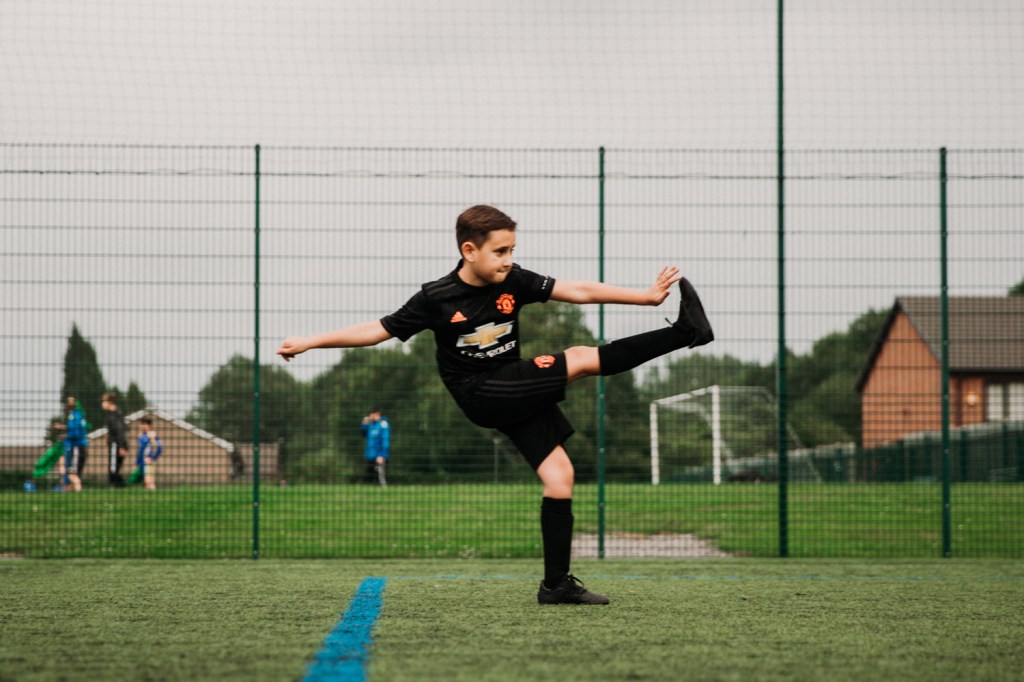
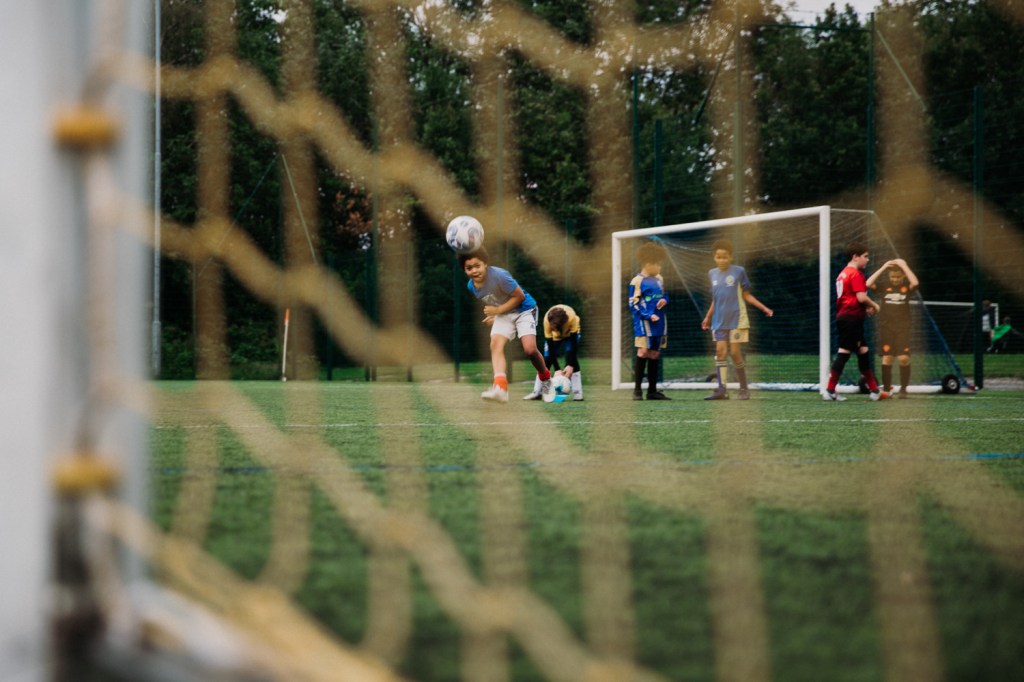
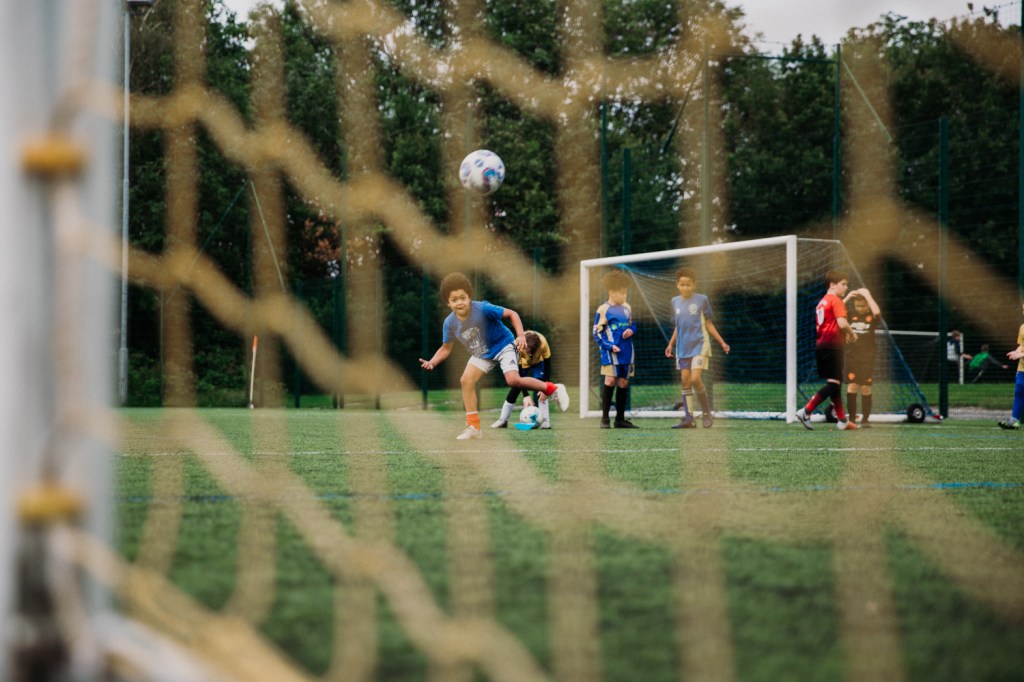
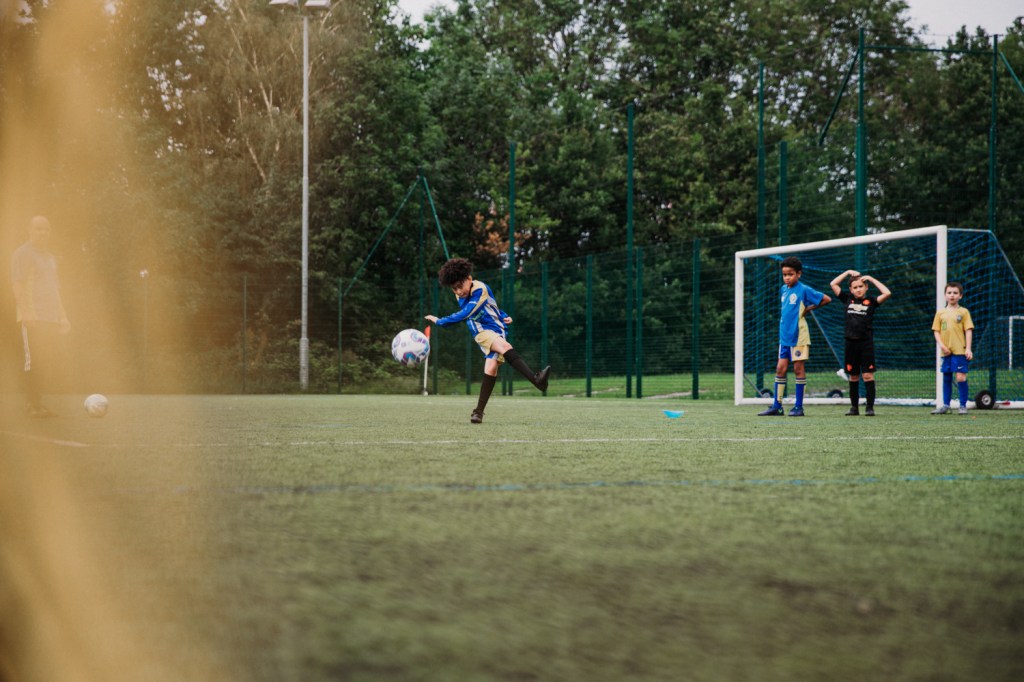
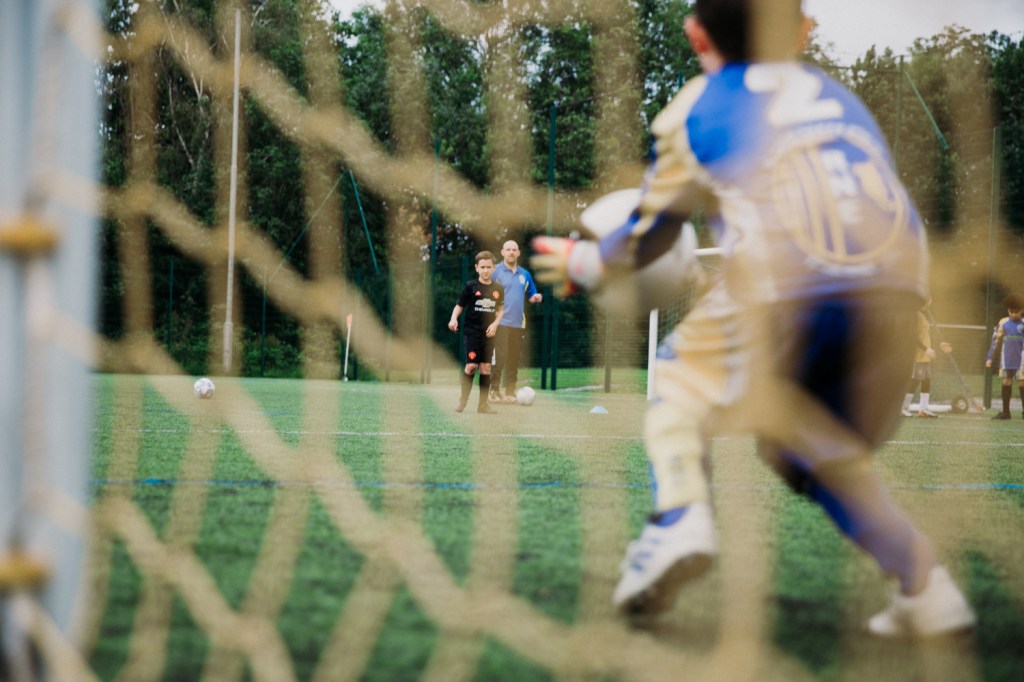
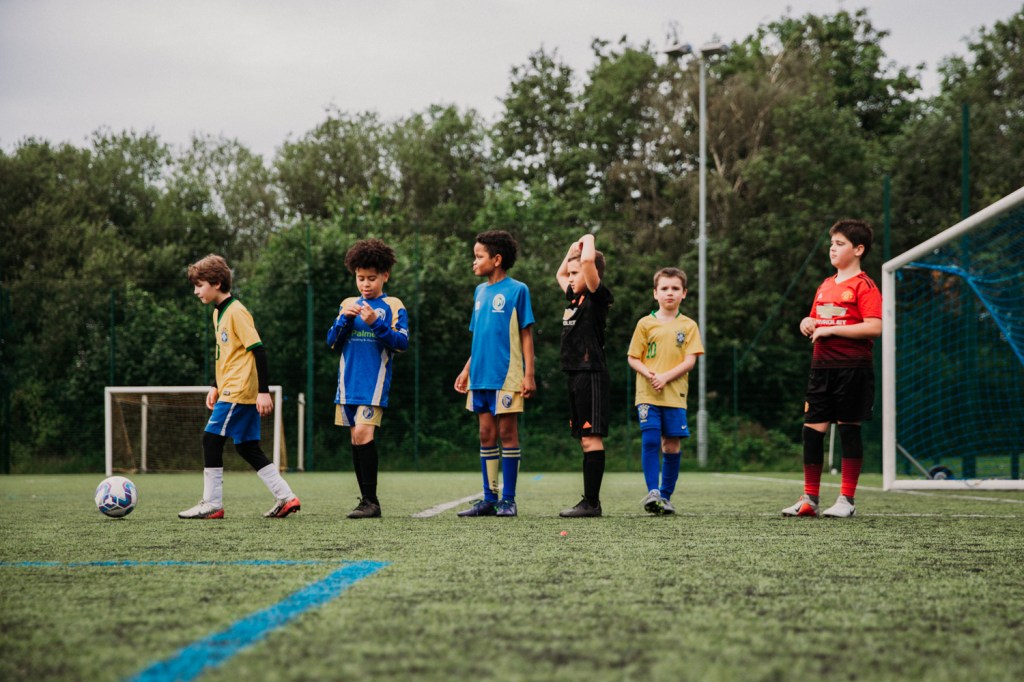
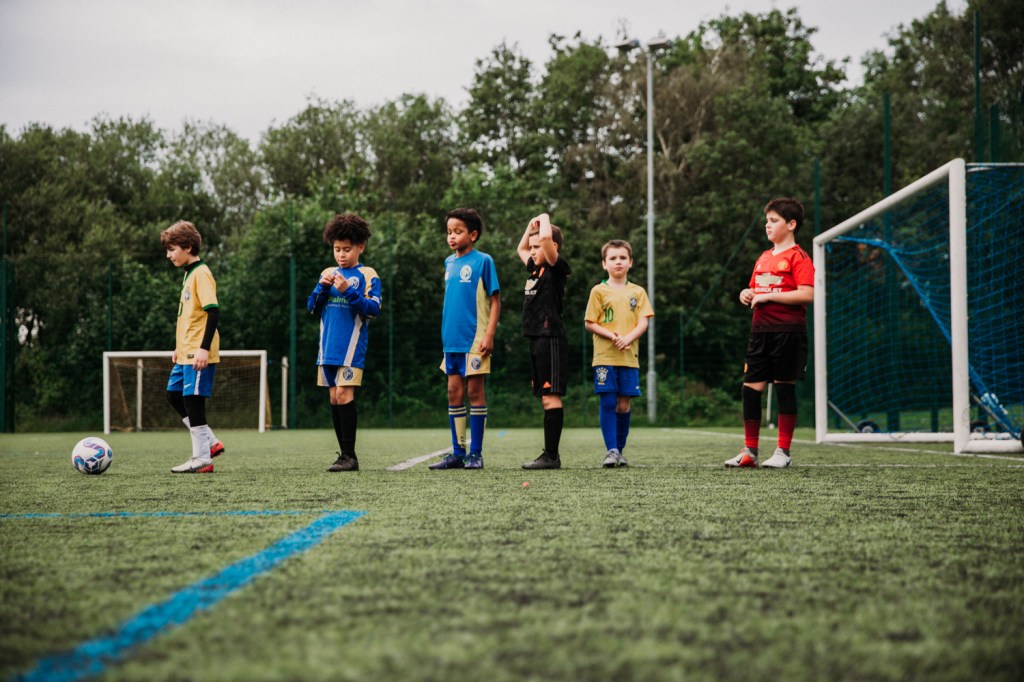
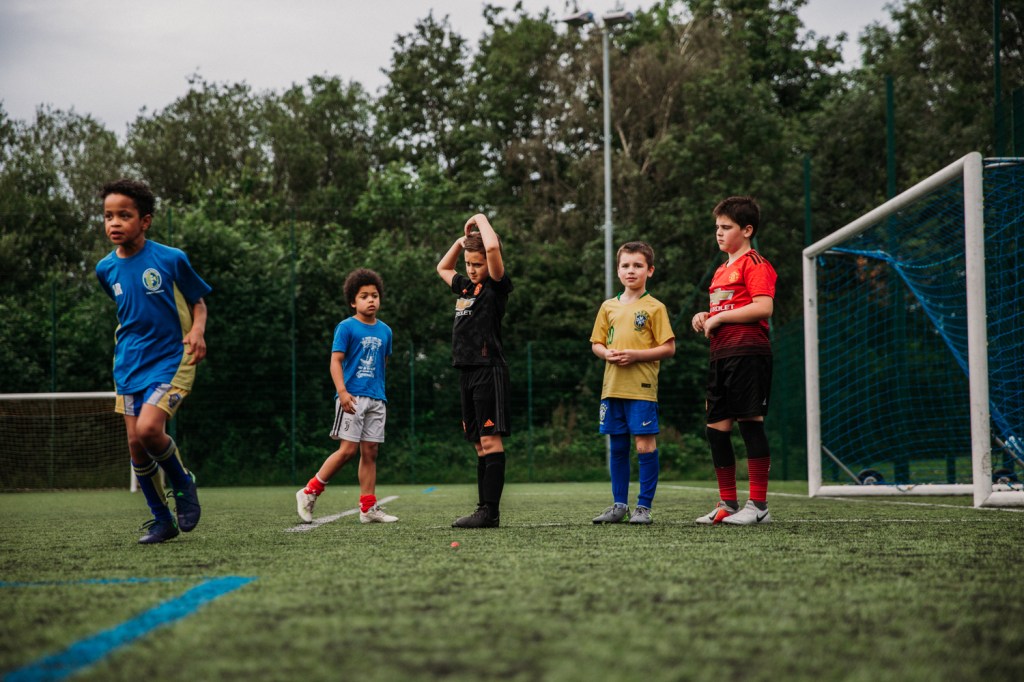
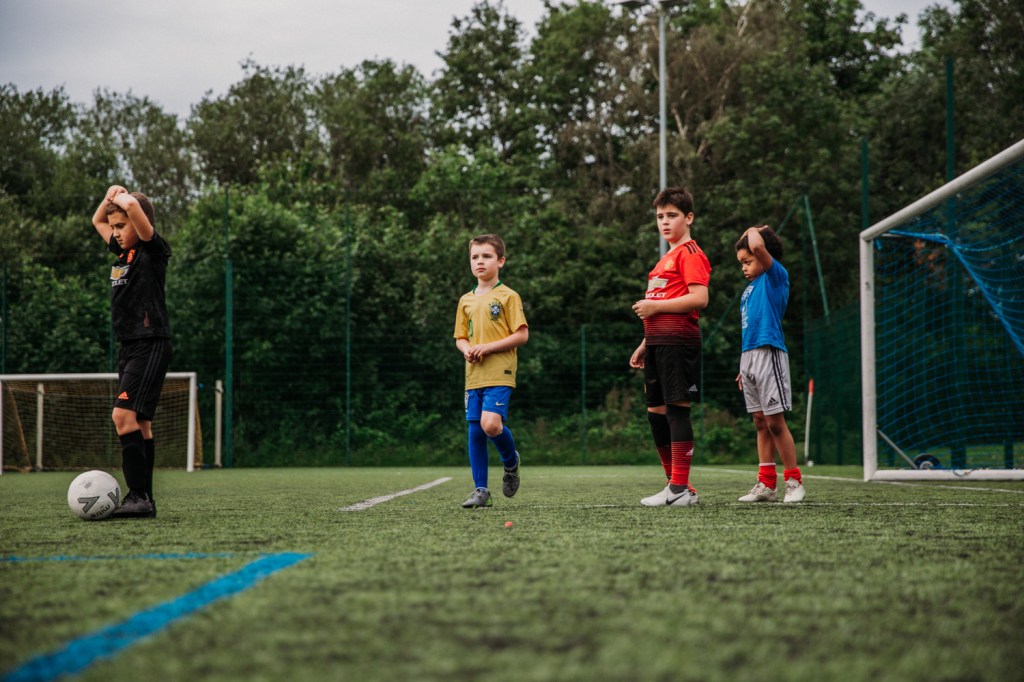
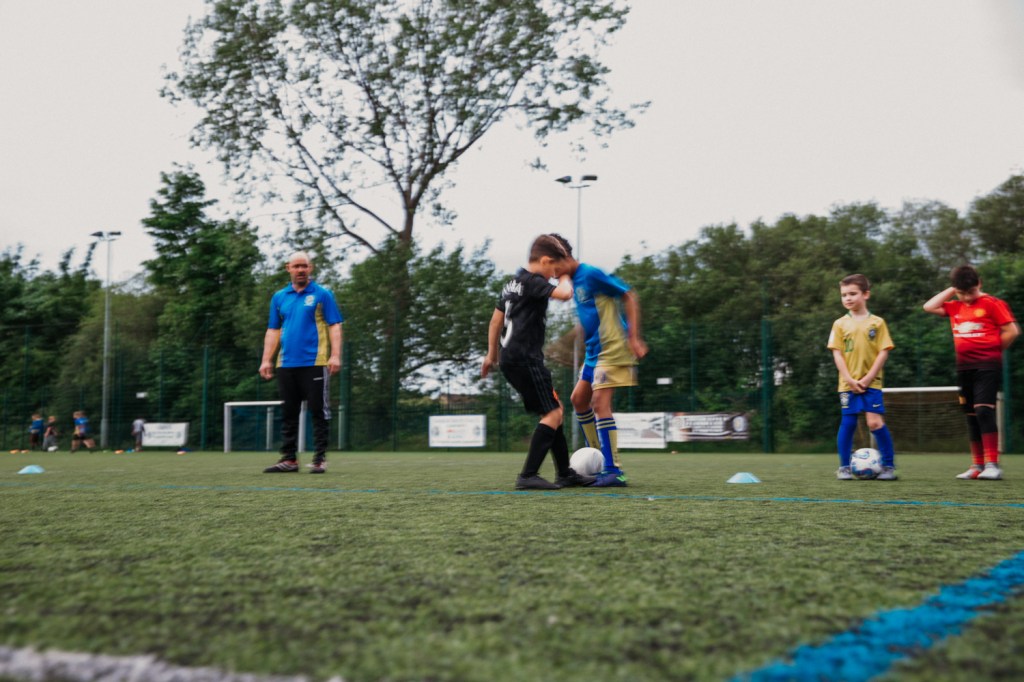
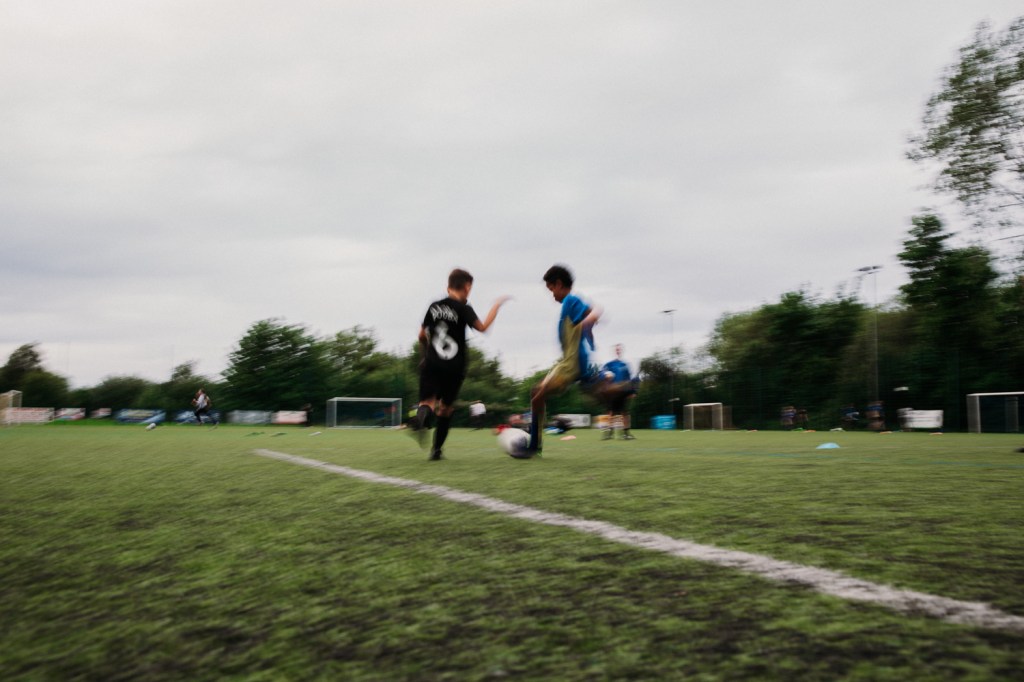
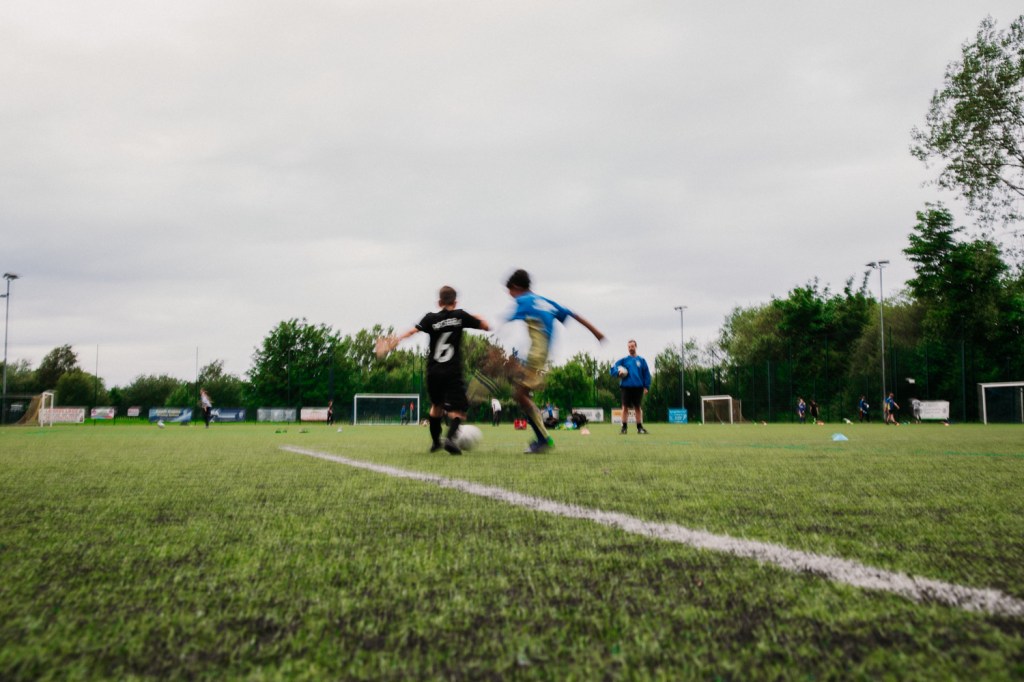
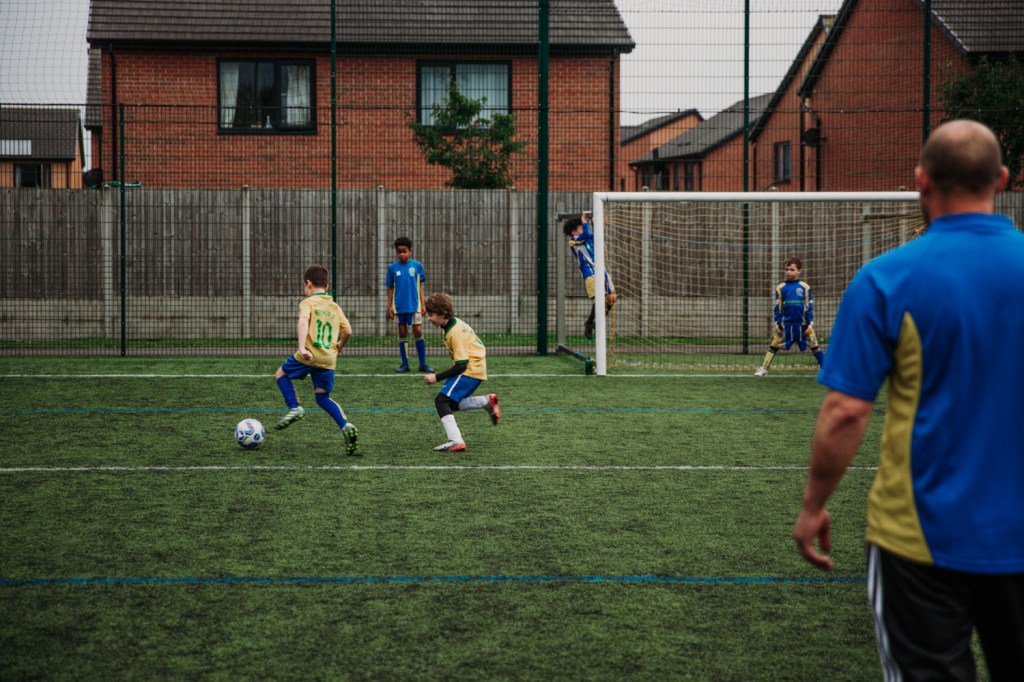
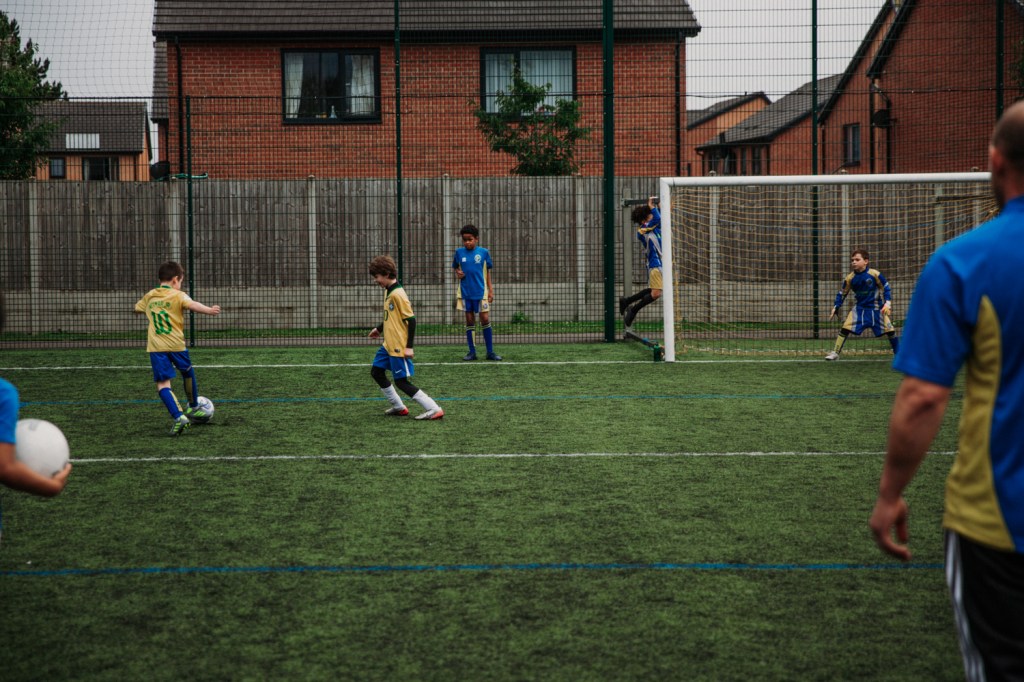
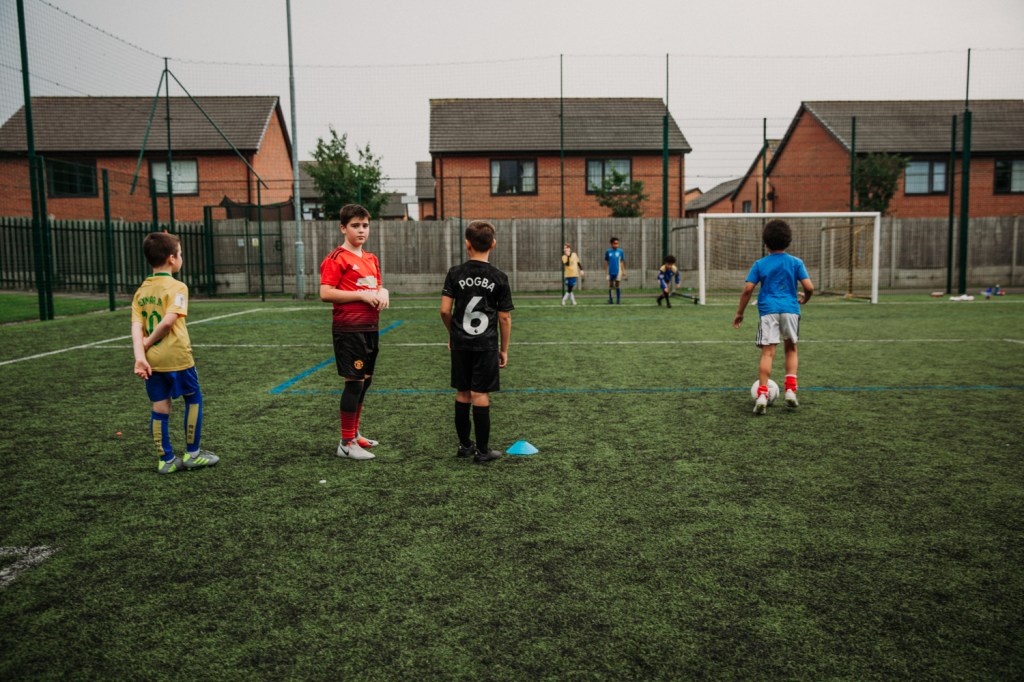
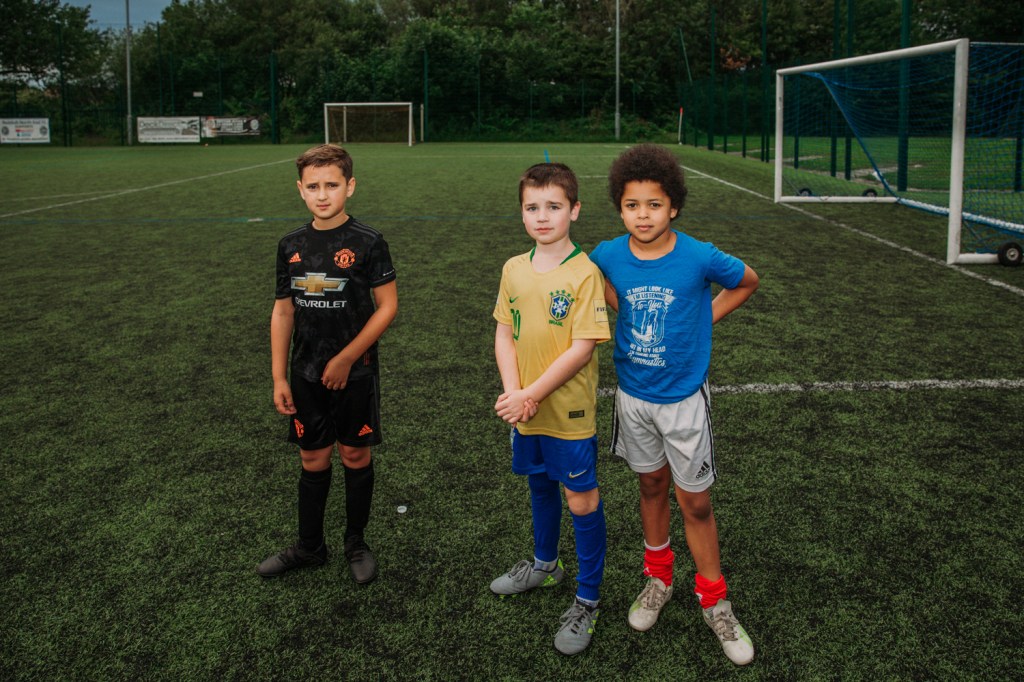
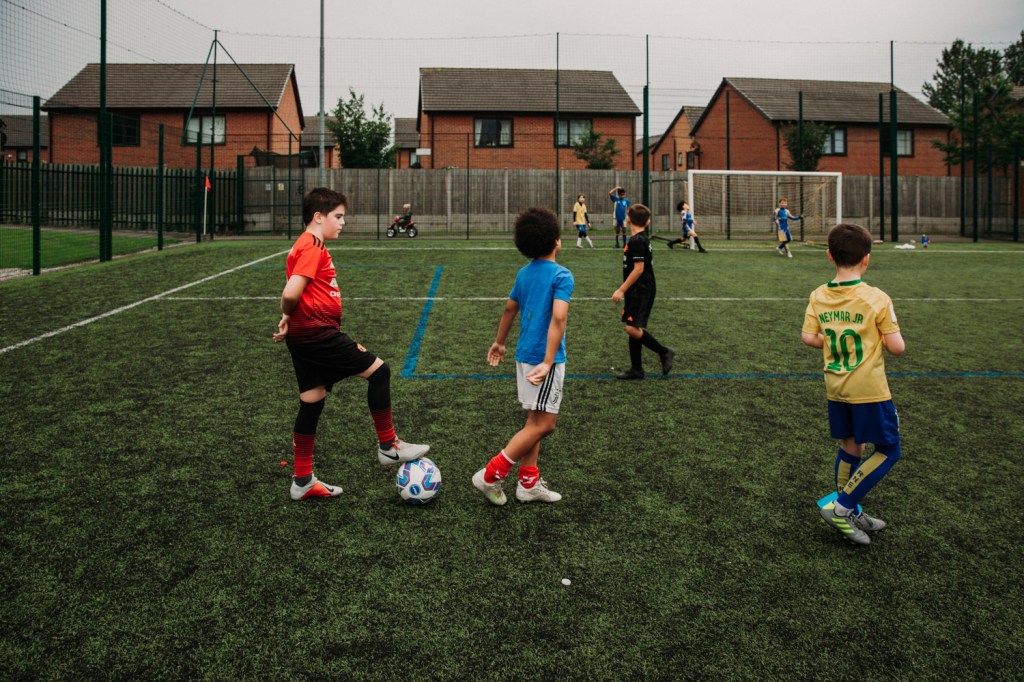
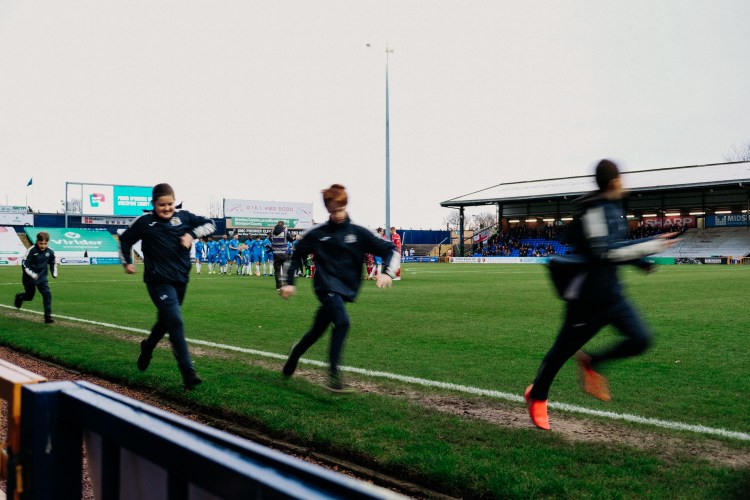
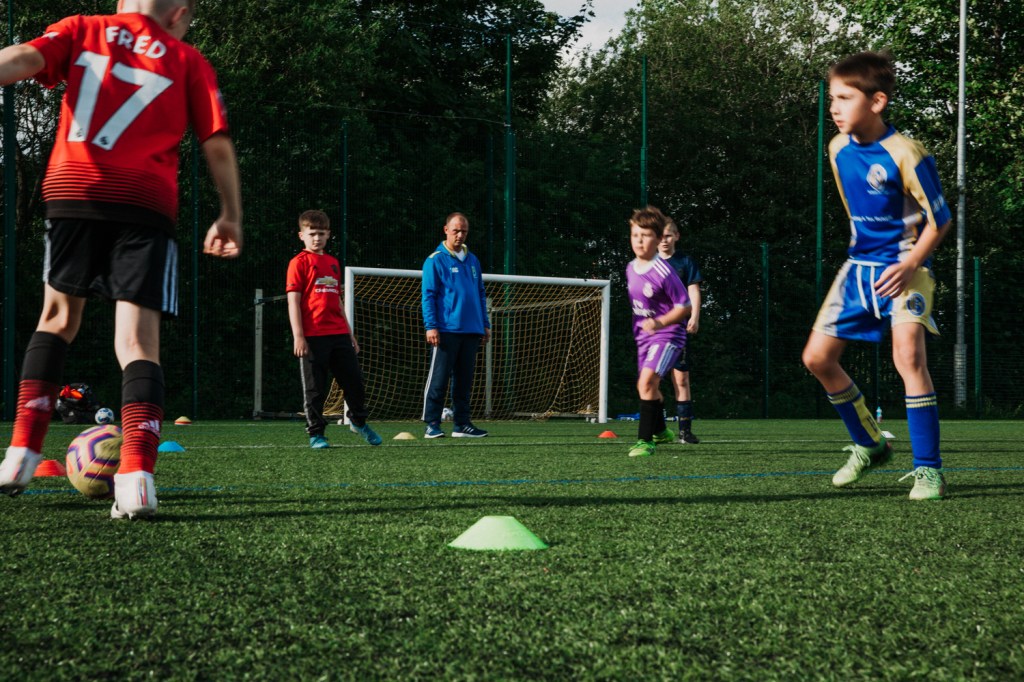
In response to the recent one to one I had with Cemre, I was advised to consider encompassing movement or action into my work in addition to shooting from the perspective of a participant. Having researched the work of Lartigue, specifically his action work. I decided to experiment with getting as close as I could without intruding not the coaching session to heighten the perspective of a player. I further experimented with slowing the shutter of the camera with the intention of emphasising the idea of movement within my work. In terms of composition, I was looking to get close and capture the action whilst attempting to maintain a level of separation between subjects.

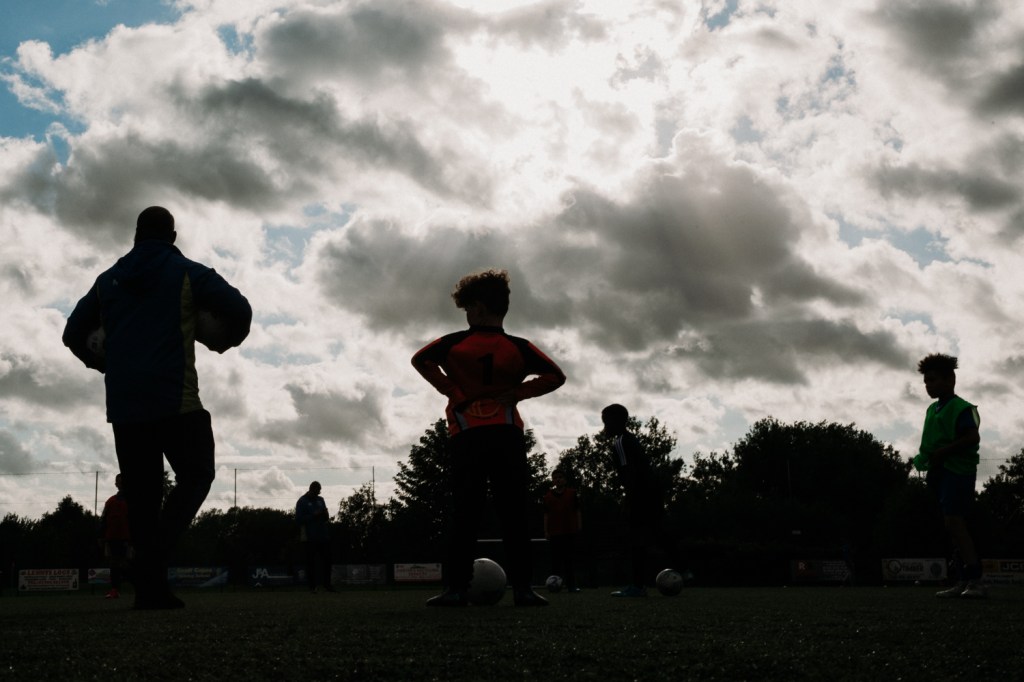
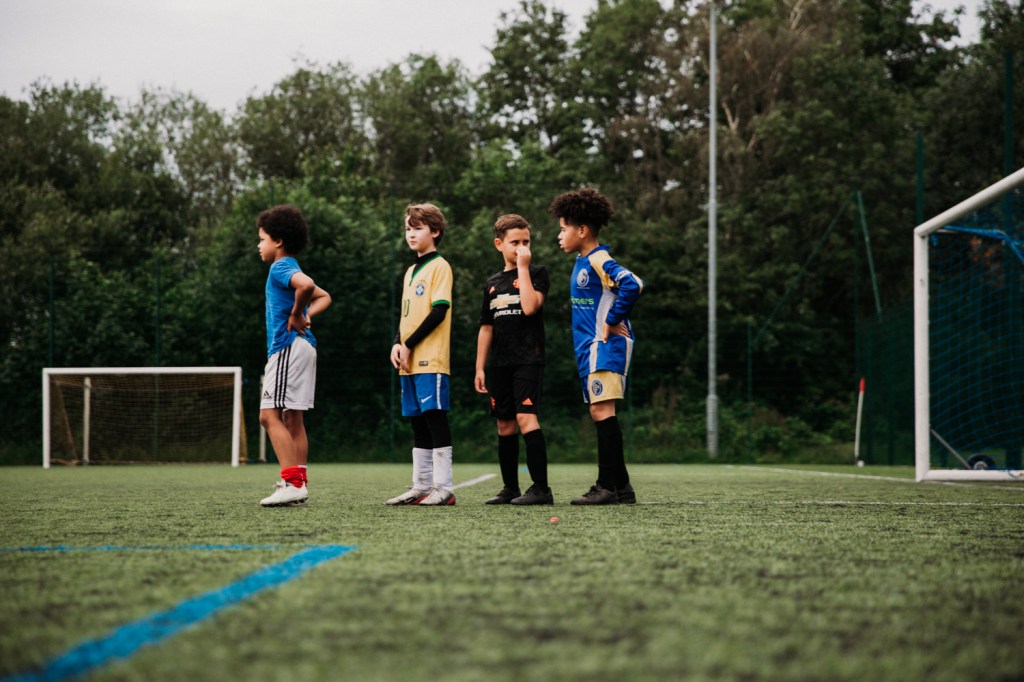
The shoot took place in the early evening with the light creating hard shadows. I tried to use this by creating some silhouettes. I have created a gallery which is more of a record of the shoot, I will take a second look at a later date as I find it difficult to assess the images shortly after editing. It is my intention to take a small number of images to encompass within a broader narrative of the visualisation of the diversity within the football club.

Contextual Research | Lartigue

Going back to my one to one with Cemre, she highlighted that it may be a good idea to encompass action into my work in addition to shooting from the perspective of of a child. As a result, I have been researching the work of Lartigue which I find compelling in addition to having similarities with one of my favorate photographers, Rodney Smith. As my reserach furthered I found that much of Lartigue’s work was driven by ‘action’ with composition a secondary factor. Although I consider his black and white actioin work appealing what I really like about it is the combination of action and composition. I feel this is of vital importance to the development of my own project because what I would like to avoid is producing action shots of people playing football in a style that looks like a commercial or journalistic sports photograph. 

The image above is particularly interesting as as stated earlier, the photograph is driven by the action of falling from the bike, the subject is placed in the middle of the frame but what I really find interesting about this image is the way that the stone path falls towards the right leading the viewer to assume that the subject was approaching a type of junction. This brings the image to life adding a narrative or even metaphor. Seconds earlier the subject would have been riding the bike approaching a type of crossroad which would require a type of decision to be made. ‘Right or Left’, the outcome of which the subject is evidence, could be a metaphor for making a decision. The image lacking colour does move away from my own approach however the union of action and composition serve as reference points on this occasion.

The image below represents an interest I have had for some years and have tried myself within a wedding photography context. Comparisons with the like of Rodney Smith are present here and what I am interested in is the symmetry of the subjects legs. Clearly creating an action pose of the subject running or possibly jumping.

The Smith image about echoes the work of Lartigue and one is able to see the similarities in the two images. In the photograph taken by Smith. The action is still driving the photograph in addition to the presence of clear daylight between the subject the ground. The image of the tennis player doesn’t appear constructed as does the photograph taken by Smith which may be another consideration I will need to contend with.

Moving on to the work Lartigue produced in colour, his emphasis shifts towards environmental portraits mainly of women.

The image above is dominated between the action of the water and the vantage point. The diving white diving board adding a further layer of interest which achieves excellent separation from the deep blue of the water. I find the photograph bordering the glamorous however the relationship between composition, colour, vantage point and ‘action’ achieving a union charged with the poetic.

Websites

Smith, R (2020) rodneysmith.com [Online] Available at: https://rodneysmith.com/surrealism/ (Accessed 5th July 2020)

The Guardian (2020) ‘Jacques Henri Lartigue: portrait of the photographer as a young man’ (The Guardian) 29th March 2020, Available at: https://www.theguardian.com/artanddesign/2020/mar/29/jacques-henri-lartigue-portrait-of-the-photographer-as-a-young-man (Accessed 5th July 2020)

Week 5 | One to One Reflection

One to one with Cemre


20 Minutes that turned my project upside down. 


In the previous post I suggested a project that focussed around Stockport County football club, encompassing a socially engaged approach which consisted of collecting fan images in addition to photo essays by myself. I still feel that this is a good idea and something I would like to do. However, as a result of my one to one with Cemre the project was turned on its head. In preperation for the meeting I produced a short blog post/roadmap which encompassed a small gallery of my recent work. The intention of this was to provide Cemre with a brief overview of what my project was about. 


As the conversation unfolded, Cemre put a series of images together from the gallery which illustrated a clear narrative. I was quite amazed by the results and for the first time felt that I had a series of images that I was pleased with. The outcome of the tutorial caused me to rethink the direction of my project possibly moving away from the socially engaged theme proposed in the roadmap that I proposed in favour if a narrative driven monograph. This type of work will be heavily centred by my vision as a photographer in addition to the curation of images, sequencing them into a narrative. Going back to my initial idea at the outset of this module which was to persue the journey of chasing the goal of becomming a professional football player. Colberg, J (2017:p2) states in relation to monographs ‘you couldn’t easily remove a photograph or page from such a photobookwithout running the risk of dramatically altering the book.’. The idea of producing a text of this nature is still quite daunting whilst at the same time exciting. Having tried to produce a powerful narrative in my last WIPP and feeling a sense of failure, more research into this area is needed. I do feel that the images I have produced in this module are stronger than the previous, however further consideration of my intent is needed. 


As reflected in this blog post, currently my thoughts are all over the place which is frustrating and makes any response at this stage difficult. I am however, asking myself more complexed questions. Accepting the twists and mianders in my decision making and trying to make sense of them. Cemre made an observation about my work as being very still. In response I have engaged with the work of Jaques Henry Lartigue in the persuit of a sophisticated direction which would allow the introduction of movement or action. First impressions of his work led to the comparison with Rodney Smith. Some of Smith’s work appears to be directly echoing the approach of Lartique which I found interesting. Further reseach led to researching environmental portraits which was one of the initial reasons I decided to study an MA. The work of Smith and Lartigue represent where I would like to be as a photographer. Lartigue’s early black and white work represents an inroad to a way to opn up my project while his colour work and use of a limited colour pallet may be a way to open up my project in a new ambitious direction.

Arnold Newman is another to focuss on in the coming weeks. First ipressions of his work lead to admiration of the often busy compositions and detail which surround his portraits. His selection of locations is strong and interesting in the sense that the multiplicity of what is essentially portrait is where I find the real enjoyment comes from. Further research and more detailed consideration needed.

Colberg, J (2017) Understanding Photo Books, tHE form and Content of the Photographic Book. London, Routledge. 

Contextual Research | Photo Books

As the subject matter of my project begins to emerge I have begun to consider how I would disseminate my work. In response to this aspect of the project I am required to think about who the audience would be and how they would consume the project. In a previous post I have briefly considered the idea of an exhibition at the local football club. However the purpose of this post is to consider in further depth, the merit of producing photobook. And if so, begin to consider who the type of audience I am attepting to engage with in addition to considering the type of potobook that I would like to produce. Colberg, J (2017) makes some important distinction between these types of objects defining them into three different categories: Albums, catalogues and monographs. On first thought, each catogary described by Colberg has merits and potential regarding my project. The idea of an album style photo-book may lend itself well to my project in relation to a project which is about archiving fan images that are acquired. 

(2017: p2)  ‘Conceptually, a photography album is a very specific photo-book. It usually is made over time reflecting, say, person’s or family history. Its producer edits it by selecting some photographs over others. In all likelihood, an album mostly contains happier, noteworthy moments in life. in this sense, albums are items of personal propaganda.’ 


Colberg’s comments lend themselves well to the idea of creating a nostalgic football album. The book would conform to the idea of a type of ‘personal propaganda’ about the football club, fan images of groups of people, Christmas presents of new football kits being opened with the photographer storing scanned fan photographs on a website before selecting the most appropriate photographs to feature in a book.


Similarly, a catalogue may encompass the collecting and storing of images, however the presentation of this type of book may conform to a summary of the work produced throughout the project with less of an emphasis on an emotive theme such as happy memories or a narrative. 


On the subject of a monograph, a photobook of this nature would be heavily relient on the vision of the photographer using the mediums as a form of visual comminucaiton in order to convey a message with supporting text being subordinate to the photographs Colberg (2017). In engaging with this type of photobook, the work I produce would become central to the project with little or no participatory input. This would change the appeal to a potential audience moving it away from the ideas suggested above. 


Colberg, J (2017) Understanding Photo Books, tHE form and Content of the Photographic Book. London, Routledge. 

Project Roadmap | Bluetiful

Bluetiful will be a socially engaged body of work which intends to create a lasting archive of fan memories and experiences of Stockport County Football Club. A community football club based in North West England on the boarder with Manchester.

Initiated with photography, written testamonials, drawrings and painting. The project will focus around expression, using a range of creative methodologies which have the potential to draw on the experiences of a diverse age range and interest. The project will also encompass a series of photo essays by myself. Portraits, documentary coverage of matches and the surrounding cultural rituals of supporters, going to the pub, eating food etc.

The underpinning ethos will be co-authorship and participatory image production, promoted via workshops with, the Stockport County Junior Supporters Club and SCFC Community Foundation. I will work with participants in order to tease out their perspective of the football club and how it affects them in a positive sense.

The summative conclusion will be a photo book that encompasses the work created throughout the project in the style of a Roy of the Rovers or Match of the Day style football annual using assets produced throughout the project.

The project may also encompass an exhibition at the Stockport County museum which is housed at the stadium, Edgeley Park.

The assets created may be disseminated in the match day magazine/programme which are produced for every home match.

Photobook 

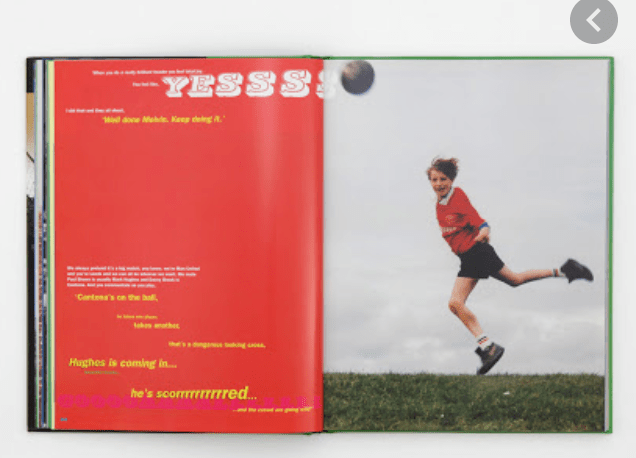
A photobook is a phyical object that may be kept and disseminated amongst families. It has the possibility to unite audiences experiences, young children who haven’t attended an away game could see what this experience looks like. Older generations could see the match day experience through the eyes of a child. Much in the style Julian Germain draws on a range of perspectives  in his book Soccer in Wonderland.  

Julian Jermain | Soccer in Wonderland 1994

Exhibition 

A focal point for the culmination of the project. Participants get the satisfaction of seeing their work in a physical form and on display in a public space. Participants could also speak about their experiences of making the work. 

Workshops 

May be used to broaden the photographic vocabulary of participants whilst sharing experiences and discussing different photographic approaches through photobook discussions. Old football programmes may be used to facilitate this and invoke past experiences.

Barriers to the Project

COVID 19: Currently most football matches are cancelled with some matches taking place behind closed doors. In order to remove this barrier in the immediate future I will shoot portraits of participants I have already cultivated but not yet photographed.

Participation in Workshops: In the event of a low turnout I will promote the project more intensively. I have already made links with the groups linked below. I will attend Junior supporters club meetings, plan activities using my knowledge as a media/photography teacher. I will also plan and promote age appropriate sessions aimed at adult participants.

Useful Links for Collaboration

Stockport County Football Club

Stockport County Community Foundation:

Help the Hatters

Summary of Project Development Throughout the Module

This gallery is has not been produced exclusively within the Surfaces and Strategies module. The purpose of these images are for the benefit of my tutor Cemre in order to assist in understanding of my project in preparation for the week 5.

Open Eye Gallery | Exposure Project

Building on the feedback from the webinar this week with Michelle. I decided to further my research into the work of Emma Case, whilst doing this I am also mindful of the upcoming briefs for week 5 of the module.

In response I decided to do some online research into curatorship as I feel that it is an area that I feel is currently a weakness. Whilst conducting research I managed to identify a webinar which was published a month ago by the Opon Eye Gallery. The webinar contained Emma Case and Katherine Monaghan who were discussing their socially engaged project ‘Exposed’.

The project involved a range of workshops where participants were able to use whatever devices they had in order to identify ‘different ways to photograph, and ‘different ways to enjoy photography’ with the intention of generating an insight into the the life of others. 


Watching the video, I felt this approach was relevant to the week 3 theme of participation and and collaboration. As a result i begun to consider what type of this project this alligns with in relation to the ideas of Lapenta (2011) who sets out the main types of collaboration project:

Respondent-generated image production

Community-based image production

Collaborative or participatory image production

The exposed project encompassed elements of all of these approaches however I felt it alligned mostly with a ‘community based image production’.  Lapenta (2011) outlines this type of collaboration

‘participants collectively assess their own images, highlighting what the community feels is most significant or best, often through dialogue and storytelling.’

Case and Monaghan’s project encompassed photo walks and trips to local parks and cities in addition to some show and tell sessions where participants were able to tell a story about a photograph they had taken.

Both Case and Monaghan agreed that these sessions enabled participants to develop their photography vocabulary in addition to developing their eye as photographers. The nature of this approach also served to build participants confidence by working within a supportive envirenment. In doing this, participants were also able to collectively assess their work Lapenta (2011) by expressing feeling about the work produced and its relevance to the community the participants inhabit. 

As a result of researching socially engeged projects I am beginning to rethink my role as a photographer and consider how I can utilise, not only the work I create but my understanding of photography to enrich the lives of others.

Up to this point I have been quite selfish with my work and my intent however, going forward I will endeavour to be much more open about my work and understand the power I have to enrich the community. Allowing this to inform my intent I feel that being more open will enable the possibilities of my work to be informed by much more more than my own narcissistic vision. 

Going back to the Exposed project and the Open Eye gallery, Barker, E (1999) highlights the importance and the potential impact of such organisations when she argues that

 ‘public museums and galleries… Justify their share of goverment funding by demonstrating that they function for a benefit of a broad public rather than a prvalidged few and make collections as accessible as possible.’

The Exposed project does this by not just offering an accessible space, but reaching out and stimulating the community in order to generate a local voice whilst encouraging engagement and learning. Understanding that the gallery goes beyond the exhibition space. 

Barker, E (1999) Contemporary Cultures of Display. London, The Open University Press.

Lapenta, F. (2011) ‘Some Theoretical and Methodological Views on Photo-Elicitation’, in: L. Pauwels & E. Margolis. eds. (2011) The SAGE handbook of visual research methods. (Los Angeles: Sage), pp. 201–213.

Open Eye Gallery (2020)  A Spotlight On… Emma Case & Katherine Monaghan (Socially Engaged Photography Network). [Online] Available at: https://www.youtube.com/watch?v=W6NVkykEXS8 {Accessed 28th June 2020).

Contextual Research | Shirley Baker

Furthering my contextual research into street photographers in order to broaden an understanding of poetic images. I spent the morning looking at the work of Shirley Baker who was a Manchester/Salford based street photographer. Much of her work focussed on the inner city slum clearences of the 1960’s. She made photographs mainly of the women and children who inhabited these spaces at at time of change, where communities were uprooted to new purpose build spaces which encompassed large estates and tower blocks.

 Looking at her photographs I couldn’t help but notice that much of her work is very busy, often with multiple subjects and interesting objects and textures. All of which serve to produce a compelling narrative about what life was really like in this time of transition. Although very different, I see similarities in the work of Alex Webb who suggests about his work that he looks for compositions that stop just before chaos. When reviewing the work of Baker I observe a similar type of energy. The multiple narratives which are tied together within the time of transition of a place that is home. The black and white work of Baker is interesting and useful personally, as her understanding of composition is a little clearer to see in her black and white work. 

For someone such as myself going through a process of completely rethinking my approach to composition. Bakers work, and voice is clear. The energy which is where the enjoyment I take comes from is in no doubt as a result of Bakers understanding of composition and the black and white nature of her work has allowed further contempleation of how to address this element of photography within my own work. As suggested earlier, reviewing the work of Alex Webb is useful however his use of colour in conjunction with composition if first of all, brilliant, however when developing a critical contextualisation of my own practice. Baker’s work has been really useful. 

Furthermore, as the surfaces and strategies module moves into the idea of curatorship. I have identified Natasha Howes who is a curator based in Manchester. Further research will be conducted into her work and ethos will be useful going forward. 

Baker, S (2018) Without a Trace: Manchester and Salford in the 1960s. Gloucestershire. The History Press.

Week 4 | Webinar with Michelle Sank

Reflection Week 4 Webinar 

Another useful webinar with Michelle this week. My intention this week wasn’t necessarily image based. The area I am currently struggling with is the intent of my project. At present, the documentary approach towards my work I feel is becomming somewhat one dimensional. Therefore it was good to consult with my peers and tutor to identify approaches and methodologies to opening up my project whilst making the intent of my work more concise.

I am relatively pleased with the development of my practice and feel that strategies of looking are becoming more mature as a result of contextual research in addition to guidance from Michelle. 

I recently contacted Julian Germain with regards to seeking some guidance on my project. His response was brief but he did highlight the work that he felt was strong. 

The main benefit of the webinar was the identification of Emma Case and the project ‘Red’. Red is a participatory project which collects and archives fan photographs of Liverpool fooball club. Not of the football but of the culture and surrounding experiences of fans. As Liverpool have a rich legacy in the history of European football the project encompasses lots of interesting memories. The project also encompasses the work of Case herself who possesses a documentary style which is appealing in terms of her use of colour and composition.
I was also led to consider a project I looked at at in the early stages of the course. Humans of New York states the intentions of the project… 
‘The initial goal goal was to photograph 10,000 New Yorkers on the Street, and create an exhaustive catalogue of the city’s inhabitants’.

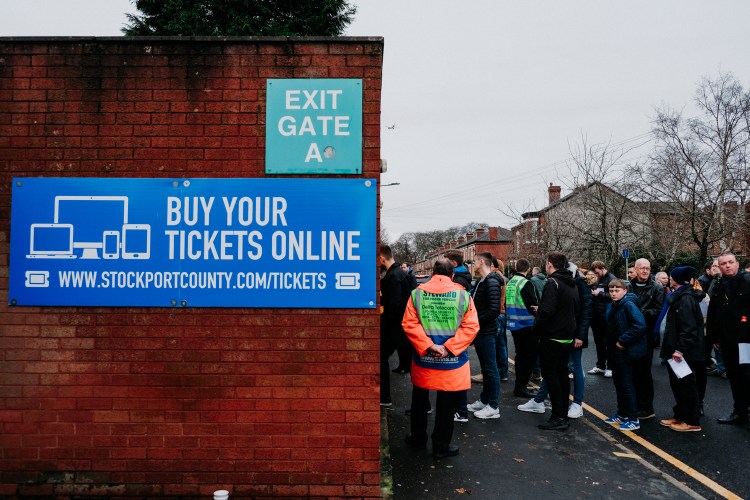
At present I am reserching the structure of these projects in order to formulate a type of structure to my own. One of the key considerations will be whether to continue with a range of football teams and locations or focussing on just one football club which would be Stockport County. The club already have a number of organisations and supporter groups but most point towards  what happens on the pitch. There are many social media groups which already act as a type of archive however I see this as an opportunity to connect and raise awareness of my project. 

In terms of the direction of my work. When and if spectators are allowd to attend football matches. My approach will be to frequent public spaces in and around the stadium in addition to attending away matches which will provide different aesthetics. I will contact Emma Case in order to seek advice about the project in addition to formulating a type of mission statement and rational. As agreed, I will send this to Michelle in the coming days.