Week 9 | Exhibition

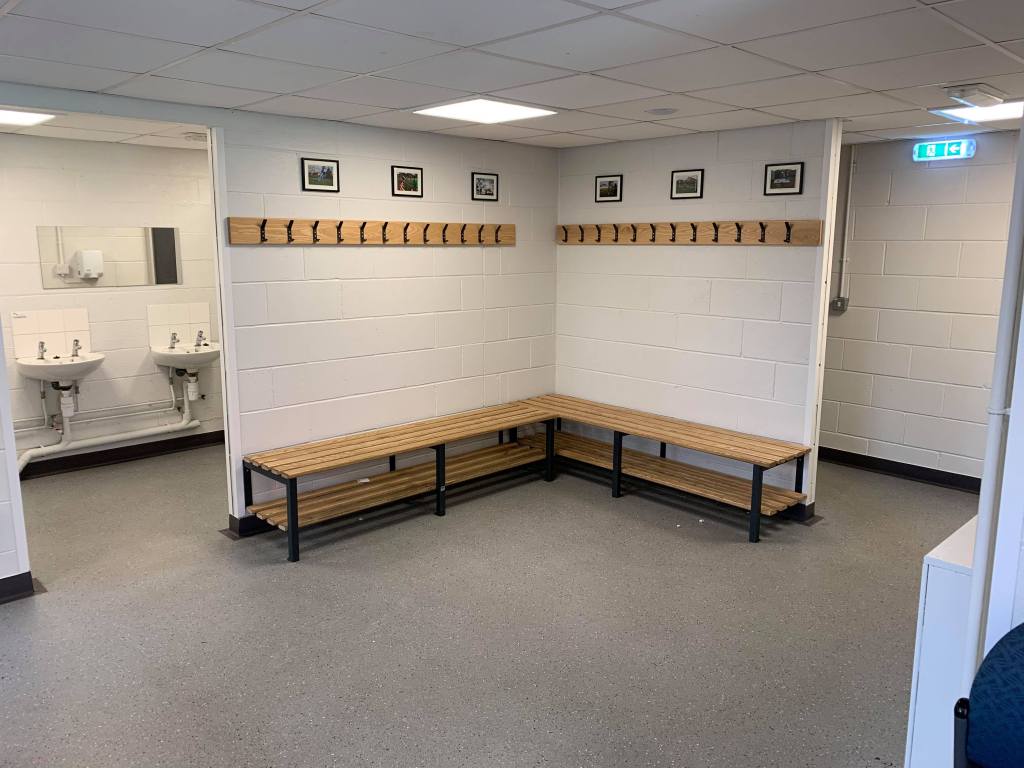
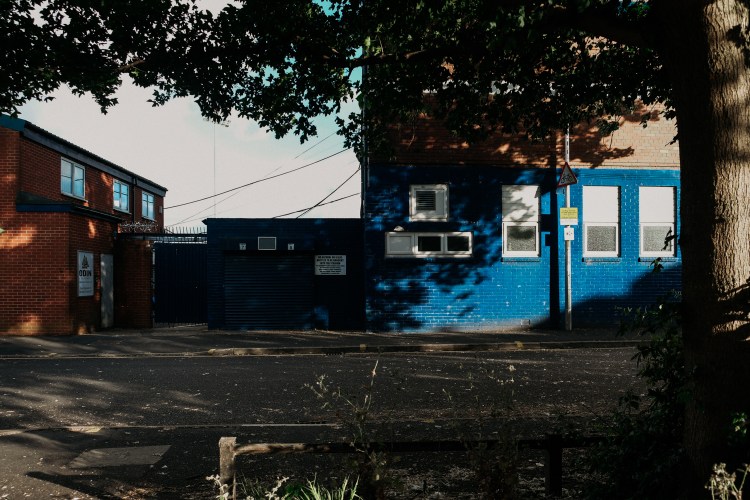
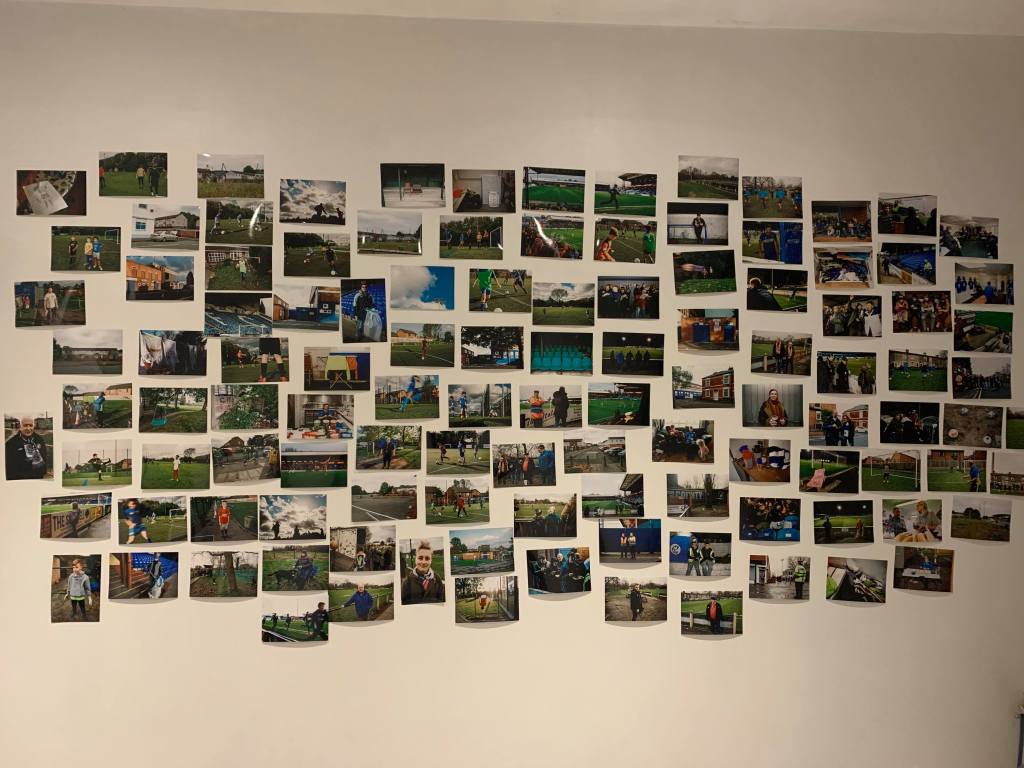
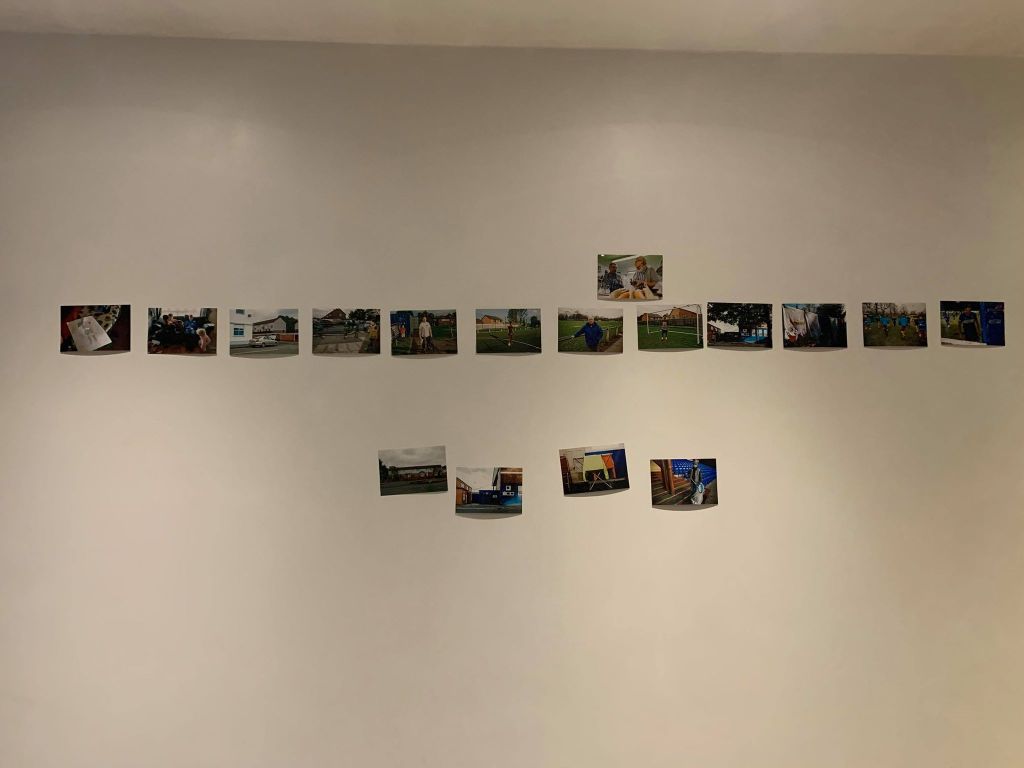
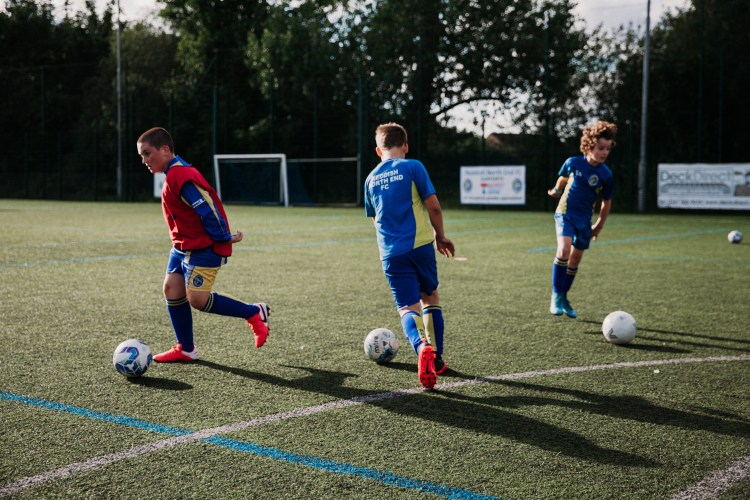
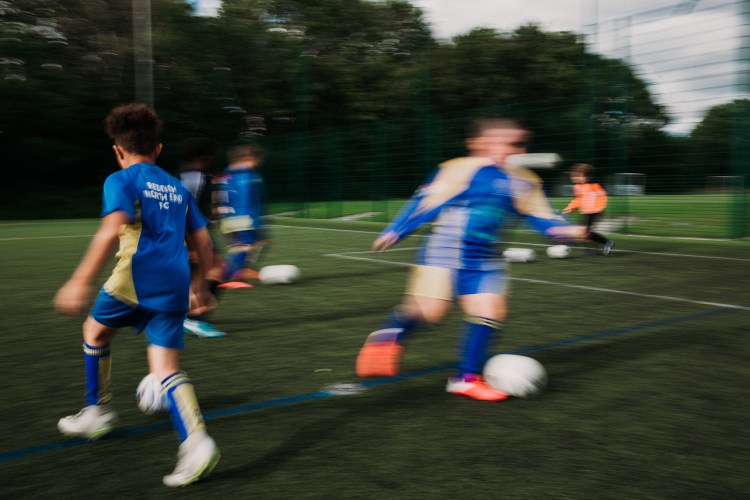
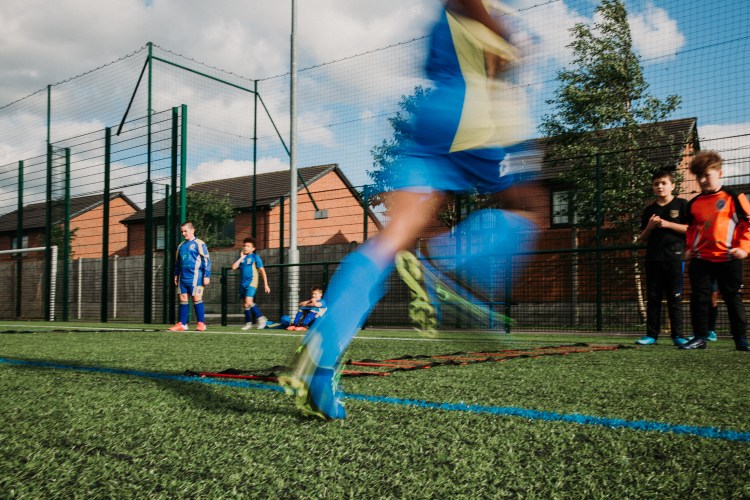
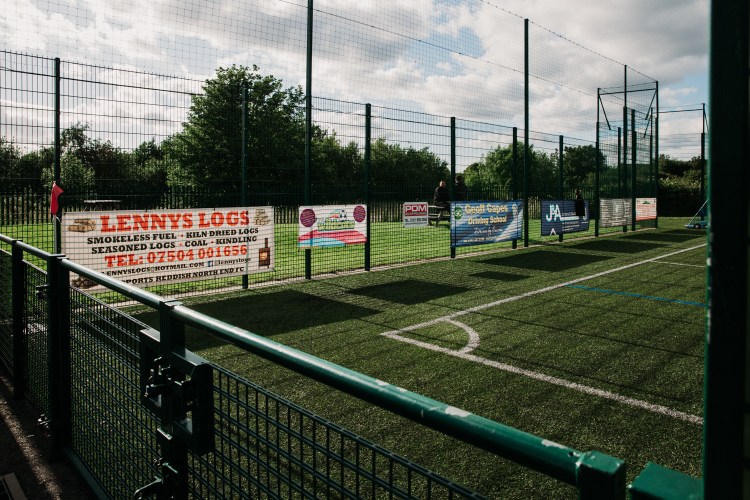
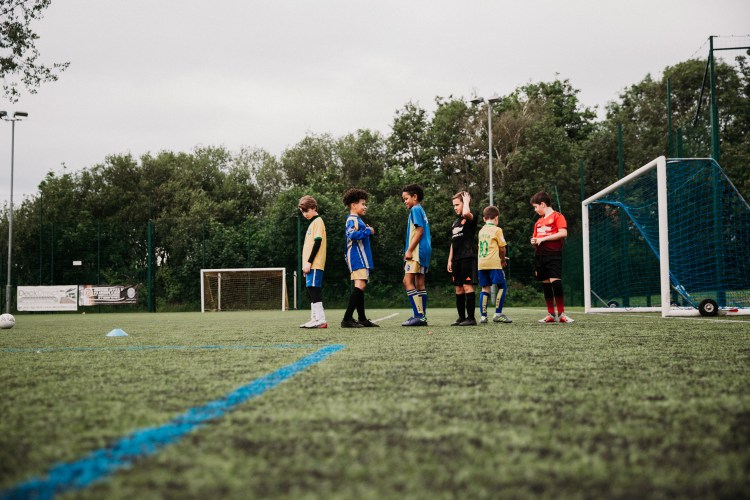
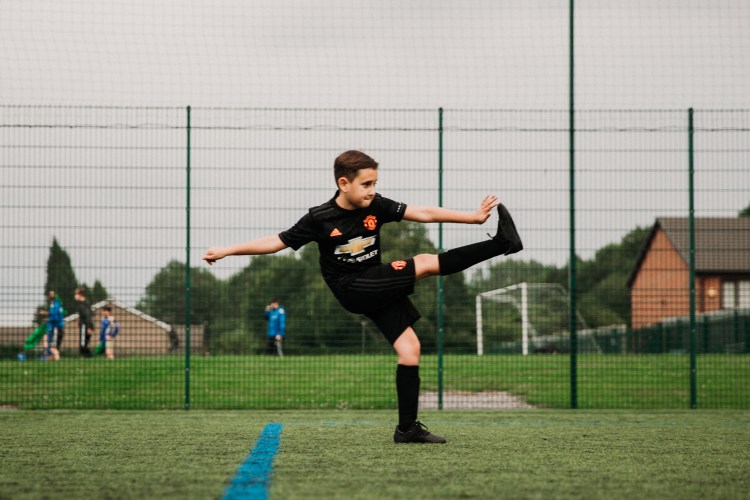
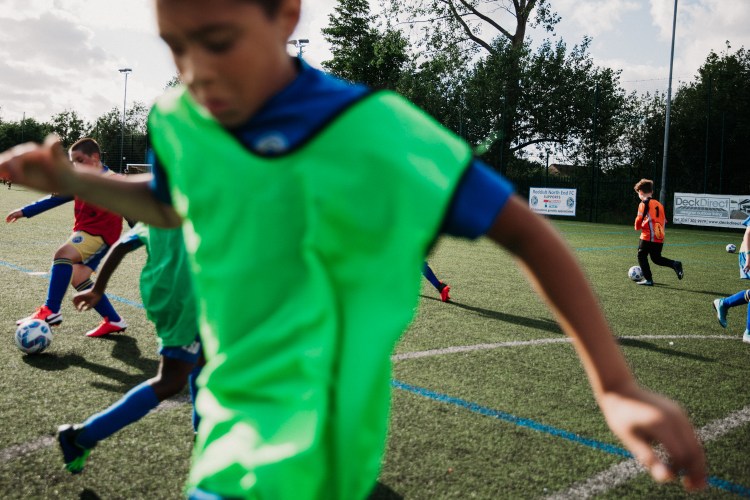
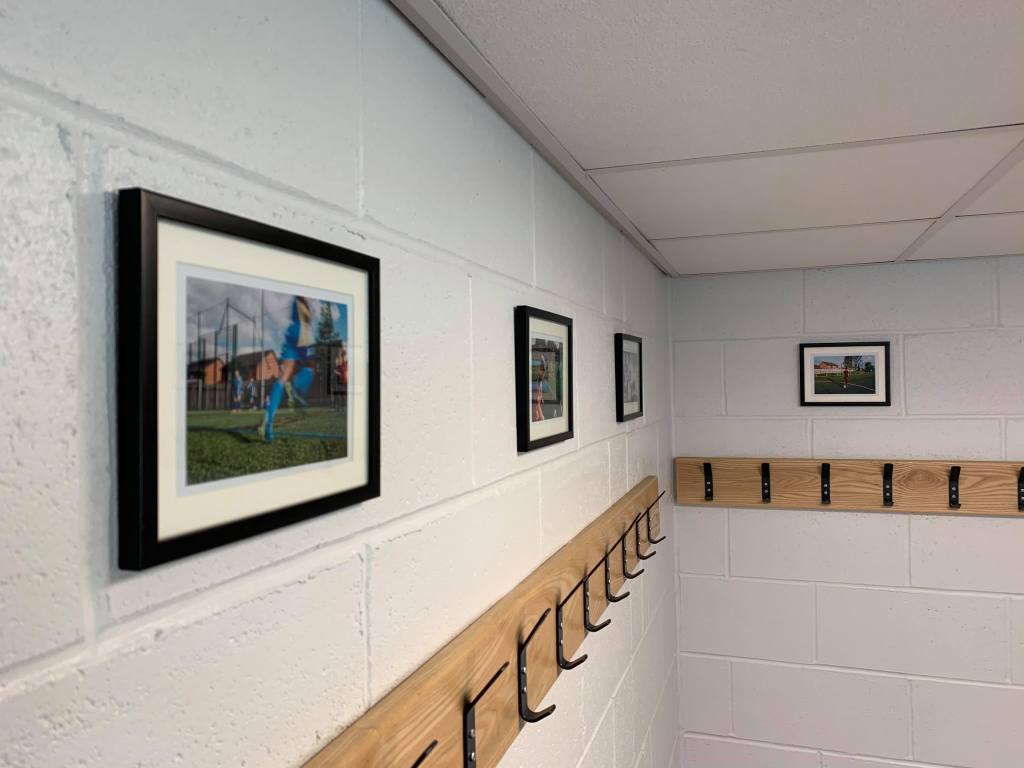
Having printed my pictures and sourced the frames I have now put my photographs on display in the clubhouse at the football club that I have been collaborating with. The space I have exhibited my work is a multi use utility room that initially I didn’t consider using. However, since lockdown measures begun to ease and the complex was able to be used again. The room has taken on a new life and is being used as a registration point for people entering the space. The room is used for participants to have their temperature checked and  have their details recorded as part of COVID measures, therefore the room will have a much larger audience than previously expected with people passing through on a daily basis. 
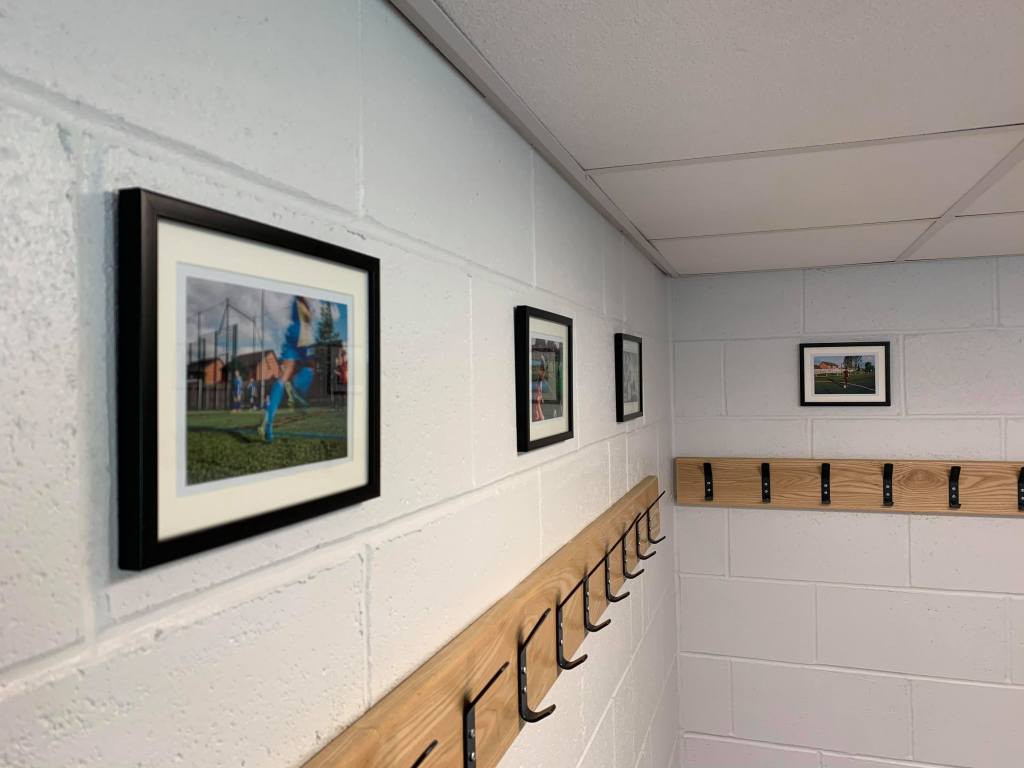
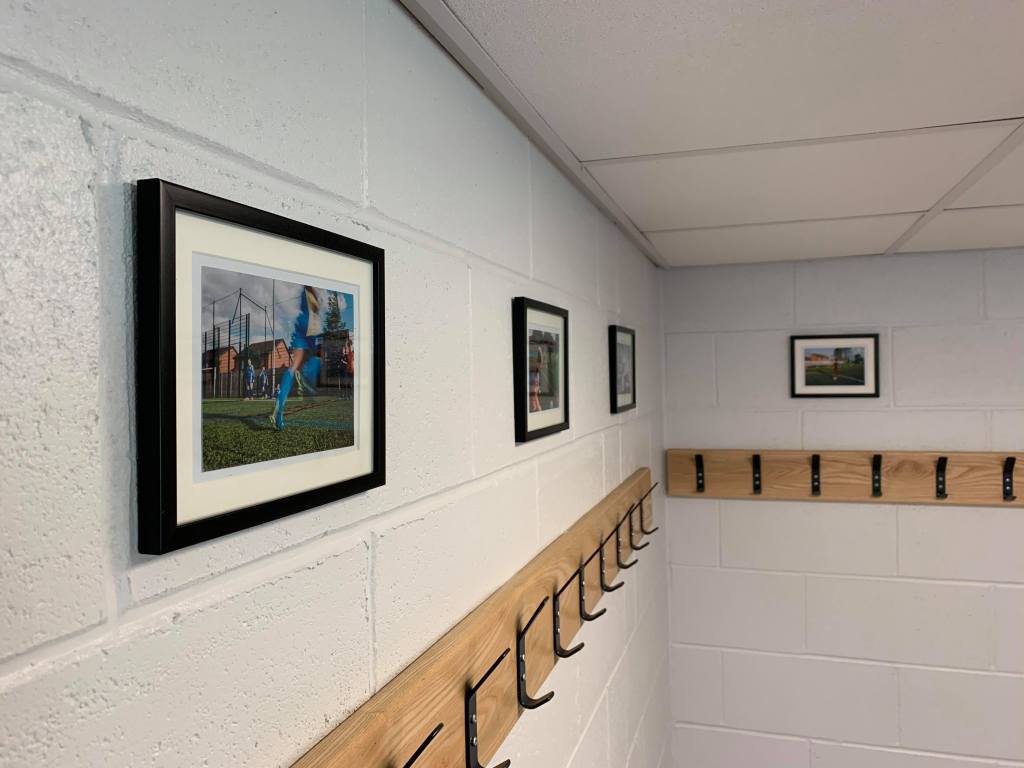
Having done my research and considering the space, I chose to make a range of small prints, evenly spaced out which requiring an audience to move around the room and stop to look at the images individually. Wells (2004:278) advocates this approach when she states ‘very small scale work, carefully mounted and framed, inherits the sense of the precious associated with miniature painting. It demands close up and detailed looking. Preciousness is emphasised if individual works are hung with space between them.’ Wells’ assertion provided a loose guide to placing my photographs ensuring that I considered the size of the photographs, how I would present the photographs in addition to how I would arrange and space the photographs. In conjunction with the limitations of room, the choices I made were simple but lend themselves well to what I had to work with. 

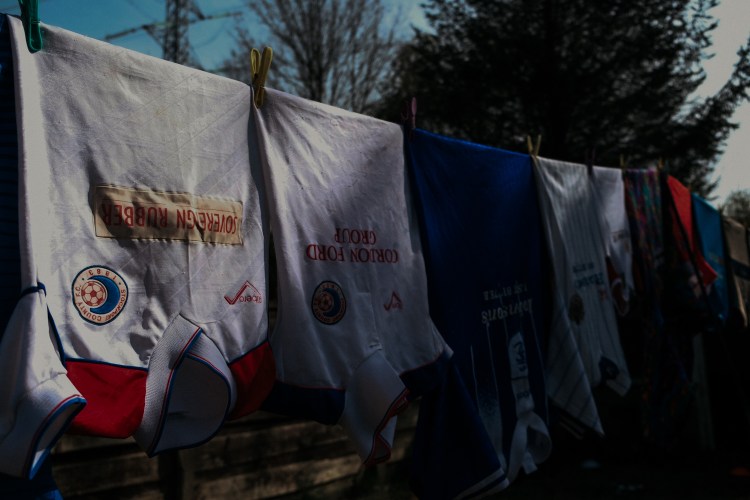
The motivation to place prints in opposite parts of the room was influenced by the ideas of Bishop (2005) who suggests that the ‘need to move around through the work in order to experience it activates the viewer’. As the space is in direct alignment with the subject matter of the photographs, the room meets with a type of union with the photographs. Footballs are stored in the room in addition to kits and trophies ready to be awarded. All of which are objects that may act to form traces of the game. This makes an interesting contrast to my photographs which illustrate the human element of the space as I chose to encompass the players and coaches in the work. 
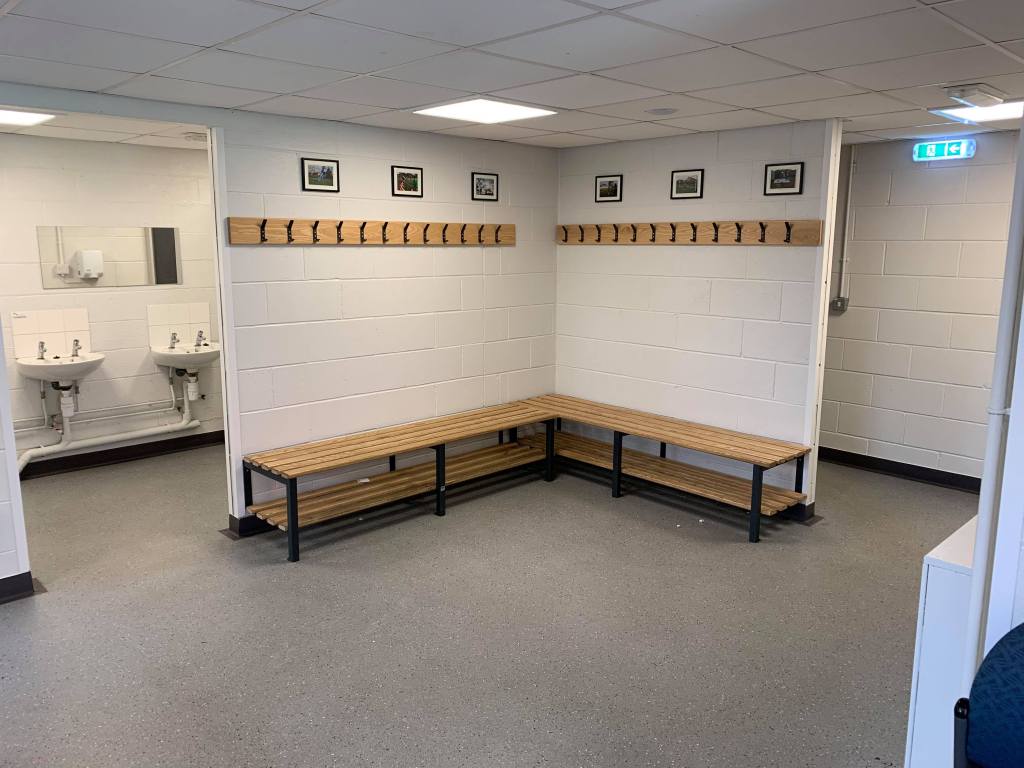
I chose to place the photographs in black frames, partly to enhance the sense of the precious as stated earlier. Bishop also comments on the idea of creating a ‘portable window’. When reflecting on this, I felt that black frames sitting on a white wall would create a contrast that provides the viewer with a sense of looking through the wall such as a window.

I will collect initial feedback from the relevant stakeholders who frequent the building later this week and I will ask questions regarding their viewing experience regarding the framing and the spacing.

Bishop, C (2005) Instillation Art: A Critical History. London, Tate.

Wells, L (2004) Photography: A Critical Introduction, Third Edition. London, Routledge.
My Camera as a Surface

Throughout this module I have made work with the underlying insecurity that I should be shooting in a manual format as opposed to a digital format. Currently, my camera of choice is a Cannon 5d. I use this technology because I am familiar with its programme and have past experience in using it. Therefore I consider that in a logical sense, It will provide the most likely route to producing the best photographs of which I am capable. It is true that my Cannon 5d looks like most other cameras although bigger than most consumer pieces of apparatus, it is also heavier than most other consumer models which when one sees may take a sense of authority from it. However the main reason I use this piece of apparatus, is the technology or software contained within the body. Using a full frame camera substantiates that my knowledge of how the camera works, will assist in fulfilling the intention of the photographer. 

The relationship I have with the camera is one that continually evolves as I explore new approaches and new methods to create symbolic meaning using time and space, however I am also aware of the limitations of the object I use to create work. Flusser (2000:27) writes ‘the photographer is not a tool but a plaything, and a photographer a photographer is not a worker but a player’. In considering my role as a photographer, Flusser makes a pertinent observation in the sense that I am drawn to photography as a result of my own interest in producing symbolic photographs as a form of expression, in addition to using one’s imagination. 

Motivations may take the form of social statements to visualise the world as I see it. That is in no doubt informed by contextual research that has the power of influence future actions. My role as photographer is to use contextual research, understand the limitations and possibilities of the camera to engage in the game of producing work. Thus creating a logical sequence between the surface being the camera and the photograph which is the end product with the intention of the photographer mediating between the two. Flusser continues his argument in suggesting that the photographer and the apparatus merge into a unity to become ‘functionaries’. In applying this idea I am led back to the relationship I have with the camera. Within this module, I have furthered my photographic means by utilising the use of an on camera flash. This elaborates my role as a functionary by furthering the capabilities I possess in using the 5d. I am now able to fill in shadows on faces when I am making portraits, enabling the furthering of one’s symbolic vision and engaging within the ‘game of photography’ with an extra weapon at my disposal. Dictating the direction of my current work. In using the flashgun, I am faced with extra choices, extending the limitations of the camera although not my choices are still finite. I am able to control the amount of light that I use in addition to the direction and focus of the light. Sometimes firing the flash directly at a subject, sometimes firing the light upwards in order to soften the impact and on occasion, using a white screen to reflect light. 

In past modules, I have utilised different apparatus in the form of a mirrorless digital camera. As a result, my approach changes as I need to play by the rules set by the apparatus, most notably the use of a digital viewfinder and LCD screen on the back of the camera which tilts and moves, relevant as it allows the composing of work without having to place one’s eye behind the viewfinder. This has been useful in exploring alternative vantage points, being able to take photographs from lower down or higher up. I am able to extend my perspective and widen my gaze which offers further possibilities in addition to a new set of problems most notably, those relating to vantage point. 

Finally, the major point for consideration that has been recurrent from the outset of surfaces and strategies is the decision to move to shooting film. A move that I anticipated making as the module commenced however the nature of my project in continuing to shoot portraits with the added apparatus of flash, serves to move my project away from the analogue and to continue with the digital approach. Having researched the merits of shooting film, Zylinska (2010) provides a compelling argument stating in relation to film… ‘preservers of value and the past, as keepers, against all odds, of a certain world that (allegedly) once was.’ The idea that in using analogue photography, one is able to preserve the past or at least in my case replicate what photographs used to look like. I feel there is now a powerful alignment with my current project theme in exploring my own relationship with football and the relationship with my Father which once was, but is no more. At this stage of the module I would be nervous about submitting work as part portfolio however the time for experimentation has arrived.

Flusser, V. (2000) Towards a Philosophy of Photography. Reaktion Books, London.

Joanna Zylinska (2010) On Bad Archives, Unruly Snappers and Liquid Photographs, photographies, 3:2, 139-153, DOI: 10.1080/17540763.2010.499608

Week 8 | Reflection

As I have continued to make work and further my project, opening up new avenues and intentions. The idea of producing a photobook at this time feels almost impossible. Technically I have the skills to produce a photobook, and I could produce a product in the style of a catalogue of images however I don’t really believe that this would represent the evolution of my work accurately.

At present, my project has evolved from a form of activism to a socially engaged project to a narrative based idea which faces outwardly and a highly personal narrative exploring the grief of losing my father, using the experiences we had to produce a series of metaphorical images. The main problem in adapting to this level of change for me has been creative thinking and research in addition to the process of confronting some raw emotions that I haven’t dealt with in the last 5 years. 

Dealing with powerful emotions, although difficult, I feel necessary to challenge, not just for the purpose of the MA but for my personal wellbeing. Engaging with this process is slowly beginning to deconstruct the feeling of numbness that I think I have experienced for the last 5 years. Sometimes taking joy from the memories, occasionally becoming overwhelmed with sadness at the realisation that my Dad is gone forever. The whole experience is very strange and I can’t help but think that I should have experienced these emotions years ago. It makes me feel a bit thick or stupid that mentally I was unable to process my thoughts and feelings earlier. 

The negative feelings that I am experiencing translate into the current module as I feel like I am getting behind with the set tasks, to suggest that opening up to my own emotions as being a reason for getting behind with my work, isn’t really a appropriate.

On several occasions I have sat down with the intention of producing a product but was unable because I simply hadn’t finished gathering my thoughts. Let alone produce a powerful narrative which this project deserves.

In the previous module I begun to explore the idea of photography as poetry in addition to looking at the work of Alec Soth, specifically his book Niagara. As a result, the impact of the power of a photographic narrative has hugely affected me and I would describe myself as currently in a hyper sensitive state. The process of transferring such emotions and attempting to translate that into a narrative is proving to be a time consuming business. I feel like I could produce 15 images of empty space in order to represent the difficulty in computing so many emotions that they render a state of uselessness.  

Going forward, I am going to continue work as hard as I possibly can in order to get to the end goal of producing a photobook. But at this time I need to reevaluate my intentions and focus on taking baby steps with my progression.

In the coming days I will assess the work I already have and attempt to forge into a narrative. That will help in the identification of what is missing from my work which will enable the creation of yet another roadmap to expressing my thoughts and feelings towards the tasks in hand. 

In my reflection last week I identified some key areas that I would like to photograph such as a cafe and the M60 motorway in some capacity. In response to this I have begun to research the work of Paul Graham and his project ‘The A1’ having attended a webinar with Colin McPherson where he selected his favourite and most meaningful photographs. The webinar was useful in unlocking my own emotions as McPherson spoke candidly about his childhood growing up in Scotland. This helped me to tap into my own childhood memories and revisit my own vernacular memories of travelling to football matches and eating getting something to eat after my Dad had picked me up from school.

Leading on to this weeks webinar, the feedback that I received was positive with Cemre emphasising that she is pleased with the progress being made and my ability to follow instructions and advice is good. However Cemre did advise that I would benefit from ‘getting closer to my project’ which at the time I took as a metaphor for exploring my own emotion towards the project.

In response to this I decided to let go of my own emotions and explain the process I have been going through with regards to my reflective/delayed grief about the passing of my Dad. I did feel little uncomfortable in doing this in the presence of my tutor and my fellow students however the experience was an empowering one that was met with empathy and support by all which I was really thankful for.

As a result, I have the ideas of where I need to go and what I need to do. With shoots such as these, I am going to be stepping out of my comfort zone and dealing with the vernacular but with a solid intention to create metaphor. My project is revealing itself with the power and emotion which certainly resonates in a personal sense. I am also led back to my previous research of Alec Soth and feel that I need to look deeper at work and intention of this nature. Looking at the photo-books that I currently own, they are all in the form of catalogues. Used to build my knowledge and understanding of photographers. As a result I am unfamiliar with photographic narrative work and feel that I really need to build on this area if I am to produce a sequence of images which encompass meaning and the emotion that I am currently experiencing.

Week 8 | Workshop

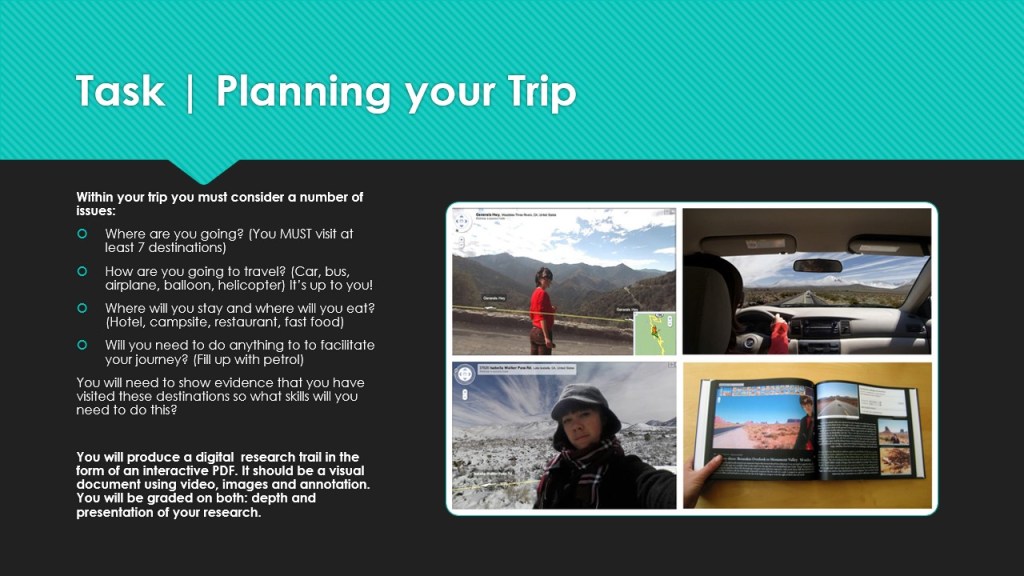
In response to the workshop task I have decided to revisit the content from the earlier weeks of the module, considering how digital techniques can be encompassed in photographic work. This was an area that I really enjoyed and think would work with the students that I teach in an FE college.

As a media teacher, I teach both A level and vocational learners therefore I have decided to aim my workshop at this audience. It may be worth noting that I am planning to deliver this workshop/project when my students return to the college in September.

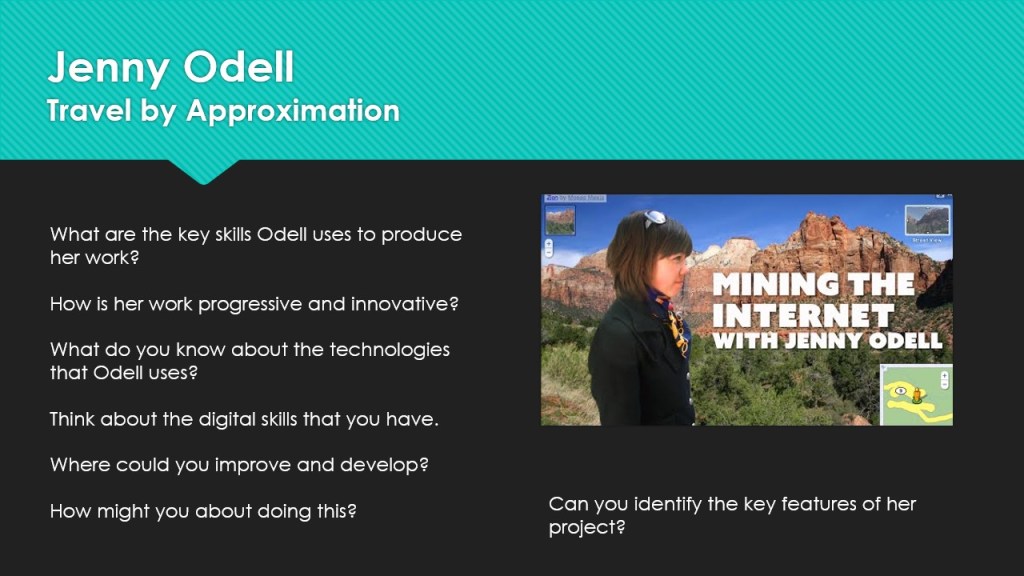
I continue to find the work and research of Jenny Odell really interesting and a great example of how everyday technology such as google applications can be used for creative processes. I find the philosophy of Odell really refreshing as opposed to a constant emphasis on functionality and convenience which we usually associate with SMART technology. Therefore the aim of my workshop will be to encourage students to think differently about technology. Whilst teaching students how to exploit applications for creative purposes and empower them to see the possibilities of SMART technology to inform creative intent.

Week 7 | Reflection

As I have continued to make work and further my project, opening up new avenues and intentions. The idea of producing a photobook at this time feels almost impossible. Technically I have the skills to produce a photobook, and I could produce a product in the style of a catalogue of images however I don’t really believe that this would represent the evolution of my work accurately. At present, my project has evolved from a form of activism to a socially engaged project to a narrative based idea which faces outward to a highly personal narrative exploring the grief of losing my father using our experiences to produce a series of metaphorical images. The main problem in adapting to this level of change for me has been creative thinking and research in addition to the process of confronting some raw emotions that I haven’t dealt with in the last 5 years. 

Dealing with powerful emotions, although difficult, I feel necessary to challenge, not just for the purpose of the MA but for my personal wellbeing. Engaging with this process is slowly beginning to deconstruct the feeling of numbness that I think I have experienced for the last 5 years. Sometimes taking joy from the memories, occasionally becoming overwhelmed with sadness at the realisation that my Dad is gone forever. The whole experience is very strange and I can’t help but think that I should have experienced these emotions years ago. It makes me feel a bit thick or stupid that mentally I was unable to process my thoughts and feelings earlier. 

The negative feelings that I am experiencing translate into the current module as I feel like I am getting behind with the set tasks and to suggest that opening up to my own emotions as being a reason for getting behind with my work isn’t really a appropriate. On several occasions I have sat down with the intention of producing a product but was unable because I simply hadn’t finished gathering my thoughts. Let alone produce a powerful narrative which this project deserves. In the previous module I begun to explore the idea of photography as poetry in addition to looking at the work of Alec Soth, specifically his book Niagara. As a result, the impact of the power of a photographic narrative has hugely affected me and I would describe myself as currently in a hyper sensitive state. And the process of transferring such emotions and attempting to translate that into a narrative is proving to be a time consuming business. I feel like I could produce 15 images of empty space in order to represent the difficulty in computing so many emotions that they render a state of uselessness.  

Going forward, I am going to continue work as hard as I possibly can in order to get to the end goal of producing a photobook. But at this time I need to reevaluate my intentions and focus on taking baby steps with my progression. In the coming days I will assess the work I already have and attempt to forge into a narrative. That will help in the identification of what is missing from my work which will enable the creation of yet another roadmap to expressing my thoughts and feelings towards the tasks in hand. 

Stephen Shore | Uncommon Places

When considering the work of Stephen Shore, I have owned the book Uncommon Places for around two months however at my current stage of heightened awareness of photographic philosophies, the task of engaging with the book with a clear mindset felt almost impossible. Although this post is based on my experience of the book, I feel that at this moment in time, the best I can do is consider the work of Shore in comparison with other contextual research I have engaged with throughout the surfaces and strategies module.

The book itself conforms to that of a catalogue with each image titled with the time and place. This is useful as the viewer is able understand the techniques or phase of experimentation that Shore was engaging with at the time. Schmidt Wulffen writes in Shore (1982) about the presentation of the book ‘viewers step into a specific place defined by Shore. In this way, the audience becomes involved in uncommon places, which can also be be seen as a biographical experiment’. Such comments make the decoding of the photographs more revealing, understanding the range of formats Shore utilised throughout different periods of his career in order to develop and take his work in different directions. Exemplifying what Shore states is his grammar of photography, flatness, frame, time and focus. Figure 1 is an example where this emphasis shifts with the focal point no longer arranged from the centre of the frame (Shore, 1982). Although still identifiable as a Shore image due to the semiotic union (Culler 1982) of the road markings, colour pallet of the cars which are juxtaposed, in addition to the sky which provides a surface to emphasise the building in the background and the street lamps. The color blue contained within the sky provides a richness which is synonymous with his work. Bringing the image together by creating a relationship between the background and foreground. What I really enjoy about Shoe’s work is the sense of boldness within his use of colour, being able to identify combinations and use them to create something that is quintessentially American and although dealing with the vernacular, he is able to create a sense of ‘being there’ transporting the viewer to another place in space and time. When contemplating figure 1, I am further drawn to the edges of the frame, in the omissions of the building to the left of the image and the blue vehicle to the right, we are unable to see what these elements look like, however Shore provides enough information for the viewer to make these connections for themselves. Being largely unable to view the opposite side of the road creates a tension which is universal. The sense of danger of being near a busy road and possibly the thoughts and feelings of how one might cross the road.

Within these considerations it may be important to summarise and consider Shore in relation to my research of Eggleston and Alex Webb. All of whom are currently informing my work in the sense of thinking about composition and colour. Their relationship in terms of their relevance to my own work. Webb commenting on his pursuit of busy images that fall short of chaos (Webb 2014) in addition to Eggleston who has spoken of the use of the Confederate flag as a guide to composing his images. The images below I hope reflect the infomed context my work is taking. At present I am beginning to think carefully about the choices I make and will attempt to encompass what I have learned about the work of Shore in my shoots this week. One of which is a couple shoot away from my project however I am looking forward to experimenting in a different environment away from the current space I have been working in. 

Andrew Findlay | Creating Busy Images

Culler, J (1982) Culler, The Persuit of Signs, Routledge, London.

Eggleston, W. (2002) William Eggleston’s Guide. New York, The Museum of Modern Art.

Shore, S (1982) Uncommon Places, Thames and Hudson.

Webb, A and Webb, R (2014) On Street Photography and the Poetic Image. Aperture, New York

Six by Six Webinar | Craig Easton and Colin McPherson

This week I attended an online webinar with Craig Easton and Colin McPherson who are members of the 6 by 6 photography collective. The purpose of 6 by 6 is to ‘start conversations, debate and grow a network of documentary photographers in non traditional spaces’.

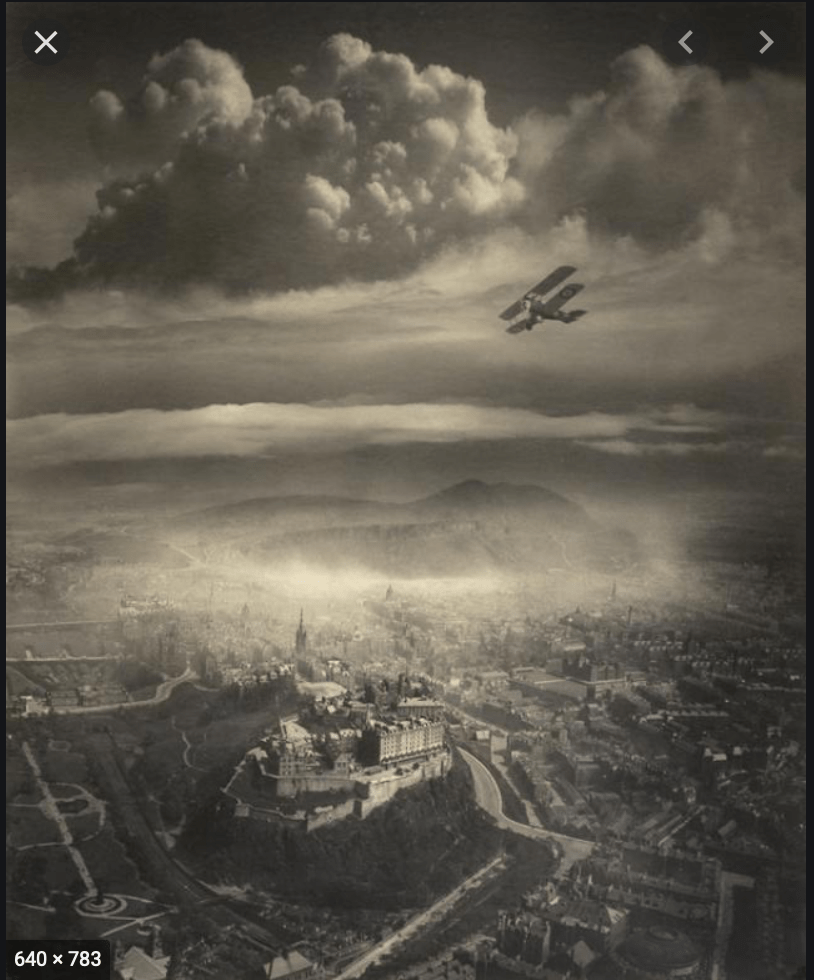
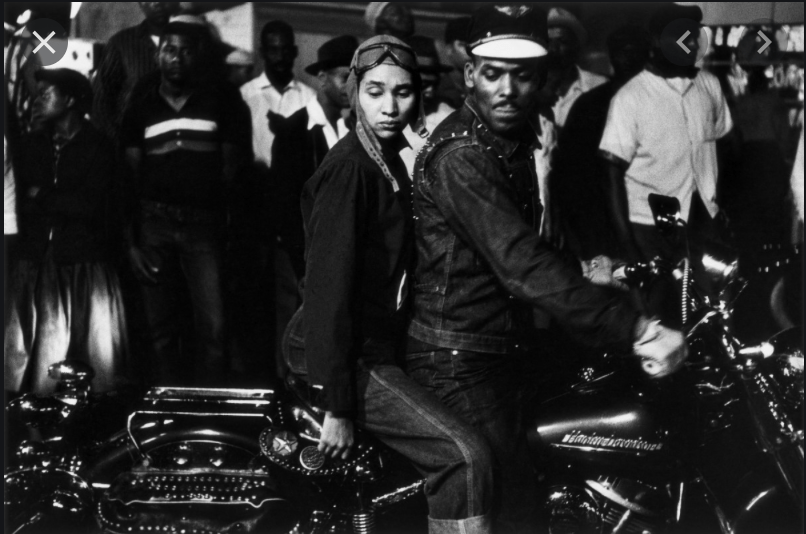
The specific webinar that I attended was entitled ‘Desert Island Pics’ and took the form of an interview between Easton and McPherson, whose task was to discuss 6 of his favorite photographs explaining why they were so important to him. The opportunity to listen to a working photographer who is relatively local to me was an excellent opportunity and on a human level, it was good to gain an insight into his influences. The first photograph that was discussed was Alfred Buckman’s ‘Areal View of Edinburgh’. McPherson spoke quite emotionally regarding this photograph explaining how it evoked his childhood and memories of growing up in the same place. This was interesting in relation to my own project as I have gravitated towards taking photographs in an area where I spent my own childhood. For reasons associated with objectivity, I felt that this was unstable ground for my own research project and in exploring my feelings deeper about this, I am led to consider my own feeling and motivations. As McPherson moves on to discuss an Image taken by Robert Frank, he refers to the idea of being an ‘outsider’ and how Frank was an outsider when he took the photograph. An idea that resonated with me to some extent on a range of levels. 

Alfred Buckman | Areal View of Edinburgh

Although my project is rooted in the place where I spent my childhood, I very much feel like an outsider when in the area of Reddish which is peculiar as I still have many connections. This led to deeper reflection as to why I feel this way. As a result I began to consider my own connections with the location, my own relationship with the project theme of lower level football and the connection I have not yet challenged which is the influence of my Father. As a child, playing football, my biggest supporter in addition to my biggest critic was my Dad. Born in Glasgow, adopted to a family in Motherwell, a small town outside Glasgow, my Dad left the army and arrived in Manchester with a friend who convinced him of opportunities for work in the area. I was always curious about my Dad’s lack of connection with Scotland and although he was a proud Scotsman, he spoke of family but never really appeared to have any close bonds with them. 

In later years of his life he often spoke of the importance of ‘putting down roots somewhere’. A piece of advice that I will always remember. And a statement that is revealing itself to be a statement which is important about my own intentions in the sense that the project is about my own feelings of being an outsider as my Dad clearly felt. 

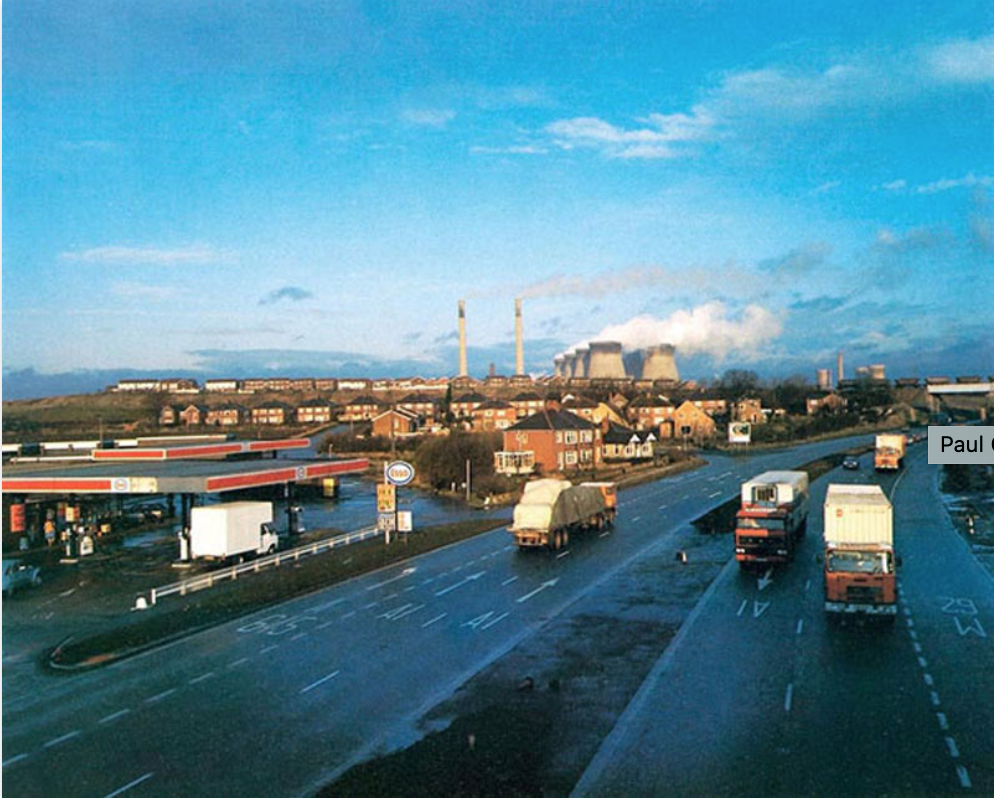
Paul Graham | Great North Road

Moving on with the webinar, McPherson then began to discuss an image taken by Paul Graham from his project ‘The Great North Road’. A stunning photograph which has echoes of Stephen Shore. McPherson made a number of pertinent observations about how the photograph made him feel. In relation to the light in the background, McPherson referred to the photograph as being ‘animation by light’ which I thought was a poignant remark and an excellent assessment of the use of light and colour in the photograph. Further comments referred to the sense of momentum and progress from the vehicles toward the right of the image. Upon initial research of the work of Graham, I am drawn to his excellent combinations of composition and colour in addition to his vernacular subjects. McPherson on a number of occasions referred to the craftsmanship of photographers that inspire him. The subversion of conventions as illustrated in the work of Robert Frank, light and metaphor in the Paul Graham image in addition to the vernacular landscape and decisive moment encapsulated in the Jeff Wall image ‘Sudden Gust of Wind’. The discussion inevitably turned to the constructed nature of this image with some debate over the ethics however I agreed with McPherson in the assumption that the intent and the vision of making something spectacular out of the vernacular and banal.

Robert Frank | Indianapolis 1856

To conclude this post, I really enjoyed the webinar and being part of something not directly associated with the MA course offered an element of freedom to think and listen without the burden of trying to get as many notes as I could. It was useful to listen to Easton and McPherson talk passionately about their influences and it served as a really good example of working photographers speaking in a photographic vocabulary that I am now becoming confident with. Reading the images while still very much learning but with a new, informed method of contemplation.

Narrative Images

This short gallery is part of a developing set which will be used as a sequence for a book or exhibition. At present I am engaging with the idea of producing a narrative style photobook. I have discussed these images with Cemre in the last one to one. I have posted as a visual record personally so that I may refer to them while I continue to build a sequence. I expect this to evolve and change over the coming weeks.

Glory Magazine | Contextual Research

Looking at the various surfaces I could potentially exhibit my project I have explored exhibition and photobooks which could be described as quite formal modes of exhibition. In researching publications and zines such as When Saturday Comes in addition to traditional childrens football annuals such as Match and shoot I found that a popular theme is to pay homage to the past, using retro fonts associated with a scoreboards and elaborate montages of images with text wrapped around in all manner of ways, very busy with space at a premium. 

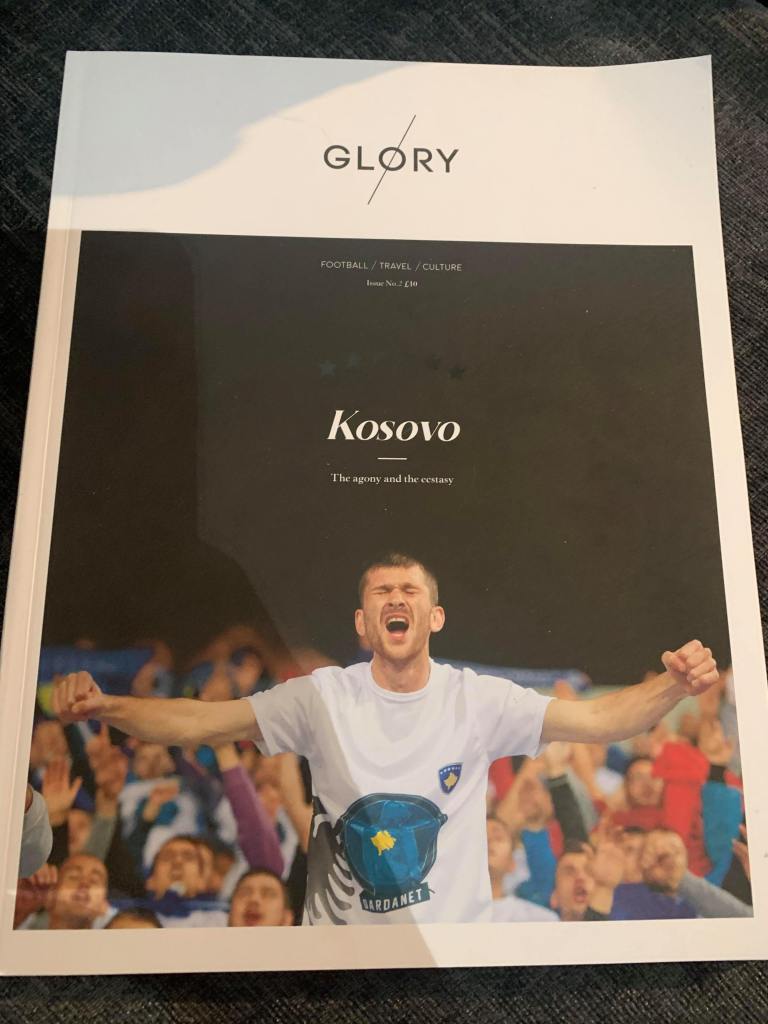
In researching the football publication ‘Glory Magazine’ I found that this product breaks most of the popular conventions mentioned above. The website describes the magazine as a  ‘high-end football and travel publication, aiming to put the ‘beautiful’ back into the beautiful game.’ This assertion is quite accurate and is reflected in a number of ways. 

The material of high quality card and a matte finish provides the owner with a sense of value, the main image is framed nicely, emulating a window which invites the viewer/reader to explore the journey within the magazine. Black text provides the brand identity which has more in common with a wordstamp as opposed to a traditional mast head with the title simply the location of which the issue is about. The positioning phrases of ‘Football / Travel / Culture’ serve to further the subject themes to be expected of the content inside. Finally. The presence of six stars which appear to be spot laminated further reinforce the claim of being a high end product.

The theme of clean white space, simple framing and text layout draws similarities to what one would expect to see in a gallery. Further alluding to the potential audience of this publication. 

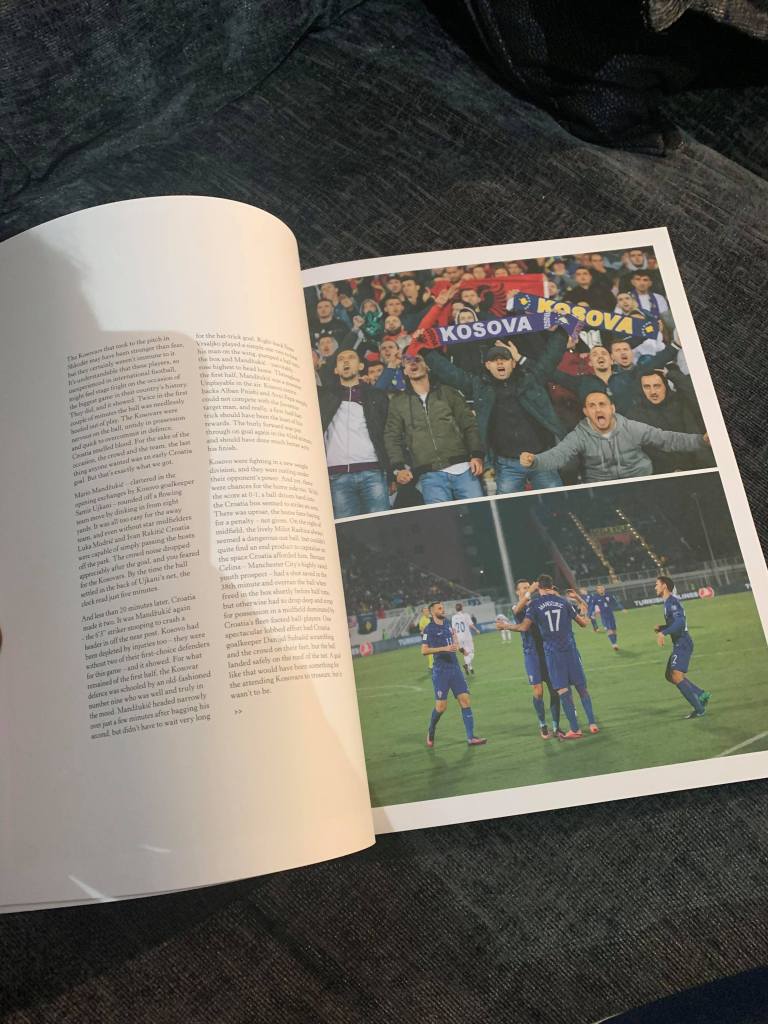
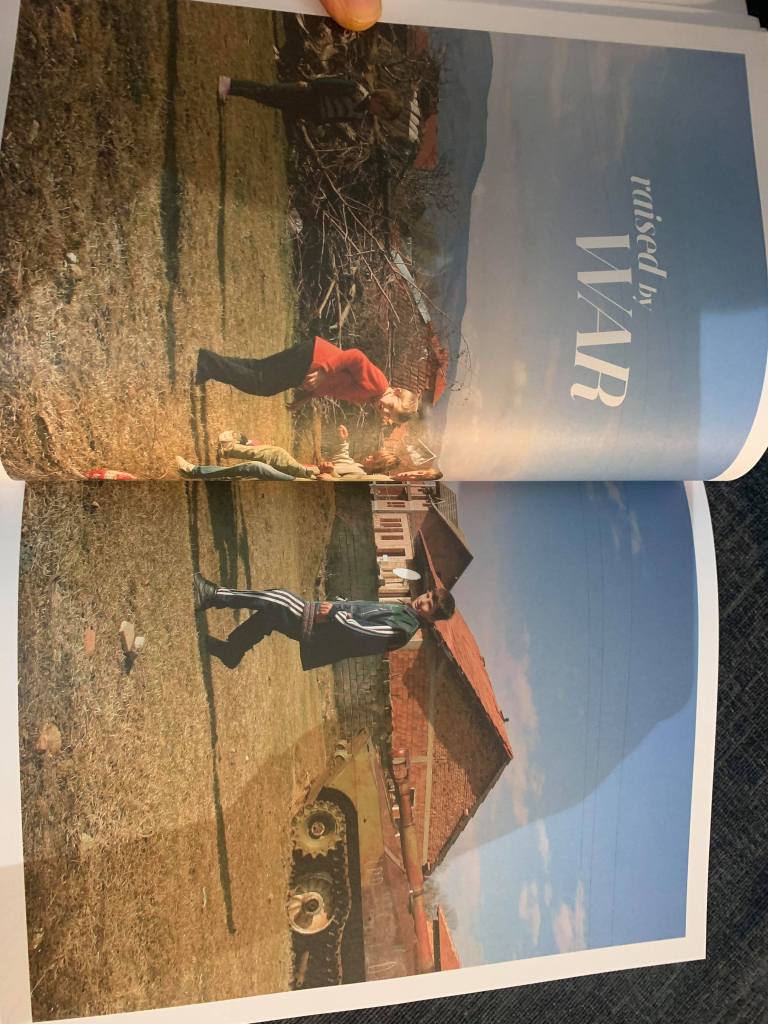
Looking inside, the magazine takes the form of an illustrated and written journal of the producers, they document their experience of travelling through the country, attending various football matches. White space again dominates the pages, text presented with a serif font and usually positioned in the middle of the pages. Sometimes using two columns, often using pull quotes. Occasionally texts is place on top of larger images which is done tastefully with minimal distraction to the main subjects. Illustrations of football pitches, team line ups and old football boots also serve to enhance the verisimilitude of the magazine. 

Some pages are shortened and when placed together, make up a broader image, in this case the crest of football team with famous player profiles written on the back. This again furthers the high end market. Having referred to a high end market regarding this magazine/zine some major questions arise such as. who might the audience be? Colberg writes that understanding the audience of a photobook will determine the concept of the book (2017:47). This makes Glory Magazine interesting as the text is very different from similar publications. The quality of the paper stock is high in addition to other aspects highlighted above. The photographs serve to create a narrative where the viewer is restricted in what photographs they look at via the use of pages, supported by lengthy text which explains the thoughts and feelings of the composers. Image and text work collaboratively in order to create a travel journal in a reportage style which enables the viewer to consume a broader experience of what the producers experience was. In one sense, the magazine is a photobook, in another sense, the magazine is a journal which documents a person’s experience of time and space. Colberg (2017:45) makes reference to duel elements when considering the concept of a photo book which are ‘the photography in question’ in addition to ‘the form of the book’. In this case I would argue that in the case of glory Magazine, a third element should be considered which is the text encompassed within the book. The reason for this is related to the consumption of the magazine which has over 50 documentary and portrait images which are contextualised and supported with written testimony. 

The length of the text impacts on the consumer experience as It creates an immersive read sometimes supported by photography and vice versa. In a personal sense, The selection of content makes the consumption a difficult experience. I argue this as an invested participant of the subject matter, having consumed the text, the photography was at times secondary which detracted from the photography rendering a confusing experience. This led to the consideration of my own position as a potential audience of this product. A collector of mainly catalogue style photobooks due to my economic position, Happy to pay around £50 for a book, Glory magazine priced at £10 is slightly on the expensive side and in no doubt due to the production costs. On reflection this may be justified as the magazine isn’t a quick read, and my experience was one of taking my time to read and look at it over the course of about a month. 

Due to the quality of production, I do get a sense of value in owning this product and the whole experience of consuming it encourages one to want to buy another. The result of this assertion leads to Glory Magazine is somewhat of a collectors item. It shares many conventions of a photobook in addition to written content one would expect to find in the supplement of a quality newspaper. It is designed with a visually literate audience in mind aiming the text at a niche audience within the boundaries of the mass market appeal of football fans. 

Glory Magazine (2016) Issue 2. Self Published. Glory Mag.

Colberg, J (2017) Understanding Photo Books, tHE form and Content of the Photographic Book. London, Routledge. 

Week 6 | Reflection

Once again the week has resulted in further considerations regarding the intent and purpose of my exhibition. Having carried out the advice I received in my one to one with Cemre last week. I have produced work which encompasses movement in addition to shooting at a lower angle in an attempt to emphasise the perspective of a child. The results of these tasks received mixed reviews from my tutor and peers with the outcome being that the preferred images were those which encompassed a sense of stillness. I did experiment with slowing the shutter to emphasise a sense of movement in addition to trying to fill the frames in a way that may have small echoes of Alex Webb and Shirly Baker who I have researched previously in this module. In a personal sense I did produce a couple of images that I was quite happy with and the process of experimentation was one I enjoyed. Whether it is in keeping with the broader theme of my project, I think maybe not but in conclusion, the experience was a worthwhile one. 

Observations by of the work I produced this week made reference to a lack of representation of female players. An observation which I totally agree with and without pontification of this issue. I have responded by organising to attend a girls training session next week with the intention of making some portraits. 

Once again I was questioned about my intent regarding the choice to hold a small exhibition in a football changing room. In continued defence of this choice, I explained that the changing room is frequented probably, by an audience of over 100 people per week. The space is used for pumping up footballs in addition to being a room which connects to a store room so that people are in and out of the space. This is relevant because I feel the need to justify my project to the people who frequent this space as active users. The reason being, these people at present have only witnessed my presence with a camera. I have not shown them any images and the audience wouldn’t be considered to be one that would engage with photography at a gallery. Therefore I feel it necessary to exhibit to this specific audience in order to illustrate the outcome of my attendance with a camera. The next intention would be to promote contemplation of the images by the volunteers who see the work. At this stage I would consider the exhibition a success. In order to try to measure the response to the work I will leave a labelled comment box with a pen and sticky notes attached. This may lead to gaining some possibly useful feedback to learn about the impact of the exhibition. 

This week I have also been researching the ideologies of museums and galleries, the contents of which are contained in the previous post. However I am now understanding the importance of these spaces in relation to the art market and how they expose new and established practitioners in addition to contributing to the capitol and prestige of artists and their works. I feel that now I have a slightly deeper understanding. I am looking forward to exploring galleries for myself and will begin to plan visits as soon as I am able due to once lockdown eases. An interesting question I will explore further is the relevance of smaller galleries and understanding where they sit and their importance to the communities they serve. I have previously written about the Open Eye gallery in Liverpool so it will be my intention to how such galleries reach out and engage communities while offering an outlet for people such as myself who I would consider newcomer to this world.

In conclusion, I have had a productive week in terms of reading and making photographs. Although I didn’t get the greatest feedback in this week’s webinar I feel that I am learning in both a practical and philosophical sense. I am now reflecting on my work with intent and direction and at this point I am understanding that not all approaches will be successful however my intentions are continuing to be informed. A consequence of this is that I am approaching the making of work with an academic approach. As a consequence I think some of my images reflect this and lack the clarity of my own ‘free’ gaze. Shooting with a disciplined intent but not really reflective of myself. This is not to discredit the tasks I am carrying out because I think with further contemplation and reflection, new and informed techniques will bleed into my approach naturally. This process has led to further consideration of what is a poetic image. The fusion of experience, knowledge and feeling about making a choice to photograph. This is photographic poetry to me. 

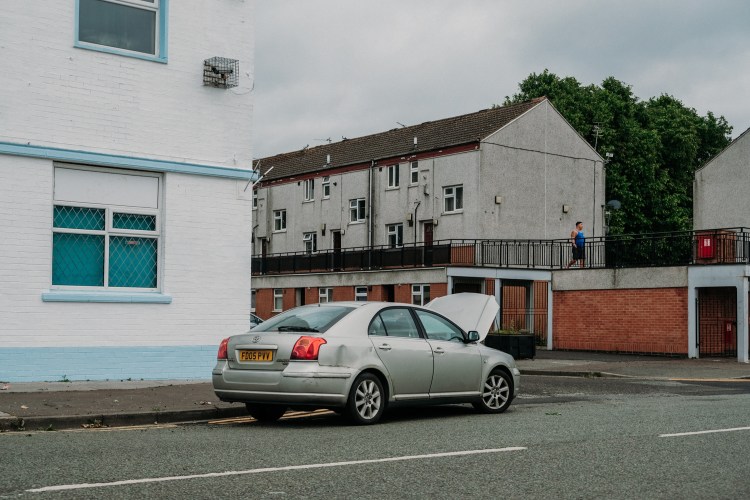
Photographs of interest this week: