Week 8: An Agent for Change?

In response to the censoring of images I feel that one of the important factors to consider is the context or point of exhibition. This however raises further questions regarding objectivity and the use of such images as ‘propaganda’. The reason and intentions for using shocking imagery must always be scrutinised and tested in order to understand its context. (Levi Strauss, 2003) argues ‘When one, anyone, tries to represent someone else, to ‘take their picture’ or ‘tell their story’, they run headlong into a minefield of real political problems, The first question is: what right do I have to represent you?’ I agree with Levi Strauss in moralising the right to represent someone else and the problematic nature of this will always be argued. Citizen journalism may offer some tonic to this problem but it is not a universal solution.

In considering the Carter image below I understand this image to be the result of his talent as a photographer in the creative choices he made in making the photograph which may further the impact of the image. Within a teaching context I have shown this image to college students many times and it is often met with silence and sometimes tears when they understand the context.
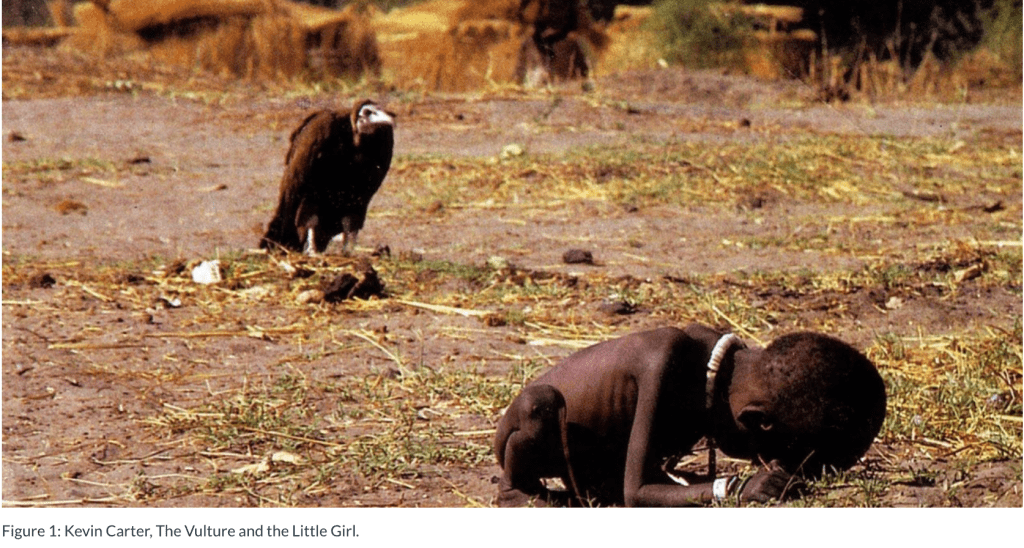
Going back to the Levi Strauss quote, the impact of this image is furthered because it was taken by an African photographer/photojournalist. I have a basic knowledge of the type of work Carter engaged with as part of ‘The Bang Bang Club’ and it is this knowledge which provides enough objectivity to arrive at the conclusion that I believe his intentions.

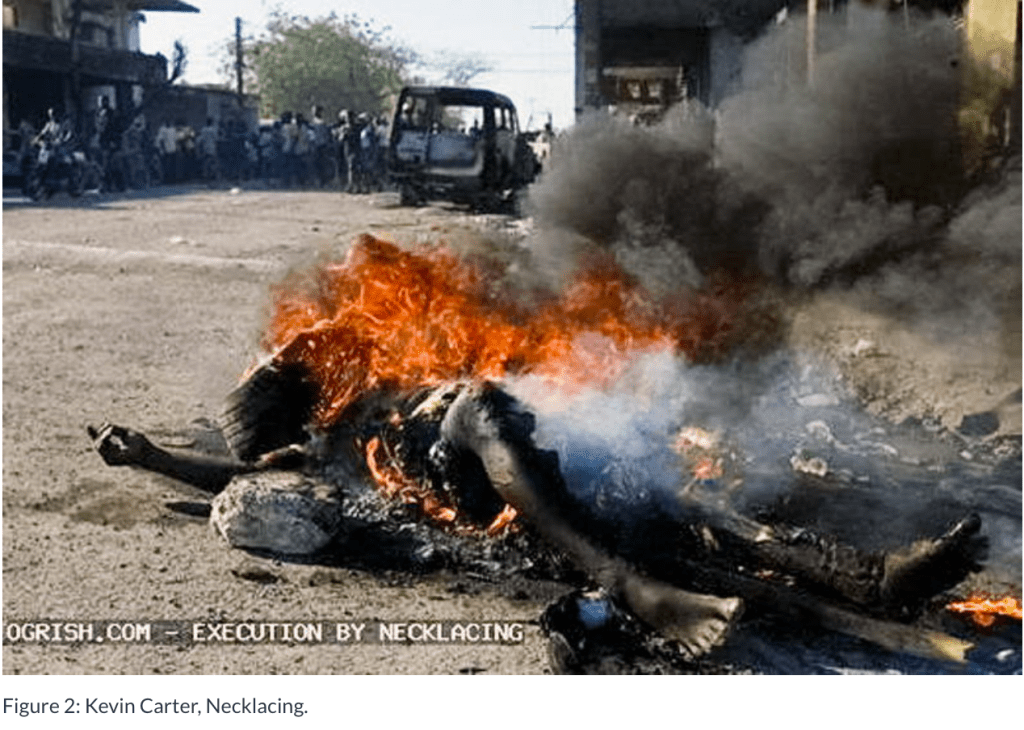
Borge offers an explanation which has merit stating “Maybe activist photography begins at the point that a photographer thinks beyond the photograph, or when the photograph is not the end, rather a means to a solution even if the solution is nebulous.” (Borge 2012). This relates to the photograph taken by Carter in addition to his other work by his intentions to document inequality, poverty and the grotesque rituals carried out in South Africa as part of the Apartheid regime. I feel that understanding the nature and context of his work adds clarity to his voice as a photojournalist. And in viewing ’The Vulture and the Little Girl’ in addition to my basic understanding of his work, I understand that Carter was probably a specialist in the realm of creating art and journalism out of real life horror. The artistic prowess probably the result of repeated experiences of a horrific nature, See Carter’s photograph of the result of ‘Necklacing’ below.


Borge, M. (2012) Photography as Activism: Images for Social Change. Focal Press, Oxon.

Levi Strauss, D. (2003) Between the Eyes, Essays on Photography & Politics. Aperture, New York.
Week 7/8 Independent Reflection

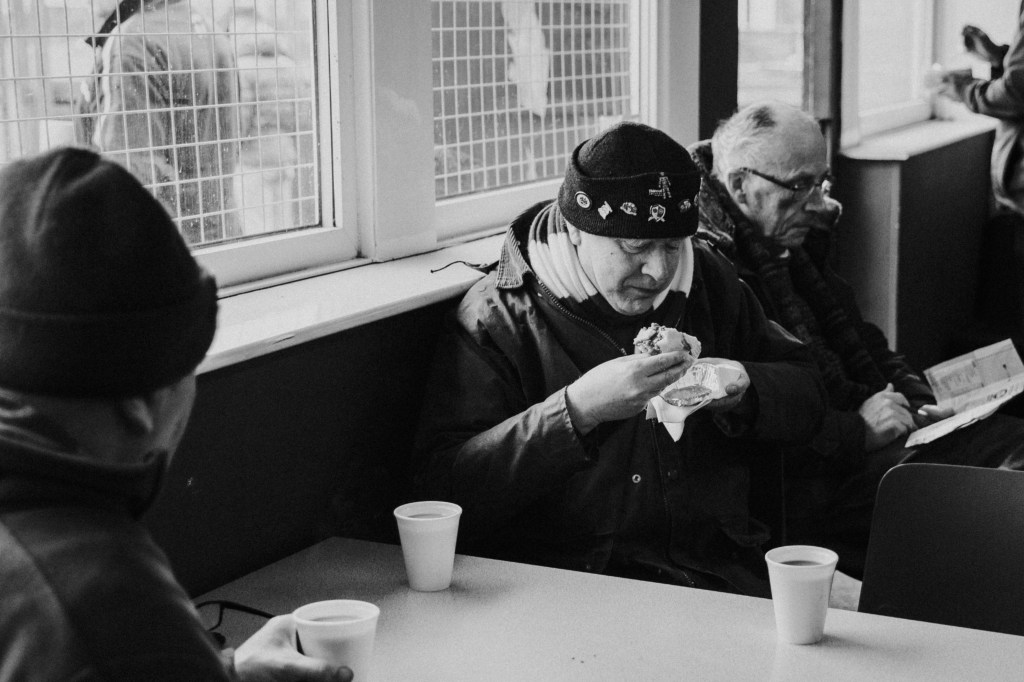
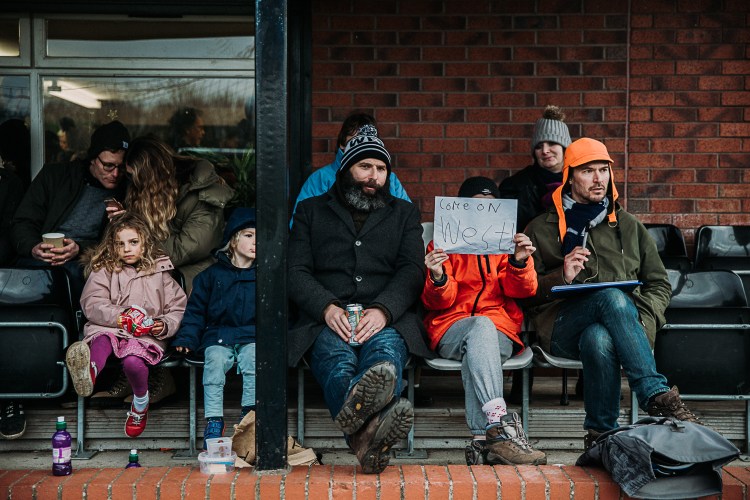
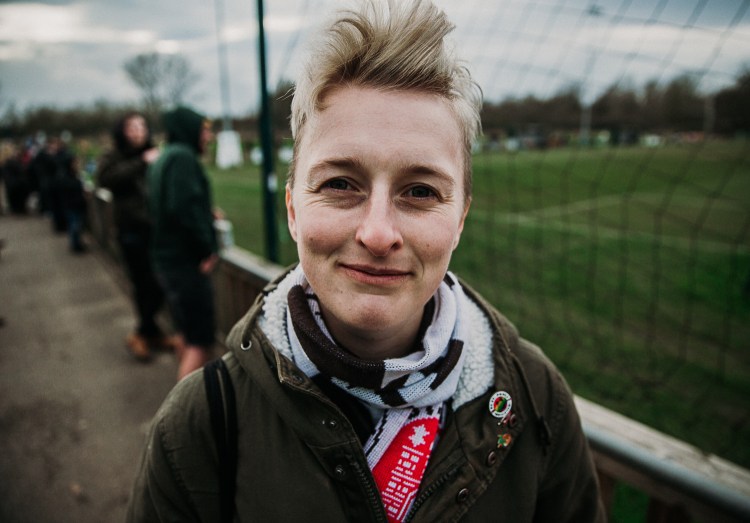
Within this module I have made significant progress with my project which is based around the people, places and objects surrounding non league football in the UK. My research has led to thinking about my work as a quiet form activism against the consumerist nature of modern football.

In a practical sense I continue to develop the documentary nature of my work. I am unsure if my approach has changed much, although the feedback I have received points to a maturity and dignity within my work which I agree with although I’m not totally happy with the results I have produced. In response I will continue to seek out the interesting and peculiar.
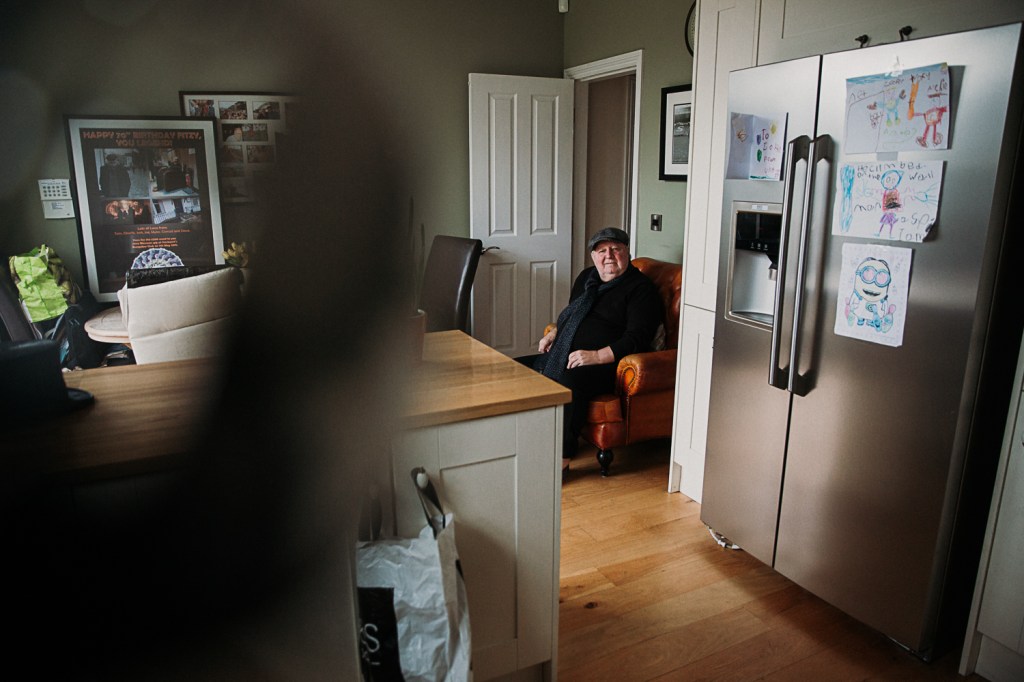
In both a practical and philosophical sense I have had an enlightening journey in developing my understanding of portrait photography. This was an area that I was consciously seeking to understand in further depth and I have been experimenting with. Making environmental photographs in addition to getting close to subjects. The initial results have been pleasing however I understand that I am very much at the learning stage. It appears that the more I further my understanding the complexity of the discipline unfolds.

I have enjoyed generating an understanding of the deadpan face and understanding the reasoning for making such work has been awesome. It has also changed the way I look at photographs and provoked suspicions about the intentions of the author as well as being moved by the work I find through research. Photographers including Margret Mitchell, Ingrid Pollard and Martin Parr have served as sources of research in addition to the likes of August Sander. The difficulty at this stage is consuming and digesting the amount of information that I find.

The landscape elements of my project have developed significantly from the positions and practice module where I simplistically went to locations shooting at high apertures in the hope of replicating the work of Haans Van Der Meer who engaged with a similar project. I found the history of this type of photography quite amazing and I am beginning to warm to the political nature of the genre.

The Informing contexts module has also enabled the reflection on the approach I take to my work and understanding an alignment with the gaze of a spectator interested in the vernacular and the peculiar.

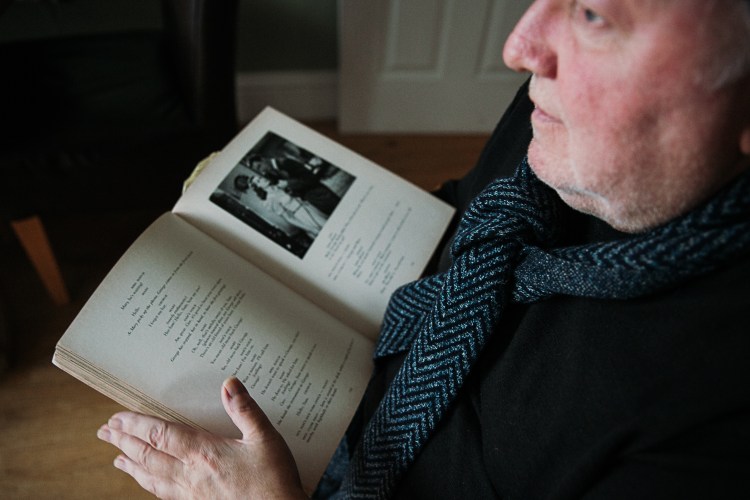
In conclusion, the direction of my project is still quite loose as I am experimenting with a range of approaches. I have built some excellent contacts and intend to exploit these avenues further. I have conducted one portrait session in the home of one of the people that I have met which was a mixed experience. Relatively happy with some of the work but quite unhappy in other areas.

Week 6: Independent Reflection. Outside the Vernacular

At this stage of the Informing Contexts unit I have continued to broaden my understanding of different approaches to making photographs and in the masses of information it has been a difficult task to consume and interpret the different ideas presented. However in attempting to reflect I feel that I am beginning to look at the work I create and ask further questions.

This approach is perhaps assisted with my approach of conducting a range of shoots in the early part of the unit which enabled to some extent the opportunity to consider ideas such as authenticity, and the peculiar by going back through the work I have already created.

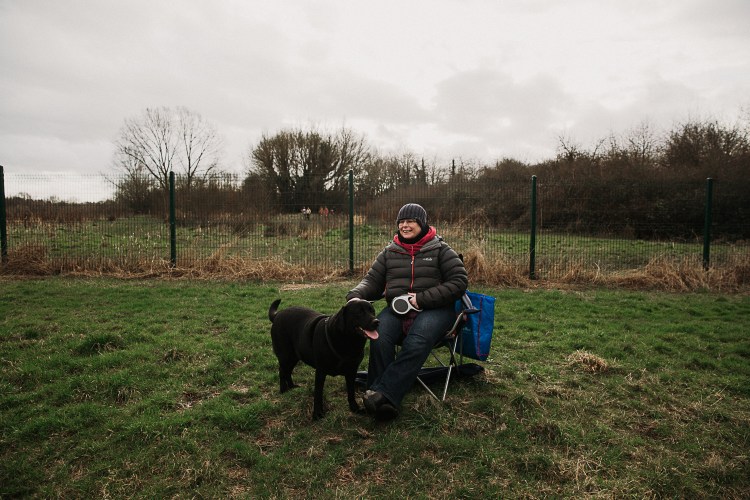
As a result, I was led to the image below which which is of a lady attending a football match with her dog. the lady is clearly prepared and planned to attend the football match in bringing her own chair and bag of supplies. However due to the composition of the photograph that fact that she is watching a football match isn’t obvious.

Figure 1: Drew Findlay

I found this interesting as with lots of the work I create the viewer is often able to place a subject at a football match due to the indexical contained within my work whether it be concrete structures and advertising hoardings amongst other things.

This photograph I find interesting as it breaks with the traditional rituals that I have seen at the places I have attended. I have spoken to lots of people who have explained their reasons for consuming non league football and their affection for the game at this level is clear as is the enjoyment they take from the communities they inhabit.

However the messages evident within this image are interesting or peculiar as this lady watched the football match in relative solitude immediately accompanied by only her dog and the equipment identifiable in the photograph. In context, there were 300-400 people at this football with groups of like minded people coming together to enjoy the game as a spectacle yet this lady I feel is alone in a very public place which represents a binary opposite to the vernacular nature of the photographs I have been taking to compose this project.

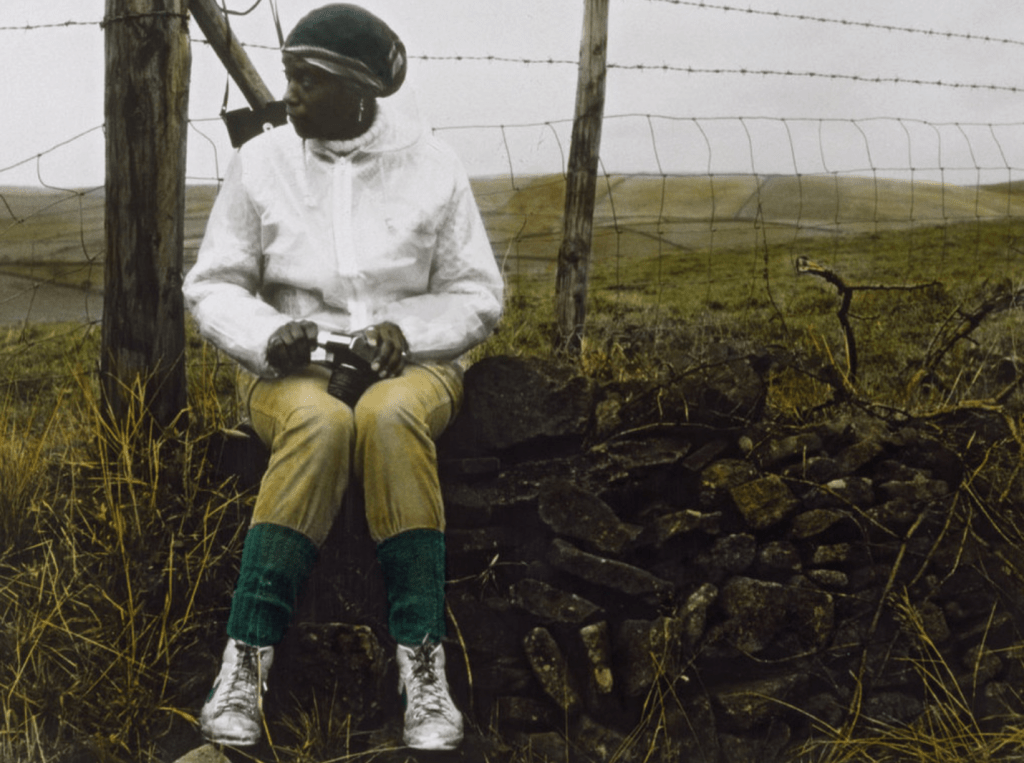
The idea of solitude in a setting where the community comes together I find more and more interesting. The provocation to revisit this photograph was a portrait of Ingrid Pollard in the Lake District from her project Pastoral Interlude 1988. The caption of the image reads:

Figure 2: Ingrid Pollard

“… It’s as if the Black experience is only ever lived within an urban environment. I thought I liked the Lake District; where I wondered as a black face in a sea of white. A visit to the countryside is always accompanied by a feeling of unease; dread.”

In a personal sense I am moved by Pollard’s image as she highlights the peculiarity of seeing a black woman in a place commonly associated with white middle class white people. Again going back to the idea of sitting outside the vernacular on the grounds of skin colour, place and expectations. I see Pollard’s photograph as an act of quiet activism which is where I draw comparisons with the image that I made at the football ground. As did Pollard, the lady had chosen to frequent a space on her own terms and has her own reasons for doing so. And it is such reasons and suspicions I feel make this an interesting photograph in addition to an act of quiet activism.

In consuming a football match, the lady in the chair has made the conscious decision to prepare, attend and consume the match in her own way, outside of the commercialised sense which may be associated with football spectatorship. As the nature of this football club is an example of a type of activism in its own right with a non partisan attitude and chants about being a vegan. The lady in the photograph has chosen to watch the match in relative solitude, outside of the community whilst consuming goods not purchased within the context of the football club. Borge puts forward a possible explanation of activist photography

“Maybe activist photography begins at the point that a photographer thinks beyond the photograph, or when the photograph is not the end, rather a means to a solution even if the solution is nebulous.” (Borge 2012).

The reflective choice to consider this photograph and its messages in relation to a binary opposite of football and consumerism aligns with the ideas of Borge by looking for the broader assumptions. Nebulous in its nature whilst encompassing a sense of confidence in opting for isolation within a community space.

References

Borge, M (2012) Photography as Activism, Images for Social Change. London, Focal Press.

Photographs

Figure 1. Findlay, Drew. Drewfindlay.blog (2020) https://drewfindlay.blog/2020/02/14/gallery-west-didsbury-and-chorlton-afc/ [Accessed 8/3/2020]

Figure 2. Pollard, Ingrid. Pastoral Interlude (2012) http://www.ingridpollard.com/pastoral-interlude.html [Accessed 8/3/2020]

I

Week 6: And When I am Formulated, Sprawling on a Pin

I feel that the many criticisms Grundberg and the NY Times makes about the NG are all relevant and hold weight as academic arguments in addition to being particularly scathing in their approach. It appears they do create pictorial images and sometimes anthropomorphic in their nature. However as the circulation of NG content is so prominent the publication sits firmly within realm of a mainstream product not unlike Disney, Coca Cola and Nike. All of which acknowledge and understand their audience, responding to them accordingly.

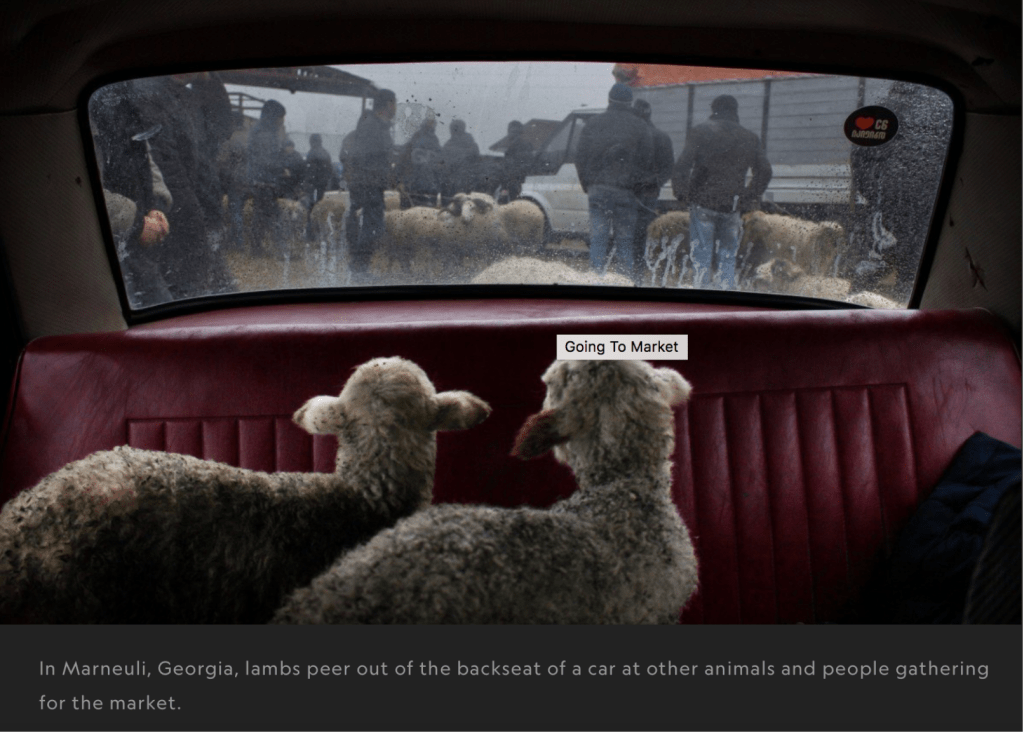
The image below I feel has a negative impact and creates a stereotyped representation of life in Georgia where the photograph was taken. We expect humans to frequent the car yet the back seat is frequented with lambs. We also see human figures outside the car which serves to reinforce perhaps the humour or uncanny nature of life in Eastern Europe. At first viewing I saw the humour in the image and upon reading the caption I appropriated the image to have intertextual reference to the film Borat. When considering the narrative of the image further I tried to put myself in the position of someone who lives in this region and considered how they would feel being represented in this way to a Western mainstream audience. Would they feel violated or misappropriated in some way?

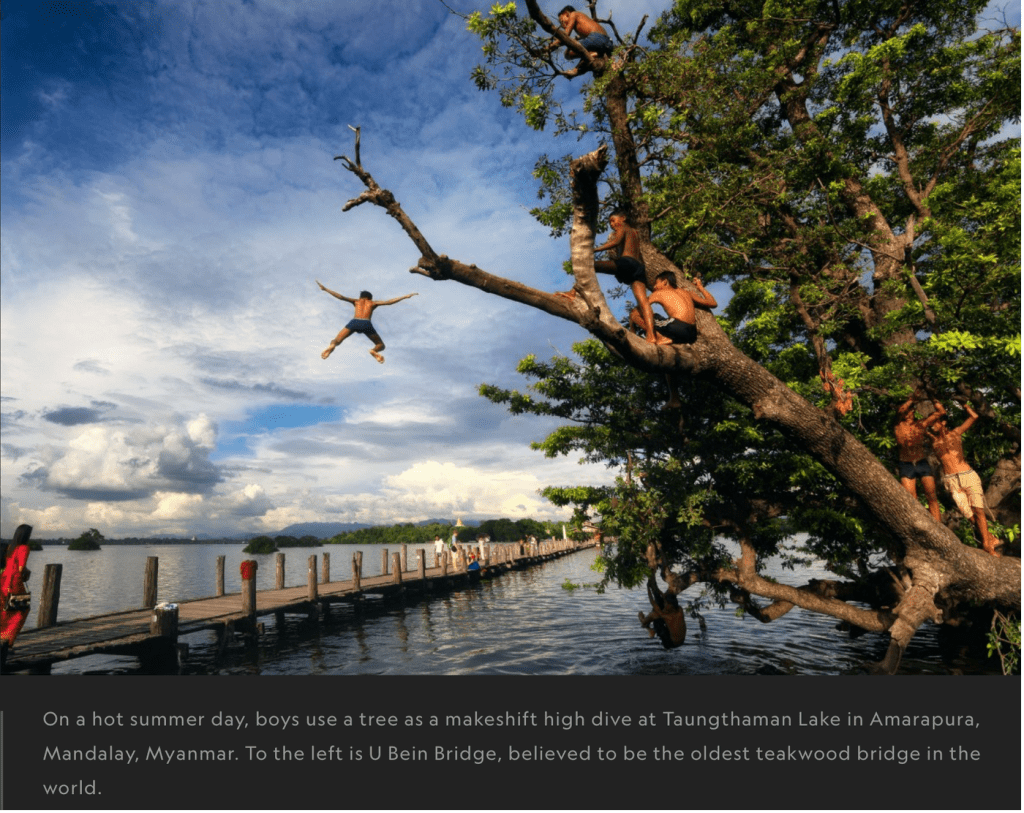
The next image could be read in a number of ways and I personally think this is positive representation of children enjoying themselves and taking risks. I remember doing similar in jumping from the derelict garage roof behind the flats on the council estate where I spent my formative years. The image is pictorial but I would argue that the message is a global one in that children should play and sometimes learn the hard way. I know that I certainly did!

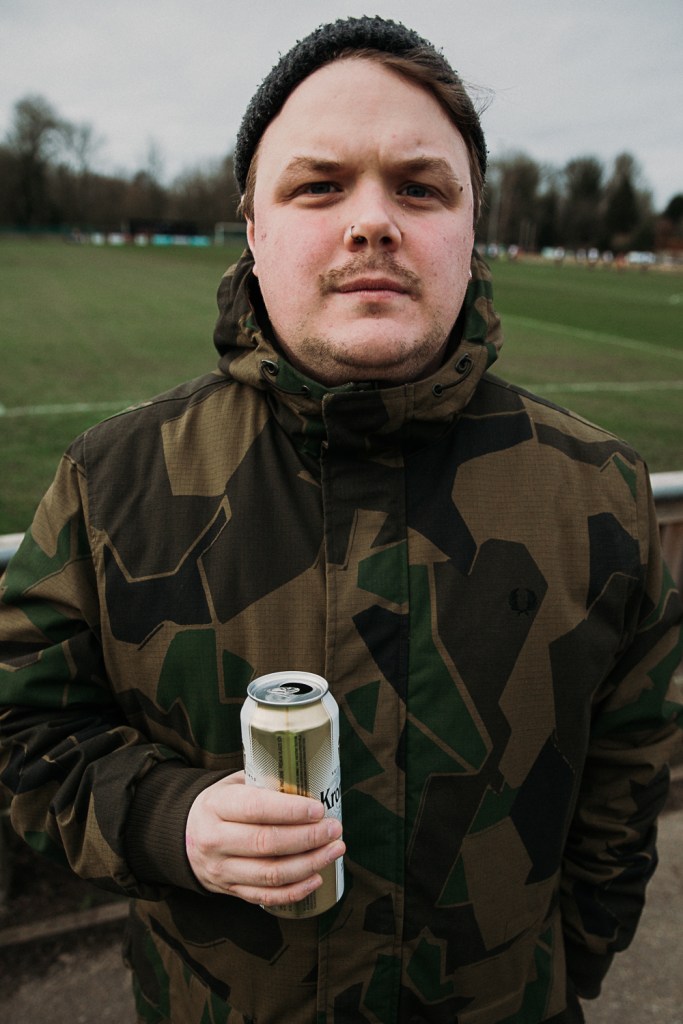
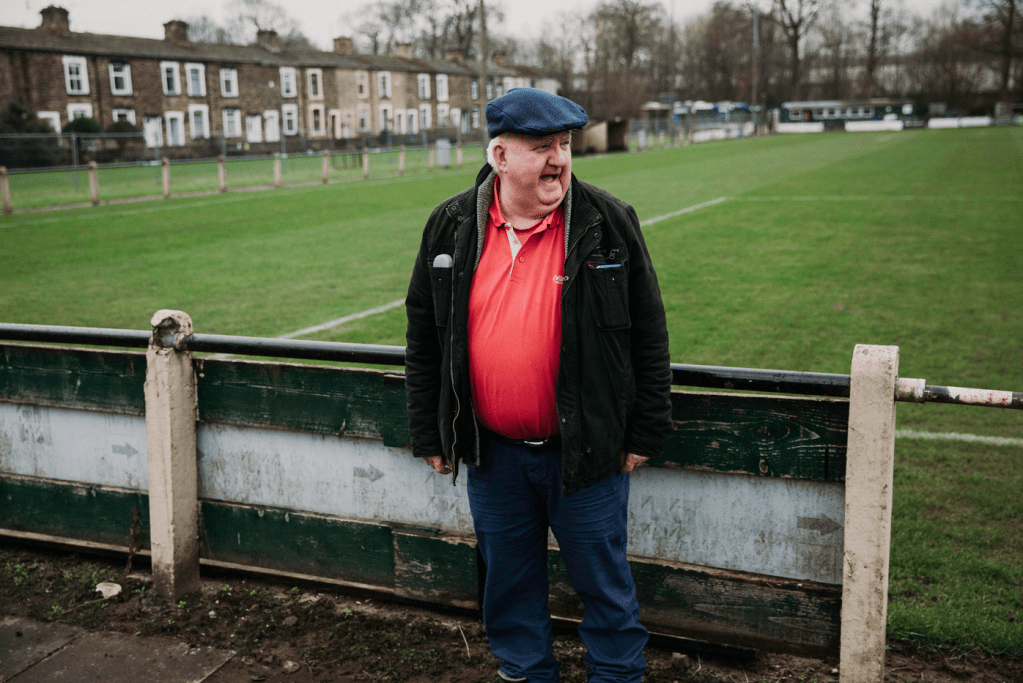
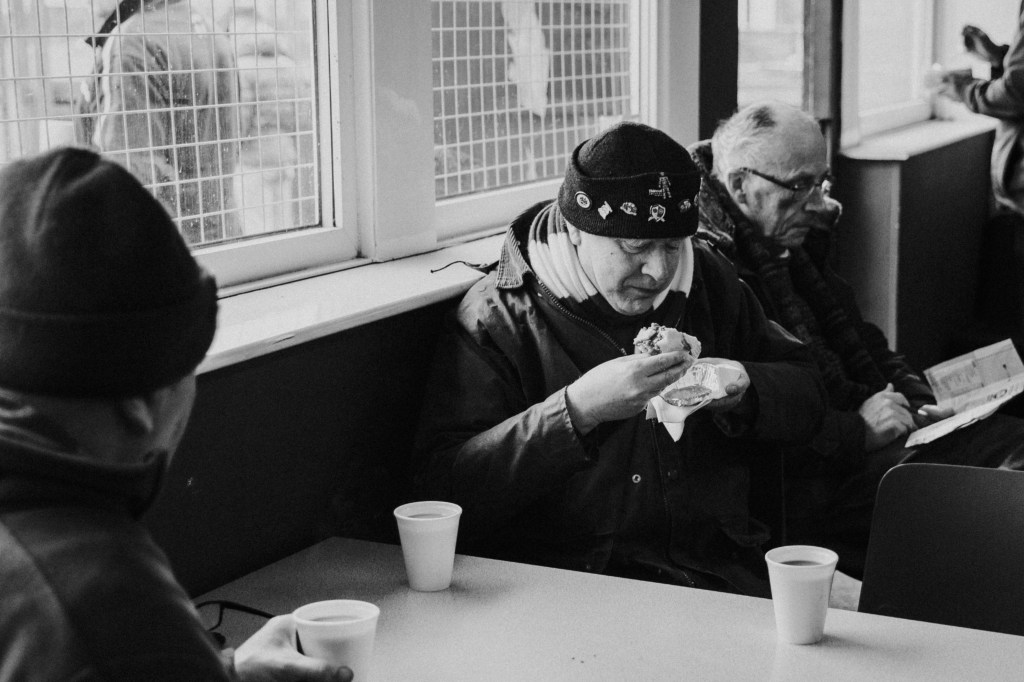
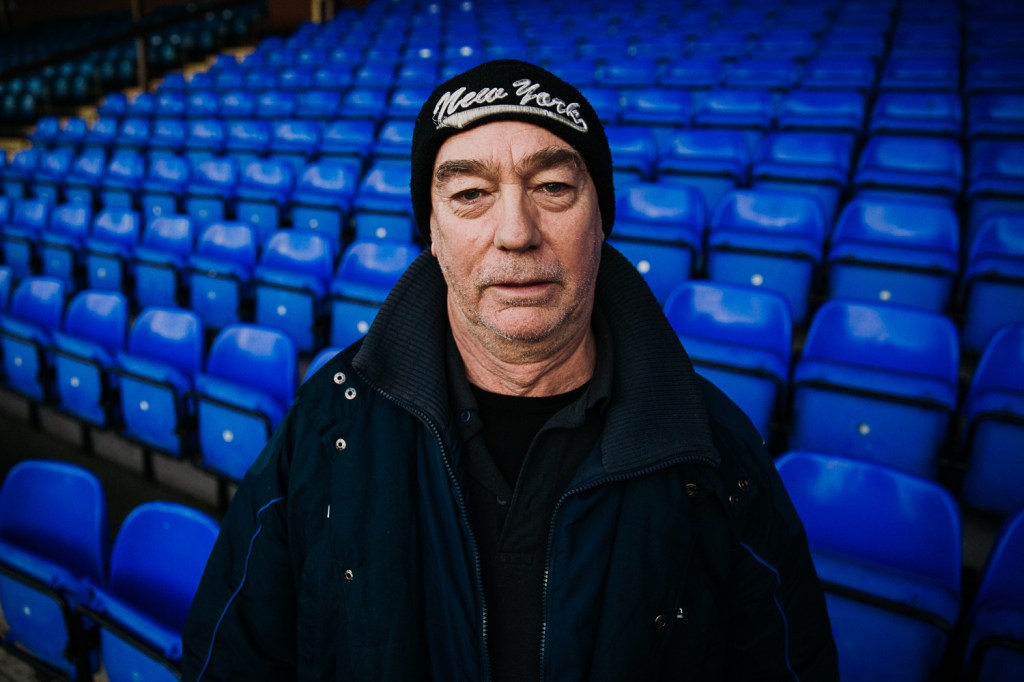
This image was taken seconds before I took his portrait with a direct address. I believe this may be a representation of the stereotype individual you would expect to be a fan of non league football. When looking at the image I could further make a plethora of stereotype assumptions about this persons life and in doing this I would maybe displaying some arrogance as I am younger and have all of my teeth. An element of arrogance could be said for NG as they the perpetuate myths about the world and construct ways of appropriating communities via notions of otherness.

Within my project I feel that photographs on their own may not always be appropriate. In some cases I feel that accompanying words in order to tell stories may work to humanise such as the gentleman above. In doing this I feel that the responsibility of representation is heightened. As for NG, I see them as a creature of capitalism no different from the Nike trainers I wear, the secret Big Mac I eat when my partner isn’t around and the full fat coke I drink when i’m out out.

Week 6: Are You Drowning Yet?

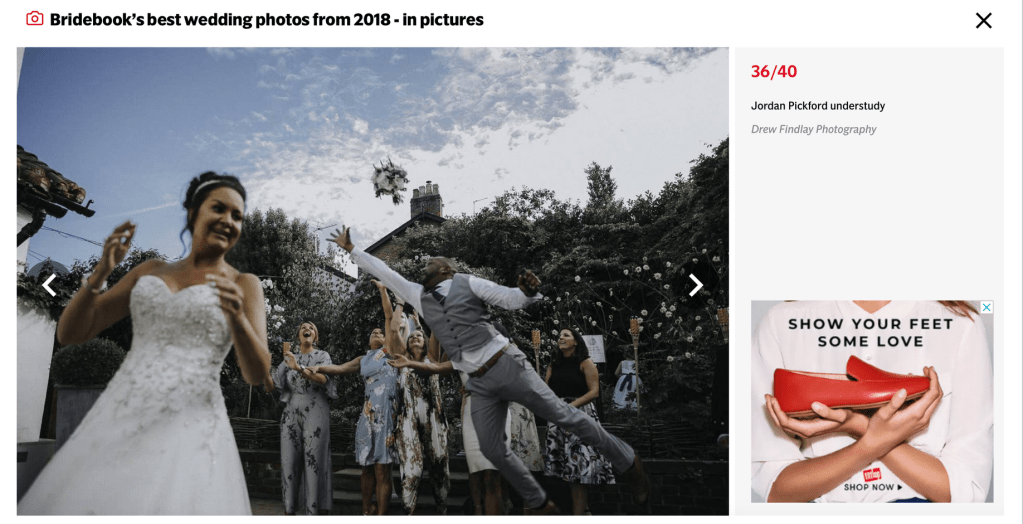
When considering the question oh how I disseminate my work I agree with Lister (2013) who asserts that ‘Photography appears to be everywhere and nowhere simultaneously’. Within my wedding work I understand that in order to attain a booking I have two avenues which are ‘word of mouth’ and the internet.

Regarding the internet I am required to optimise images so that they appear in google image searches when clients are at the research stage. My images sit along side hundreds of other images of the same venue. This is a hugely competitive environment and does account for some bookings however this method is somewhat of a lottery dependent on the metadata contained within the photograph in addition to the uniqueness of the photograph. In this sense my photography supports Listers idea as my work can be seen in the google searches for a range of Cheshire wedding venues however I believe it is often lost amongst the sea of other images hoping to represent a disturbance and prompt someone to click further.

On occasion a photograph will be noticed by a venue or some sort of wedding blog which assists in the dissemination of work of this nature and sometimes my work has been featured in blogs of newspapers which should be helpful however, within the context of weddings my best work isn’t the the work that is used rather the unusual, funny as exemplified below. I’m unsure if this is a good thing although it serves to assist combating the invisible nature of my work.
Screen Shot 2020-03-01 at 22.46.30.png

With my project in mind I am hoping to produce a book to show my work. Of course I would love to sell a million copies however my main motivations for this would be to culminate my work and my MA experience as a present to myself. I am of this viewpoint as I am often required to design wedding albums for clients, when the arrive to deliver I always have a cheeky look and take a sense of pride in how beautiful they look. The prospect filling a book with work of my choosing I feel would amplify that sense of pride and create a physical object which I could show my Daughter.
I am currently disseminating a small selection of my work through an Instagram page entitled ‘football_adventures’ (feel free to follow). In doing this I have been able to build links and raise some awareness of of my project with people invested in non league football clubs often contacting me to ask if I would visit their ground. With the production of a book in mind, this may provide an excellent marketing tool to eventually sell my book.

Lister, M. (2013). The Photographic Image in Digital Culture. London, Routledge.

Week 5: Of Mother Nature and Marlboro Men

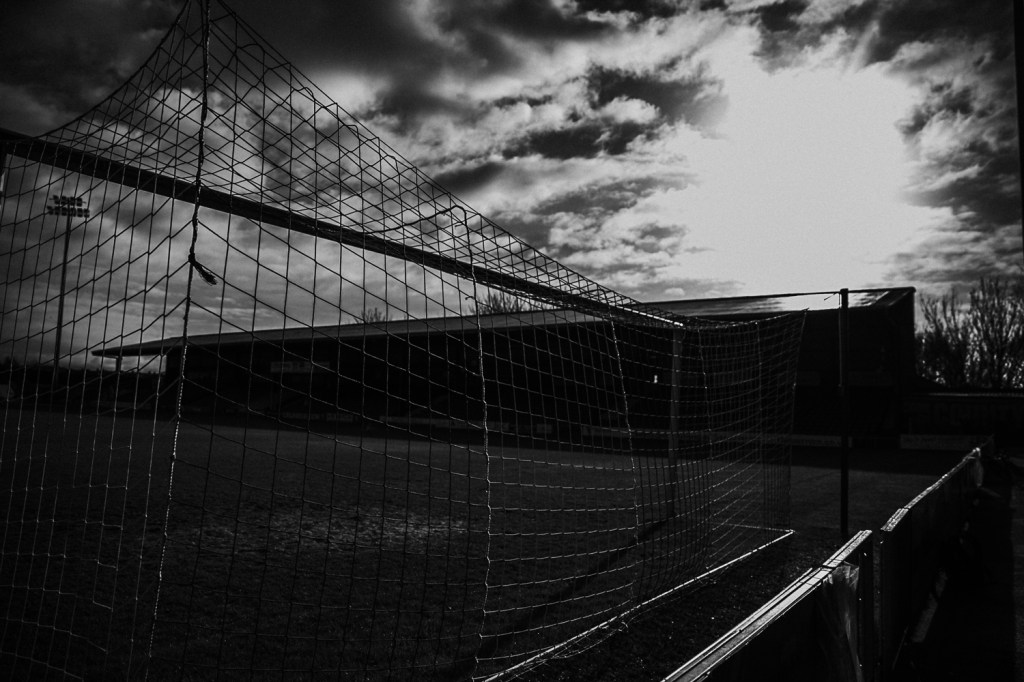
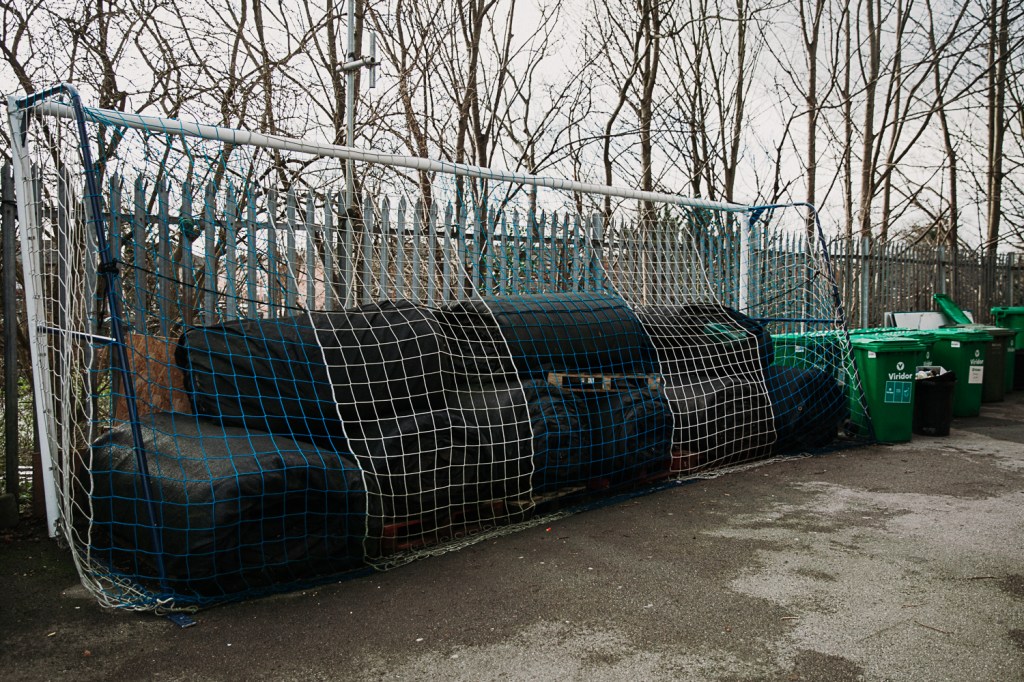
In relation to my own project I have explored landscape photography through the work of Hans Van Der Meer who encompasses football pitches as part of wider landscapes encompassing the terrain they are a part of. At this stage I have attended a range of football matches making photographs which make statements about the relationship between the impact of man on the environment. Within the theme as football as activism I have encountered man made structures.

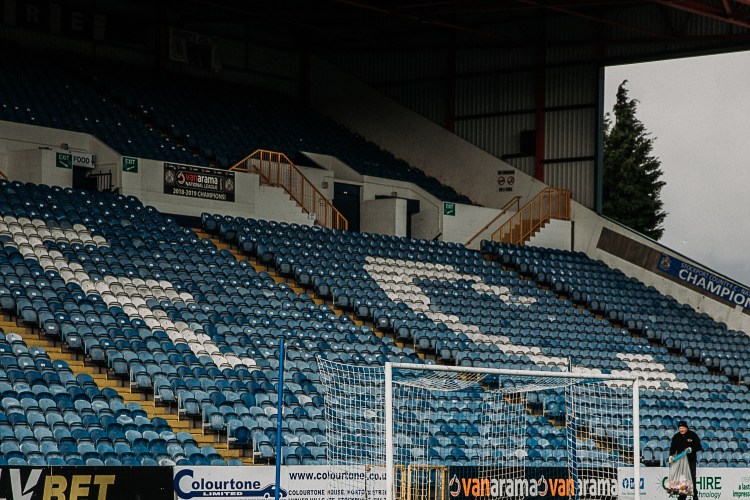
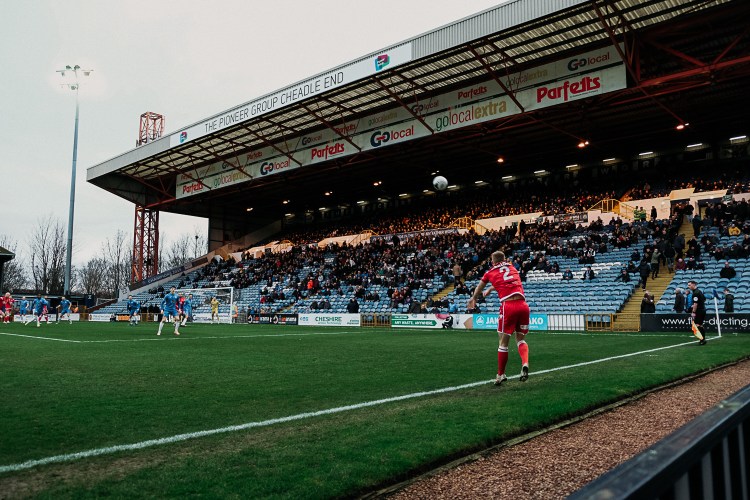
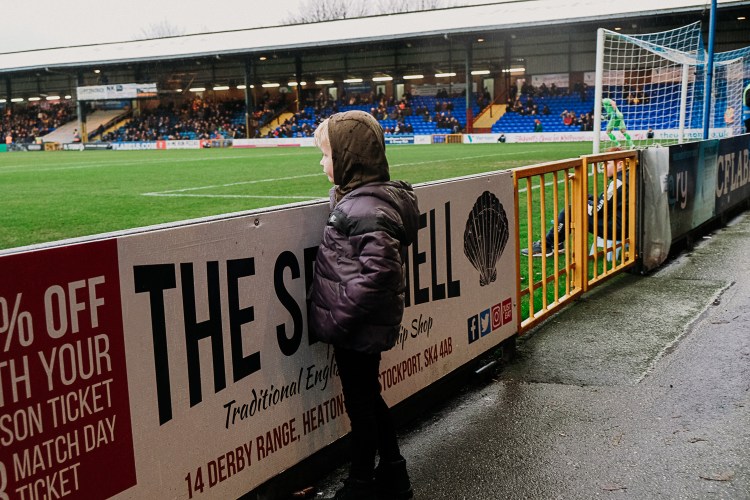
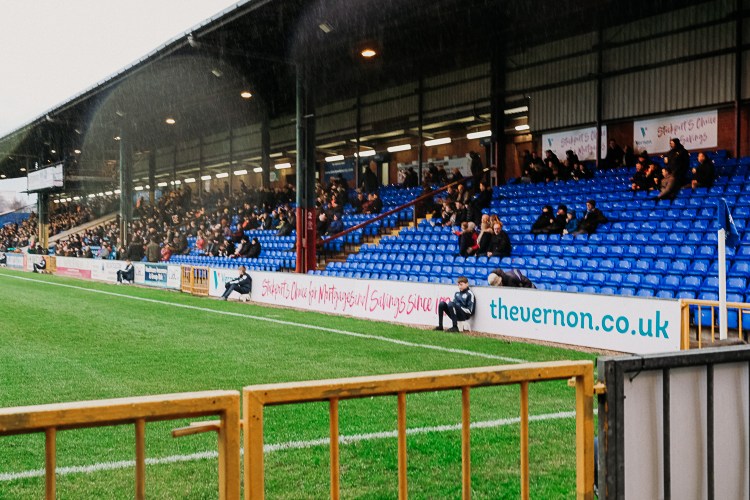
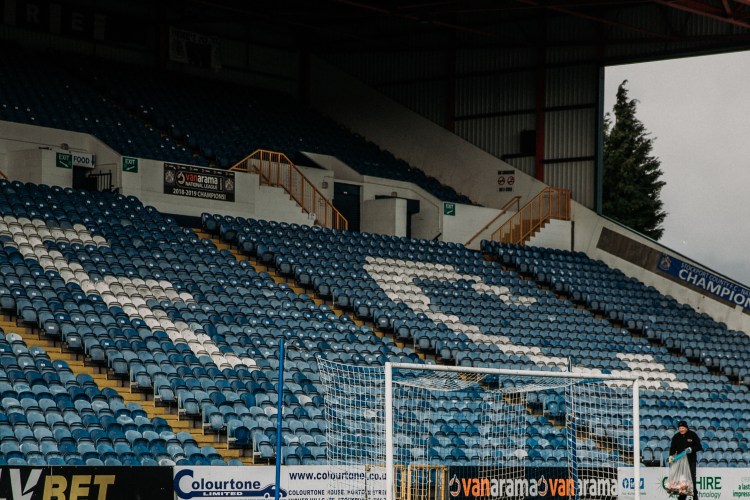
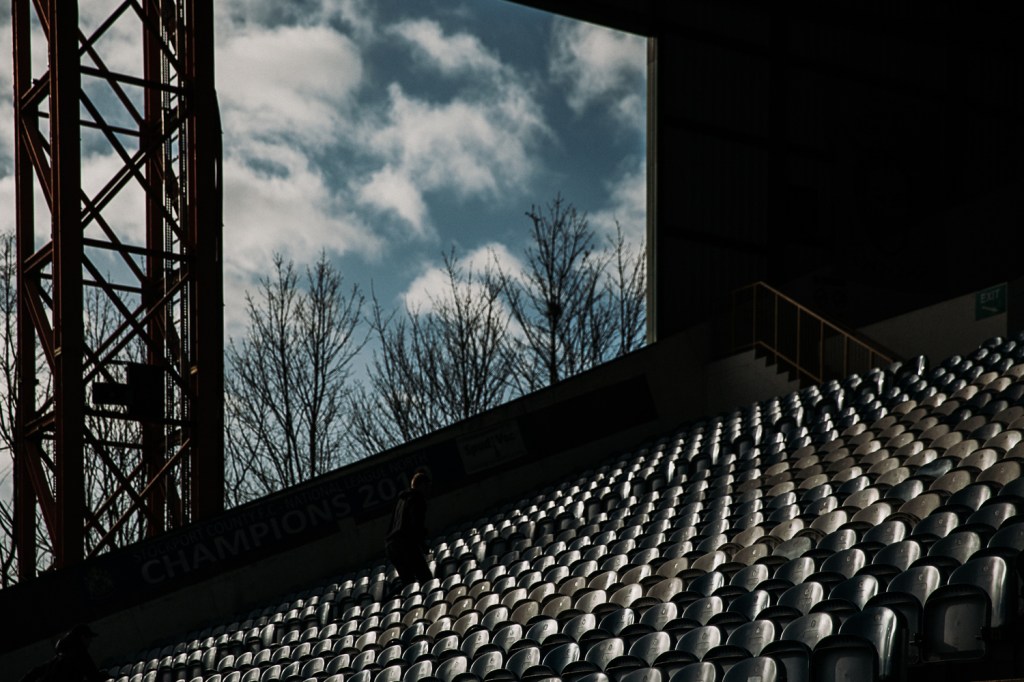
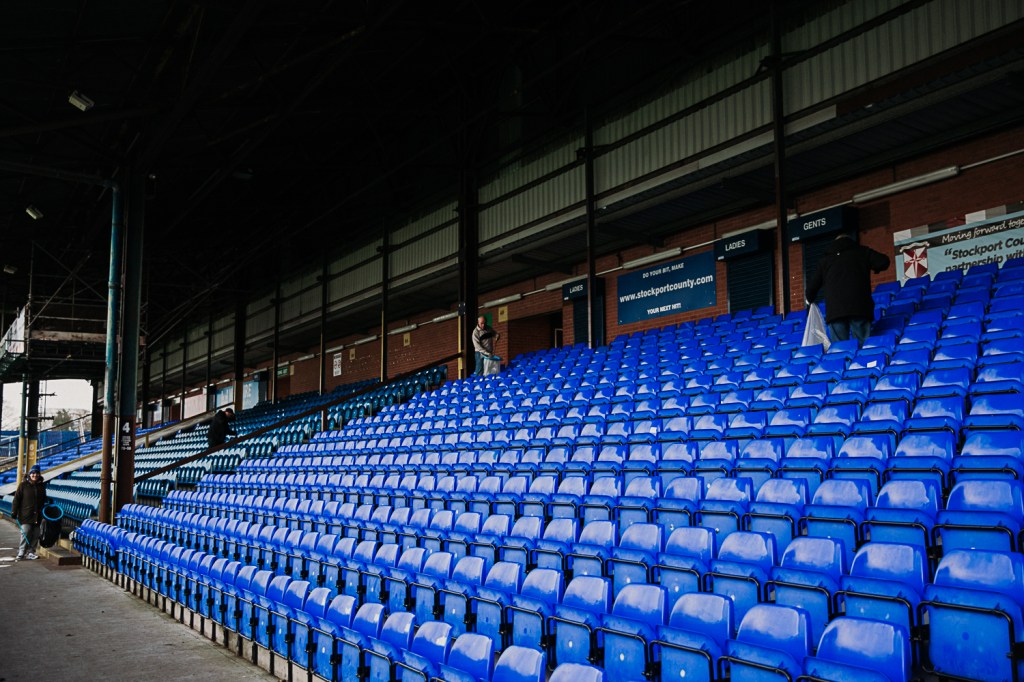
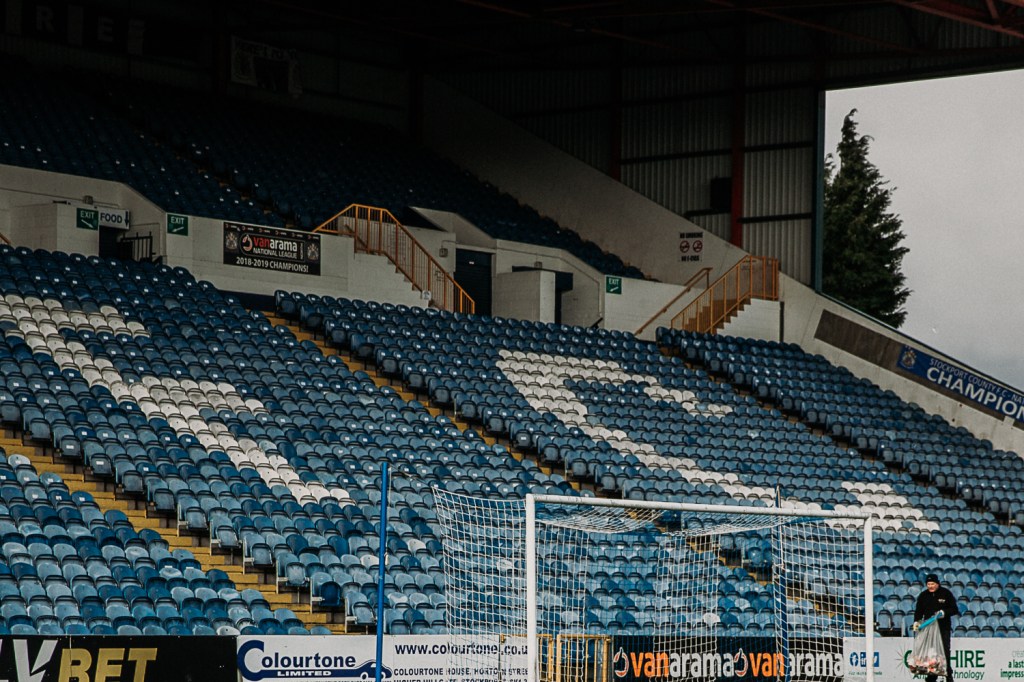
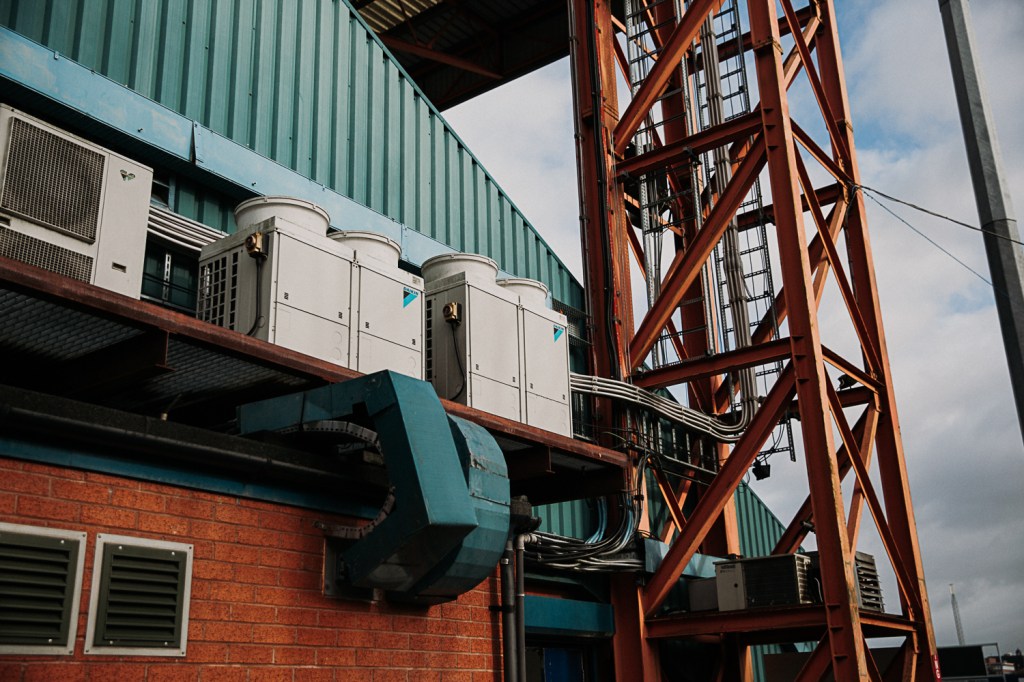
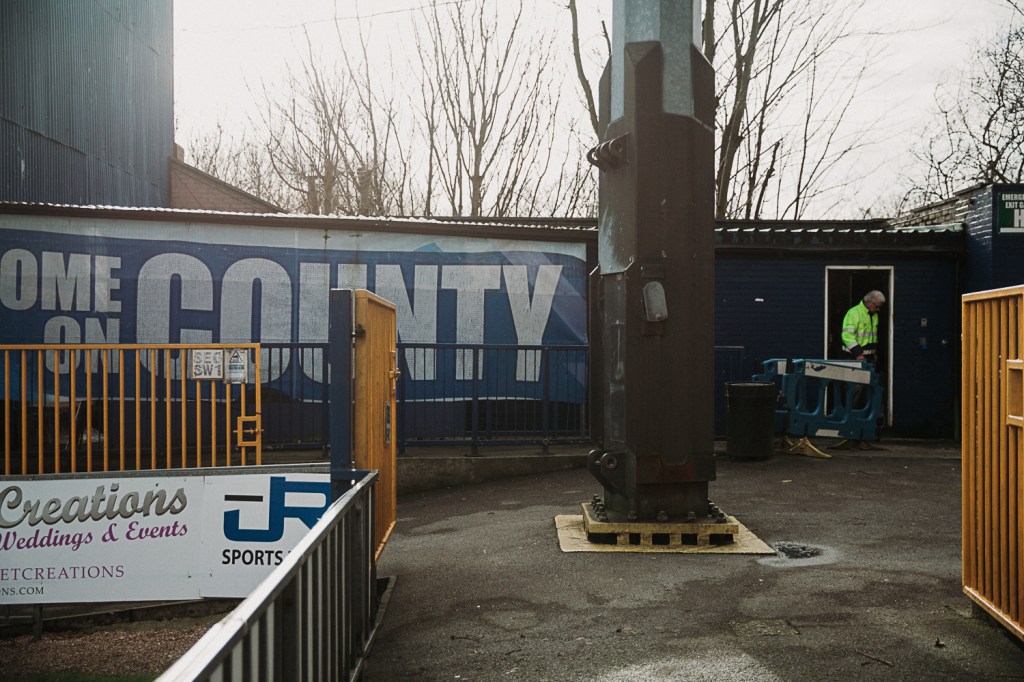
One of the interesting parts of this work is the objects and structures which were once loved but have fallen into a state of disrepair. When visiting Edgeley Park the home of Stockport County I have encountered a place which has seen a transition over the last 20 years from a successful centre of the community to a football club without the money to sustain itself. The stand known as ‘The Cheadle End’ is a structure that I am old enough to remember being build.

To me, this structure represented the transition of my local football team from a small club to a larger fashionable club. Two and a half decades later I have sat in or sat looking at this structure I am still amazed at the enormity of it. However, as my football team fell through the leagues and became less glamorous, the same could be said for the Cheadle End. I have witnessed the withering of the vibrant orange colours whilst bits of the structure have disappeared all together. The seats progressively losing their colour.

The lack of human intervention in the maintaining of the stand becomes an ideological representation or failure of the club within football and capitalism. Similarly,

Week 5: Fascinating Looks

Within my current practice I would agree that my approach encompasses elements of the voyeur in the way that I explore environments and the people int hem in the hunt for light, composition and moments. In terms of the limitations of this approach, I often arrive at the conclusion that I work too fast and I’m often impatient. This may be the result of being a slightly hyperactive individual in addition to my practice being dominated by interactions between people and the paranoia of missing something.

When I see something with has the potential to make an interesting photograph I position myself and make decisions on the type of composition I would like to create, this will be partly based on the quality of light. I then wait for the interaction to occur before taking the photograph or moving quickly to get closer to make a better photograph. Within another context this may be considered highly odd. Holding a camera in doing this almost acts as a licence to justify my intentions.

This type of scenario is part of my approach to shooting weddings but I have found this relative to my project of the people of non league football. People see me mosey around and I ensure I make eye contact and make polite small talk, sometimes explaining my reasons for being there. This is where I soften up subjects before I take their photo, not always immediately after but I see, I remember and I will make a judgement on the relevance to my intentions. Sontag (1979, p.14) argues, “To photograph people is to violate them, by seeing them as they never see themselves, by having knowledge of them they can never have; it turns people into objects that can be symbolically possessed”. I would confirm that within my documentary approach I am guilty of ‘violating them’ as Sontag argues, however I endeavour to engage in this process with a voracity or integrity based on the nature of my project which encompasses football as a form of activism. Essentially, I am of the subjective viewpoint which aligns with the motivations of the people I encounter. I turn them into objects of activism by capturing charged moments to which they are the object.

Although activism may be the overarching theme to my work the photographs I make are not obvious examples of activism. Sturken & Cartwright (2001, p. 93) conclude, ‘’Society possesses a multiplicity of gazes and looks to mediate power between viewers and objects of the gaze’. In considering this statement in relation to my project, I acknowledge that people will produce multiple readings of my work on a narcissistic level. They may feel that an element of cultural capital in a sense of stepping away from the mainstream by supporting a big, successful football club or watching the game on TV.

Sturken & Cartwright (2001) Practices of Looking. Oxford, Oxford University Press. 2001

SONTAG, Susan. (1973) On Photography. New York, Dell Publishing.

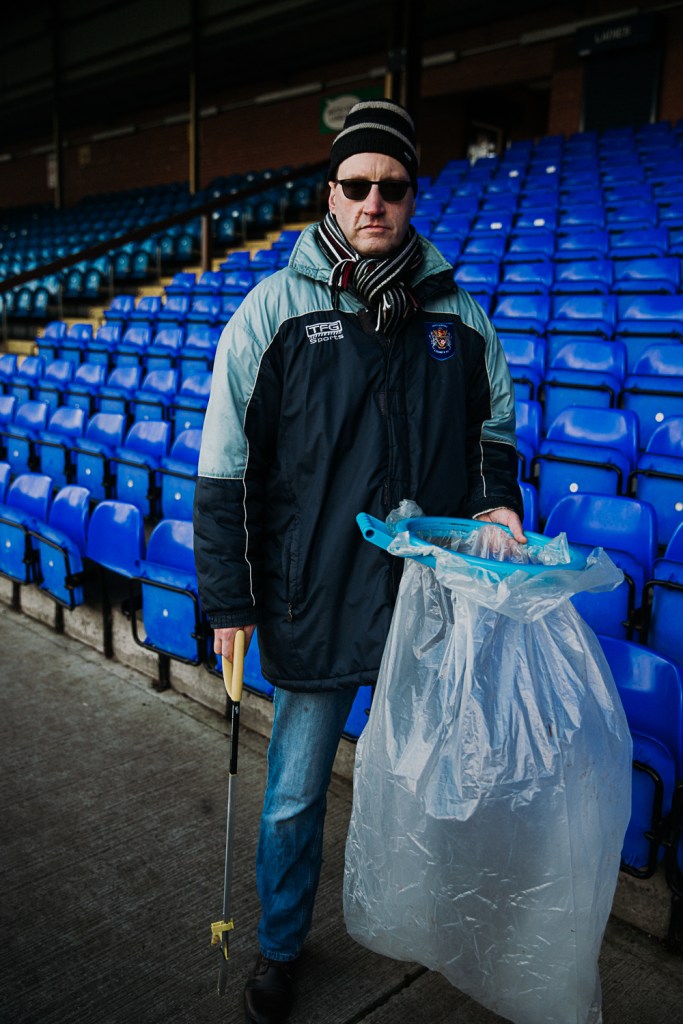
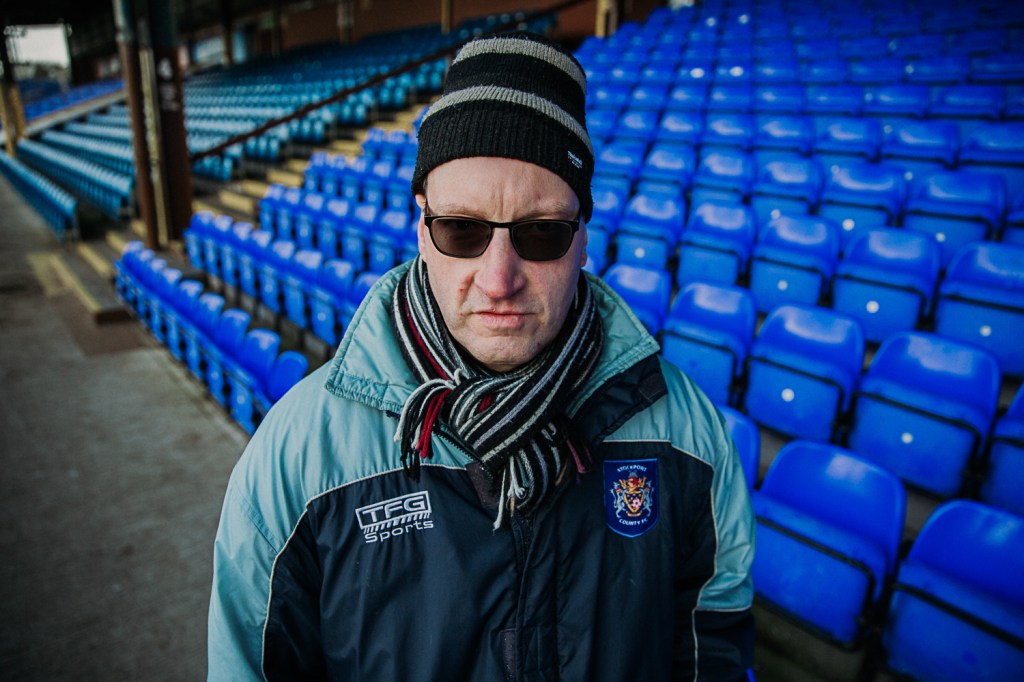
Fitzy

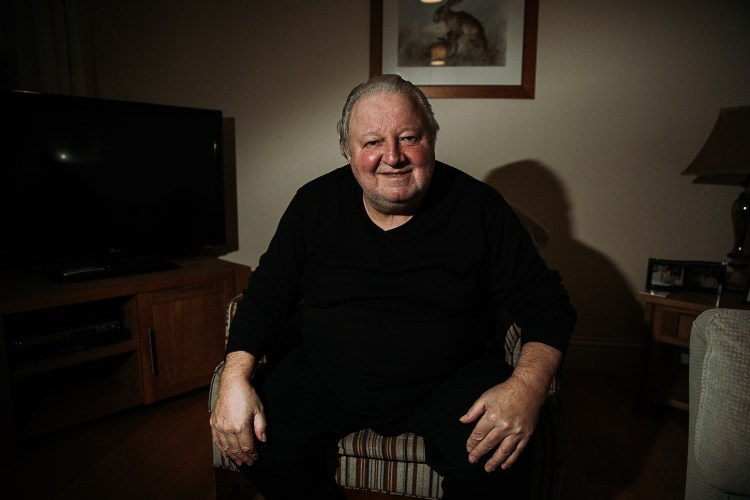
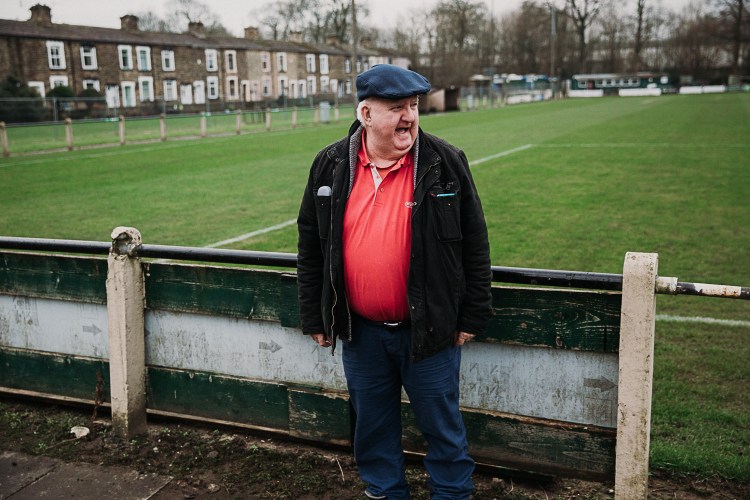
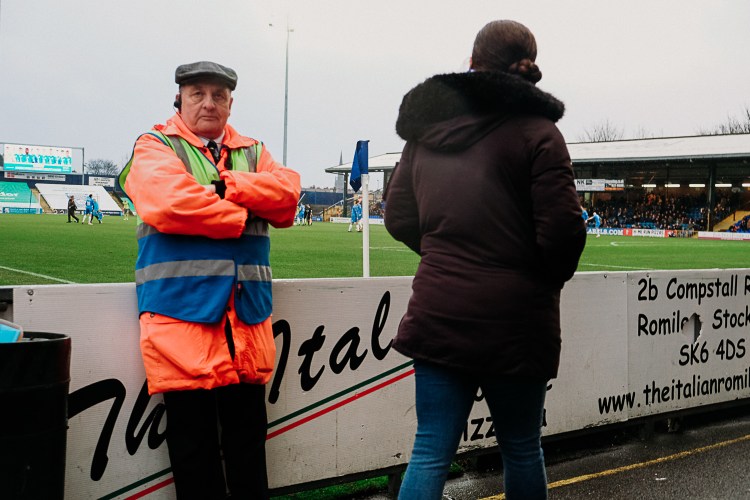
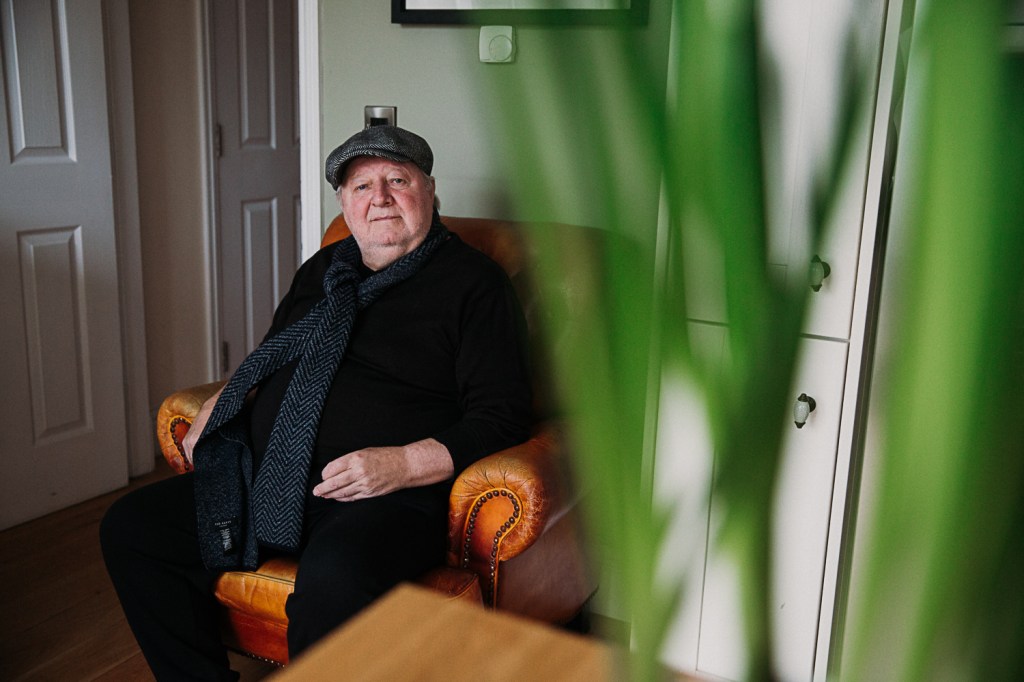
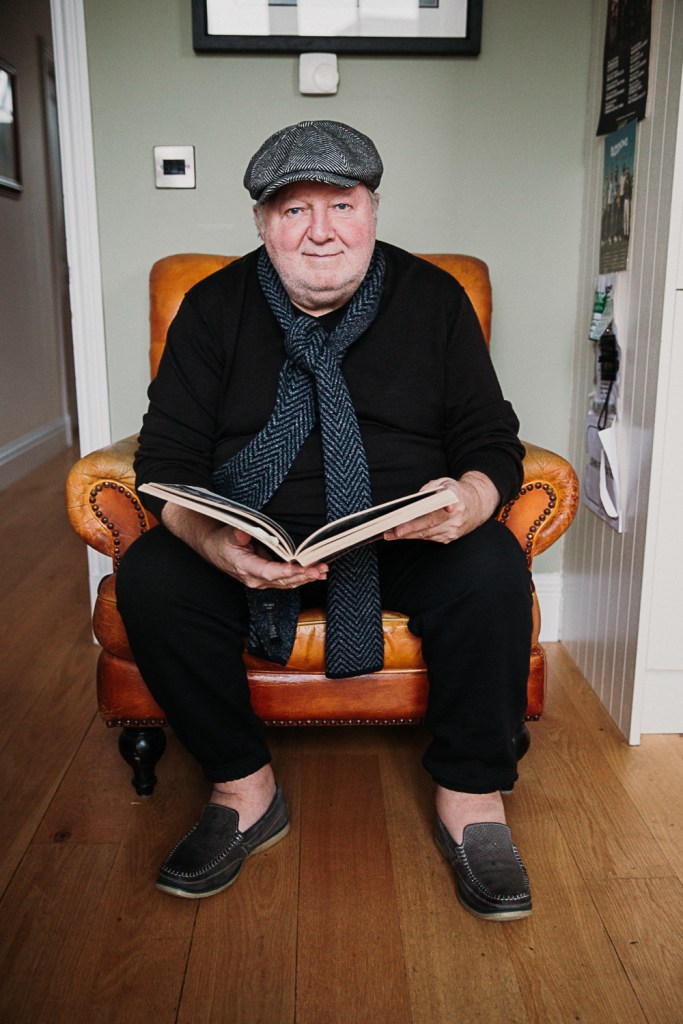
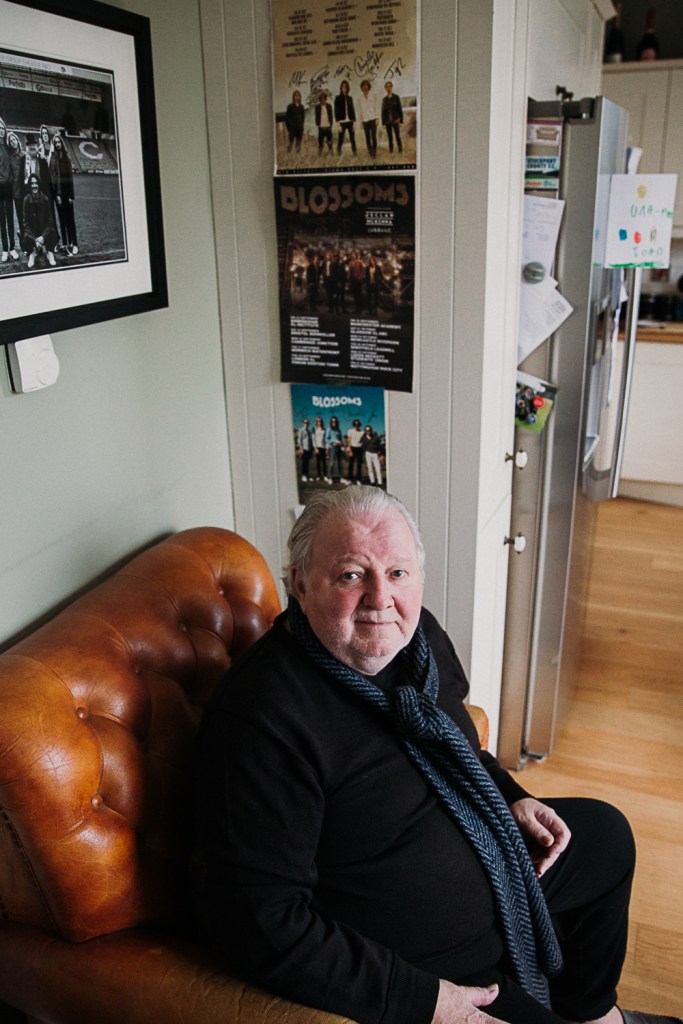
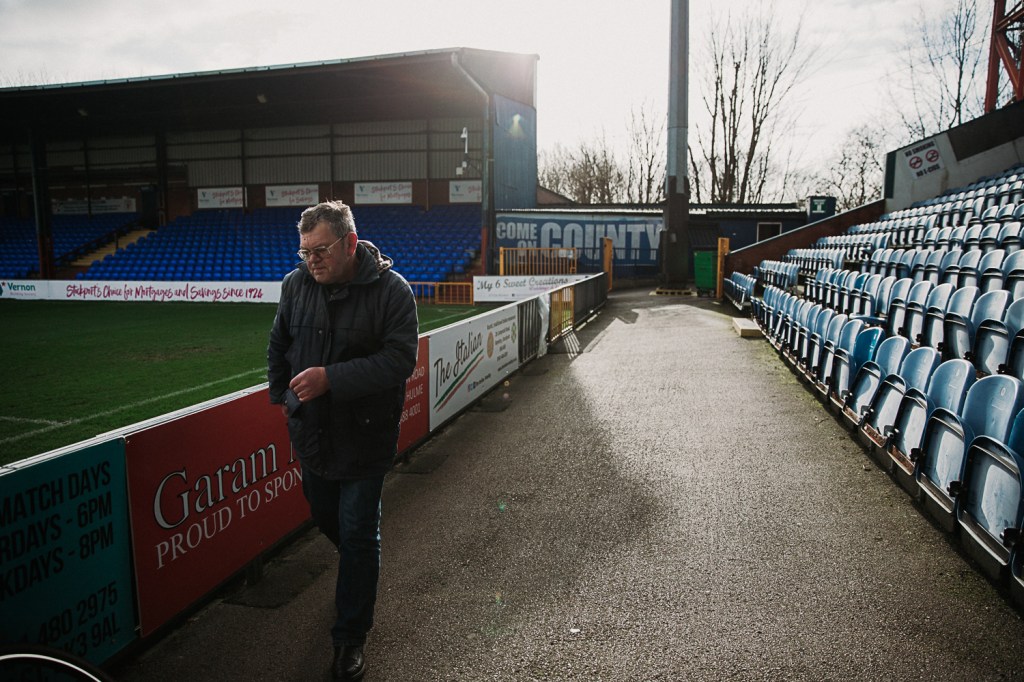
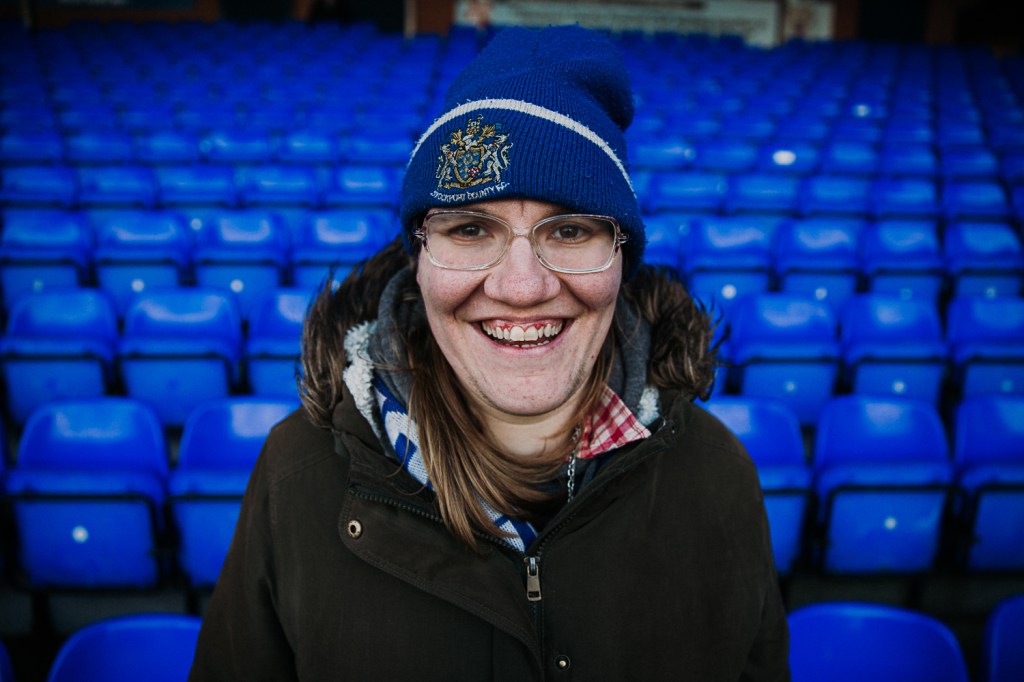
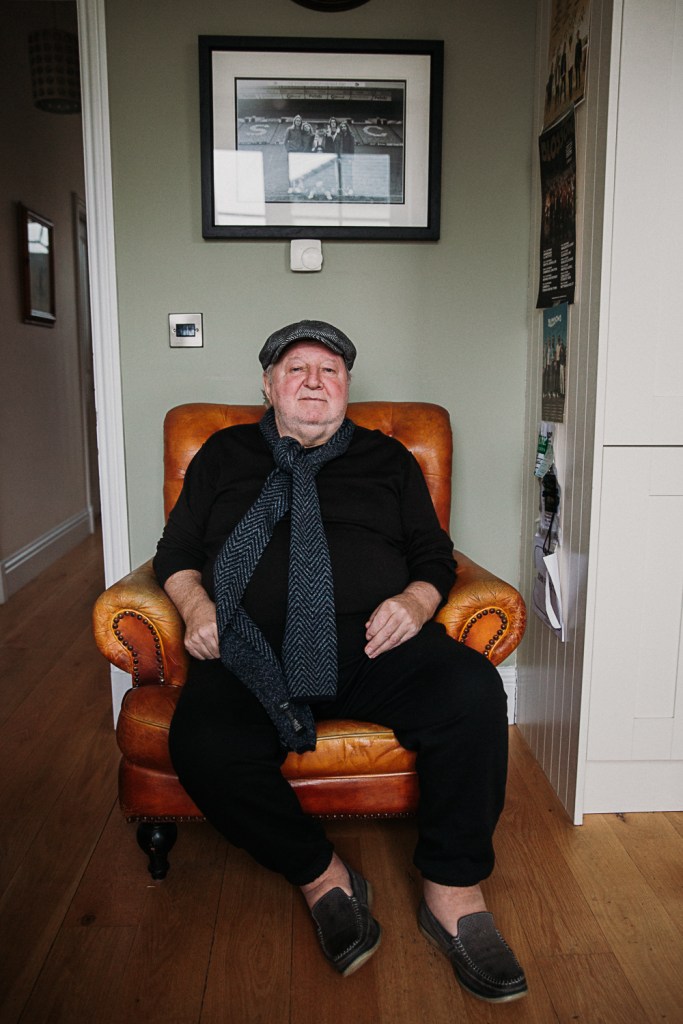
Fitzy can be seen at most Stockport County matches, a larger than life character who everyone loves to speak to. He is an engaging character who has spent his life following the club he loves up and down the country watching his team.

Fans young and old know him and he knows most of them. When in his company you get a sense of value and warmth. Listening to him for 5 minutes is an event in itself.

A a key figure of the volunteer group Help the Hatters.

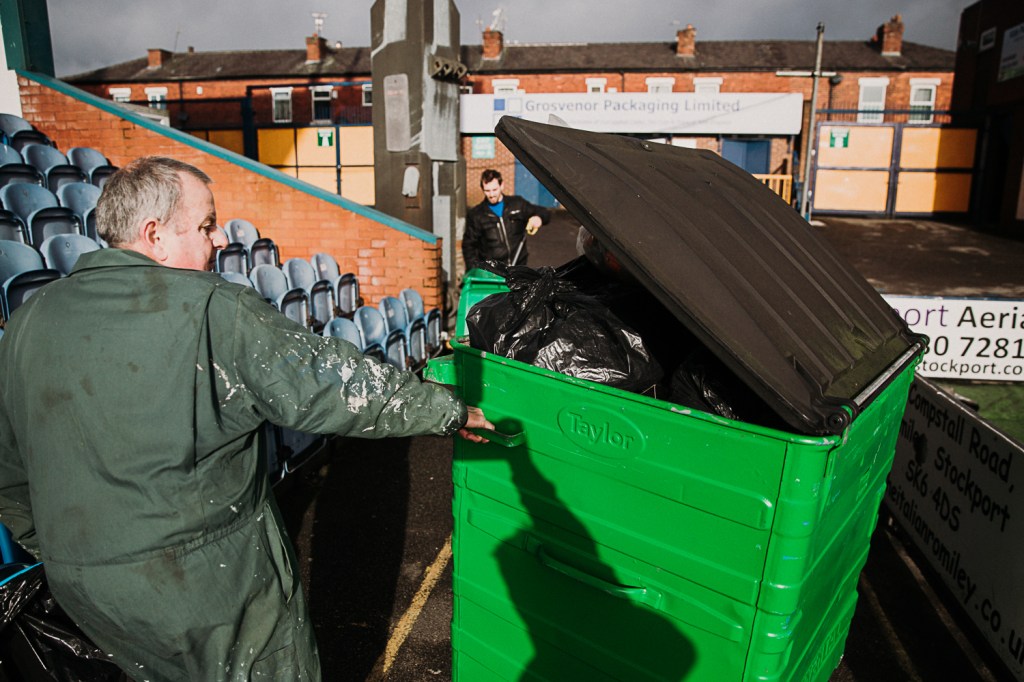
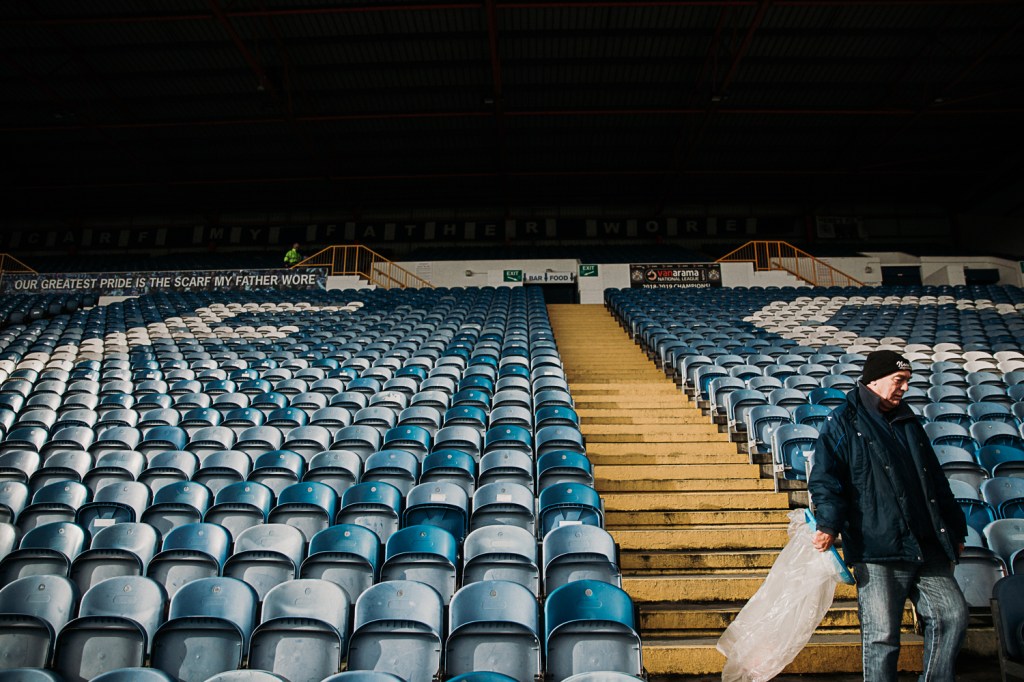
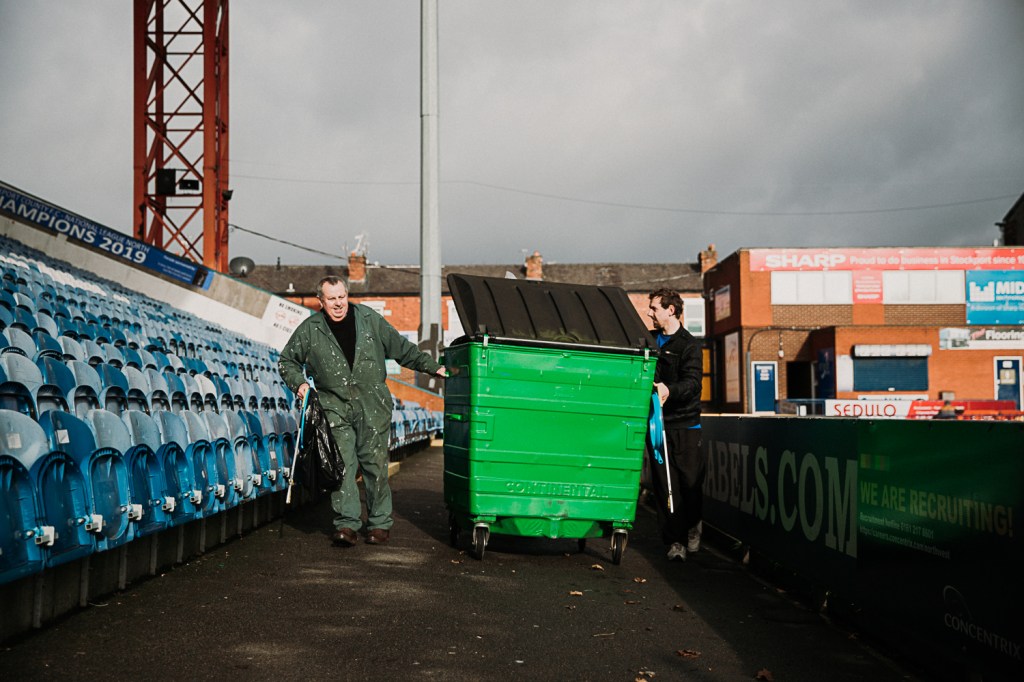
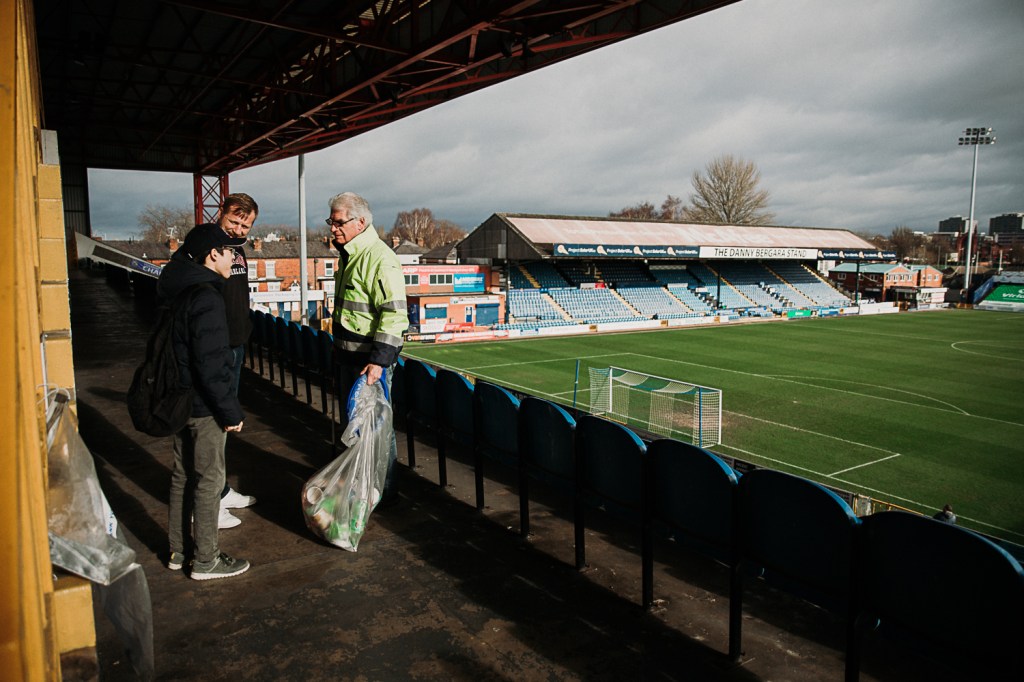
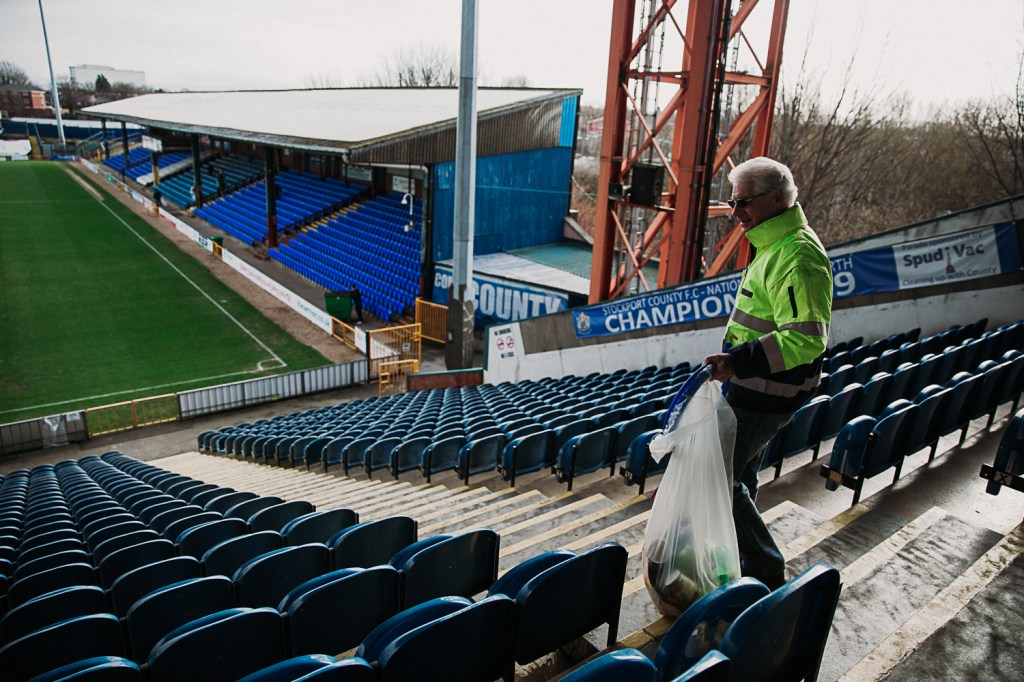
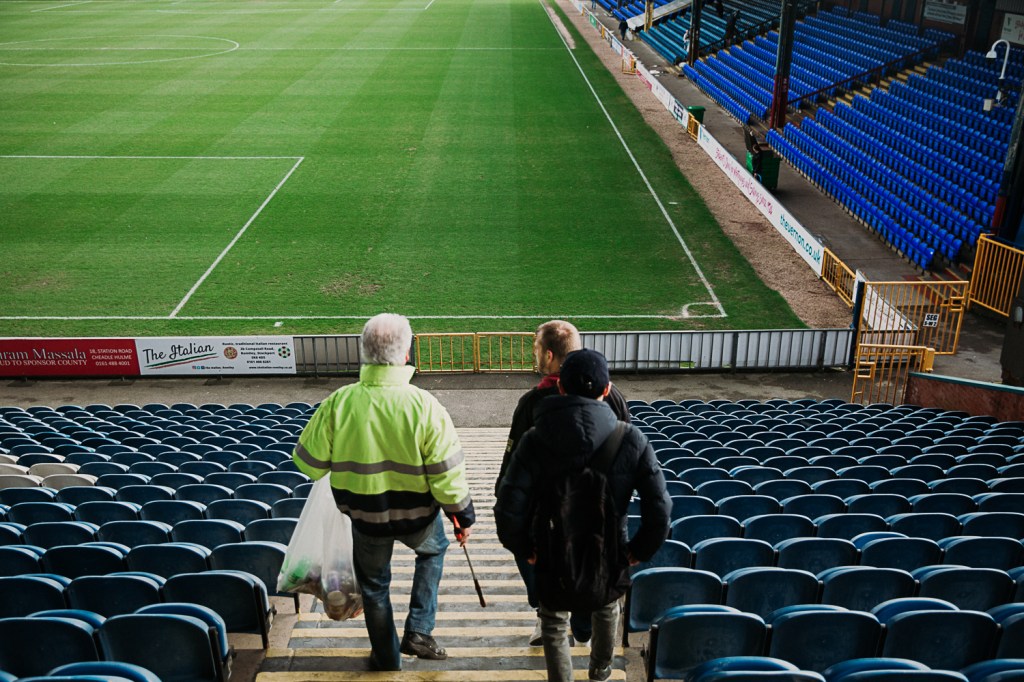
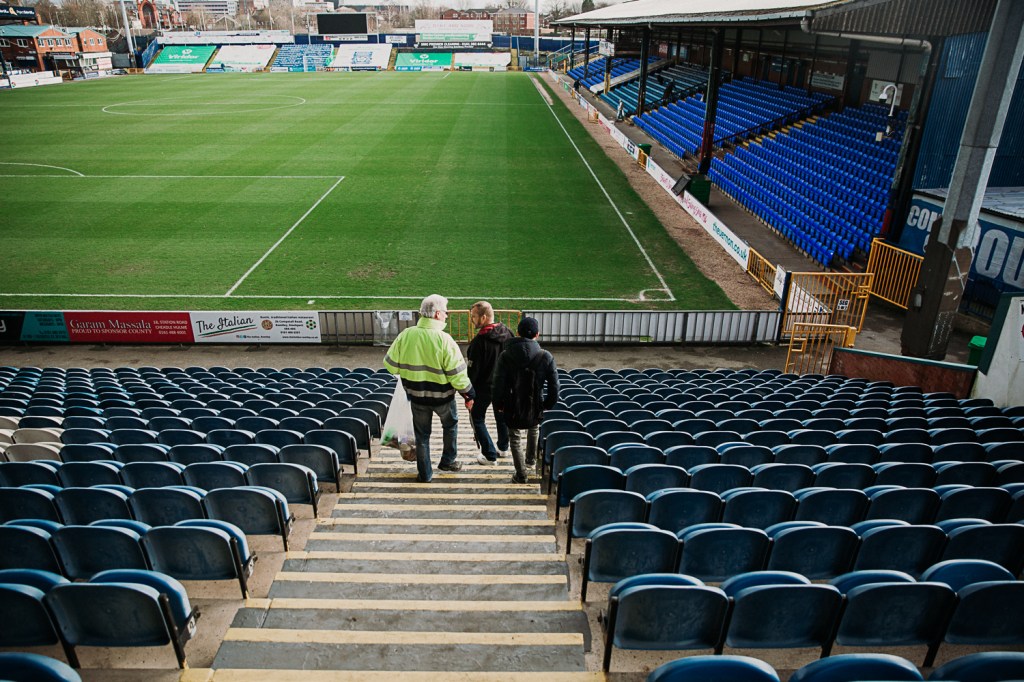
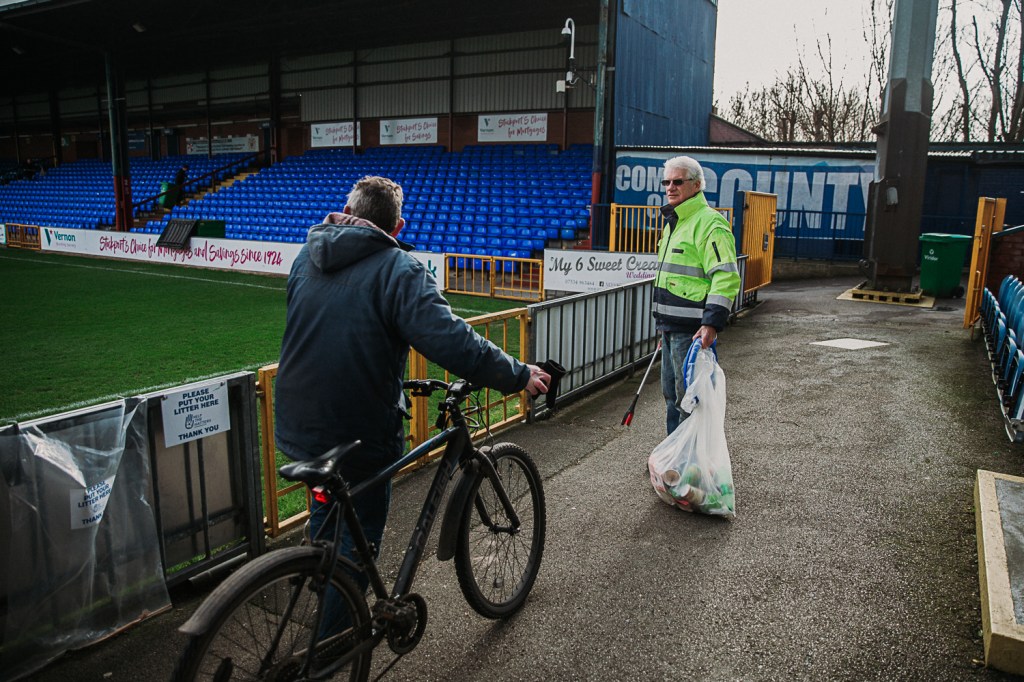
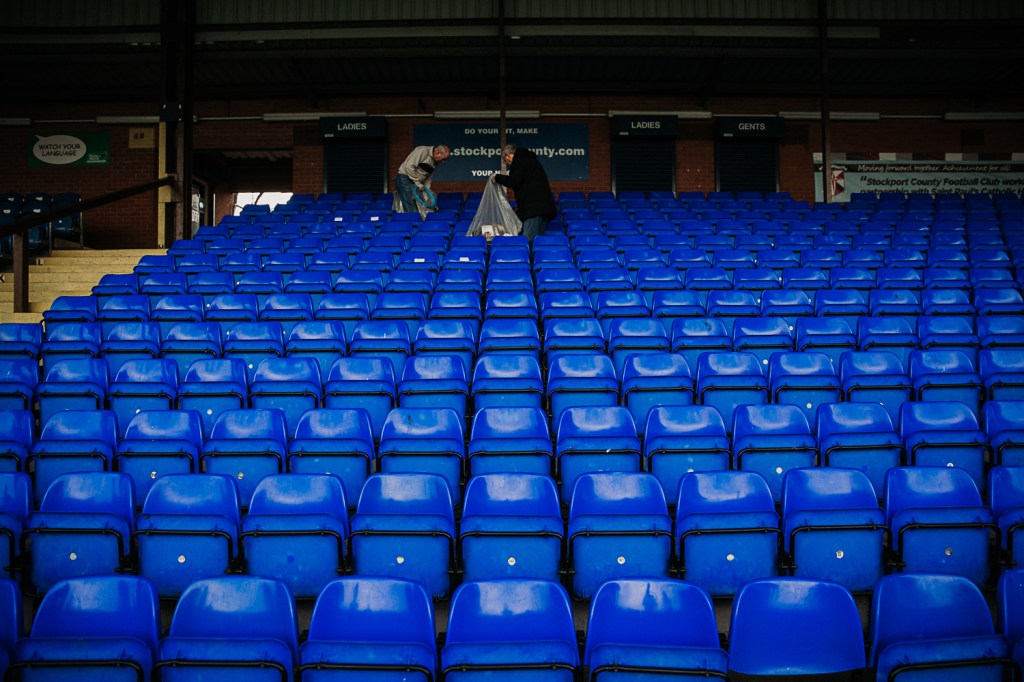
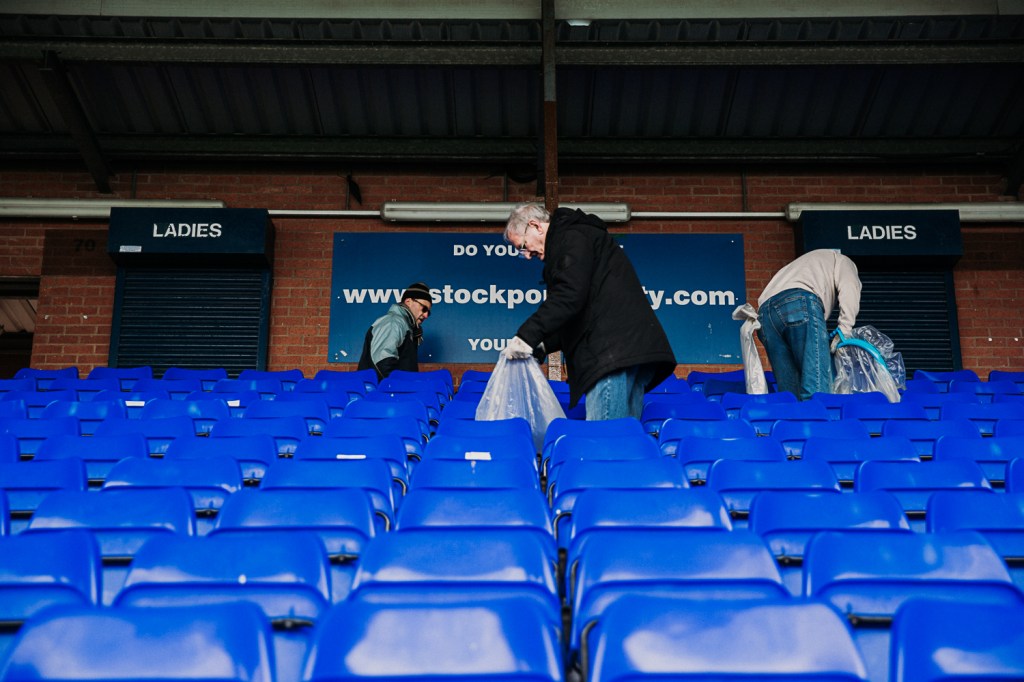
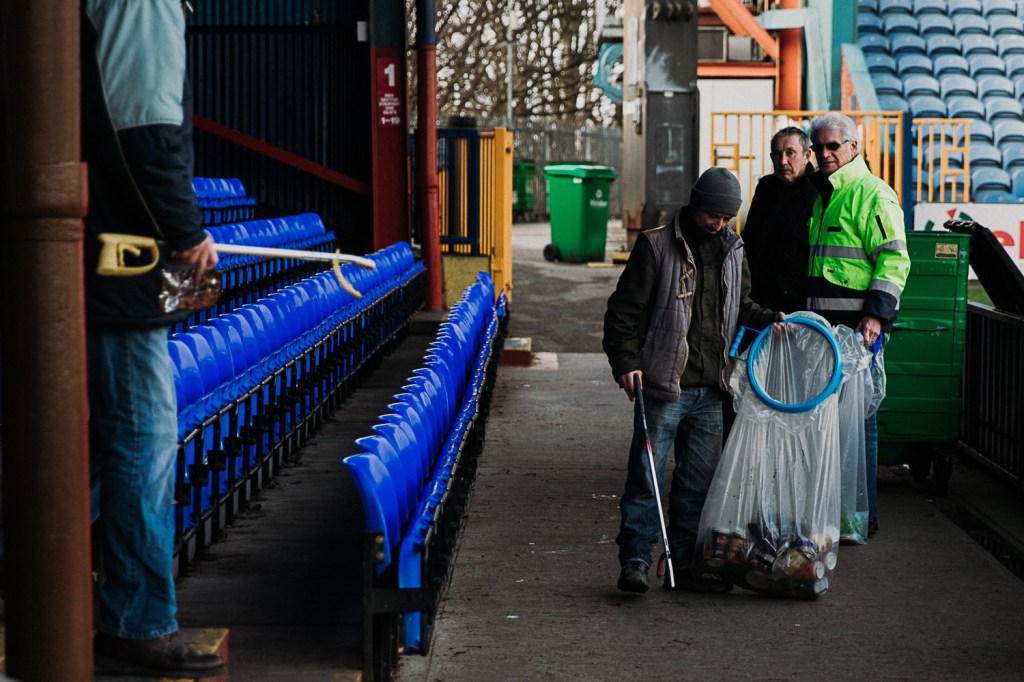
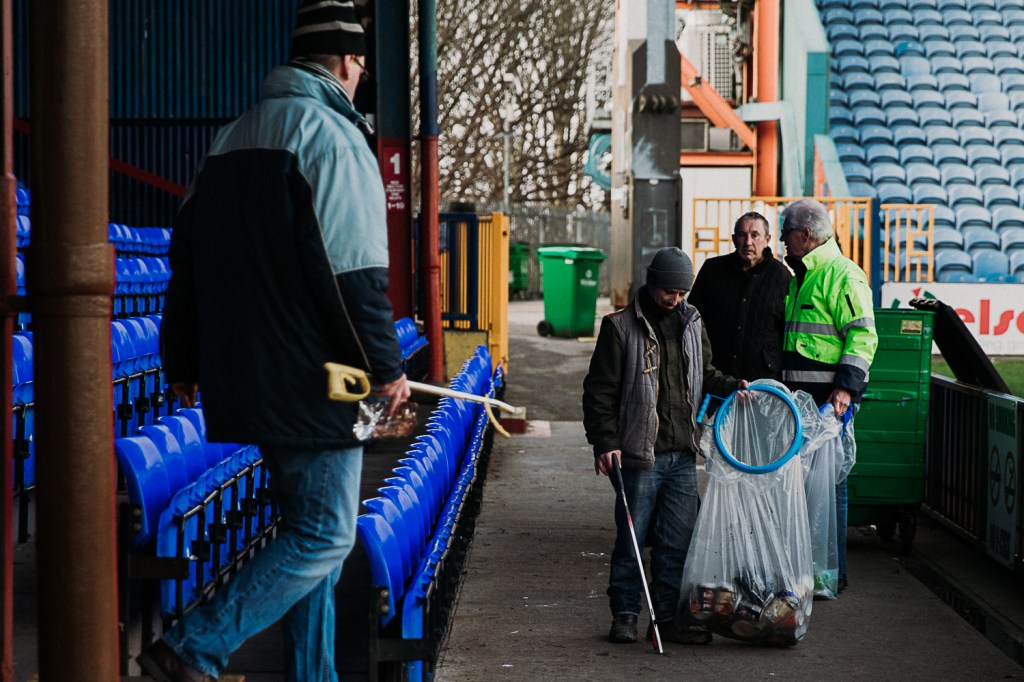
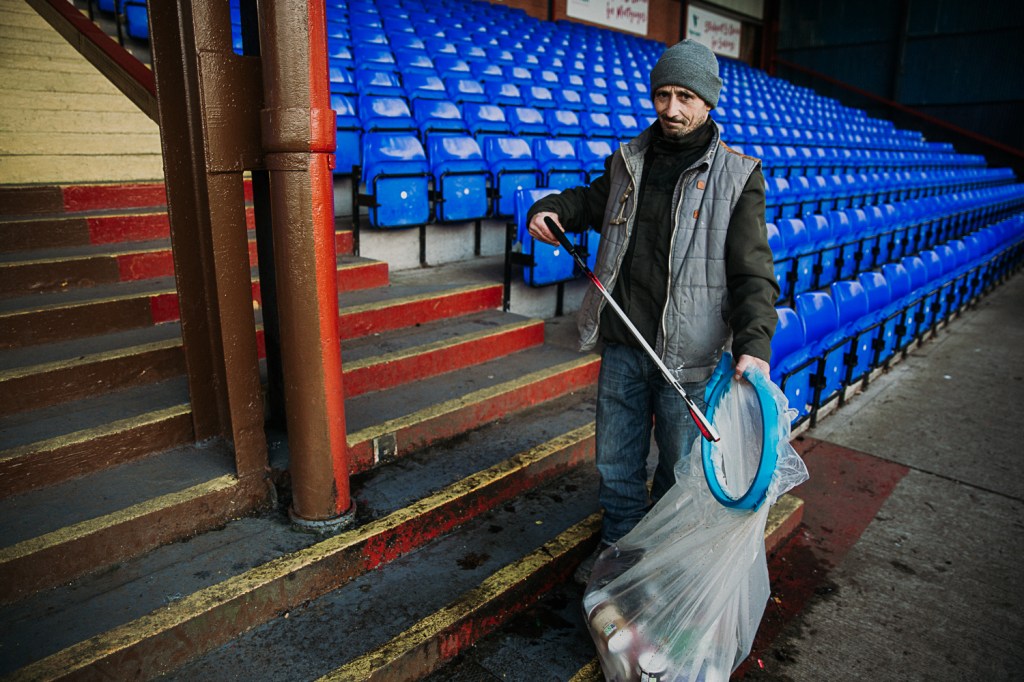
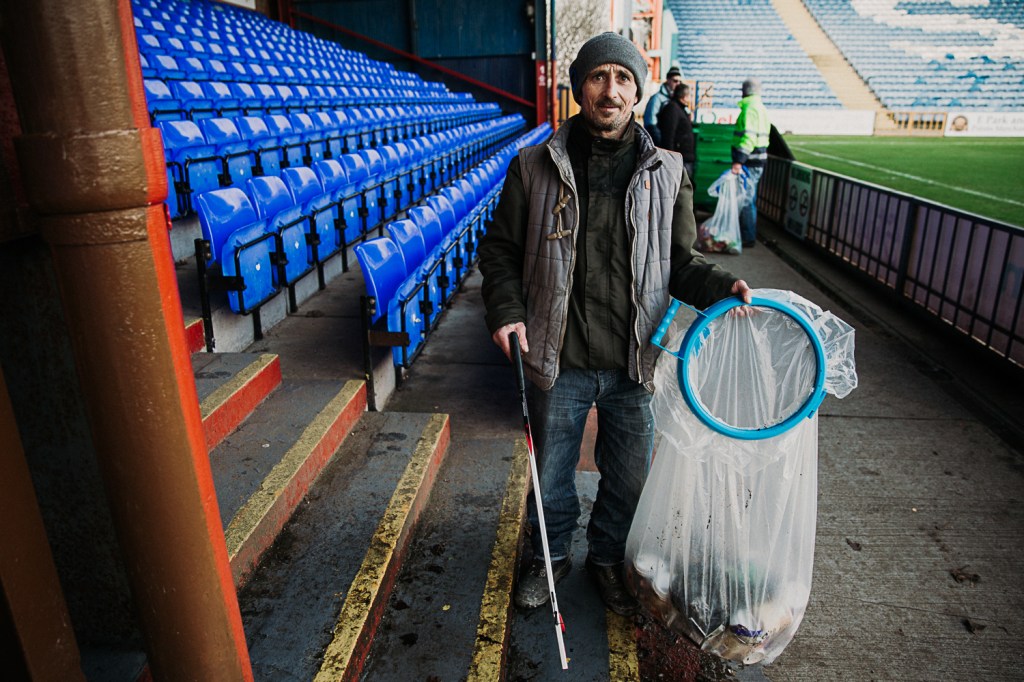
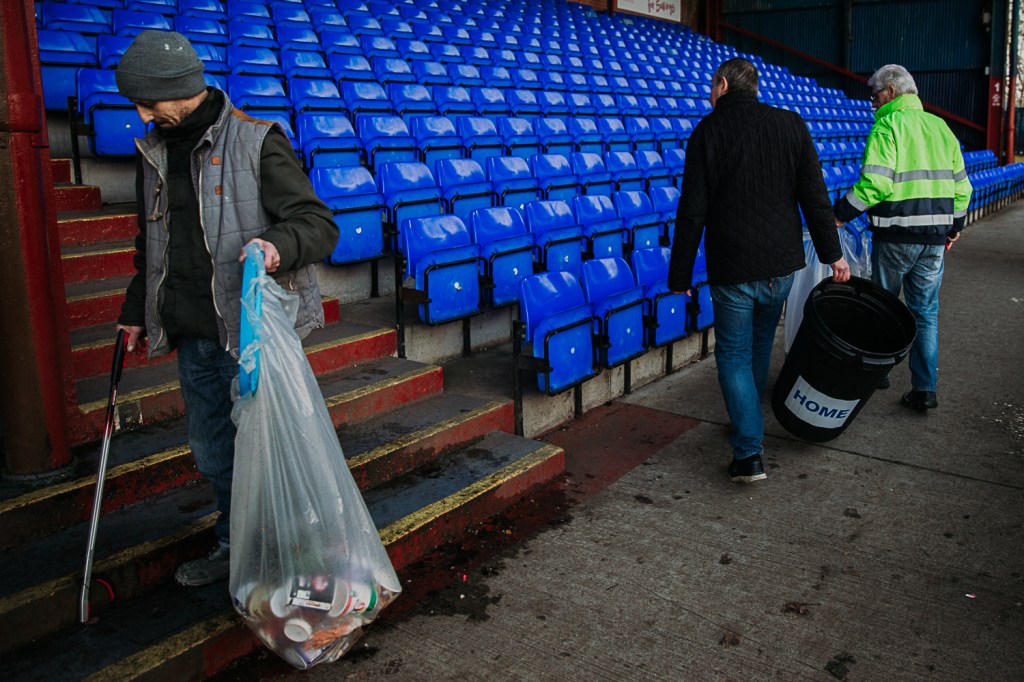
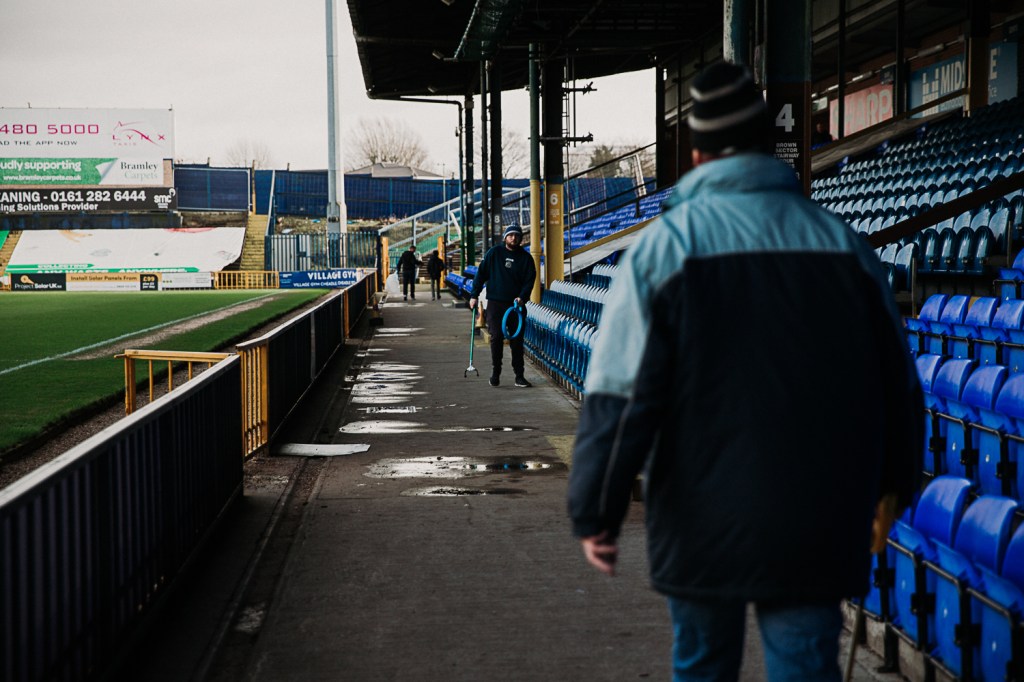
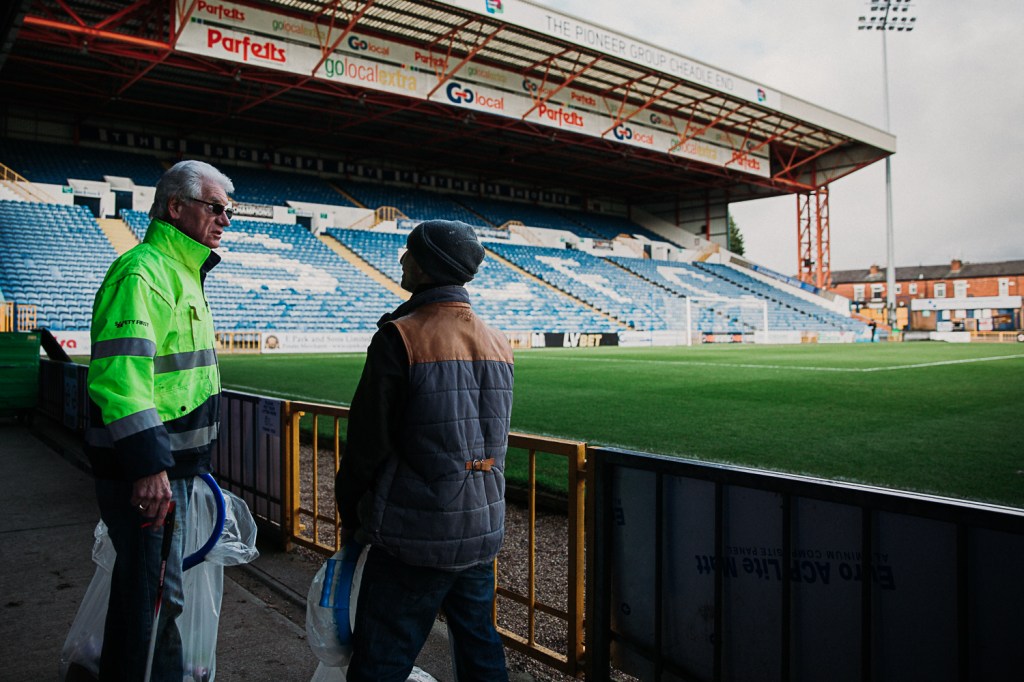
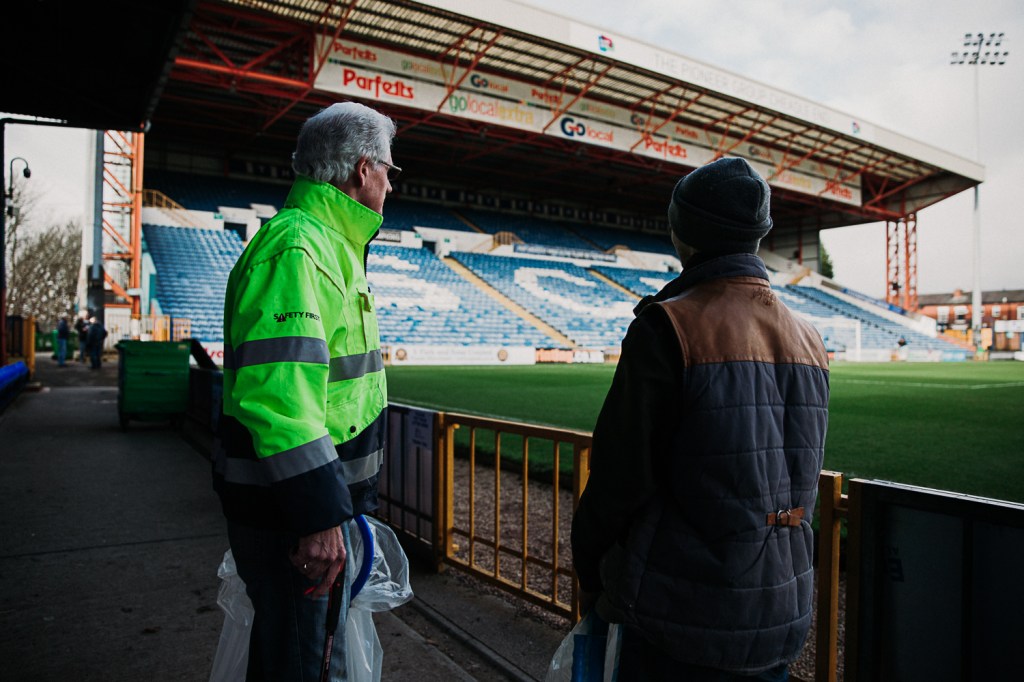
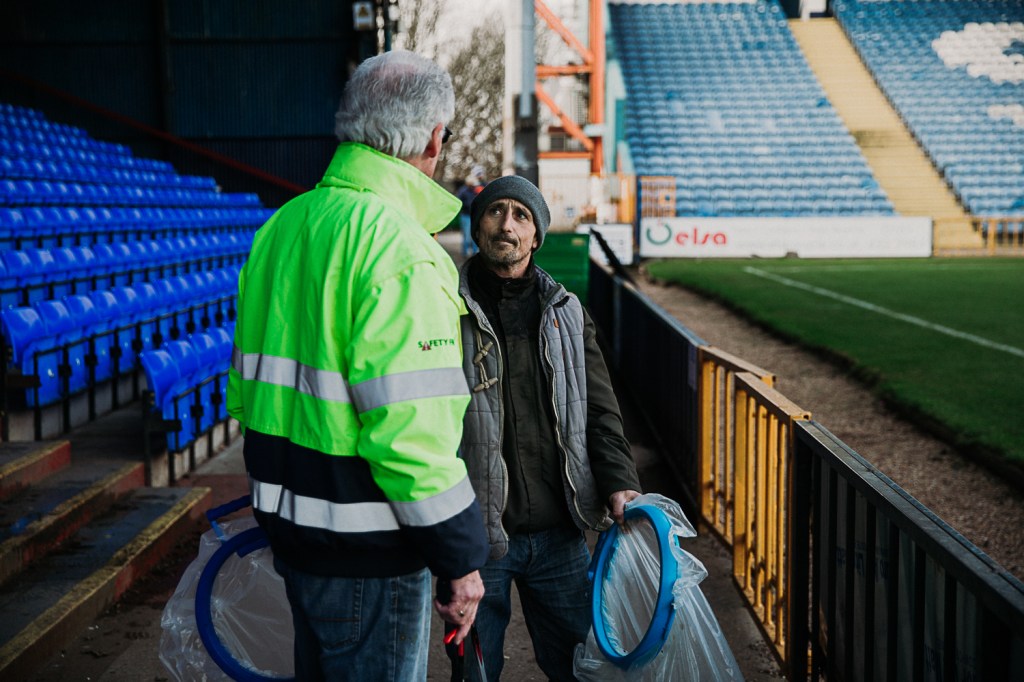
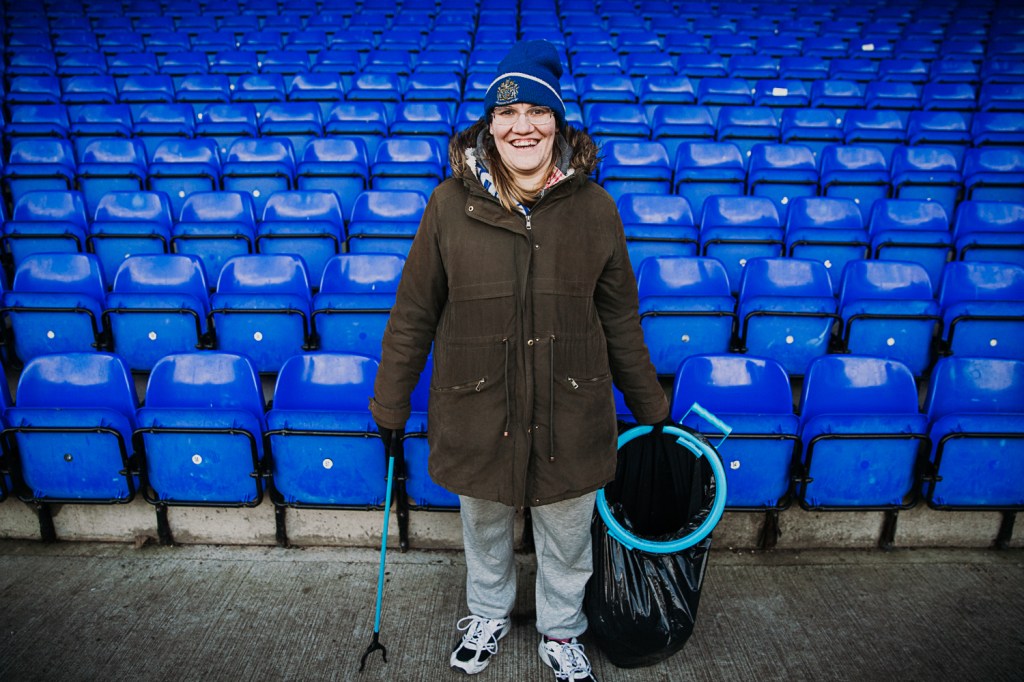
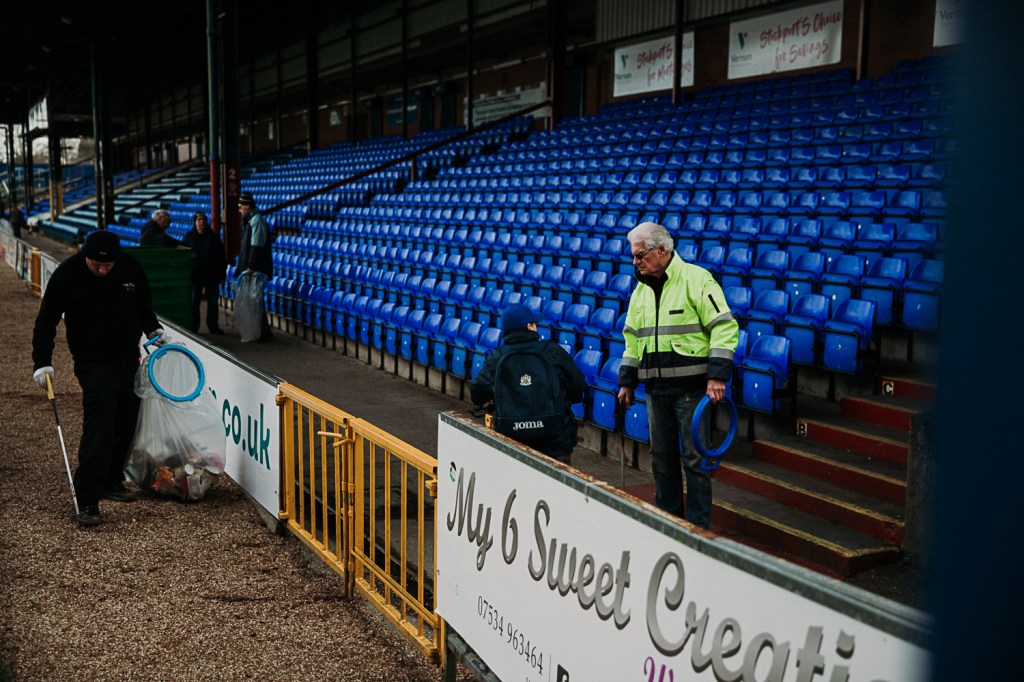
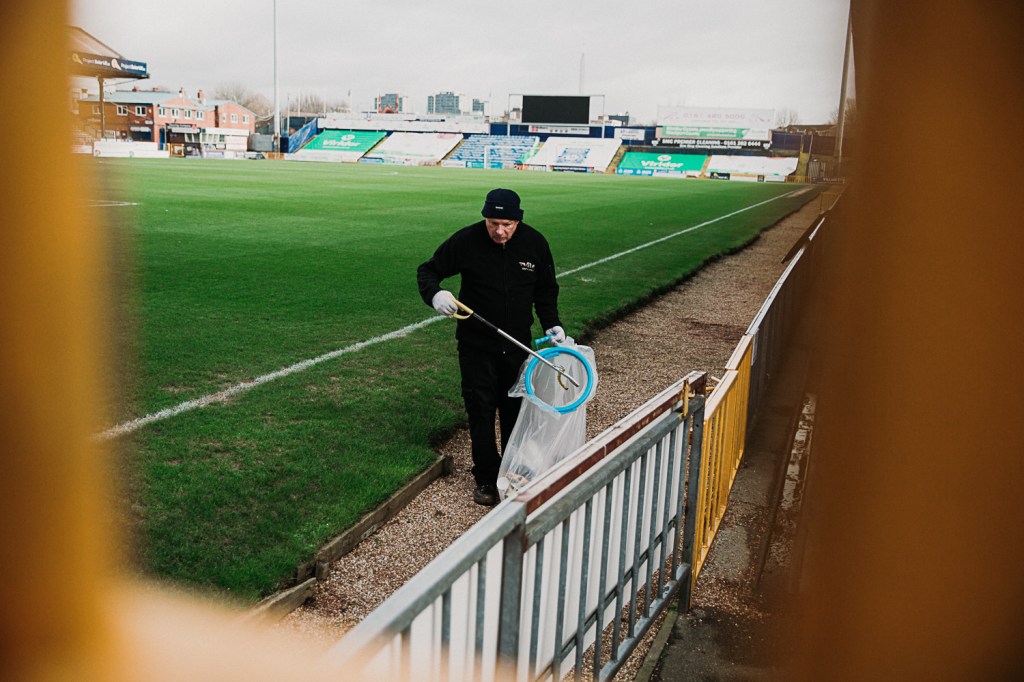
Help the Hatters is a volunteer group that offers practical support to the club and caries out tasks such as cleaning the stadium after matches, painting the stairwells and ensuring the facilities are clean and safe for spectators. I recently attended a post match clean up and was I was amazed by the military organisation and purpose these volunteers had in how they set about what seemed to be a massive task. Although in my own thoughts I always felt that Fitzy was the figure head for this group, when I put this too him he politely disagreed referring to the great people who make HTH work.

As humble as he is proud.

When asking him to elaborate on the achievements of HTH he spoke passionately about helping the club engage with the children in the community and highlights that his real pride is when he sees the areas of the ground designated for families full of local school children often watching football for the first time.

HTH are also involved in the curation of a Stockport County museum where children can come and see memorabilia from days past. It’s hard not to feel like being in the bedroom of a teenage superman.

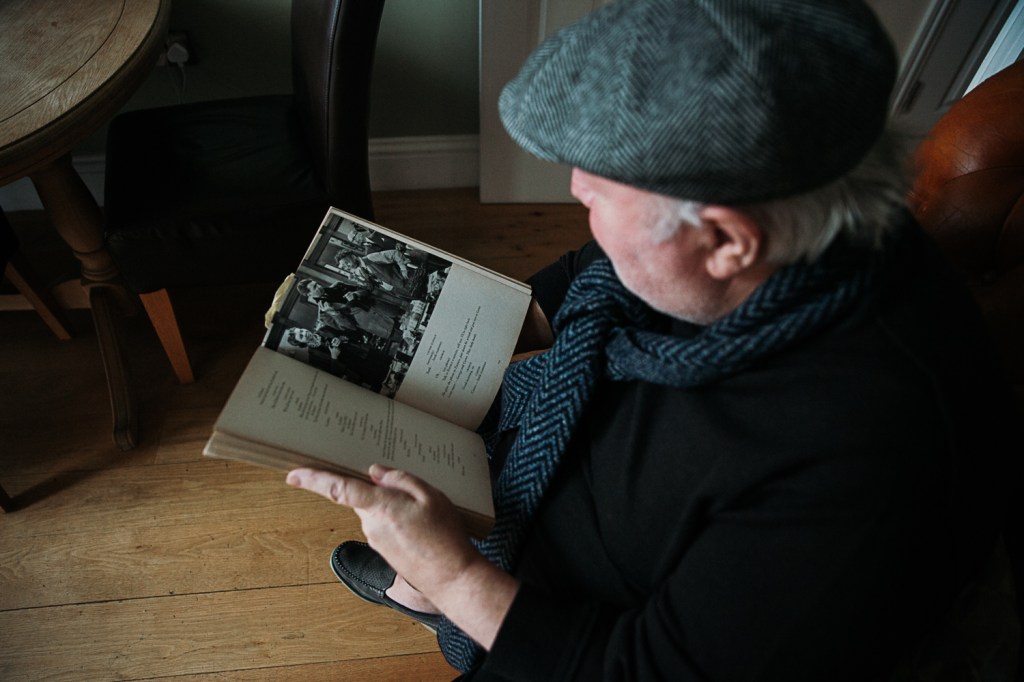
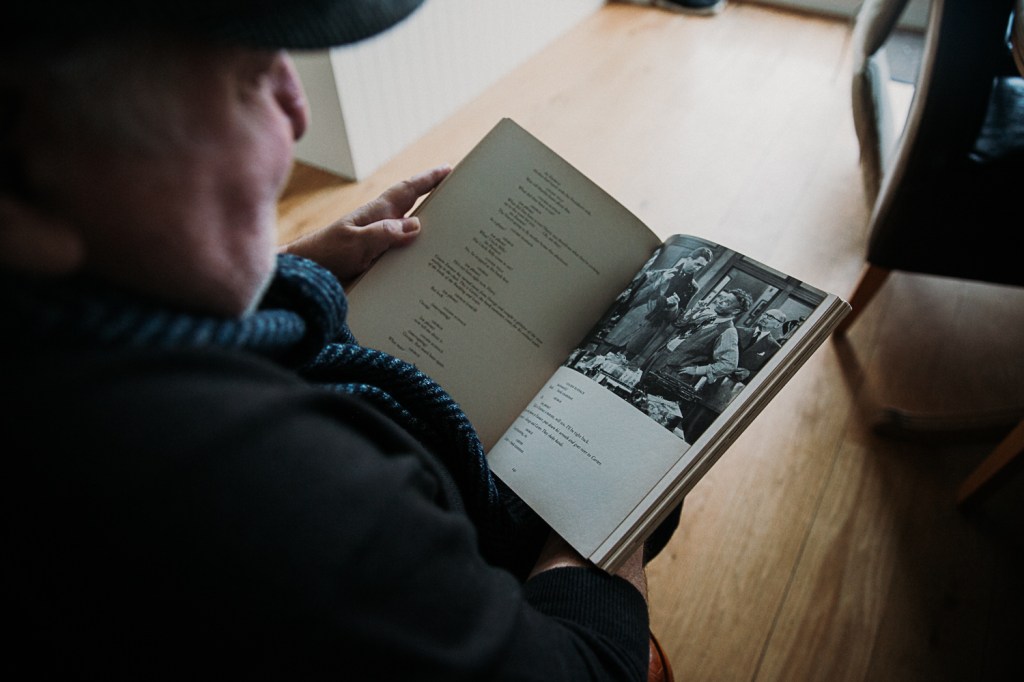
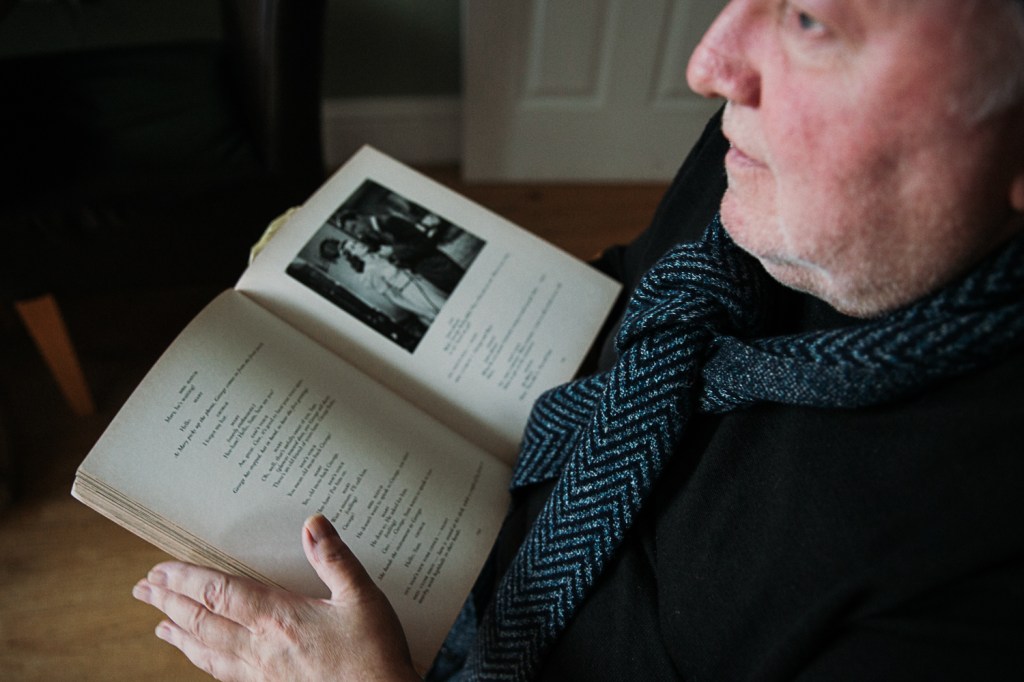
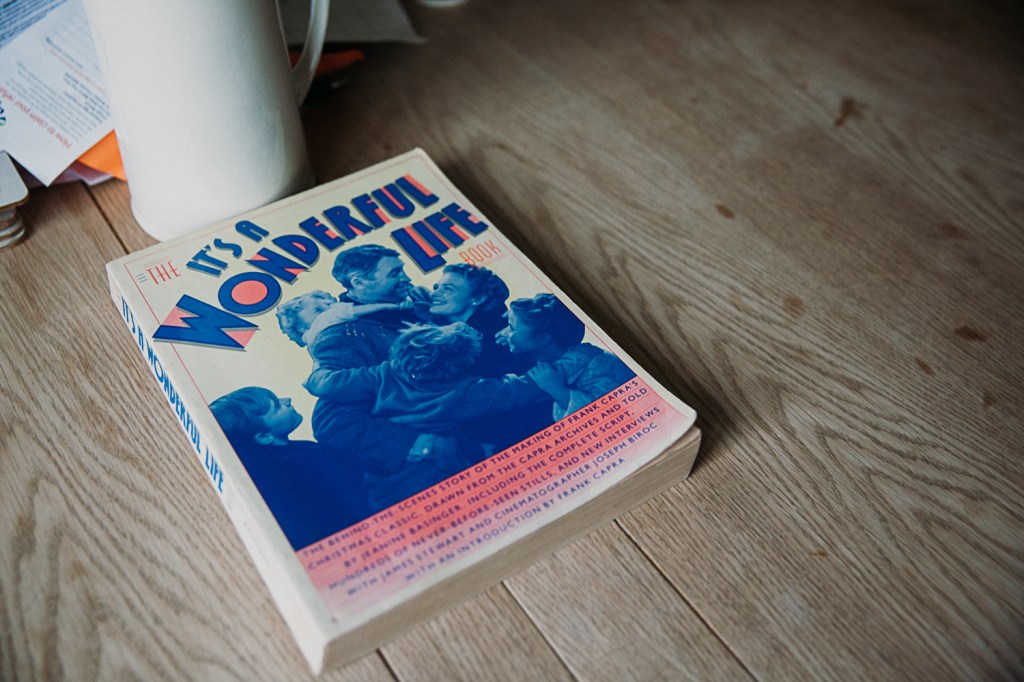
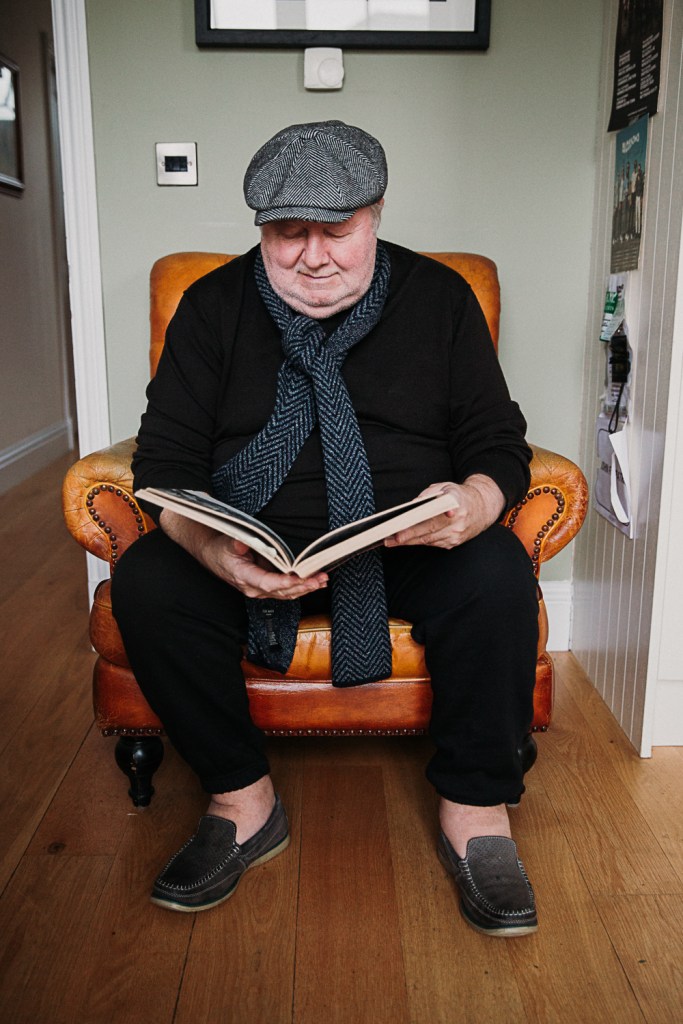
When asking Fitzy about his motivations he pointed to a book on his kitchen table which was about the 1946 film ‘It a Wonderful Life’. Always be kind to others he told me was one of the rules that he lives his life by.

When speaking to him another huge sense of pride for him are the achievements and love he has for his family. One of his grandchildren who is a member of the Stockport band ‘Blossoms’ who’s Third album entered the charts at number 1.

Going forward I will engage further with members of Help the Hatters in order to gain a further insight into this group.

Week 4 Independent Reflection,The Deadpan Face

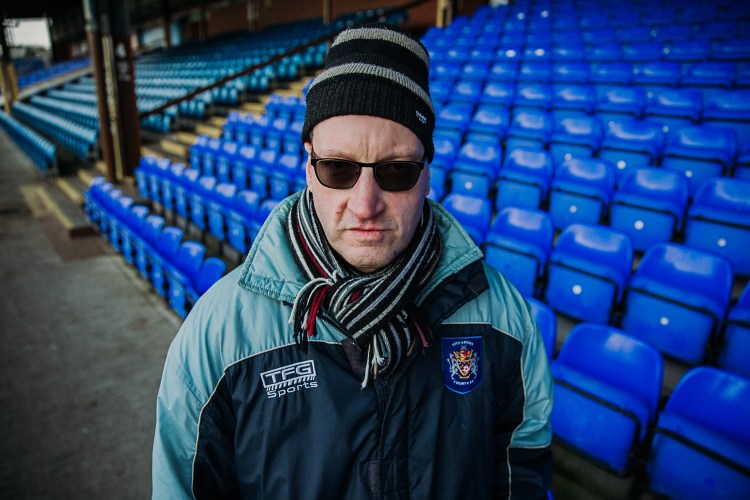
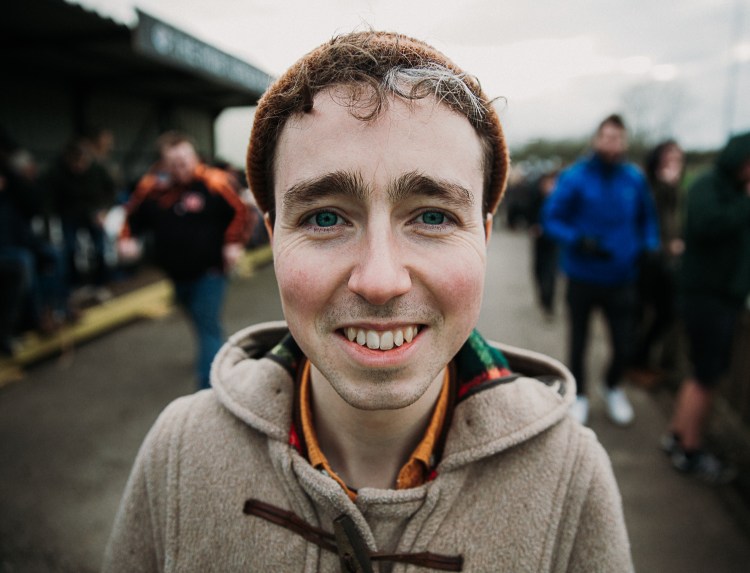
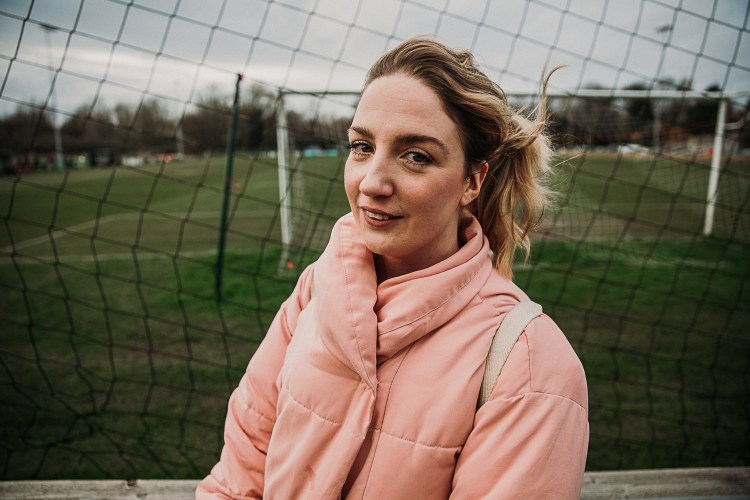
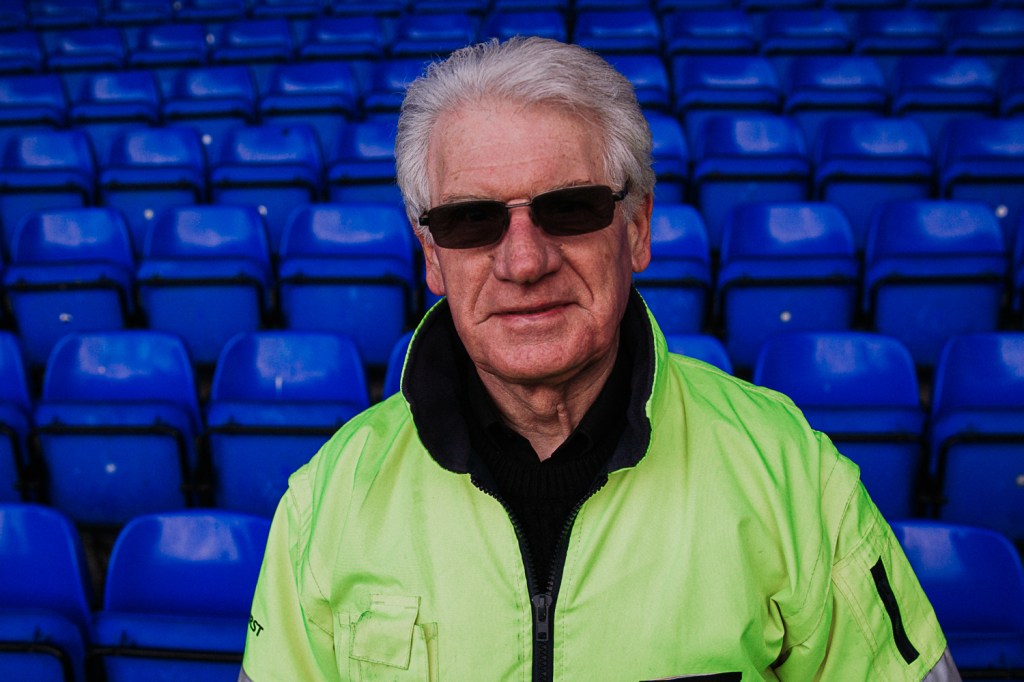
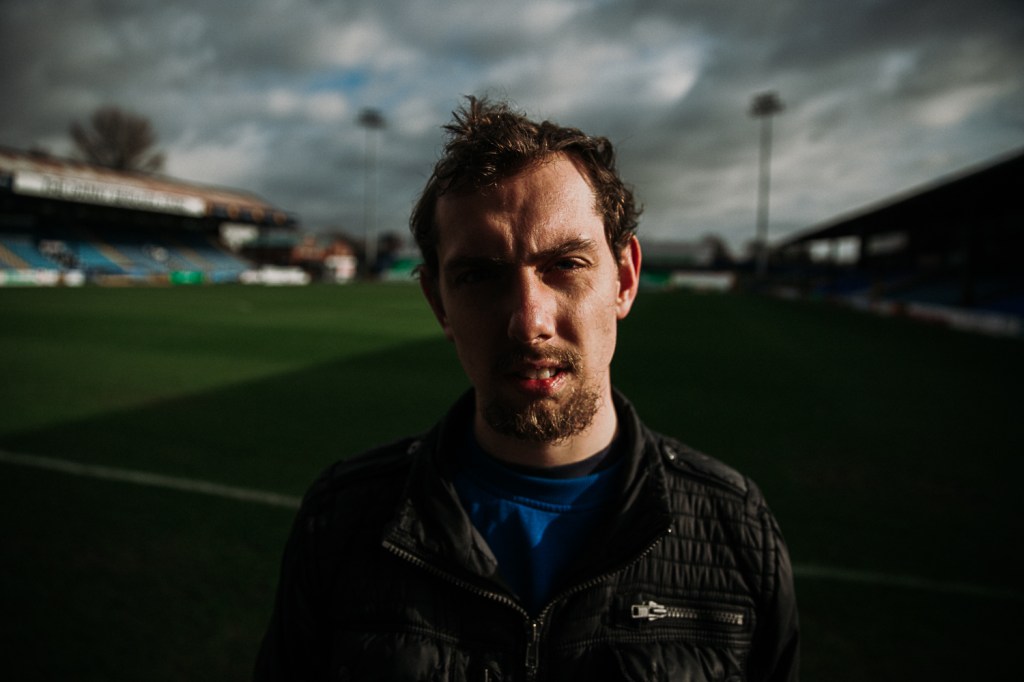
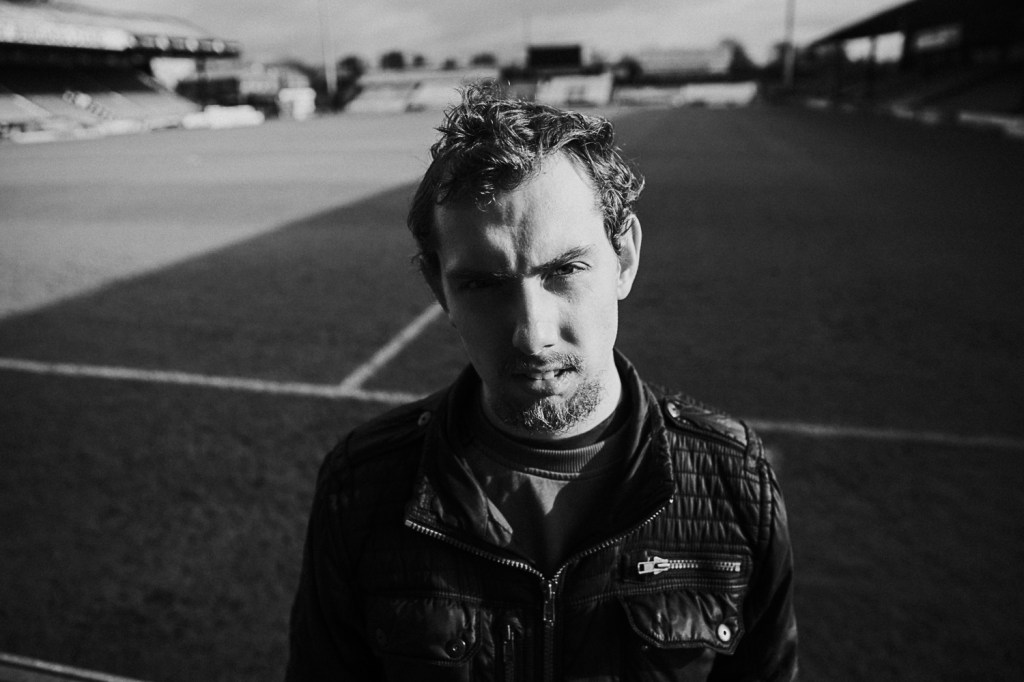
As my project develops I have moved into the realm of portrait photography which I have found interesting and is useful in a way that this style of work provides the opportunities to both experiment and open a new direction for my work. Having little understanding about the approach, I have engaged in further reading about the portrait photograph to understand the conventions and why they are so interesting. Cotton argues that ‘The adoption of a deadpan aesthetic moves art photography outside the hyperbolic, sentimental and subjective’ (2020, p. 27). This idea serves as a useful starting point for my research in addition to a way to develop my project. In doing this in practice I found that my ability to approach a subject and ask them to be in a photograph has been quite successful however in the making of photographs the ability to achieve the deadpan face requires more attention to detail than first anticipated.

In engaging with the portrait technique to date I have often encountered subjects not smiling but at the same time showing their teeth. I feel that this has lessened the objectivity of my work by providing an insight into the personality of the subject. Having said this I have still created work that moves the viewer whilst at the same time I am aware that any type of gesture may invite the viewer to make judgements as Bate argues against when he purports that the purpose of surface depth in photography intentionally leaves the spectator out of the equation (2009, P.70). My interpretation here relating to the idea of gestures relates to Bate in the way that the hint of emotion and personality requires the spectator to do less with the photograph in a psychological sense as a gesture provides the stimuli to subjectively provoke the spectator in making assumptions about the subjects.

When researching the work of Céline van Balen the use of the deadpan face offers an immersive intrigue into her subjects. Together with the eyes and other facial features including the tight crops she uses represents an interesting approach to further my project. In reviewing my own work I will work further in achieving the deadpan face in order to enable the spectator to engage with subjects and have to work harder to decode (Hall, 1999) the images.

Further research:

Andreas Gursky | August Sander | Albert Renger-Patsch. (New objevtivity)

BATE, D (2009) Photography, The Key Concepts. Oxford, Berg.

COTTON, C. (2020). PHOTOGRAPH AS CONTEMPORARY ART. 3rd ed. [S.l.]: THAMES & HUDSON

HALL, S. (1999) ‘Encoding, Decoding’ in The Cultural Studies Reader. London, Routledge.

Website: http://www.artnet.com/artists/céline-van-balen/