Week | 11 Plan Going Forward

Plan going forward: 

Saturday 12th Dec I am shooting a wedding for the first time since Aug. In addition to shooting digital I am going to shoot a roll of 35mm film. 

Go in a new direction.

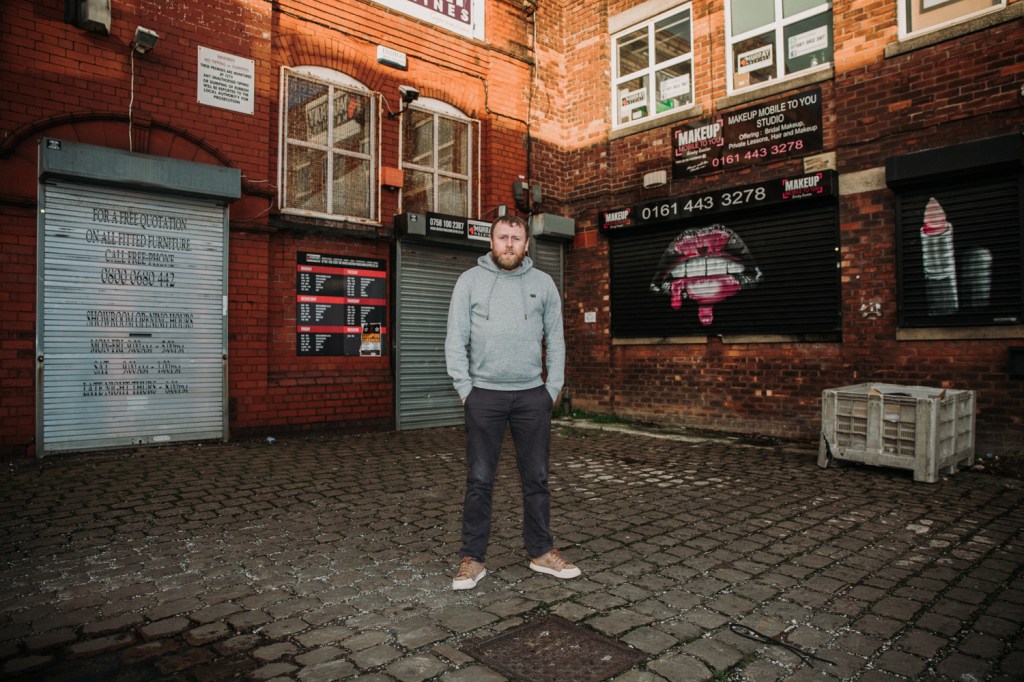
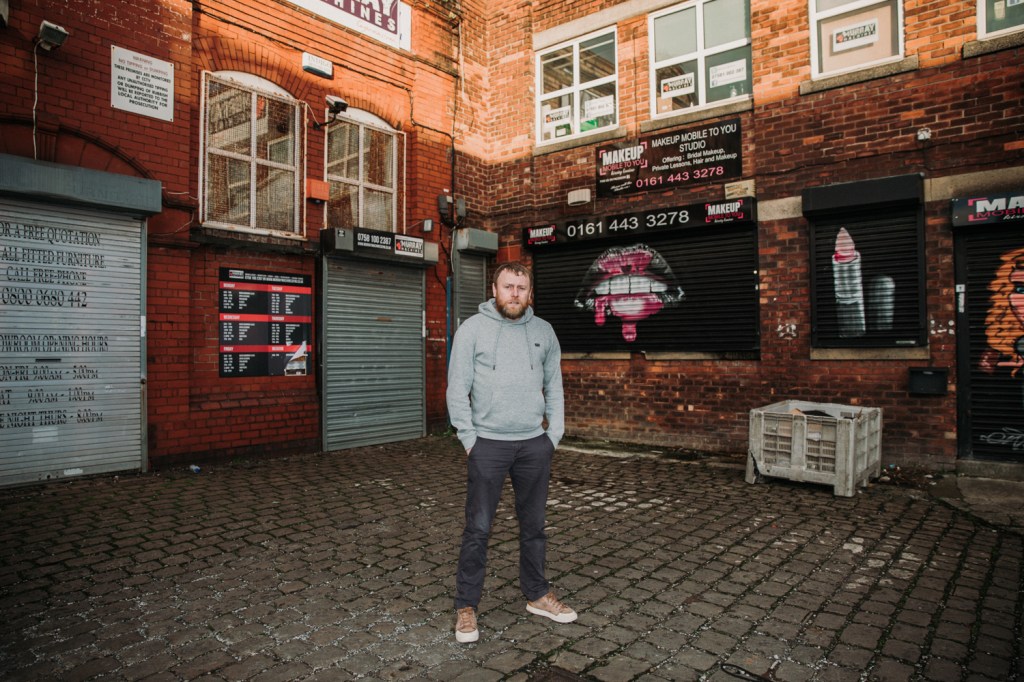
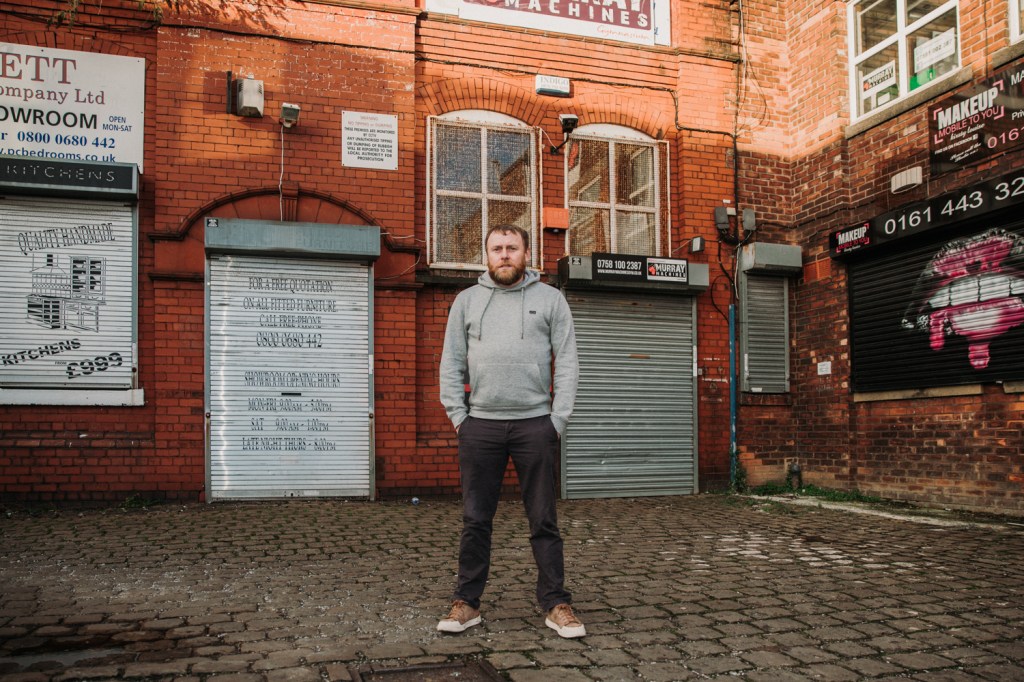
I am going to occupy my local market and make portraits of the people in this space. This will potentially be the route for my FMP. Undecided as yet. 

Website

Set up a new website which is purely focused on my personal projects. This will be minimal and led by the visuals with writing only a supporting element as opposed to my wedding website which is constructed with SEO in mind. 

Produce a physical portfolio in preparation for seeking reviews. 

Finally, continue to research photographers who work on editorial content. This is where I would like to take my work so I will be scrutinising others with the purpose of aligning my work in a fashion that will appeal to editors whilst maintaining the authenticity of my own voice.  

Medium Term

I am going to continue to make work venturing more into the analogue realm, the objective of this will be to acclimatise myself with shooting film with the intention of appealing to this community in addition to editors who commission work of this nature. Longer term I will use money raised from shooting weddings to fund the purchase of a medium format camera. I find this prospect exciting in terms of adding further detail into my work.

Listening to the Maximus Barnett lecture I found the work of Nadia Lee to be interesting, especially as the conversation led towards social media strategy. I found the idea of overlapping between personal and commission work to be interesting in terms of selling not just work but a personality and outlook on life. In a sea of images I feel this approach to be on paper a good idea to broaden appeal. This is something I haven’t really experimented with but will do going forward.

Week 10 | Oxfam Pitch Reflection

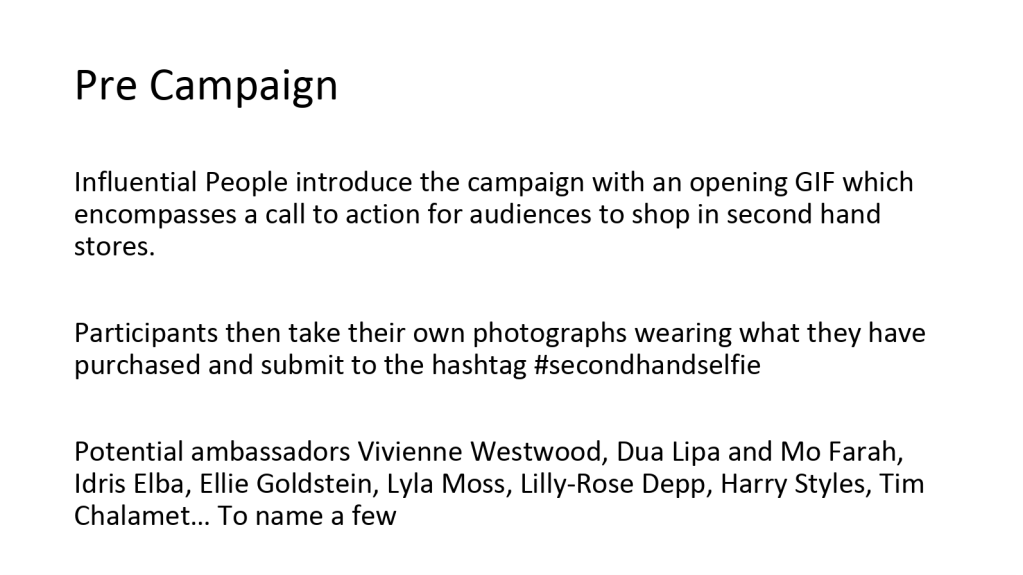
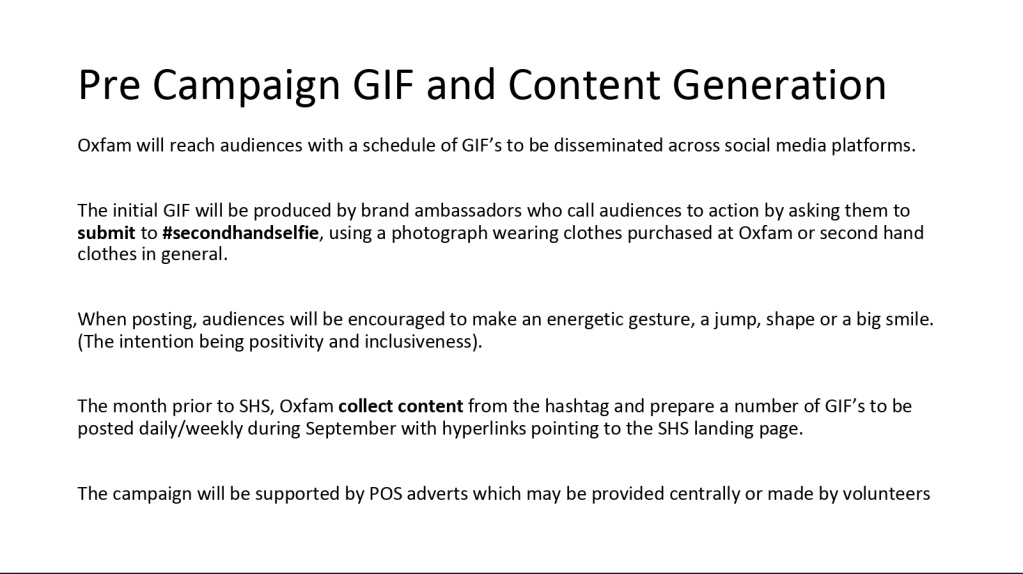
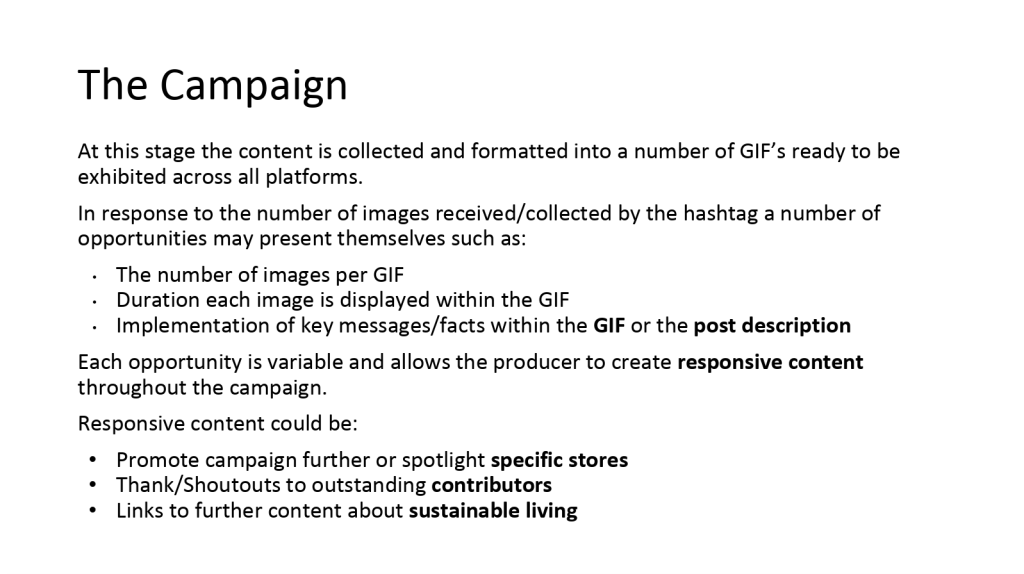
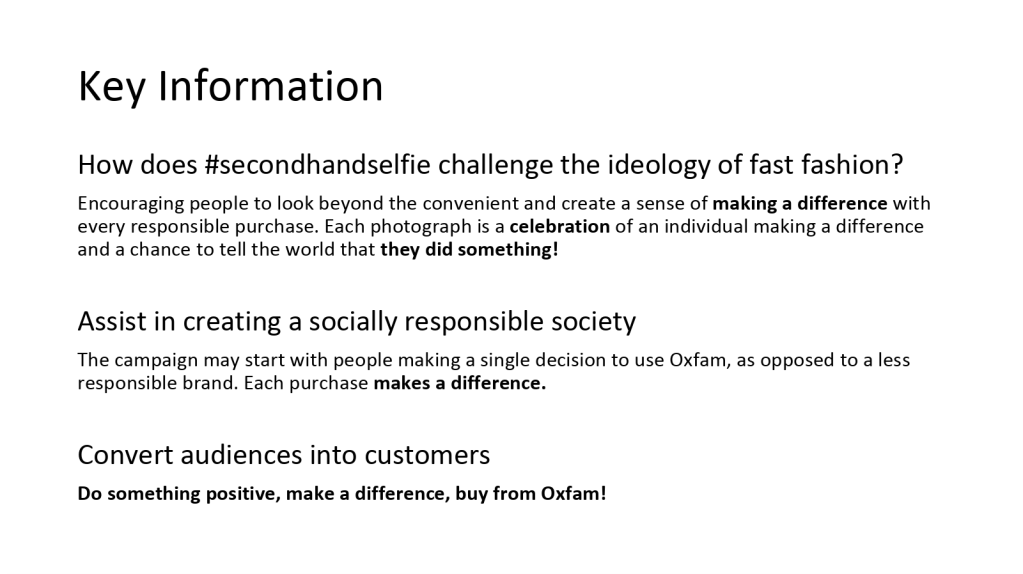
Today I represented the group for the live Oxfam brief along with fellow student Thomas Betts. As far as the content of this post, it is difficult to know where to start when considering the whole experience. The idea of volunteering for something that isn’t assessed didn’t initially fill one with joy but I thought that I would give it a go just out of curiosity if anything.

The initial stages of the group meetings I was enthusiastic although reluctant to contribute as I felt a little out of my depth. However as the weekly meetings continued I became more confident as I found my place. As the deadline for the pitch begun to loom I feel that my influence became more important as I was able to draw on my knowledge of social media and running a website for my wedding photography business.

I felt that my contributions were highly valued as it emerged that I was the only member of the group with experience of running a website for commercial purposes. I was able to offer a number of solutions to the group on subjects such as social media strategy in addition to highlighting the importance of a landing page to anchor the various accounts. At this stage it became clear that I could offer a valuable contribution which was a great feeling as I felt I felt useful. It was also nice to receive direct messages from members of the group asking for reviews and advice.

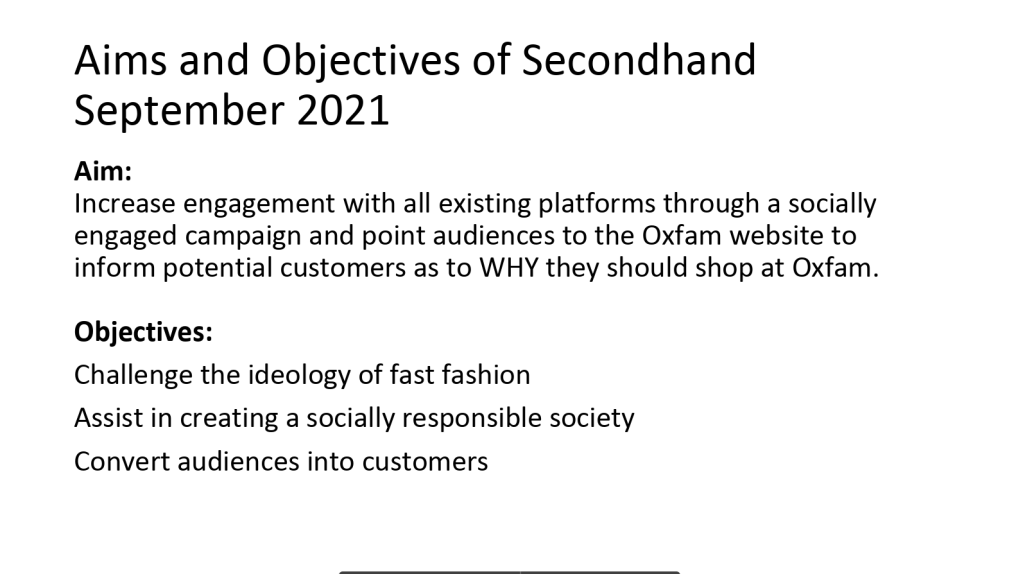
When I started the MA I felt that I would do well to get through the course but in this scenario I found myself assuming the role of mentor. As our idea gathered pace we were confronted with the next challenge which was to begin to formulate a pitch. After tentative discussions it quickly emerged that I could use my experience in a teaching setting to provide a type of structure to our response. My contribution was to suggest am overarching aim in addition to three objectives. In terms of objectives I felt that it was important to encompass a broader aim such first with the most specific being at the end. The group liked this approach therefore we went with the idea of ‘Challenging fast fashion’ to ‘Converting audiences into consumers’.

This led to my next role which was that of copywriter. Therefore I produced the first draft of text for the presentation before my peers edited. Although I felt that I had made a significant contribution, Victoria Smith was very much the leader of the group and did a great job in organising and managing the group. therefore I was slightly shocked when she asked myself and Thomas Betts to present the pitch. I was reluctant to take on this role as I felt that Victoria should pitch because of the amount of effort she had put in. My thoughts were that she should pitch as she had worked so hard throughout the process. as Victoria had insisted, I agreed to take on the role of presenter.

The day of the pitch a felt a real buzz about the whole prospect of the challenge. The group functioned really well as we spent over four hours in the days lading up on video calls to organise things. As a result the group really bonded as a team and the networking experience was brilliant.

The pitch itself I didn’t feel was brilliant and I definitely could have done a better job however I wasn’t too disappointed as I felt the experience throughout the process, meeting new people with a similar interest was enriching and valuable. Especially as the country is in a type of lockdown, in some way we were able to share our time and use the live brief as a type of outlet which I value very highly.

Week 9 | One to One

Reflecting on a one to one is usually an extremely loaded experience, trying to remember the reams of feedback but this time was slightly different. I went into the meeting quietly confident that my WIPP encompassed much stronger work in a technical sense than in previous modules. I feel that the endless research is beginning to reward and my work is slowly maturing. I still pick faults in my work however the context of my decision making process has broadened significantly. Taking risks with portraits, getting slightly closer and experimenting had provided a renewed sense of excitement about the prospect of making work. Usually in these one to one I have a million questions and end up machine gunning stories about my experience. I didn’t feel that way in this meeting as I felt quite content about presenting and listening. Maybe still on a high from the Oxfam presentation yesterday. 

Within the feedback, it was useful to gain some insight into the sequencing of my work and it was a bit of a relief to be commended for some of my decision making. I was encouraged to think about the shape and typeface I might use in support of my portfolio submission. I found this useful as in unison with this, as leading into the FMP, I really should be engaging with presentation on a deeper level. Key observations from Colin were that  the work was modern, northern and working class. This is useful in planning further research into presentation and I will use this description to plan a route forward. The highlight of the meeting was the suggestion by Colin that he would run it in a newspaper. 

As a result, I am going to seek the thought of my peers on the course whilst adhering to my own feelings. I also sent the submission to my trusted friend on the course James Shenton who provided some feedback that resonates well.

The conclusions that Colin surmised about the work I presented led me to begin to consider the potential audience for my work if it were to be produced as a book. At this stage I have a number of thoughts regarding this although I wouldn’t consider my insight into this area particularly strong. 

Primary Audience 

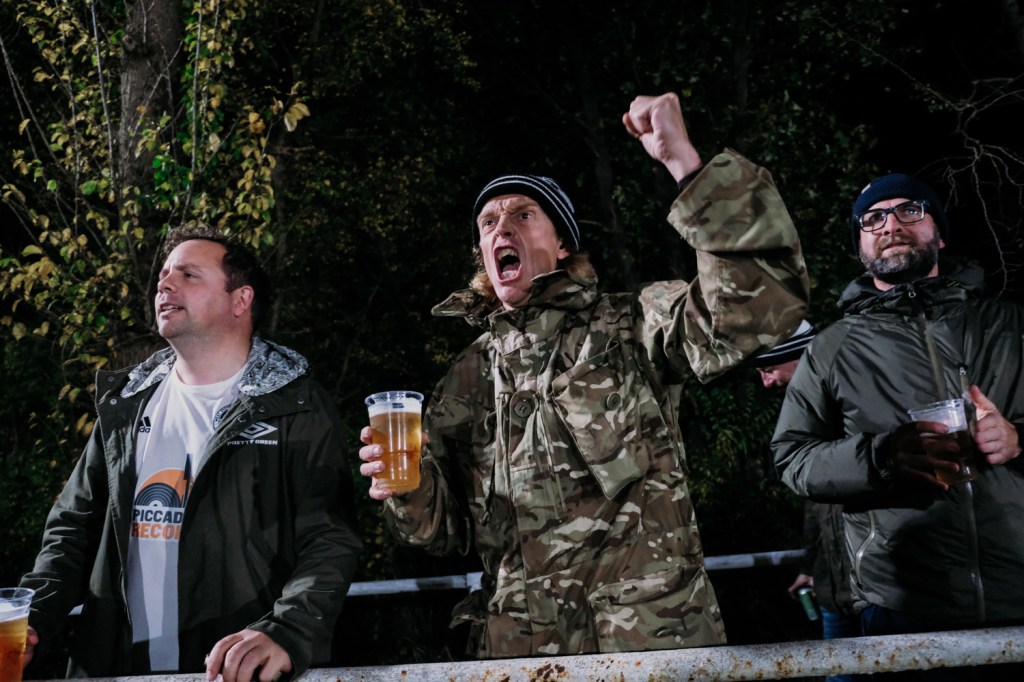
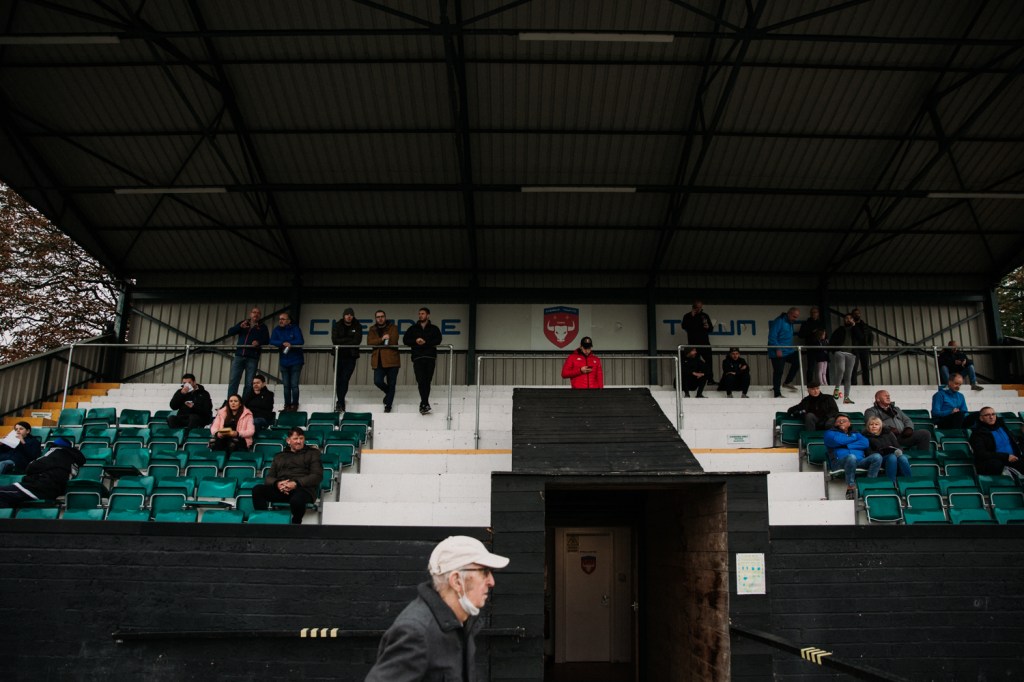
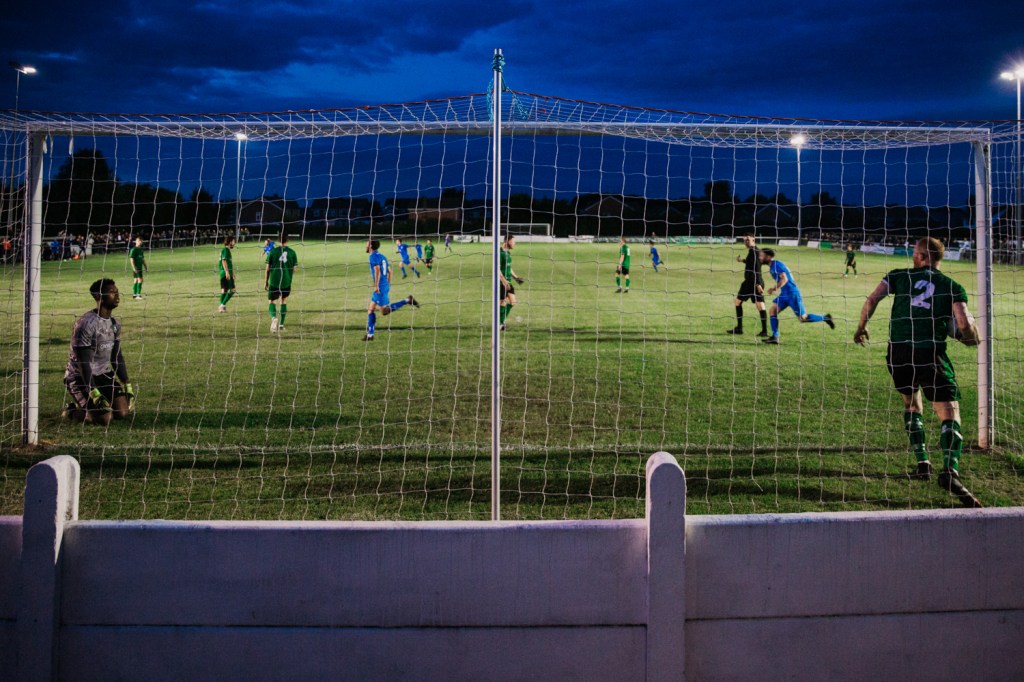
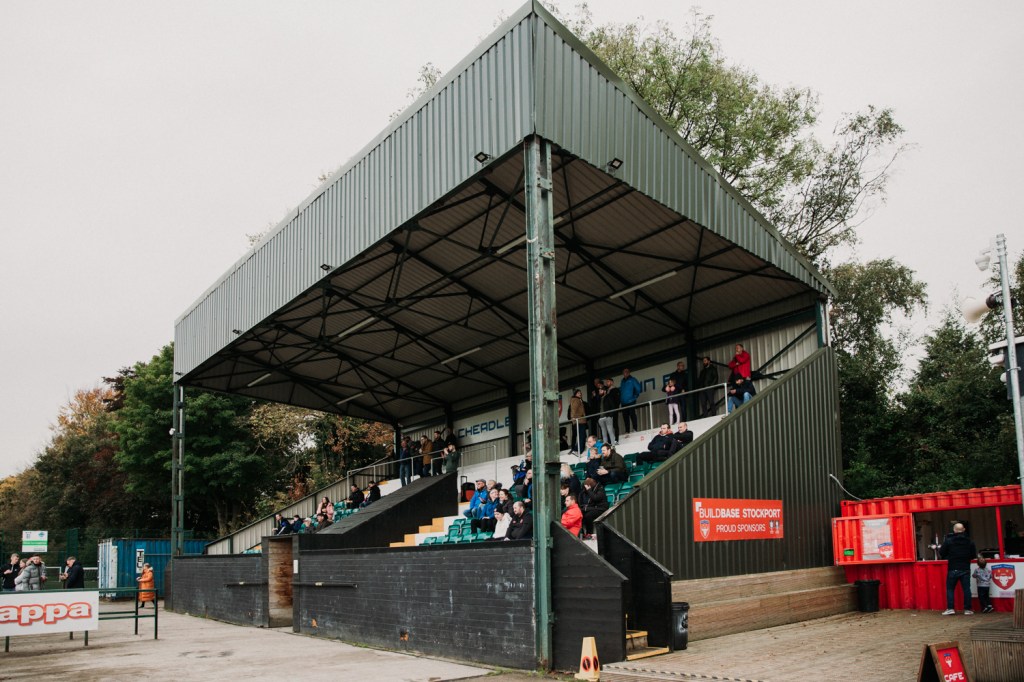
Predominantly a male sophisticated group who take an active interest in football culture. Throughout the making of this work I have engaged with many non league football clubs who have a following of attendees which goes into the hundreds. In terms of selling books a POS approach would possibly work with some publicity prior to attending with copies of a book. 

Secondary Audience

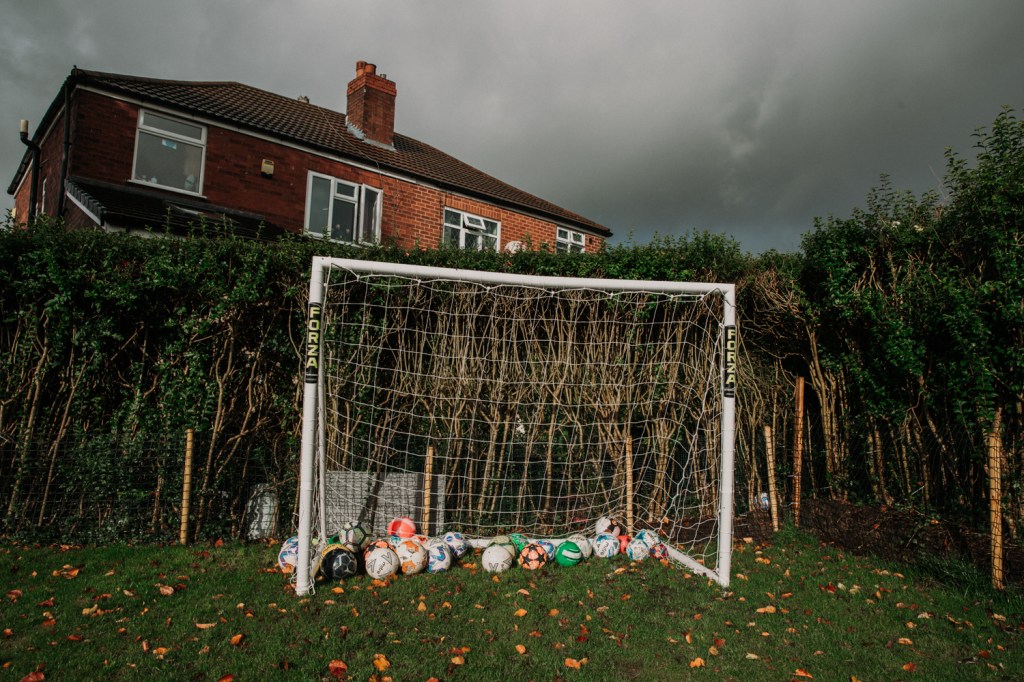
The secondary audience may be women who have children involved in grassroots football who might pick up the book after purchase.

Publishing 

In recent months I have opened a dialogue with ADMPublishing who appear to be a small publisher of books. Their products are quite inexpensive but represent an opportunity to get published. My work may appeal to them as the theme of football has a global appeal which may lend itself to online sales. 

Grain Projects may also be an avenue for future opportunities. At present I don’t have a dialogue with them but I do intend to contact in the near future. 

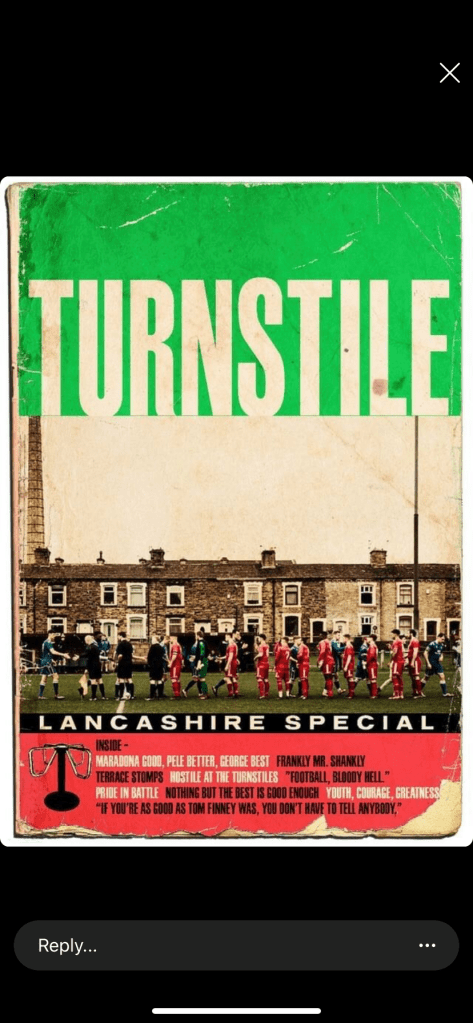
I have also recently been contacted by a representative of ‘Turnstile Magazine’ who asked to use some of my photographs for their first magazine due to be published in 2021. I am currently unsure if this will make it to print but I am very much hoping so.

Magazine Front Cover of Turnstile Magazine using my image. Currently in design phase.

Week 7 | Amy Simmons Shoot

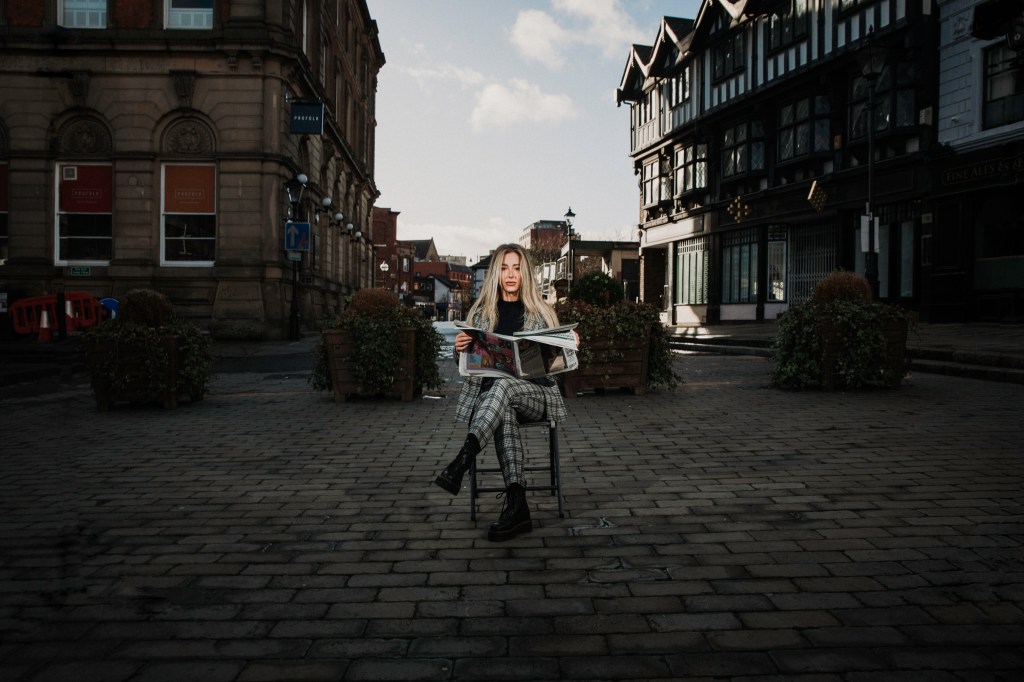
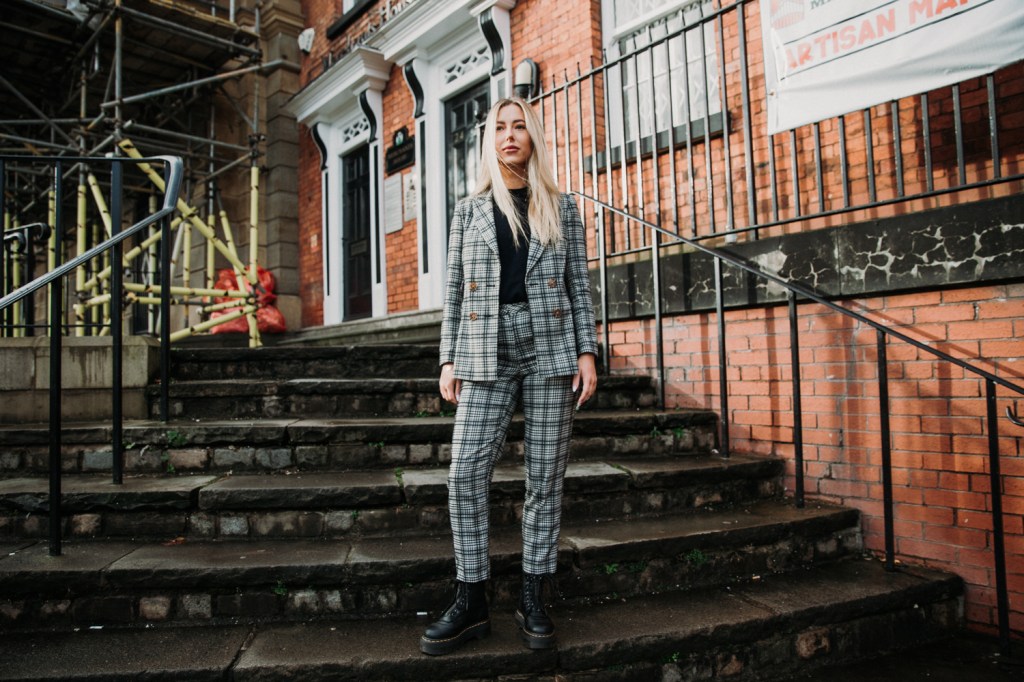
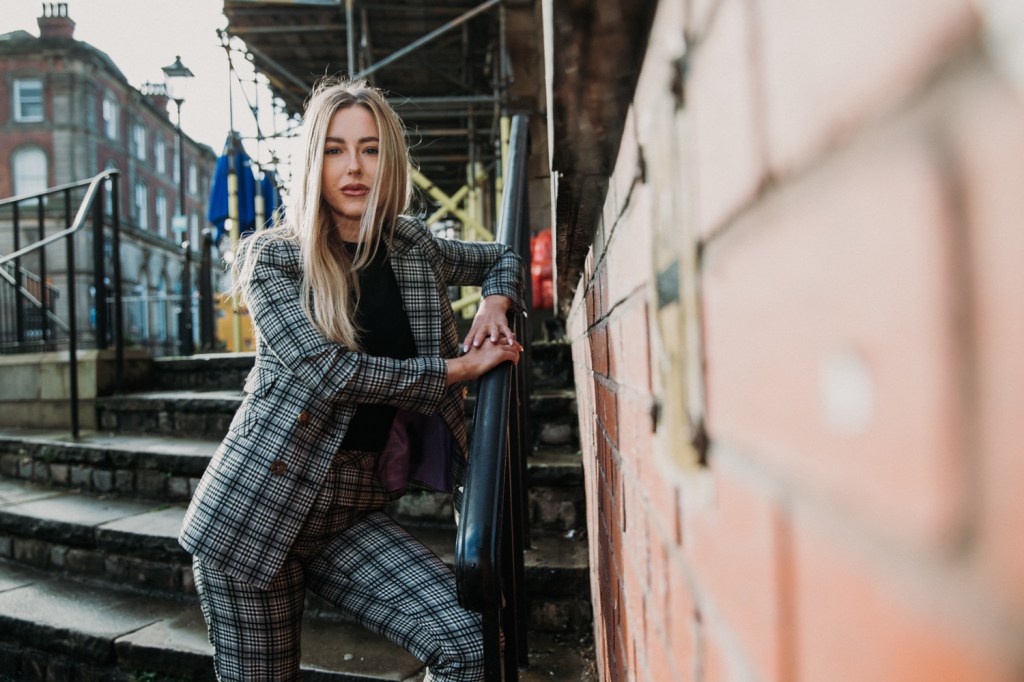
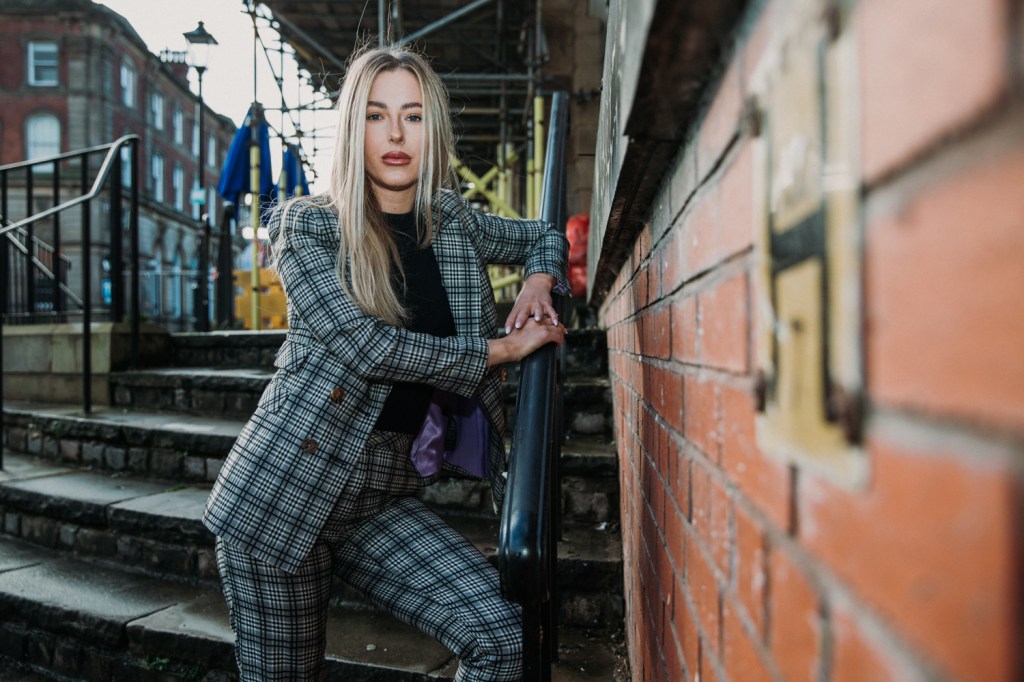
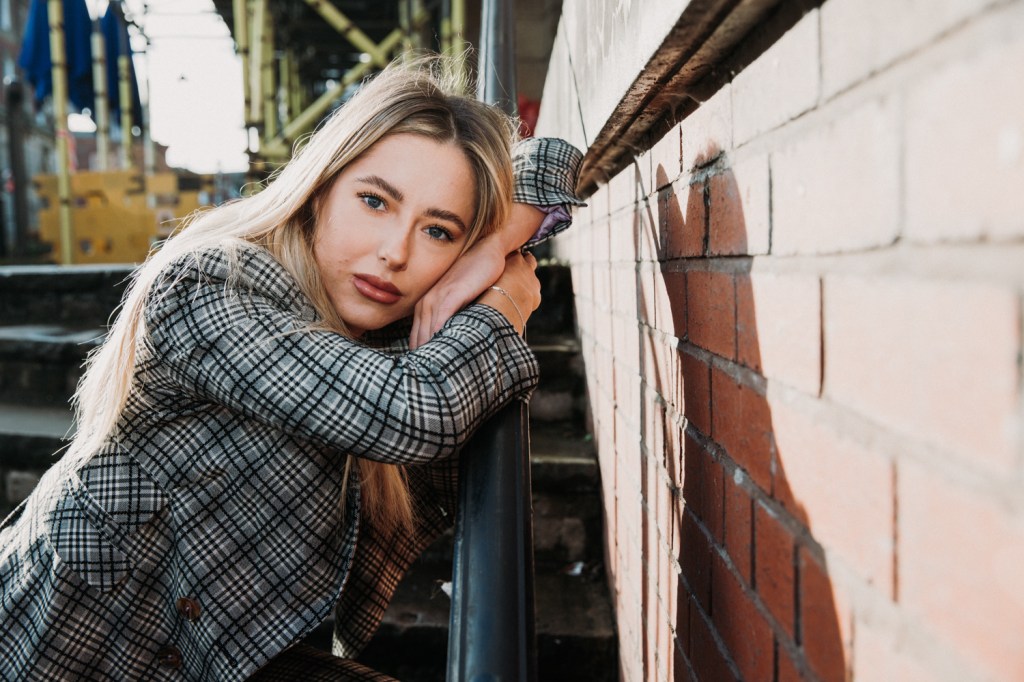
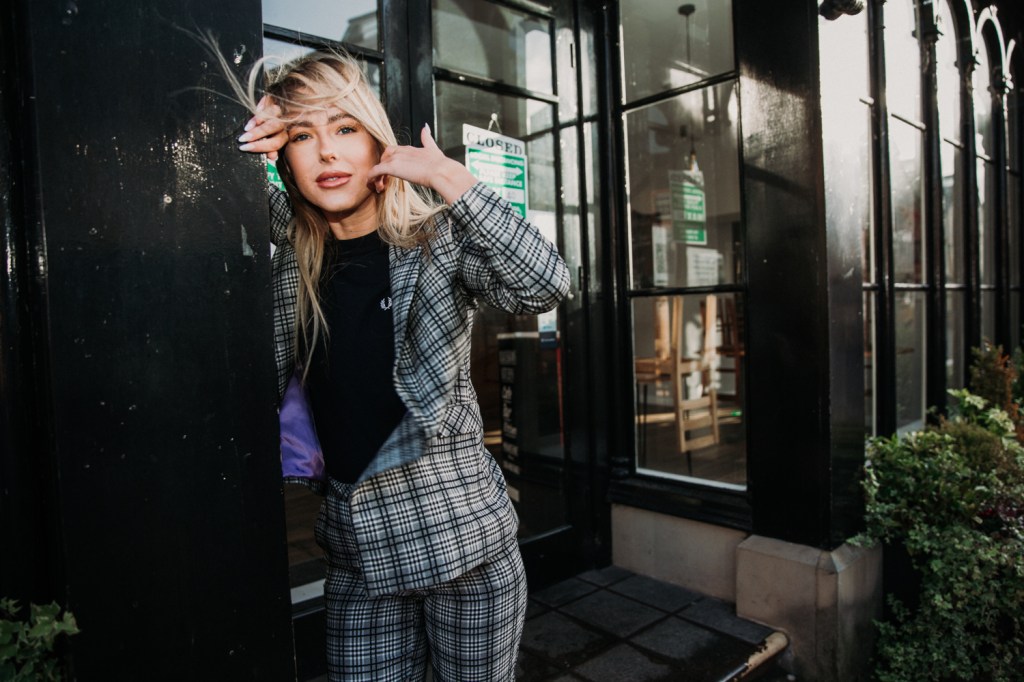
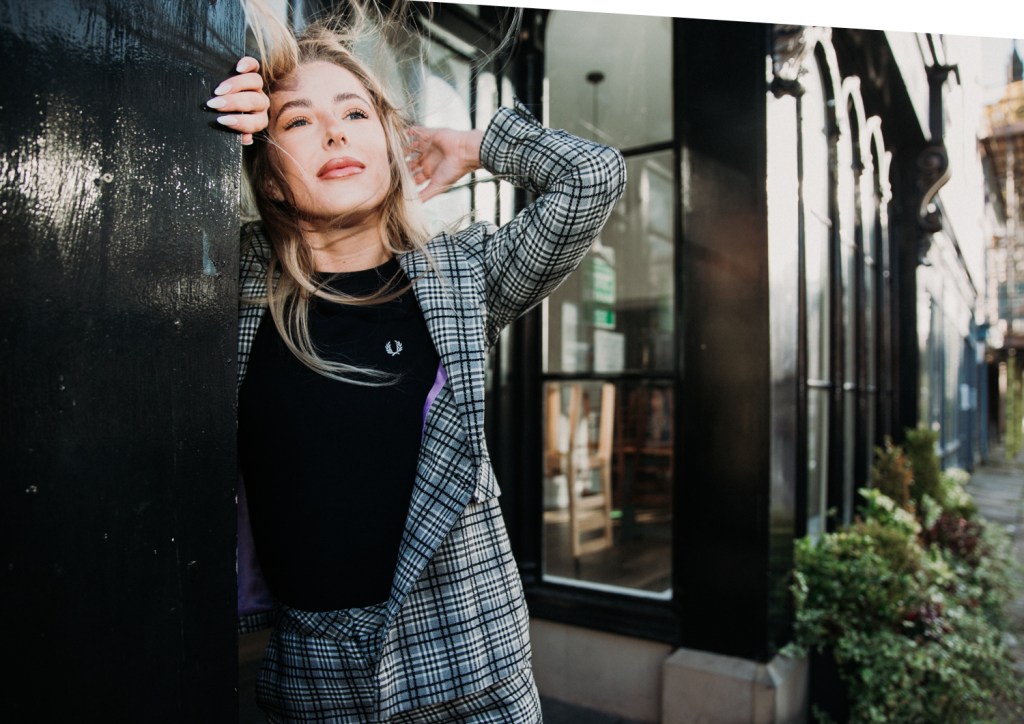
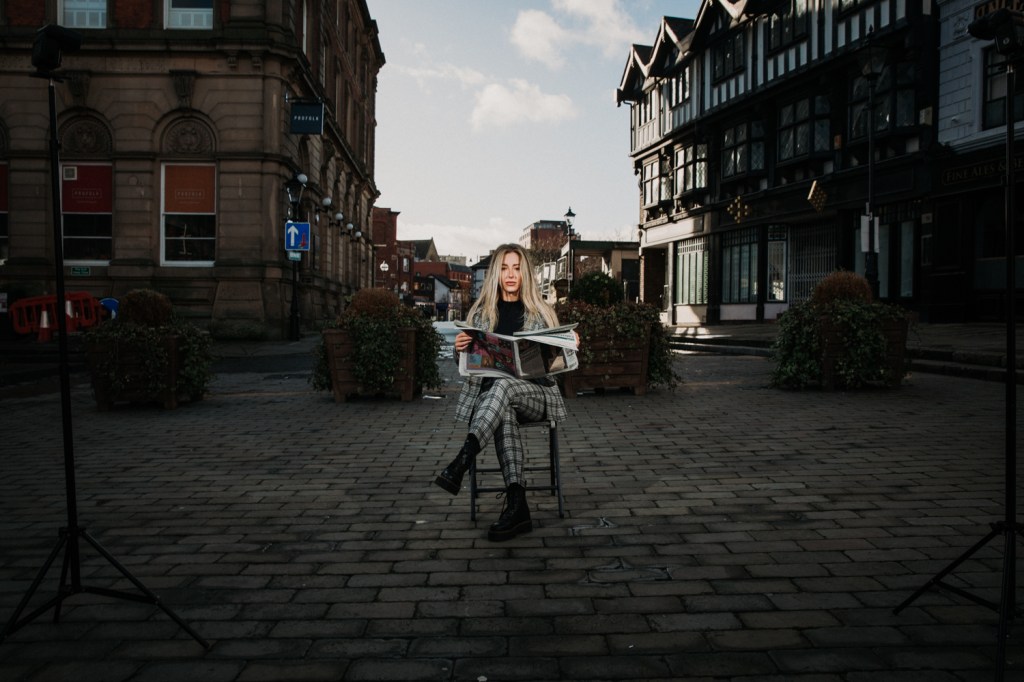
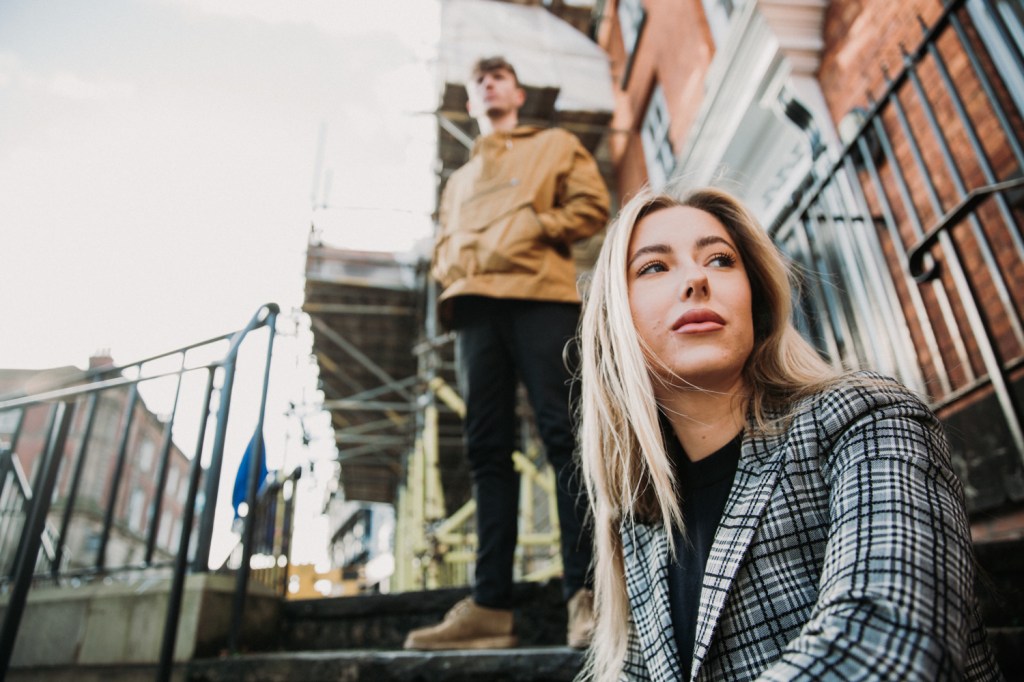
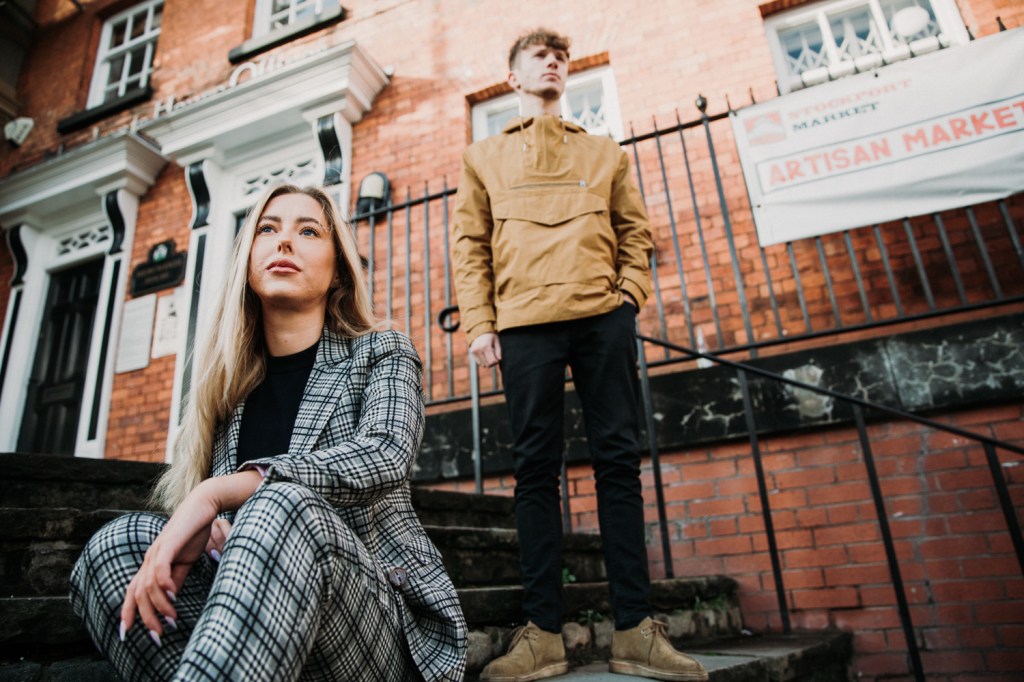
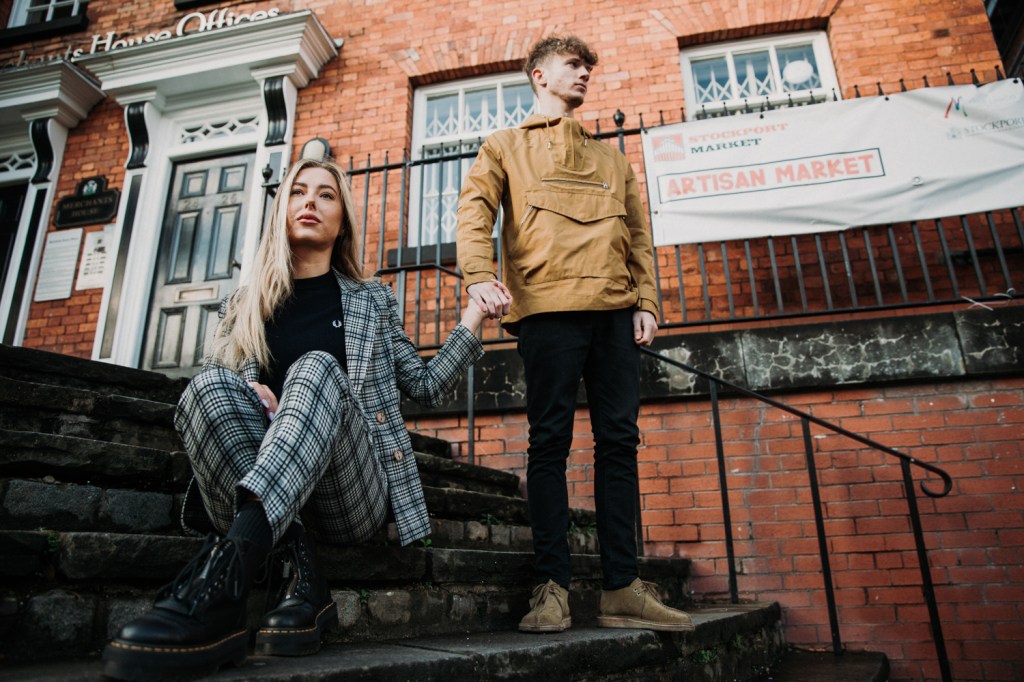
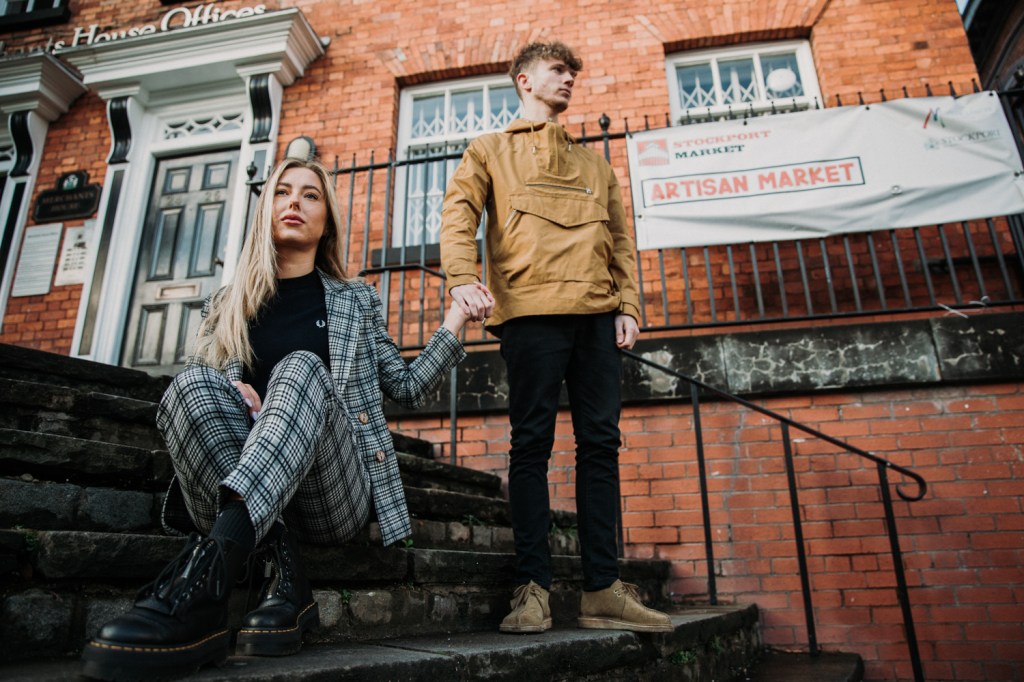
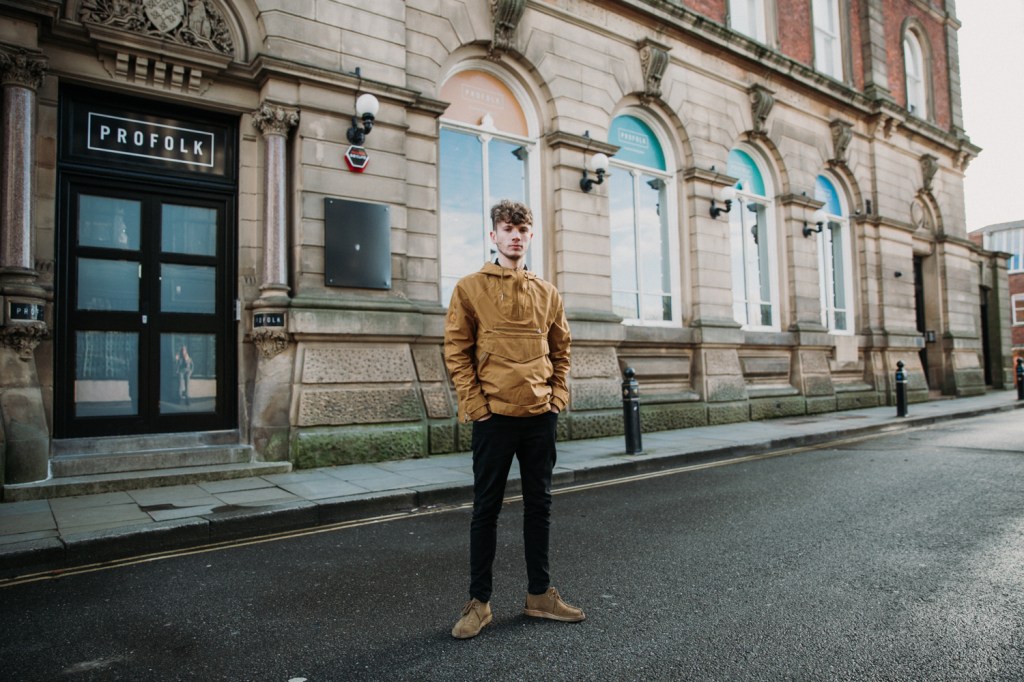
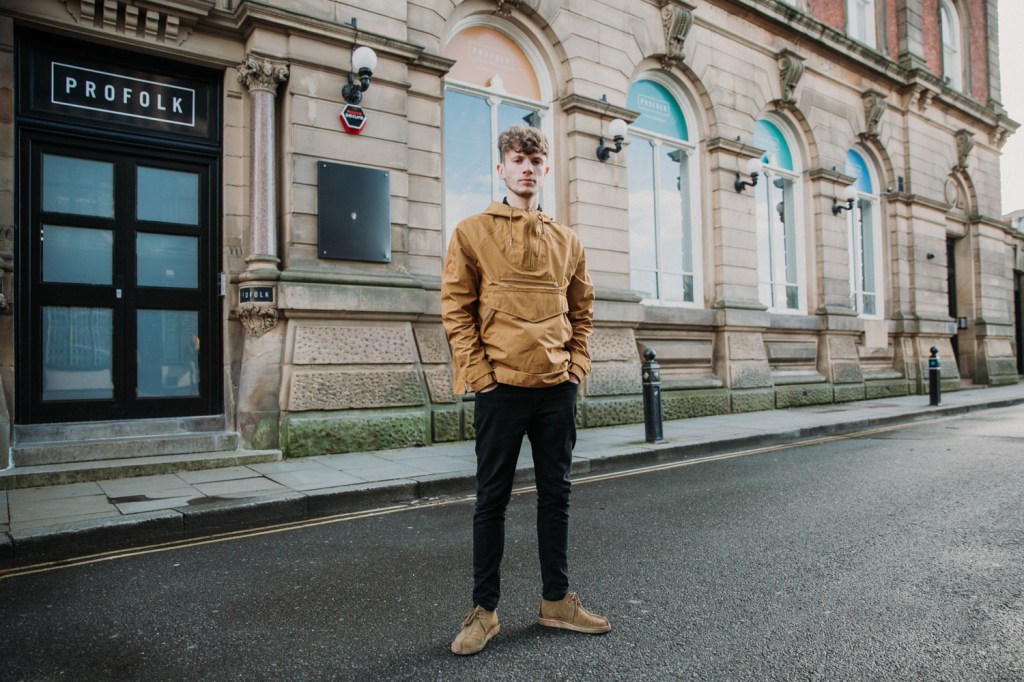
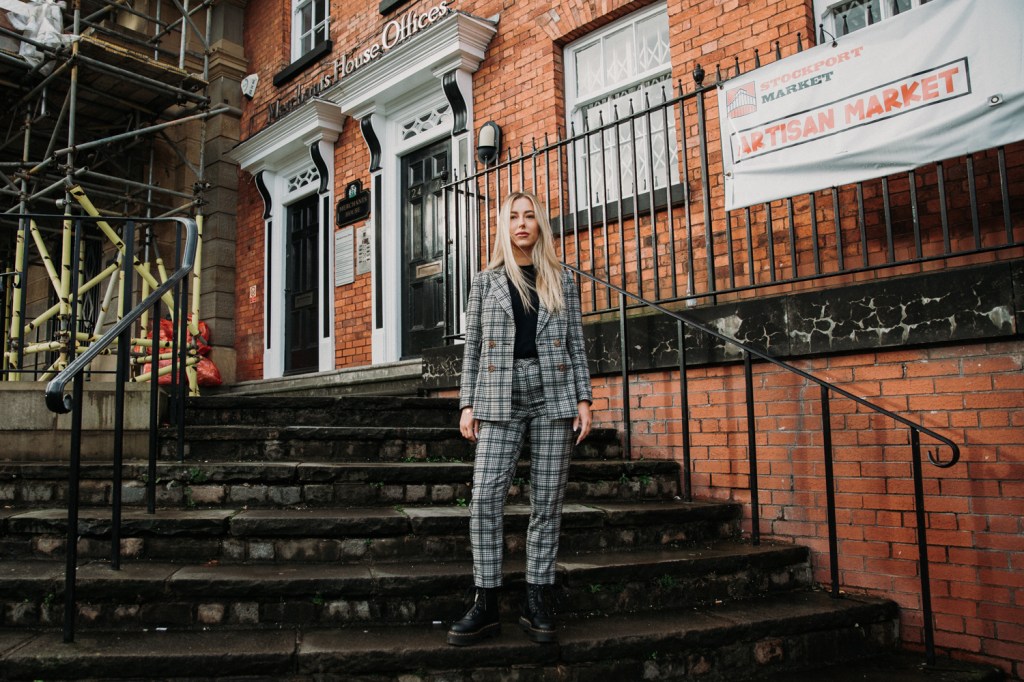
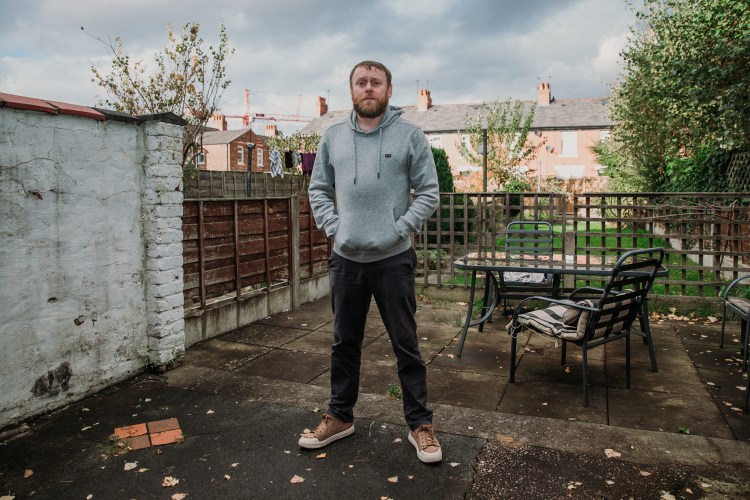
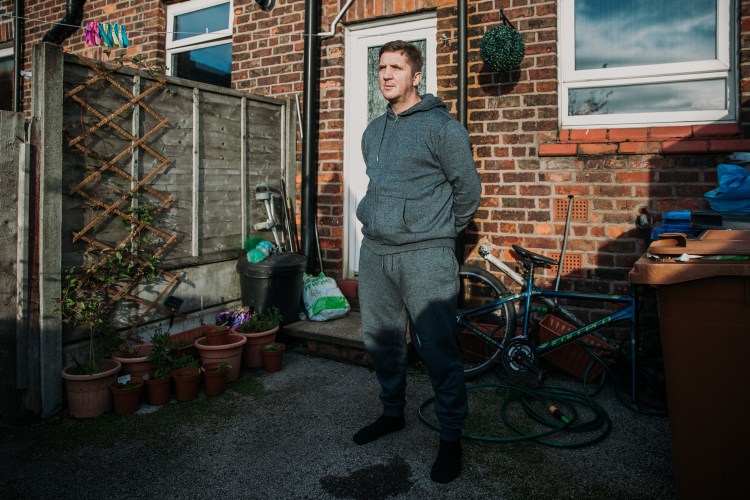
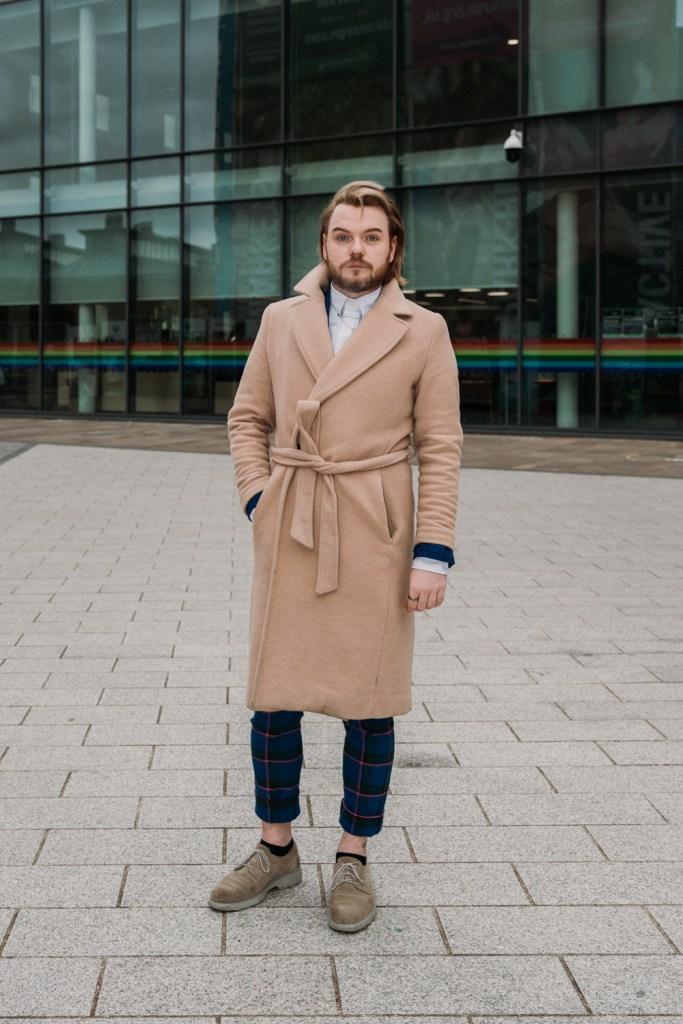
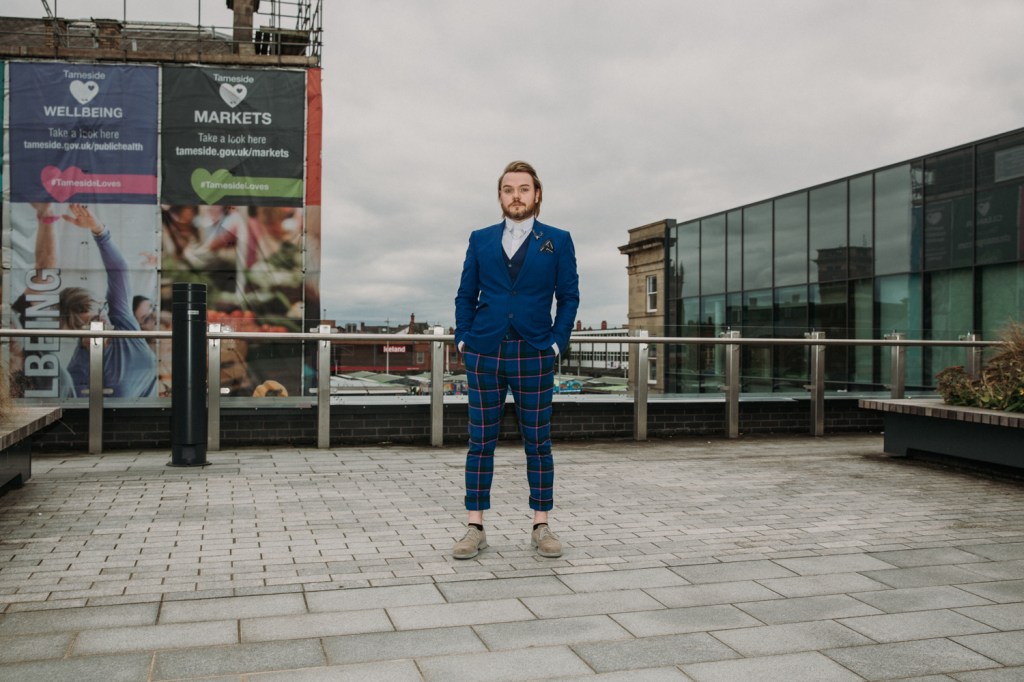
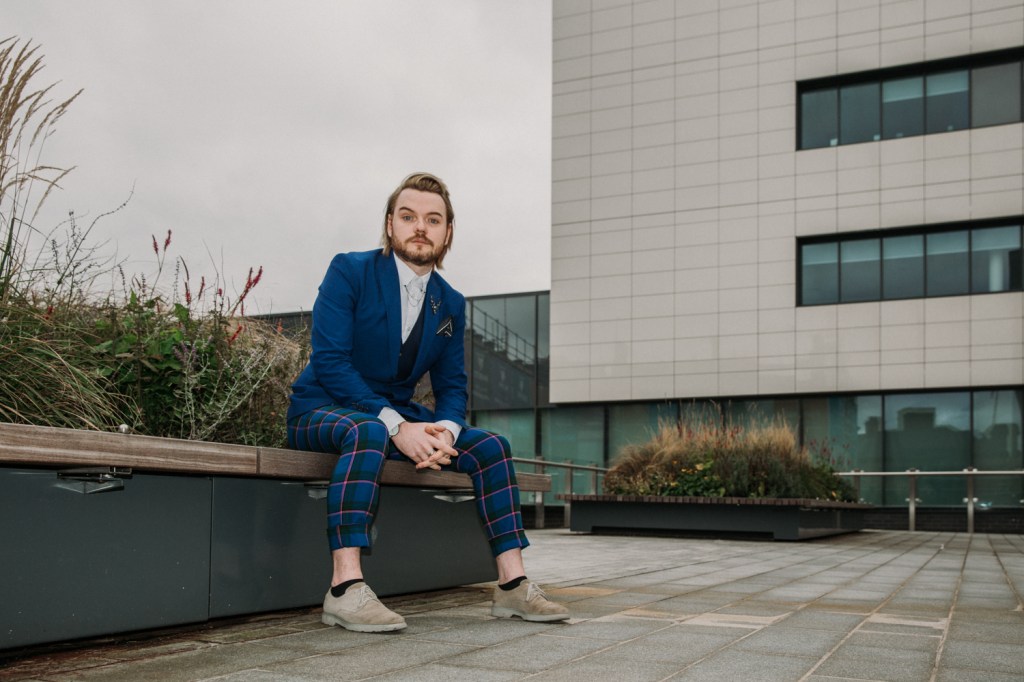
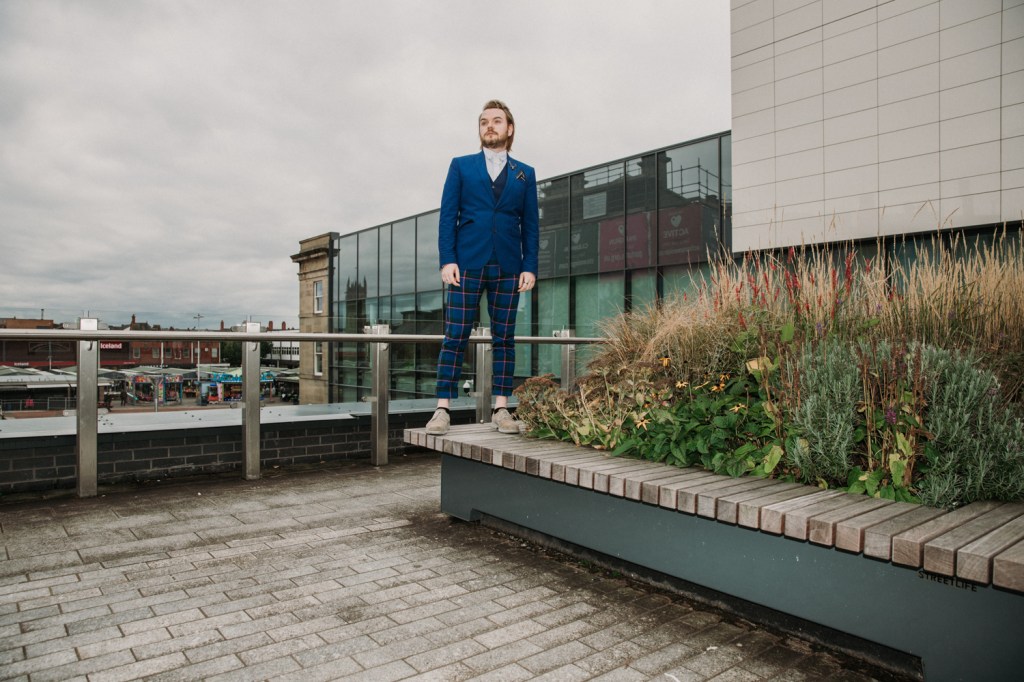
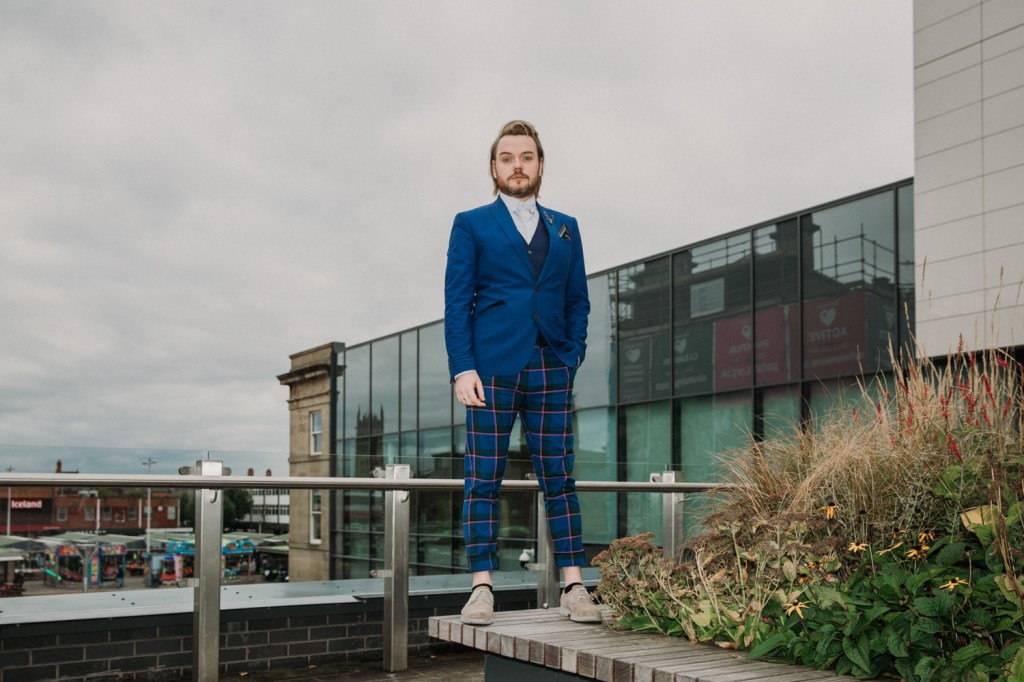
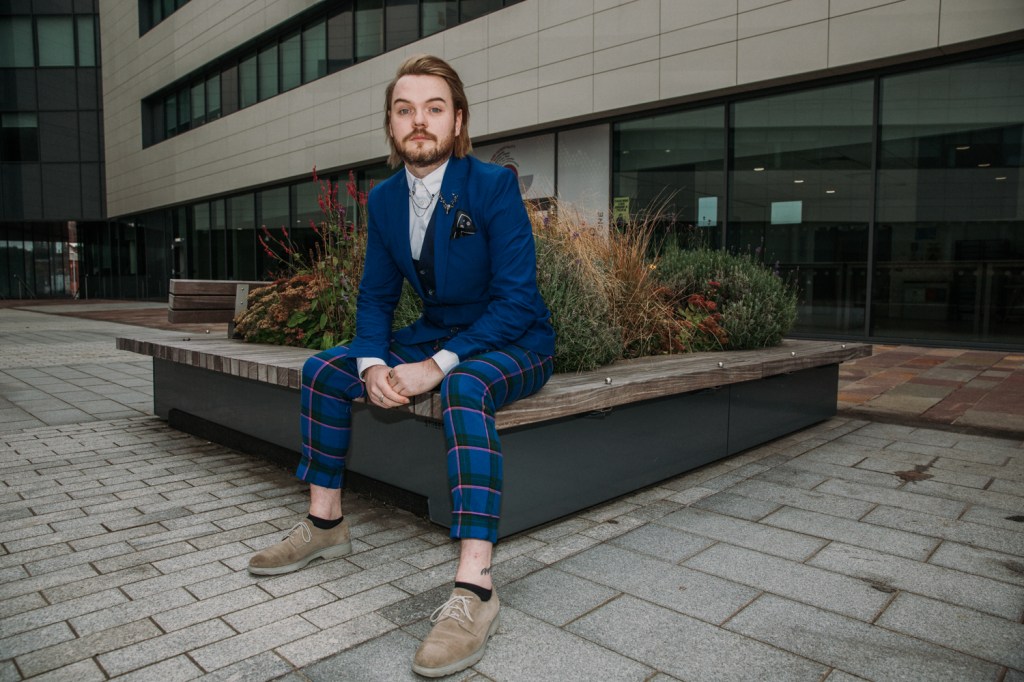
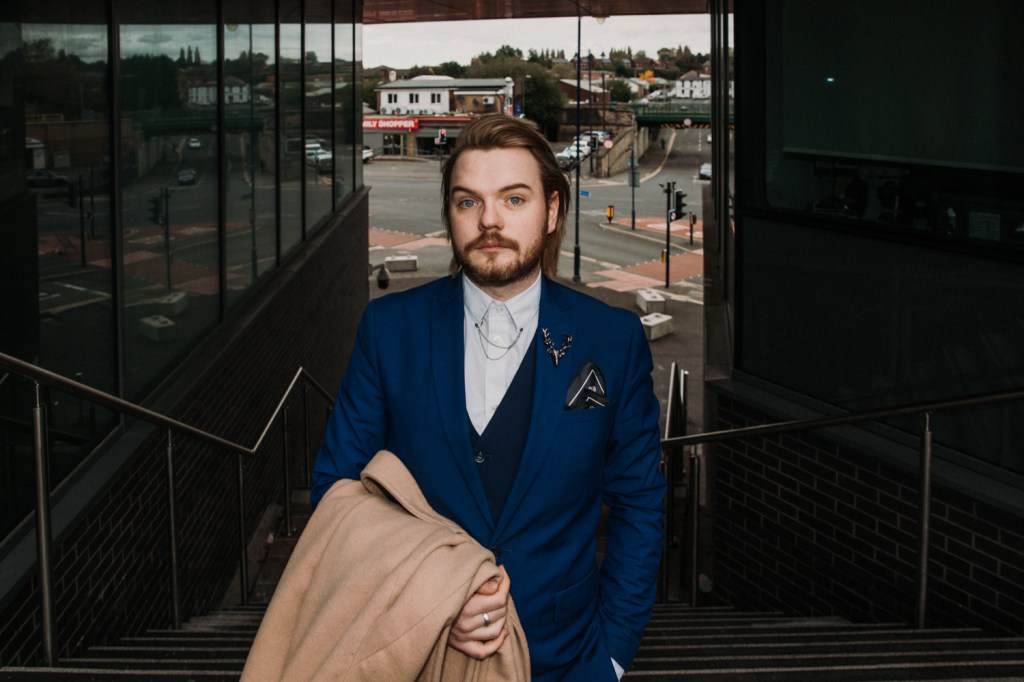
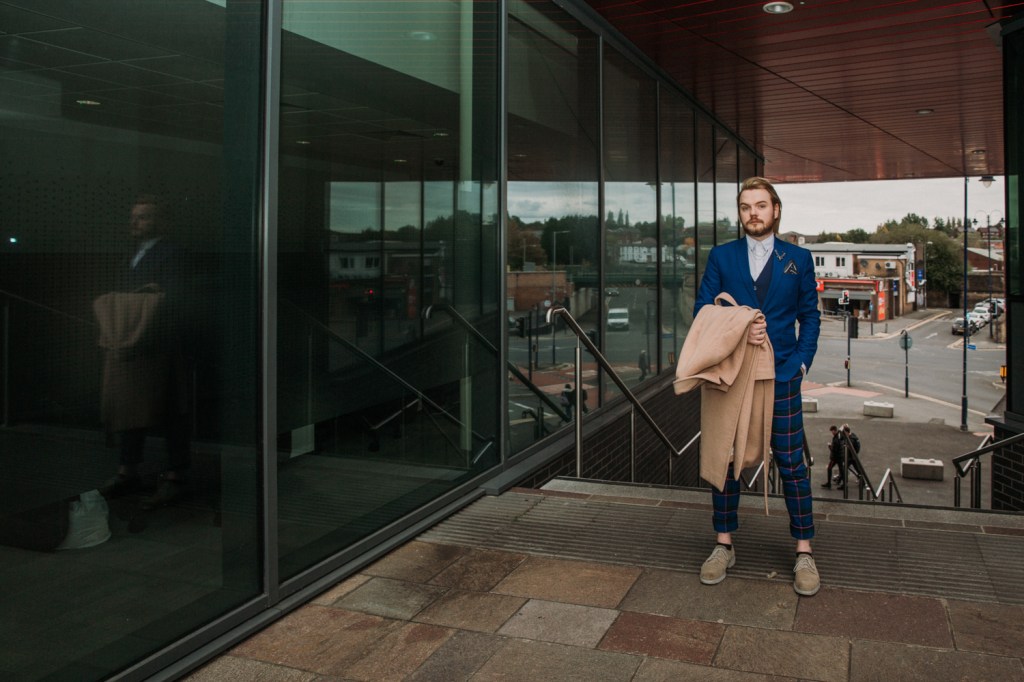
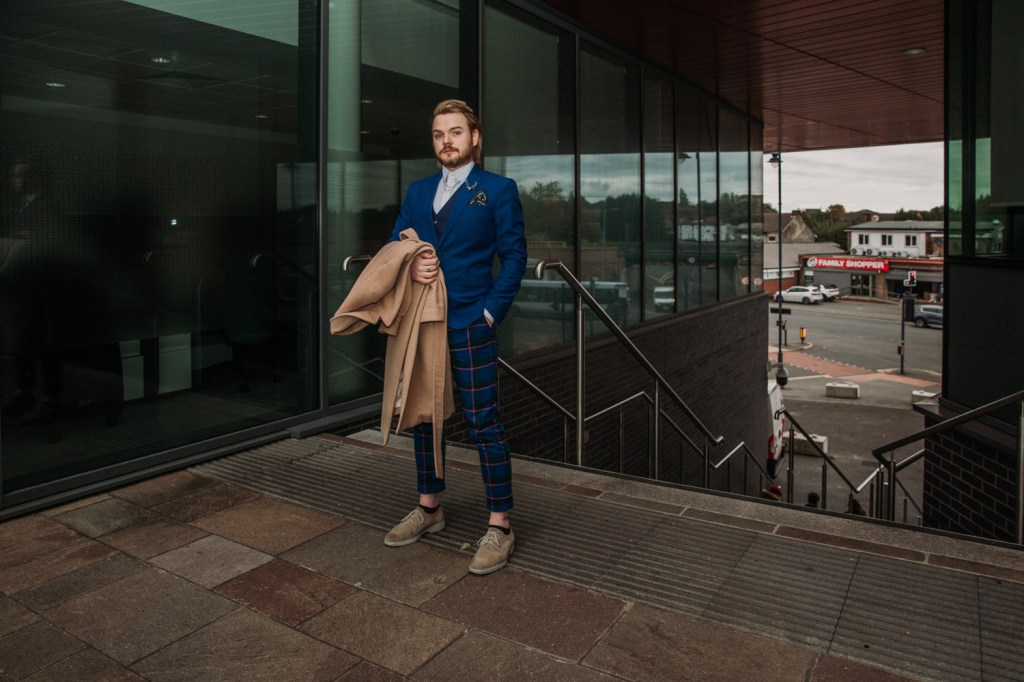
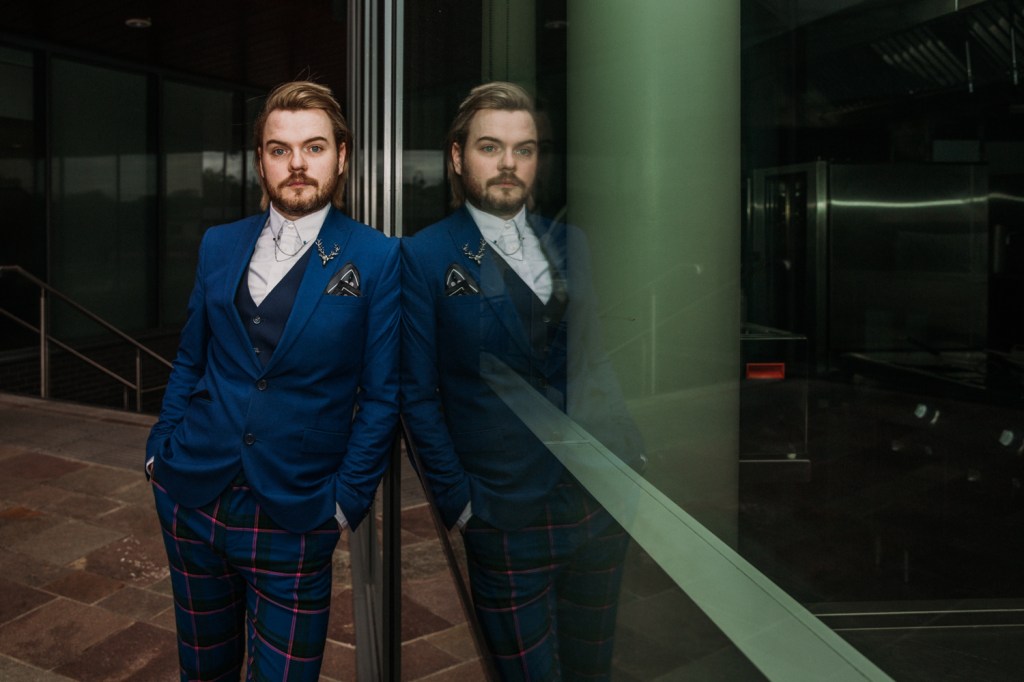
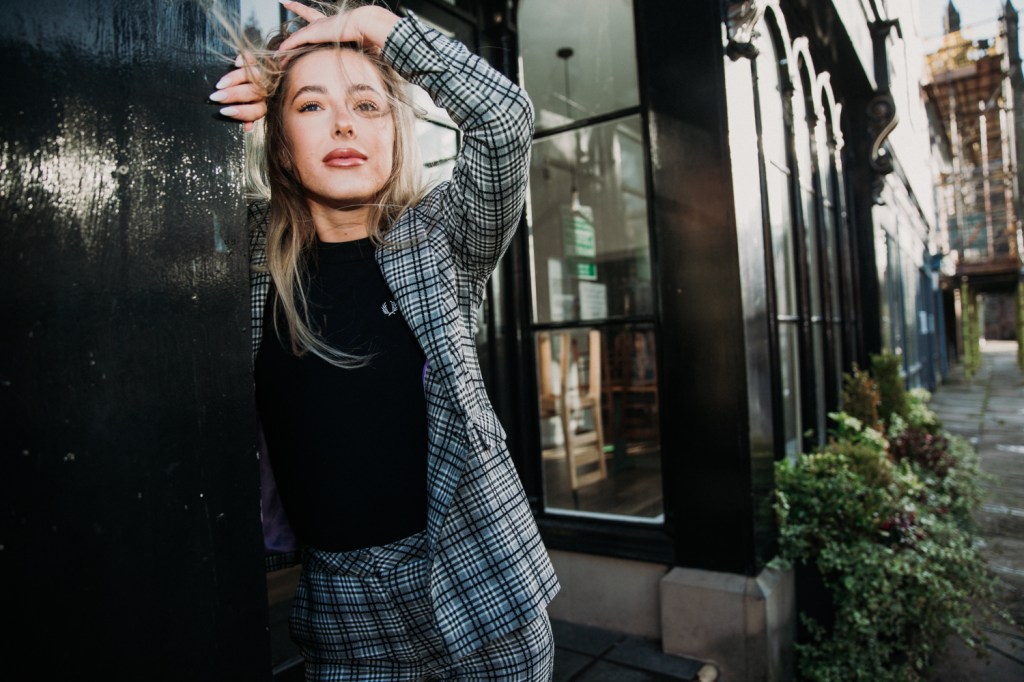
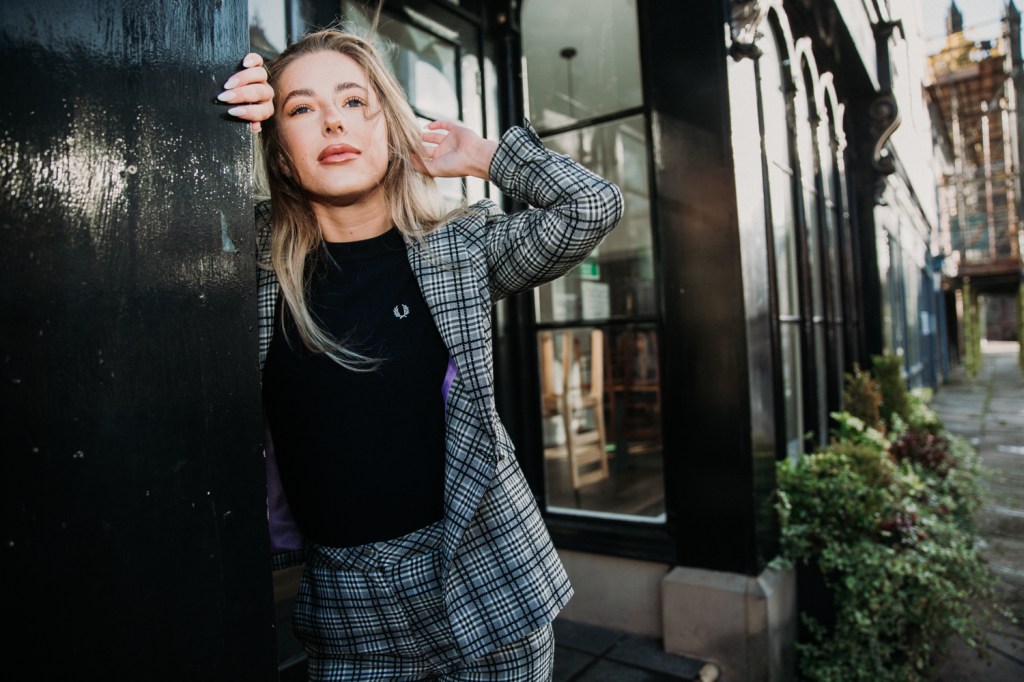
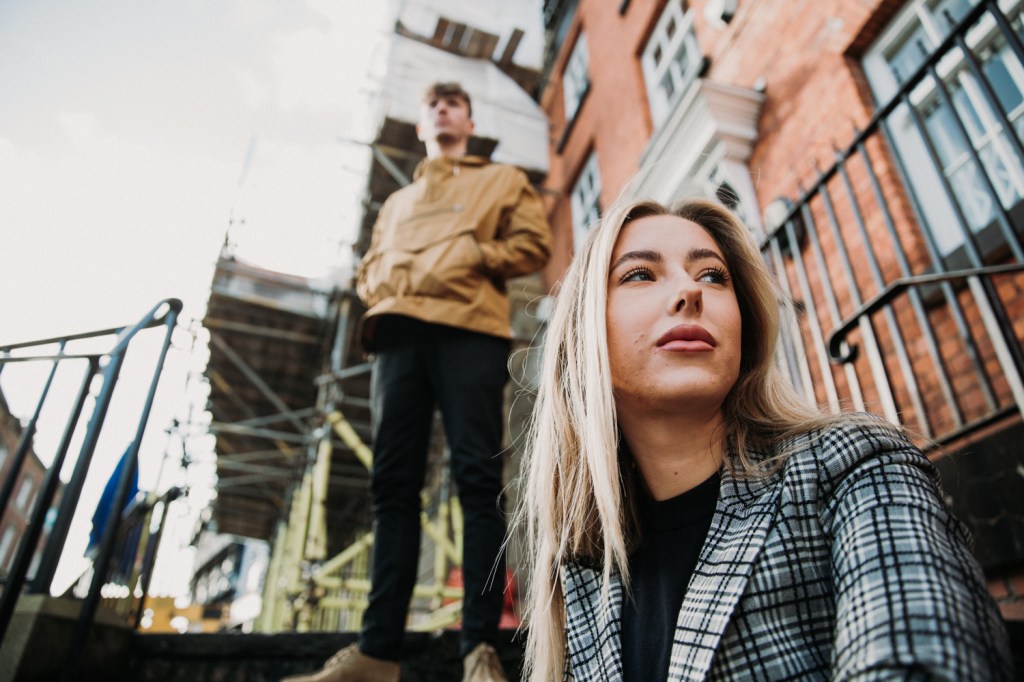
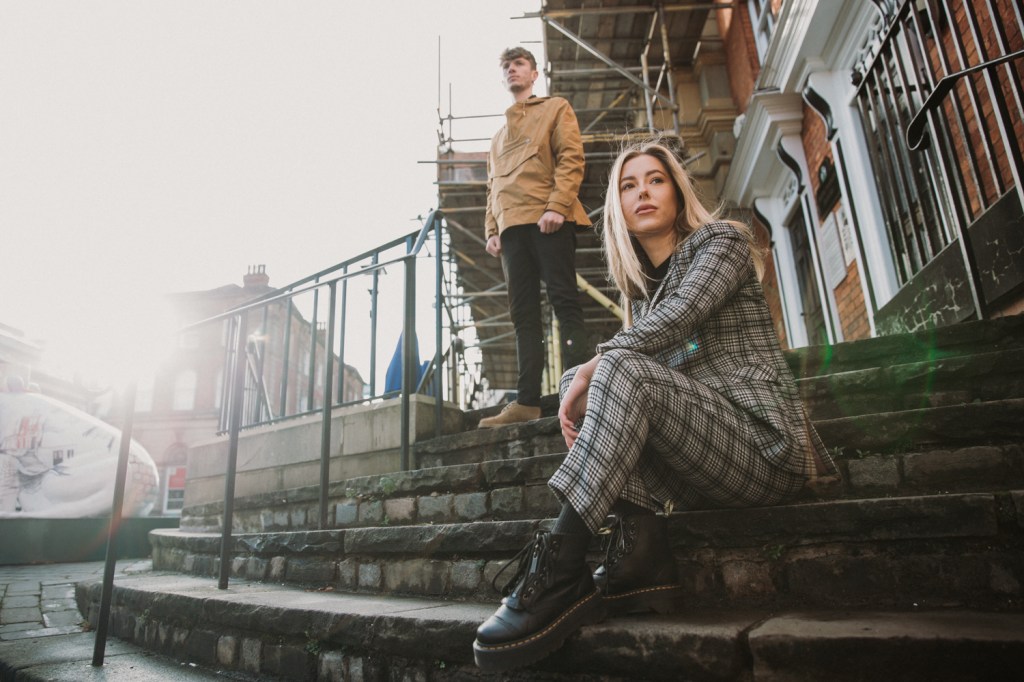
In response to the brief set by Amy Simmons, I decided to conduct a fashion shoot with the intention of demonstrating the intimacy between clothes and lifestyle of aspirational audiences in their twenties. 

In making environmental portraits I was able to establish a connection between people and place. Aiming for a cosmopolitan theme in addition to celebrating the heritage of the UK by photographing at a location with a range of historic buildings. 

In doing this, a European brand would be able to launch their campaign by celebrating Britishness and demonstrating an awareness of of contemporary British life within the target audience. 

The style I wanted to achieve was an echo of Rodney Smith who had an ethos of narrative and humour. Smith comments that he would make his own work when he had the shots he needed for the commission. He liked to experiment and was driven by the idea that he didn’t know what he was going to produce. The challenge for him was to respond to his surrounding in the moment. 

For this shoot I followed the ethos of Smith and treated the opportunity with a sense of total indulgence. 

Week 9 | Project Reflection

As the module draws to its conclusion and the anxiety of submission sets in I find myself in difficult position. Having completed a number of shoots I am acutely aware of the disjuncture within my work. My early work took me back to the documentary origins of my project surrounding the football environment which was a welcome piece of normality after the first lockdown period. However I feel that my work has moved beyond this stage with regards to my personal development. 

When I started the MA my ultimate plan was to embed myself within the Stockport County squad and document their season as an insider. I was conscious of not taking on this task too early because I felt that the priority was to allow my work to develop before I took on such a huge project. As a consequence, this option is currently unavailable and feels further away than ever as COVID continues to present huge barriers to the extent that Stockport County as a club are currently not playing matches as the whole club at the time of writing is self isolating. 

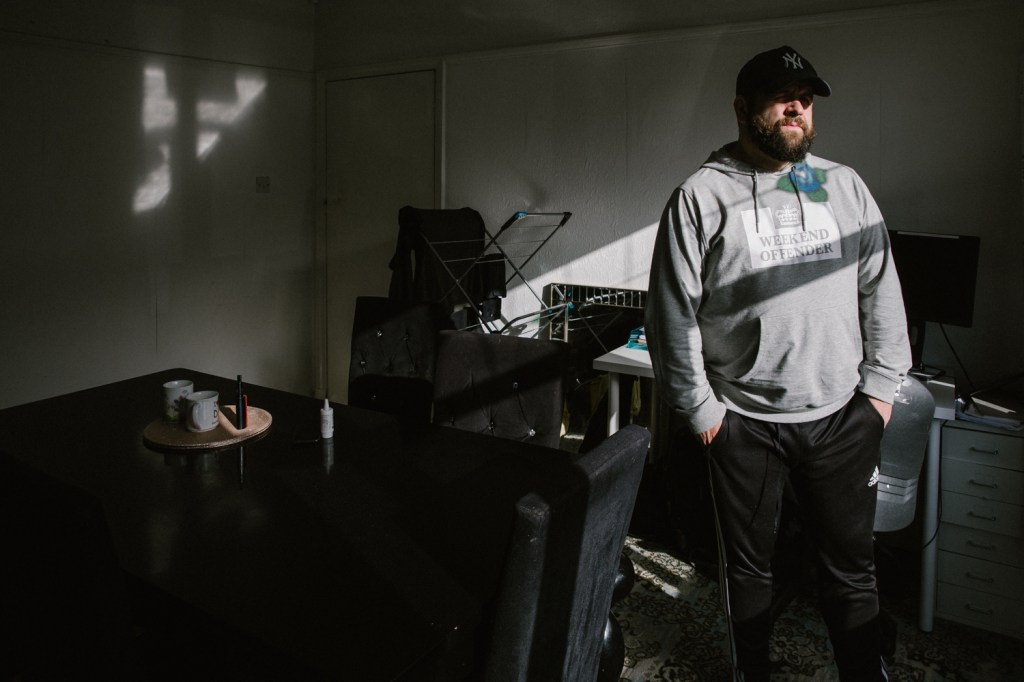
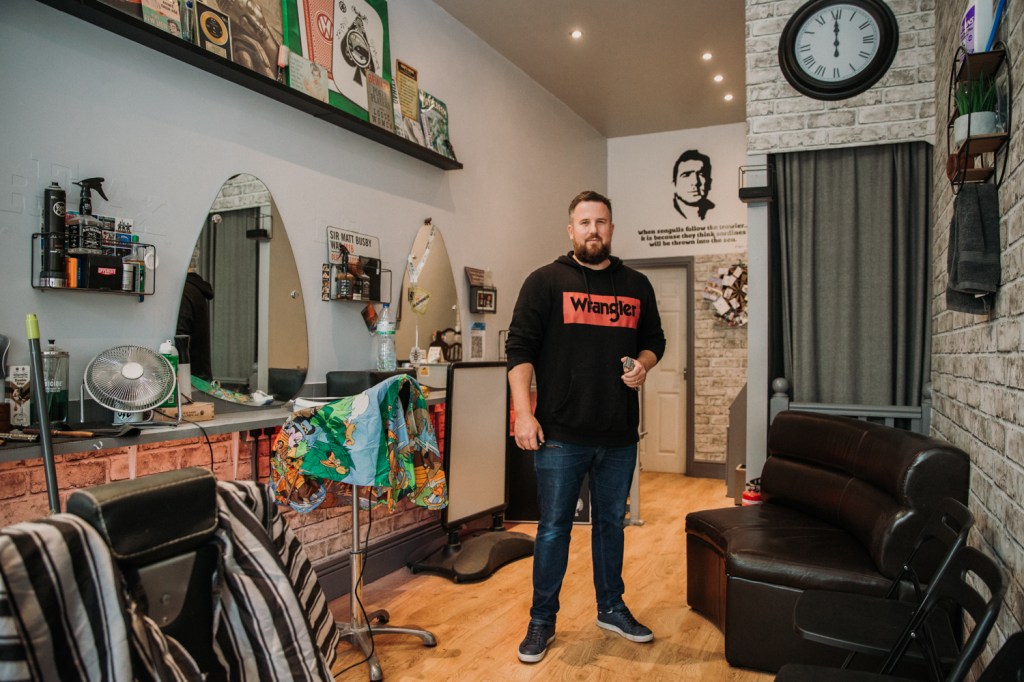
In terms of the work that I have already produced, I think that I do have a submission that reflects my development in the form of a collection of portraits. The feedback I have received in recent webinars has been to focus on a more specific element, I have responded to this by making more portraits and less documentary work. Building on this, I have endeavoured to get closer to my project by photographing subjects within their homes as the arena of the football environment was less accessible. 

In making the choice to photograph subjects within their home I feel that I am adhering to my intentions as the emphasis of my work is a reconnection with my football past. At this stage of my life I feel relatively comfortable and I have managed to evolve and challenge myself to become a functional member of society. However arriving at this stage has not been an easy ride. As a football player trying to forge a future in the game and in my case really struggling to cope on a number of levels such as ability, physicality, and mental resilience. When I conducted my interviews and portrait sessions with former teammates I was surprised to find that my peers in some way had their own insecurities that I was able to identify with. Rosen (2020) cites Majoli who recalls when photographing Shirin Neshat:

“Her home was a minimal place in Soho [in New York] with beautiful light. I tried to [create some] symbiosis and translate what I saw. I entered her place: it was white, she was dressed in black, and the work is black and white. It came naturally to do what I did there.”

I find the comments Majoli makes useful in defending my decision to visit the homes of my subject as in doing this I was able to enter into a type of symbiosis or collaborative process. As a result, the interviews I conducted were successful as I was able do learn a great deal about my friends and about myself. The main message I am able to be reflective about is the sense of feeling alone. This point is pertinent as I reflect on the time of my life where I had very little skills to offer the world and didn’t really see a place in society. I was willing but at the same time didn’t see where I fitted in beyond football. Now at the end of our competitive playing days, each person I photographed in the home is a success story because we all have a place that we can call a home. This may be trivial to most but each subject that I have collaborated with has had issues with drink, drugs or both. 

A home. For the last two decades has not been a consistent term associated with safety to them or me. However these people have managed to find a place to call home and find relative happiness. 

In terms of how this fits in with the broader narrative of my work I am led to comments made by Felicity McCabe when she states that her work is a large body of work and her projects represent different chapters within that body of work. Such comments resonate with veracity in a personal sense as I have constantly challenged myself in different directions whilst always making work that I have been emotionally attached to whether strong and informed or weak, experimental and naive. This submission is no different and despite the challenging feedback I receive. I feel that I am making work that I am proud which is significant as this is probably the first time in my life that I genuinely feel that way. Therefore, my submission won’t be about chasing grades or success. My work is my work, I feel a deep connection to it and it has been made in a collaborative nature with people who I have a deep connection with. Perhaps not even realising this connection until now in this reflective state. 

Rosen (2020)‘Majoli’s environmental portraits reveal the collaborative nature of his approach and the importance of developing a space for mutual engagement between artist and sitter in the creative process.’

Majoli perfectly reflects my sentiments here and without the burden of having to reflect my feelings accurately in a CRJ he nicely concludes my current state, and feelings about the work I have made. As a result, the judgements of my superiors have become secondary to the sense of emotion I feel about the work I have created. Helguera makes the comment (2011) ‘to participate is not to create homogeneity; to participate is to generate vitality’. I was able to speak to some of my well known peers and in making work and collaborating with them in their homes, I have been able to penetrate the surface and gain emotional insights into some of the toughest people I know. And this has been achieved from the safety of the home. In considering this chapter of my project like this, I feel that this project has been twenty years in the making as opposed to twelve weeks.

Helguera (2011) Education for Socially Engaged Art: A Materials and Techniques Handbook. New York, Jorge Pinto Books.

Rosen (2020) Alex Majoli on Artists and the Rewards of Environmental Portraiture. Magnum Photos [Online] Available at: https://www.magnumphotos.com/arts-culture/art/alex-majoli-artists-environmental-portraiture/  Accessed: 17th Nov 2020

Week 8 | Reflection

This week we have been encouraged to to think about websites and the purposes they serve. In my case, I have run a website for the last couple of years which has been aimed at the wedding market. As a result I am well versed in understanding this market and all of the challenges faced be wedding photographers in terms of SEO, or ranking highly of popular search terms on Google. In my case ‘Wedding Photography Manchester’ and ‘Wedding Photography Cheshire’. This is a complex business and the determining factors constantly shift according to google algorithms. I have attended workshops and conducted endless research in the pursuit of knowledge.

I am in a unique position as I currently work as a teacher of media in a sixth form college in addition to working as a wedding photographer. My venture into wedding photography was the result of my desire to create work, already second shooting for a videography company on a casual basis I was able to watch and observe lots of wedding photographers, some good, some not so good but I probable learned something from all of them.

In terms of wedding photography as a sustainable prospect of work beyond the MA. I am currently in the position of having a limit to what I can shoot. This scenario suits for the moment (Present COVID restrictions exempt). I book around twenty weddings a year as well as teaching. This means that I am able to pick and choose the type of weddings I want to shoot. I do this by using the content of my website to appeal to the type of clients I would like to work with. I use my website to do this in a number of ways:

  • Use photographs of specific venues that I like/want to work at.
  • Present work that is beyond the obvious and reflects my own personality.
  • Ensure that the work I present demonstrates a plethora of different stages of a wedding such as the morning, ceremony, speeches, portraits and evening celebration.

Going Forward

In recent weeks I have begun to collect the weekend magazines from a range of newspapers such as The Observer, FT and The Times. Having begun to research the work of others I have been looking through the content of such publications, noting who the photographers are then researching researching their personal projects. This approach has been useful and insightful and I am beginning to understand the type of direction I would like pursue.

As an outgoing person I have really enjoyed working on my non league football project, going to places I haven’t been for many years, speaking to people and making portraits of them. In doing this I have been creating new experiences for myself whilst continuing to develop my skills as a portrait photographer. I feel this environment has provided an arena to grow my practice, being in an environment that I understand. It is a type of safe space to experiment.

Live Brief

Continuing to work on the Oxfam brief has been difficult in terms of logistics but at the same time enriching as I have been able to contribute to the team in addition to learn and make connections with fellow students. Attending weekly zoom meetings to discuss our progress and share further ideas has been fun whilst providing the opportunity to meet new like minded people. Although being an outgoing person, I do lack confidence when entering into new situations and I have found this process really helpful as a confidence building exercise. I have also created work outside my project which is a big step and I have really enjoyed myself in engaging with the process of making work within the fashion genre. Reflecting on my experience of making new work within a different context. I currently feel my approach has been quite safe however at the time of writing, I am planning a more ambitious shoot in the coming days.

In terms of my role within the live brief, I feel that I have worked hard and made significant contributions without taking a leading role. At present, the group is led by Victoria who is very much the driving force behind the group while Thomas uses his experiences of the advertising industry to offer critical insight into the presentation of our work, with regards to my role, I have contributed insight into the structure of the finished pitch. Using my teaching experience to provide structure and encouraging the other members to consider what the pitch will be required to achieve. Thinking about the aims, objectives and how we will justify and deliver our message.

Process of Making Work

One of the biggest learning curves of the MA has been the exploration into the process of making work in a technical sense. Having been shooting totally digital, I recently purchased a 35mm film camera which I have used sparingly. I understand that I could have gone out shooting film however I felt that It was important to be able to justify such an approach. As my research continues I notice that many photographers who interest me, work with medium format cameras. I am currently not in a position to purchase such a camera due to the cancellation of weddings and Christmas looming. However, my next project, probably beyond the MA will be to make medium format portraits at the locations of the European Championships tournament due to take place in 2021.

The Future

The first and most important task for my future direction as a photographer will be to create a website of my personal work. I have previously considered this and now have a greater understanding of the importance of the personal project. Having some knowledge of website design, I will concentrate on presenting my very best work through the vehicle of emotional projects that are well considered and challenging themes that I am passionate about.

As my work has shifted significantly since enrolling on the MA, the prospect of creating a personal website is hugely exciting. Once I have a personal website I will seek to make producers and commissioning editors aware of my work and I am looking forward to the task of competing for work within an editorial setting. I understand that this may be difficult but having already created a relatively successful wedding photography business I have the self confidence in being able to achieve this.
Interview | Chris Keane (Keano)

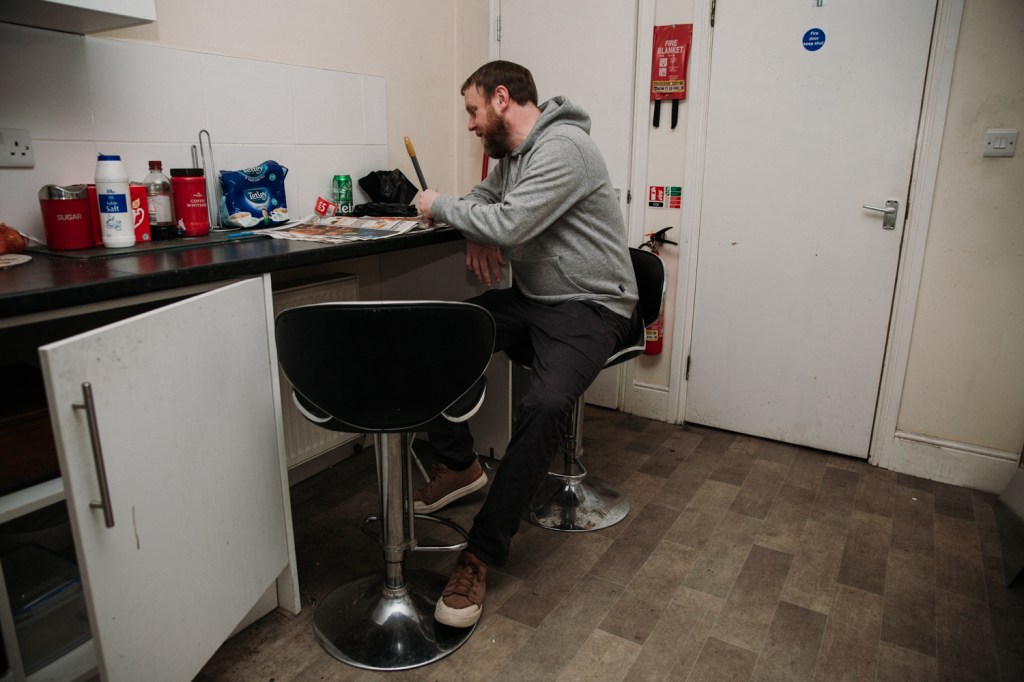
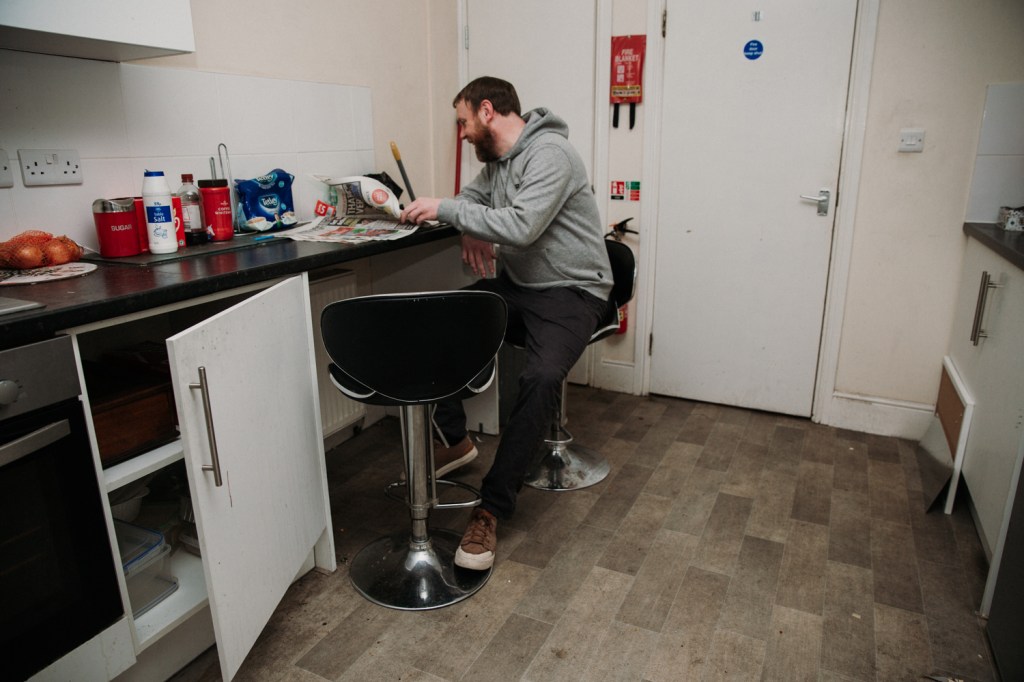
This shoot took me Reddish where I arranged to interview a former close friend and teammate Chris.

Around eight years ago, Keano disappeared. Only to be seen occasionally where others would report having seen him and made small talk. Being one of his closest friends I was annoyed at him for going off the radar. Wondering why he chose to do this.
Anyways, fast forward a few years and and some of the lads got together to play in a charity football match to raise money for a former teammate who passed away as a result of an overdose.

After a few beers he decided to open up about his struggles. Having listened to his story I was shocked at how someone who I always assumed to streetwise, resolute and intelligent, had suffered a break down as a result of a difficult relationship which ended with him not being able to see his children.

Keano is a mental health professional and makes key decisions on NHS patients working closely with psychiatrists and other agencies such as the police. He is extremely bright and has a lot of responsibility. As long as I’ve known him which is around twenty years, he excels at most things.

Born in Manchester but holds an Irish passport, he is proud of his heritage and part of a large family with its foundations based around the Catholic Church. Although he could offer an insight and talk for hours about the pitfalls of religious ideologies, he is loyal to his family. A loving Son and a archetype big brother.

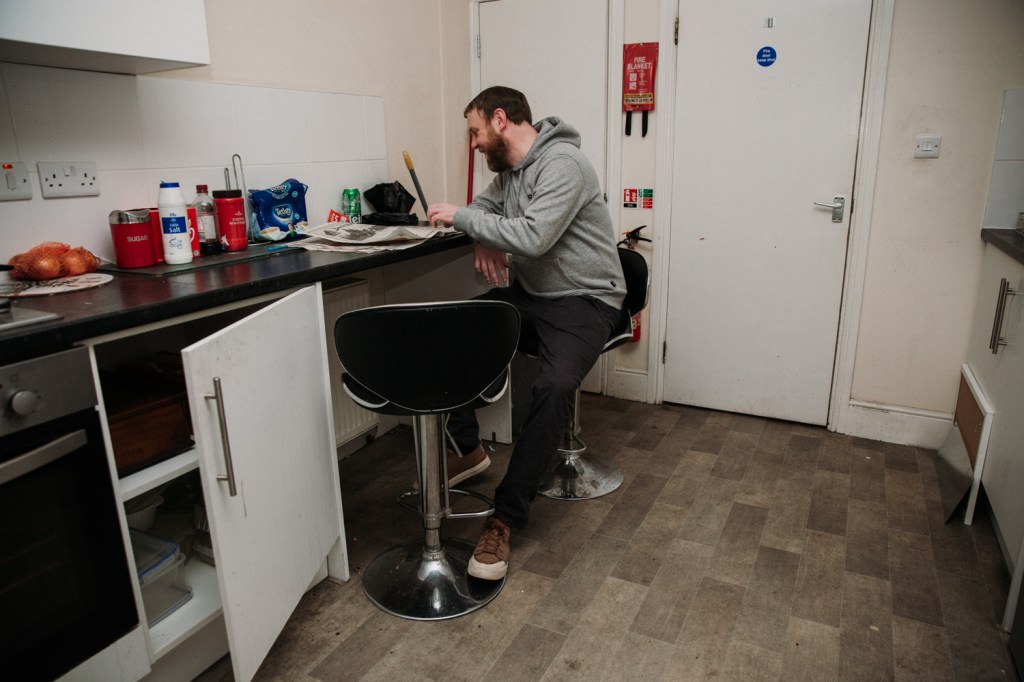
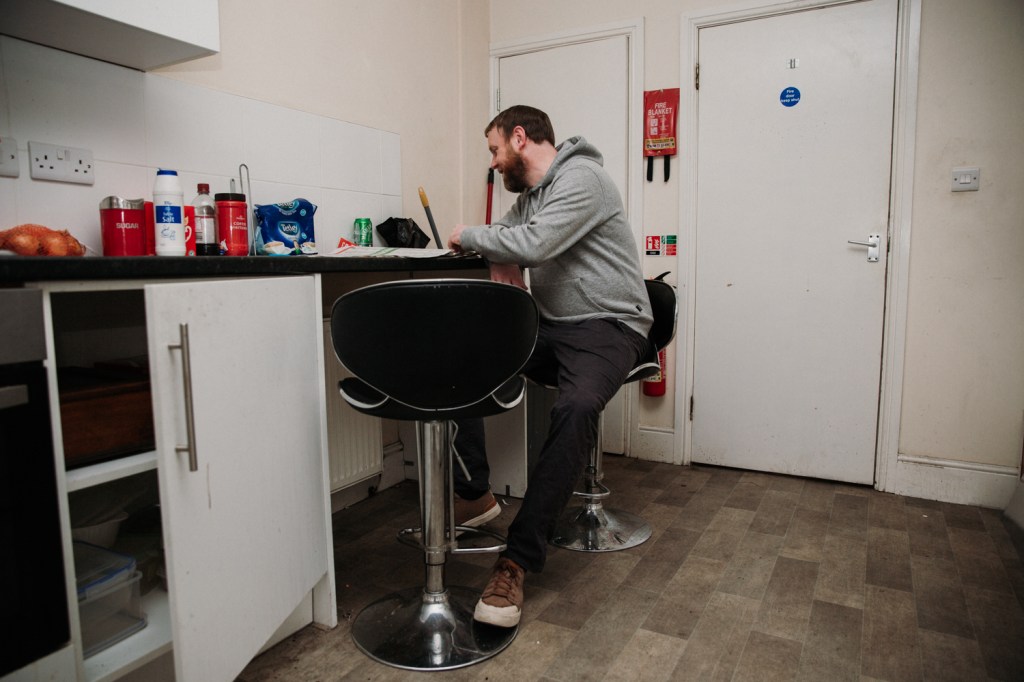
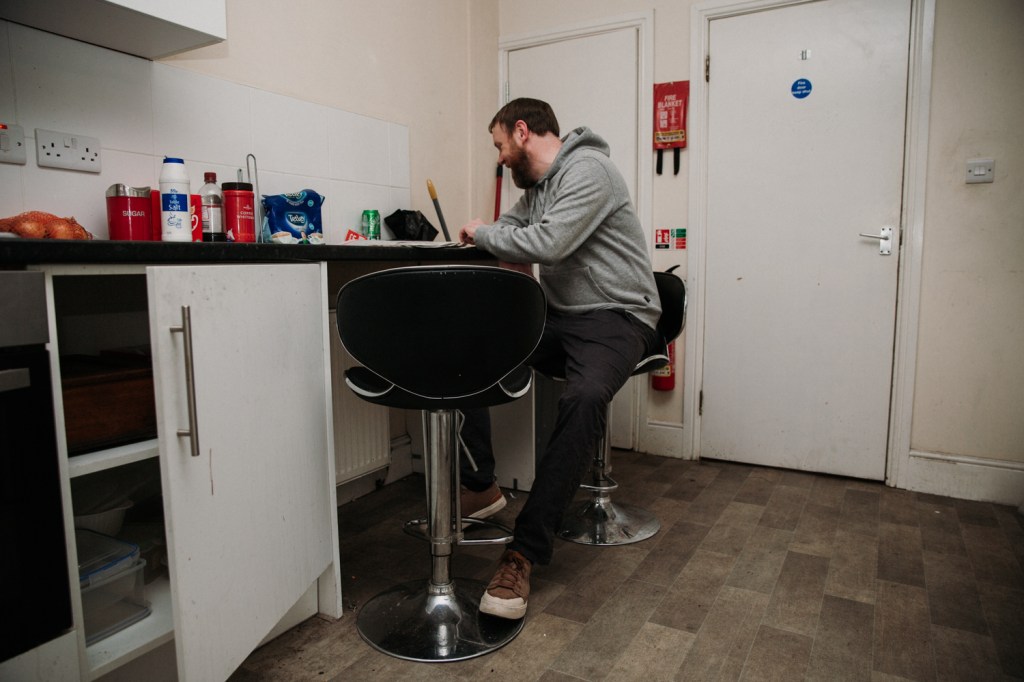
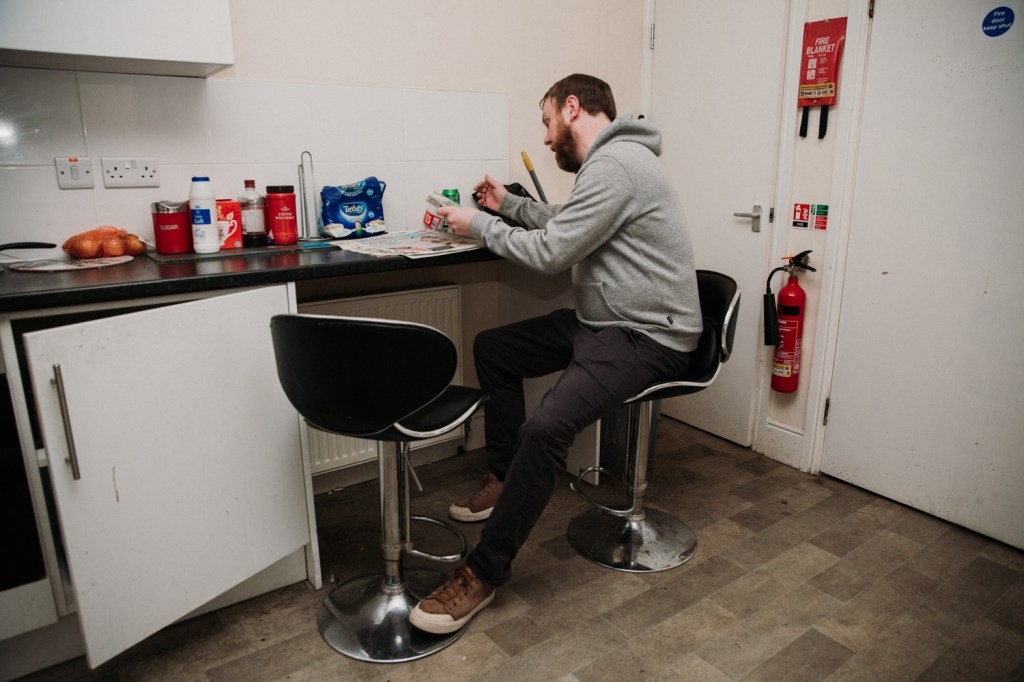
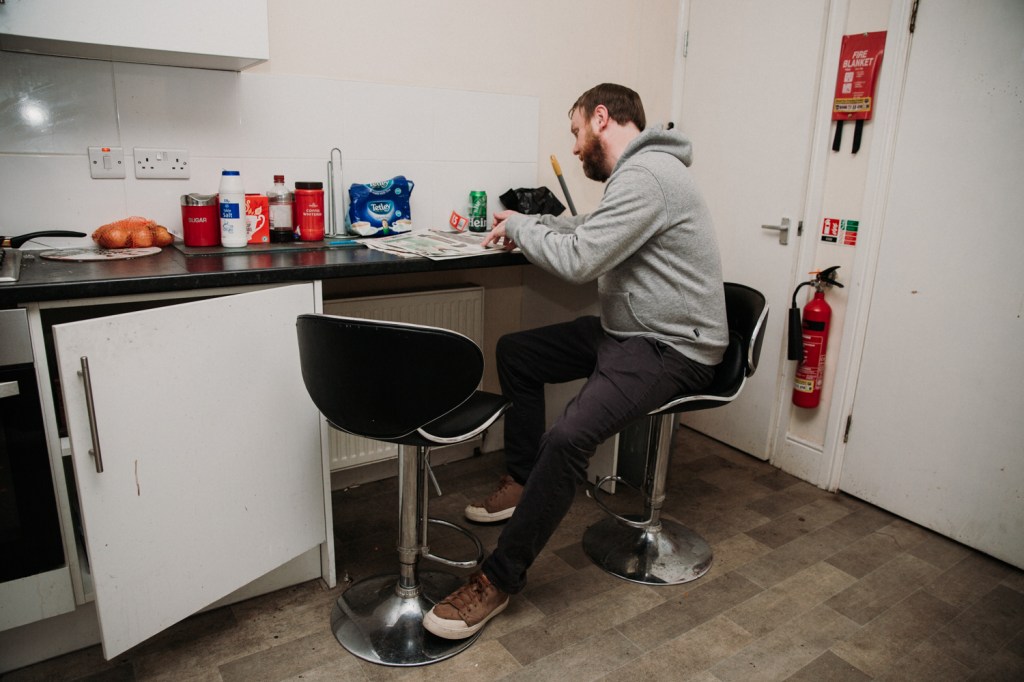
When I went to meet him, I found him living in shared accommodation, he didn’t talk too much about his housemates only stating that they are a few Irish lads from other families in the local Irish community. They look after each other and have a type of shared community living arrangement.

Having listened back to the interview It was clear to me that this process was as much about sharing my experiences as opposed to me interviewing Chris. Reflecting on this, it may be evident of a collaborative process or possibly an ill disciplined interview.

As stated in my previous post about Jooney Woodward. I ensured that I took a photograph before engaging in the interview. I felt that this had a detrimental effect on the interview as initially Chris raised suspicions about why I was taking this approach. Having explained to him my rational, he understood why I took a photograph without explanation but the dynamic of the exchange was changed as a result of this.
Week 7 | Presentation – Commercial Commissions with Amy Simmons

I found this lecture insightful and interesting as it provided a roadmap on how to get commercial commissions. Within my current practice as a wedding photographer, I had familiarised myself with the methodologies of getting work however the commercial works outside weddings always appeared a bit of a mystery.
I was particularly interested in the section where Simmons highlights what she looks for when selecting a photographer to work with. And I was surprised when she stated that an important factor was the ‘primary subject matter’ of the photographer. I understand that when a wedding couple choose to book me for their wedding they do so on the basis that they have seen my work, I have probably photographed the venue they are getting married before and they like the work. All of which represent a total opposite from my personal project which revolves around patriarchal culture.

In previous weeks I have been looking more and more at photographers who shoot editorial features as I feel that this is where I would like to take my work. Looking at the likes of Jooney Woodward who shoots regularly for the Guardian, I am drawn to the prospect of using my skills to produce work on a variety of subject matters. Making portraits and listening people stories from different echelons of life. And throughout the MA I am now feeling that I have developed the contextual understanding which is informing my work and resulting in much stronger photographs.
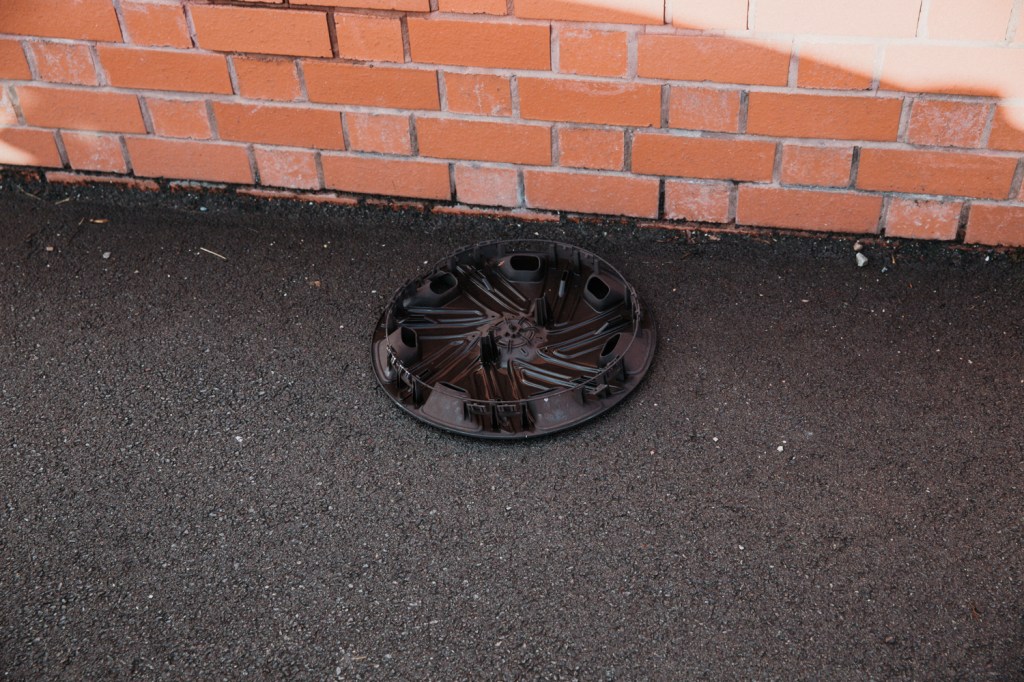
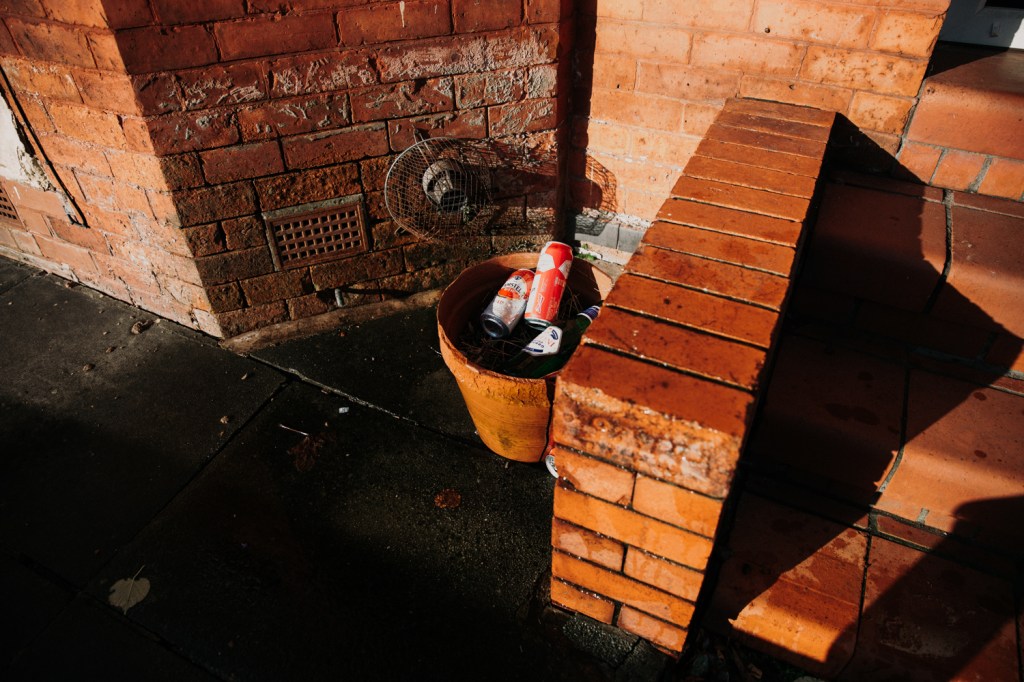
I have begun to research editorial photographers en mass from news outlets such as the Guardian with the intention of providing inspiration on how I might align my own personal projects to create a diverse portfolio capable of attracting the attention of commissioning editors. My research quickly led to the discovery of Christopher Andreou who contributed to an article in the Guardian by Goodinson, E (2020) on the subject of black heritage in Ridley Road markets in Hackney. Upon further research of Andreou’s website I observed that his website was rather small but encompassing lots of high quality work. What was further interesting was the clear sense of style with his approach.

This led the reflection of my own work and the raising of major questions that I am still grappling, the most important being the style of work that I would like to pursue? The answer to this is still emerging although what I do understand is that I like to take environmental photographs of people. I am further drawn to the buzz of going somewhere without a clear idea of what it is, or who I am going to meet and photograph.

Listening to Simmons talk about the importance of having a portfolio was also useful as in my ignorance, I felt that a digital portfolio would be more useful. However, especially in the instance of having a portfolio review and understanding that editors and producers spend large proportions of their working lives at computer screens. I see how having a portfolio is important to offer an alternative experience to the reviewer. This is something I will address immediately.

Finally, the subject of usage was useful as this was an area that I have very little knowledge in this area. Understanding the different contexts of which photographs are used was important and will will become relevant when I encounter such issues. At present though, breaking through and into this world remains the number one priority.

Christopher Andreou Photography. [Online] Available at: https://www.christopherandreou.com (Accessed 8th Nov 2020)

Arnold, R (2014) The Courtauld, ‘I Spotted You There’: An Interview With Jooney Woodward. [Online] Available at: http://blog.courtauld.ac.uk/documentingfashion/2014/03/24/jooney-woodward/  (Accessed 30 Oct 2020)

Goodinson, E (2020) Do go back to Dalston: Ridley Road market’s black heritage – in pictures. The Guardian. [Online] Available at: https://www.theguardian.com/artanddesign/gallery/2020/nov/05/do-go-back-to-dalston-ridley-road-markets-black-heritage-in-pictures (Accessed Nov 2020)

Week 10 | Marketing Strategy

When thinking about my social media presence I use a number of platforms for different purposes. As highlighted in the discussion with Anna-Maria, the idea of ‘creating villages’ is a line of thought that I particularly agree with. I currently have two instagram accounts, the first is directed at the wedding market. Here I post wedding images, usually something dramatic ensuring that I tag as many people as possible who I worked with on that particular wedding such as make up artists, specific venues, caterers and entertainment providers. This is a useful strategy as a rapport building mechanism, I also ensure that I personally thank suppliers, using names in addition to the names of the couple whose wedding I photographed. As a result, I am now quite well known within the local wedding community of the North West. I also use instagram to appeal to potential brides and grooms who book venues that I like to work at. To date, I probably get booked for the same ten venues as potential clients understand that I have already shot the venue in a fashion that appeals to them. 

My second instagram account is one that I created to run concurrent with the MA. At present, this account has a much smaller following however it has had an equally important impact as I have made a number of contacts and embedded myself into a community which is currently based around my primary subject matter which is based around football culture.

Manovich (2019) argues that such platforms are a crucial part of a global ecosystem and represent an ‘aesthetic society’ and ‘Urban Tribes’. Sentiments that I completely agree and I have found that my subject matter has led to similar communities. The problem I currently have with this approach is that the content on my feed points in a direction that doesn’t necessarily represent the future of my work. Therefore I need to take my work in alternative directions in order to build rapport with broader communities. This will happen as I continue to create work and happen organically, from my experience, saturating my account with content may lead to higher volumes of followers, however I’d rather have higher quality connections. I could make work for influencers in return for exposure to larger audiences and I don’t rule out doing this in the future however this isn’t a short term priority at the moment. 

Facebook 

As a wedding photographer facebook is an extremely useful platform. This is because the people who book me are not usually people with a great deal of photographic literacy. Most people have a facebook account, therefore I am able to target paid advertising at specific audiences such as ‘engaged females between the ages of twenty five and forty five’. This is successful tactic to get booked for weddings e.g. Spending £100 on a month long campaign may yield over 200 enquiries about my wedding photography services although the conversion rate is quite low between 1 in 7 and 1 in 10. The reason for this is due to client budget and knowing the market. I understand that I will be outside the price range for many seeking a photographer. This isn’t to say I am arrogant about my work but as soon as one drops the price, clients often ask for more and more and want to pay less and less. The overriding consideration with marketing is why do you want to get booked? Because one is competitively priced or because one has strong photographs? Therefore, price is very important as it protects against difficult clients who base judgements on a financial basis where people who book because of the quality of work are usually less concerned. 

Pinterest 

This is an excellent outlet for targeting content at specific venues. However I see this platform as more of a search engine as opposed to social media. When one makes a pin they are able to include a URL or website with the post. This points back to the photographers website and is useful for SEO purposes in addition to appealing to a female, engaged audience. 

While I am portfolio and project building I will pursue with a personal Instagram account however I see the most pressing task is to create a personal website. I currently have a wedding website in addition to my MA blog whilst employed full time as a media and photography lecturer. While I am studying the MA I need to be careful about the tasks I take on board especially at present as I have a backlog of over twenty weddings to shoot in 2021, this whilst working full time and completing an FMP for the MA is slightly daunting however circumstances cannot be helped. 

At the time of writing I am booked to shoot a wedding (12th Dec) and in doing this I am going to shoot a roll of 35mm film with the intention of embedding into this community on instagram in addition to adding an extra layer of capital to my work. This I anticipate will lead to a number of networking opportunities in addition to making my presence slightly different to my competitors.

Manovich, L. (2019) AI Aesthetics. Moscow: Strelka Press.