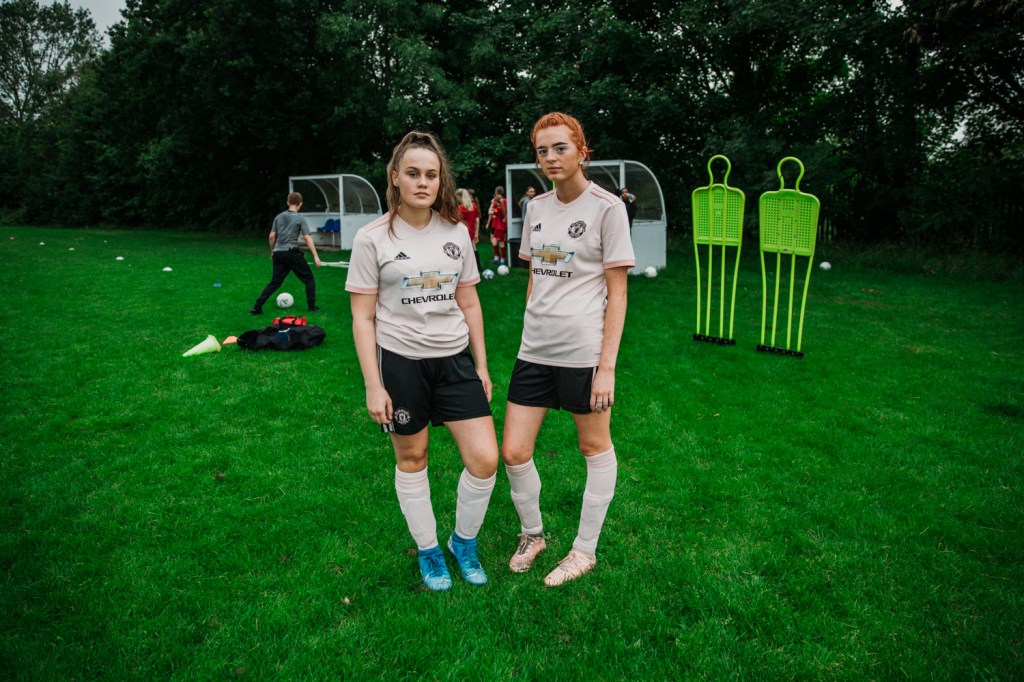
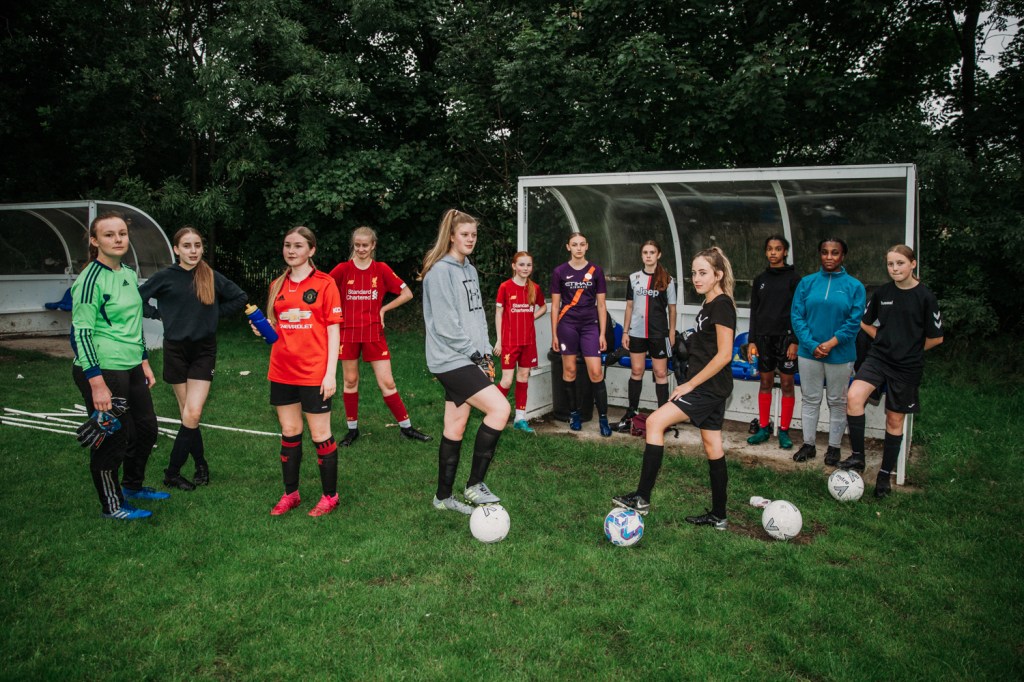
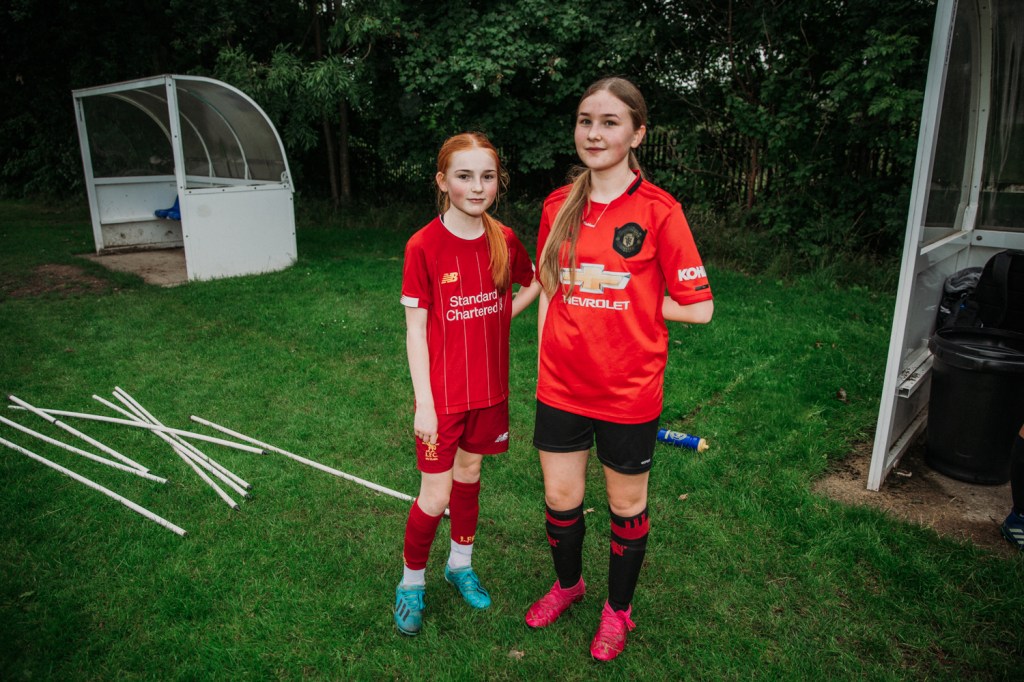
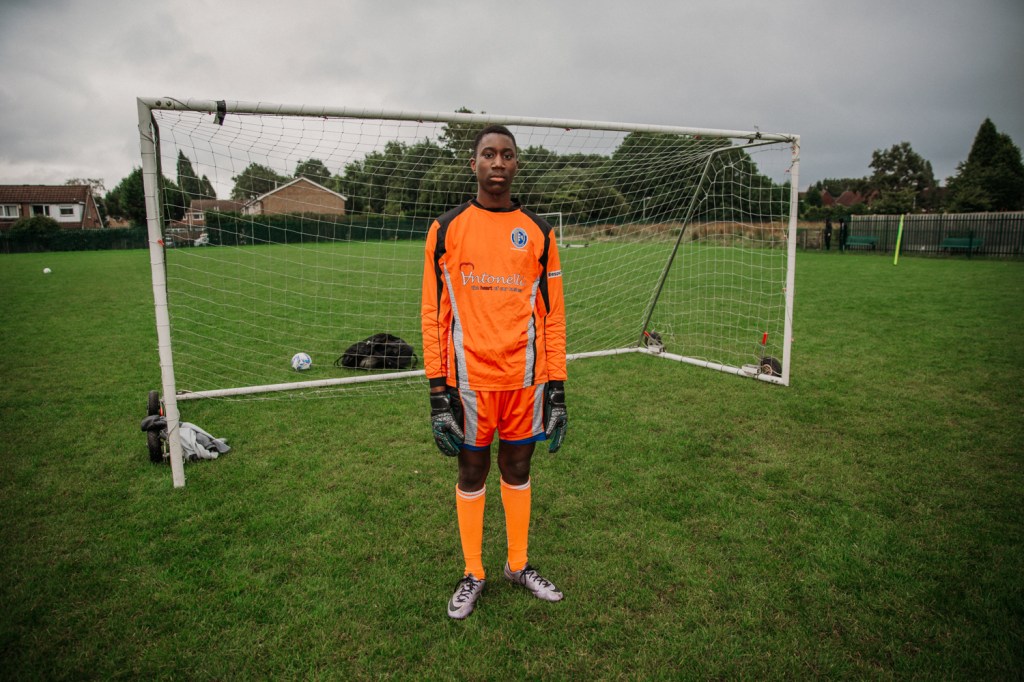
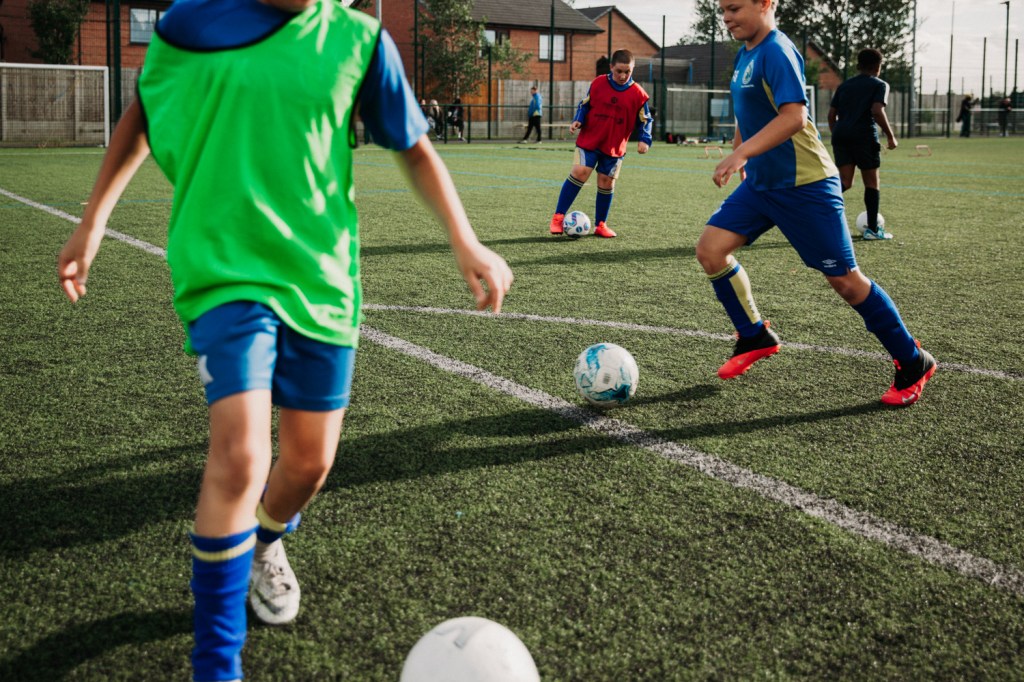
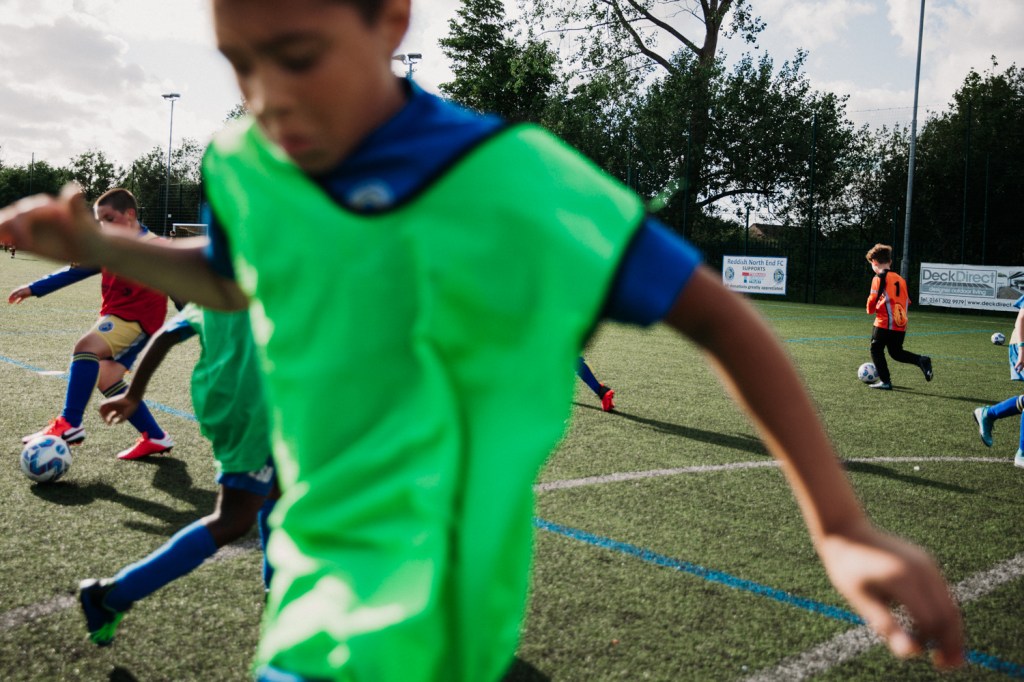
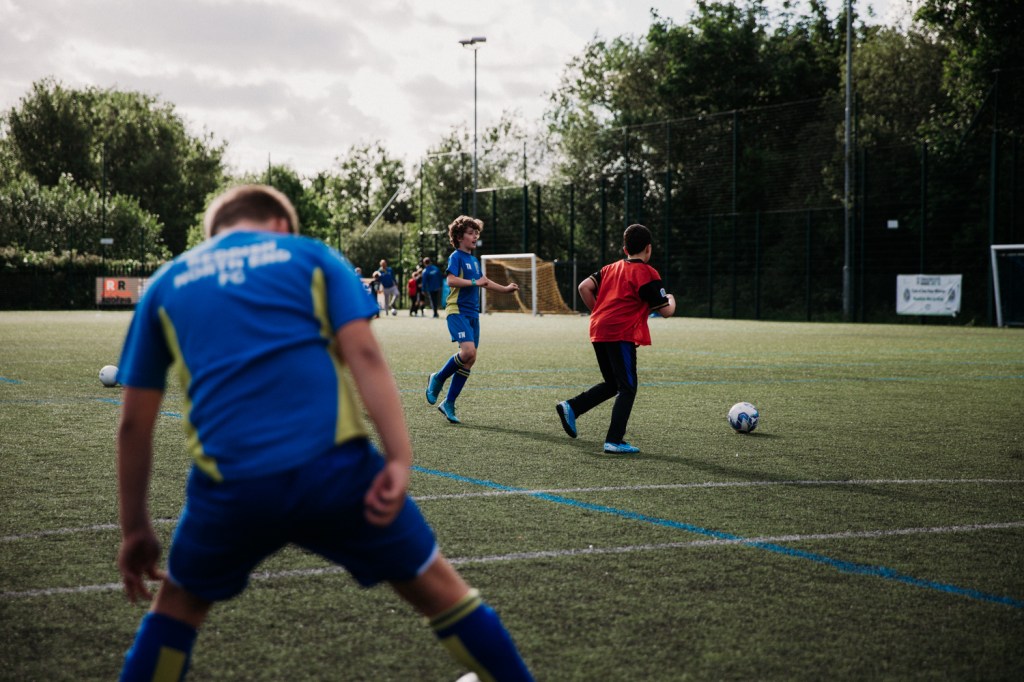
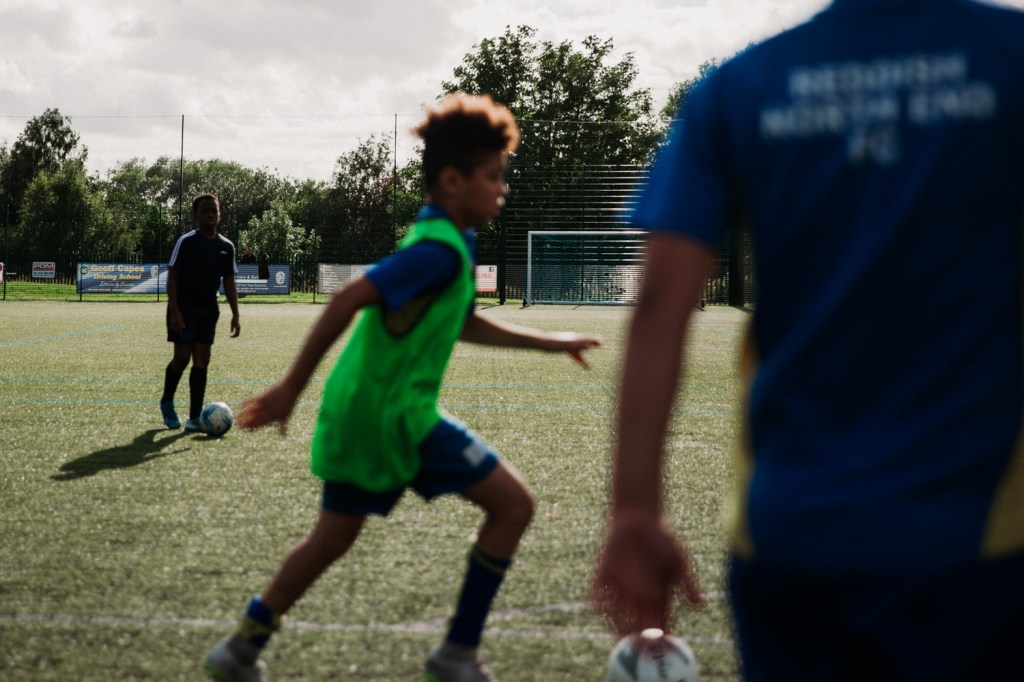
Sequencing

At this stage of the module I am entering the final stages and working towards the PK presentation in addition to finalising the WIPP. Having been unwell for much of last week I feel that I am slightly behind schedule and I felt that this was reflected in my one to one with Cemre who at the time of writing this post must be concerned with my lack of knowledge of sequencing. However I’ve decided not to panic but act positively as although I have things to consider regarding sequencing. I have five days to broaden my understanding in order to inform my WIPP. 

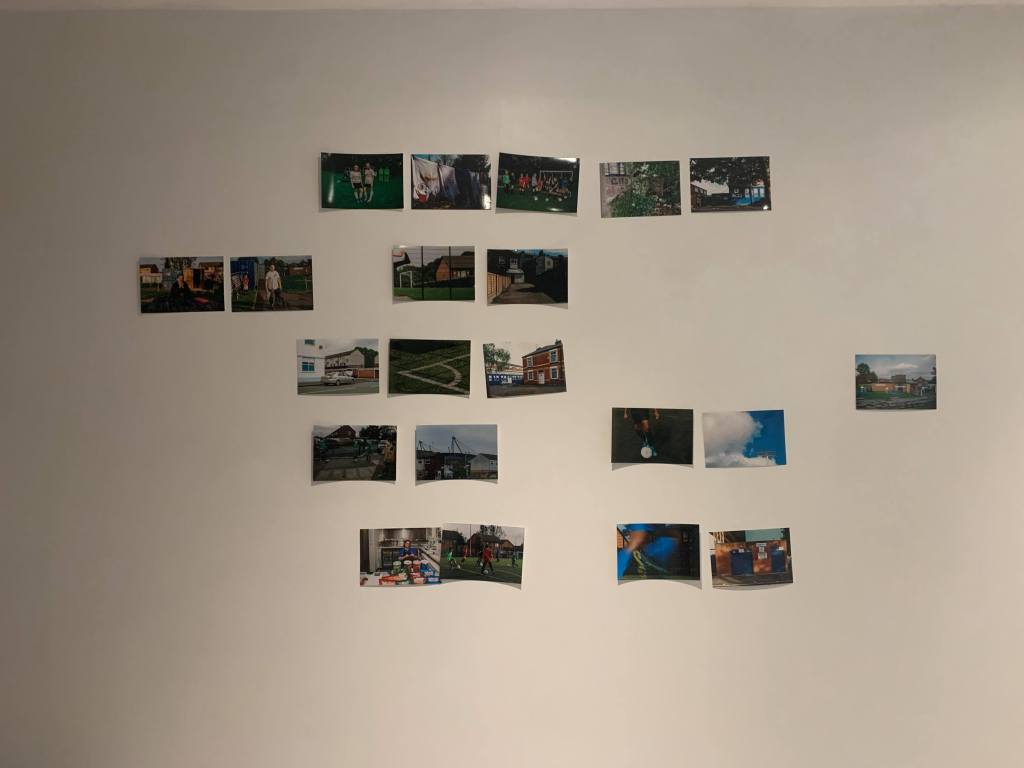
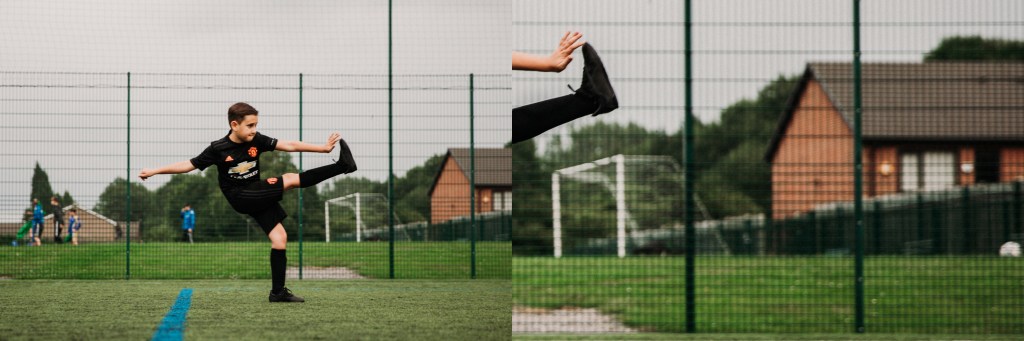
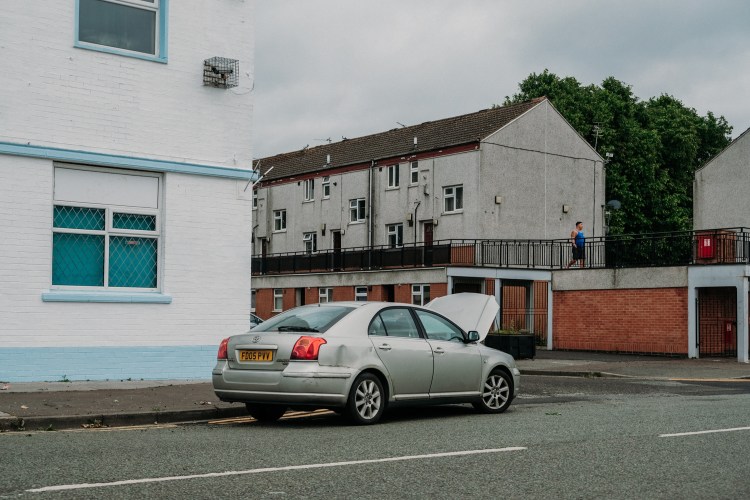
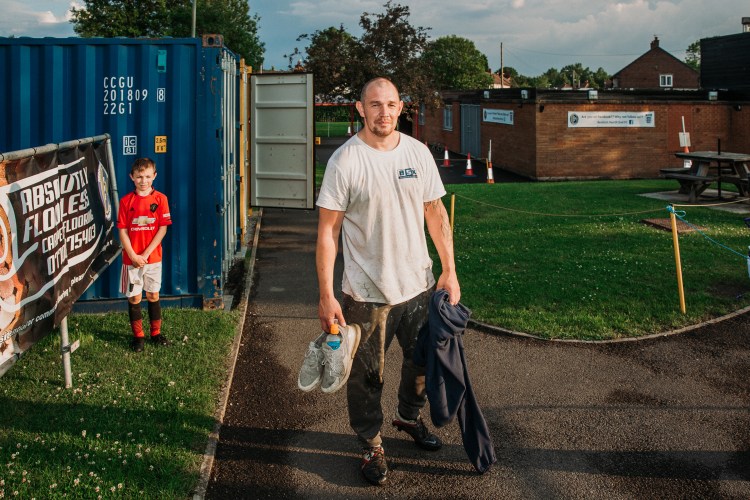
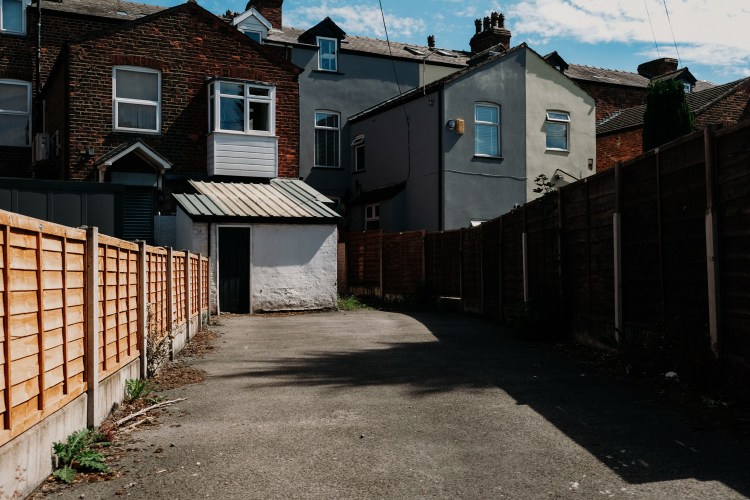
In acting positively, I took myself to the supermarket this morning to print the images I have shot since the exhibition so that I can now visualise my work on the bedroom wall. The starting point this time was to place images in pairs in order to begin to see what type of dialogue this creates on a small scale with the intention of building a broader theme throughout the book. Colberg comments on the importance of sequencing, commenting that ‘each picture exists within a context not only with the facing picture, but also the following page and every picture in the book’. I have found it useful to think about my WIPP in this way and by visualising my images in a physical sense, on the wall, i have found it easier to begin to consider photographs which share a dialogue as a pair, then considering them in a broader context. At his stage an idea I have been pondering for some time is becoming clearer. Soth in Franklin “I see poetry as the medium most similar to photography… Or at least the photography I pursue. Like poetry, photography, is rarely successful with narrative. What is essential is the ‘voice’ (or eye) and the way this voice pieces together fragments to make something tenuously whole and beautiful” (2016: pp 167). Understanding that comparing photobooks and photographic sequencing with narrative or poetry is a difficult task although both elements have merits. From sequencing my own photographs I continue pontificate Soth’s comments and Colberg offers ideas which have assisted in this task when the idea of visual clues is discussed. With reference to my own work, I am now looking in a very different fashion. Moving away from trying to produce a linear narrative in favour of sequencing images which share a visual clue in addition to considering the form of the photographs as opposed to the subject matter alone (2017). 
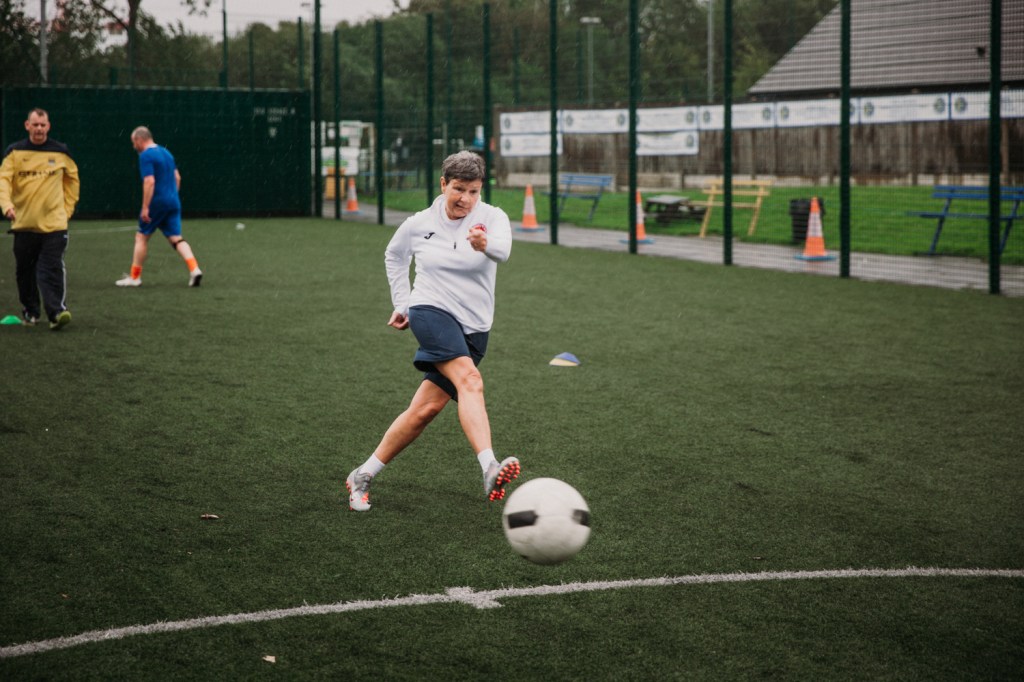
As a result, I am considering my photographs in a much broader sense than a linear narrative. In favor of looking for visual rhymes created by use of formal elements such as colour, shape and textures. Understanding this has served to open up the possibilities for a more sophisticated approach to sequencing. Hoping to trigger recognition in other ways than narrative alone (2017). 

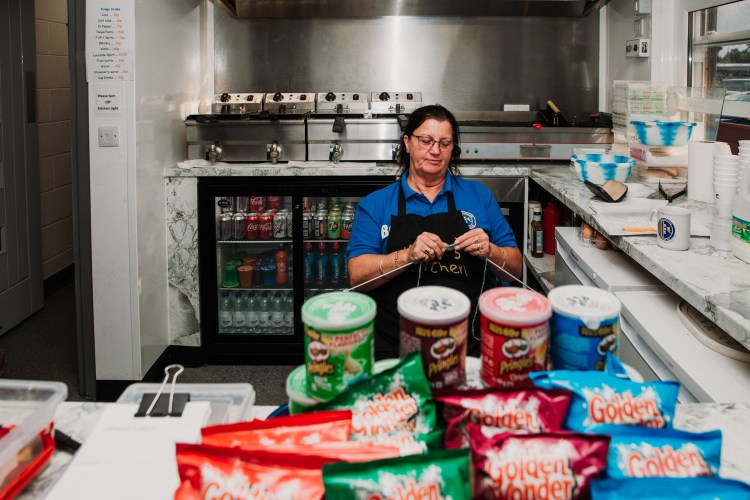
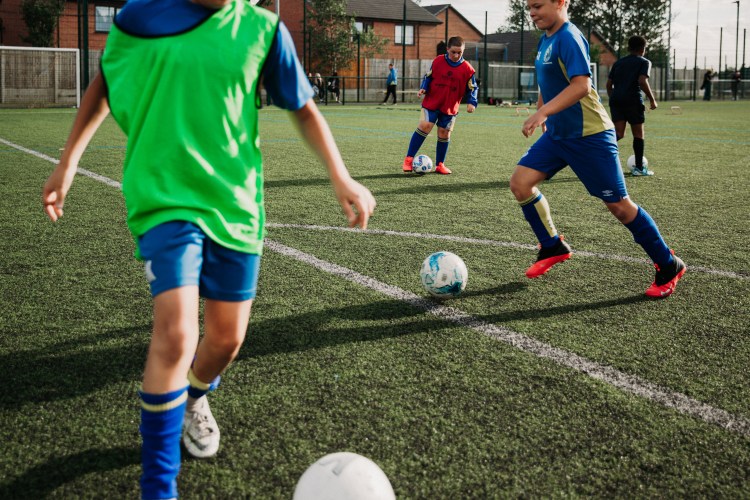
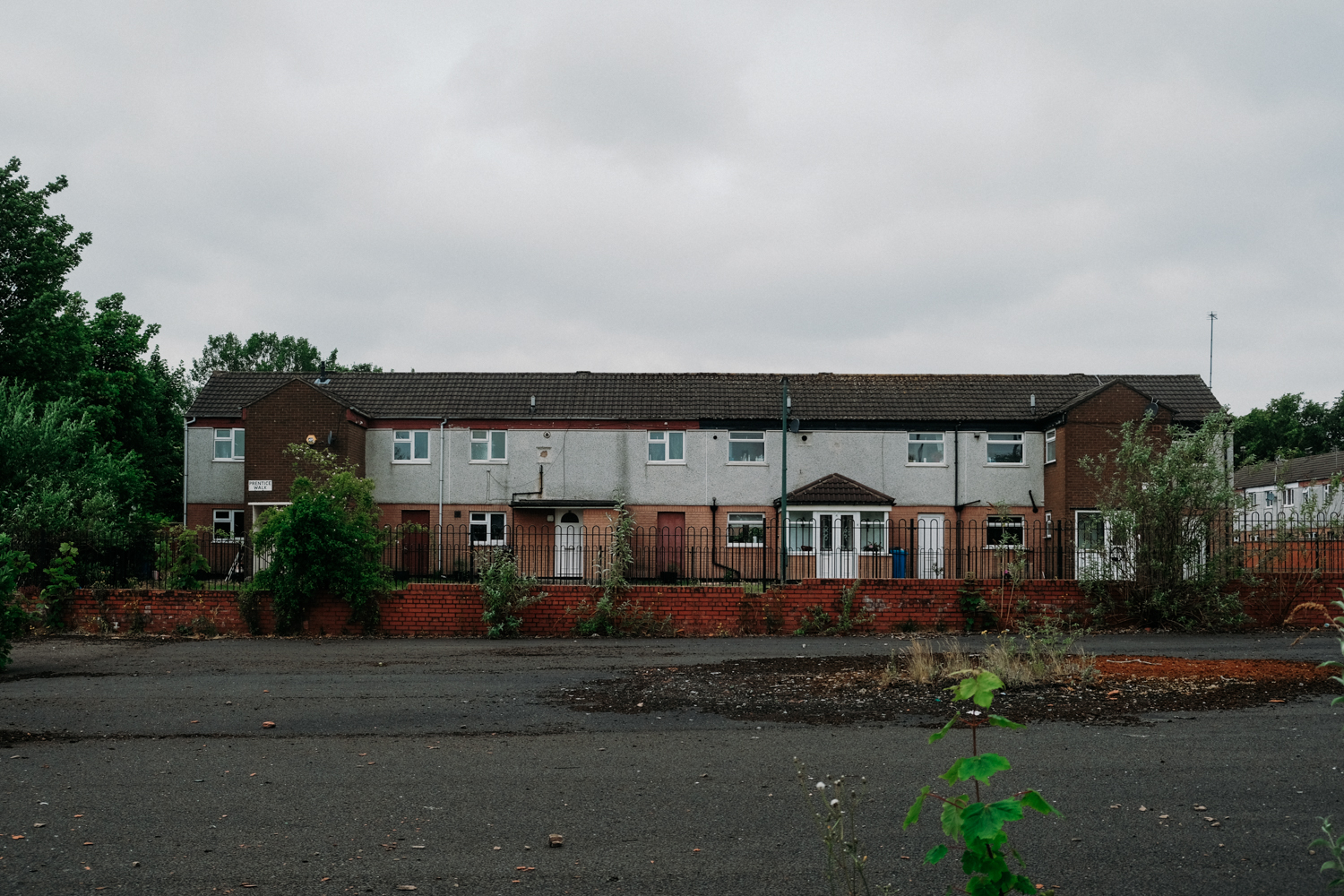
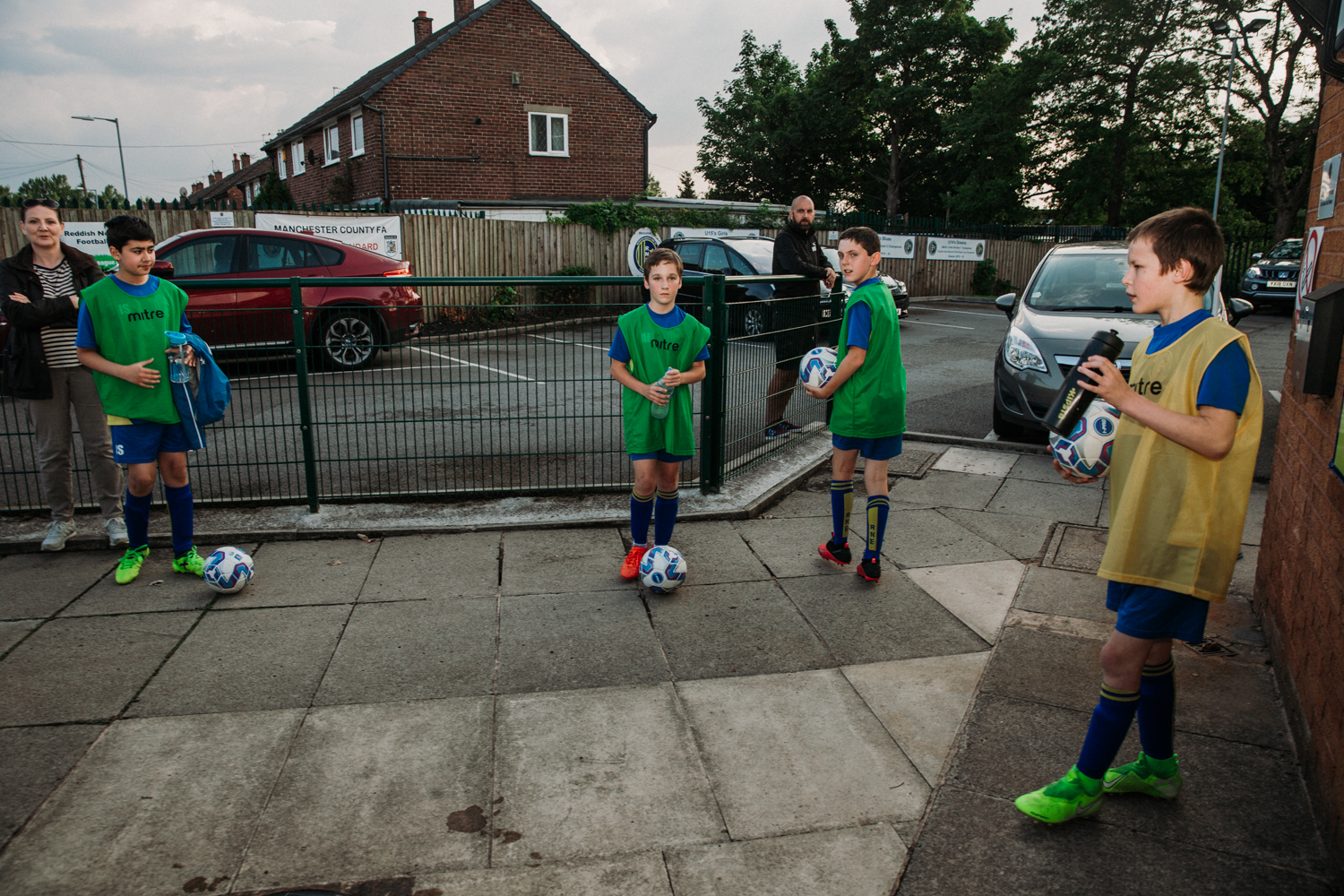
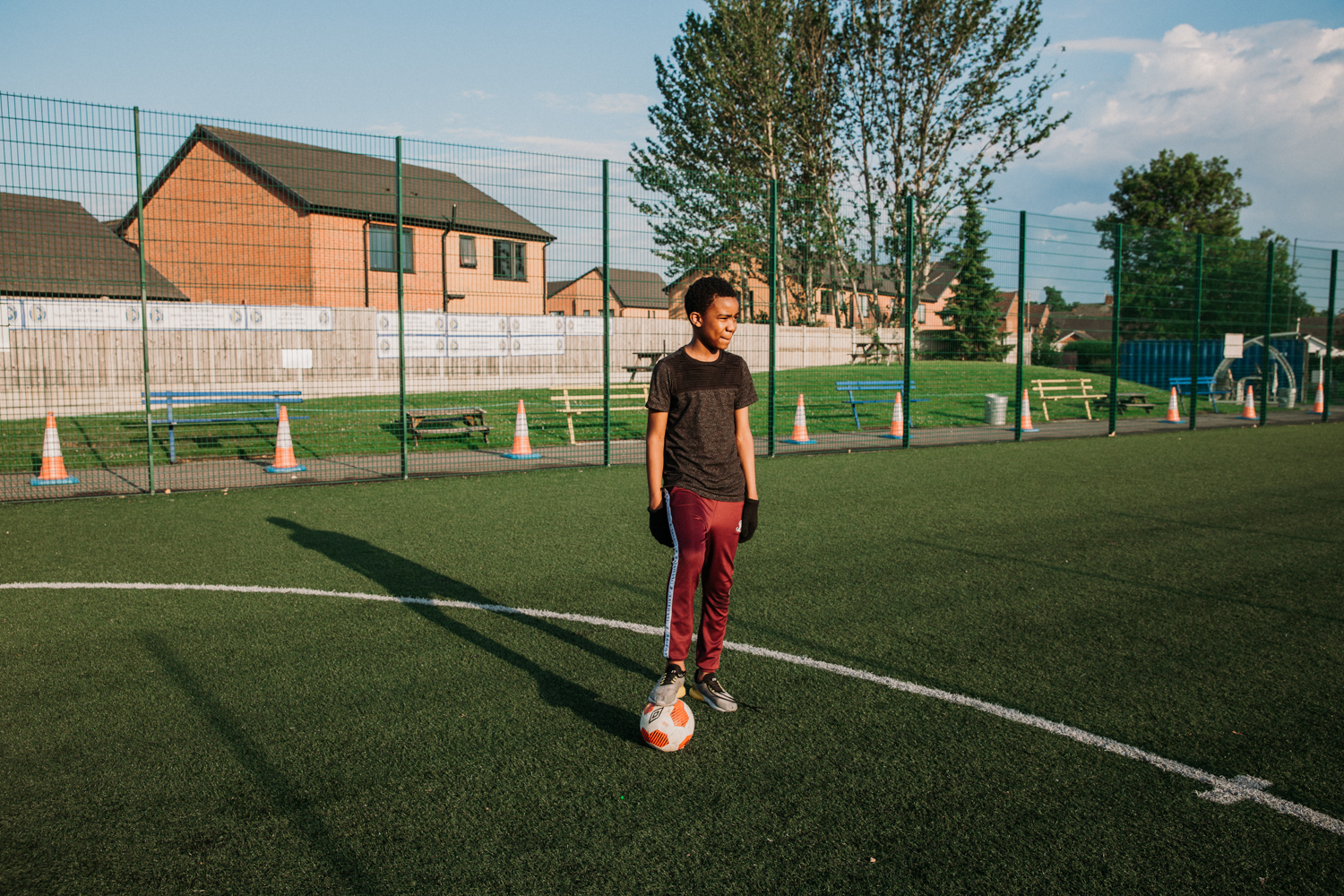
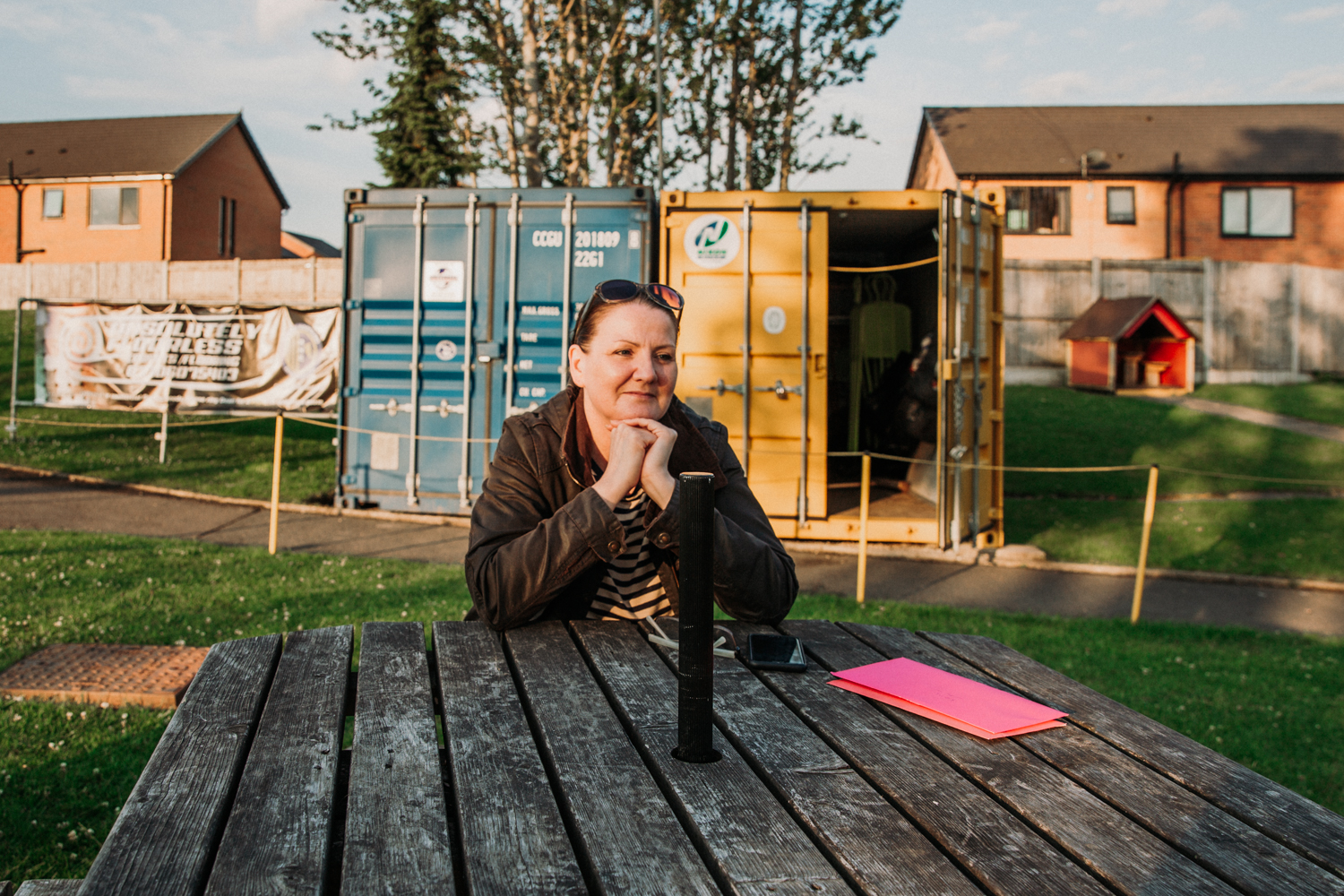
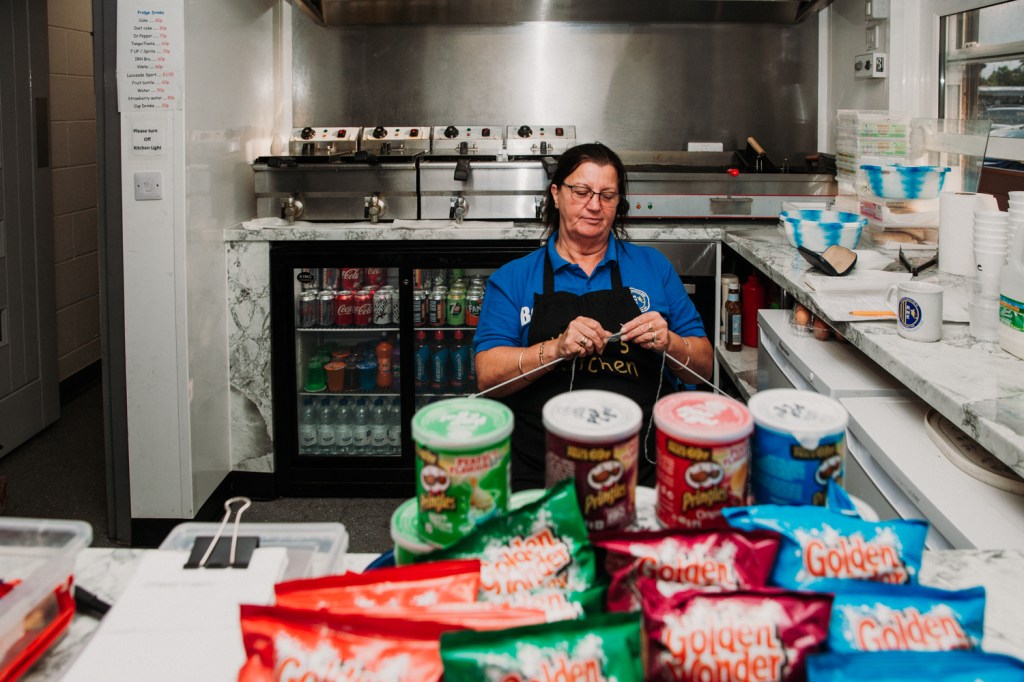
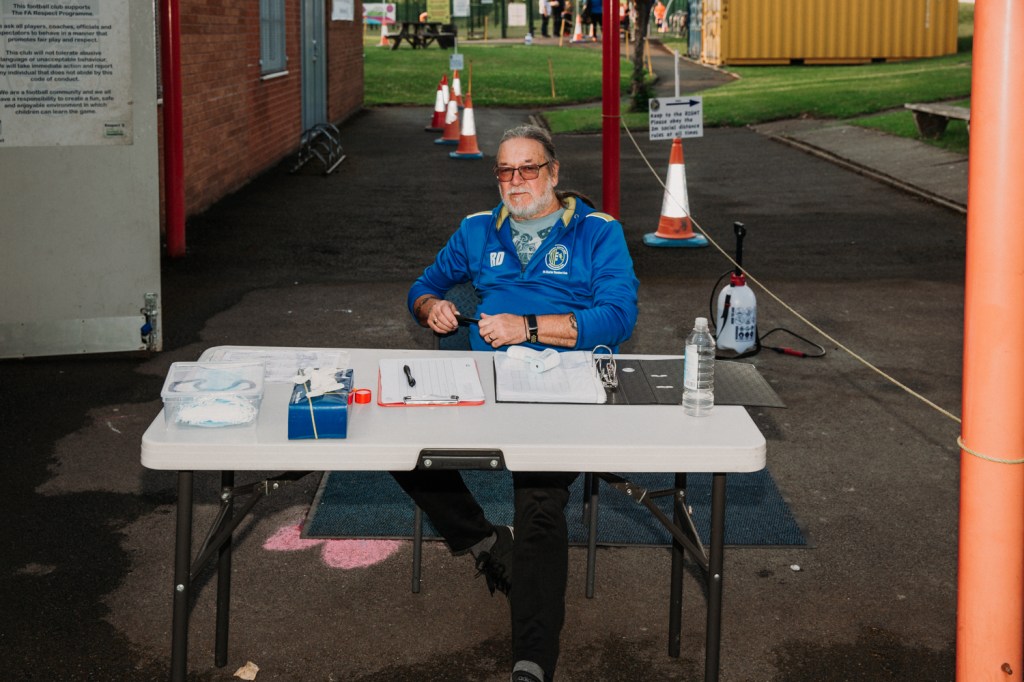
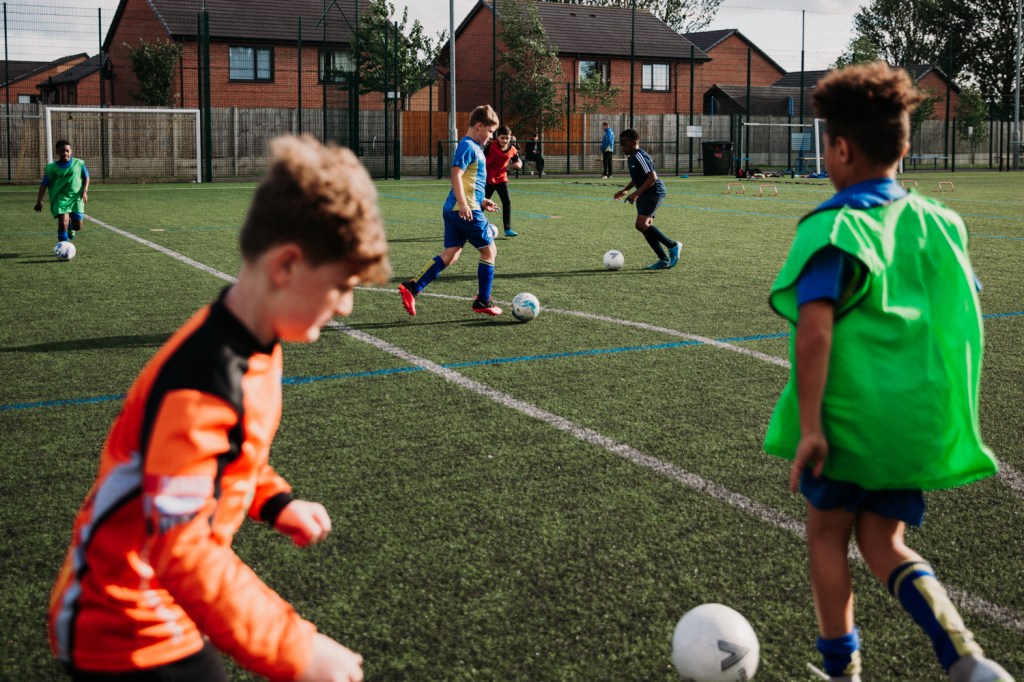
The images above may exemplify a development in my approach to sequencing. Having made both images earlier in the module, until now I wouldn’t have considered putting these images together. They may carry connotations of parent and child and thus entering into a type of narrative. However in consideration of the formal elements, visual rhymes are created with reference to colour in respect of the packets of crisps in figure 1 and the red, green and blue bibs worn by the football players in figure 2. The circular shapes sharing broader similarities with the footballs whilst maintaining the the idea of a stereotypical matriarch figure. A sense of safety is created by overarching themes relating to the family. The homes in the background in figure 2 furthering the idea of a safe community.

The example I consider above is no doubt driven by the vibrant colours, and those colours form one element which drives towards a logical conclusion whilst moving away from a linear narrative. Offering further opportunities for a viewer to recognise where thy are beyond the obvious. Culler highlights the idea of Rifaterre regarding the poetic in photography as is a quest for semiotic union which furthers Soth’s ideas of photographic voice that pieces together fragments to create something beautiful.

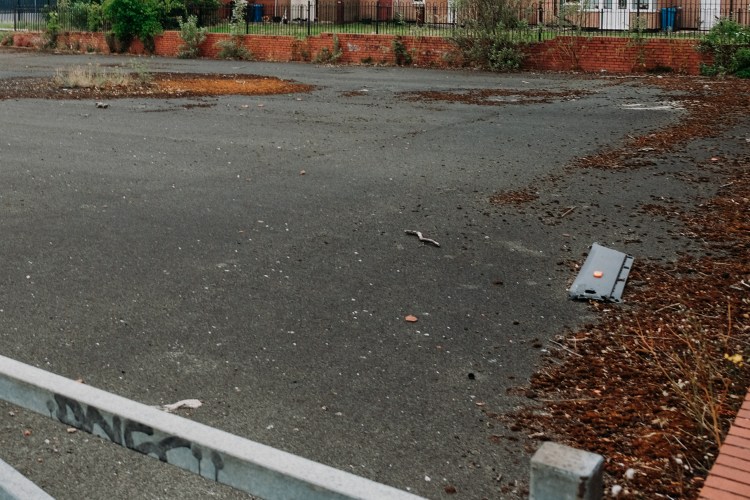
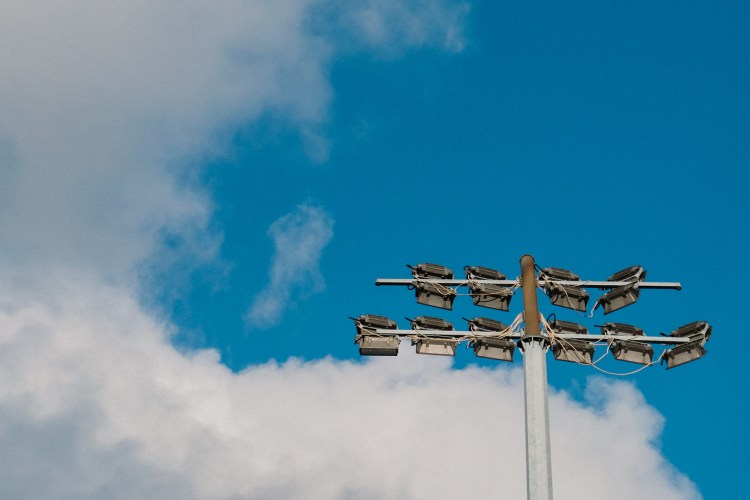
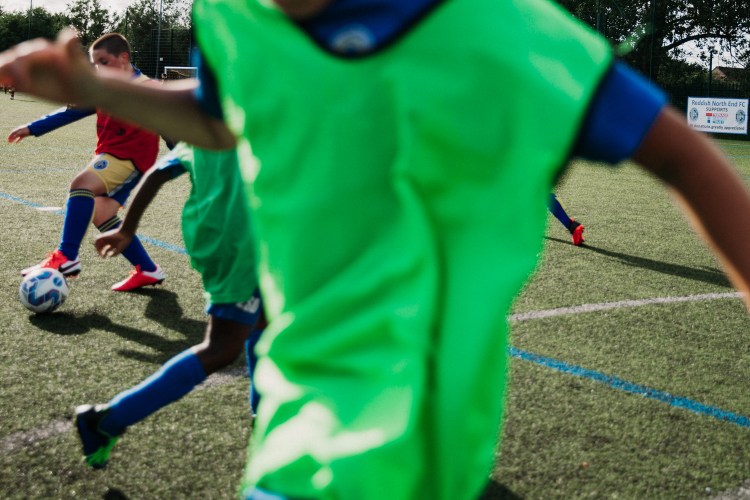
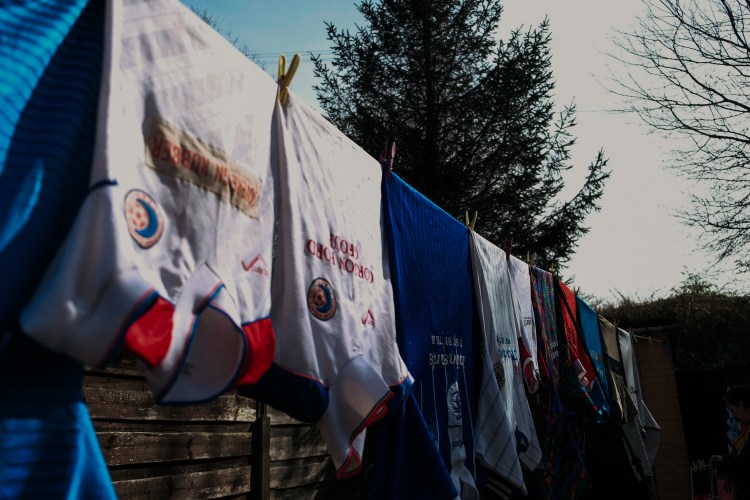
Figure 3 | WIPP Images
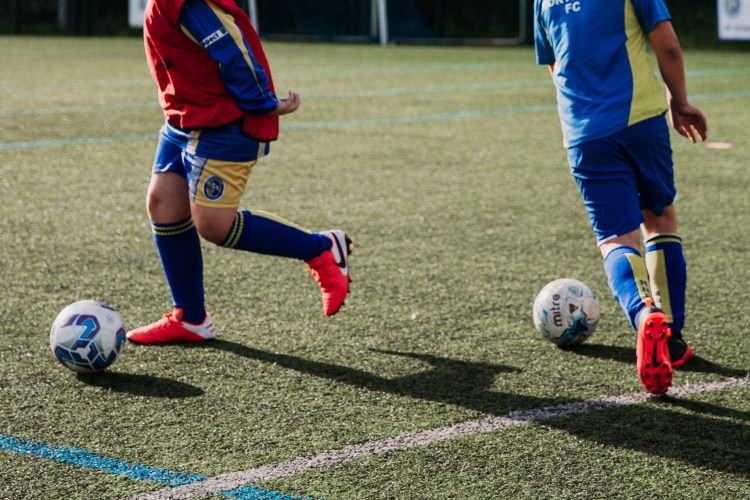
Figure 4 | Pairing Images

Colberg, J (2017) Understanding Photo Books, The form and Content of the Photographic Book. London, Routledge. 
Culler, J (1982) Culler, The Persuit of Signs, Routledge, London.

Franklin, S. (2016) The Documentary Impulse, Phaidon, New York.

Cropping Images

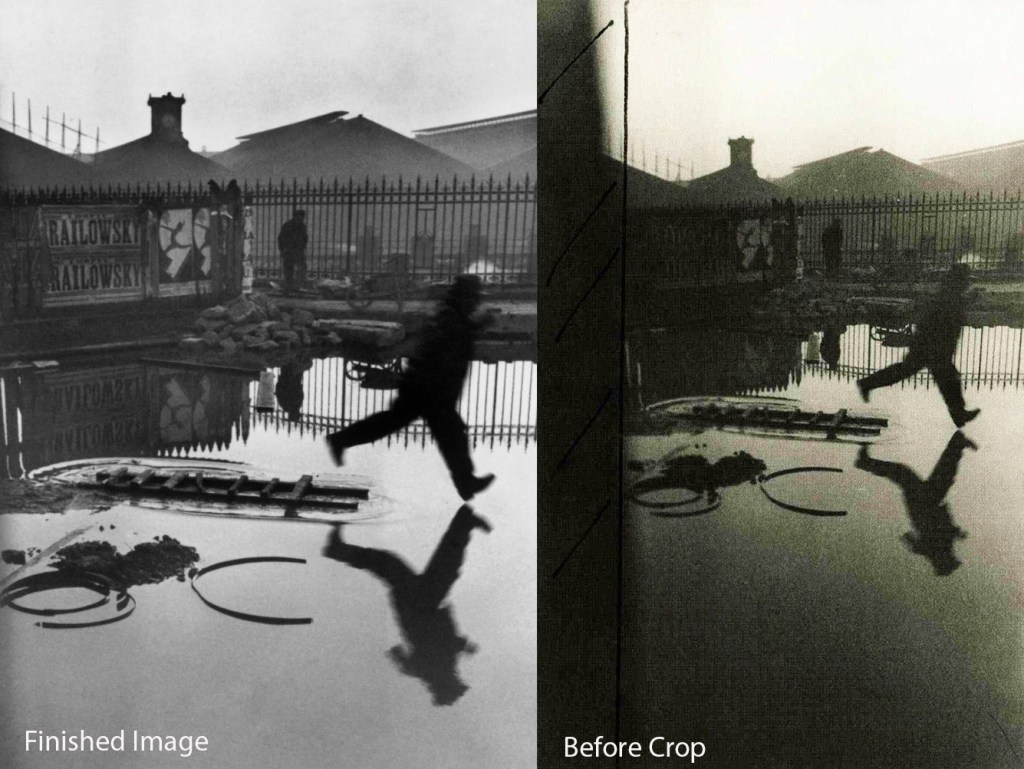
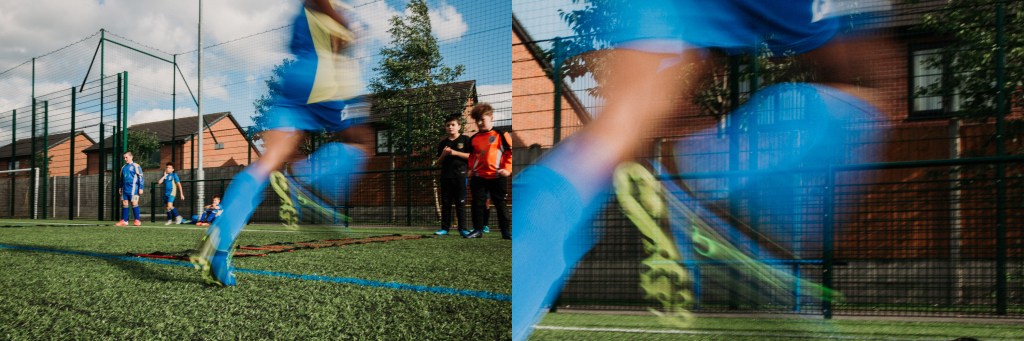
At this stage of the module I have been reviewing images for some time looking for ways to further my work in alternative avenues whilst painstakingly trying to edit work into sequences. In my attempts to move work forward I decided to experiment with cropping images with the intention of seeking broader and more abstract messages. 

Cropping was an interesting activity and something relatively new in a personal sense. I am used to making slight adjustments to work in order to straighten and make slight amendments. However although heavily cropping images is a technique which I find rather scary, some of the results were rather pleasing. I sought feedback from some of my peers on the course who commented that an energy was added to the work. An observation to which I agree however caution is needed with taking this approach further towards a possible inclusion in a portfolio. 

Upon research in this area it was interesting to learn of the Cartier Bresson and Elliot Irwitt’s use of cropping. The Irwitt image is subject to a particularly heavy cropp with the effect of making a much stronger image. 

Cartier Bresson | The Decisive Moment
Elliott Erwitt | Contact Sheet
Andrew Findlay | Cropping Example 1

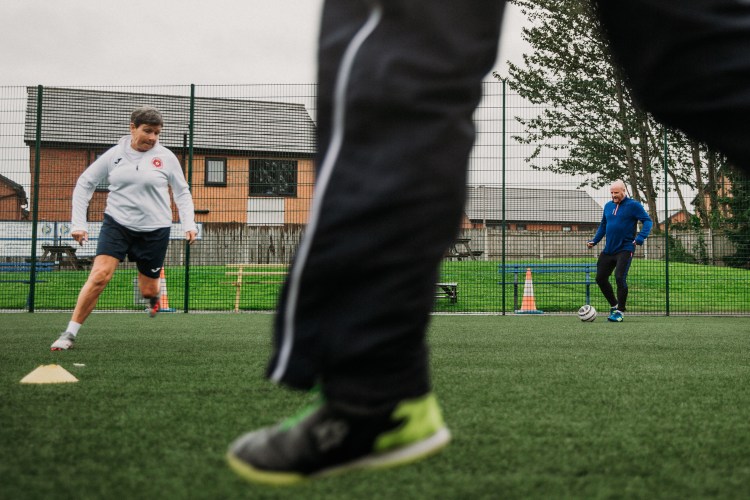
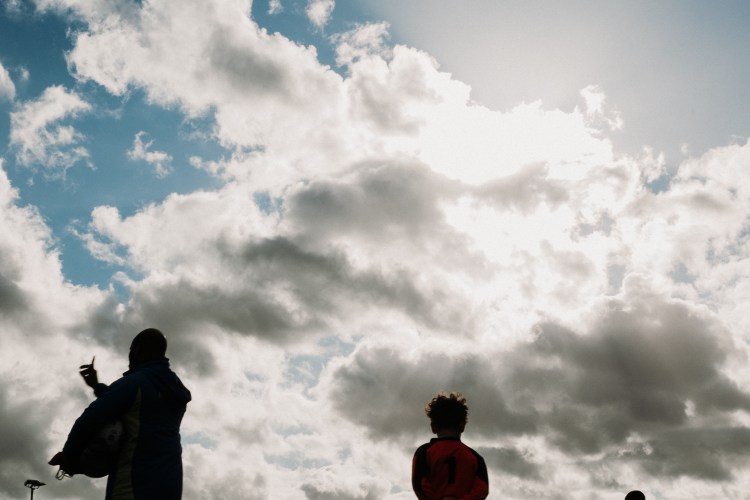
Preparation for WIPP

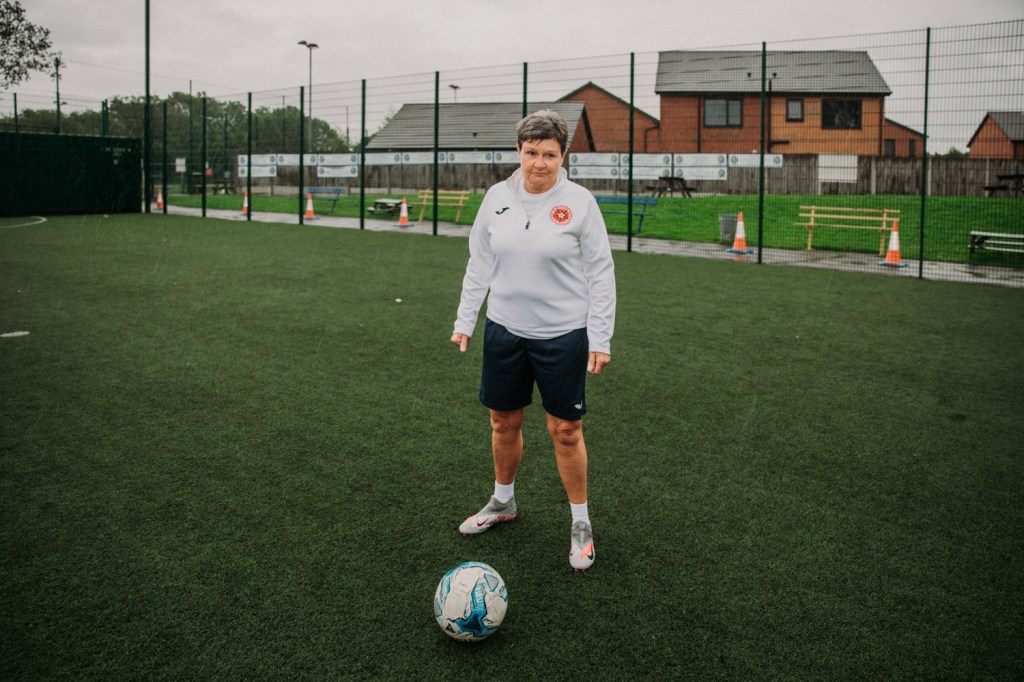
Figure 1: Journey to the Game

Figure 1 is a visualisation of the arrival of my Dad to take me to a game. Usually 5 minutes late with only a general idea of where we were going. The journey wasn’t always straight forward.

Getting in the car, I would sense my Dad checking me out to assess whether he thought I’d had enough sleep the night before. If I failed his test then the impending lecture about sleep would dominate the journey.

Figure 2: Helping out with Training

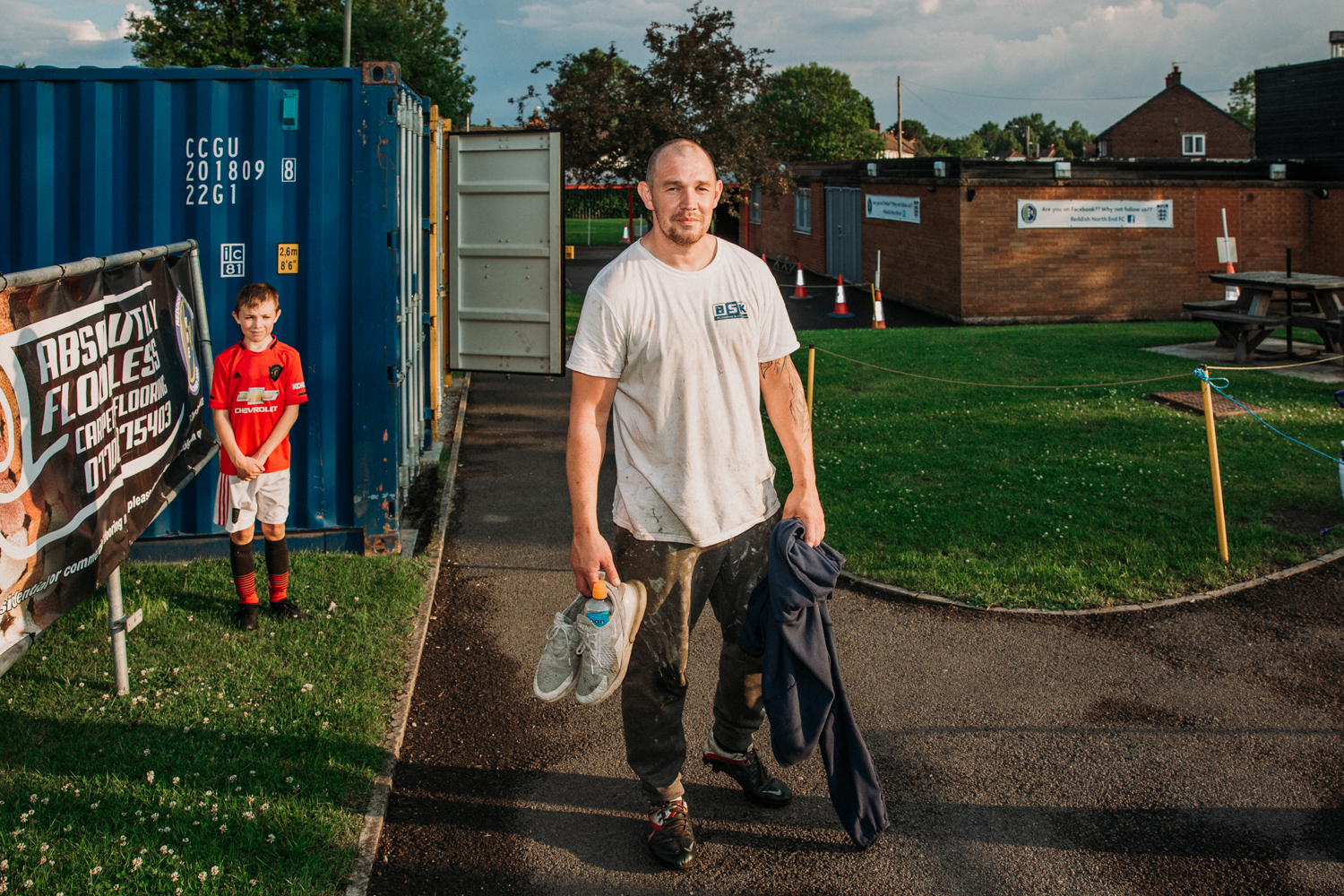
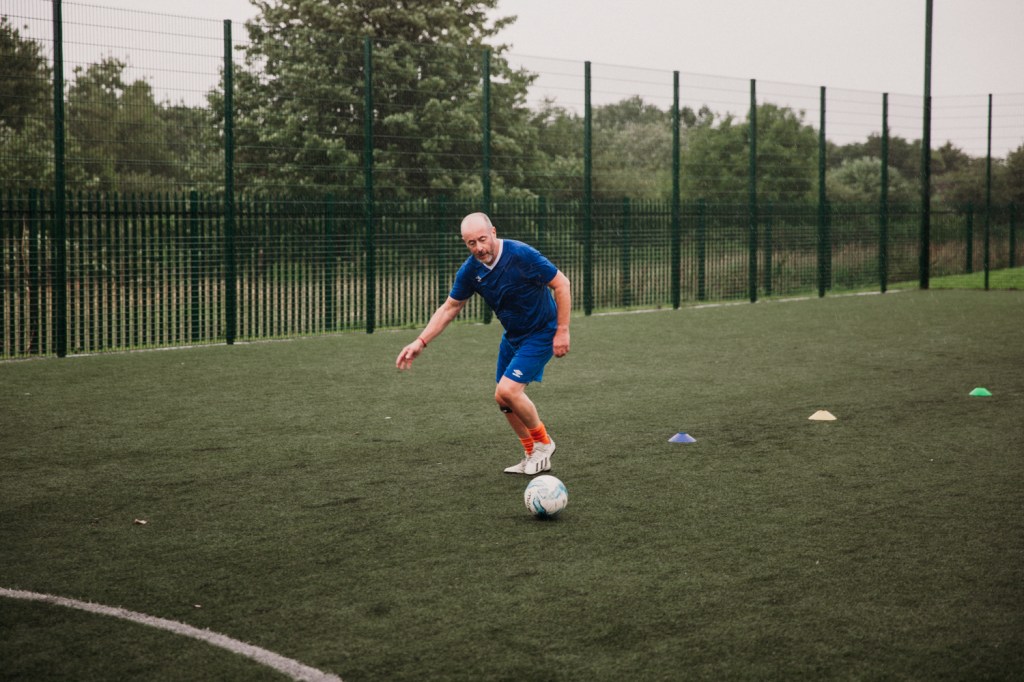
Finishing work early to get to training. Juggling workload, having a word with the boss, making sure your football boots are in the car so you can help out if needed.

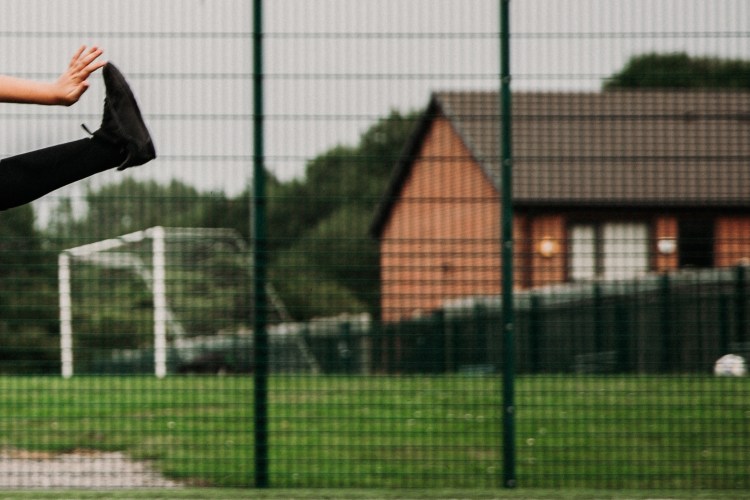
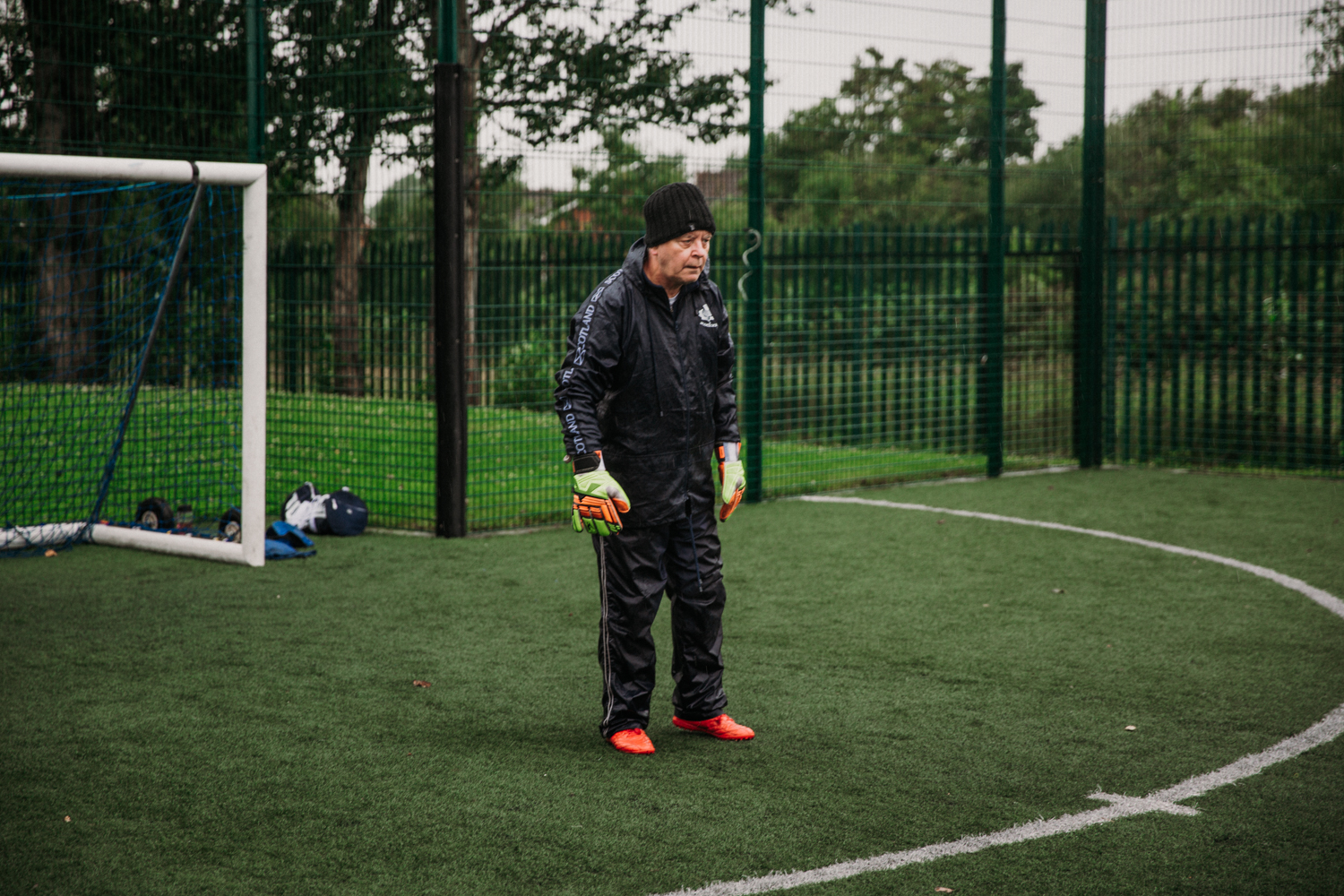
Figure 3: A football Pitch can be anywhere

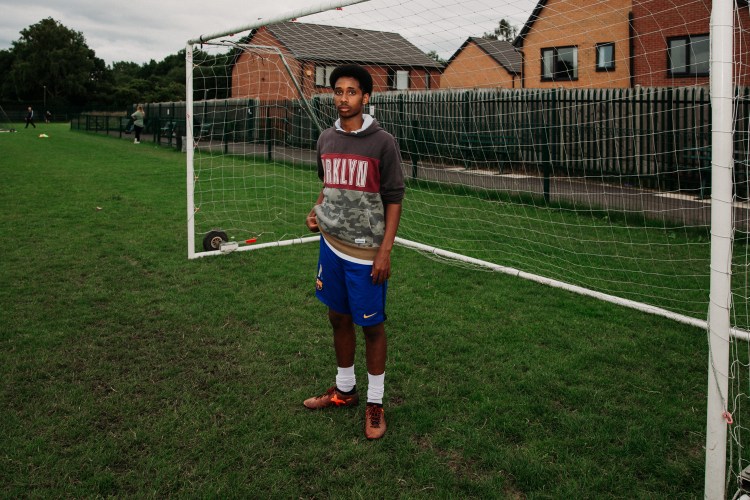
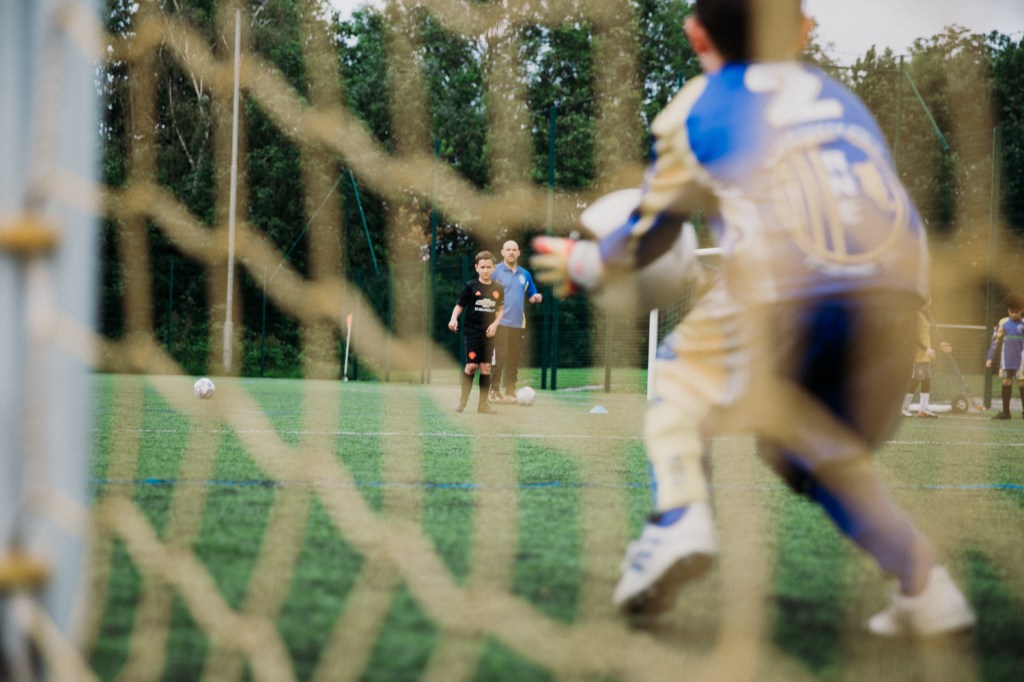
Growing up, a football pitch could anywhere, shooting practice would take place where we could find a square wall to use as a goal. An enclosed space was important so you could concentrate on technique. Running after the ball because you missed was boring. Facing your parents because you smashed a window was a source of constant worry.

Figure 4: The Old Football

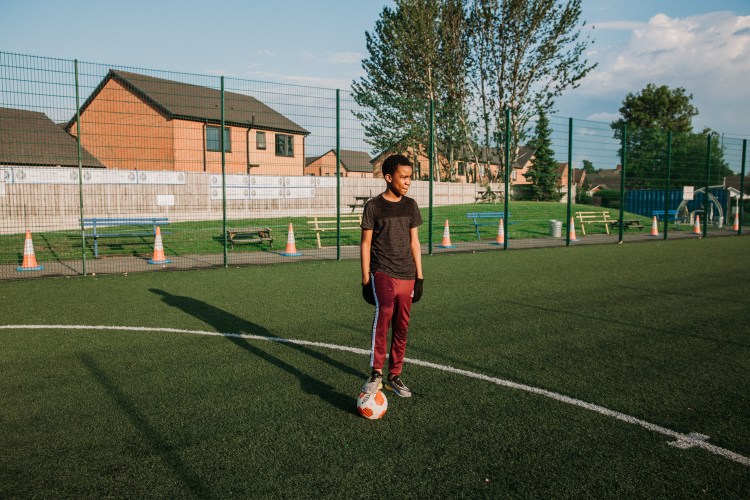
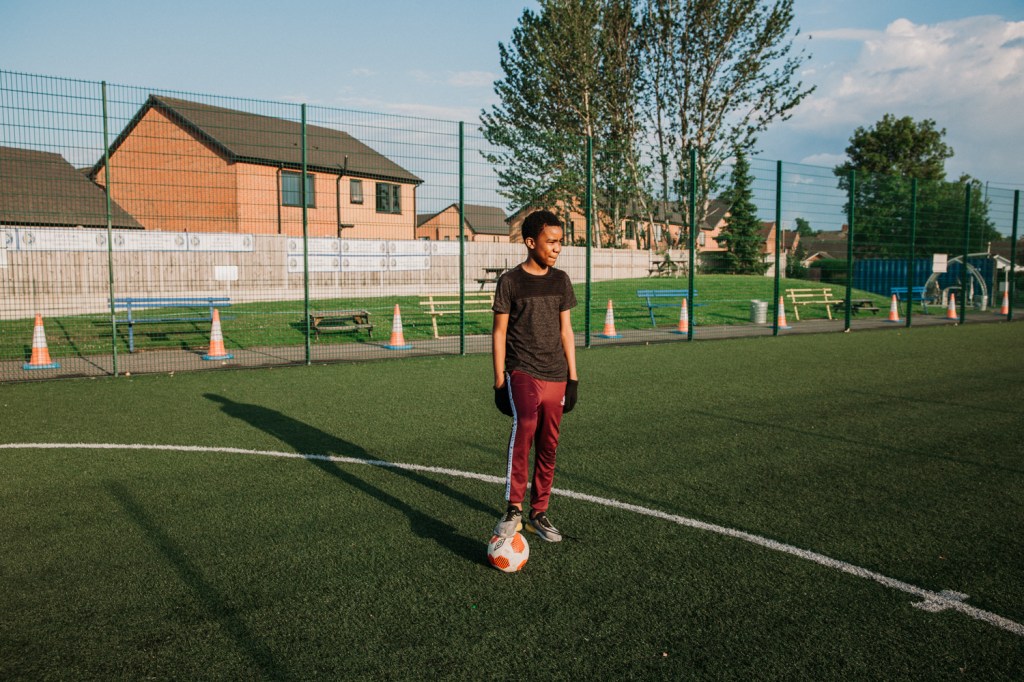
Football politics is an important business where we lived. Having a new football was a way to guarantee being the most popular kid on the estate. Before taking the ball out to play, Mum would give the instruction not to use it on concrete.

A good idea was to use your best football on grass, the older one’s on concrete.

Figure 5: Mum is Boss

Mum is boss, not really interested in football. Organising the daily schedule. Remembering birthdays. Football training is an hour of peace.

Figure 6:
Figure 7: Training

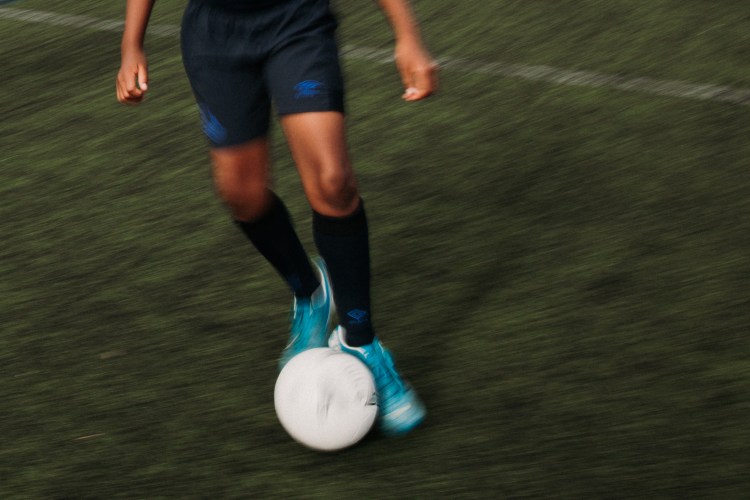
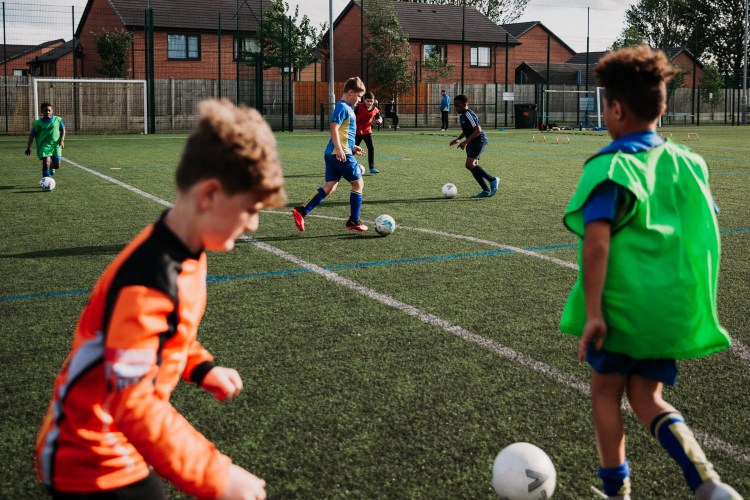
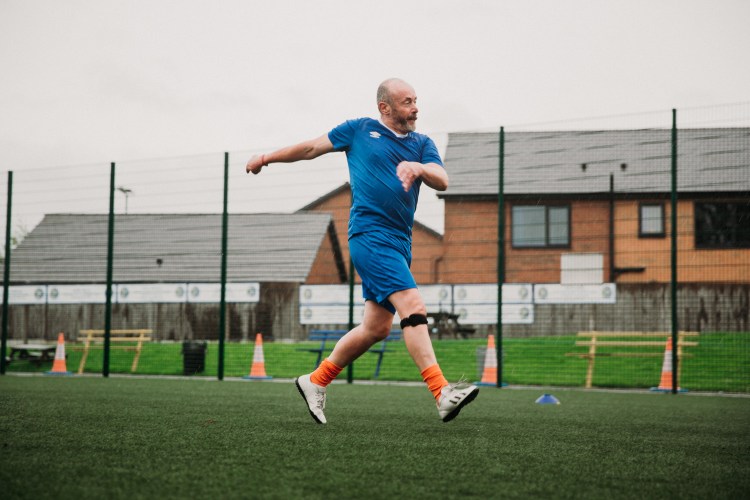
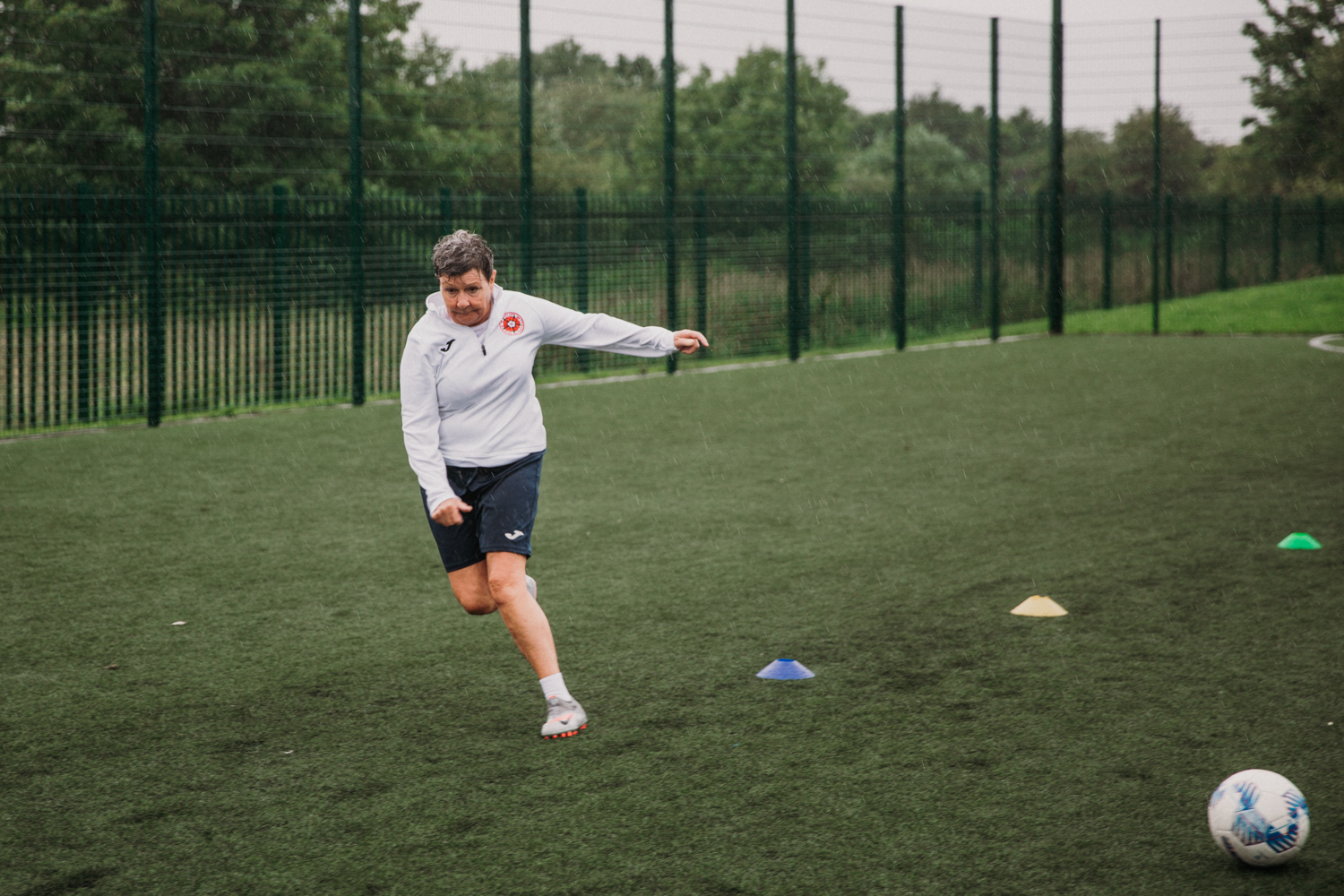
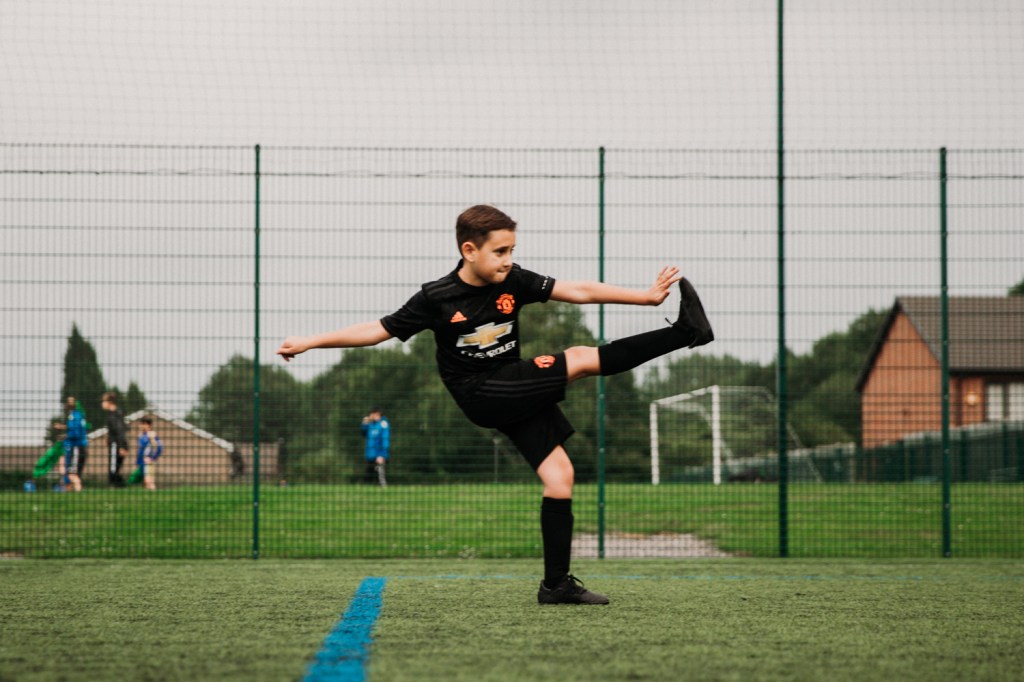
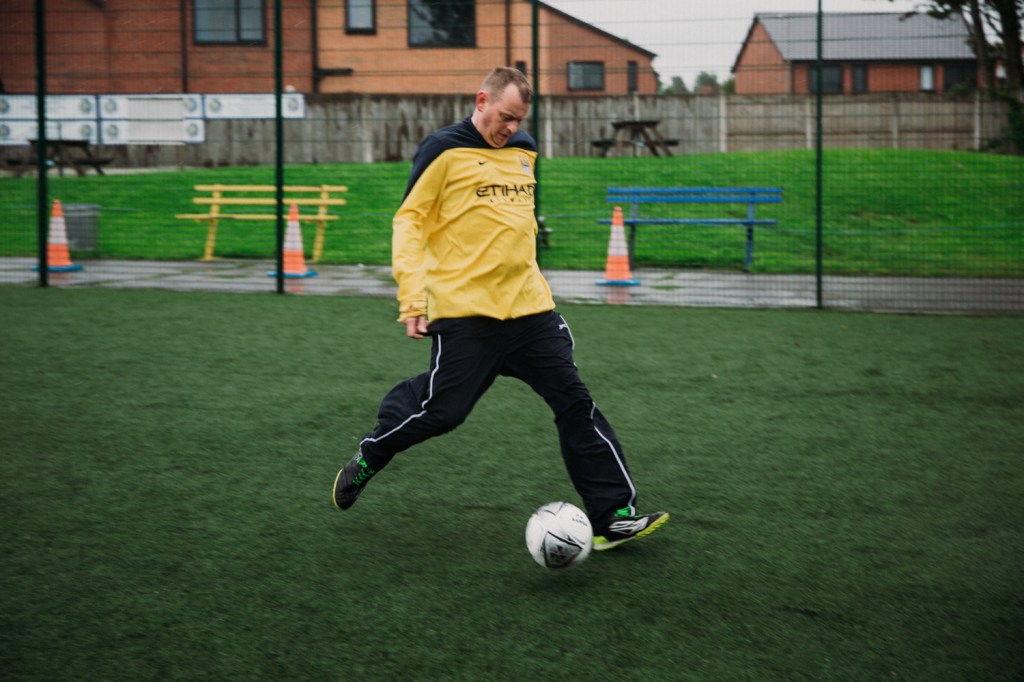
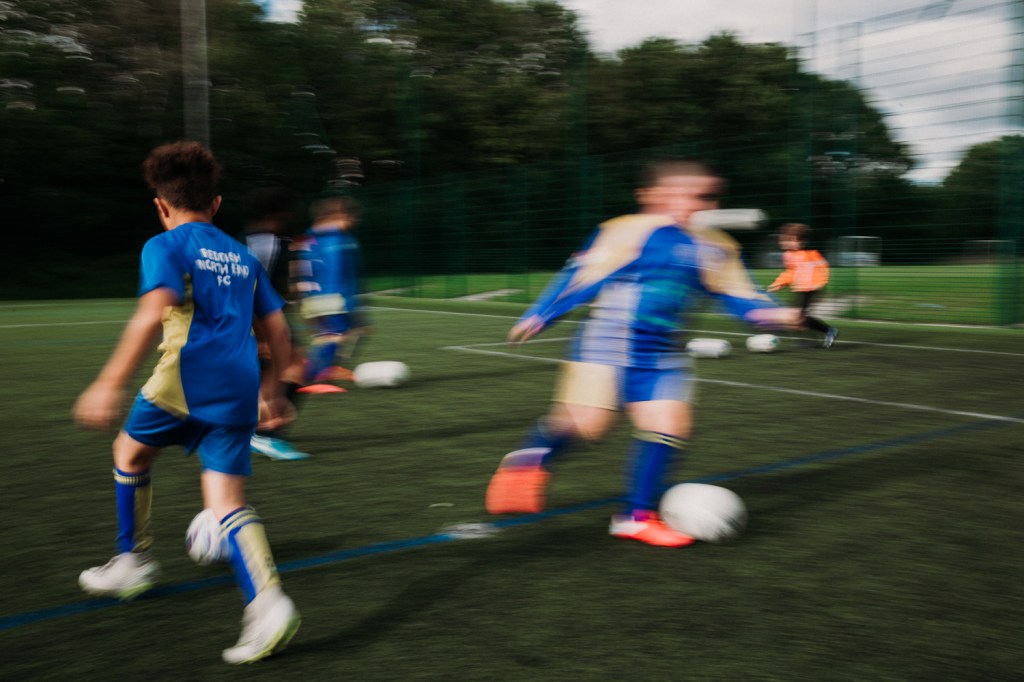
Making sure each player has a football to practice with, touching the ball, the feel of the ball at your feet. The constant battle to make your feet do what you want them to do.

Figure 8:
Figure 9:

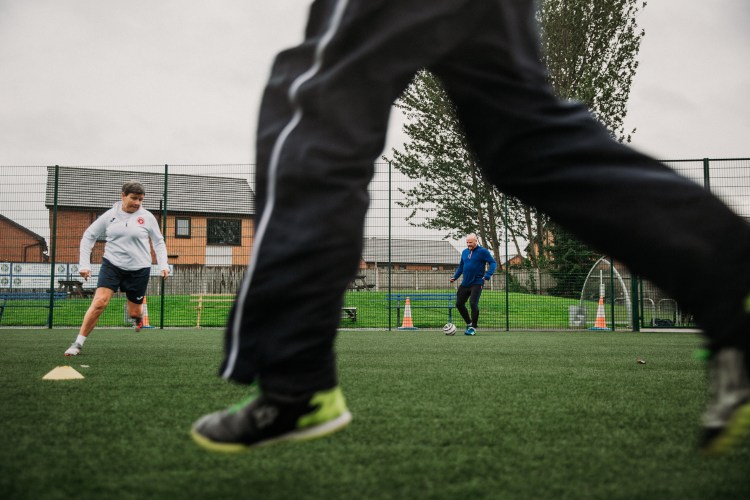
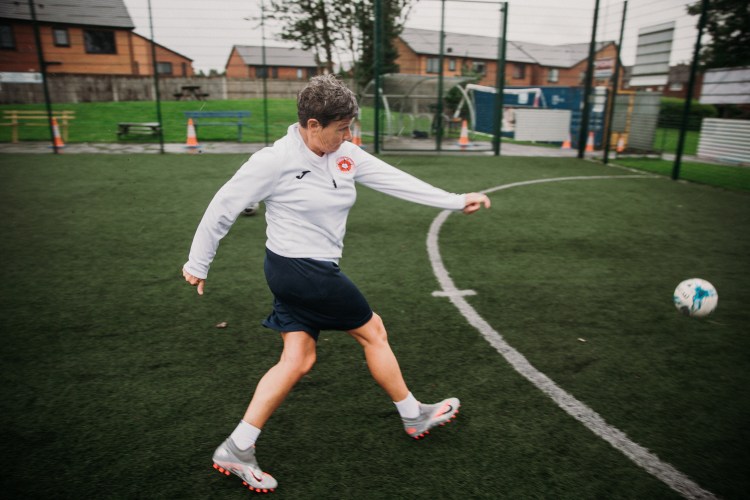
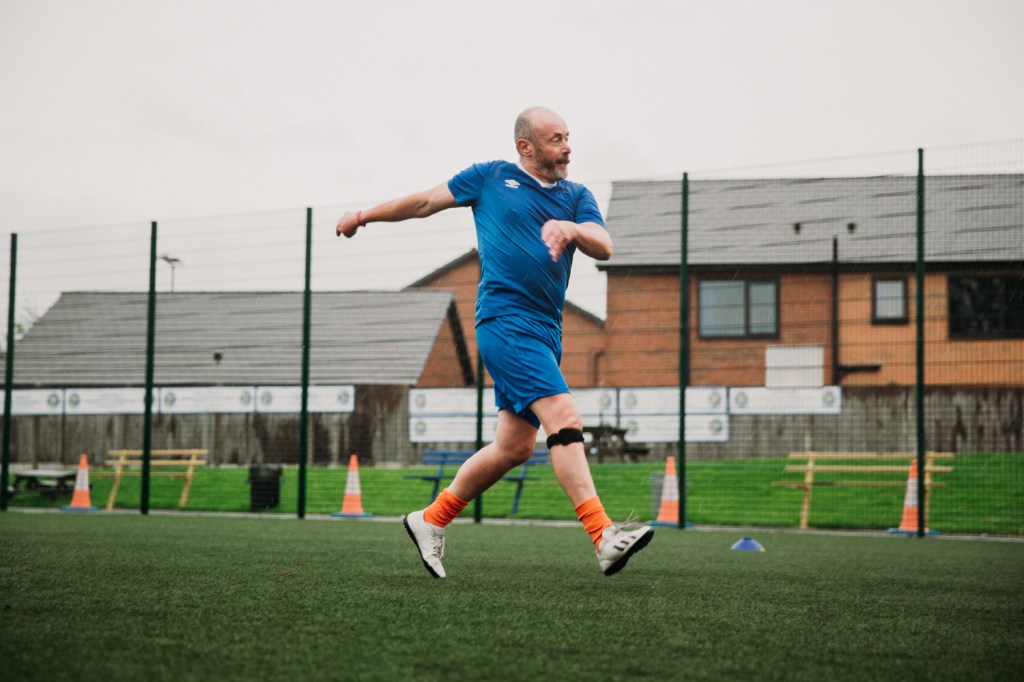
Scoring a goal is a great feeling, age isn’t important.

Figure 10

Watching from the sidelines, wishing you could still play.

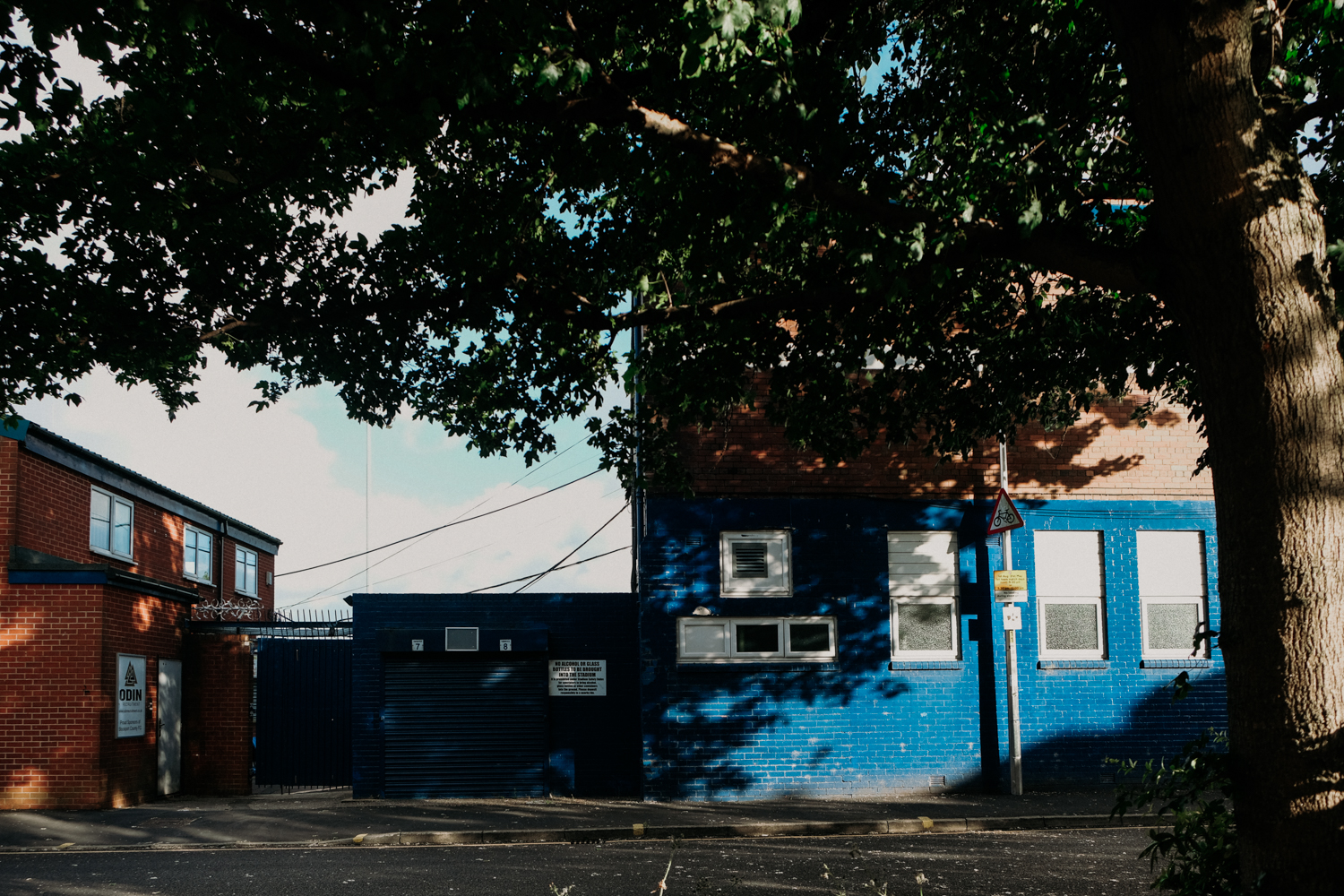
Figure 11: Gate to the professional World
Figure 12

Portraits without a Home

Movement without a Home

Book inspiration

Contextual Research | William Christenberry

In the search of trying to further contextualise my work and find meaning within my intent. I have conducted a broad range of contextual research, looking at the various approaches of photographers whose work resonates. An example of this, is the work of William Christonberry. For some time I have been contemplating his work amongst others with a very loose interpretation of their approach when shooting my own work. 

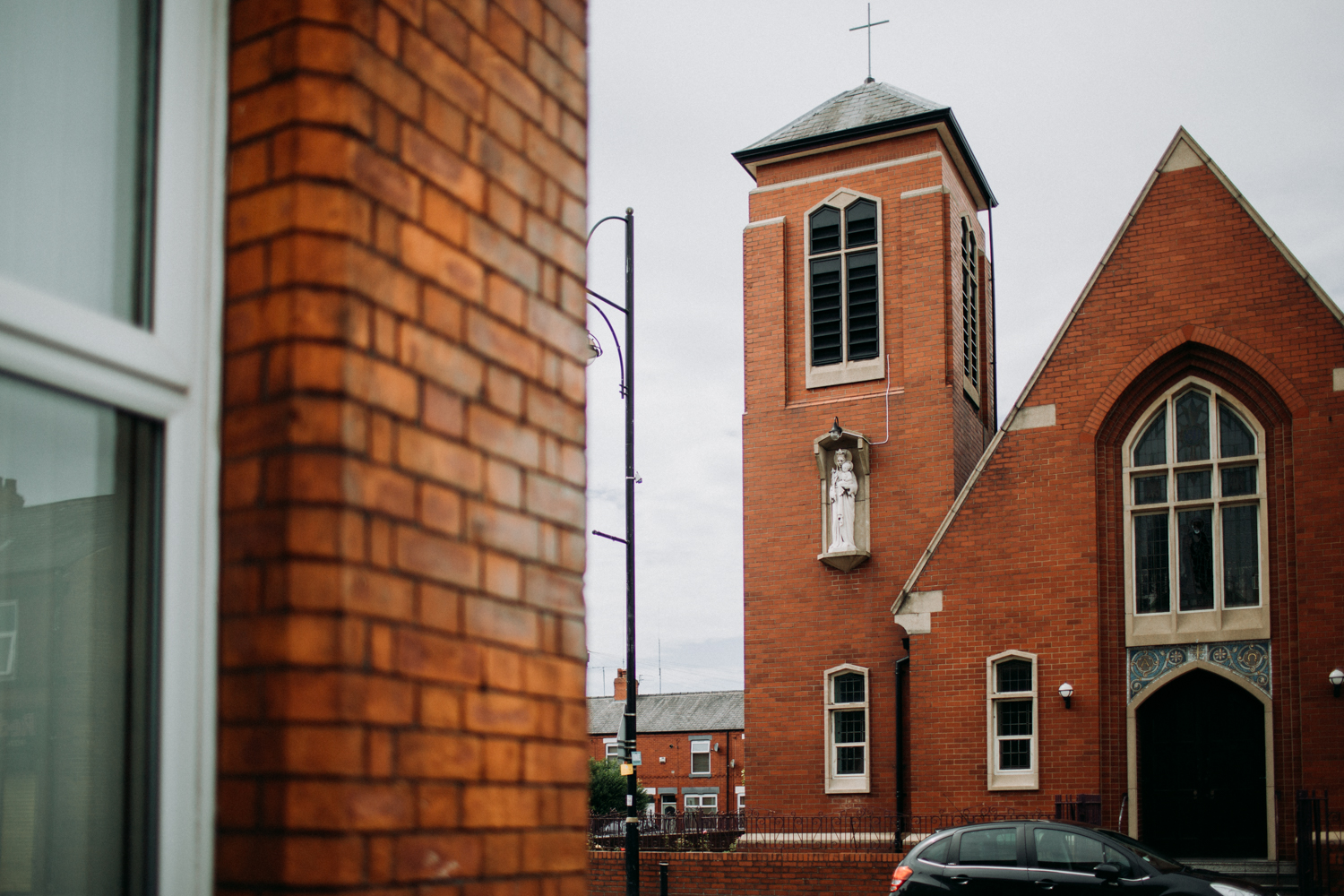
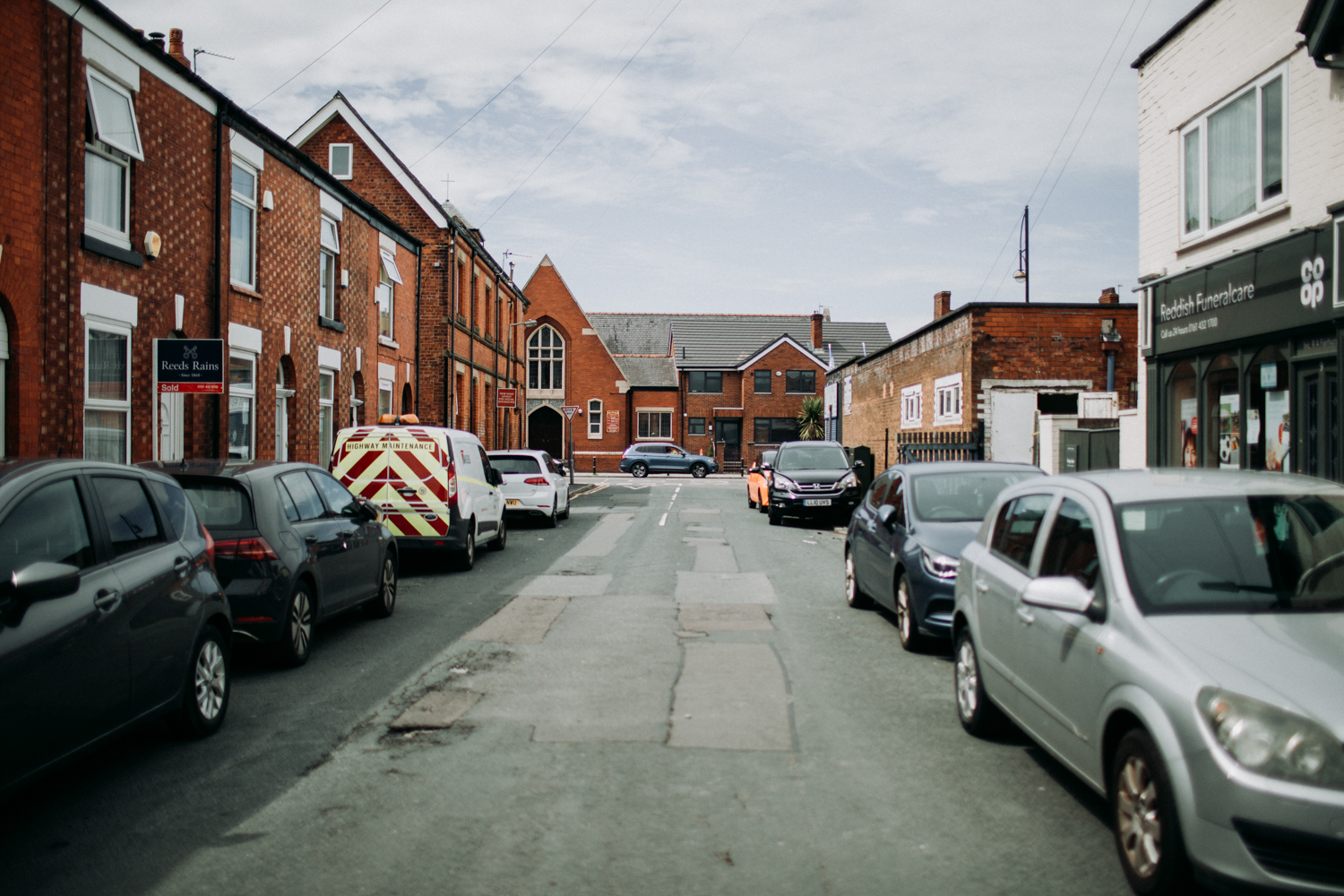
Photographing buildings and structures has formed a large part of my intent within this module however I often overlook such work when editing as I see these types of photographs as being without romance and totally banal which I fear represents my own failings and lack of objectivity, possibly looking at the work of the likes of Shore and Christenberry I am enchanted by the American landscape. The weather, colour and landscapes transport one to a phantasm of what life would be like if I lived in a similar location. On assessment of this module, looking at the quite brilliant compositions of someone such as Alex Webb, I fear that my obsession with composition has clouded my judgement. I feel that I am able to say this as Christenberry’s focus on the vernacular of his home serves to encapsulate a sense of veracity within his work. Romero in Christenberry (2013:p9) writes ‘Christonberry constructs an account of the South of the United States from within that South’. Romero’s statement here resonates with my own approach as my current work puts me at the centre of an insular community and in my subjective viewpoint of that community. With this in mind I am drawn back to the vernacular buildings photographed by Christenberry and upon lengthy contemplation, I am led to argue that I feel the work of Christenberry as opposed to awning over it in the way I might with Alex Webb. In feeling this work, I am able to take a sense of peace from many of his photographs and am able to enjoy and recognise, not the place, but the peace I take from someone photographing their home. The vernacular of home and with total confidence that the work evokes a powerful response. Philosophically, I am now looking at my own work in order to prepare myself for the presentation. And the work of Christenberry is important to me in the sense of someone working and reflecting a place that they know and understand. 

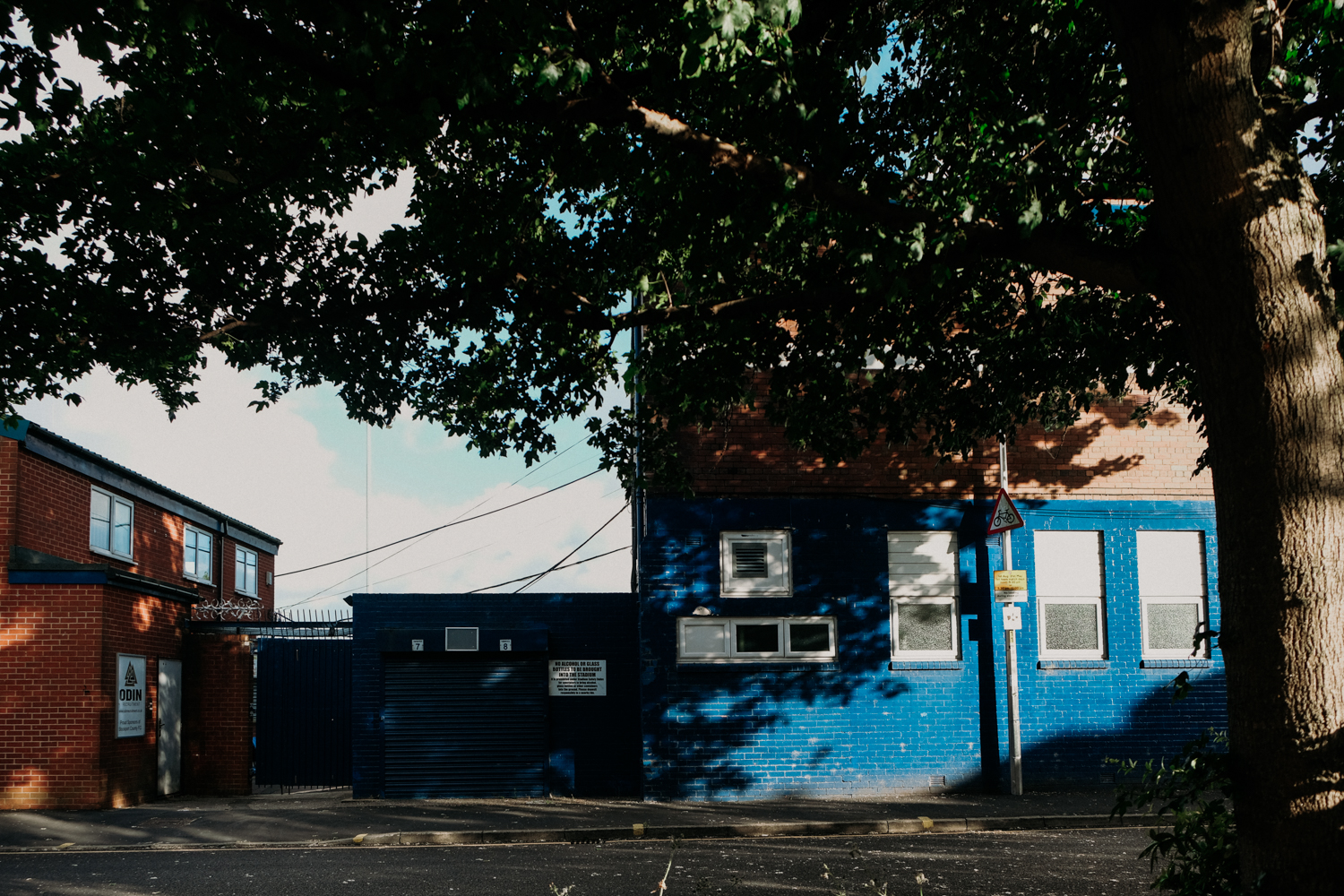
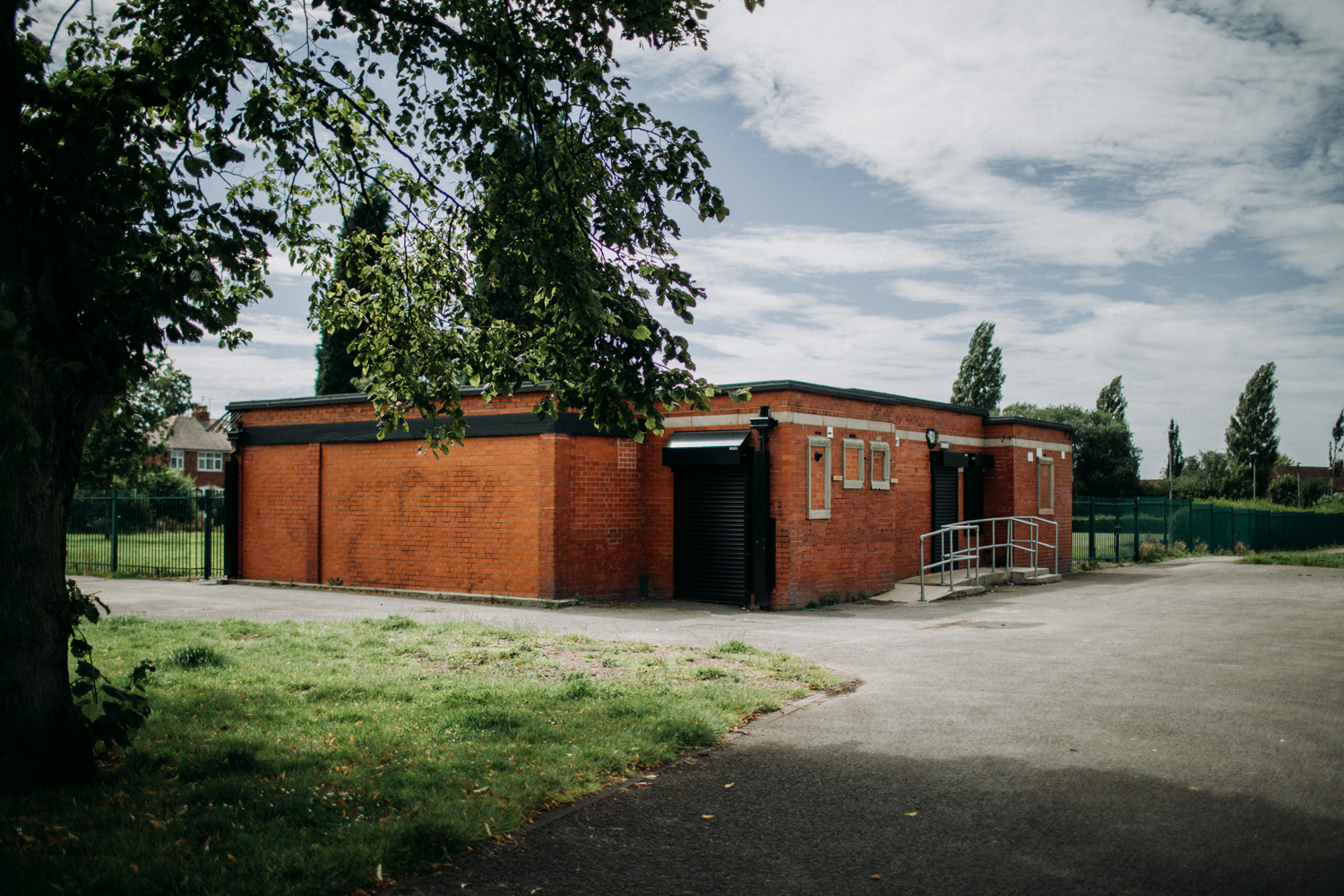
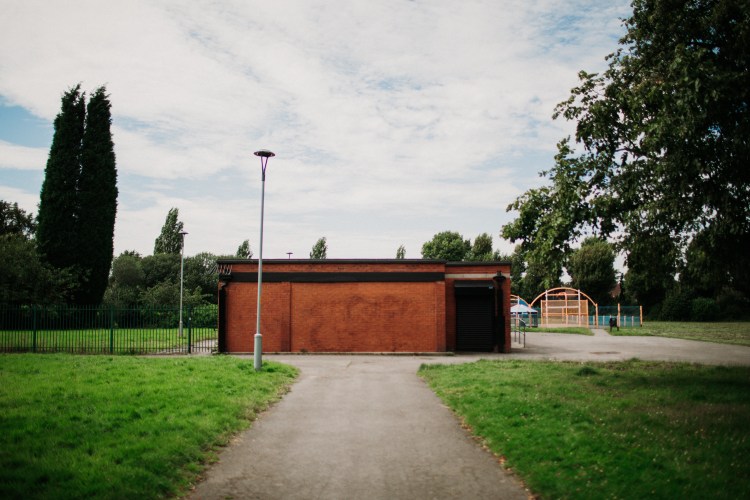
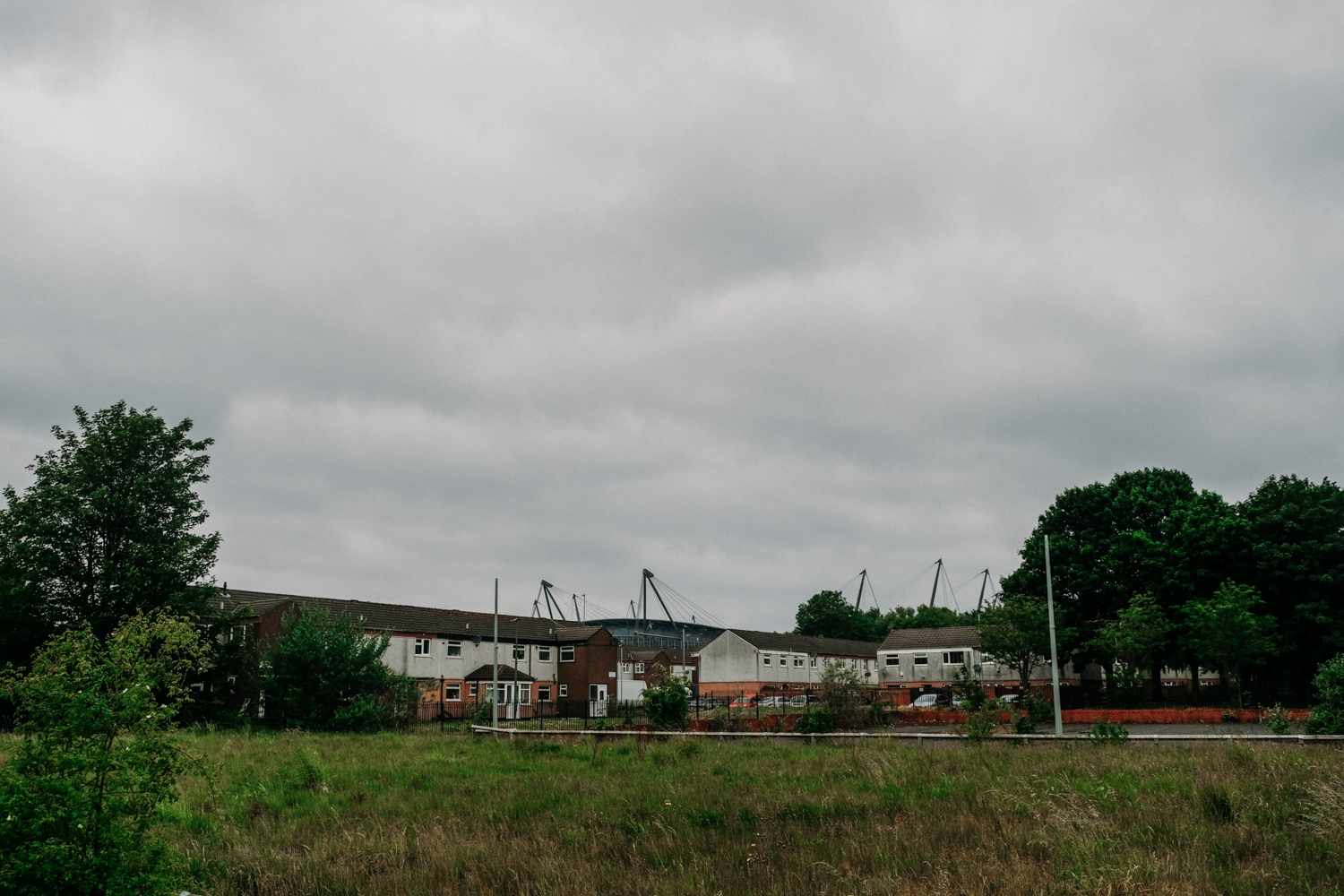
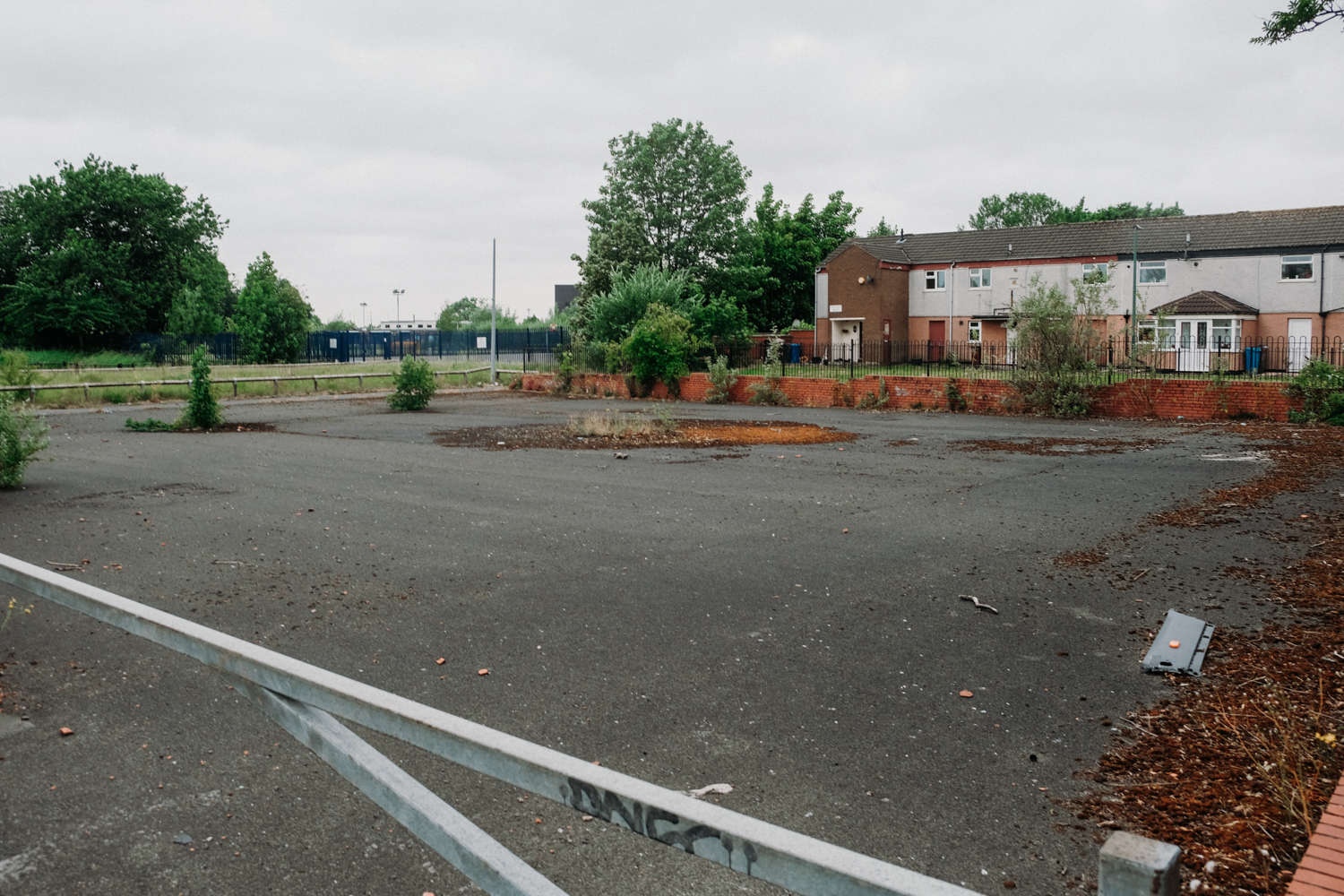
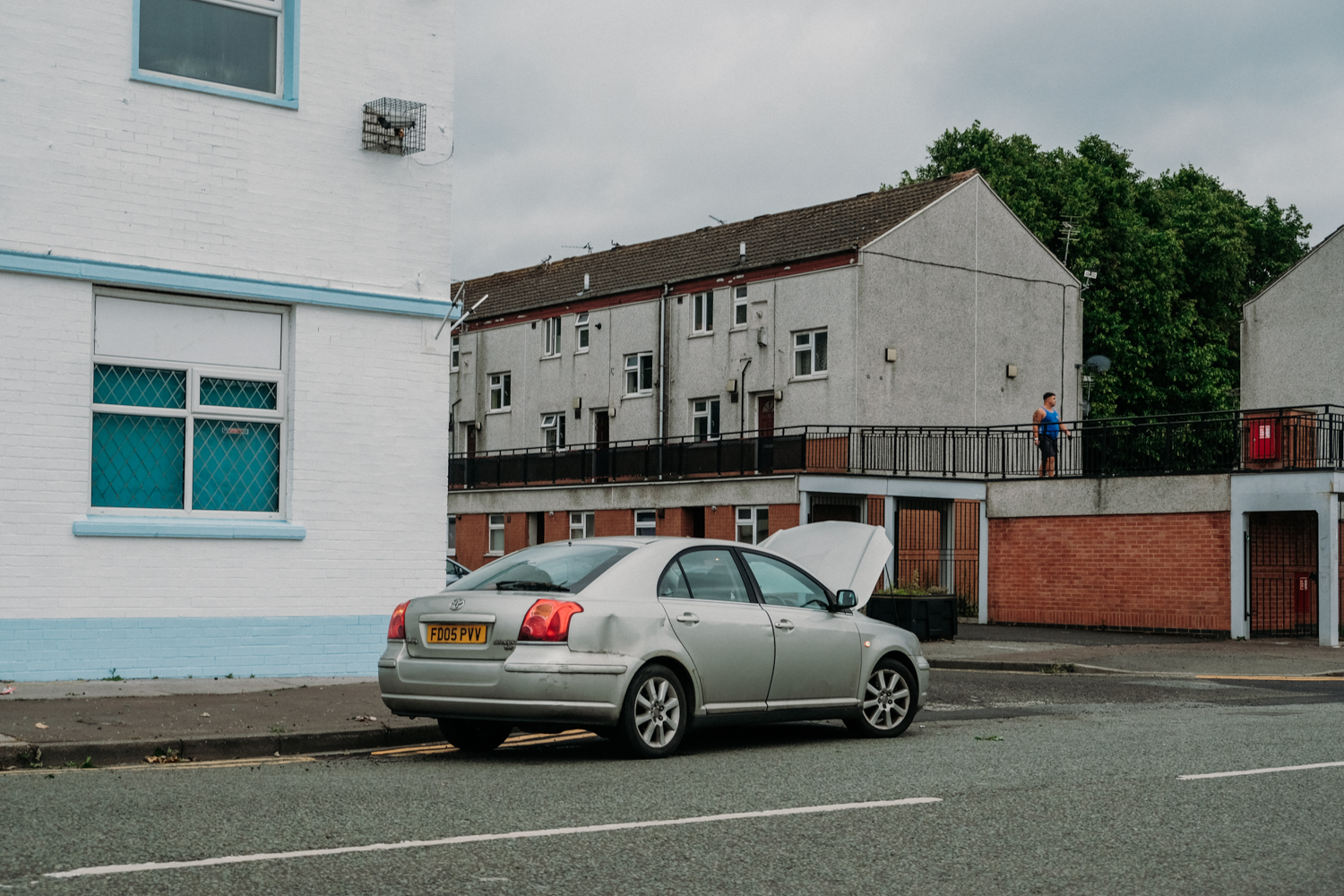
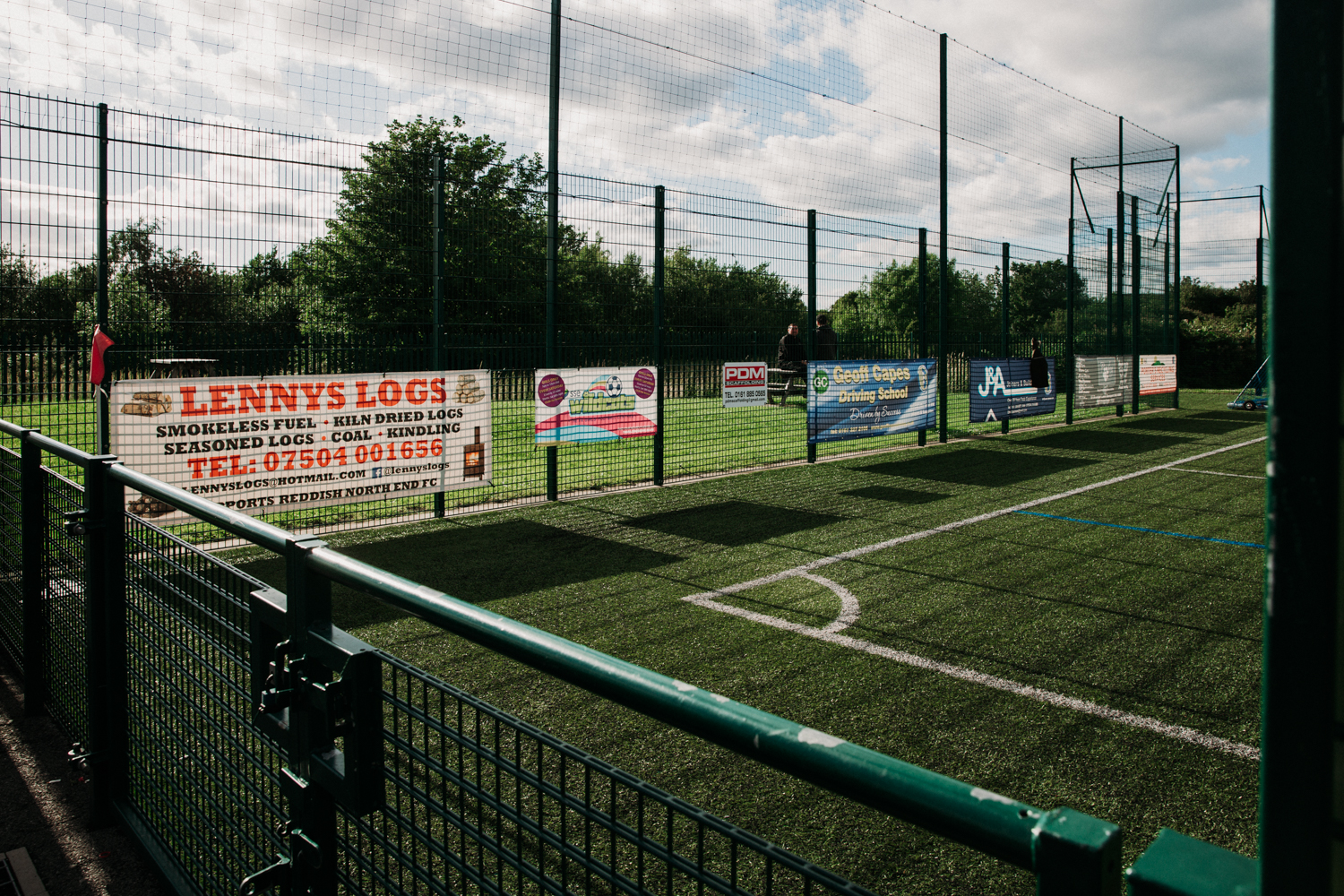
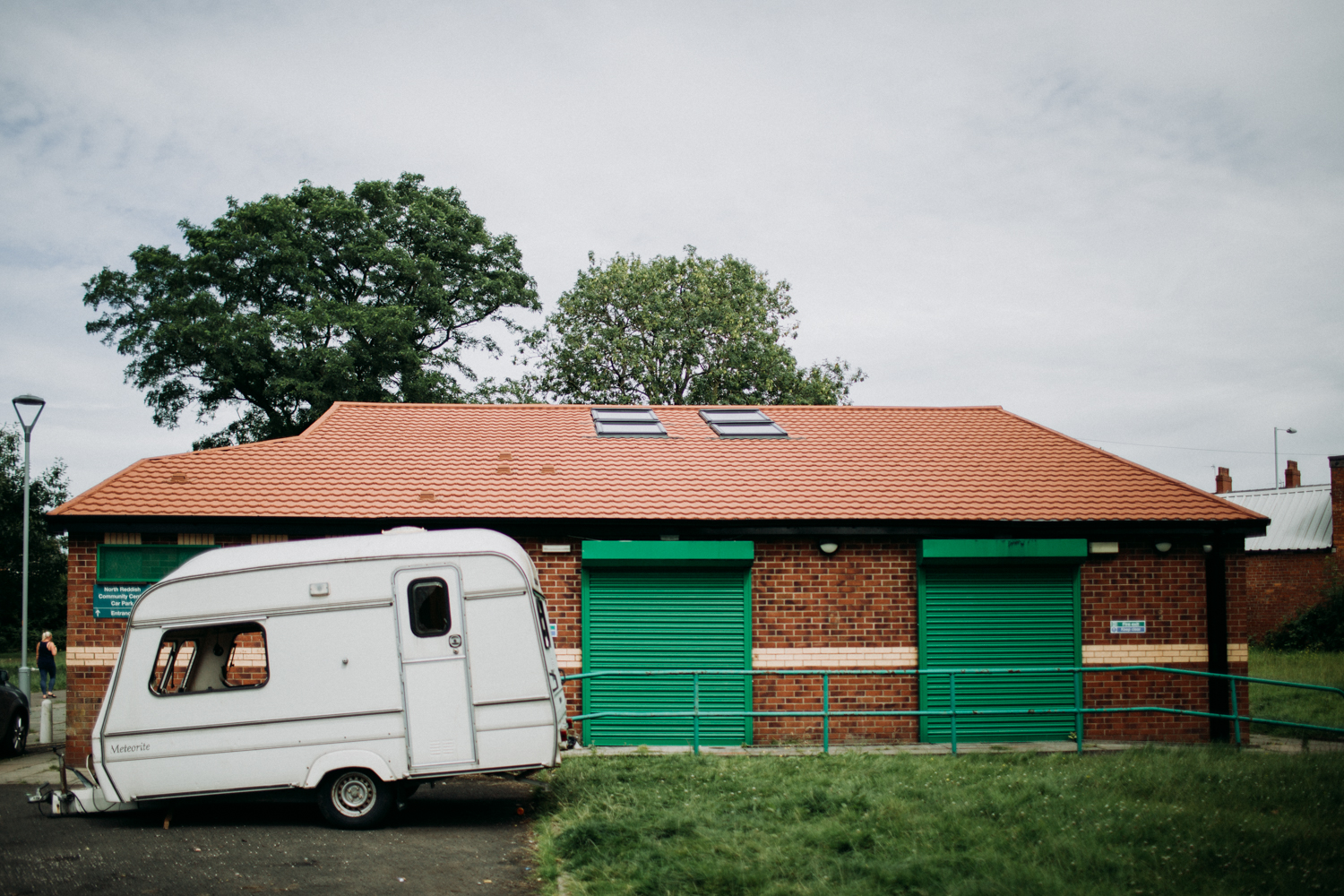
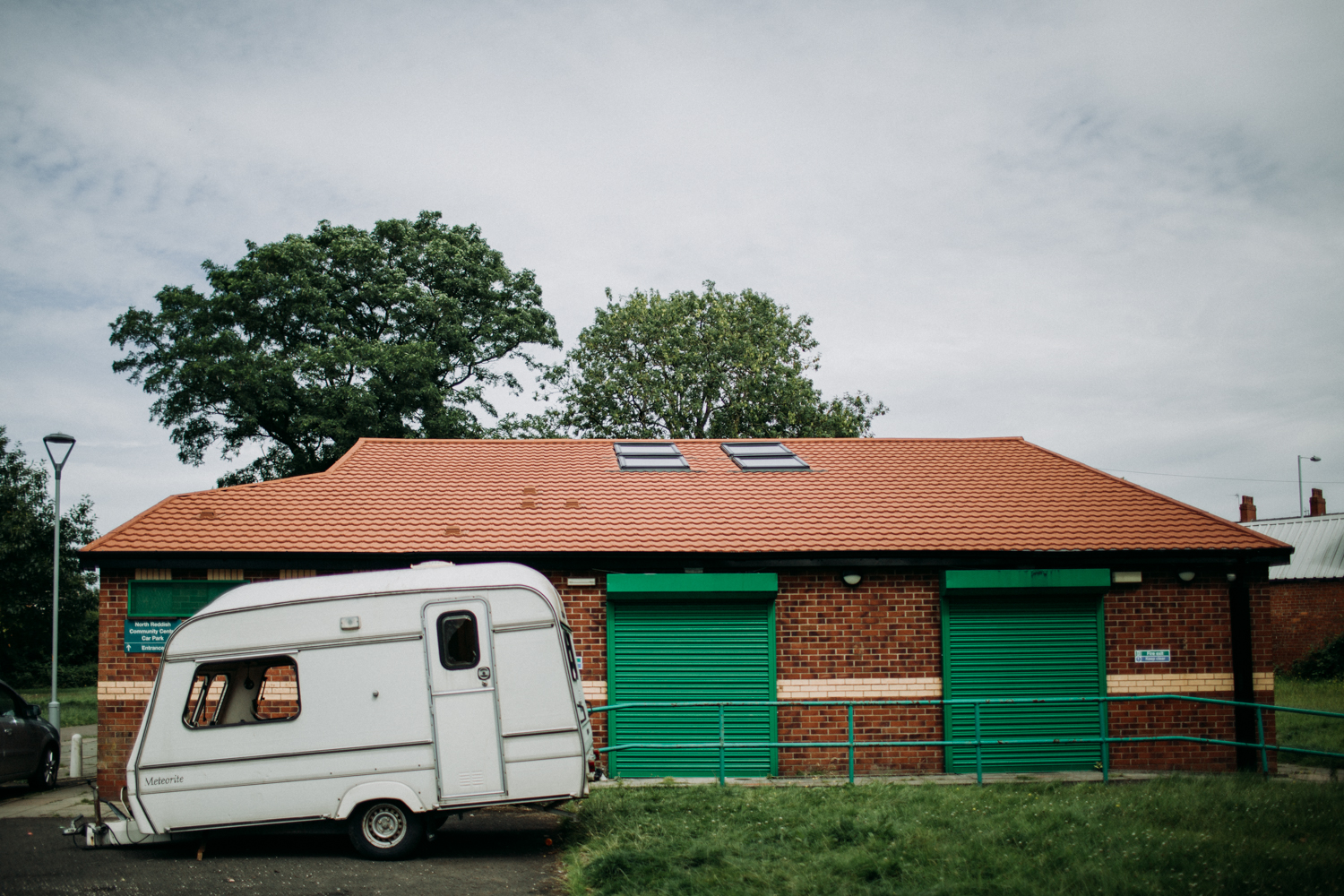
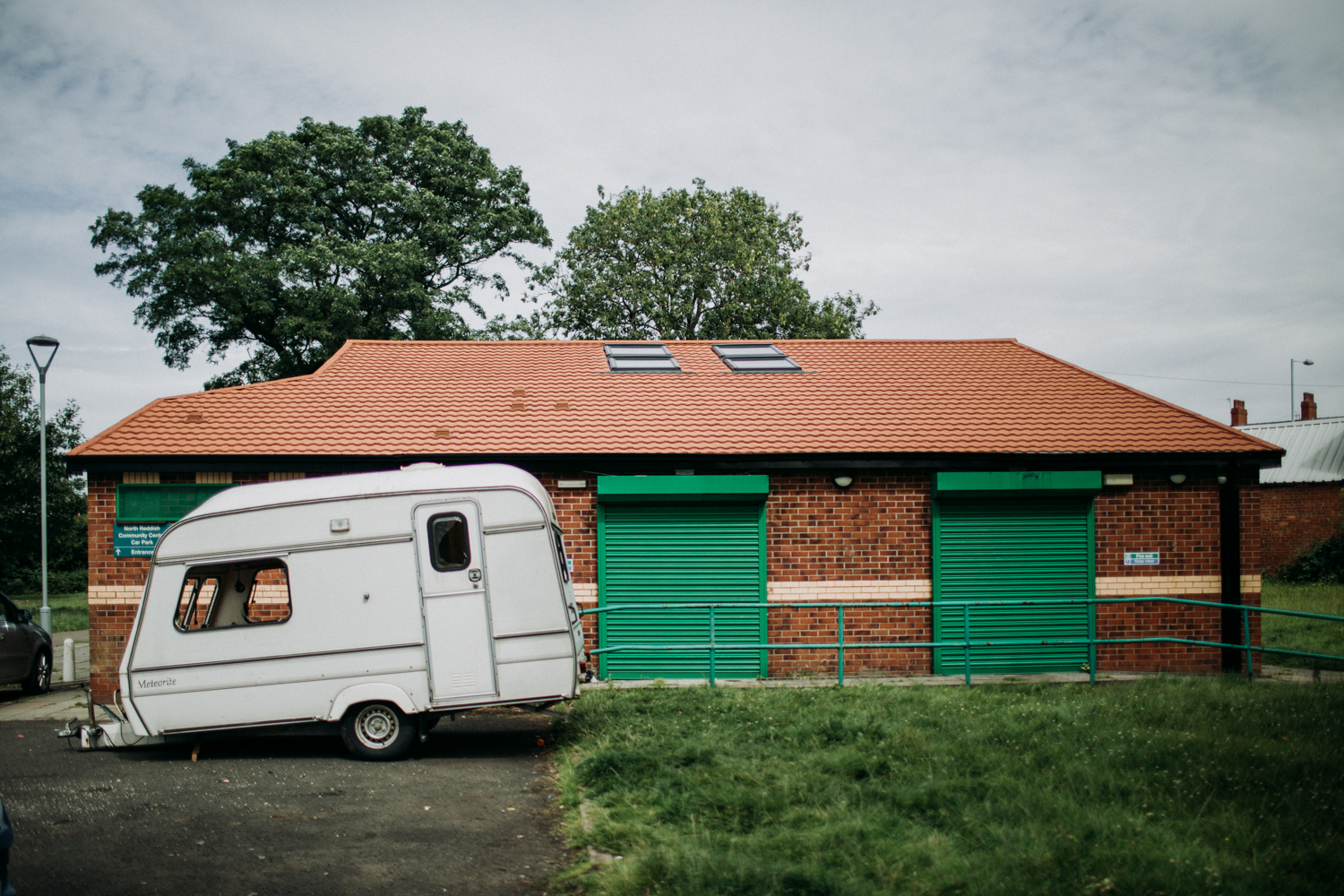
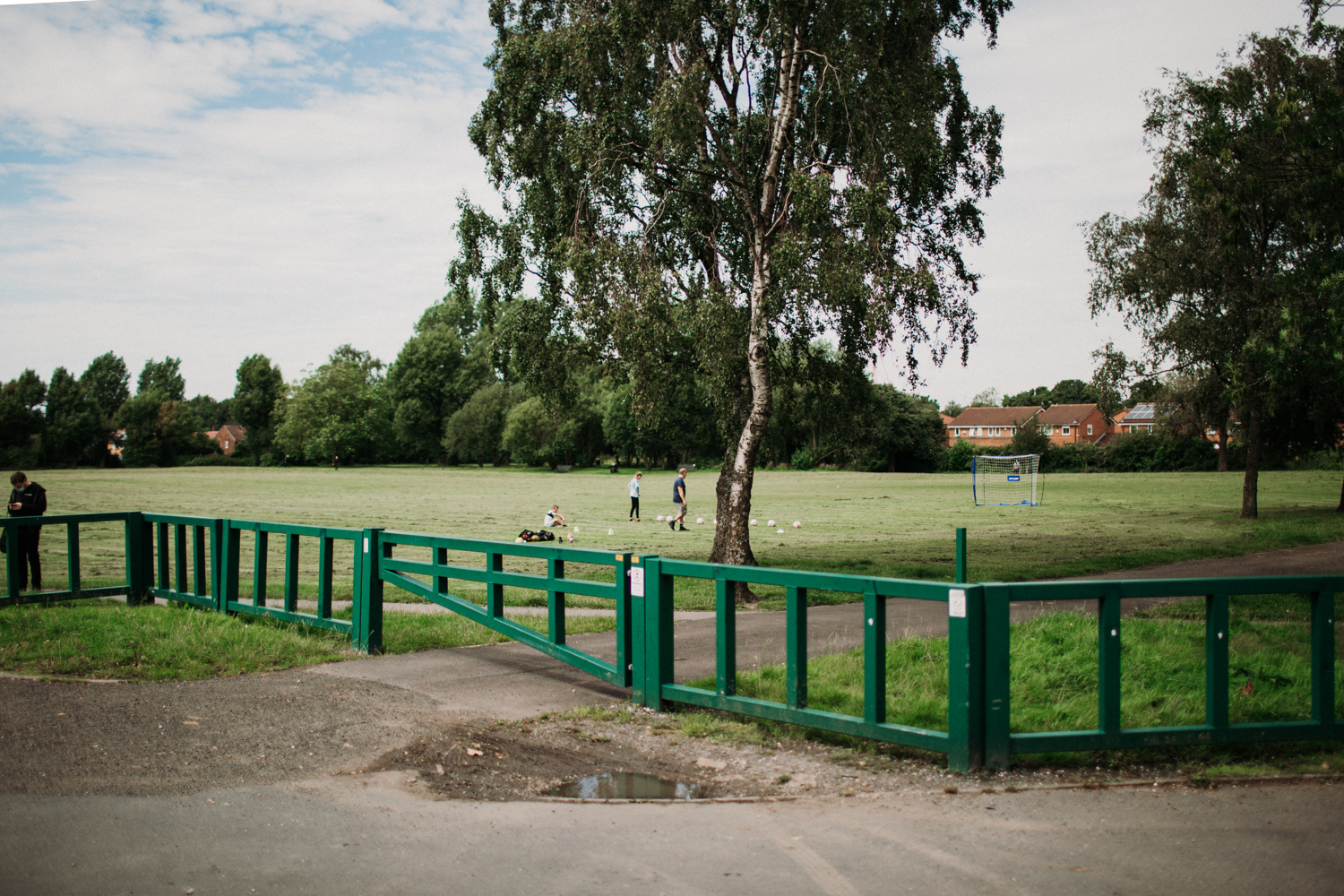
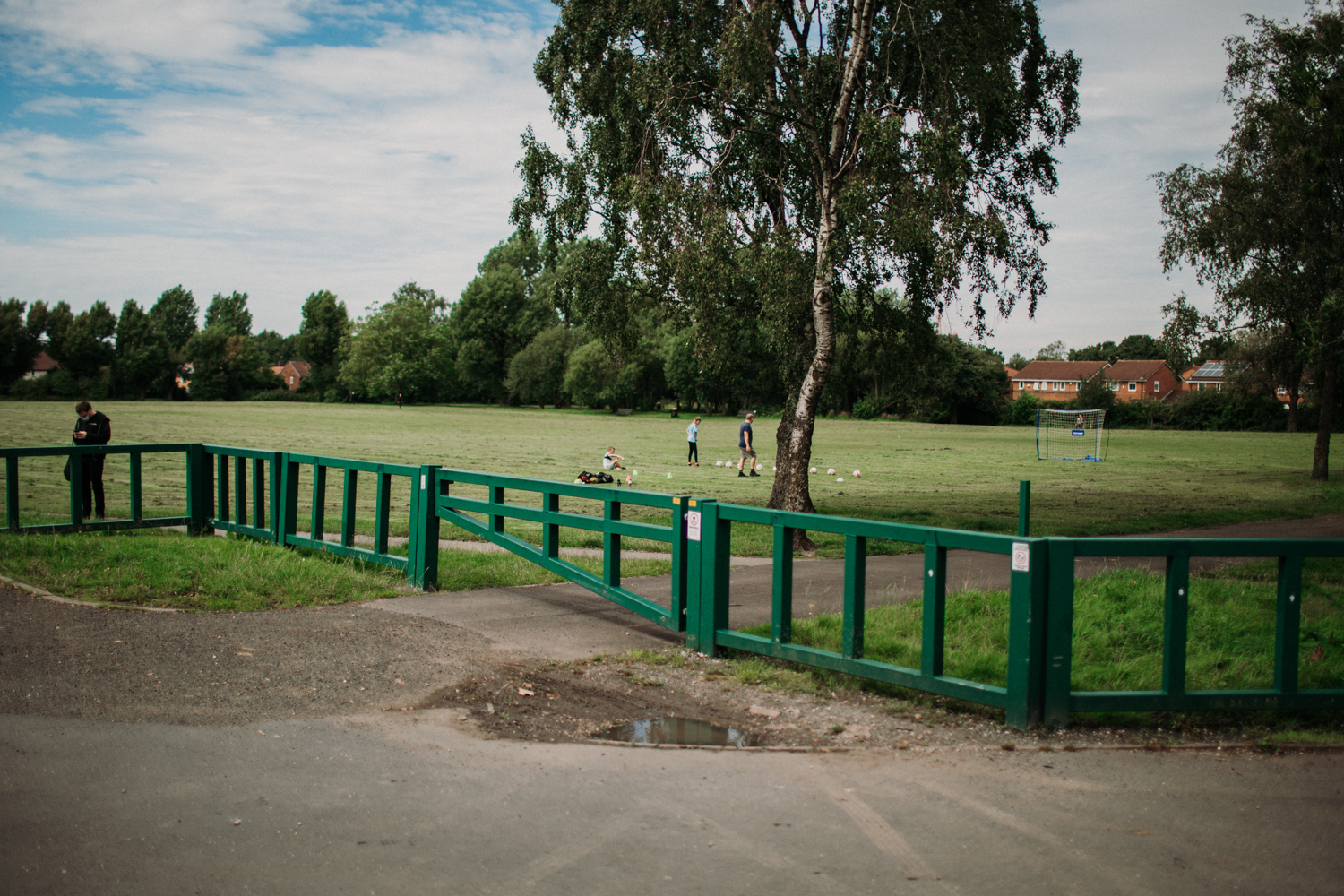
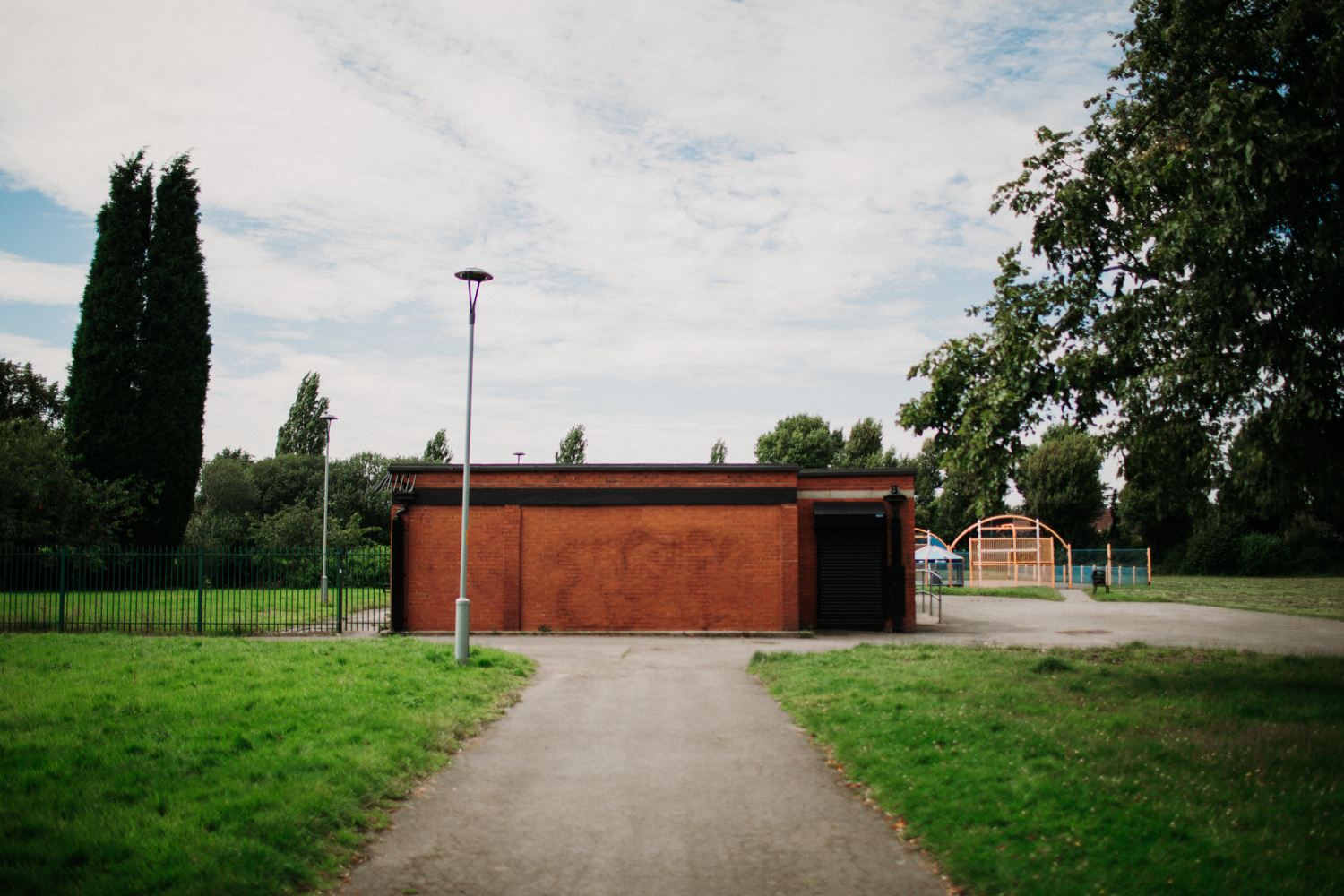
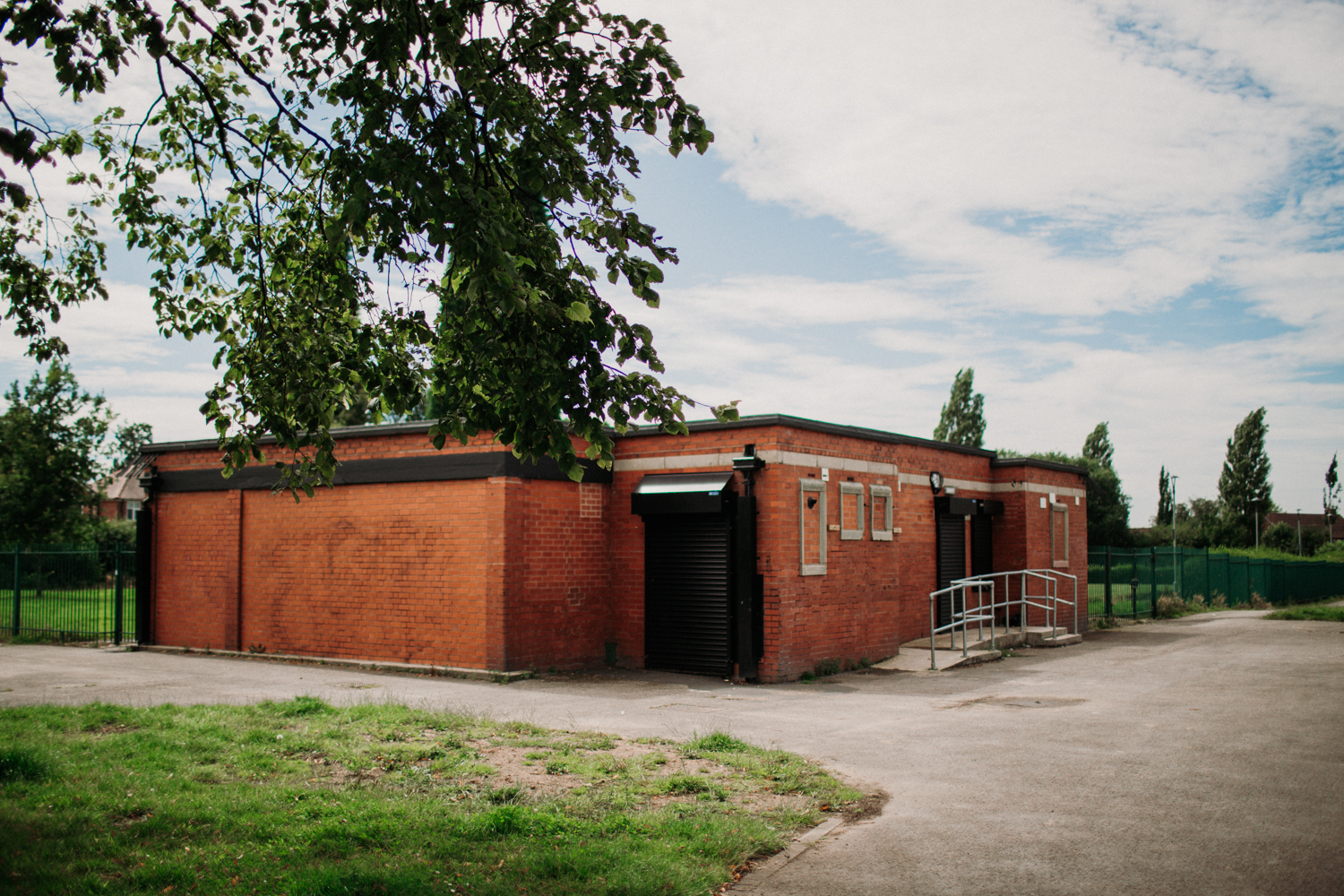
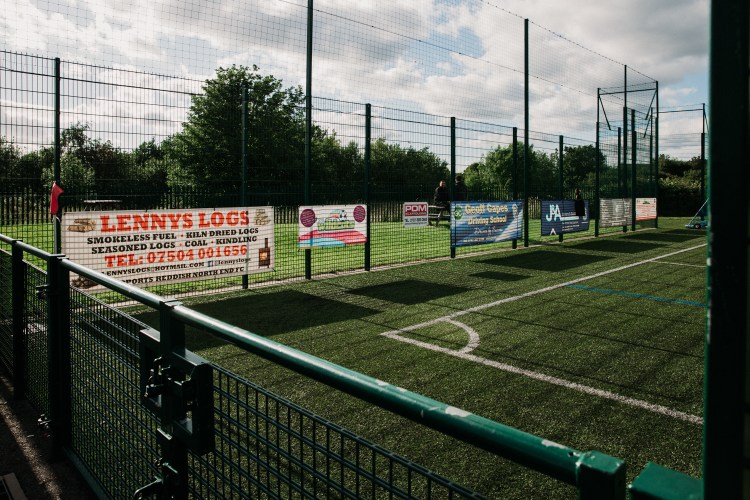
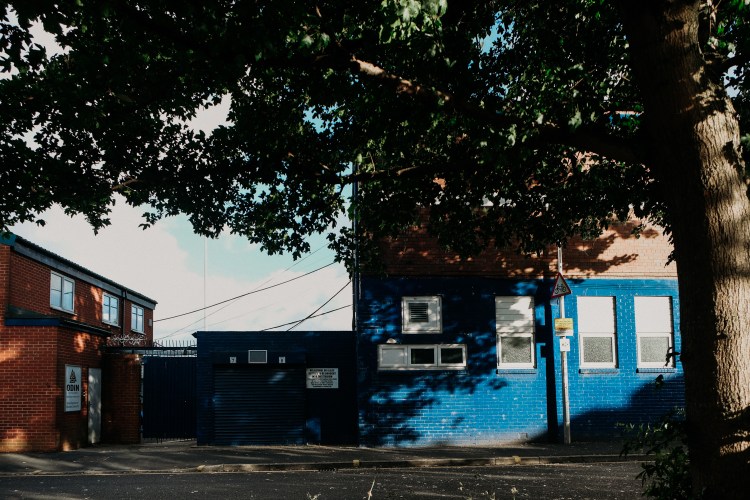
Andrew Findlay | North Reddish Park

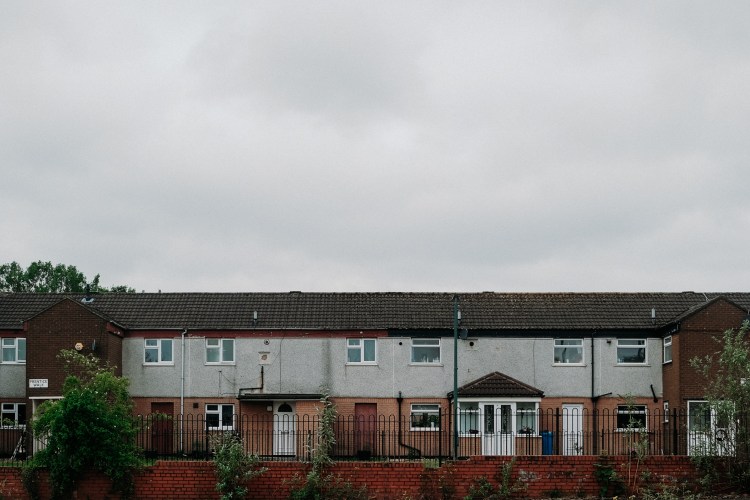
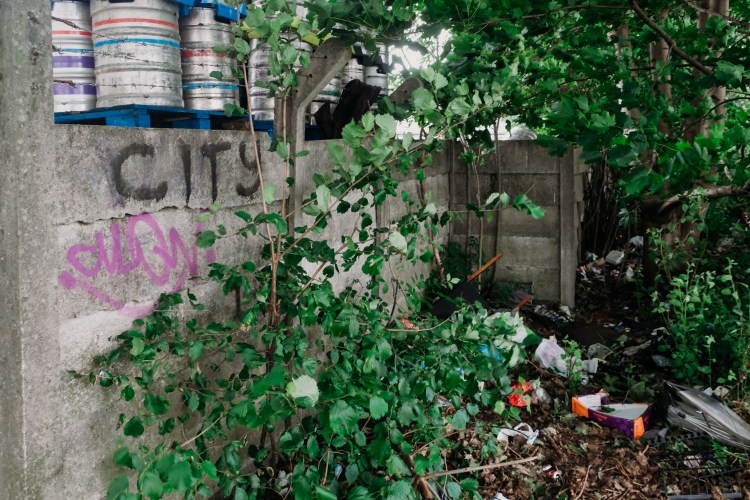
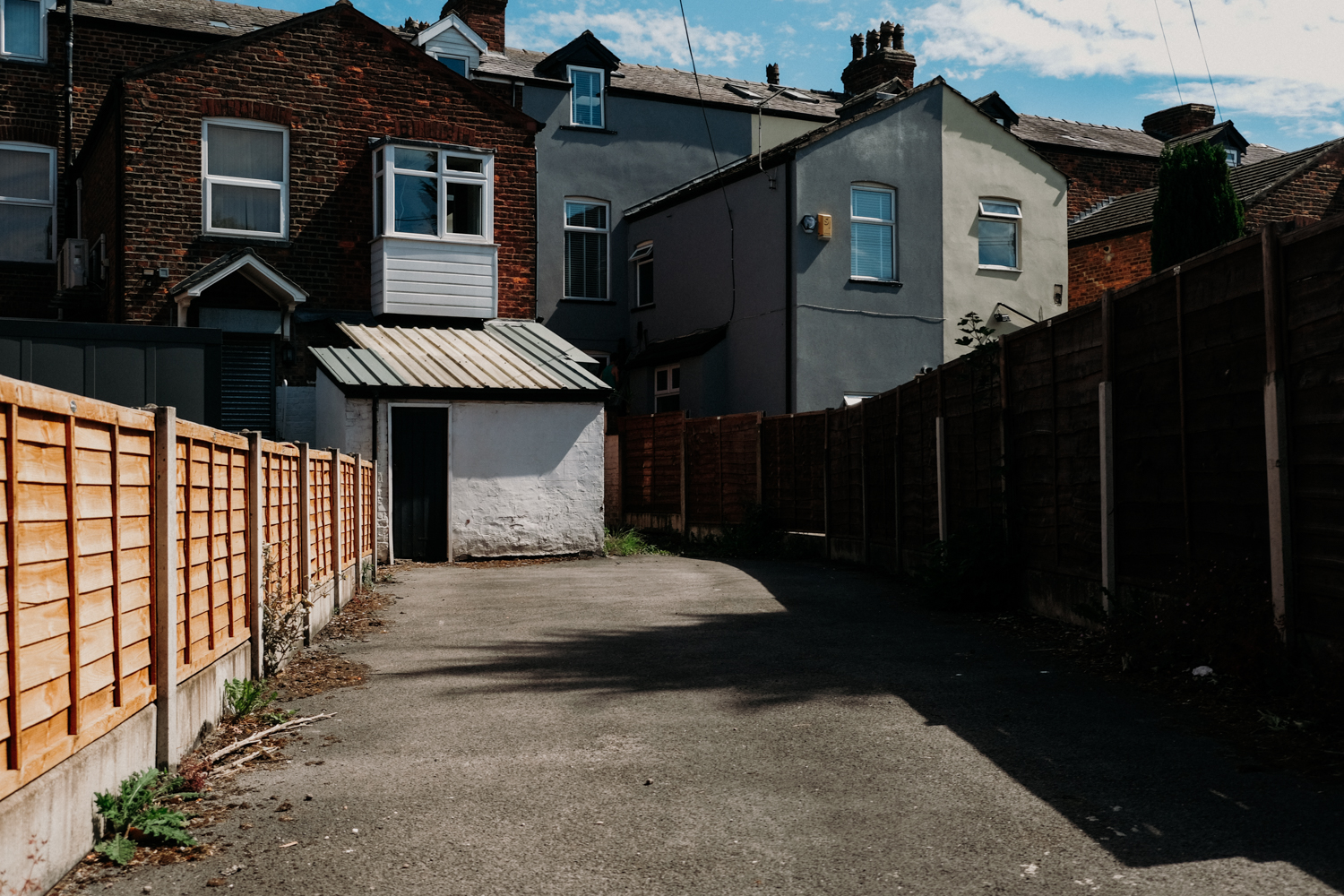
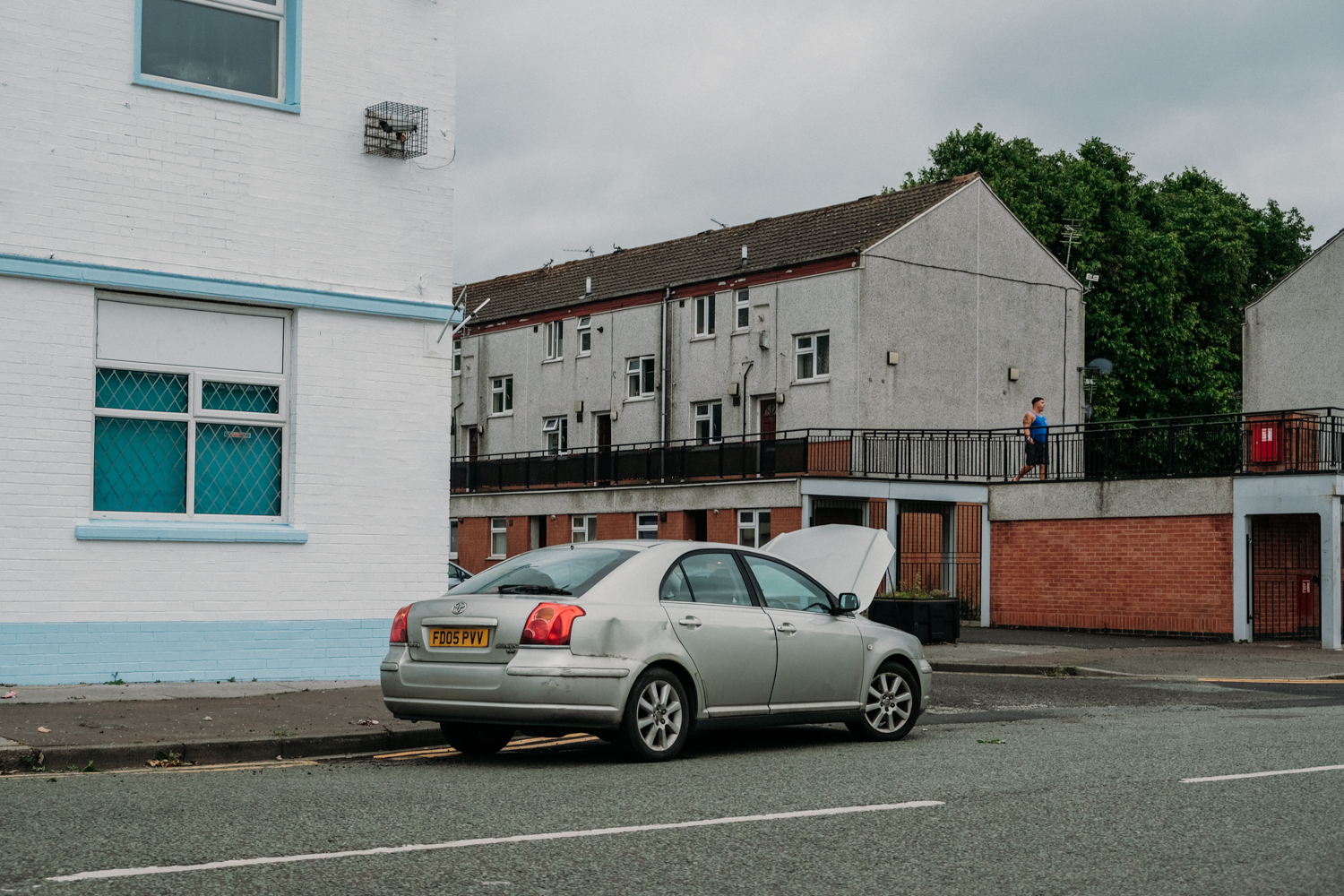
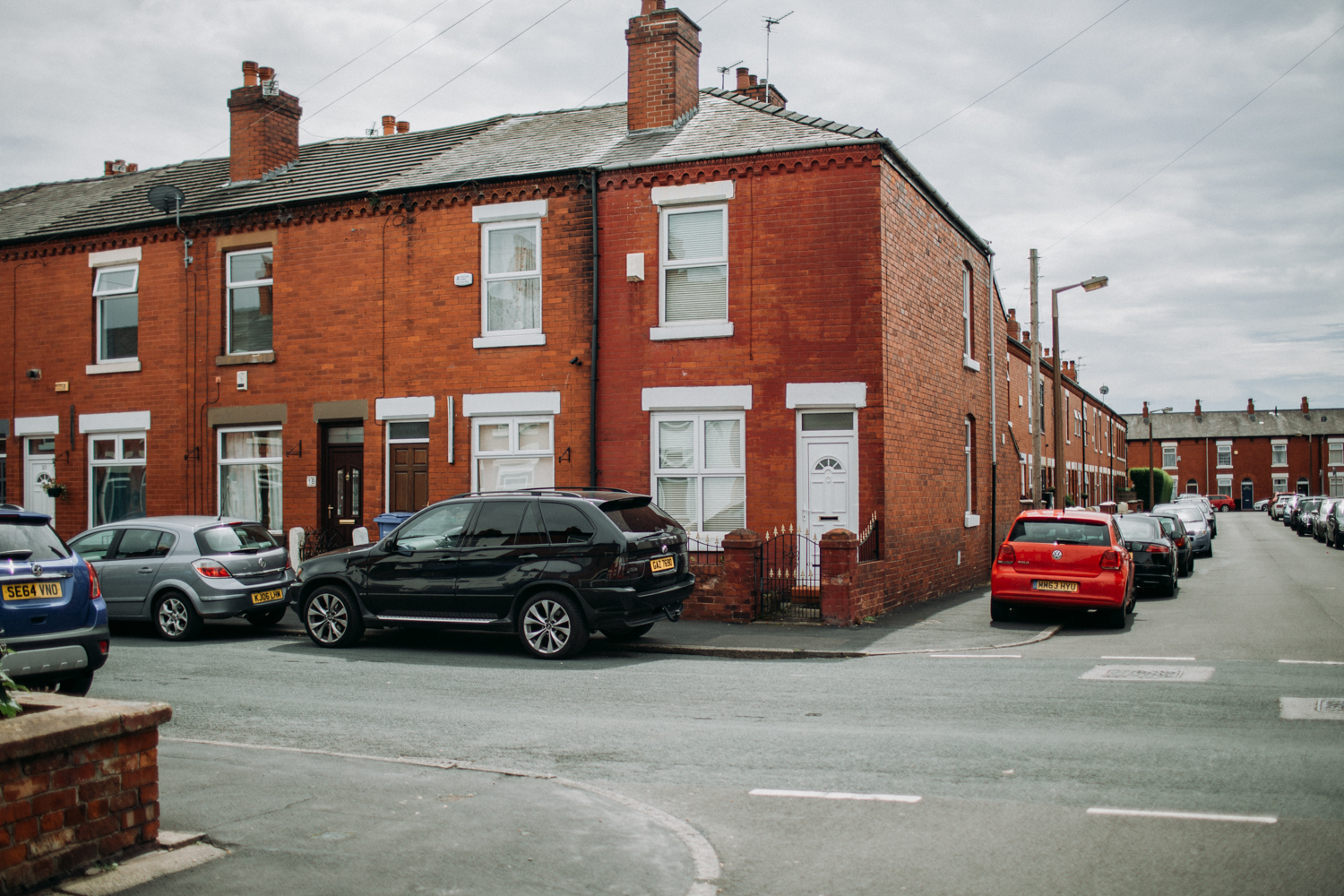
When reviewing work of this nature I am conscious that the aesthetic associated within my photographs is often very grim. In terms of colour I am often uncomfortable with presenting so many images of grey concrete, I am also rather board of the colour green in my football pictures. However, the choices I have made to date, I feel are reflective of the community that my biographical narrative is intending to create. When I consider my formative years as a child growing up within this place, I think about the sense of adventure, I was also hopeful that my future wouldn’t feature these places and a sense of getting off the estate was certainly an ambition I had from an early age. Making regular visits back to some of the places I spent my childhood, I no longer feel like an active part of the community although I certainly know this community. The act of revisiting invokes a sense of what my life was like but isn’t anymore. 

Christenberry, W (2013) William Christenberry. New York, Foundation Mapfre.

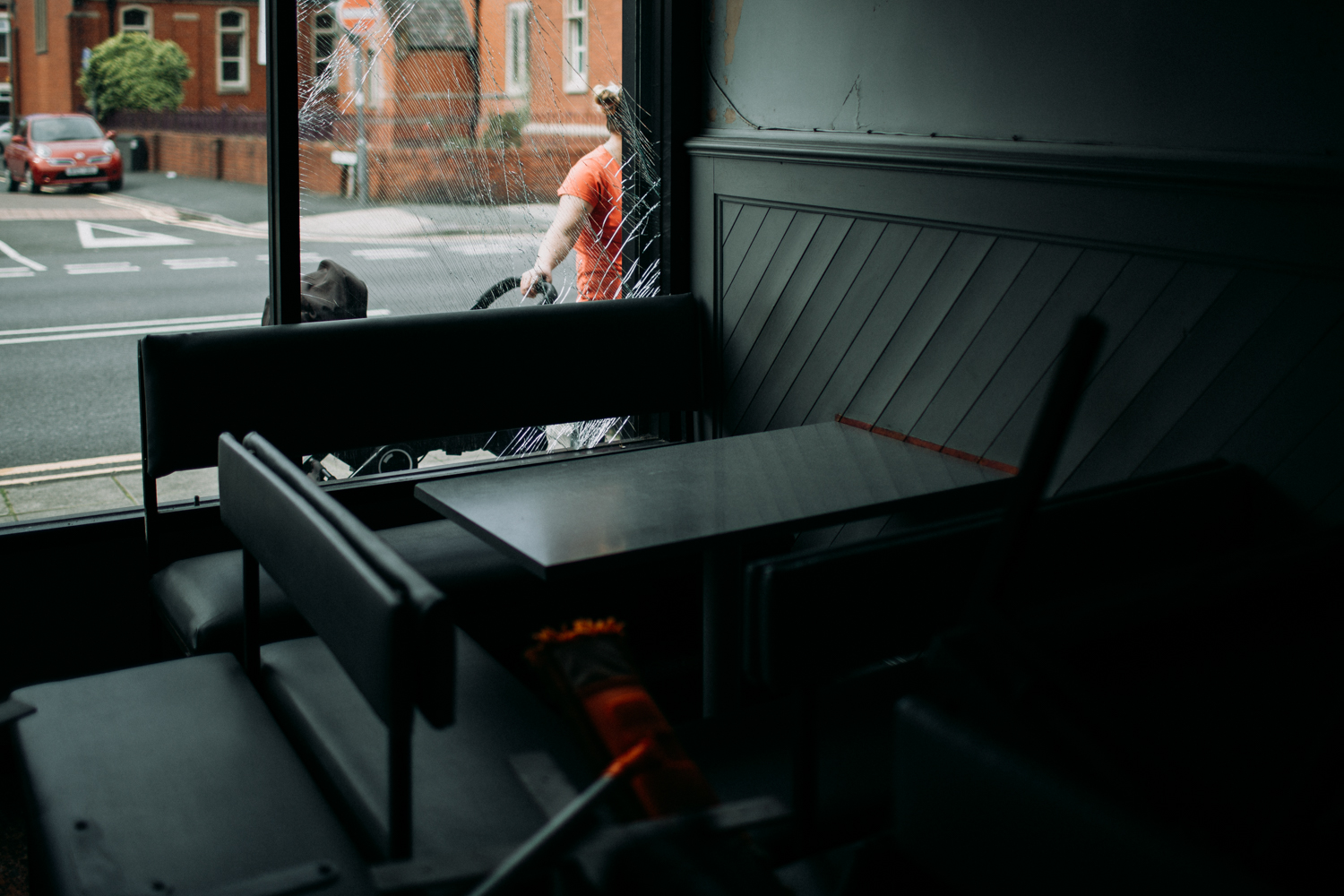
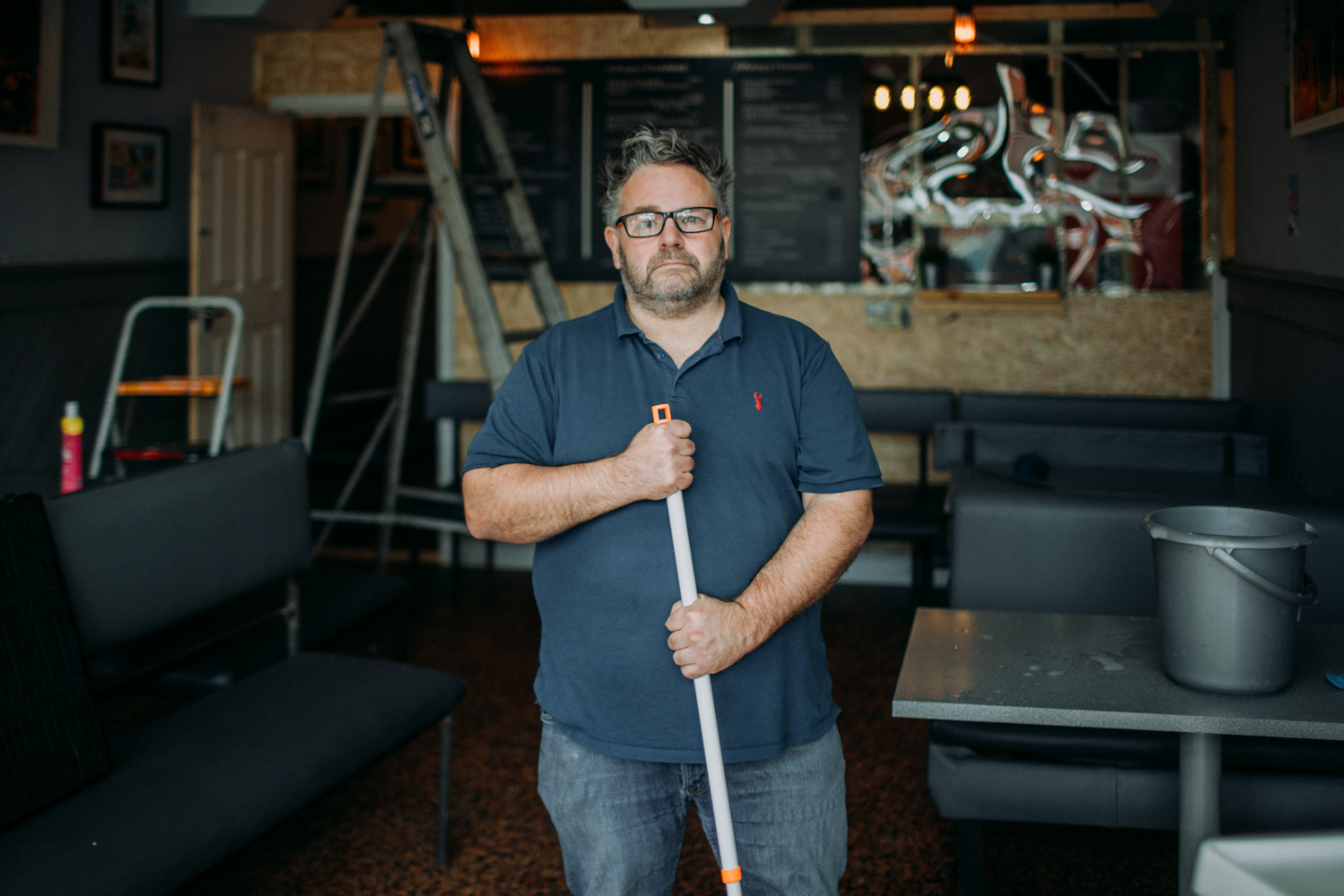
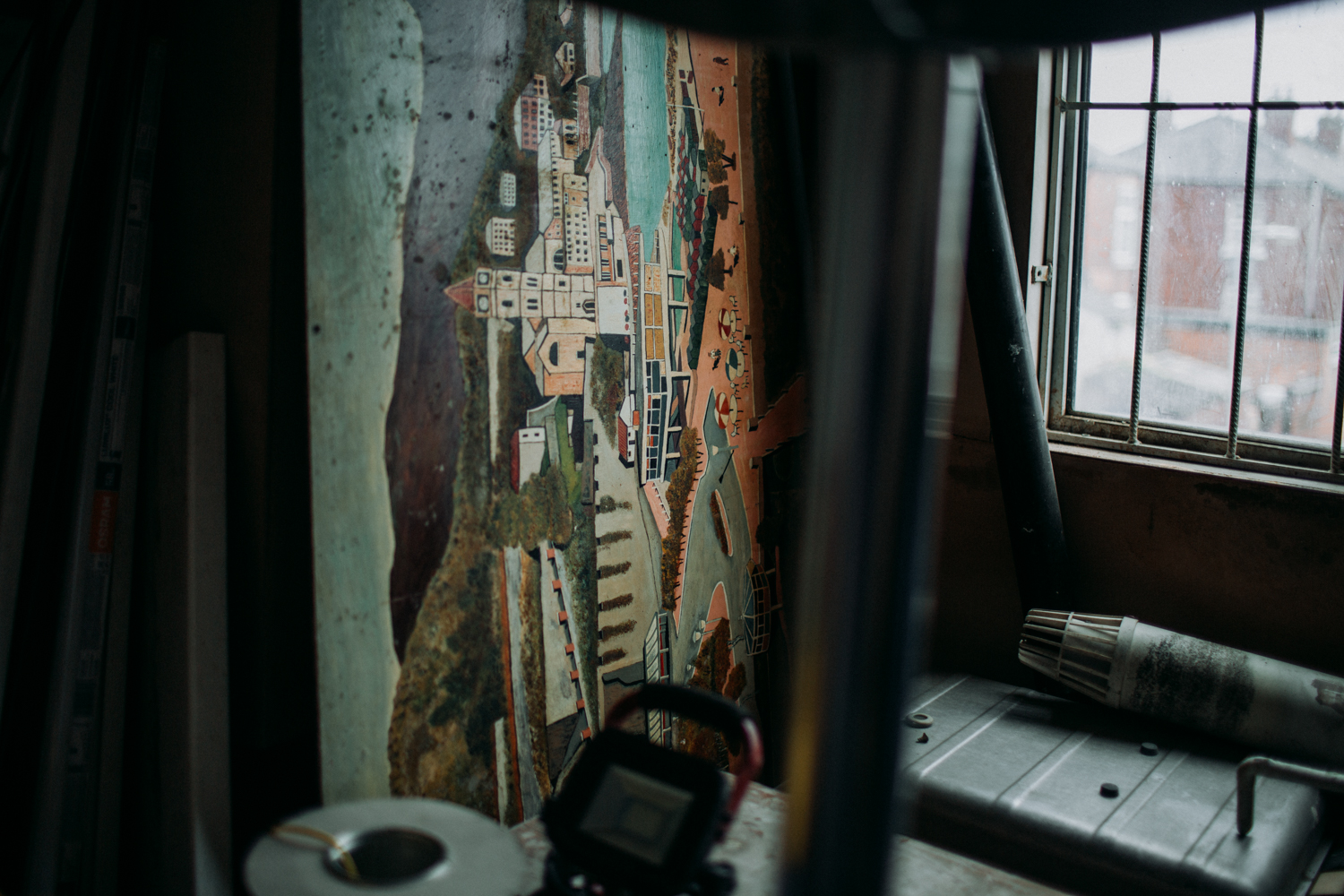
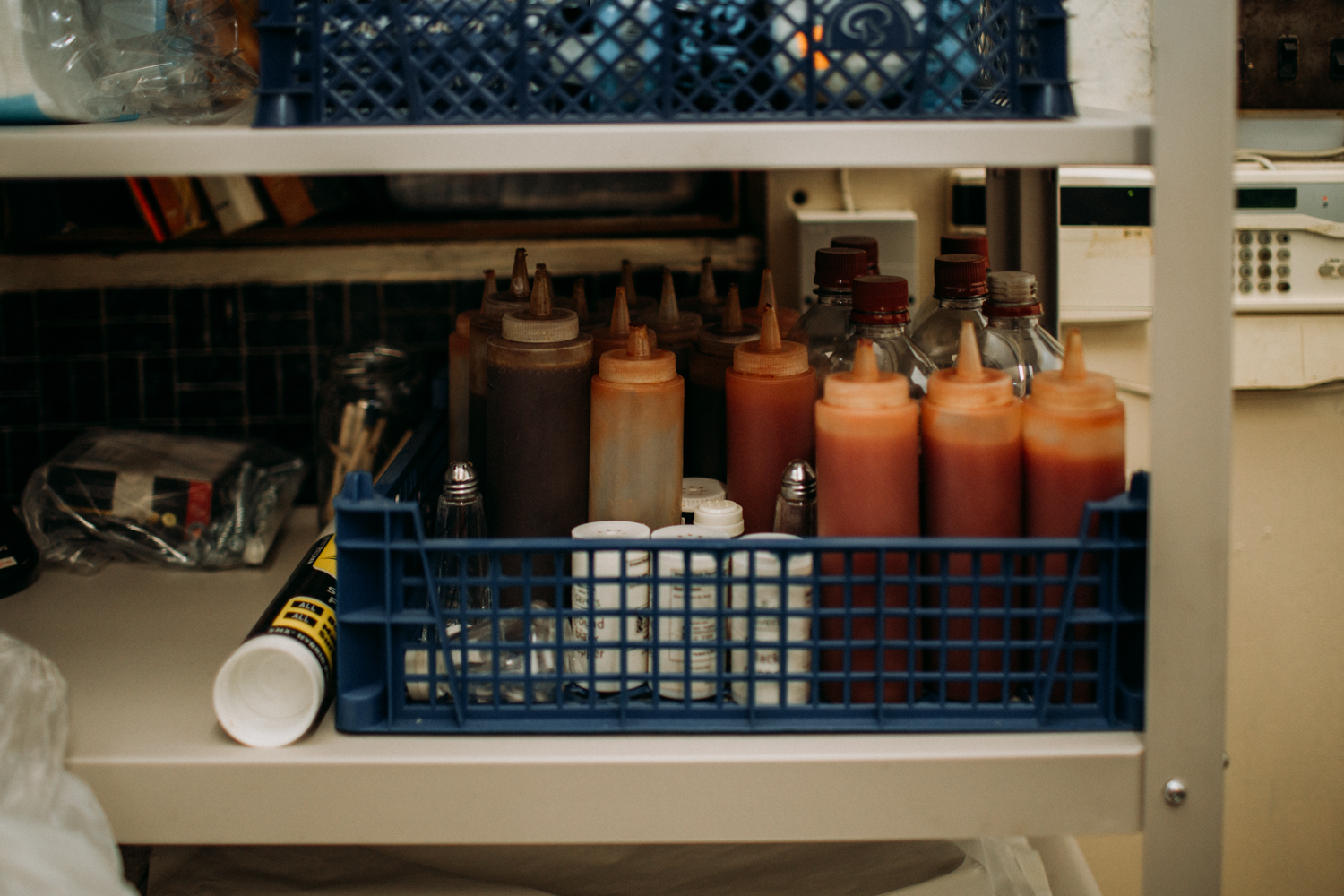
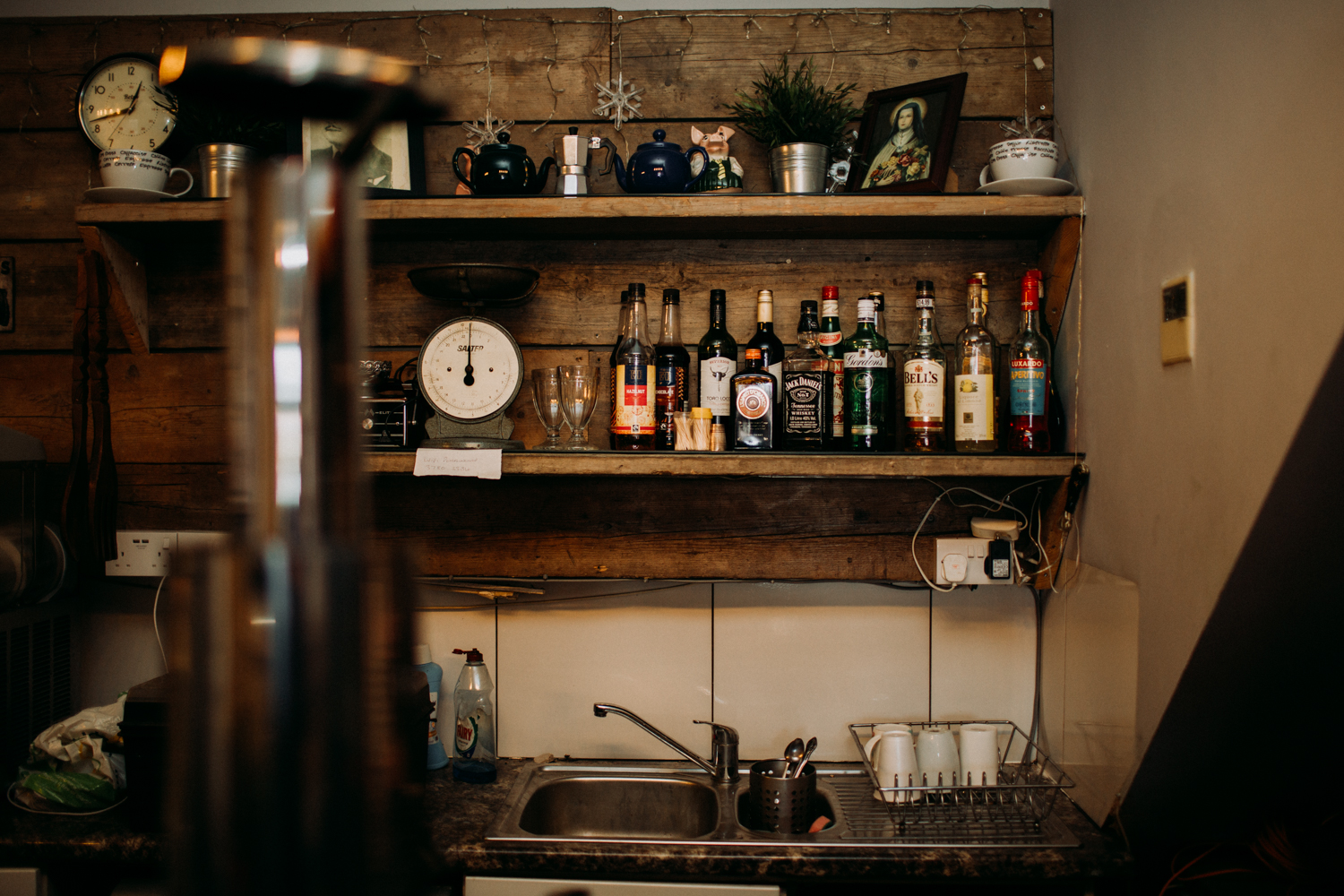
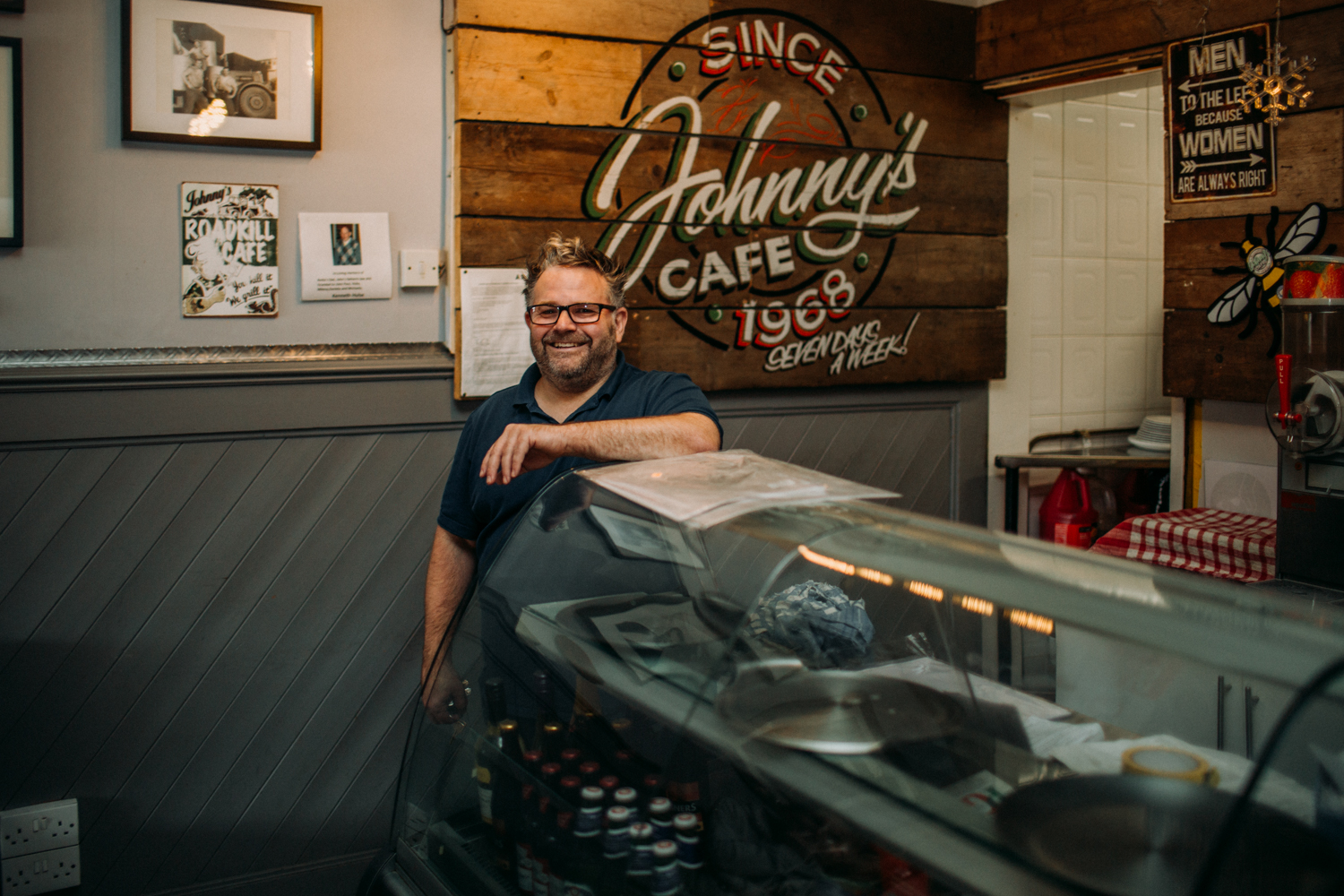
Shoot Gallery | The Cafe

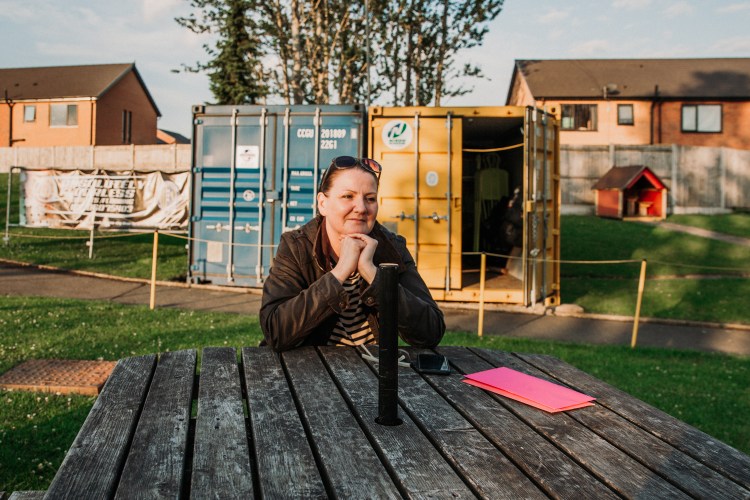
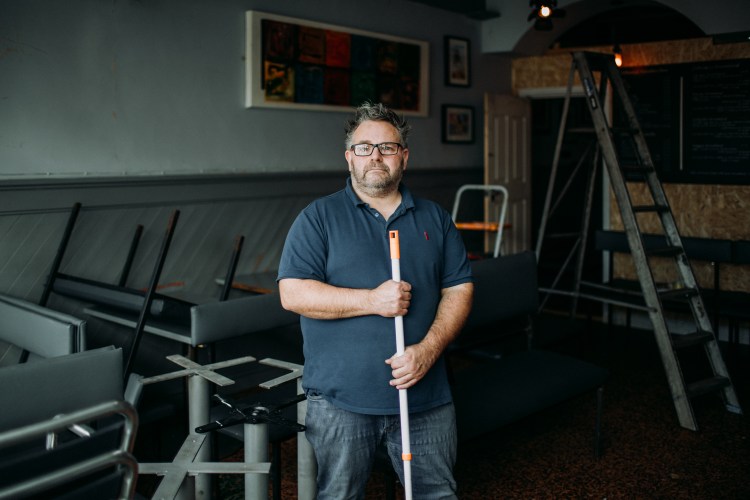
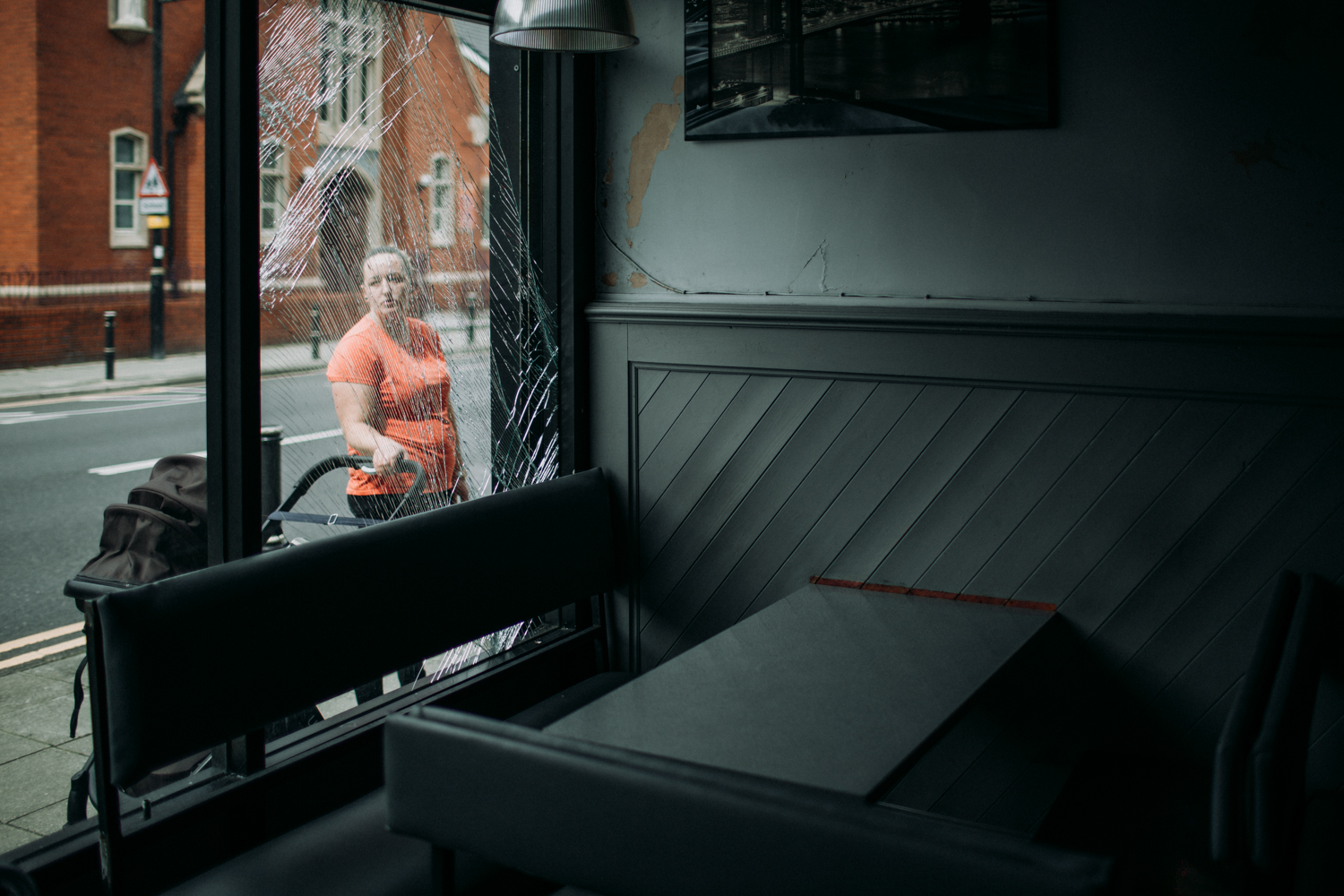
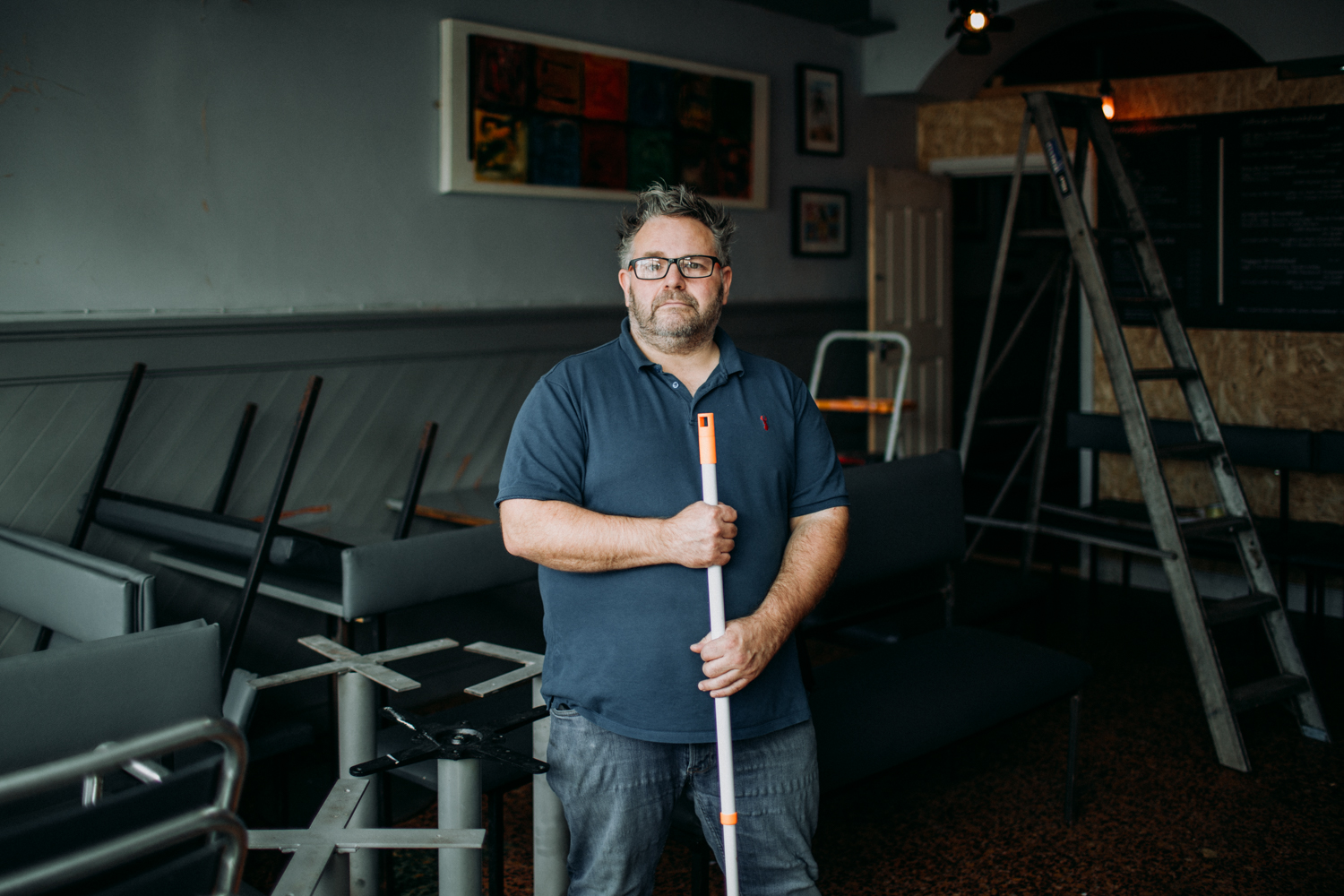
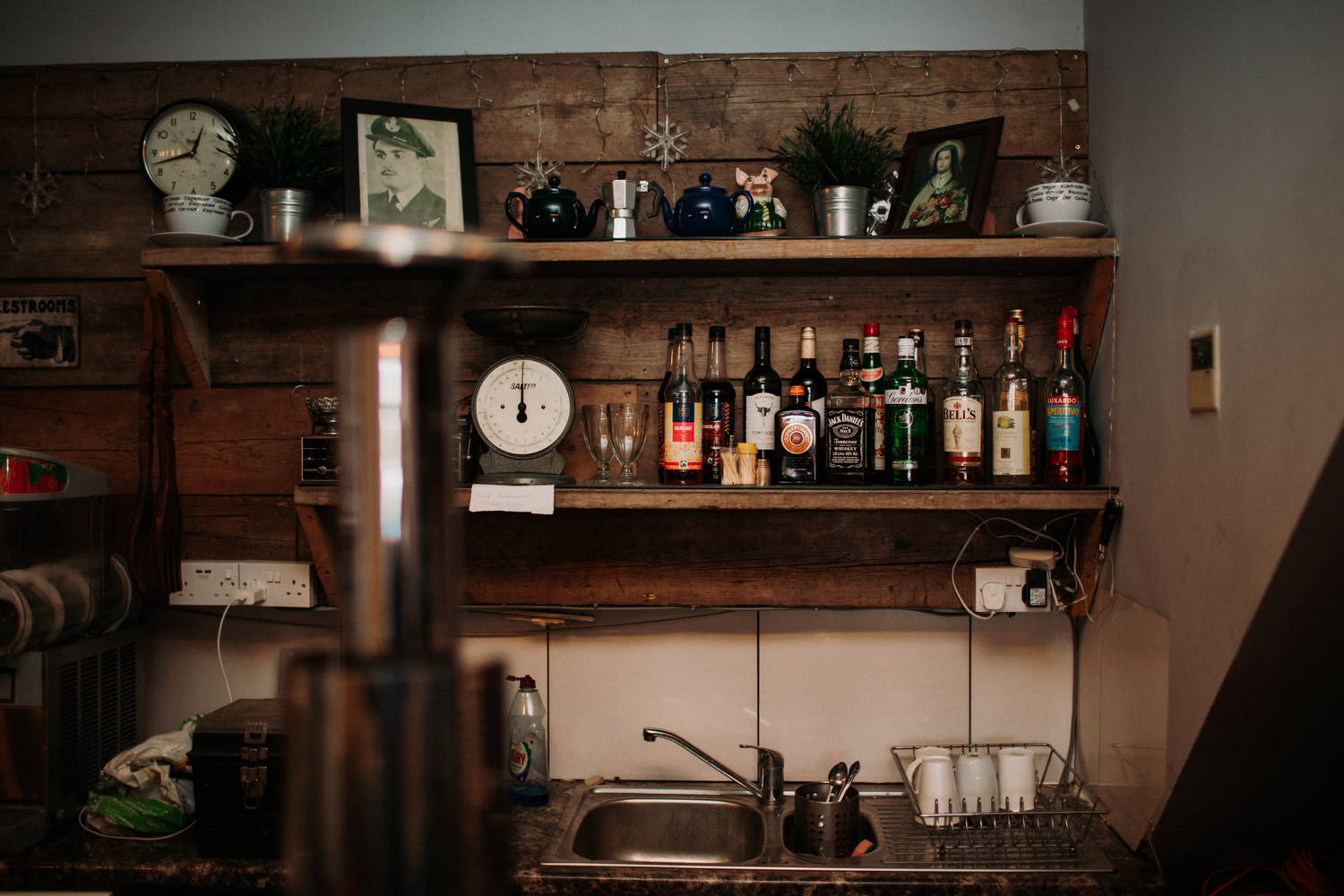
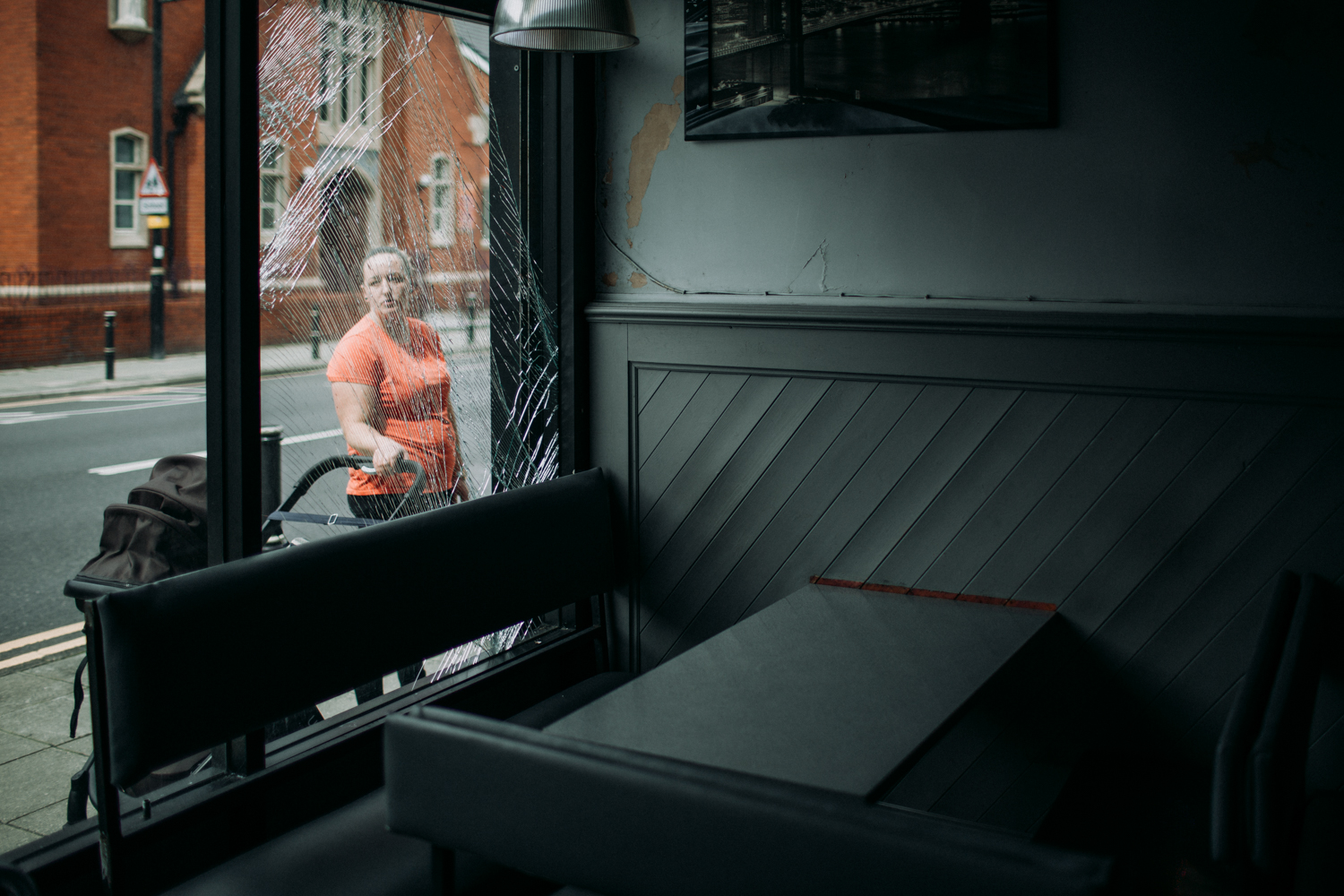
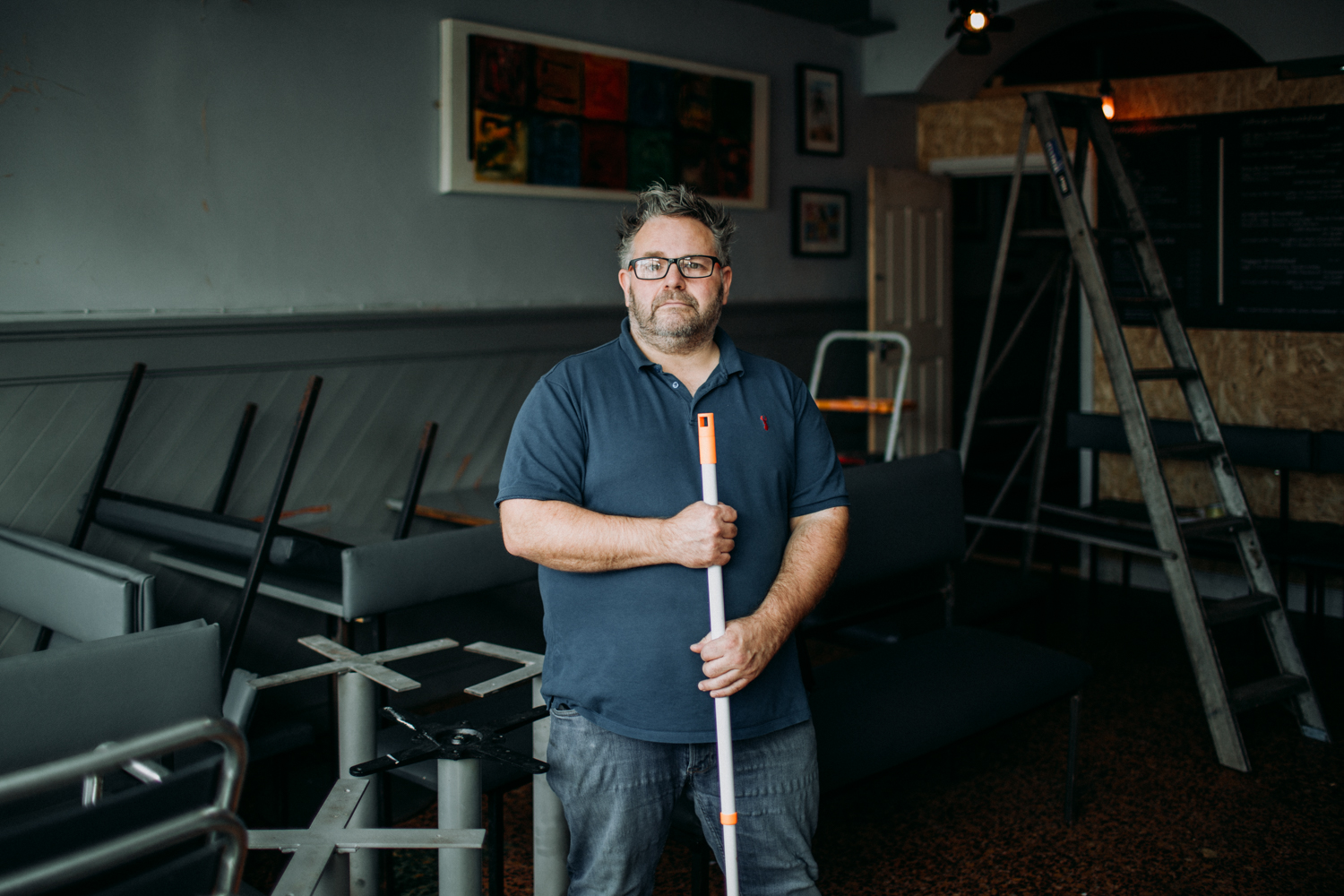
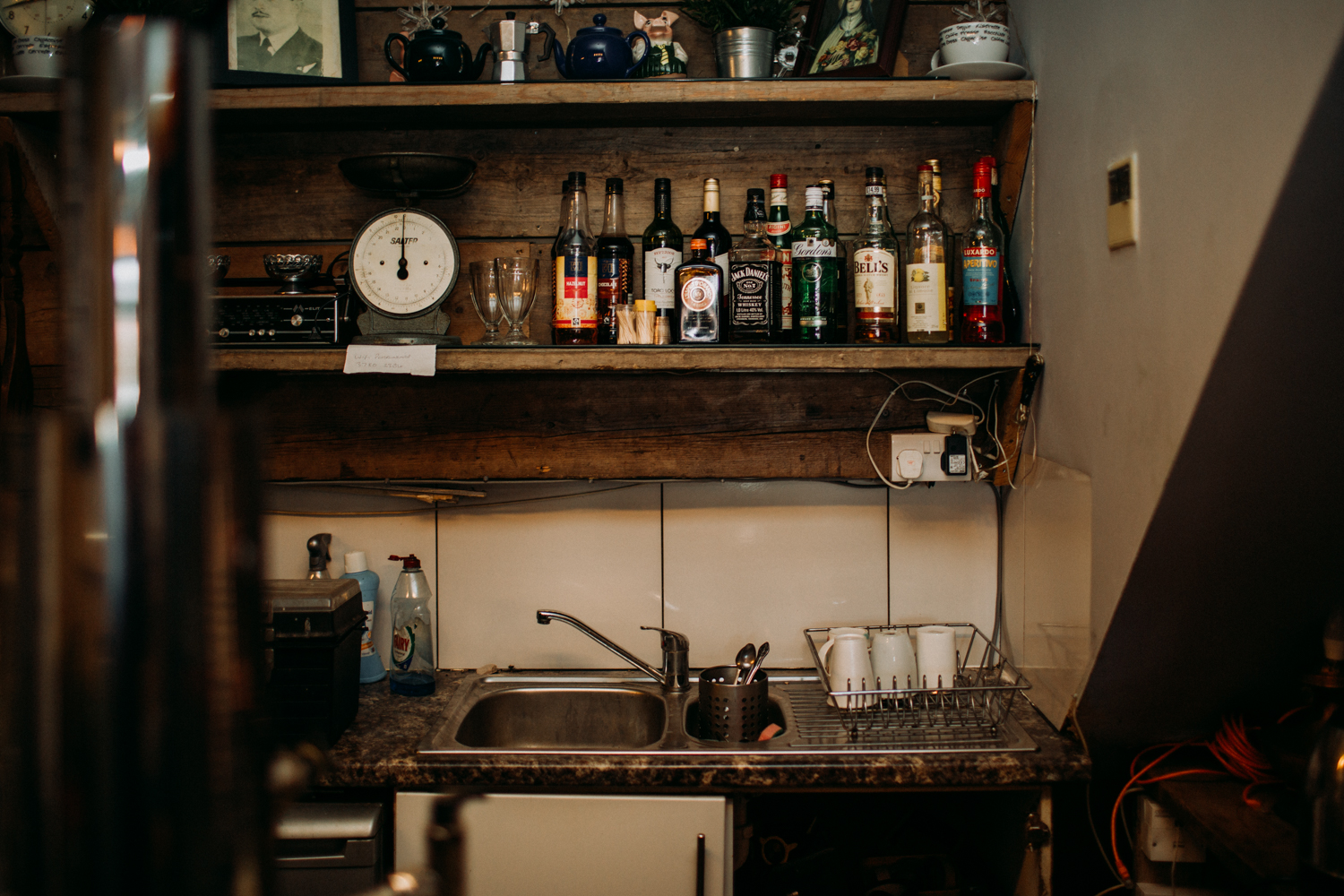
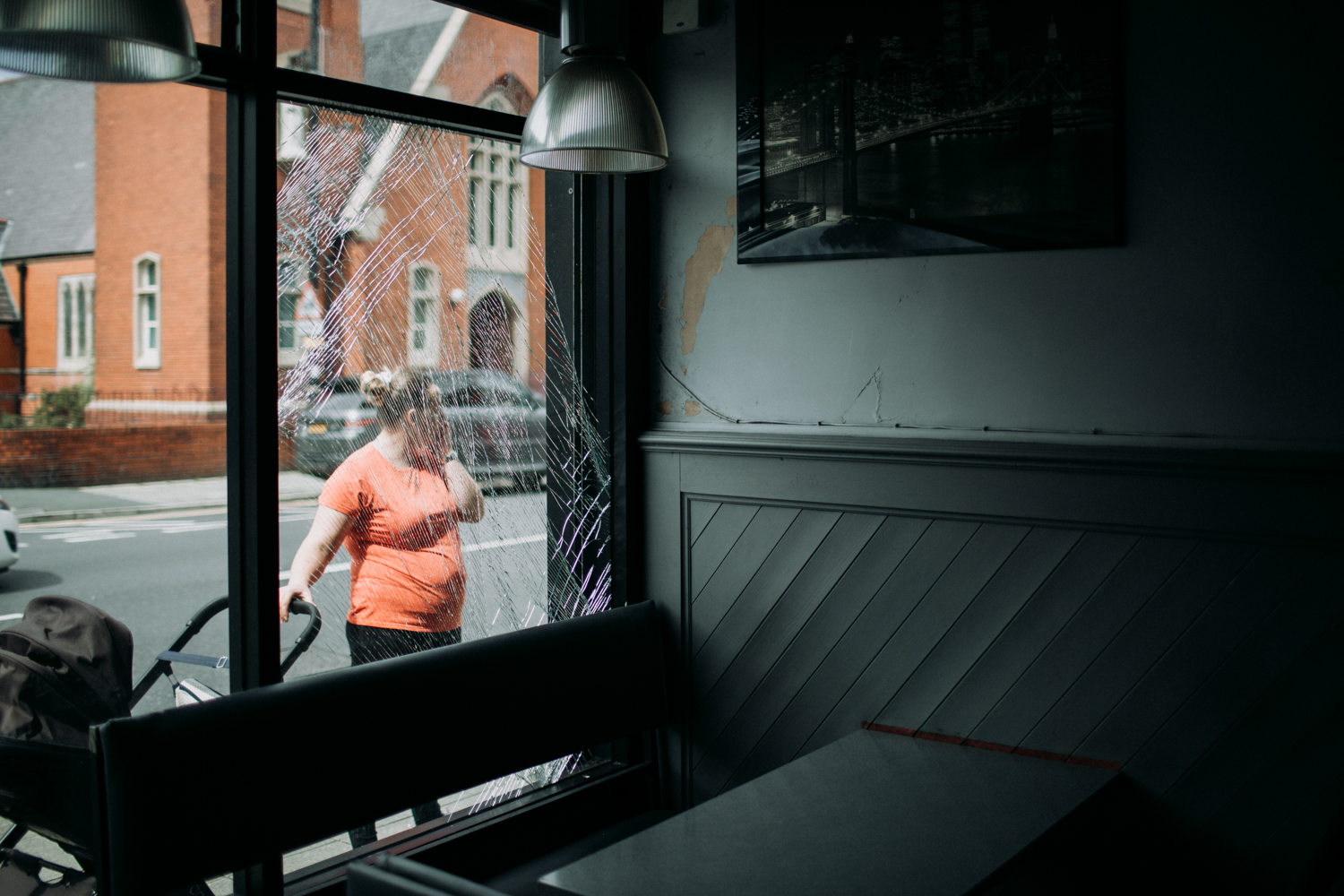
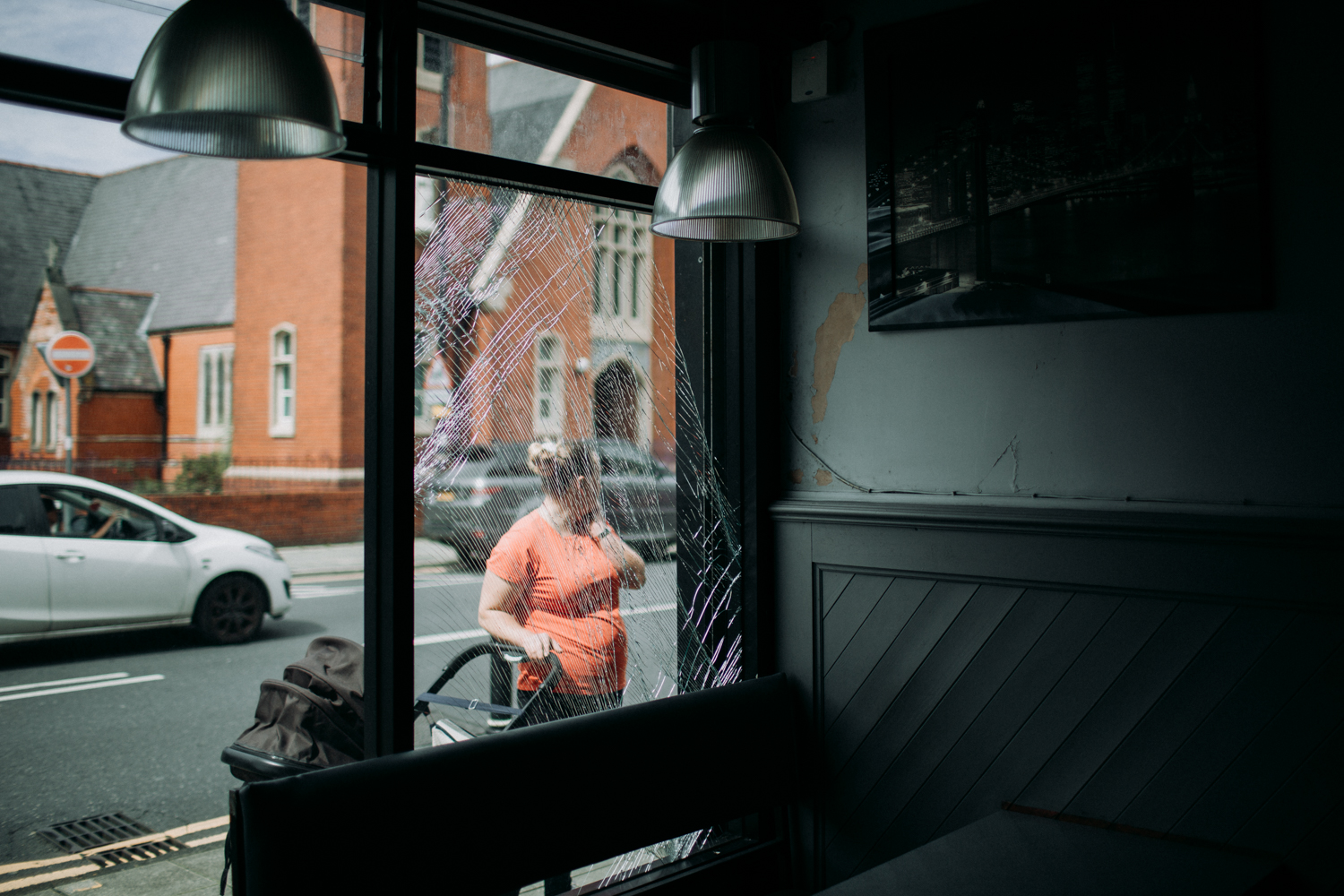
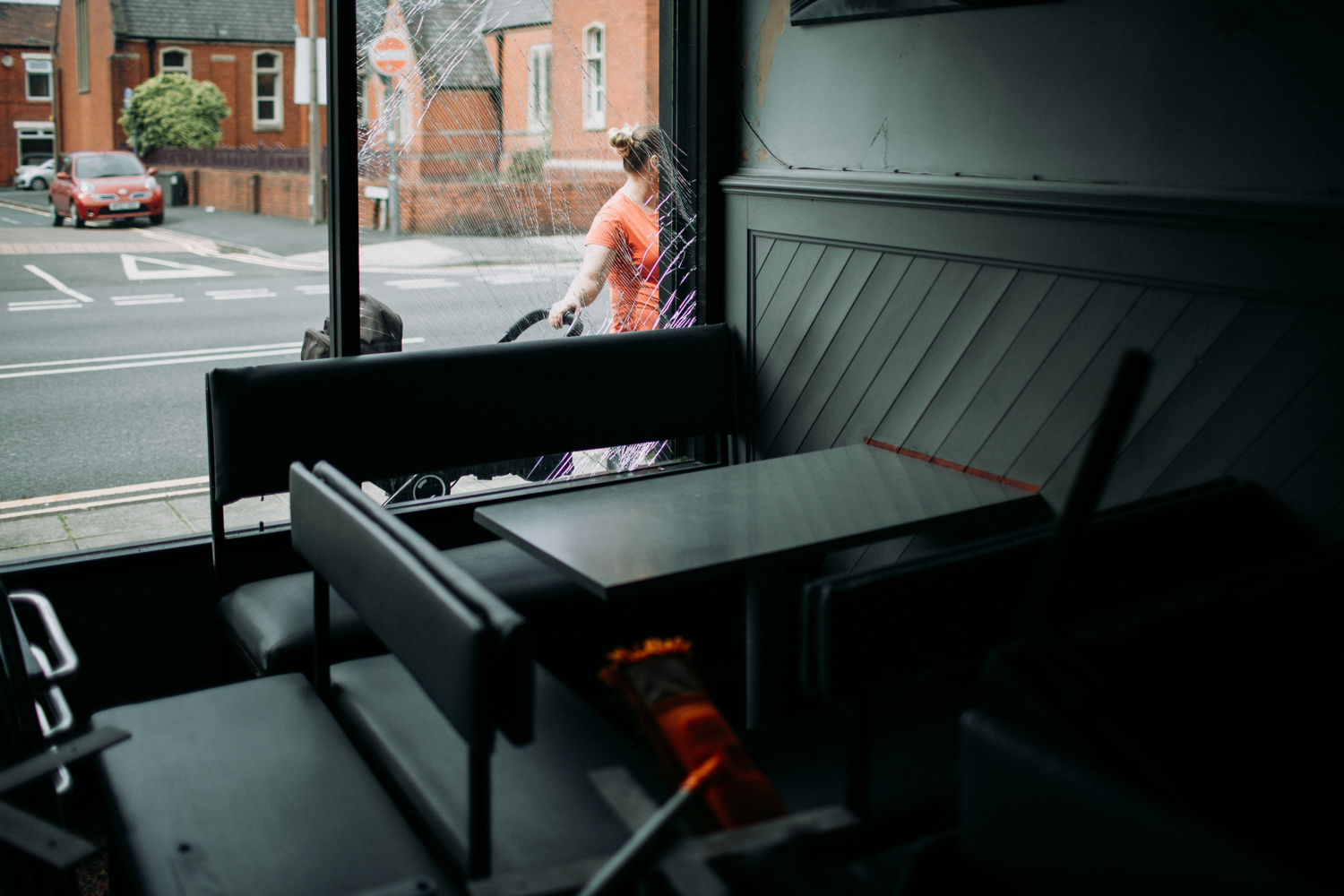
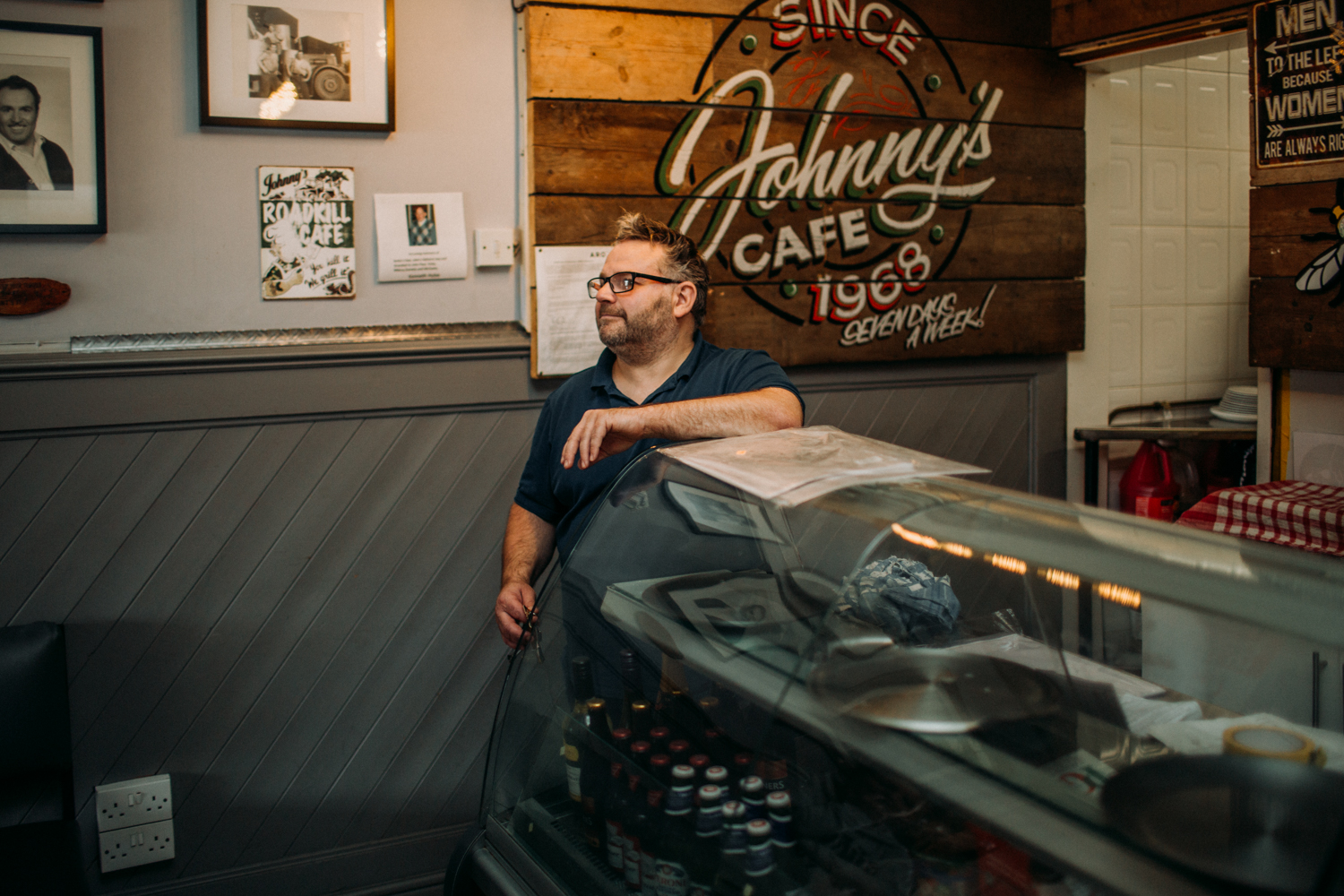
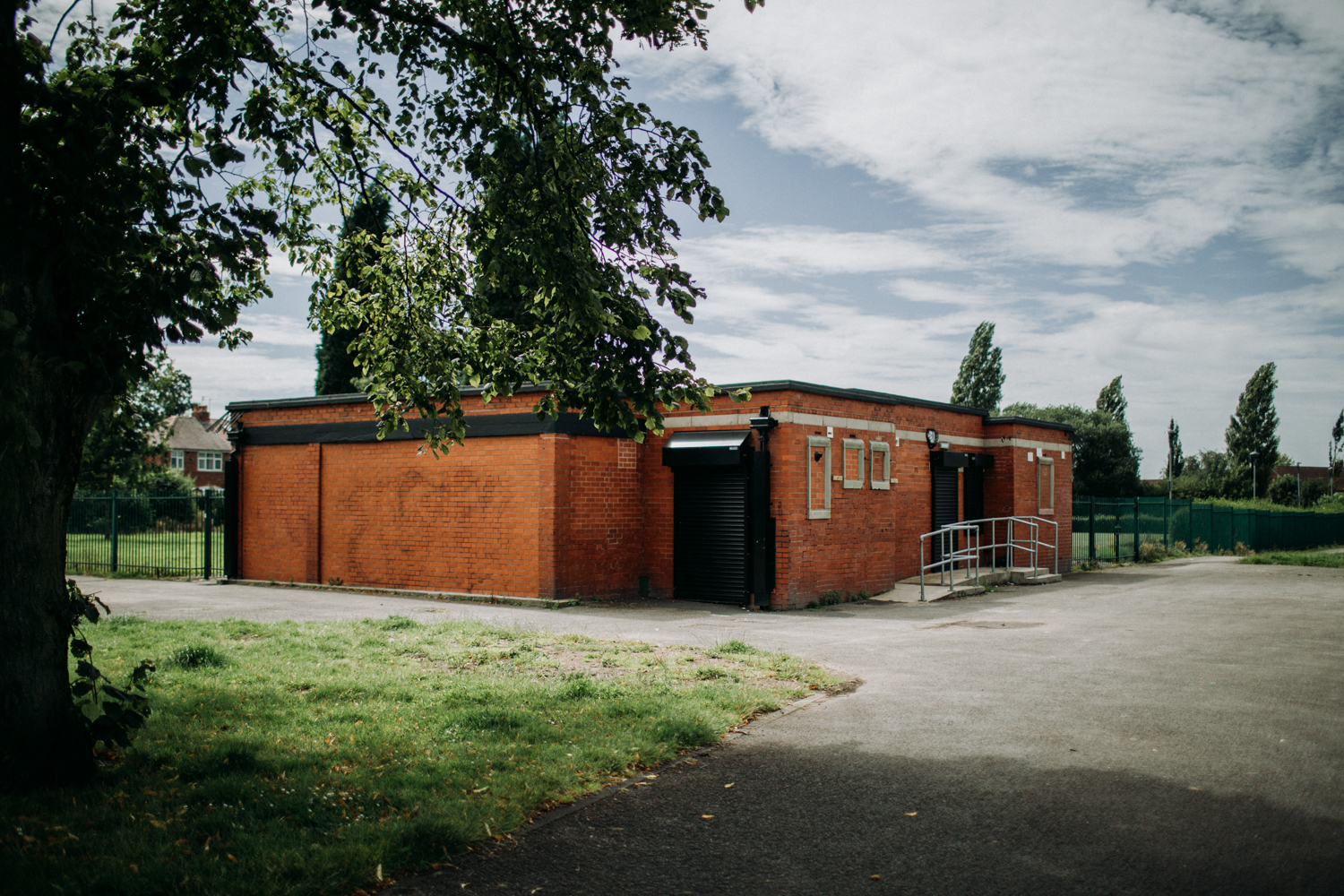
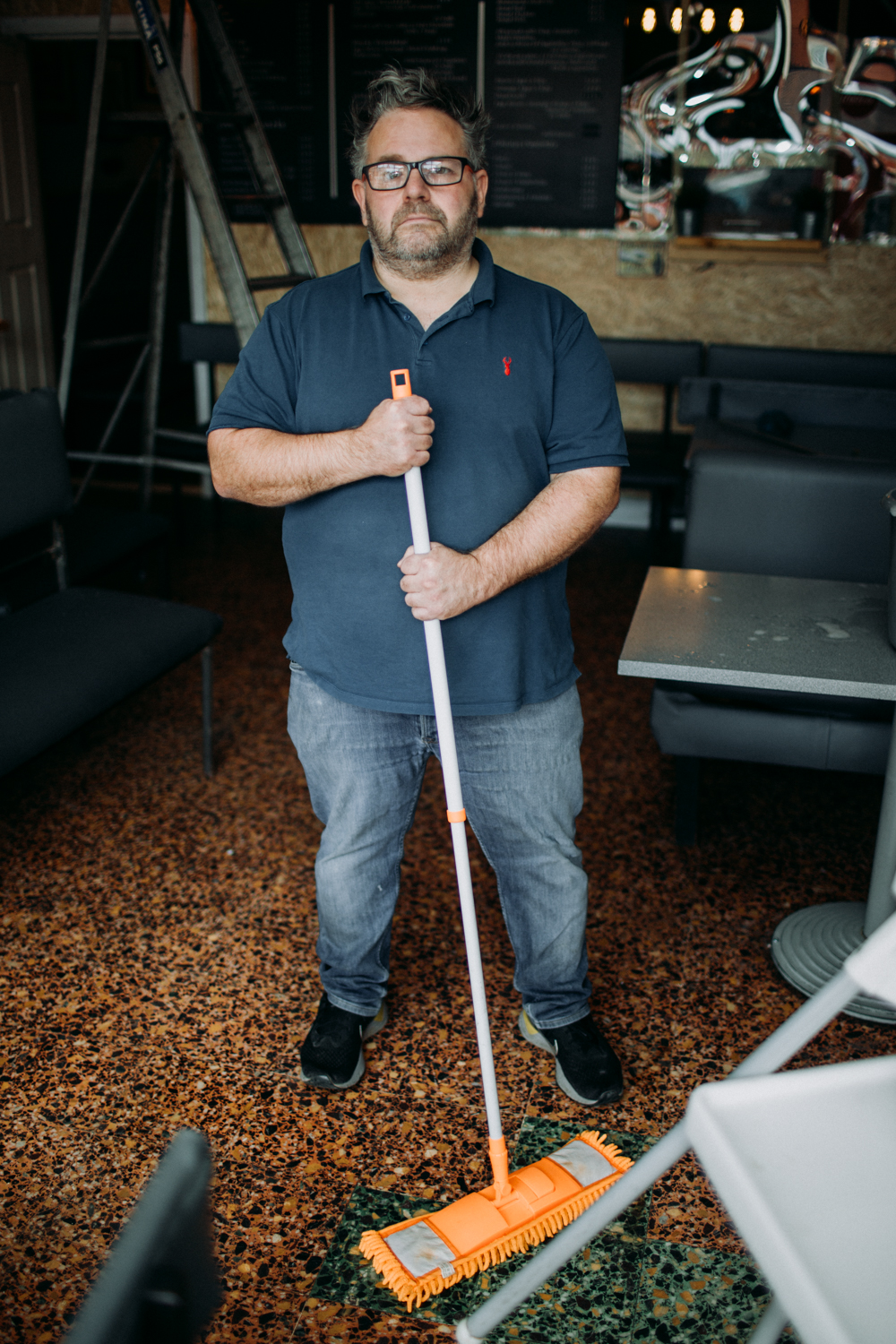
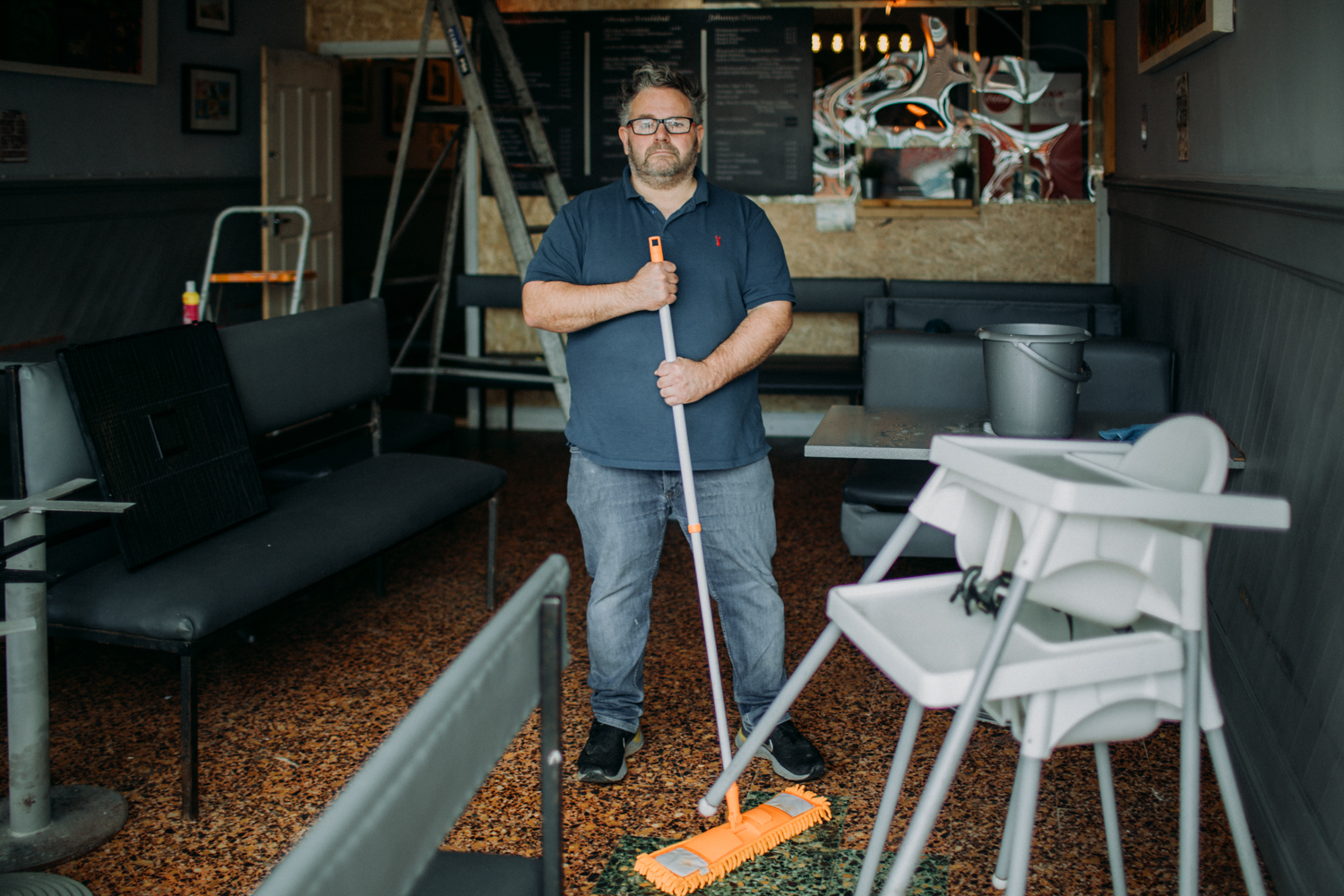
In pursuit of getting closer to my project in an emotional sense I decided to go to the local cafe which is hugely significant in a personal sense because outside of the football realm, this is the place I spent most time with my Dad. Spending around 25 years sitting in the same small group of seats on the same side of the cafe. This is where my Dad brought me up in his own way. And I felt that I couldn’t really tell my story without including this place.

Upon arrival at the front door I was disappointed to find that the cafe was closed. However I was able to enter as the owner was clearing up. A window broken and shutters damaged. When asking what had happened I found that a local man having had an argument with his Dad had decided to try to ram raid the cafe with his car. His motivation for this was due to having an argument with his Dad. I felt this was ironic as my motivation for being there was to retrace the relationship I had with my own Dad.

I was able to photograph inside the building in addition to producing a couple of portraits but what I was able to do wasn’t what I had in mind. This didn’t mean that this work would be unusable, however it was different to what I intended.

At this late stage in the module I will soon be having to edit and sequence images for my WIPP. Therefore it may prove that these images don’t quite have a home in this stage of the project. Colberg (2017:79) offers some useful considerations when thinking about editing

‘For a photographer, good editing must start with the process of disassociating what is in the pictures from whatever background knowledge about them.’

Such comments are pertinent regarding this shoot as I very much had a vision of what I wanted to shoot and what I needed to tell a story from a subjective point of view. I didn’t consider at any point that I wouldn’t produce work that was appropriate.

Perhaps this this unsuccessful shoot was a pertinent lesson in teaching that overly relying on an element of a personal nature isn’t a particularly good idea. And it is they type of experience I probably needed to have. If I hadn’t attended this place then I would have felt as though I had net covered all bases. However, because I have attended, I have consumed the experience and learned by doing that I learned that I wasn’t in the correct place, photographically speaking. As my current reading is in the direction of Colberg, I am using many of the ideas as I’m beginning to think about editing and sequencing therefore, I suspect future critical evaluation will draw on much of his writing. At this stage, it feels like it was a very good investment.

Going forward, Colberg offers insightful advice which will become more significant in the coming weeks. When editing (2017:80)

‘Choosing the strongest photographs’.

Feels like good advice as I feel in danger of favouring some images relevant to narrative as opposed to the power of the photograph.

(2017:80) Some photographs that do not fit into a book edit might work very well in an exhibition, in much the same way, as many photographs that are needed in a book might look terrible when hanging in a frame on a wall.

Week 9 | Reflection

This week has been a time for reflection regarding my project and progress. With the impending presentation deadline getting closer, I am currently at the stage of reviewing my experience of the module, reflecting on what I have learned,how my project has developed and what this may look like in the form of a presentation. 

I feel that I have worked with greater independence in this module, almost designing my own route based on the weekly tasks but moving slightly away at times to broaden my photographic vocabulary. I was conscious that I needed to build my contextual knowledge and have set about doing this which I feel has prepared me for the presentation assessment adequately, I am still nervous about this task as I am aware that I sometimes don’t fully reflect my thoughts and can sometimes become bogged down in detail. I am also currently lacking confidence in my own ability which is a cause of anxiety in addition to a fuel to drive forwards. 

The themes I have challenged within my project have shifted significantly on a number of occasions. This has been in some ways, an enlightening experience and has enriched my emotional well being whilst at the same time, consuming and setting me back in terms of linear progress. It seemed that everyone else was experimenting with interesting techniques whilst my development was emotional and philosophical.  In short, the start of the module, I didn’t really see how my project goes beyond a straight documentary approach. However, as my understanding grew, so did the potential to open up my project. 

Researching the work of Emma Case and the socially engaged project ‘Red’. I felt that I could engage with this approach with the football club I’d already been working with. Stockport County regularly has match attendances of over five thousand and having built links with a range of voluntary organisations associated with the club in addition to a number of older supporters being aware of my association with the club I felt and still feel that a socially engaged project is achievable on a large scale. Whether that is in conjunction with the MA or post MA, I am currently unsure, however, as a result of my research, opportunities similar to the exposure project supported by the Open Eye Gallery may represent a potential further avenue for my work. 

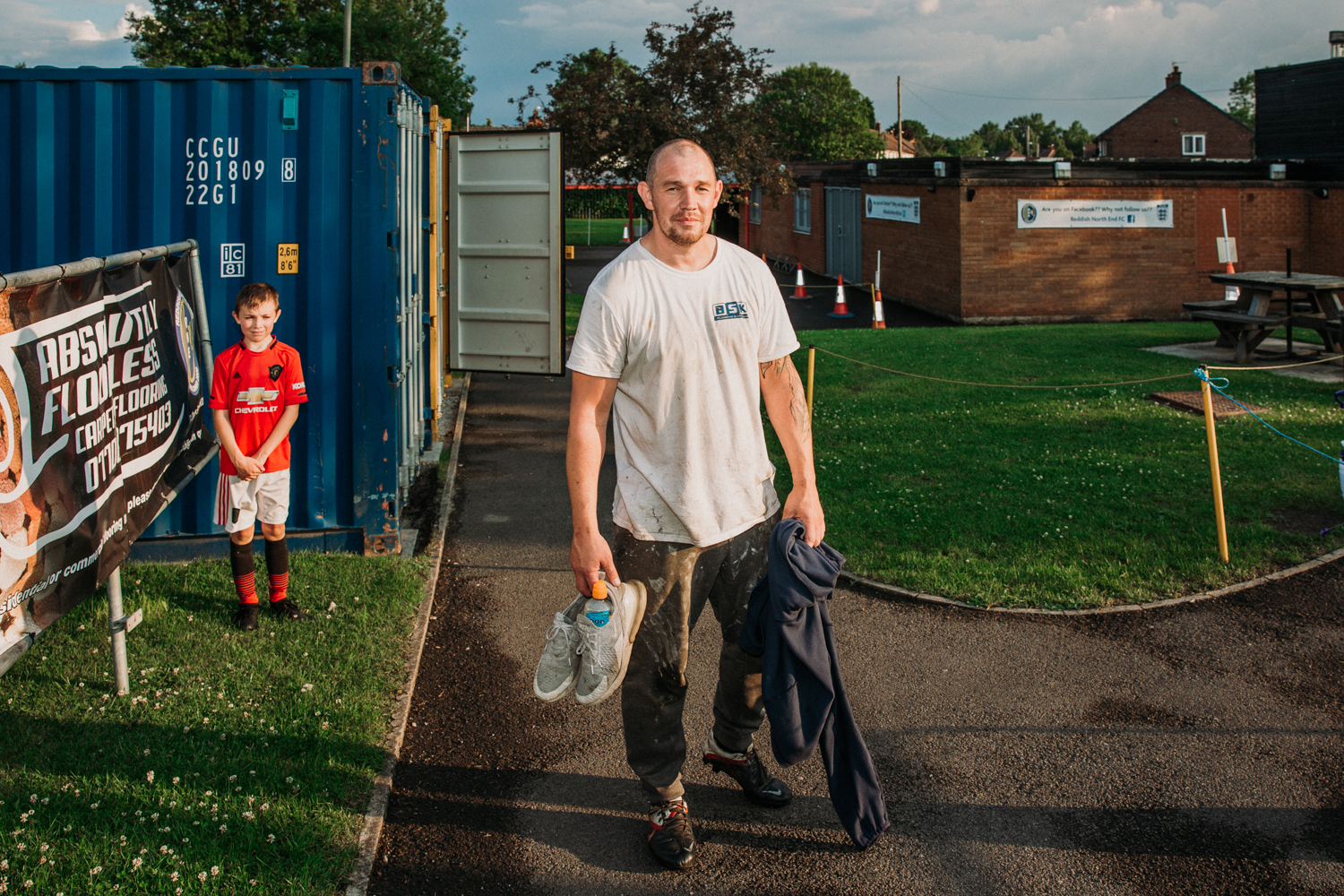
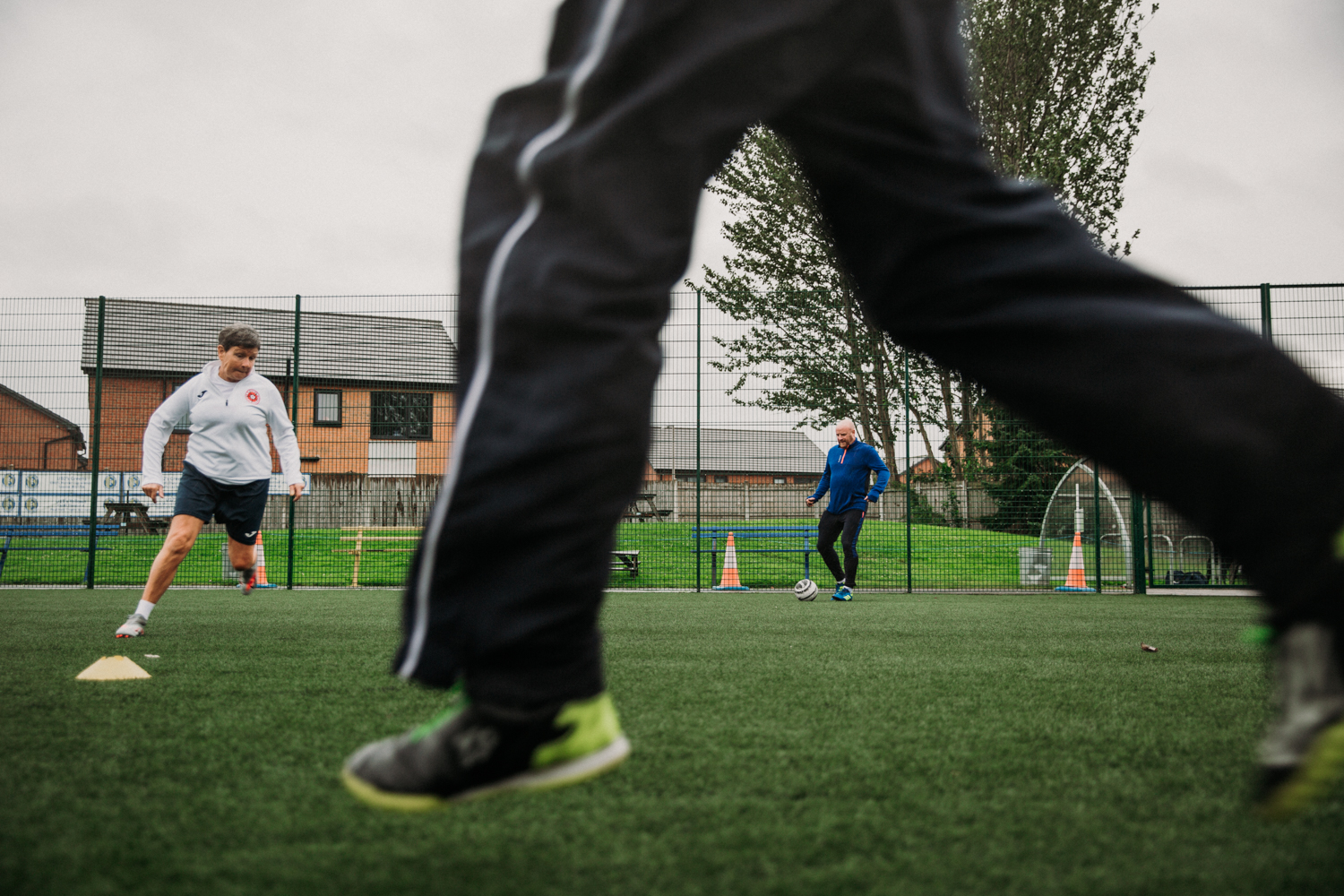
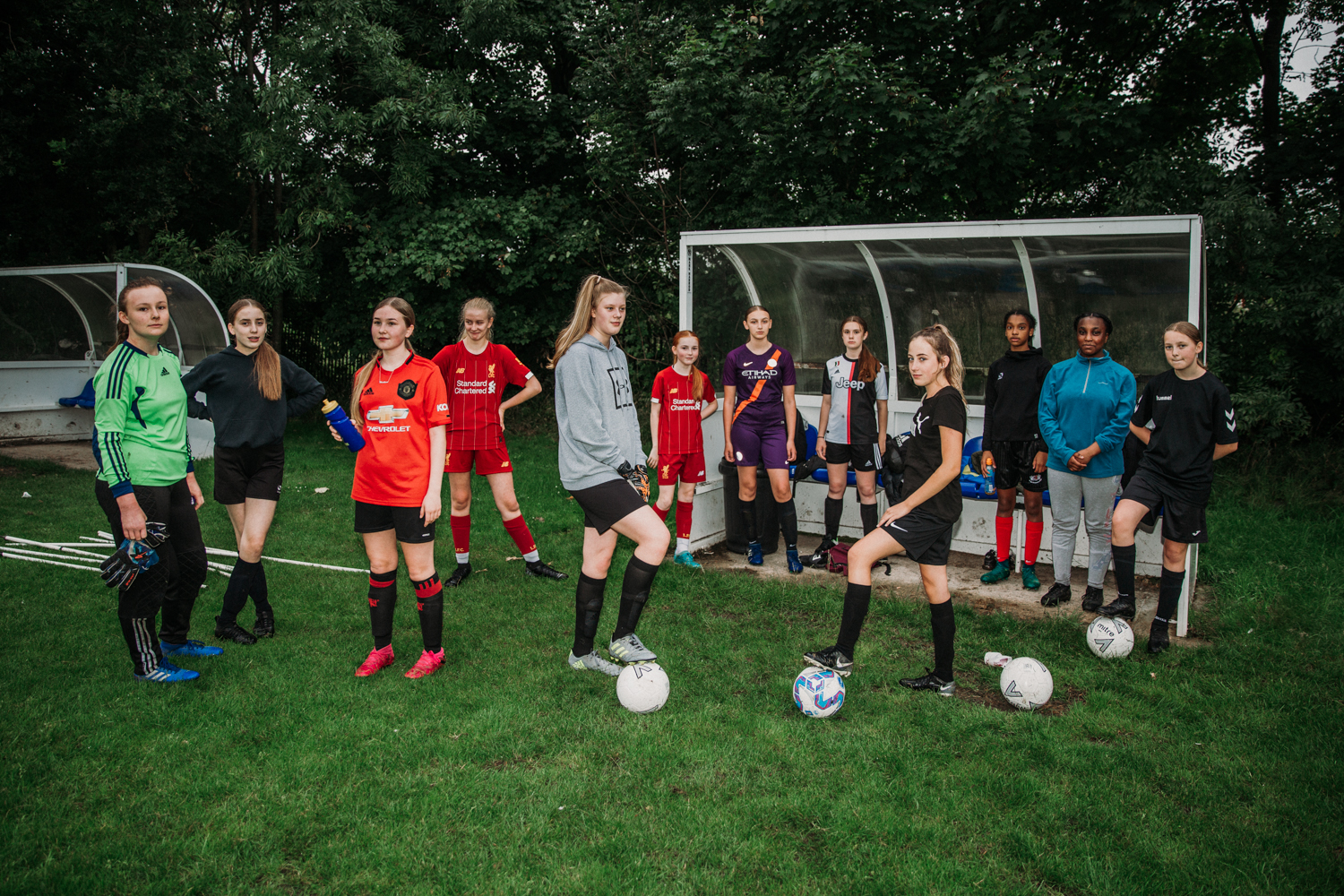
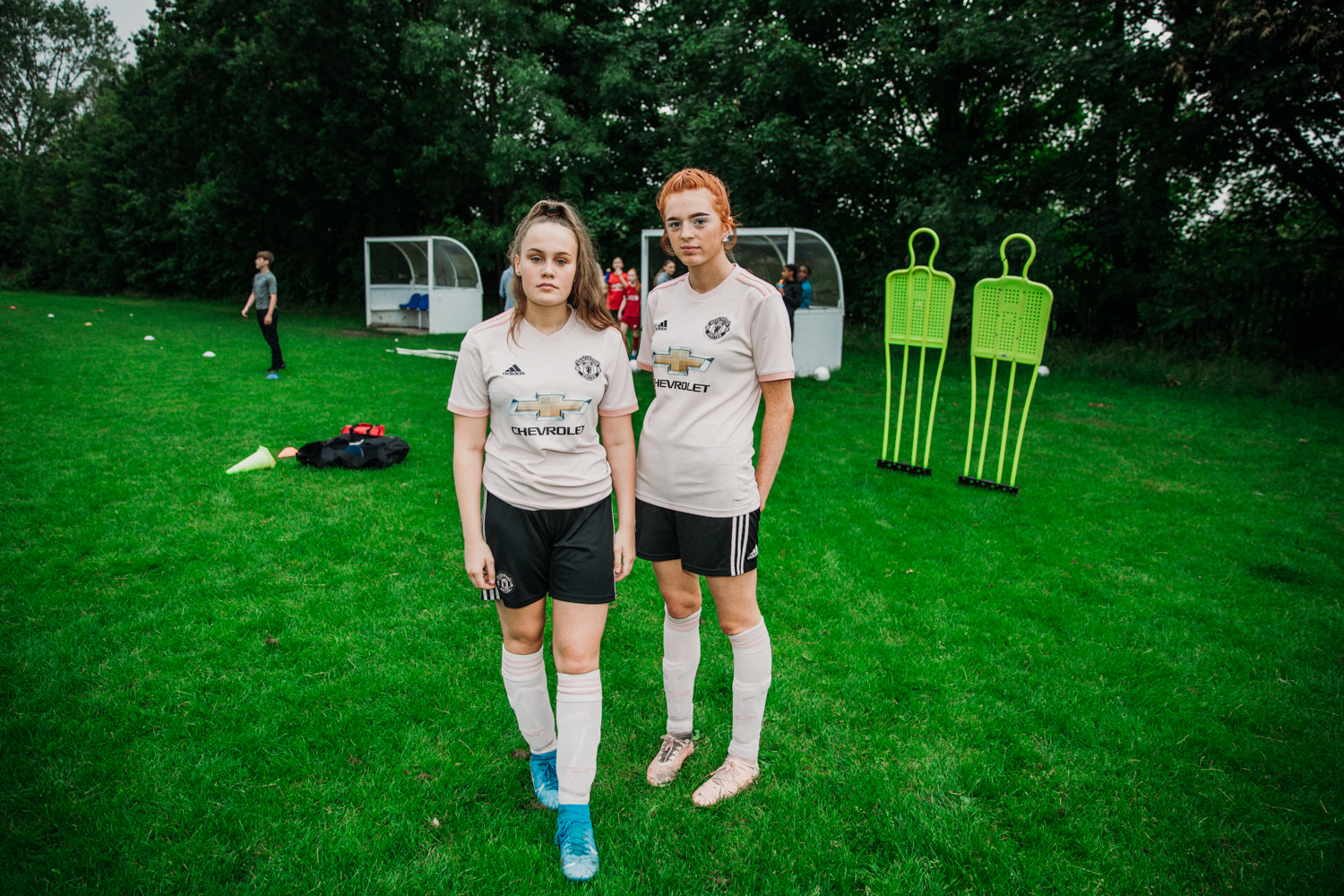
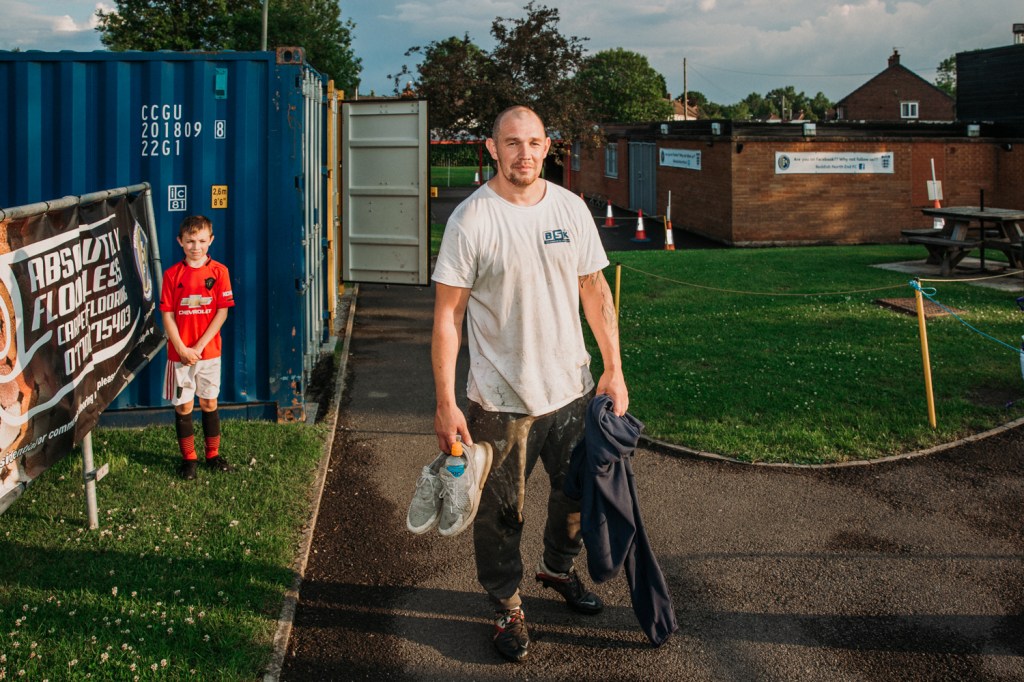
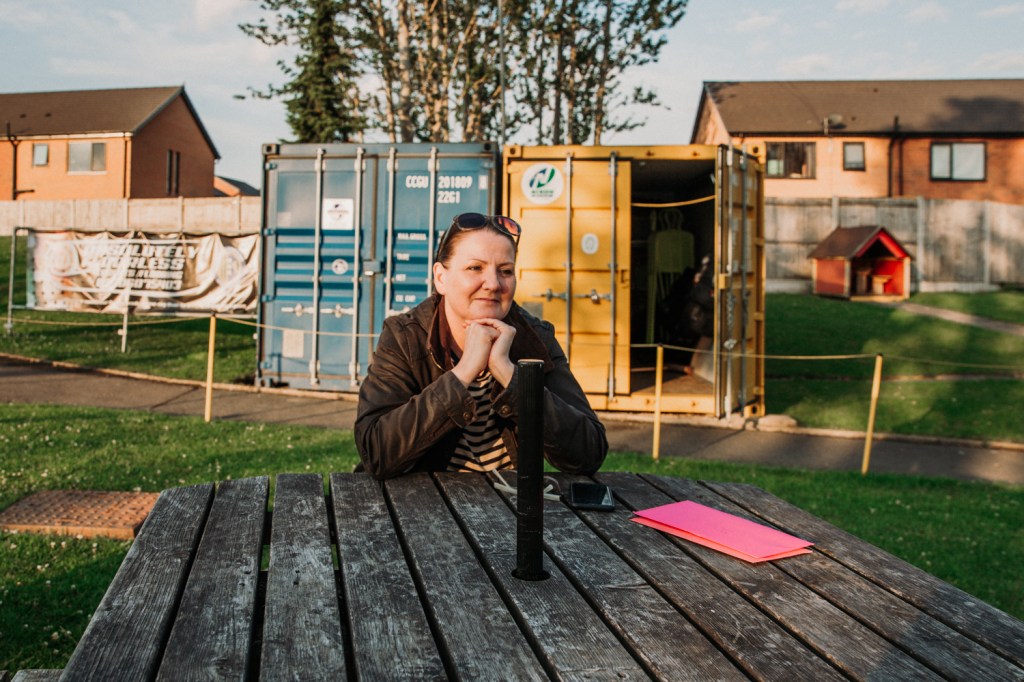
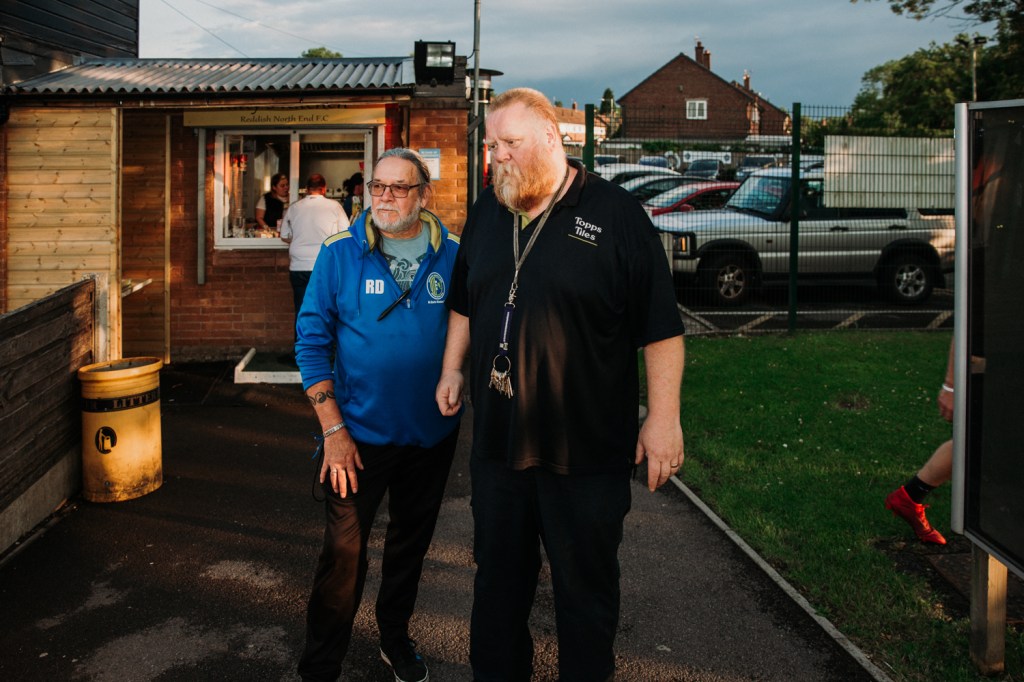
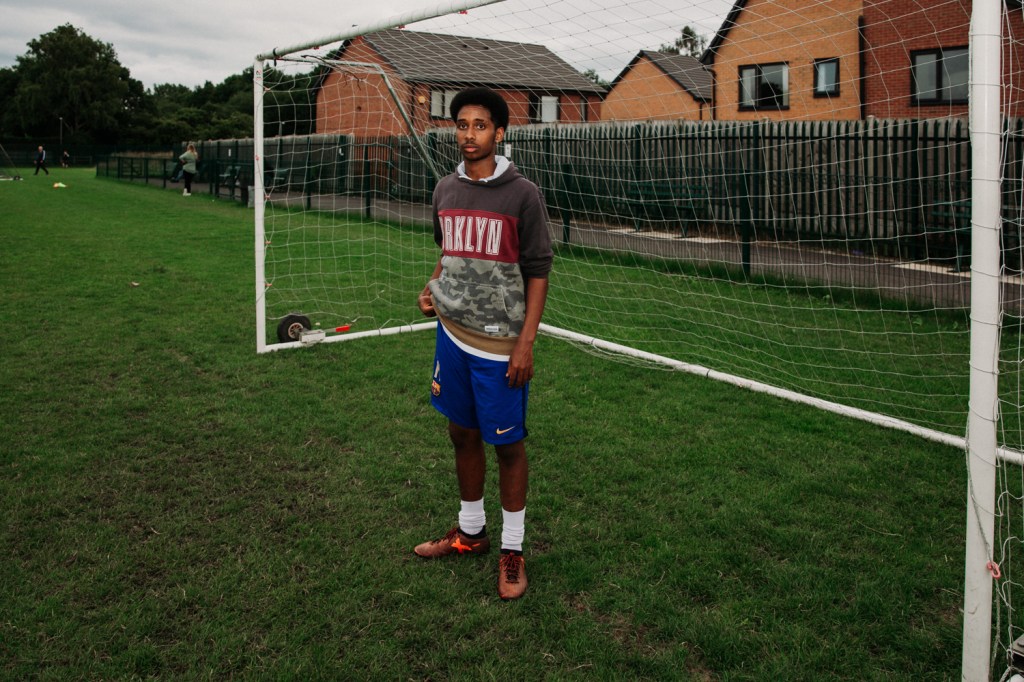
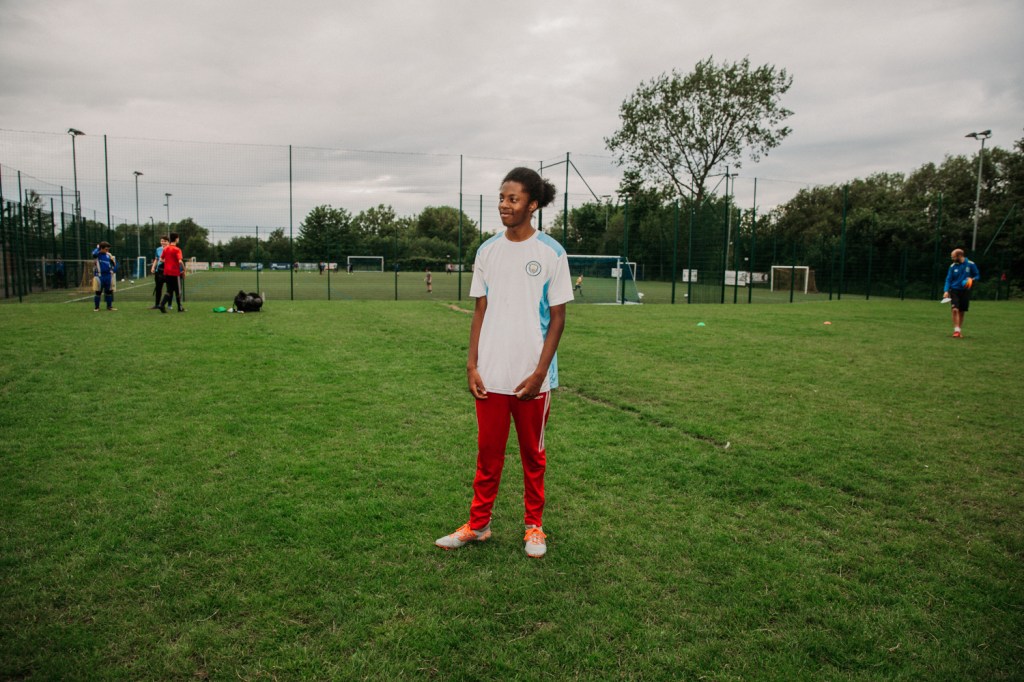
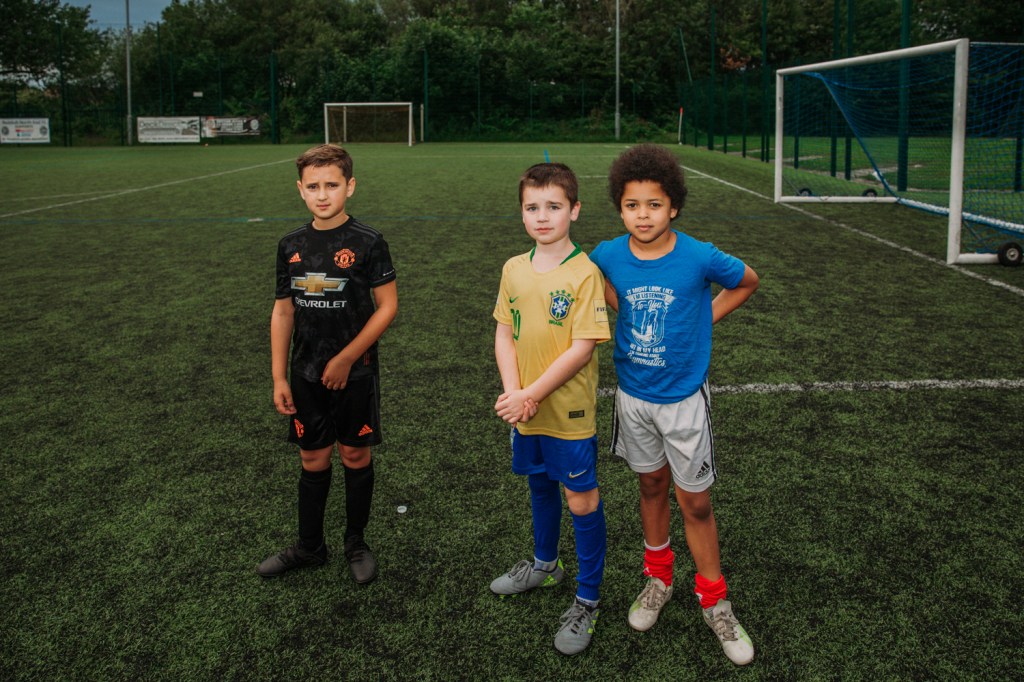
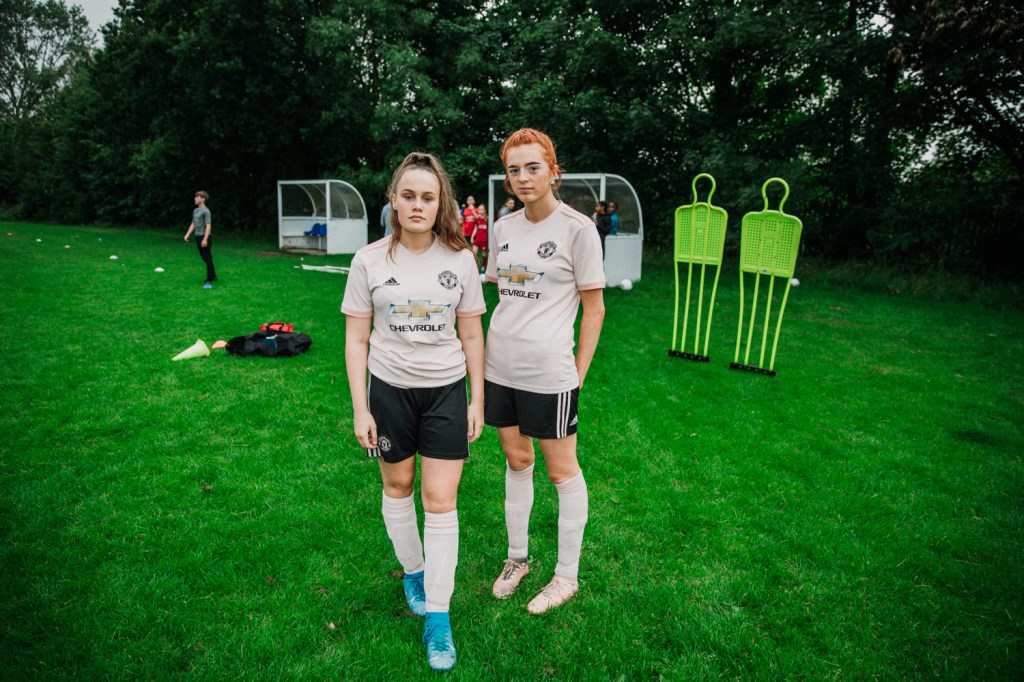
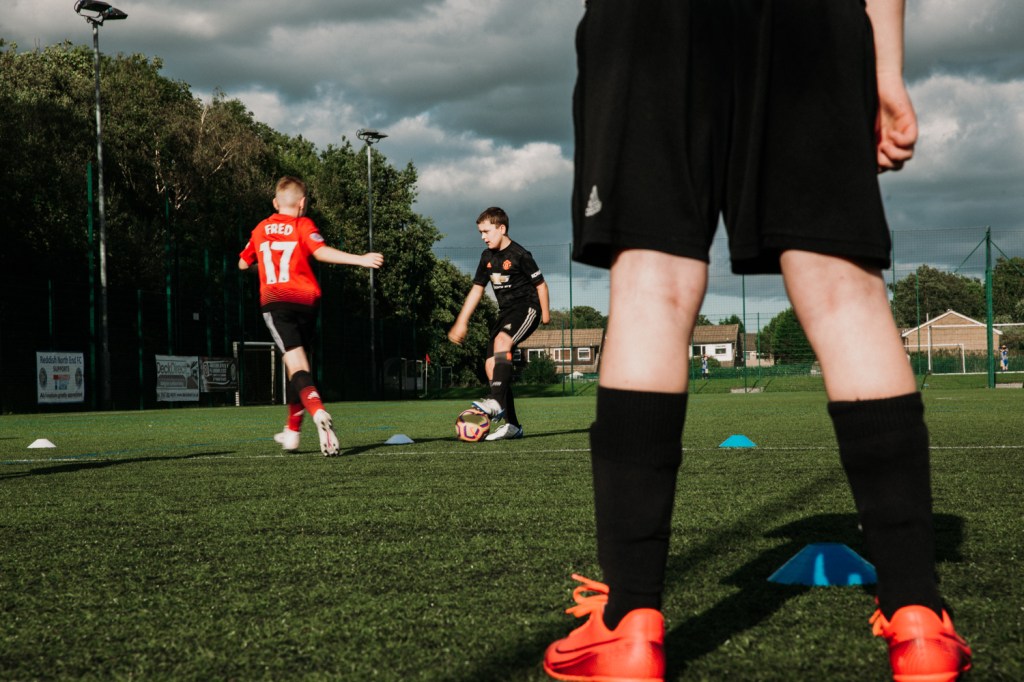
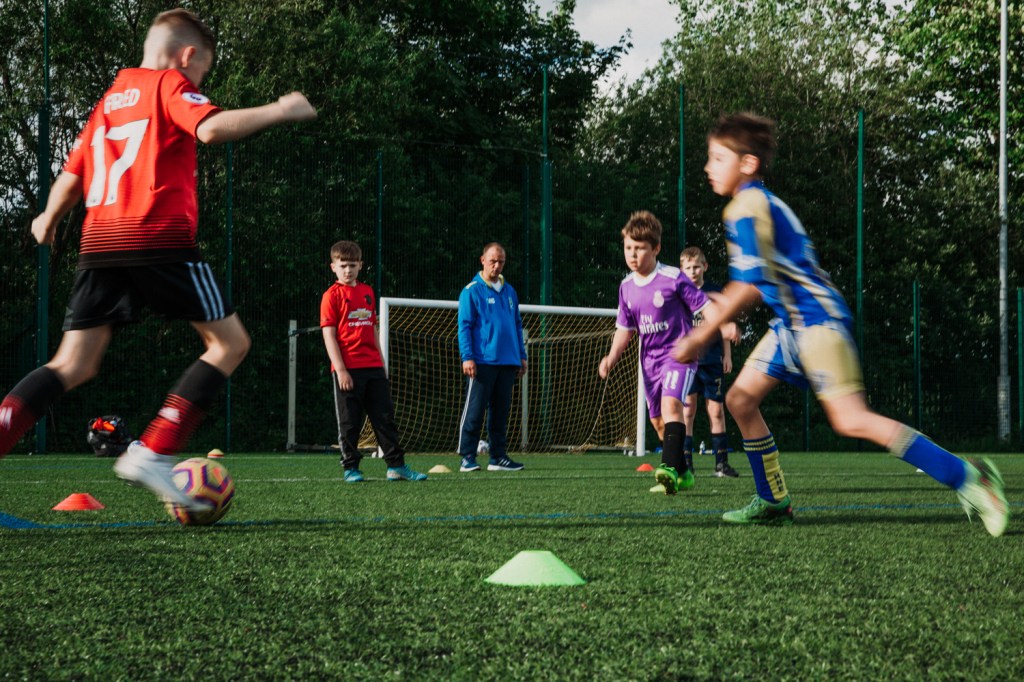
Due to the current situation and having become interested in a socially engaged approach, my previous idea surrounding Stockport County felt too ambitious at this time. I did revisit the club to complete the rephotography task which produced interesting results. I decided to concentrate my efforts on a local grassroots football club that I am already familiar with. This was useful as I was granted full access and essentially a free reign to produce work. I didn’t really have much of a philosophy to start with. However it soon emerged that building on my portrait work would be a relevant direction. Only this time, adjusting my approach by introducing a flash to fill in shadows on the face, shooting at sunset to make use of a richer light source in addition to encompassing the full body from a vantage point which is further back. 

As a result of this approach I received positive feedback and felt personally that my work was becoming stronger. I have continued this approach with varying degrees of success. The work that isn’t as successful now producing examples to reflect on with a deeper level of contemplation. The work of Michelle Sank has been useful within this process and although improvements have been made. I feel that I need to spend more time with subjects in order to connect with my intentions in more depth. 

In addition to my work at the football club I begun to start making work in the community. Initially to practice having researched the work of Alex Webb and Stephen Shore. My intentions were to fill frames, encompassing multiple viewpoints whilst considering the symbiotic relationship between composition and colour. Separating them in my thoughts then bringing them together to make a photograph. As the module progressed I found that I was enjoying this more than making work at the football club. With only a broad vision of how this might fit in with my project idea. I continued to shoot as much as I could with a quiet confidence the my voice and more specific intention would emerge.

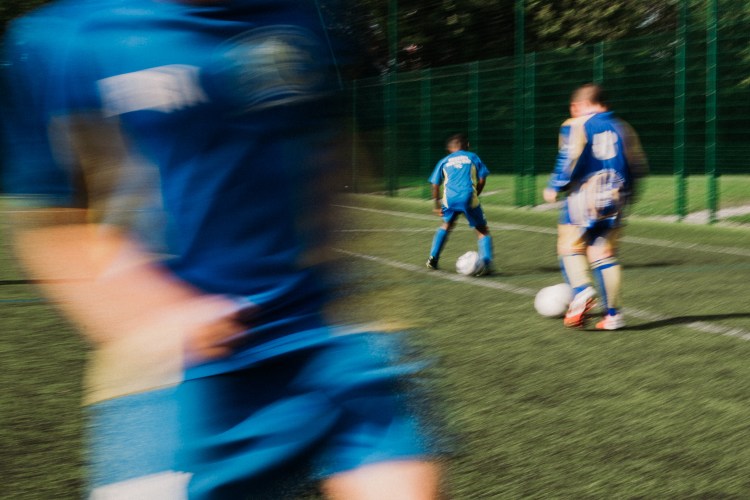
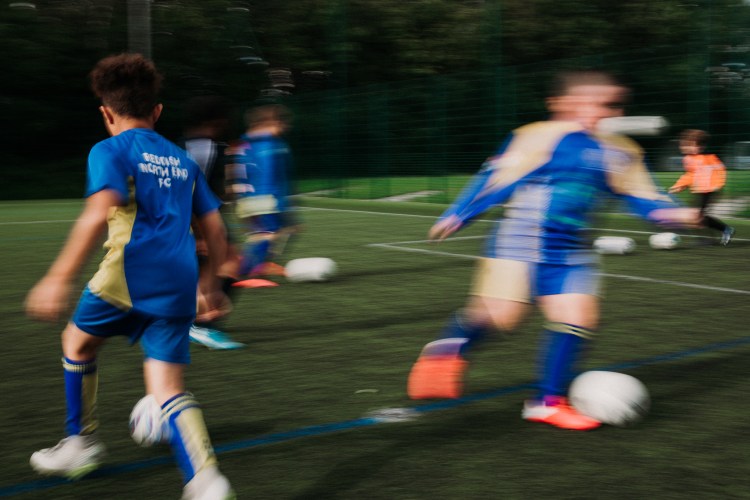
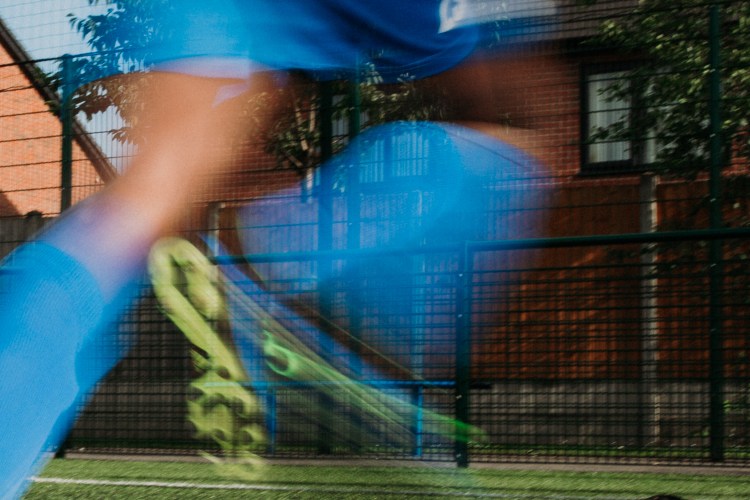
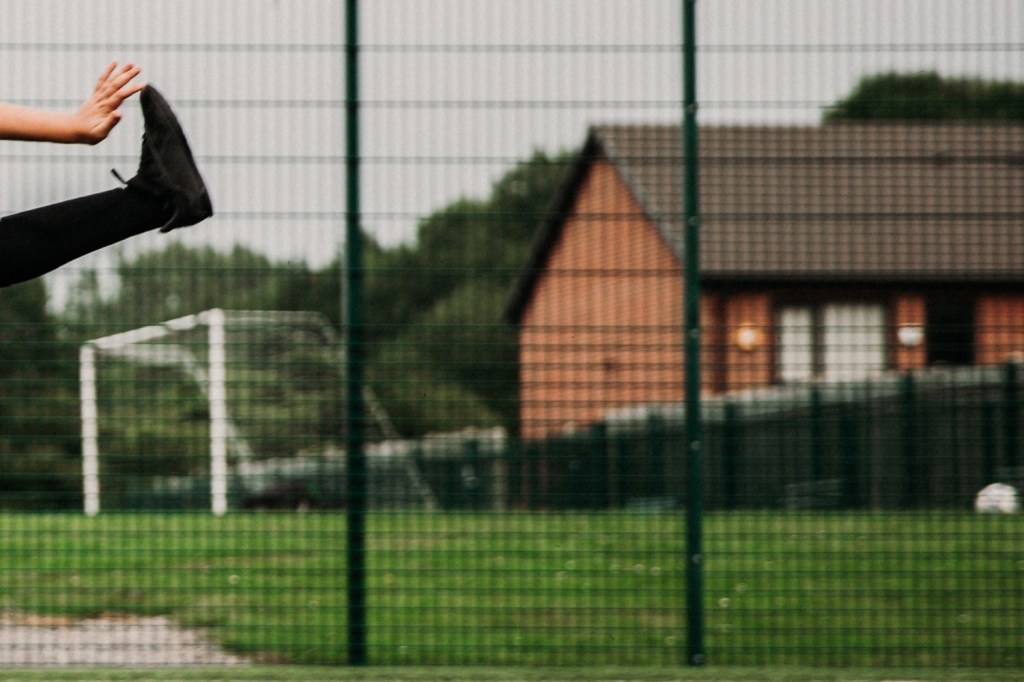
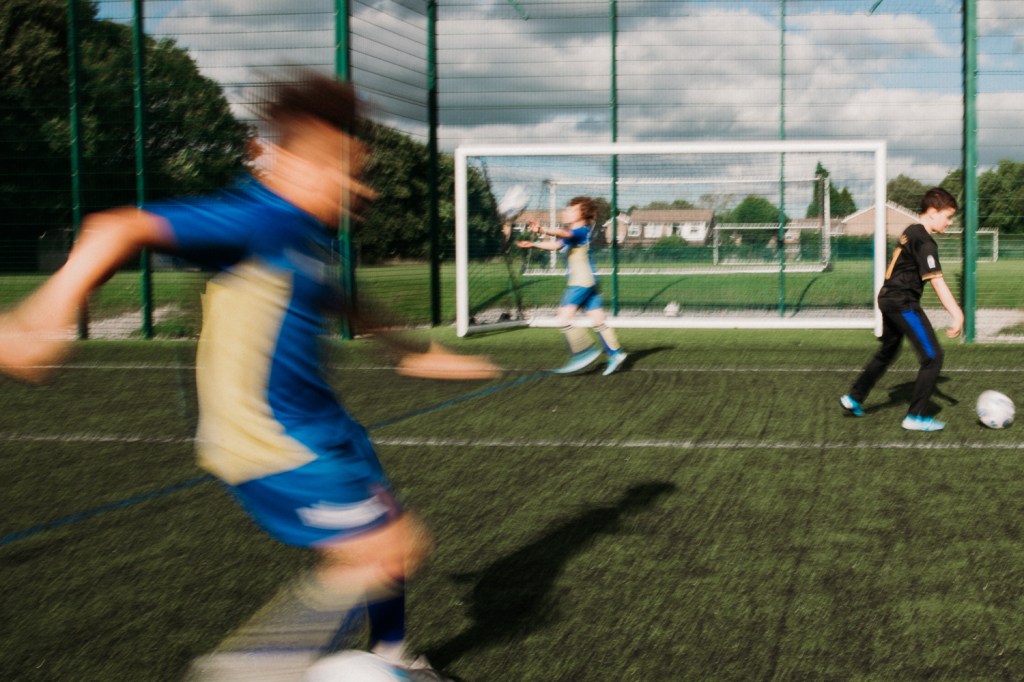
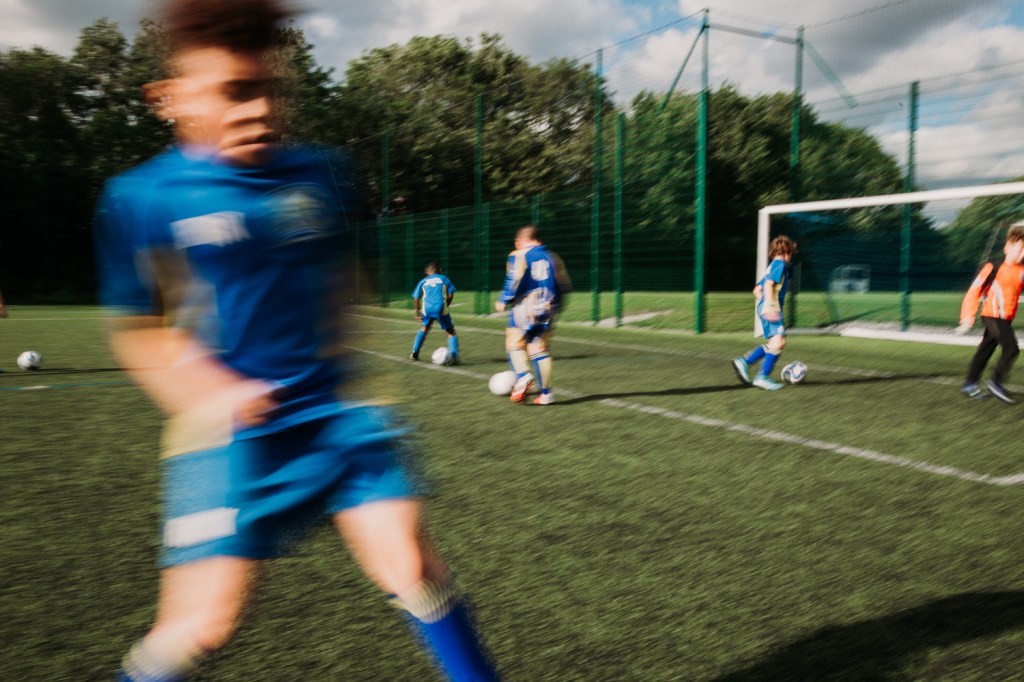
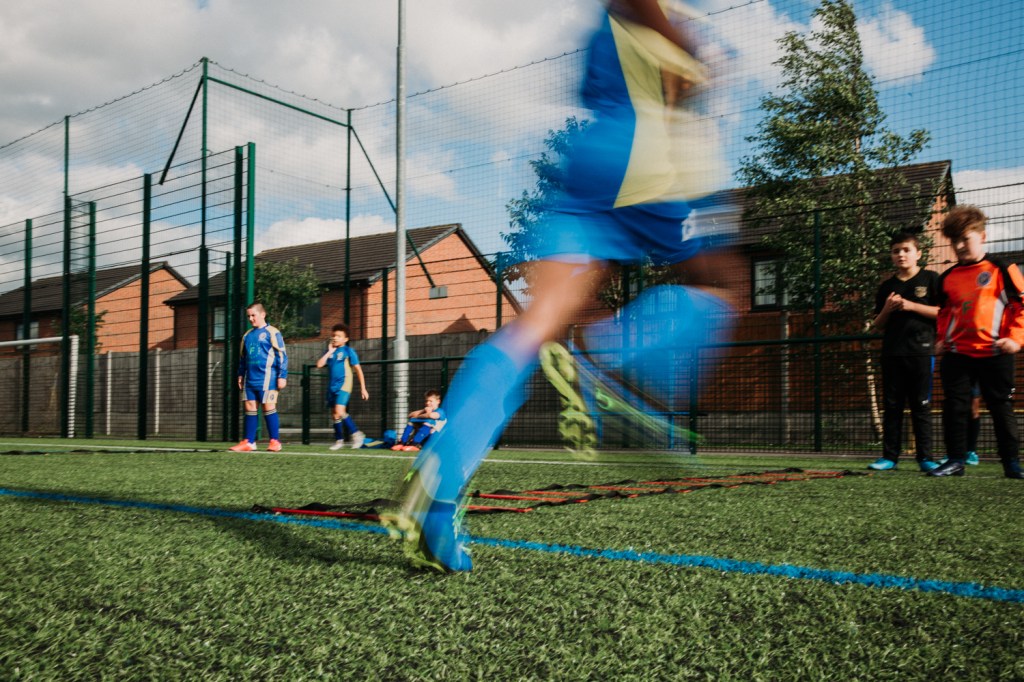
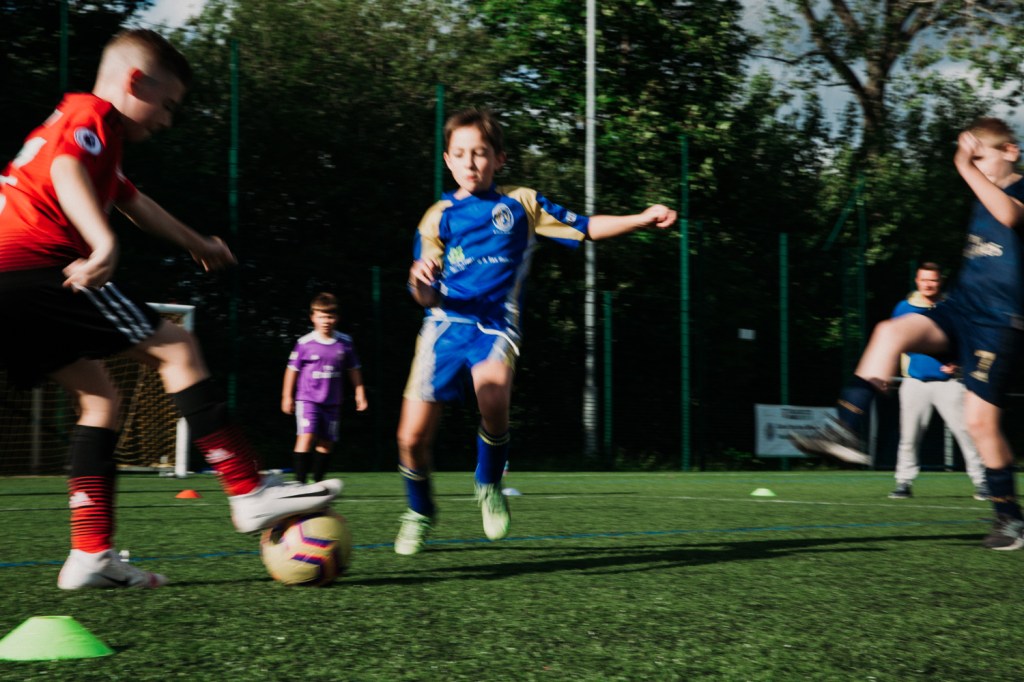
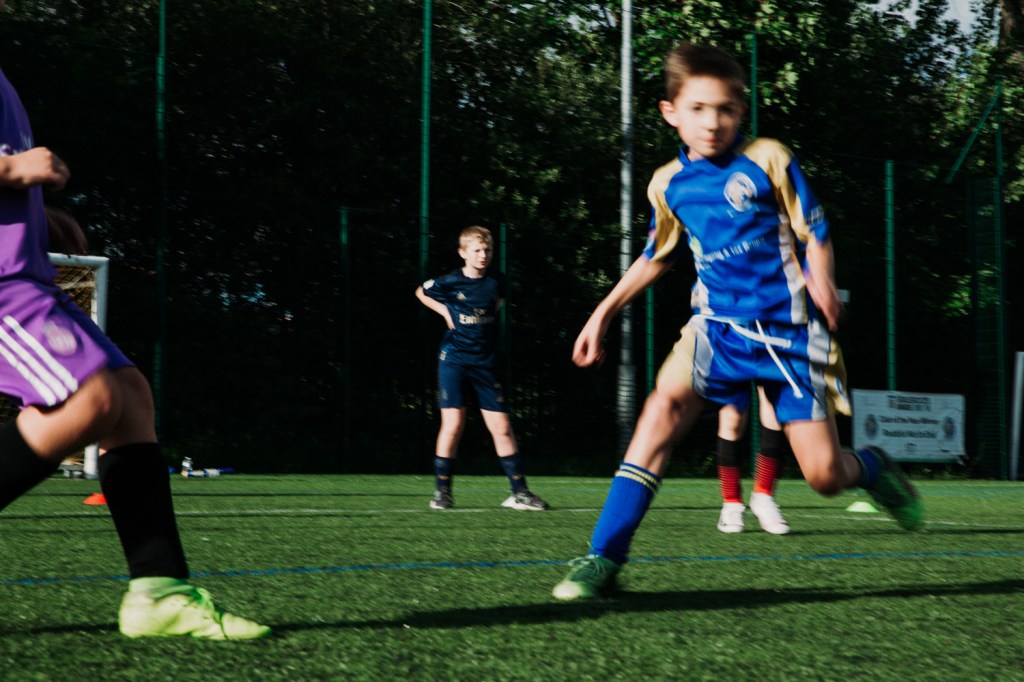
Back to the football club, my tutor Cemre suggested that I introduce movement into my work and suggested looking at the work of Lartigue. This was another useful direction and one that I practiced at the football club. As a result I did produce some interesting work, attempting to encompass busy frames in the style of Alex Webb whilst encompassing the movement used in the approach associated with Lartigue. Although relevant, I felt the aesthetic of green football pitches and blue sky was becoming very boring. Upon getting feedback on this issue, my tutor agreed and suggested that I get closer to my project in an emotional sense. It was at this point where the project really came to light. Already having experienced shifts in my intentions this was in one sense unhelpful, but in another sense, was what my project has possibly been about from day 1. The subject being the relationship I had with Dad, using football as a metaphor. Having never lived with my Dad, the main arena for our relationship was discussing life in a car travelling to a match or in the local cafe after a match. These places were central for over 30 years, therefore the emphasis of my project became about visualising this relationship through a photographic means. The real emotional side of the project occurred as I confronted the idea of my own grief about his passing in 2015. In getting closer to my project in this way, I came to the conclusion that the grief of losing my Father is something I haven’t confronted in over 5 years. At this stage, the major development in my project and self, became about contemplating the flood of emotions which occurred at this point. Processing and accepting the loss, and the lifting of the clouds of numbness that I have experienced since his passing. 

Currently, I am at the stage of revisiting the places we used to go, photographing them which isn’t rephotography but rather a revisiting of the life I once shared with my dad. 

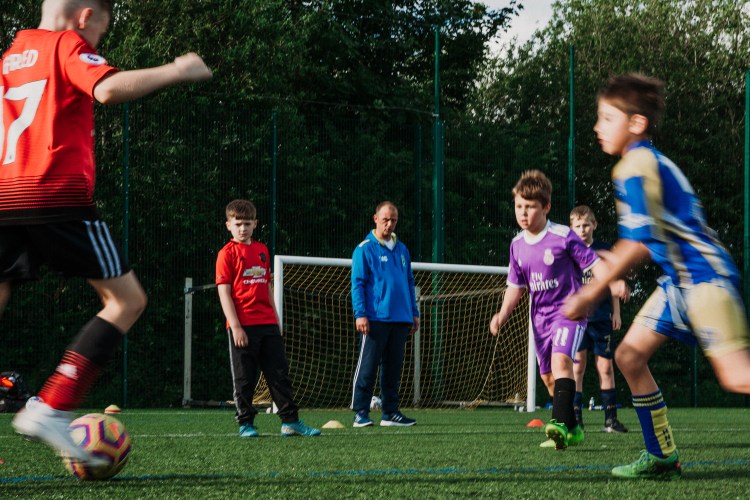
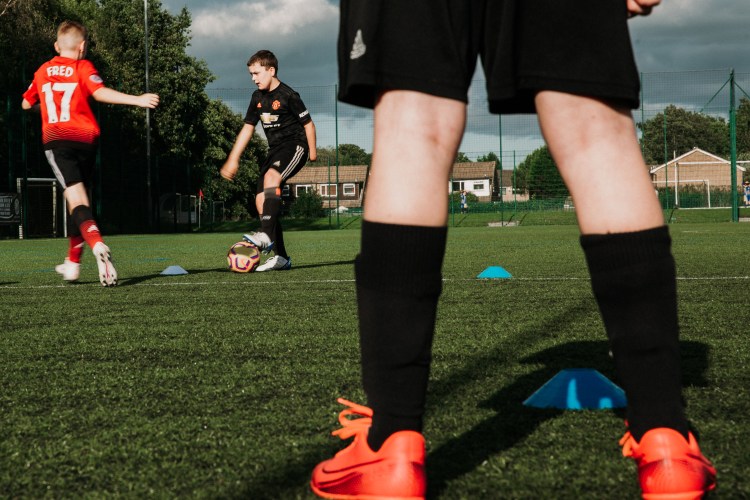
In preparation for the Landings exhibition, I had printed around 100 photographs with the intention of sequencing them for the exhibition. I did this with a loose metaphor of the relationship with my dad in mind although it was a long way from being finished. My attentions however, needed to focus on the exhibition. In support of this I had organised a space at the football club to create an exhibition which presented the difficulty of fusing my current progress which is of a personal nature, with the expectations of an audience at the football club who were anticipating seeing work of a more objective nature. Therefore my exhibition encompassed work mainly focussing on the football club and portraits and documentary work I had produced. At present, the feedback on the exhibition has been good and resulted in an open budget to fill the space with my work. All expenses being met by the club with further interest from the local council in addition to the county football association wanting to speak to me regarding the project. 

Shifting back to the personal metaphor, thinking how i could present such work in the form of a book. I begun to research the range of styles and form work of this nature should take. In the immediacy, previous research of Alec Soth came to mind but this time, rather than considering the narrative of the work. I begun to consider the type of book I might produce. Having purchased some large A3 landscape coffee table books such as Stephen Shore Uncommon Places and Hans Van Der Meer European Fields I was drawn to the romance of producing something of a similar nature. However, these books being of a catalogue nature I understood that my personal narrative should take the form of a monograph. Therefore, a big emphasis at present is the importance of sequencing. Understanding what work I have, identifying the gaps and filling them with work reflective of my intention. As research into books continues, most recently I identified a series of smaller texts produced by Nazraeli Press entitled One Picture Books.The website states The series consists of uniformly designed, modestly-sized hardcover books, comprising 16 pages that serve as a “canvas” for the artist to display one cohesive body of work. ‘ At this stage of my photography career I feel that producing a book of this nature would fit my intentions of producing a book of modest means which encompasses the power of my personal and cohesive body of work. I understand that as an unknown photographer it is difficult to attract the attention of publishers. This route and the modest nature of the production may be useful in creating a book that has the sense of modesty whilst the small scale of the production may enable the retention of the sense of preciousness which this project is to me. I understand that I am not the audience for this book but it is felt that the sense of personal preciousness to the producer is degree zero within this task.