Shoot 16 | The Mayor

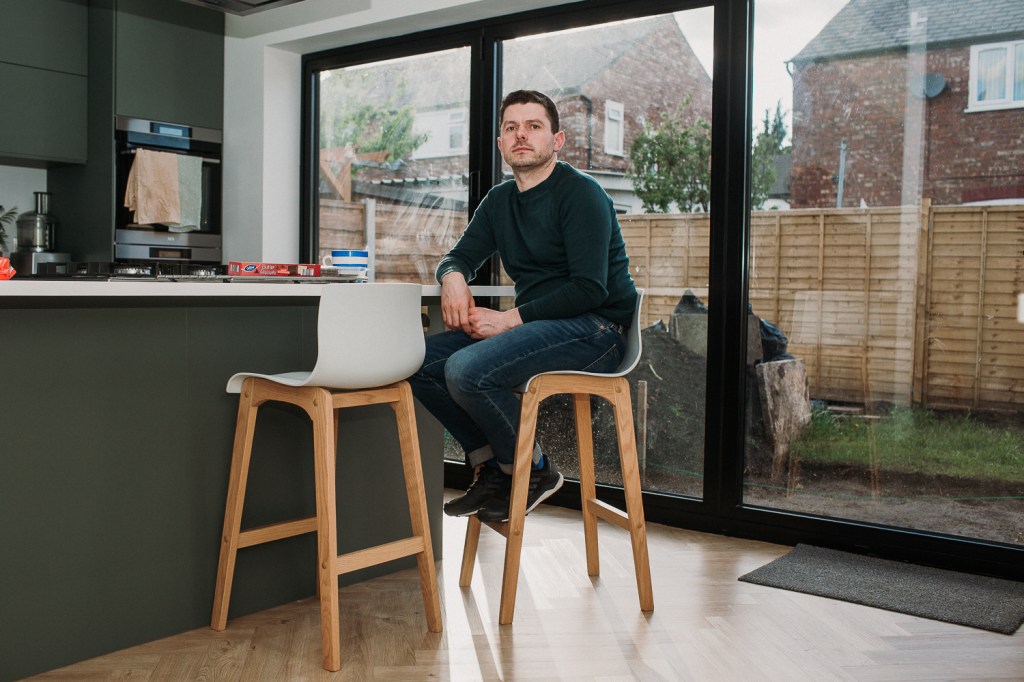
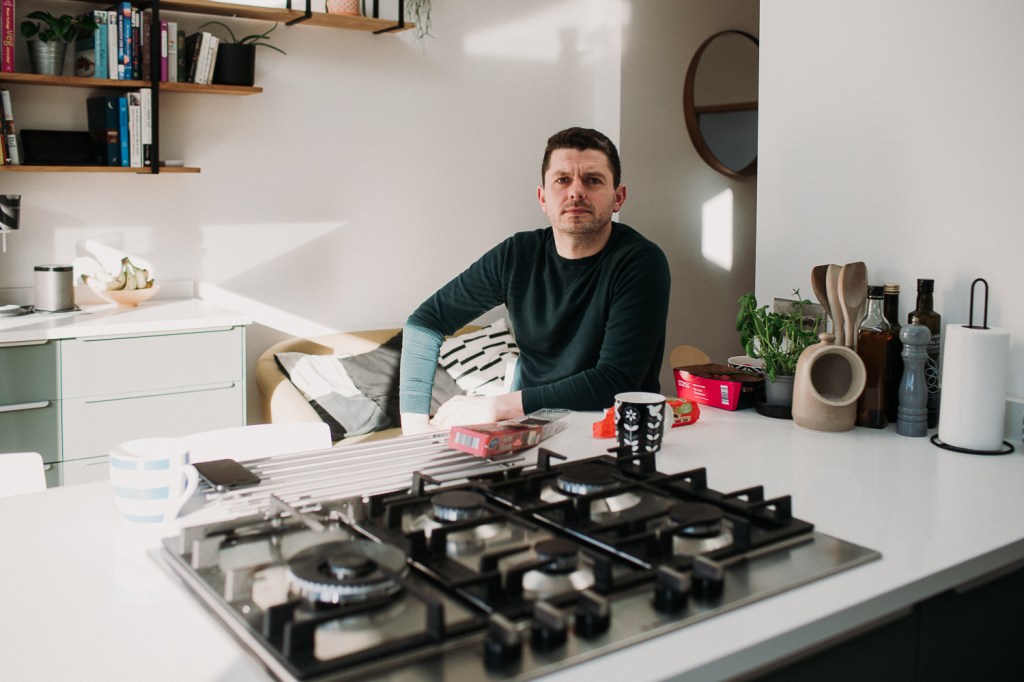
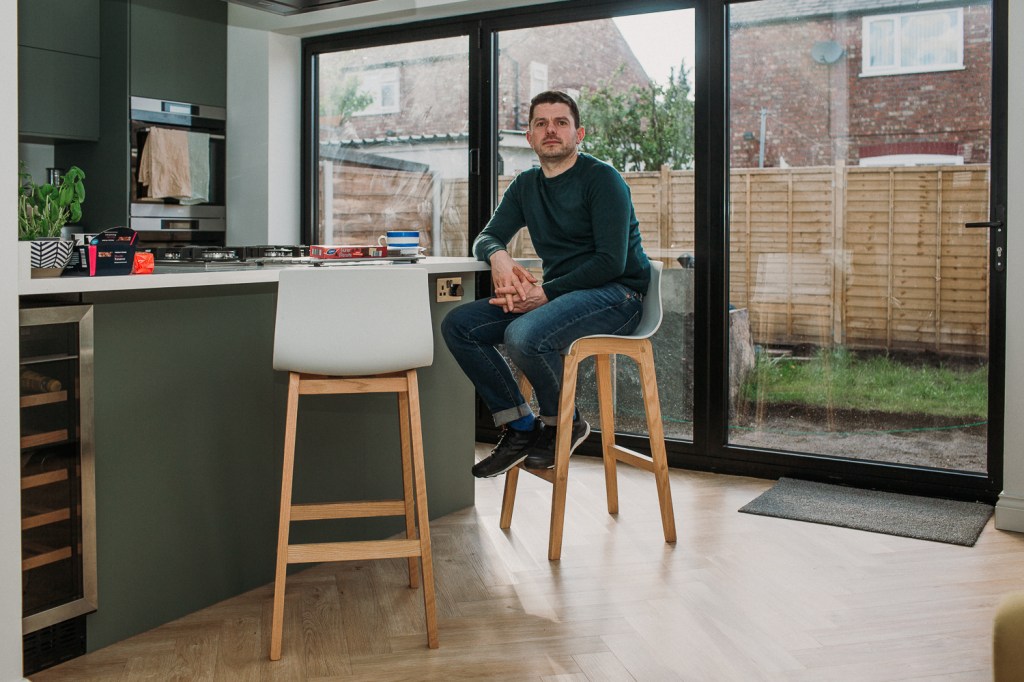
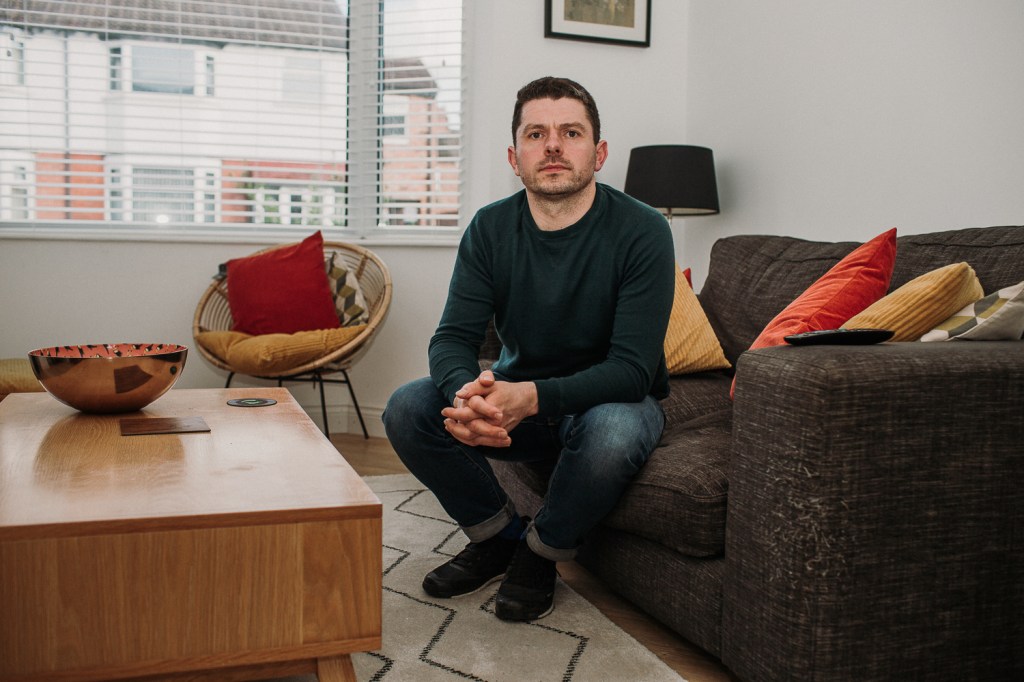
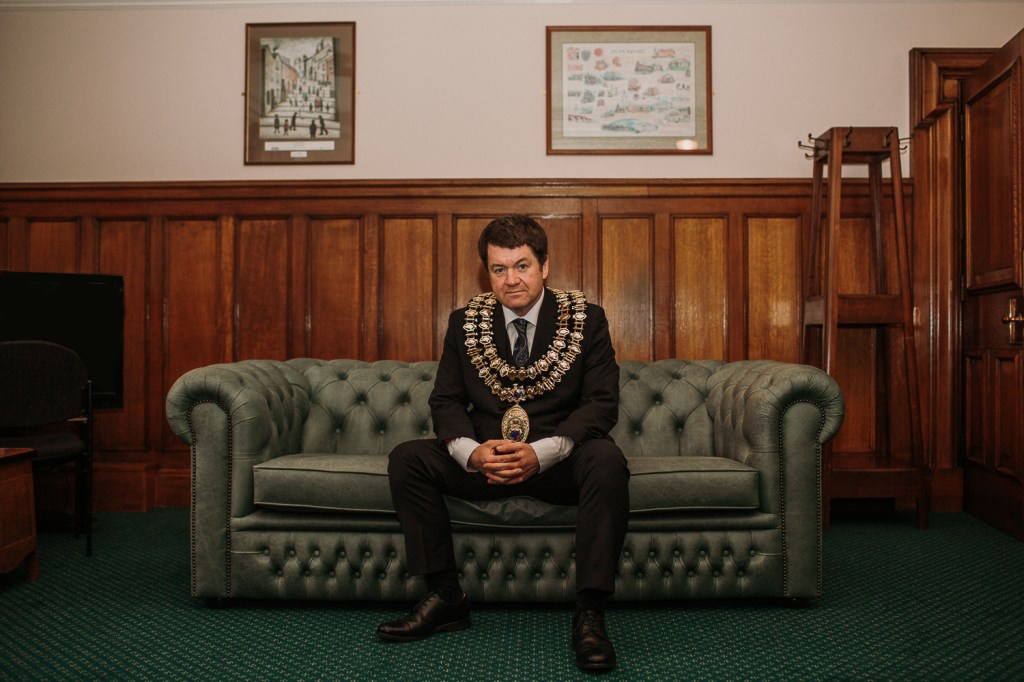
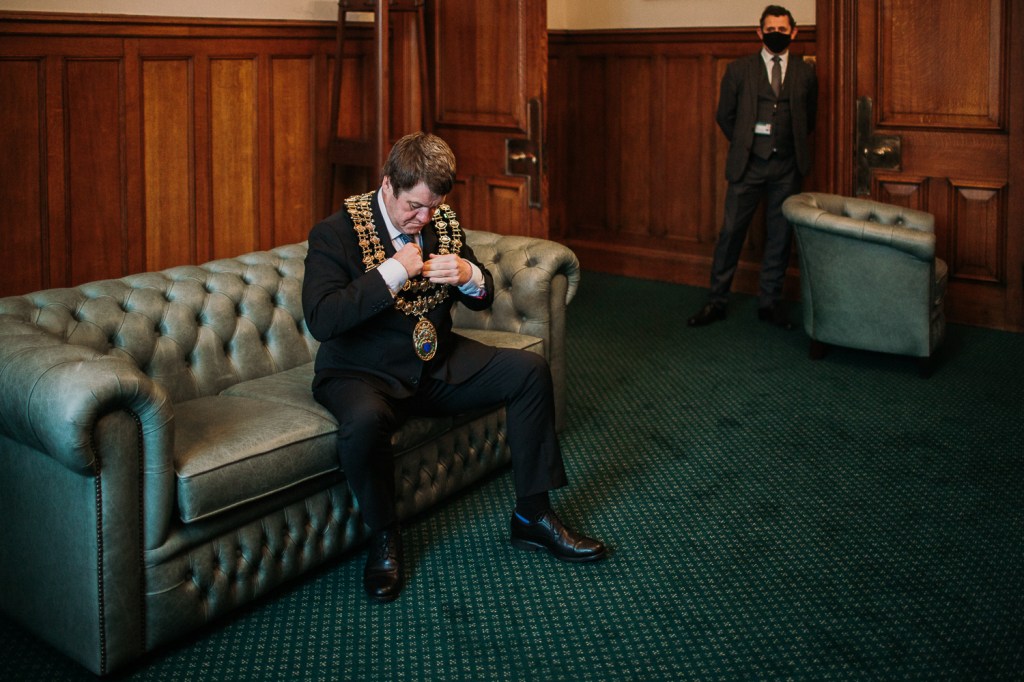
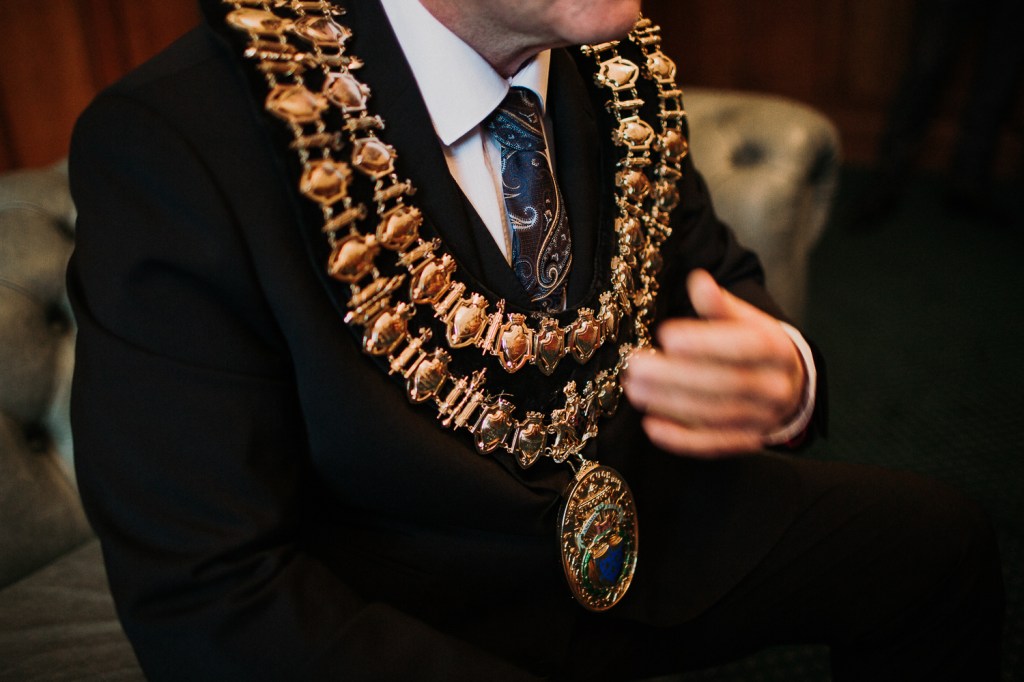
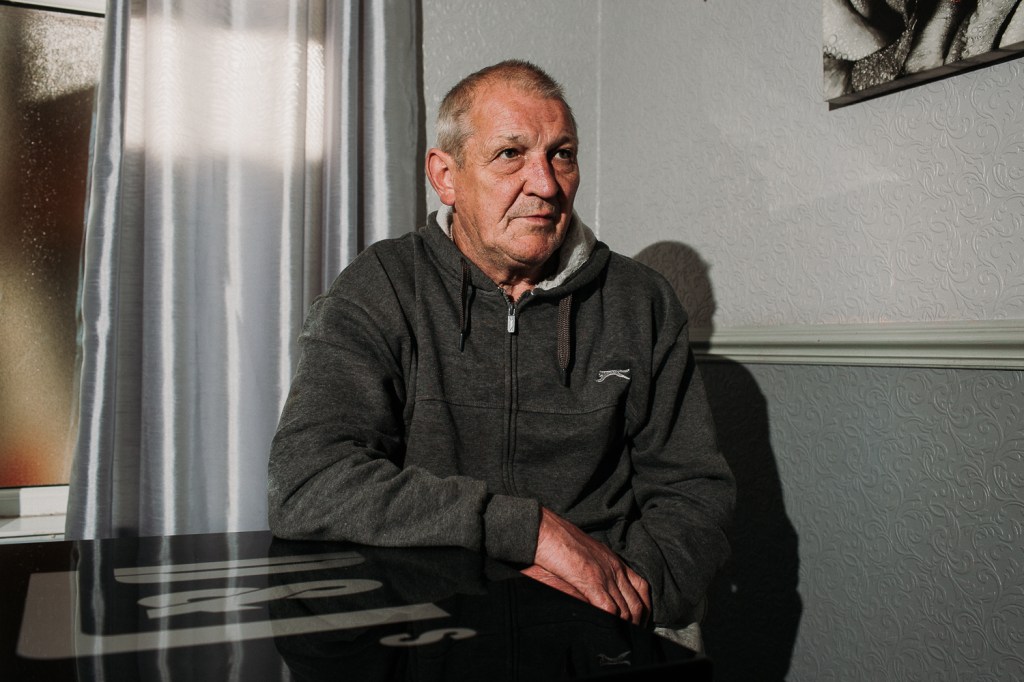
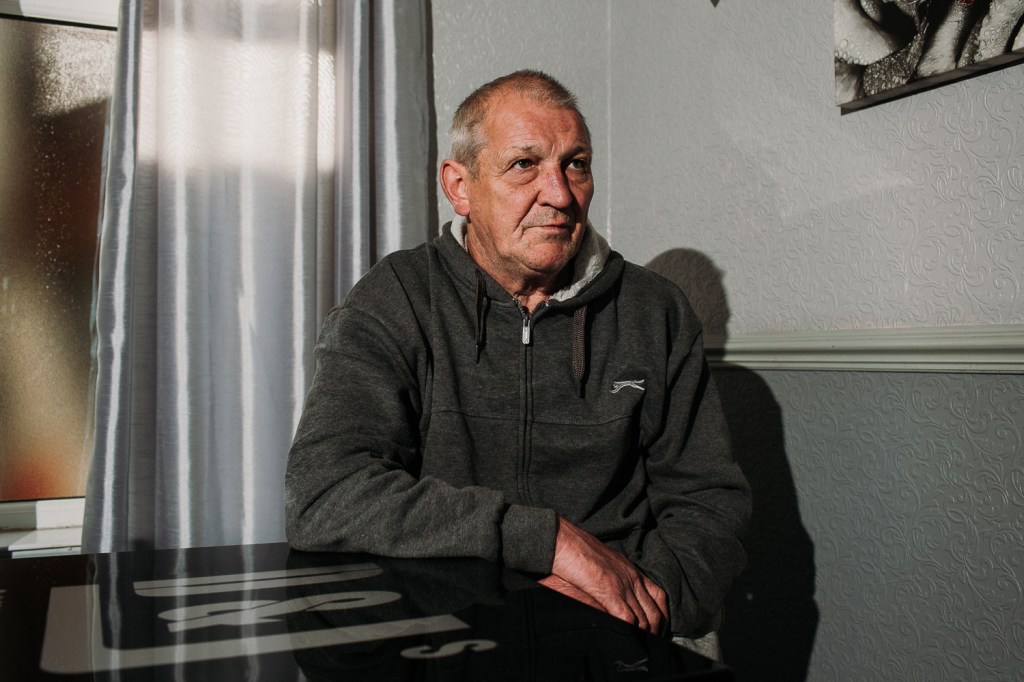
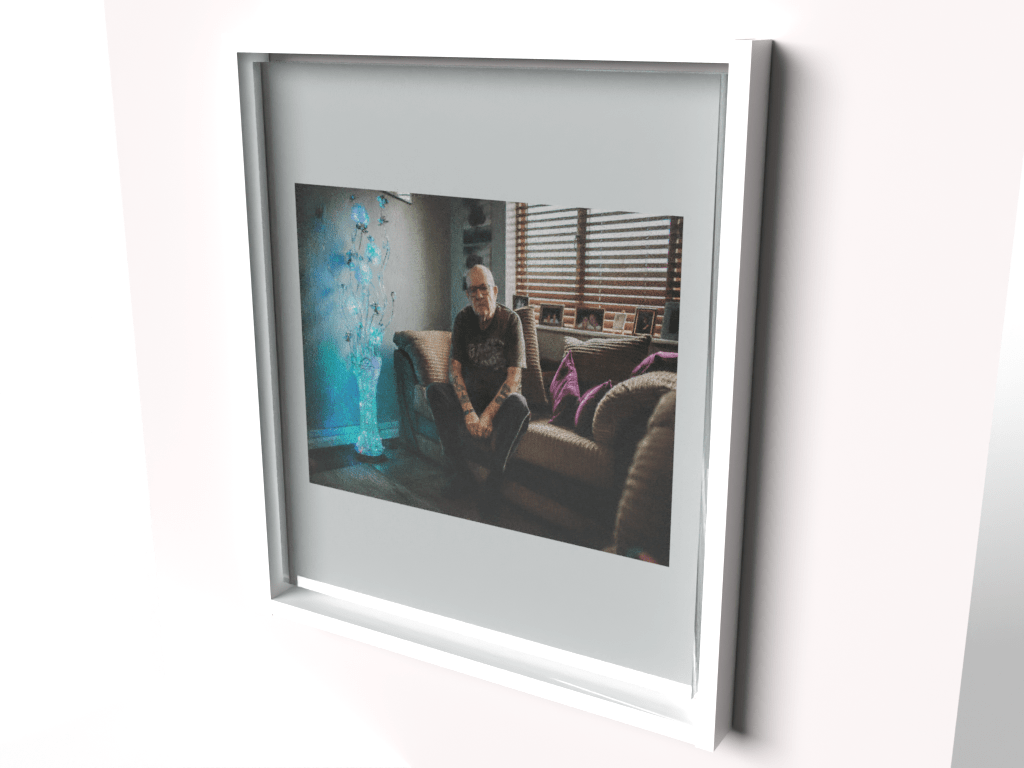
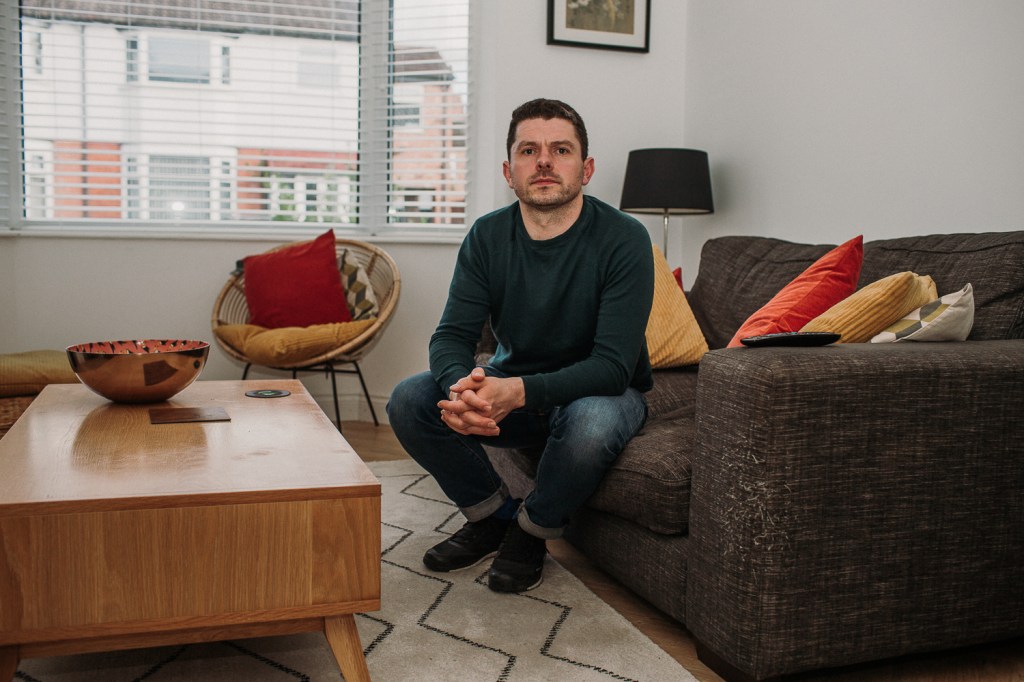
Having bumped into ‘Dean’ at the early stages of my project I took the opportunity to explain my project to him before asking if I could take his photograph. He reluctantly agreed and some months later he returned my email agreeing to take part in the project. I cheekily asked if I could make a photograph in the town hall of Stockport and again he came back to me with a date. In response, I arranged the cover for my work and took an hour to get the photograph.

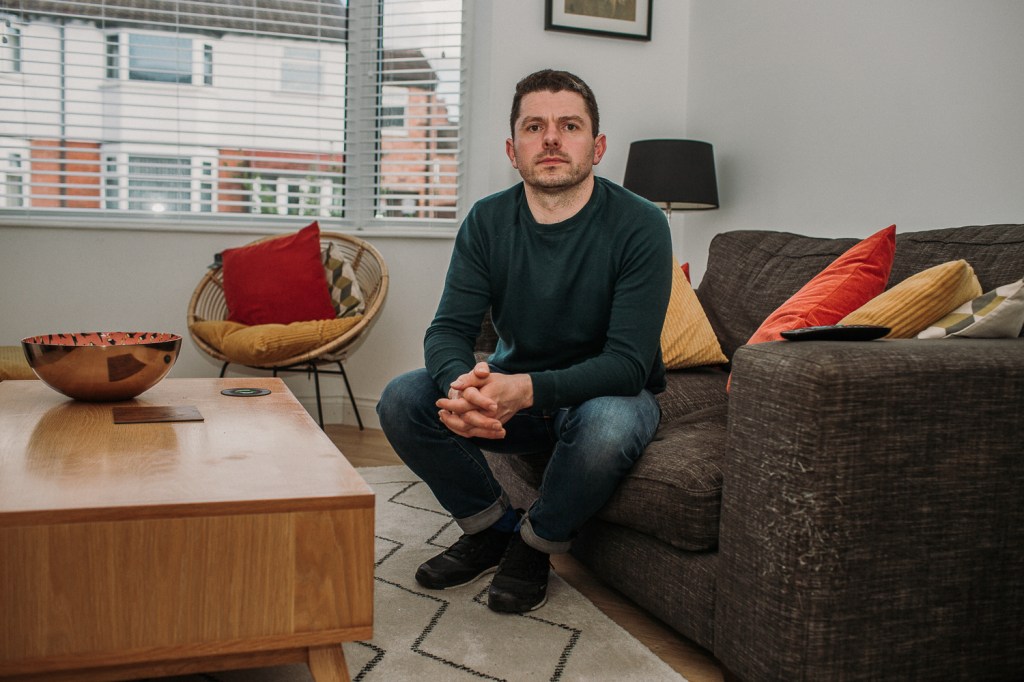
Having taken out the travel time I had around ten minutes to get a portrait. I intended to utilise off camera flash however the lighting in the room wasn’t great and I was also faced with the problem of the sofa being sat against the wall. This meant that I was blowing the highlights against the gloss texture of the wall. After trying and trying I decided to simplify things by shooting on camera flash. In doing this I was able to use full power directing the flash away from the subject. This rendered decent results. What intrigues me about the final image is the placing and space between the two photographs above his head. I feel this represents a relaxing feel to the photo almost relieving it of tension.

Lord Mayor | Dean Fitzpatrick

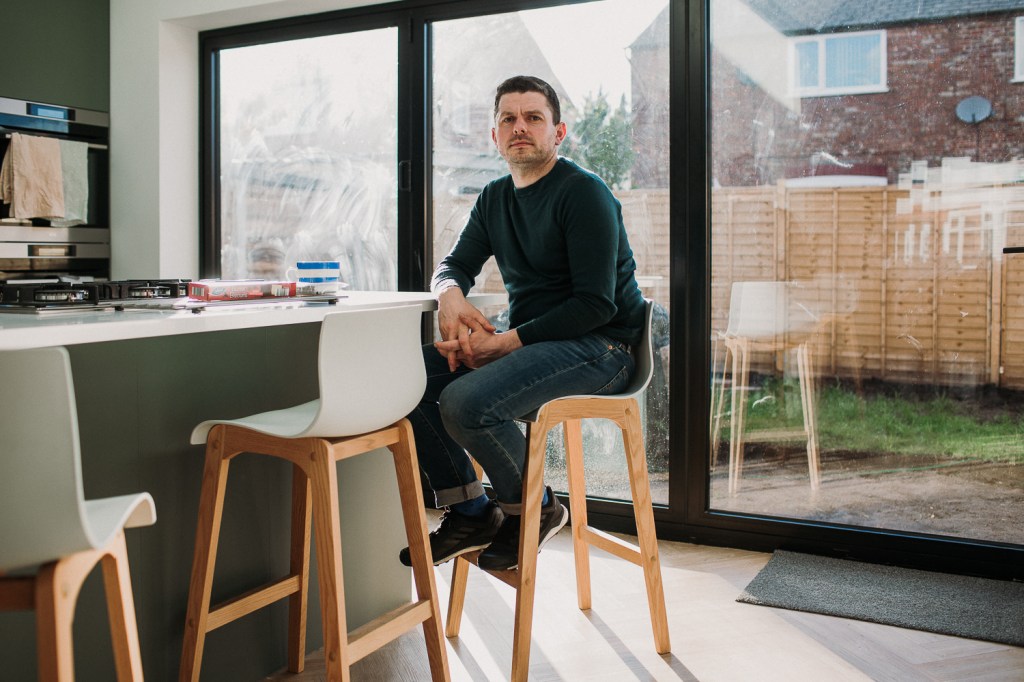
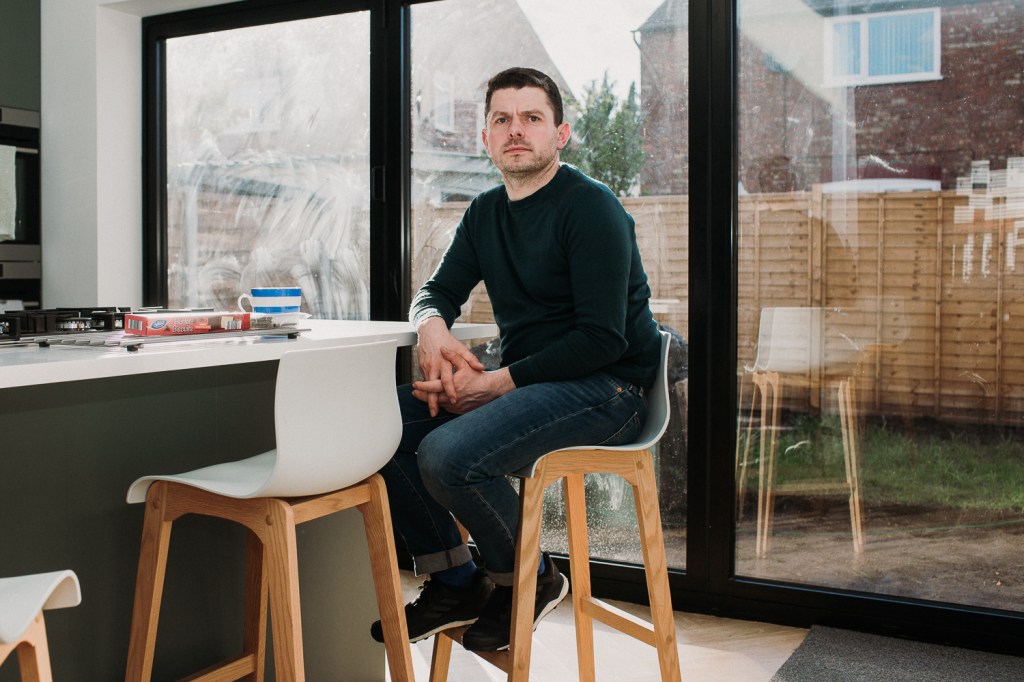
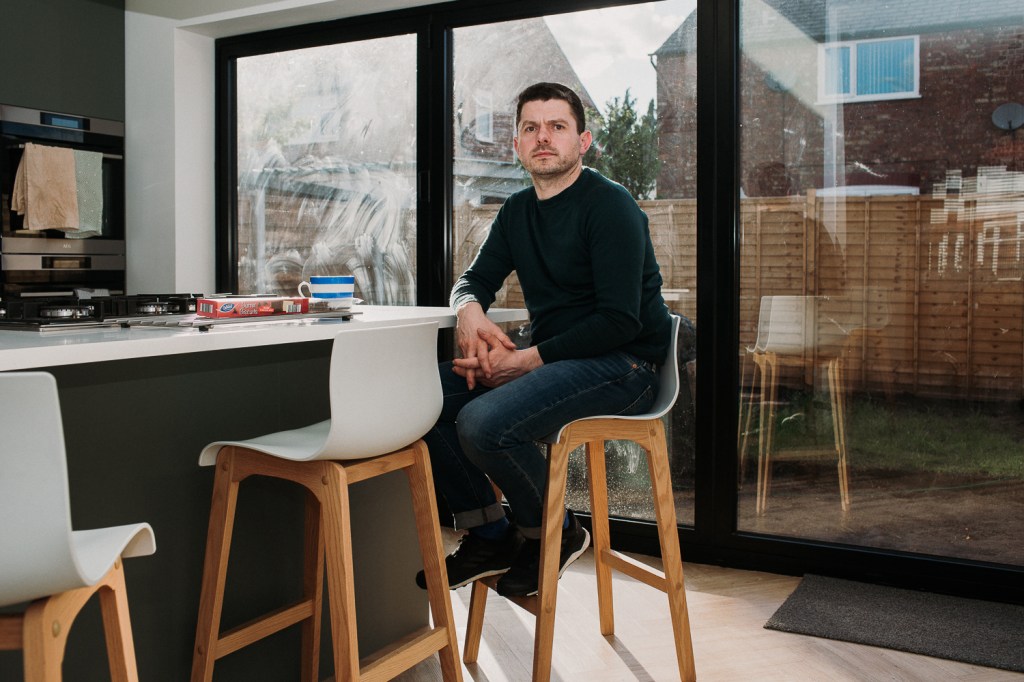
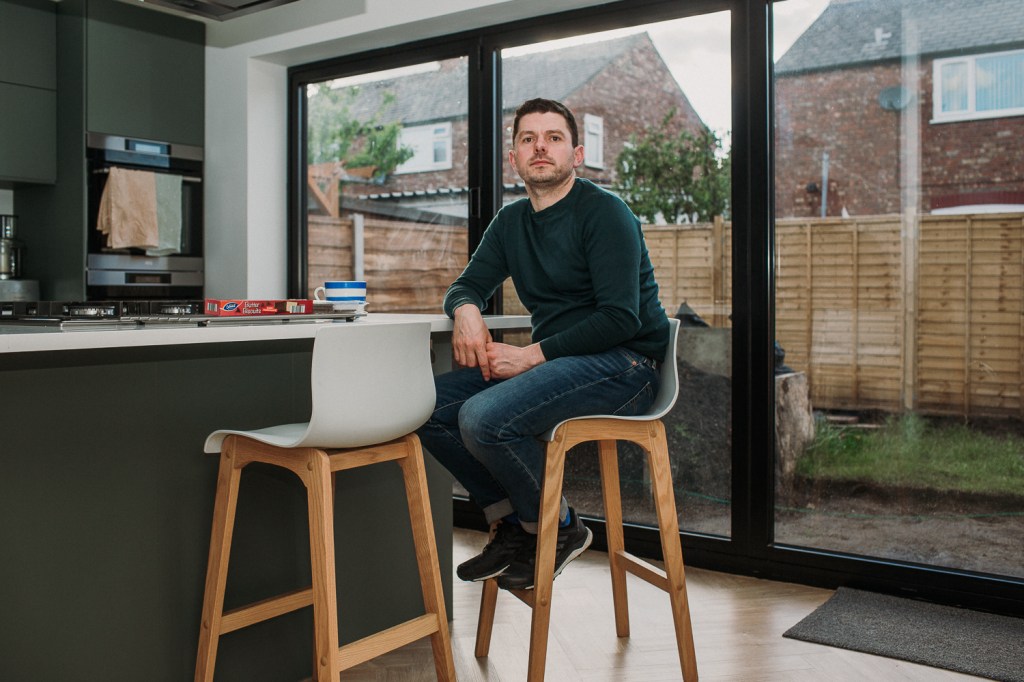
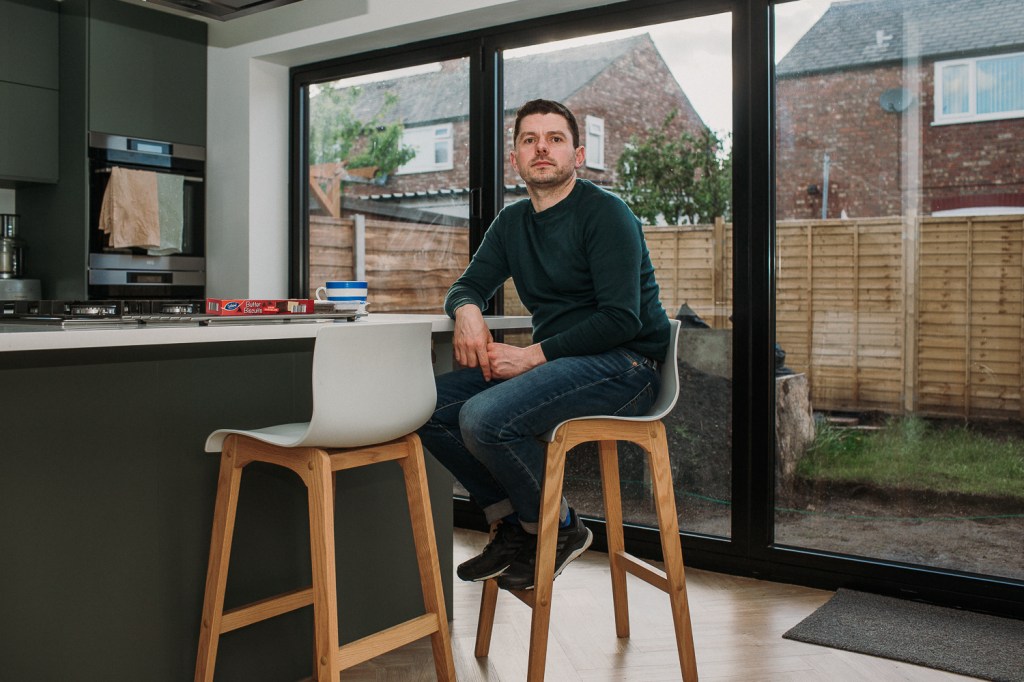
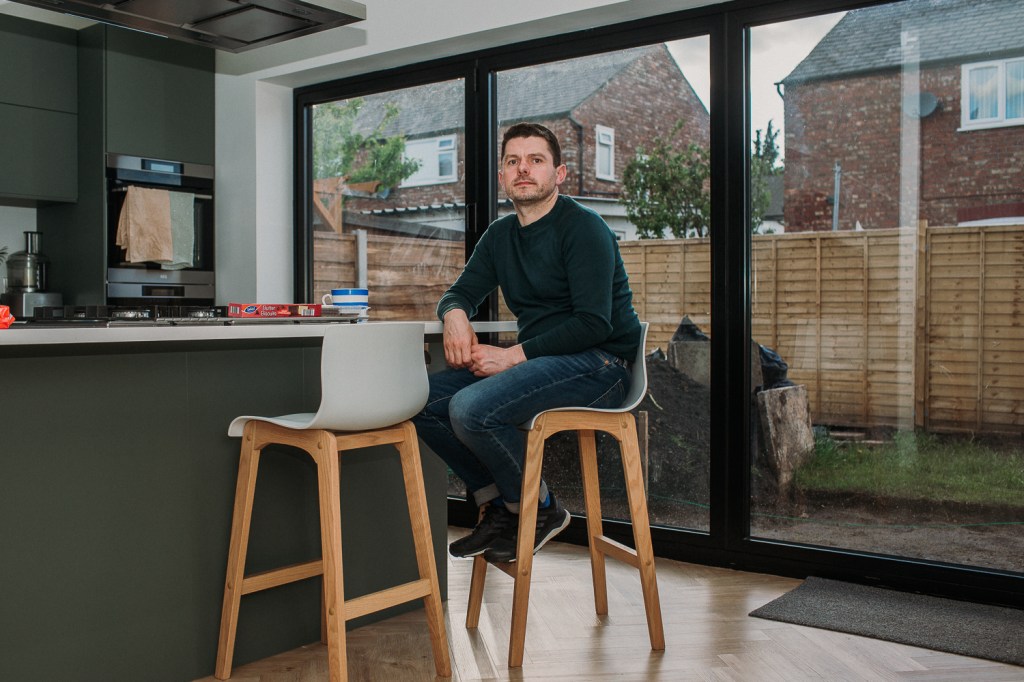
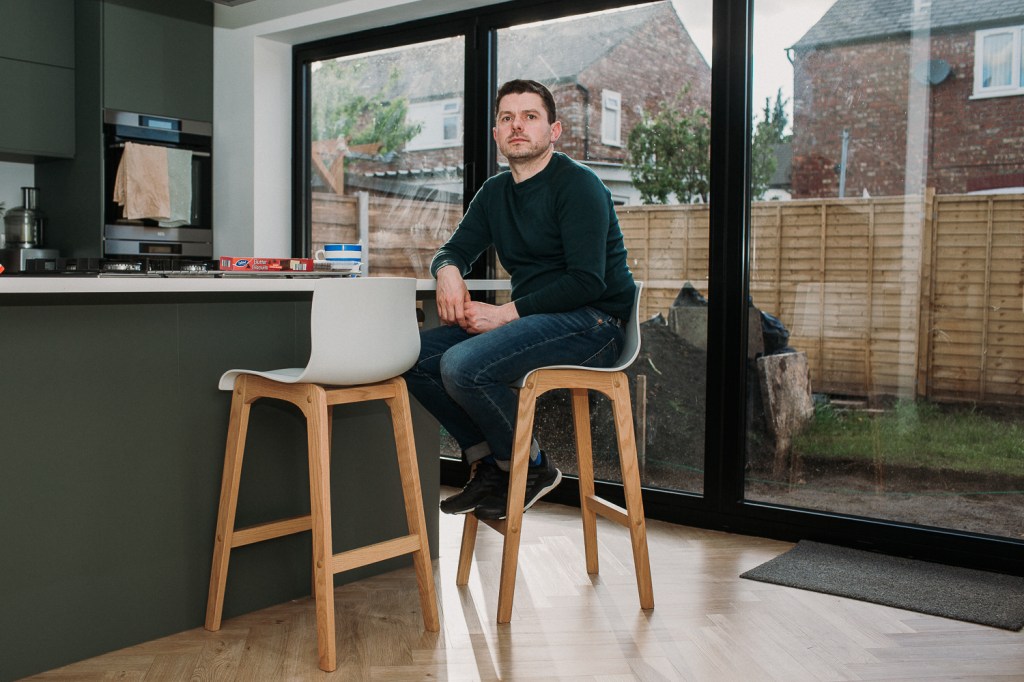
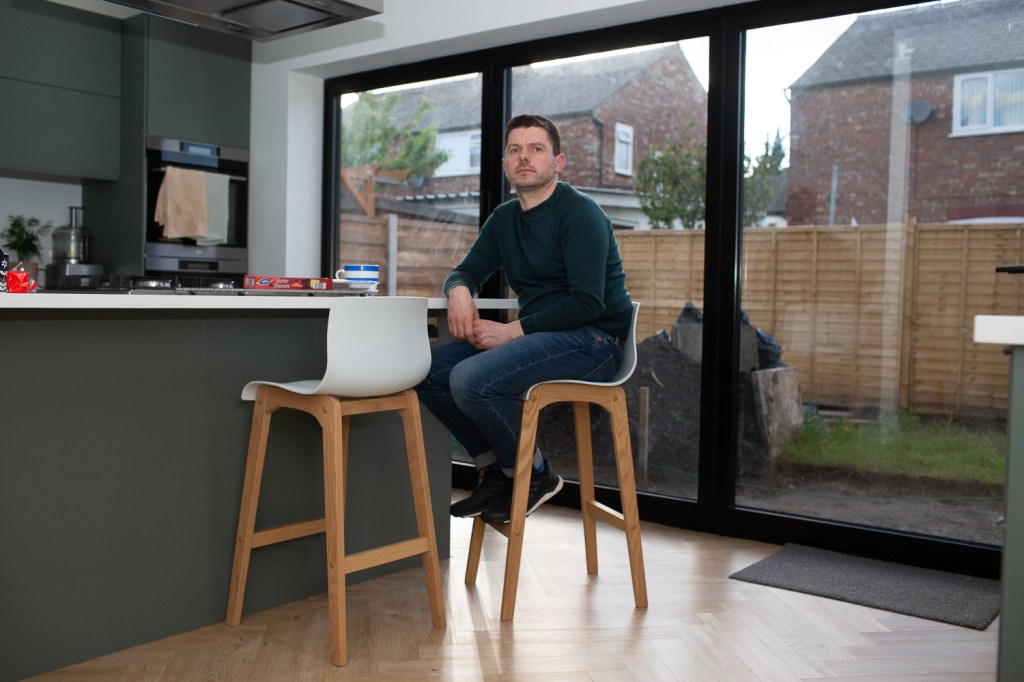
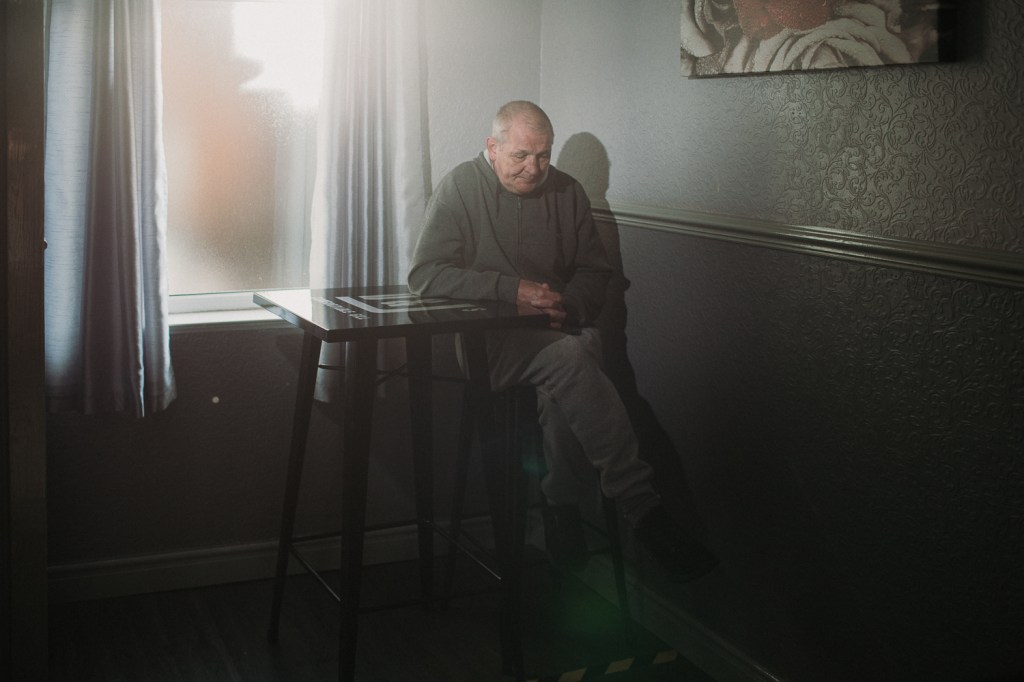
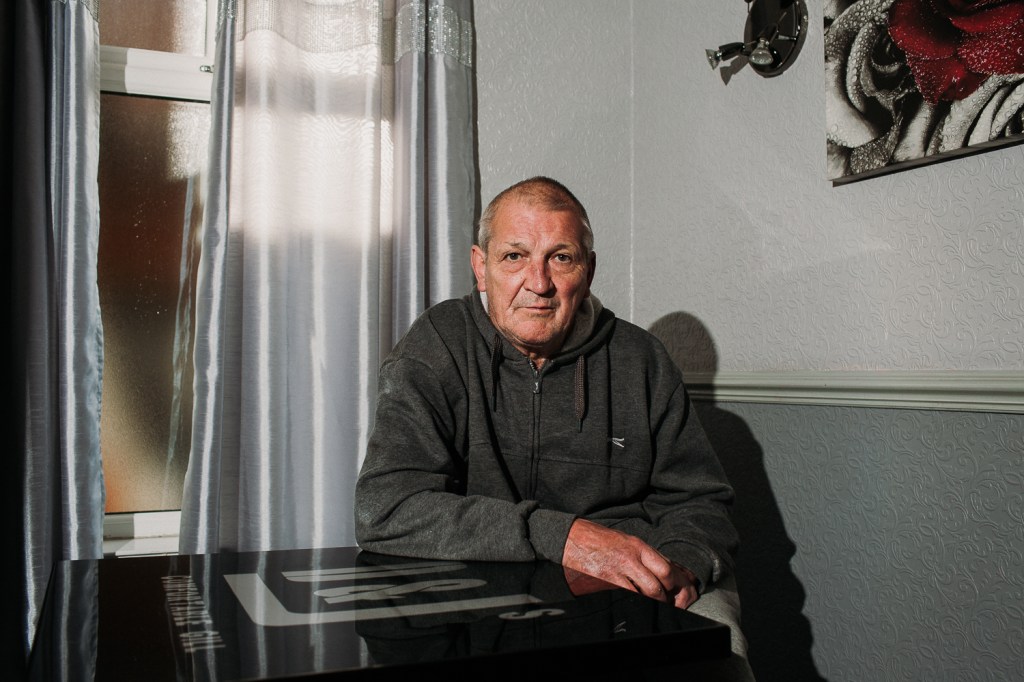
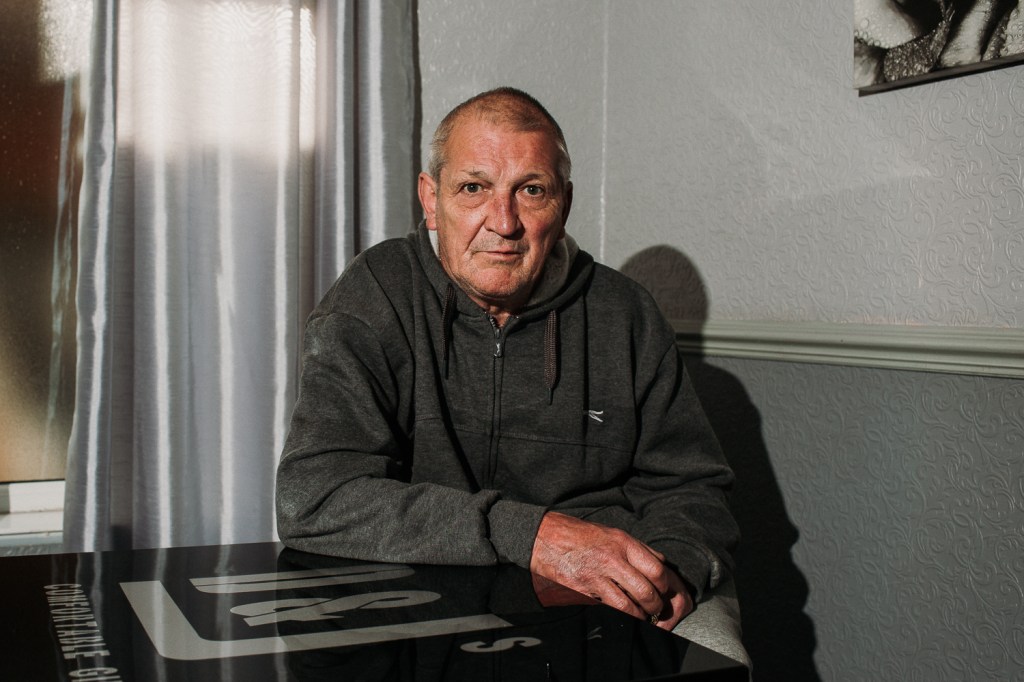
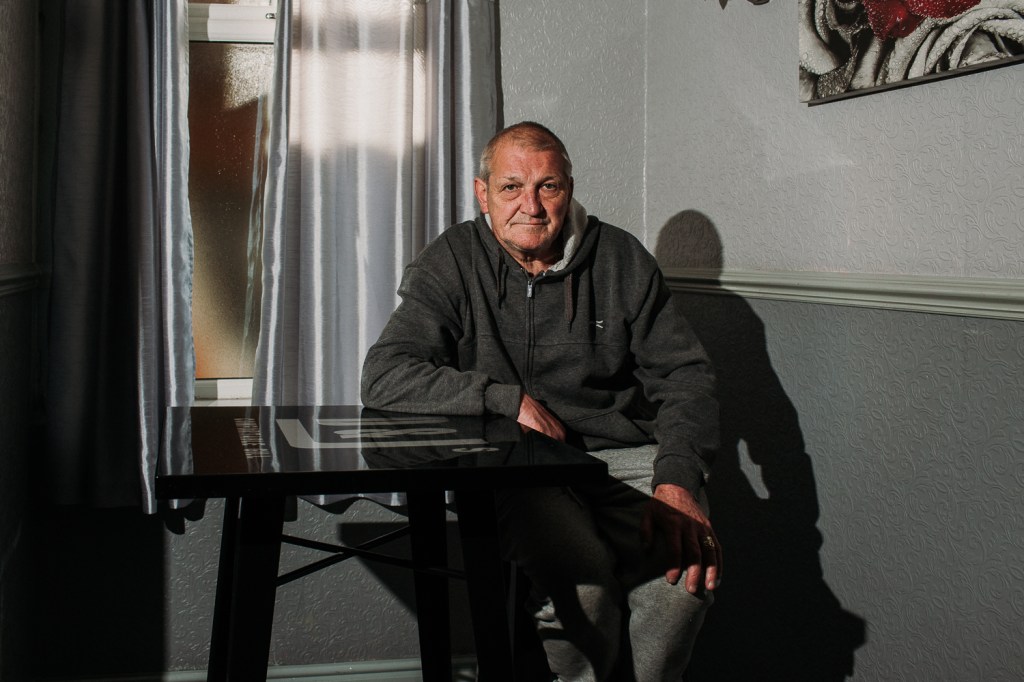
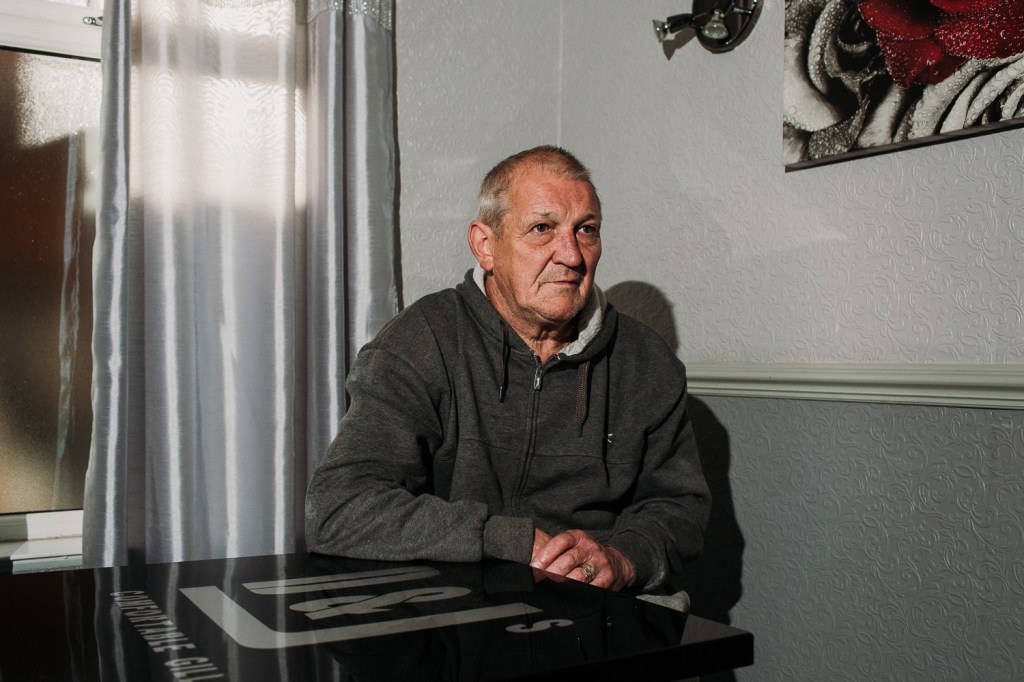
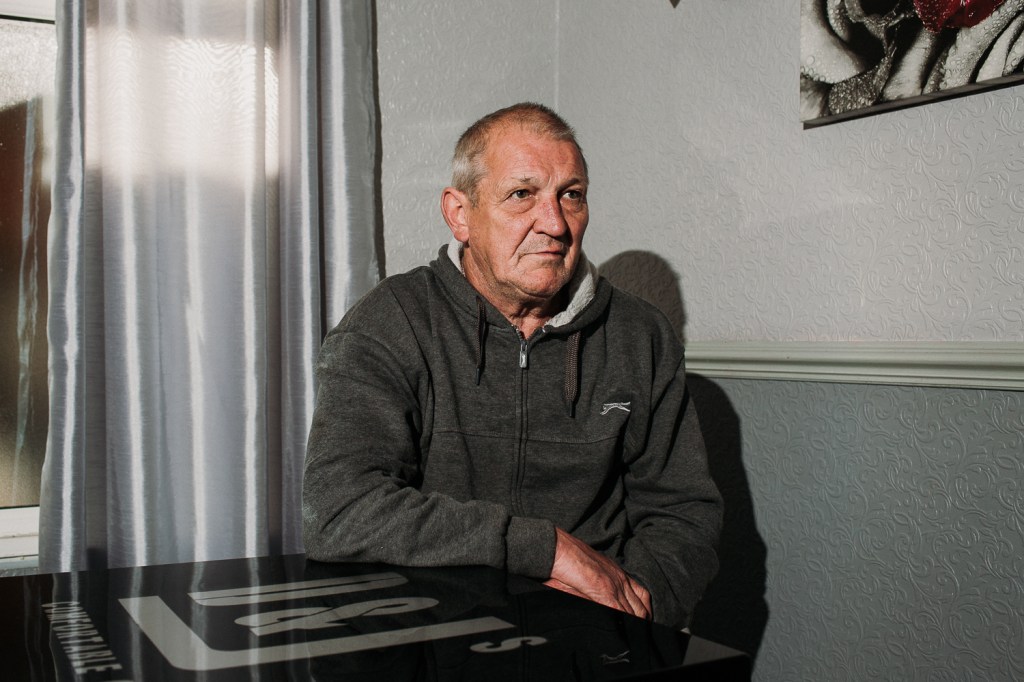
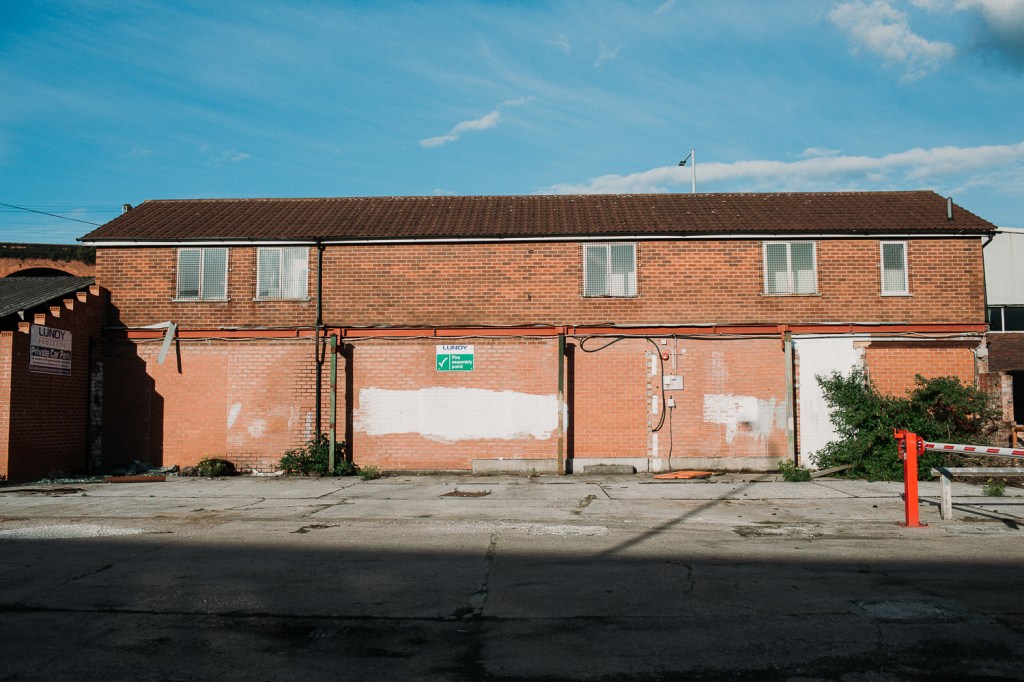
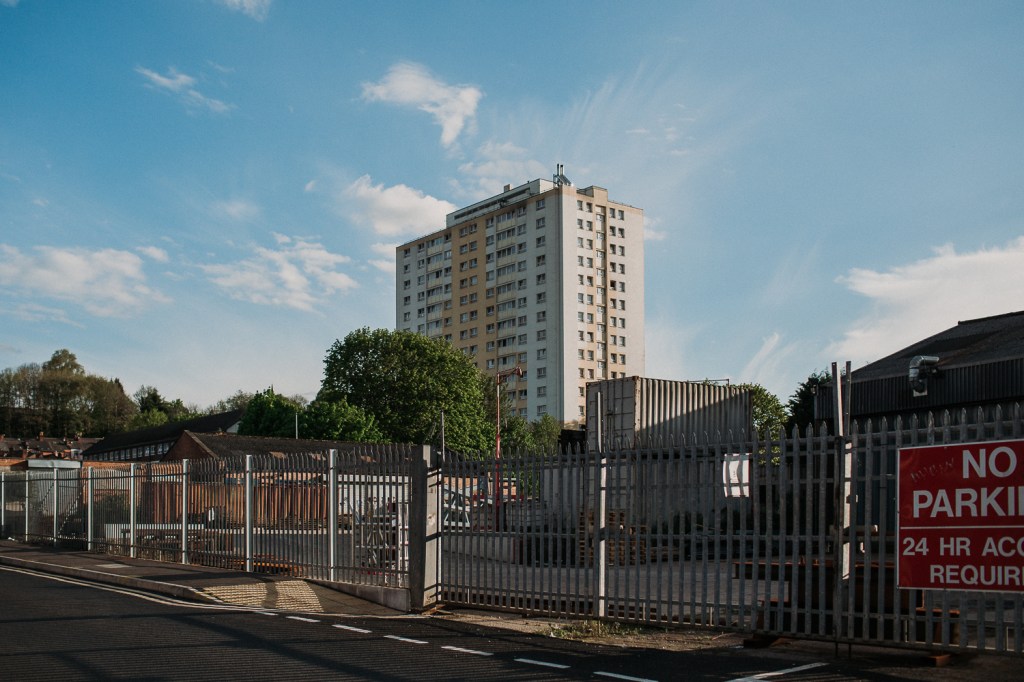
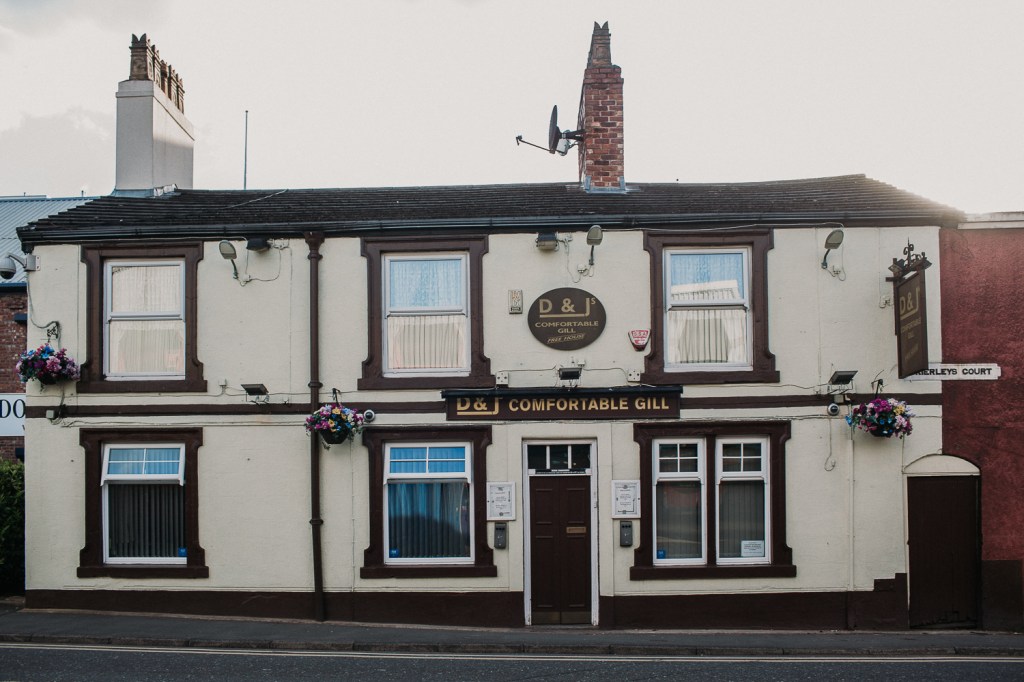
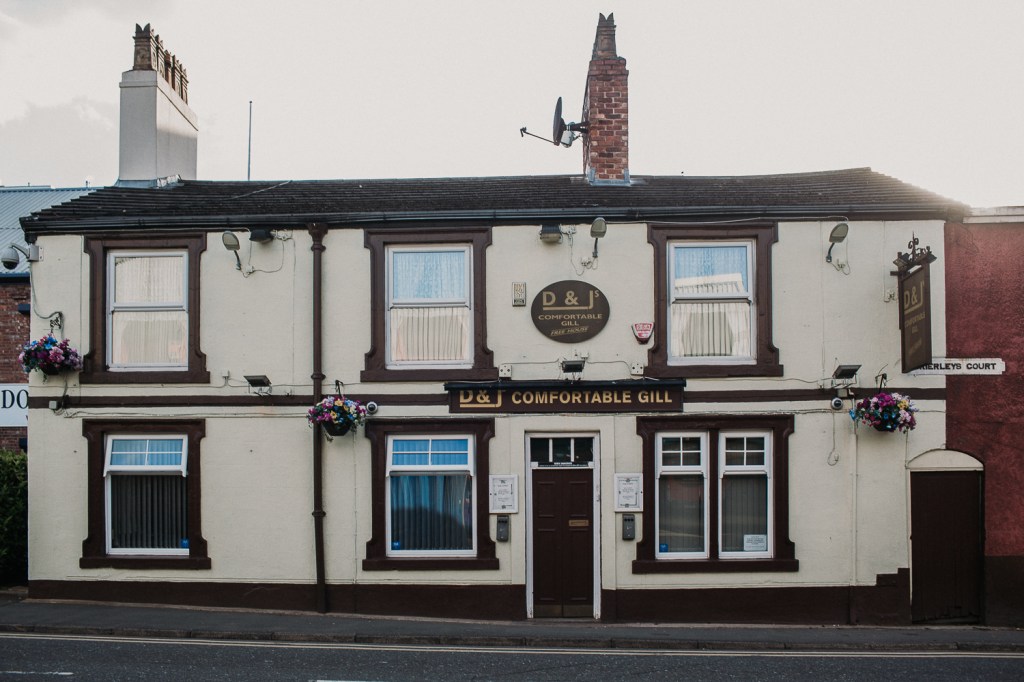
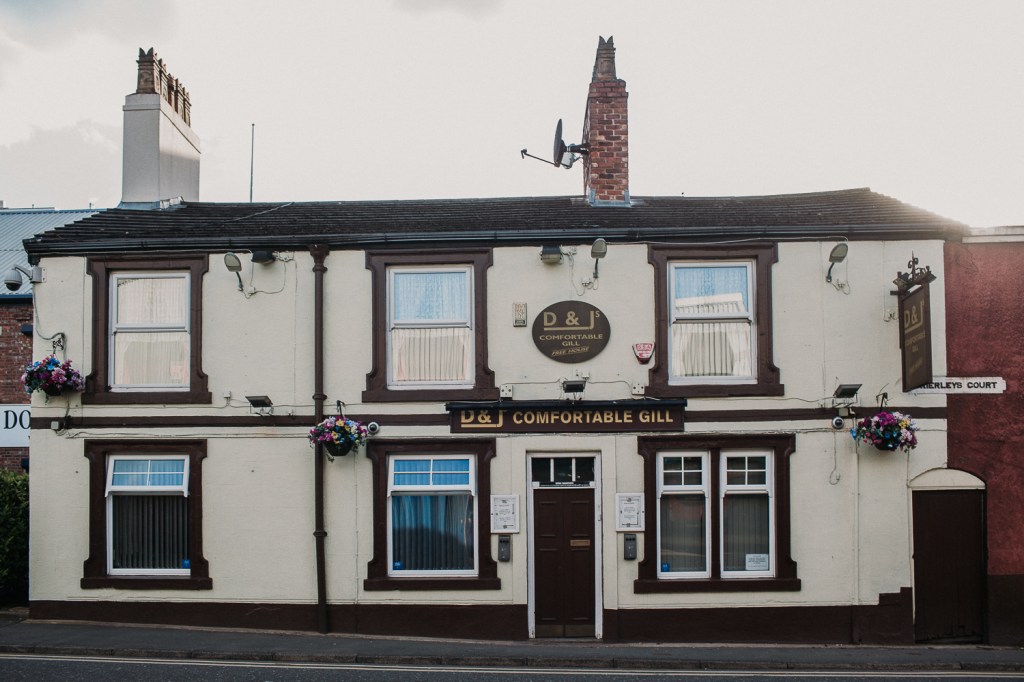
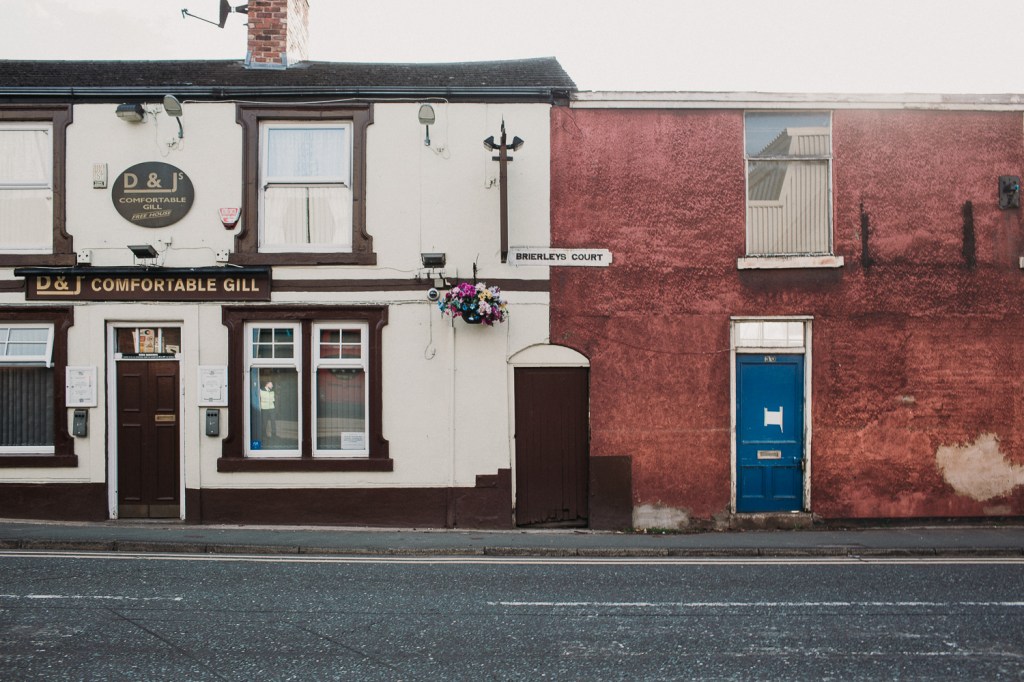
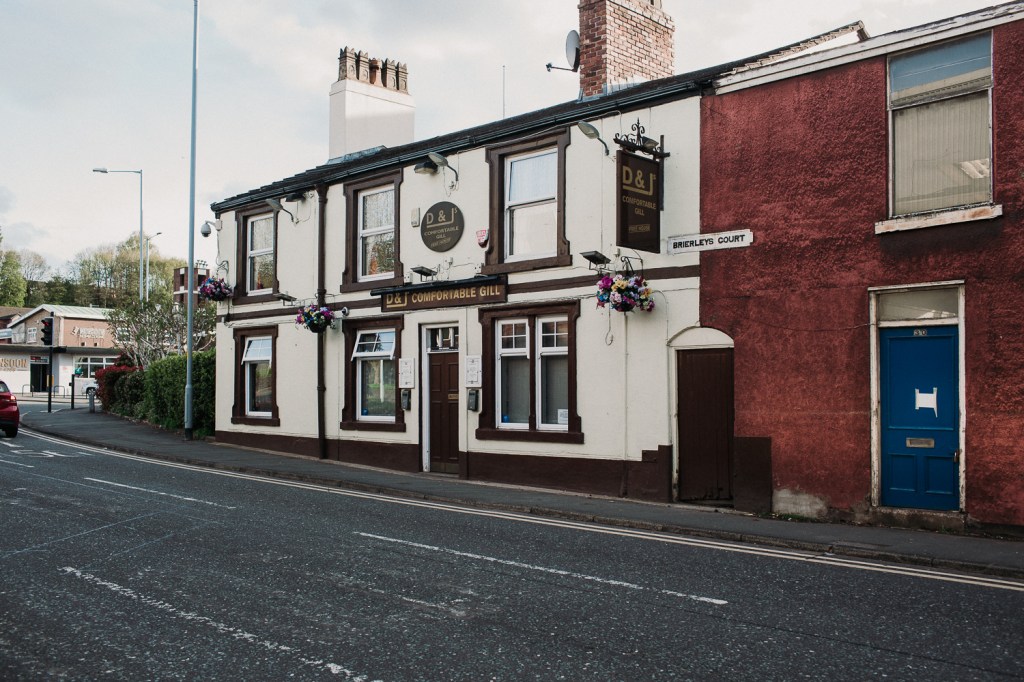
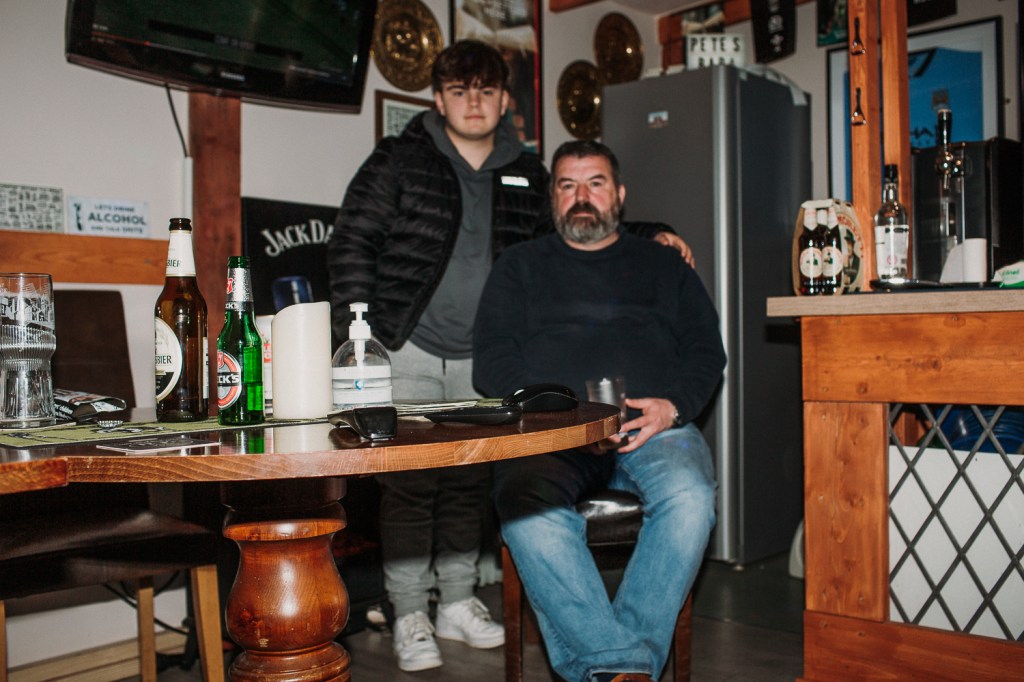
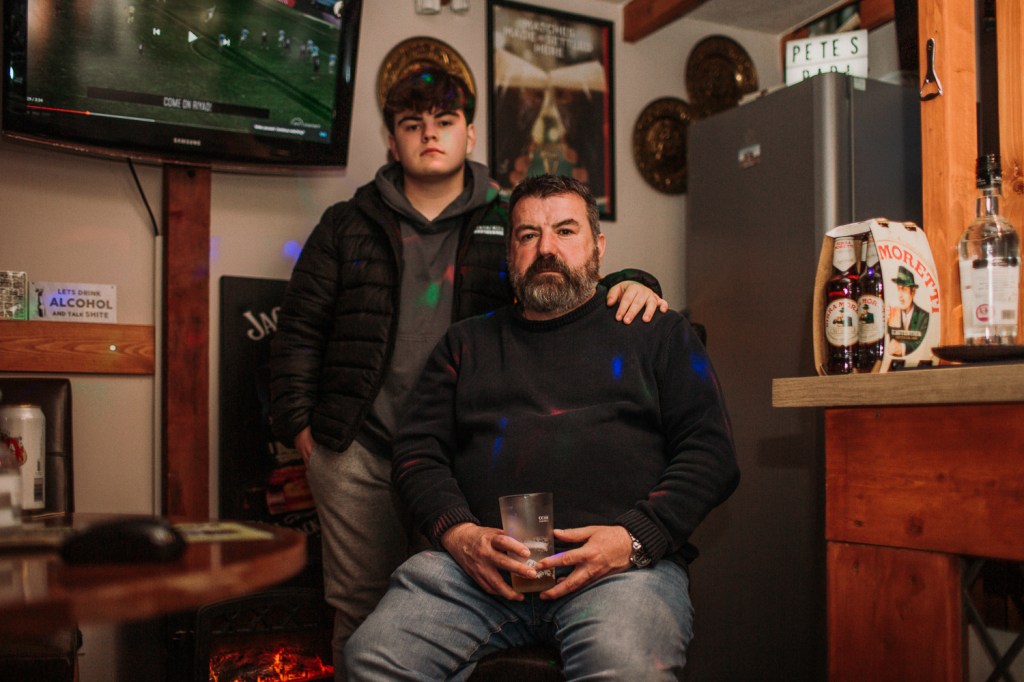
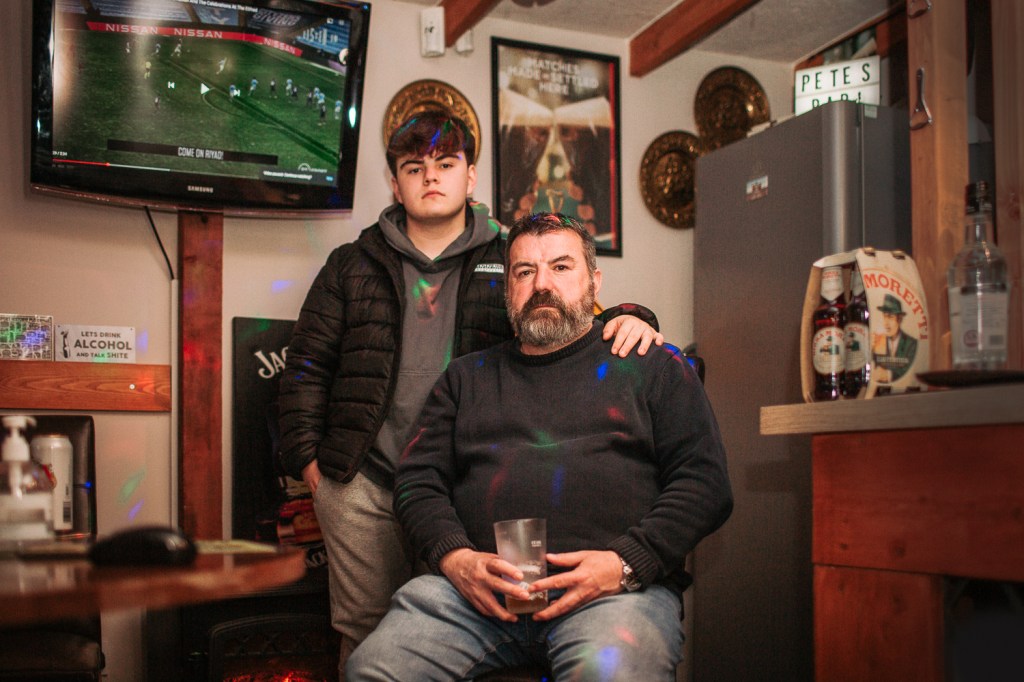
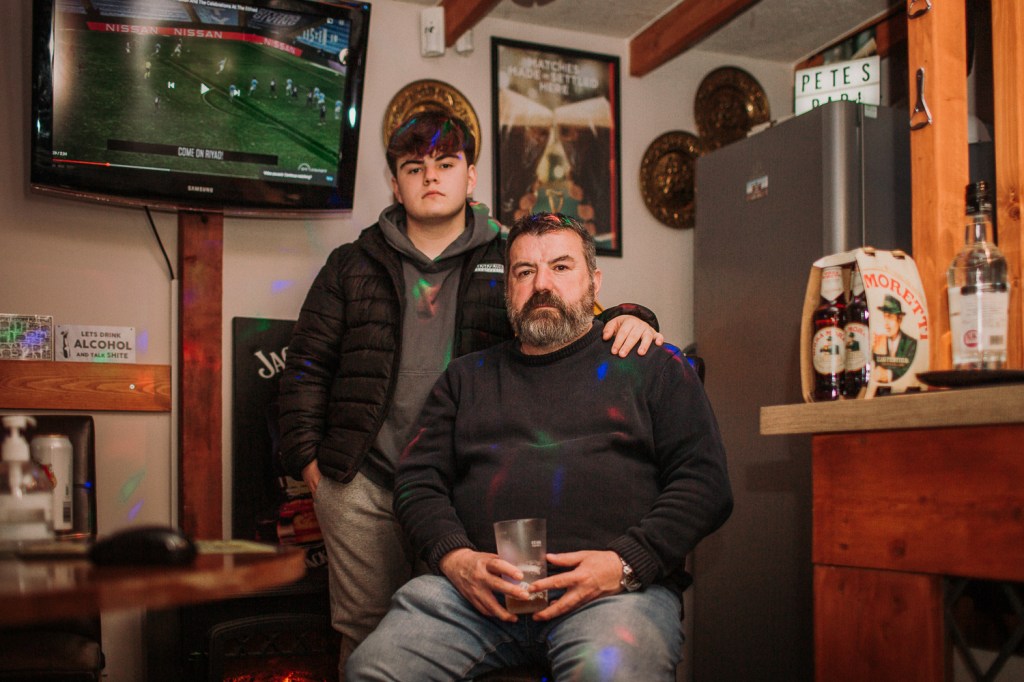
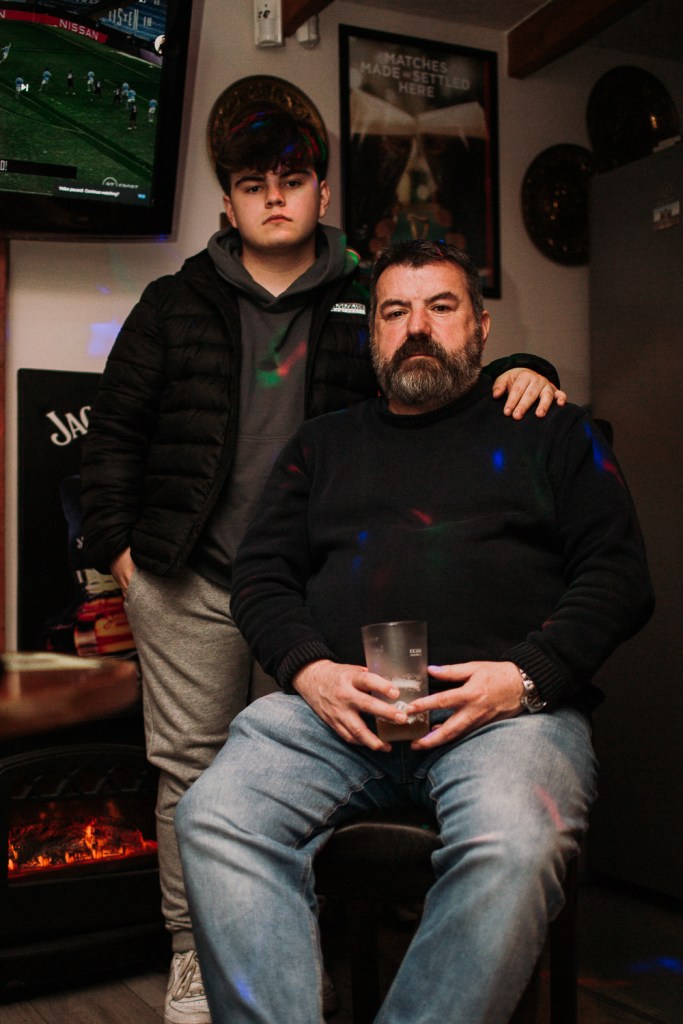
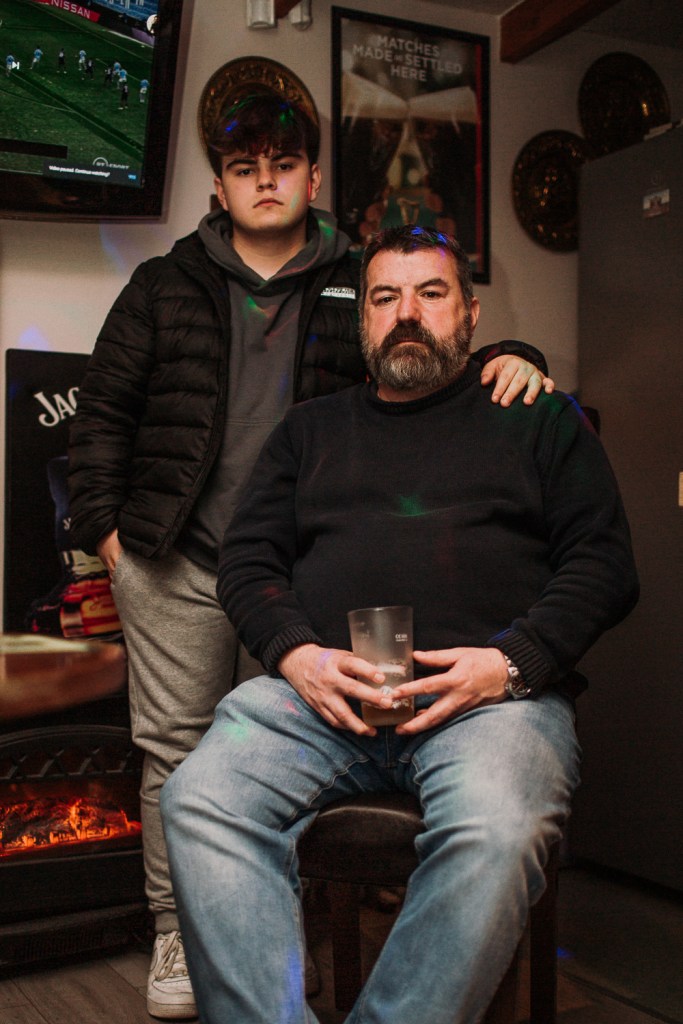
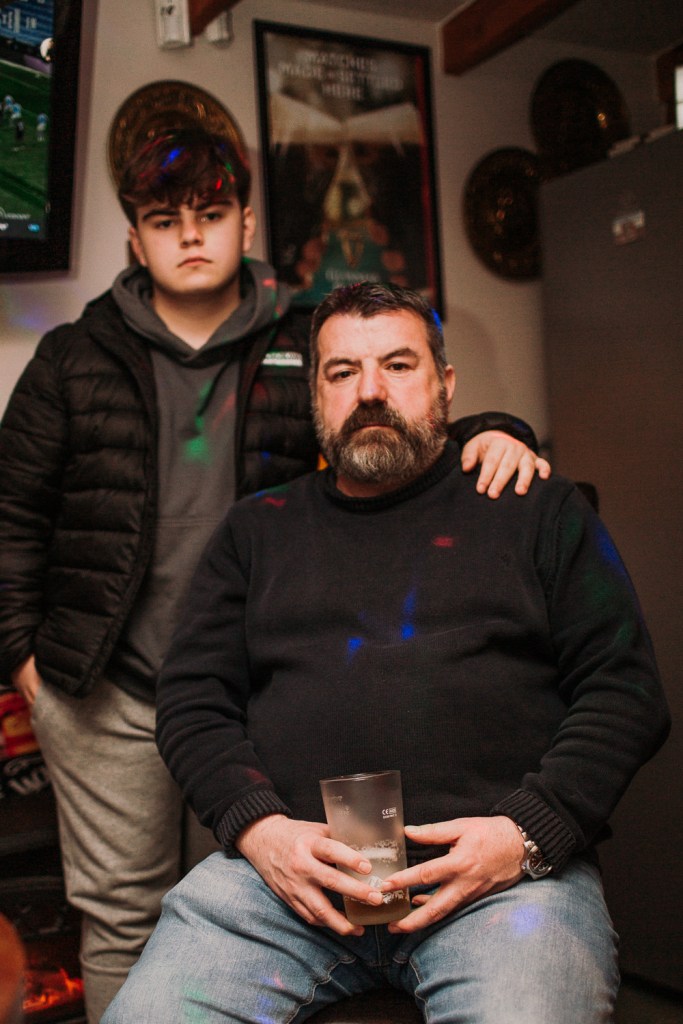
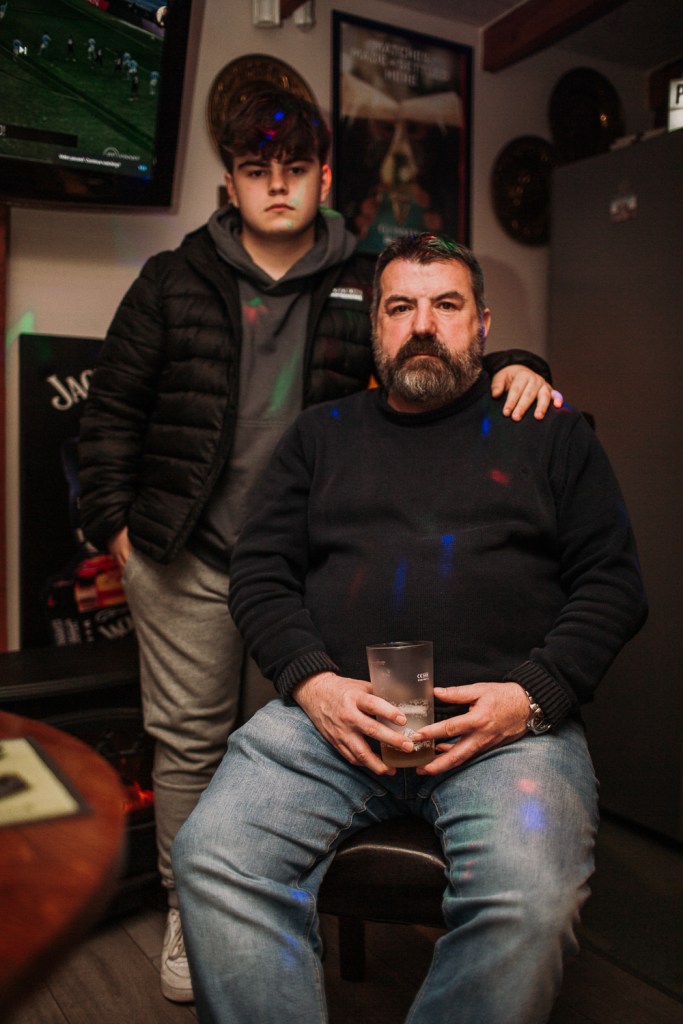
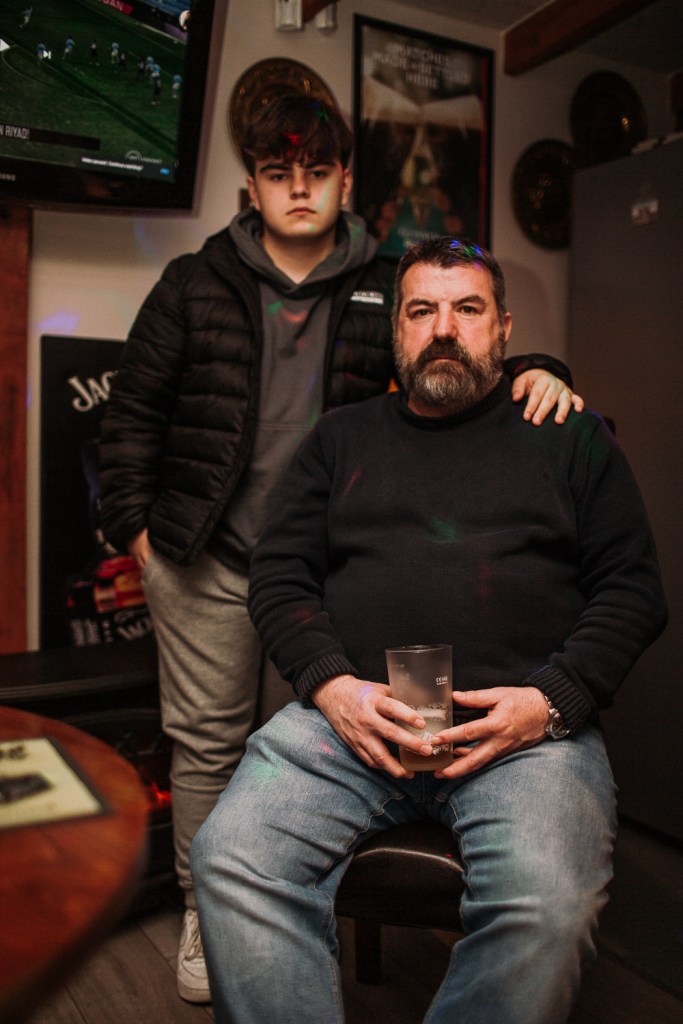
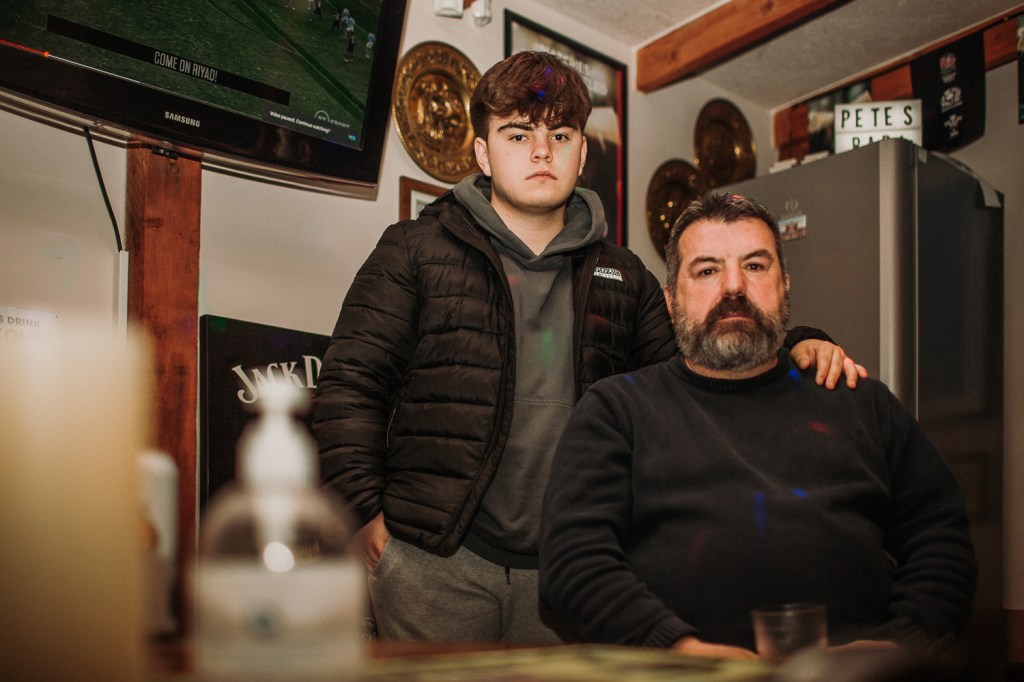
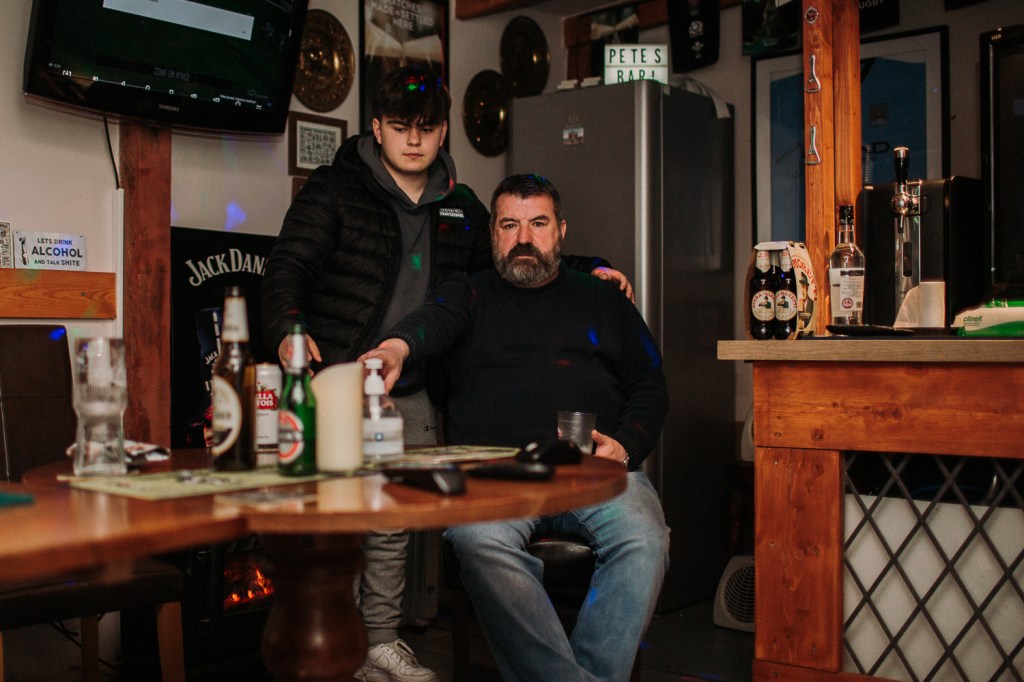
Shoot 16 | Derek

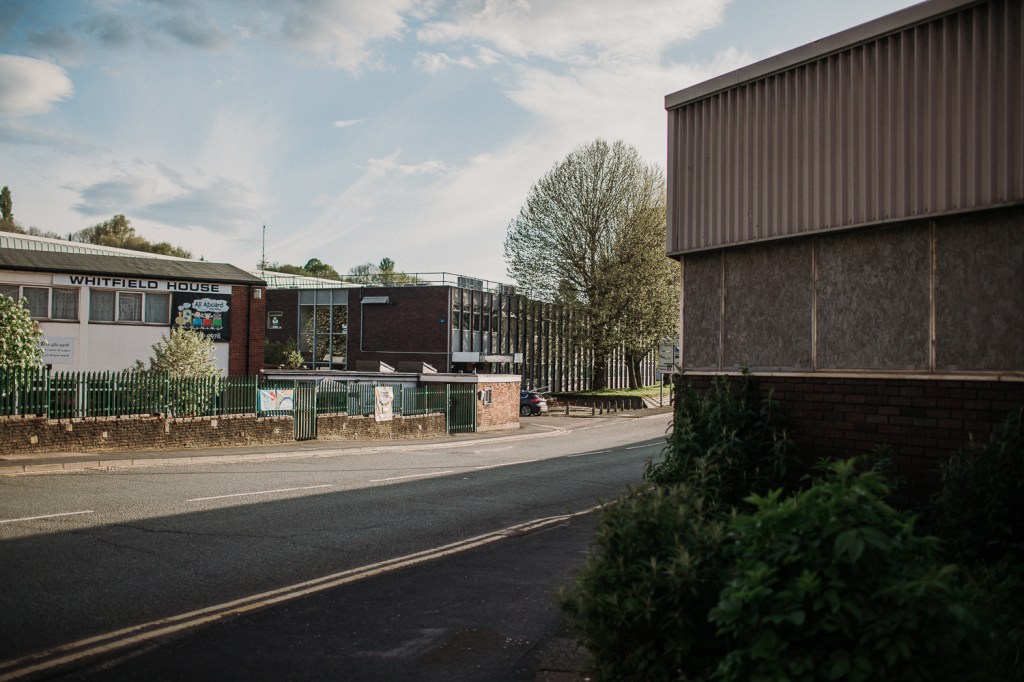
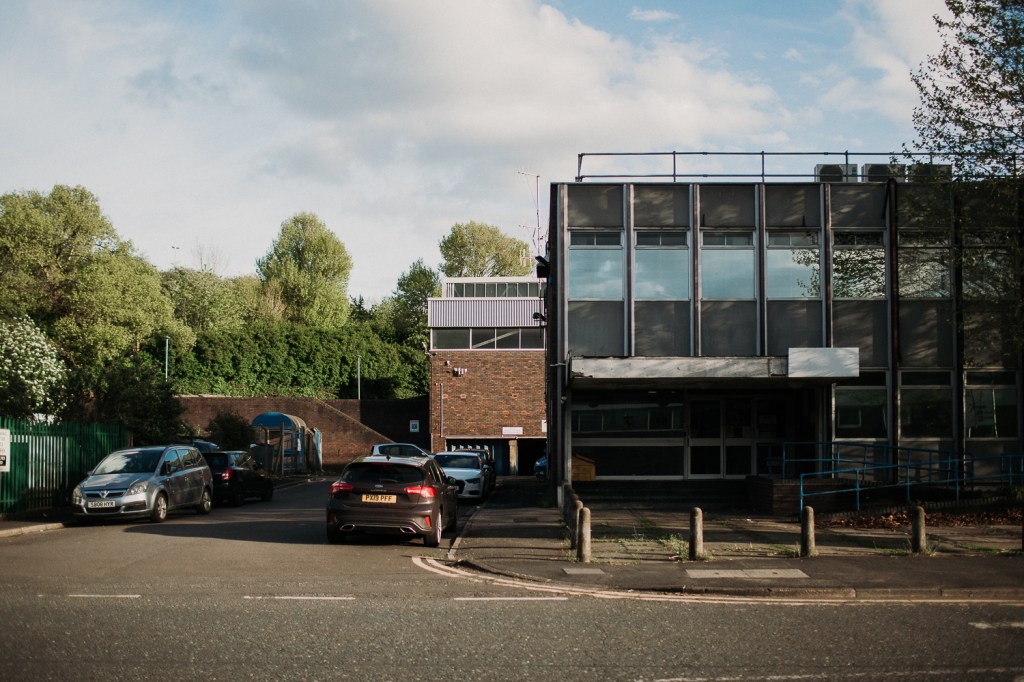
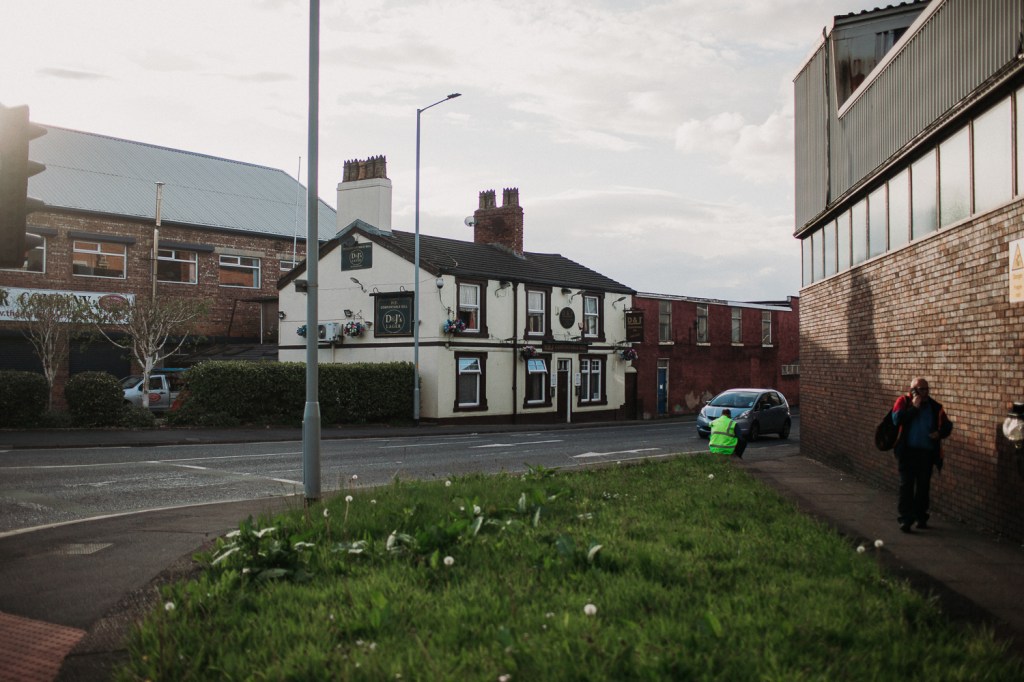
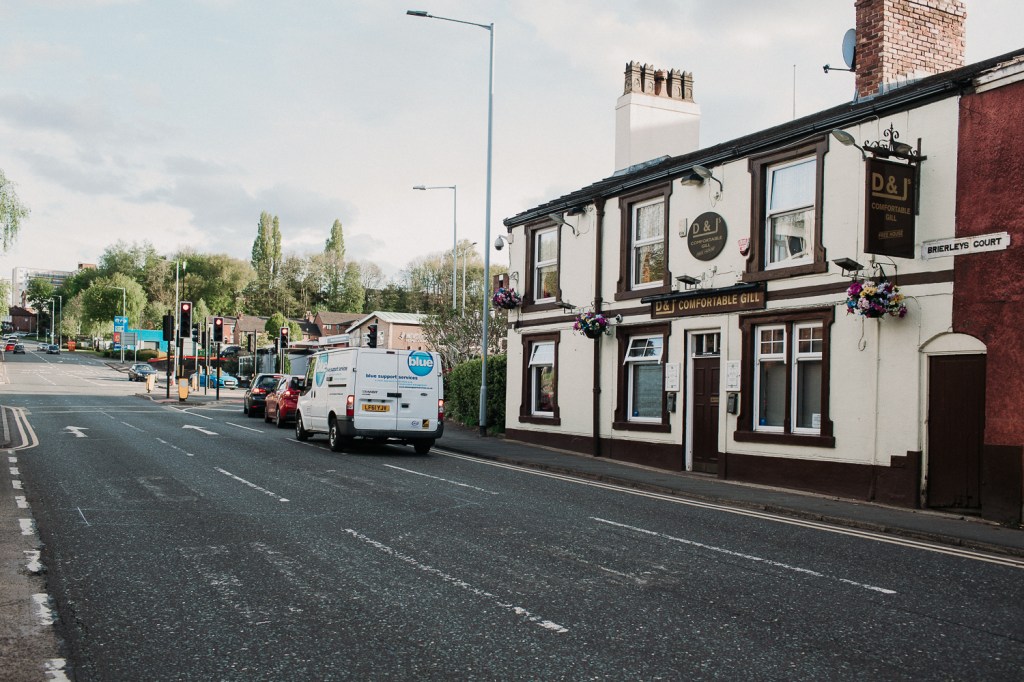
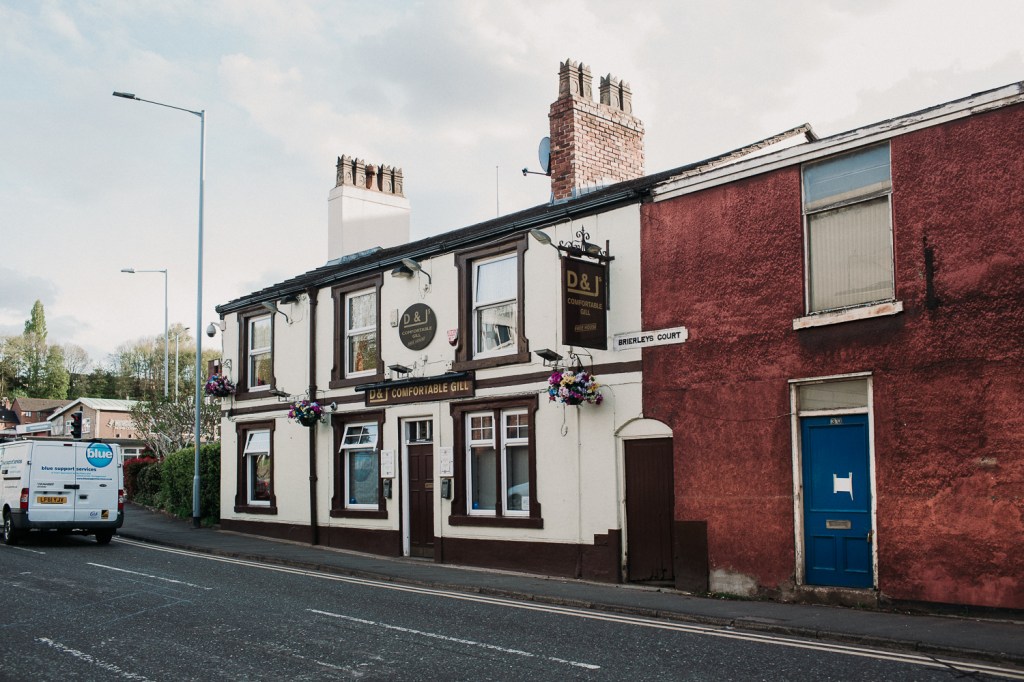
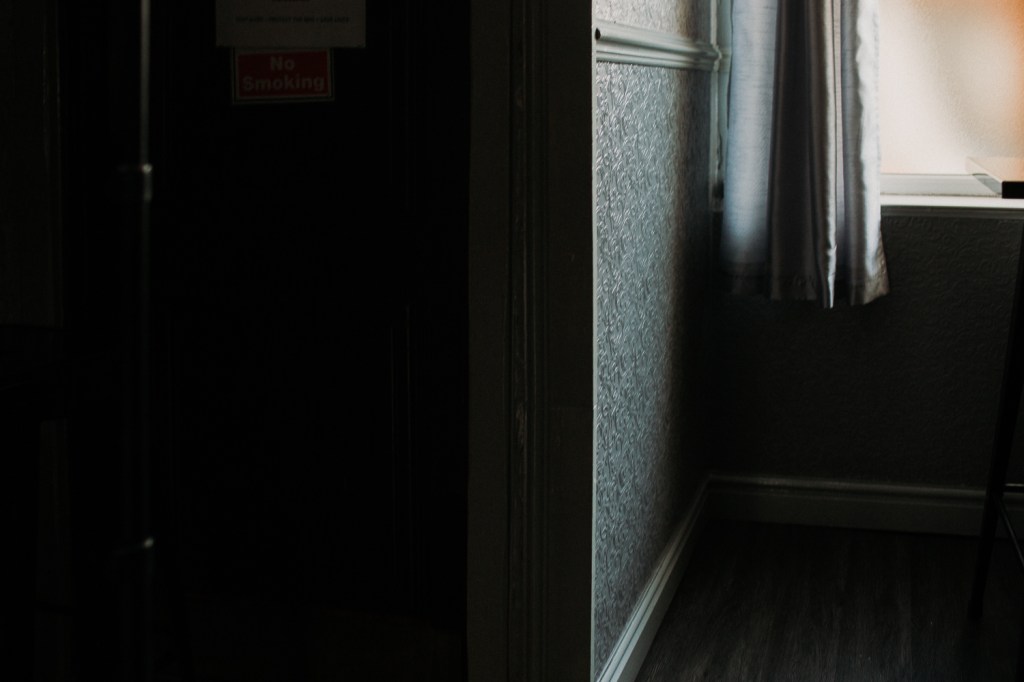
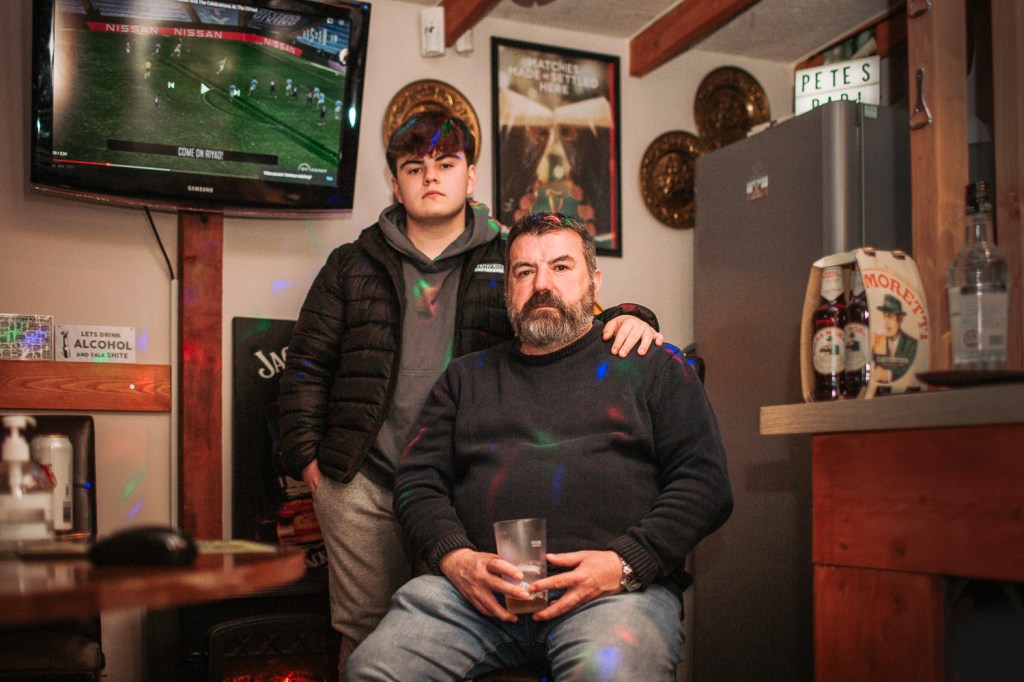
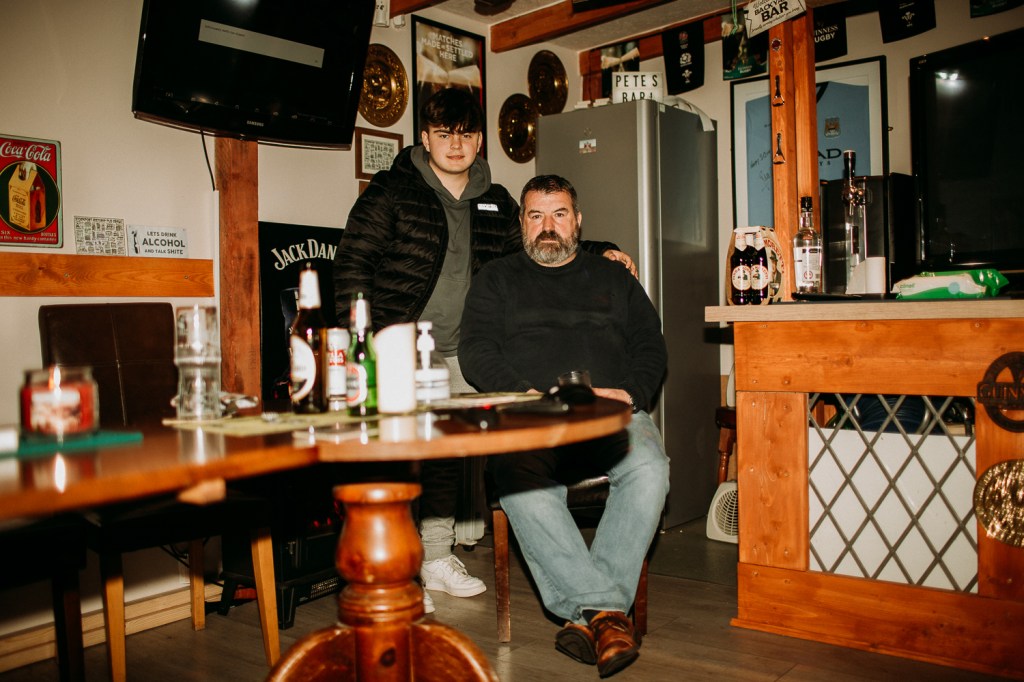
I had big ideas with this shoot, my intention was to shoot a photo essay to describe the life of a pub landlord. However when I arrived I was met with Derek who was in the middle of decorating the interior of the building in preparation for reopening. I conducted the interview and managed to shoot a portrait of which I am quite pleased. The difference this time being that I decided to shoot off camera flash. This presented a problem as my plan was to shoot the portrait placing the subject in the middle of the room allowing a large amount of context to add to the rhetoric of the image (Barthes 1977).

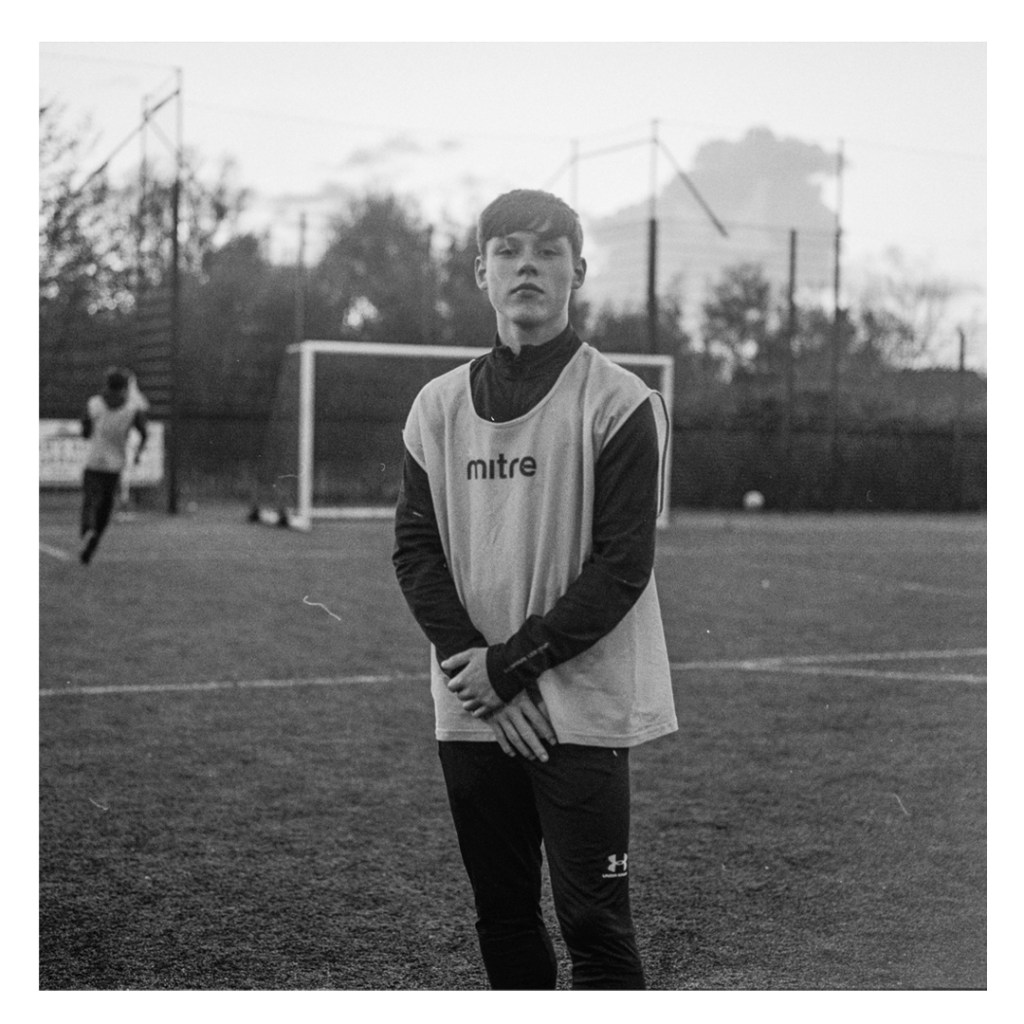
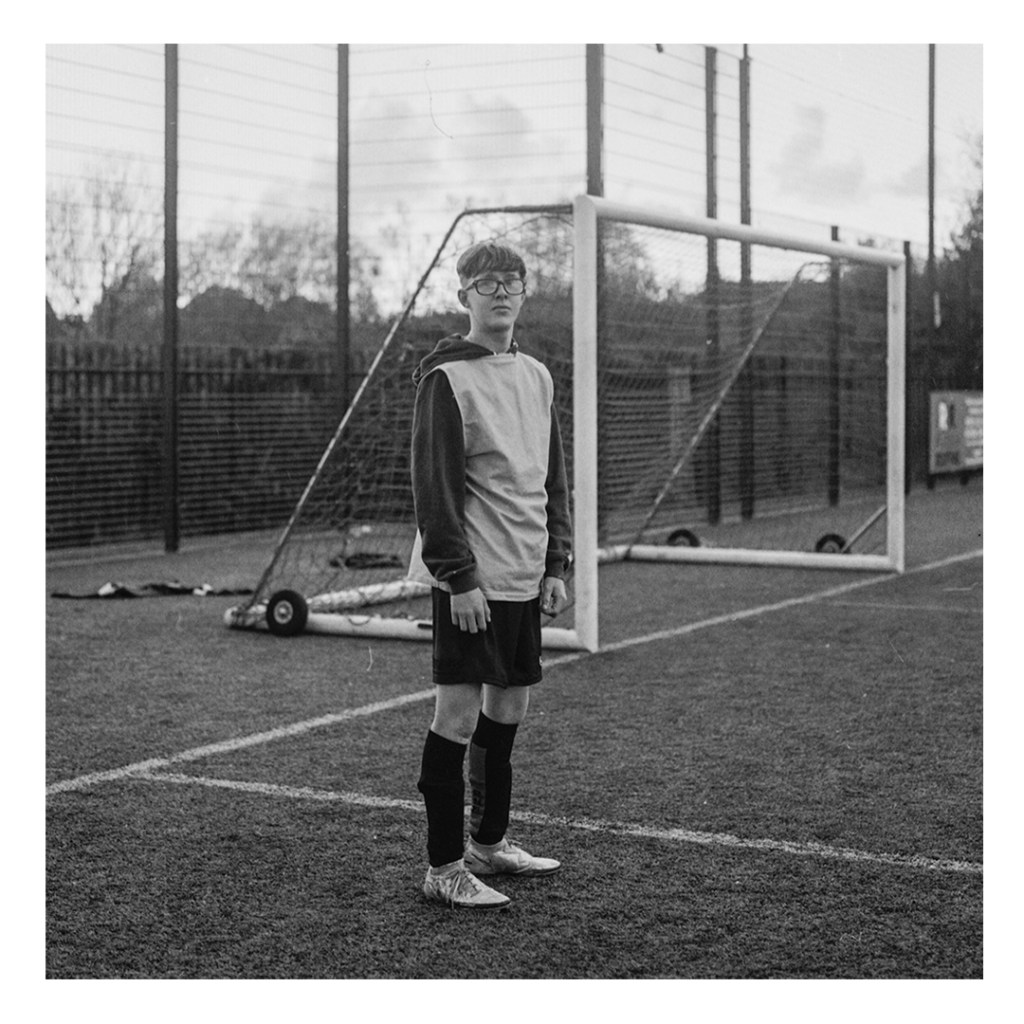
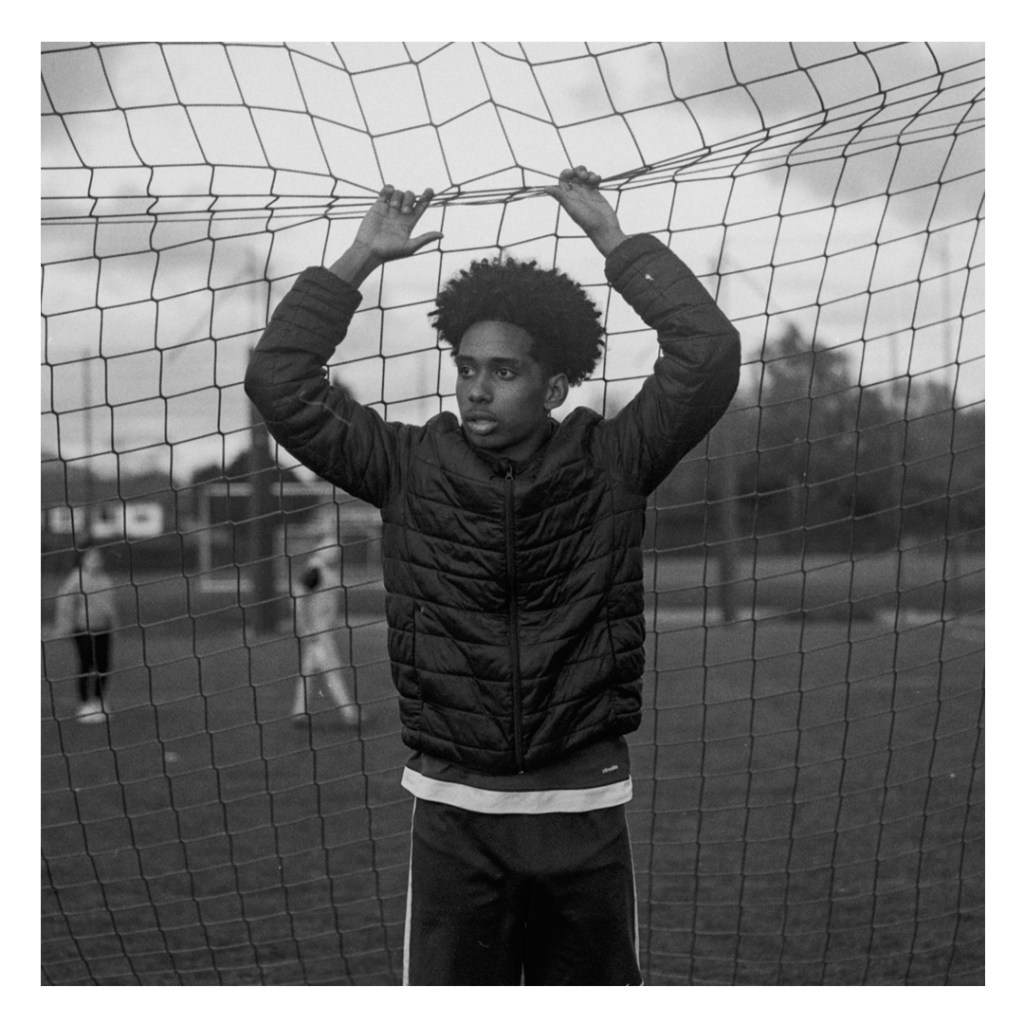
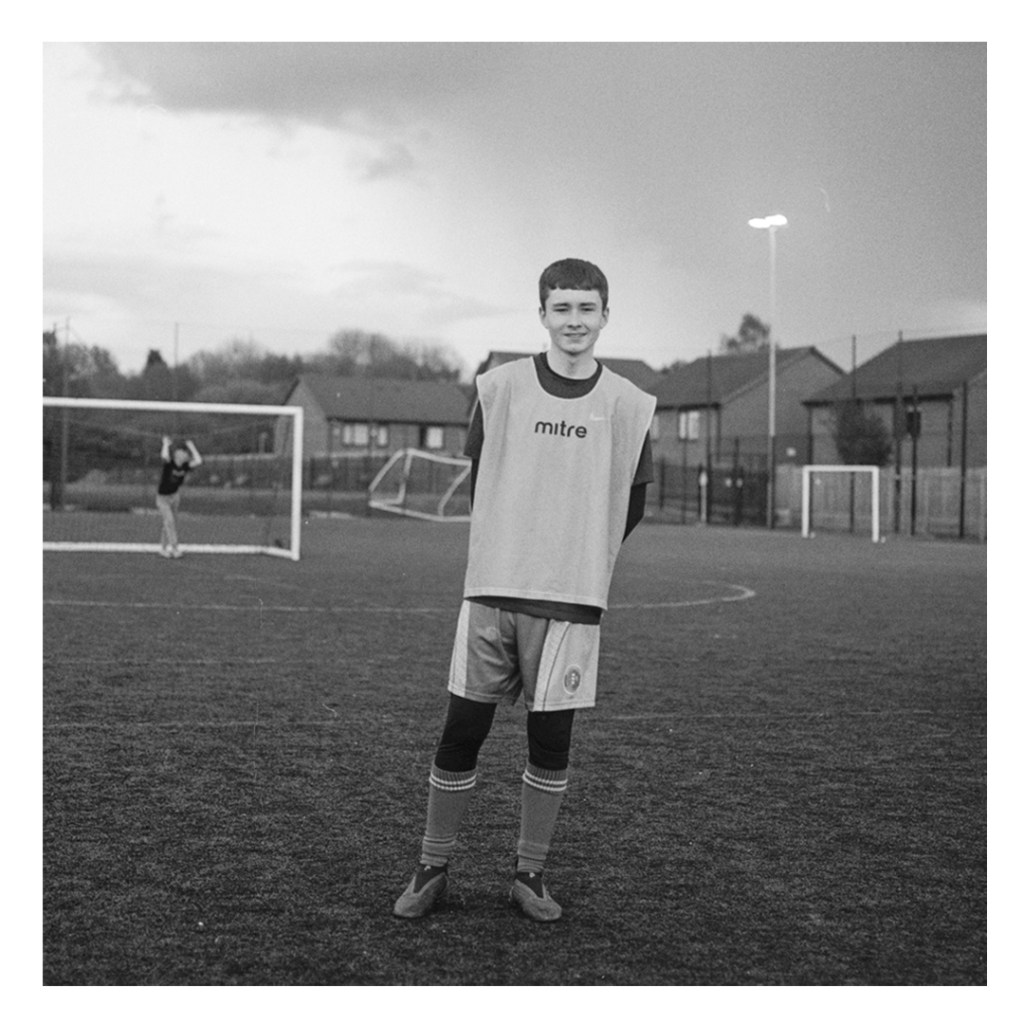
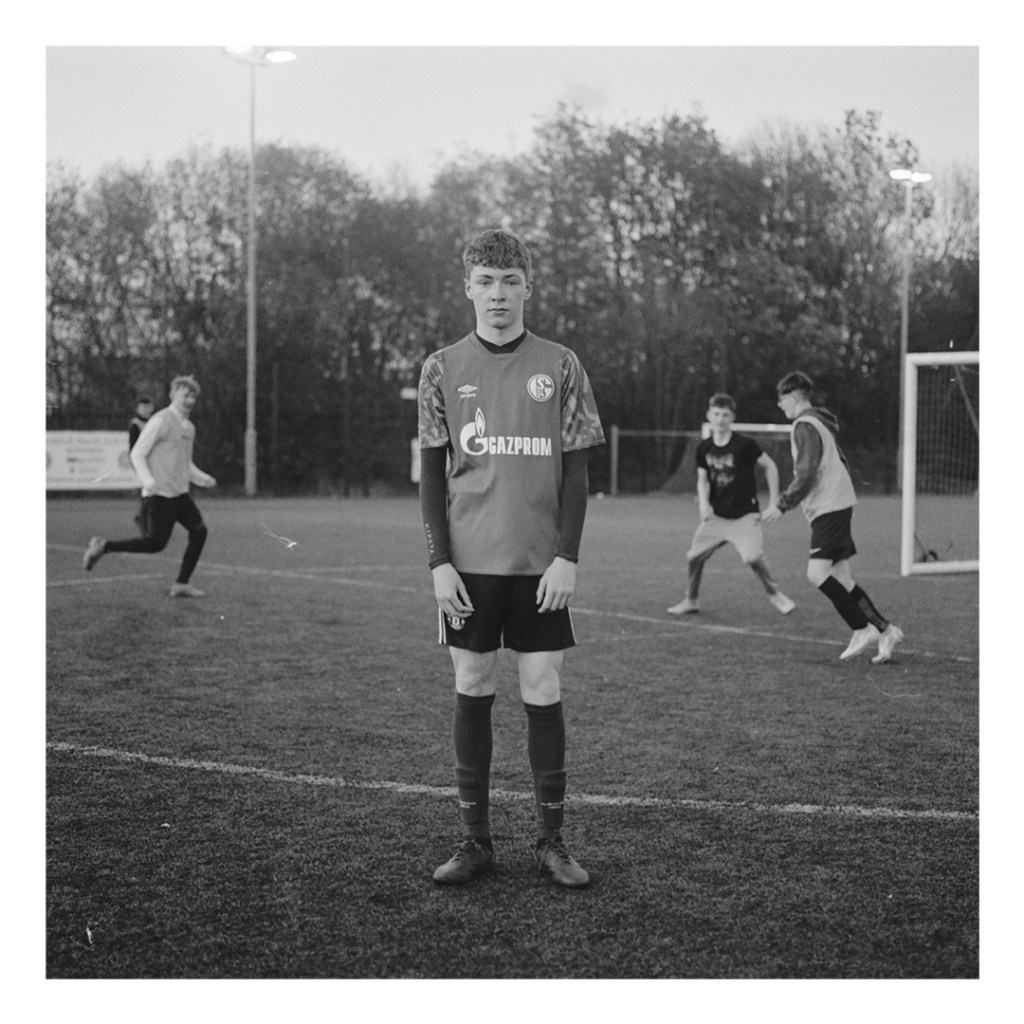
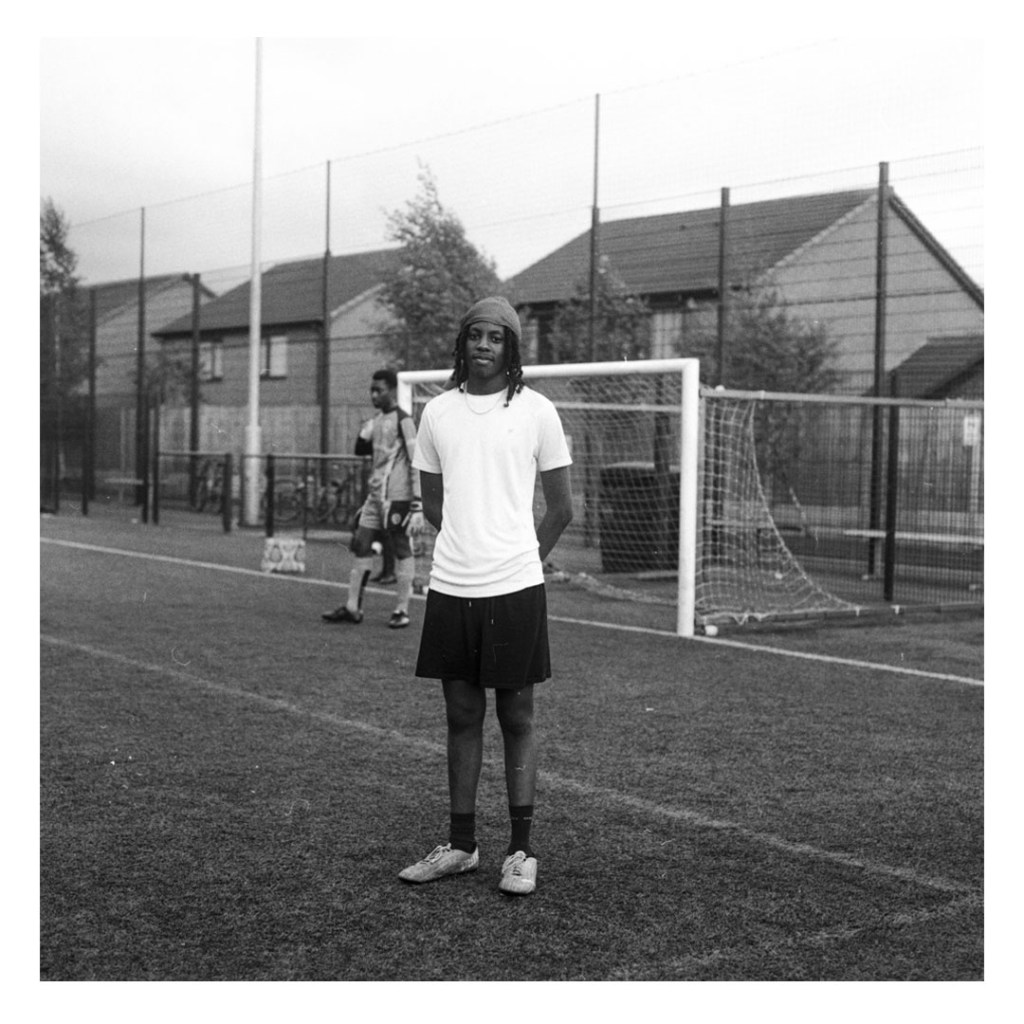
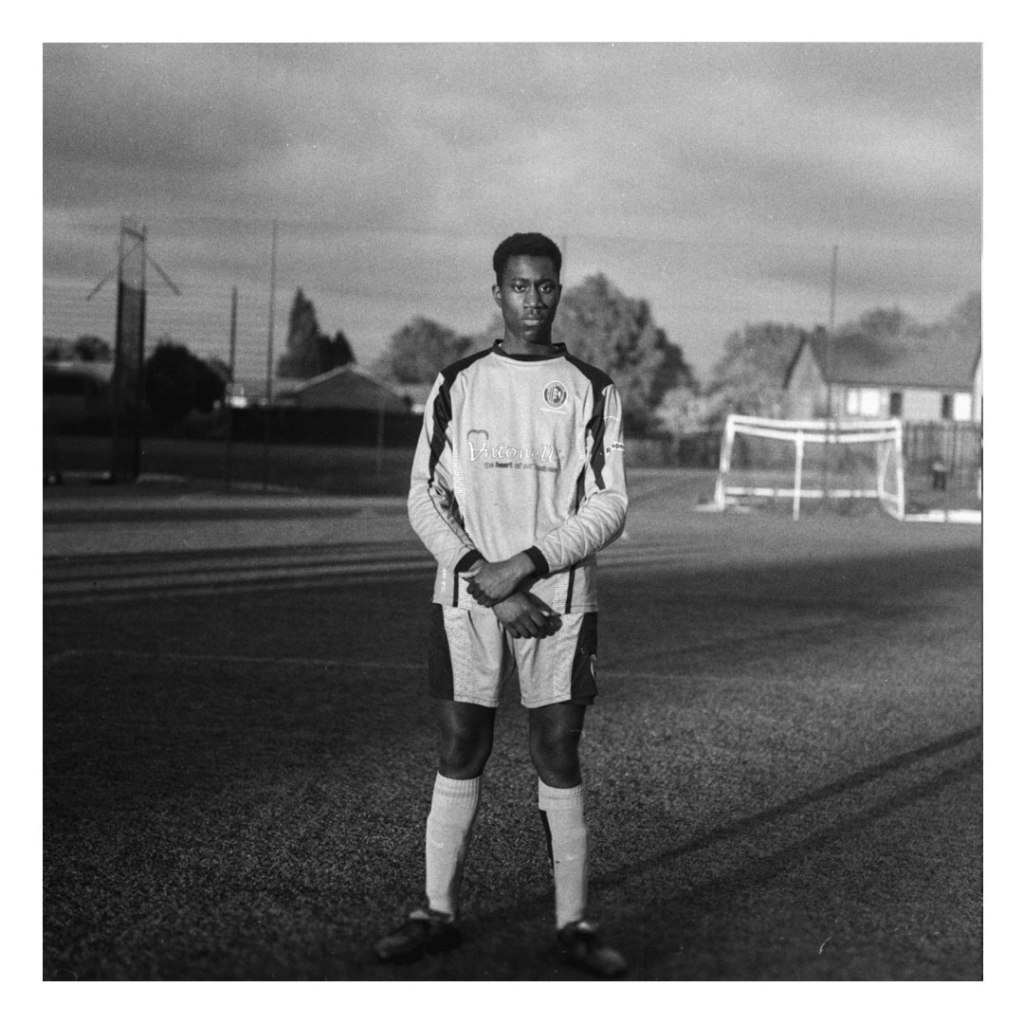
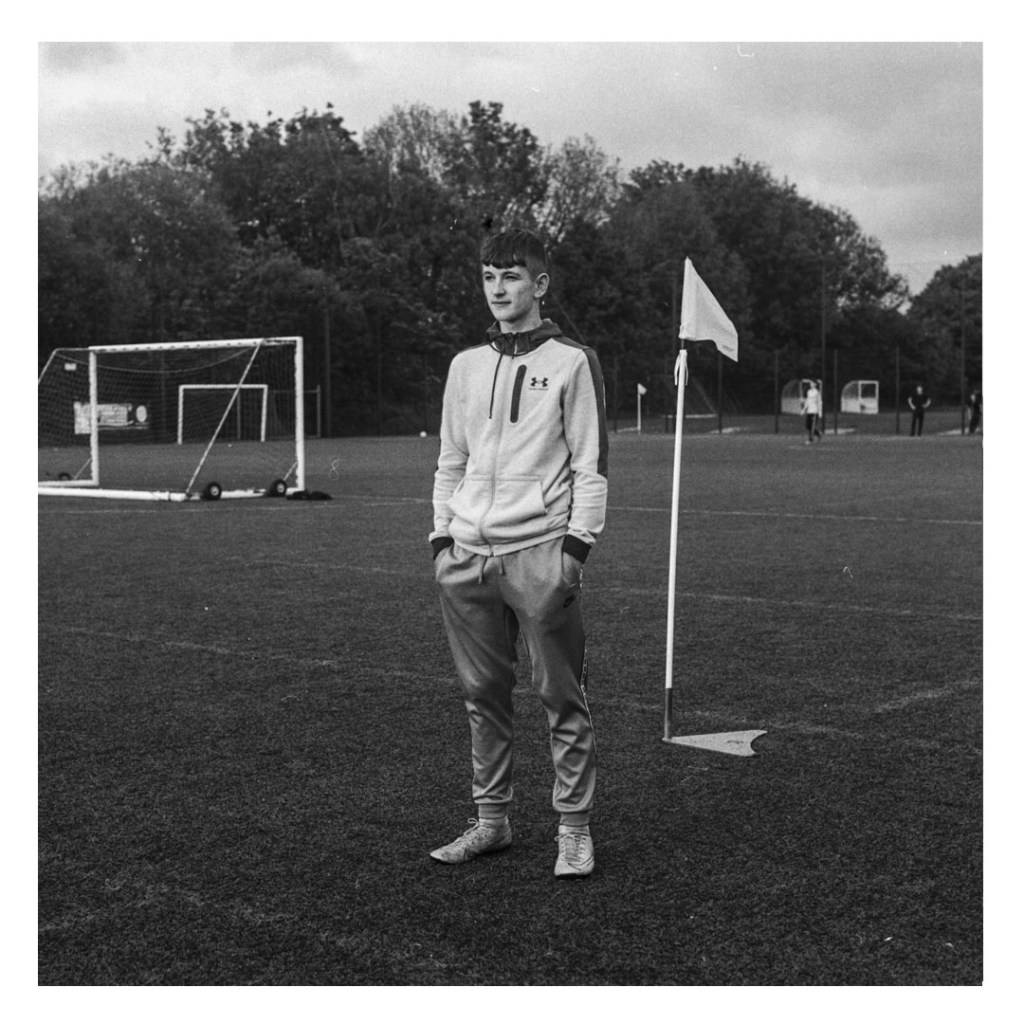
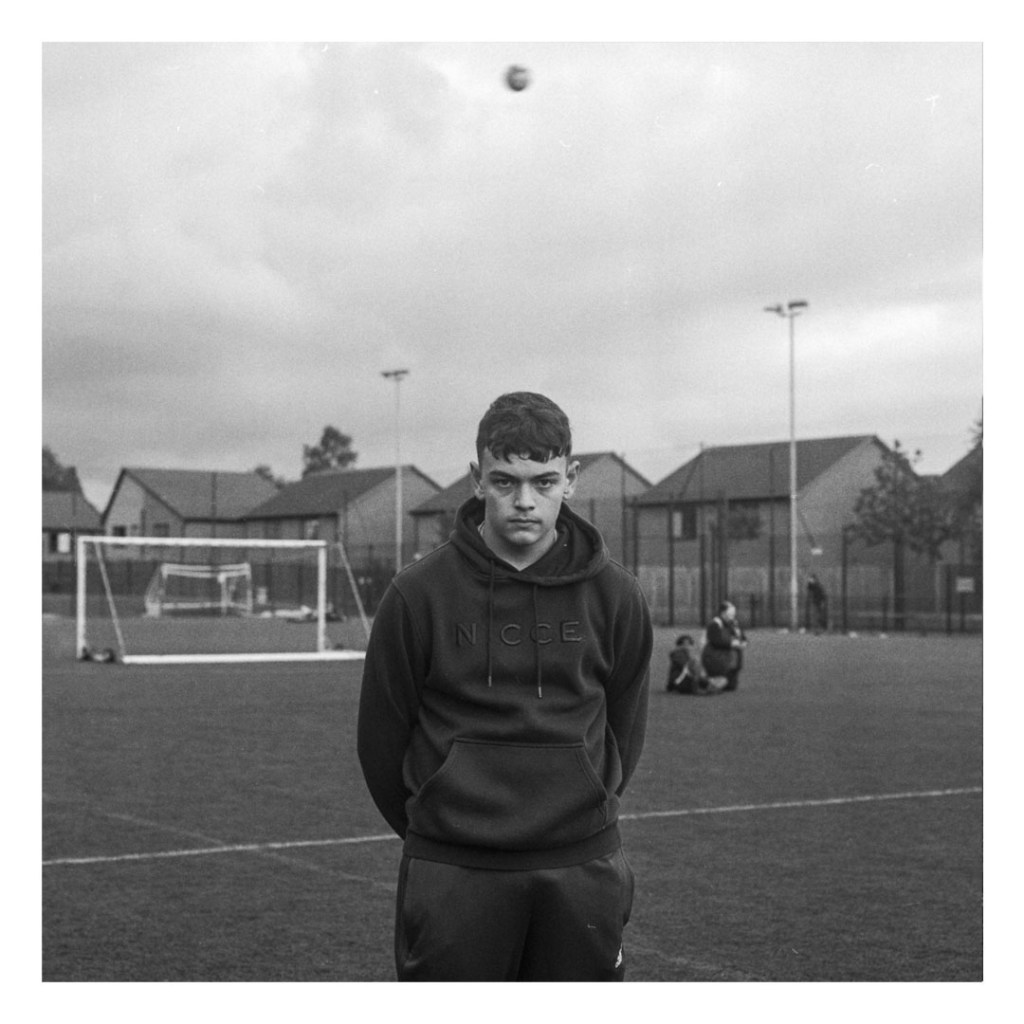
Shoot 15 | FC Lockdown

The last couple of weeks have been extremely busy with making work for the project. I’m now at a stage where I think I need to slow down with the photo stories as I’m aware the transcription from audio to words on a page is a lengthy process and I’ve got a backlog of files to edit down and transcribe.

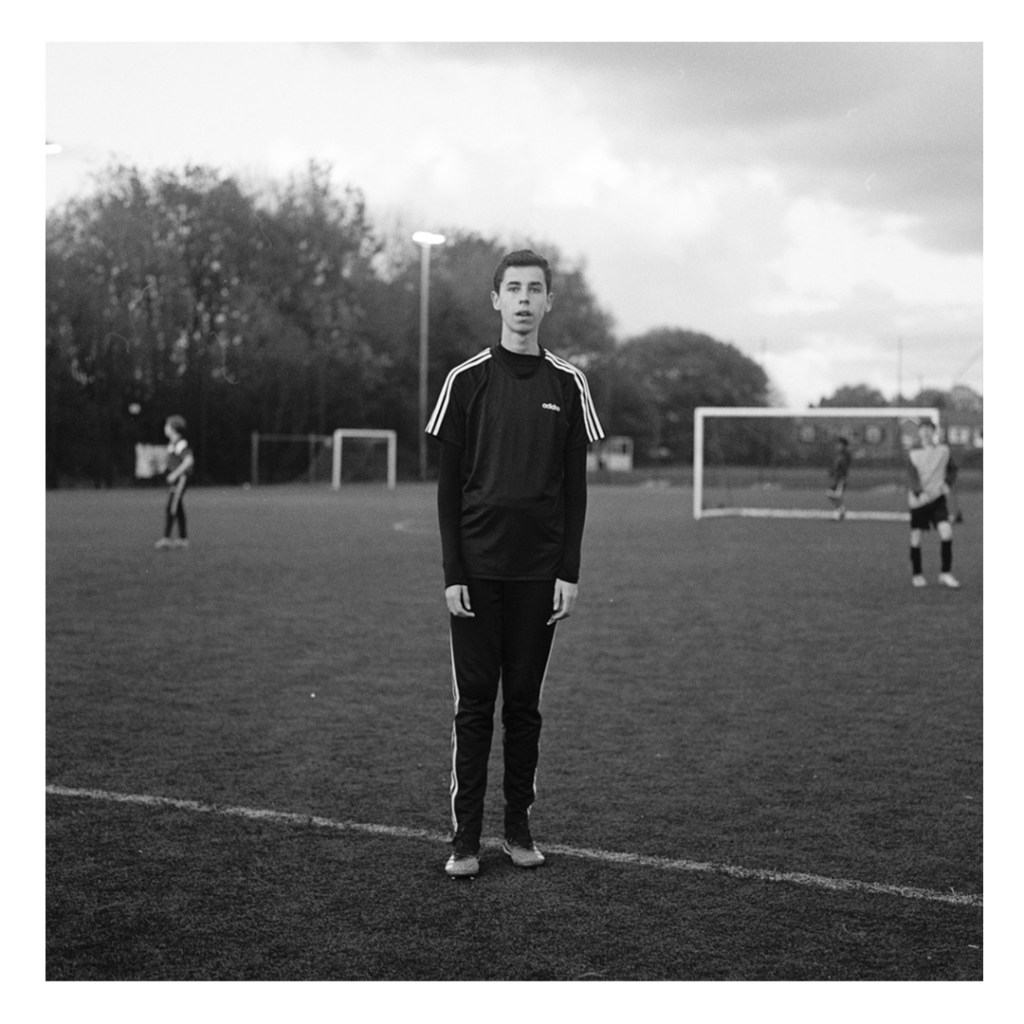
Away from the main project I’ve gone back to the football club I worked with in earlier modules only this time shooting a medium format camera. Having experimented with medium format earlier in the FMP I was seduced by the process of making work and immediately took myself to eBay to see if how much money I needed to to get my own camera. However for the time being i’ve managed to secure a long term loan of a Bronica ETRSi. The camera isn’t easy to use and only having an eye level viewfinder isn’t ideal.

The process of finding a vantage point, manual focus, shooting and winding the film is therapeutic. Waiting for the images to be developed is also a different experience to the instantaneous methodology of digital.

However, the most satisfying experience is in no doubt looking through the rich quality of the finished products. And I can’t help but feel that making only medium format work only might help in the selection and sequencing of future projects. At present, my main project is digital and having shot so much I don’t know what to do with all of the work. In shooting medium format, without stating the obvious. My methodology becomes much slower and methodical. Ultimately leading to becoming more excited about the work I am making.

With this football project I’ve had some successes and some failures with manual focus. As a result, more film needs to be ordered and more practice is needed. I will post this work as a page on the website as its own project with the intention of broadening my reach as a diverse photographer.

Mental Health Awareness Week 10-16th May

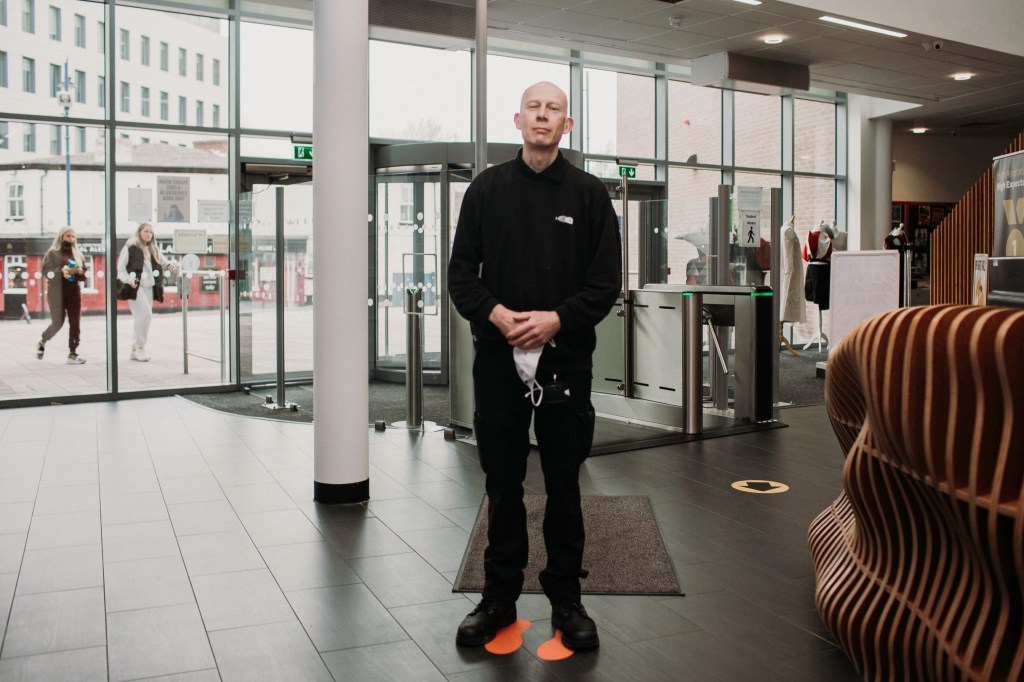
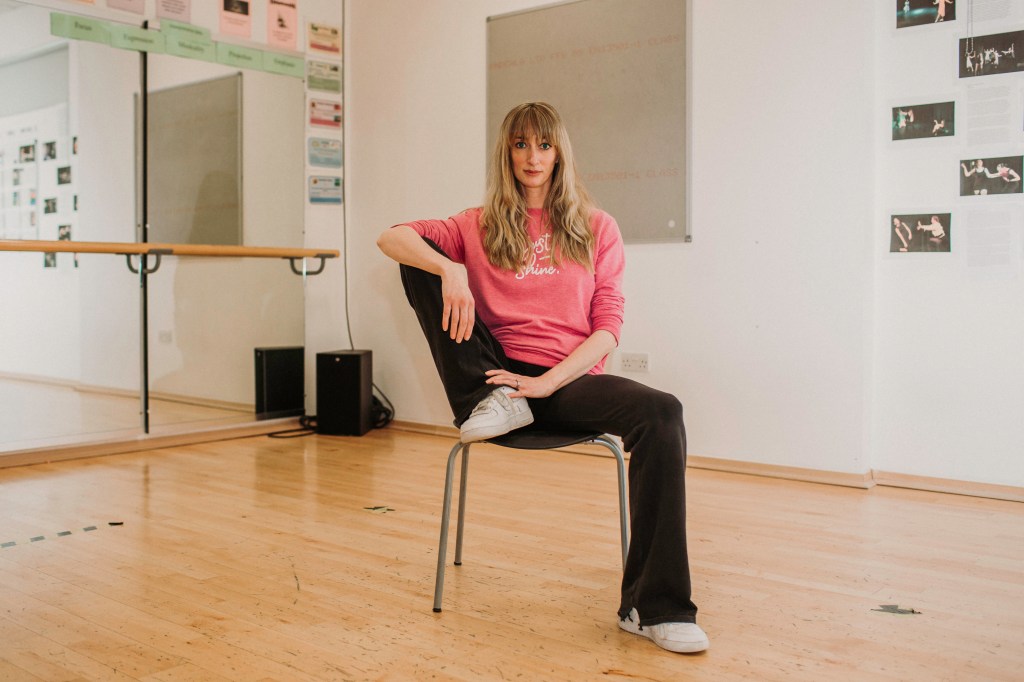
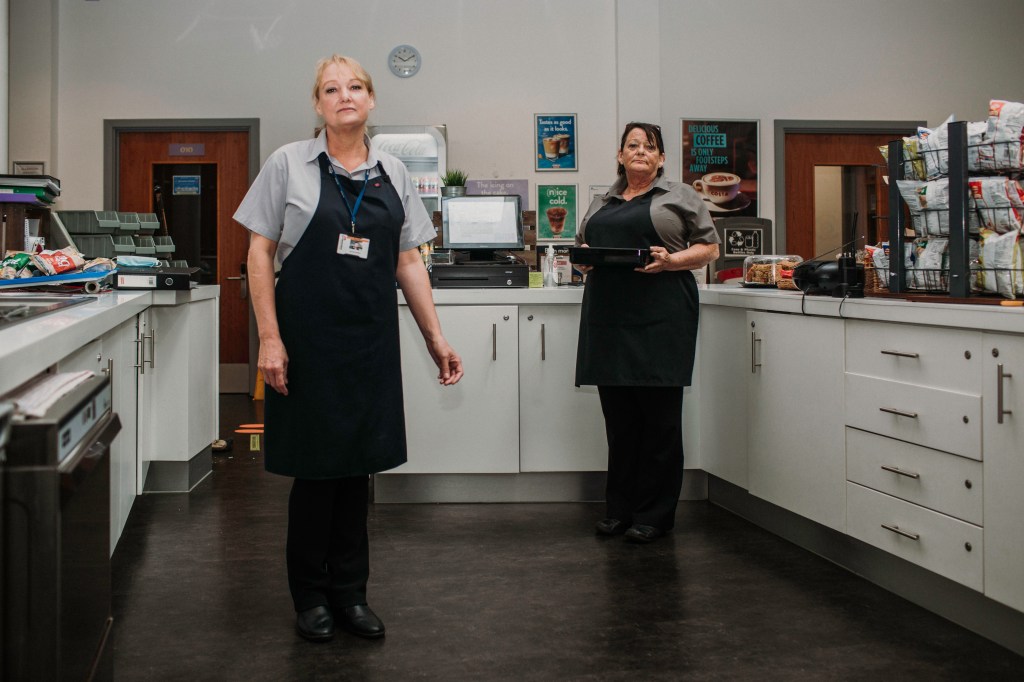
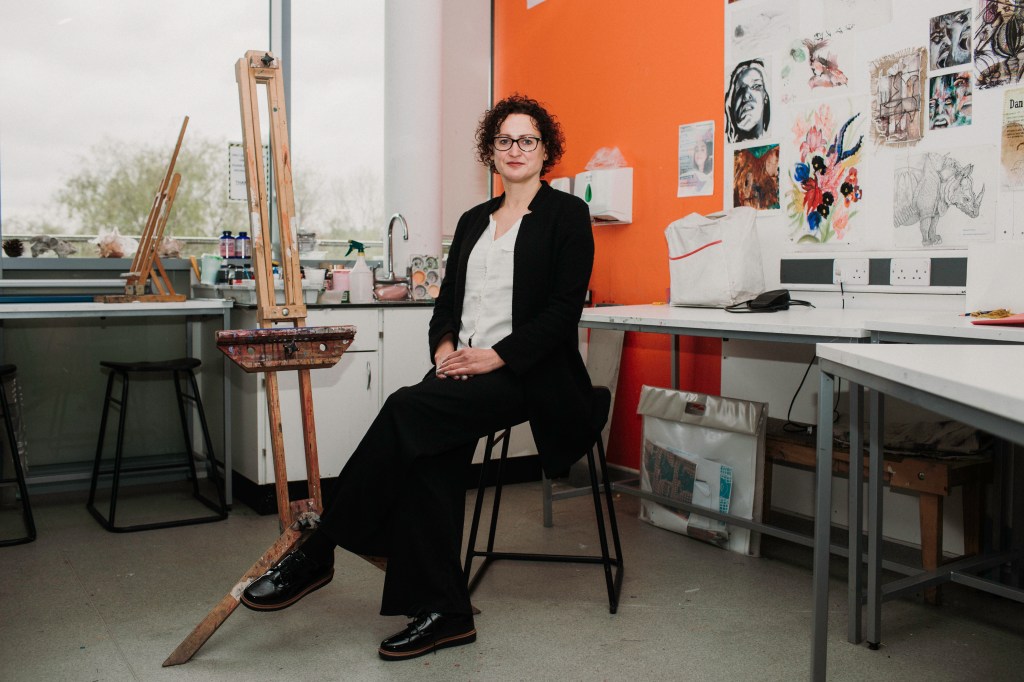
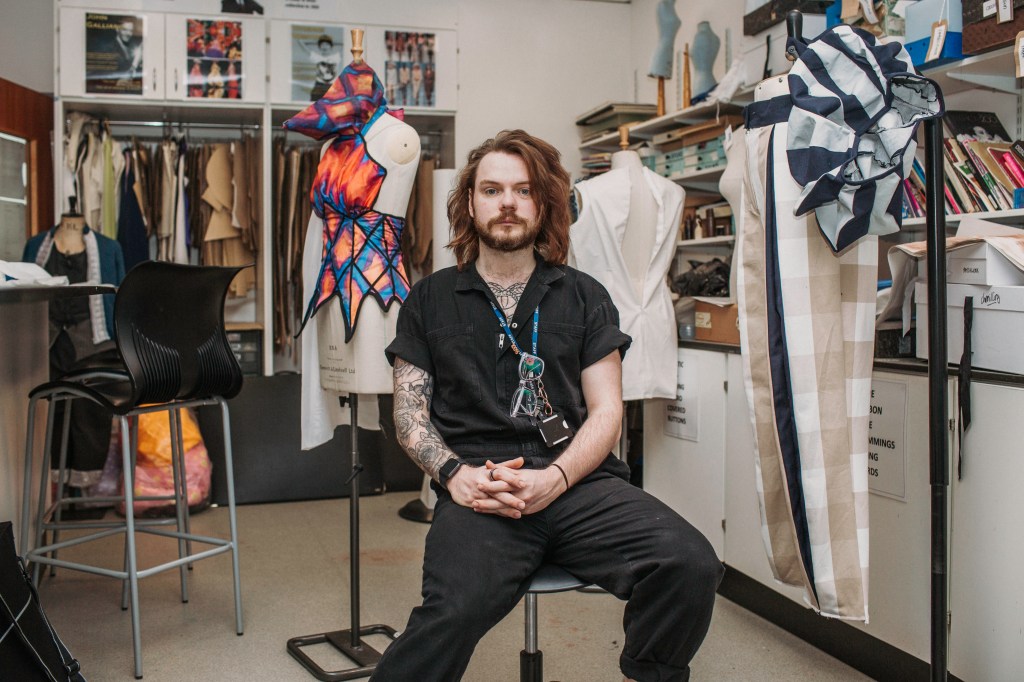
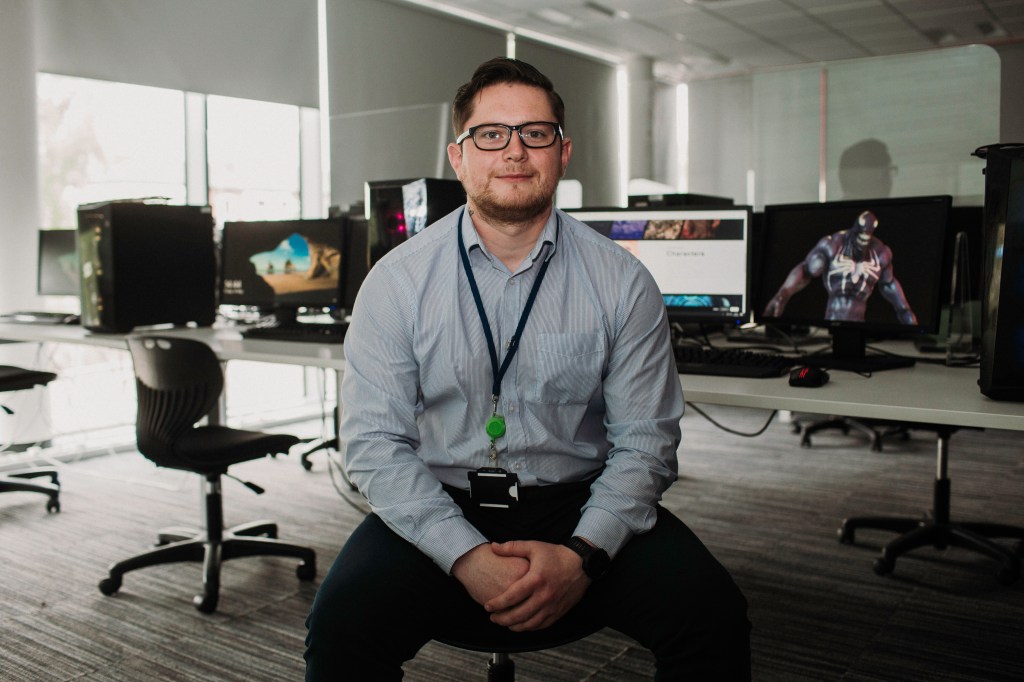
In order to mark MHAW I decided to make a workplace portrait everyday and share on social media. Today being the last day of the mini project, I saw this as a good opportunity to make work outside the broader project and experiment with different ways to make work. Having conducted some previous research into the Renaissance and Baroque period I wanted to attempt to make work with further intention and structure.

I also attended a multi agency meeting with a range of services based in Stockport to explain my project and ask for future collaboration. As a result I made a contact called Gemma who works for a mental health drop in centre named Making Space. This represents an exciting development and an opportunity to distribute my final project. I also made another contact at the local housing group Stockport Homes who run a number of initiatives.

As a result of making connections I have the opportunity to photography the Mayor of Stockport this week who has shown an interest in my project and stated in principle that he will help with gaining some exposure. In preparation for making the most of this opportunity, this week I begun to use off camera flash in order to further my practice. I have also begun to make mock ups of a newspaper InDesign document. I have requested some samples of newspaper design options and intend to explore this further.

Digital Photo Frame | Adobe Dimension

Building on a previous post where I opened the software for the first time I understood that learning new software takes tenacity, patience and endeavour. I had previously experimented with Cinema 4D without much conviction as I felt that it was a little out of my comfort zone and belonged to the world of animation and computer game design. However if COVID had taught me anything, it is that the digital world is only going play a more pivotal role in everyday life.

The MA has also demanded that I am more ambitious with my practice. The likes of Jenny Odell and her digital projects were an unexpected area of interest. I am also at a stage in my career development where I need to continue to further my technical skills in order to stay engaged with industry developments. Being proficient with photoshop, lightroom and video editing is no longer enough if I am to consider myself an innovative professional.

Making a Digital Photo Frame in Adobe Dimension

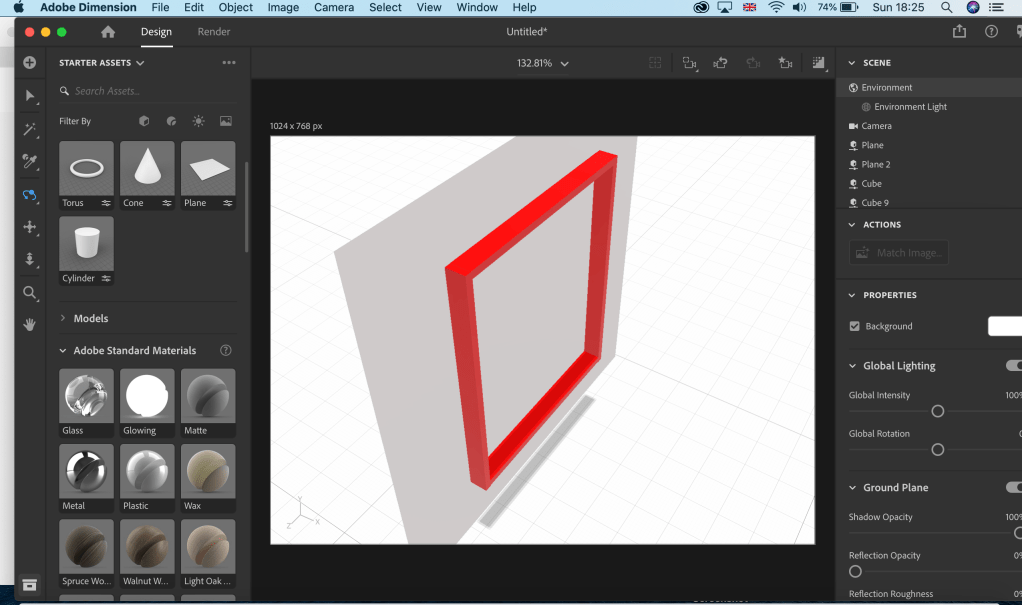
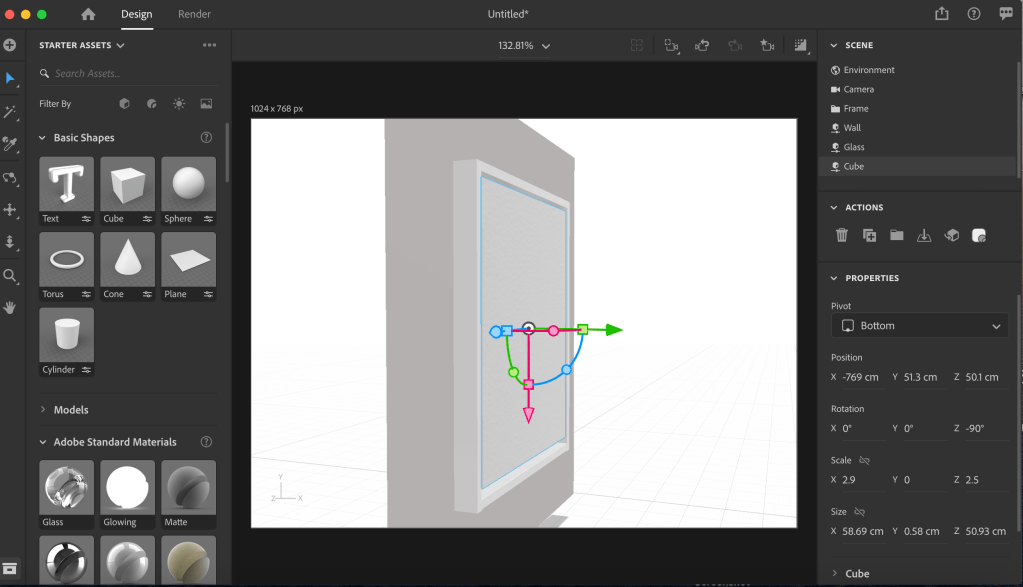
Having been relatively pleased with my first attempt with Adobe Dimension, my broader ambition to produce a digital exhibition needs significant learning if I am to produce something special. Having opened the work space I set about creating a frame. Sounds like a simple task but this was probably the most difficult task as I was still very much learning how to navigate around the workspace. I eventually changed the colour of the frame so that I was able to see clearly what I was working with.

Aligning and Texturing the Canvas

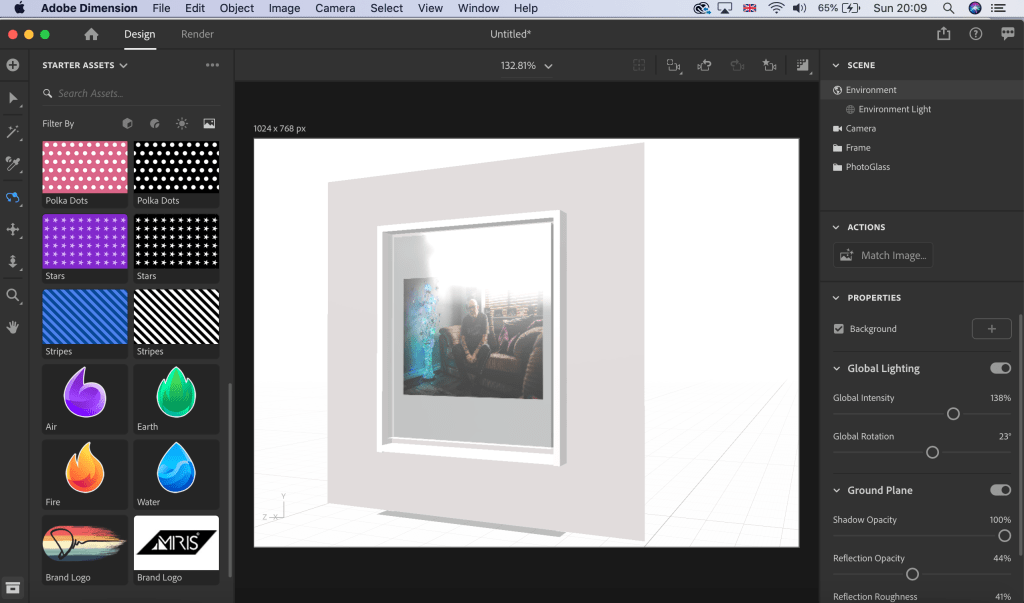
Having spent a considerable amount of time aligning the frame I then added a Matte texture to sit inside the frame. Having done this I then needed to ensure that the inside of the frame aligned with the actual frame itself. Again not an easy task and one that took considerable experimentation. At this stage I was becoming semi confident with the workspace and the process became a little more familiar. Having got to this stage, I then placed a further plane over the frame which would eventually become the glass surface of the frame. On to the what should have been one of the easier tasks, was the placing the object (Photograph) into the frame. According to the tutorial It was a simple task. This wasn’t the case and the finding the solution took well over an hour with the solution being the requirement to convert the asset to a ‘standard model’.

Experimenting with Lighting Environments

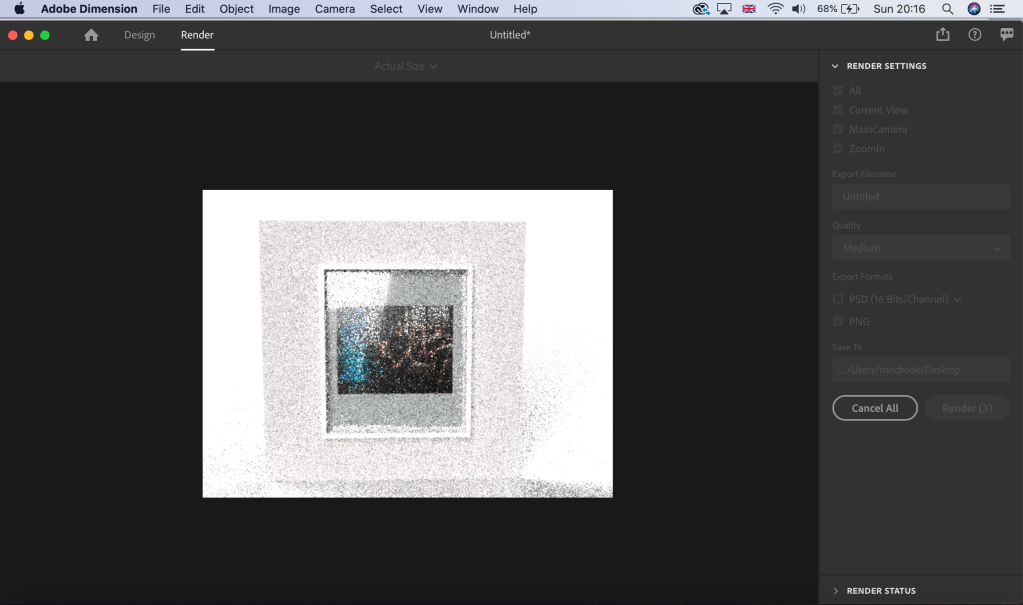
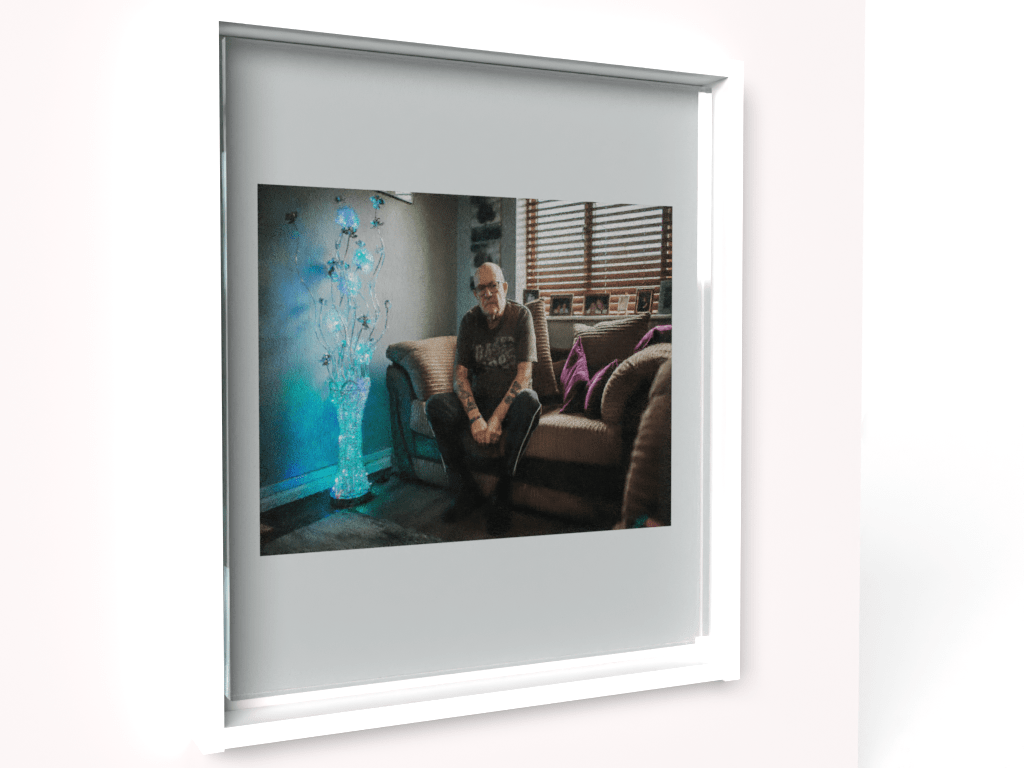
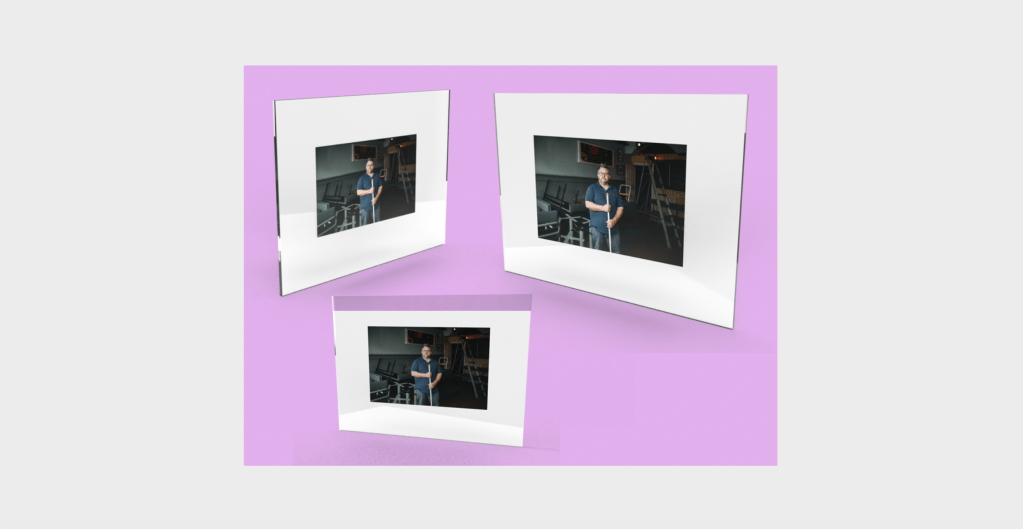
At this point I had a basic model which looked like a photo frame with a photograph inside. I then experimented with lighting environments and I did a number of these which is where the glass texture added an element of realism. Then onto rendering the frame to convert into a PNG image to be further placed into a programme such as photoshop. The process rendering the finished asset took some time and I don’t think my Macbook appreciated having to use all of its power.

Rendering Assets

Going forward I will need to continue to experiment and having made a frame I will need to consider a possible environment to place a series of frames. Ultimately my thoughts are to create a gallery and possibly animate a tour although this may be ambitious.

Below is a gallery of the completed asset from a number of different perspectives. Although I have discussed my intention to create a gallery, the next stage of this development is to place a trio of images together in a room. At present this appears an achievable ambition however I also understand that in using the technology whilst learning seemingly simple tasks can take a considerable amount of time.

Skills Building | Adobe Dimension

As the FMP module continues I am continually on the search for self improvement and perhaps the most difficult area to find development is the area of dissemination. To date I have researched areas such as the importance of books in addition to using soundcloud as an outlet for my interviews.

I will in the near future begin to design my proposed product in the form of a newspaper however the prospect of learning a new skill in the form of 3D design is a prospect that I find somewhat exciting. The quandary I have faced in the past is understanding my passions and limitations. My experience in a recent interview for the position of a photography teacher in a sixth form college taught me that I’m not an art teacher which is problematic in my current employment as I see myself as a hybrid teacher of photography and media as opposed to photography and art. I recognise that I do have gaps in learning in traditional processes, I continually work to rectify this and have taught myself how to develop film throughout this module.

In assessing my interests and personal goals, I will continue to develop projects using medium format however of late I begun to experiment with Adobe Dimension. The reason for doing this is the intention of ultimately creating an online exhibition. Having watched a number of tutorials I was able to produce a basic example of a mounted photograph. Although it looks quite simple, the process of lining up the elements was quite difficult initially. However, having produced the asset below I now have a starting point to continue the development. I will document this process in short posts such as these as my online exhibition space takes shape.

Adobe Dimension Development

In order to produce these assets I experimented with creating shapes, adjusting their size and density.

Adobe Dimension | Rendered Assets

Shoot 14 | Pete and Joe

As the journey continues and having recently gone through the lengthy process of making work, editing the photographs then editing the audio files into something manageable. I am now at the next wave of participants which involves the process of of calling for participants, planning and organising the making of new work around my full time job. Having organised the shoot with ‘Pete’ below. I was conscious of the prospect of being in his company for some time. This turned out to be the case and will be another lengthy editing process in the future. At this stage my thoughts go back to my research on Michelle Sank’s book ‘The Water’s Edge’ where she comments that the interview process and the photographic event were kept separate and conducted by different people. This at present is a huge luxury compared to the process that I’m engaged with in having to conduct interviews and photograph in the same sitting.

The work from this shoot I consider far from my best work. Over the lockdown period, Pete set himself the project of building his own pub in his back garden. Pete himself is a very sociable individual who has been affected by the pandemic.

When making this work I found myself working in an extremely tight space with beams across the roof. This made working with on camera flash difficult and in this case impacted on the realisation of my intentions. I do have an image that I think is ok but not really worthy of a submission. As a result of the interview Pete spoke at length about his failed marriage and how it affected him. However he also spoke of his connection with his children and the most powerful aspect was when he told me that every time he drops his teenage children off somewhere he tells them he loves them before giving them a kiss goodbye.

Pete and Joe

This image perhaps being the strongest and visually, I feel that it is an authentic representation of what emerged from the interview however I’m not happy with the crop on the knee joints as I would have liked to have a vantage point slightly below the knee. However I did work hard to make this photograph and my summative assumption about this shoot is that I worked hard to ultimately fail. At this point I’m led toWebb, A and Norris Webb, R (2014) cite Arbus

‘It’s important to take bad pictures. It’s the bad ones that have to do with what you’ve never done before. They can make you recognise something you hadn’t seen in a way that you will make you recognise it when you see it again’

Comments made by the Webb’s illustrate how I’m feeling at the moment regarding this shoot. Although not happy with the final outcome. I’m not disappointed I was able to understand the difficulties I faced and to some extent address them.

Webb, A and Webb, R (2014) On Street Photography and the Poetic Image. Aperture, New York.

Lacey & Sank (2007) The Water’s Edge. Liverpool University Press and Open Eye Gallery, Liverpool.

Contextual Research | Jooney Woodward, Renaissance and Baroque

As my project continues to develop and following an intensive week professionally I find an element of calm in looking to photographs that offer some type of escapism. Looking at the work of Jooney Woodward offers a sense of hope regarding my own practice as she makes portraits that cause me to be excited about my own practice. Whether it be the posing or gestures that subjects make, I enjoy photography that is considered in terms of intent, but most important to me is the enjoyment I take. Pre MA I found huge enjoyment in looking at the work of Rodney Smith and still do. In a personal sense, I remember the enjoyment I took from looking at Smith’s work and now I can add the work of Woodward to that list.

In response to the question of taking enjoyment from the work of others, I feel compelled to ask myself why I am drawn to such work. A complex question of which I don’t thin there is a single answer.

Iris Apfel | By Jooney Woodward

The photograph of Iris Apfel by Woodward is an example of her work that I admire. The multiple elements of detail, the contrasting textures in her clothes and jewellery serve to produce a sense of difference, a juxtaposition between old and new, or the traditional and progressive. Coupled with her spectacles, I sense that Apfel is an interesting individual, progressive in her lifestyle. Someone who has moved with the times. The colour and texture of the light green sofa creates a strong contrast with dark ruby and orange of her coat. I could address elements such as the lips and hair which lend themselves to a sense of glamour and beauty not lost with age.  Risch (2018) comments Jooney Woodward draws inspiration for her portraiture from Renaissance and Baroque paintings, and says her work is “quite static and composed compared to more reportage-y photographers.” As a result, I felt that if I was interested in this type of work I needed to work harder to understand the cornerstones and rules that I should be aware of. When Risch cites Woodward commenting about taking inspiration from Renaissance and Baroque paintings I felt that this was a good starting point. Mittendorf (2017) comments “A good word for Renaissance art is “stabilize,” while a good one for the Baroque is “dramatize.” Going back to Woodward’s photograph of Apfel and with Mittendorf’s opening comments in mind, my attention is drawn to the Apfel’s left hand being raised with her fingers slightly closed. Here is where I see drama in the image, the gesture encompasses a type of symbolic sophistication and dexterity that aligns with her profession of an interior designer. As Barthes (1958) in his essay argues ‘Steak and Chips’ makes assumptions about nationalism, masculinity, loyalty and status. In Woodward’s photograph, she makes statements about creativity, innovation, talent and sophistication. The finishing touch to the photograph being the raising of the left hand. A small element that has a huge impact.

Mittendorf makes the distinction between Baroque and Renaissance paintings being, the use of vertical and horizontal lines to create a sense of stability in Renaissance work as opposed to angular lines in Baroque paintings. Here you can clearly see a range of angular lines at play here. The angular lines created by the green sofa in addition to the triangular shape of Apfel’s right arm in almost a binary opposite of colour and angle. Going back to the left arm which is raised almost vertically but not quite. To me this represents a common theme with successful people. Almost a metaphor of someone that mostly adheres to the rules however the slight angle represents a personal voice, the sense of individuality which one may need to get to the top of one’s profession. Going back to Risch (2018) and comments about Woodward’s artistic style have helped inform my own intentions going forward. Whether I am able to achieve this level of detail going forward is yet unknown however in scrutinising Woodward’s beautiful image I feel that a roadmap to producing stronger work is a little more visible.

Barthes, R. (1958) Mythologies. Vantage, London.

Mittendorf (2017) Artistsatwork.com [Online] Available at: https://artsartistsartwork.com/renaissance-art-vs-baroque-art-understanding-the-difference/ [Accessed] 3rd May 2021.
Risch, C. (2018) Photo District News [Online] Available at: https://pdnonline.com/features/photographer-interviews/delivering-on-challenging-assignments-jooney-woodwards-odd-author-portrait-for-telegraph-magazine/#gallery-3 [Accessed] 3rd May 2021.
Woodward, J. (2021) Jooney Woodward [Online] Available at: https://jooneywoodward.co.uk/project/portfolio/#5 [Accessed] 3rd May 2021.