Category: Sustainable Prospects Project Development



Week 3 Reflection
Another week has now flown by and it started with that now familiar feeling of not really knowing where i’m going and hoping for some guidance in the webinar.
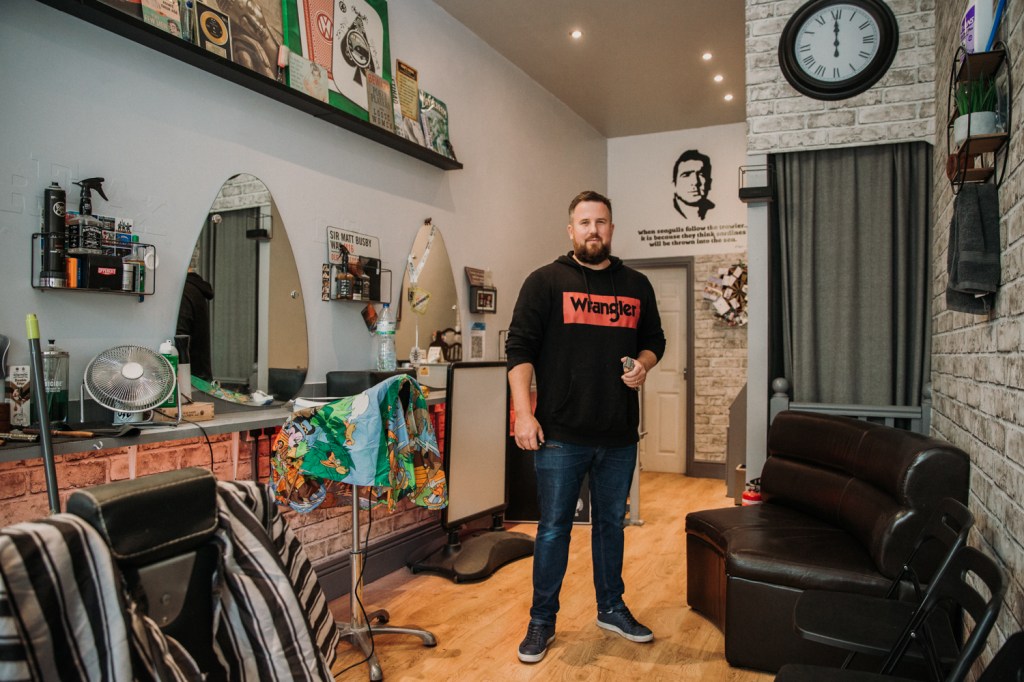
The week started by taking my camera to the local barbers with the idea to get a haircut, eat some biscuits and make a portrait which was clean, considered and in the style I was hoping for.
I also took the opportunity to look at some of the work I made at the early stages of the MA in order to see if I had any work that represents interest. Most of which was relevant but the overriding emotion was disappointment that my previous work is riddled with indescrepencies, most notably the framing of the people I photograph. On so many occasions I see basic errors especially with portraits specifically the bottom areas of the frame. Often cropping feet at strange angles or not thinking about this area when deciding to fire the shutter. Therefore, my considerations of this are currently at the forefront of my mind when taking portraits now.
Other considerations include avoiding distractions around the area of the head and finally the vantage point as I often pontificate whether I should position myself at a lower angle. In some cases I believe I should but in other cases I feel the vantage point is well chosen. As I would like to pursue this field of work I will use this module to continue development within this area. To conclude such considerations I feel that my work is improving in this area and this improvement is reinvigorating to make future shoots feel like an exciting prospect.
Felicity McCabe
Watching the lecture with Felicity McCabe was insightful and listening to the confident way she speaks about the work was something that I feel that I needed to hear as I am aware that feedback from tutors is extremely relevant but at the same time is largely worthless if the individual is lacking in their own autonomy. An issue that I feel that I am guilty of. As a result of this my approach will shift towards creating that I believe in, and making it in such a way that when the opportunity to receive feedback arrives, it will be a case of advice and guidance on a minor level as opposed to looking for some type of emotional support. Essentially, if I don’t believe in my own work then nobody else will, especially an established professional.
A a result of watching the lecture, I conducted further research into her project ‘Dryland’ and I was intrigued by the way she places two images side by side. In doing this I felt the photographs entered into a symbiotic relationship, creating metaphor and a broadening of a perspective looking both inwards and outwards with the high key lighting demonstrating a confidence in her work by opening up the detail of the whole frame. The overarching personal message being to let go of my insecurities and trust the research I have done.
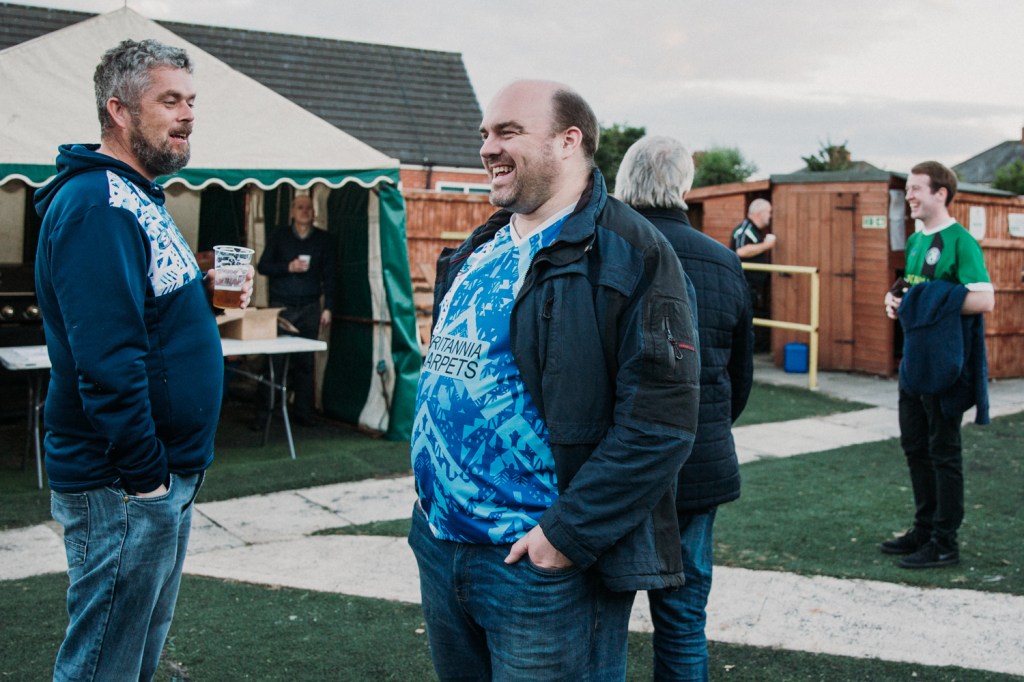
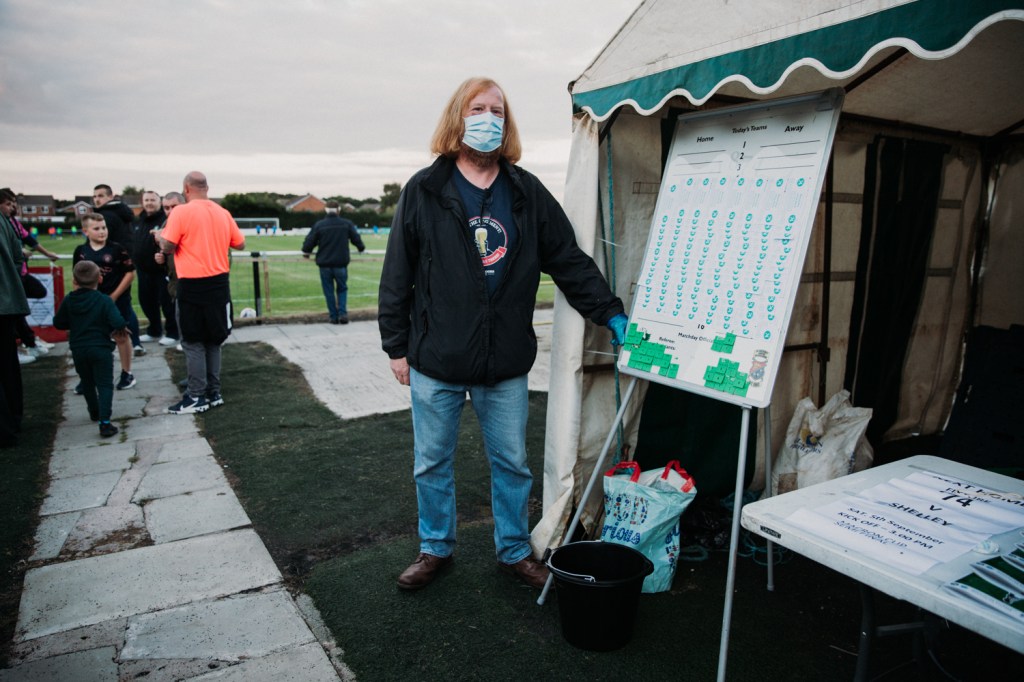
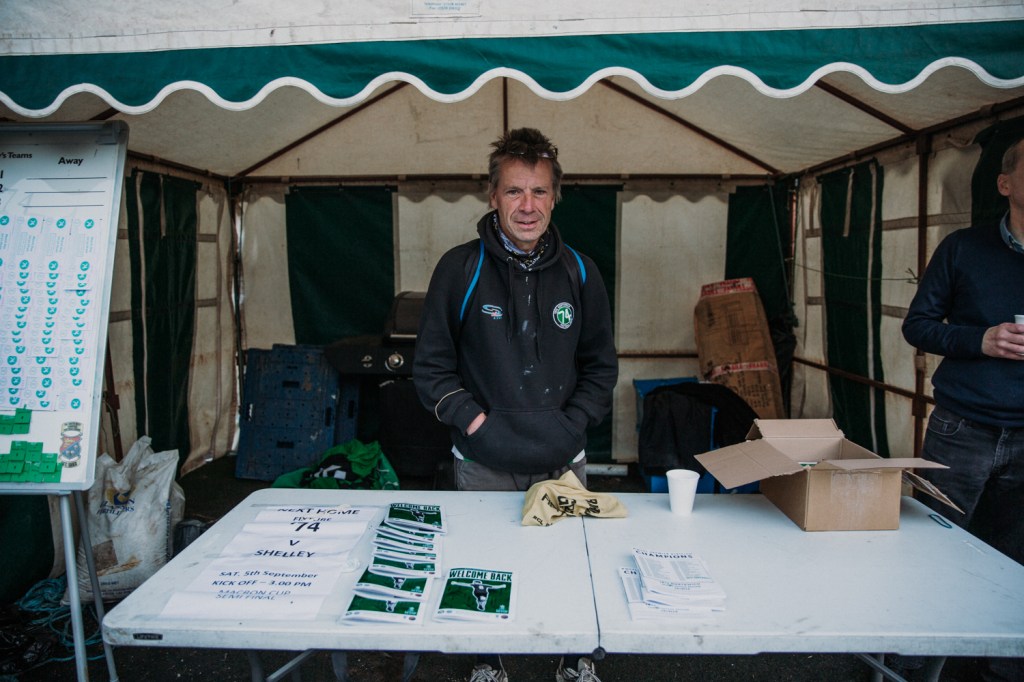
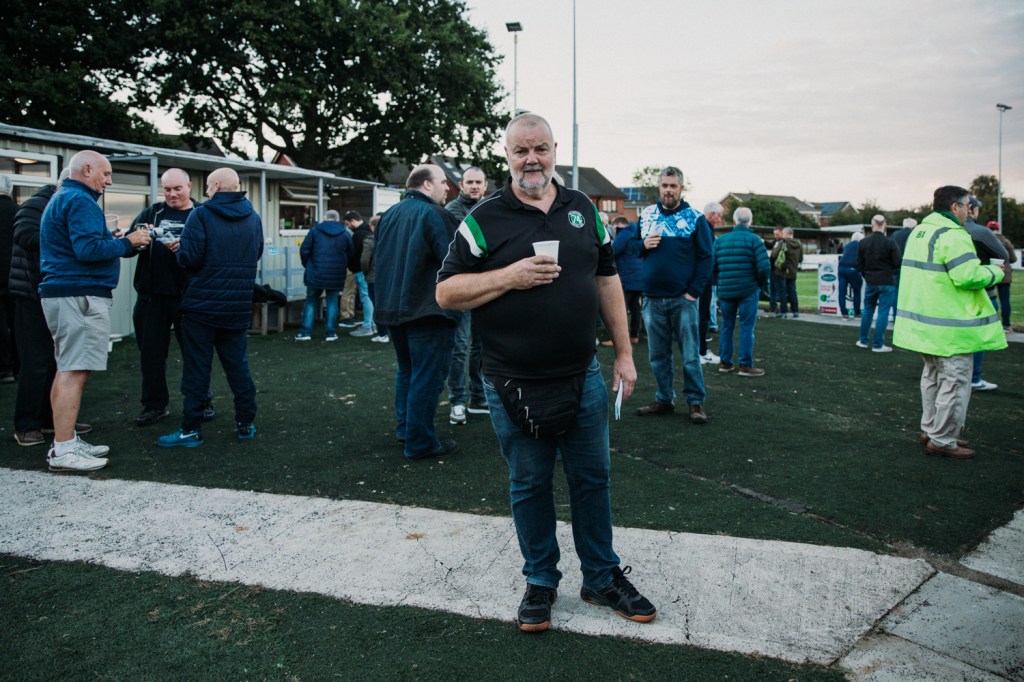
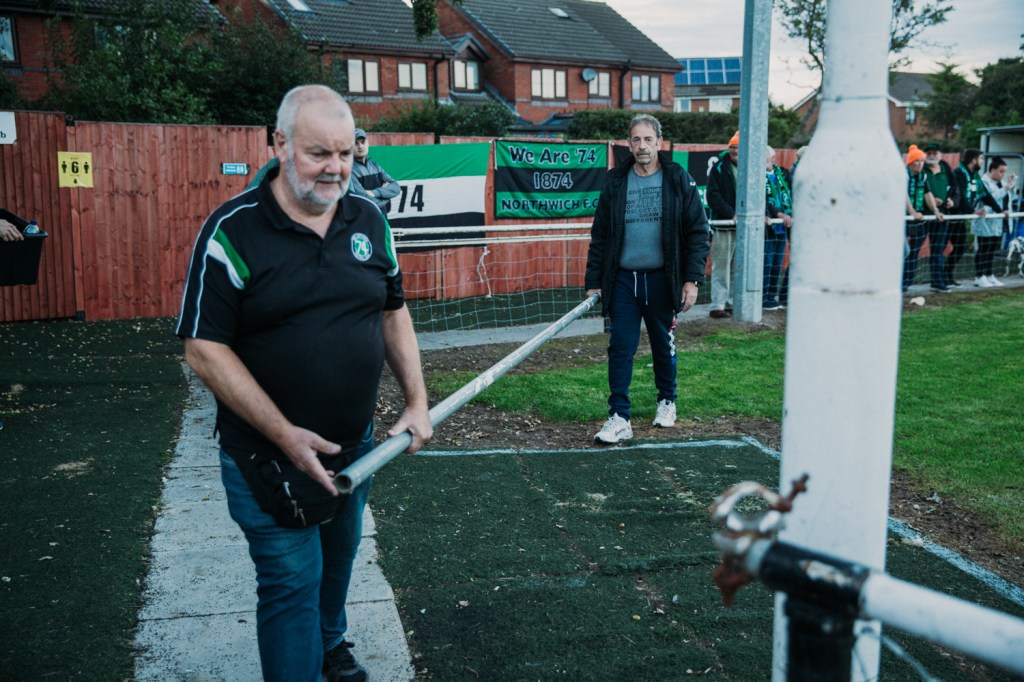
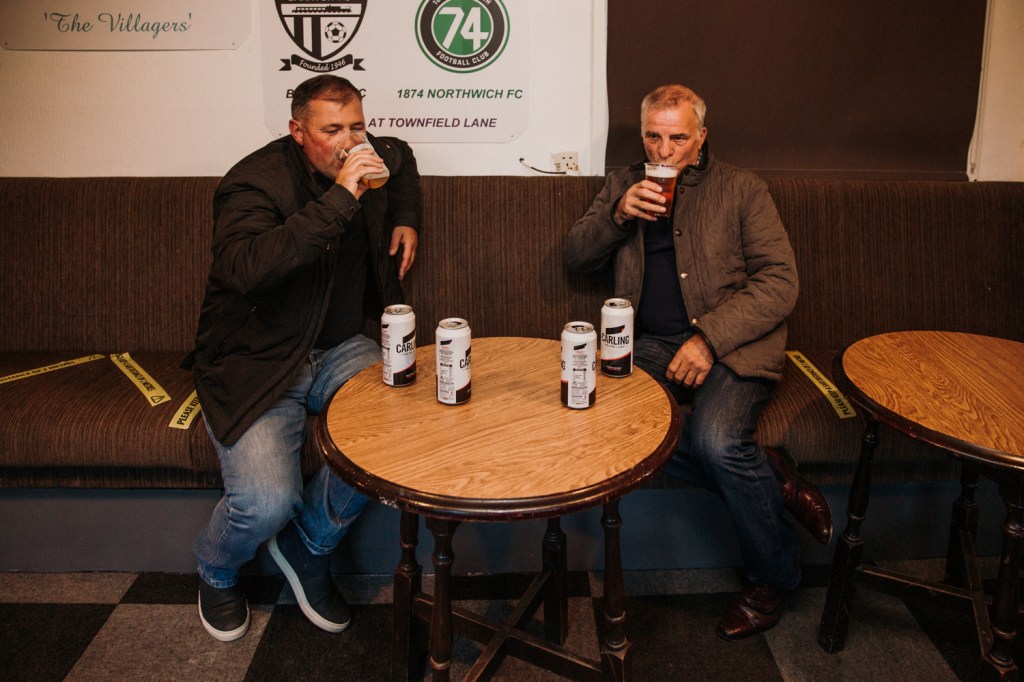
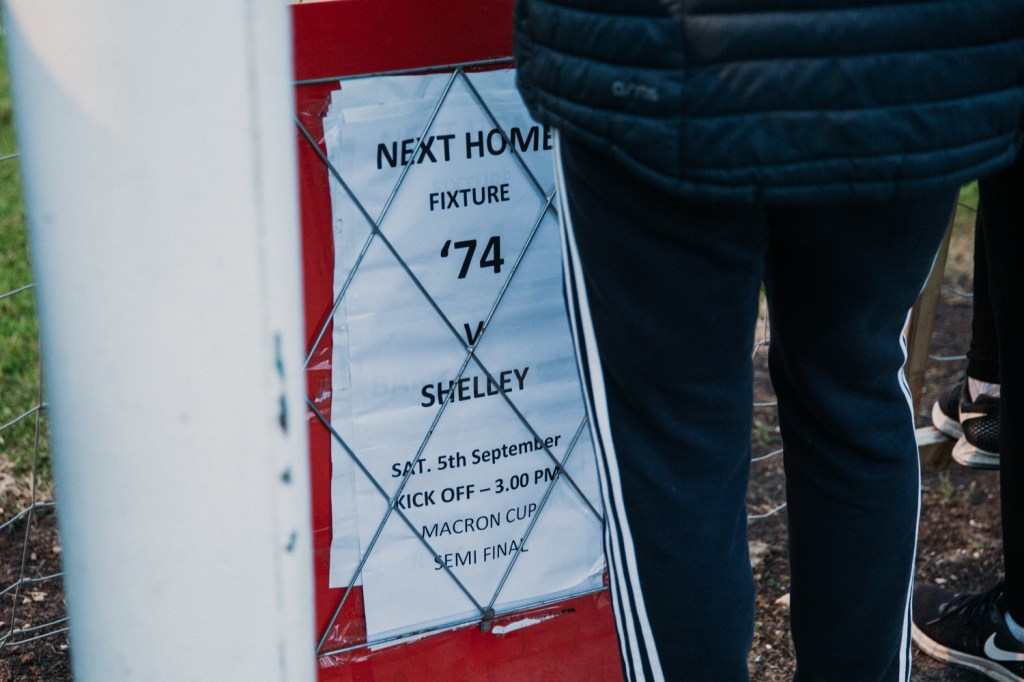
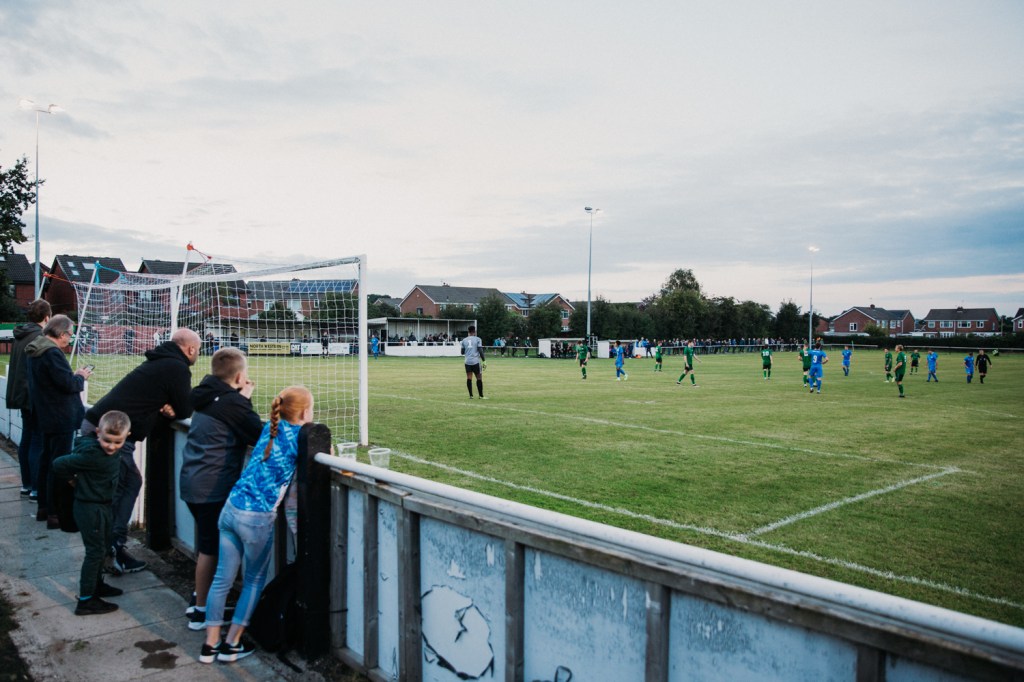
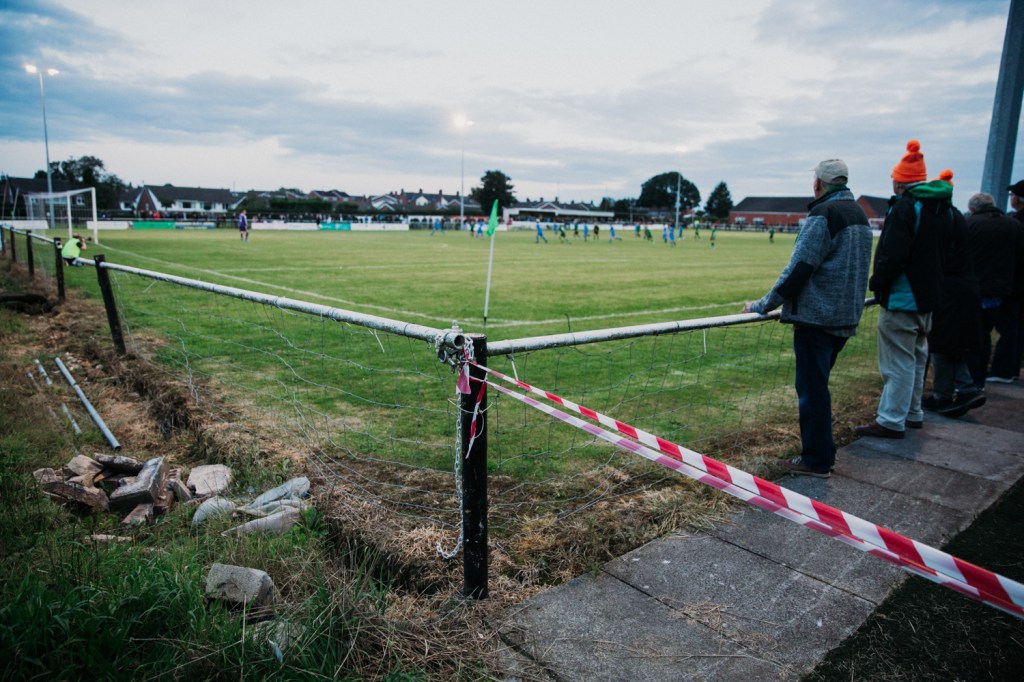
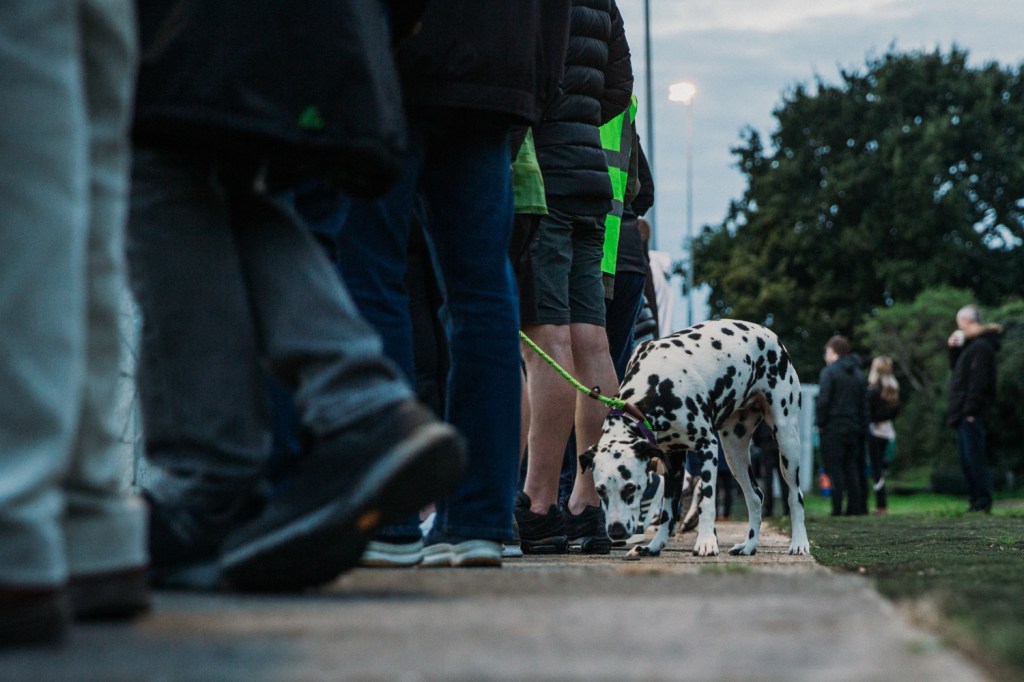
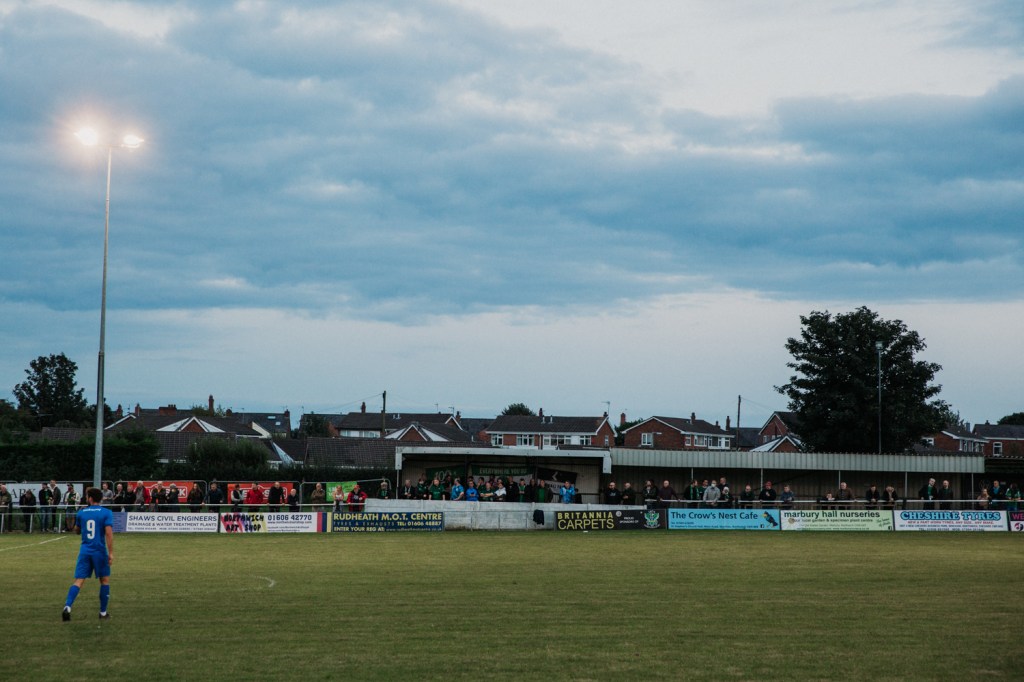
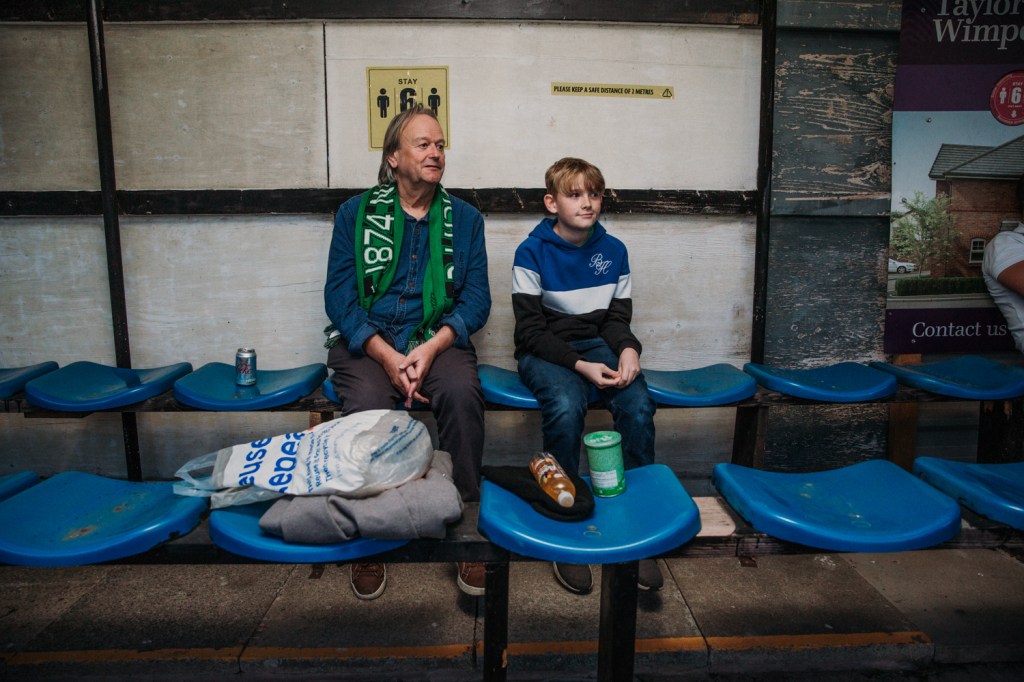
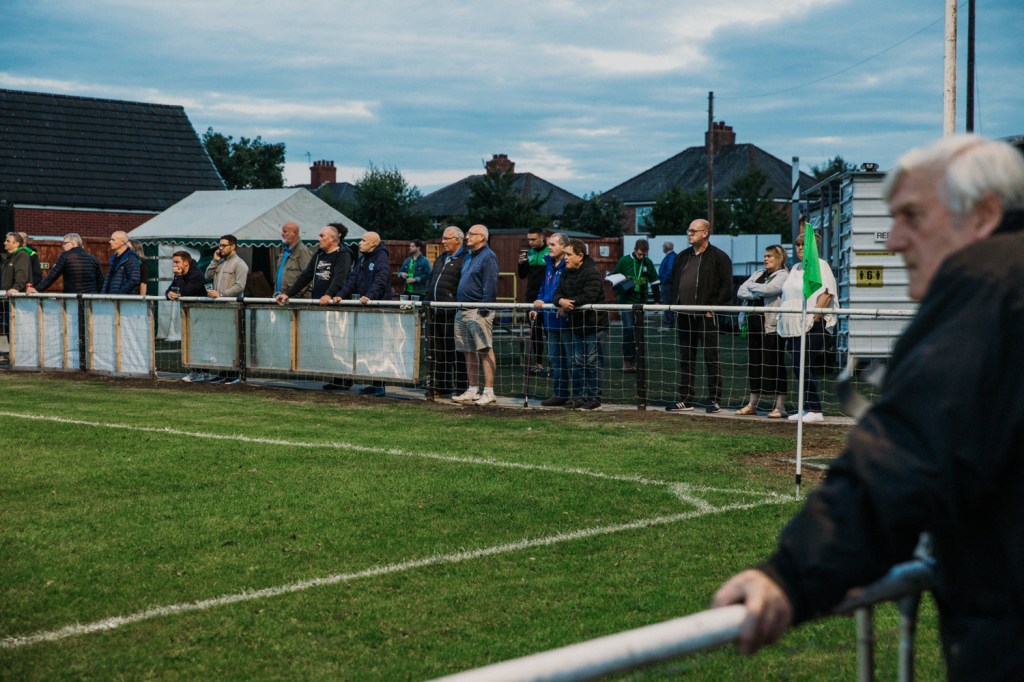
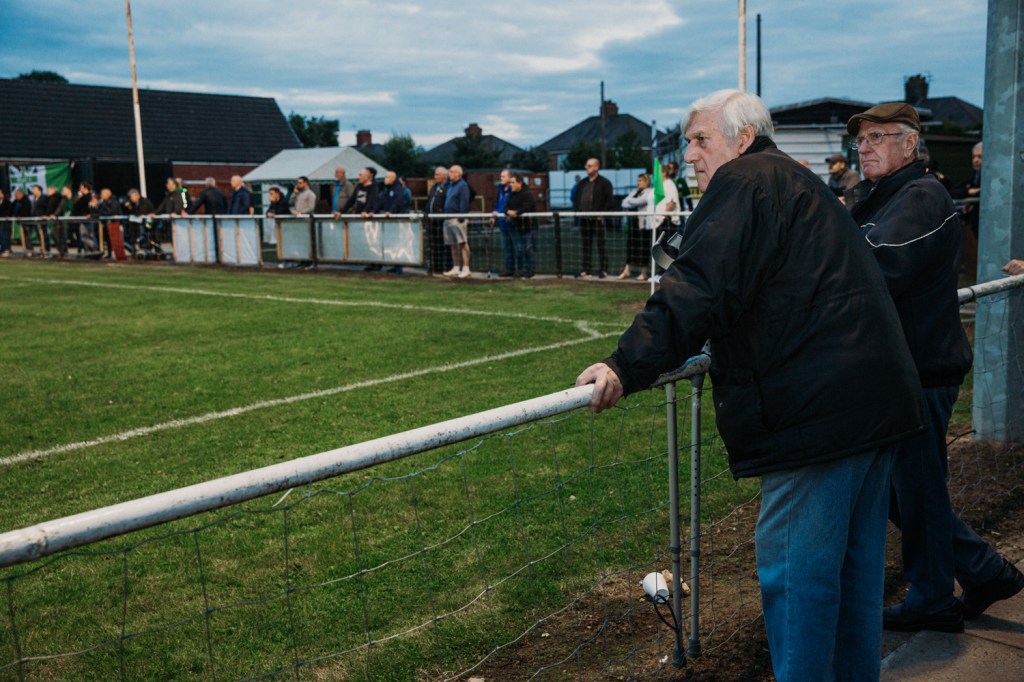
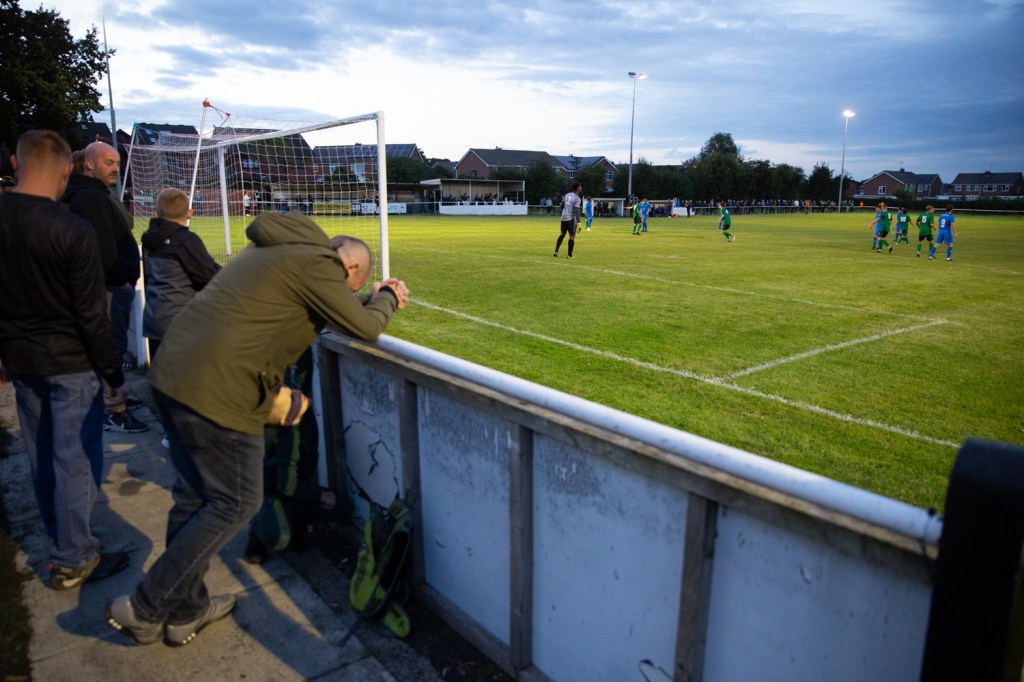
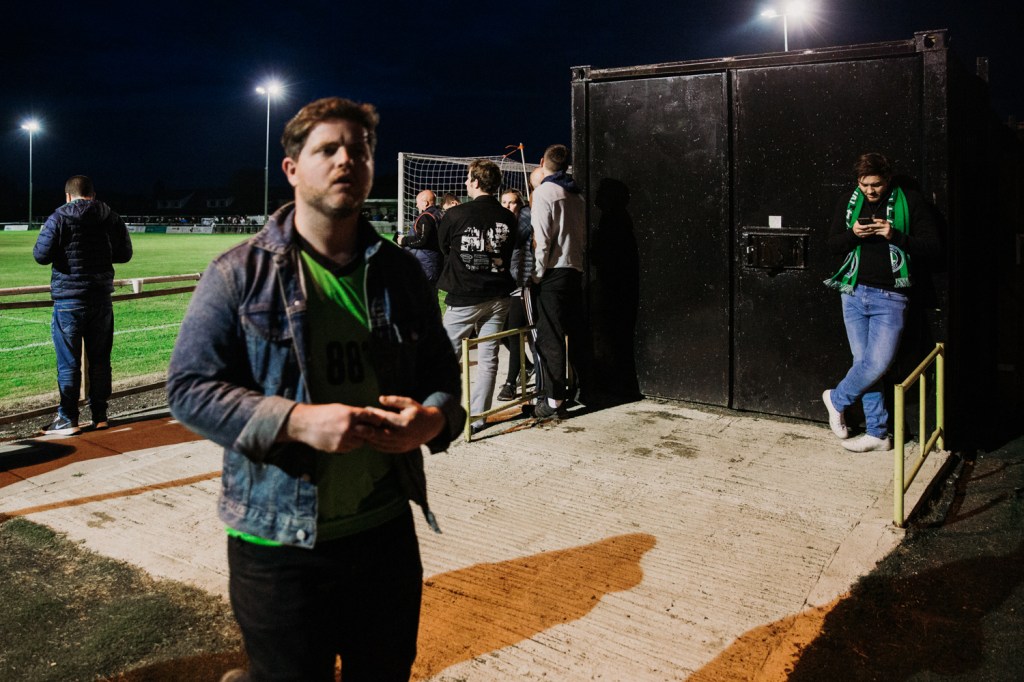
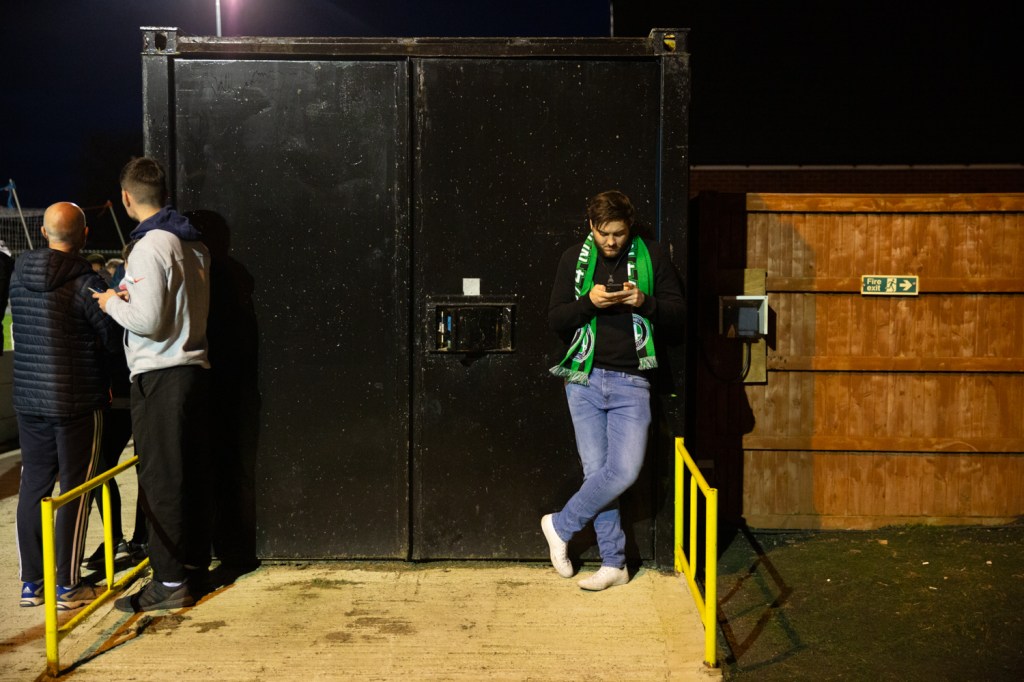
In order to address issues I am currently reflecting on my initial motivations and the starting point of my non league football project. Having played non league football for many years throughout my teens and 20s, I have already visited many of the places I photograph. This leads to the consideration of why I make the decision to revisit these places? In many instances I have thought about this question and tried to provide some overly clever and academic response, photography as activism, exploring a type of grief for the passing of my father, both of which may substance to an extent although probably not the core of my concerns. Read (2017) cites O’keeffe ‘As a curator I am looking for what is at the core of the work. Powered by authentic concerns of the photographer.’ Throughout my playing experience one of the most exciting elements was travelling to different locations, simply being in different environments, walking through the gates and into a different changing rooms, kit bag over my shoulder and wearing my club tracksuit. Warming up before the game, as a goalkeeper I used to like looking at the style of nets, intrigued by the dilapidated advertising boards that probably haven’t been changed in years.
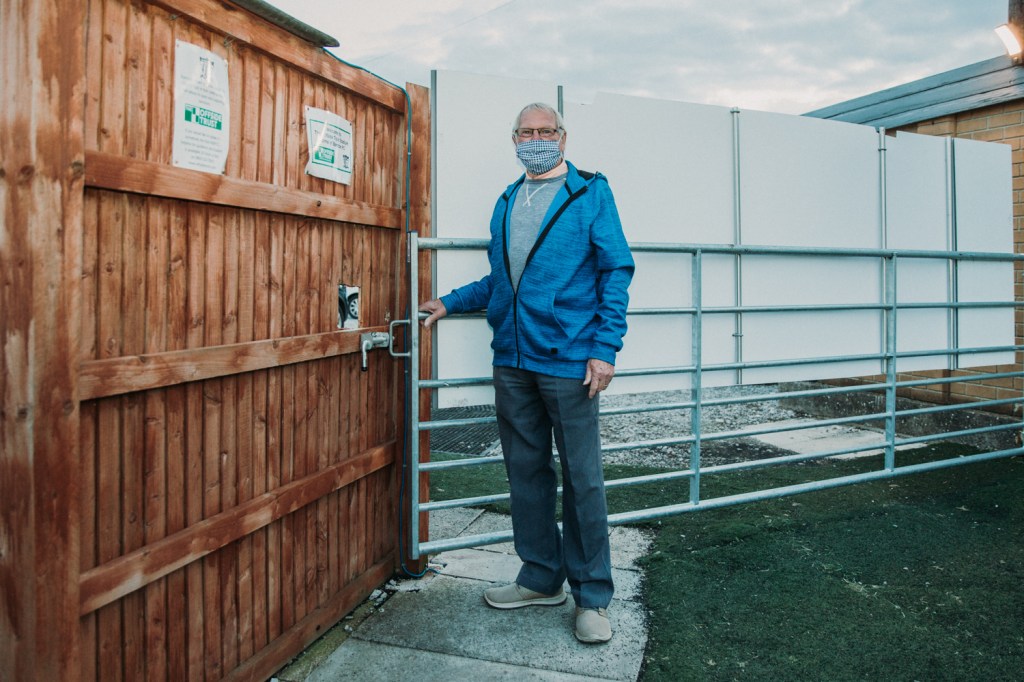
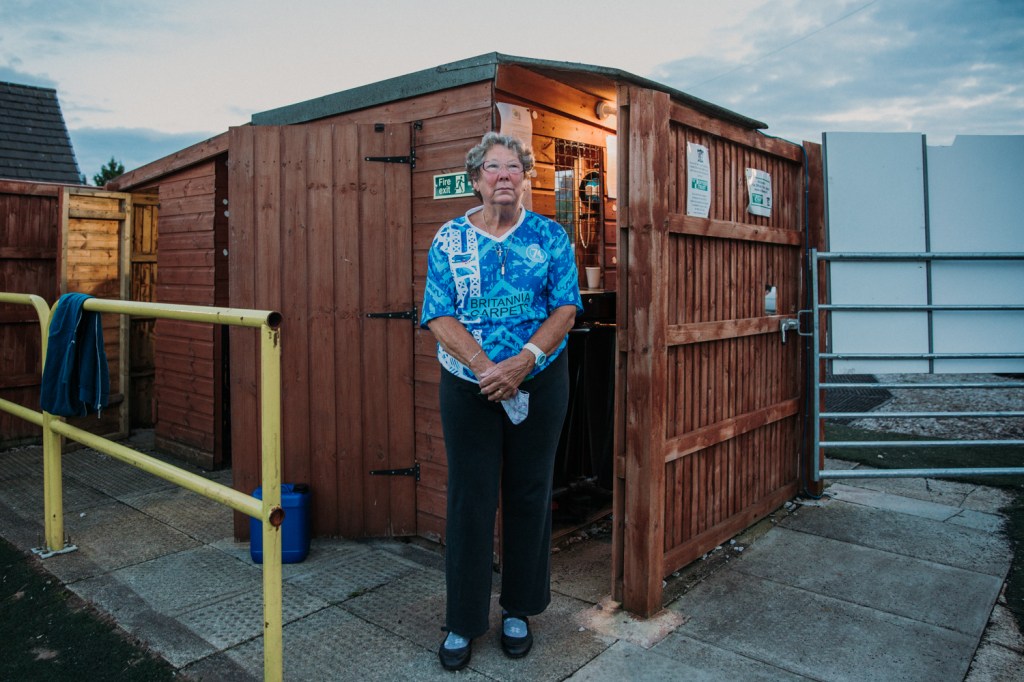
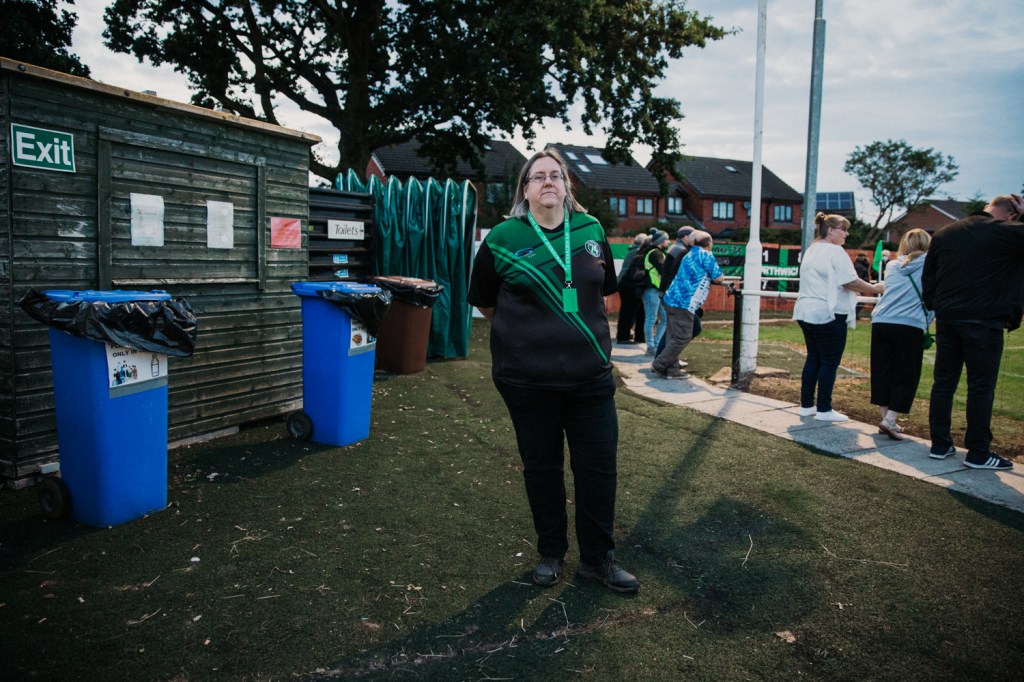
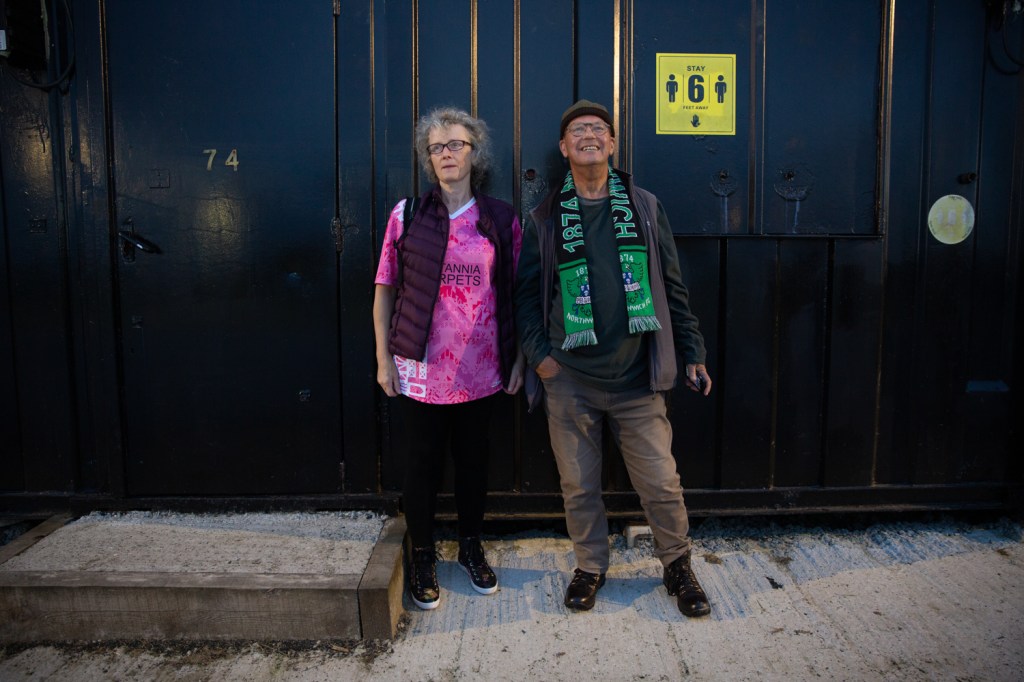
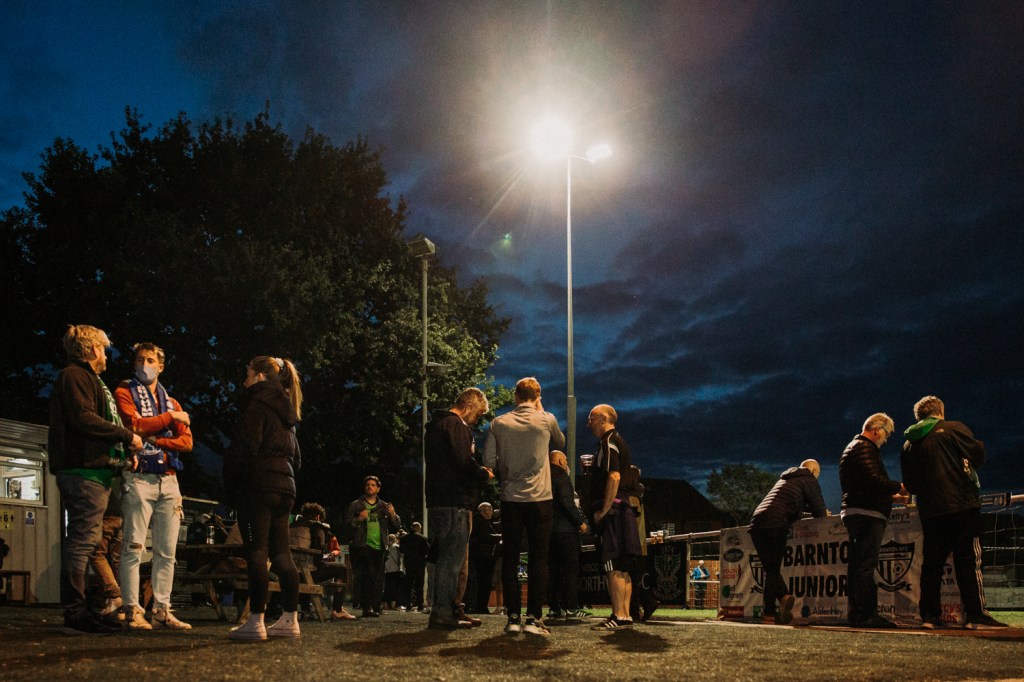
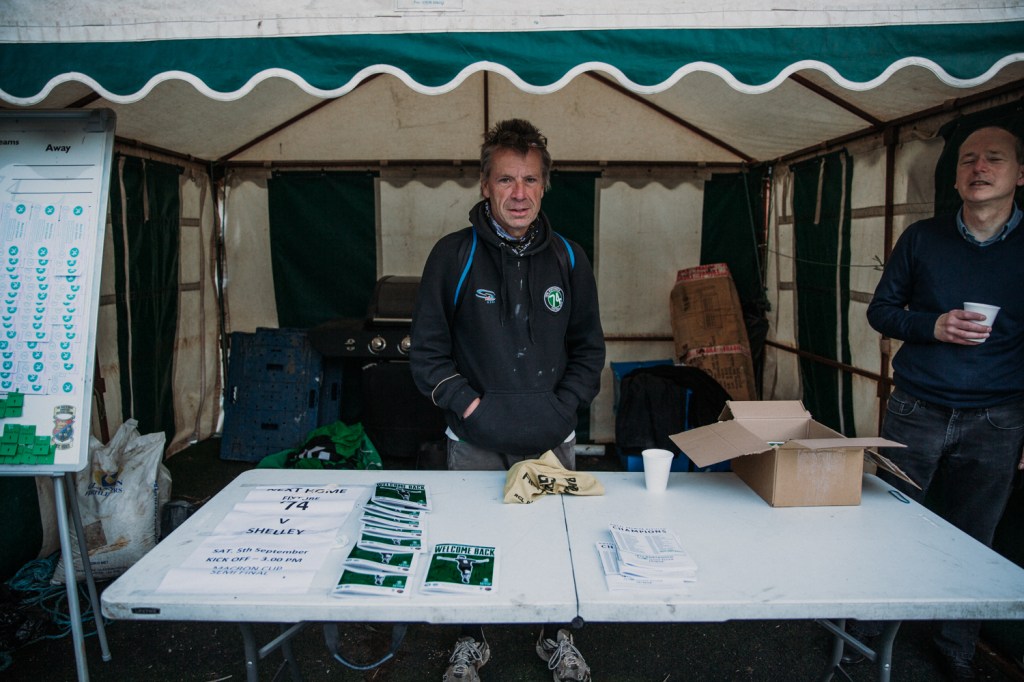
When playing a home match I enjoyed speaking to the volunteers such as ground keepers and the kit man, the bar staff and the ladies who made the tea and coffee. Having light hearted conversations and listening to their stories of past glory. Some of the happiest moments of my life were spent in these places. Being part of a community, being young and free and full of excitement about the future. Romero in Christenberry (2013: p9) writes about his work ‘Christonberry constructs an account of the South of the United States from within that South’. A comment that resonates personally as I feel that by visiting these places and photographing them, I feel that I am visually representing my own feelings about these places by making portraits and directing my attention towards the strange objects and places I used to enjoy engaging with visually and in conversation. Scott, G (2015, P94) comments ‘The emotional project is often multilayered and although it may begin on a micro personal level it can both grow and embrace a multitude of elements, people and environments.’ such comments may hold relevance however in a personal sense I disagree that my project was born out of a micro element, rather a sea of micro elements which I was unable to decipher in my own thoughts. And to get to this stage and a type of simplified idea, I have been through a process of elimination, challenging my project in a plethora of different routes. Reaffirming the multilayered nature as highlighted by Scott.
When thinking about whether or not my project is one of an emotional nature I feel that there is definitely an emotional element however I also argue that my project has features of an intellectual project because of the desire to seek and explore the places. In many cases I have no idea what I will find or who I will meet, the places where I once played have long since changed and many of the people I know have long since moved on or are no longer around. Therefore I am both an insider similar to Christonberry in the deep South of the USA whilst being an outsider, not knowing many of the people who frequent the spaces I now visit. Recording them them in portraits is a small celebration of an active space.
Christenberry, W (2013) William Christenberry. New York, Foundation Mapfre.
McCabe, F (2015) Dryland [Online} Available at: https://www.felicitymccabe.com/album/d-r-y-l-a-n-d.html?p=1 (Accessed) 7th Oct 2020.
Read and Simmons (2017) Photographers and Research, The Role of Research in Contemporary Photographic Practice. Taylor and Francis, New York.
Scott, G (2015) Professional Photography, The New Global Landscape Explained. London, Focal Press.
Project Development | The Barber
Visiting the barber is an event that I always look forward to as I usually get to have a beer, sit down and have a chat with my pal. For me it is a chance to talk about football and share funny stories about our past experiences about girls, previous jobs and football. Before my arrival I always make sure that I pick him up a can of Red-bull and a packet of biscuits, usually those of the highest calorie count I can find as he is always on a diet or moaning about his weight. This is symbolic of our relationship as I too spend too much time worrying about my weight. A packet of biscuits is our small piece of activism against the pressures of being in our late thirties, a mortgage, children and our weight.
On this occasion I decided to take my camera with me, unsure how it may contribute to my project but I felt at the very least it was an opportunity to practice my portraits. When scouting the space I suddenly noticed the Eric Cantona mural on the wall. This not only represented a great project opportunity but a way of opening up my project to a theme of heroes. As a child I remember having many footballing heroes and on occasion the opportunity to get a photo with one of my footballing heroes presented itself.
With Julian Germain (Soccer in Wonderland) and Emma Case (Red) in mind I thought about the prospect of opening up my project with a socially engaged element where I could collect photographs of fans with their footballing heroes in addition to collecting short responses to imagery of footballing heroes. Social media will be a good mechanism for this experiment in addition to having the potential to find out some interesting and relevant information.
I will explore and develop this avenue throughout the module.
Case, E (2018) [Online] Available at: https://theredarchive.org/about (Accessed 7th Oct 2020)
Germain, J (1994) Soccer in Wonderland Booth-Clibborn Editions, London.
Contextual Research | Project Development
At this stage of my football themed project I am used to feeling at odds with the concerns I had when embarking on the MA. Mainly due to lockdown and the impact of COVID, the disruption has been enormous in terms of exploring the theme non league football as the whole game grind to a holt.
I have struggled to identify a unifying theme which unites mt project as to date I have covered a plethora of football related culture from visualising the game at grassroots level, exploring the motivations of non league spectators and back to football in the sphere of the home. Finally, moving away from the sport to examine my own grief about the loss of my father in 2015 which is where much of my involvement in the game stems from.
At present, the task going into this module is to understand how I can use the work I have produced in order to plot my route forward and generate a new set of objectives based on what I have previously explored. Therefore my future direction must be representative of my initial motivations whilst continuing to shift and evolve, Read (2017) supports this approach when citing Clarke states ‘Looking back at the concerns that form the backbone of the work and the interests which fuel it, with or without input from others, will serve to provide evidence of where they have been and point the direction for the future.’ Read’s comments encapsulate the context of the decisions I am currently facing perfectly whilst offering some comfort that a cohesive, powerful project is still attainable.
In terms of a rethink, my starting point is Germain (1994) and his book Soccer in Wonderland. I have been aware of this book for some time and used it in my contextual research previously. The back of the book this time being my starting point so that i could fully understand his intentions with this work and states:
In Soccer Wonderland, a fan’s vision of football. This is a book about football’s winners and losers,heroes and legends, the trophies and the terraces. It is about the heroes and dreams of the supporters, the memories, mub and miseries, the fantasy and the glory, the rain and relegation, In Soccer Wonderland shows how football exists in the hearts and minds of the fans.
Deconstructing the blurb on the back of the book this first line offers the major interest, particularly the phrase ‘a fans vision of football’ which at present sounds amazingly simple as throughout the MA I have probably been over enthusiastic in theorising the intent of my project. In response, I will spend the coming days thinking about my project, specifically what the blurb on the back of my own book will say. This will form the basis of my project in addition to a contextual road map which encapsulates what it is I am trying to achieve in addition to serving as an overarching question to ask myself when creating work.
Socially Engaged Approach
Upon further research of Soccer in Wonderland, figure1 appears to be illustrative of a socially engaged approach by encompassing a simple question ‘The worst thing about football is?’ Followed by a collection of short qualitative responses. This may have been collected by a questionnaire or focus group and offers an interesting dimension to the book, this approach may also may be applied to my own project. Collecting responses by participants, possibly asking open questions using social media or a workshop which could provide a deeper engagement with the project. Adding a socially engaged element is an approach that really appeals to me, having previously researched Emma Case and her project ‘Red’ which is a useful example encompassing the objective of creating an archive, although that would be far too extensive for my own project. Helguera (2011) cites Emilia ‘to participate is not to create homogeneity; to participate is to generate vitality’. In encompassing a collection of quotes/thoughts of others I suspect would yield some interesting results and add a nostalgic dimension to the project whilst taking the work away from my own person vision but at the same time provide anchorage to my work. When observing the pages in figure 1 my personal engagement is positive and enables the audience to identify with the work on a universal level. Inroads will be made into this approach and I will look to exploit further.
Going forward I will experiment and develop ideas relating to an achievable dimension of a socially engaged nature.
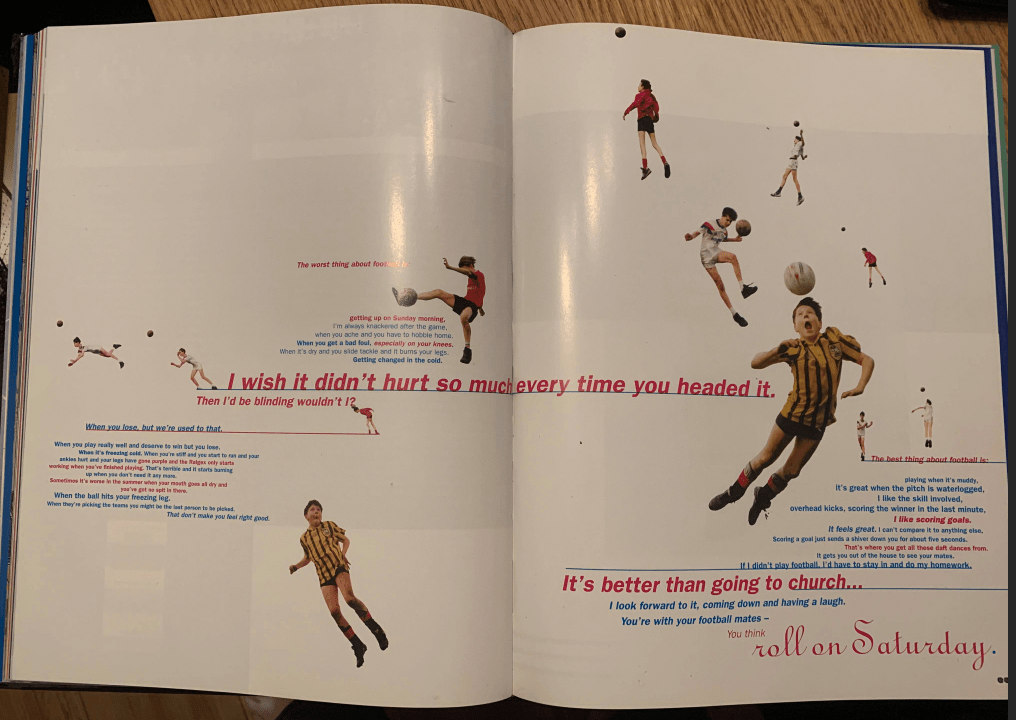
Germain, J (1994) Soccer in Wonderland Booth-Clibborn Editions, London.
Helguera, P (2011) Education for Socially Engaged Art, A Materials and Techniques Handbook. Jorge Pinto Books, Mexico City.
Read and Simmons (2017) Photographers and Research, The Role of Research in Contemporary Photographic Practice. Taylor and Francis, New York.
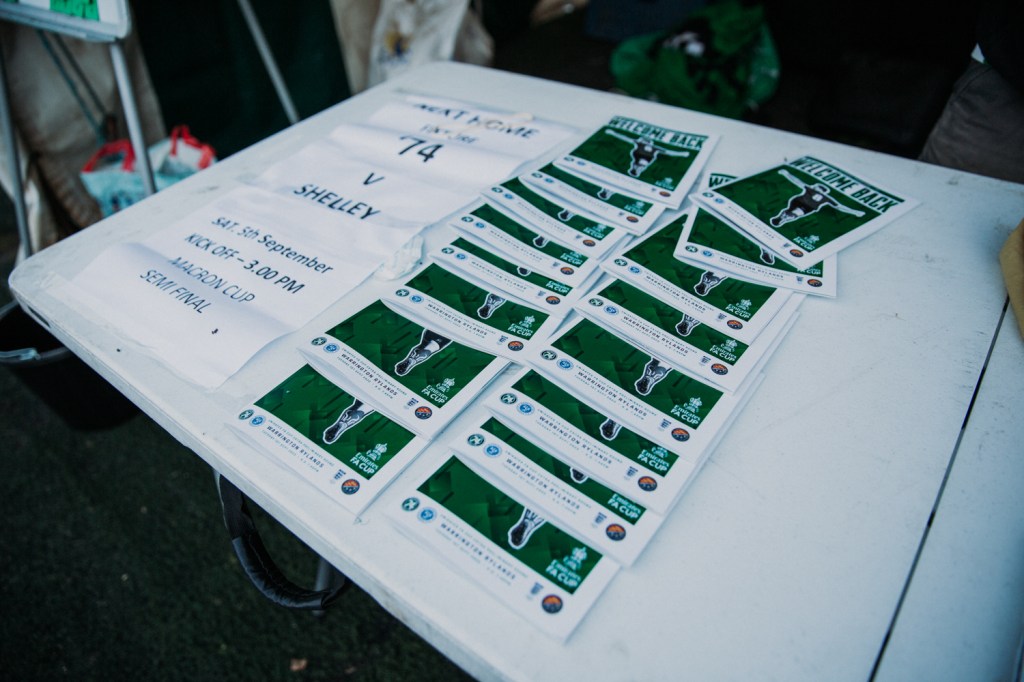
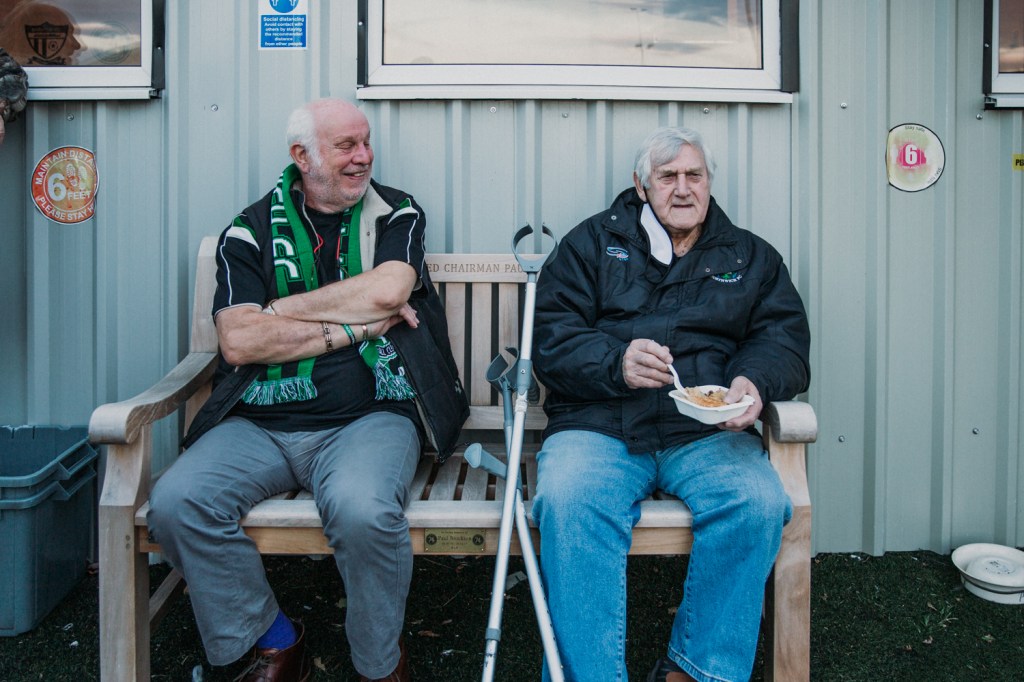
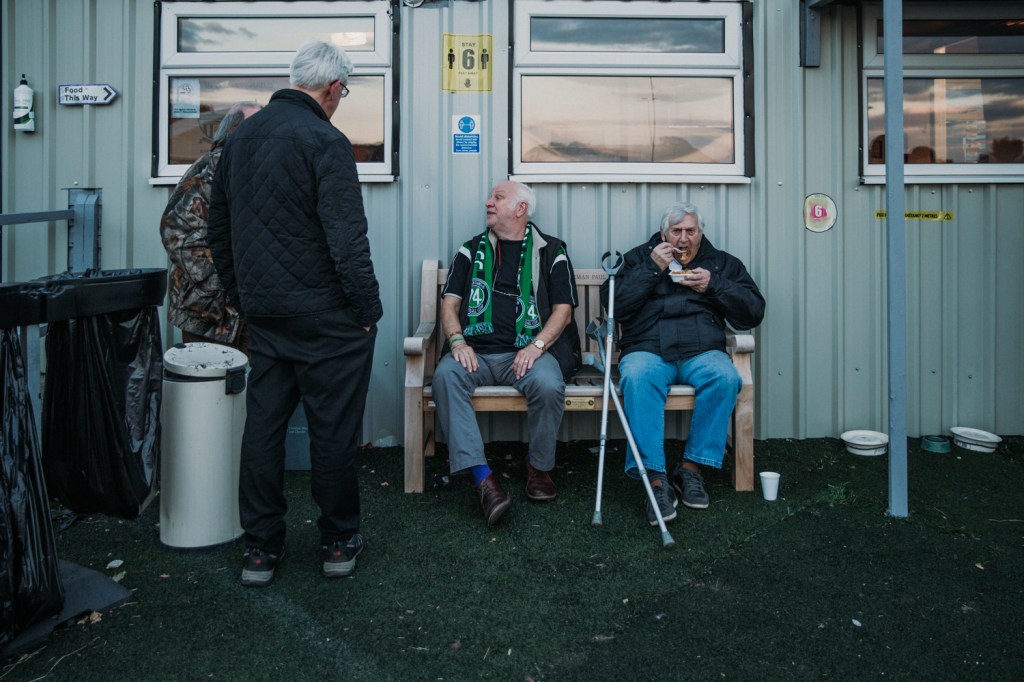
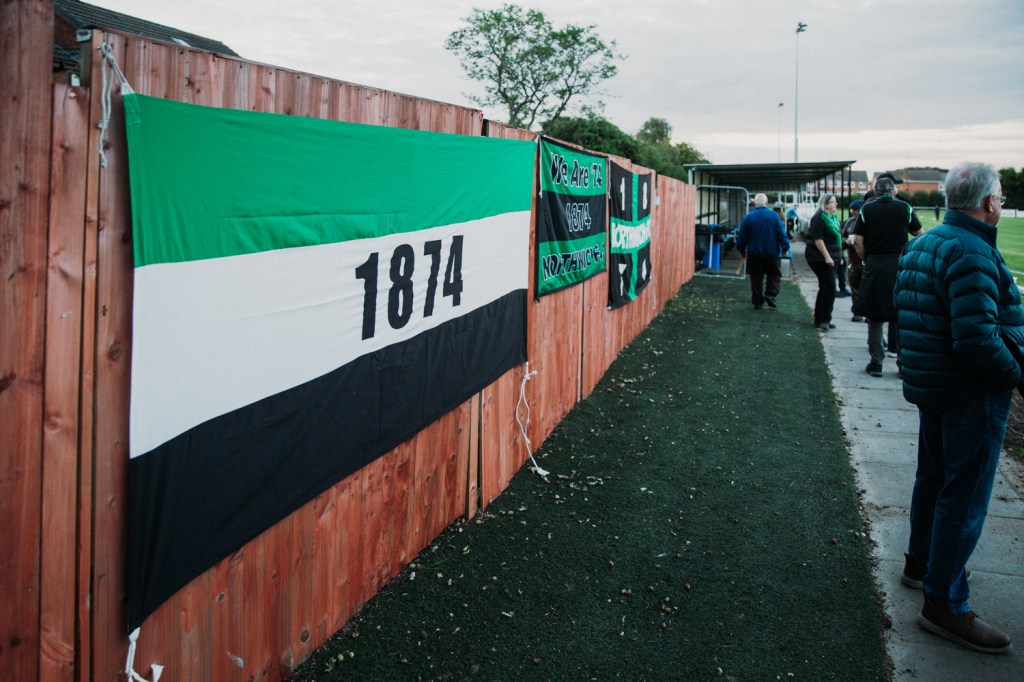
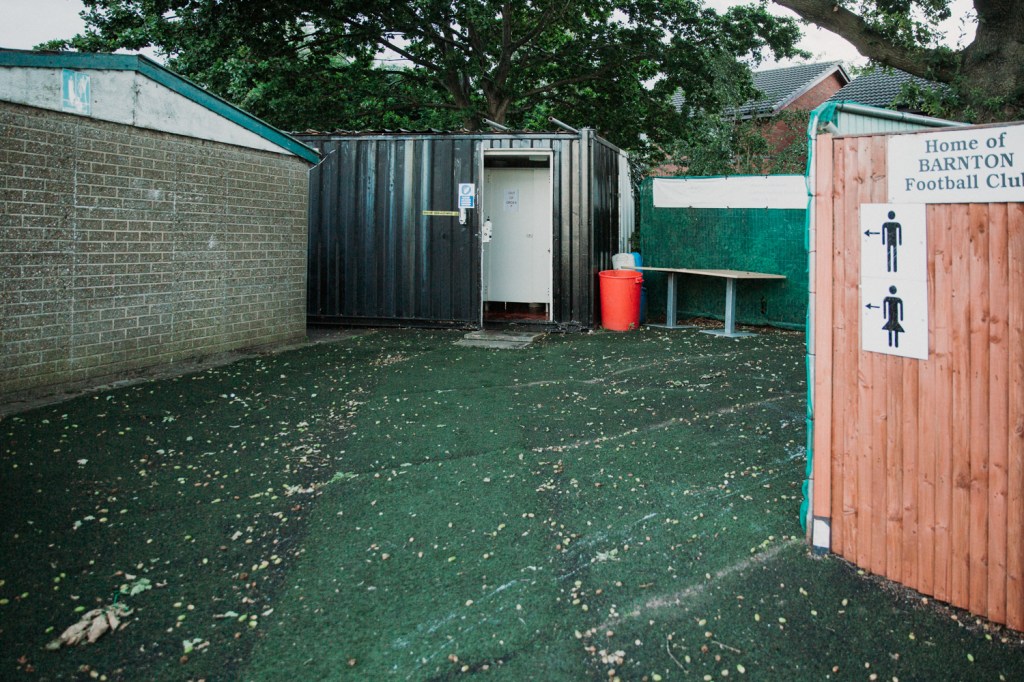
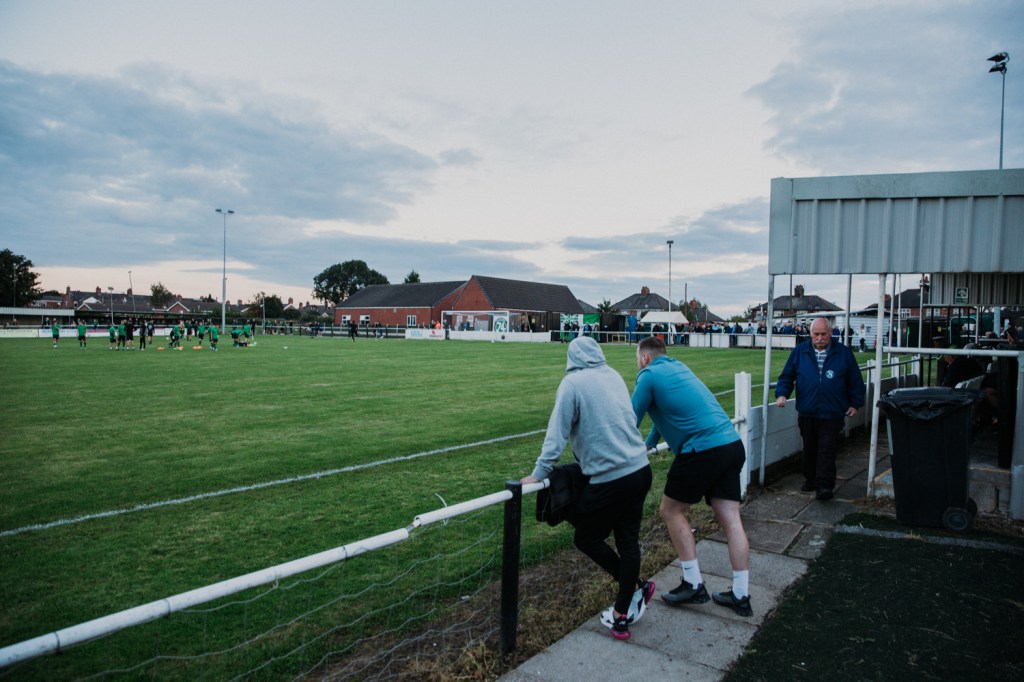
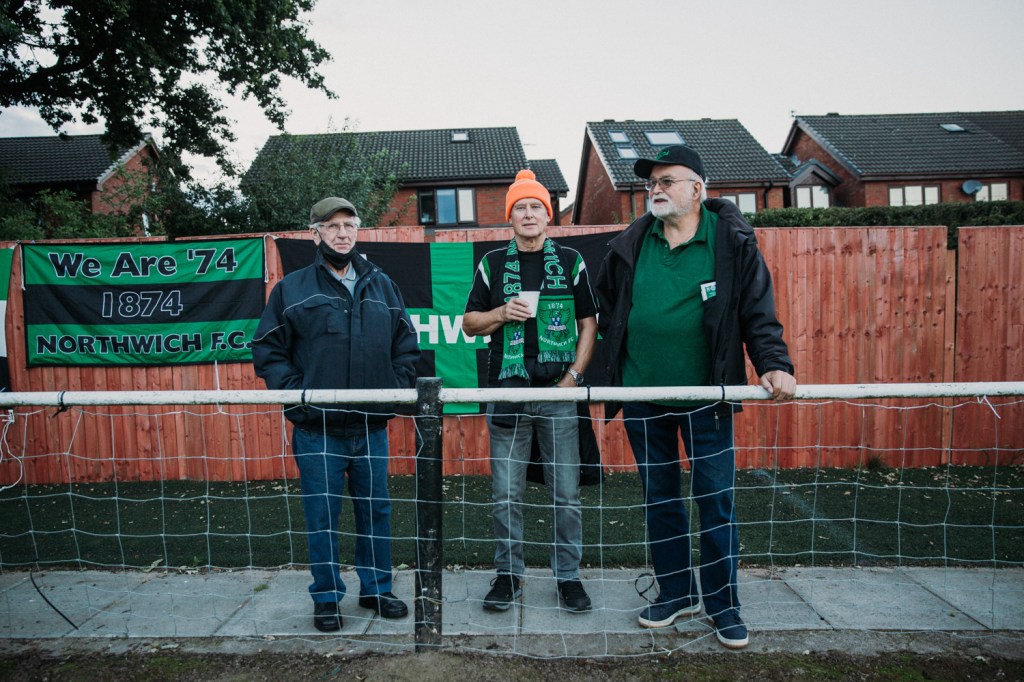
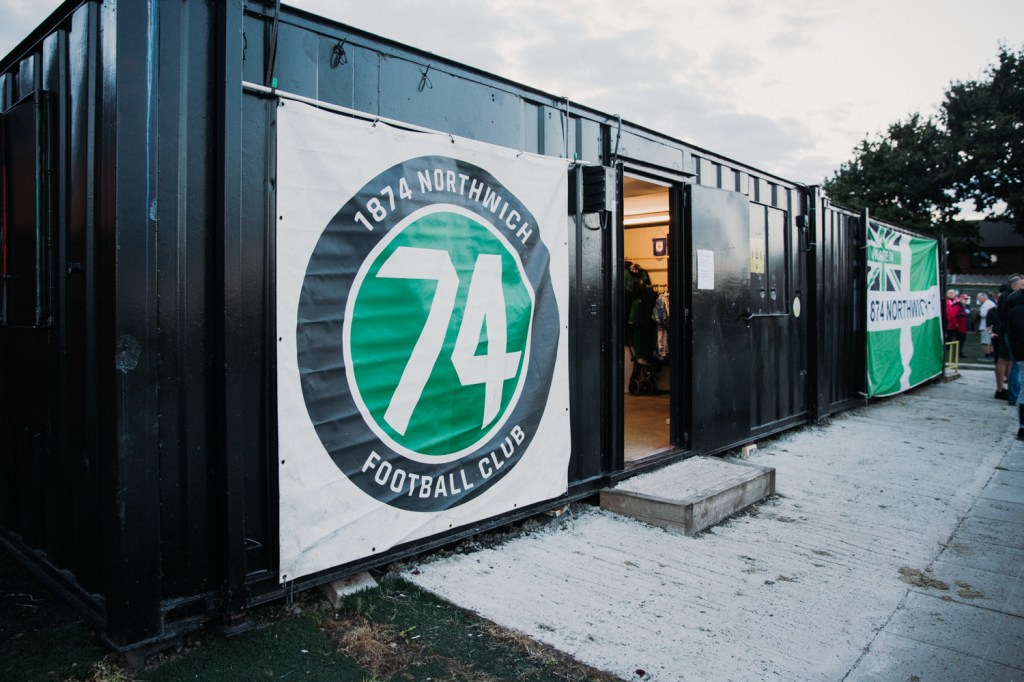
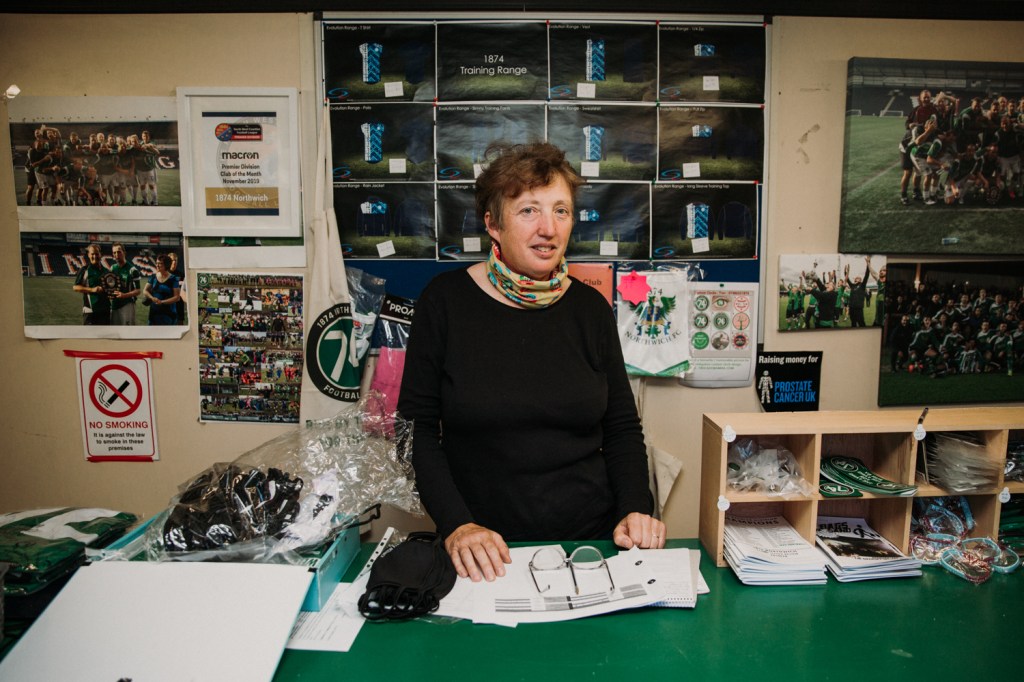
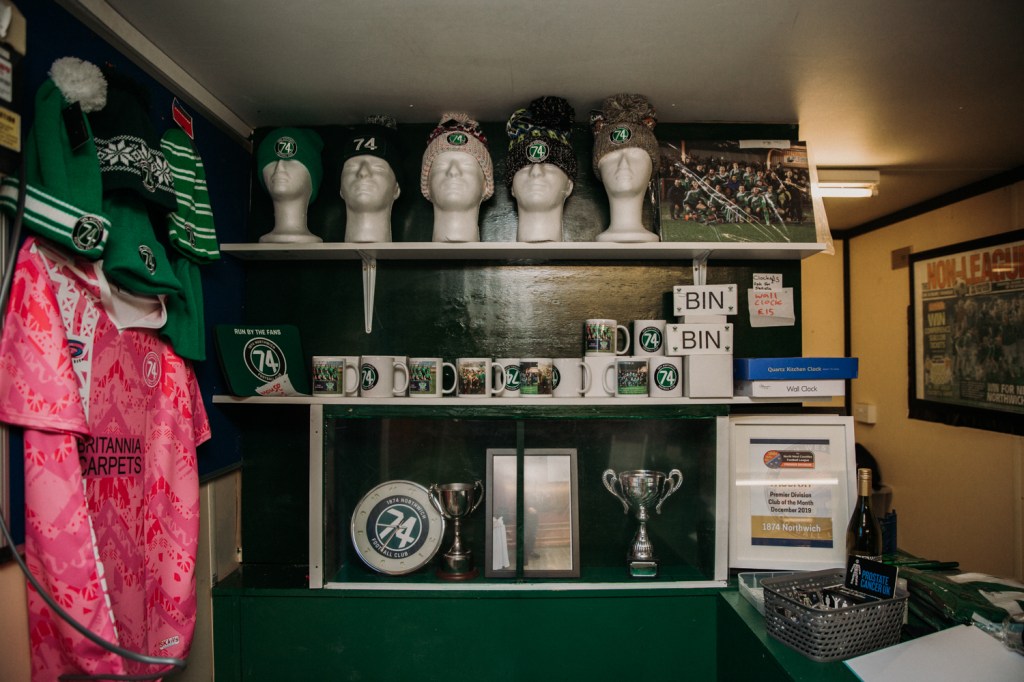
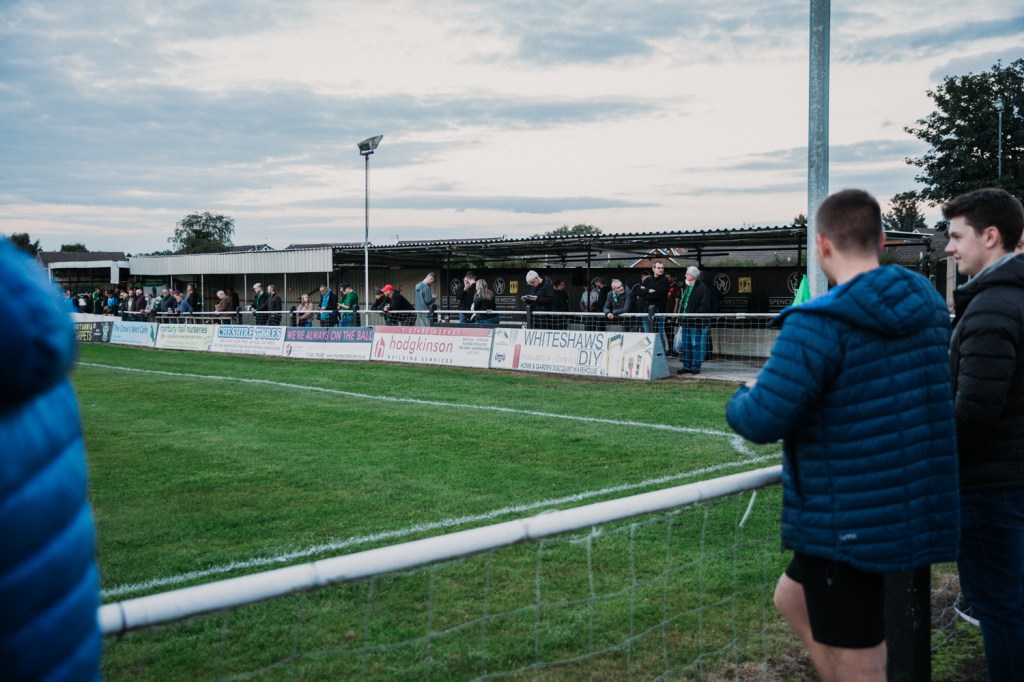
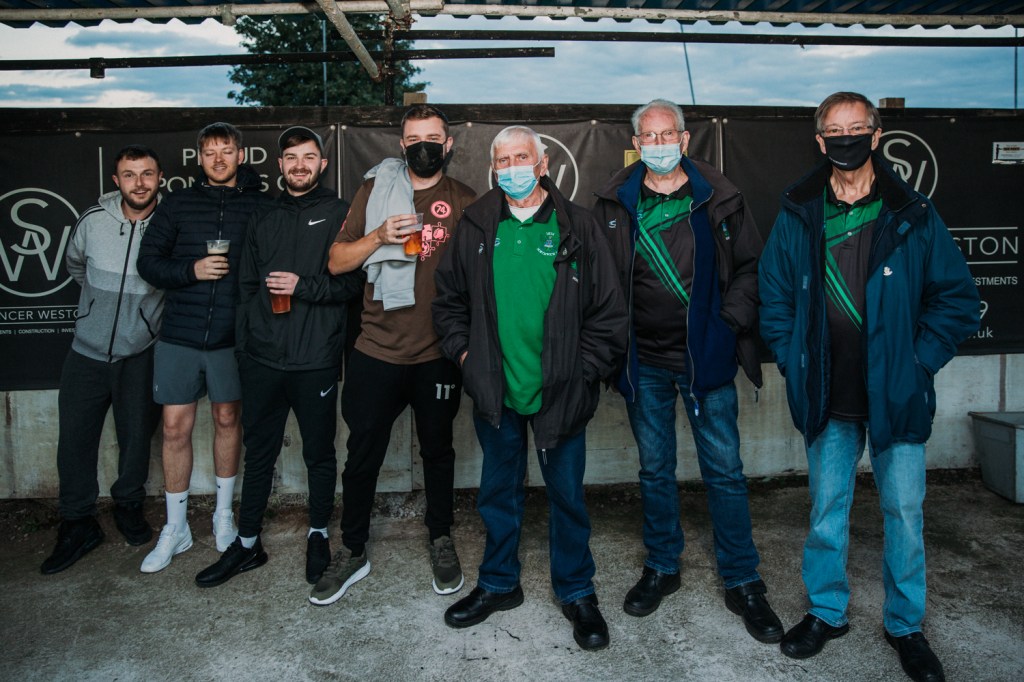
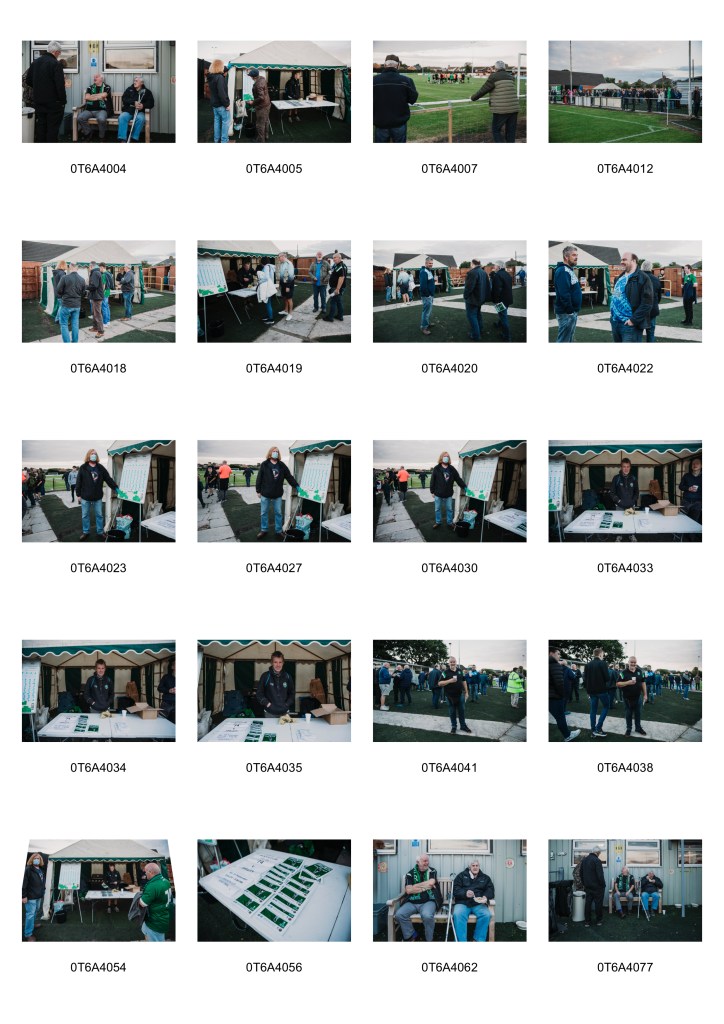
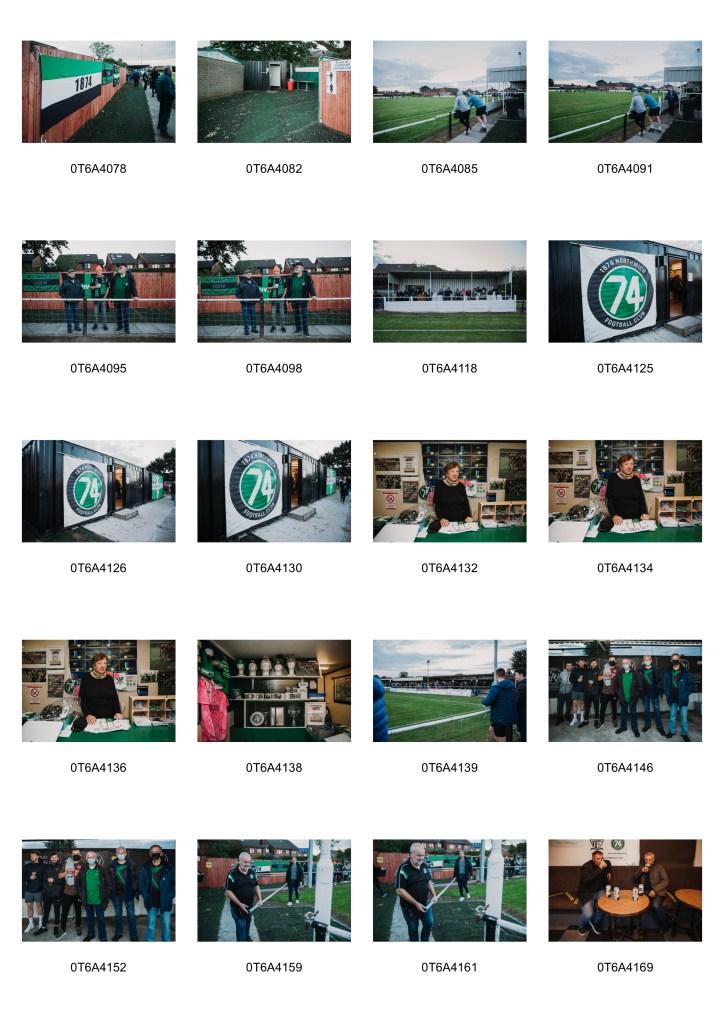
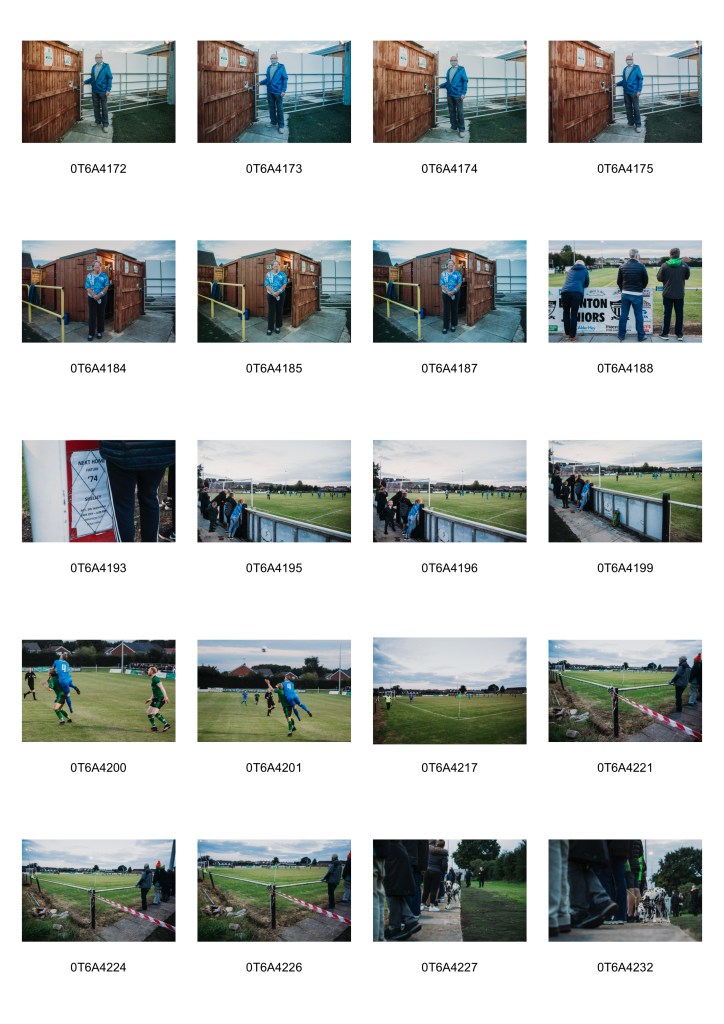
1874 Northwich | Contact Sheets
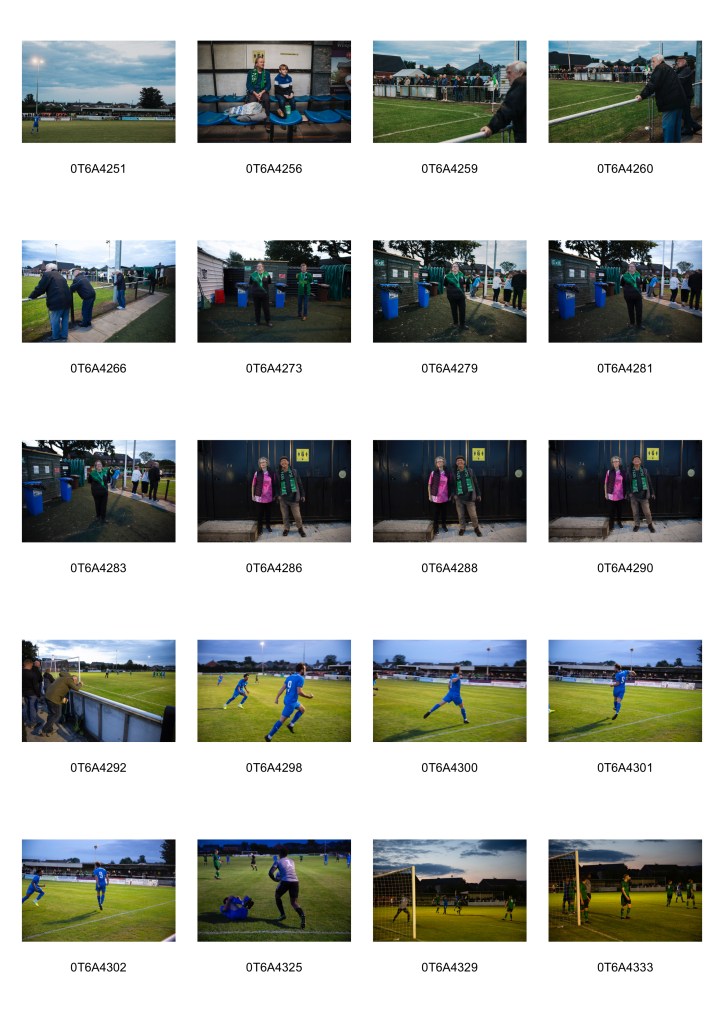
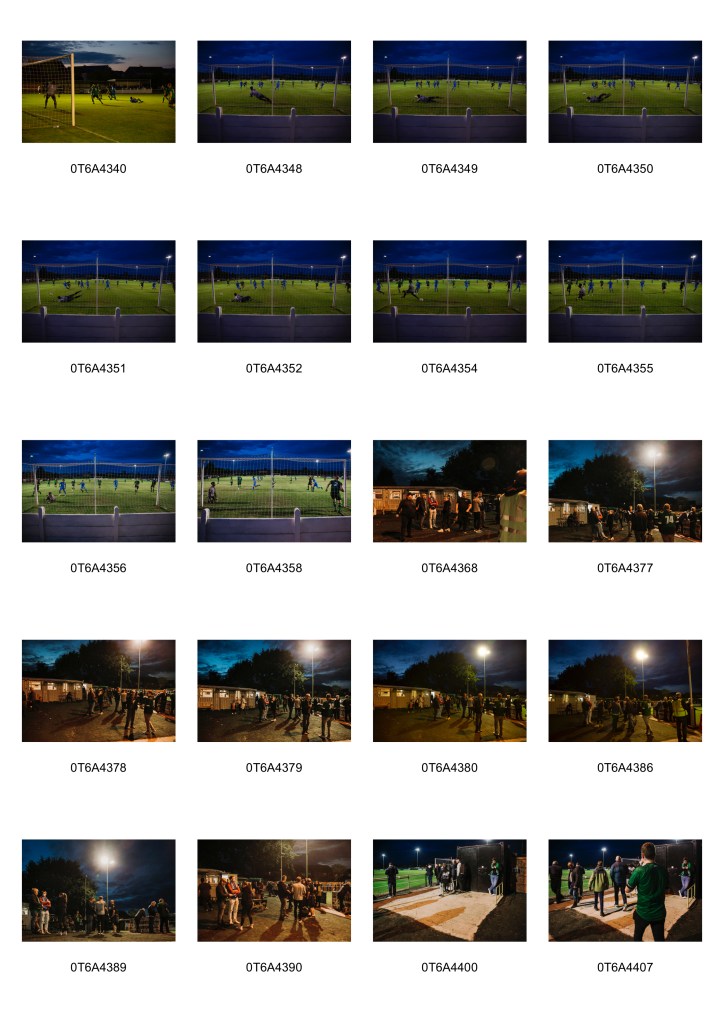
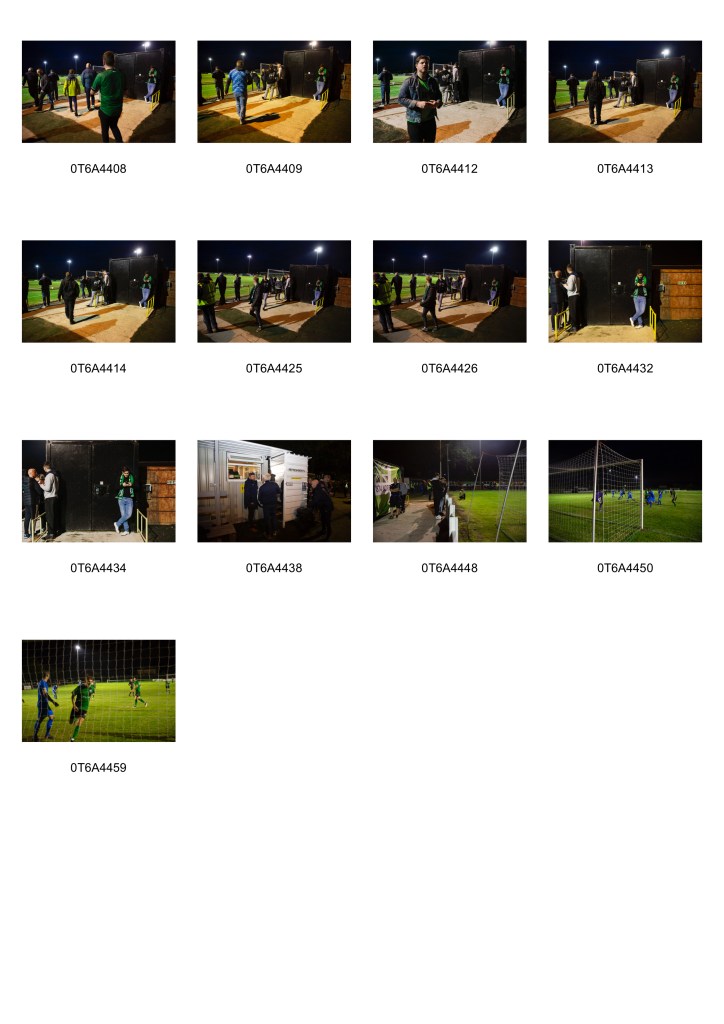
Week 2 Reflection
Week 2 Reflection
This week has been quite strange and varied. In contemplating the copyright case between Prince and Cariou, I always find it difficult to make judgements about such disagreements as I feel that both parties were able to present credible arguments with justified reasoning. Therefore I often feel that I run out of brain cells some way before I am able to make a decision which encompasses the accuracy and understanding of the case.
When considering the DNA of my photographic practice, I could consider my one work as being positioned in what Scott (2014, p5) describes as a domestic professional. Primerillaly, the practice that I yields the highest rewards is wedding photography, with occasional work in other ares of the commercial sector. I do have some prestigious clients and my work can be seen on the BBC through shooting stills for production companies in addition to clients looking for web content. However I don’t market myself in these sectors with work often coming from my personal network which is broad and varied.
I am also employed in an FE college as a lecturer where I teach mainly media and photography teaching A level and vocational courses. Having been employed in the same establishment for over eight years I do have a degree of security and sustainable employment, whether that could be considered a creative job is a question I often think about and still not sure of the answer. In one respect my job in the college i’m governed by line managers and results but in other avenues, I get to run workshops and help young people curate their work and encourage them to think about their creative concerns and presentation of work.
In summarising the context of my work, it is varied and extremely busy. I teach twenty four hours a week, shoot between fifteen and twenty weddings a year in addition to taking on other work when I can. Add an MA into the mix and that renders me an extremely busy person. Having said that, weddings have been cancelled since March therefore the wedding business has taken on different challenges which is dealing with rearrangements, maintaining the website and marketing.
Studying the MA has been like entering into a new world personally. As my creative journey started in the TV industry eventually moving towards photography I initially felt out of my depth on the MA with very little contextual knowledge, I spent my time working hard to learn what I needed to learn before making decisions about the type of professional I would like to be.
As I continue to acclimate myself I am reevaluating the direction I would like to pursue. In an ideal world I would like to move away from photographing weddings and teaching and going towards photojournalism. As my research continues I actively follow and engage with publications such as the football magazine ‘When Saturday Comes’. Ech edition has a photo feature with a small pool of photographers such as Colin McPherson and Paul Thompson both of whom are photojournalists who have appeared to have had sustained careers working on repeat commissions on a regular basis in addition to featuring in numerous exhibitions around the world. Having spoken to McPherson on a number of occasions it is also interesting that he has diversified his work into writing which currently feels like a difficult task for me as I would suspect that I lack the mental agility to make such a shift although I suspect I will try in the future.
Looking for inroads into the building a network into the photographic world, I have been following organisations such as the Open Eye Gallery for some time, looking for opportunities and avenues to engage with the gallery, I am in the process of applying for a program entitled ‘Crossing Sectors’ which is an ongoing mentorship with a focus on socially engaged photography. I see this as an opportunity to develop a network and continue to work in the sector beyond the MA. Having only recently identified the opportunity, I am in the early stages of the application and will seek advice from my tutors when I have composed my application.
Moving onto the weekly webinar, It was good to meet my new tutor and receive feedback from Colin Pantall. From the presentation of my progress in the webinar it was clear that he was aware of the influences I cited and the type of work was engaging with, his advice was to simplify my project and he suspected that i was overcomplicating my approach to the work, this was a contrast to Cemre my tutor for the last module. In making these comments I don’t mean to detract the advice given by my previous tutor as Cemre was excellent in encouraging me to challenge the approach to my project, exploring different perspectives, solving problems relating to the photographic literacy I was pursuing with the result being personal growth and a quiet confidence in the emergence of my voice.
Having a tutor that may identify with my work in a different sense will, I hope, enable the going back to the original concerns of my project but with a much more informed and confident outlook. Moving onto the major questions about my own approach to making work, the idea of the ground hopping narrative is now open again as football is taking place with spectators in the ground. However this narrative would exclude lots of my previous work surrounding the grass roots game. Therefore the task is identify a unifying theme that pulls the work together. As I have previously, the work of Julian Germain becomes relevant with his book ‘Soccer in Wonderland’ which is a celebration of football culture exploring themes including grassroots, collectors of programs and childhood games such as subbuteo.
Drew Findlay (2017) [Online] Available at: https://drewfindlayphotography.com [Accessed 3rd Oct 2020]
Germain, J (1994) Booth-Clibborn Editions, London.
Grant, Scott (2014) Professional Photography: The New Global Landscape Explained (2014), CRC Press.
Open Eye Gallery [Online] Available at: https://openeye.org.uk/opportunities/?fbclid=IwAR3OrvCrCBRp8mCtpEuv5uztTFKu2BgYFSt4OHbMcO8e5Y_EUQ92ot9VT6Q [Accessed 3rd Oct 2020]
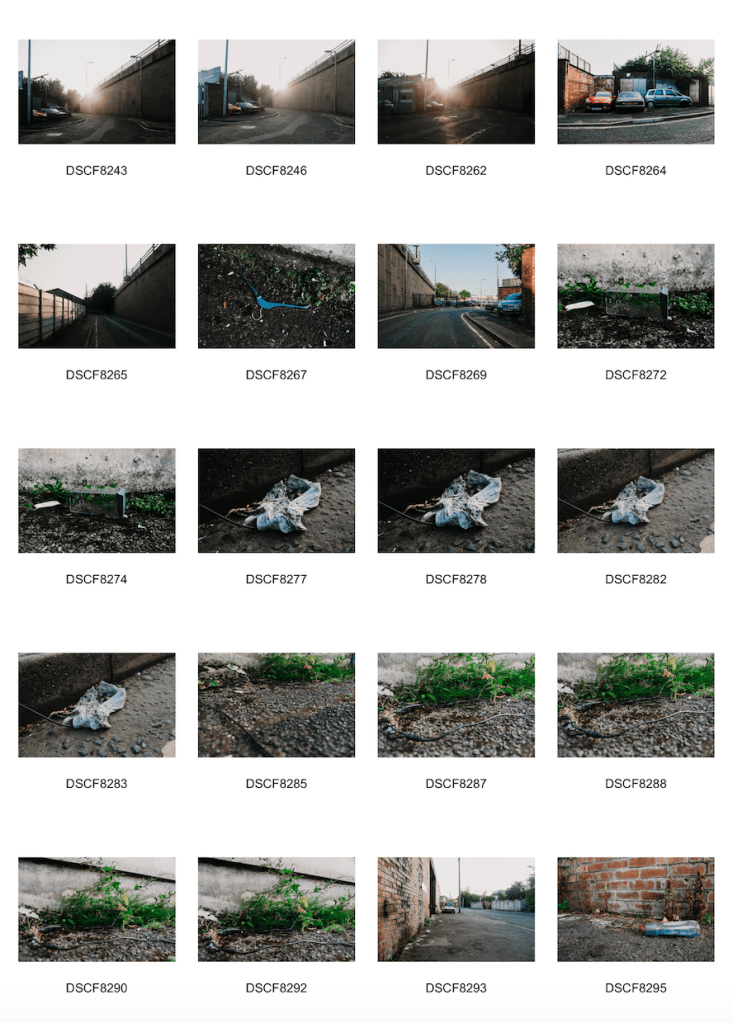
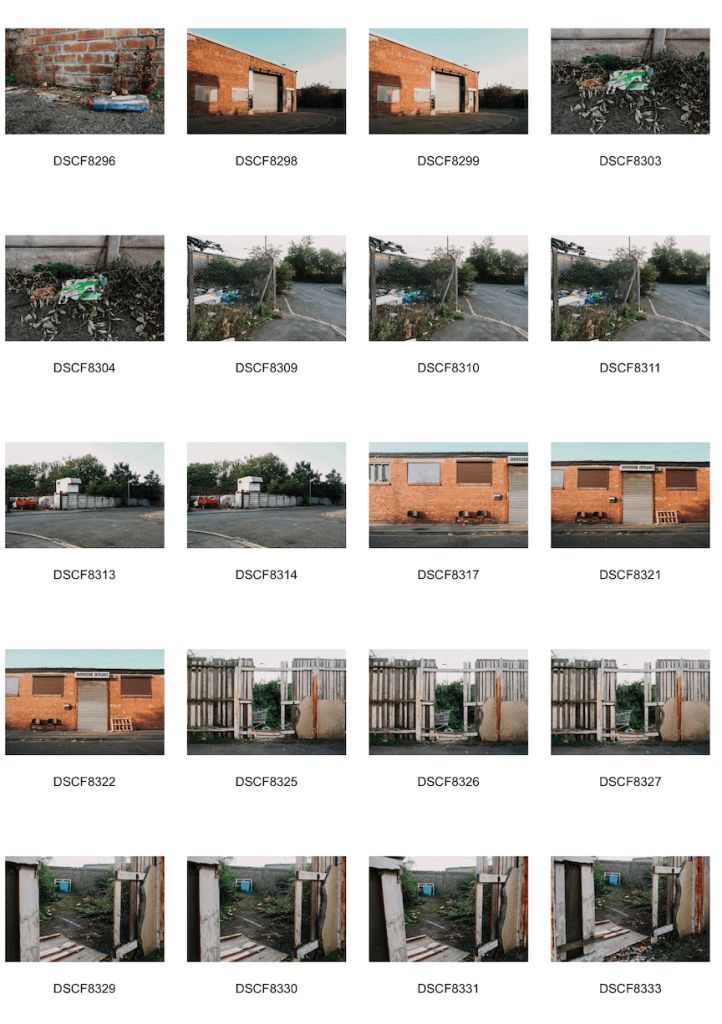
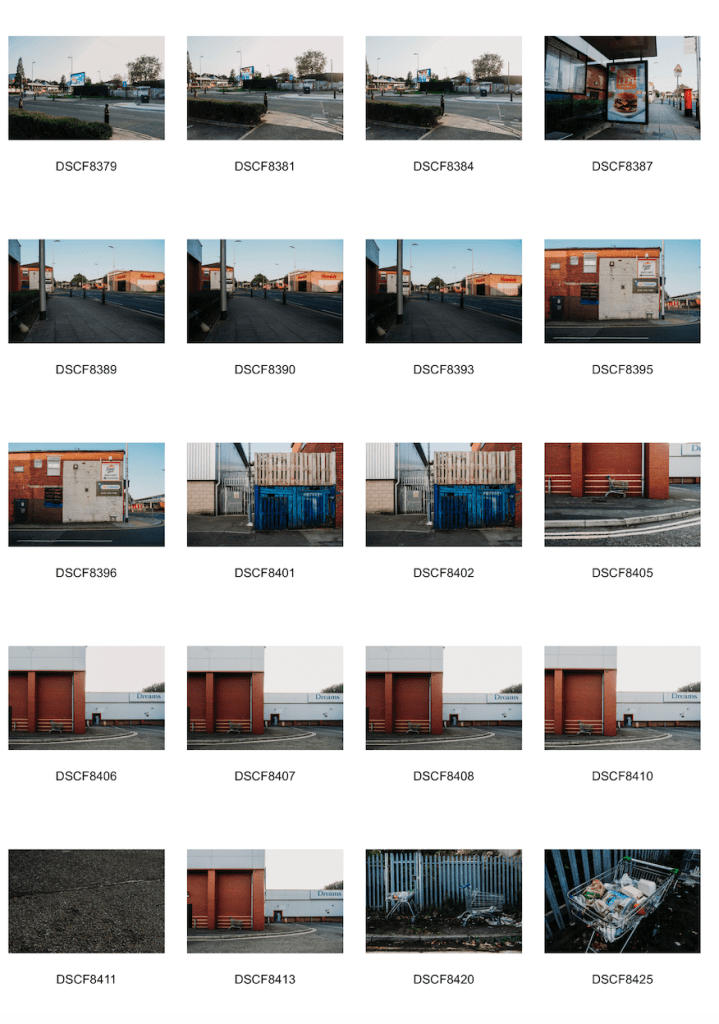
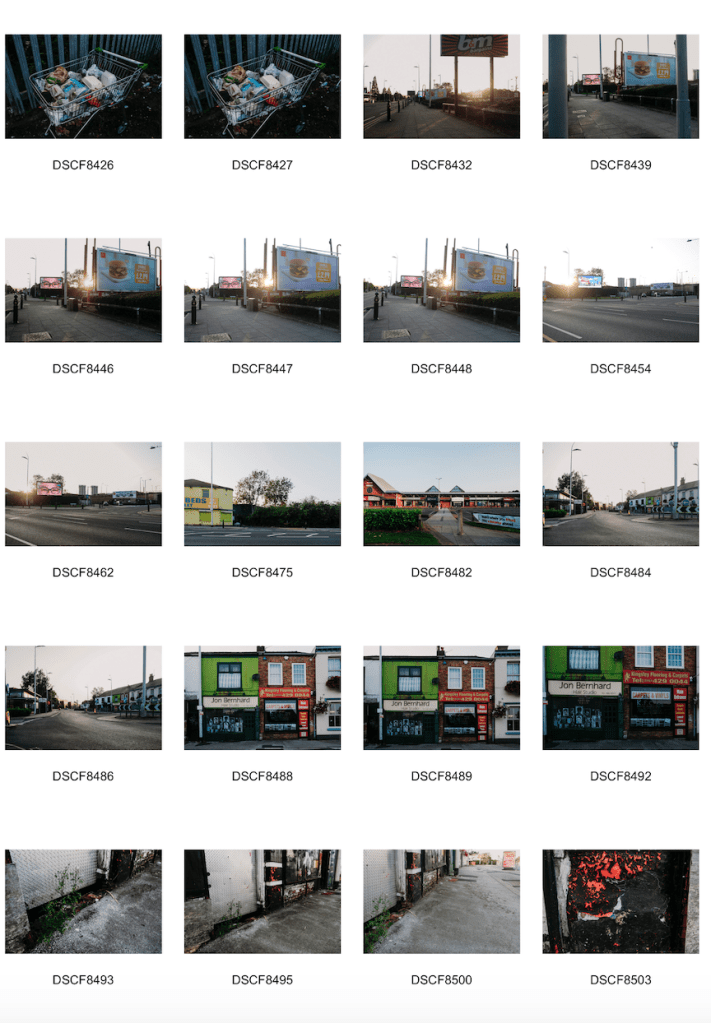
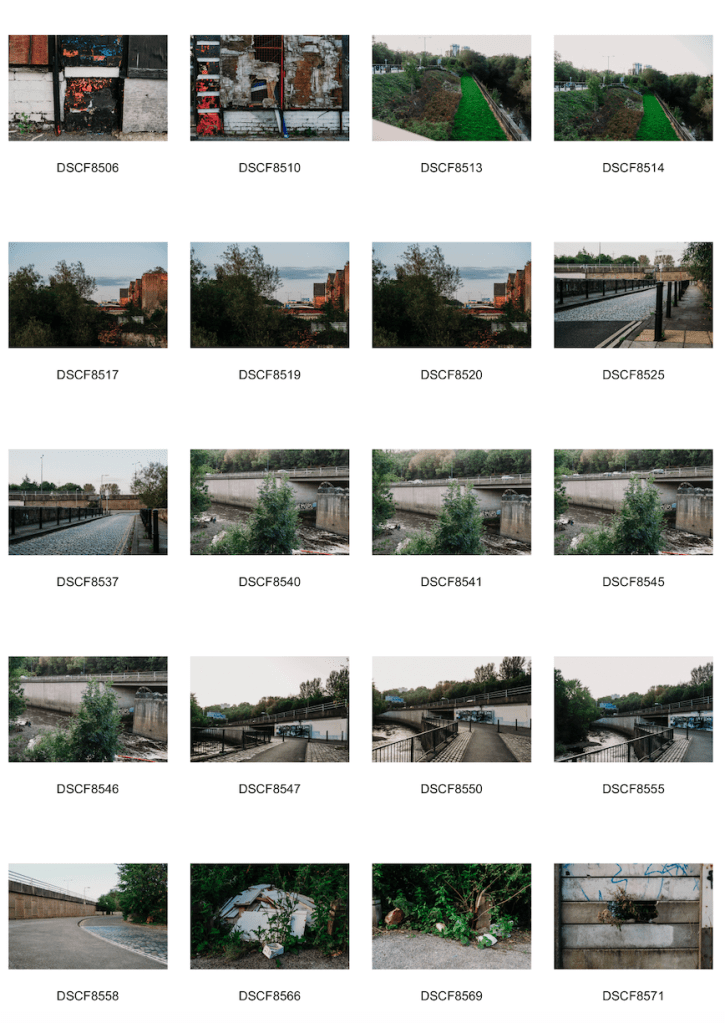
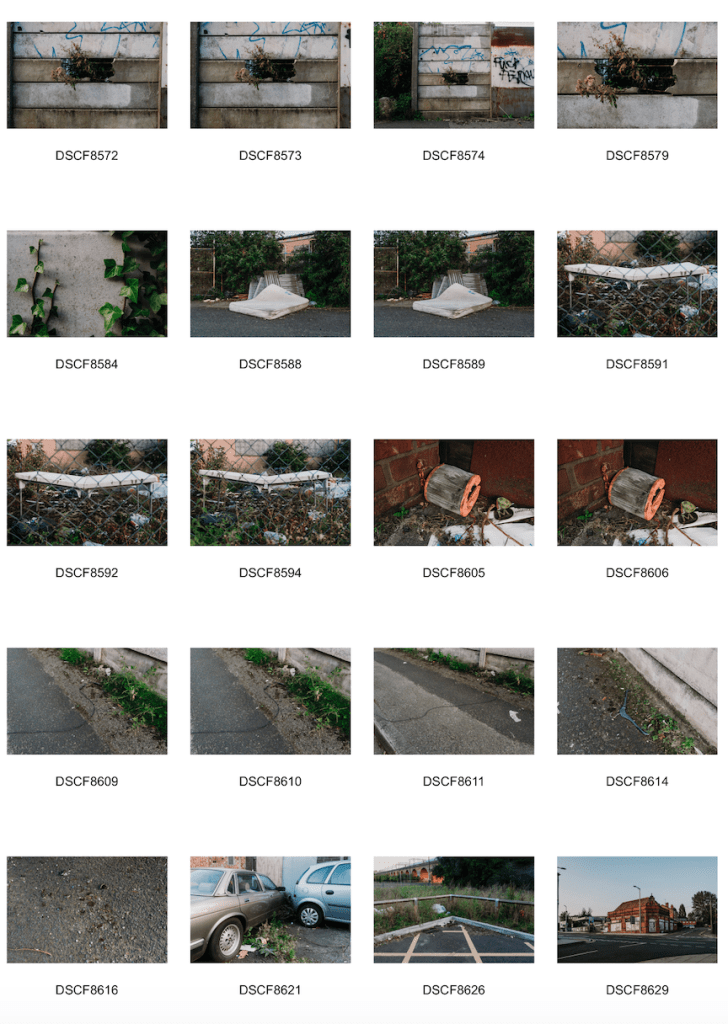
Shoot | The M60 and the Mersey
Continuing on from the last module where my work focussed on the production of a monograph which visualises the relationship I had with my Father who passed in 2015.
This project had evolved from a football theme into a self exploration of my own thoughts, feelings and grief. Whilst reflecting on what I’d learned since my last submission, my contemplation headed towards trying to understand my Fathers background.
Adopted from a young age as a result of his Mothers early passing soon after his birth, I never really considered how this may have affected his outlook on life. I knew that he was self reliant and wise in coping with the struggles of life. He was popular and could make people laugh with ease, however I also understood that he lacked a sense of belonging.
Working as a taxi driver mostly on nights, his working life was often isolated and dark. Travelling in his black cab when most of the world was sleeping in their safe place.
It was this which made me think about the places we often see but don’t notice. The spaces between the town centre and the community.
The town of Stockport is situated around seven miles South of Manchester City centre. It is well served by the river Mersey, M60 motorway and less less than two hours away from London by rail.
My intention with this shoot was to explore some of the areas that sit next to these transport links as a visual metaphor of my thoughts about my father. Well connected but unloved and outside the vernacular bubble of the family unit.
I approached this trip without really having any specific ideas about what I was looking for whilst at the same time having a feeling that it was the right place to visit.

 Drew Findlay