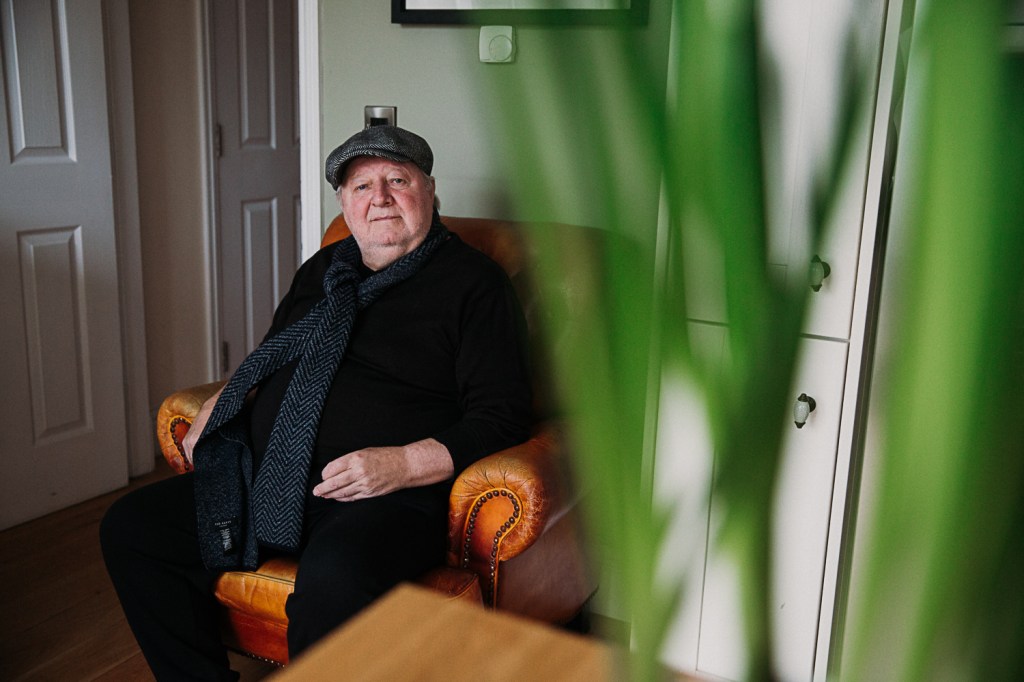
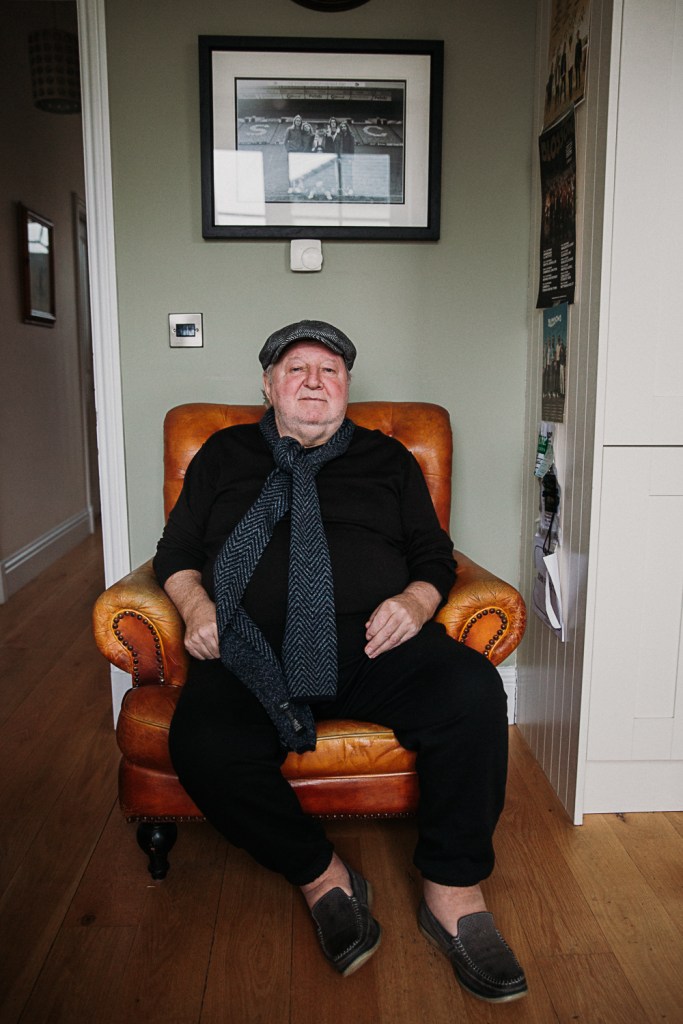
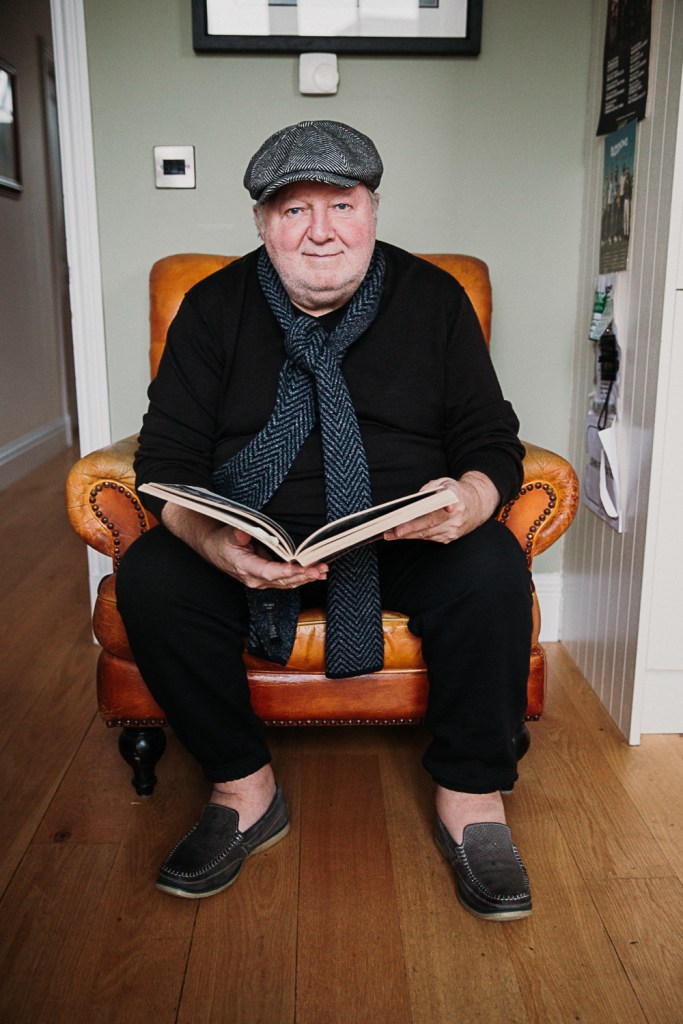
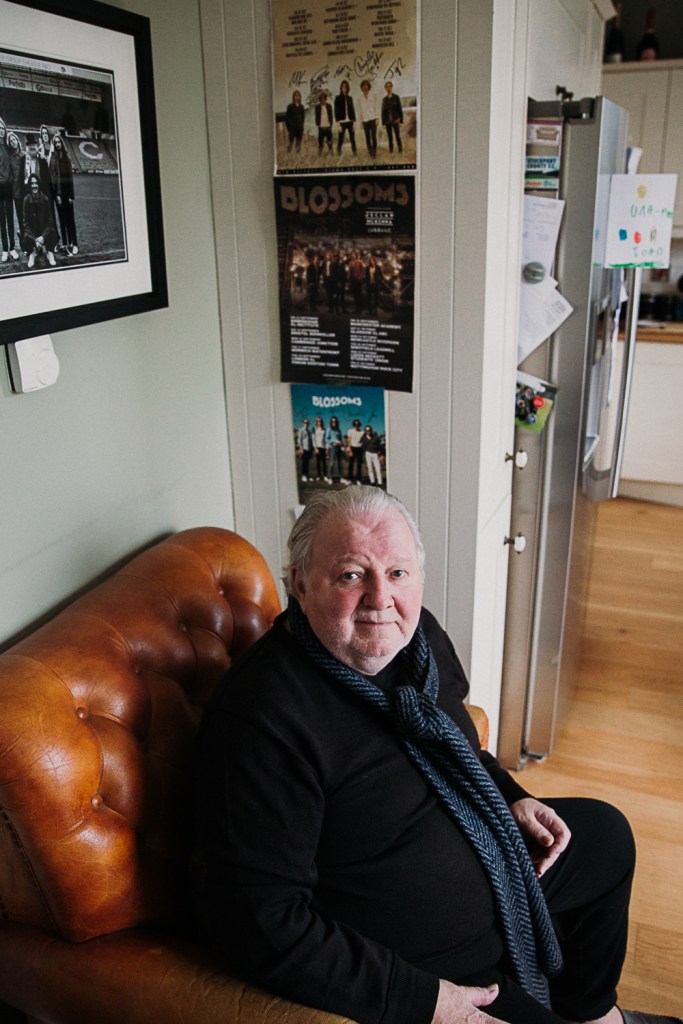
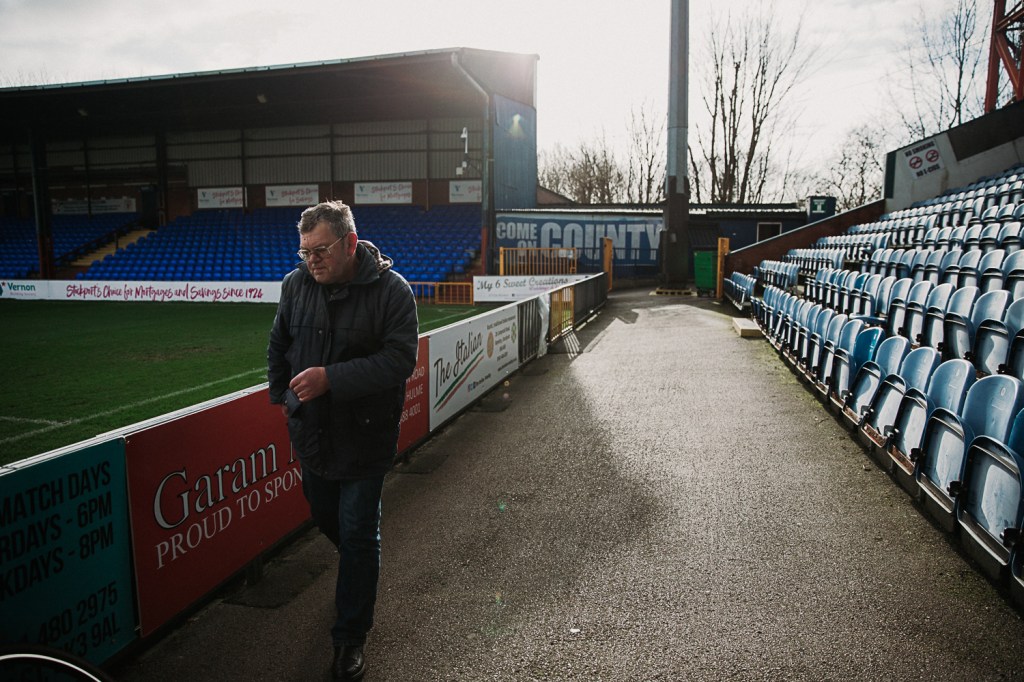
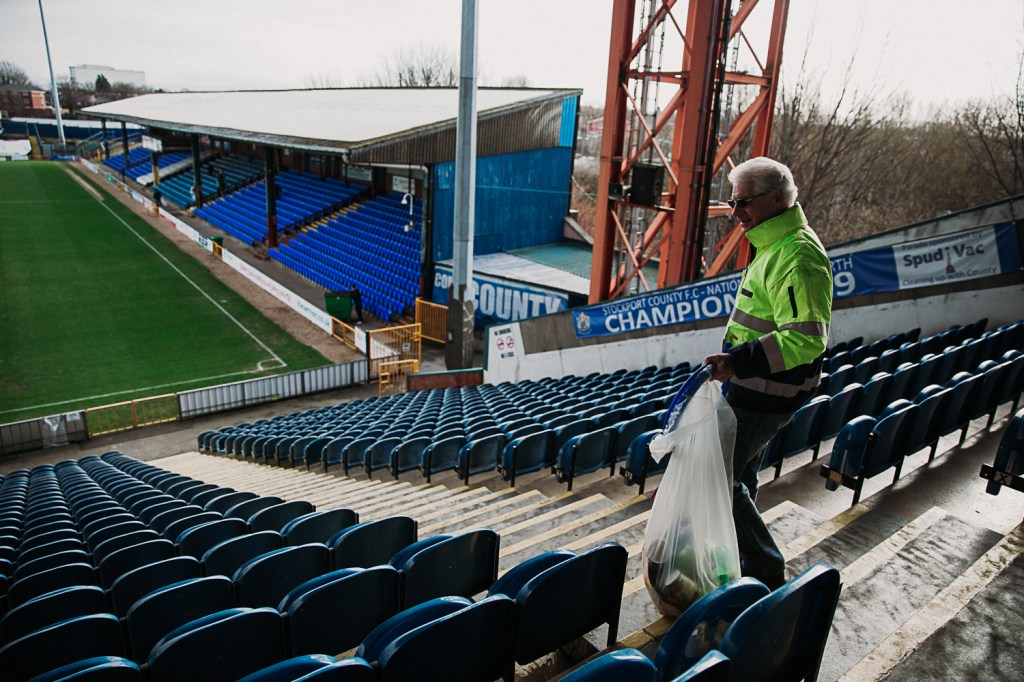
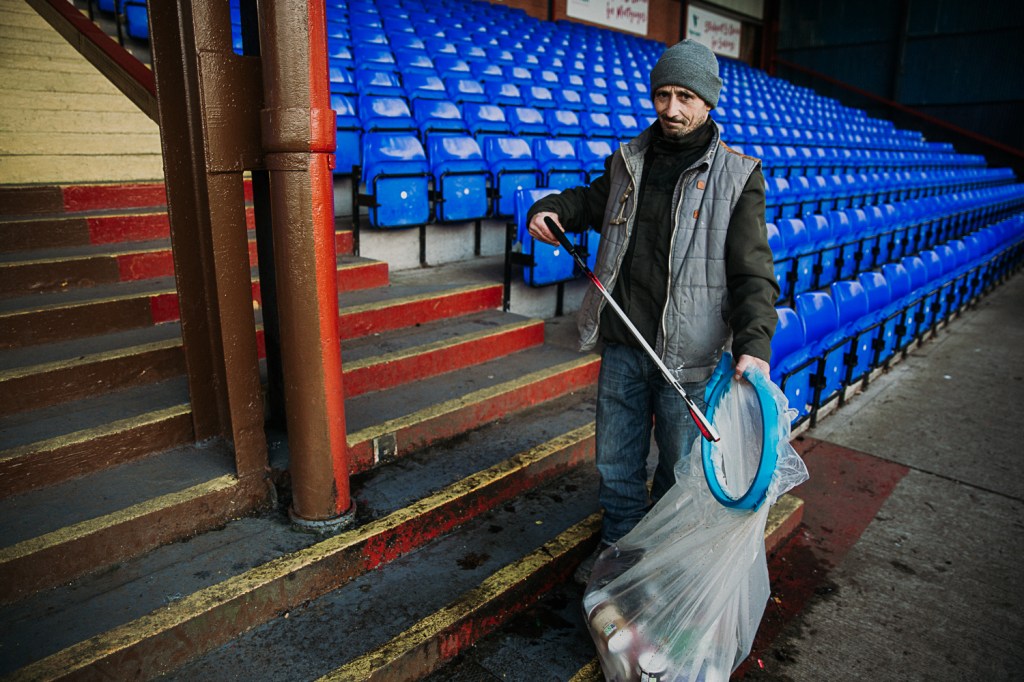
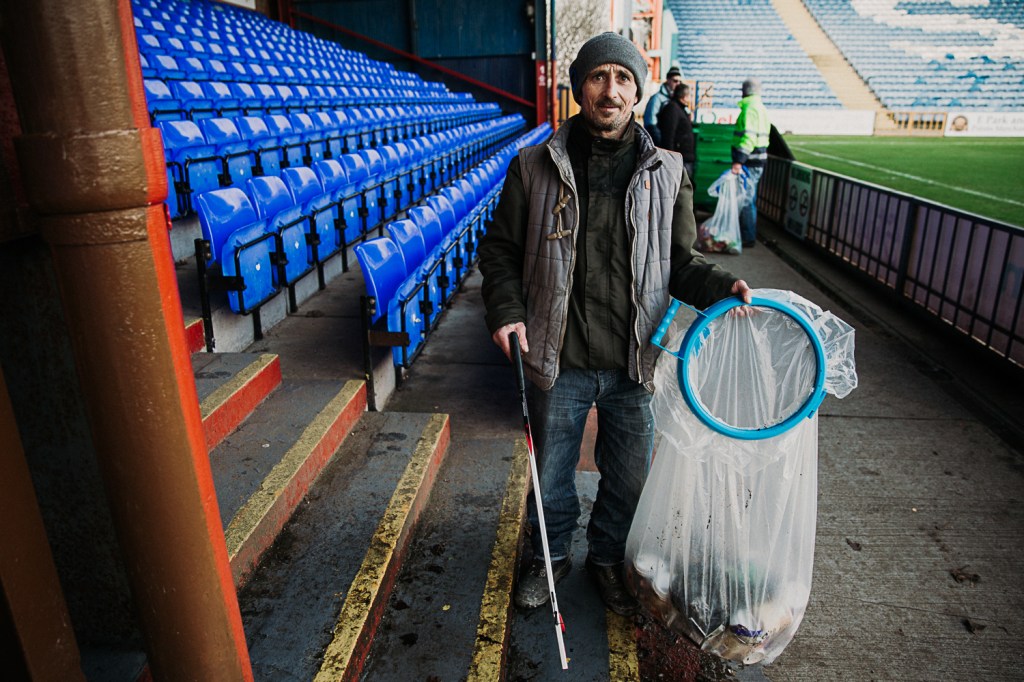
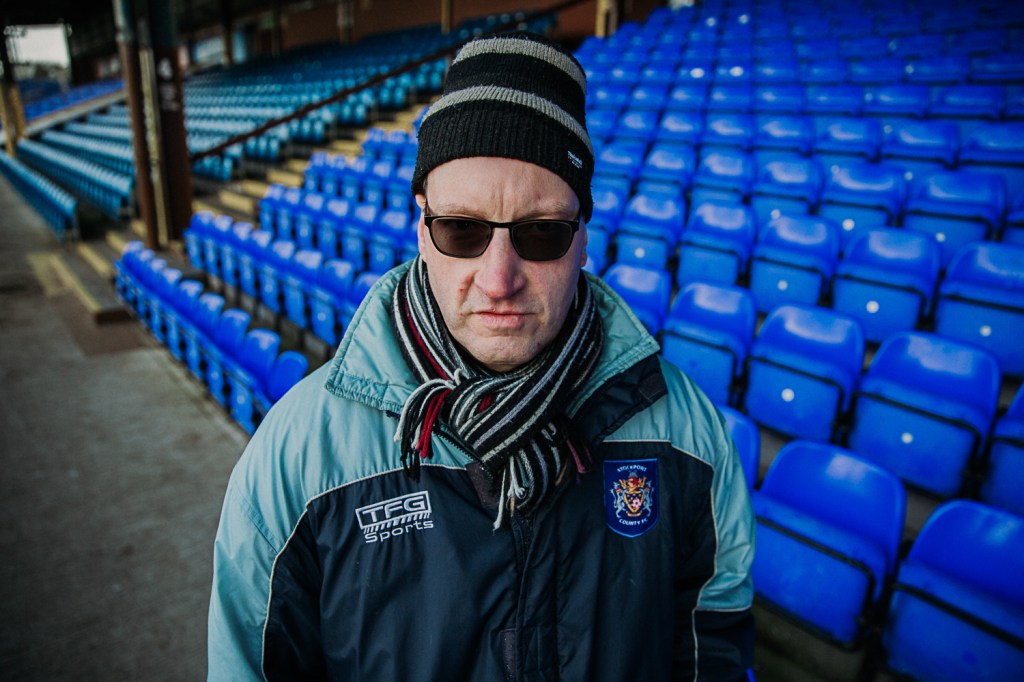
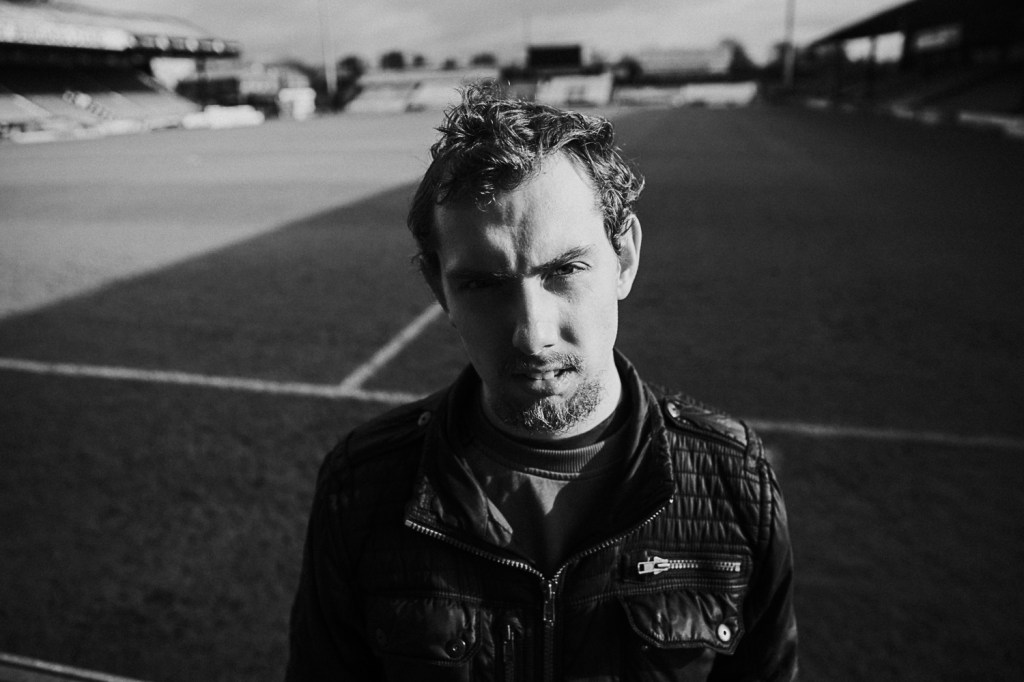
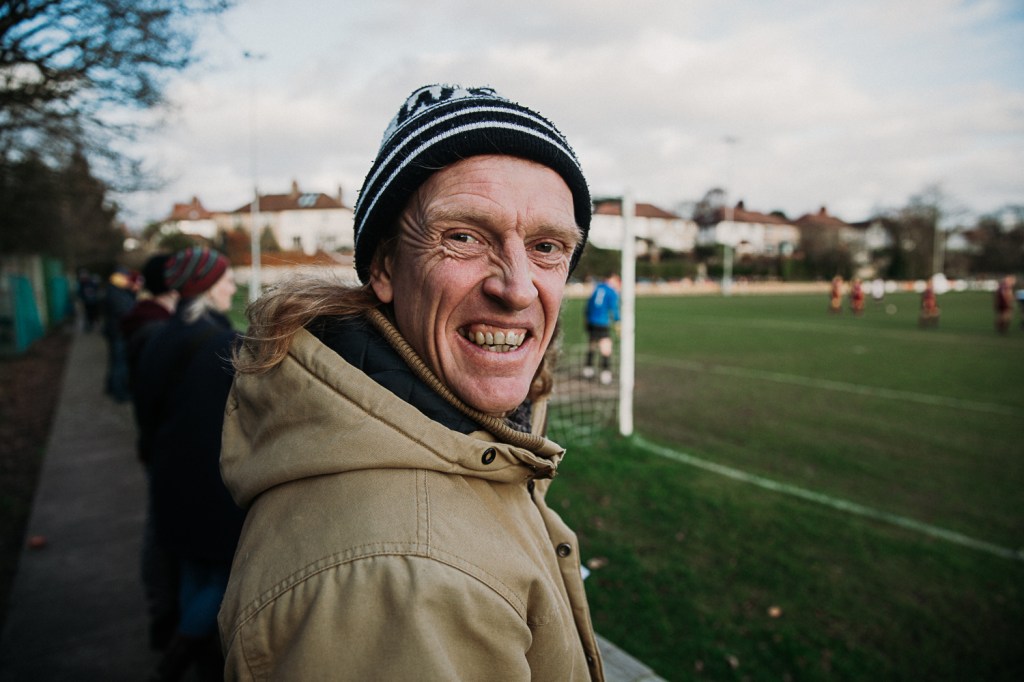
Fitzy can be seen at most Stockport County matches, a larger than life character who everyone loves to speak to. He is an engaging character who has spent his life following the club he loves up and down the country watching his team.
Fans young and old know him and he knows most of them. When in his company you get a sense of value and warmth. Listening to him for 5 minutes is an event in itself.
A a key figure of the volunteer group Help the Hatters.
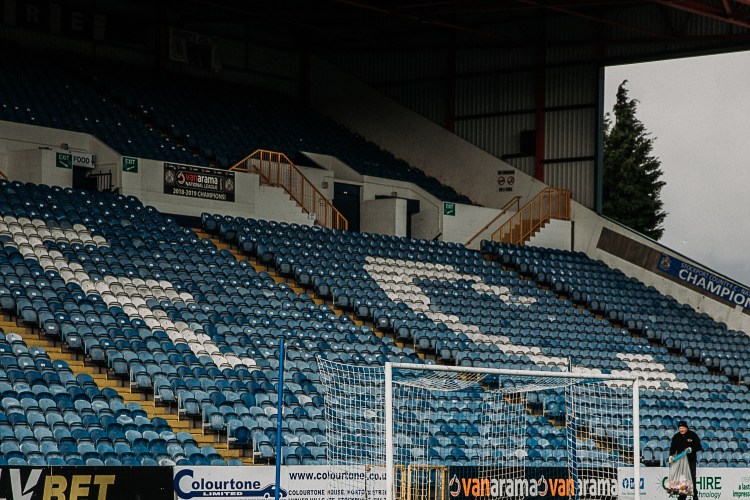
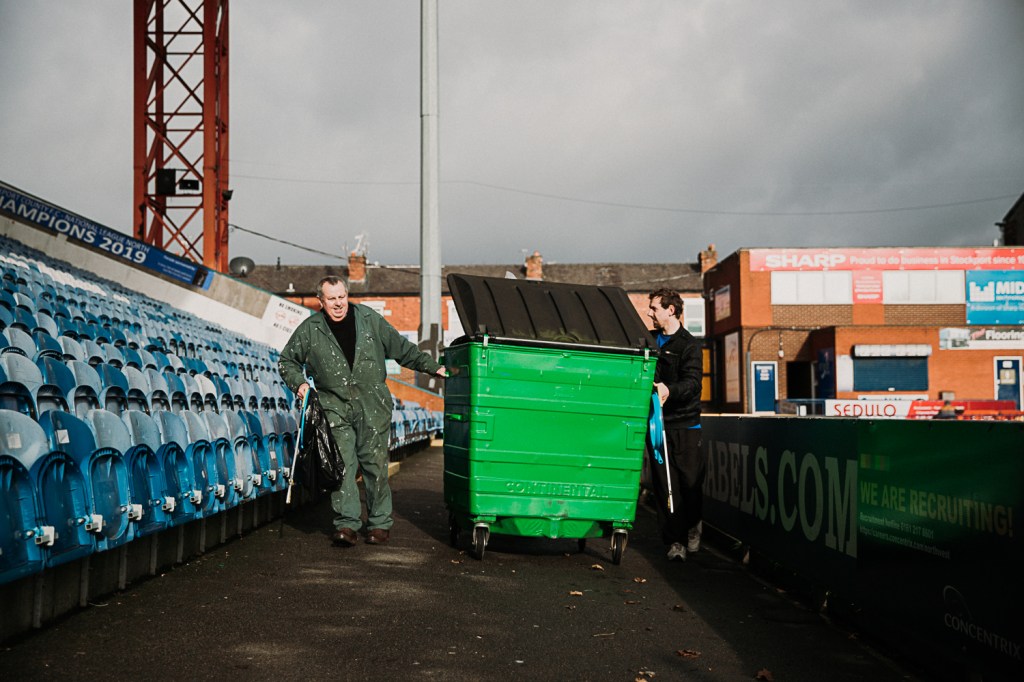
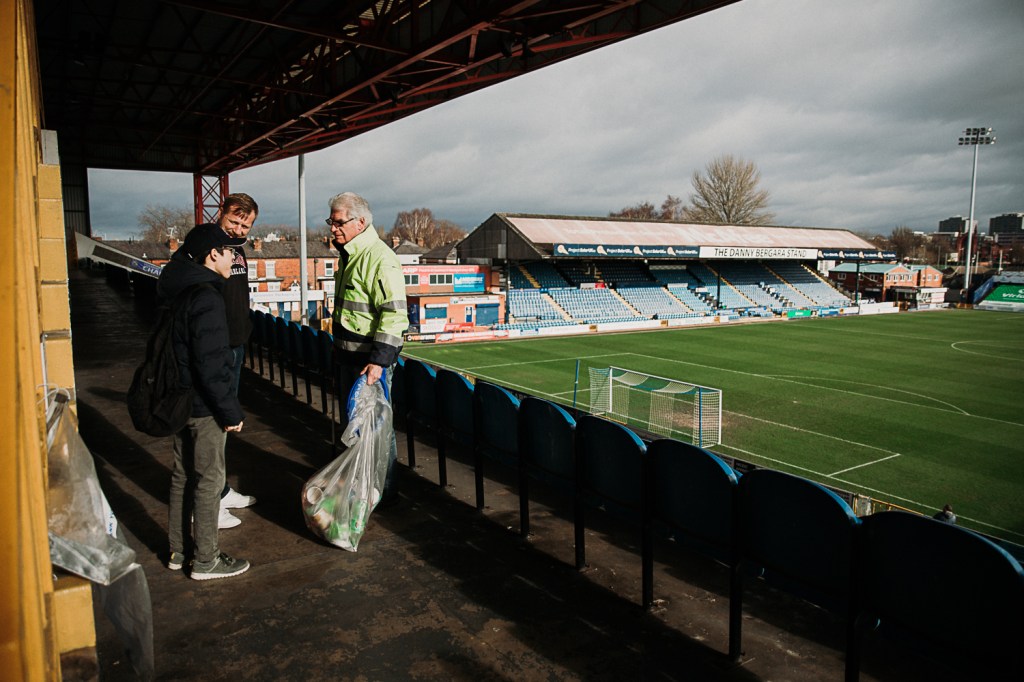
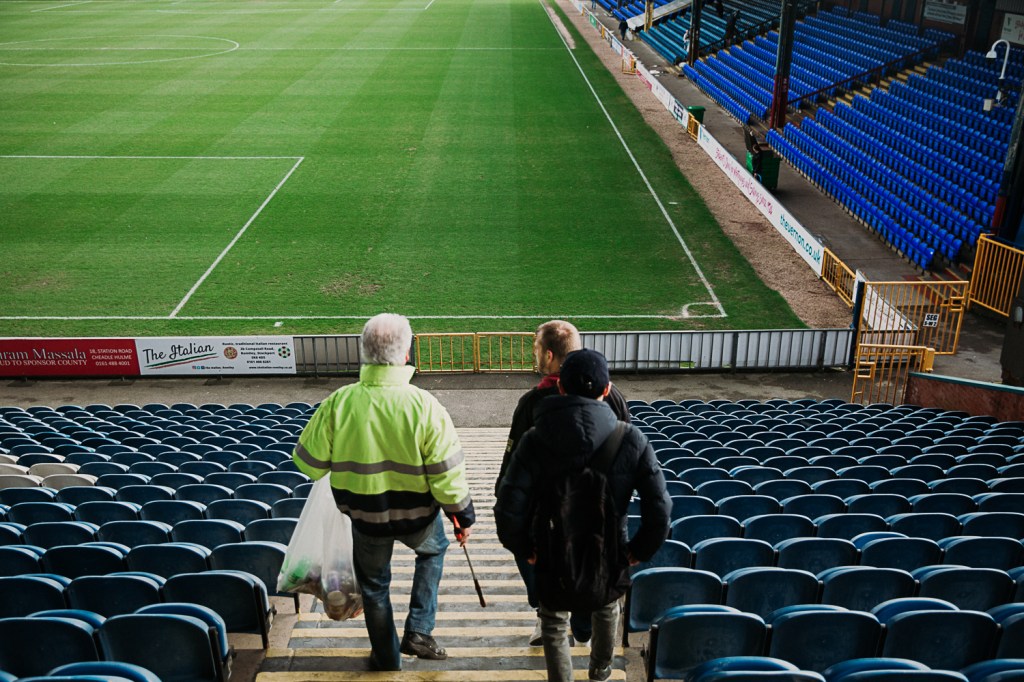
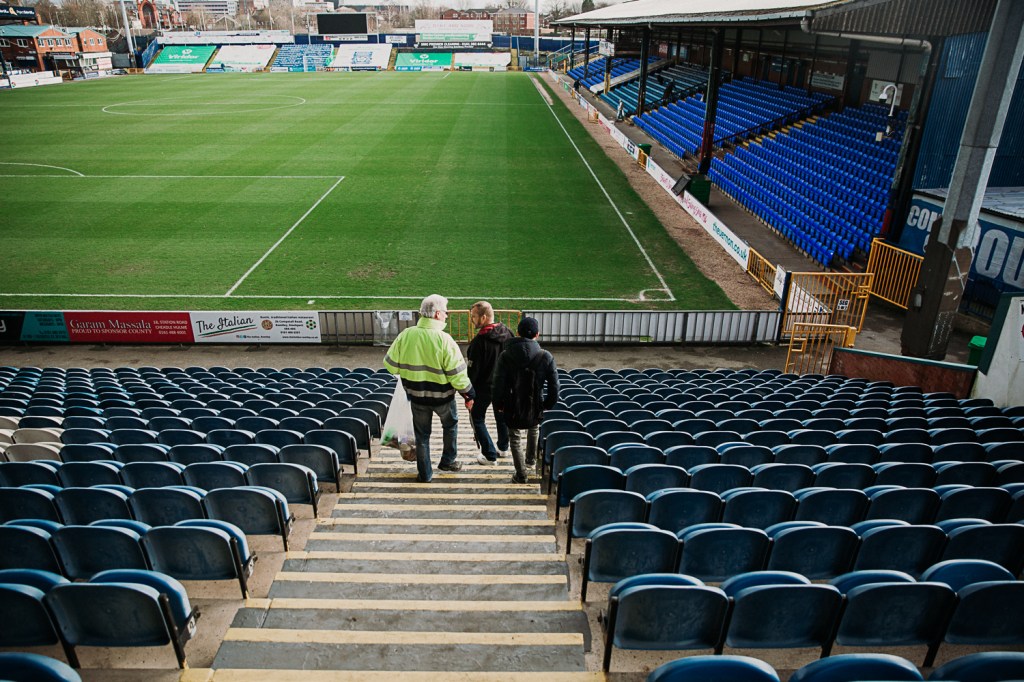
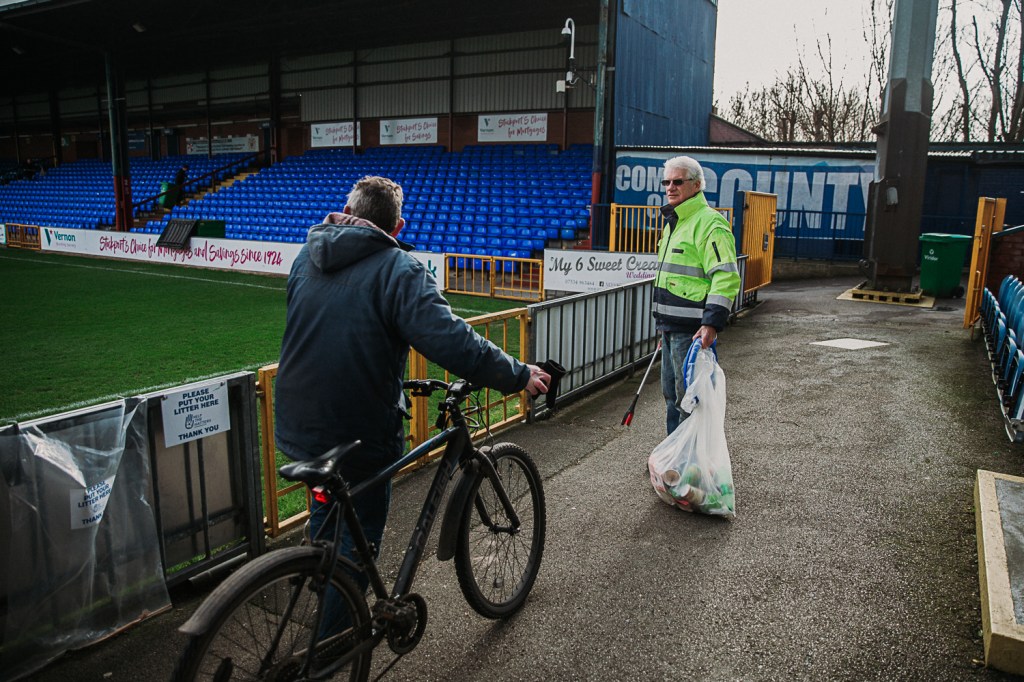
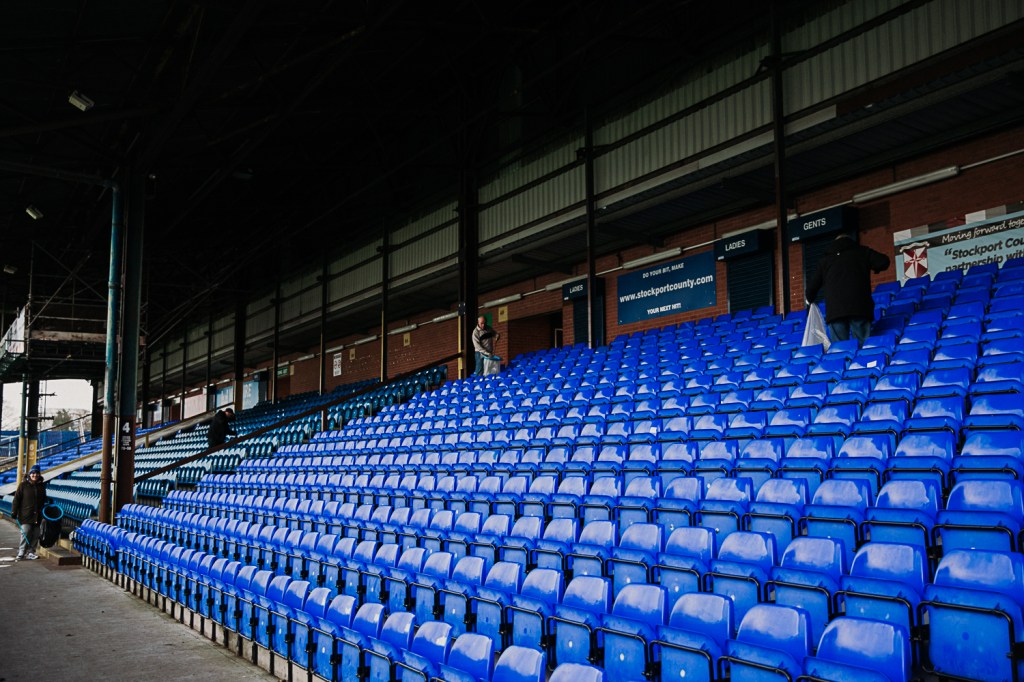
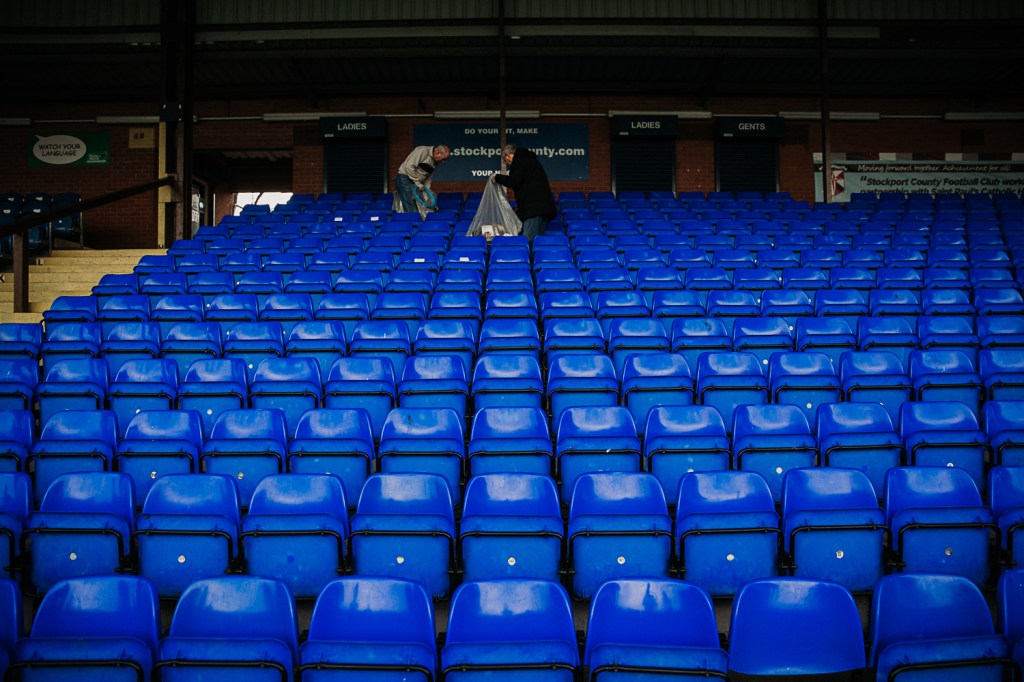
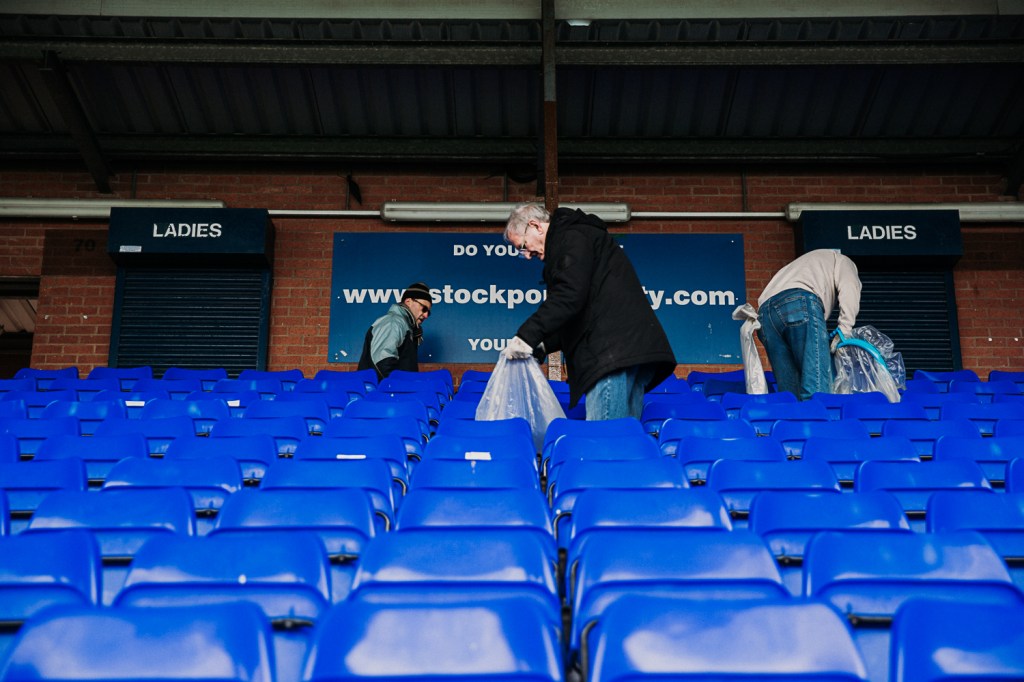
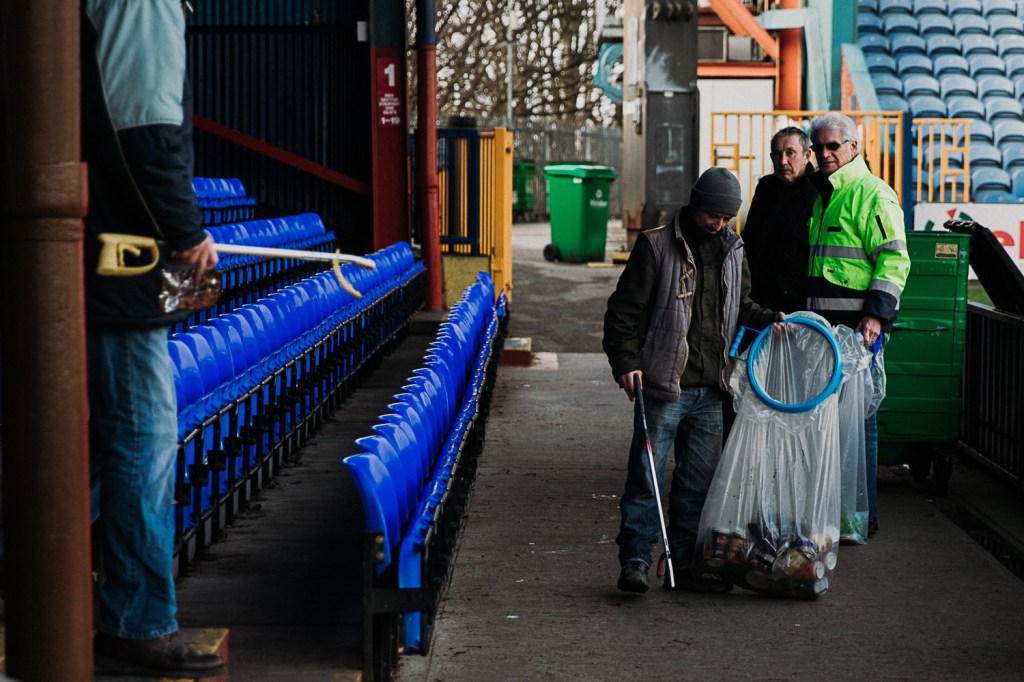
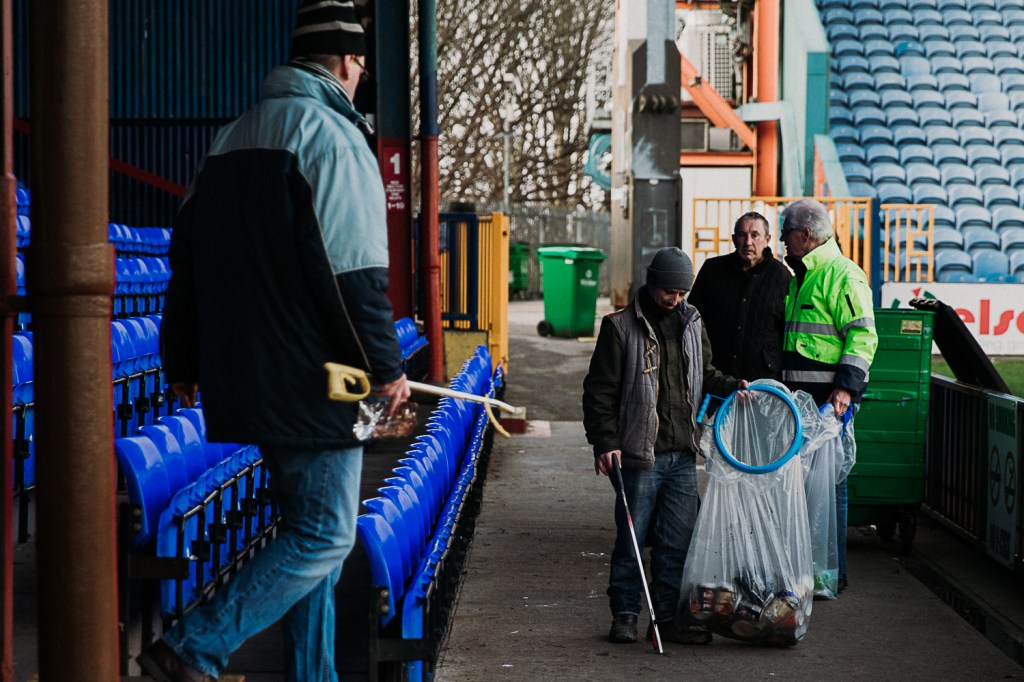
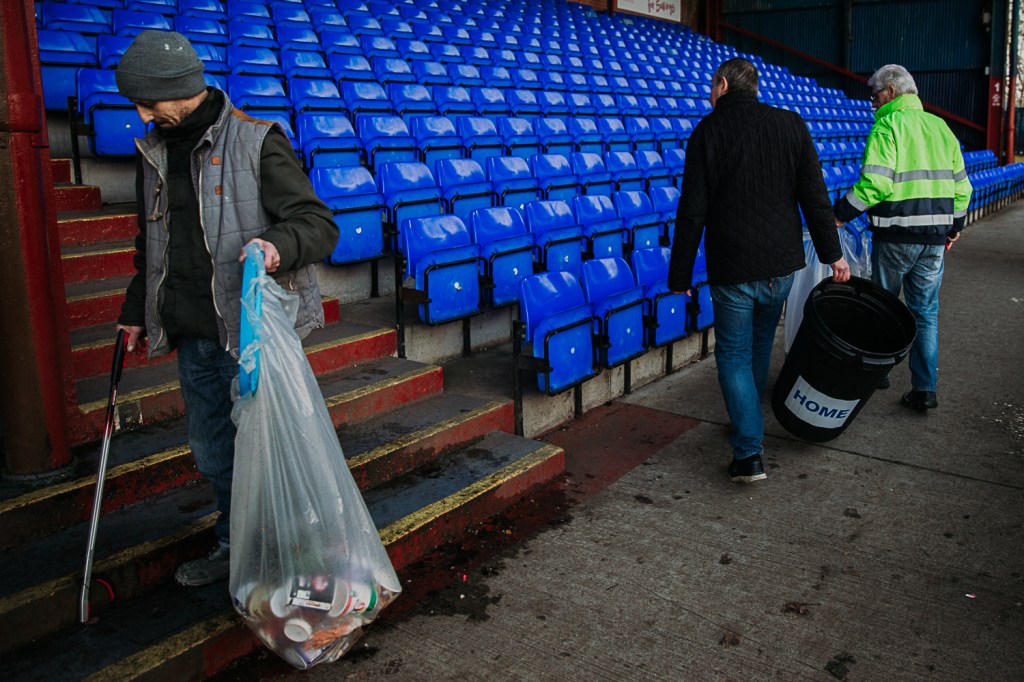
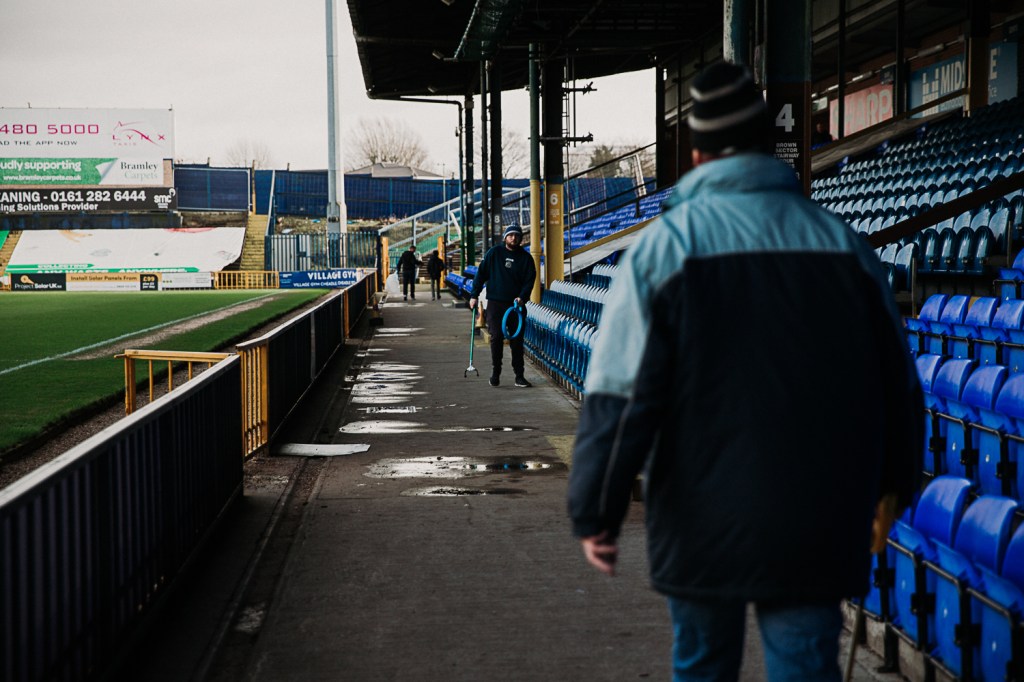
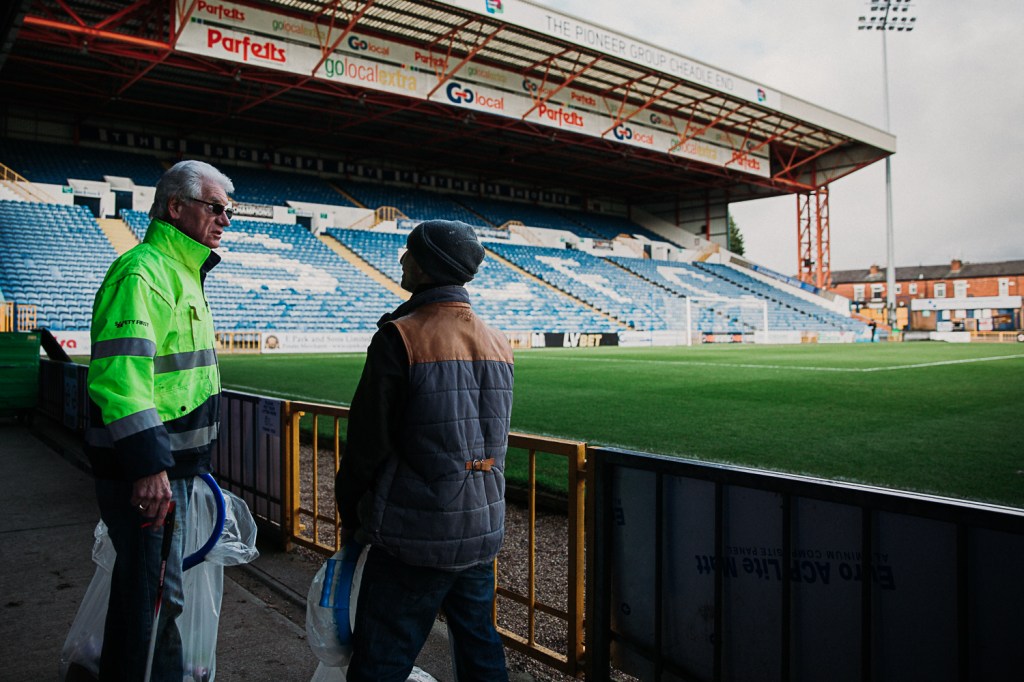
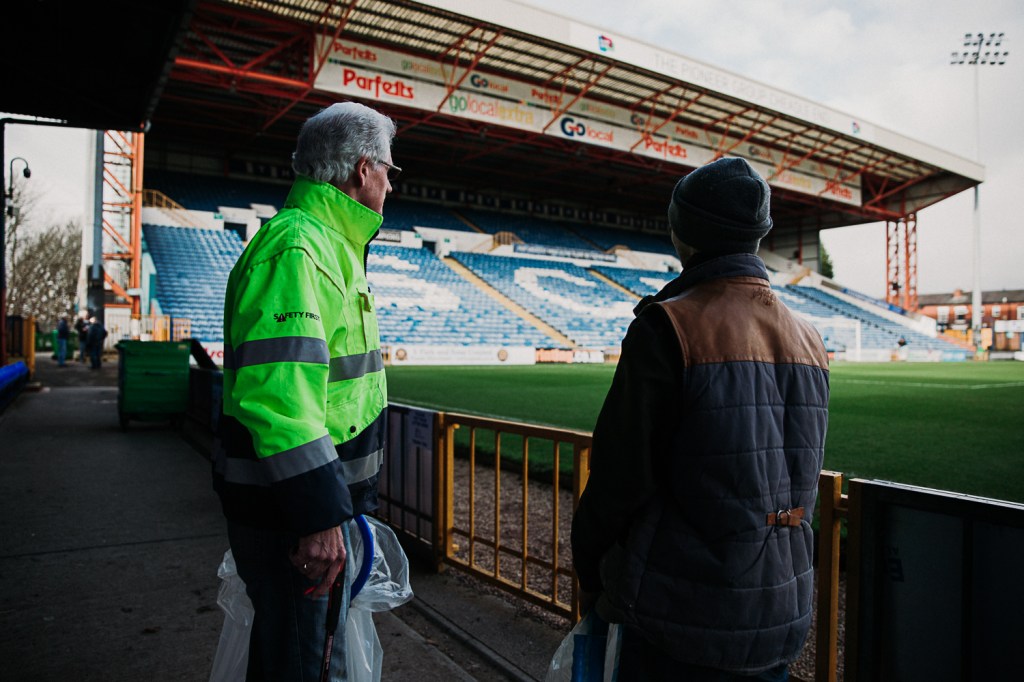
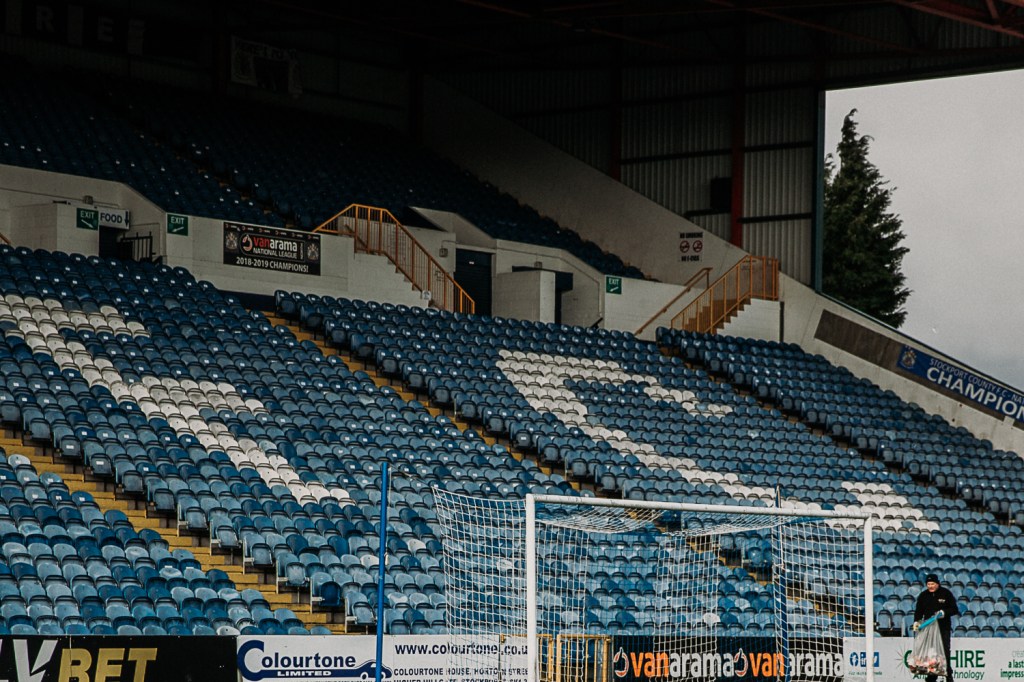
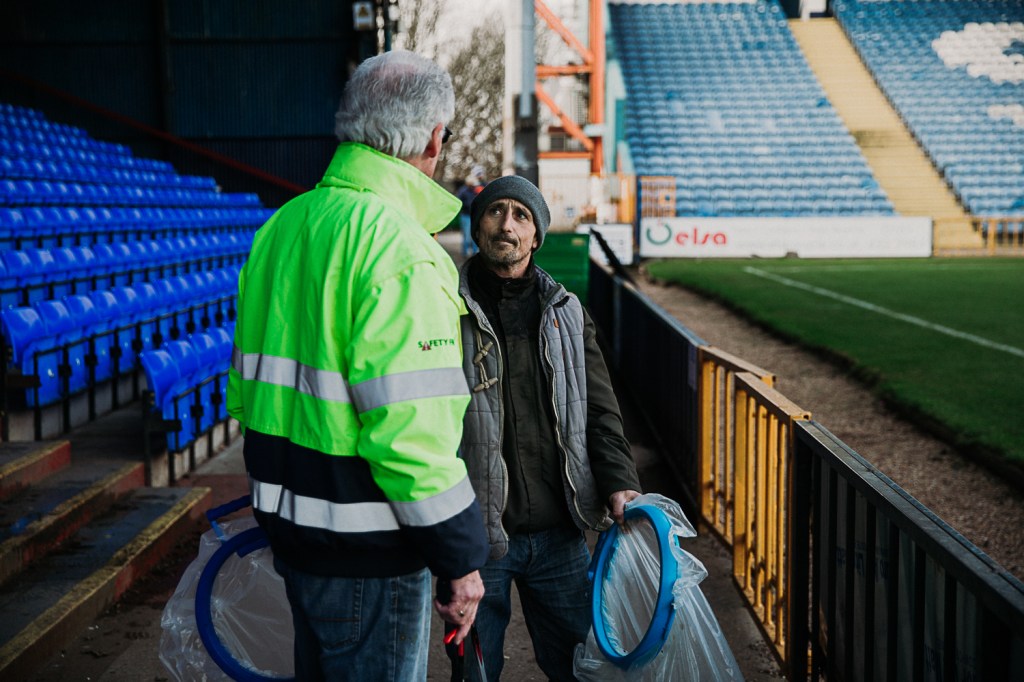
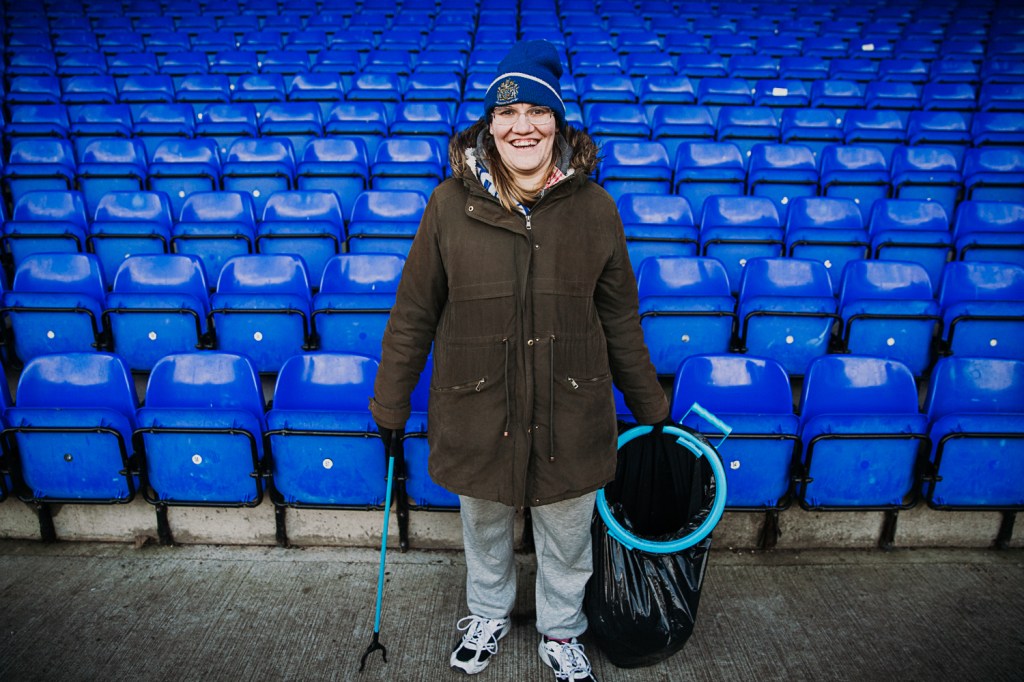
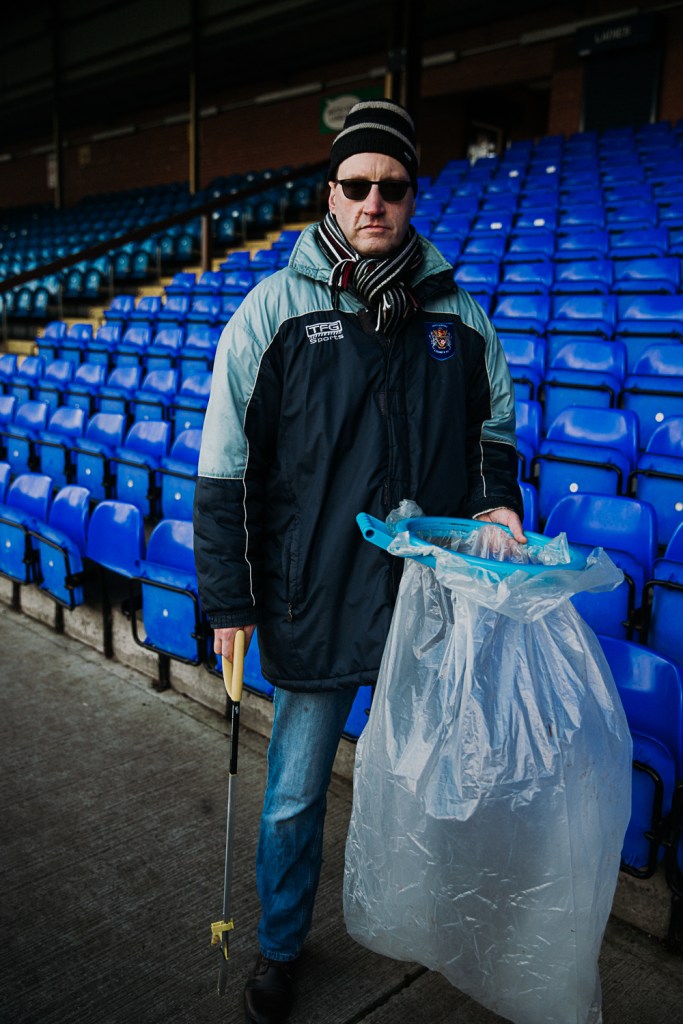
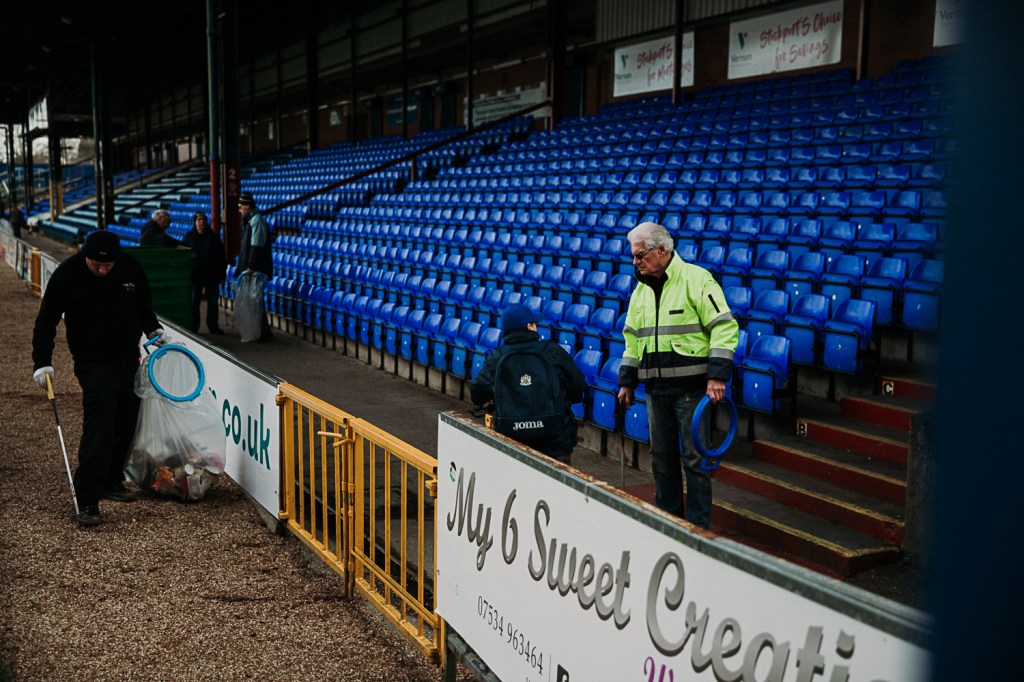
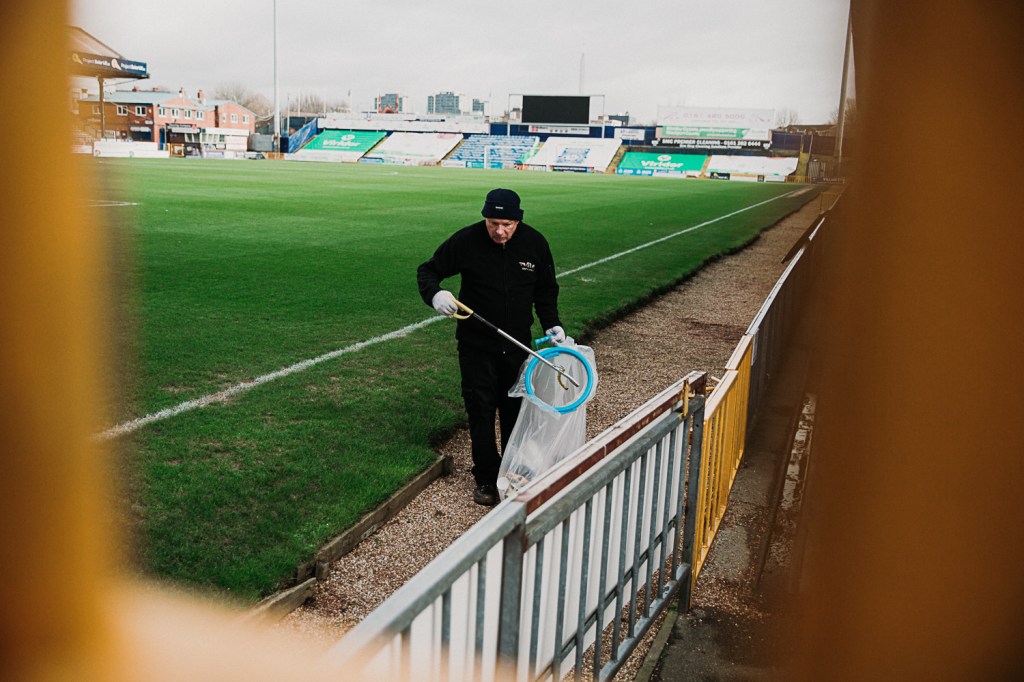
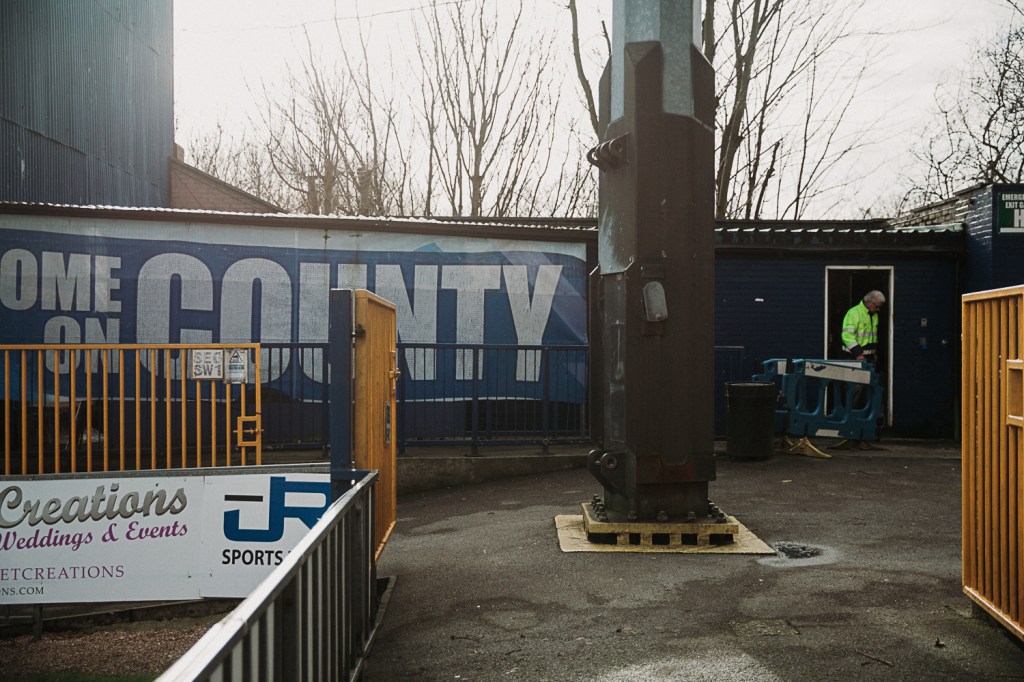
Help the Hatters is a volunteer group that offers practical support to the club and caries out tasks such as cleaning the stadium after matches, painting the stairwells and ensuring the facilities are clean and safe for spectators. I recently attended a post match clean up and was I was amazed by the military organisation and purpose these volunteers had in how they set about what seemed to be a massive task. Although in my own thoughts I always felt that Fitzy was the figure head for this group, when I put this too him he politely disagreed referring to the great people who make HTH work.
As humble as he is proud.
When asking him to elaborate on the achievements of HTH he spoke passionately about helping the club engage with the children in the community and highlights that his real pride is when he sees the areas of the ground designated for families full of local school children often watching football for the first time.
HTH are also involved in the curation of a Stockport County museum where children can come and see memorabilia from days past. It’s hard not to feel like being in the bedroom of a teenage superman.
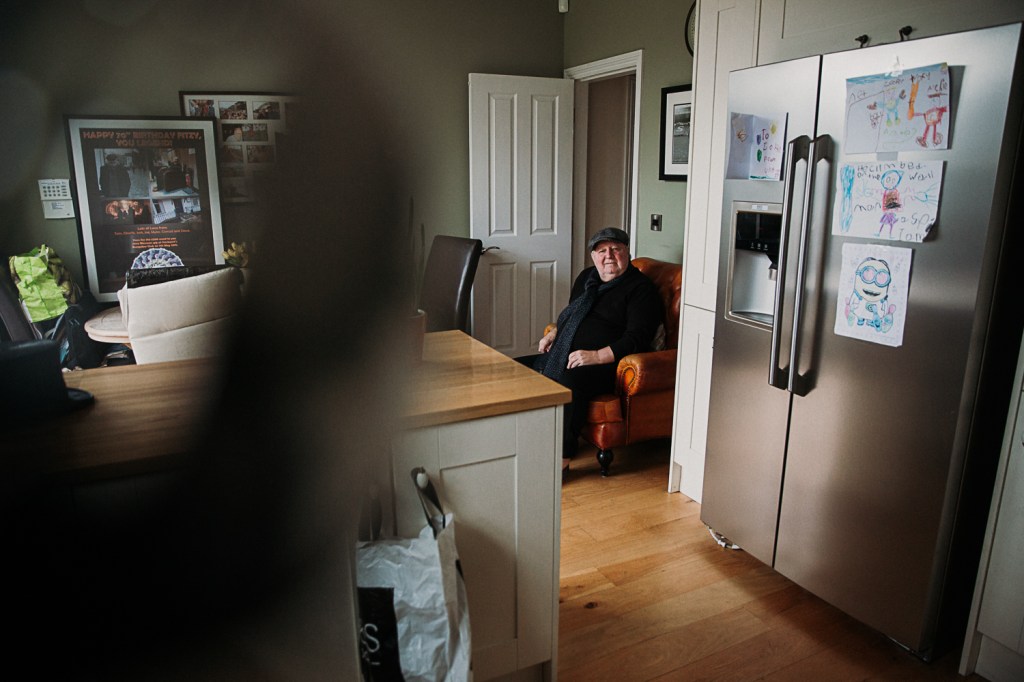
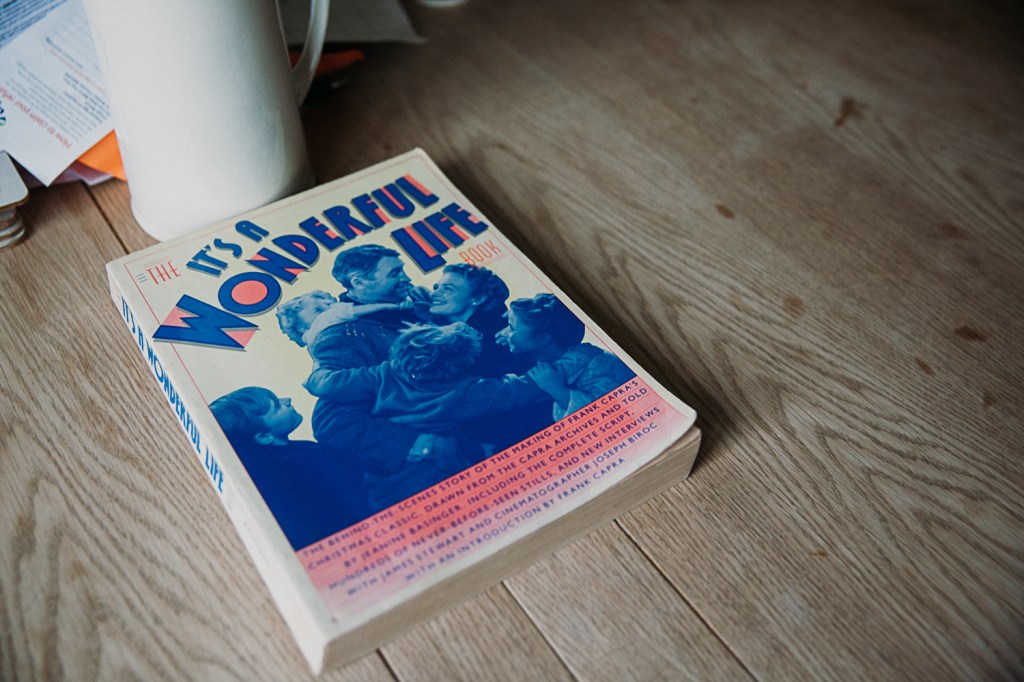
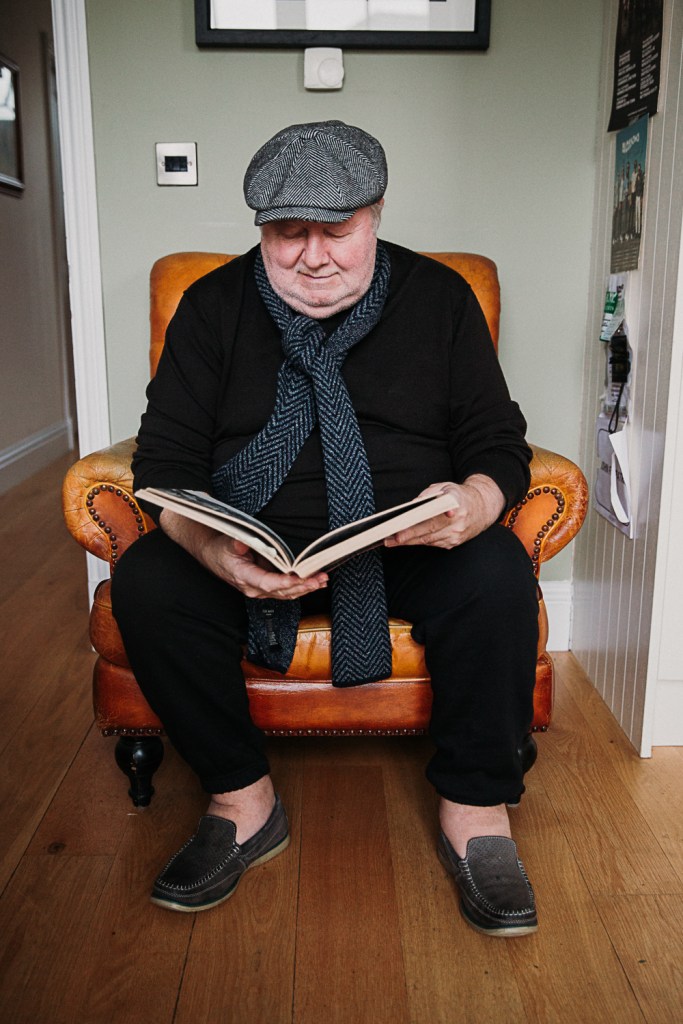
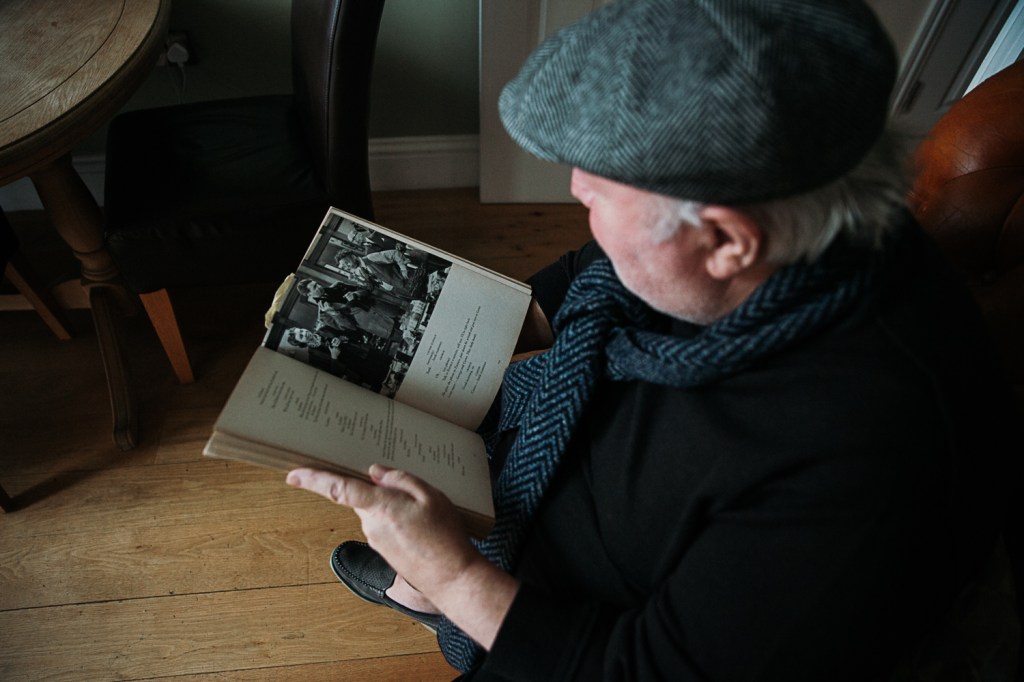
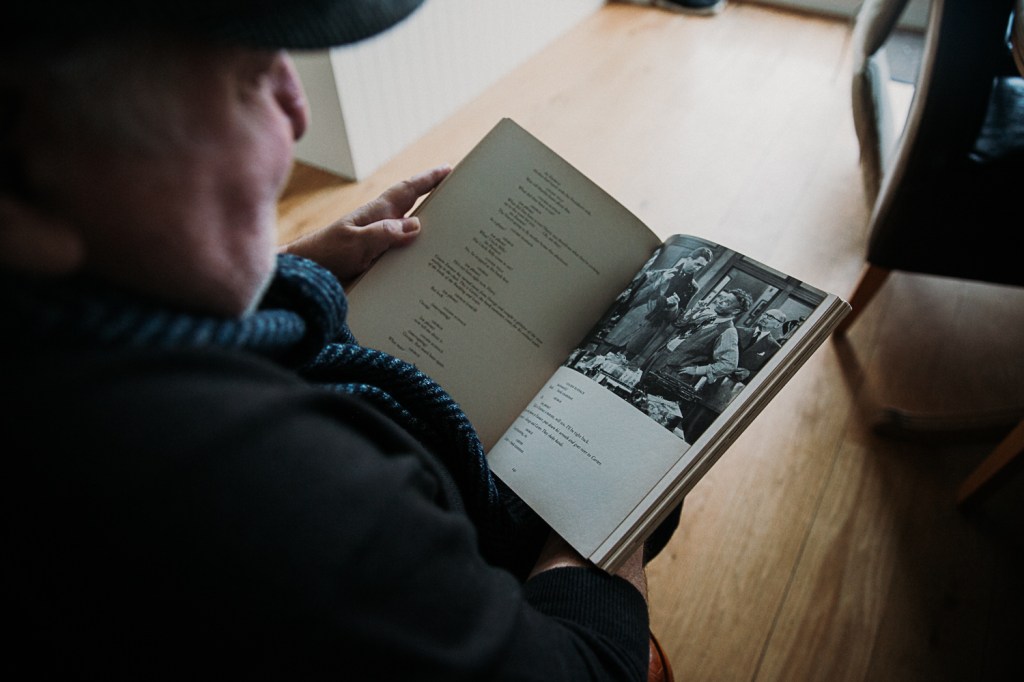
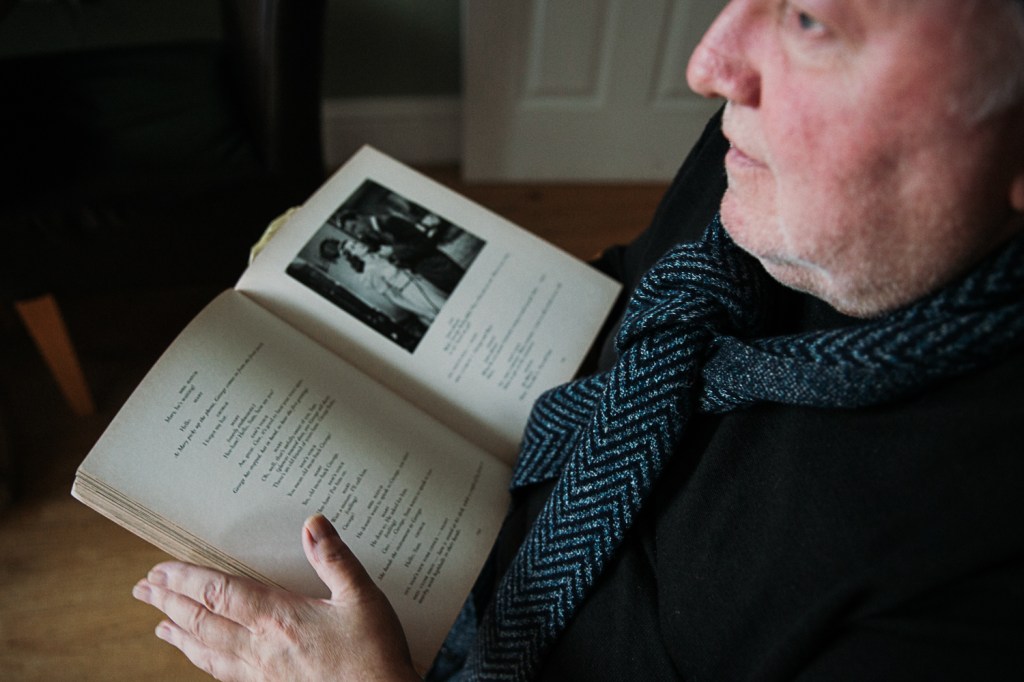
When asking Fitzy about his motivations he pointed to a book on his kitchen table which was about the 1946 film ‘It a Wonderful Life’. Always be kind to others he told me was one of the rules that he lives his life by.
When speaking to him another huge sense of pride for him are the achievements and love he has for his family. One of his grandchildren who is a member of the Stockport band ‘Blossoms’ who’s Third album entered the charts at number 1.
Going forward I will engage further with members of Help the Hatters in order to gain a further insight into this group.
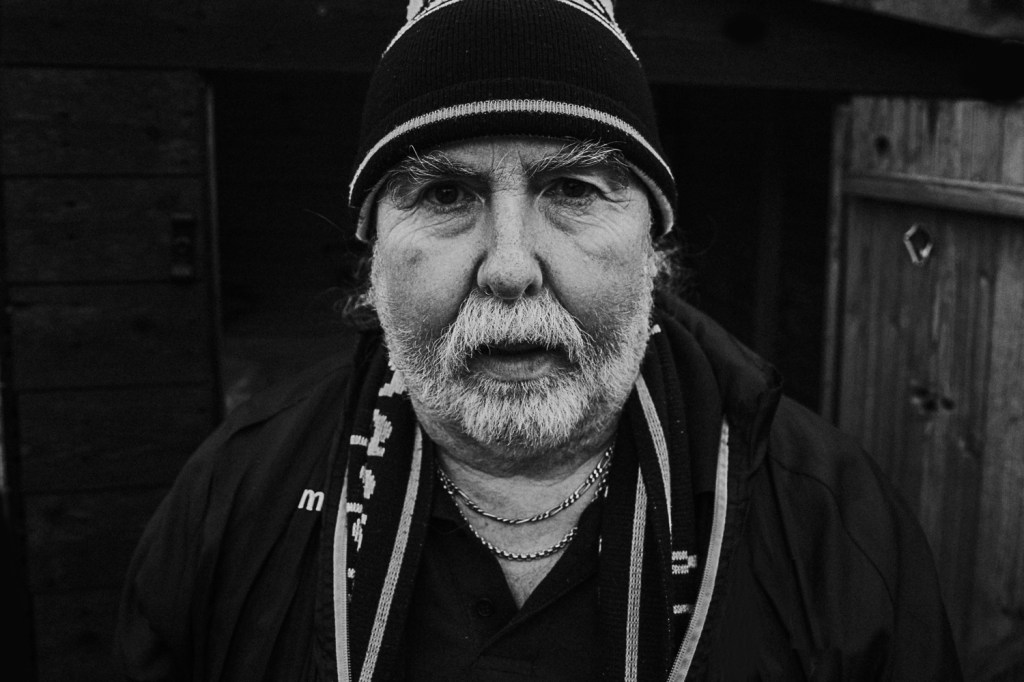
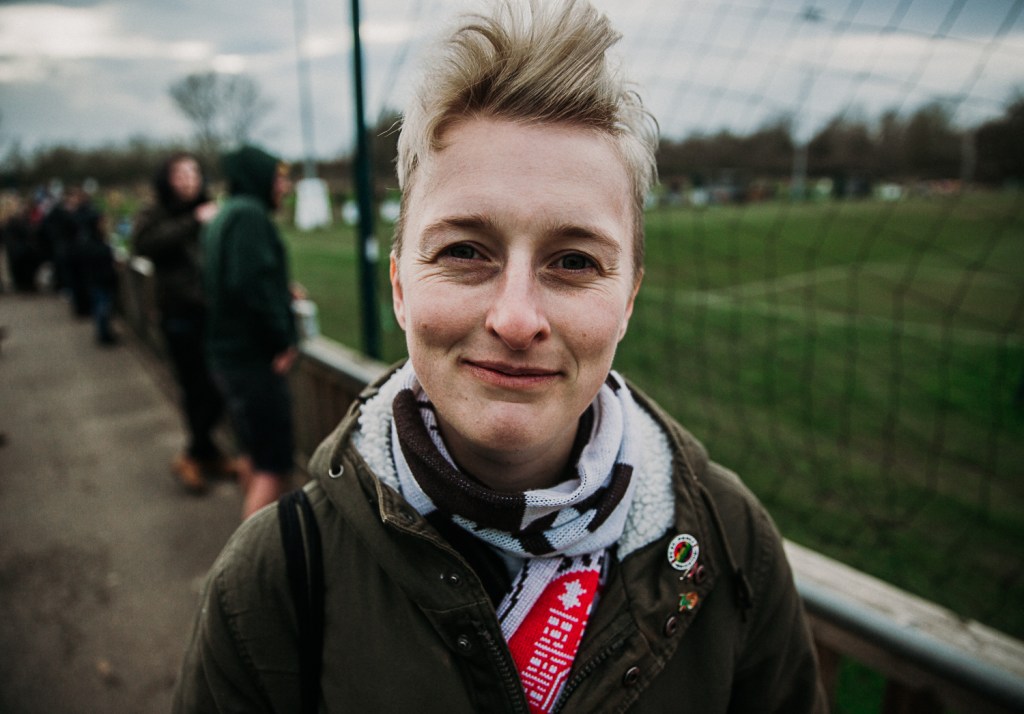
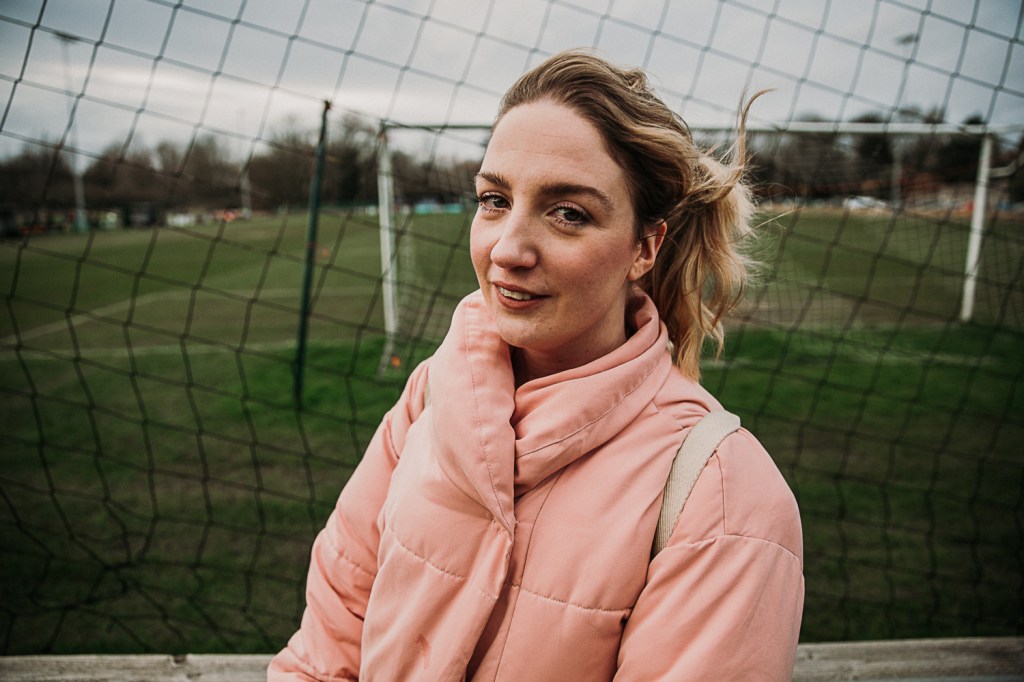
As my project develops I have moved into the realm of portrait photography which I have found interesting and is useful in a way that this style of work provides the opportunities to both experiment and open a new direction for my work. Having little understanding about the approach, I have engaged in further reading about the portrait photograph to understand the conventions and why they are so interesting. Cotton argues that ‘The adoption of a deadpan aesthetic moves art photography outside the hyperbolic, sentimental and subjective’ (2020, p. 27). This idea serves as a useful starting point for my research in addition to a way to develop my project. In doing this in practice I found that my ability to approach a subject and ask them to be in a photograph has been quite successful however in the making of photographs the ability to achieve the deadpan face requires more attention to detail than first anticipated.
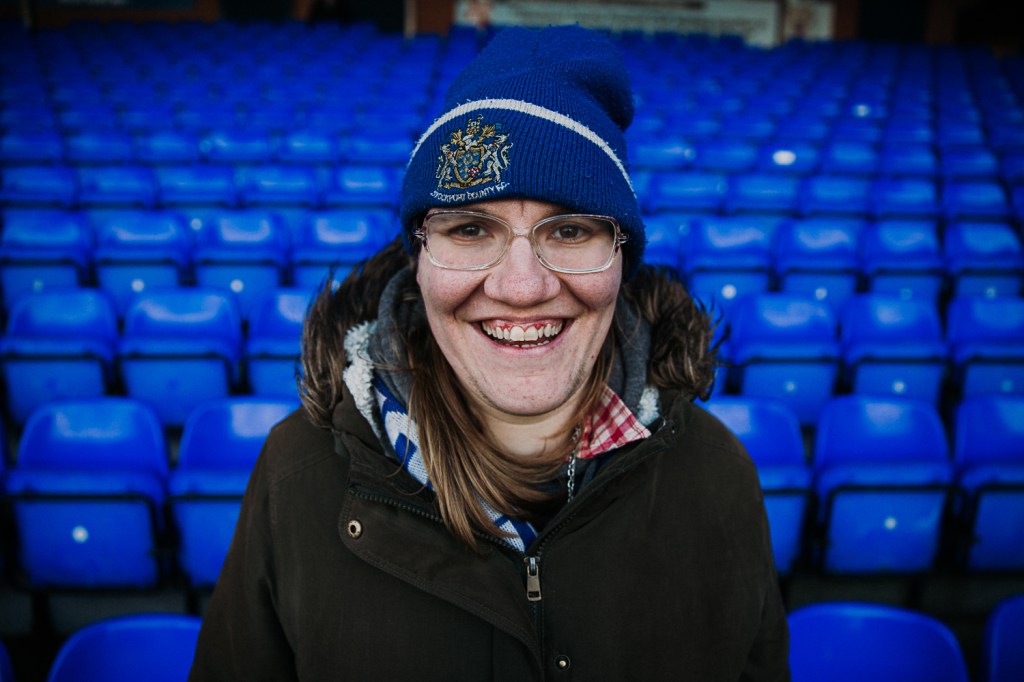
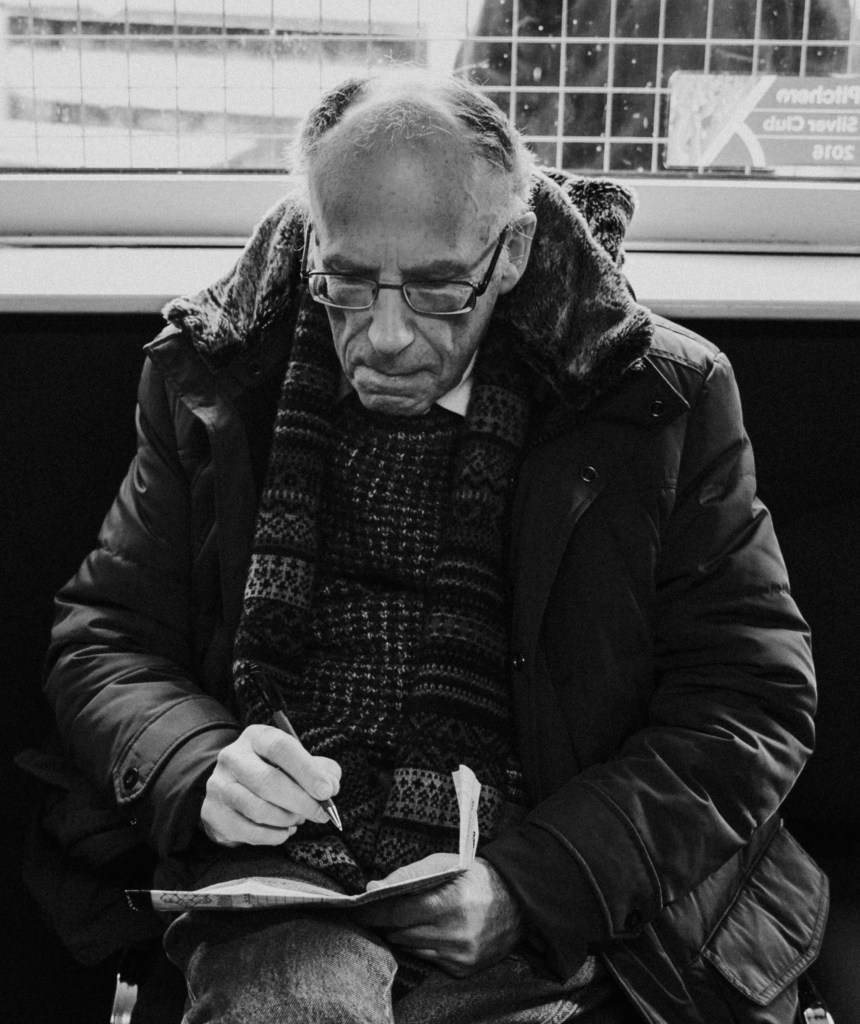
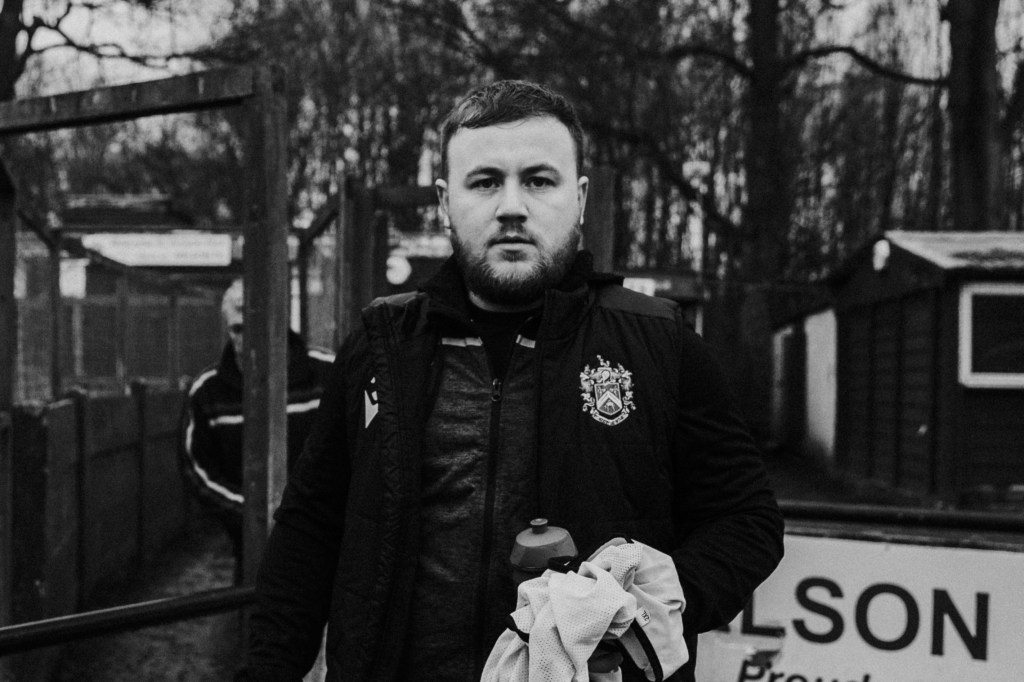
In engaging with the portrait technique to date I have often encountered subjects not smiling but at the same time showing their teeth. I feel that this has lessened the objectivity of my work by providing an insight into the personality of the subject. Having said this I have still created work that moves the viewer whilst at the same time I am aware that any type of gesture may invite the viewer to make judgements as Bate argues against when he purports that the purpose of surface depth in photography intentionally leaves the spectator out of the equation (2009, P.70). My interpretation here relating to the idea of gestures relates to Bate in the way that the hint of emotion and personality requires the spectator to do less with the photograph in a psychological sense as a gesture provides the stimuli to subjectively provoke the spectator in making assumptions about the subjects.
When researching the work of Céline van Balen the use of the deadpan face offers an immersive intrigue into her subjects. Together with the eyes and other facial features including the tight crops she uses represents an interesting approach to further my project. In reviewing my own work I will work further in achieving the deadpan face in order to enable the spectator to engage with subjects and have to work harder to decode (Hall, 1999) the images.
Further research:
Andreas Gursky | August Sander | Albert Renger-Patsch. (New objevtivity)
BATE, D (2009) Photography, The Key Concepts. Oxford, Berg.
COTTON, C. (2020). PHOTOGRAPH AS CONTEMPORARY ART. 3rd ed. [S.l.]: THAMES & HUDSON
HALL, S. (1999) ‘Encoding, Decoding’ in The Cultural Studies Reader. London, Routledge.
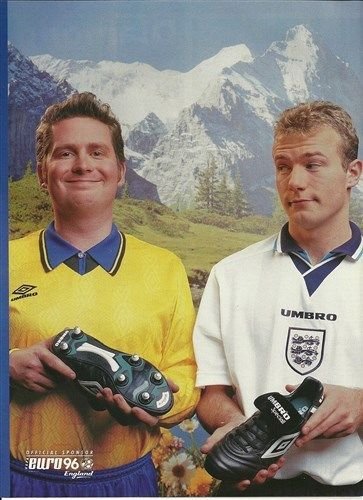
When considering this advertisement, the ideas of Goodwin & Whannel (2005) were particularly relevant when they suggest that ‘Messages are socially produced in particular circumstances and made culturally available as shared explanations of how the world works. In other words, they are ‘ideologies’, explanatory systems of belief’. In terms of the surface meaning the photograph denotes several elements including two males, football boots mountains, a green landscape and some flowers. The relationship between these elements may be unclear today. However the circumstances in which the image was produced was a time leading up to the football european championship which was held in England in 1996.
With this in mind, the audience would be able to appropriate these elements and create a preferred reading of an advert for the tournament and its context of a European competition. The elements may be further appropriated to the group of nations who were to be opponents of England. The mountains representing Switzerland, the green space representing Scotland with the flowers representing the Netherlands. The idea of a ‘shared explanation’ may support Goodwin & Whannel’s argument. The Euro 96 word stamp furthers this meaning in addition to providing anchorage to the advertisement and reasoning for the construction of the text which confirms the assumption that ‘captions further not only a gaze, but also an understanding’ (Barthes,1980). At this stage the signs all point to the impending European competition.
When addressing the meanings created by the two subjects within the text, the connotations of the image shift towards a more cultural level as we have the recognisable figure of Alan Shearer wearing a white England kit which is recognisable by the iconic three lions badge which provides the anchorage. However the other man in the image isn’t identifiable with a badge beyond the brand. As the colour of the kit is yellow, we could attempt to attach this colour to a specific country however this may be unstable considering the commercial nature of the photograph. Using my own cultural understanding of these elements the beginnings of a meaning of professional and amature are being formulated.
Moving on to the gestures of the subjects we see the subject in yellow addressing the camera directly with an inviting smile which may be more at home in a tourism photograph as opposed to the second subject (Alan Shearer) who is addressing the second subject with a gesture of bemusement which may suggest the player wearing the yellow strip is an imposter. The final element I will discuss is the advertised product which are the football boots. They are shown on either side by each subject to feed the viewers gaze and need for understanding of how the products look in an evidential nature.
To comment on the preferred meaning of the text, the audience is manipulated to the conclusion that the two subjects both play football although at differing levels of the game. This is a clever idea from the producer as the football boots are associated as a quality product as a result of the endorsement of Alan Shearer, England player. At the same time the presence of the amateur player represents the accessibility of the product to a mass audience.
The broader message that in purchasing the boots, the consumer may become a better football player is created and given substance as Sturgeon & Cartwright, highlight that ‘advertising isn’t situated in the present, rather an imagined future’. Creating agreement with the assumption that the advert suggests ideas about quality and the accessibility of the dream of a future as a good football player.
The secondary elements of the image as discussed earlier serve to place the text within a specific time which feeds in to the impending occurrence of the tournament. Hall (1999, p. 514) offers an appropriate conclusion to the assumptions made about this image in stating ‘By the word reading we mean not only the capacity to identify and decode a certain number of signs, but also the subjective capacity to put them into a creative relation between themselves and with other signs’. The European iconography of countries in the same qualifying group as England, the use of a professional England football player may work to provide the glamour of the product whilst the amateur player with his tourism style gesture creates disjuncture but positions the audience to be able to interpret the messages and produce a preferred reading.
Barthez, Roland (1980) Camera Lucida, London, Vintage.
Goodwin, A. & Whannel, G (2005) Understanding Television. London, Routledge.
Hall, Stuart (1999) ‘Encoding, Decoding’ in The Cultural Studies Reader. London, Routledge.
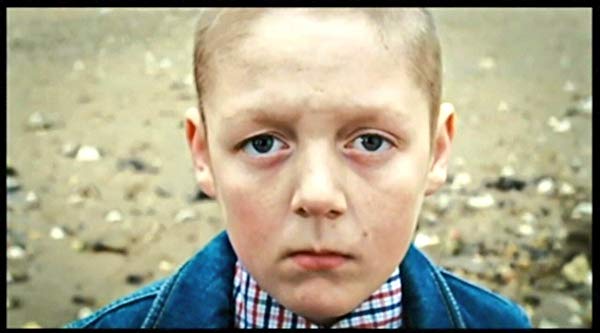
In considering the intertextuality within my I work I was initially a little unsure and no obvious influences came to mind. My response was to ask my partner who is also studying a degree in photography. Her response was ‘thats easy… Shane Meadows!’. I was initially surprised by her response as although a fan of the film makers work some years ago and being from a background of moving image. I wouldn’t have suggested that myself. I promptly opened up the laptop and began to research the work of Meadows and within minutes of google image searching. The similarities were uncanny (Freud, 1919, p.132).
The clear influence of Shane meadows cinematography on my own practice provoked reflective thoughts which go back some years onto the use of leading lines and dilapidated structures often depicted in his films. However, although I accept this with regard to some elements of my work. I was surprised in respect of the portraits I have recently been creating. Barker (2008, p. 482) states in respect of intertextuality ‘The accumulation and generation of meaning across texts, where all meanings depend on other meanings. The self conscious citation of one text within another as an expression of enlarged cultural self consciousness.’ The ideas of Barker may be relevant in this case with respect of citation of texts within texts and the echoes of Meadows within my own work which is clear from the examples provided. However, Barkers idea that intertextuality is based on the ‘self conscious citation’ is one that I would challenge in this case. The influence of Meadows in my portrait selections was certainly not within my known consciousness. This may lead to the influence in a sub conscious sense which I don’t profess to understand in any great detail. However the echoes are definitely there and as a result of the suggestion of my partner Joanne I accept the intertextual references in my work.
Barker, Chris (2008) Cultural Studies London: Sage
As Crewdson states as cited by Barnes and Best (2006) that ‘My hope is that my pictures, although elaborately staged, convey an experience that intensely real’. One is aware that although he acknowledges his work is staged, what is interesting and may relate to my practice is the idea that his intentions are to ‘create experiences’.
I would describe my own work as initially born out of the idea of documentary photography however the project has evolved into the realm of portraits. With this development in mind I am still acutely aware that the intention of my work is to move a viewer in a way that they may identify or recognise as propertied by Bate (2009).
Due to the editing, I accepted that to some degree my work is subjective. However much of the process is objective as I approach the people I encounter within a specific time and place. It is a matter for understanding the ‘extent’ of ambiguity. Although not the overriding consideration when I am creating work I am mindful not to actively direct subjects especially when creating documentary work.
In considering the current hybridity of work I am producing in this project, the ideas of Ritchin (2013. p49) may provide substance to my approach to the ambiguity I create when he argues that “the photographer must increasingly emphasise the role of interpretation rather than that of transcription”. I feel that my work is very much an interpretation of a an event such as a football match. I do manipulate images in the attempt to move the audience and I feel free to do this as my work probably won’t be used as evidence.
Going back to Crewdson’s statement about ‘creating experiences’. I recognise that an element of my work is to create an experience to the viewer.
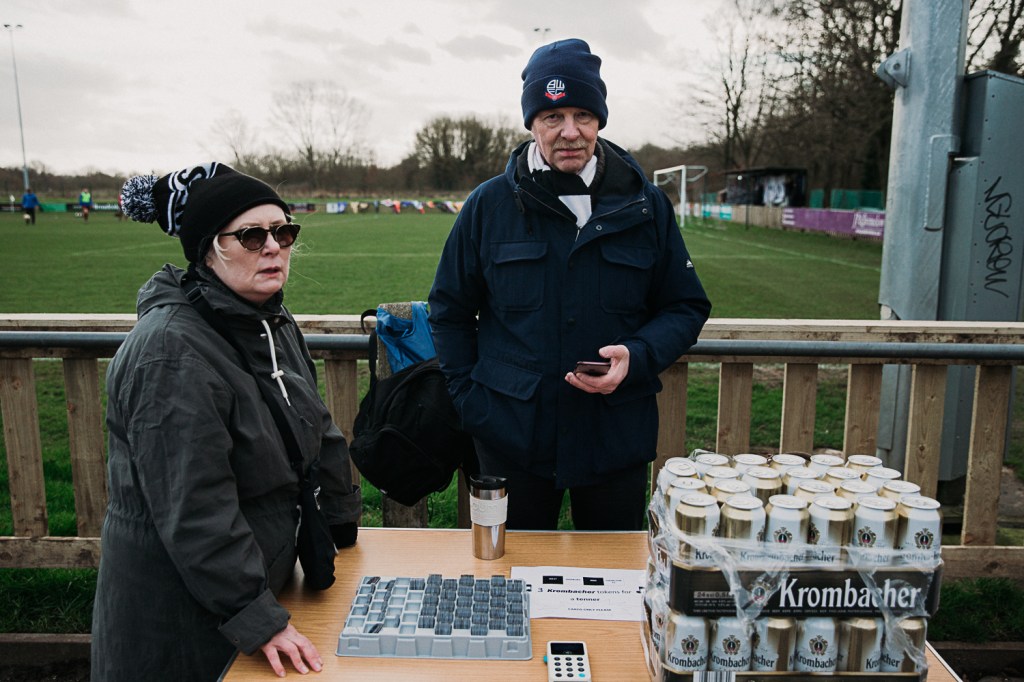
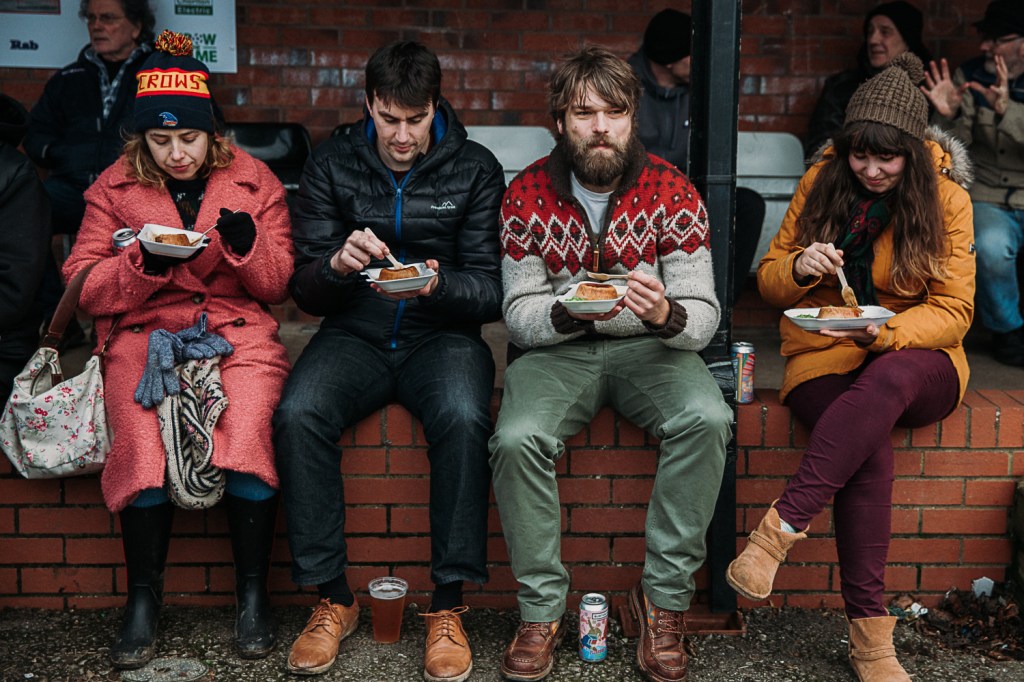
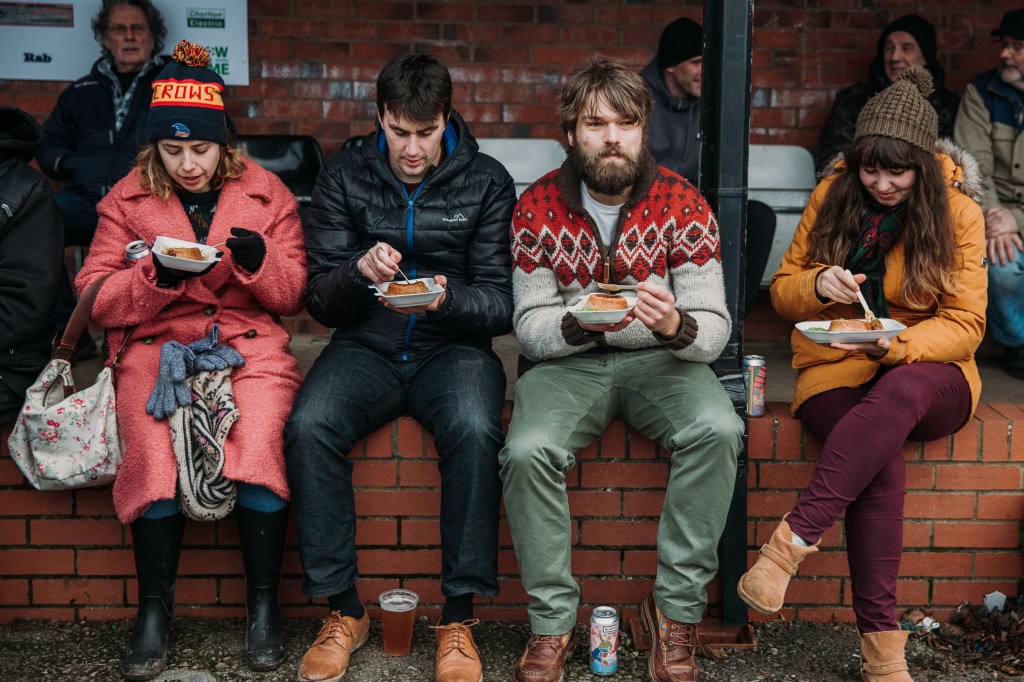
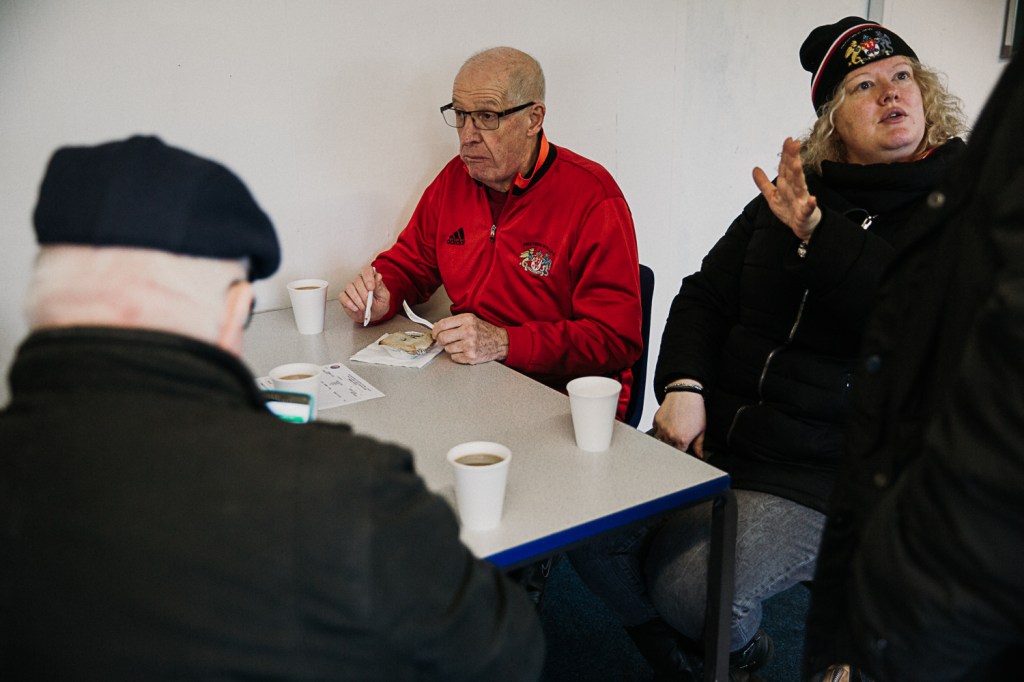
The photograph below is not staged and I encountered these people eating in that place, at that time. I covertly took the shot and told them after. Were the people aware of my presence? I thought not although the lady on the right of the image appears to be smirking. Is this because she read my intentions? I am unsure.
Bate, D (2009) Photography, The Key Concepts. Oxford, Berg.
Barnes. M. & Best. K. (2006) Twilight Photography in the Magic Hour. London, Merrell.
Ritchin, F (2013) Bending the Frame, Photojournalism, Documentary and the Citizen. New York, Aperture.
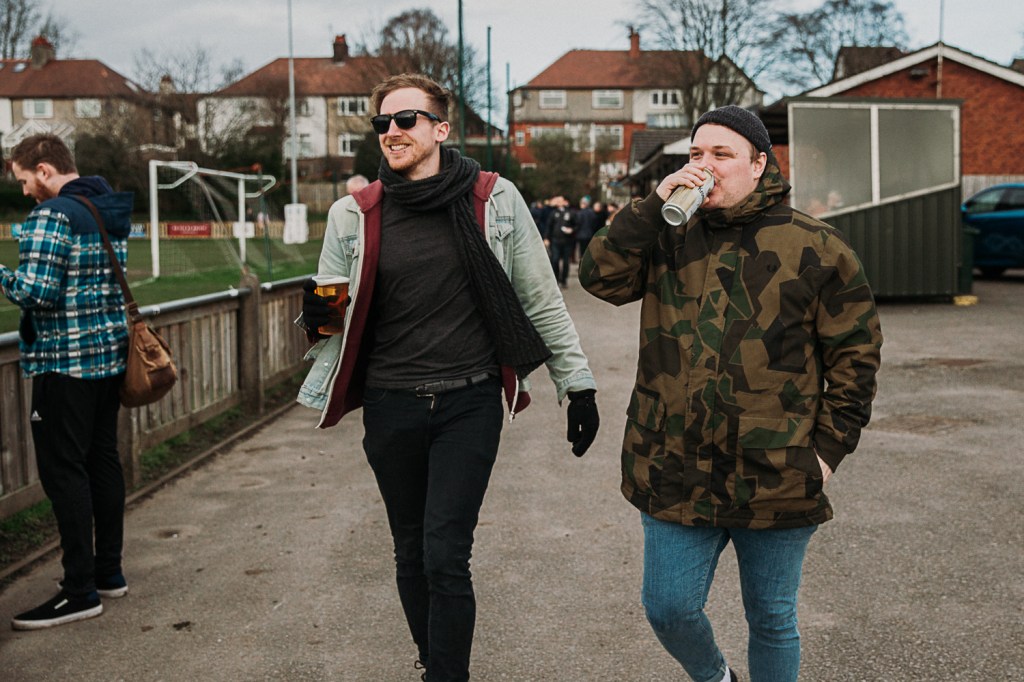
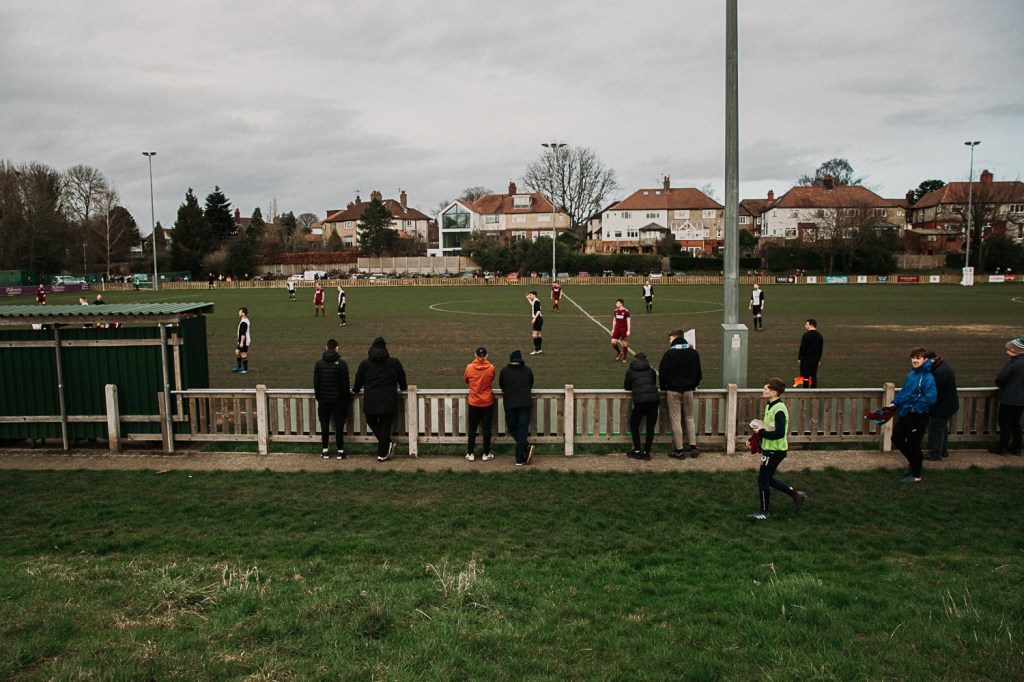
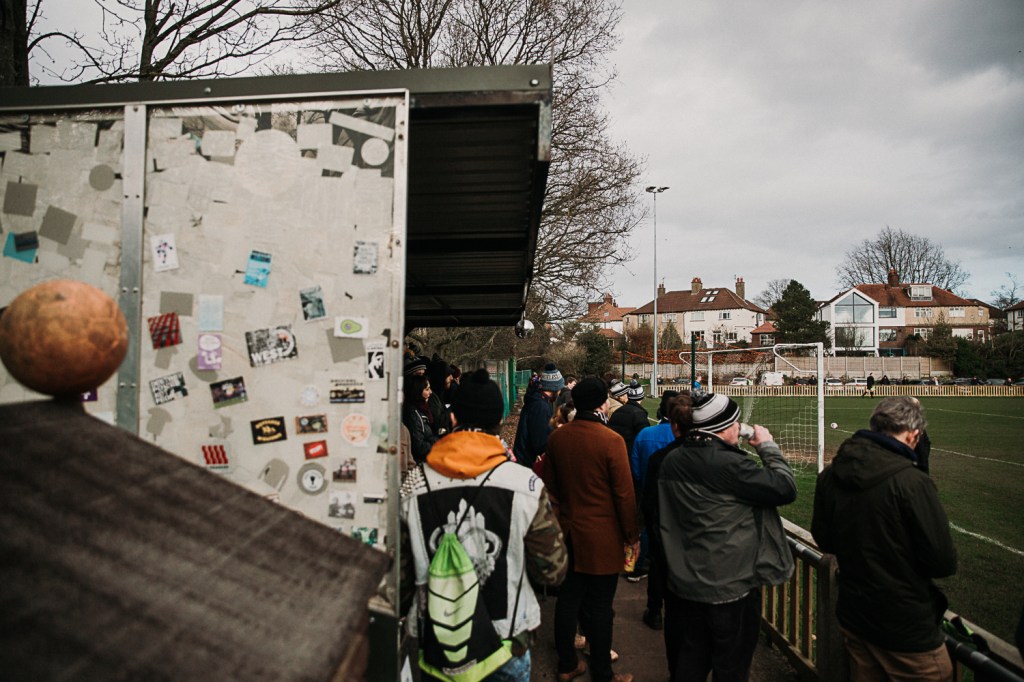
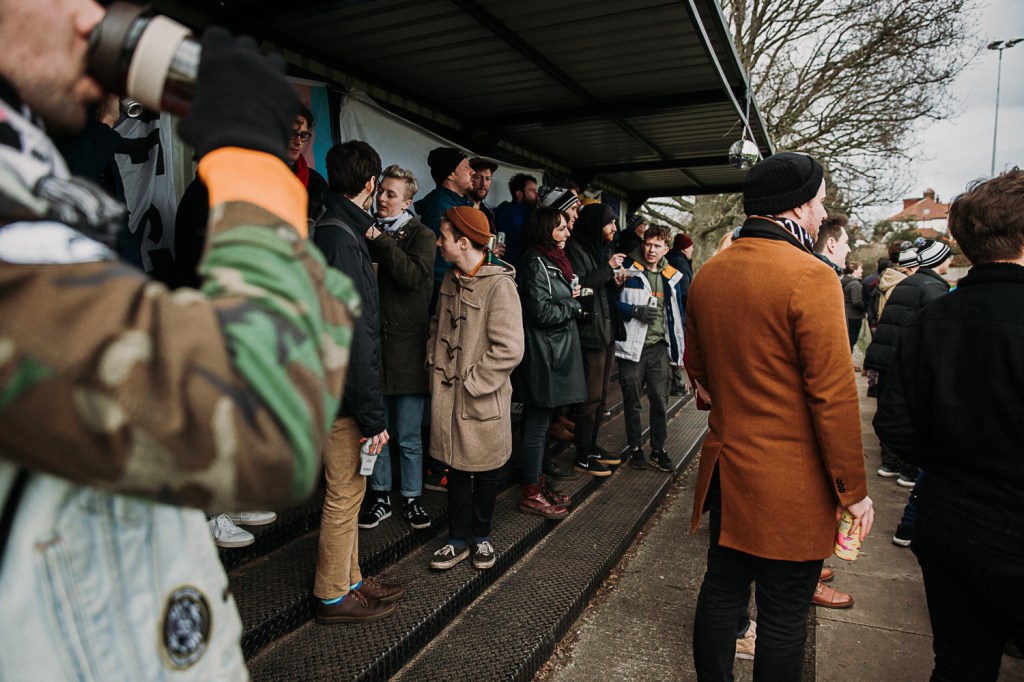
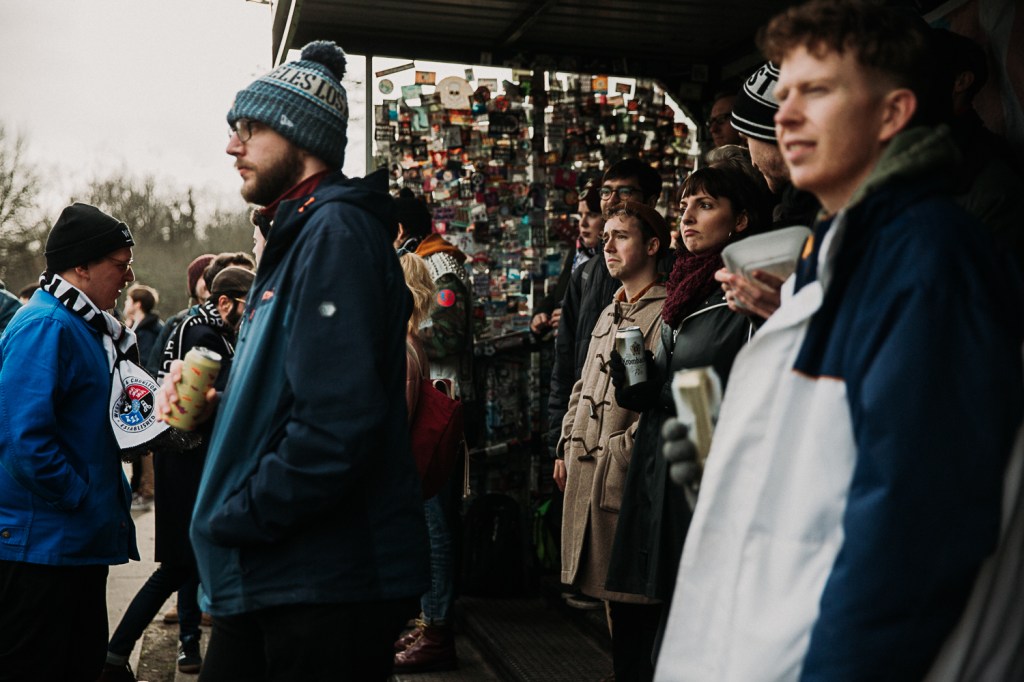
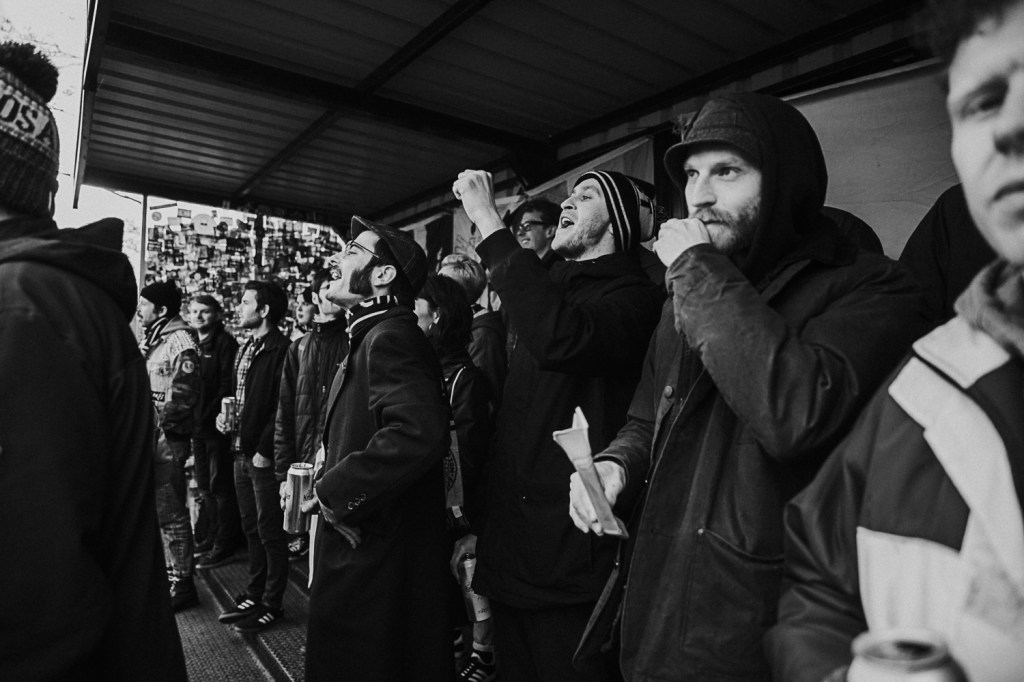
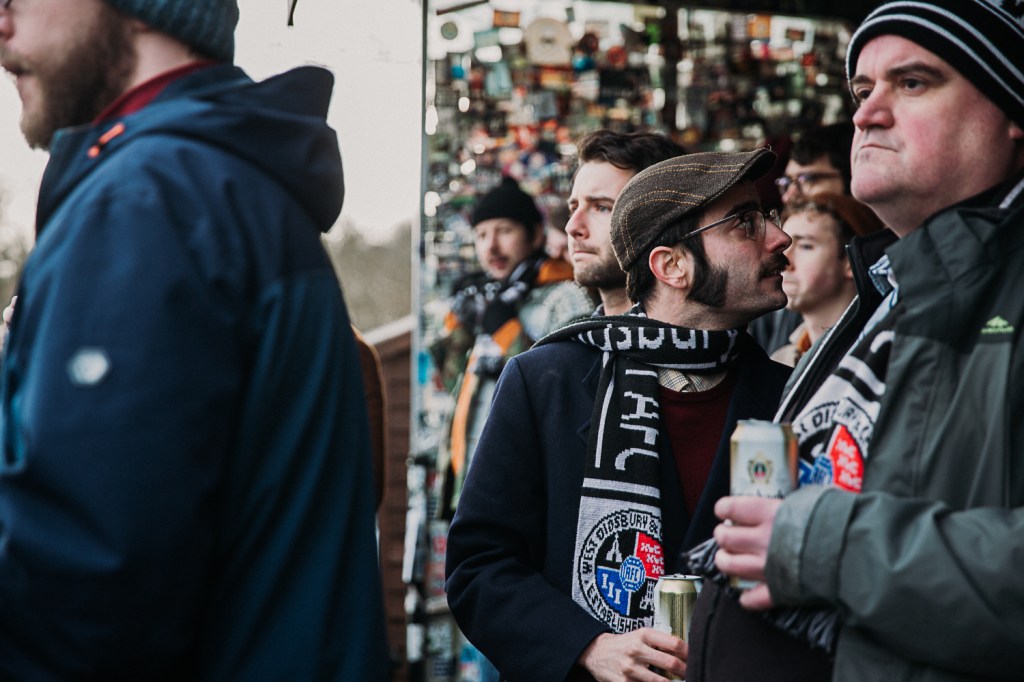
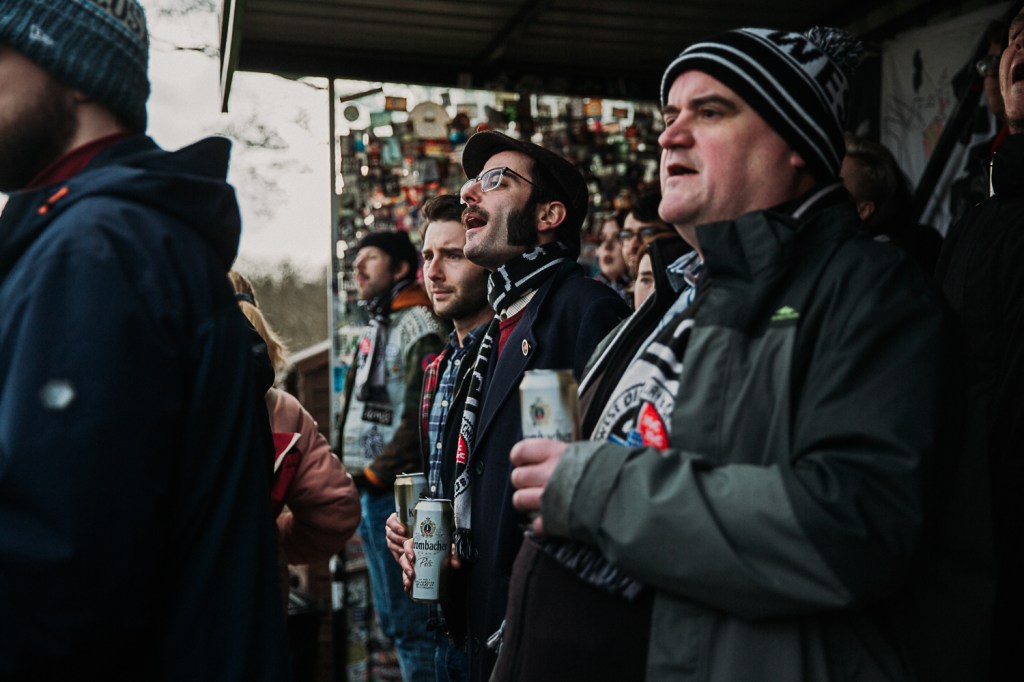
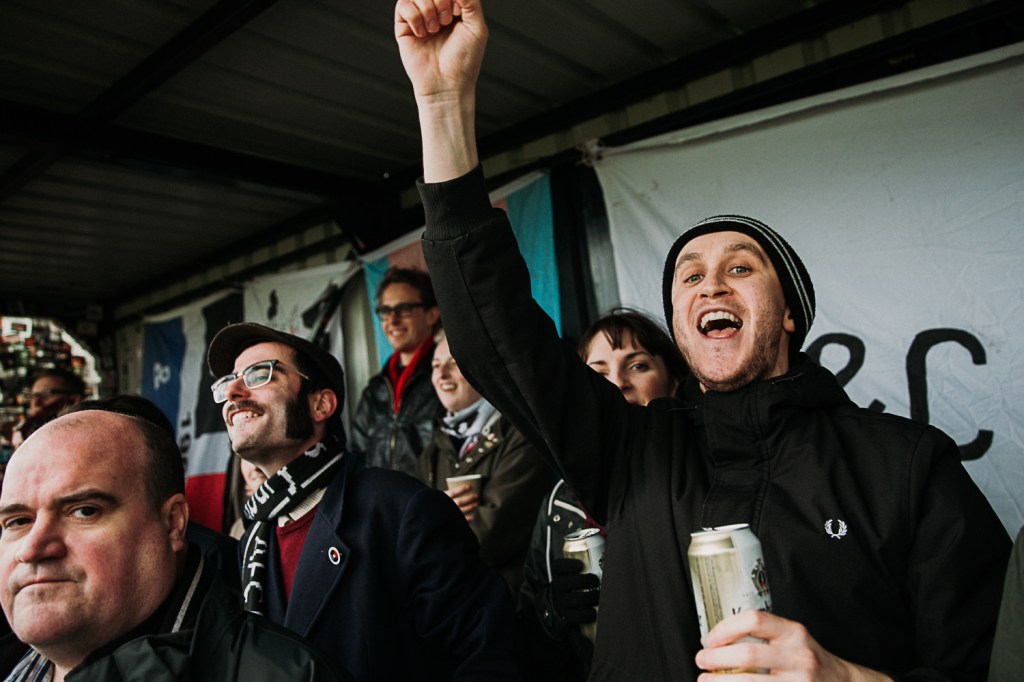
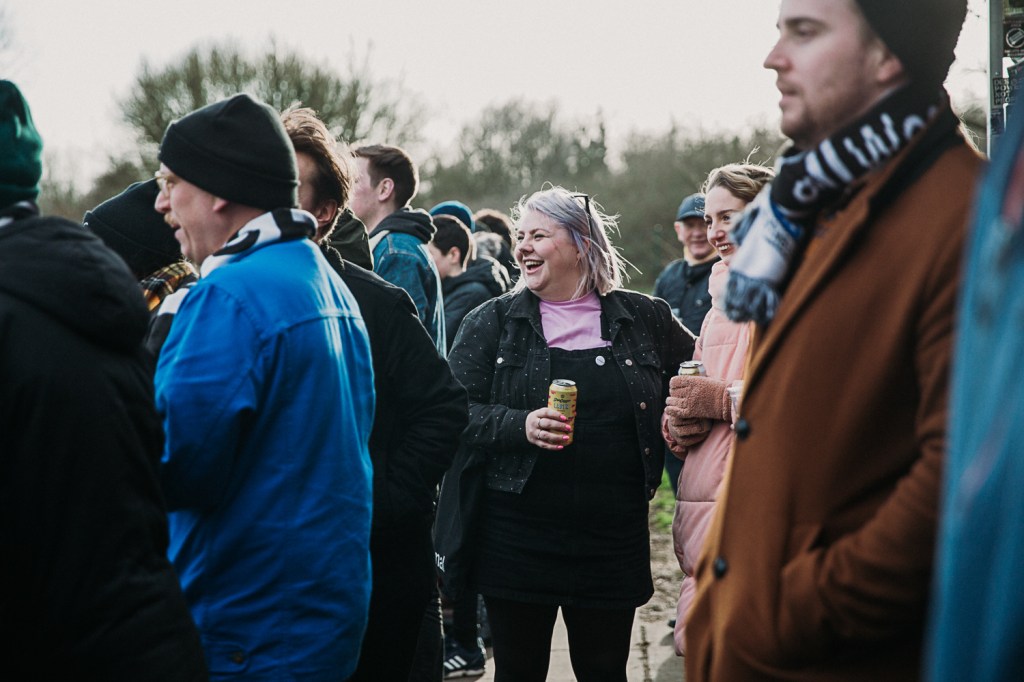
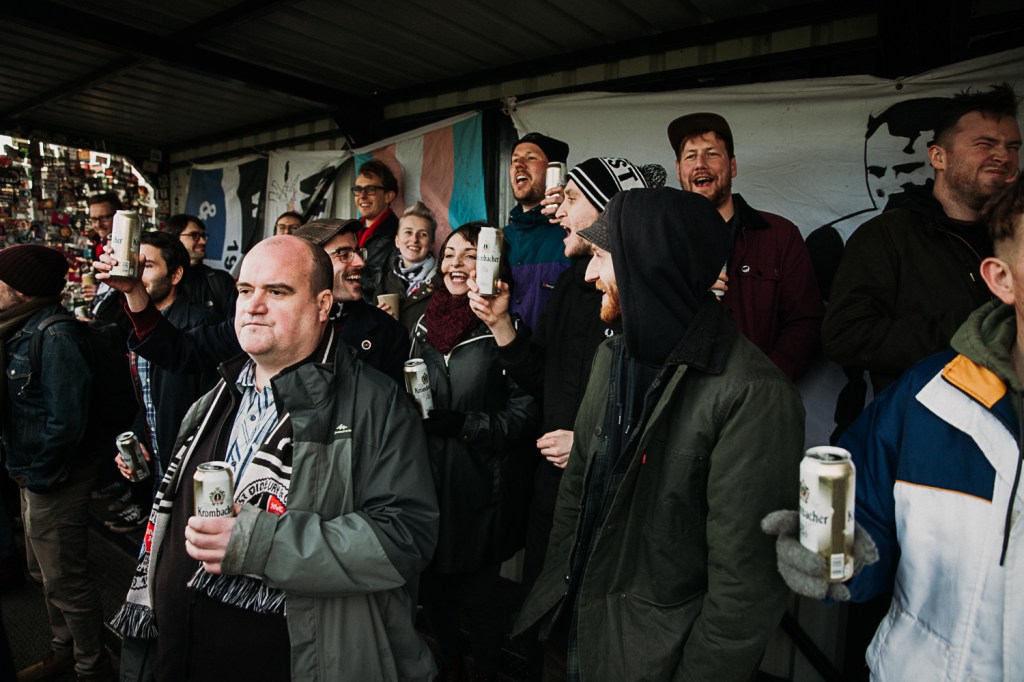
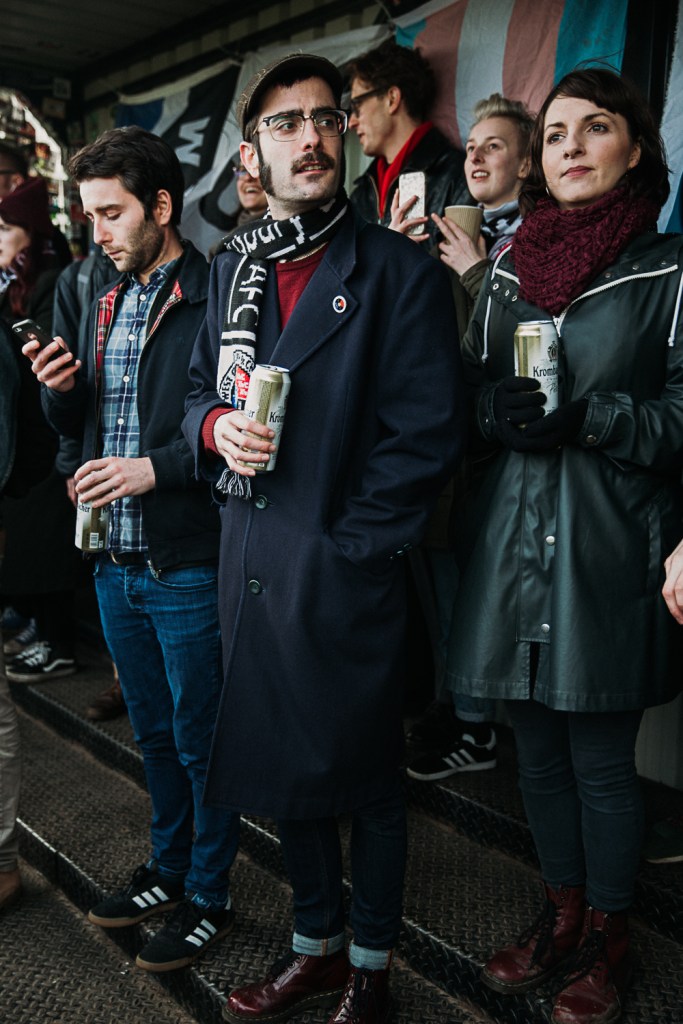
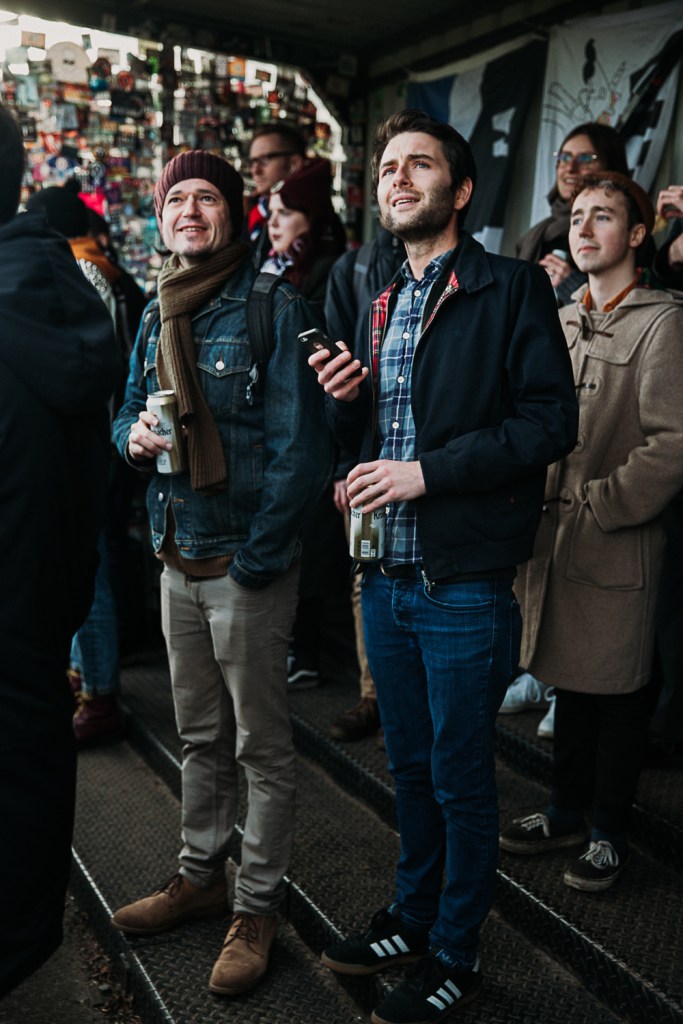
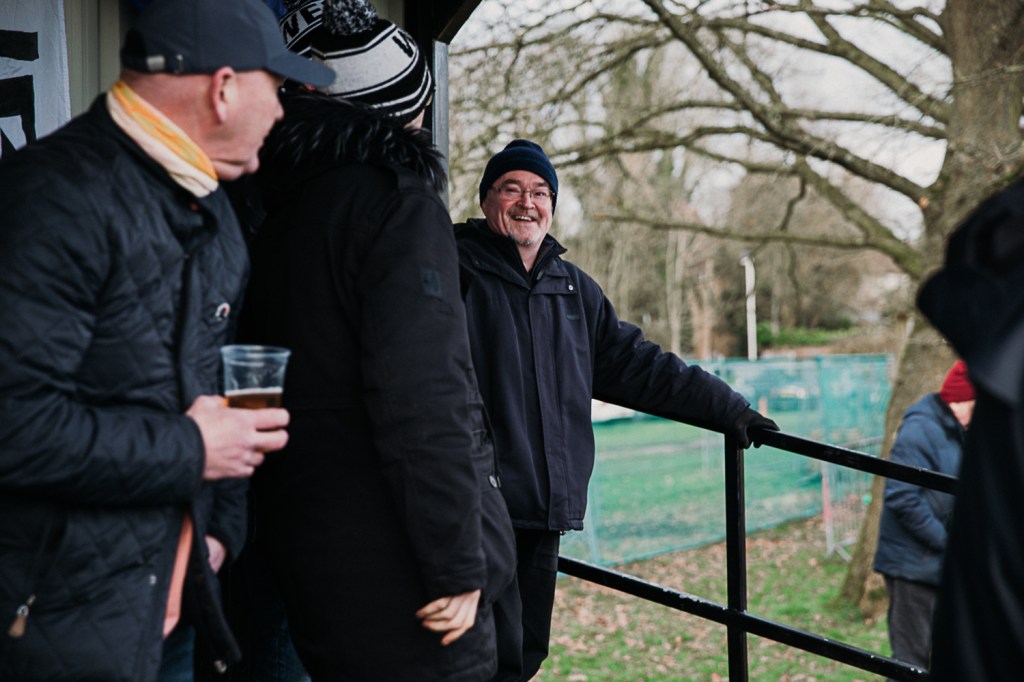
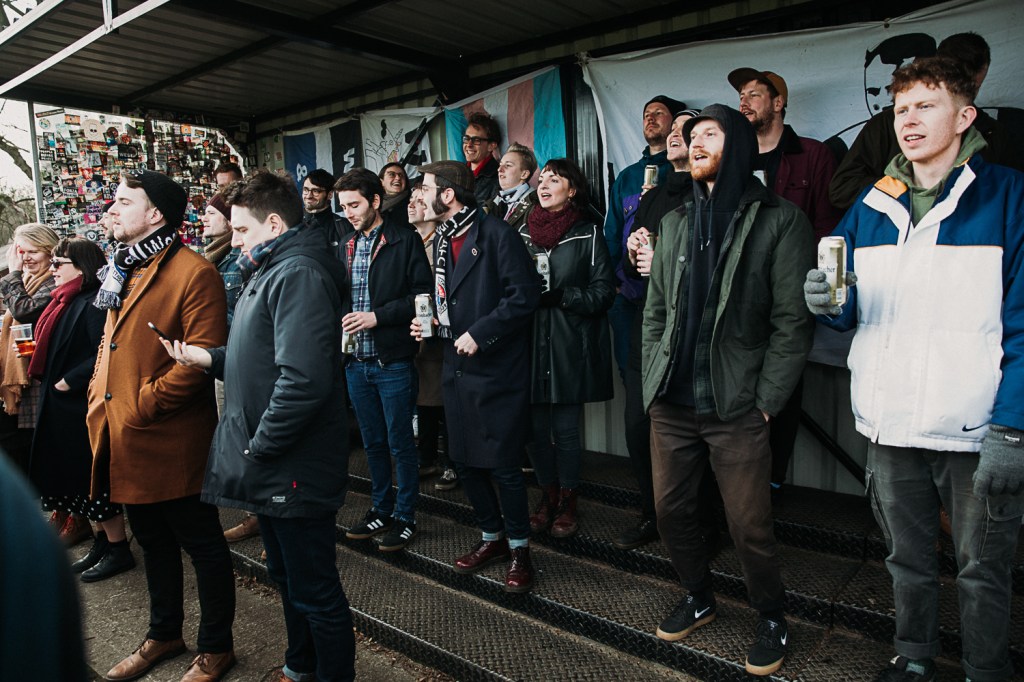
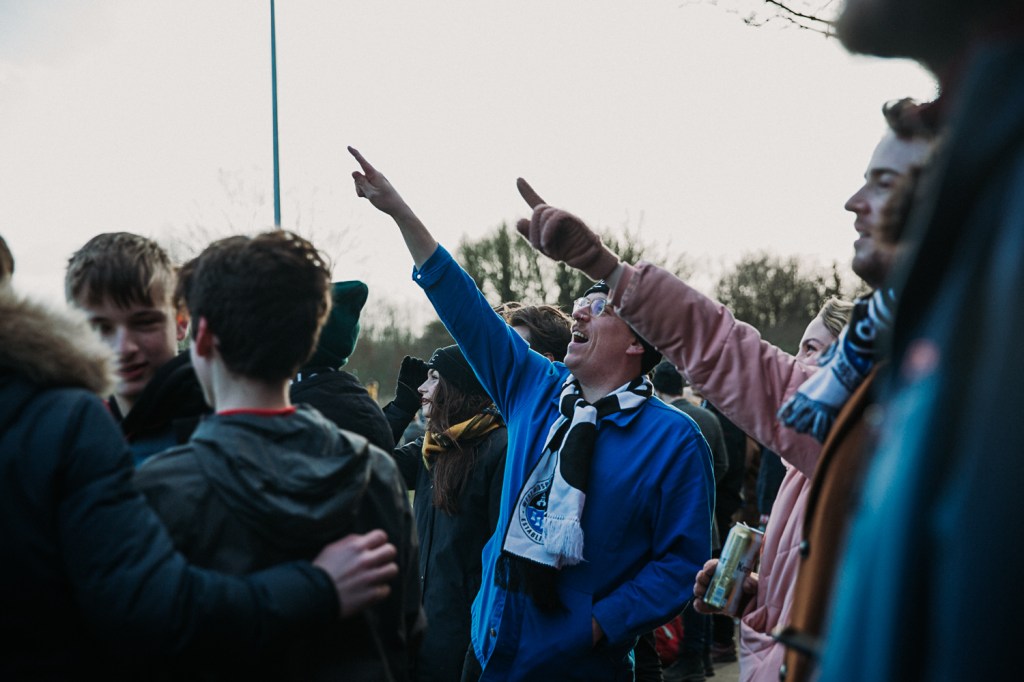
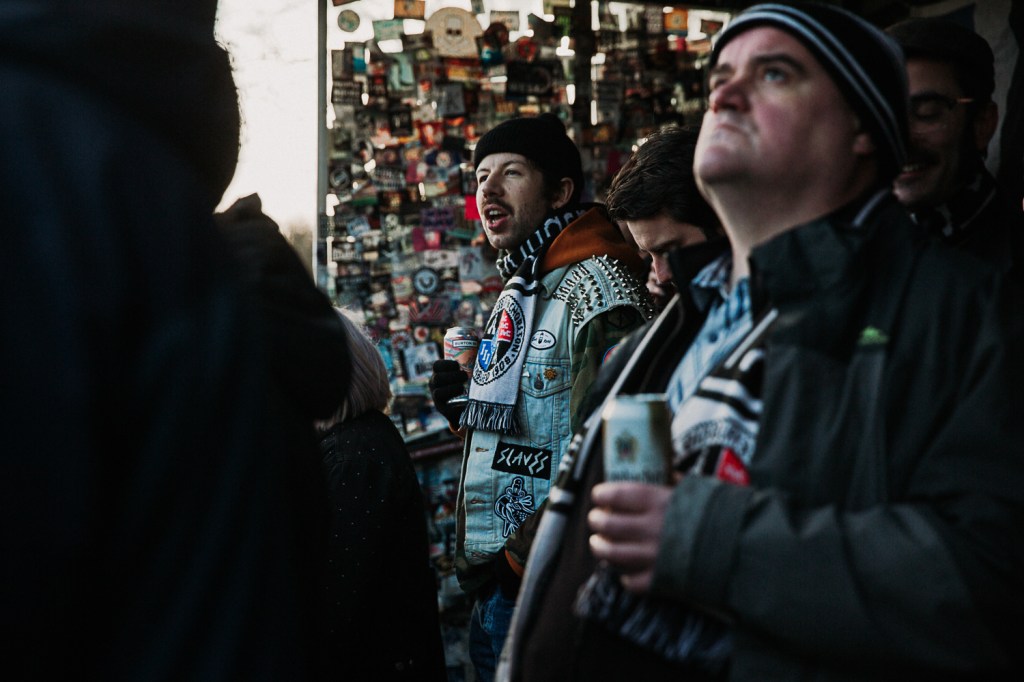
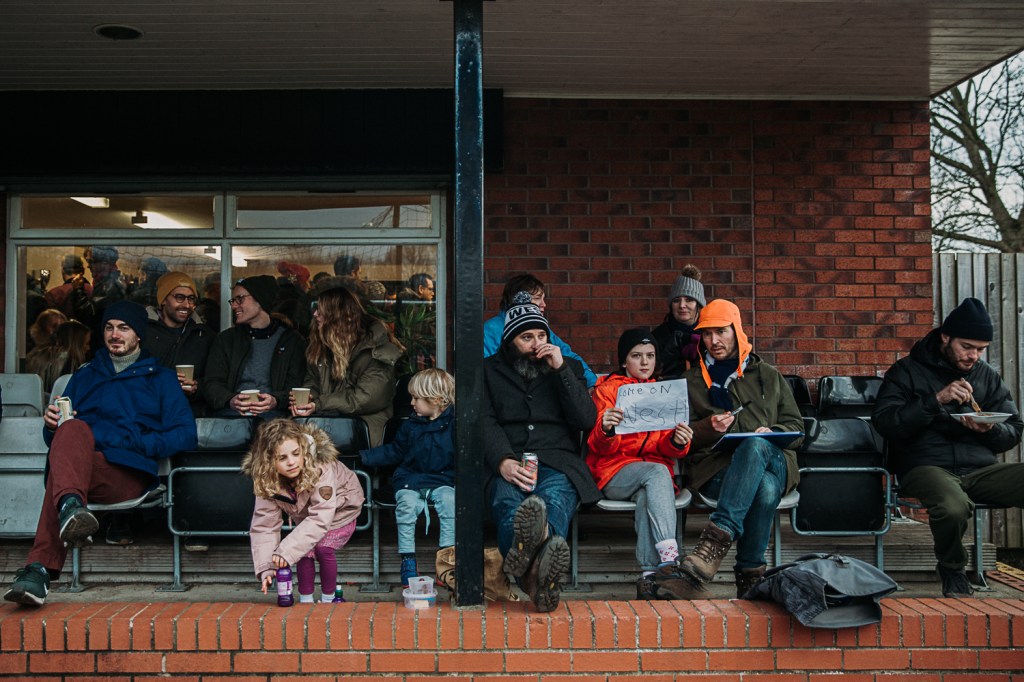
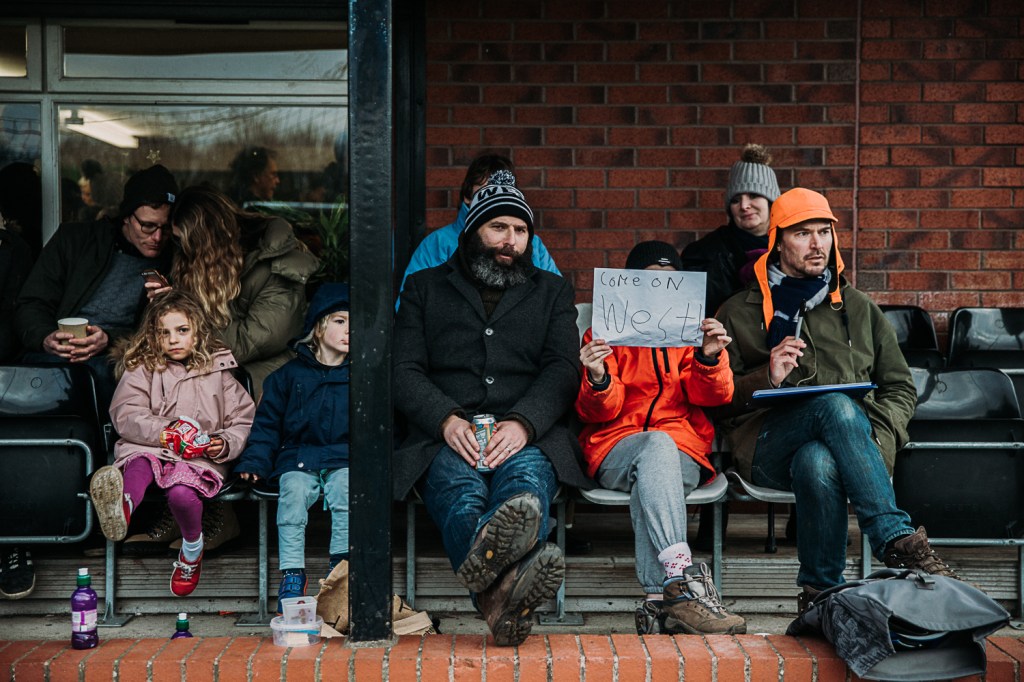
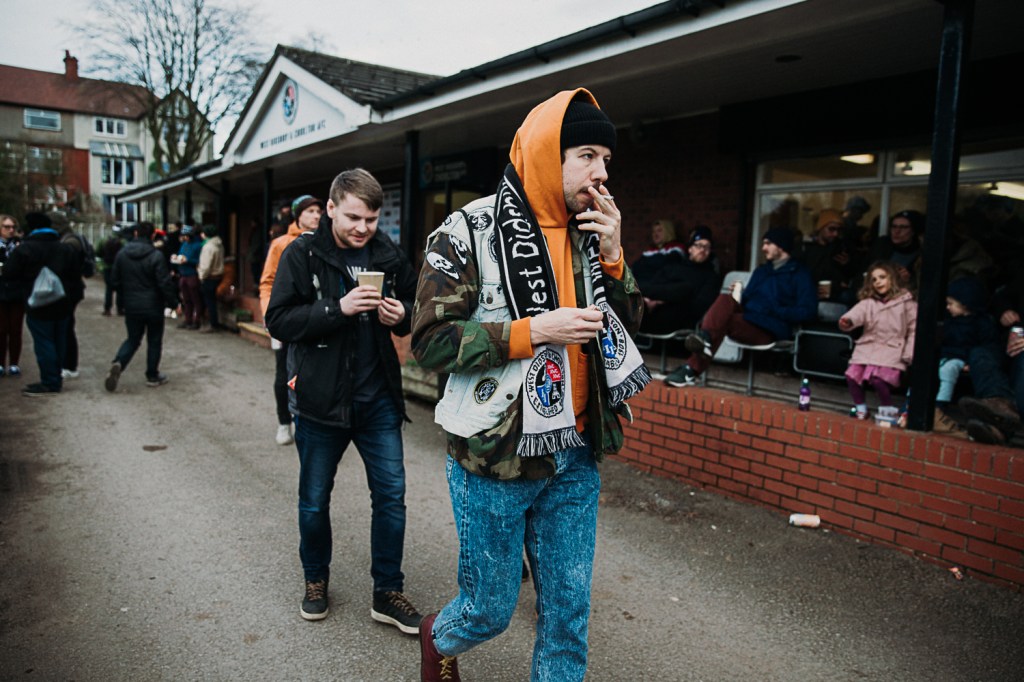
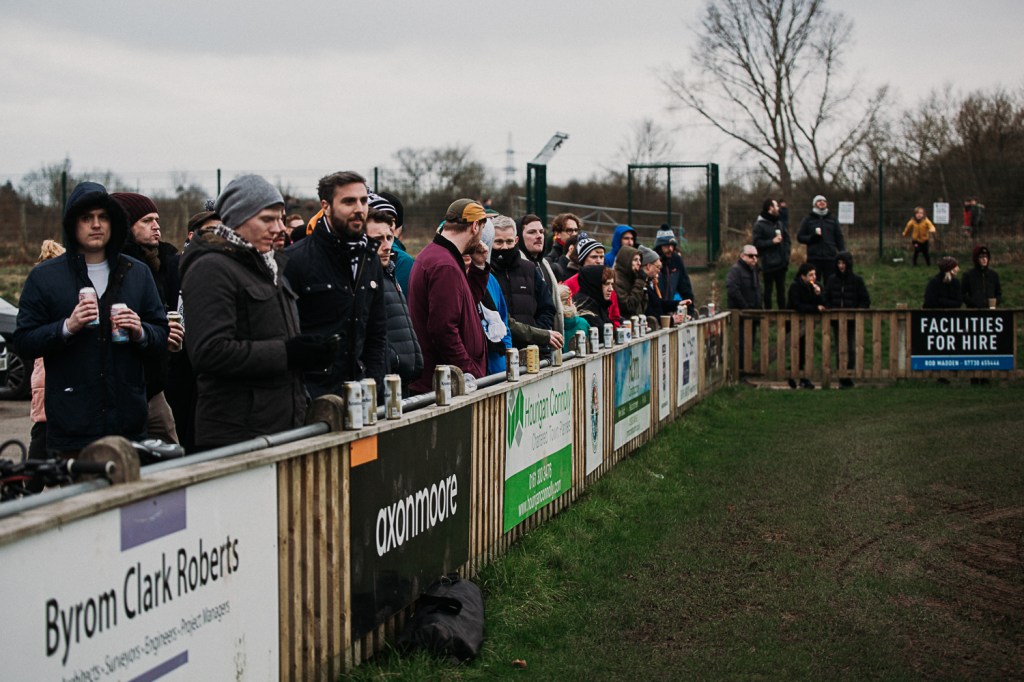
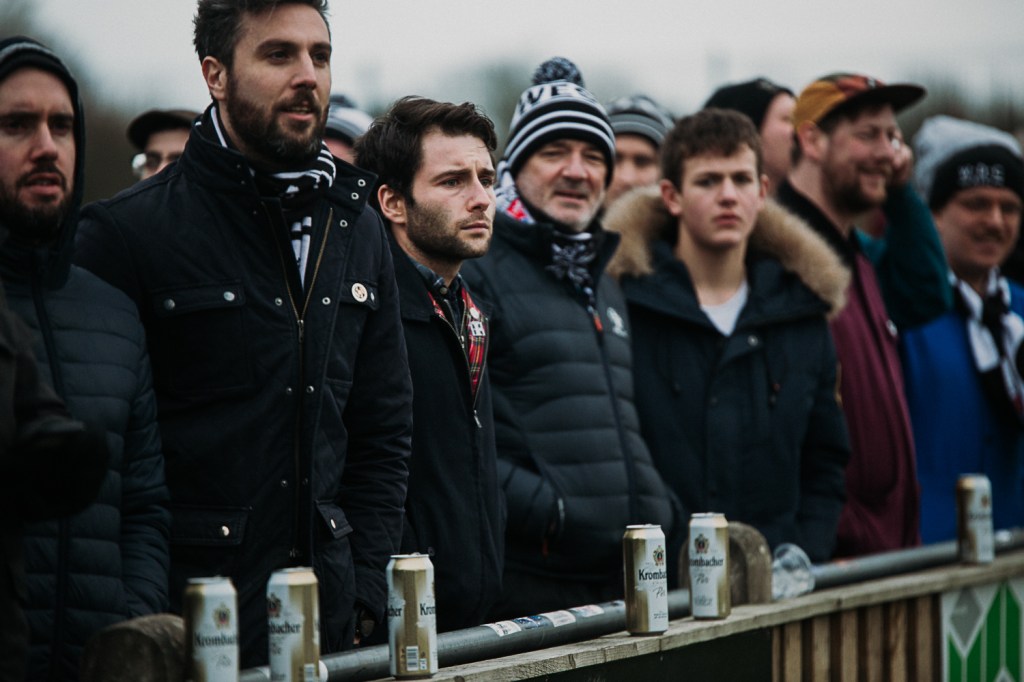
Yesterday I attended a football match as part of my project of documenting the people of football and exploring the spaces where non commercialised football takes place. As a result of my experience which took place in Chorlton, a Manchester superb which is a progressive area with a large young population of young professionals. I was unsure whether their interest would extend to the local football team. My preconceptions were that the local football team was far too uncool for them… I was wrong.
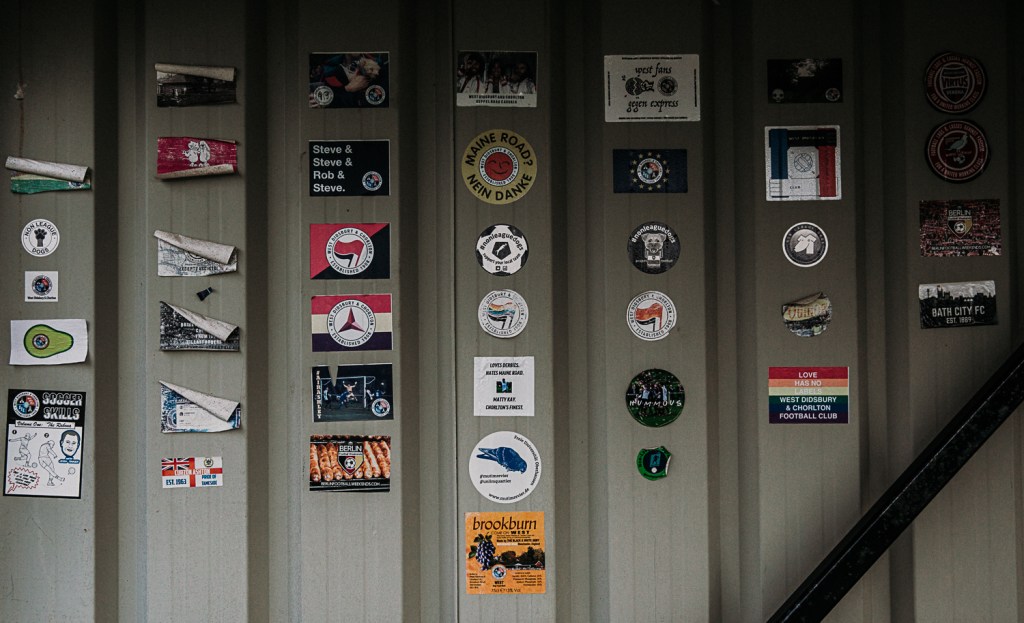
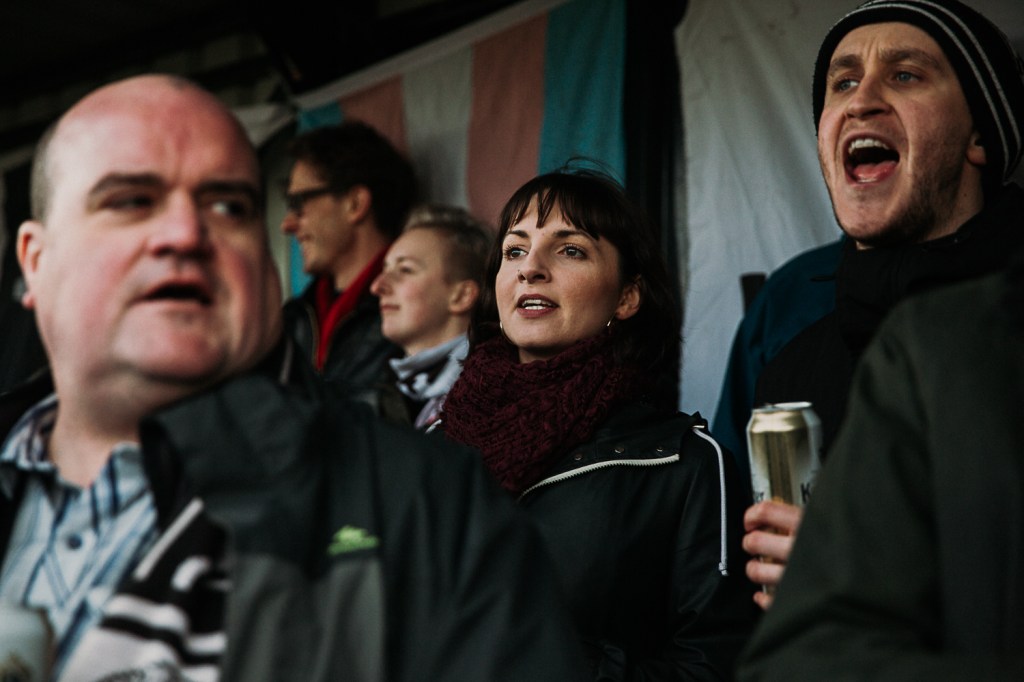
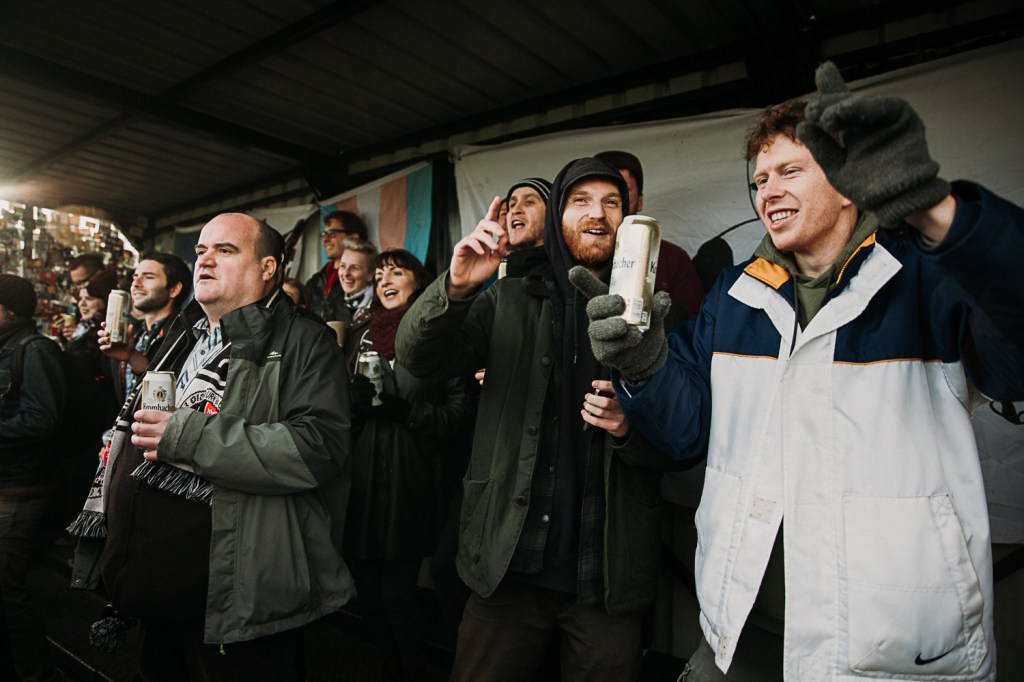
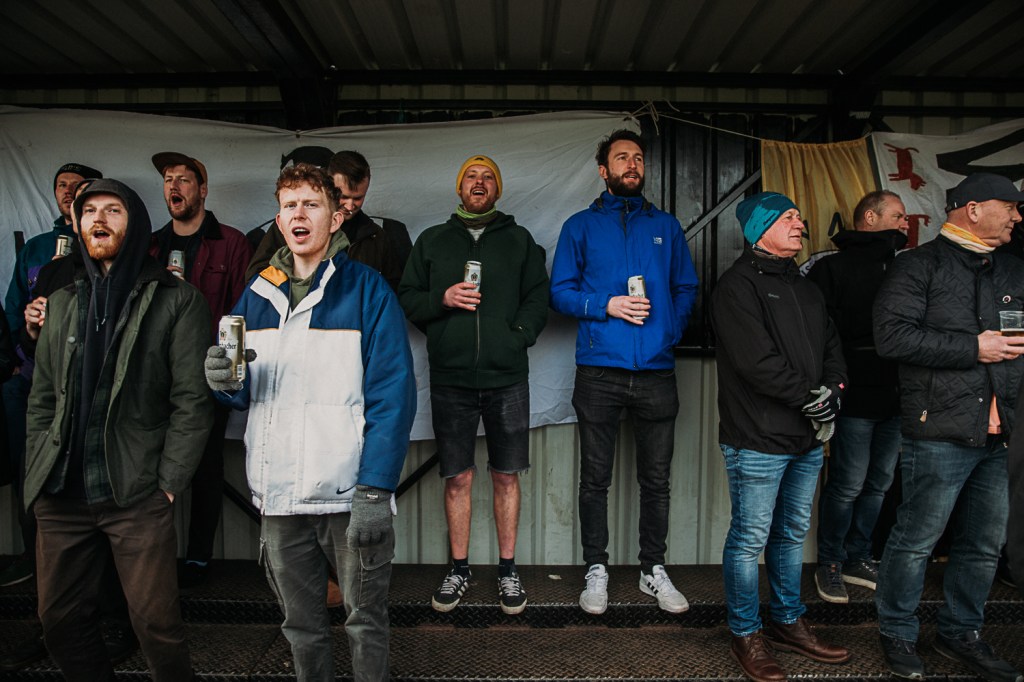
I found myself surrounded by a vibrant community which had decided that it would refuse a partisan approach often seen at football matches in favour of a community approach which celebrates its progressive nature. Singing songs about keenwah and hummus and not eating meat.
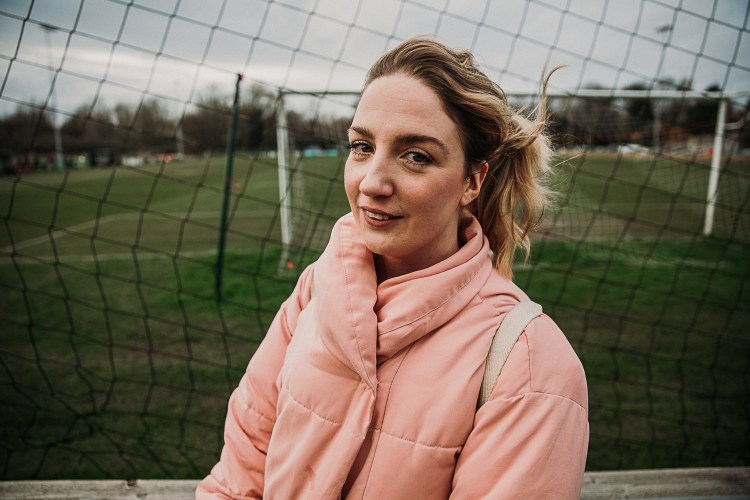
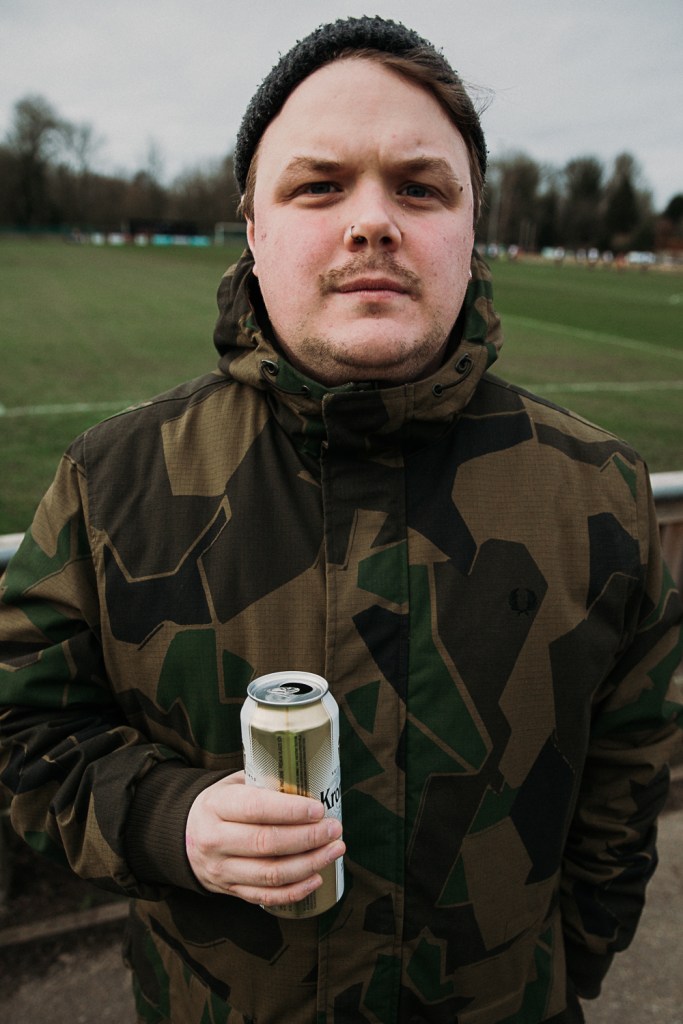
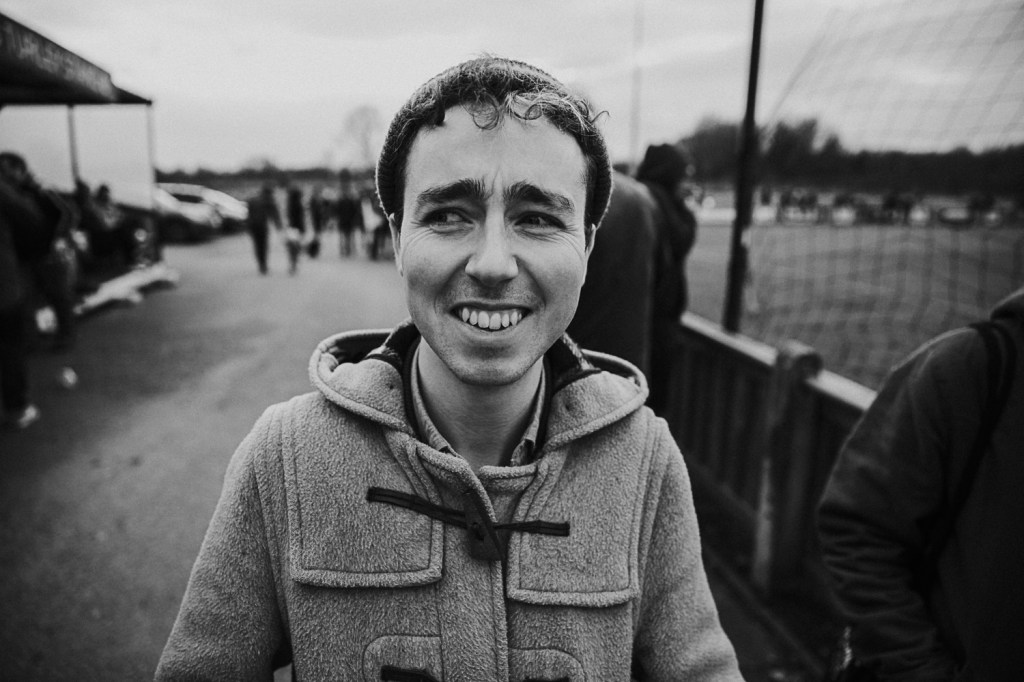
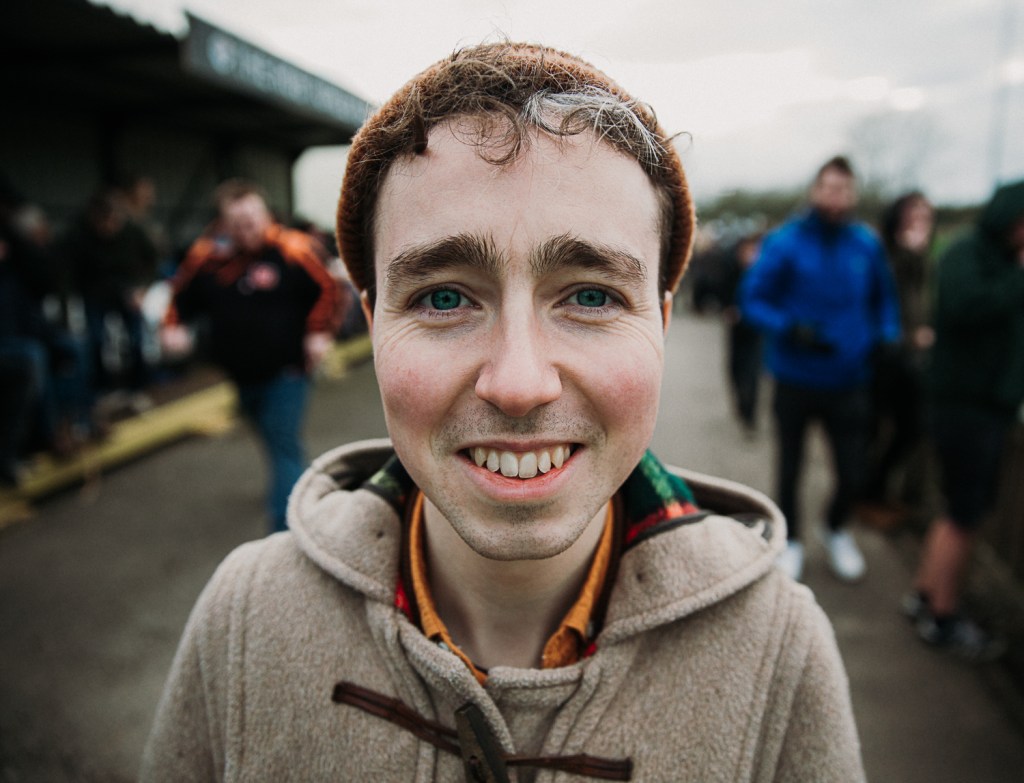
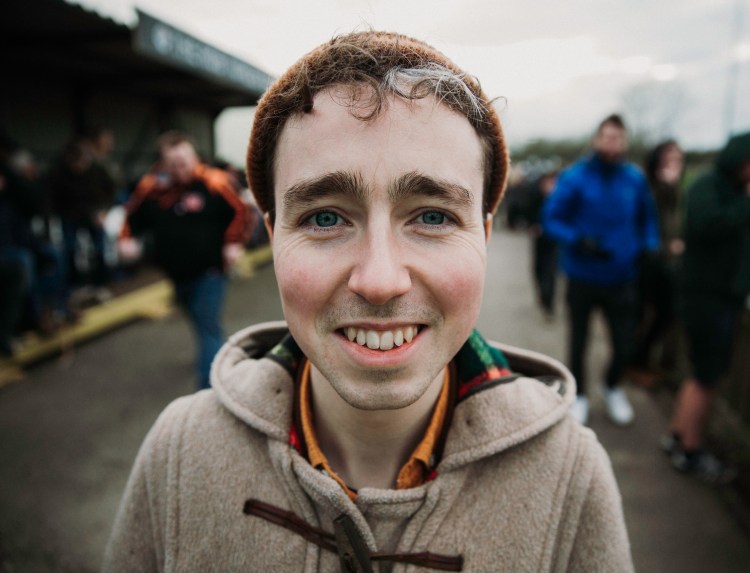
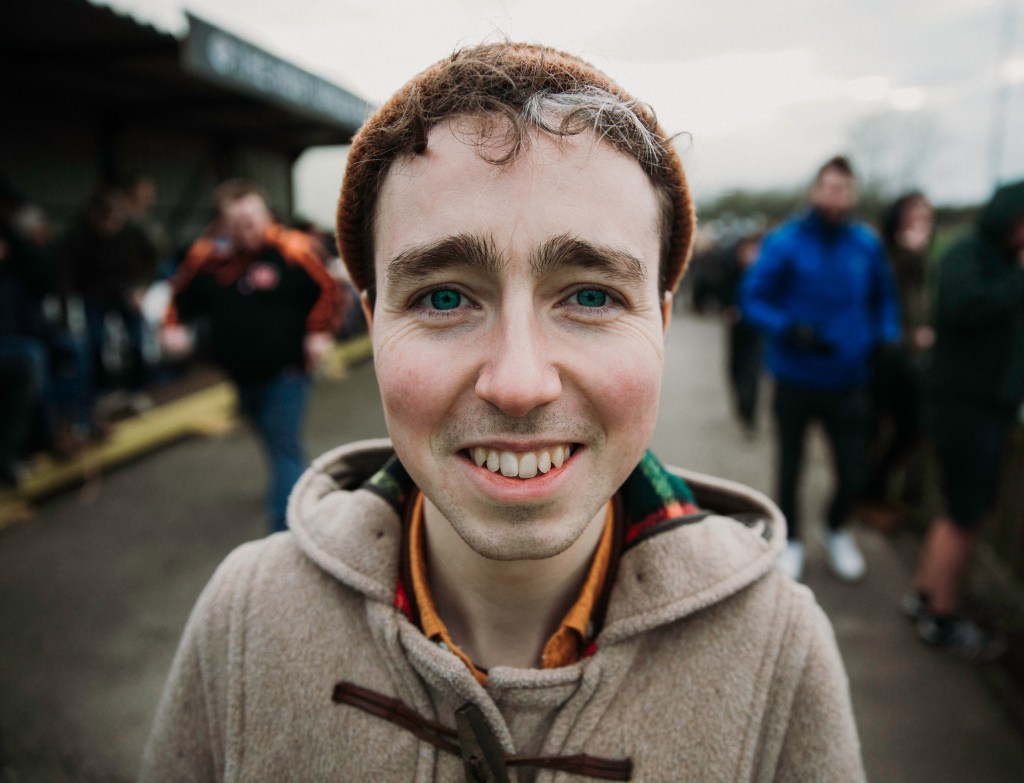
In response to my observations and with my approach in mind (which was to produce some powerful portraits) the overriding emotion I felt after leaving was one of hope. When reviewing my work from the day I decided to work on the portrait below with the intention of conveying a reading of hope. I did this through colour grading in addition to manipulating the subjects eyes by adding some colour with the intention of emphasising a message which conveyed a sense of activism against the partisan nature of football. Football as a metaphor for war, this is not.
Szarkowski (1976) emphasises that ‘photography is a system of visual editing… it is a matter of choosing from among given possibilities, but in the case of photography the number of possibilities in not finite but infinite’. With the ideas of (Szarkowski 1976) in mind and considering the image I made. I did so as a result of my experience, what I saw, who I met and the emotions that were invoked. As a result, I chose to select this picture which I purposely had the intention of shooting close, I was drawn to him as he didn’t look like a football fan yet he was at a football match. I observed before I approached him, his popularity and friendly demean, and chose to select him as a target to focus upon.
This is relevant as I was at a football match with hundreds of people in attendance with millions of potential representation with the potential for meaning yet I selected this photograph to make in order to convey the sense of hope that I highlighted earlier which in this case confirm the assertion of Szarkowski regarding infinite possibilities.
When taking the photograph I didn’ t provide much direction apart from informing the subject that I was getting close as I was taking the photograph, he didn’t change his posture or gesture as I took the photograph and informed him. This process may represent the eye of the photographer as I had the intention of getting close and chose to disclose my approach intentionally. The performing eye of the sitter at this stage chose to present the gesture you see below and had control of his facial expressions.
Whilst editing the photograph, with the message of ‘hope’ in mind I chose to enhance the reality and emotion I felt using the eyes as a vehicle for meaning. As Christopher Stewart (2002) did in his photograph of the man looking out of the window from his project insecurity. I chose to enhance specific areas of the photograph with the intention of furthering the impact on the viewer. In engaging with this approach I may be reducing the authenticity of the photograph intentionally which moves the photograph further away from reality which (Grundberg 1989) may confirm in suggesting that photographic images can be tricksters and often mistaken for the real thing. With this in mind, the work I have produced isn’t pure fiction but a relationship between reality and the hyper real. Thus moving away from the mechanical model towards the visual model in order to further the meaning.
Grundberg, C (1982) Crisis Of The Real: Writings On Photography, 1974 1989, Aperture, New York.
Stewart, C 2003, Christopher Stewart: Insecurity. Centro de Arte de Salamanca.
Szarkowski, J (1966) The Photographers Eye, New York, Museum of Modern Art.
When reflecting on the ideas of authenticity and photography as a ‘peculiar’ practice I feel that the medium has a very unstable and complex relationship with the truth. Over recent weeks I have begun to understand that in one respect, photography can be seen as evidence. Evidence of a time, a place, attendance of one at that specific time and place. All of which may be useful in contexts such as crime and the medical profession. The use of sophisticated imaging technology are a great aid to such professions and i’m sure further developments will be made over the coming years.
The ability to read a photograph is where my philosophical approach has developed significantly. I do feel like somewhat of a novice at reading photographs however the recent reading and challenges set through the tasks have been difficult to interpret but provided some enlightening moments. Ritchin (2013) provided a useful starting point in furthering my understanding of photography beyond the work of Sontag, Berger and Barthez in so far that I engaged with considerations about photography as art . Ritchin’s ideas about categorisation of photographs was very useful and somewhat enlightening. Emphasising that photographs are open to interpretation and will result in common themes and stereotypes such as celebrities being flattered and the poor being victims. These readings may be obvious in many cases and I have found that I am reading photographs in the hunt for more sophisticated or different meanings than the obvious. This process has been the real success in a personal sense and has opened up a whole new world of creativity by giving licence and authority to try to reflect the world as I see it. Encode photographs with emotions as I feel them. Looking beyond the obvious has been an invigorating experience.
I have begun to hugely enjoy the journey of looking at the the work of others and, trying to read their intentions and make connections for myself. Growing up as a photographer! Discovering the work of Todd Hido is a relevant example of this by understanding the quiet nature of his project ‘House Hunting’. His intentions raise questions about the people who occupy the houses he depicts. His work duly ensured that I checked all of the curtains in my house to consider what their structure say about our family. The work of Hido ,although still discovering, has led to further inquiry into the work of photographers such as Clarissa Bonnet which I am in the infancy of my research in addition to Rut Blees Luxembourg who share some similarities and many differences, the process of exploration being the source of fulfilment in a philosophical sense. However, with my current project in mind the relevance of this direction hasn’t really emerged which isn’t of great concern at this point as I am confident it will contribute towards an exciting direction.
In terms of my project I feel that I have heightened an understanding of the portrait. The development of an ability to read a photograph in further depth as stated earlier represents a direction that I am currently engaged with. The ideas of Bate (2009) were important in cultivating an understanding of the portrait and echo Ritchin (2013) in the idea that a photograph isn’t required to provide all of the answers but raise further questions to the audience. Much in the same way that Hido takes photographs of houses raises further questions about the people who live in them. Bate (2009) emphasis the relevance of the blank expression which may also serve the viewer to raise further questions about the people they look at.
The approach considered within this reflection is representative of an understanding of the idea of peculiarity. Peculiarity is interesting and requires further inquiry, providing the stimuli to move and affect an audience as opposed to the obvious or evidential photograph which although may be in many cases authentic but at the same time the binary opposite peculiar. Banal.
Ritchin, F (2013) Bending the frame, Photojournalism, Documentary and the Citizen. New York, Aperture.
Bate, D (2009) Photography, The Key Concepts. Oxford, Berg.
Hido, T (2014) Todd Hido, on Landscape, Interiors and the Nude. New York, Aperture.
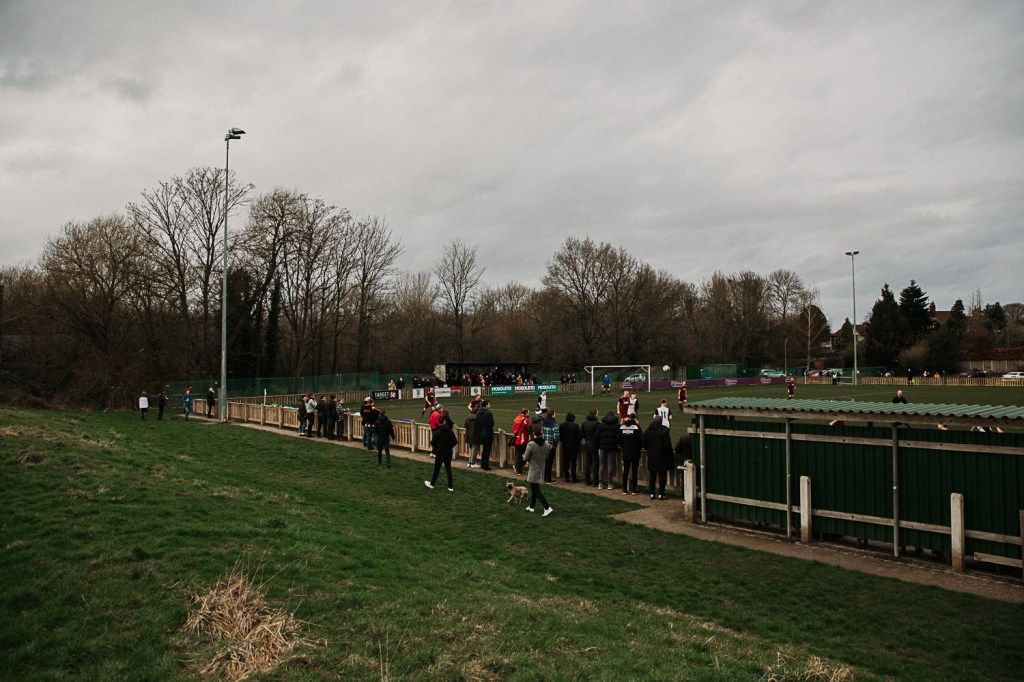
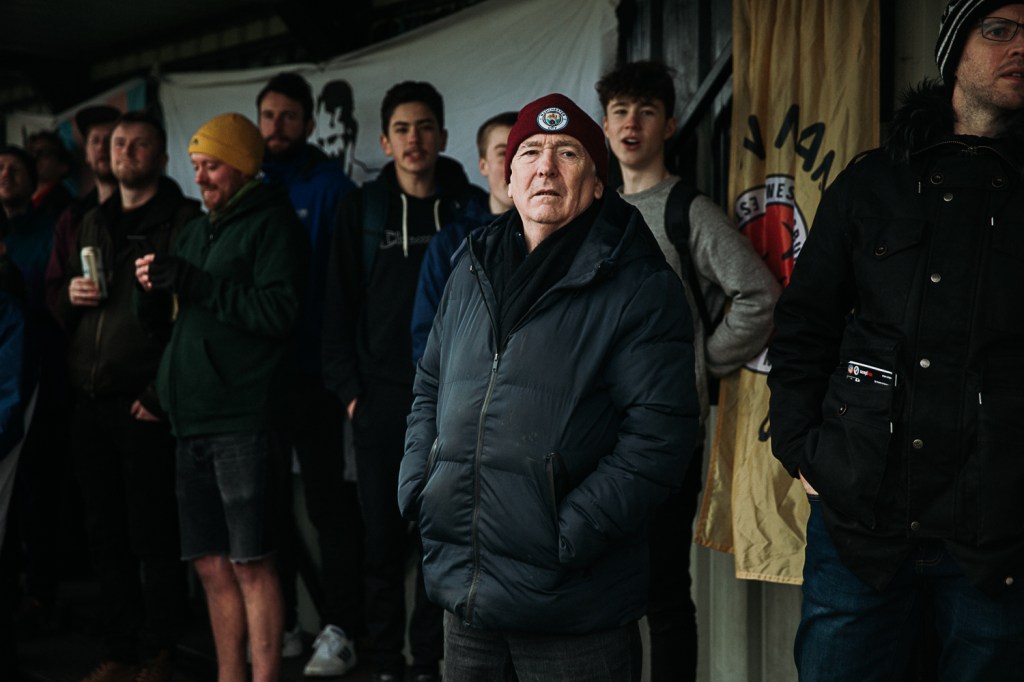
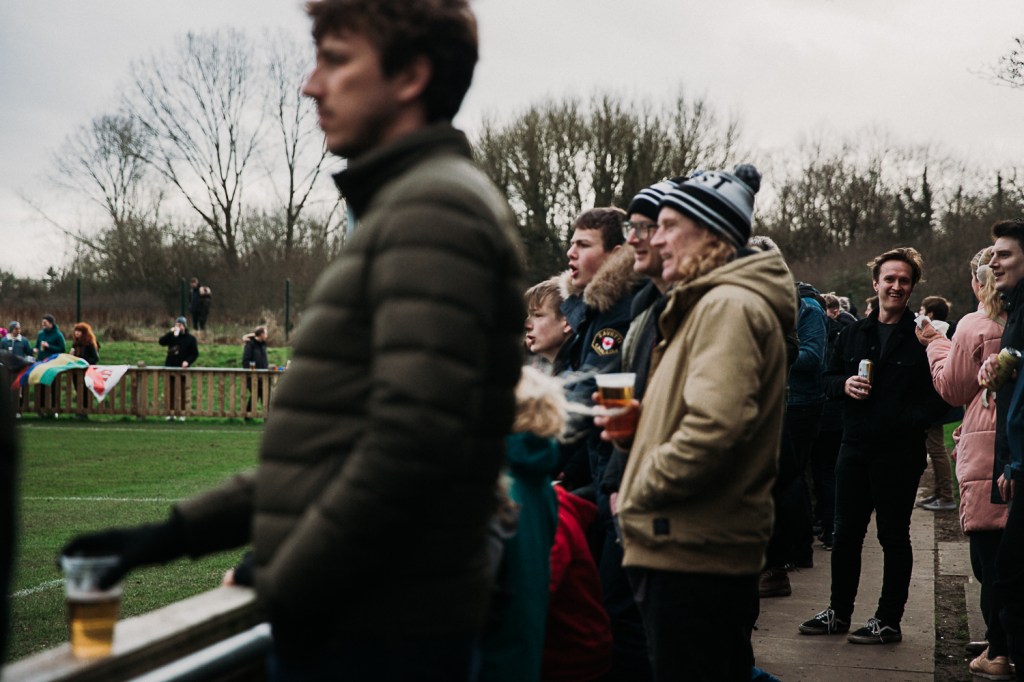
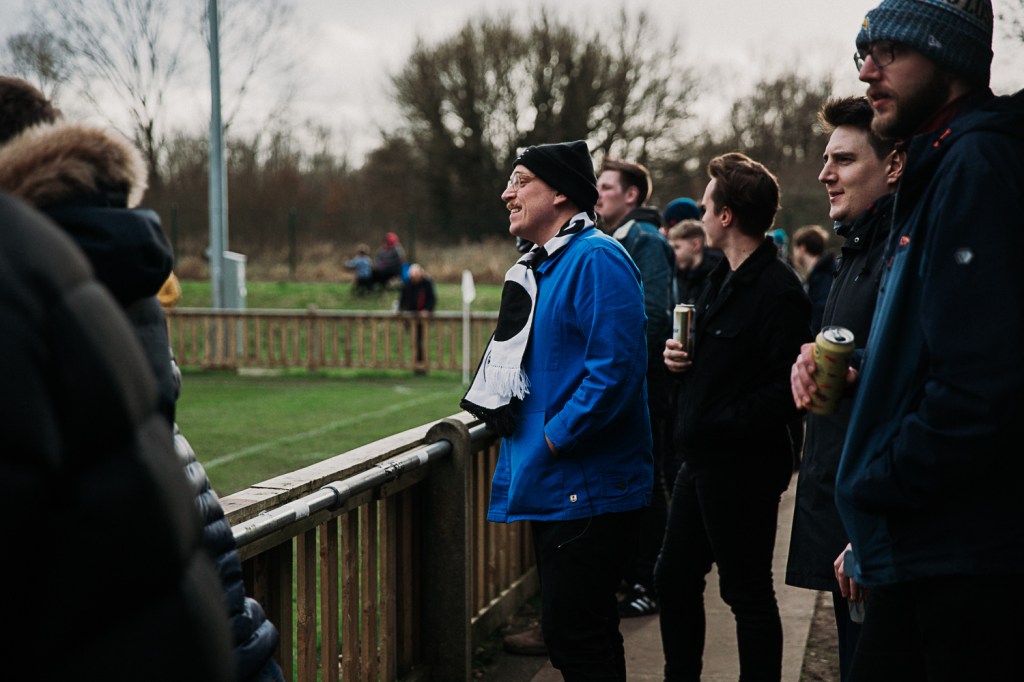
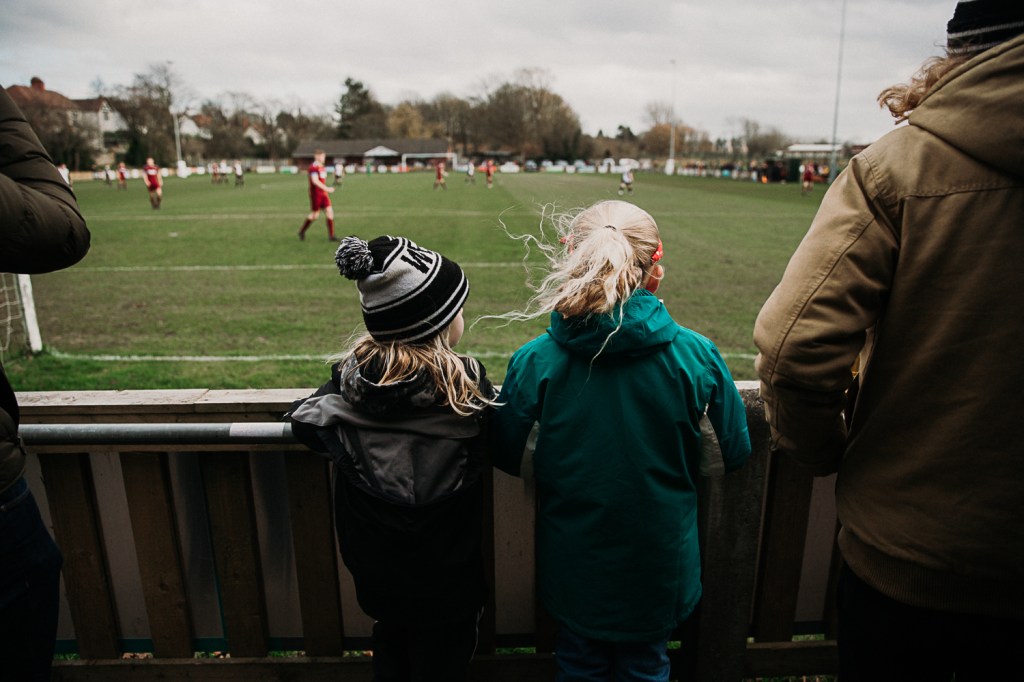
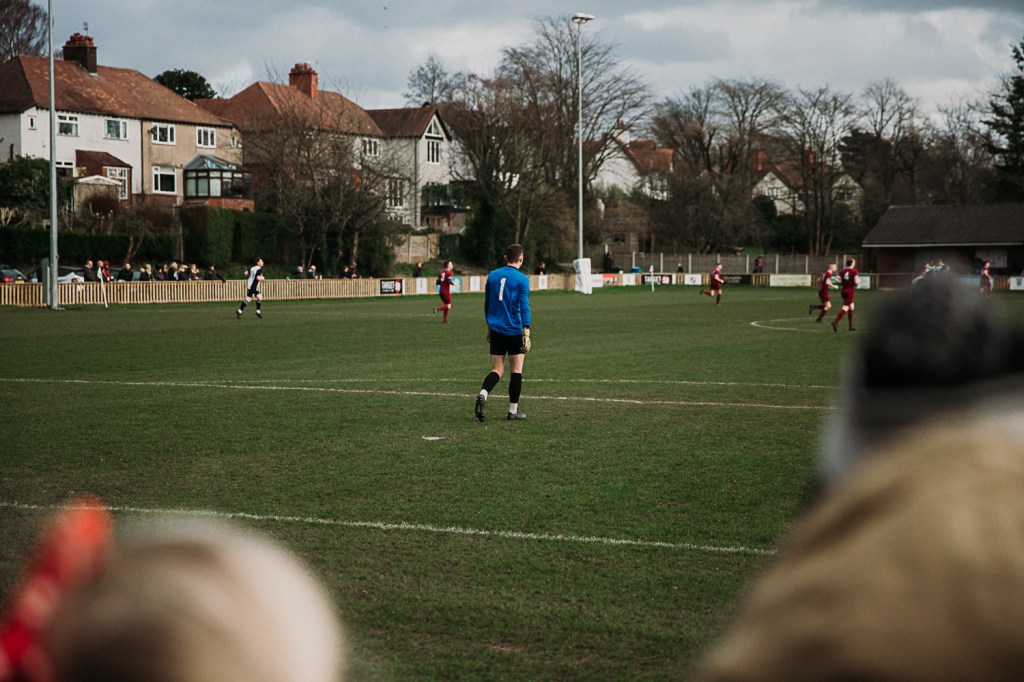
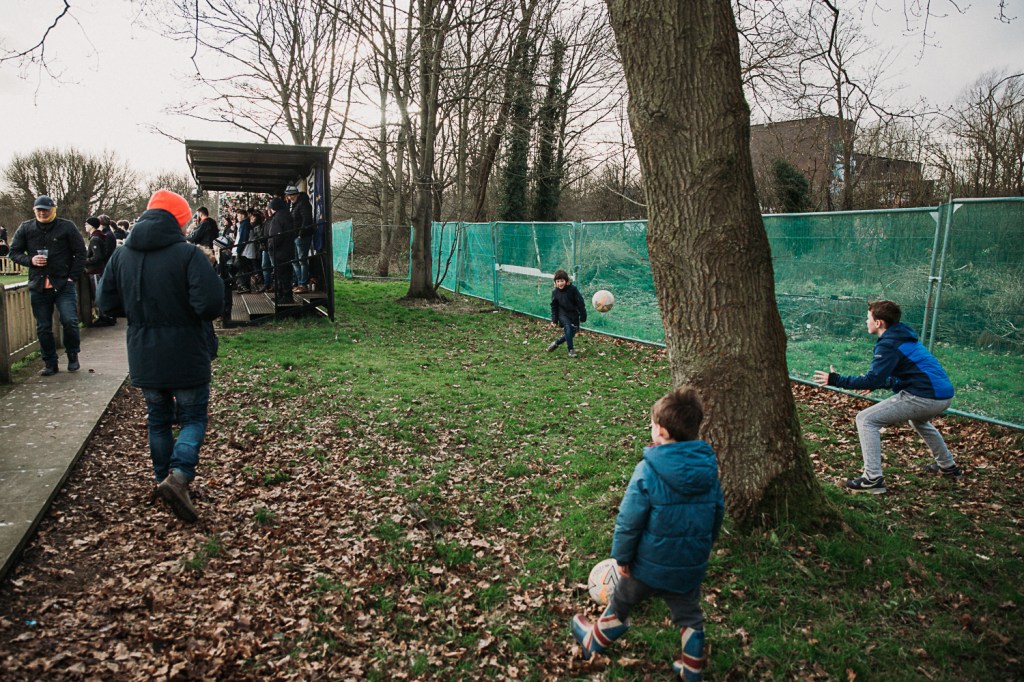
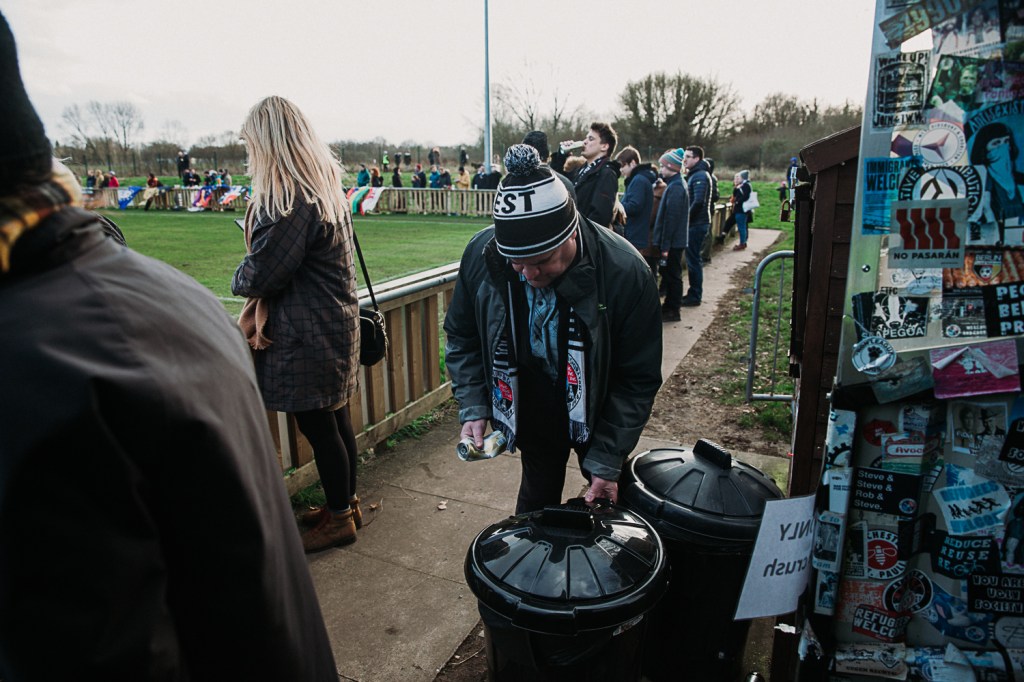
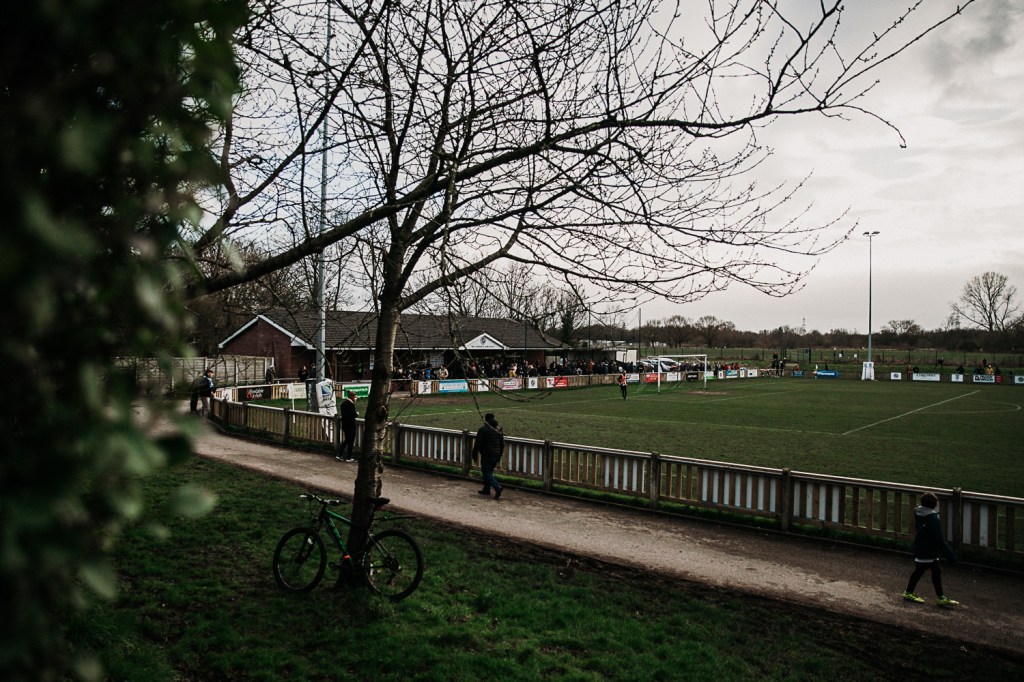
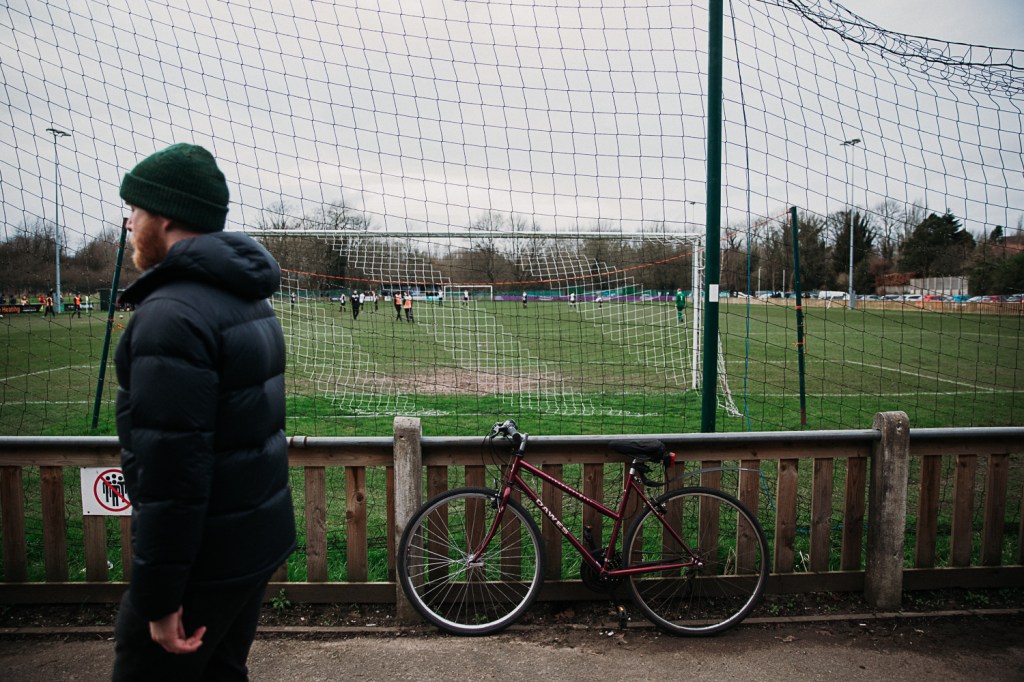
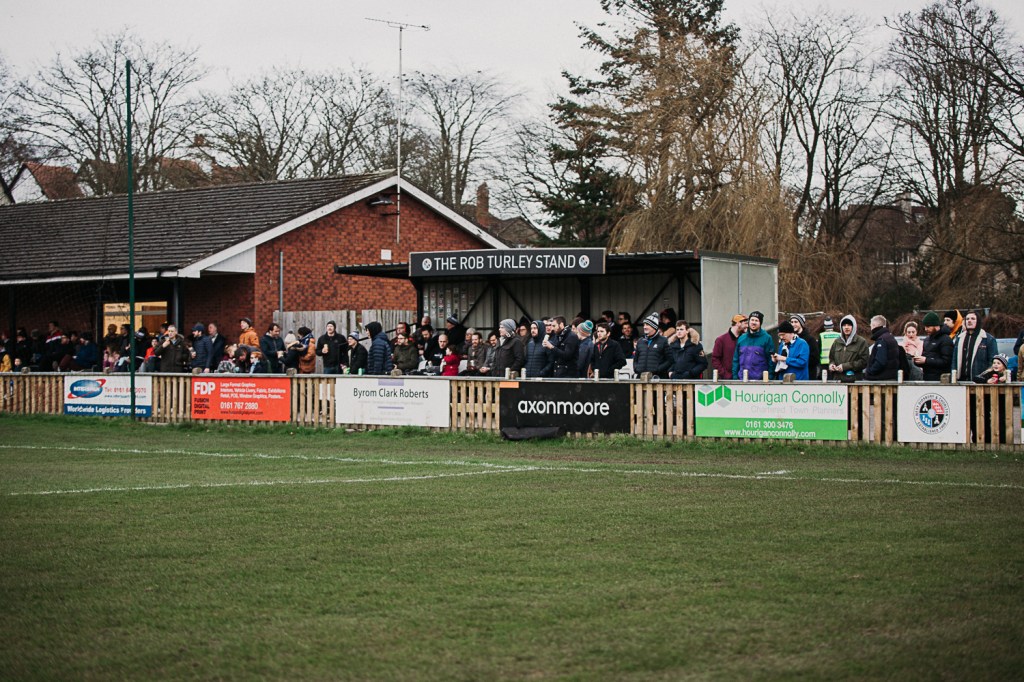
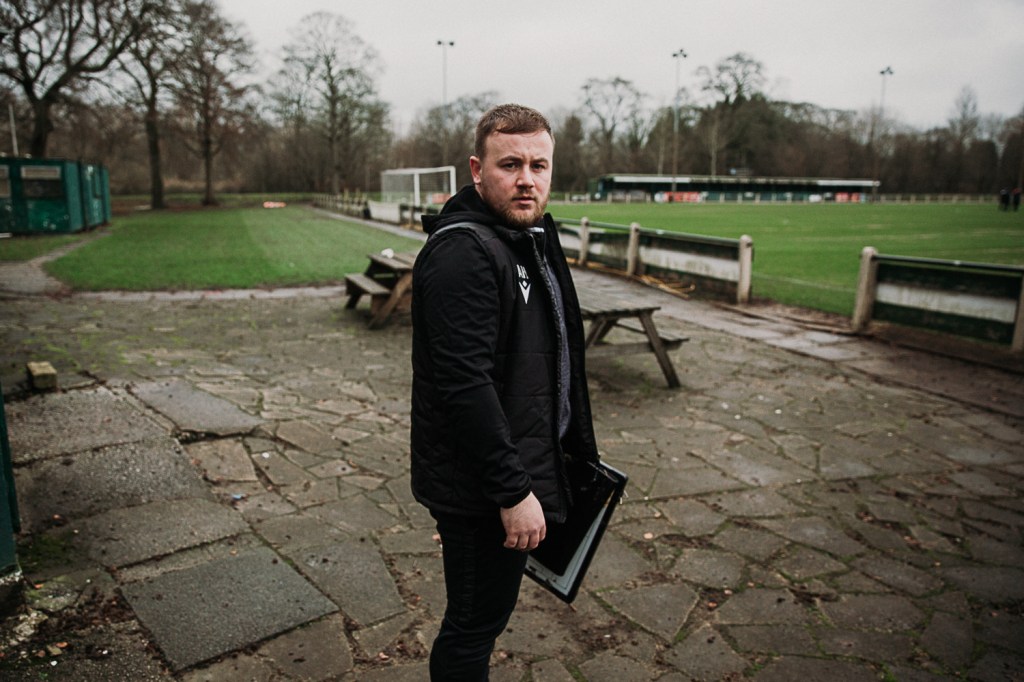
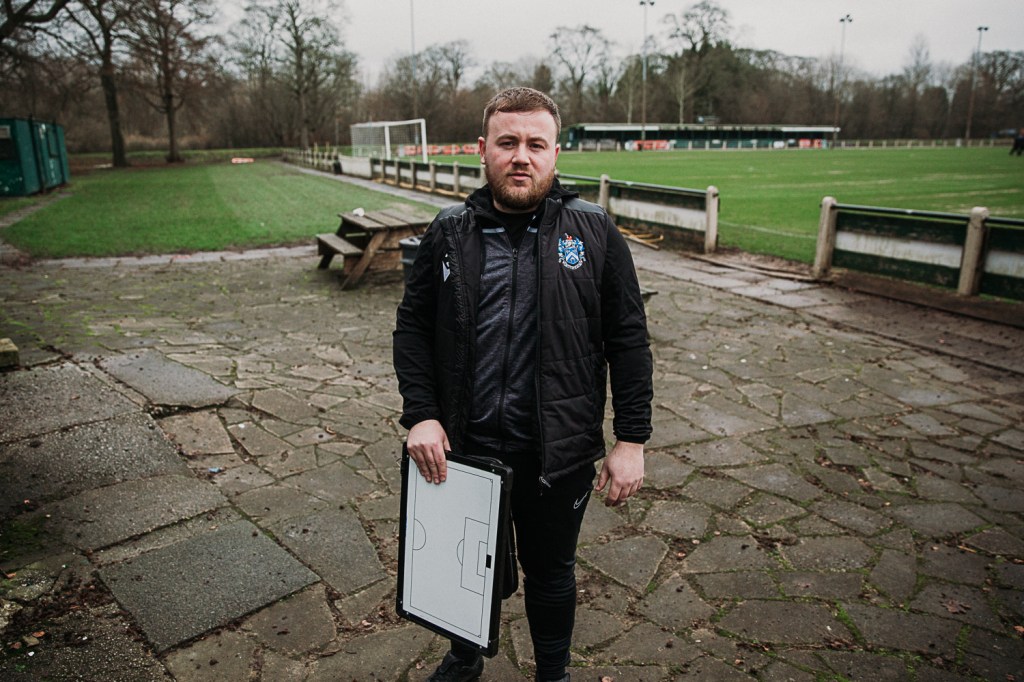
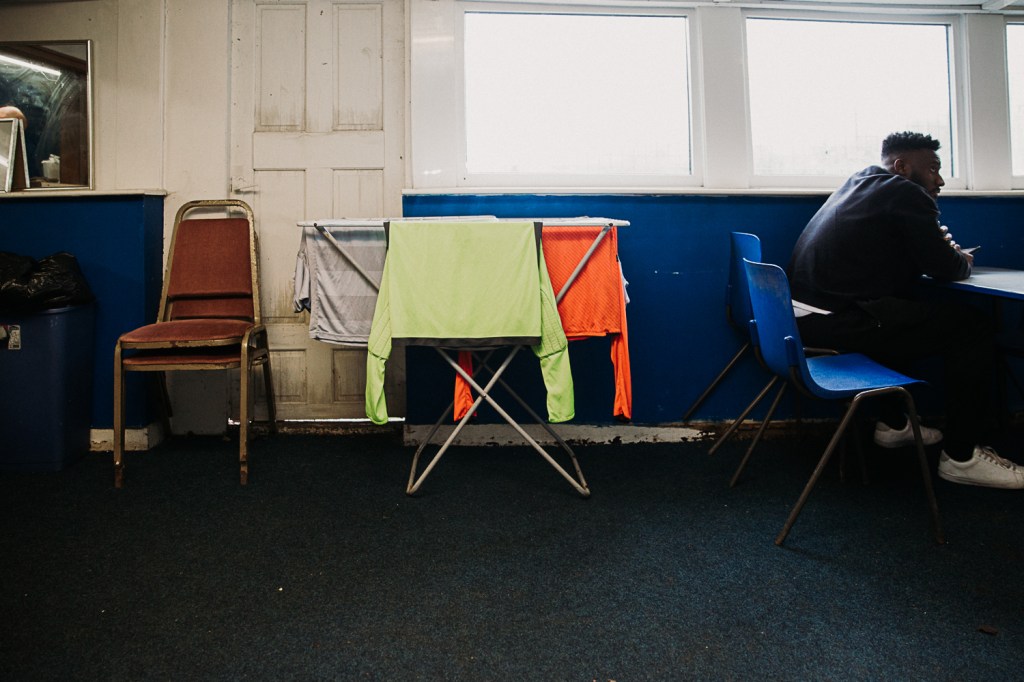
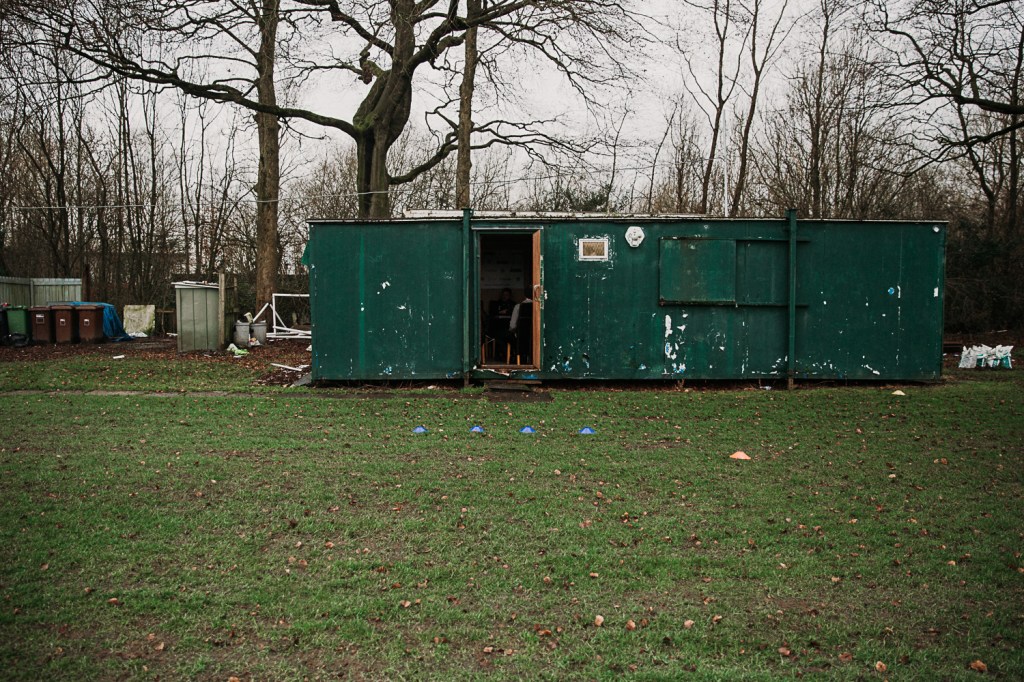
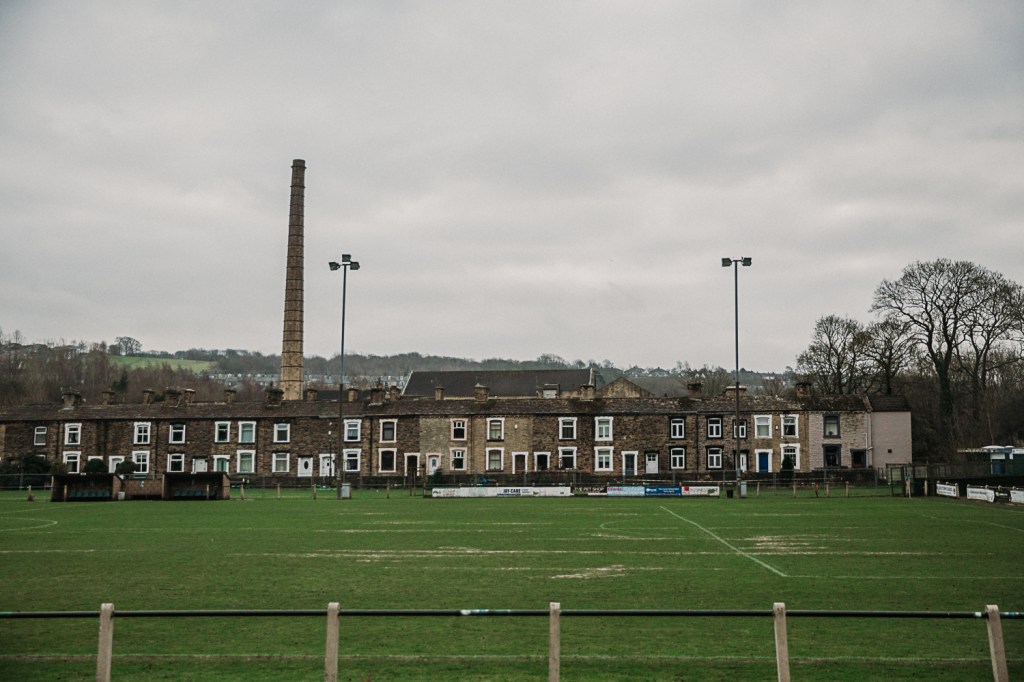
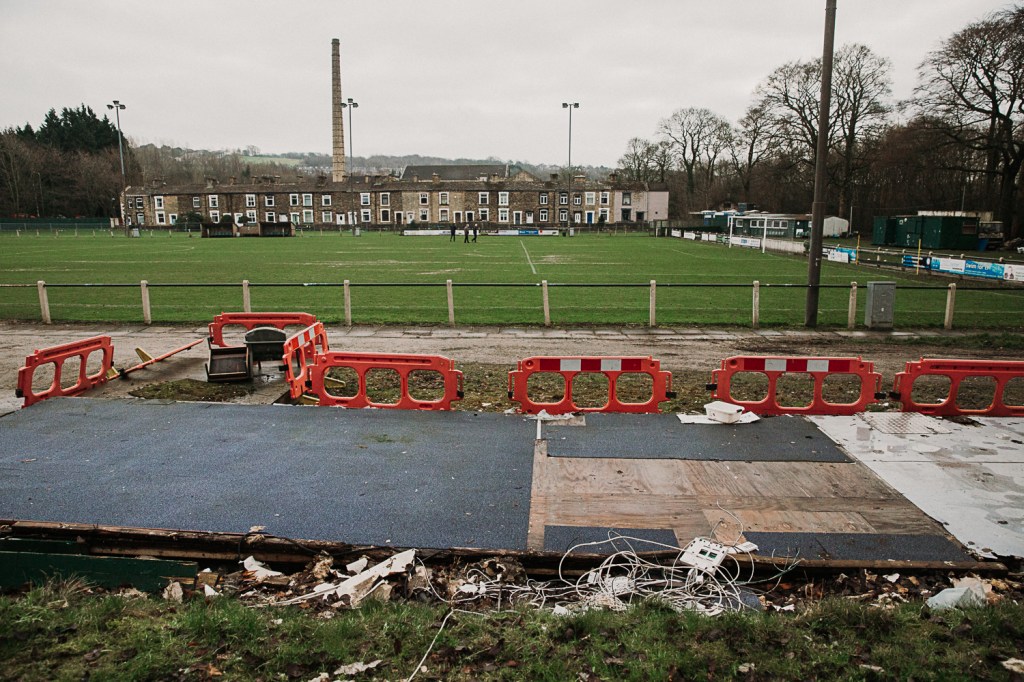
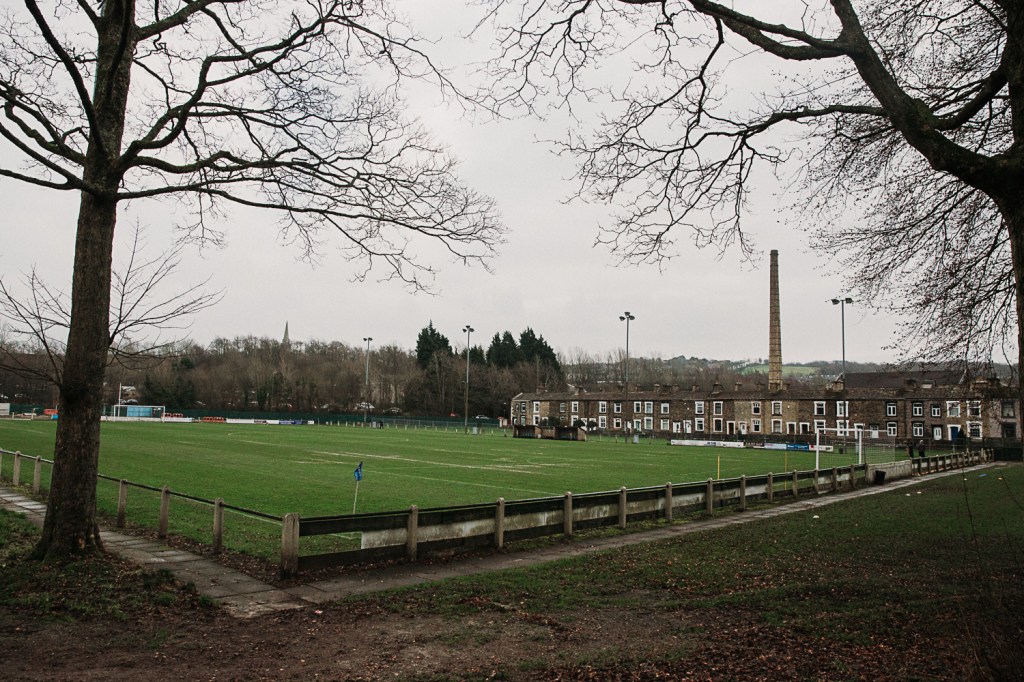
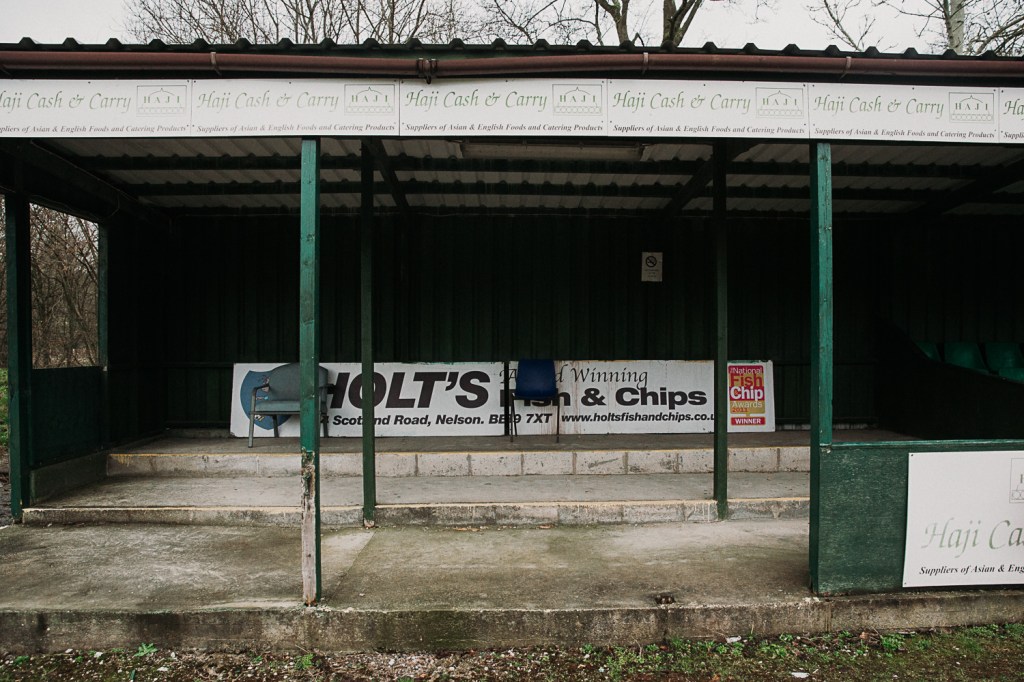
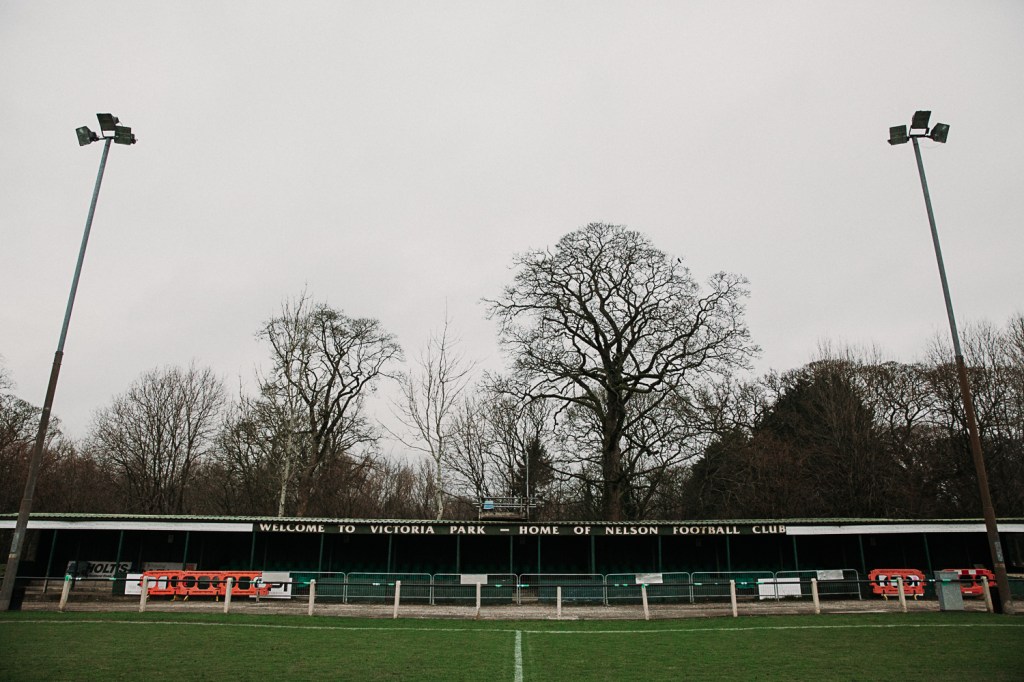
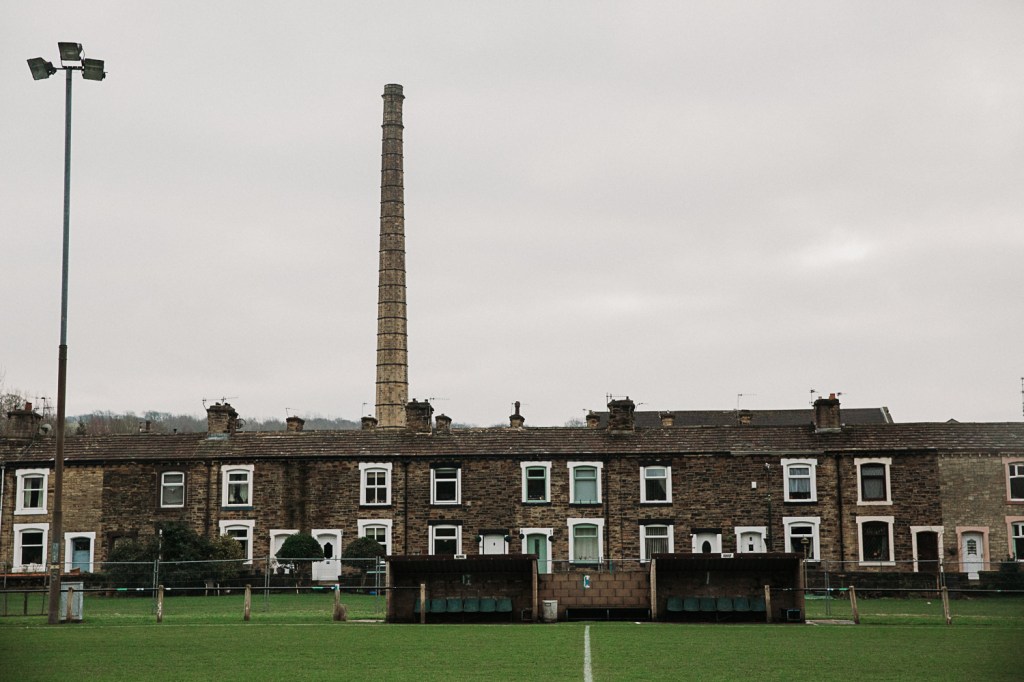
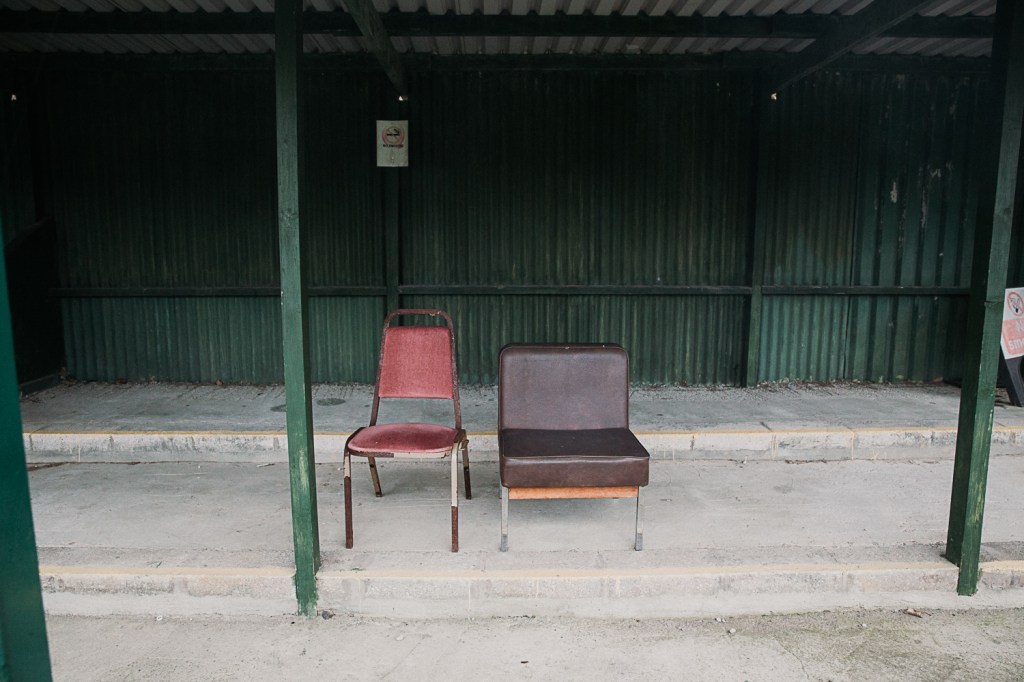
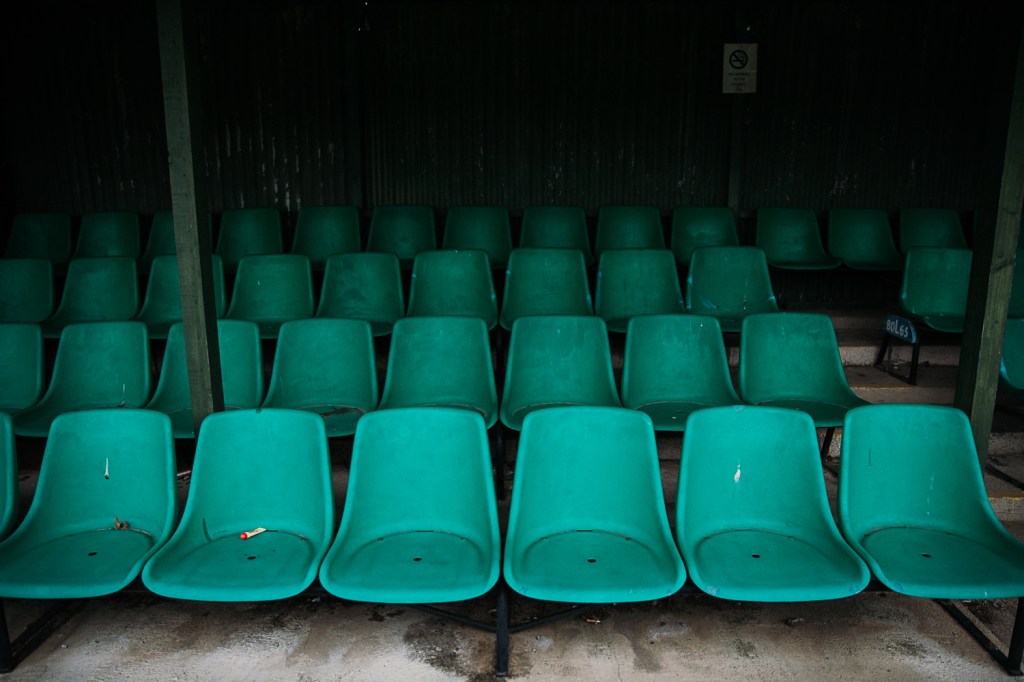
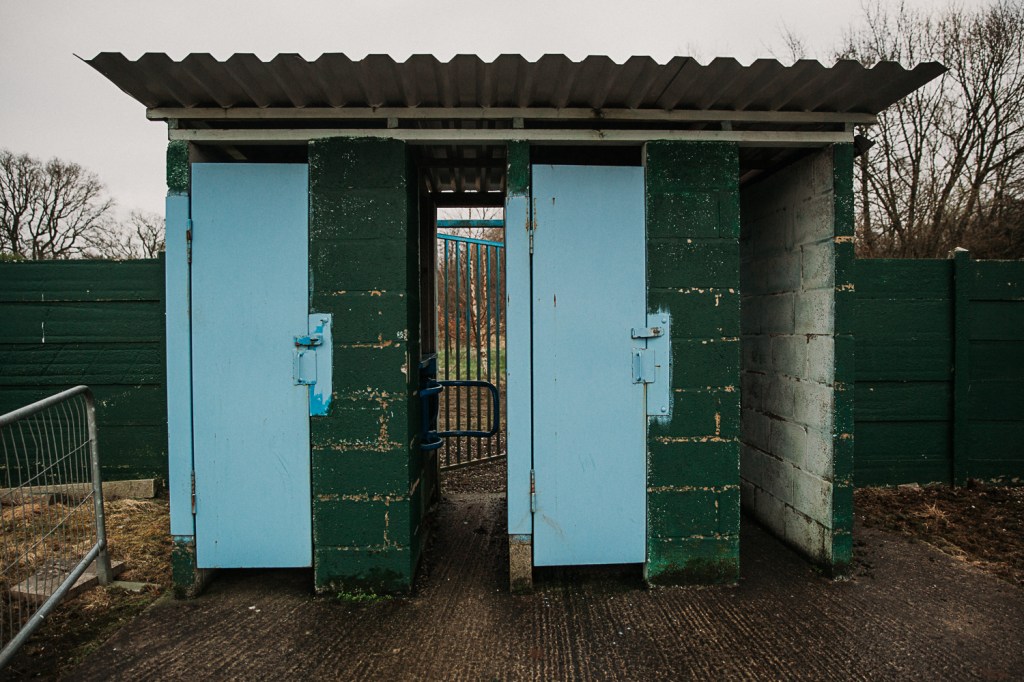
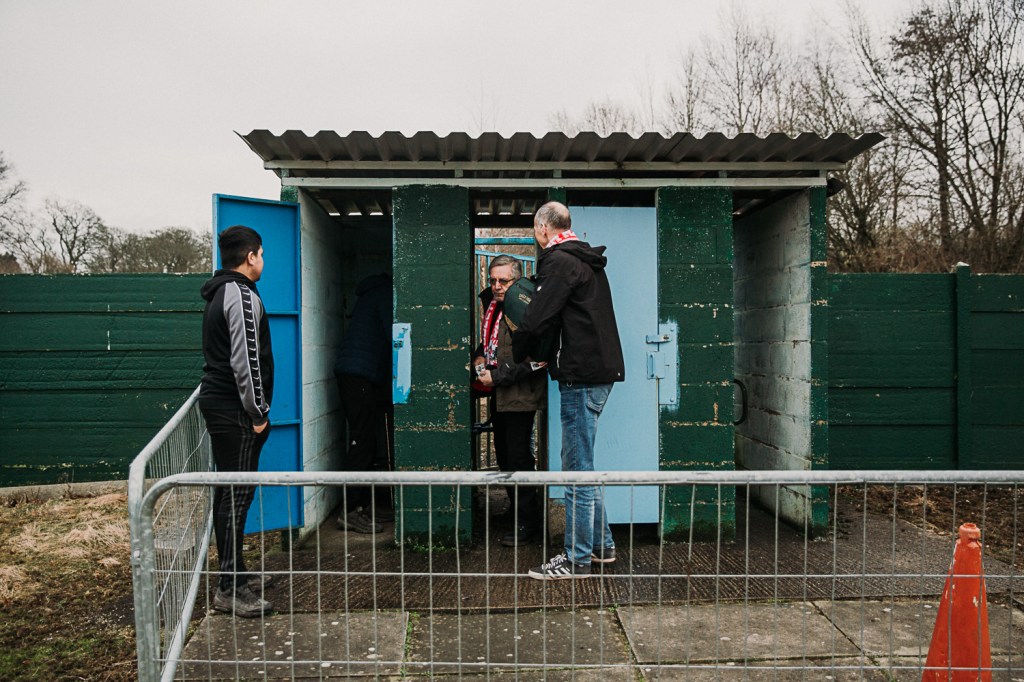
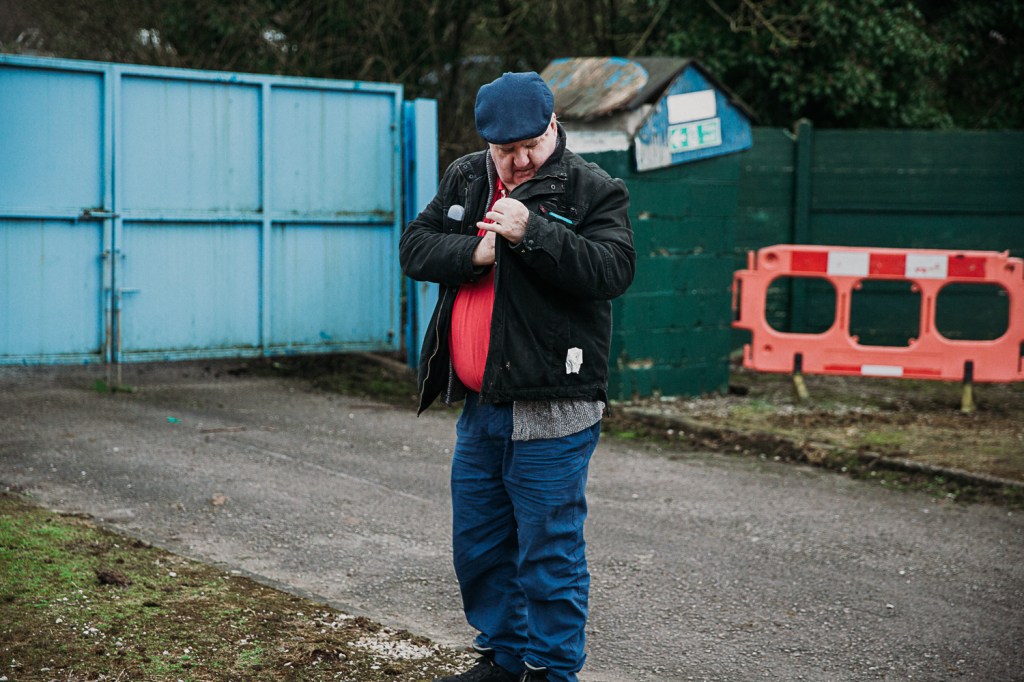
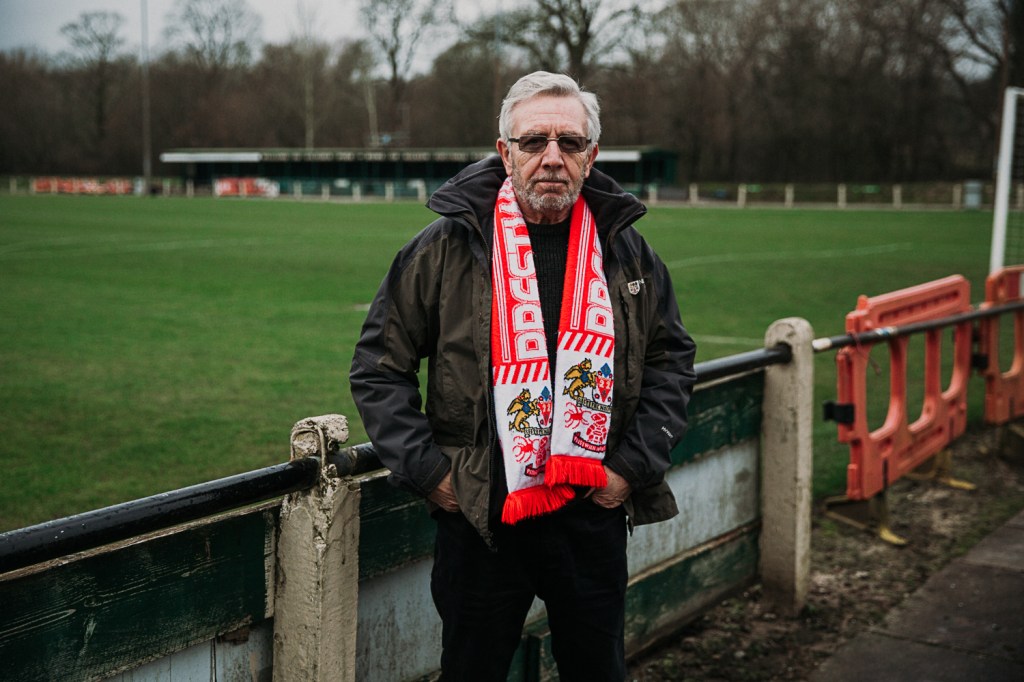
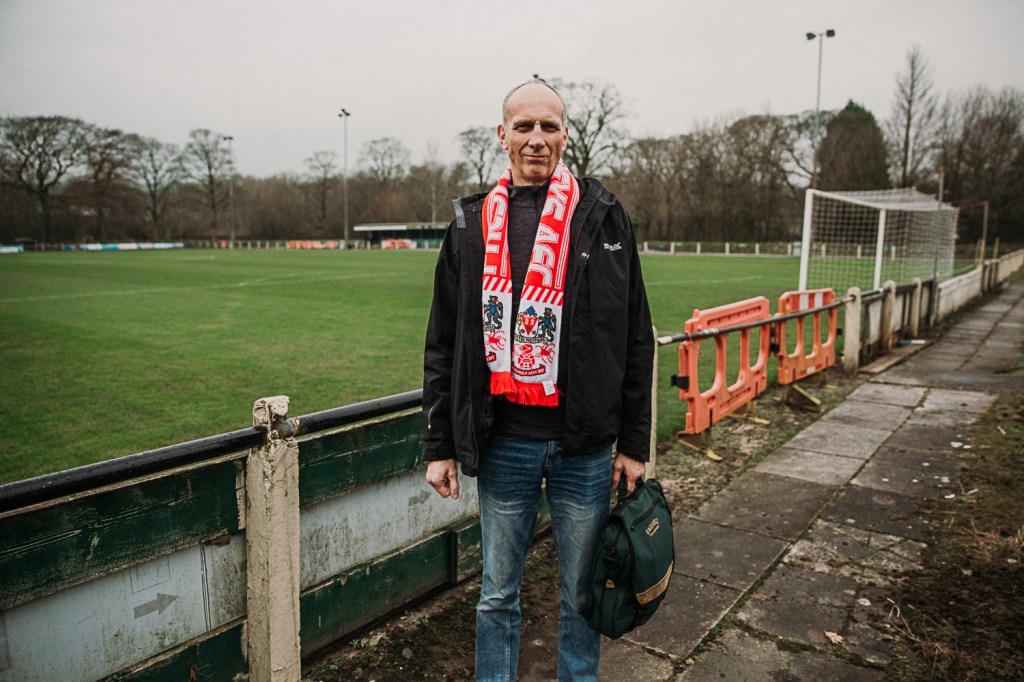
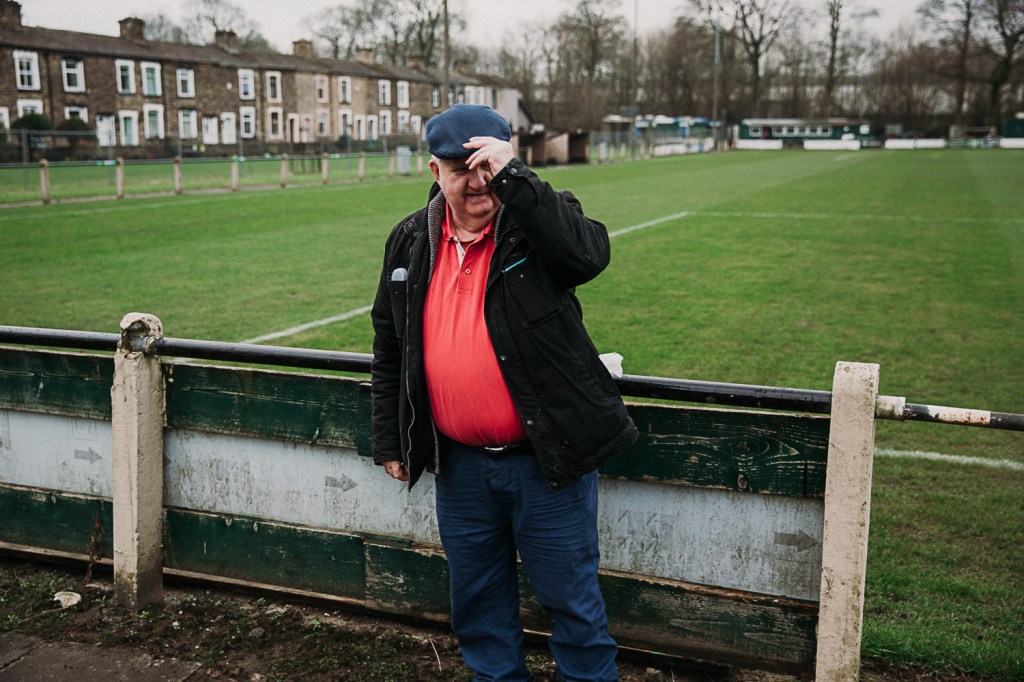
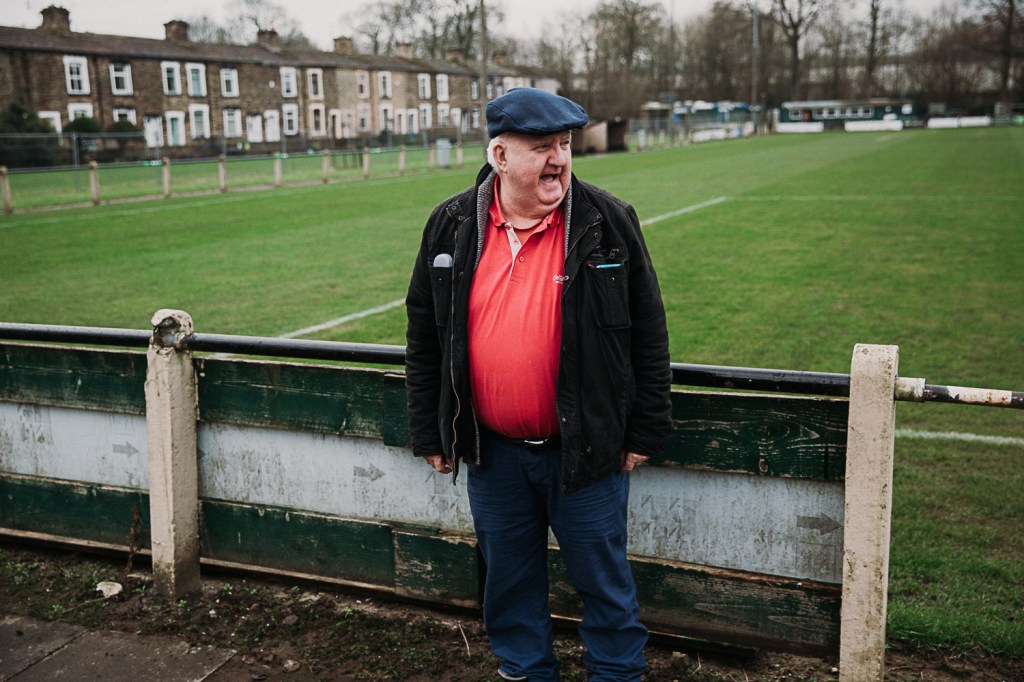
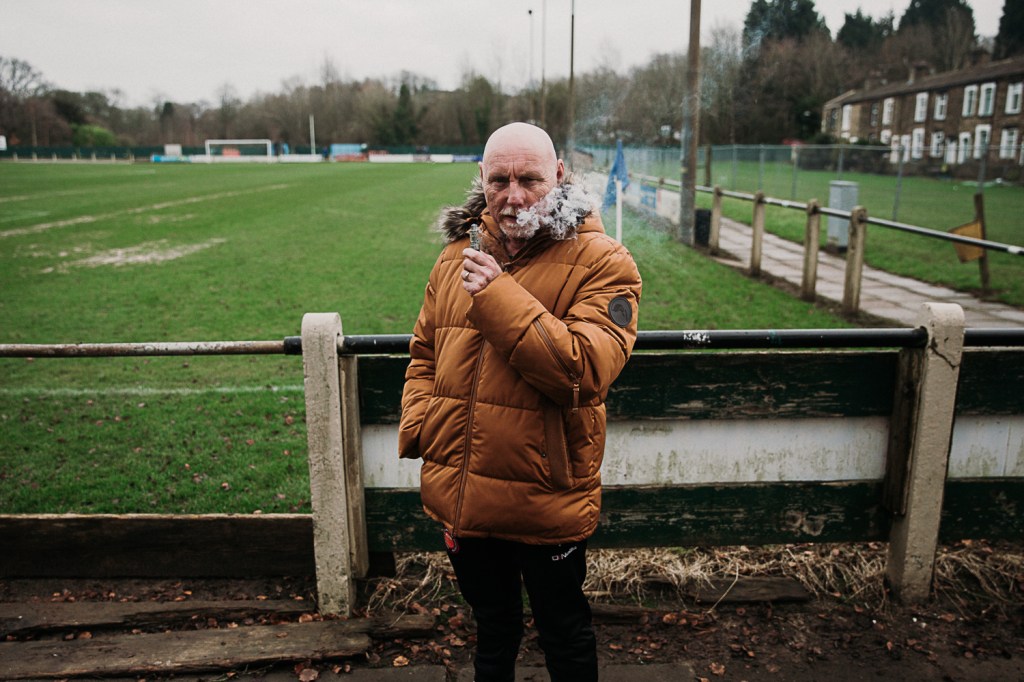
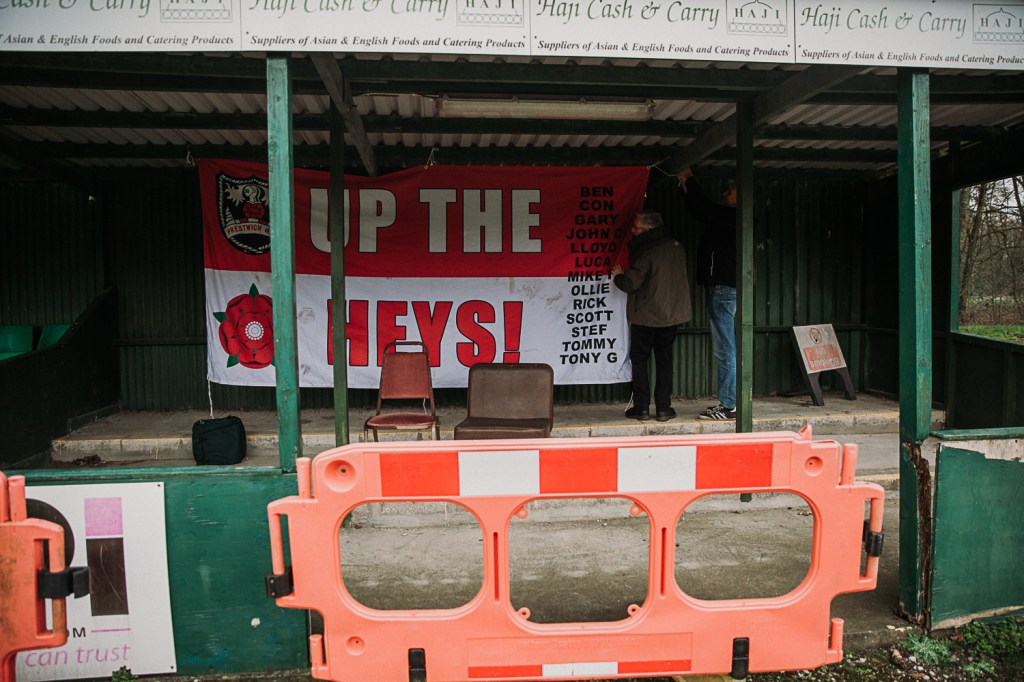
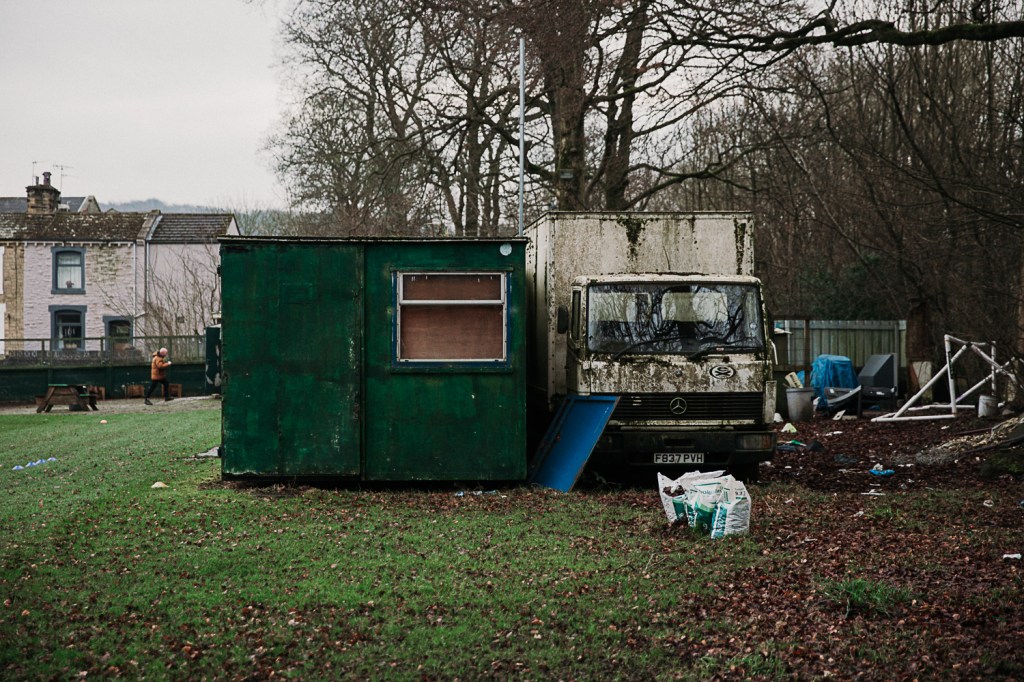
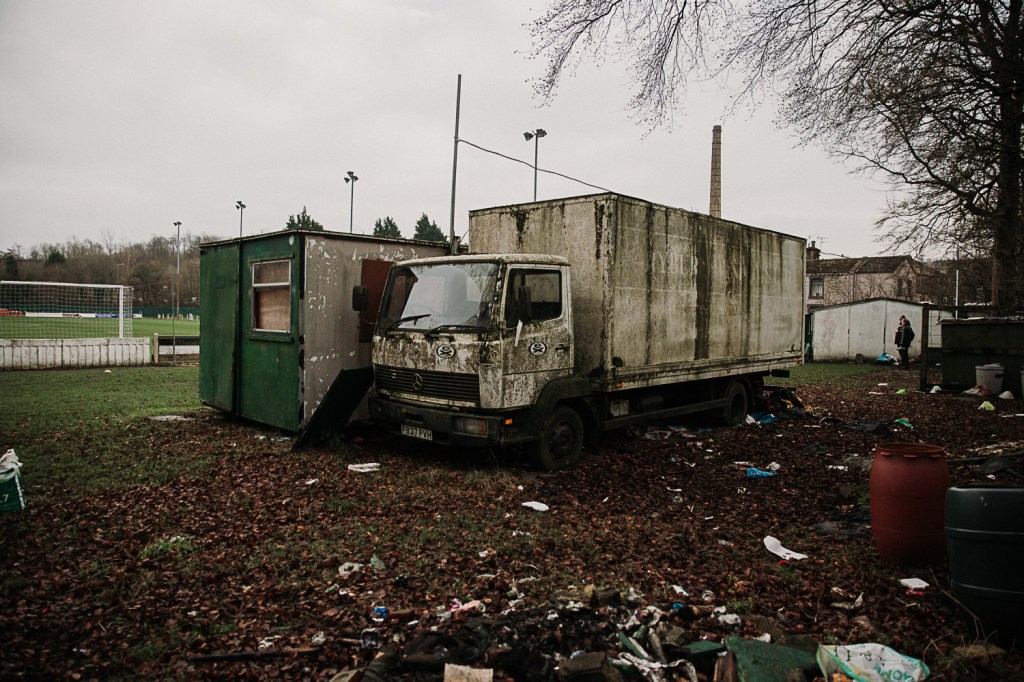
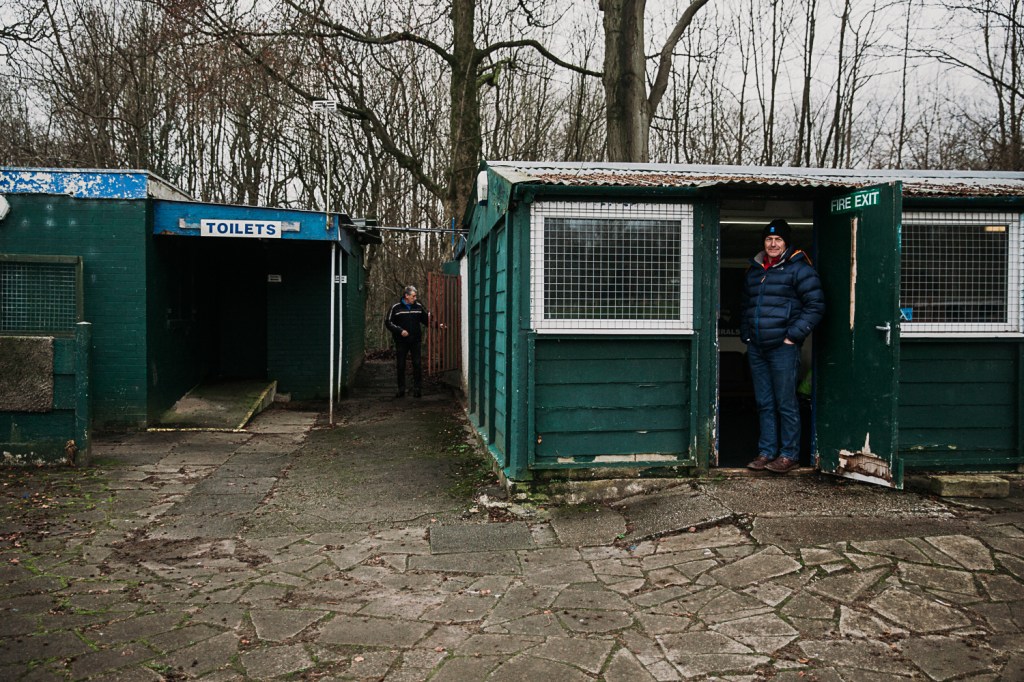
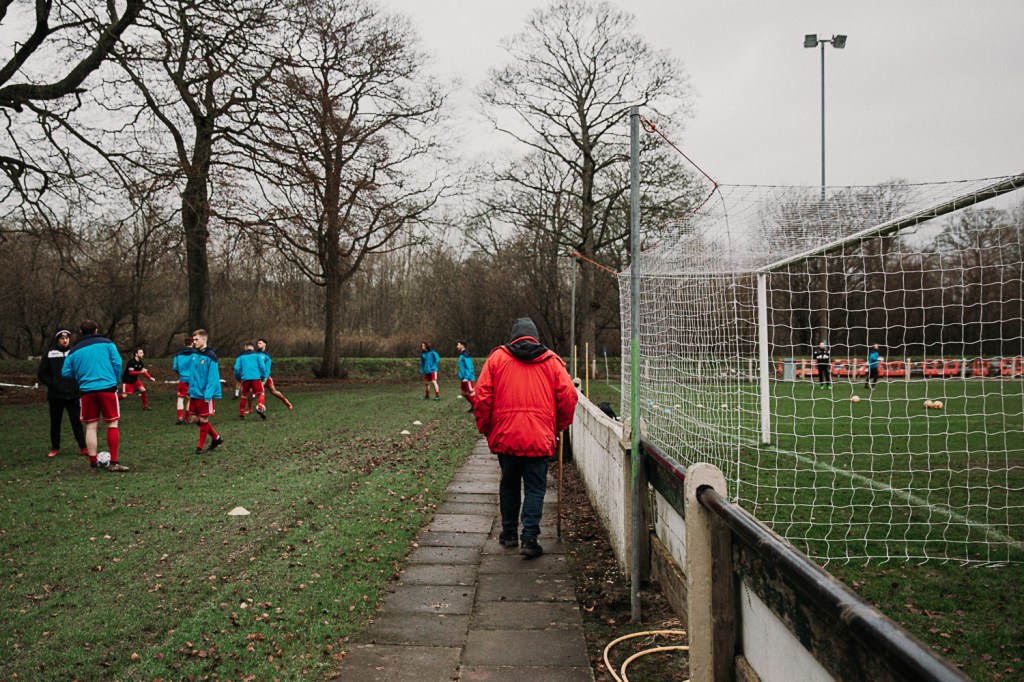
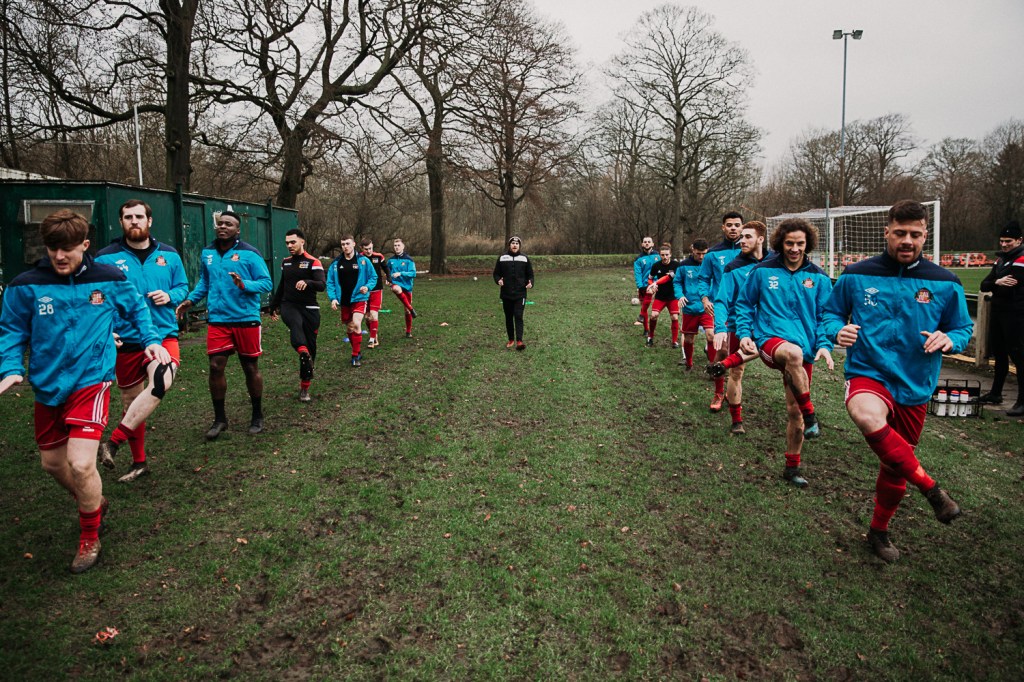
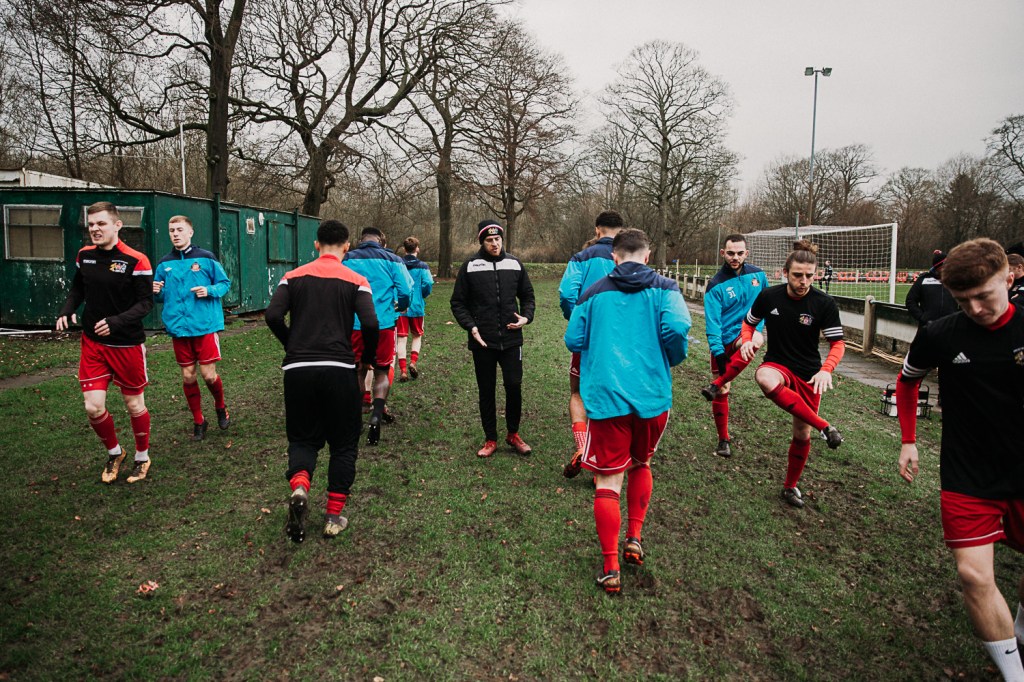
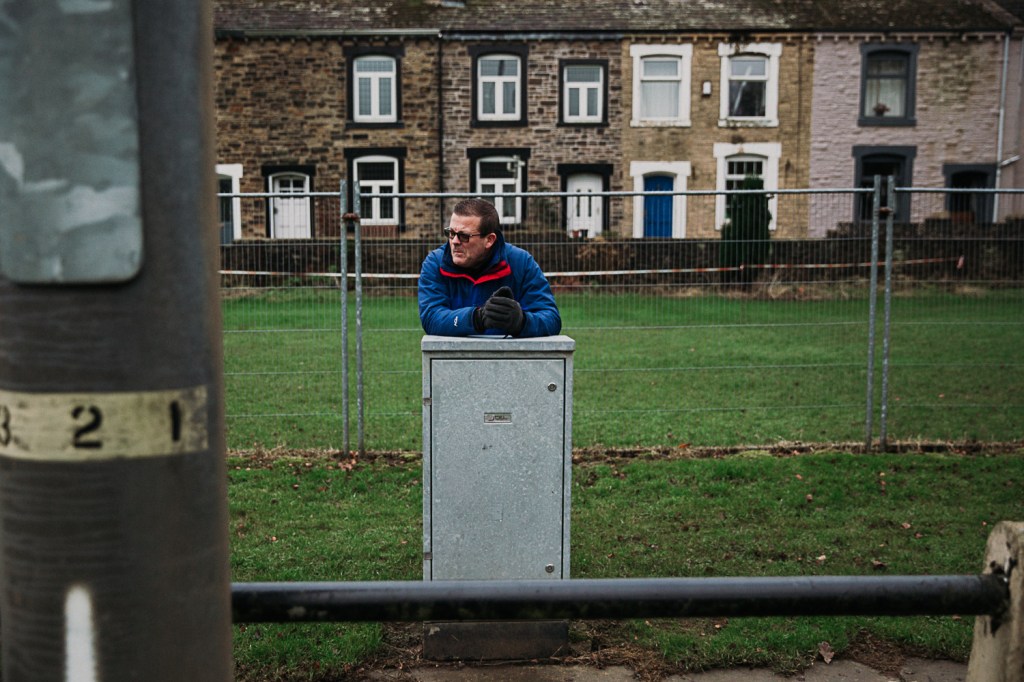
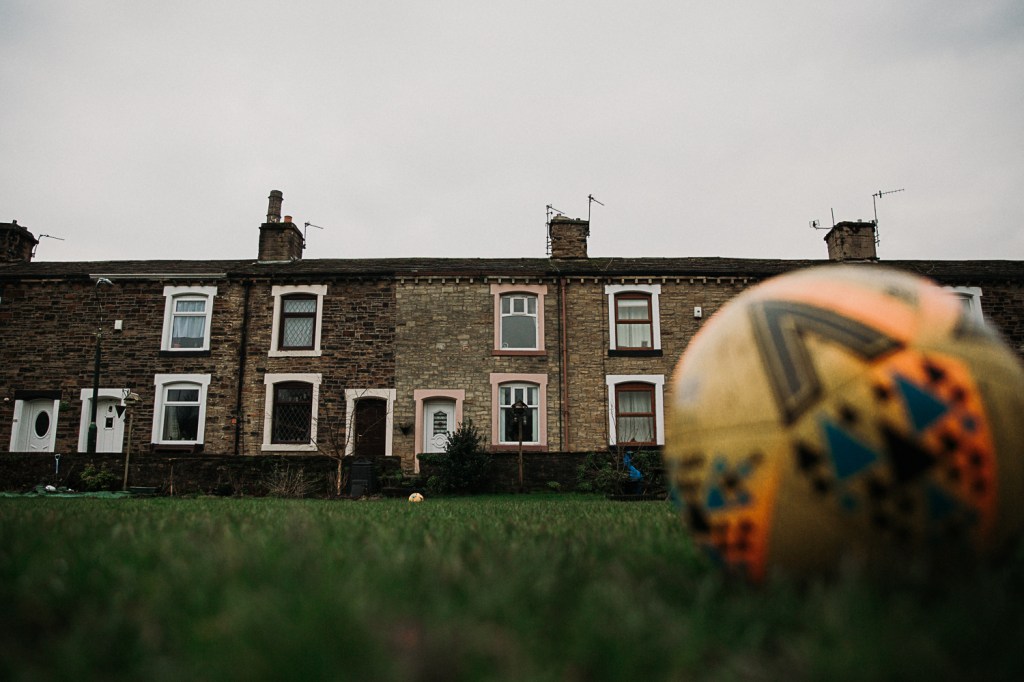
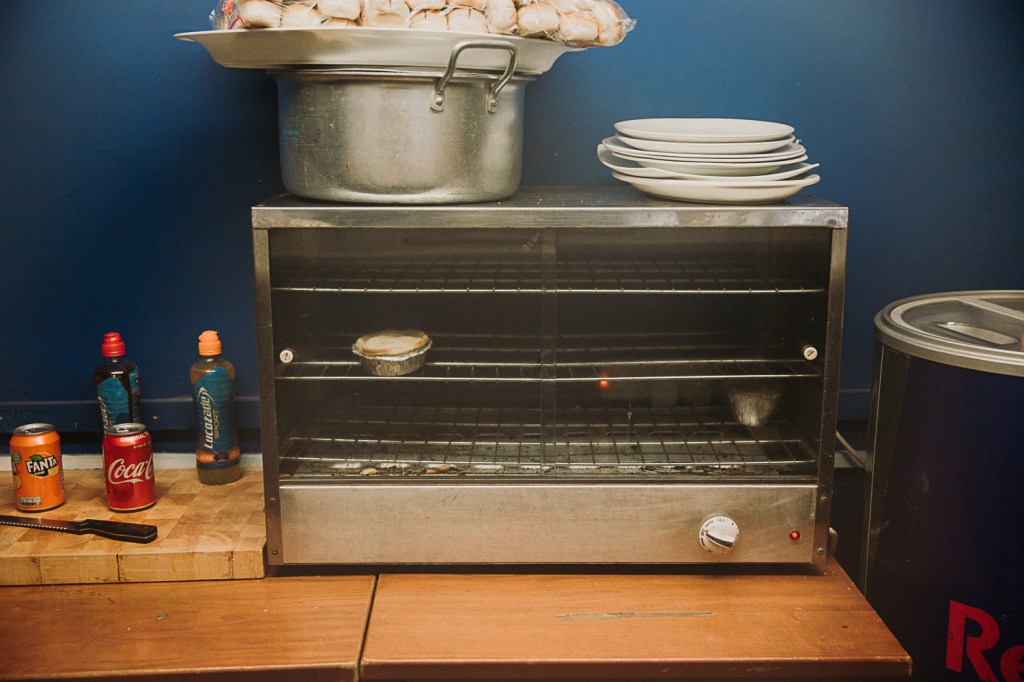
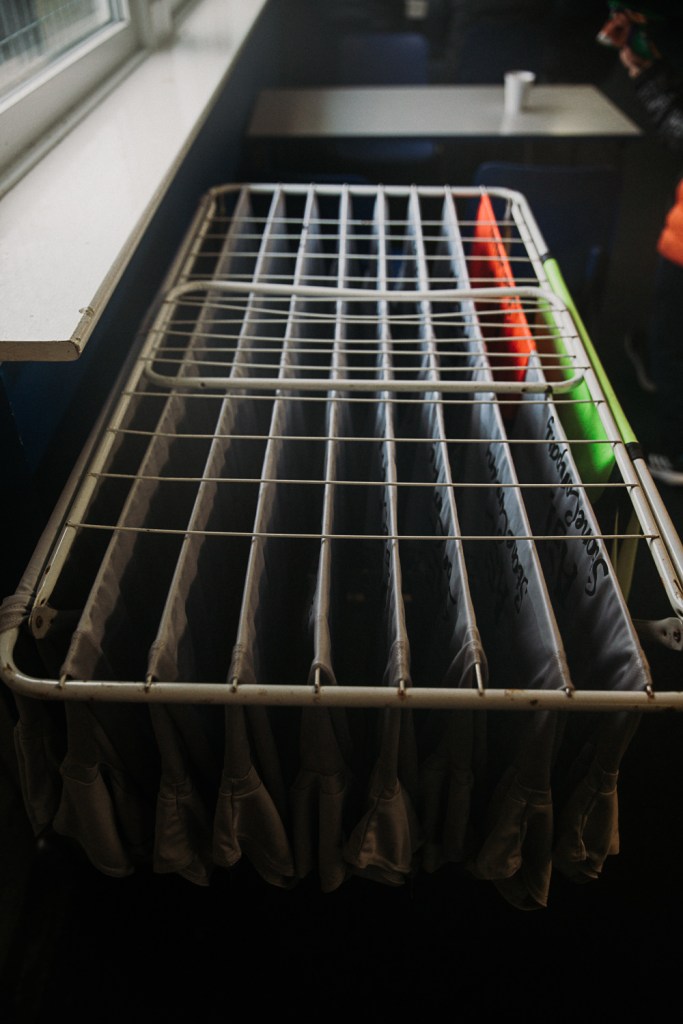
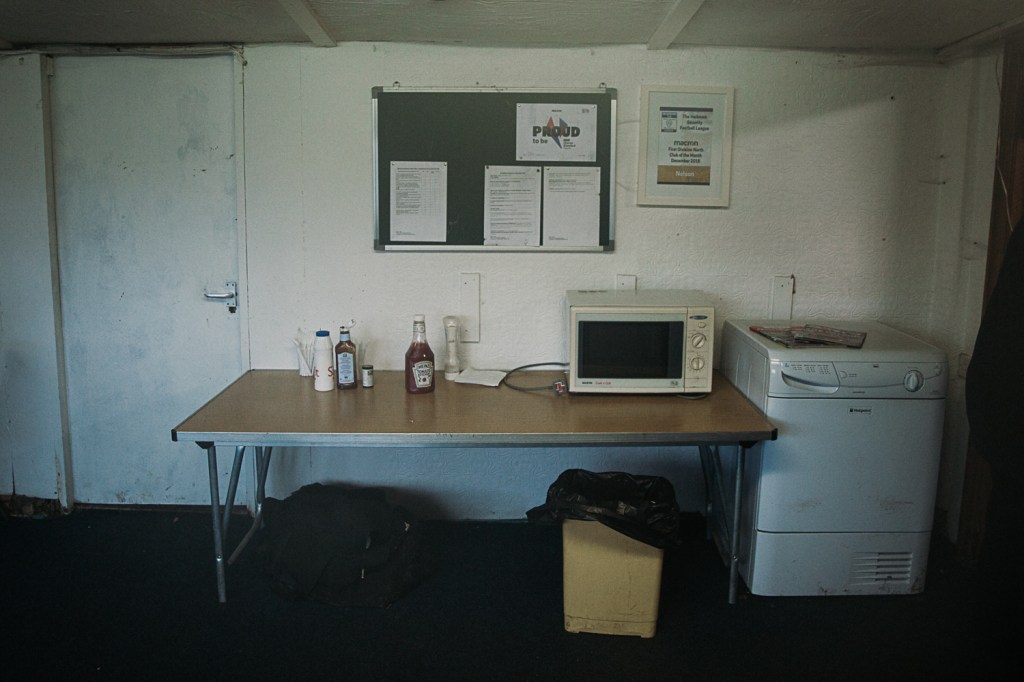
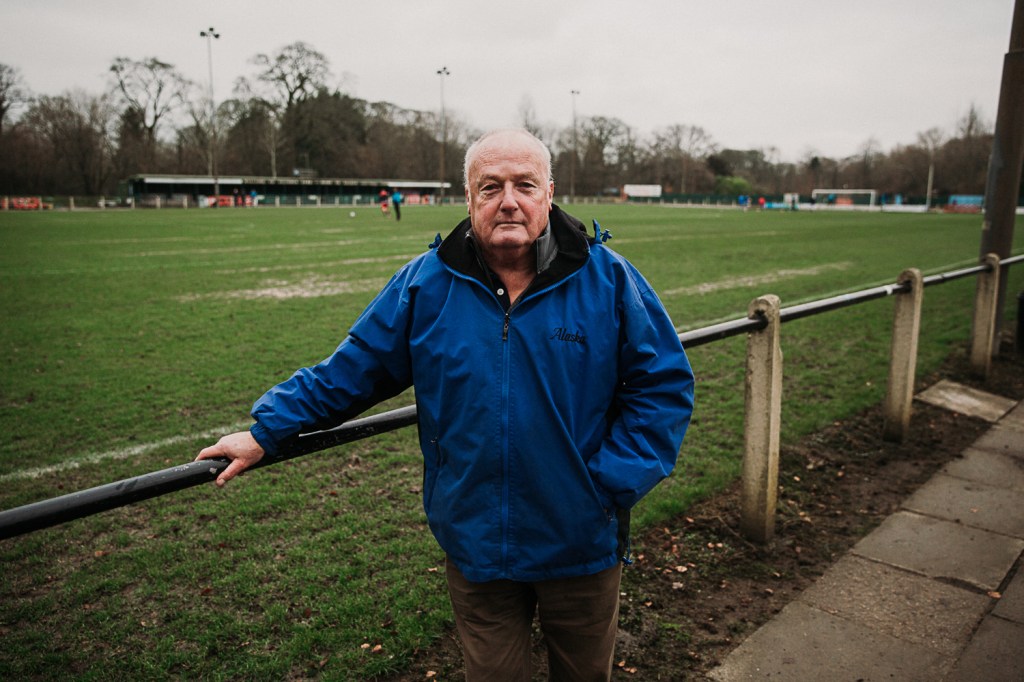
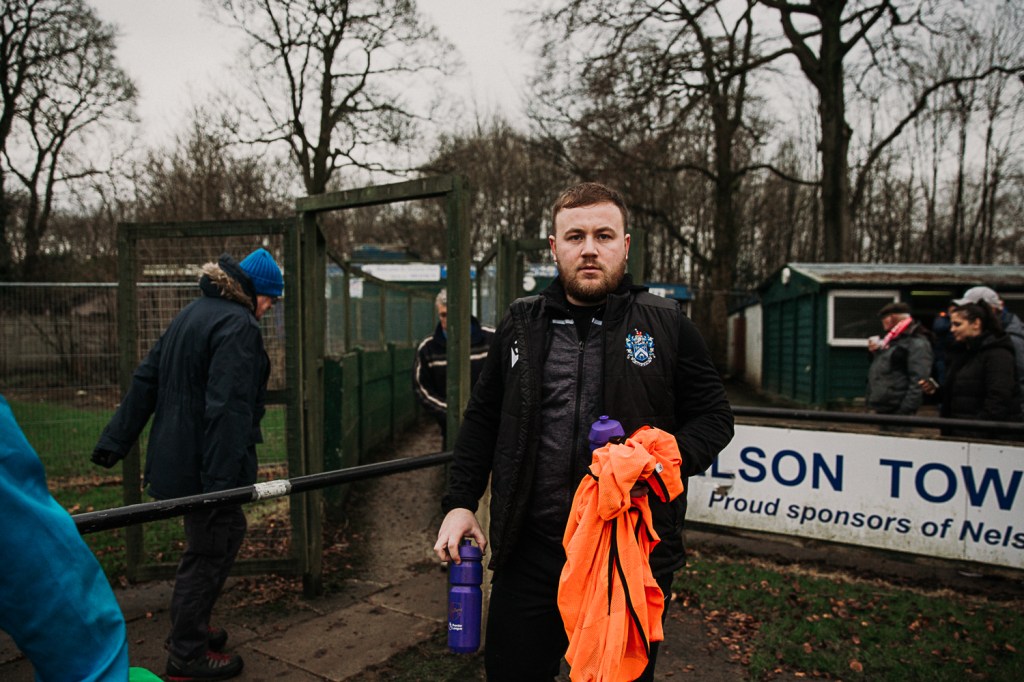
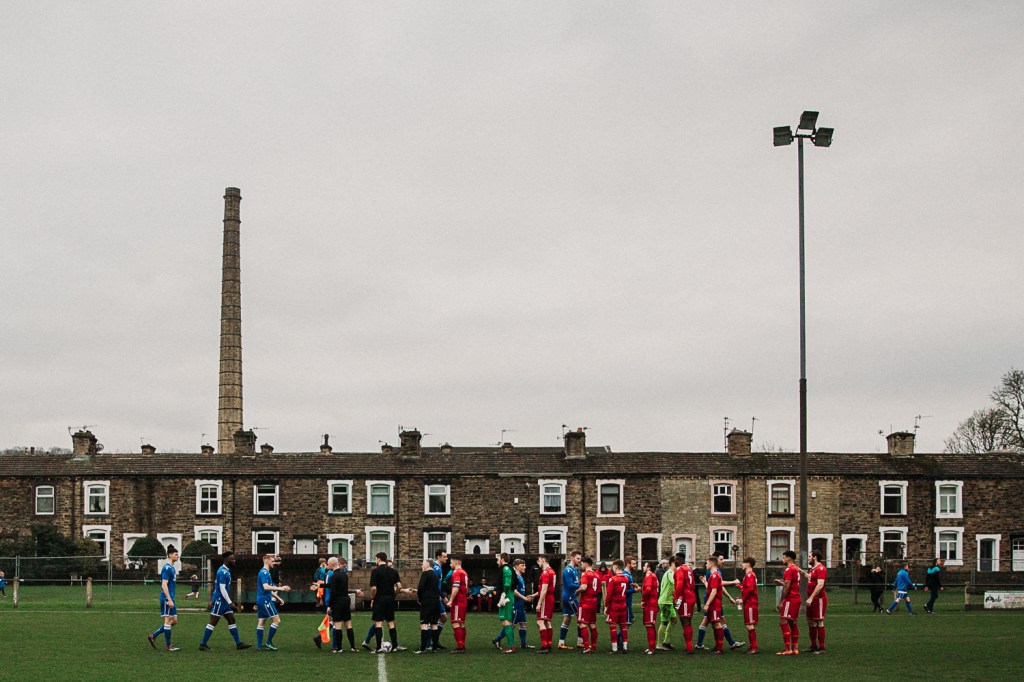
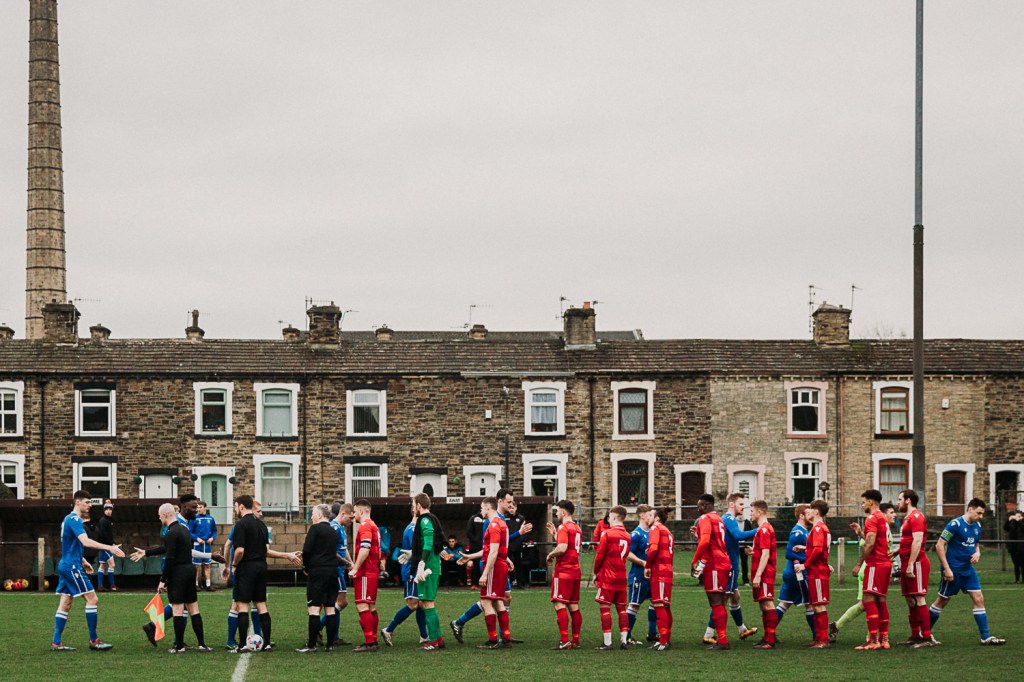
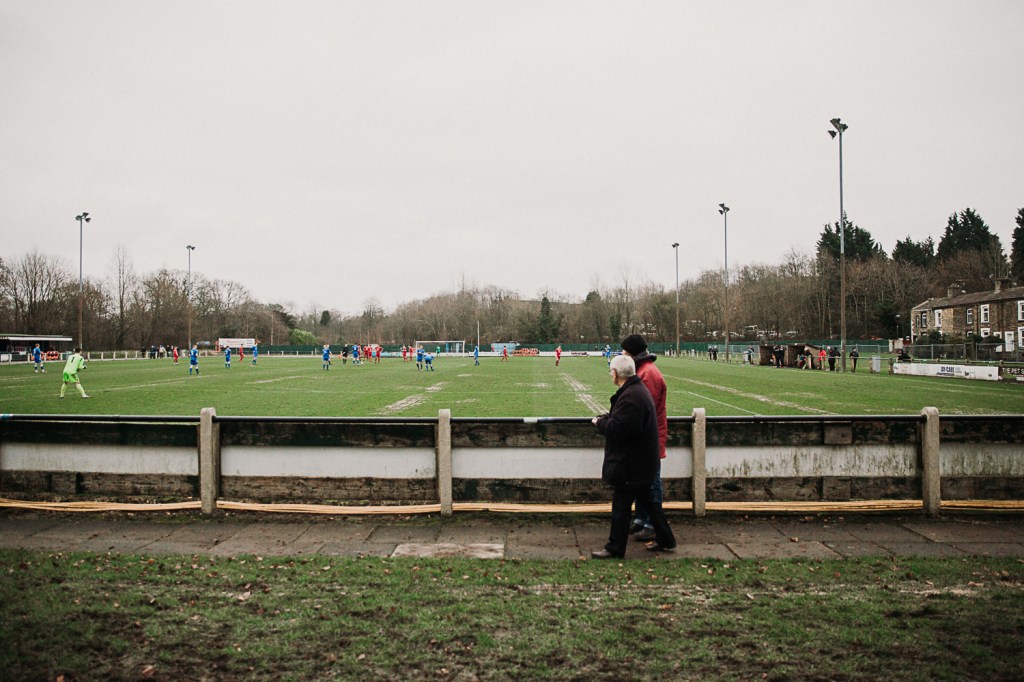
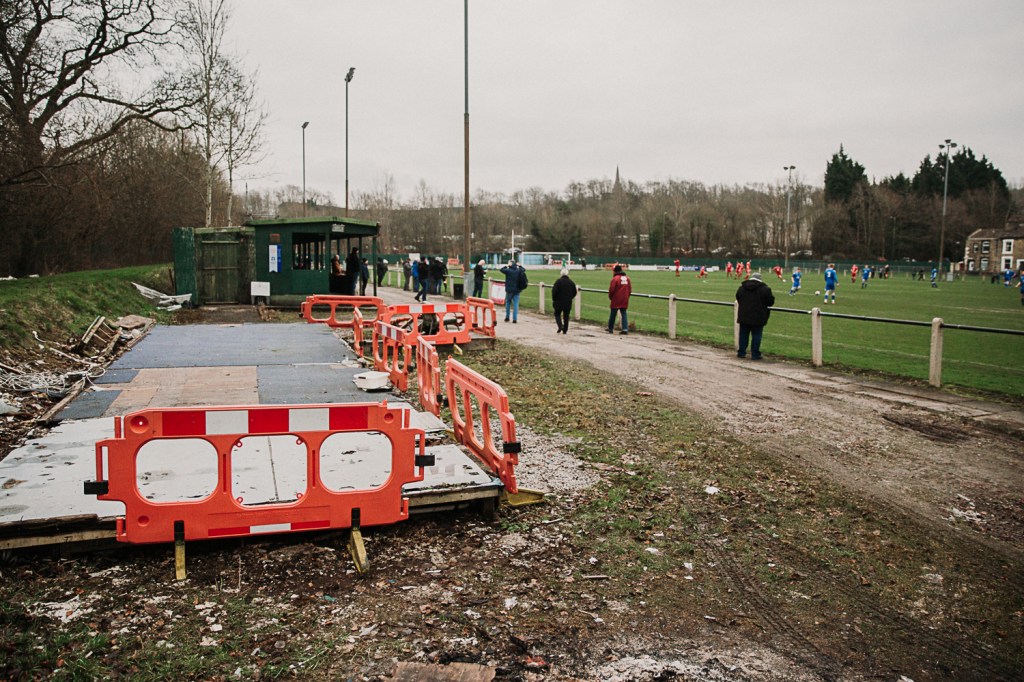
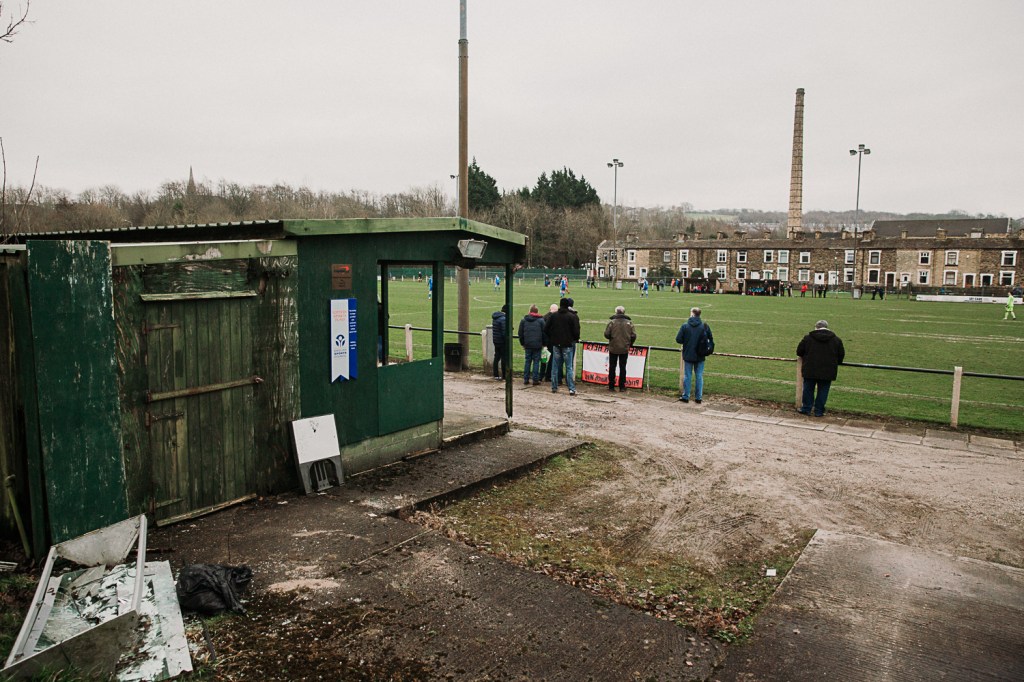
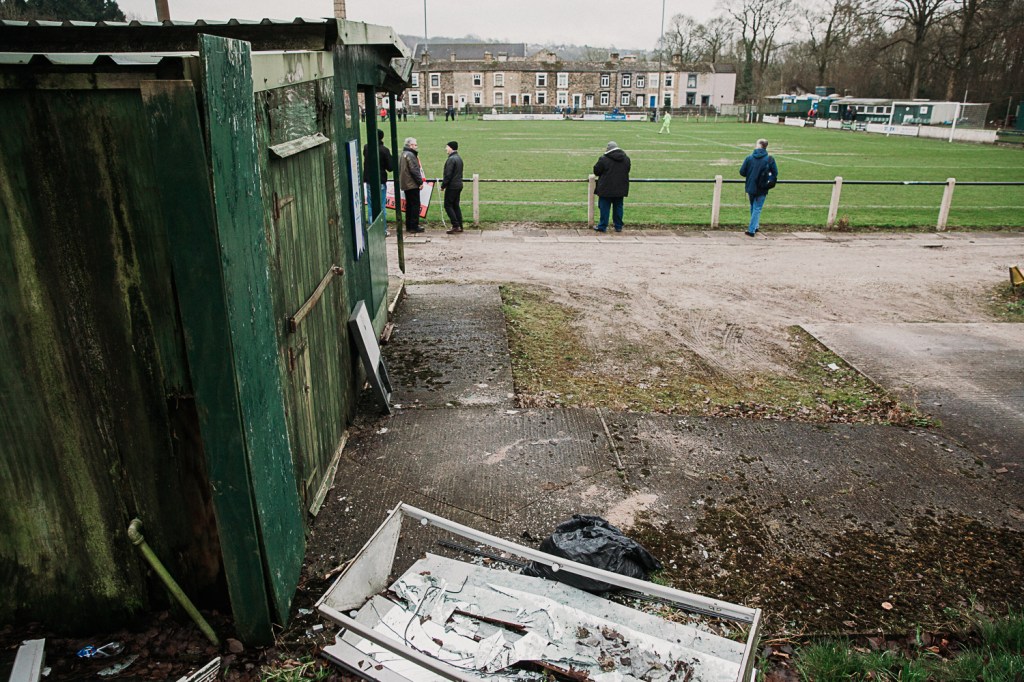
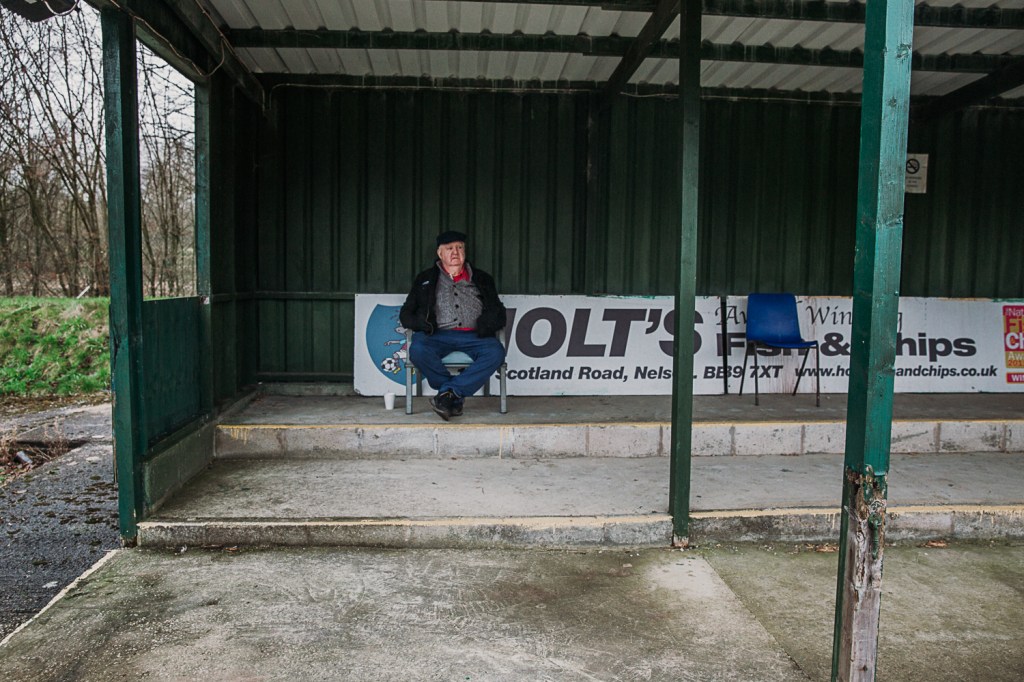
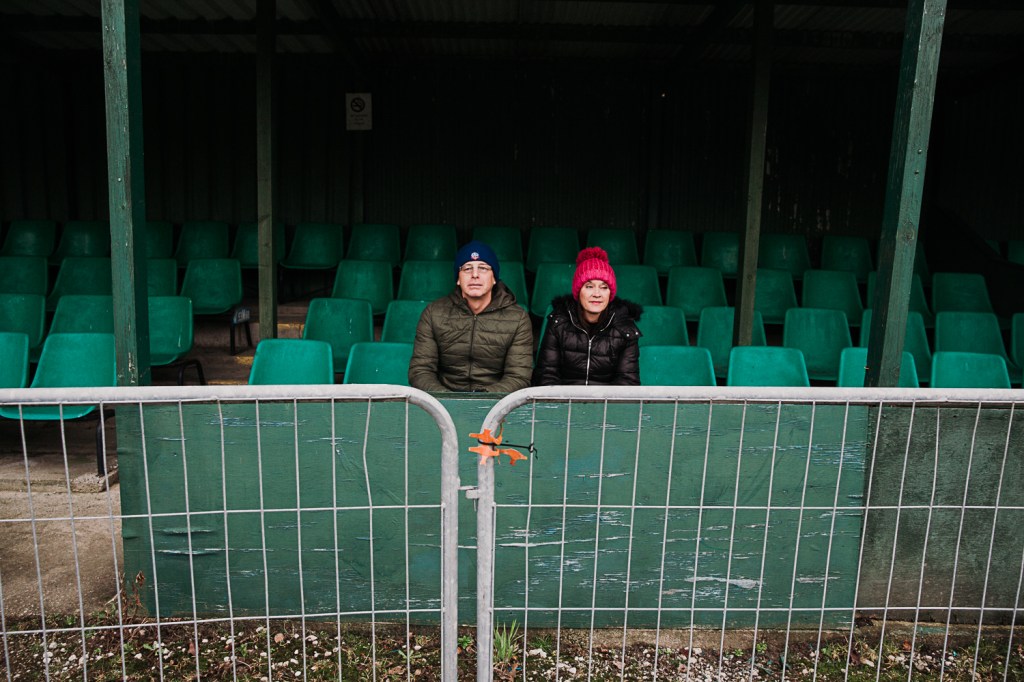
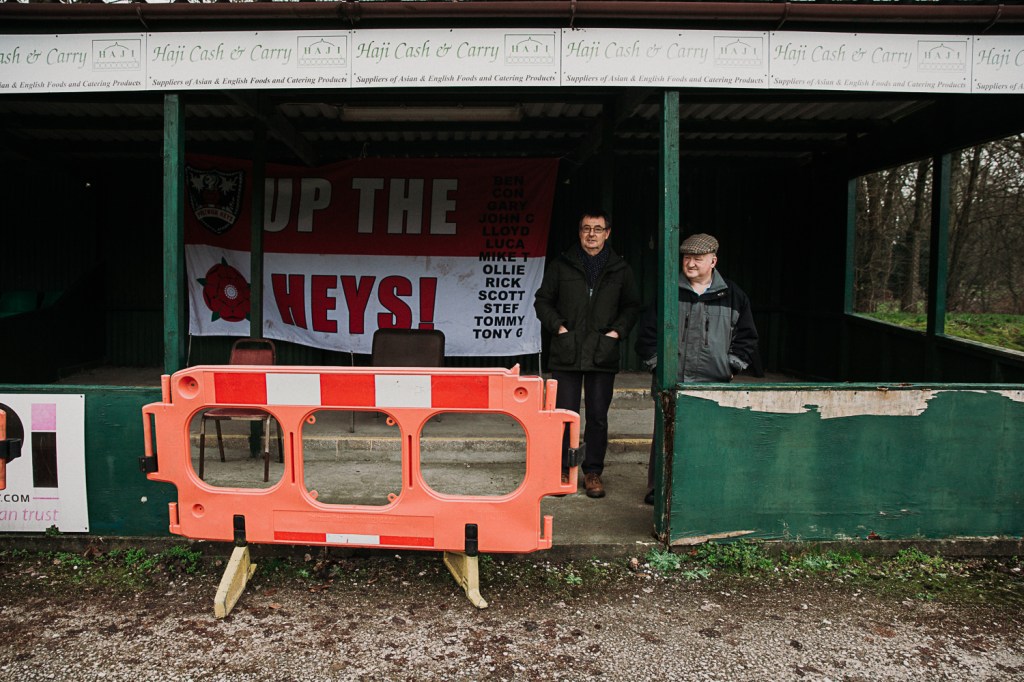
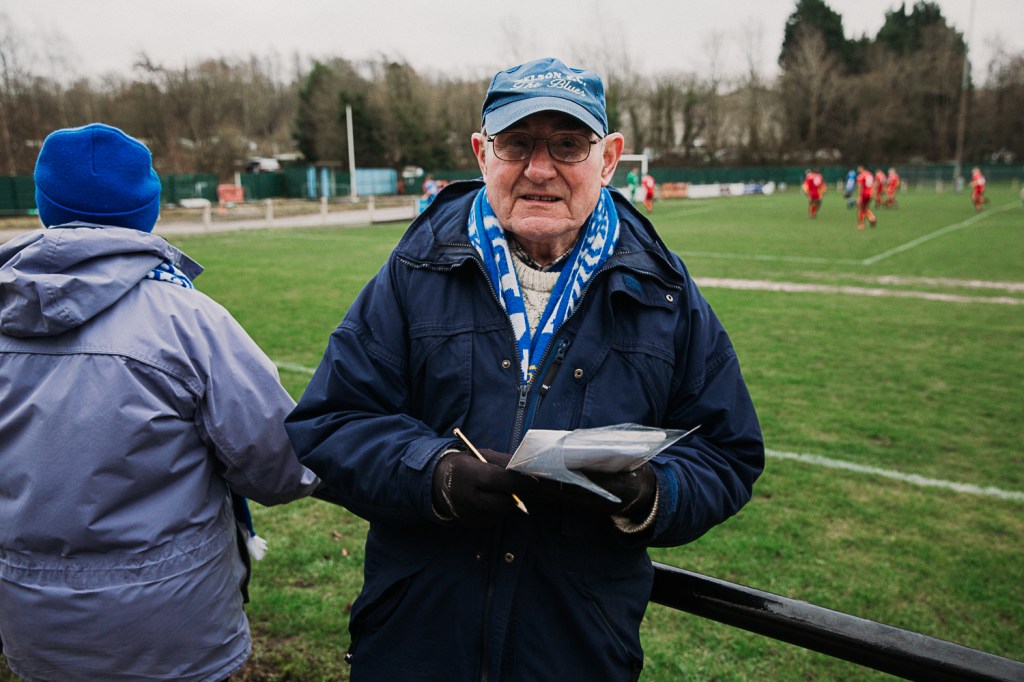
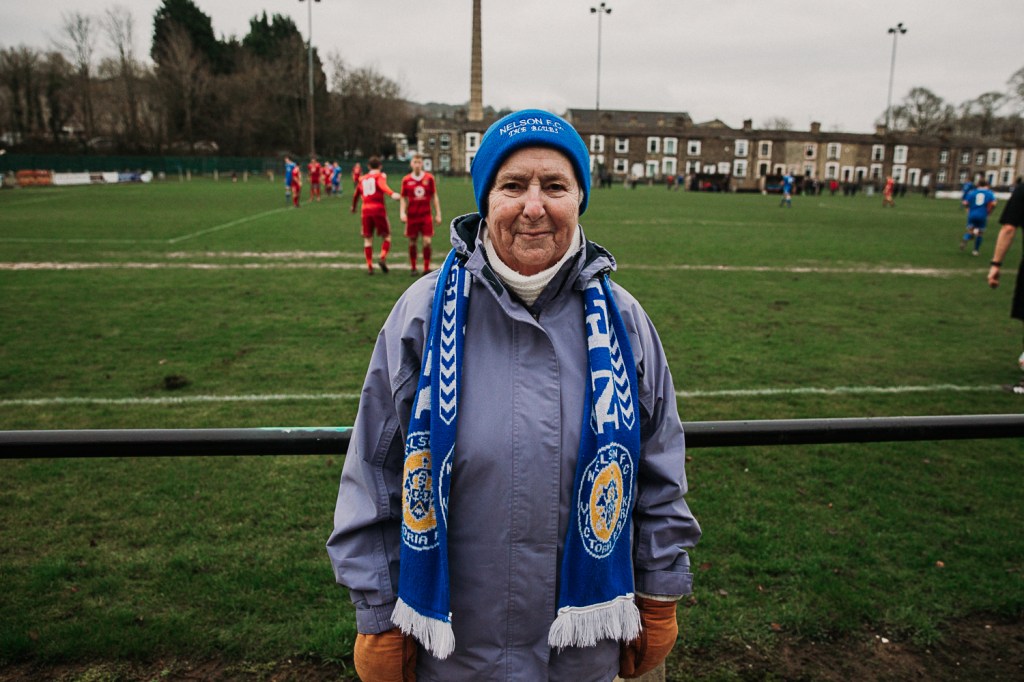
As my project has developed through the previous unit (Positions and Practice) I organised this shoot with a slightly different approach in mind. Having been influenced by the work of Hans Van Der Meer who’s project European Fields I had the intention of making some photographs which represented football pitches as part of a wider landscape. Nelson was an excellent place to engage with this approach as it’s a ground with lots of visual interest. The terraced houses which run parralell to the pitch provides this location with a unique and quite amazing charm.
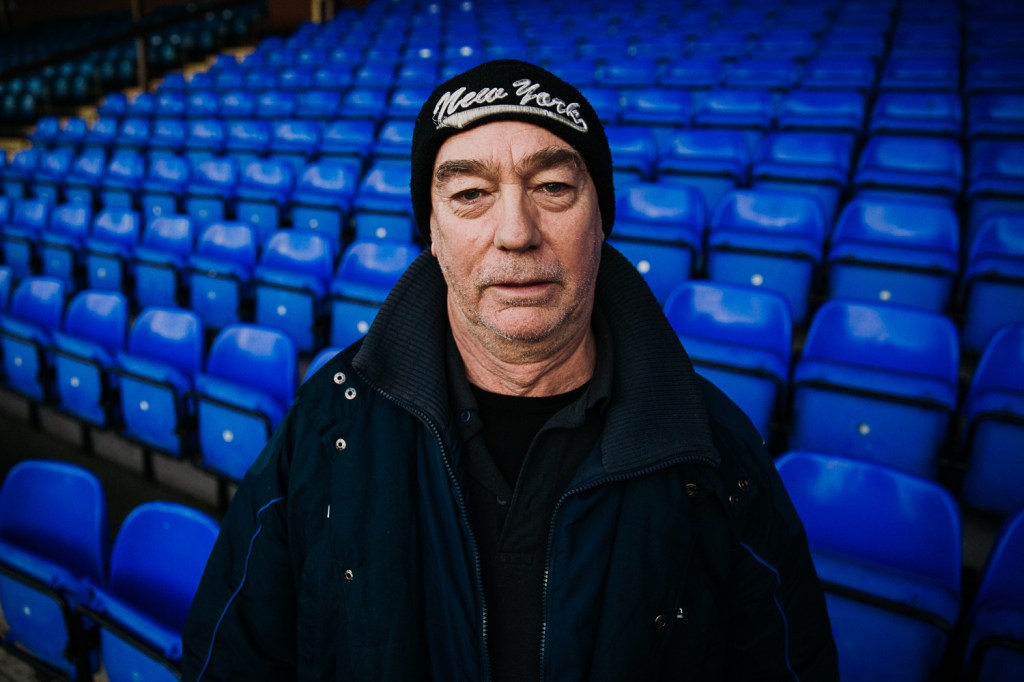
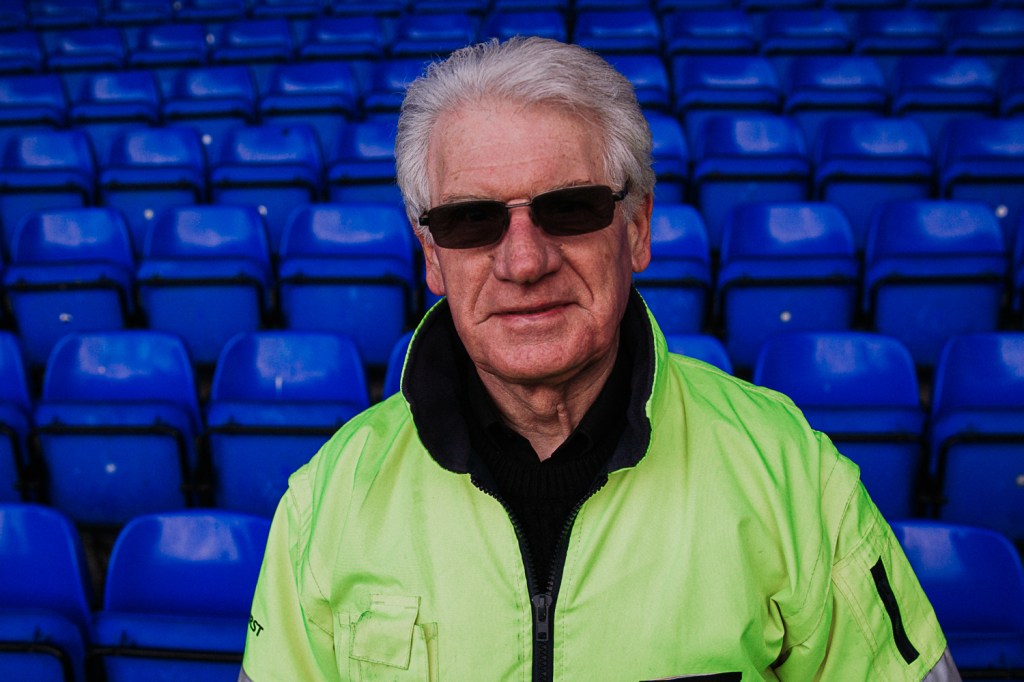
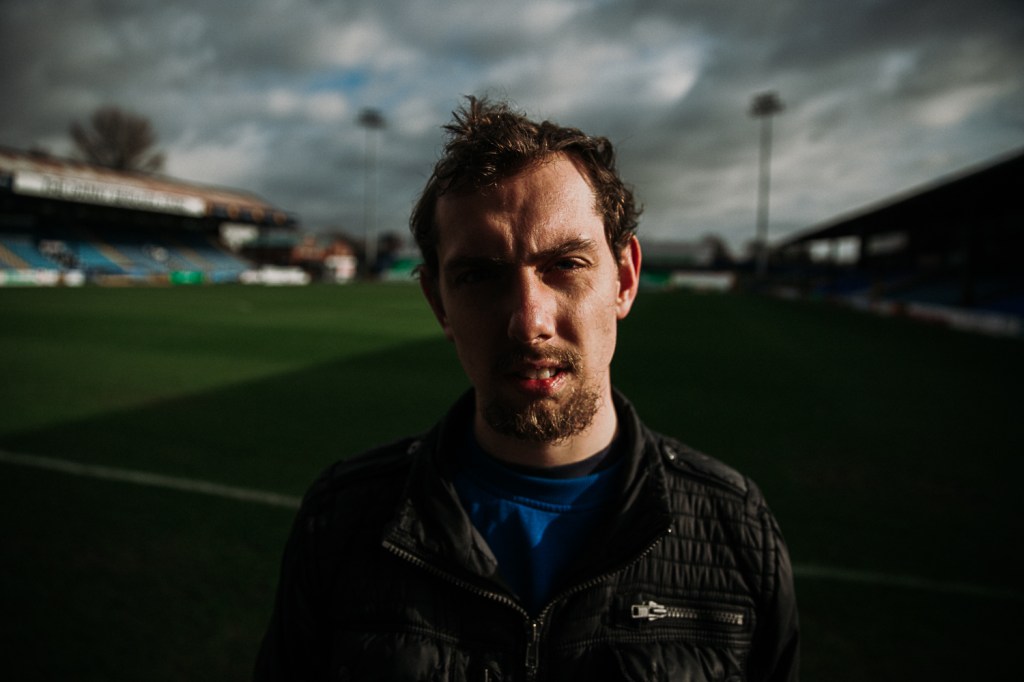
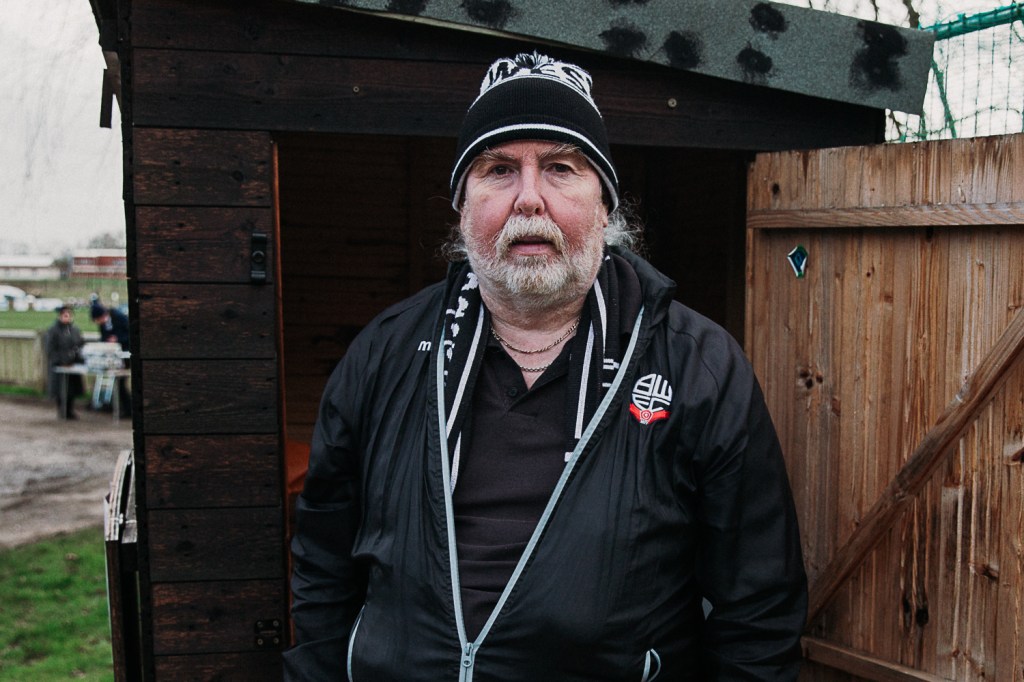
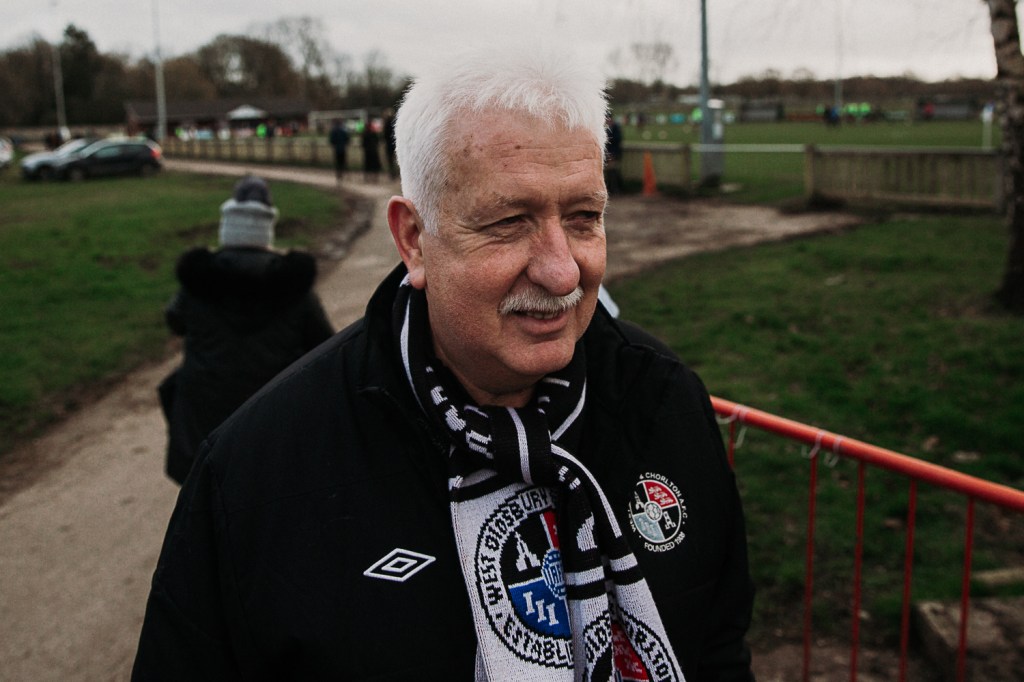
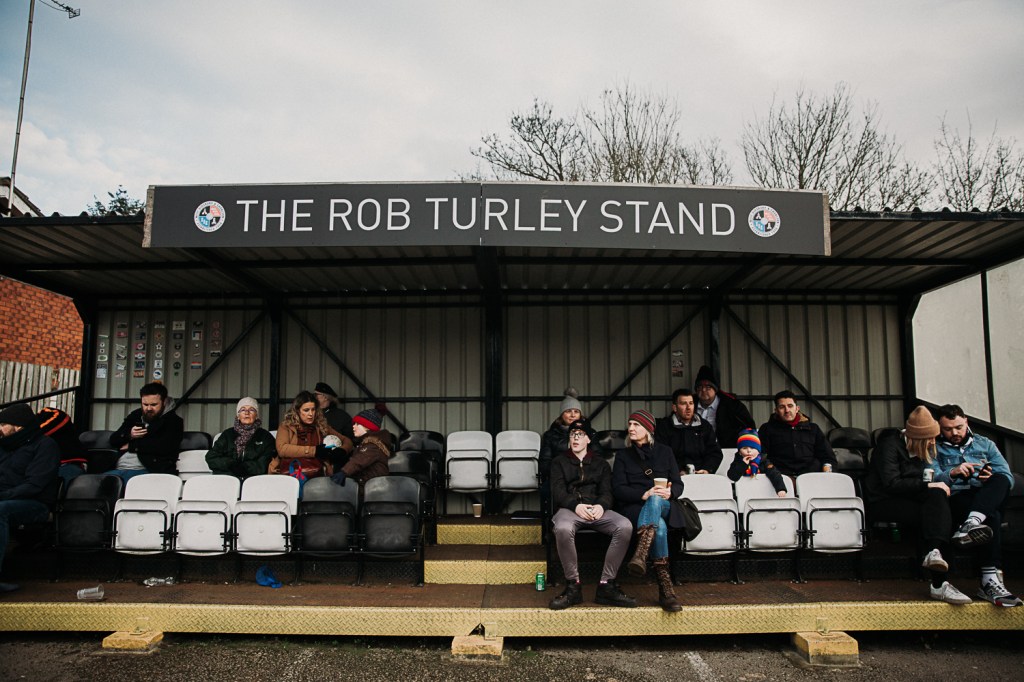
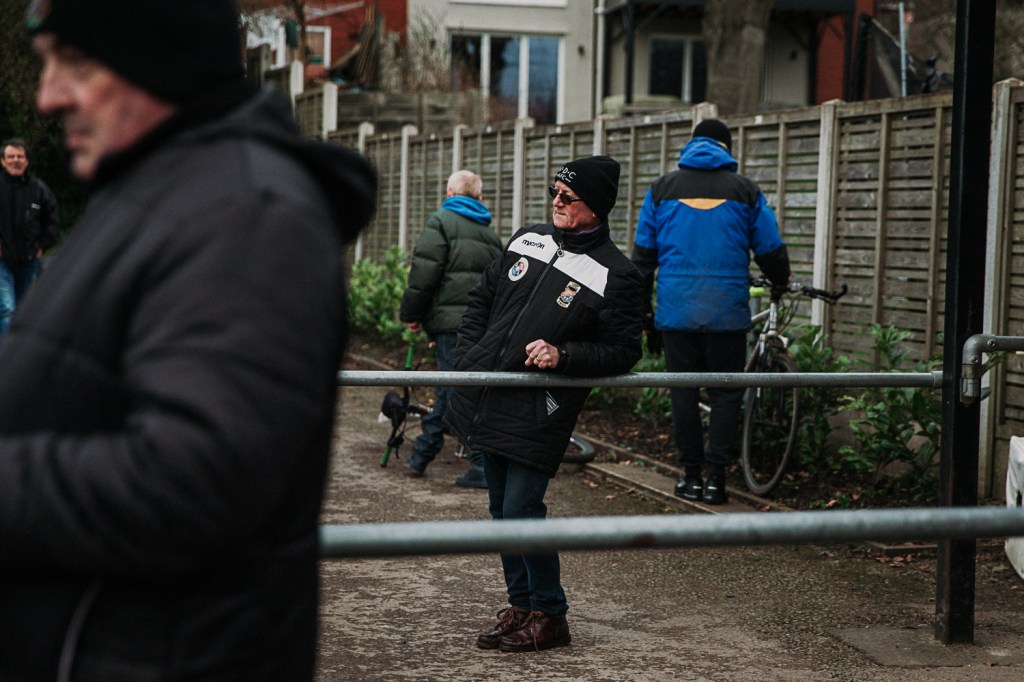
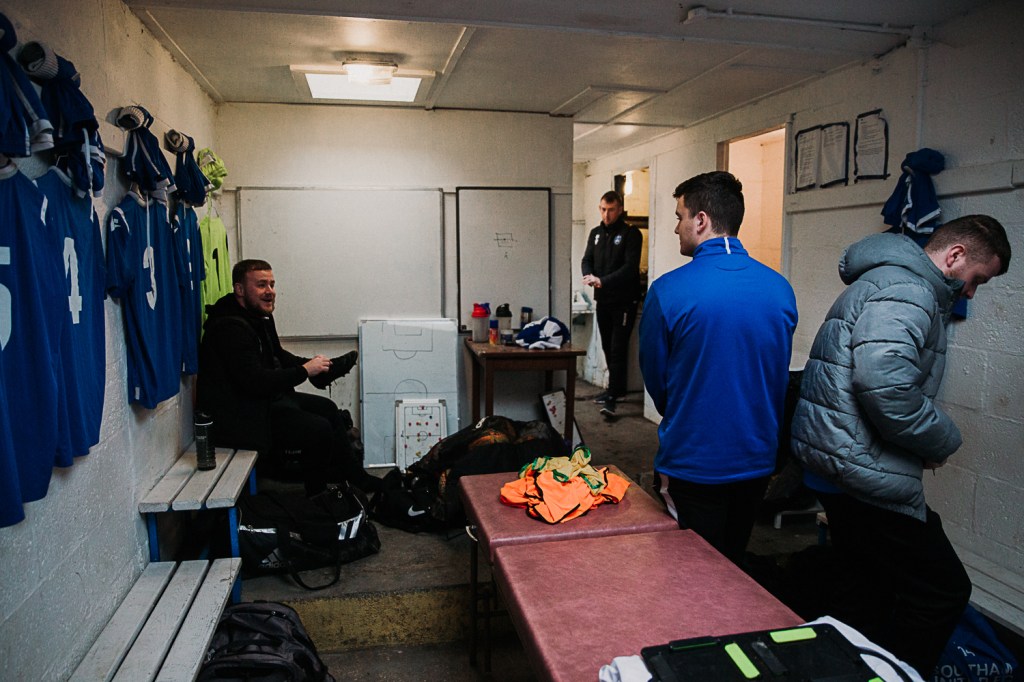
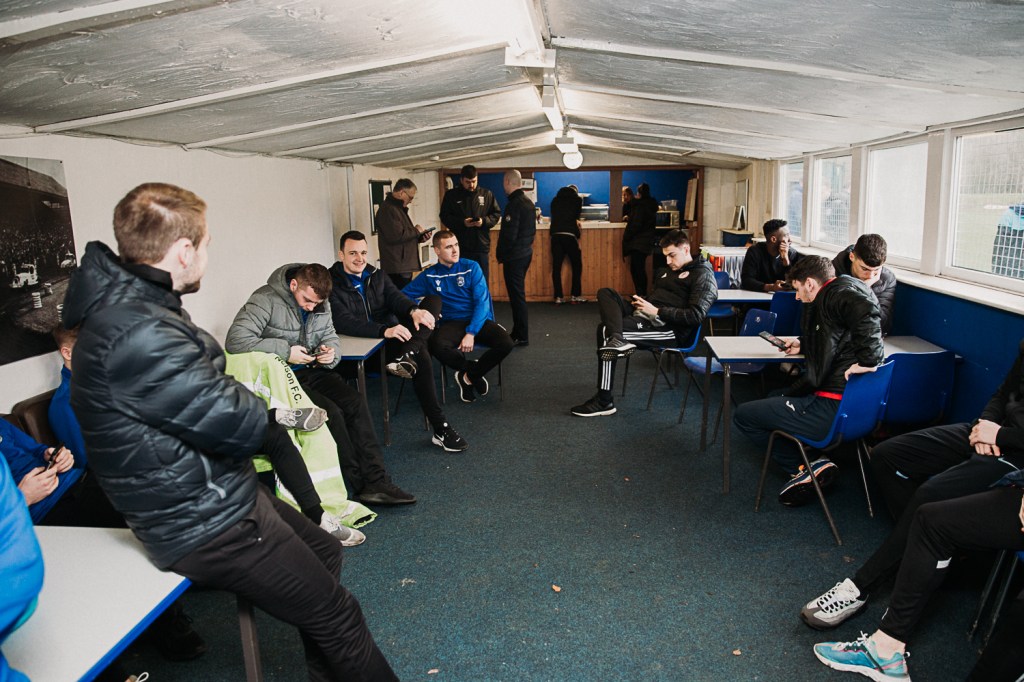
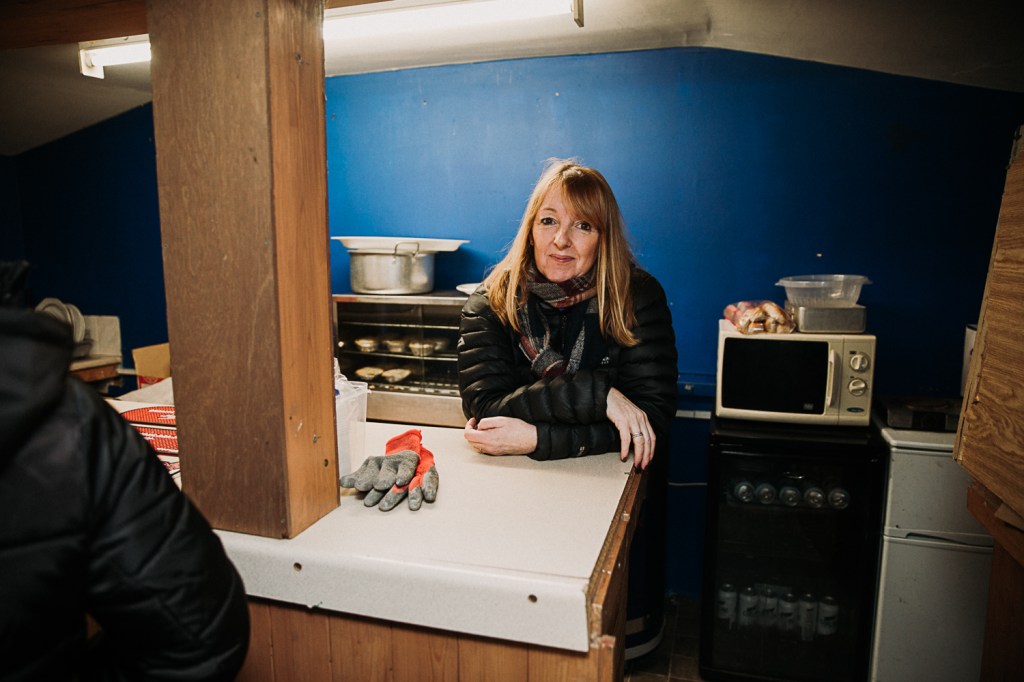
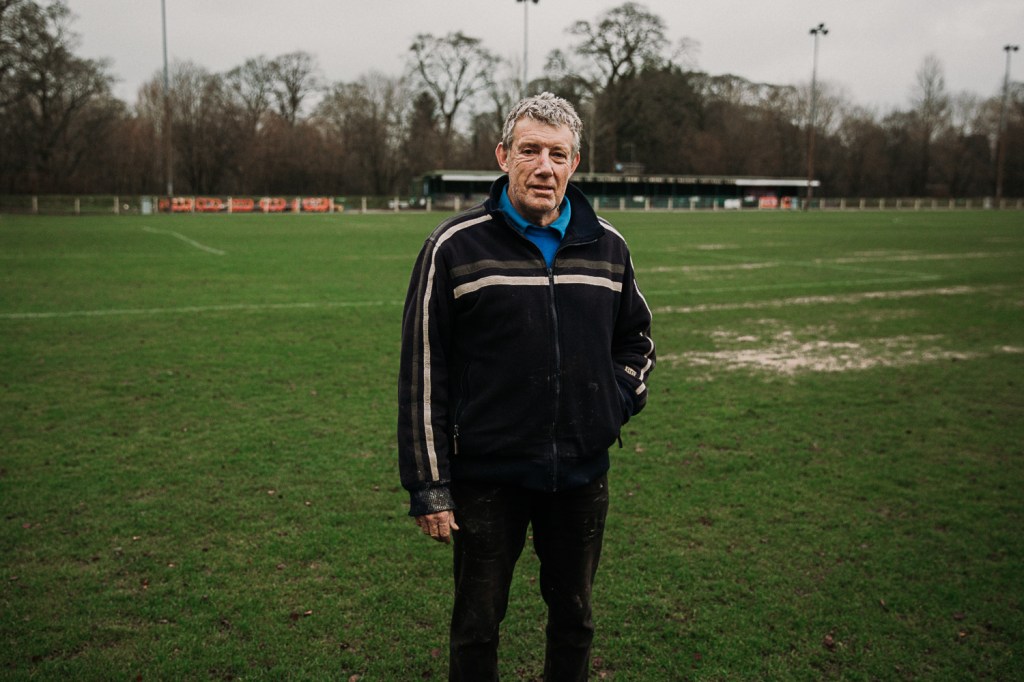
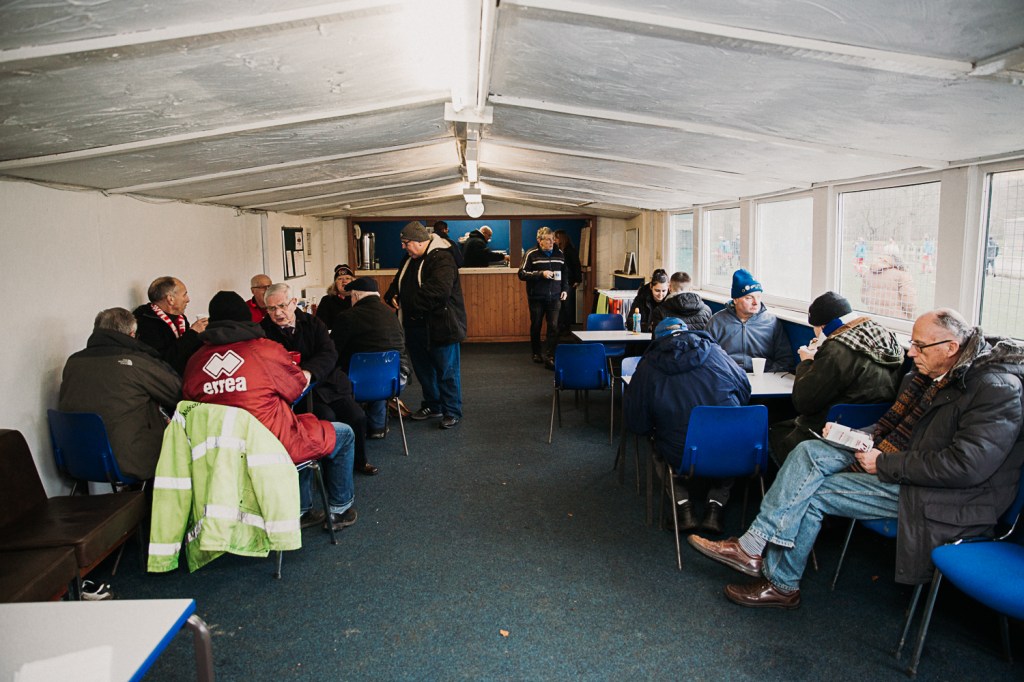
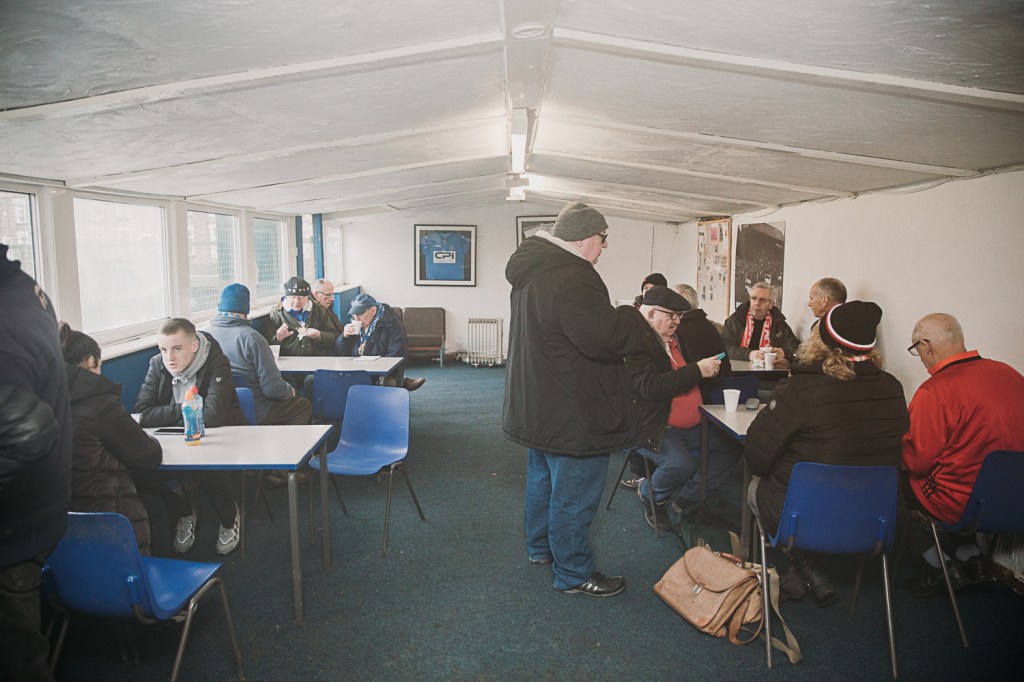
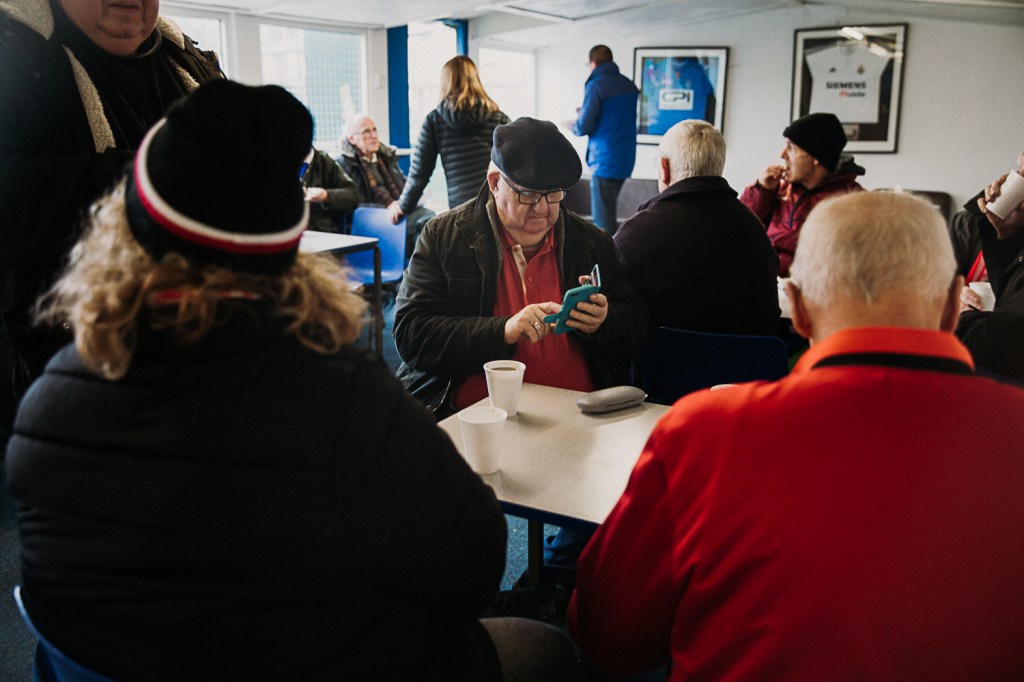
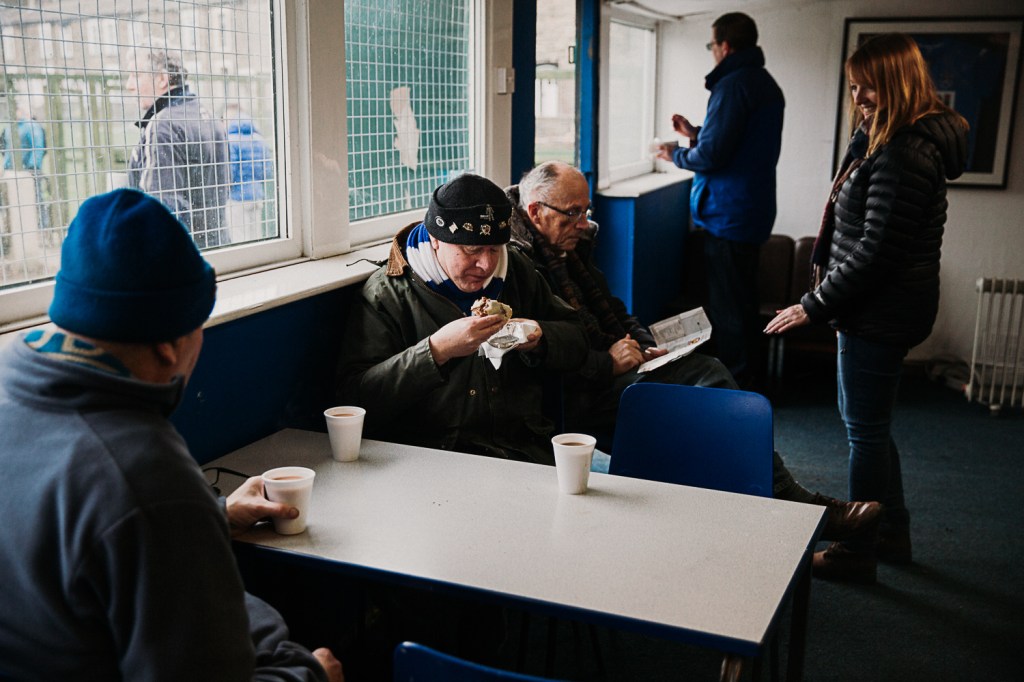
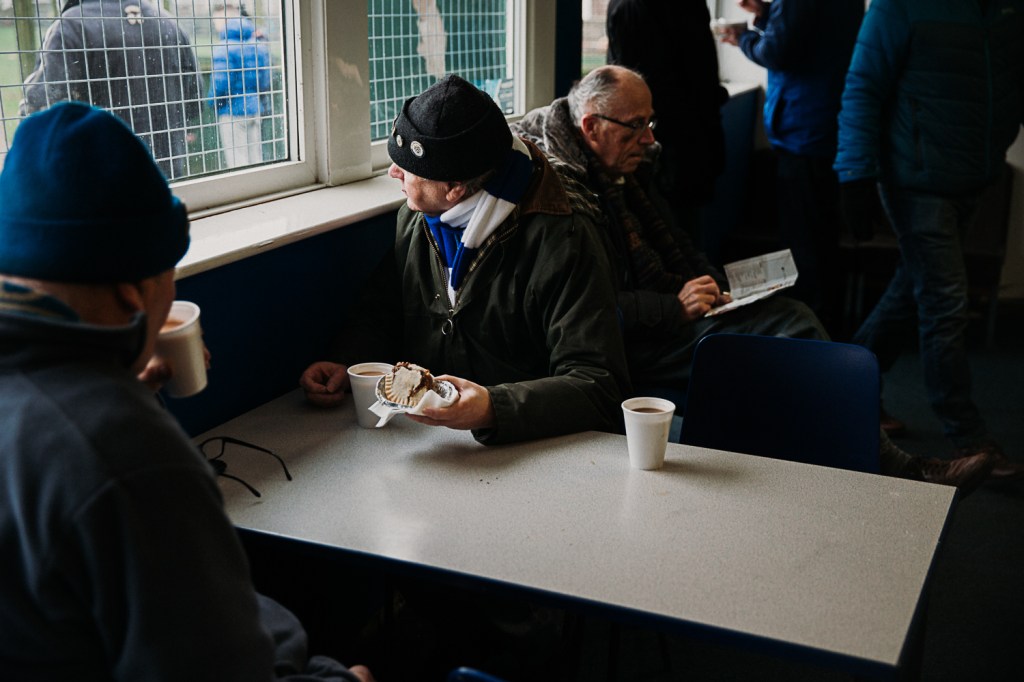
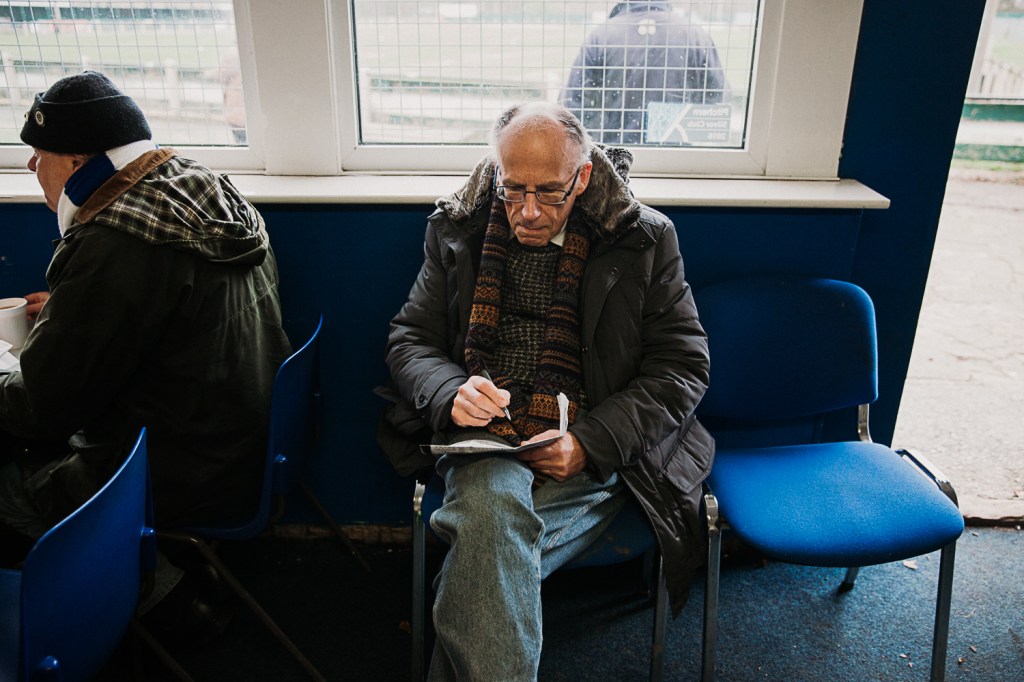
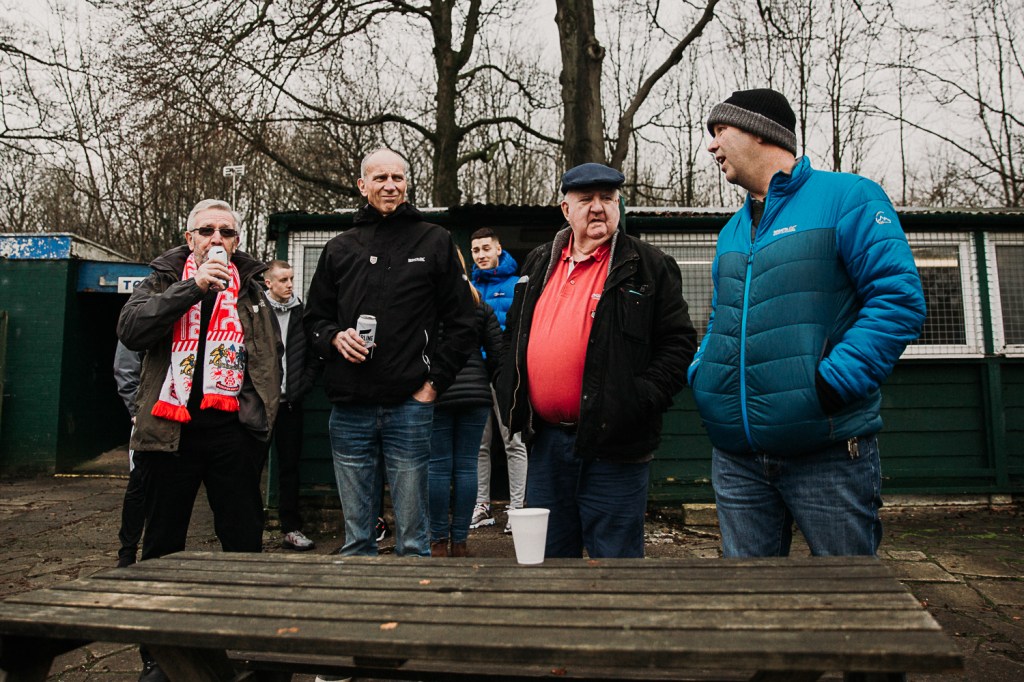
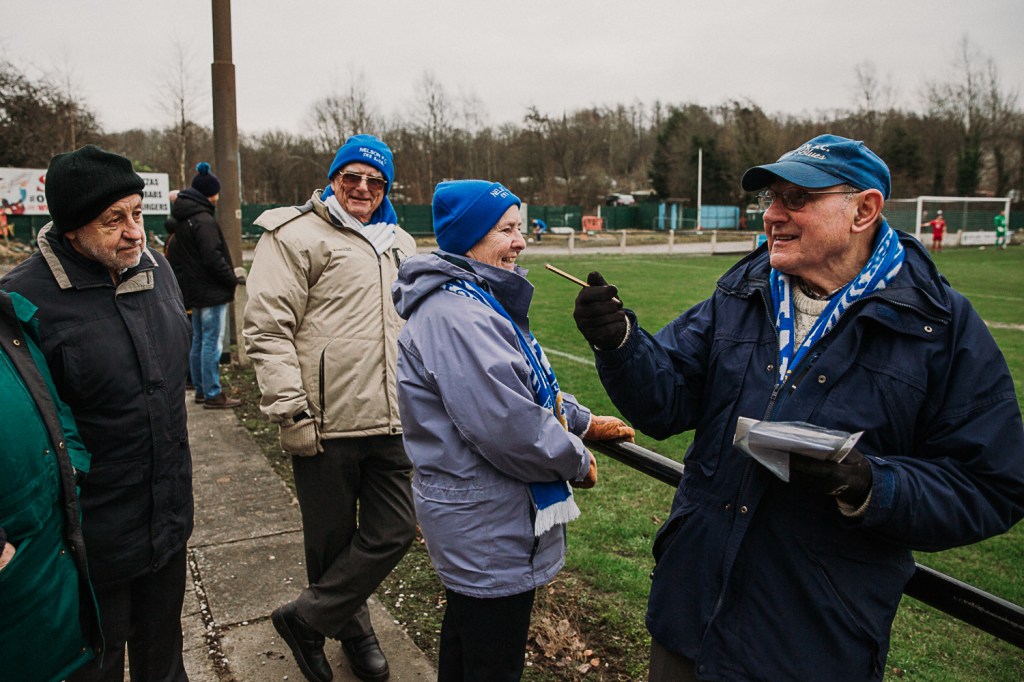
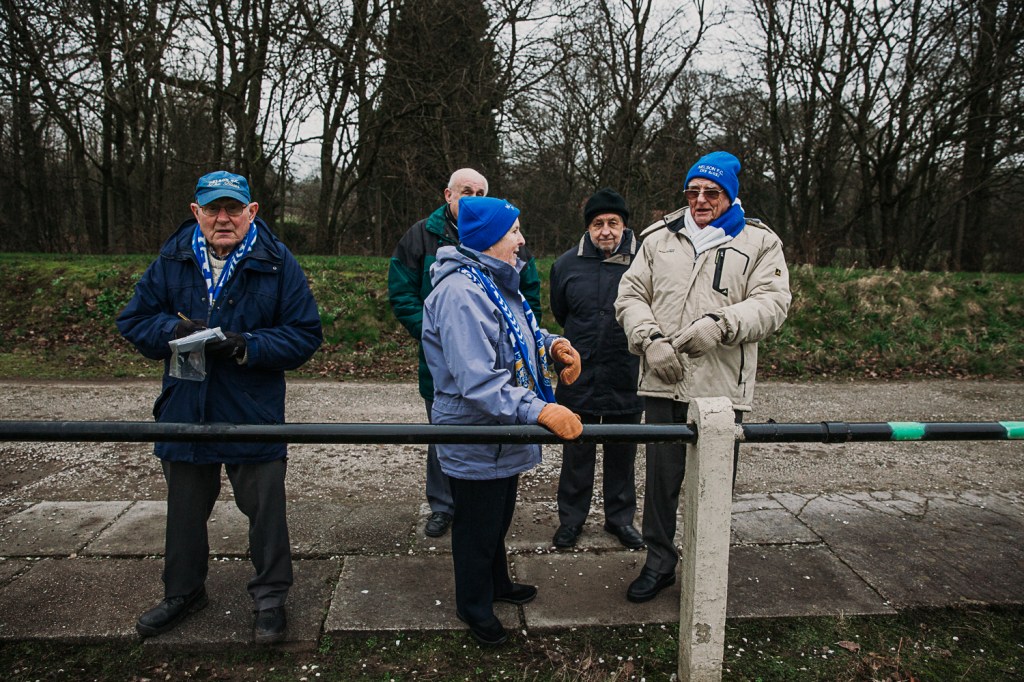
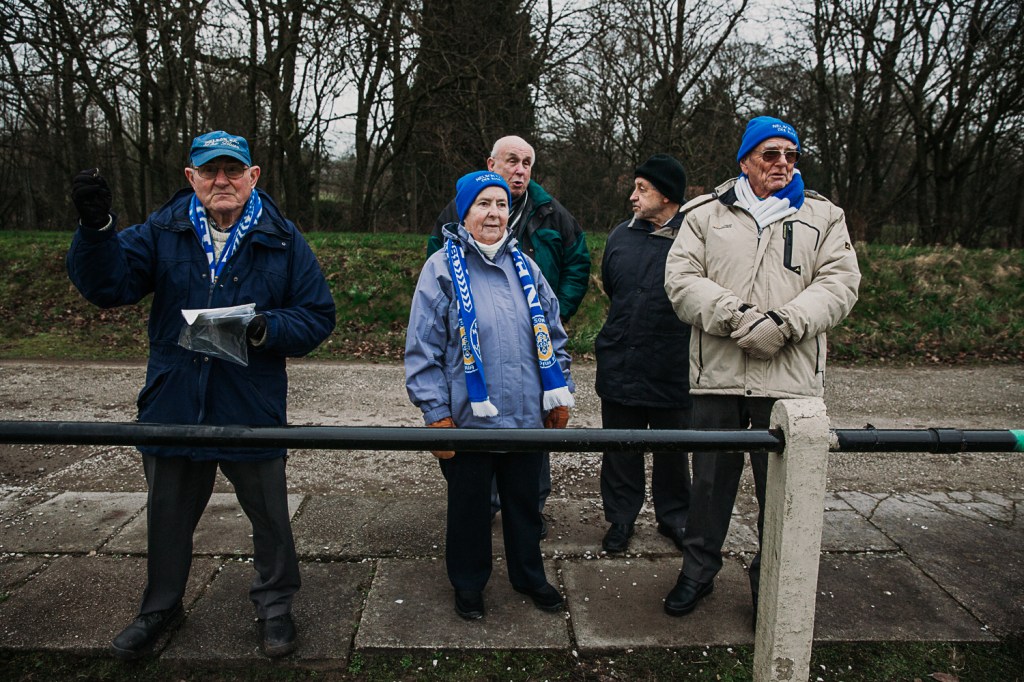
When Irrived I was met with some really friendly and interesting people and having spoken to them, their warmth and passion for the club was clear. I was able to meet some really warm people who had some interesting stories to tell both modern and historic.
Big thank you to Andy Harrison and all of the people involved in the club for your time and hospitality.

















 Drew Findlay