Critical Breakthrough

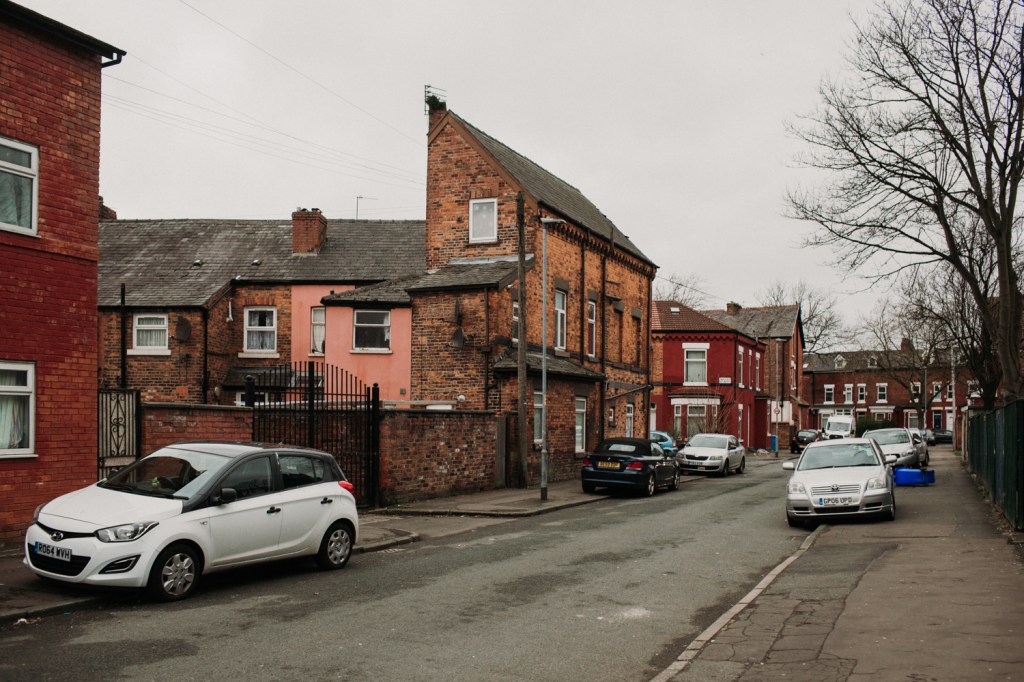
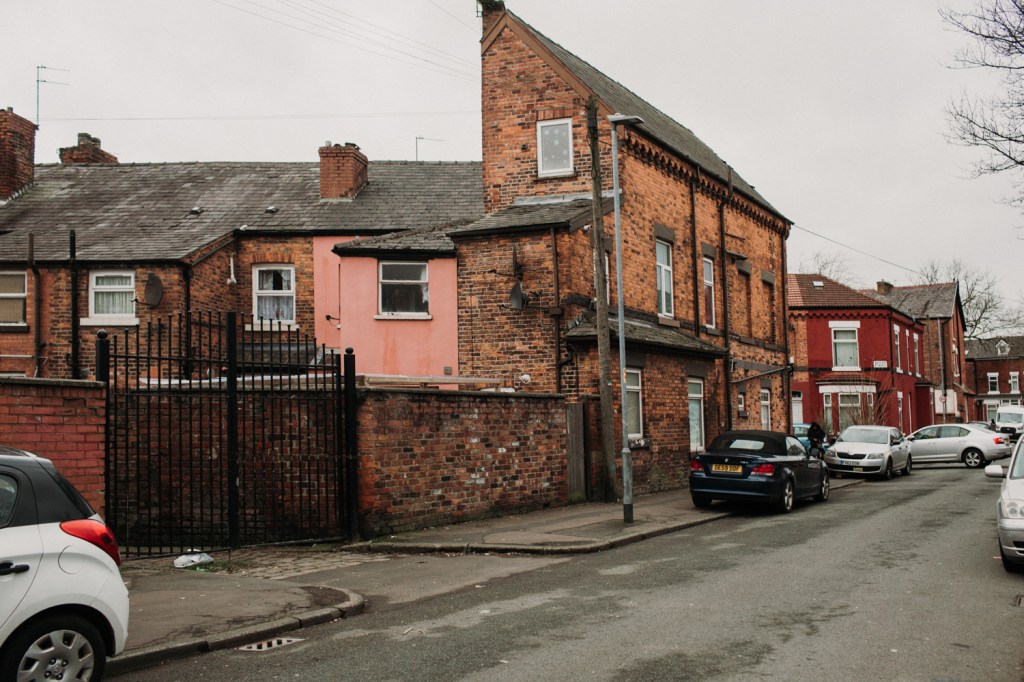
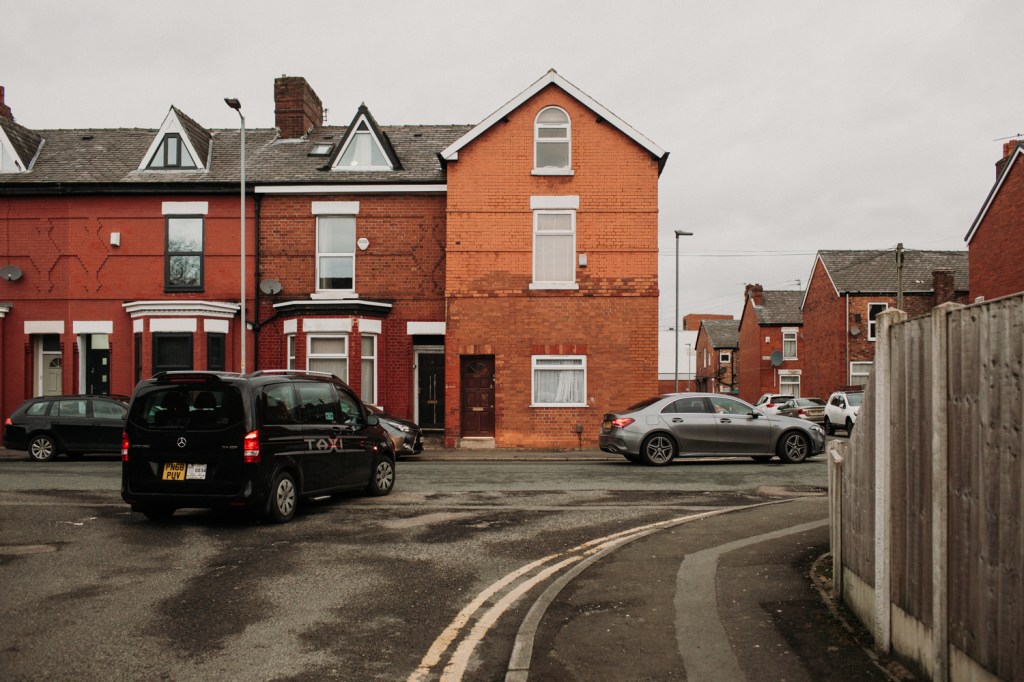
As I continue to reflect on the direction of my own project today has been a very strange day which has been something of a journey in itself. Without wanting to state the obvious, and as I continue to develop my contextual research whilst interpreting the academic theory I feel that doors continue to open. Coupling new reading with the observation of the work of others. I decided to take a look at my previous work, specifically my last submission where I used the football theme as a vehicle to open the broader theme of mental health. In doing this I felt as though the work was connecting with elements of my own identity. In reaching this conclusion it suddenly occurred that this final project should continue with the theme of identity. The identity of the world and people that surround me. In doing this I am exploring the idea of my own identity but through the voices of others. This is how I will tell my story! Burr (2003: p7) states 

‘It might be said that as a culture or society we construct our own versions of reality between us.’ 

When previously reflecting on Burr’s comment I felt somewhat negative because the context of my experience wasn’t a success because I was trying to reflect a community that I wasn’t a part of. I was probably a tourist and my experience was that of a tourist. However with the same idea of ‘constructing a reality’ in the place that I know, I am met with the energy and confidence that will enable to making of work that I believe in and feel able to encompass multiple elements to tell what I think will be a complex story. Elements being location, subject and identity. Colin Pantall suggests 

The complexities and contradictions of life, the flaws and imperfections, the ability to recognise our own failures are what makes things interesting’.

I am drawn to Pantall’s comment, in its most basic form because I am able to recognise the symbiotic relationship between three interrelated elements. In having those elements at play I will be able to present work that offers a didactic experience to its audience. The title of the project ‘Seven Miles South’ infers a story about place, which would be true. However the story is also about mental health and identity within that place. 

Romero in Christenberry highlights regarding his work (2013:p9) ‘Christonberry constructs an account of the South of the United States from within that South’. 

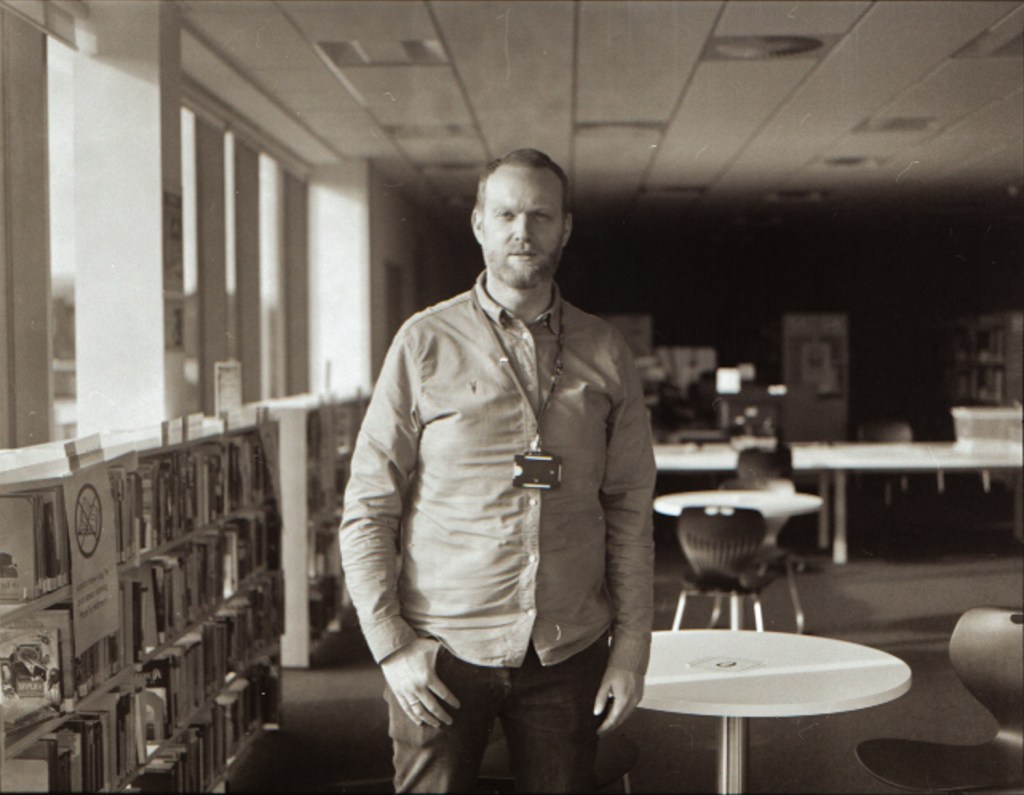
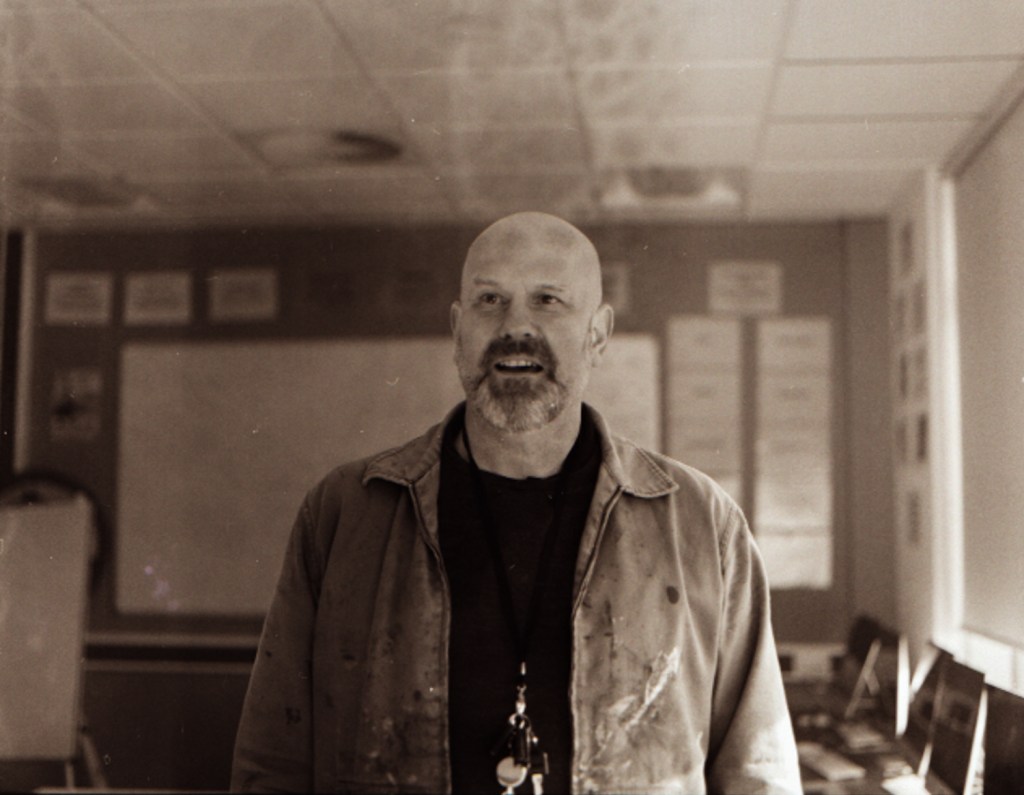
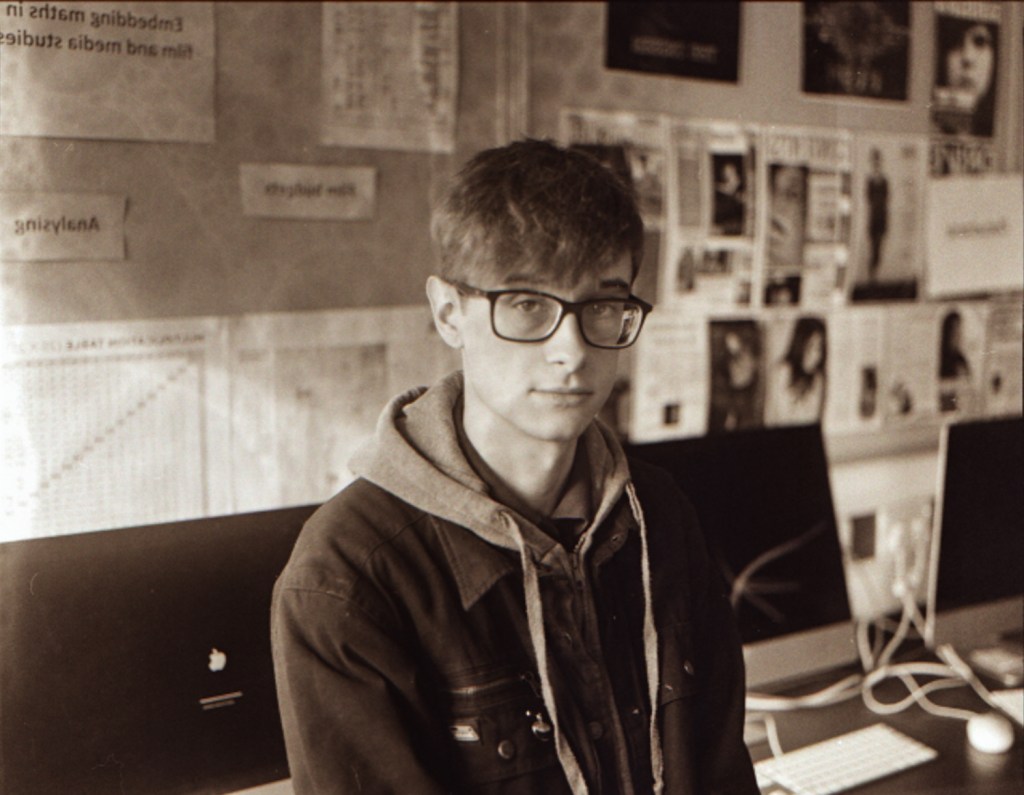
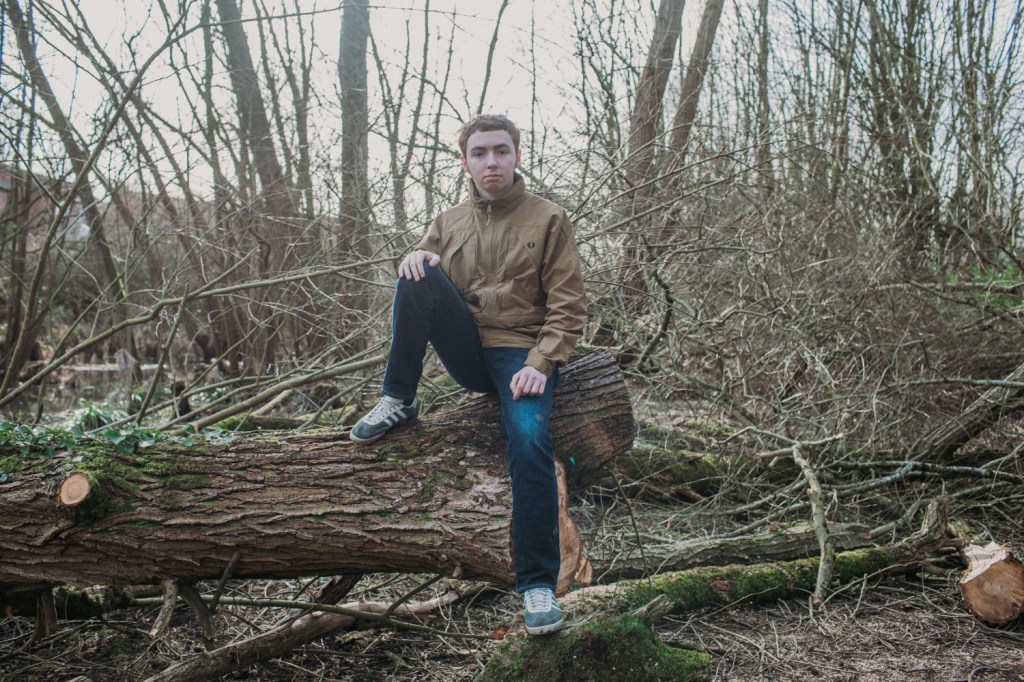
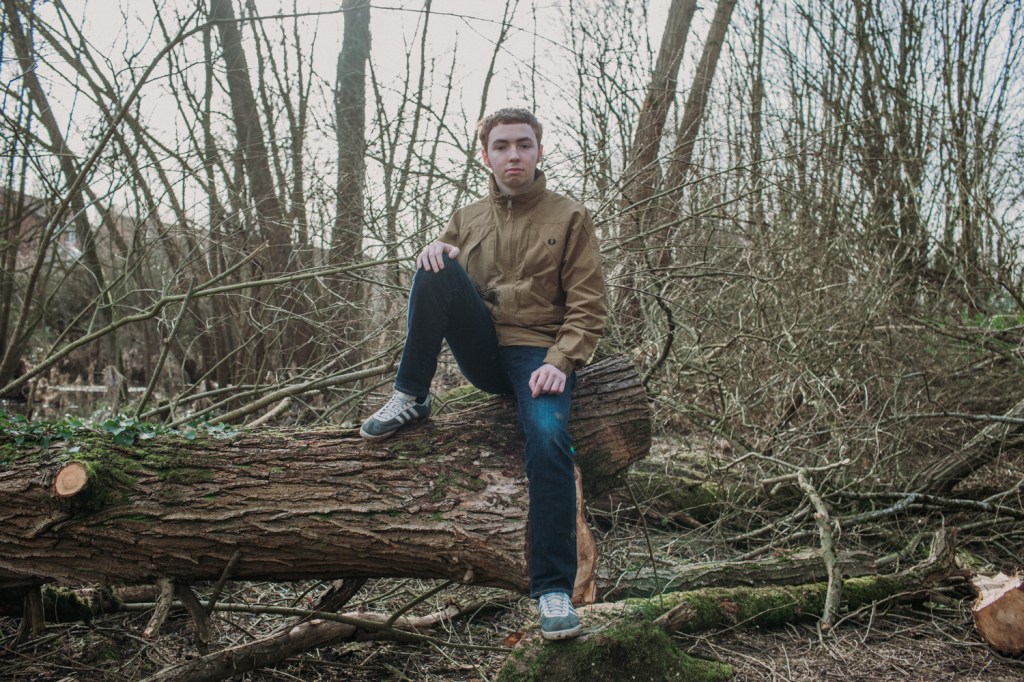
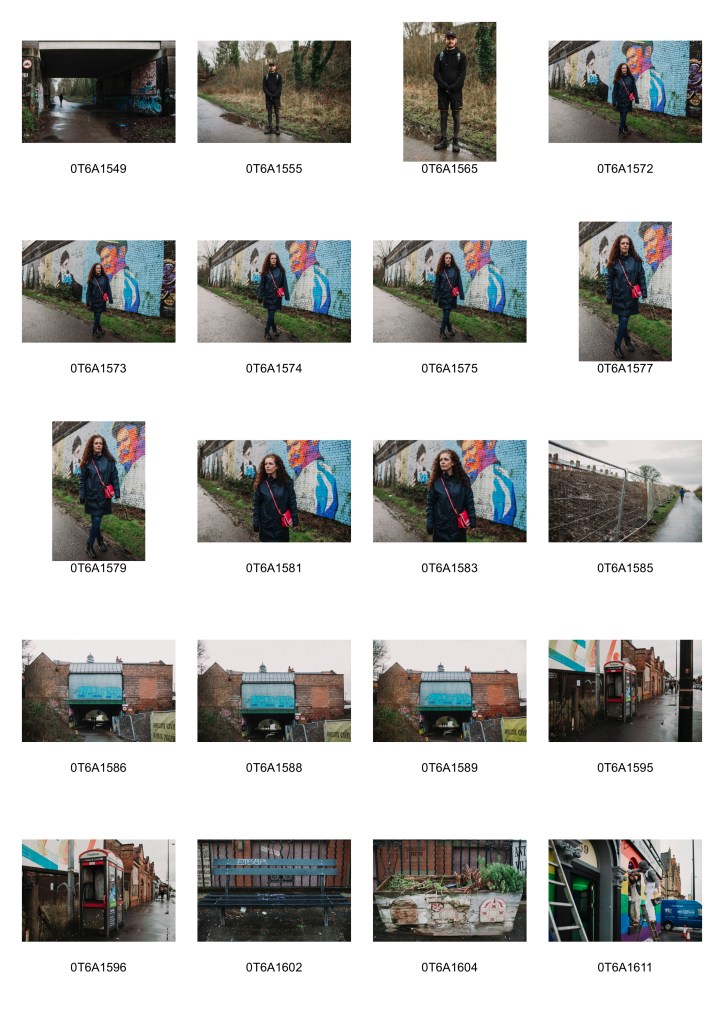
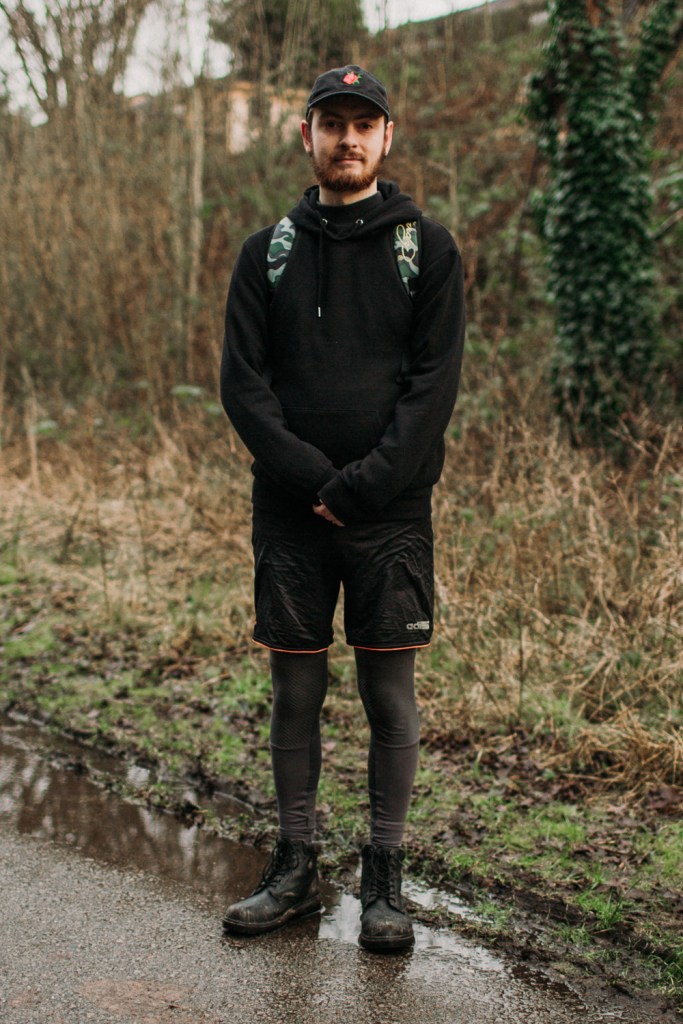
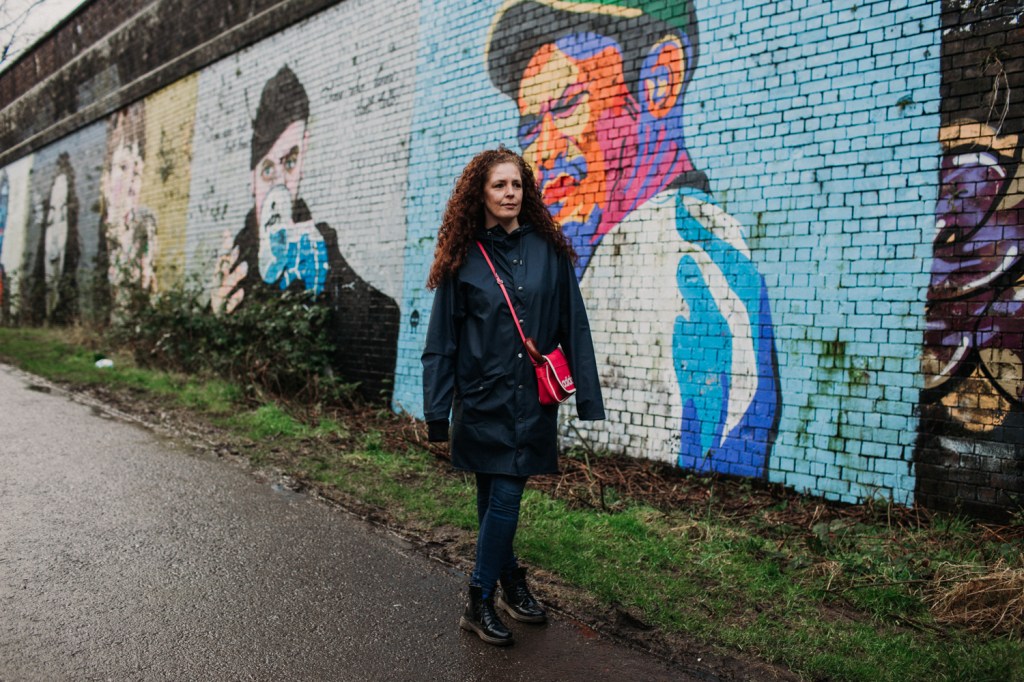
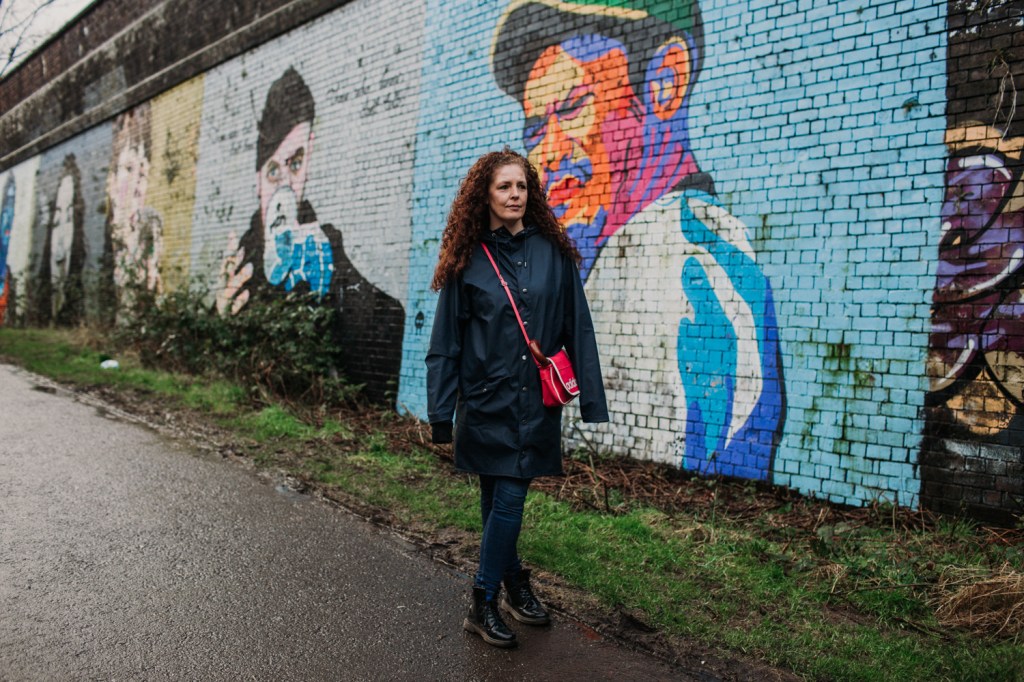
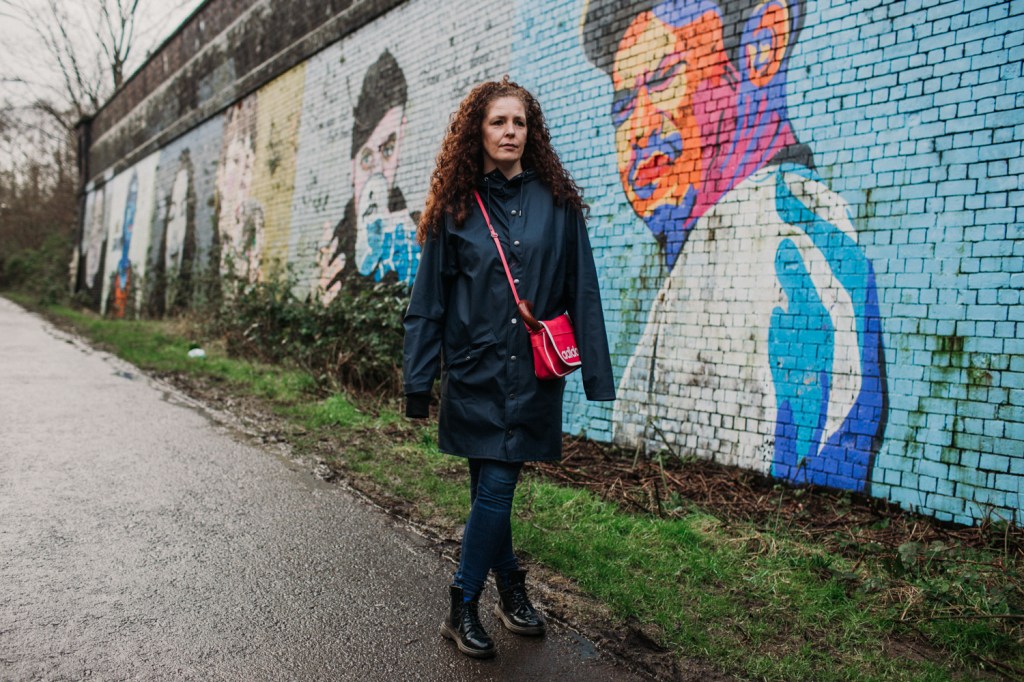
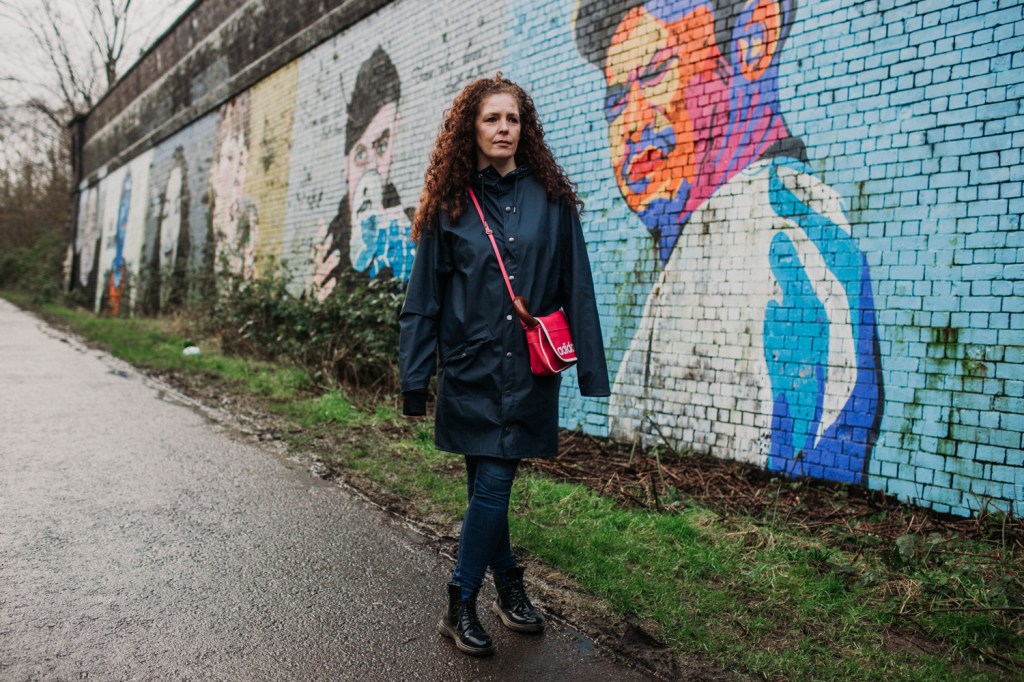
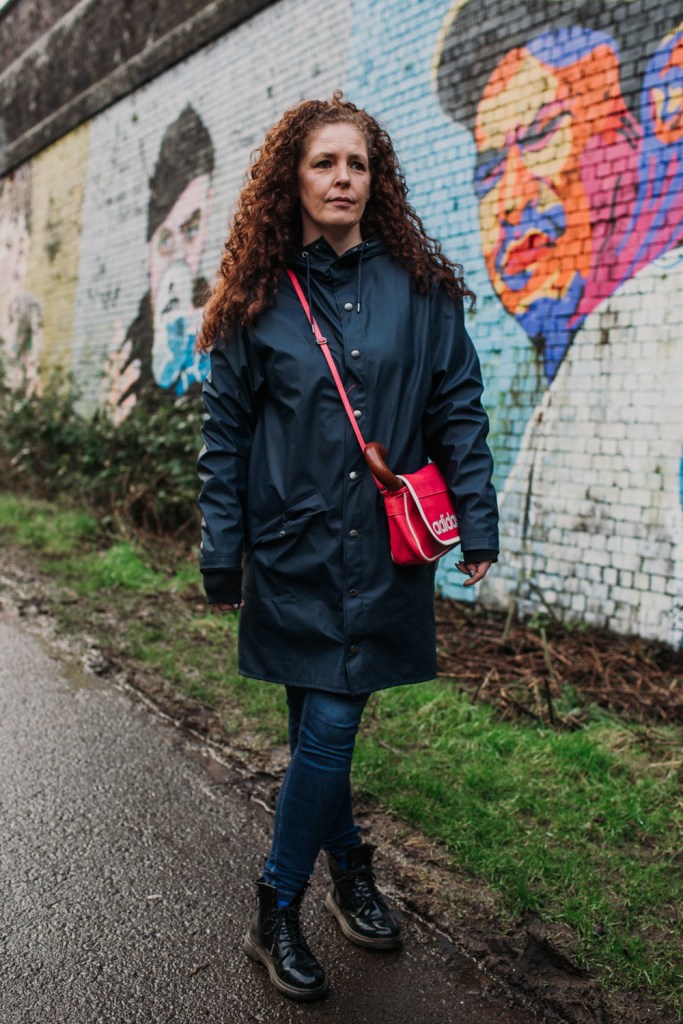
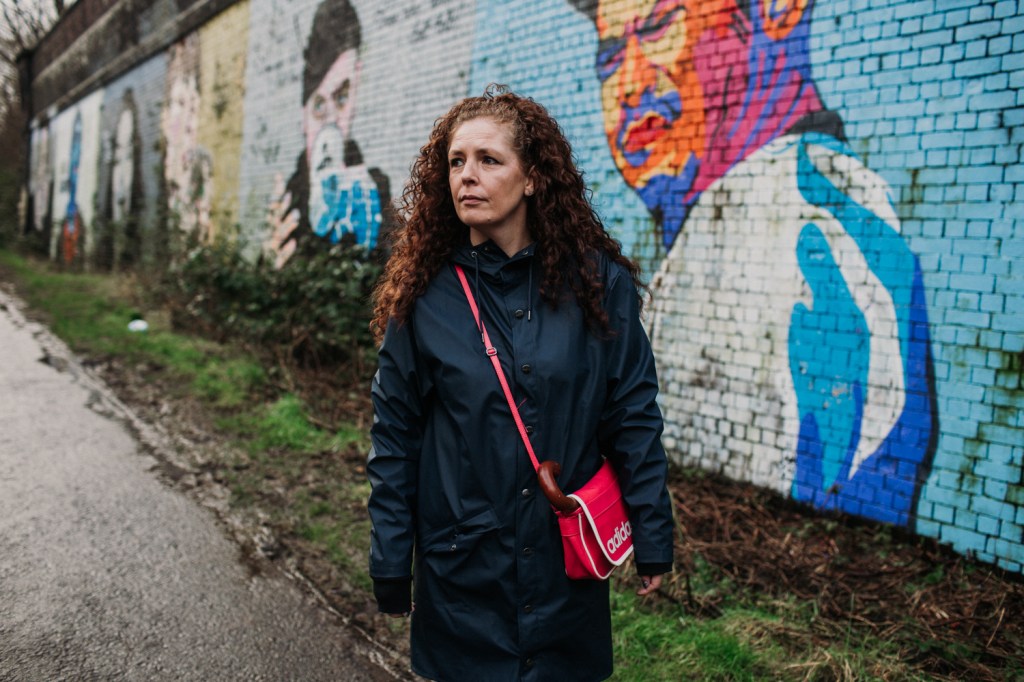
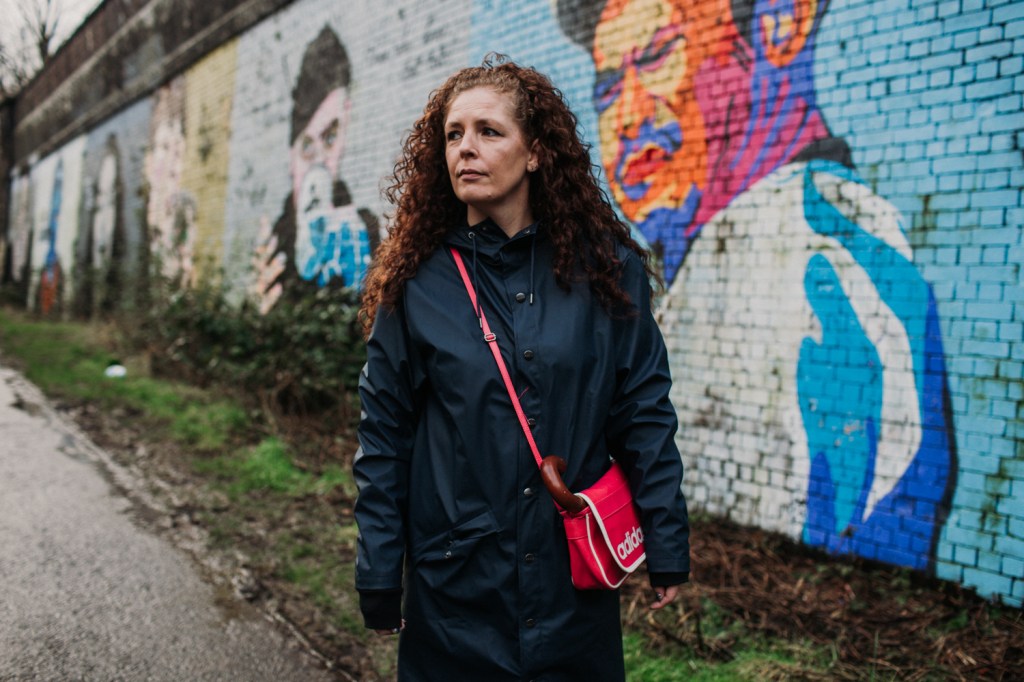
Here, Romero surmises Christenberry well, in referring to the creation of an account by someone from within the geographical location. This is what I would like to achieve with my work. Christenberry’s signature vantage point is partly what makes his vernacular distinct whilst serving as a significant factor in the construction of an identity towards his work. At this stage I feel that I have achieved a type of distinct style of portraiture that may help construct part of my own DNA as a photographer. Making clean portraits using on camera flash to achieve separation of the person from the environment. I feel this assists in separating the subject from the environment whilst making the subject the primary element and placing the environment as a supporting factor to the story. I will pursue this because I quite like the results however the next stage will be to use off camera flash as an experiment. I have been using this technique for a while within a wedding context and have been successful in doing this. My thoughts on not utilising this within my personal work is the fear that I would make work that has an element of glamour to it and I would like to do this at all cost at the moment. 

In looking at my previous work produced as a result of the football environment, whether that being the game itself, spectators or the relationships I have cultivated as a result of my experiences within the game. I would be lying if I said that I wasn’t a little insecure about leaving the football theme behind. After my discussion with Laura, she highlighted my desire to move away as I felt I might become pigeonholed to this style. Moving away is the correct choice and the departure from a football theme doesn’t seem too much of a shift as I have now identified a new theme or destination which is mental health. In doing this I am able to continue to cultivate relationships and tell visual stories from the privileged position of an insider. McNay (2014) cites Gareth Phillips on the subject of being boxed in or given a particular label stating

 ‘Having the freedom to produce without limitations is what excites me as a photographer,’ 

My thoughts somewhat encapsulated by Phillips as the current rejuvenated excitement for the project is the removal of the football element. In a personal sense, this represents a coming of age or empowerment of my voice which is exciting whilst at the same time serving as a relief that my project idea behind the ‘Seven Miles South’ is now becoming clear. The last week has been a source of panic and I felt it was important to respond positively by not thinking about shooting and concentrating on the critical justification of my direction. In doing this I have been able to take important steps forward and almost force a critical breakthrough.  

Burr, V. (2003) Social Constructionism, Second Edition. Routledge, London.

McNay (2014) Photomonitor.  Gareth Phillips: Search for ‘Hiraeth’ [Online] Available at: https://photomonitor.co.uk/essay/gareth-phillips/ Accessed (28th Feb 2021)

Pantall, C (2020) Cultural Appropriation, Interpersonal Voyeurism, and Own Voices. Colin Pantall’s Blog. Available at http://colinpantall.blogspot.com/2020/02/cultural-appropriation-interpersonal.html Date Accessed [27th Feb 2021]

Romero (2013) Christenberry, W (2013) William Christenberry. New York, Foundation Mapfre.
Telling Stories

It was been a tough week as far as development of my project is concerned. Having had my second meeting with Laura at the start of the week, I received excellent guidance in addition to a raft of avenues to explore further.

At present I feel that my progress has stalled as I’m really struggling to see the direction of which my project is heading and I have a number of decisions to make. Those decisions are presently hindered by a number of factors and in trying to address them all at once I am currently drawing a blank. In response I felt the best course of action was to conduct some critical research and explore the broader avenue of story telling in order inform my future direction.

The major issues I currently face with my own work:

What story am I trying to tell?

What makes a powerful story?

How do I tell a powerful story?

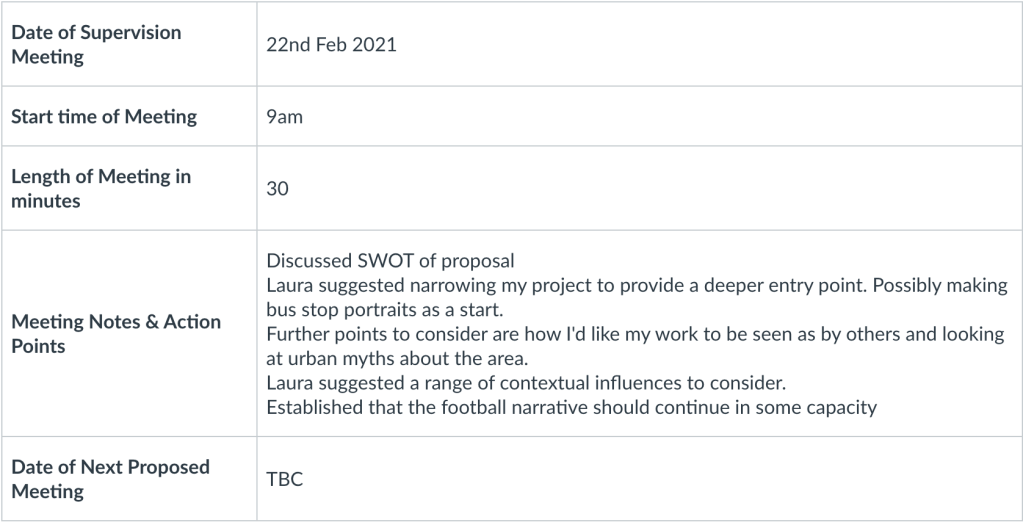
In terms of the Seven Miles South project I recently became bogged down with the burden of representing diverse communities outside of my own. Worrying about how I might represent communities with authenticity which I know little about. Having frequented the area of Longsight, having an unsuccessful experience I needed to go back to basics. In my meeting, Laura suggested I needed an entry point and she suggested that bus stop portraits may be a good starting point. However I also felt that I needed to further an understanding of the fundamentals of what makes a good story in the hope that my gaze can reach a more concise direction.

I feel the need to explore the idea of a story, as I currently feel as if I could possibly have a hundred to tell, and in trying to resolve this, I find my thoughts in an ongoing battle about trying to decide of a particular line of enquiry. At the same time I also understand that with the appropriate approach, I will be able to synthesise multiple narratives in an overarching theme. The theme being the road. Richin suggests that photographs that provide a single answer intimates its own manipulation (Richin 2013). The relevance here being that my ideas surrounding the project continually revolve around the idea of a ‘road’, the various parts of that road, and representing communities who frequent that it with a sense of authenticity. In following this simplistic structure I feel that my approach is one dimensional as my ideas continually go back to bricks and concrete as opposed to human experience and emotion. (Barthes 1980) also purports suspicion about photographs with singular meaning when he suggests that  photograph whose meaning is too impressive is quickly deflected; we consume it aesthetically, not politically.’ Both Richin and Barthes comment very important pitfalls of ideas surrounding my project. Whether ‘singular meaning’ or ‘single ‘answers’ I am walking into the trap of the singular at present. The danger of this being as Barthes concludes, the audience draws conclusions in an aesthetic sense as opposed to the political.

Having reflected on the difficulties I’m currently facing, to plan a route forward is the more pressing matter and in order to do this I firstly need to identify the work I have made that I took most fulfilment from and in my case, I particularly enjoyed challenging themes of mental health among my peers. In challenging this theme I was able to make work that allows me to identify with my own struggles of insecurity and feeling inferior which amount to a lack of confidence that has lasted around two decades. Without writing an emotional story, the importance of this self identification is to establish and further understand my DNA as a photographer in addition to unlocking the emotions that that will enable me to tell a more powerful story. Pantall (2020) advocates that good stories advocate ‘The complexities and contradictions of life, the flaws and imperfections, the ability to recognise our own failures are what makes things interesting.’ Here Pantall offers insight into establishing a starting point to rethink my own motivations for this project. And the personal connection I have to the subject matter. (Pantall 2020) further states ‘that things need to be recognised but in a three-dimensional manner that recognises the emotional, the personal, the creative sides of life, and goes beyond the limited didactic voice’. Once again, applying Pantall’s ideas within my personal context my thoughts are to develop my idea to encompass the idea of a road with a theme of mental health in males. Further contextual research will be needed here but this currently represents progress. I had previously written about Zed Nelsons project ‘A Portrait of Hackney’ and upon further research of this work (Nelson 2019) comments in the BJP  “People didn’t form neatly into categories. Some of the villains turned out to be decent, hard-working people, and some of the heroes turned out to be quite narrow-minded,”. And it is here that Nelson’s comments align with Pantall in so far as identifying that powerful stories highlight the complexities of life, they aren’t straight forward, the are multi layered and diverse. I feel that I need not be afraid of this going forward and I need to embrace the stories from within my own community as opposed to chasing stories that are perhaps not my stories to tell.

Barthes, Roland (1980) Camera Lucida, London, Vintage.

Ritchin, F (2013) Bending the Frame, Photojournalism, Documentary and the Citizen. New York, Aperture.

Pantall, C (2020) Cultural Appropriation, Interpersonal Voyeurism, and Own Voices. Colin Pantall’s Blog. Available at http://colinpantall.blogspot.com/2020/02/cultural-appropriation-interpersonal.html Date Accessed [27th Feb 2021]

Warner, M (2019) Zed Nelson captures the debilitating effects of gentrification in Hackney. British Journal of Photography. Available at: https://www.1854.photography/2019/11/zed-nelson-the-street/ Date Accessed [27th Feb 2021]

Shooting Medium Format

For some time I have been considering shooting medium format, as my research continually takes me to practitioners who use non digital formats especially for personal projects. As I scrutinise images (as much as one can using a screen) I am intrigued by the depth of such images. Looking and sometimes getting lost in the detail. Larger formats seems to invite the viewer into a world defined by the medium with the differing formats appearing comparable to material with my Cannon 5D being cotton and large format being silk.

Throughout the MA I have quietly been building a knowledge base and appreciation of traditional forms which was a subject I was quite unaware of. I’m not from a traditional artistic background although I did enjoy the subject at school. I have also previously read about the benefits of engaging with the process of making as a form of therapy. However, my most pertinent memories of using non digital techniques are ironically, being a runner for a TV show and being charged with the task of digitising hundreds of DV tapes. A task that traumatised me until this day.

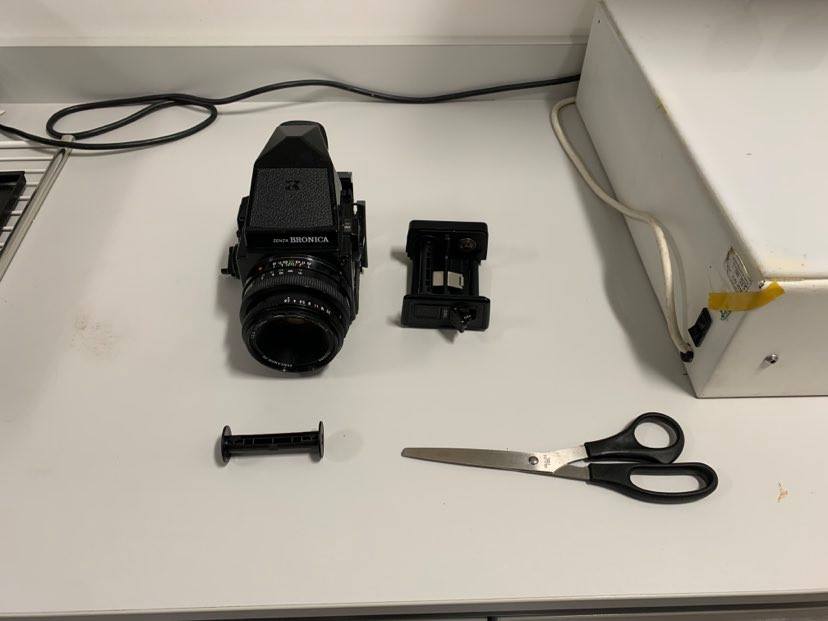
Bronica ETRSi

I have often spoken about this with my tutors who seem to have the same the same response which is to ask ‘why I would be using such techniques?’ A question that I would seldom have a good response for. One of the better reasons I felt is surmised by Zylinska (2010) who suggests

‘in using analogue techniques and collecting such work is important ‘preservers of value and the past, as keepers, against all odds, of a certain world that (allegedly) once was.’  (Zylinska 2010)

A sentiment I whole heartedly agree with and a very admirable reason but although I confer. Such reasons don’t belong to me, or not enough to motivate me to rethink my personal process. I also took note in a tutorial when Colin Pantall described using traditional processes as adding capitol to a project. Once again, an adequate description. However, this wasn’t really a reason to make the jump in a personal sense.

In her project ‘exploring masculinities through mental health’ Jenifer Pattison re-engaged with the process of developing her work in the darkroom in an effort to identify with her Father…

“I decided to use this process because I wanted to physically make something with my hands. To experience some of the same benefits my dad did when he was making his objects as part of his occupational therapies.

Here the process of engaging with the process really became real and travelled beyond a generic justification. This provoked a much deeper thoughts about why I would take the time beyond the obvious ‘self improvement’. To provide some context, I work as a full time FE lecturer in both media and photography, I shoot twenty weddings a year and have three step sons in addition to a four year old Daughter. I am a volunteer football coach and have made it this far into the MA course.

Firs success in developing 120 film

At present I find myself in an odd place, the lockdown period means that I life it seems has slowed down, and due to self awareness I understand that when I slow down I struggle to cope with mental health. Learning how to shoot and develop my own film, at this point is no longer a task for tomorrow.

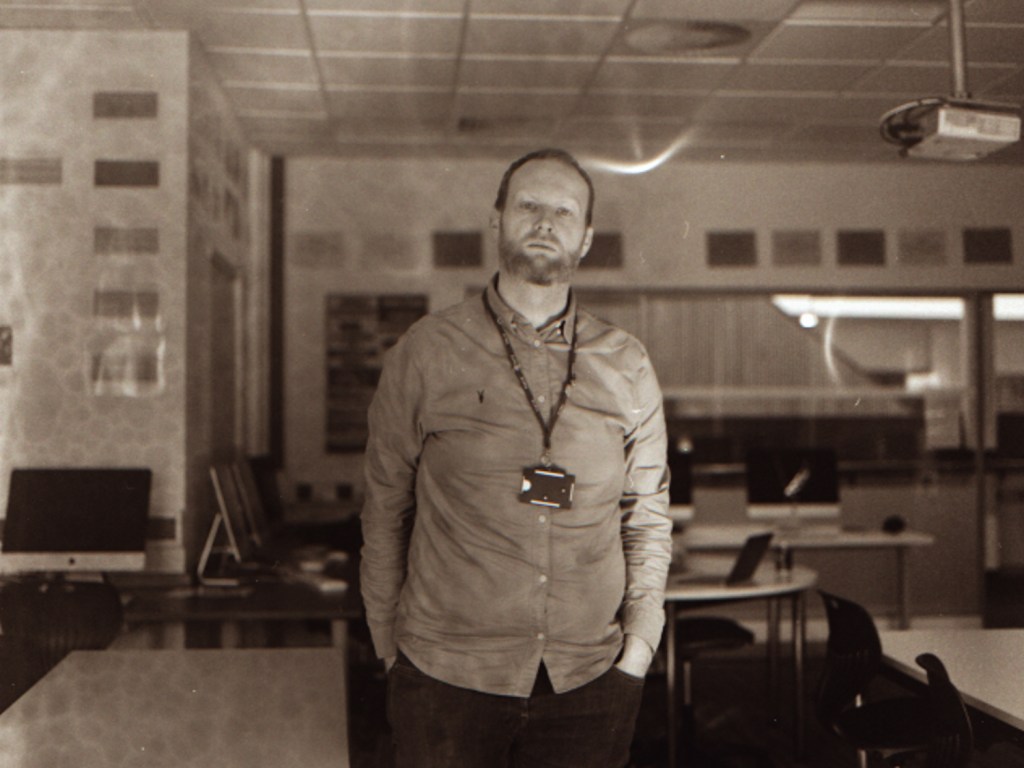
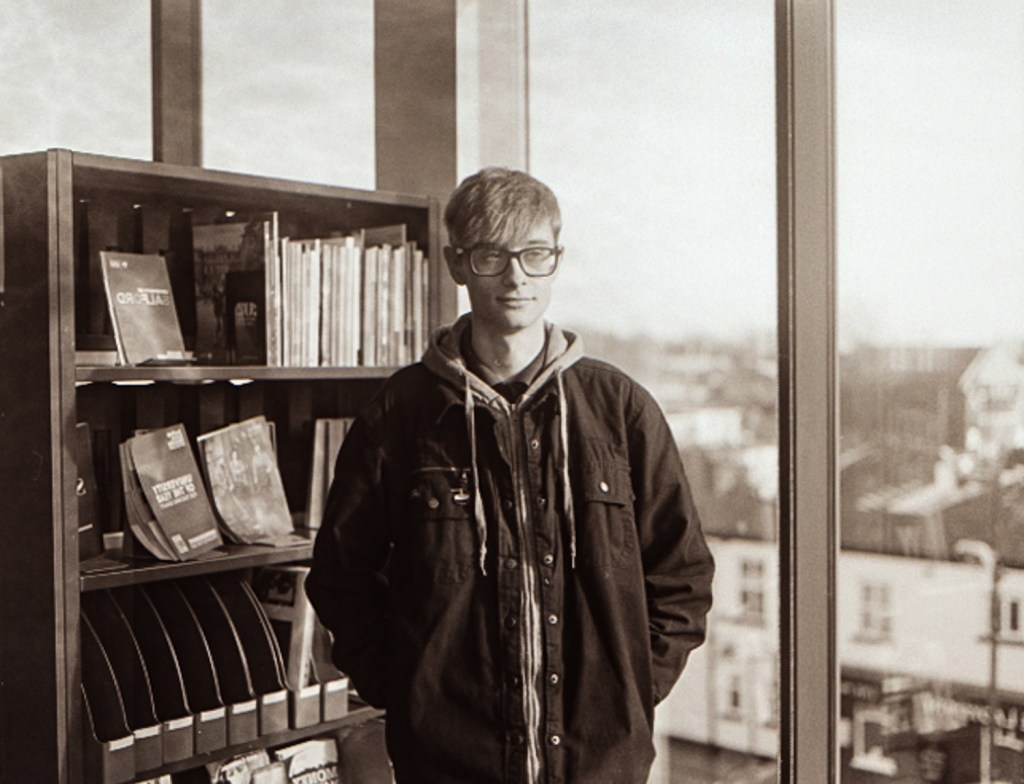
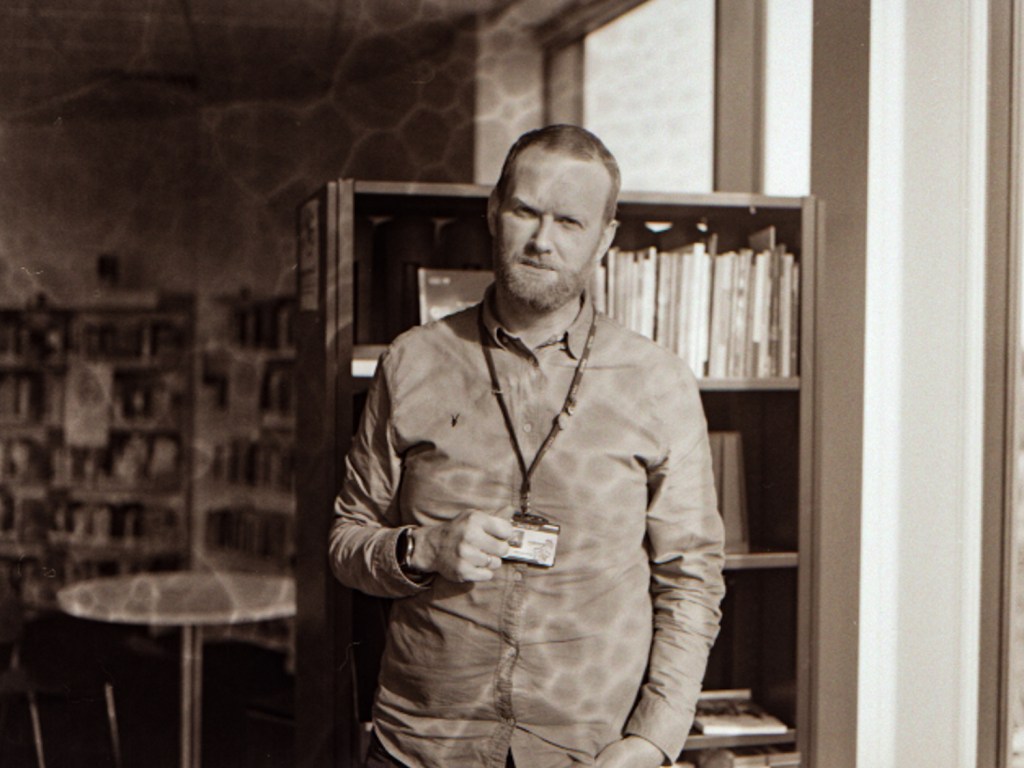
Therefore, I acquired the use of a Bronica ETRSI, took it home, took it apart, put it back together again. I must have done this several times over the course of a week or so before I even attempted to load it with film. Eventually I did and it was another few days before I plucked up the courage to fire the shutter. I shot the film, convinced the technician at work to help me develop the film and…. Ah! The film was completely ruined!

Without being deterred, I loaded another film and shot the roll as quickly as I could by making portraits of those immediately around. I needed to get back to the stage of developing as i’d figured out the camera worked in addition to using a light meter.

Loading the reel in the dark was also an interesting experience but I managed to get there in the end.

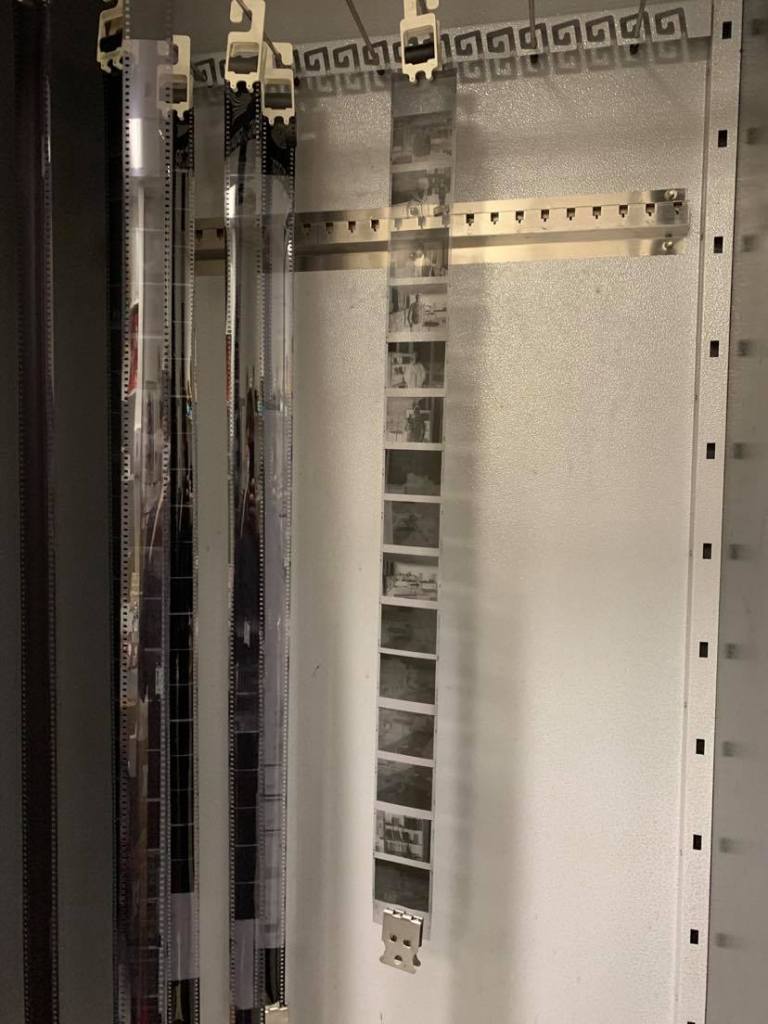
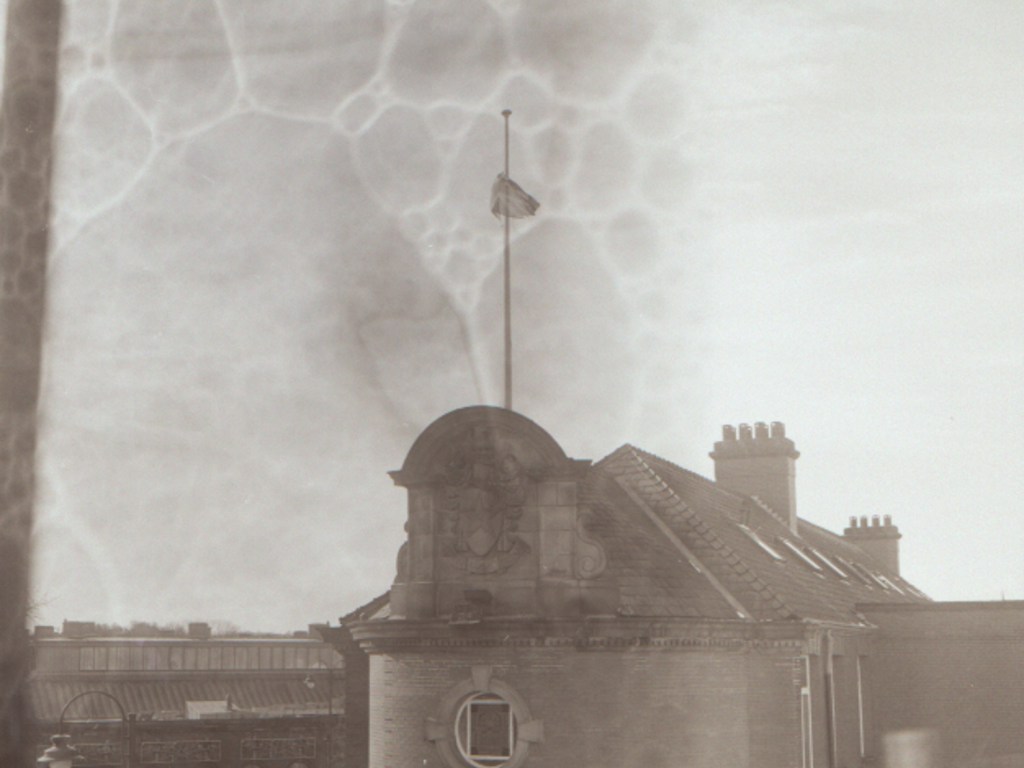
Anyways, the second attempt was a success of sorts as I managed to develop the film.

The feeling of achievement was something that I cannot remember experiencing in a long time. And the experience of being alone in the dark room with my images was almost spiritual. At this stage I really identified with Pattison when she highlights her desire to do something physical with her hands.

In my experience, I was able to drift into a world which was much slower and methodical than digital techniques. I now understand that in shooting digital the ethos is always to get the shot, review it as quickly as possible, especially when shooting weddings. The impatience was enjoyable with a slow building of excitement about the potential results.

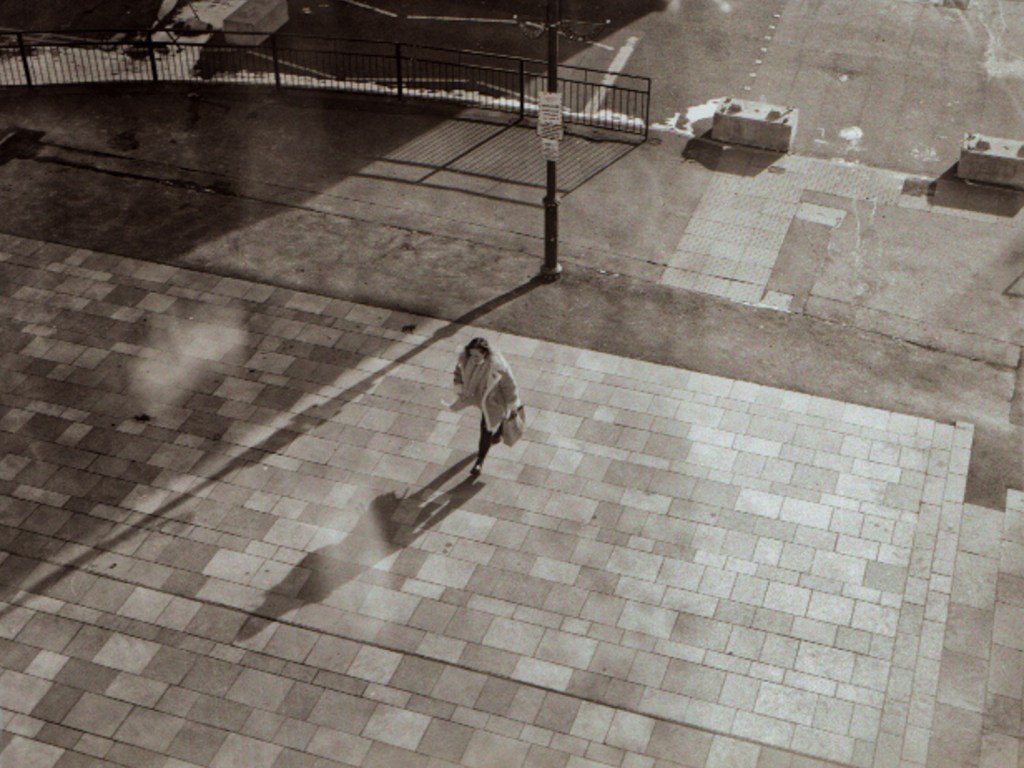
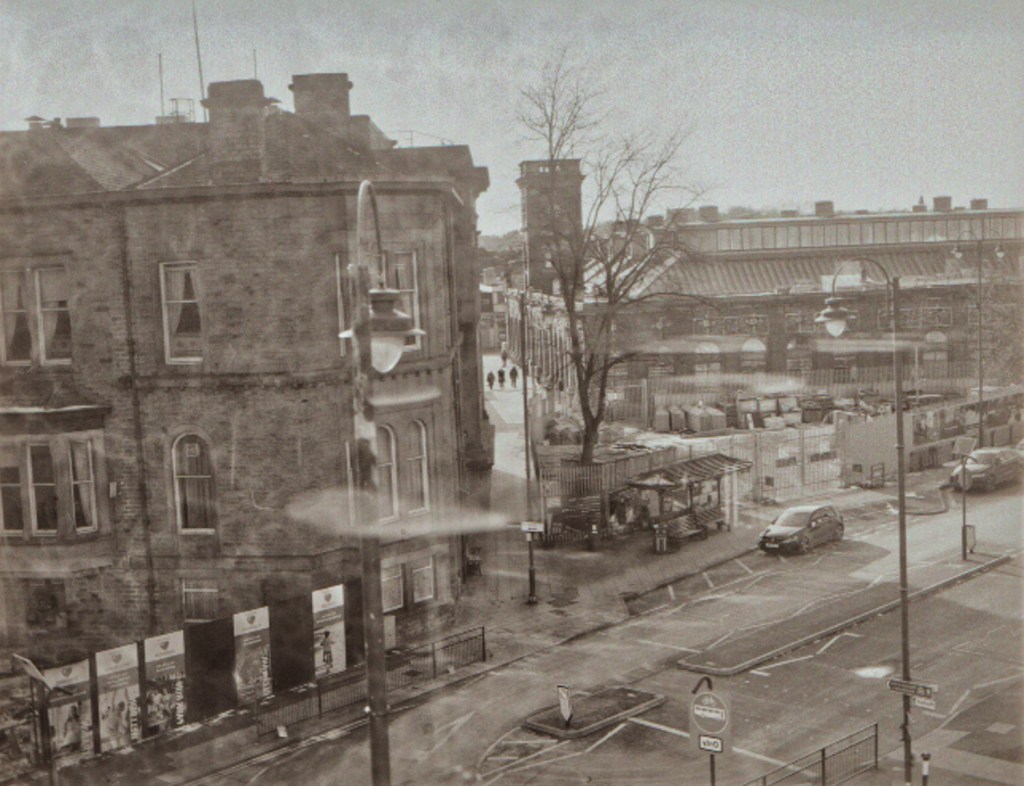
First observations of the outcome, I always find difficult and i’m not really that concerned with the outcomes as the emphasis of this task was really about the process. This is perhaps fortunate because I had to wash the film again as I didn’t leave it to dry for long enough. Maybe an ironic representation of my journey to being more patient.

Helguera (2011) Education for Socially Engaged Art: A Materials and Techniques Handbook. New York, Jorge Pinto Books.

Pattison, J (2015) Exploring masculinity and mental health through the image. British Journal of Photography [Online] Available at: https://www.bjp-online.com/2015/11/alpha-jennifer-pattison/?fbclid=IwAR19oiLn4ehGZZ4h1yBzIFhgju33mfOdcn2Y0bwYeLQtftWTDWzvntSgx5s (Accessed 2nd Nov 2020)

Rosen (2020) Alex Majoli on Artists and the Rewards of Environmental Portraiture. Magnum Photos [Online] Available at: https://www.magnumphotos.com/arts-culture/art/alex-majoli-artists-environmental-portraiture/  Accessed: 17th Nov 2020
Joanna Zylinska (2010) On Bad Archives, Unruly Snappers and Liquid Photographs, photographies, 3:2, 139-153, DOI: 10.1080/17540763.2010.499608

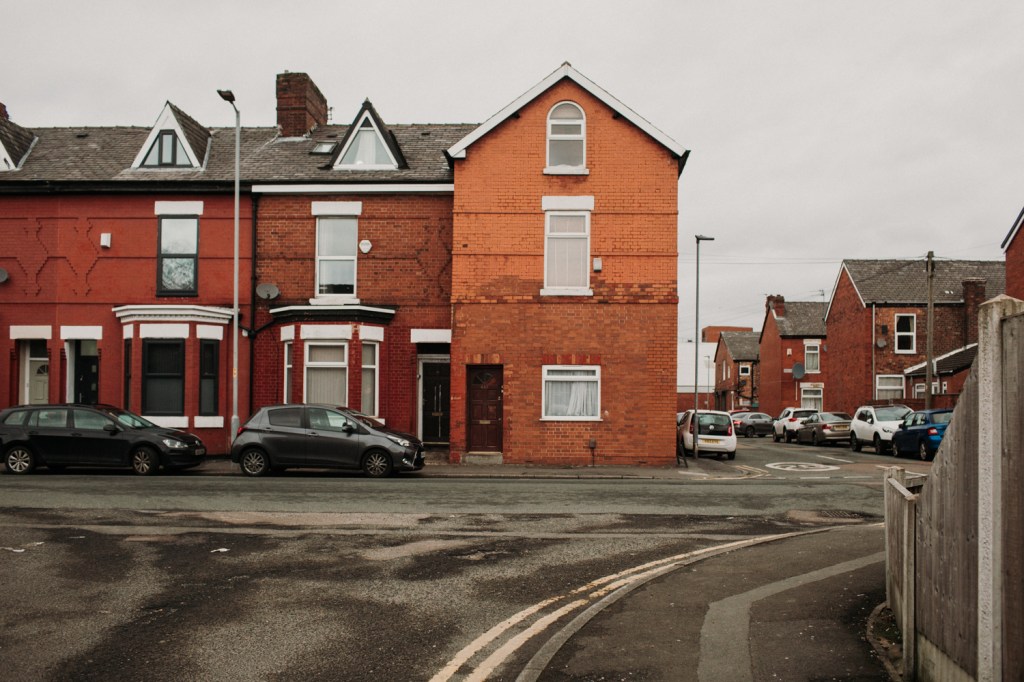
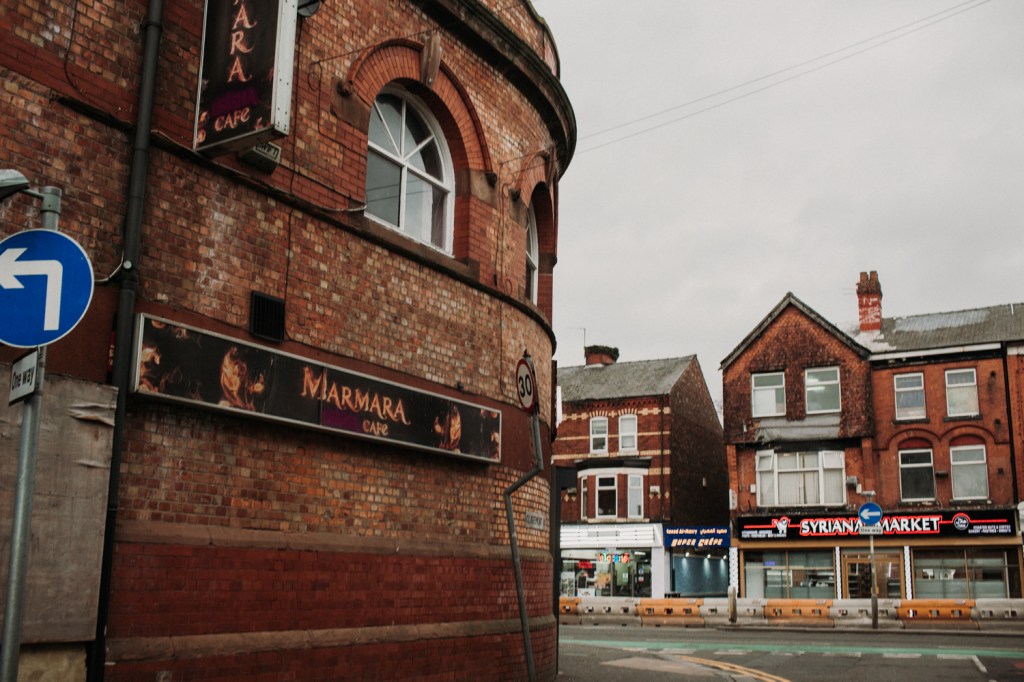
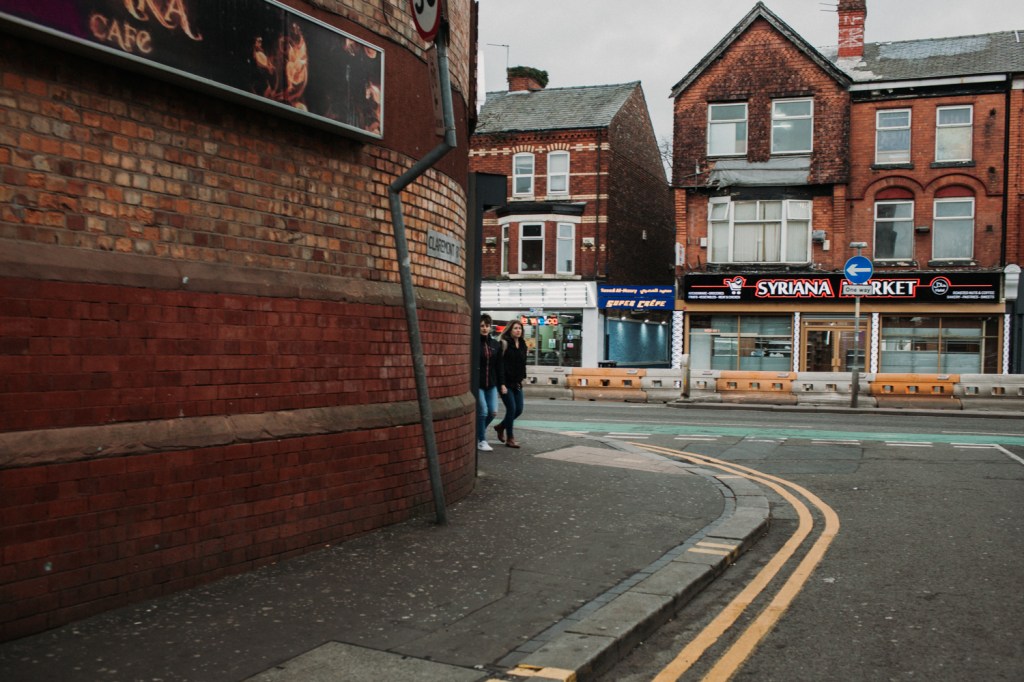
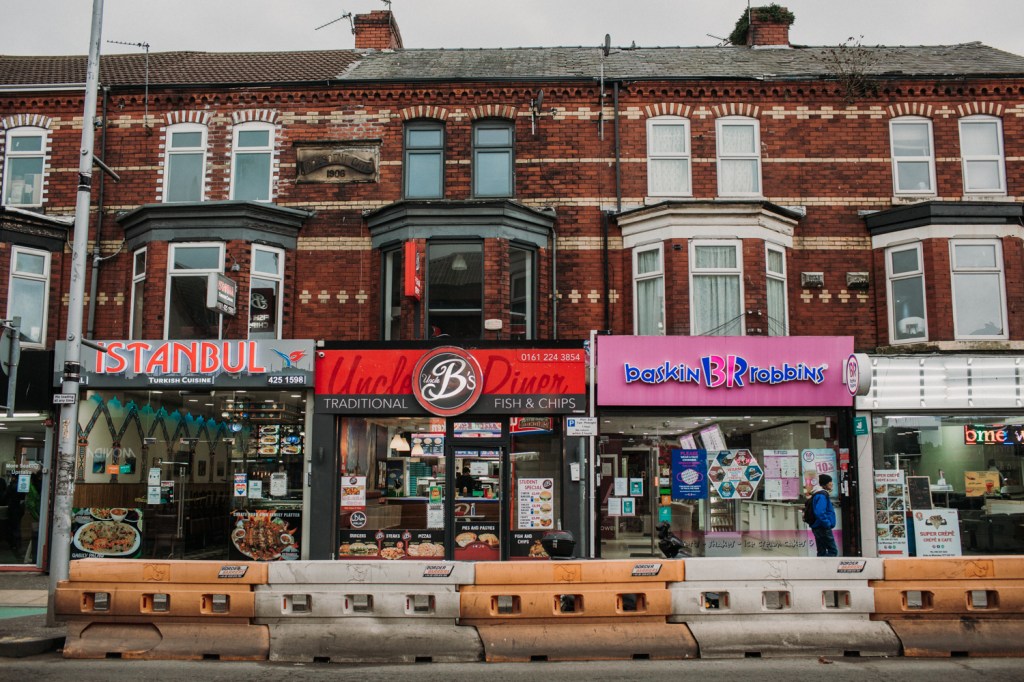
Longsight and Rusholme

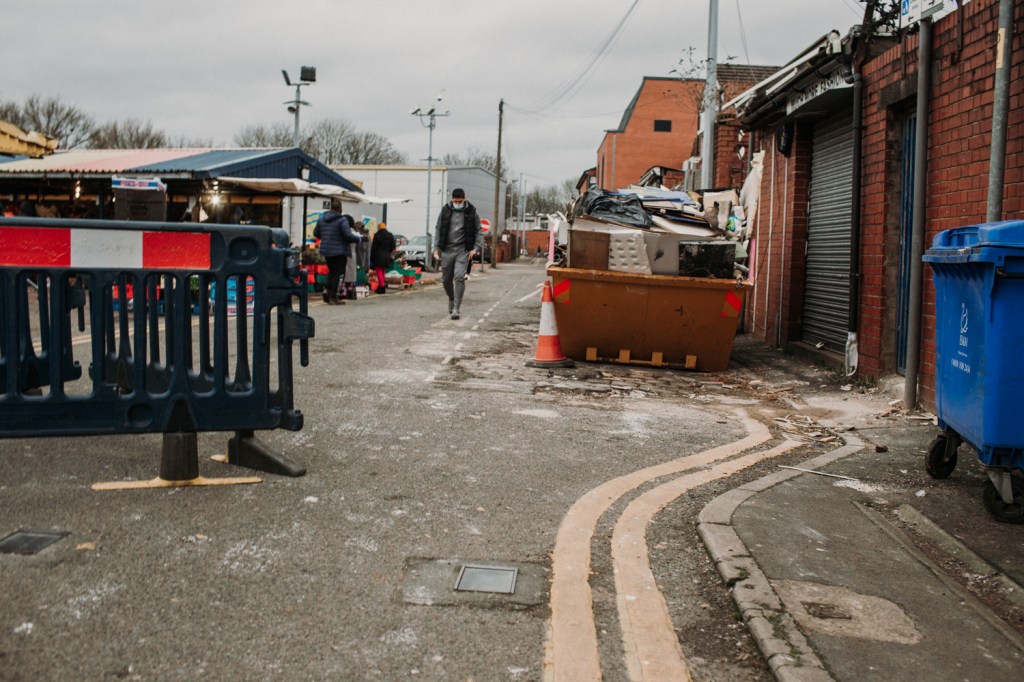
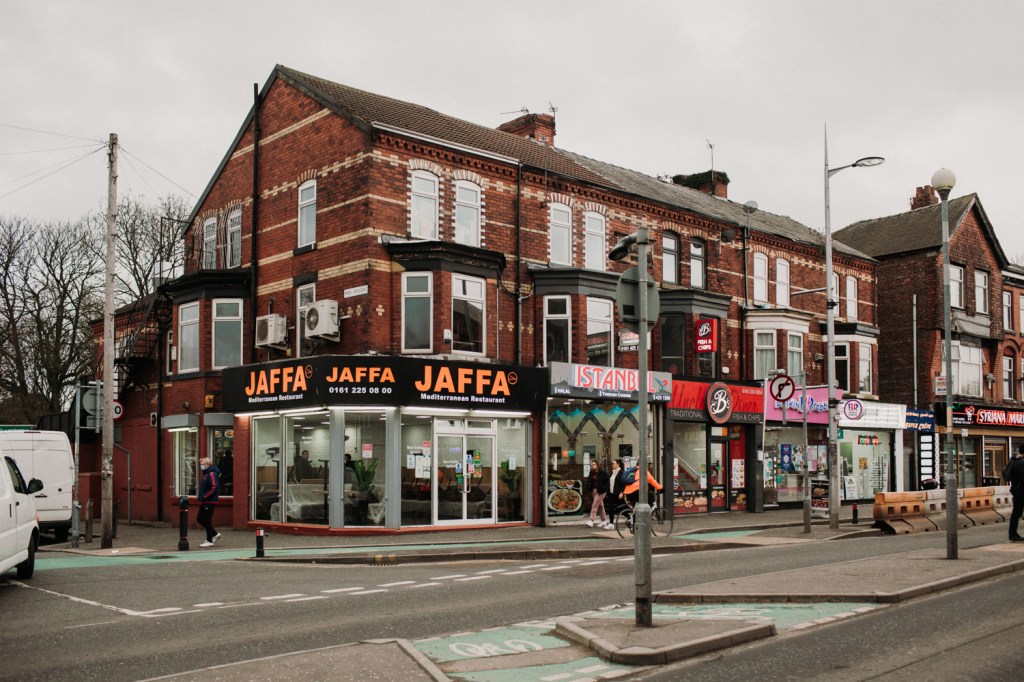
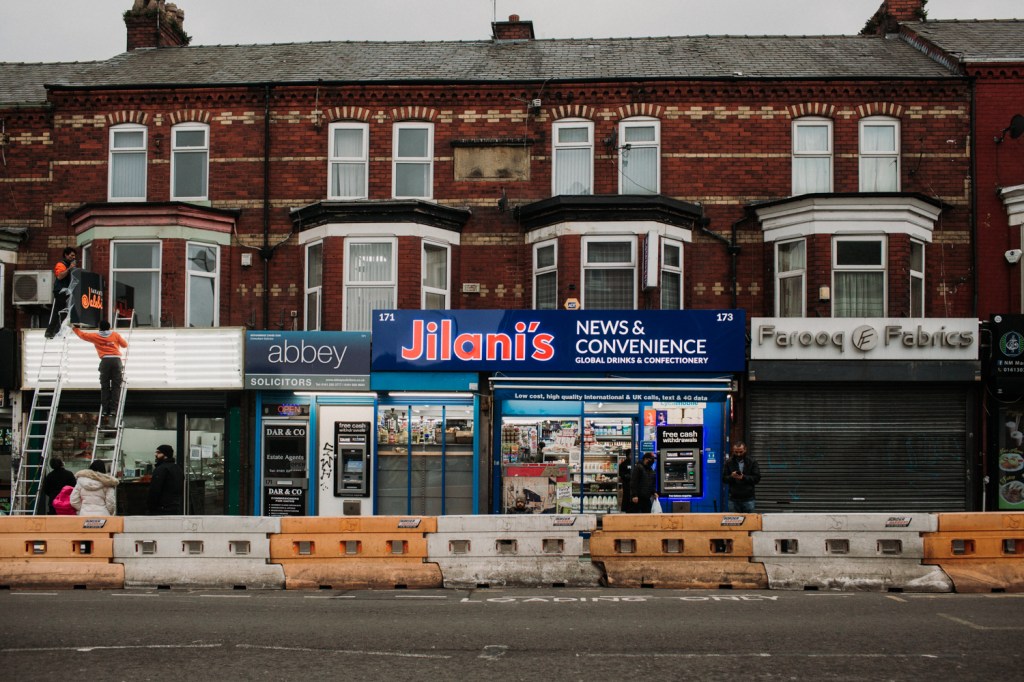
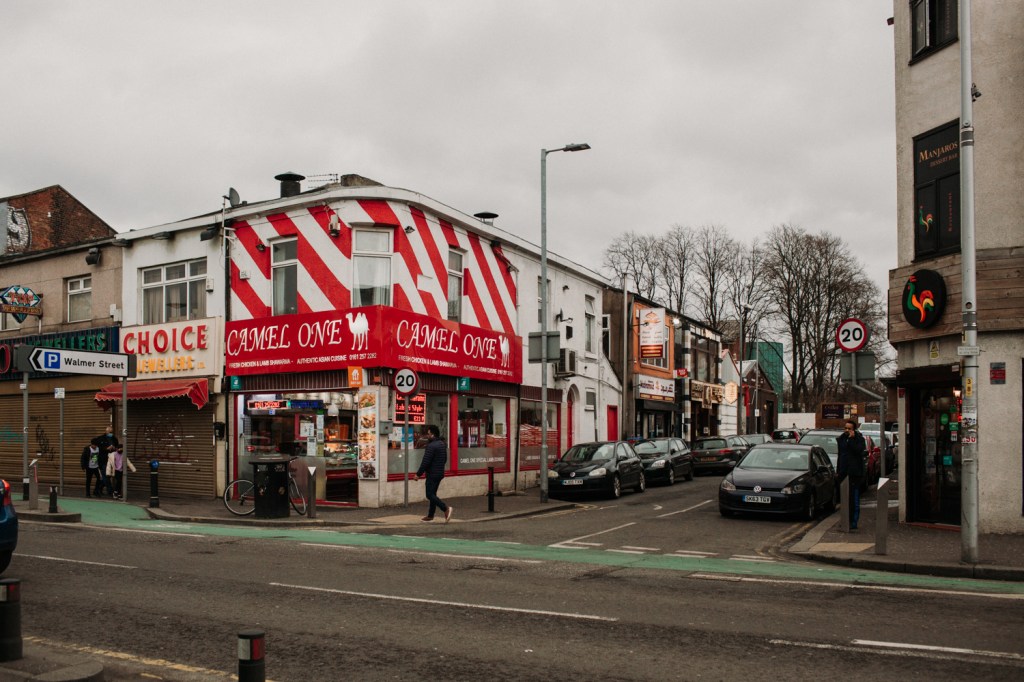
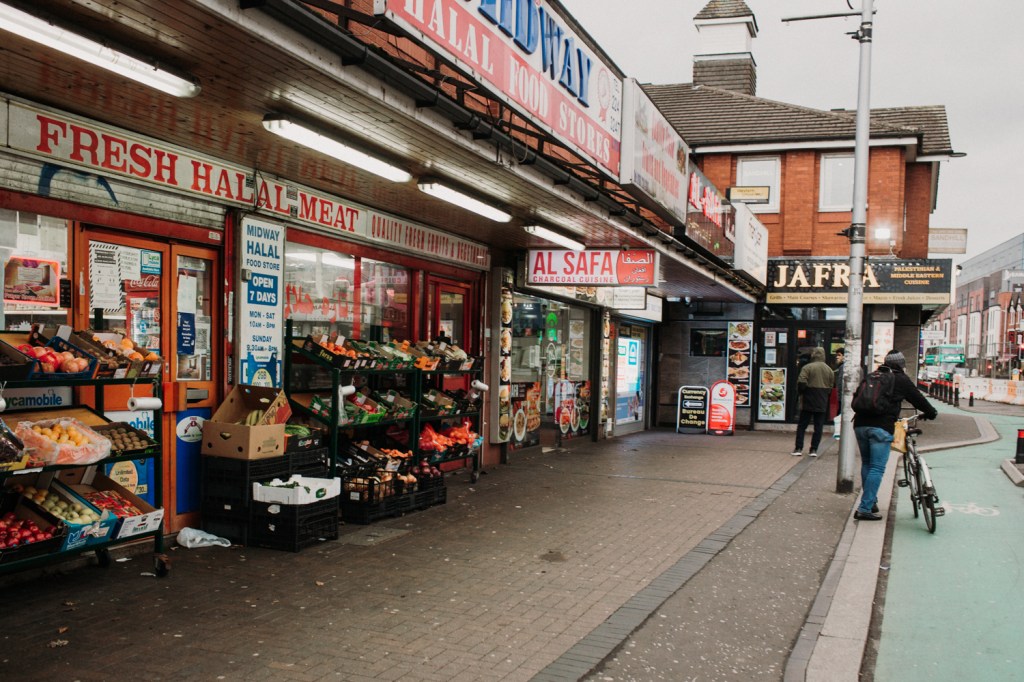
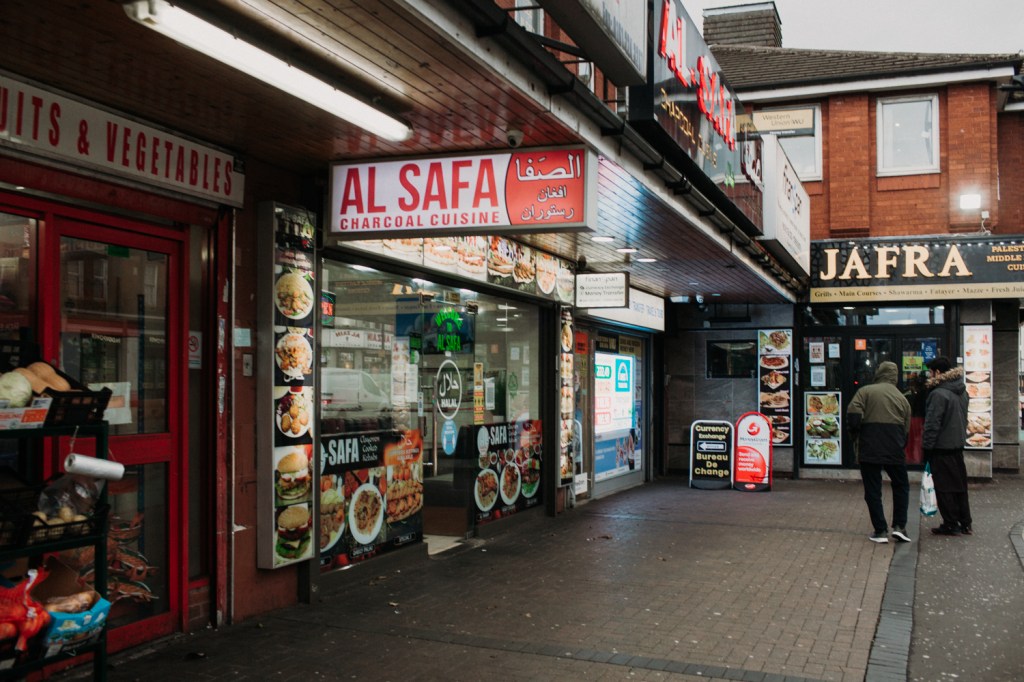
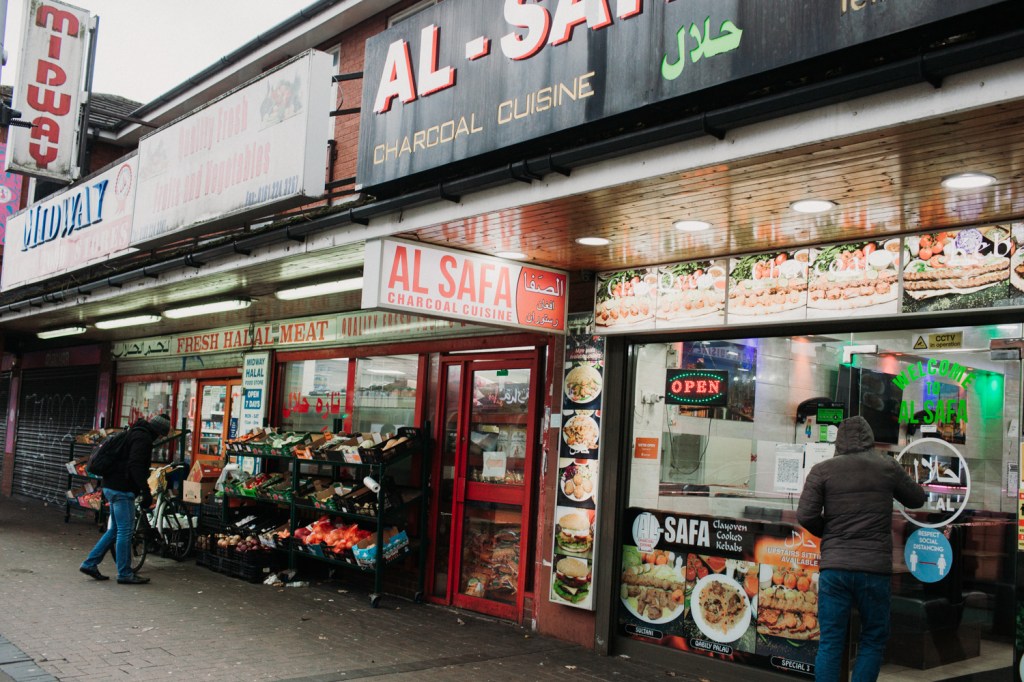
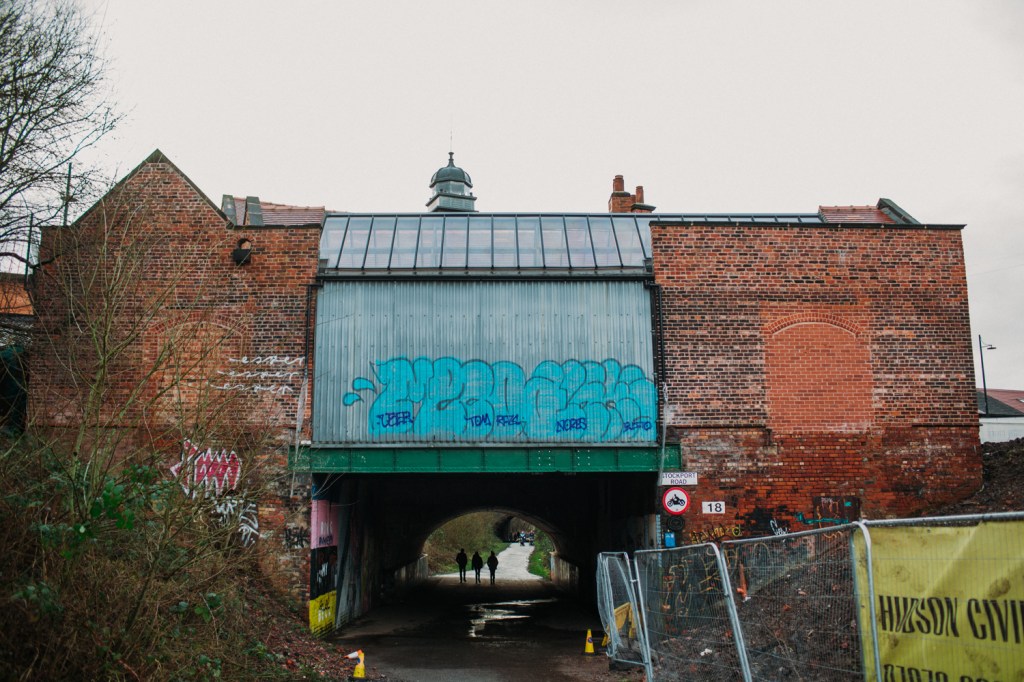
I was quite apprehensive about visiting Longsight. A multicultural, diverse part of Manchester. I know the area well in a visual sense however my understanding of the people of this community is limited beyond the visual.

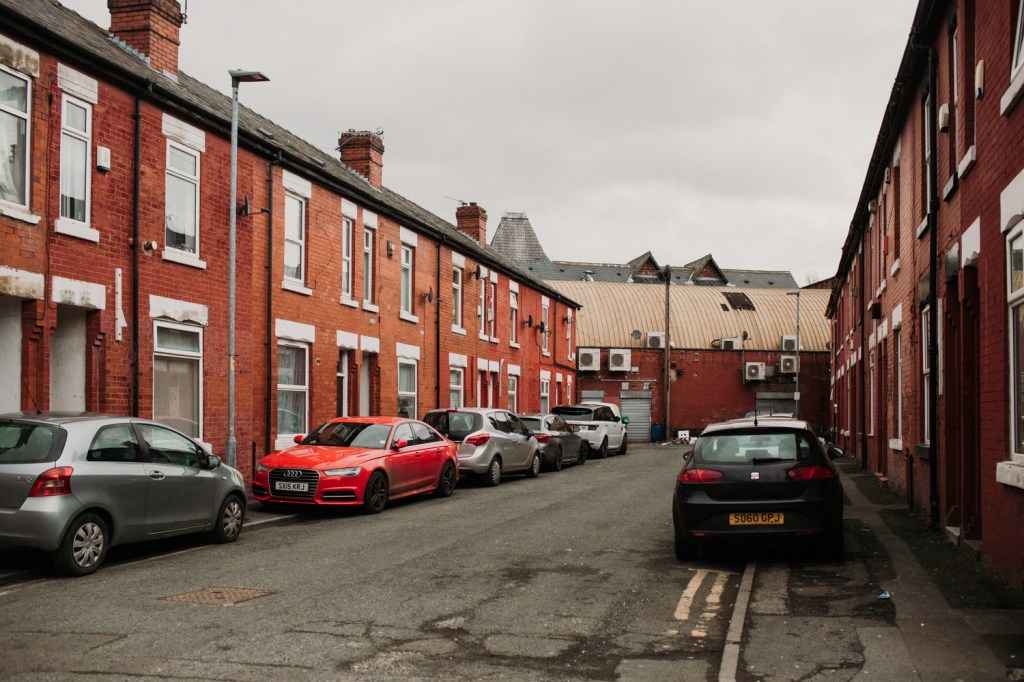
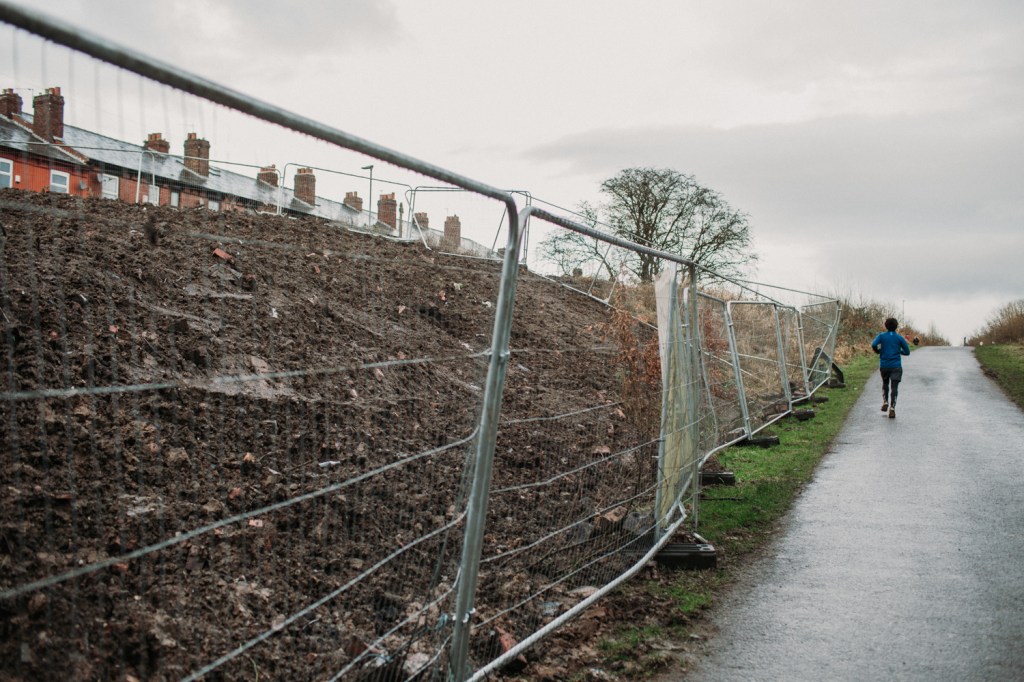
One of the intentions of my project is to generate a greater understanding of the communities of South Manchester and the main routs that facilitate the distance between Stockport and Manchester. Longsight is a key location however it is also the district I understand the least. It is a suburban area that isn’t the subject of gentrification although multicultural and diverse.
As I frequented the space I felt a sense of unease around my presence, I am unsure whether this was due to the way I looked or the colour of my skin. I didn’t feel welcome. I felt untrusted and a sense of suspicion around. Further factors may have impacted this such as the presence of my camera in or the current social distancing measures. However, I ambled around the shops and built up area, positioning myself as an observer of the local vernacular.
I was struck by the amount of fresh fruit stalls and the people shopping, ladies wearing head scarves and groups of males engaged in what seemed to be serious discussions, all in different languages.

Having scouted the area for twenty minutes or so I decided to approach people to ask if I could take some photographs. On each occasion I was met with an abrupt response of ‘no photograph’ or something to that effect. At points I felt attitudes towards me went beyond suspicion, venturing into the realm of active dislike.

When I returned home I begun to reflect on my experience and question my own perspective in addition to trying to identify with the perspectives of others about my presence. In wanting to further my understanding my reflections then moved away from specific events and I begun to research the idea of social construction and discourse. As a result I came to a conclusion that my experience did occur, but was it a truthful representation of Longsight or was it my own truth of visiting the area. Was it a truth or representation of realism at all? Burr (2003: p7) states

‘Social construction denies that our knowledge is a direct perception of reality. In fact it might be said that as a culture or society we construct our own versions of reality between us.’

Burr’s ideas, appear to advocate the abandonment of any opinions or conclusions i have made regarding this experience. In favour of a broader understanding of why I was there and what impact my presence may have had on others. In occupying this space my ability to experience the reality of this area and represent it is impossible.

I then begun to consider my reasons for being there and understand that my intention is to represent my own experience of someone who has spent a lifetime passing through the area. This leads to the conclusion that this space is used used in a number of ways beyond those that live and work there. My experience of this space is that of someone who passes through. I am not integrated within this community. Burr further states that there are multiple ways of seeing the world, therefore the result of this shoot may be used to reinforce my own perspective of being an ‘outsider’. A respectful outsider with a lack of understanding of how this community functions beyond the surface.

As a result of this shoot I was hoping to make some useful interactions with people and possible make some portraits however the lessons I learned are as useful as the work I have been making recently. I now possess a better understanding having visited this place.

Going forward, I need to consider how I will balance the representation of this place alongside the narrative I intend to pursue. How deep should I engage with this space? And in what context is it relevant?

Burr, V. (2003) Social Constructionism, Second Edition. Routledge, London.

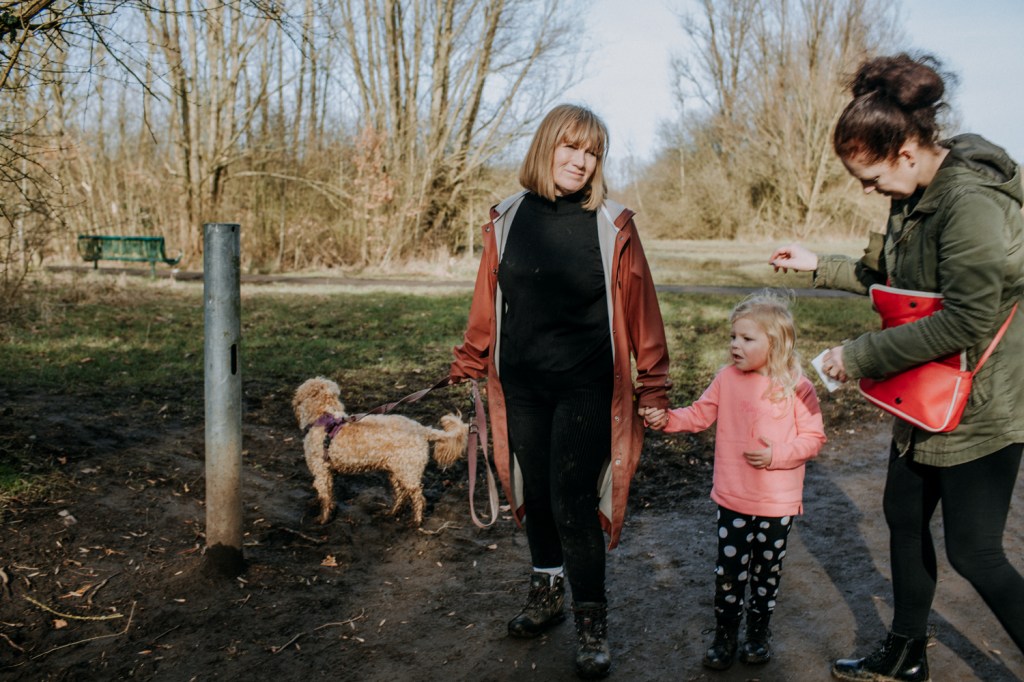
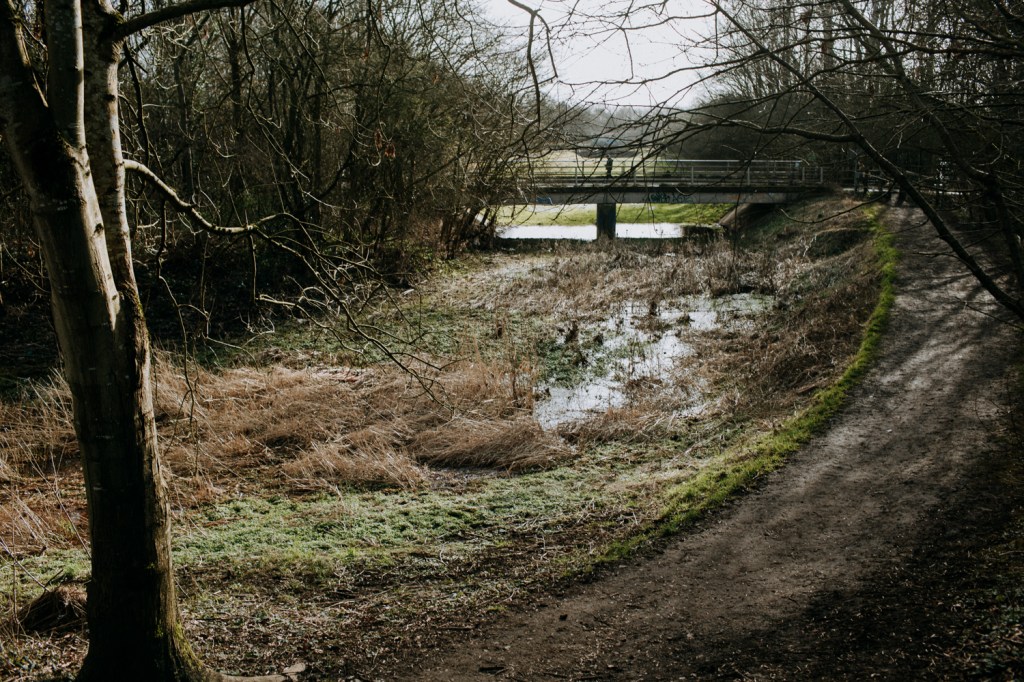
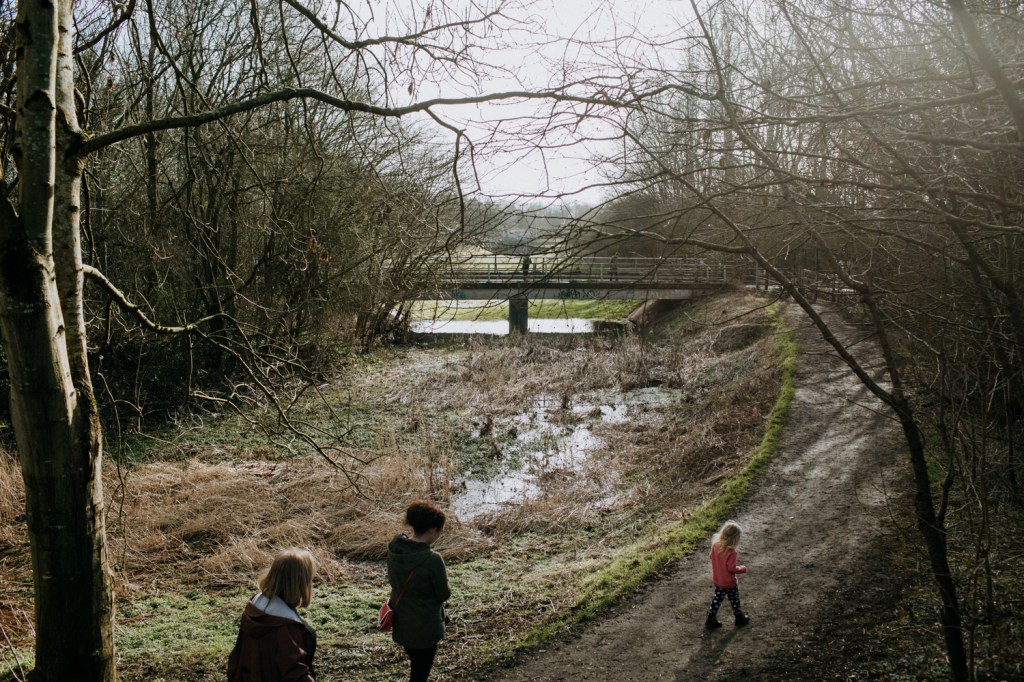
Shoot 3 | Fletcher Moss

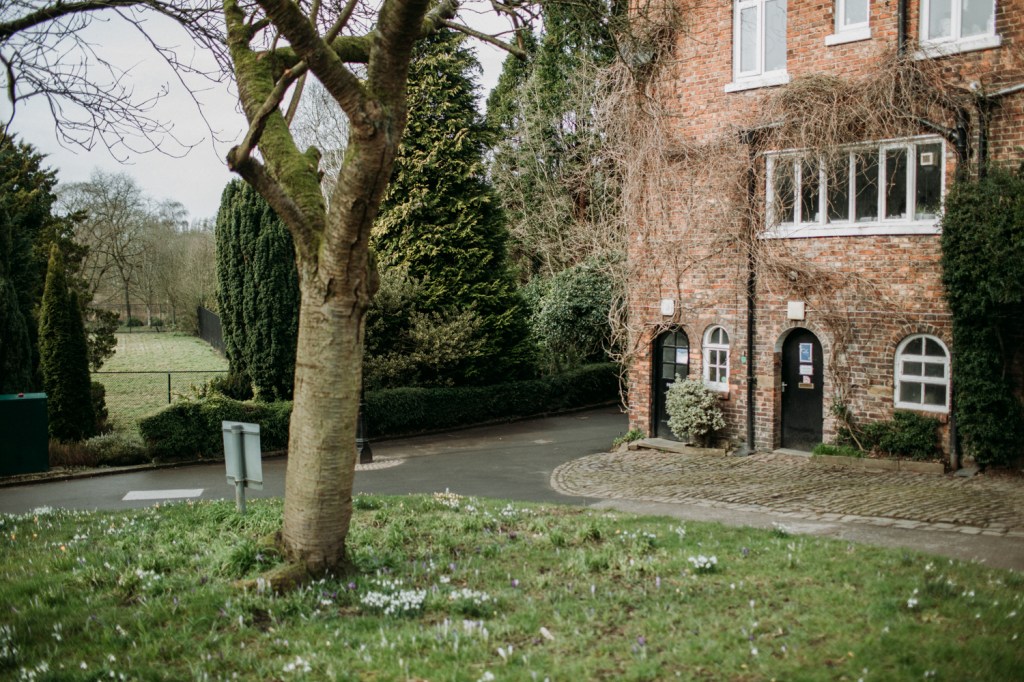
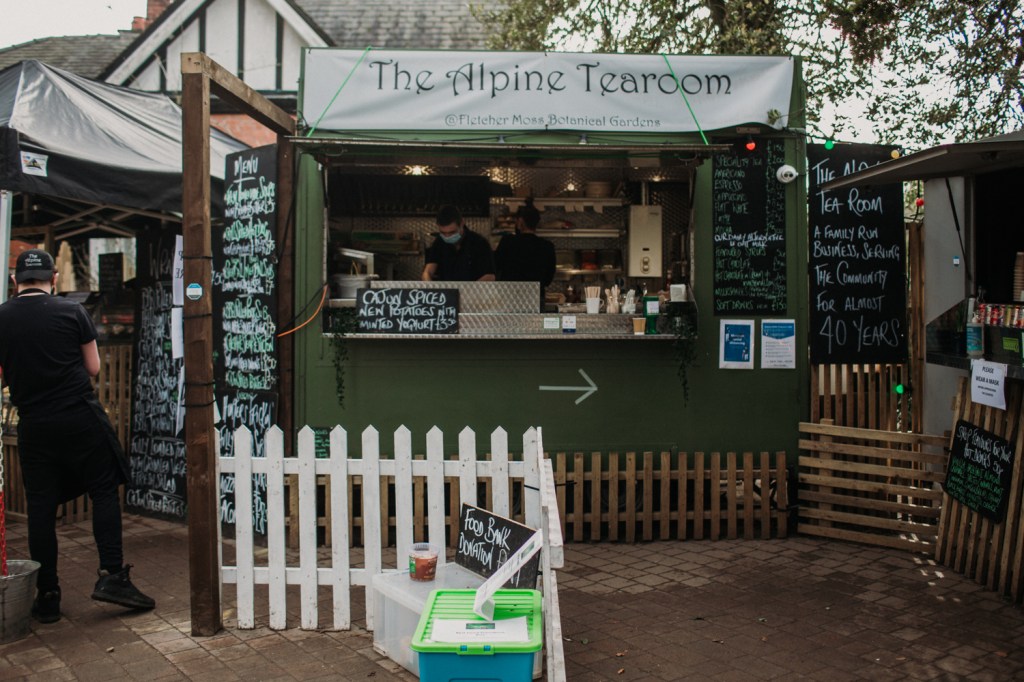
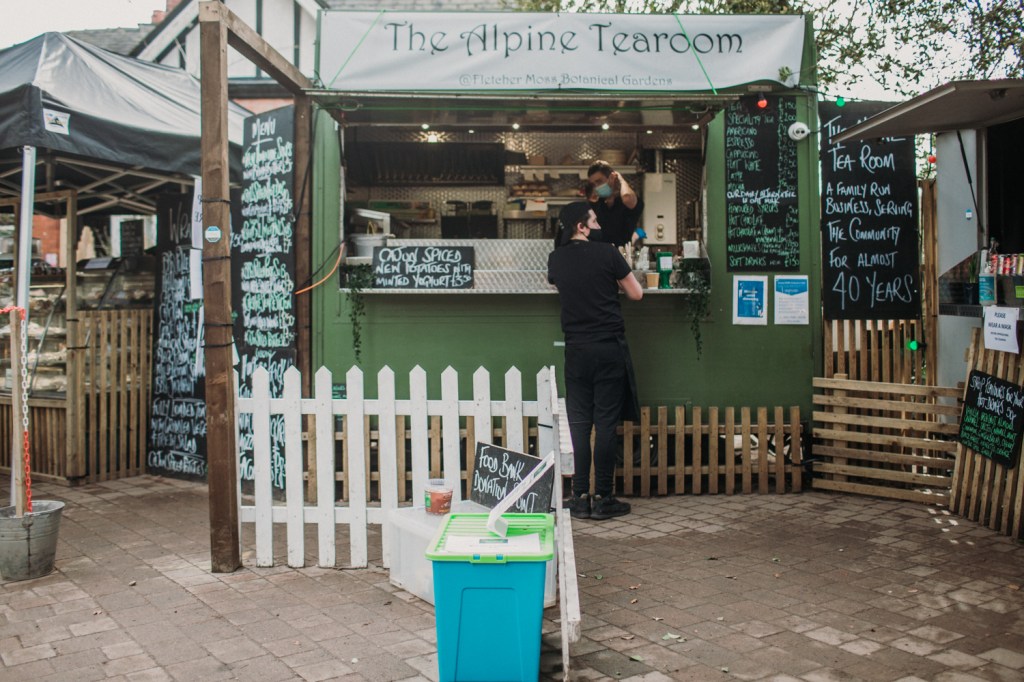
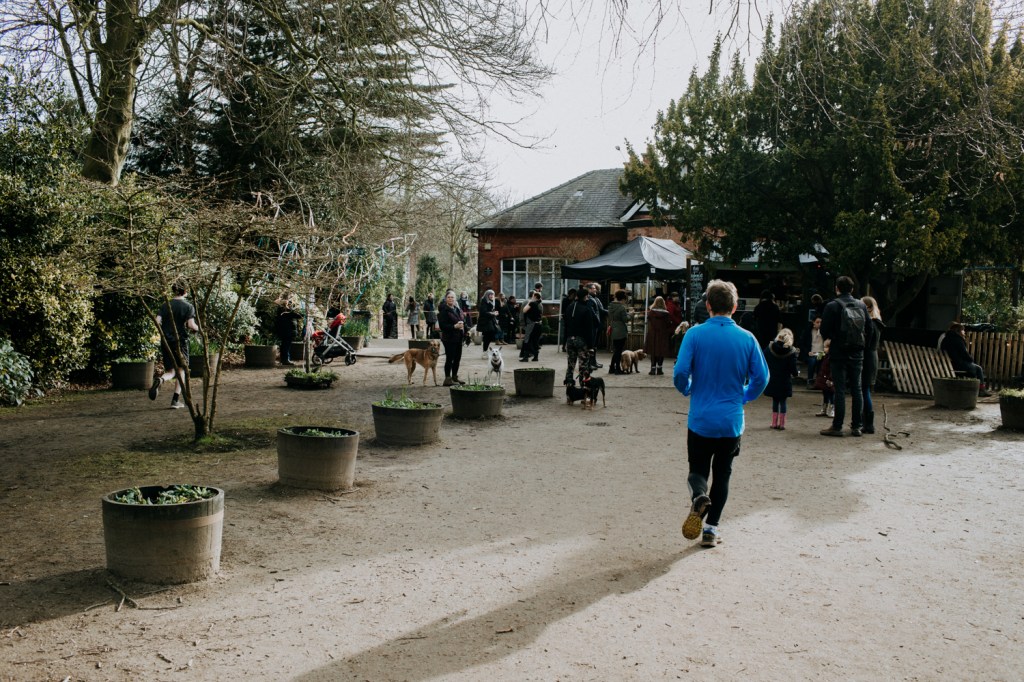
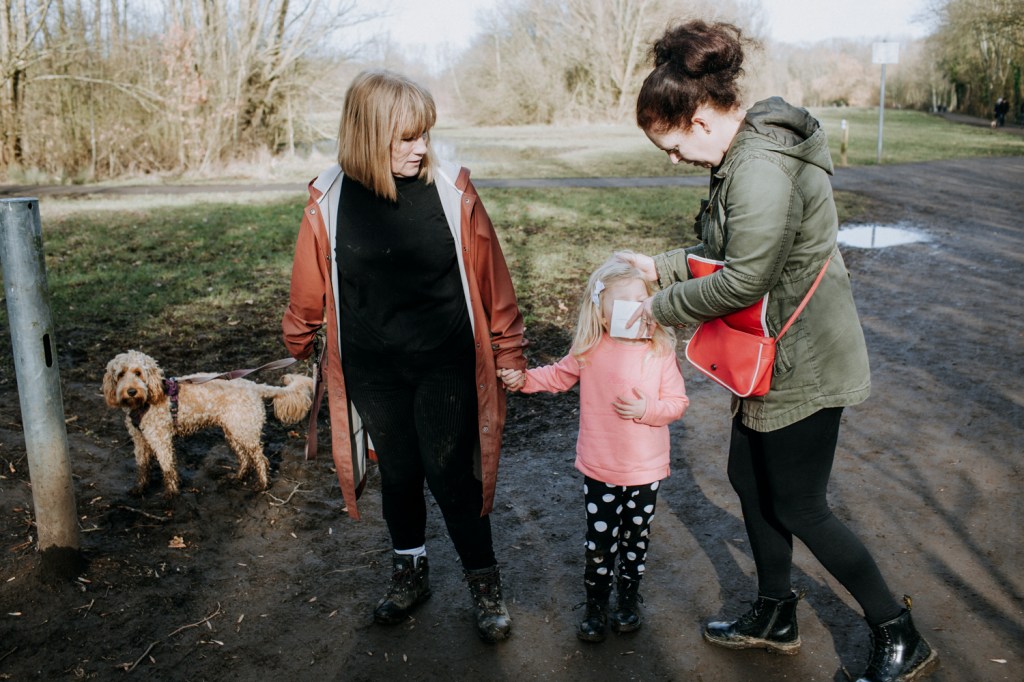
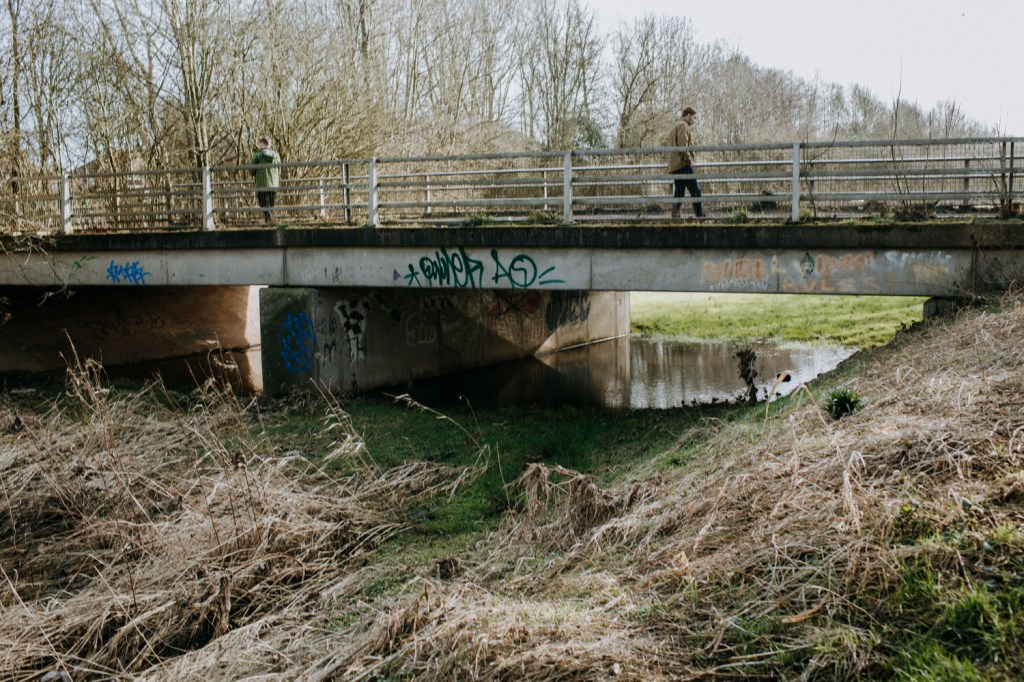
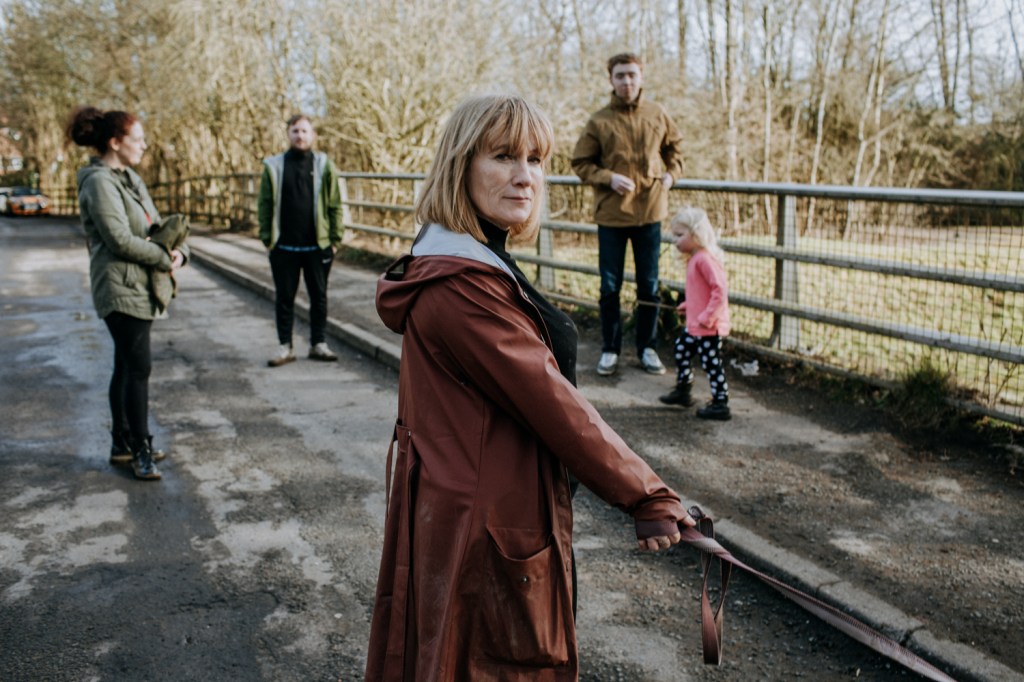
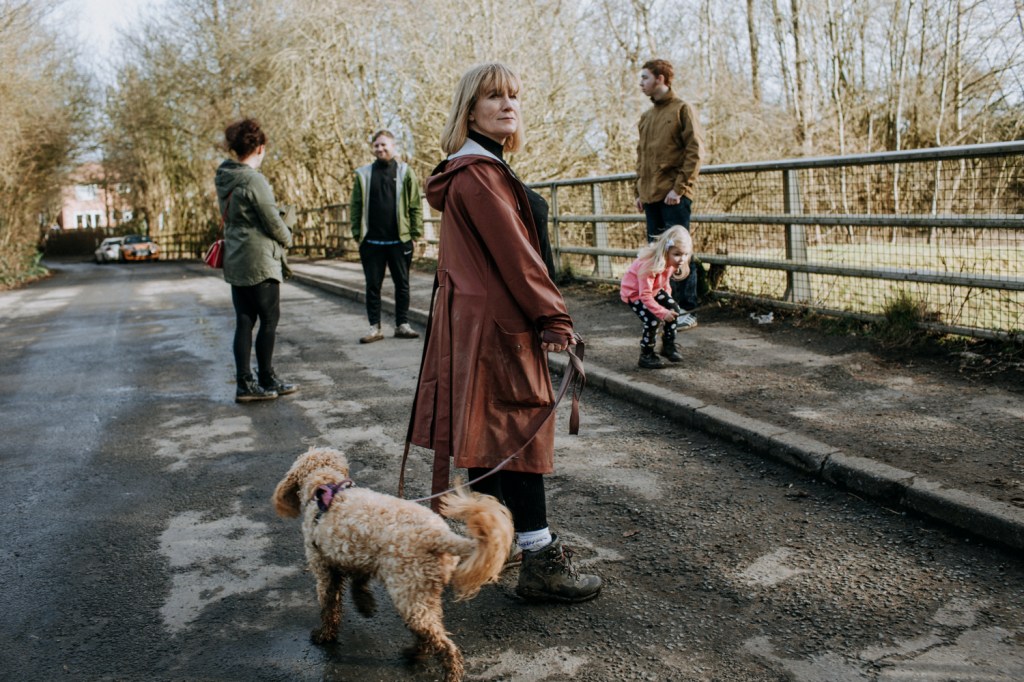
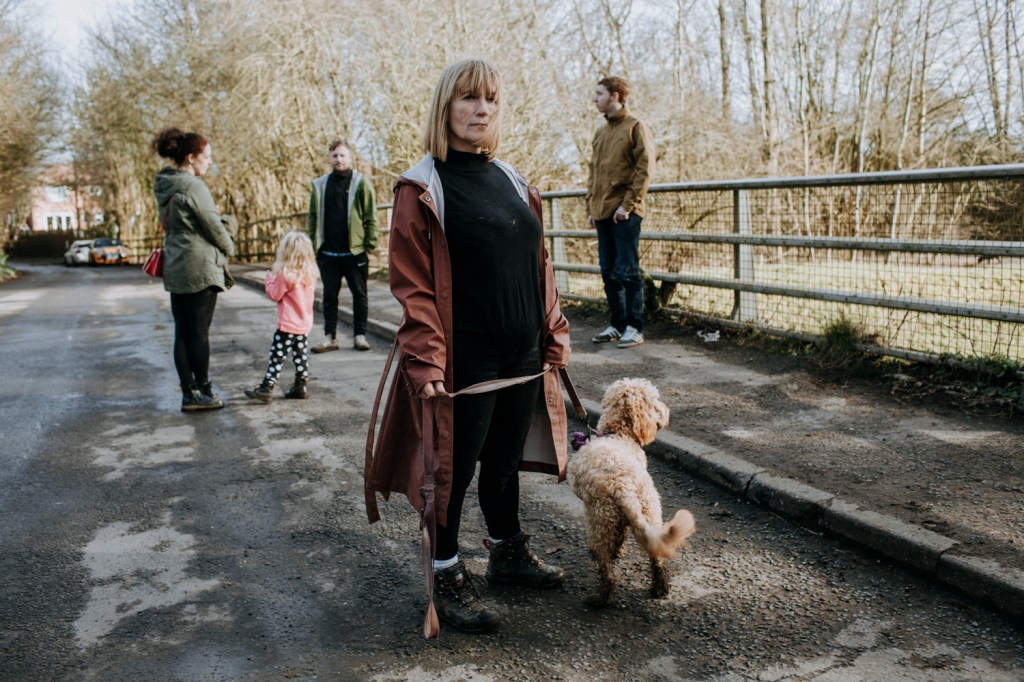
Before this shoot I wasn’t sure how the project was coming together, as I usually shoot in a digital format with a zoom lens I can quickly adapt to situations. However, throughout this project I have decided to shoot only using a 35mm lens in an attempt to think more about my work and work harder to identify vantage points.

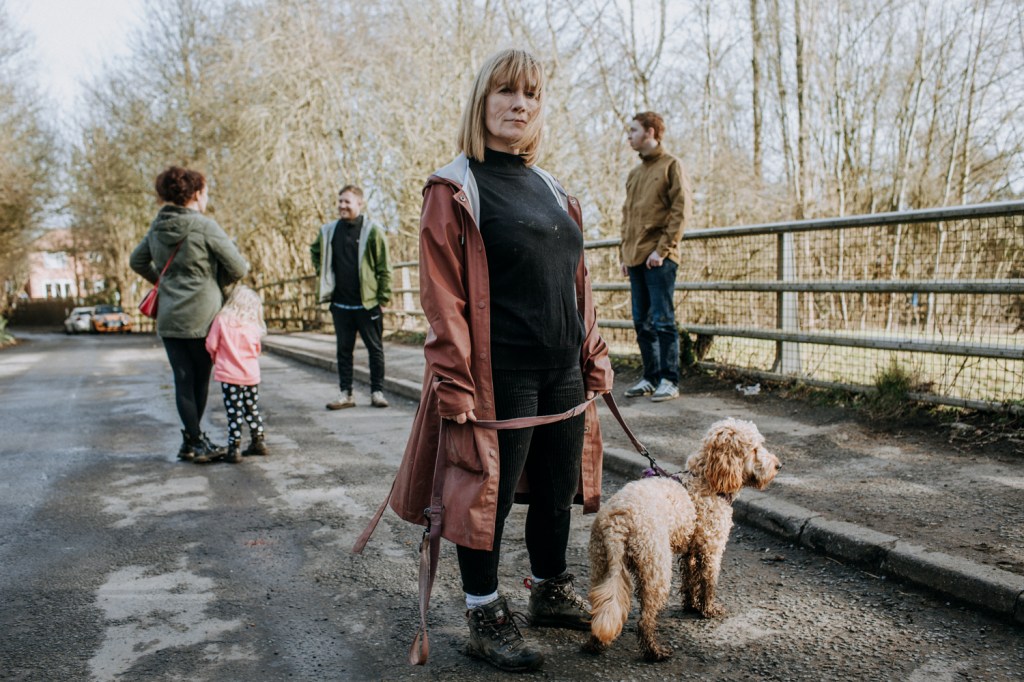
Furthering my reflections of the work of Sian Davey I previously highlighted the sense of intimacy within her work. Upon deeper research and reflection, I see her work as being very much rooted in the present. This was an element that occurred to me while on this shoot.

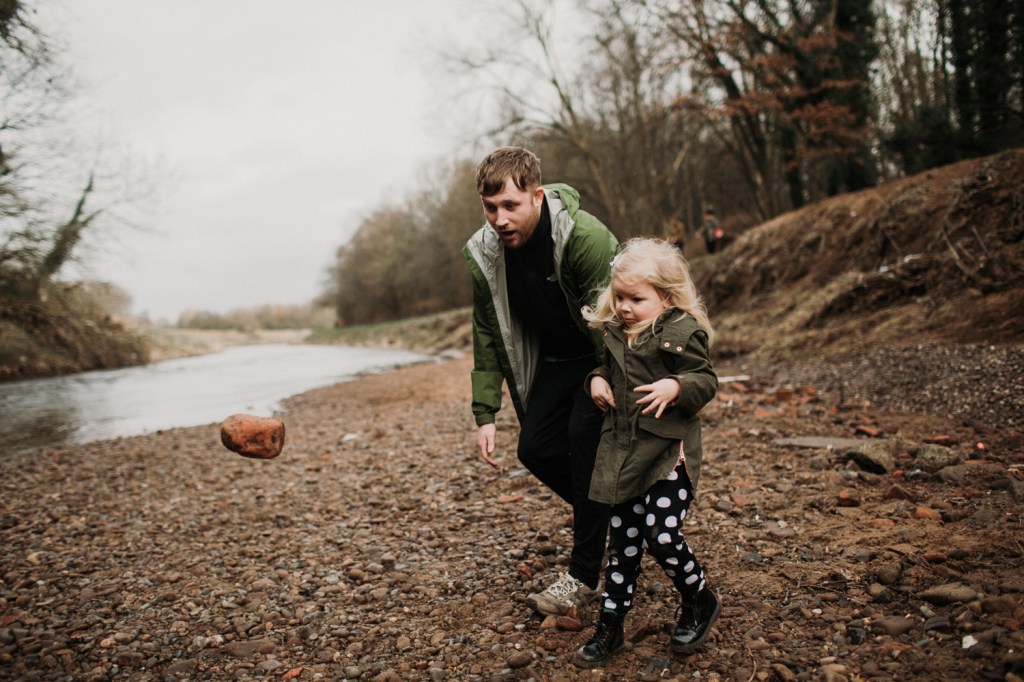
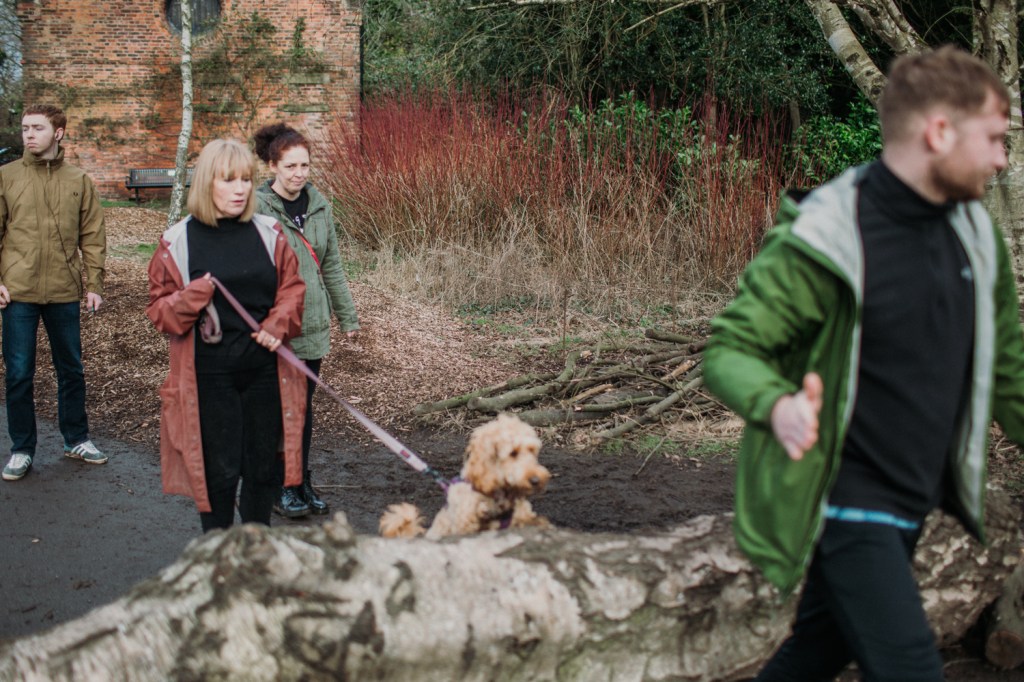
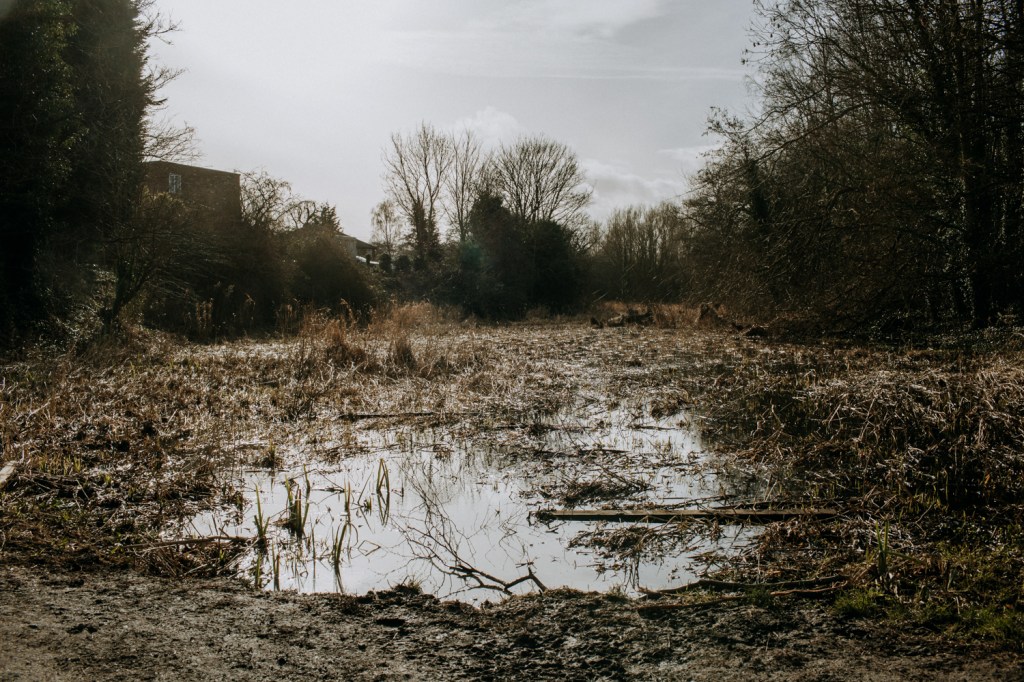
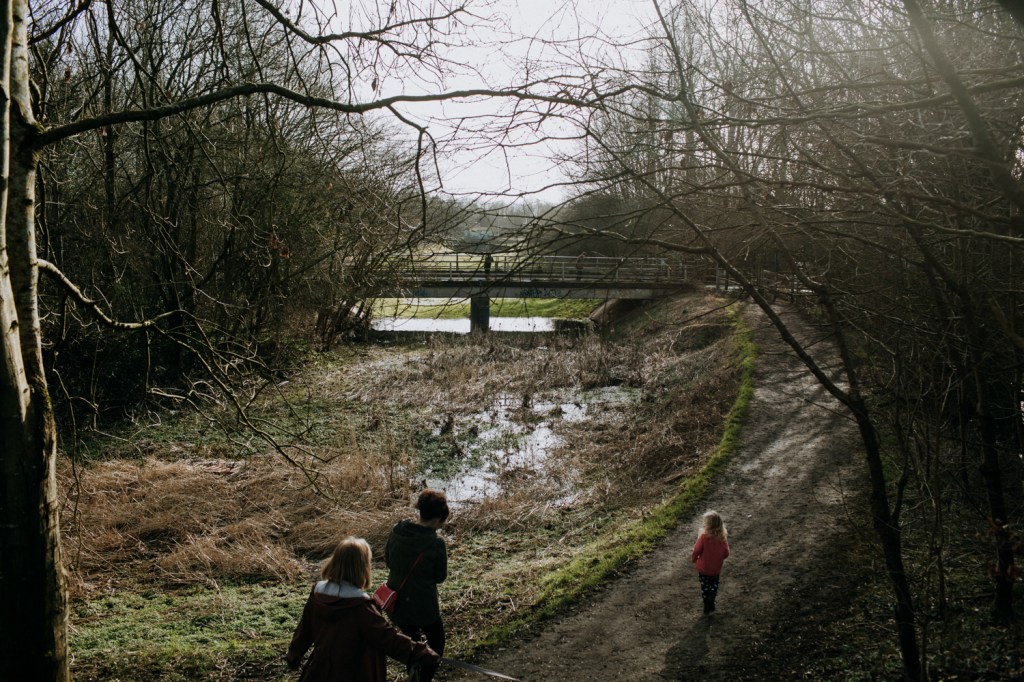
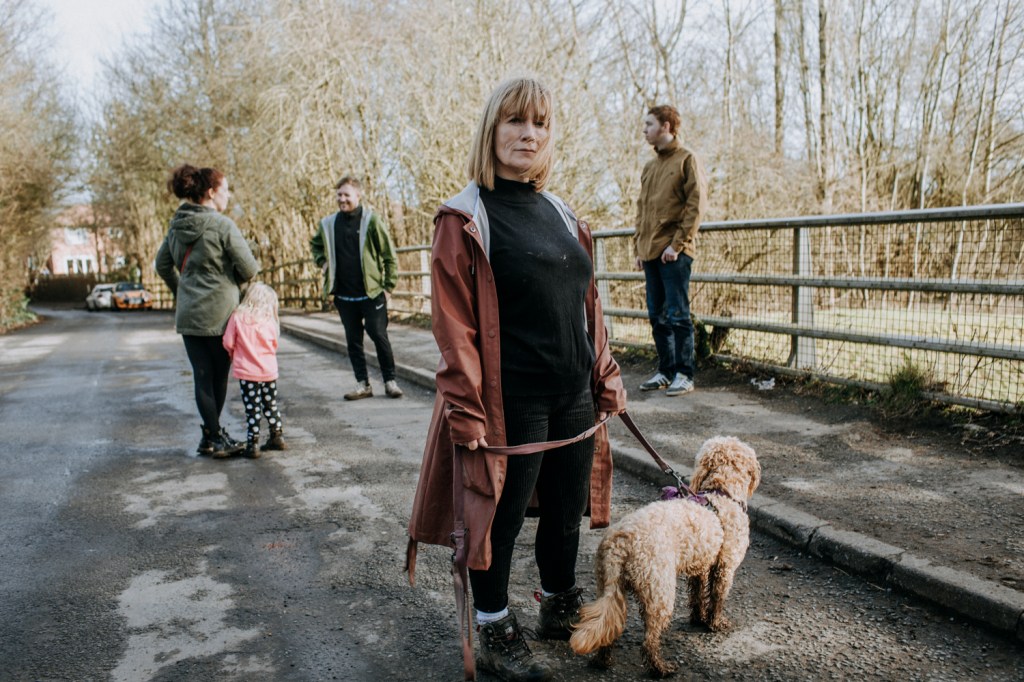
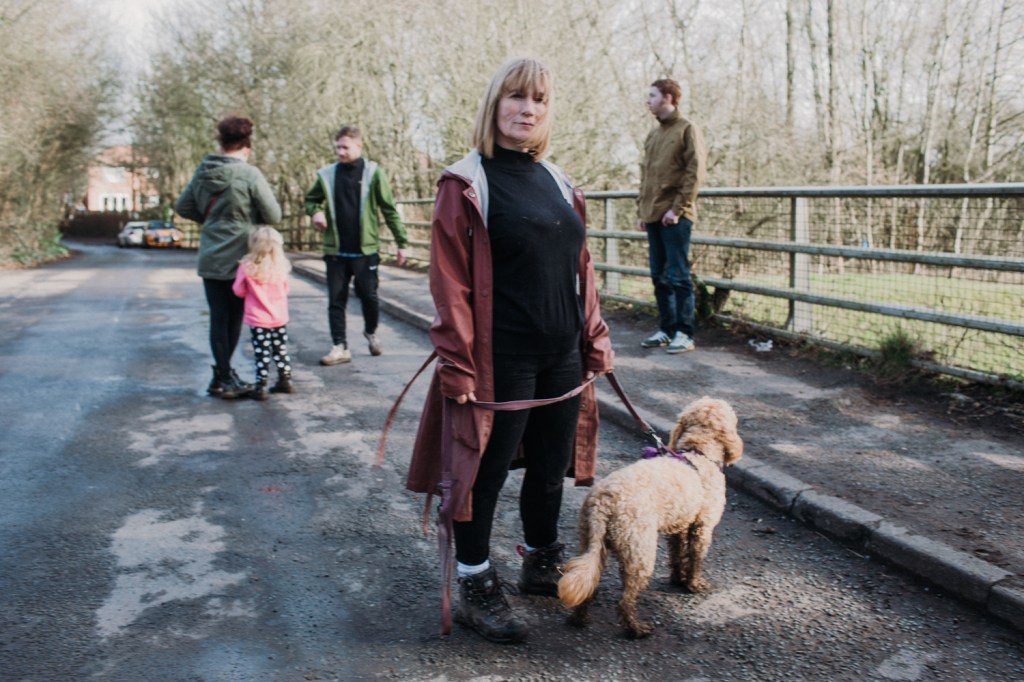
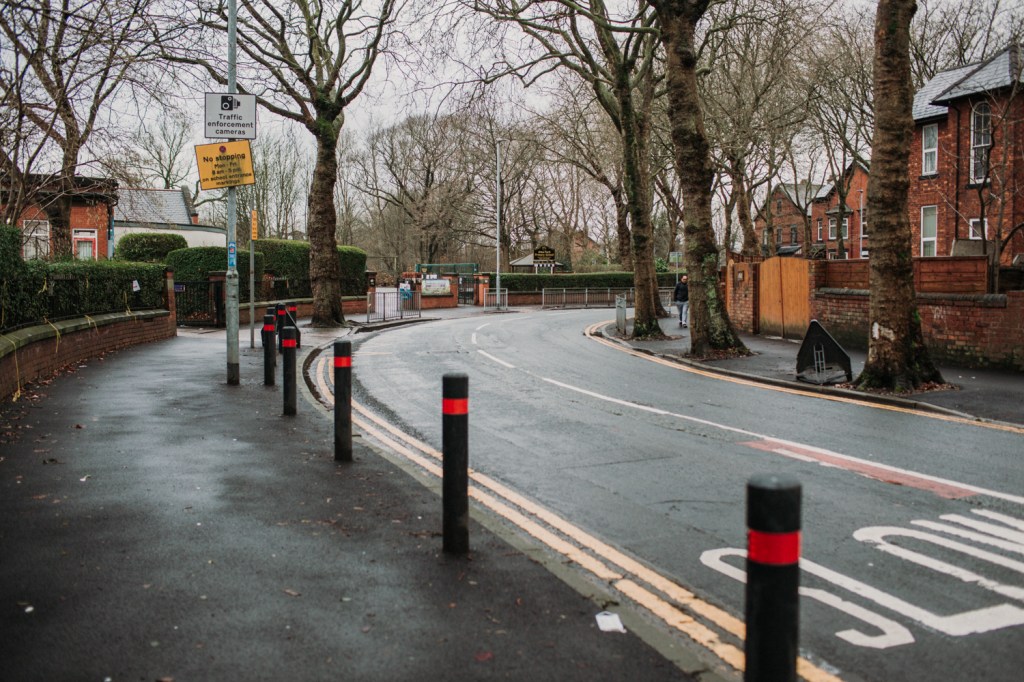
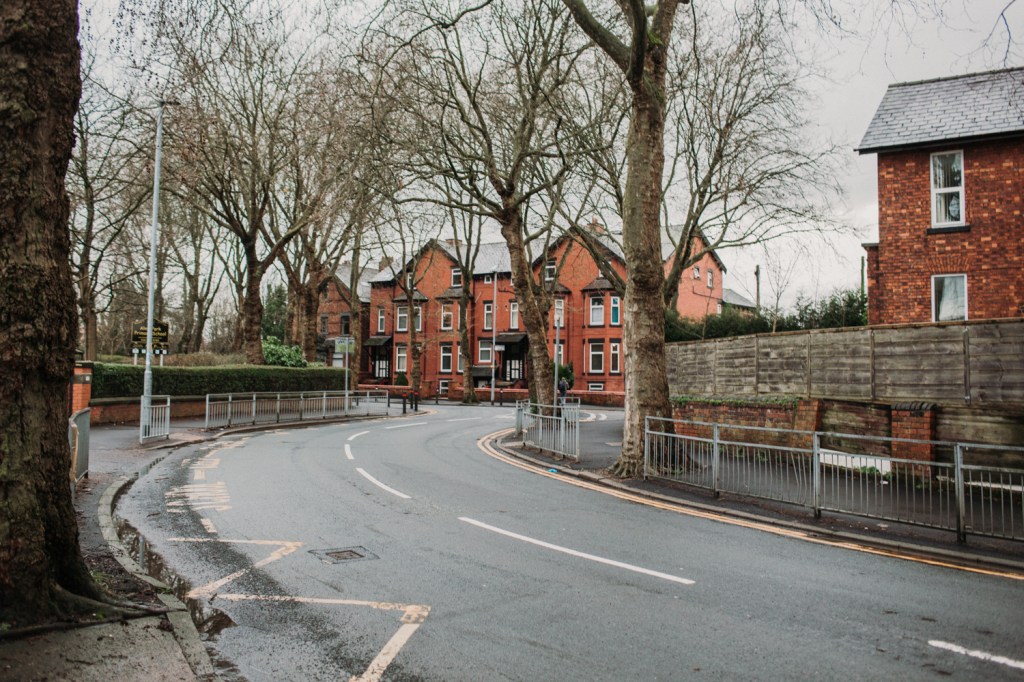
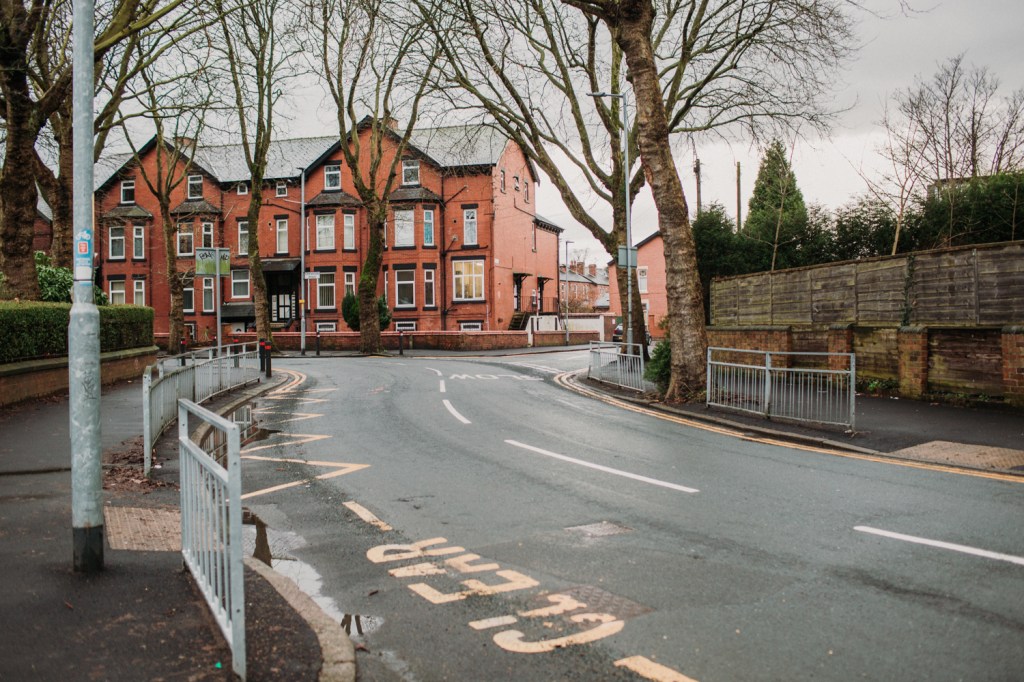
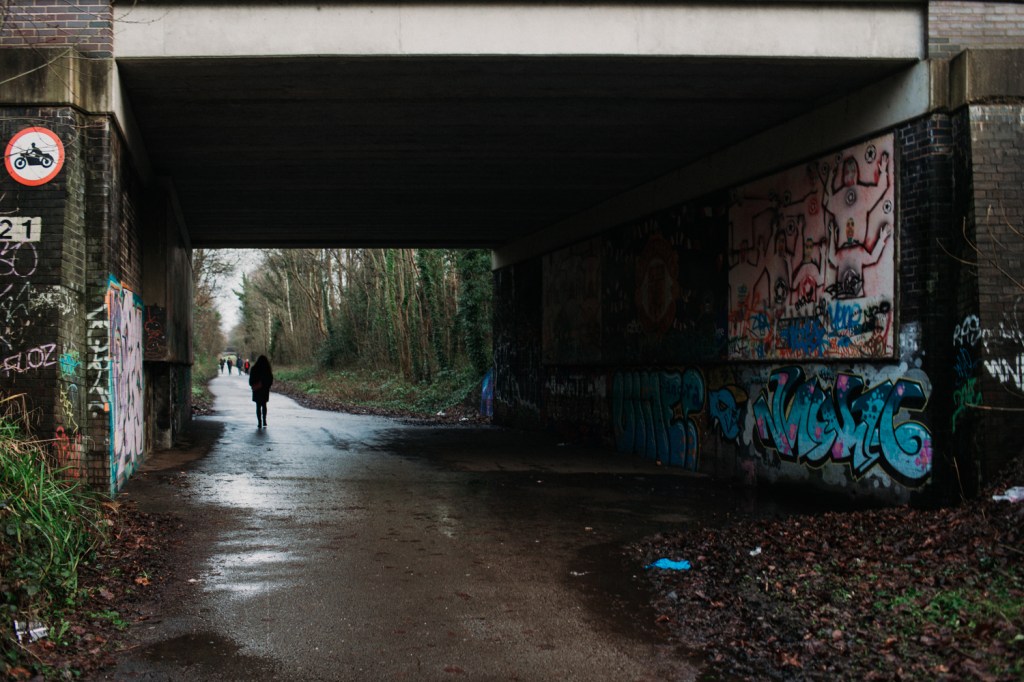
Having previously stated that my work would be the result on an ‘insider’ I used a family walk to engage with this idea. Still trying to interpret and fully reflect on this shoot I feel that I have realised a range of intentions that align with my project:

Making work that is situated in the present

Identifying opportunities to represent a mediation of culture and environment

Making work insular

I am pleased to be considering these themes as the shoot served to alleviate some anxieties I have about the emotional nature of a new project. Furthermore, I see this work possibly making up a small part of a much bigger story. When making work of late, perhaps wrongly or right, I am continually thinking about where work such as this may fit within a broader theme.

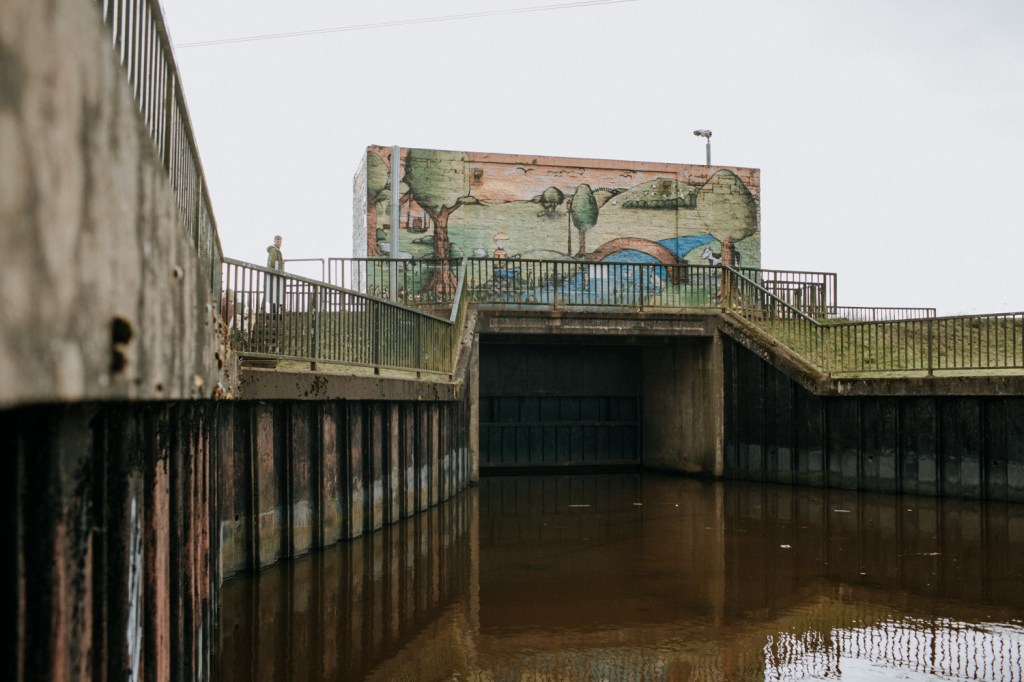
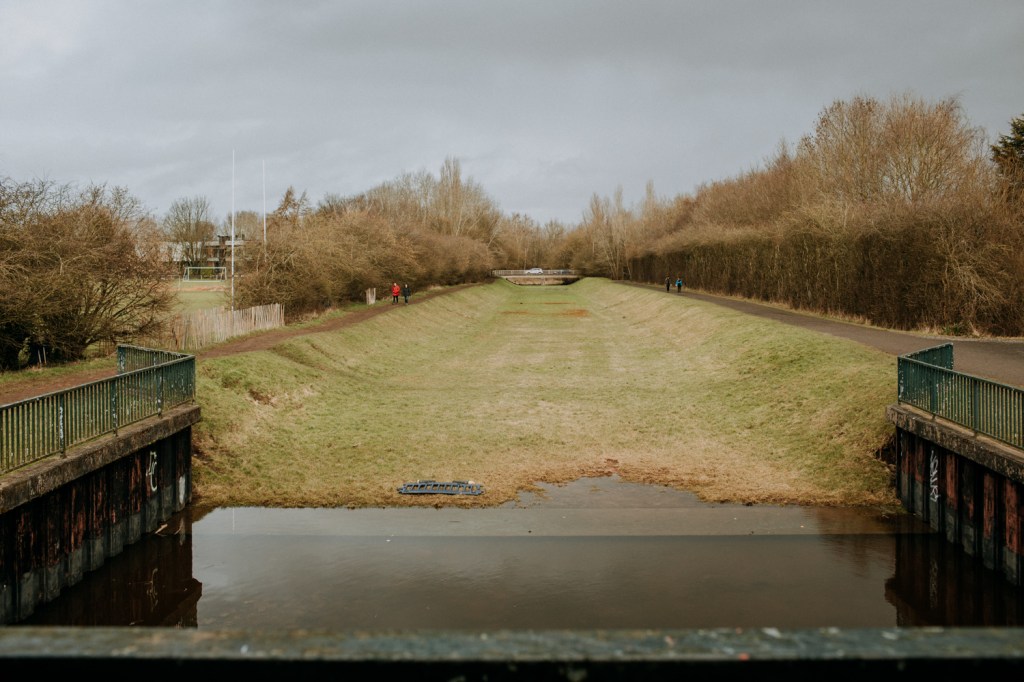
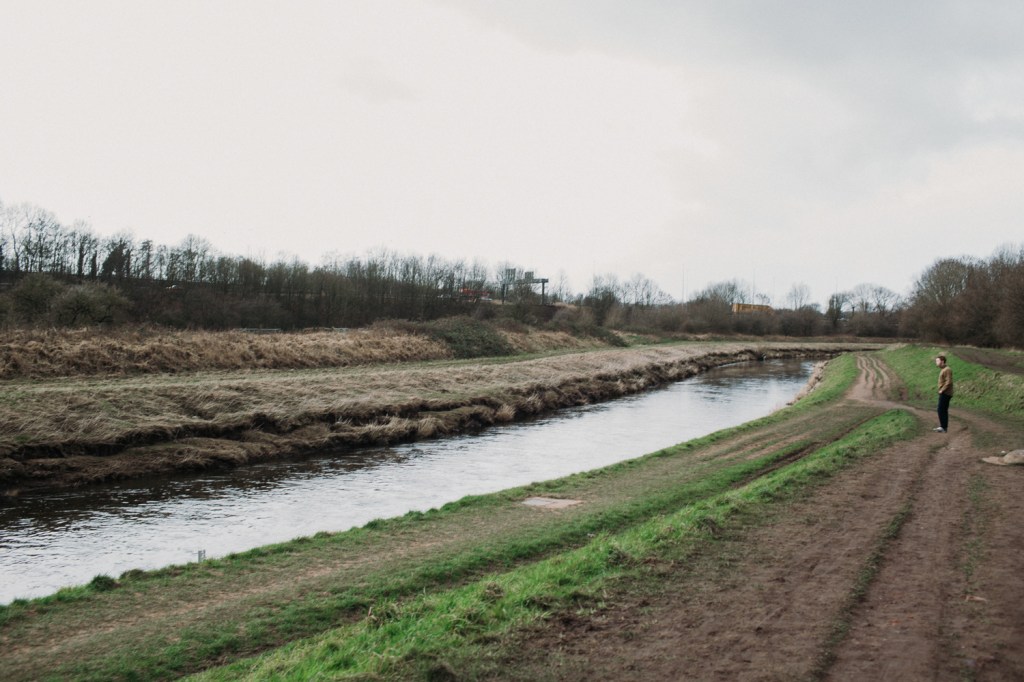
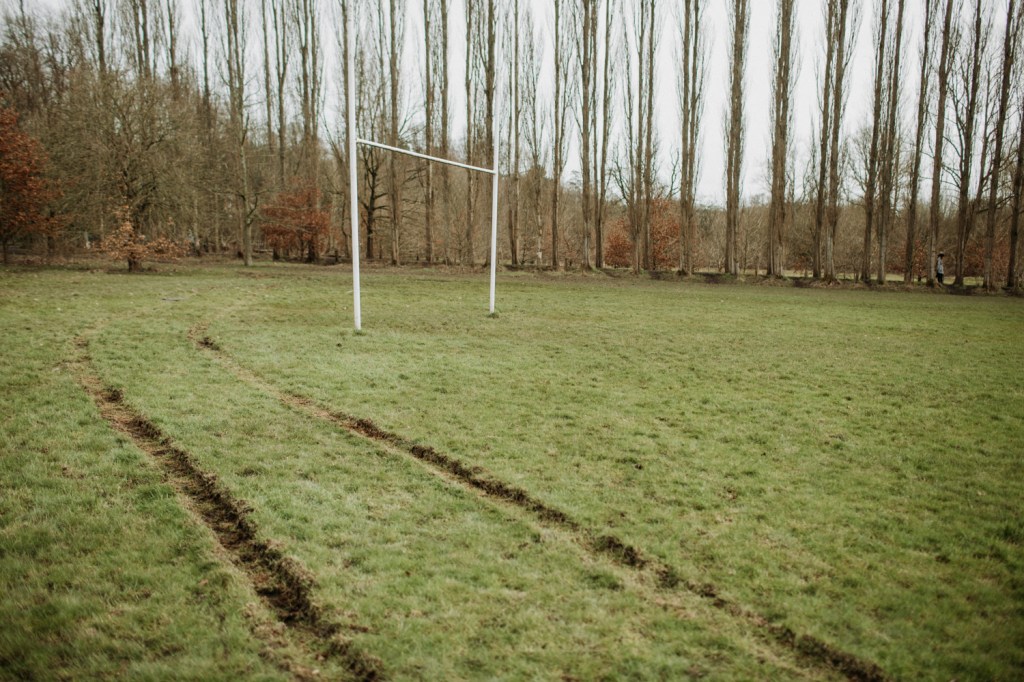
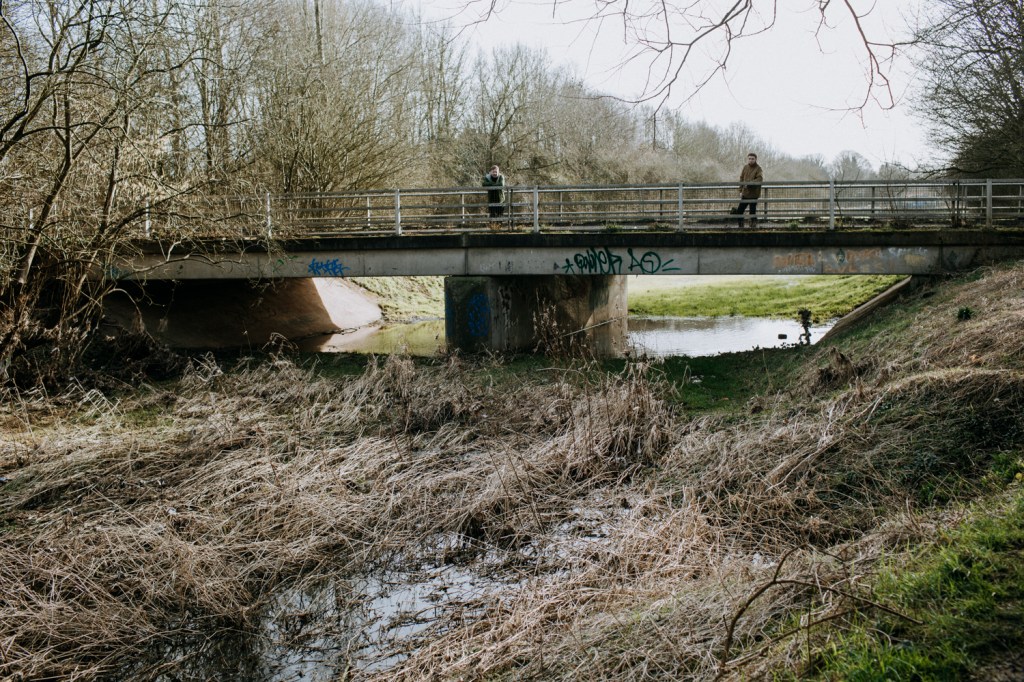
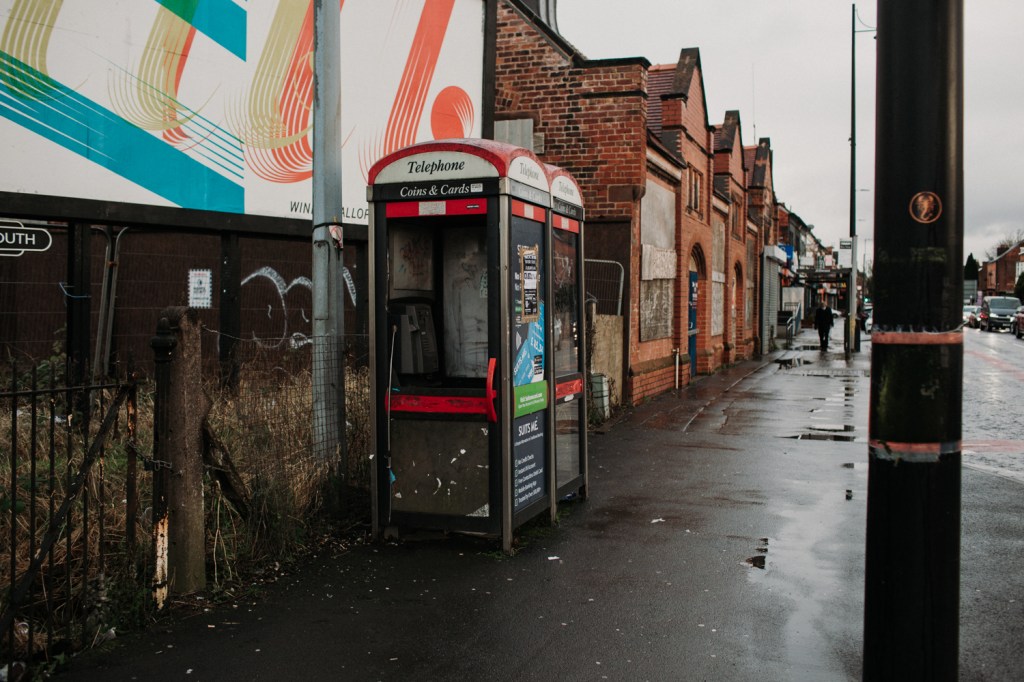
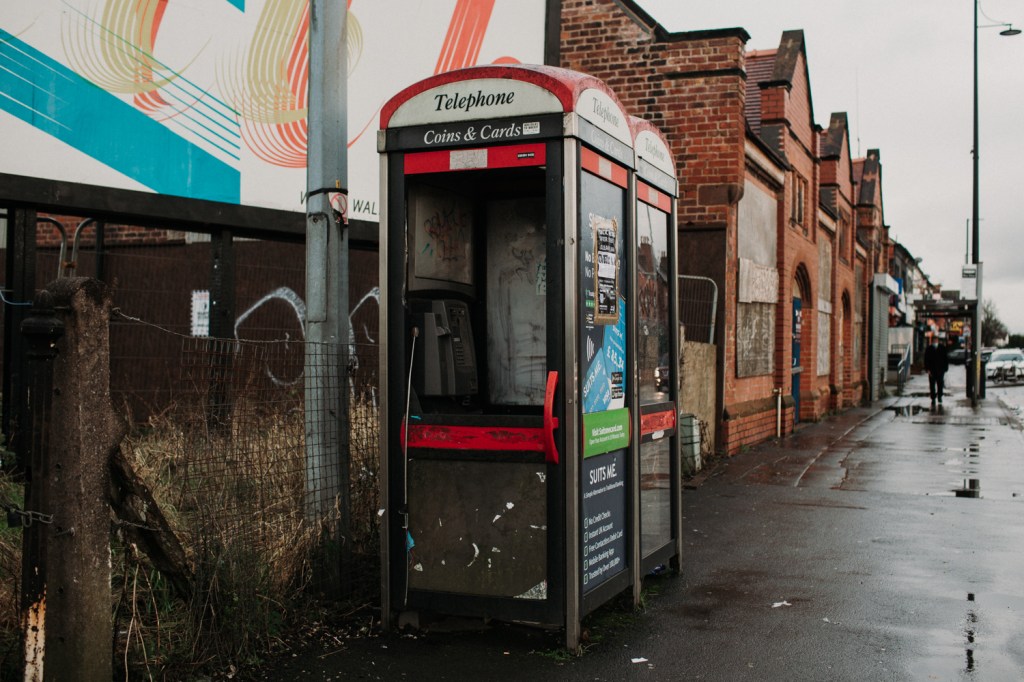
In terms of the question of authenticity, I am quite pleased that I have encompassed elements of the local climate. Manchester is a wet place, and in encompassing echoes of the recent floods confirms the work as in the present.

Sian Davey | Contextual Research

Since my first tutorial and recommendation from Sarah I have been looking at the work of Sian Davey. At this stage I am used to engaging with the work of other photographers and commenting on their work in a critical sense. However, when looking at the work of Davey, what strikes me the most is the sense of intimacy achieved by her projects.

When previously researching the work of Felicity McCabe, she made a comment that hugely resonated and I think applies to the work of Davey. McCabe states that in the long term process of making work ‘there is no beginning, no end, just chapters’. When looking at the various personal projects of Davey I am compelled to feel that the viewer is invited into her personal space. Her approach encodes a sense of intimacy that I feel few photographers are able to achieve.

The synthesis of technical decision making through elements such as use of light and the very personal nature of her work enables a deep connection to be established with the world that Davey invites us.

My recent contextual work has been directed at the representation of urban environments. I often encounter a barrier between subject and photographer. I also feel that within my own work I am guilty of not finding as much intimacy as I could.

Admittedly, Davey focusses her work around the family sphere and perhaps I would benefit from a closer focus on those in the family sphere.

Thinking forward, I currently feel (maybe due to the disconnection caused by lockdown) that I need to work harder to establish deeper connections with those I intend to include within my work. Subotzky (2014) states of his project Ponte City ‘Photography has always been about relationships for Subotzky anyway — “the pressing of the button is almost a by-product of engaging with people”. A key theme which I consider one of the most central important factors concerning the development of my own work.

At present, I am not as close to my project as I’d like to be, therefore I need to continue to make work in addition to cultivating relationships and making more of an effort to engage others. At the very start of this project I felt that my knowledge and understanding would lead the work that I intend to create, however I now feel that the work will lead the project. I previously felt quite nervous about this being the case, but at the same time I feel like I need to have faith in the continued progress of the project through the work.

Sian Davey from the project: River (Ongoing)

Abel-Hirsch, H. (2014) Ponte City and the urban myth. The Mail and Guardian. [Online] Available at:
https://mg.co.za/article/2014-08-22-00-ponte-city-and-the-urban-myth/ (Accessed 12th Feb 2021)

Davey, S. (2018) [Online] Available at: https://www.siandavey.com (Accessed 15th Feb 2021)

The Street | Film by Zed Nelson

Having watched the film with the intention of generating a better understanding about my own project, I was unsure how relevant this would be.

Without providing a broad context, the film explores the decisive landscape of Hackney. A place of clear divisions between urban hipsters and the ageing local population. A story told mainly through the eyes of local residents and business owners, the film falls short of an attack on words like ‘gentrification’ but it’s not far off.

An interesting approach used be Nelson is the use of human interest stories, some of which remain throughout the film, some of which subside as they leave the area such as the owner of the garage who eventually sells up and by the end of the film his former space has been renovated into trendy offices. The new owner appearing very proud as the building retains some of its former some of its original features. Almost using them as skeleton type trophies to act as a type of justification. This to me appeared quite an ugly justification of capitalism succeeding in removing or reappropriating history. I think this was probably the intention of Nelson in order to entice the audience into aligning with his own subjectivity.

Identifying objects which provide echoes of the past is a theme that I will pursue in developing my own project. The juxtaposition between the past and the future coming together in a visual sense. A major question being:

Is redevelopment a good thing?

Is retaining objects from the past a genuine effort to preserve or are they merely symbolic possession of the past?

One of the more powerful scenes from the film was the opening of a gallery where the curator can be seen nervously waving at a local man on the street receiving a meal from a soup kitchen. This served to illustrate the inequality in Hackney and the poor circumstances that local people find themselves.

In conclusion, this is an engaging film told mainly through the voices of local people unhappy about the gentrification of their home. The challenge of continuing to live in a place that is increasingly becoming unaffordable for the people who live there is a sobering message to come out of Nelson’s film.

Upon googling the vicinity of Hoxton Street to central London, one fears that the future of Hackney has little space for its past.

The Street (2019) [Film] Directed by Zed Nelson. UK, Verve Pictures.

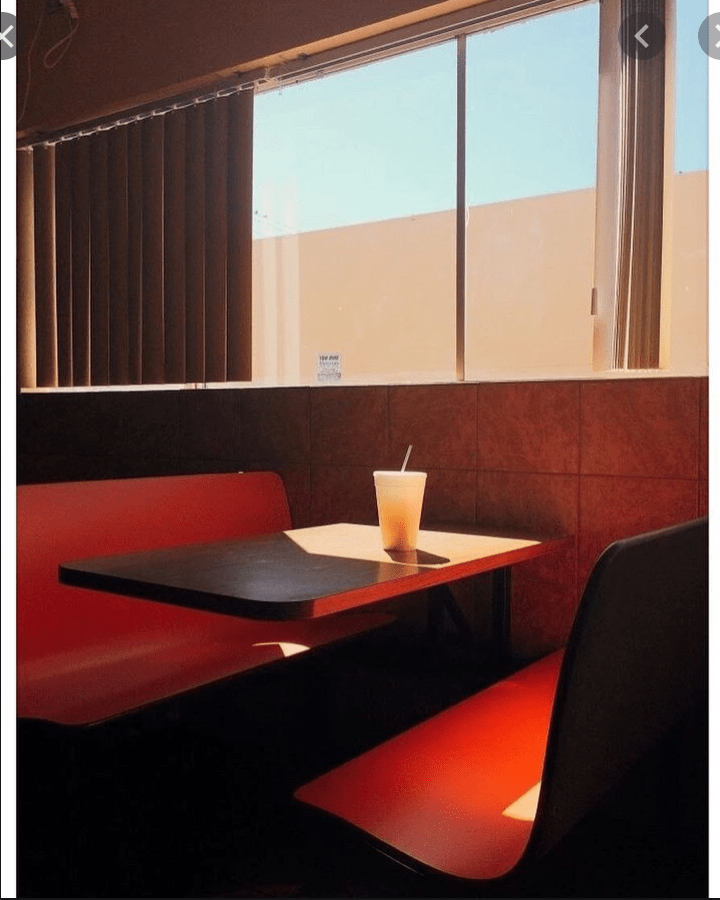
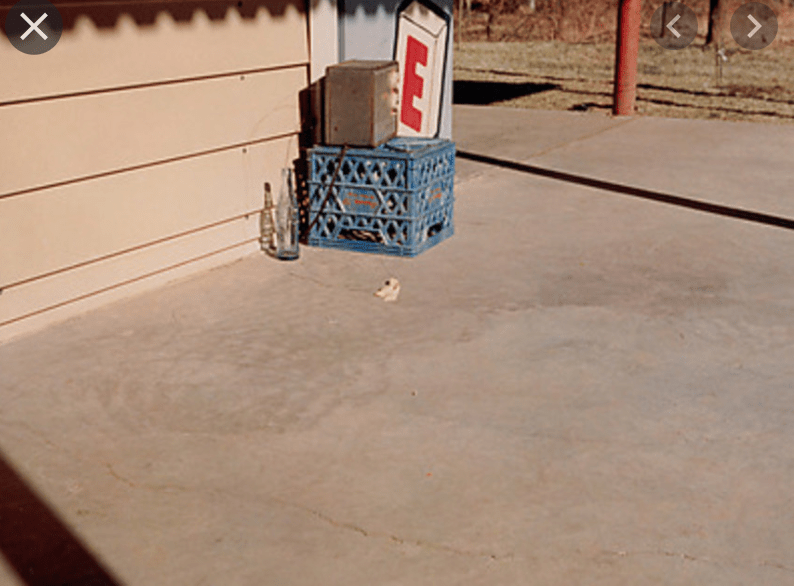
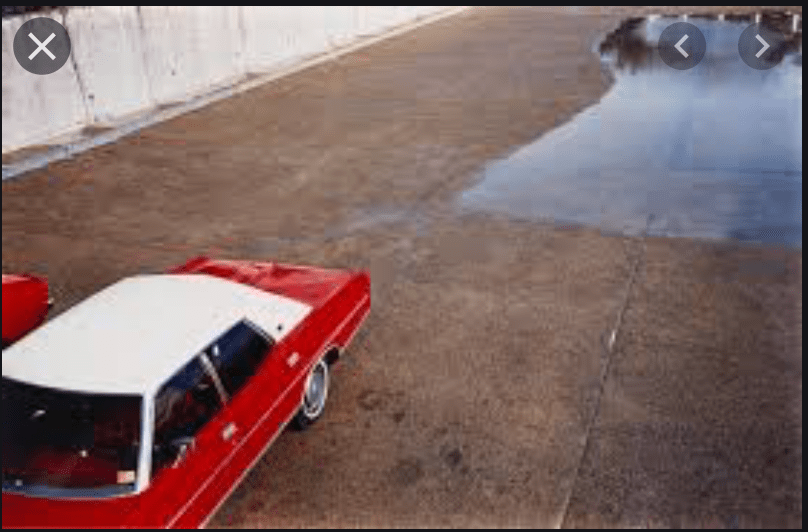
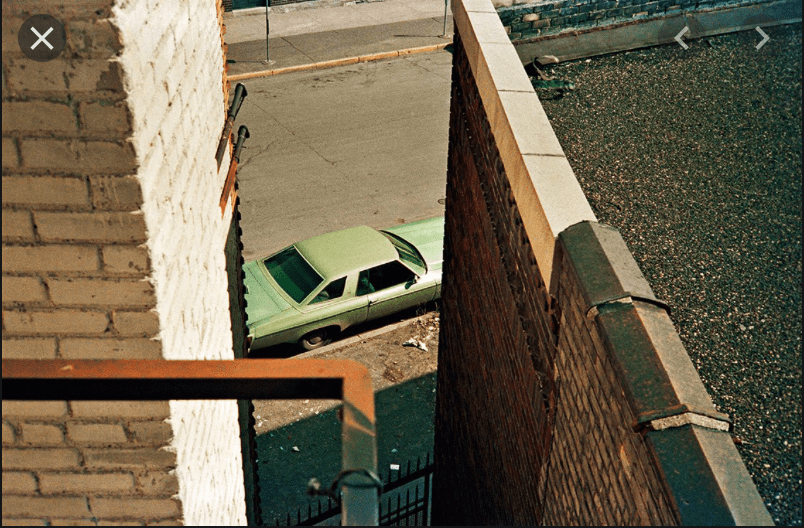
William Eggleston

When researching the work of people I admire and with the future vernacular of my project in mind. I have come to learn that ‘endless looking’ at photographs especially online is helpful and in doing this I usually re-establish a relationship with photographs that perhaps I had forgotten in the past.

At this stage I have a number of thoughts and ideas in mind, at this moment, my reflections are in the direction of quieter, more poetic work. Reflecting and looking at my own work I feel that I haven’t quite given myself the credit I deserve for my efforts and output. Looking at the body of work i have created over the last eighteen months or so, I think that I probably have a good edit of something. What that is I am unsure, maybe it will reveal itself in months, years to come.

In growing frustrated with my usual method of contextual research I decided to do something different. I set myself the task of researching a specific photographer using google images and taking screen shots of the work that stands out. This process may or may not prove fruitful as a future reference so I thought i’d give it a try.

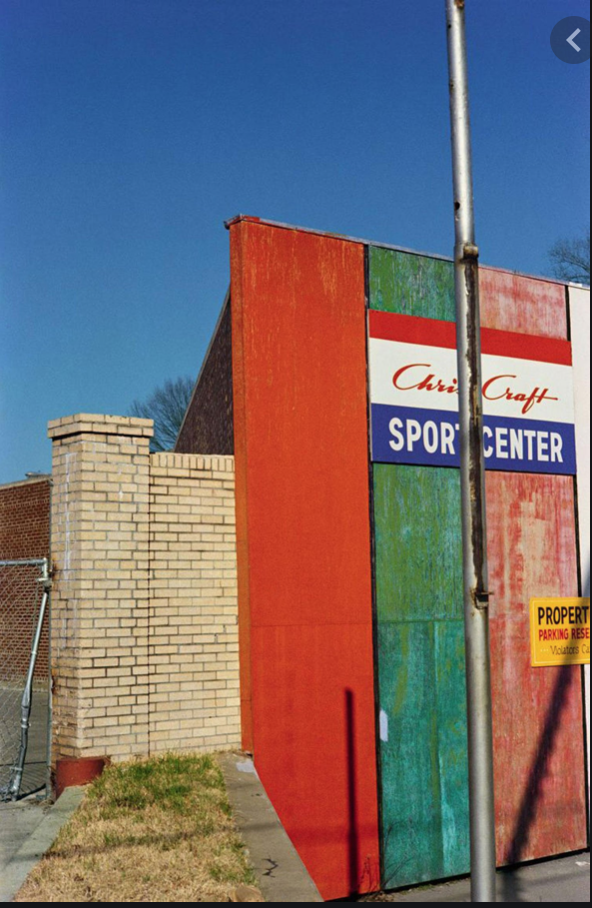
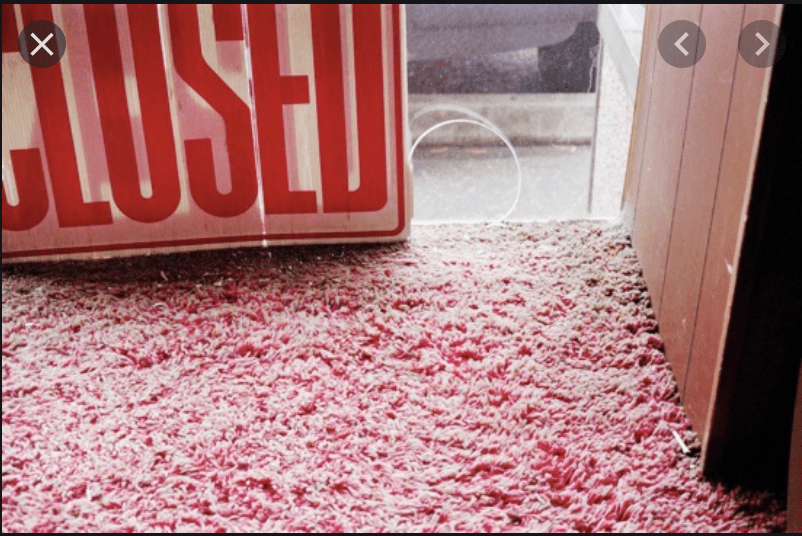
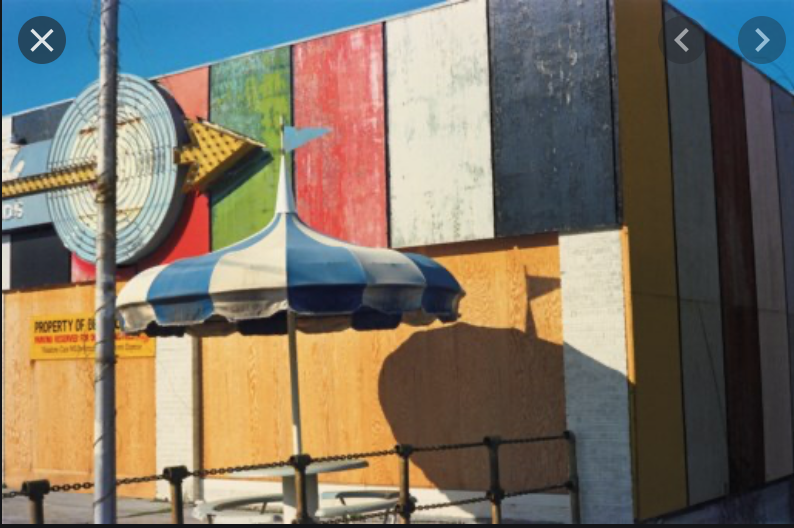
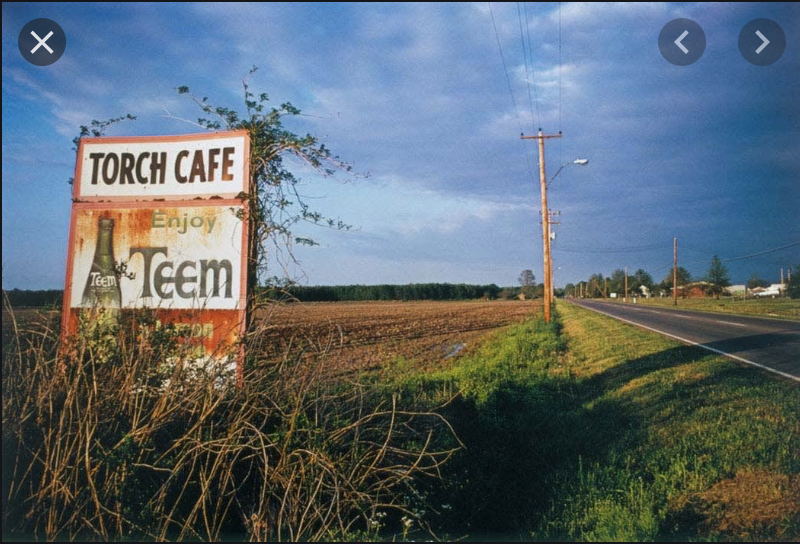
Here is a selection of work from William Eggleston which I felt represents the spaces in between spaces.