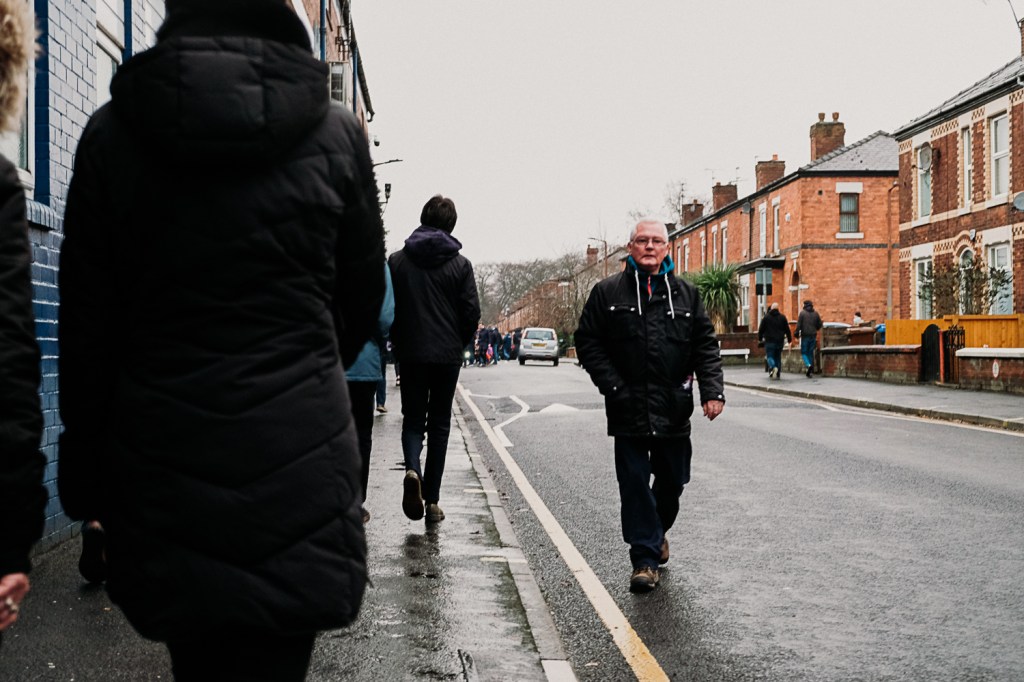
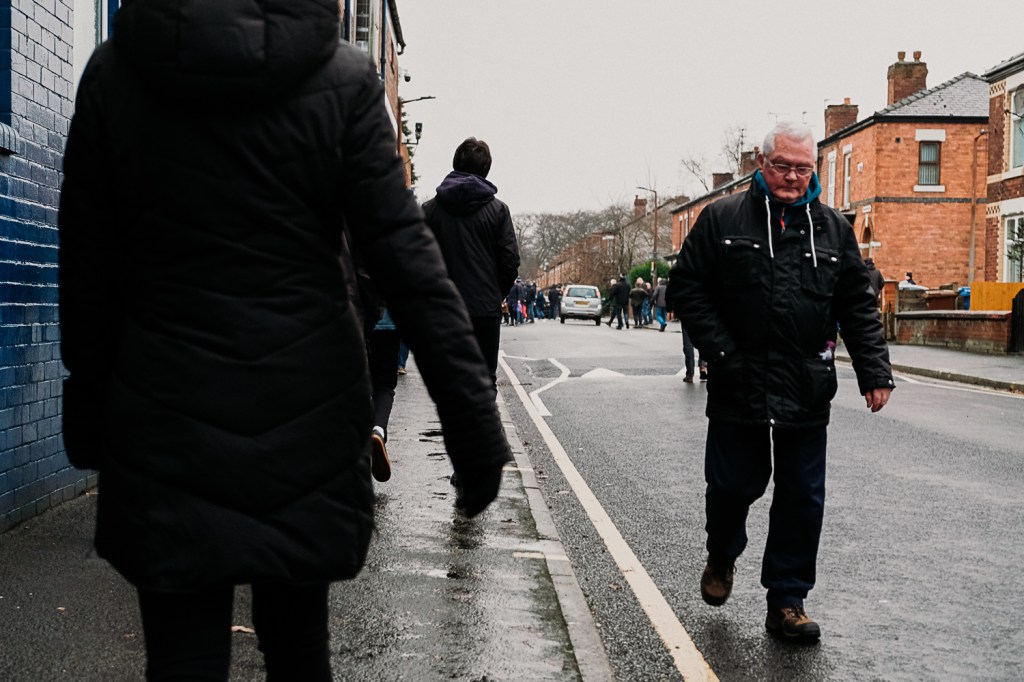
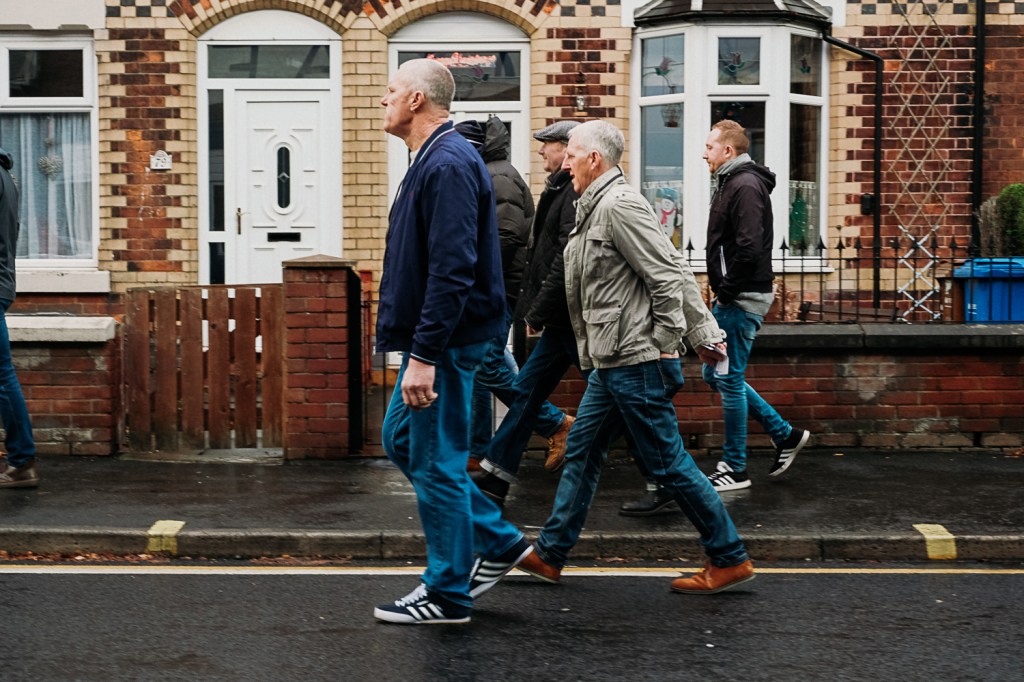
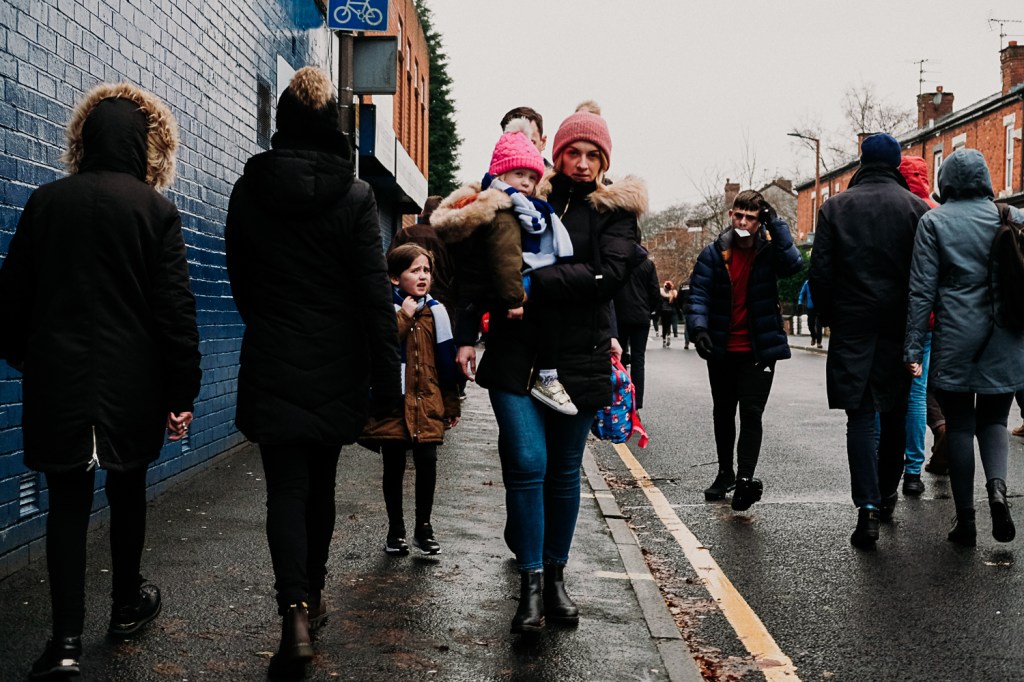
Week 2: Further Questions of Authenticity

The ideas of Snyder and Allen were interesting when considering the truth and authenticity of photography and are especially relevant within the realm of representation that I am used to.  At an initial level I agree that photographers inevitably create characterisations of things in all respects from collecting evidence to a fine art photographer. I found this to be a basic but welcome addition to alternative way of looking at photographs where my ability to interpret images is often based on the ideas of Barthez.

The visual model of photography was an idea that I was able to identify with as the connection between the eye and the environment in depicting “what we would have seen if we had been there ourselves”. Again this appears a rather simplistic idea however this approach opens up the idea that the visual model in relation to the photographers eye allows an unlimited amount of possibilities to create characterisations such as choice, composition, angles, distance to name but a few. This understanding is useful to my own practice in considering the human choices that I make when deciding to create a representation. This may be furthered by the choice of equipment I use as, on occasion I decide to shoot with a mirrorless rangefinder camera with an LCD screen which helps in going unnoticed as opposed to shooting with a DSLR and prime lens where my presence is obvious to those around. These factors have heavily influenced the perspectives I have achieved thus far with my work and the differences within my work are obvious although they may not be to others.

The visual model was well exemplified by the example Snyder and Allen used when considering the photograph of James Dean in the cemetery taken by Dennis Stock. This initially resonated with my approach to wedding photography where I use prior knowledge to create visual representation of couples and their families. When I find myself within an environment, I look for the light, objects and general opportunities in order to contextualise a shot that I know a bride and her family will like. This can sometimes be unambitious maybe even lazy in a creative sense however the quality of the photograph will be aesthetically pleasing to an audience although not pleasing to myself. Applying similar ideas to my project I feel that I am very much at the learning stage and still finding my voice although I am content that I am moving forward with this.

As I continue to find my voice as a photographer the question of authenticity is of limited importance as I will be required to justify my subject matter by creating a body of work which encompasses non league football grounds but not limited to. The relationship between the visual model (Snyder and Allen) is also supported by (Barthez: 1981) who argues “authentication exceeds the power of representation”. These ideas are relevant to an extent as suggested earlier by creating authenticity due to the similarities purported between the camera and the eye.

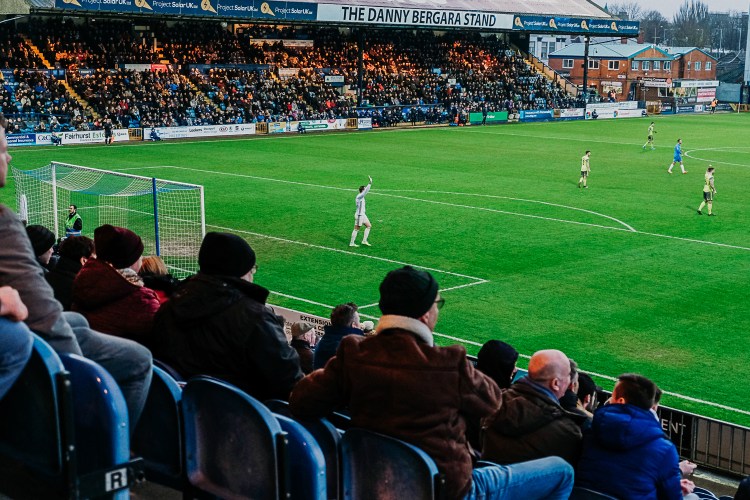
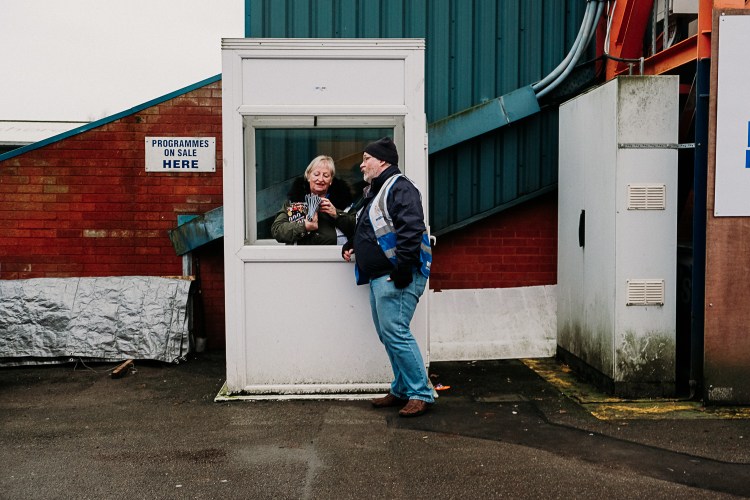
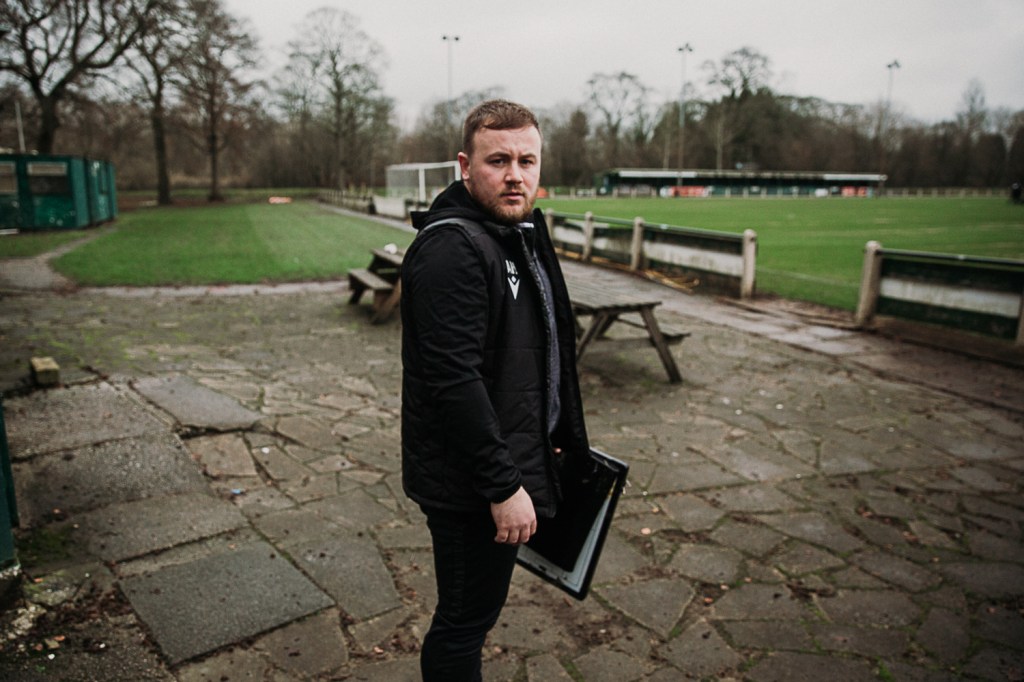
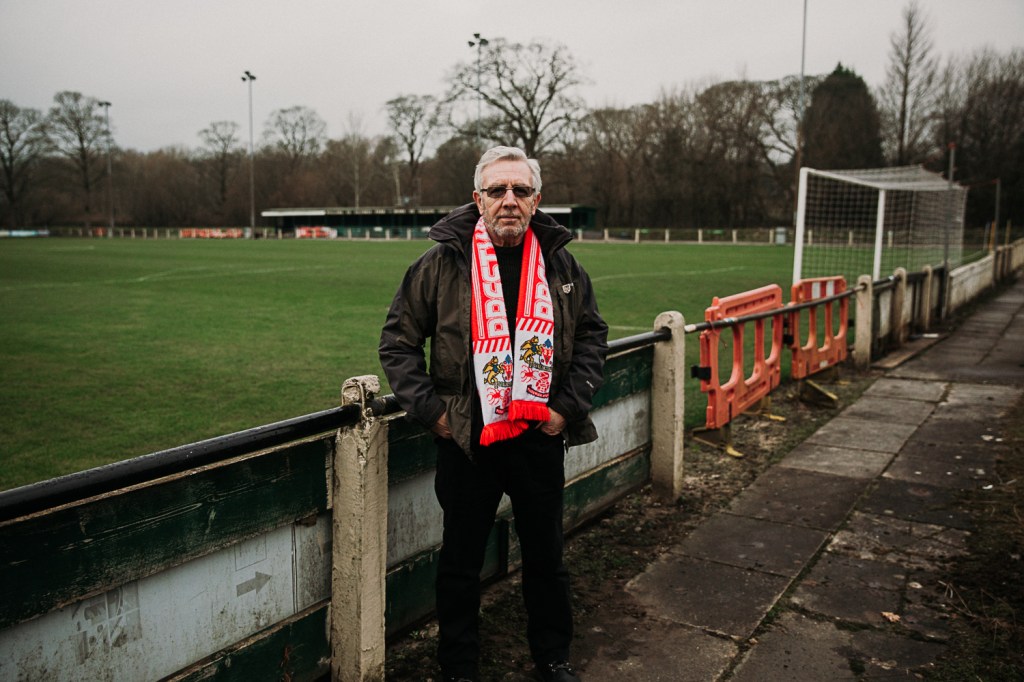
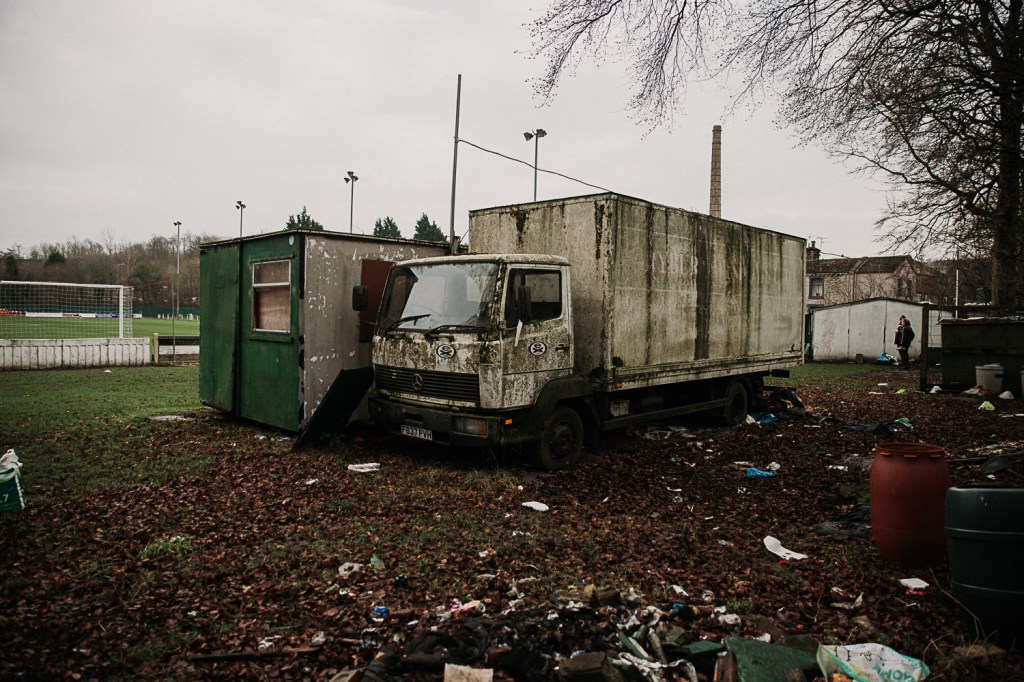
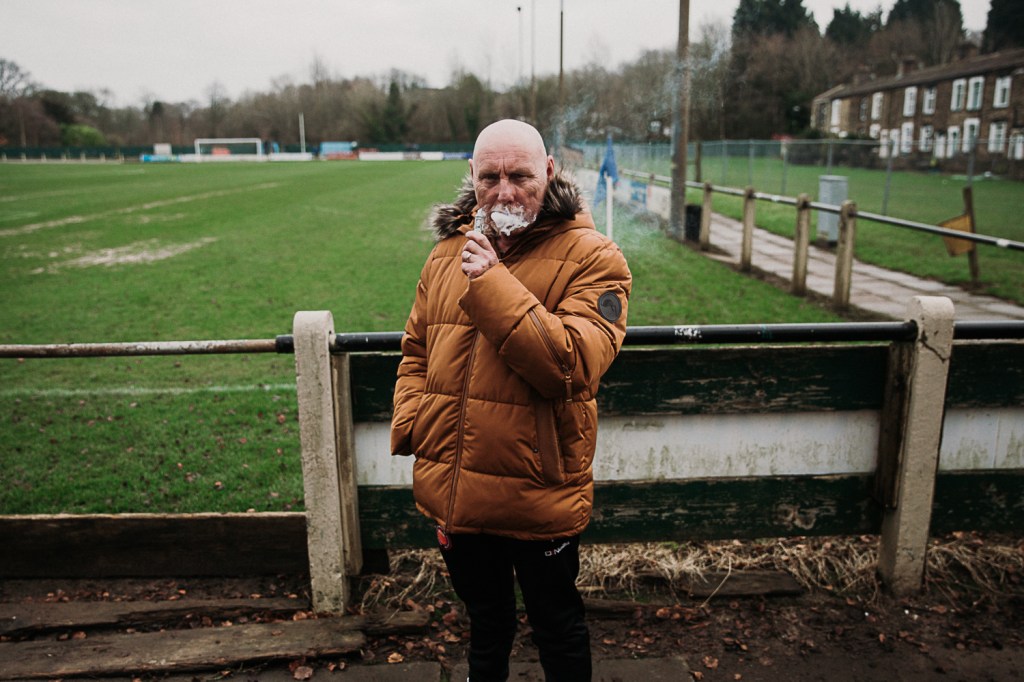
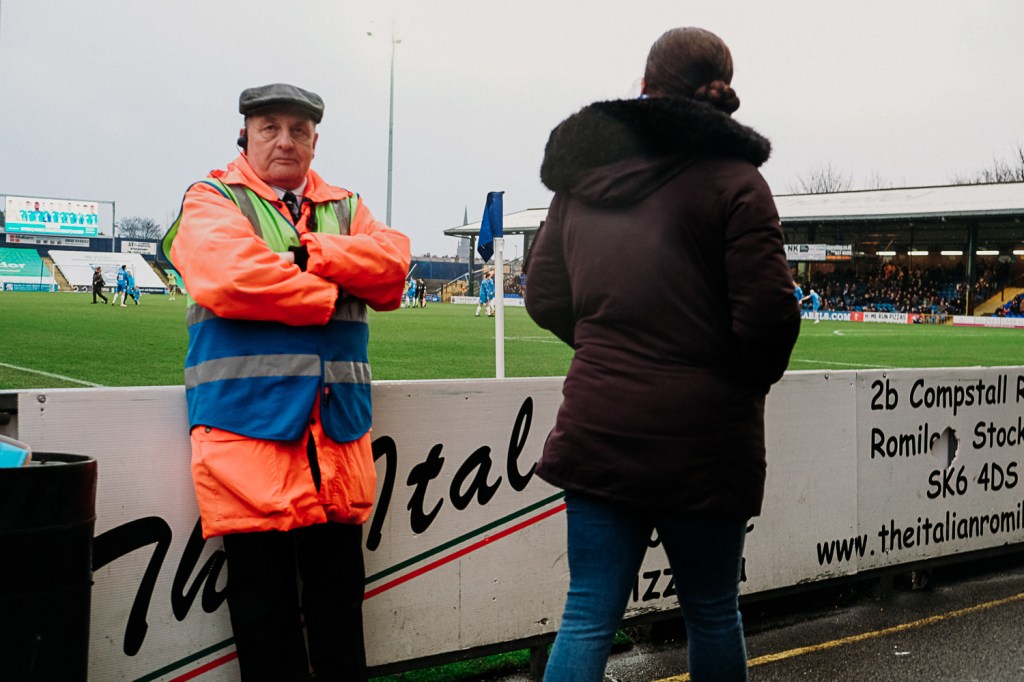
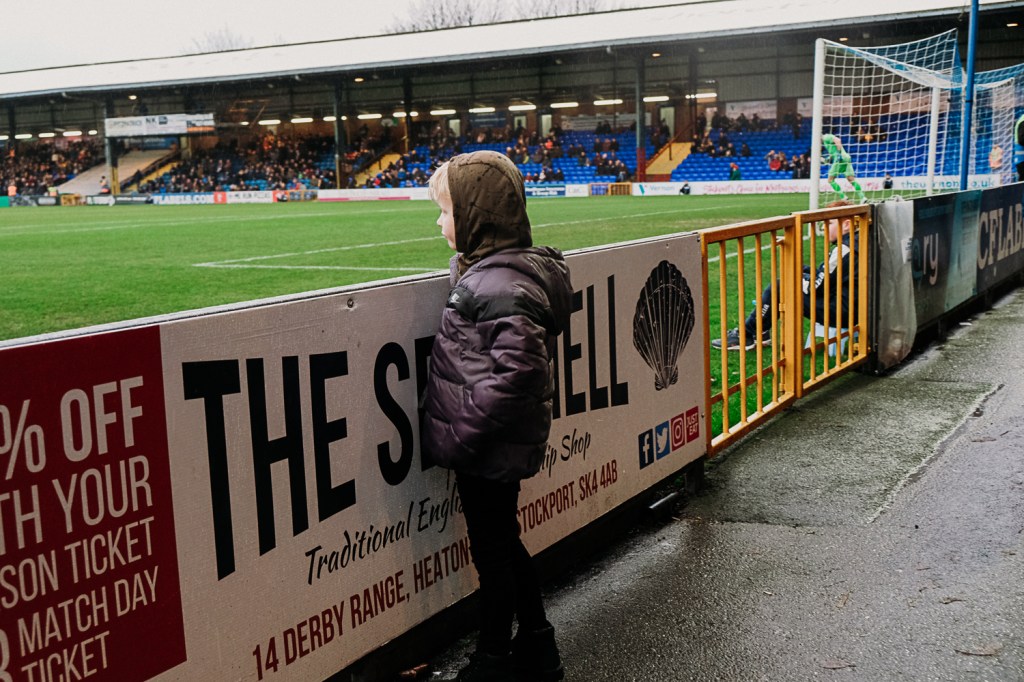
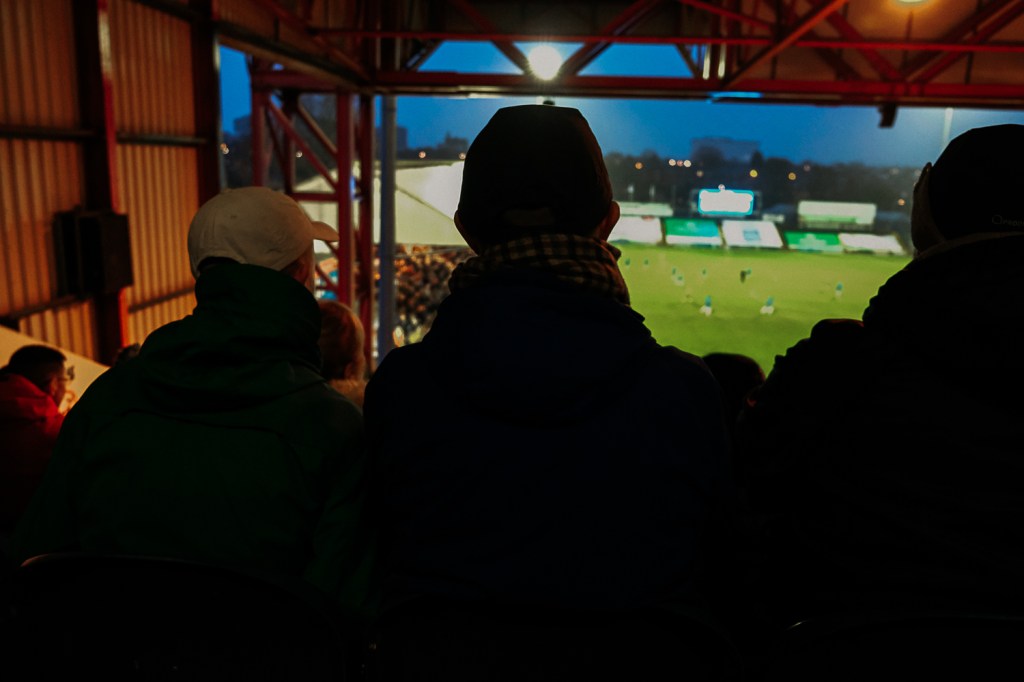
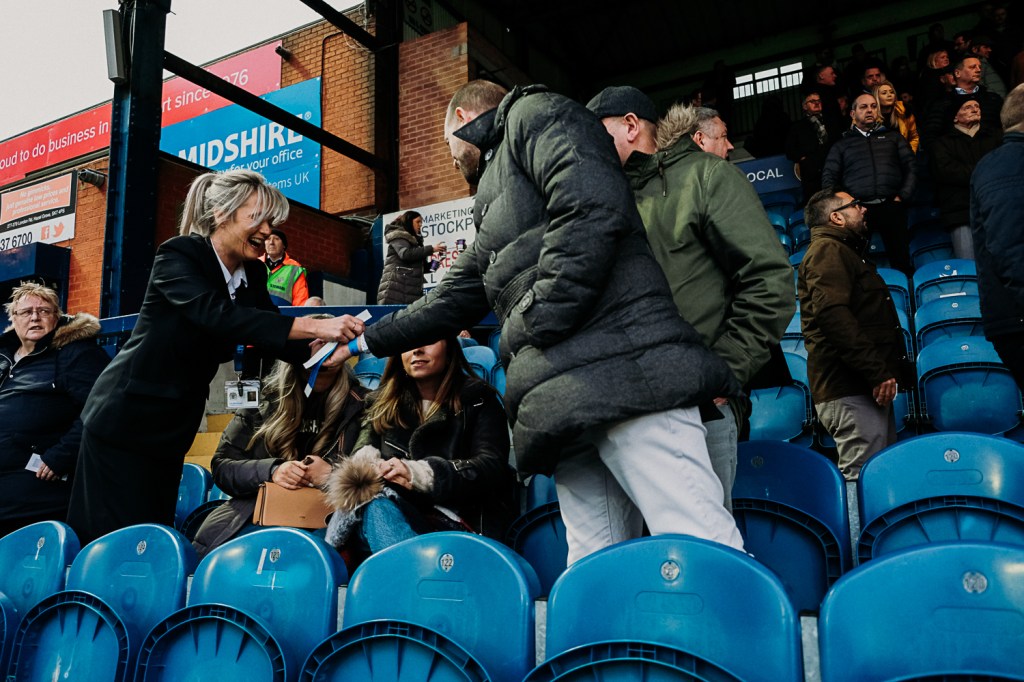
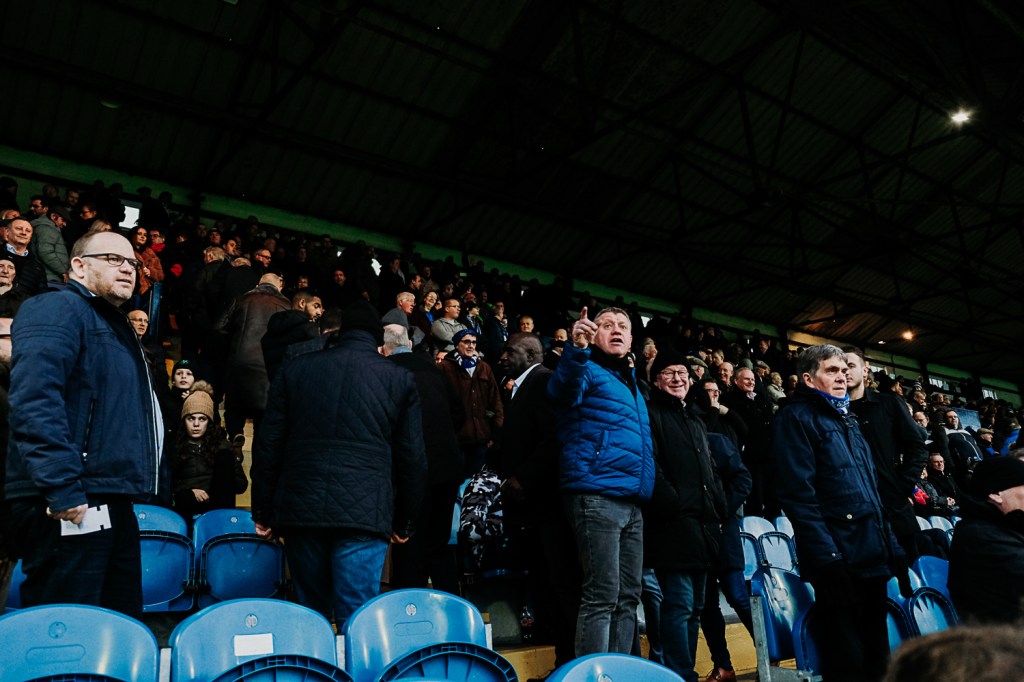
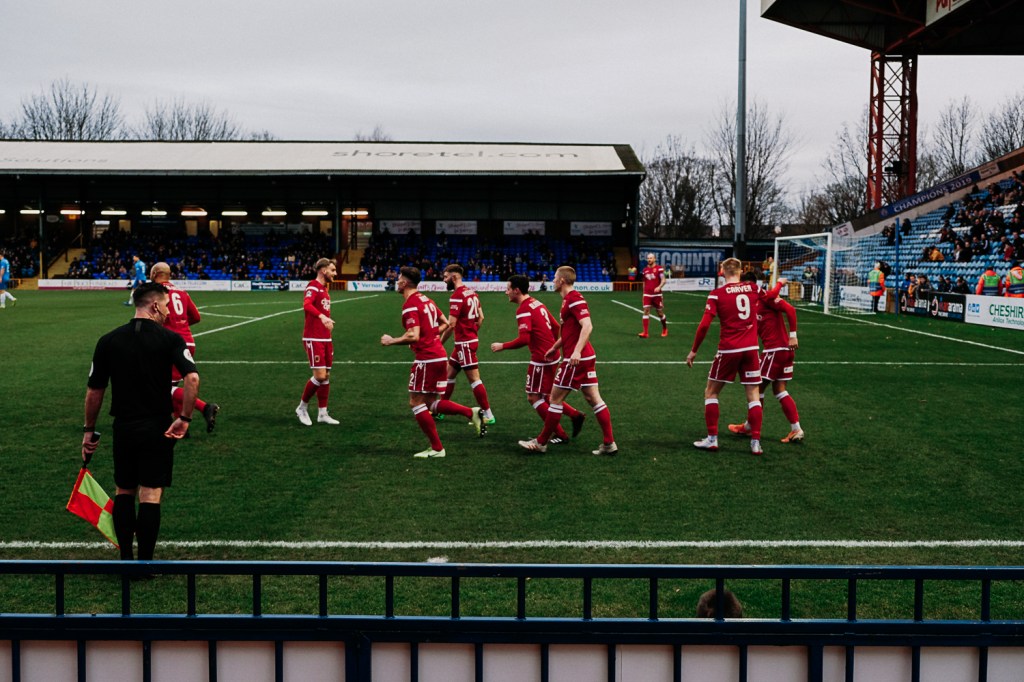
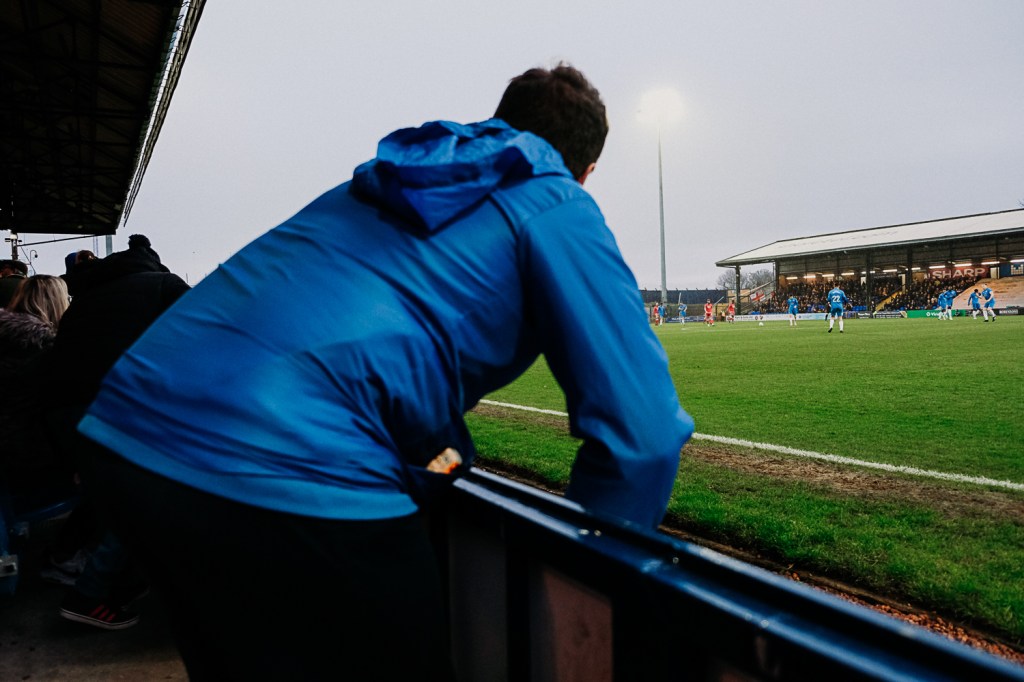
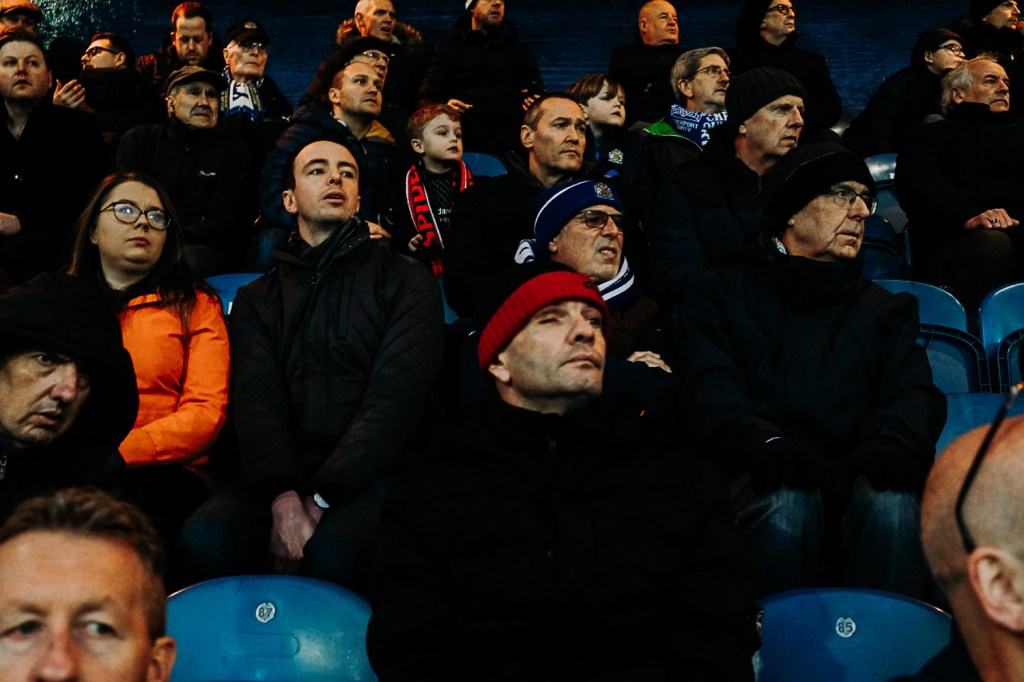
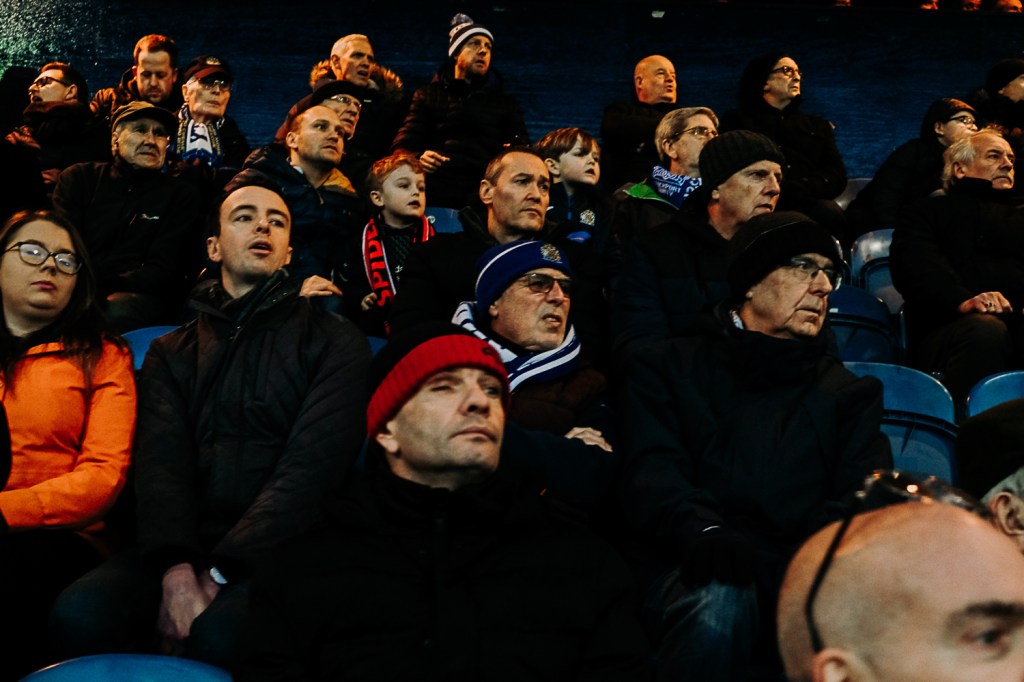
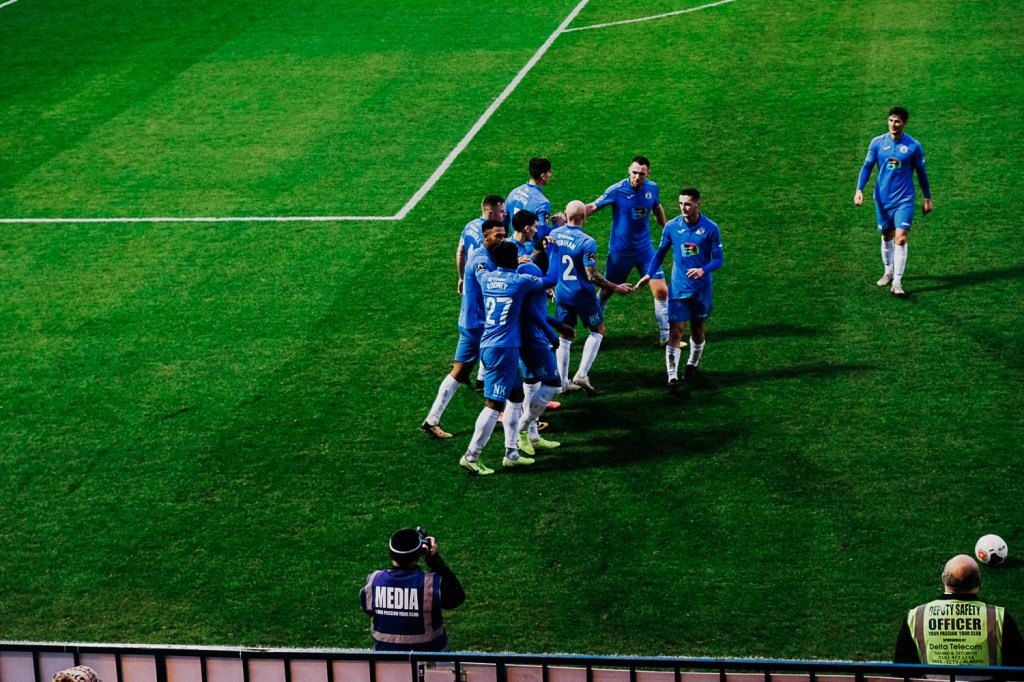
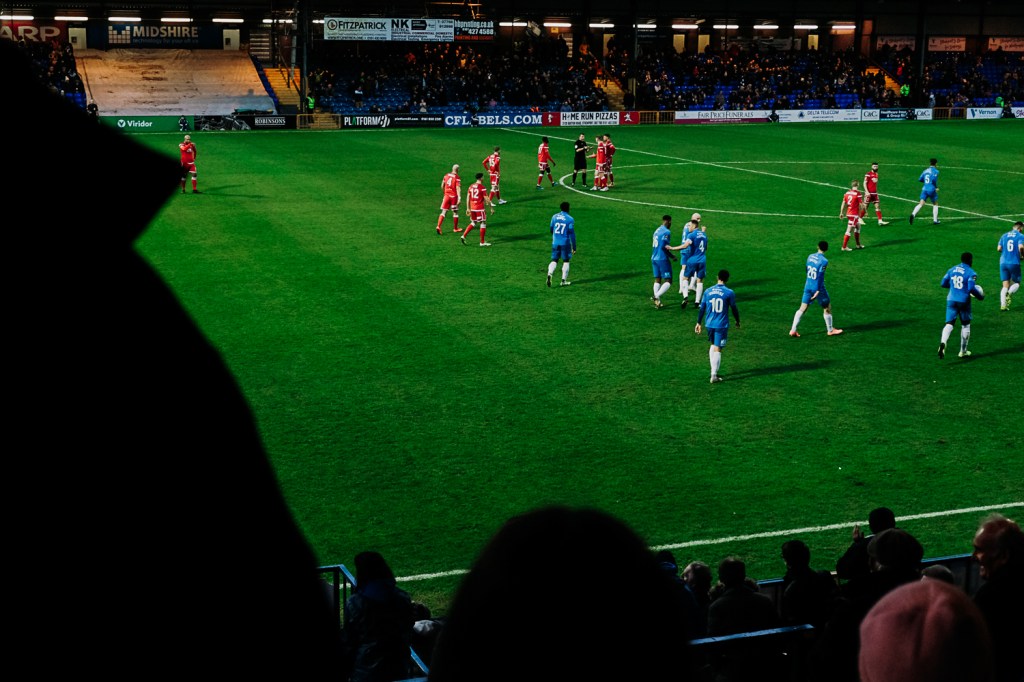
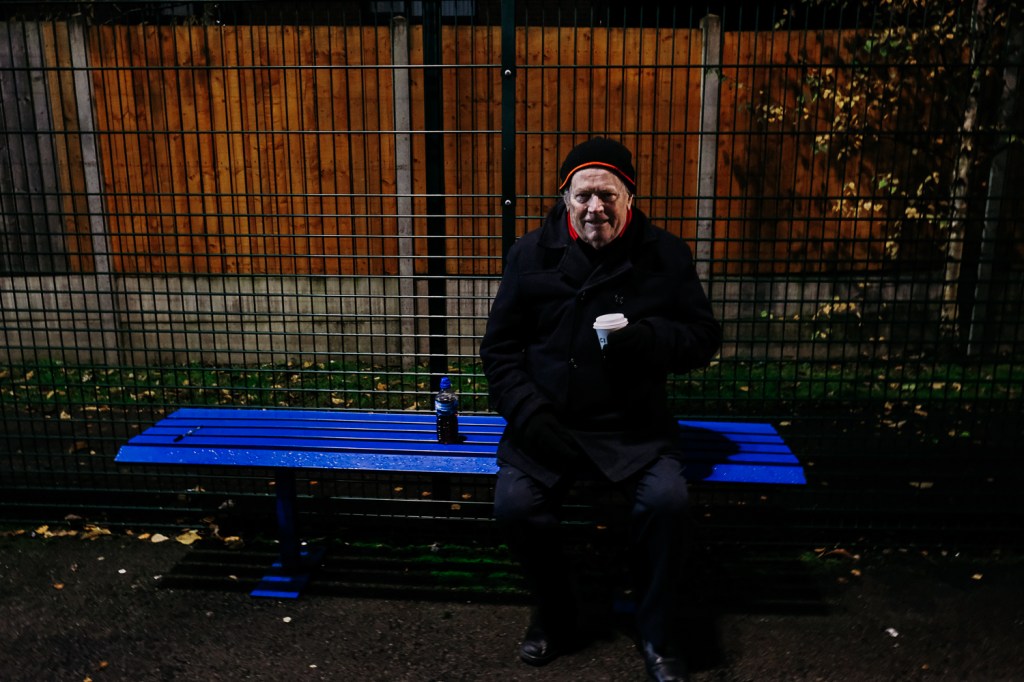
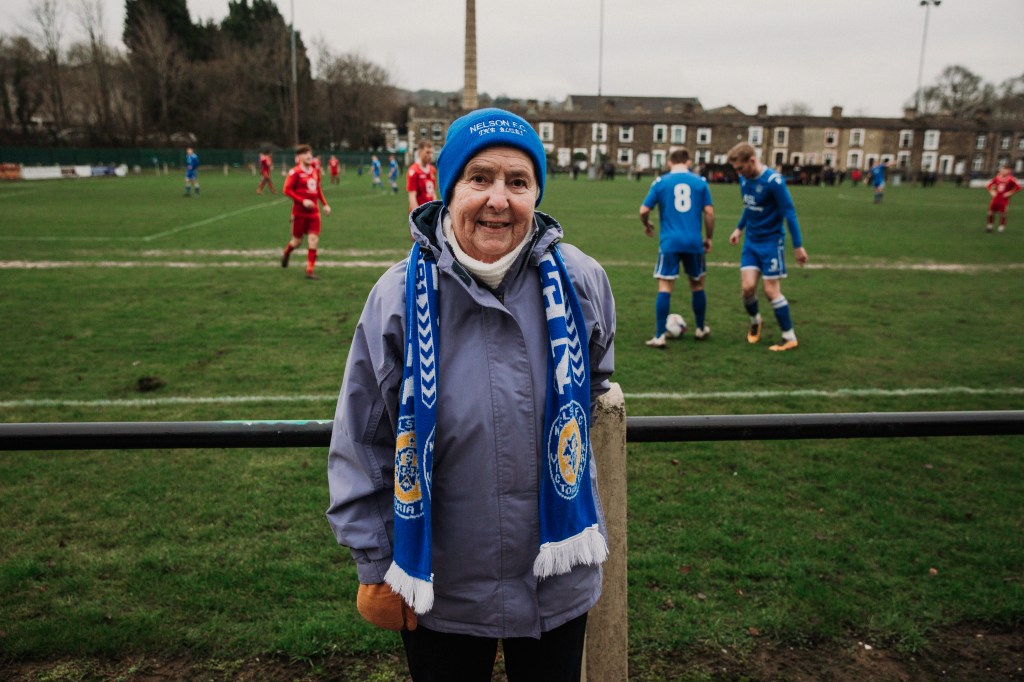
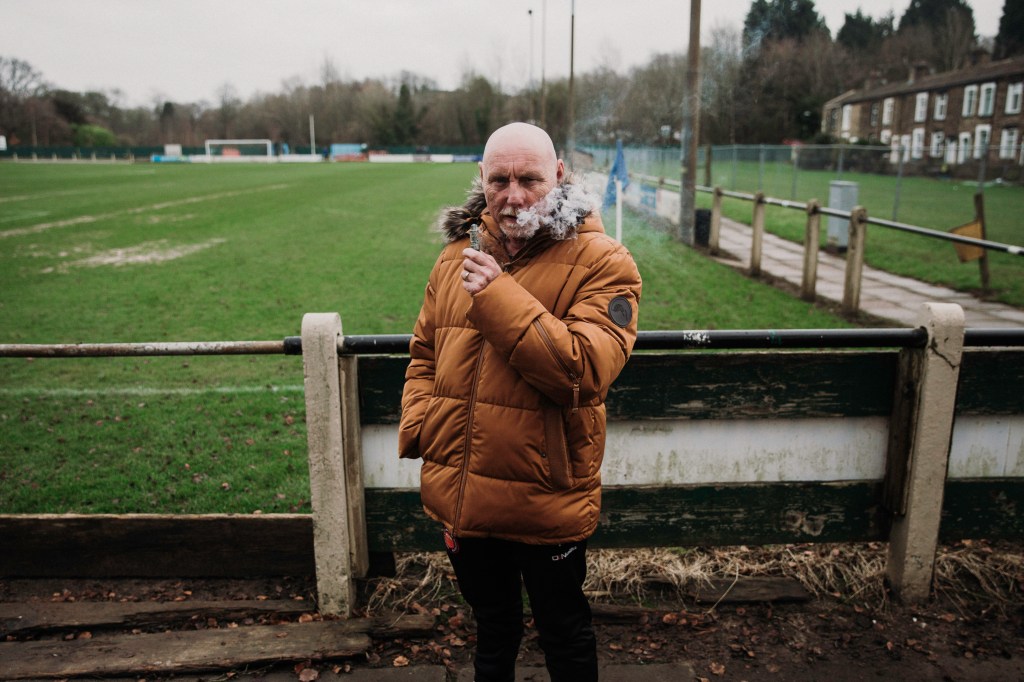
With reference to my own work in the name of authenticity, the image below represents a lady who is attending a football match. It is believable that this is the case as we see the football match taking place in the background. We see the players on a pitch which may be indexical with the opposing colours red and blue which may be symbolic in addition to a football which may serve as an icon. All of which may provide equity in the authenticity that this lady is attending a football match. The photograph of the male however may have less authenticity as although we may understand that this person is at a non league football ground, the absence of a football match taking place may create ambiguity about the time that the photograph was taken.
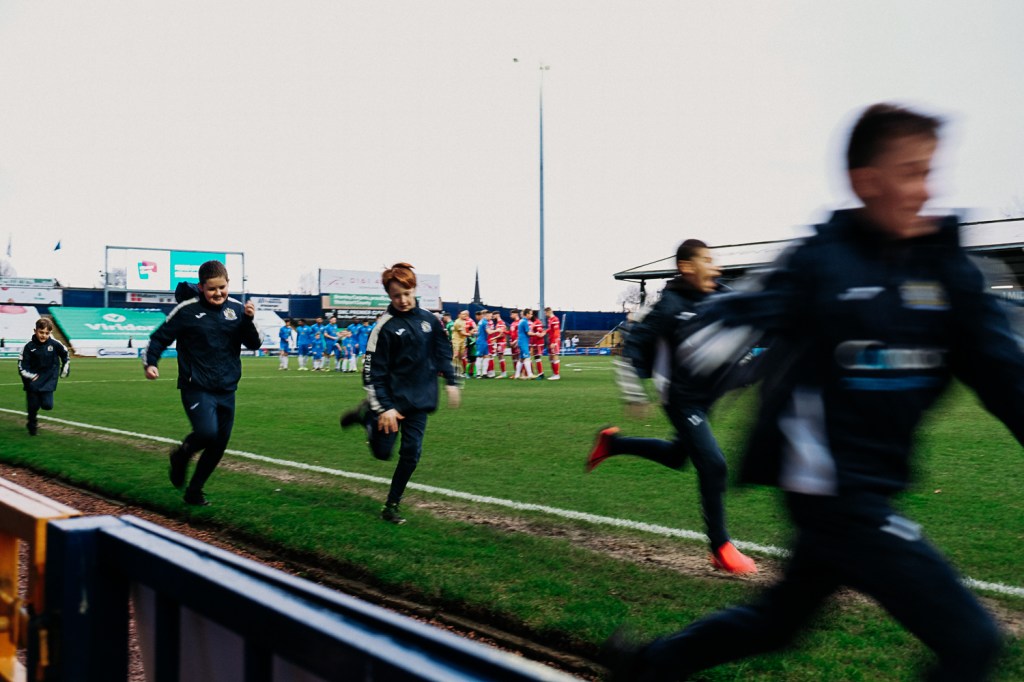
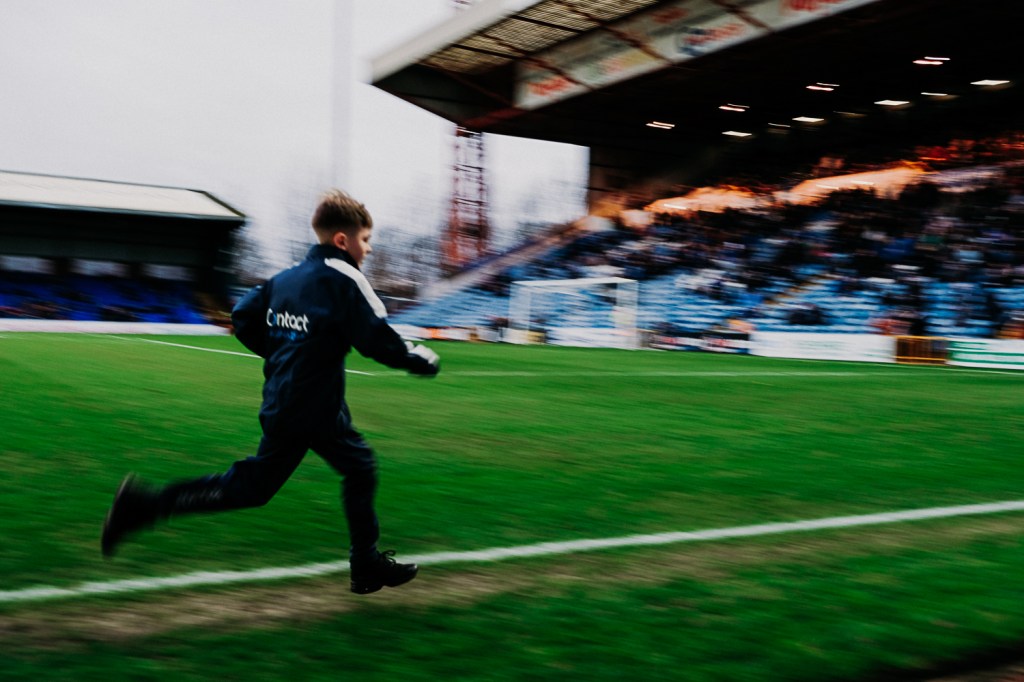
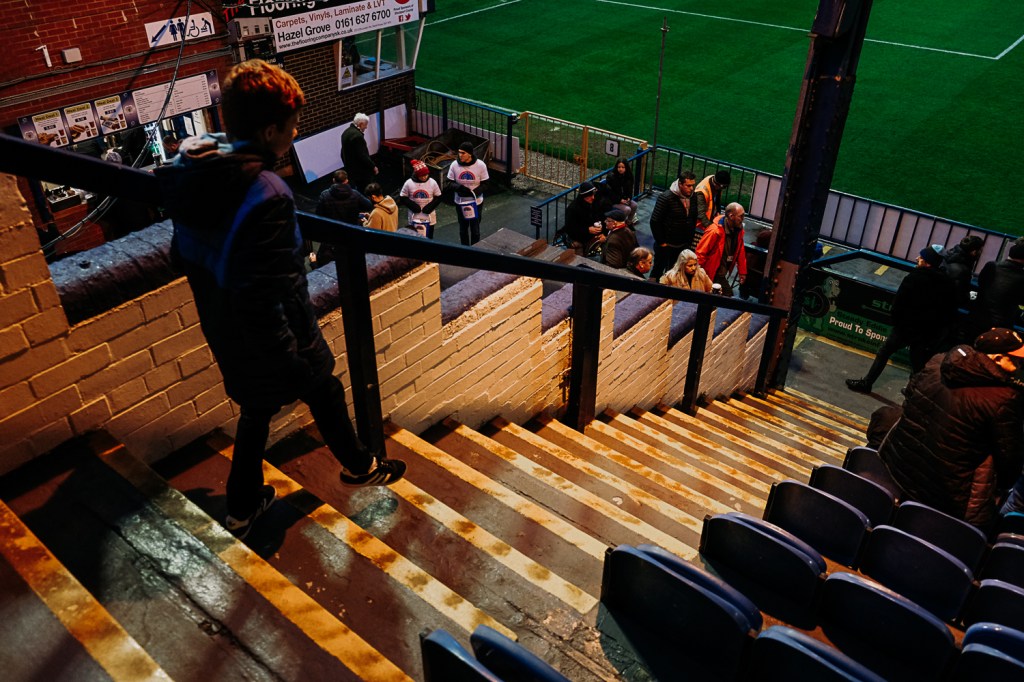
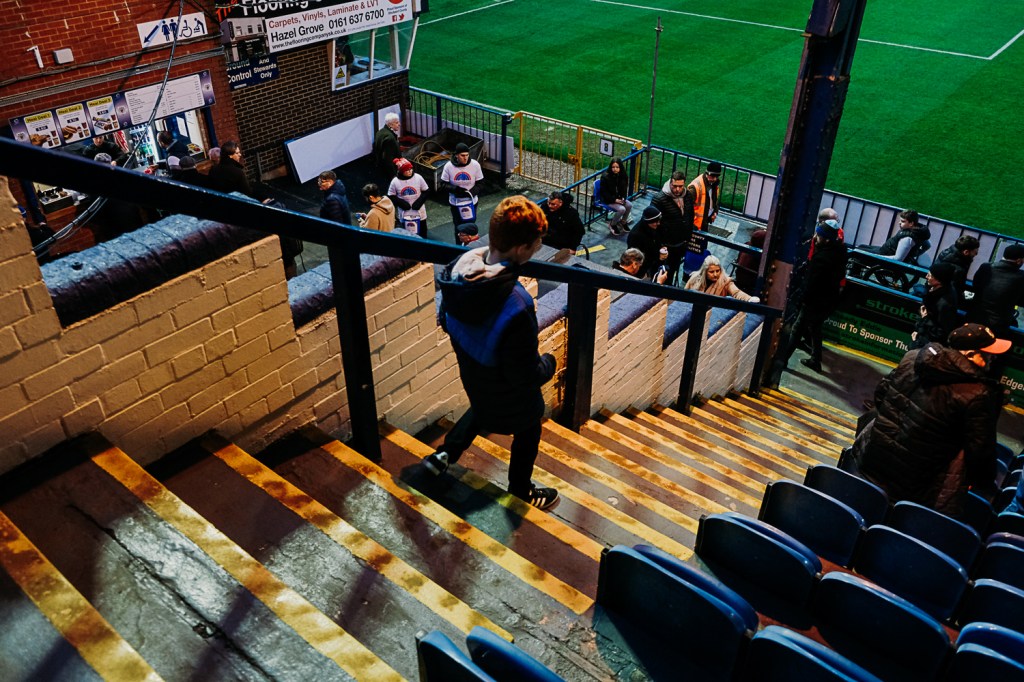
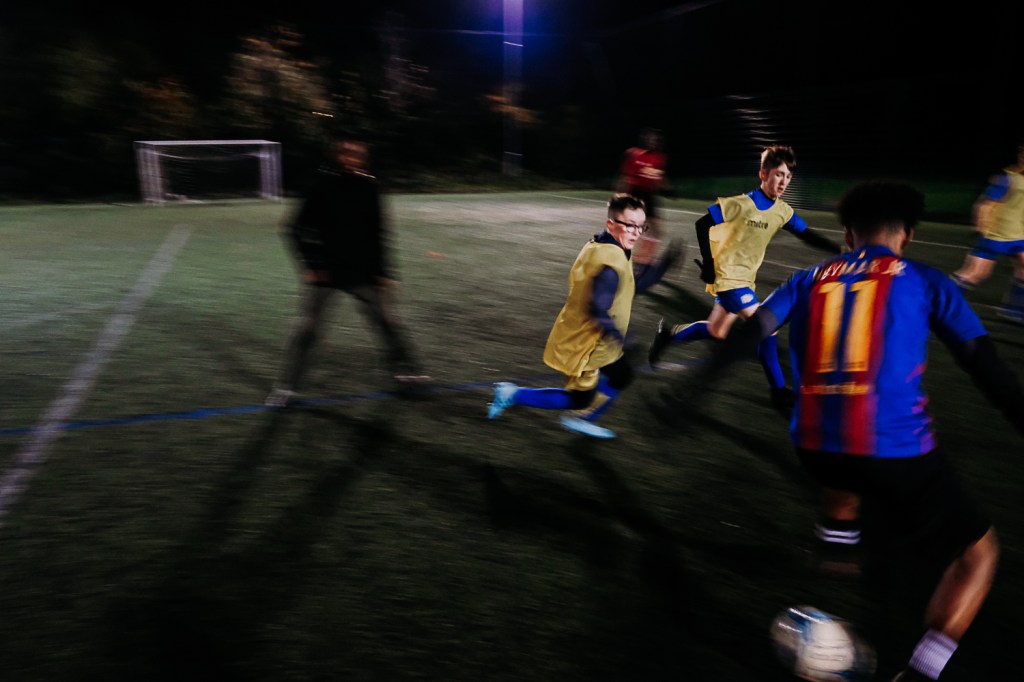
In terms of the the mechanical model of photography the relationship between the photograph and what was in front of the camera is also interesting as I have created images that are different to what would have seen with our own eyes (Snyder and Allen) by using a slow shutter speed and panning the camera. Such techniques again may create ambiguity in relation to authenticity. The technique use to characterise the effect of the characterisation. Authenticity is reduced by such techniques. Although we may understand that movement as occurred, we are unable to understand the situation how it was. How fast were the players moving exemplified in the image below.

dan.jpg

Such questions have made one consider creative choices and consider where the work I create sits in relation to representation, evidence or art? Reflections of the work I create lead to the assumption that what I create sits within the realm of art and may be justified by Snyder and Allen (1975: p 65) who cite Szarkowski who argues “the artist begins with the subject then does something to it – deforms it somehow, according to some personal sense of style”. Although such ideas are not really new and innovative I have found such ideas hugely enlightening in informing the context of my project. I edit my images, retouch my images and I colour grade my images. All of which comprise the authenticity and truth of my work. However (Ritchin 2013: p49) argues that “the photographer must increasingly emphasise the role of interpretation rather than that of transcription”. The ideas of Ritchin may be applied to my work are the emphasis on interpretation of non commercial football spaces and their romance as opposed to proving that they exist and that people visit the.

Barthez, R (1982) Camera Lucida, New York, Hill and Wang.

Ritchin, F (2013) Bending the frame, Photojournalism, Documentary and the Citizen. New York, Aperture.

Snyder, J. Allen, N.W. (1975) ‘Photography, Vision and Representation’ in Critical Inquiry, Vol.7, No.1. (Autumn, 1975)
Week 2: A Question of Authenticity

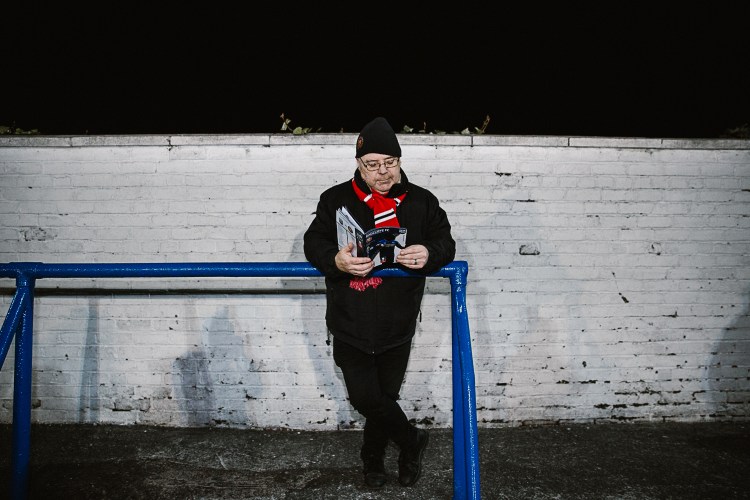
In response to this task I am using images of one of my early shoots at a football match between Radcliffe Borough and FC United of Manchester.

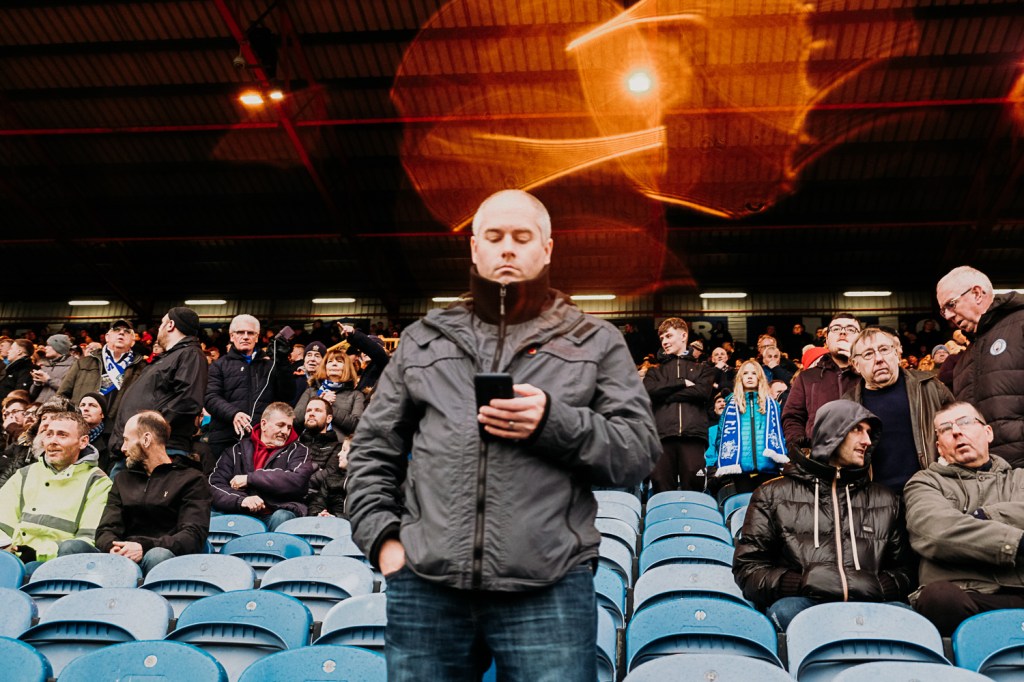
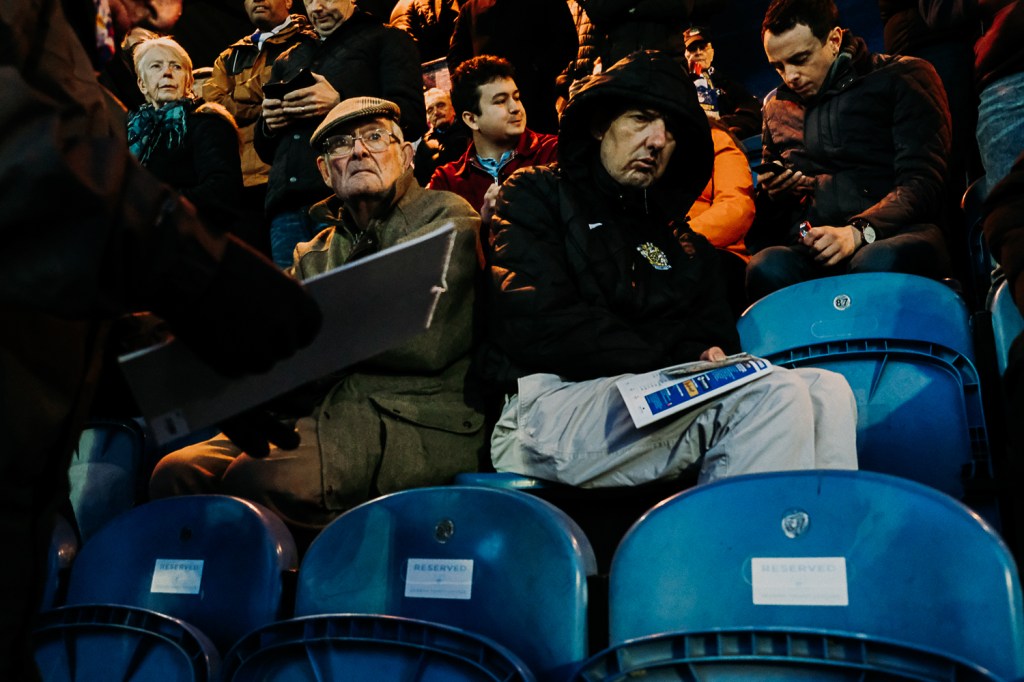
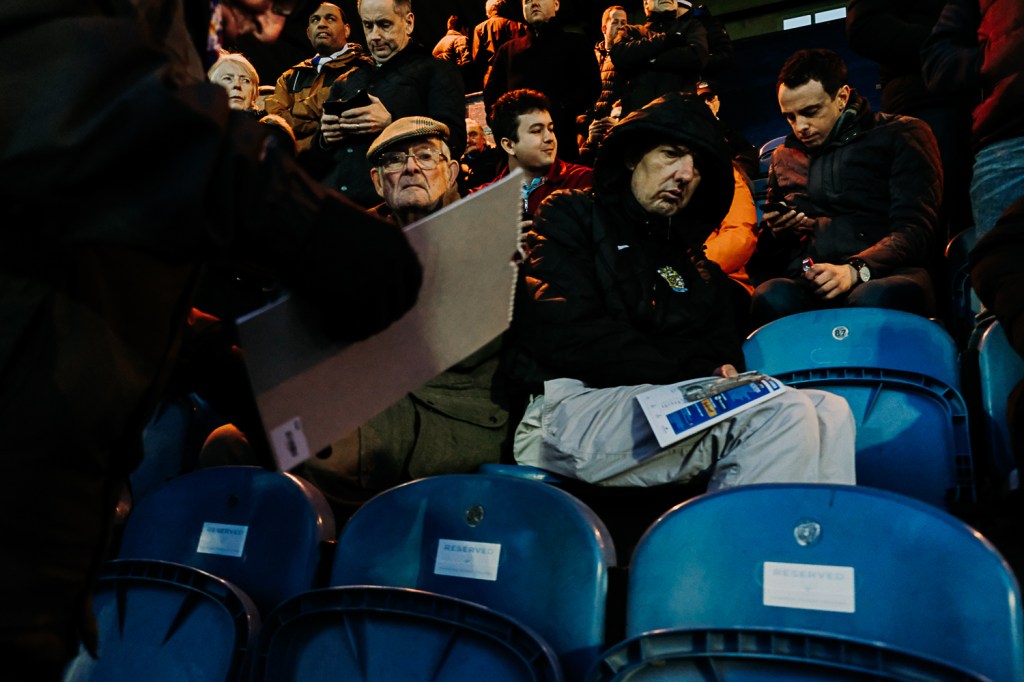
The first image depicts a man who appears to be deep in thought whilst reading a match programme. However only moments earlier I had approached this person, explained my project before taking the picture. Therefore, regarding the notion of truth, this is very much a constructed image. The subject who appears to be reading the programme couldn’t have read anymore than the opening paragraph. In essence, I had found a good actor who was happy to collaborate in the making of what appeared to be a documentary image. In addition to the pleasure of ‘stillness’ both parties contributed  to the creation of a photograph with indexical iconography which may belong to the realm of documentary photography. With this assumption in mind, the lines between a portrait and documentary photography are blurred.

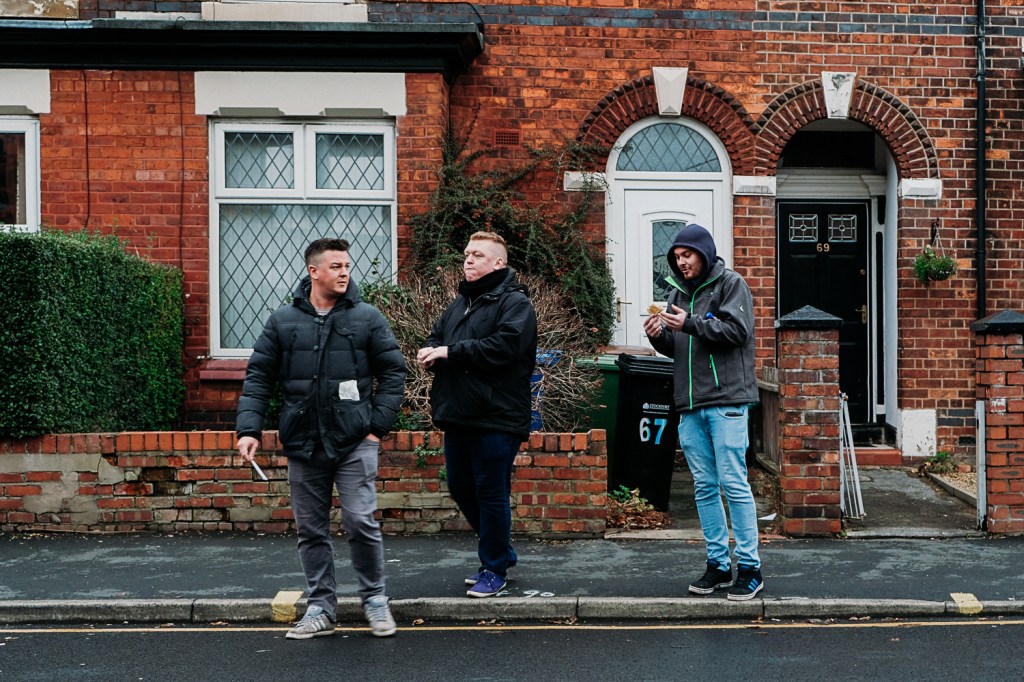
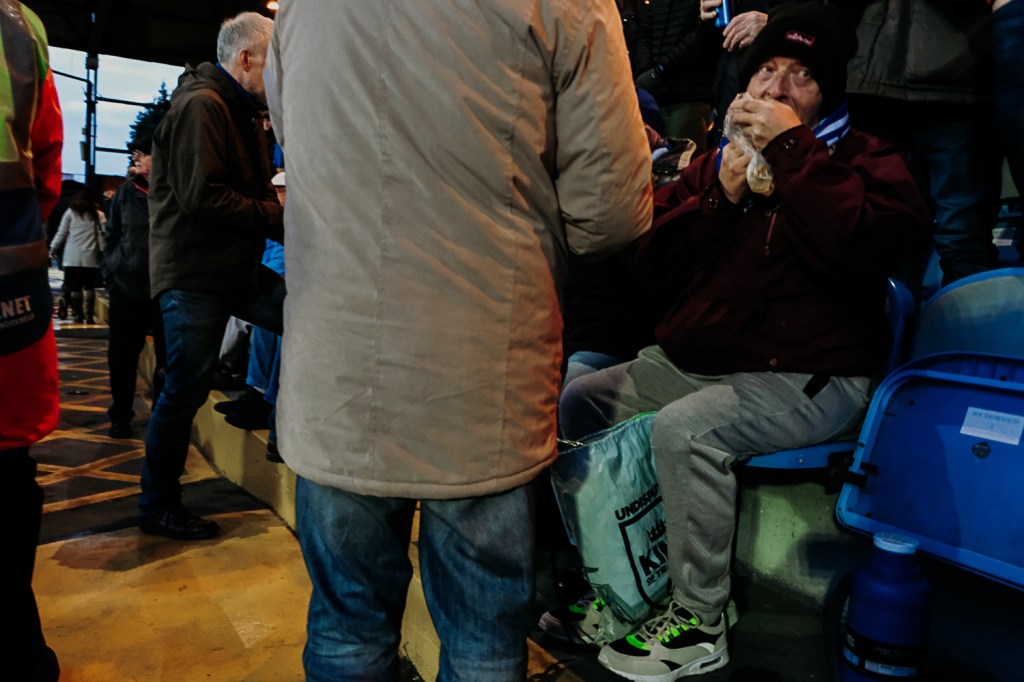
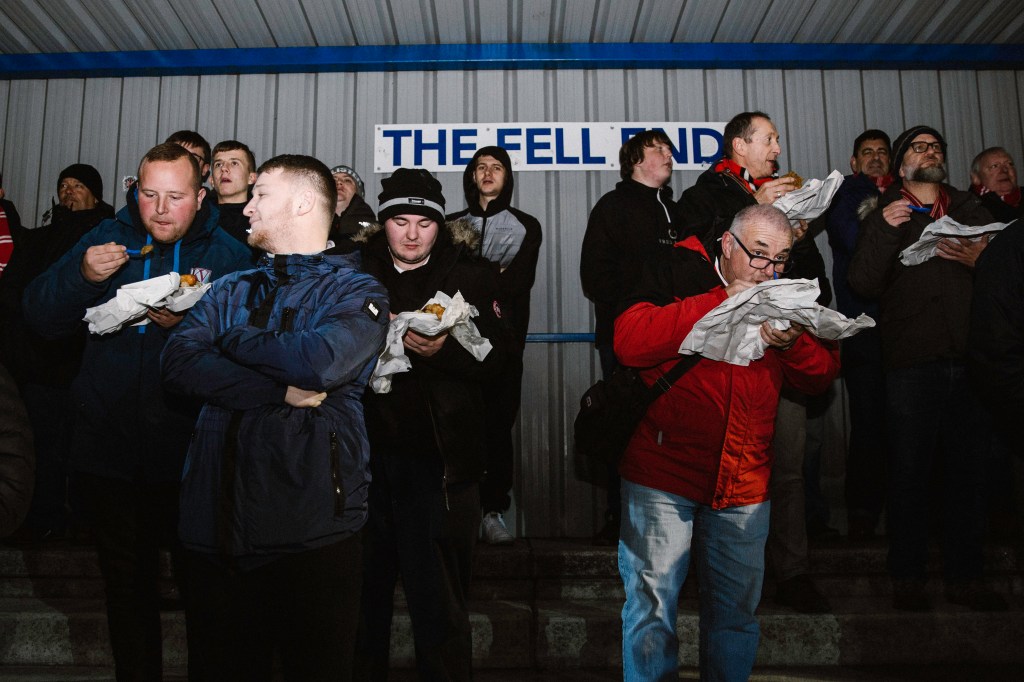
The second image from this shoot I would classify as a documentary image and is relevant because the subjects who are eating are consuming food from what we could identify as paper that would be used to package food from a chip shop. This may hint at notions of class and the context of a football terrace could further that assumption. This may be relevant to my wider project which is non commercialised football as the mass globalisation and manufactured glamour of high level football would almost certainly not allow these practices to take place. Almost like taking your own sweets to the cinema. Therefore I feel the image below has more truth than the image above In addition to being a statement of activism.

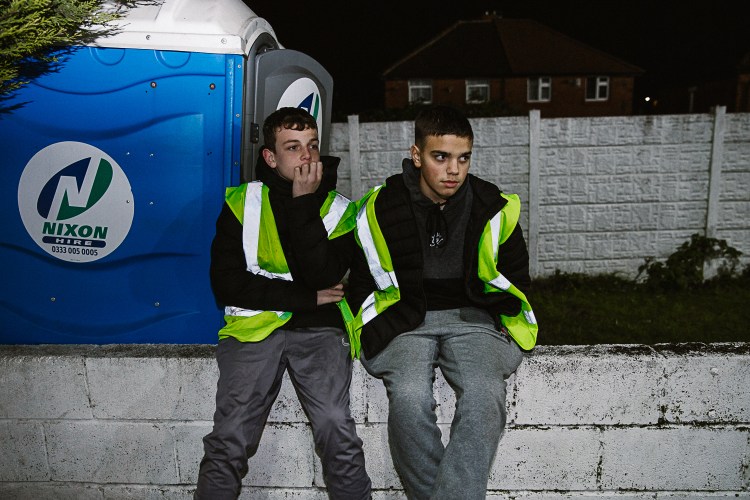
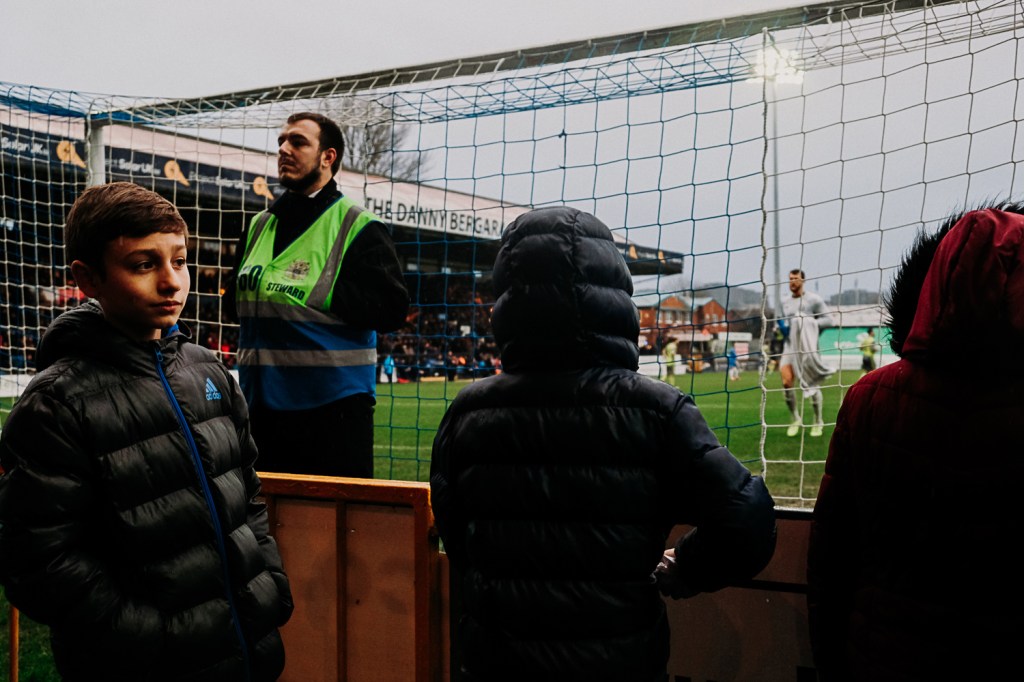
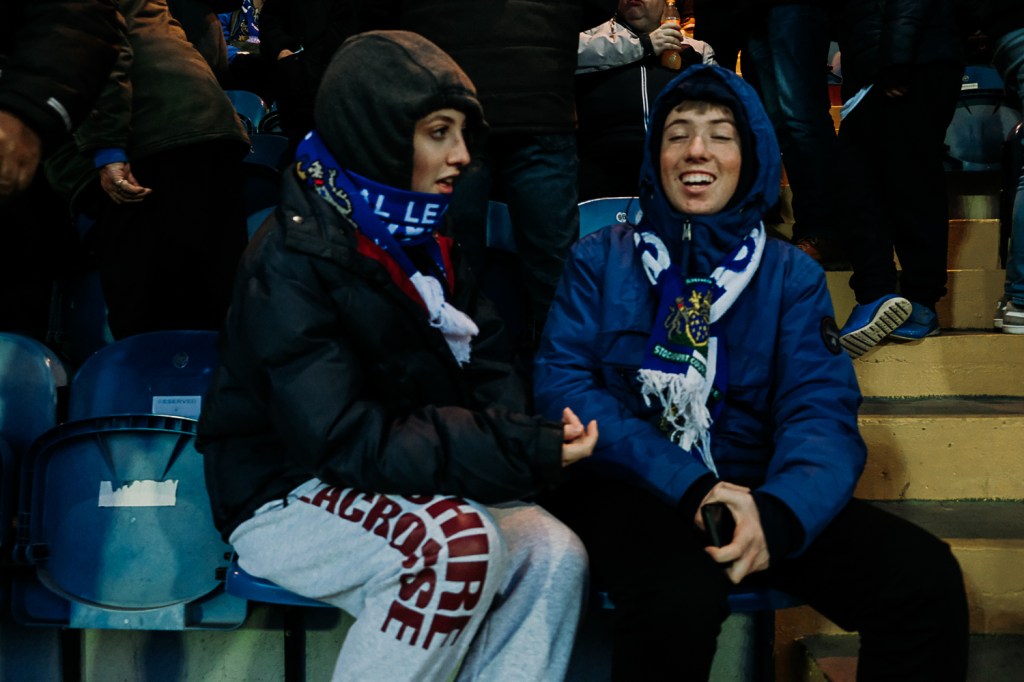
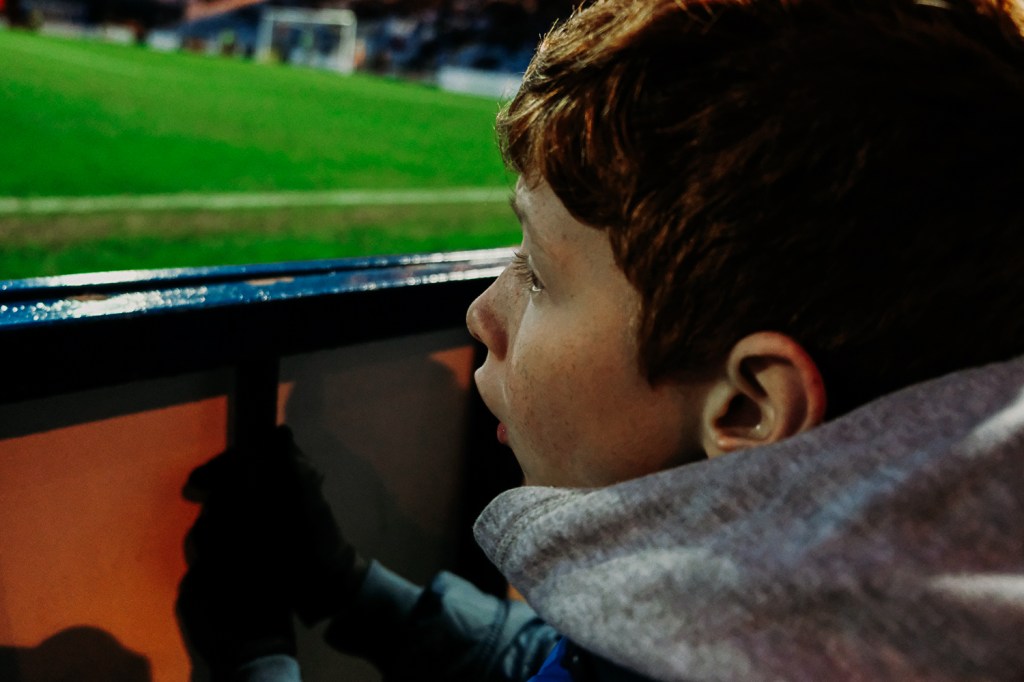
The final image is one of my favourite images from my project to date. Again this is a constructed photograph as a result of my intervention of asking these two boys if I could take their photograph. They are watching the players warm up before the match however that isn’t clear because the photograph lacks the indexical elements to tell that story. What the boys are observing could be anything which adds to the interest of the image and is outside of my usual approach because I am only telling part of the story. I feel this is a dangerous line to take with my work as a story without an ending can be unsatisfying. However I feel that the subjects within the image contain enough interest to carry the story. Two teenage boys, high visibility vests which would infer a reason for being there, grey tracksuit bottoms which are not part of their official regalia however an important piece of ‘street uniform’ within this Northern, British conurbation.

In terms of Barthes idea that ‘authentication exceeds the power of representation’, one may agree to an extent at the level of denotation however any connotation that may be read or decoded must be met with suspicion (Berger 1972). With regard to the photograph of people eating chips, the documentary nature of this image is the result of an impulse which is interesting in respect of authorship and the selection of the frame  by the photographer. Franklin (2016: 165) argues that “There is no wright or wrong, only an impulse to photograph”, With the ideas of Franklin in mind the relationship between impulse, authenticity and selection could possibly be explored further. The selection and decision to capture by the photographer is a subjective decision and will always be that way. Being able to further crop the frame after the image has been captured offers potential to change the representation which adds substance to the argument of authenticity at the level of connotation is very unstable. Authenticity as evidence of a time, place, attendance etc may be the limits to a photograph and its authenticity.
Berger, J. (1972). Ways of Seeing: Penguin, Harmondsworth.

Franklin, S. (2016) The Documentary Impulse, Phaidon, New York.
Week 1: Where am I now? Part 2

At present, my work has shifted significantly since the initial idea of a project that encompasses the people involved in amateur and non league football. This project was very different to my initial practice as a wedding photographer where there wasn’t much conscious philosophical consideration of my work. Find the shot, wait for the shot, get the shot and check quickly, in the hope the photograph is in focus.

The initial stages of my non commercialised football project were quite novel and I would base human choices primarily with a documentary approach in mind, similar to wedding photography when looking for candid opportunities. The intention was never to take photographs of football being played. The football would be a supporting act at best, by sometimes being encompassed within part of the work that I create. The game itself being part of a broader story which is about people and their motivations for consuming the echelons of the game which are not actively sold and glamorised (Berger 1972). Enviable lifestyles, big stadiums and every angle shown again and again on TV. A sport that most have participated at some stage of their lives whether good or bad, at school, in the park, jumpers for goal posts and a plastic bottle to kick when a ball wasn’t available. Commodified in a way that we are encouraged to buy the shirt of a team, follow their progress on TV, argue with others on twitter, telephone radio stations to complain about their teams performance. All without having been there. A season ticket to a global brand such as Manchester United or Arsenal becoming an illustration of status in addition to a Sky Sports subscription.

This issues highlighted within this reflection serve to contextualise my practice and lead to the understanding that my practice sits within the real of activism. The consumer may see may see unkept spaces that are unenviable. However the stories behind the photographs may change the meaning as (Barthez 1972 p20) suggests “the imposition of second meaning on the photographic message proper, is realised at the different levels of of the production of the photograph”. As suggested by Barthez, I hope to realise the romance of these spaces and ultimately produce a collection of statements as a response to mass consumerism and commodification of British football. My photographs, it has emerged, are positive statements about participation, emotional investment, being cold and finding a place to be apart of a community. Being able to tell stories that haven’t been told by thousands others from different angles, perspectives and ideologies.

Evaluate the success / weakness of this work.

In terms of the evaluation of progress to date. I feel that much learning and development has taken place. In the early states I attended some football matches with only a general understanding of why I was there and with the mindset of a documentary wedding photographer waiting for jovial moments of interest to occur as (Sontag 1977. p9) highlights “the trip was made, the programme was carried out, that fun was had”. In engaging with the project at this level I was confident that I was able to reflect the subject matter in this way. However it quickly became apparent that this approach had its limitations and wasn’t really sustainable beyond the creation of work that encompasses a one dimensional perspective of the various locations I visited.
In order to open up the project I needed to deepen the philosophical approach to the justification of places to attend. As a result of this a range of major questions occurred such as:

Why am I taking these photographs?

What further techniques do I engage with to further my work?

The emergence of these questions are the major success of my project to date and have re-energised the project with an alternative perspective. Throughout the early stages I have produced some documentary work that I am proud of but these feel like small victories at this stage. I have collaborated and met some interesting participants and created links that I will exploit further in the future.

At present, I have engaged with the philosophical question of the purpose of my project and considered the amount of photographs that I consume online and in publications for journalistic reasons of football matches taking place in addition to citizen journalism which document peoples attendance, events taking place, beer being consumed and fun being had as (Sontag 1977) purports.

Therefore, in consideration to my project I am faced with the challenge of how do I make my work different? I understand that my work won’t be original however the furthering of my work to go beyond documentation is most relevant as (Ritchin 2013. p49) emphasises “the photographer must increasingly emphasise the role of interpretation rather than that of transcription”. The relevance of Ritchin’s ideas are relevant in addressing the first question established for the motivation of the work I create.

The photographs often consumed may be of a journalistic nature or a document of attendance. The work I create therefore may sit within similar points of exhibition in the first instance however I understand that I will be required to endeavour to produce photographs which may be encoded with activist messages whilst celebrating non commercialised football as so many others do through journalistic work.

A major breakthrough in terms of critical and philosophical approaches is a developed understanding of the portrait. In my role as a wedding photographer I am used to producing portraits of couples with the objective of creating photographic souvenirs (Sontag 1977). In order to do this I look for picturesque locations which every decent wedding venue has. Encompas techniques such as off camera flash and an appropriate image will be produced. However this led to a major lack of understanding of work which belongs to other genres of photography.

Developing in this way through research of the work of photographers such as Margret Mitchell and Laura Pannack represent a major success of widening my personal development. Although finding the work of Mitchell and Pannok interesting I initially found it difficult to contextualise and understand my interest.

This problem may be contextualised by (Bate 2009. 70) “the problem of ‘appearance’ and ‘reality’ or surface and depth is not entirely the right question or issue, since it leave the the intentionality of the spectator out of the equation,” The ideas of Bate represent a breakthrough within my approach in both confirming my problem in addition to offering some insight into the solution by drawing attention to the process of identification, recognition and the blank expression. Serving as an opportunity for the consumer of an image to do more to appropriate meaning to a portrait. This approach is where I am currently at and with my work and looking forward to developing further.

Bate, D (2009) Photography, The Key Concepts. Oxford, Berg.

Barthes, R (1977). Image Music Text. Croydon: Fontana Press.

Berger, J (1972) Ways of Seeing. Harmondsworth, Penguin.

Ritchin, F (2013) Bending the Frame, Photojournalism, Documentary and the Citizen. New York, Aperture.

Sontag, S. (2008) On Photography. Penguin Modern Classics. London

Week 1: Where am I Now

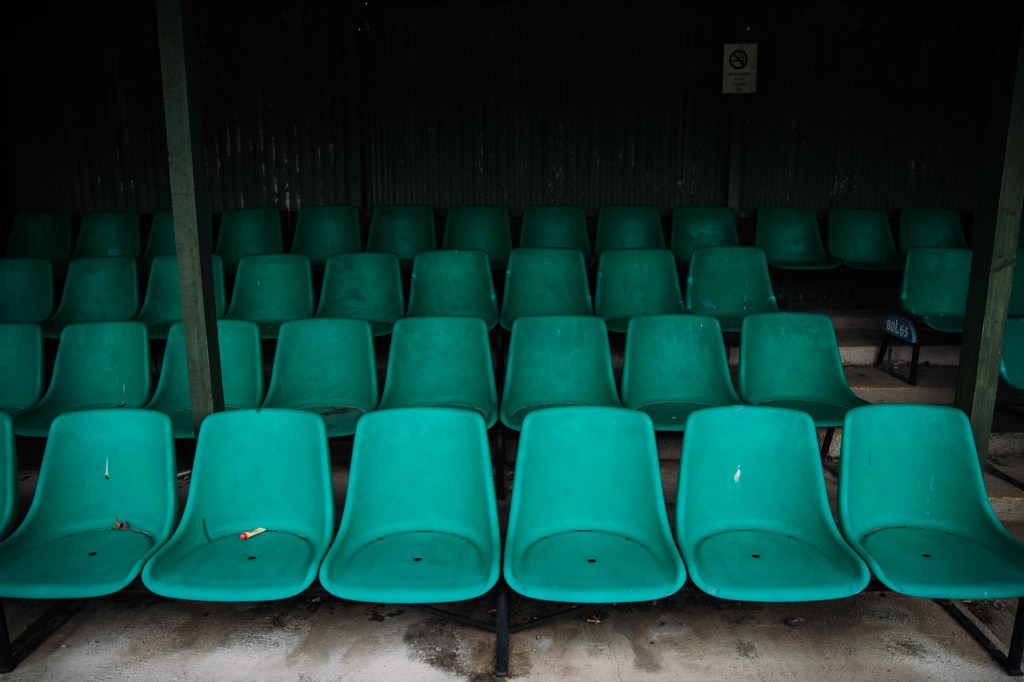
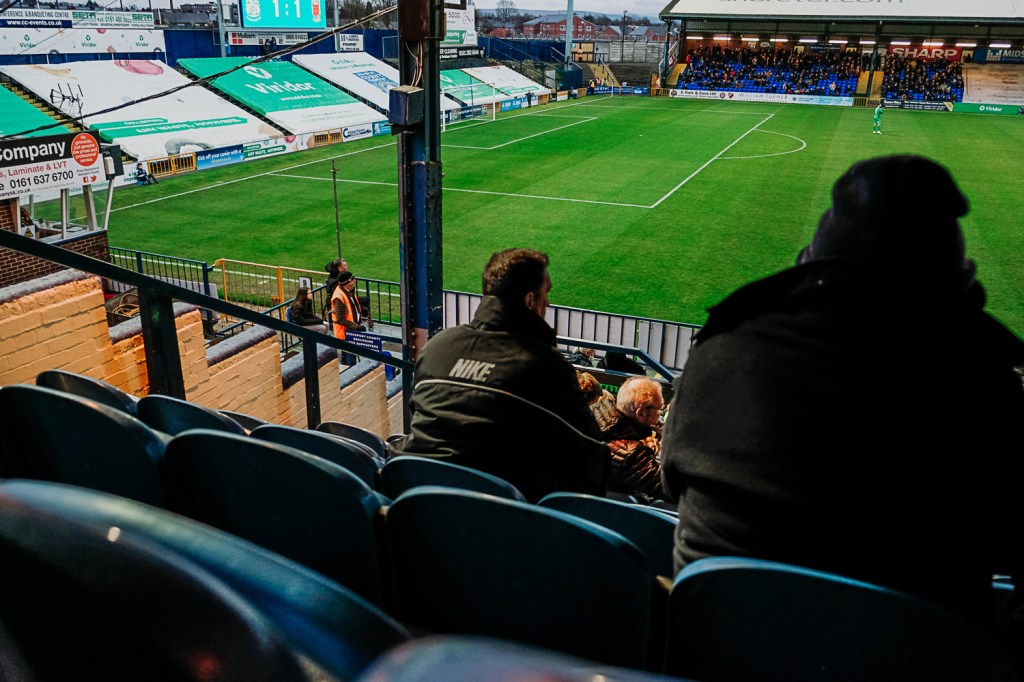
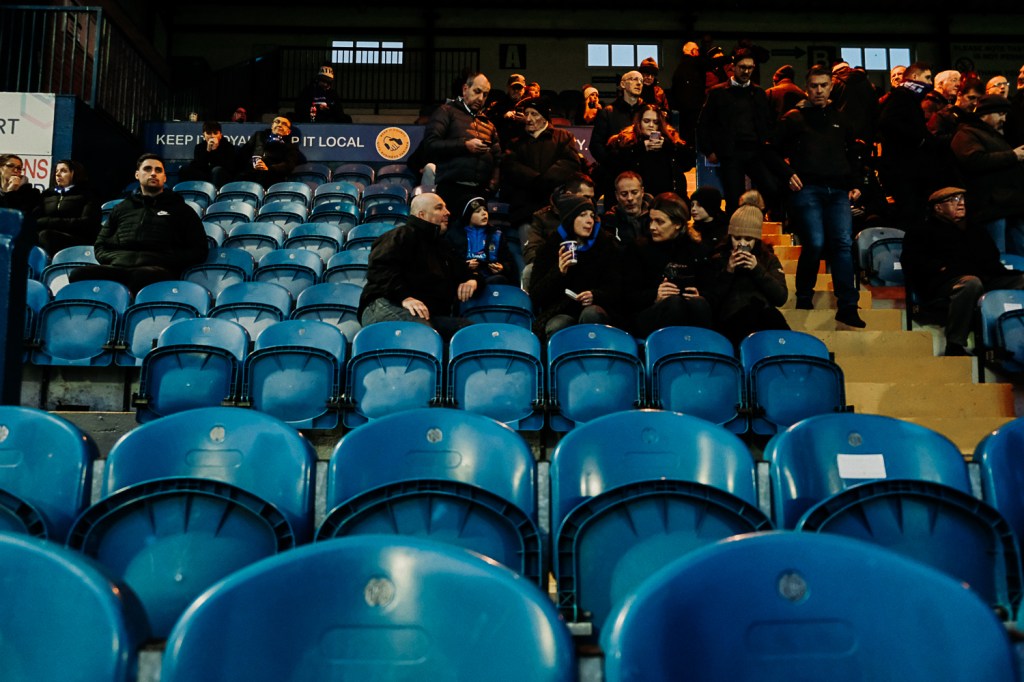
When considering my project and the potential direction I was going I begun to feel frustrated about my inability to access a higher level of sophistication and unable to produce work that I aspired to create. I reacted to this by furthering a philosophical approach and engaged with academic texts. Ritchin (2013:48) shed some light on this burden “A photograph that strives to provide a single answer intimates its own manipulation: one that provokes questions, whether intentionally or not, better allows the viewer to engage with the subject and become, in a sense, the photographer’s collaborator in his or her enquiry.” With the ideas of Ritchin in mind I traveled to my next shoot with the idea of creating work that that was less of a photographic document and more of an inquiry into unanswered questions. The idea of seeing the invisible was in my consciousness and has some relevance to Lister (2013: 5) who argues “Photography appears to be everywhere and nowhere simultaneously”. Both of these ideas hold relevance to me and from my last shooting experience, I made a decision to try to notice the environment around specifically think about the ‘easily missed’ objects and architecture. The image below illustrates an engagement with these ideas. Although not the most revealing photograph I have ever taken, the seats made me consider unanswerable questions such as who was the last person to use them? How did the small object on one of the seats come to be there? who had left the object? All questions that I would never find an answer however, being aware of the surroundings and the people who attended the football match. I was able to recognise and fantasise about who it might have been. In raising these questions, the photograph became less banal. Franklin (2012: 169) offers a conclusion of which I identify with by stating “The staying power and force of these strategies of measured ambiguity in photography owe much to the psychological and emotional way in which images communicate : further research and a deeper understanding” . As a result of my shoot which I was relatively happy with I find myself looking at this photograph the most. Checking again to see if it had changed which I find rather odd.
The Seats

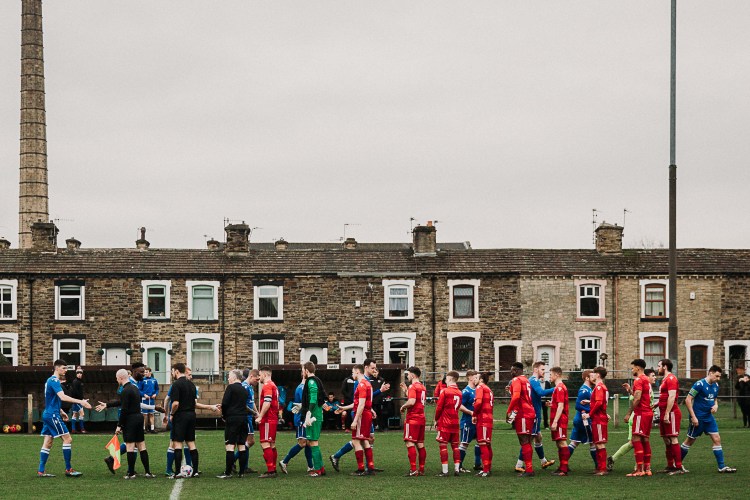
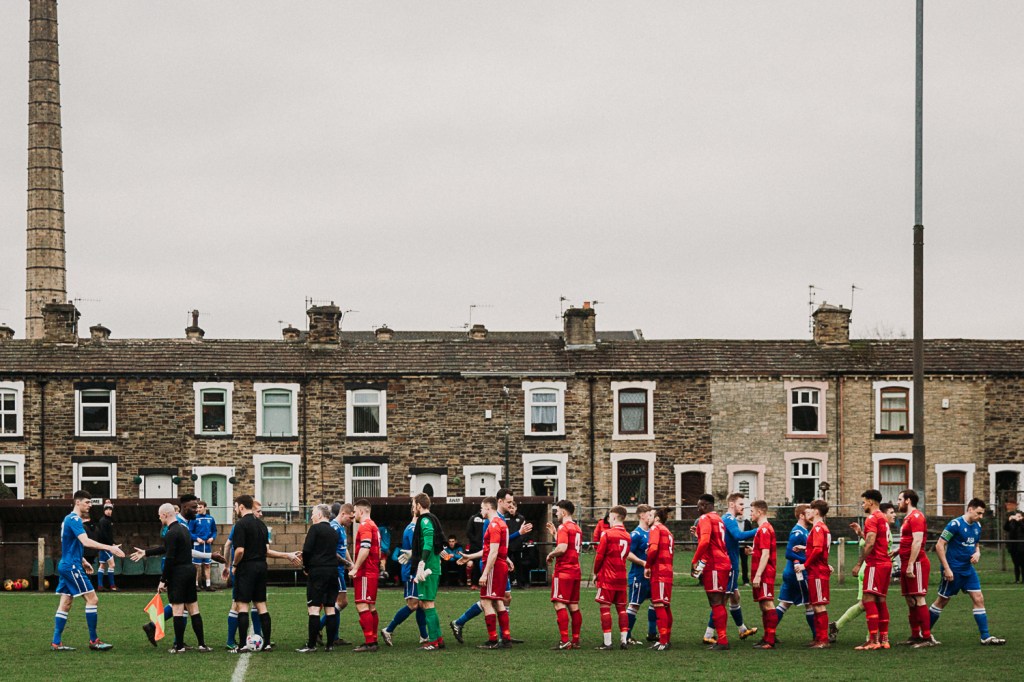
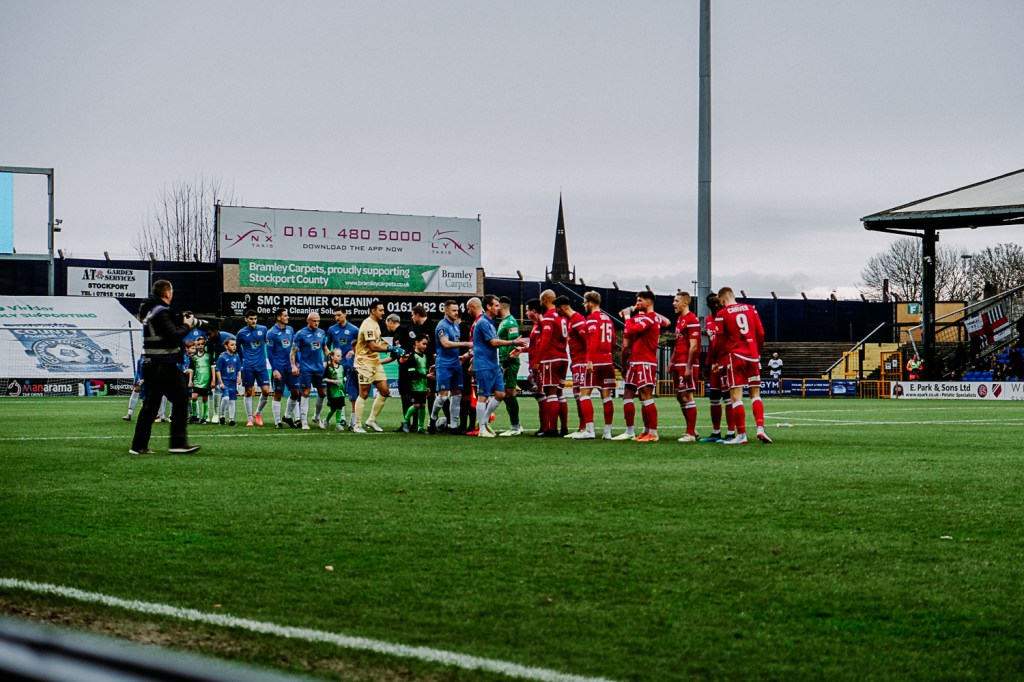
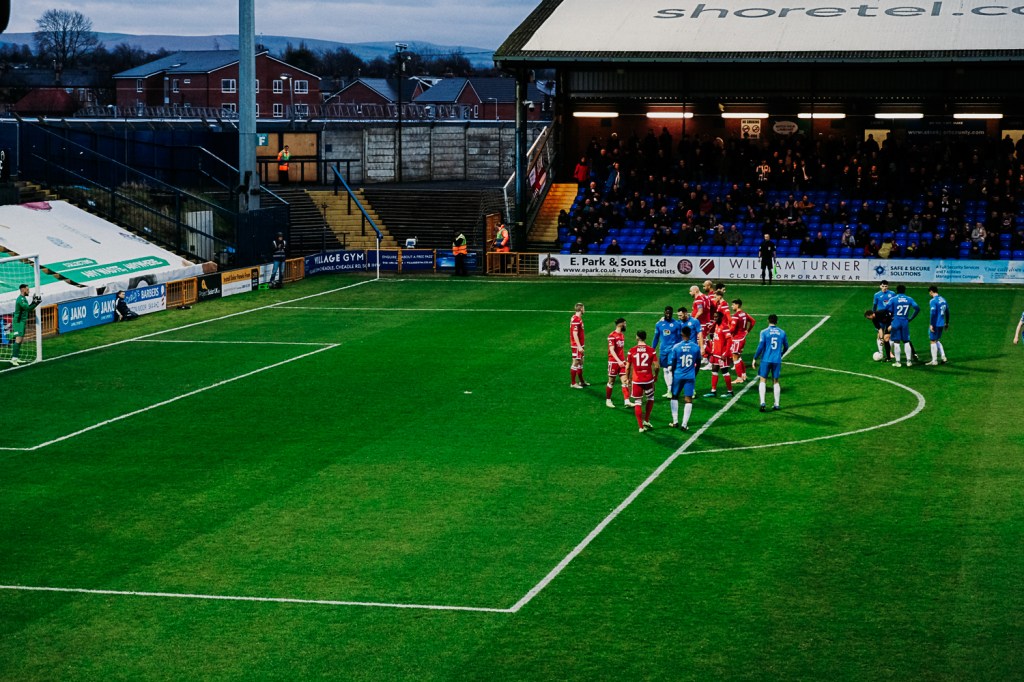
In researching the work of Stuart Roy Clarke and Haans Van Der Meer I was able to cultivate the beginnings of my project and found the work of Van Der Meer particularly enchanting with regards to the detail offered within his work in addition to the landscape element. The image below is where I have echoed his approach with results that I am relatively pleased with and definitely offer development within my work. In researching the approach of Van Der Meer I made the choice to take this photograph at a higher aperture with the intention of encapsulating further detail. The detail in the interaction of players shaking hands in type of ‘face off’ whilst the houses in the background get to bear witness the the duel about to unfold. The chimney in the background and the type of stone helps tell me that this place is Lancashire, ‘The North’. Although i’m from the North. These people are more northern than me. Szarkowski (1966:10) further resonated with a broader approach “There is in fact no such thing as an instantaneous photograph. All photographs are exposures of shorter or longer duration, and each describes a discreet parcel of time. This time is always the present.” The relevance here to my own work relate to the decisions that I made of when to take the photograph in addition to the technical choices I made to capture. I had taken this photograph several times before the match had started and felt that I had captured the shot. It wasn’t until I reflected on my choice that I decided to position myself at this side of the pitch for the start of the match. I was unaware or forgot that a ceremonial hand shake between the teams took place before the game however I found myself witnessing a moment in time which wouldn’t be repeated until the next game.

Face Off

Bate, D (2009) Photography, The Key Concepts. Oxford, Berg.

Franklin (2102) The Documentary Impulse. London, Phaidon.

Lister, M (2013) The Photographic Image in Digital Culture. London, Rutledge.

Ritchin, F (2013) Bending the Frame, Photojournalism, Documentary and the Citizen. New York, Aperture.

Szarkowski (1966) The Photographer’s Eye, New York, Museum of Modern Art

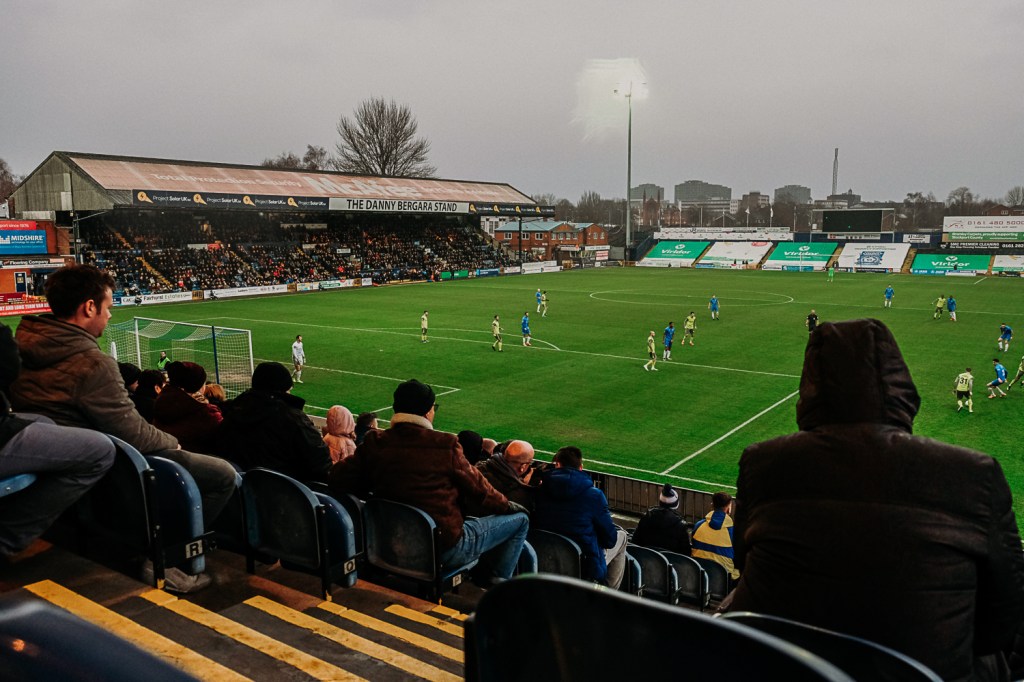
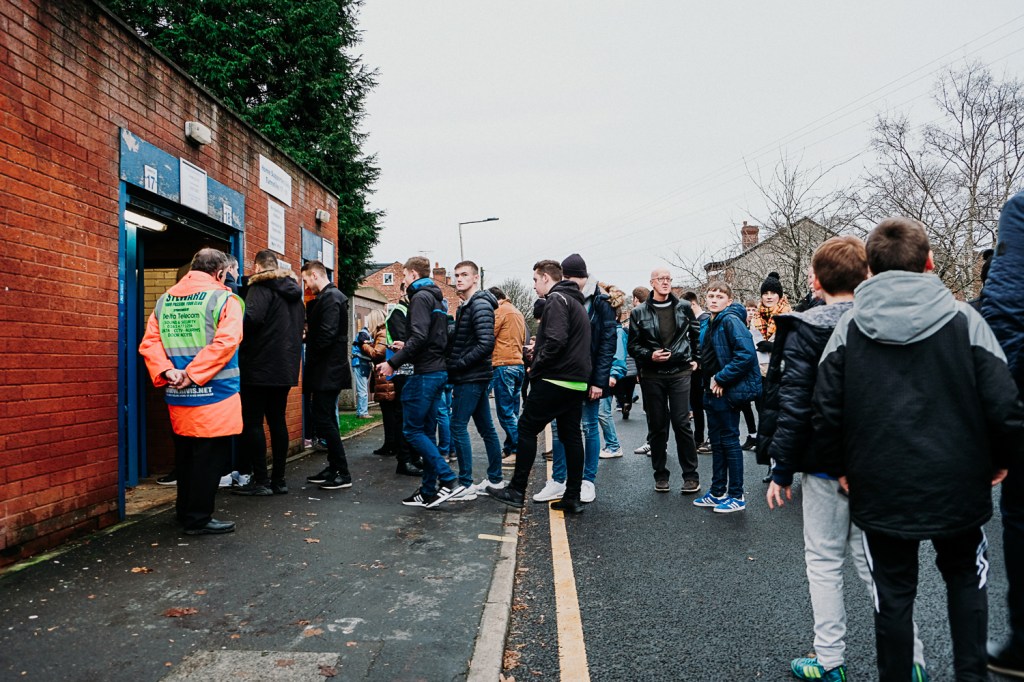
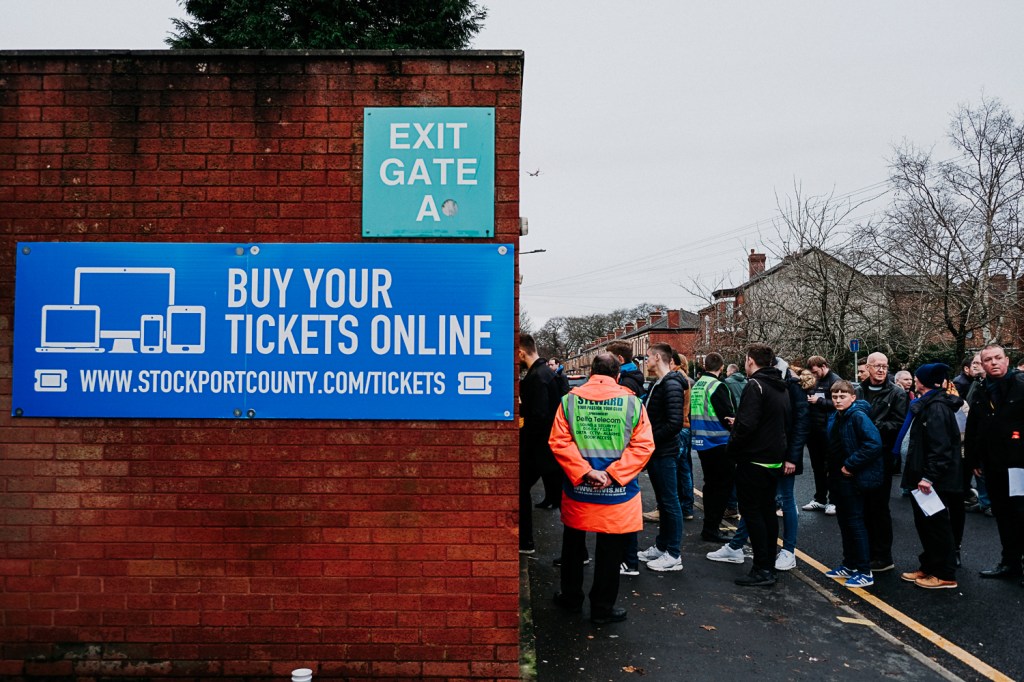
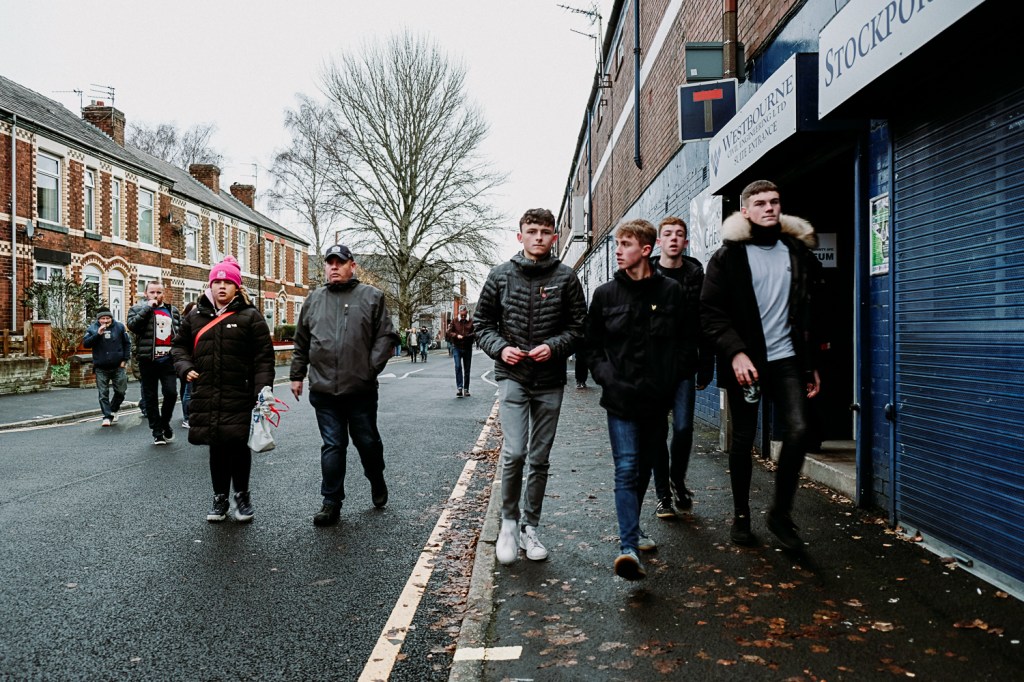
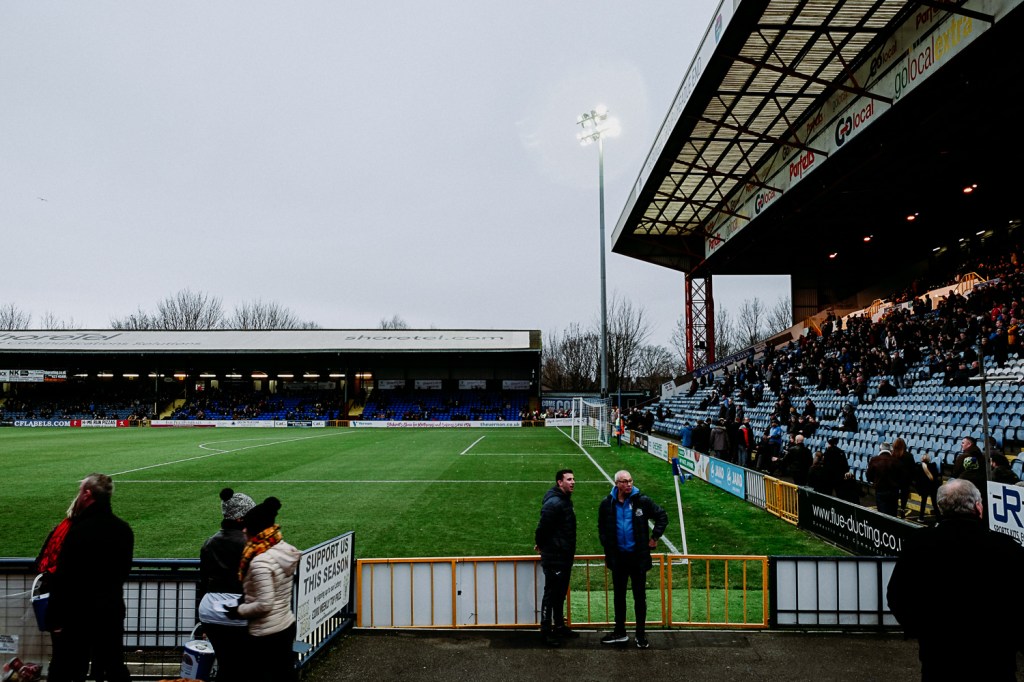
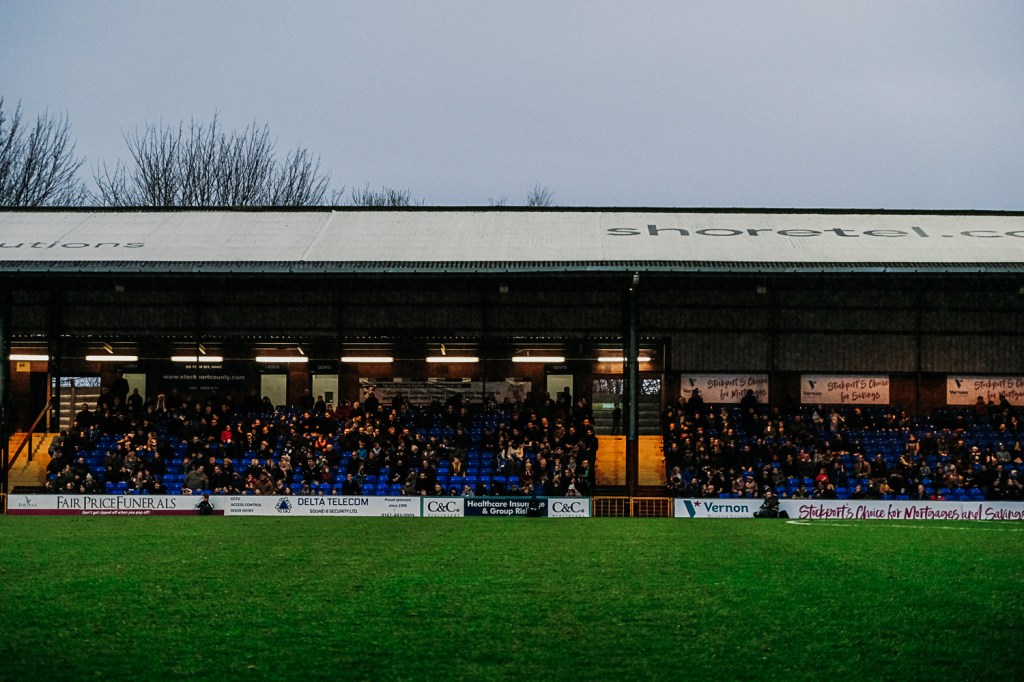
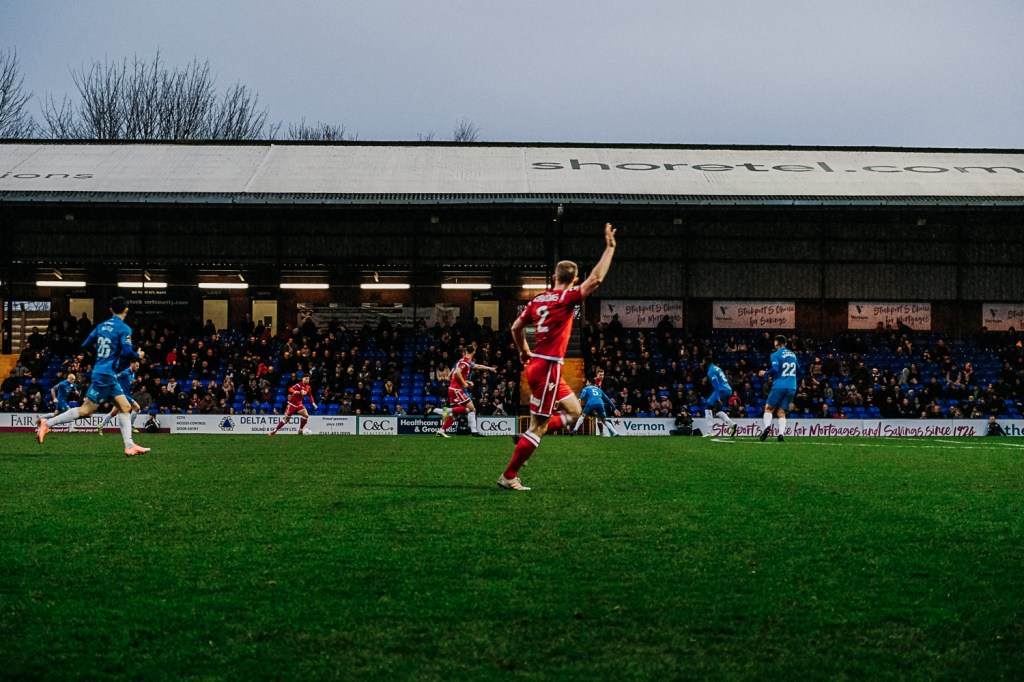
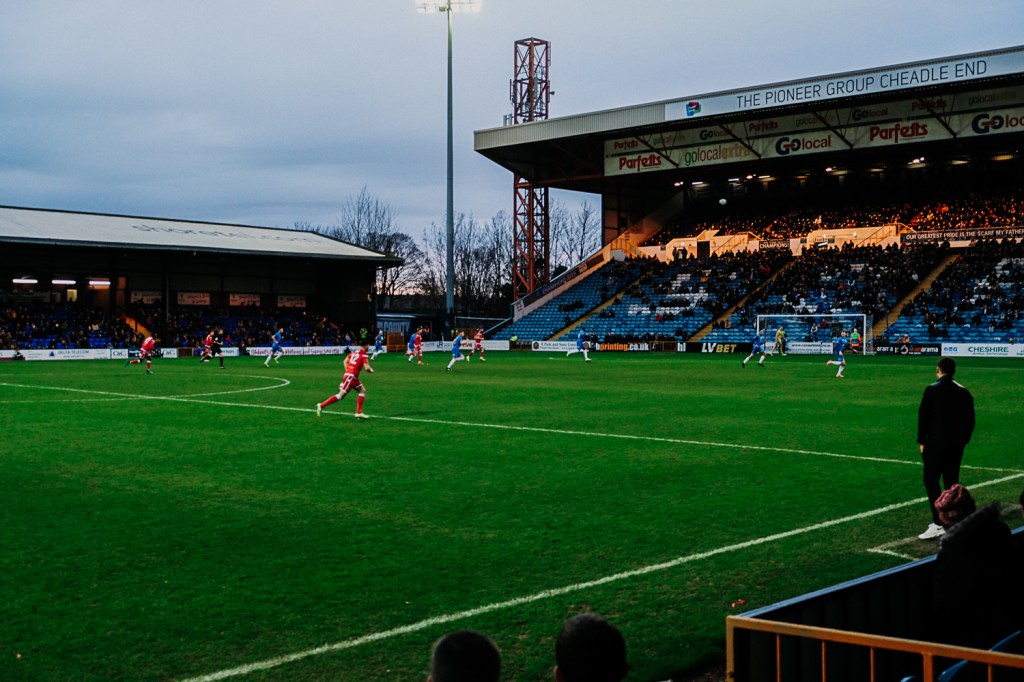
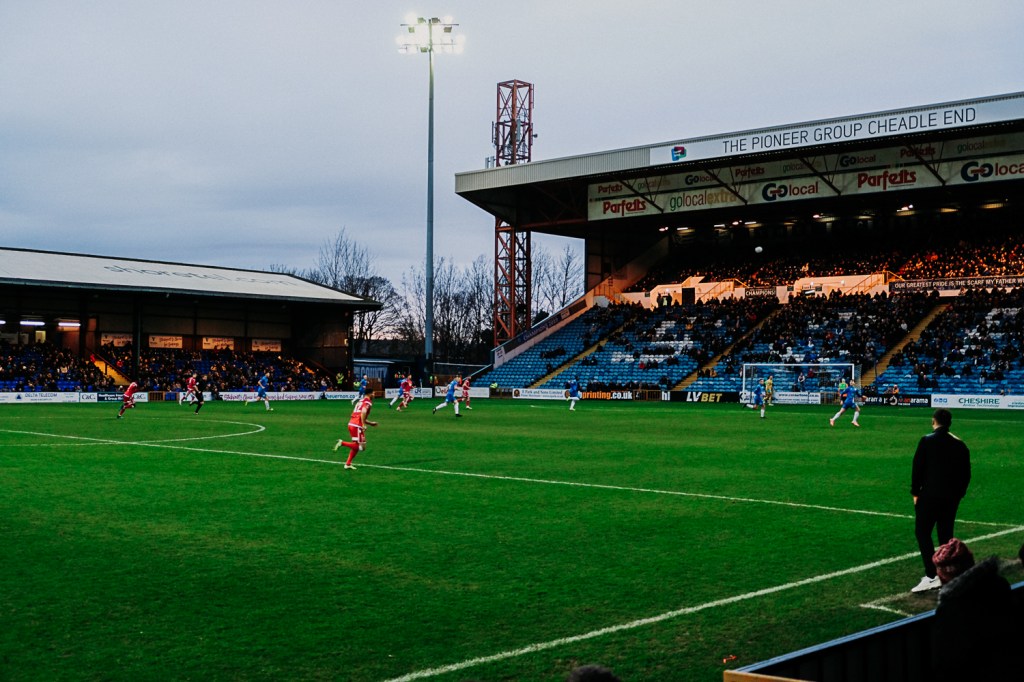
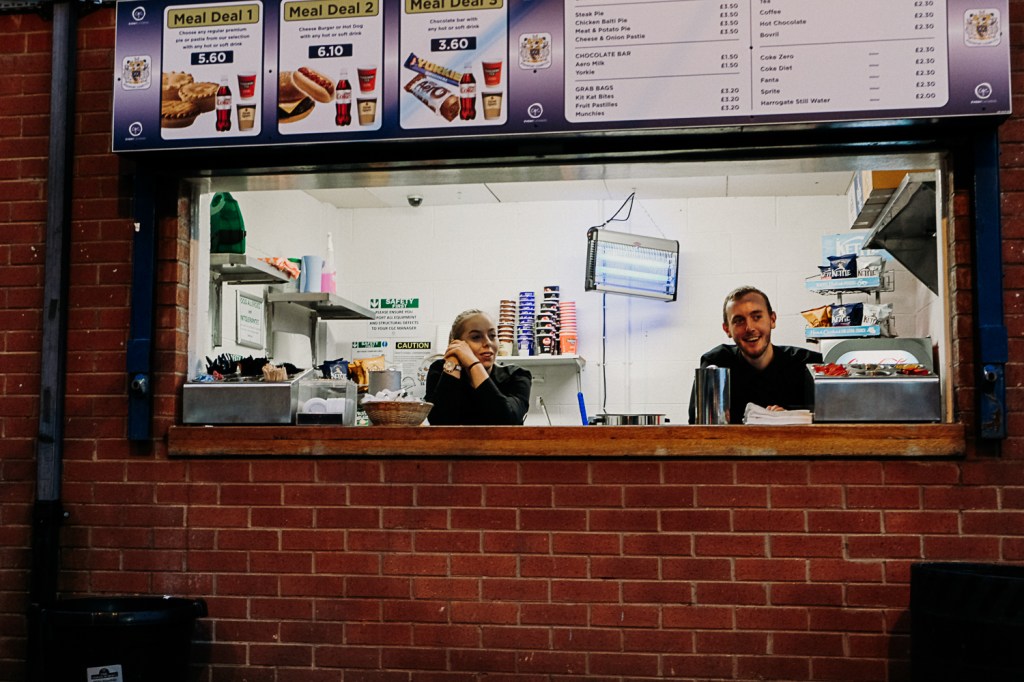
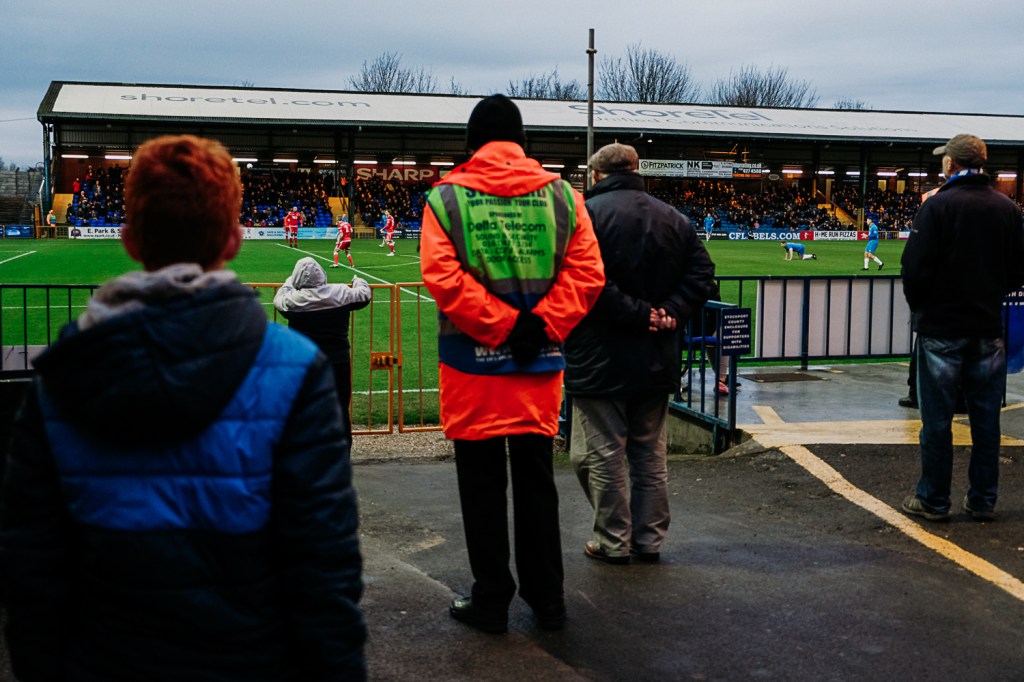
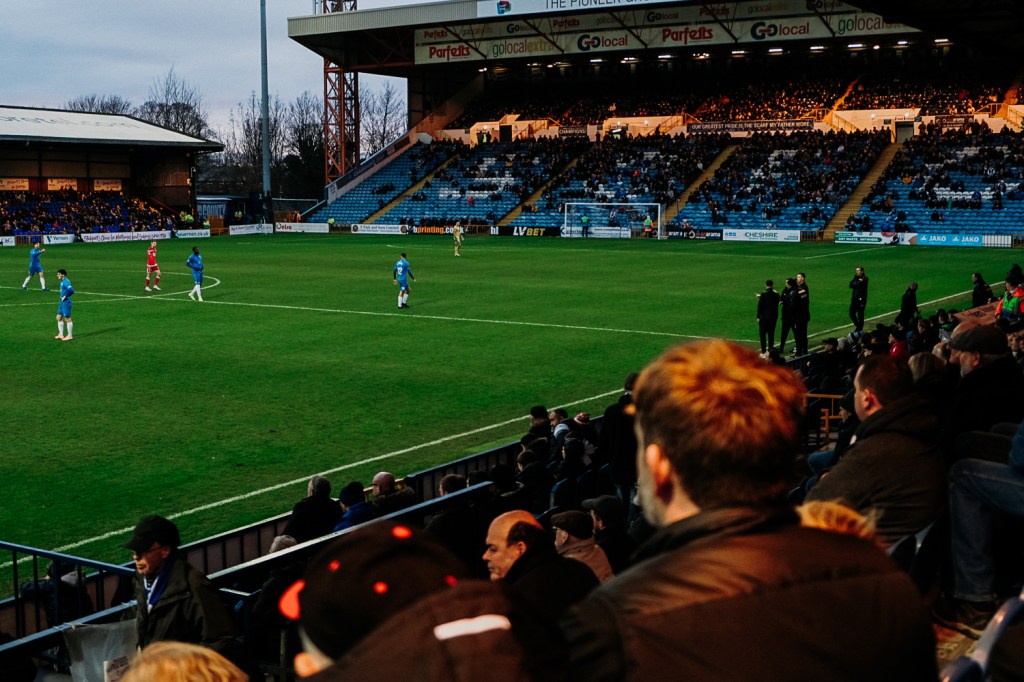
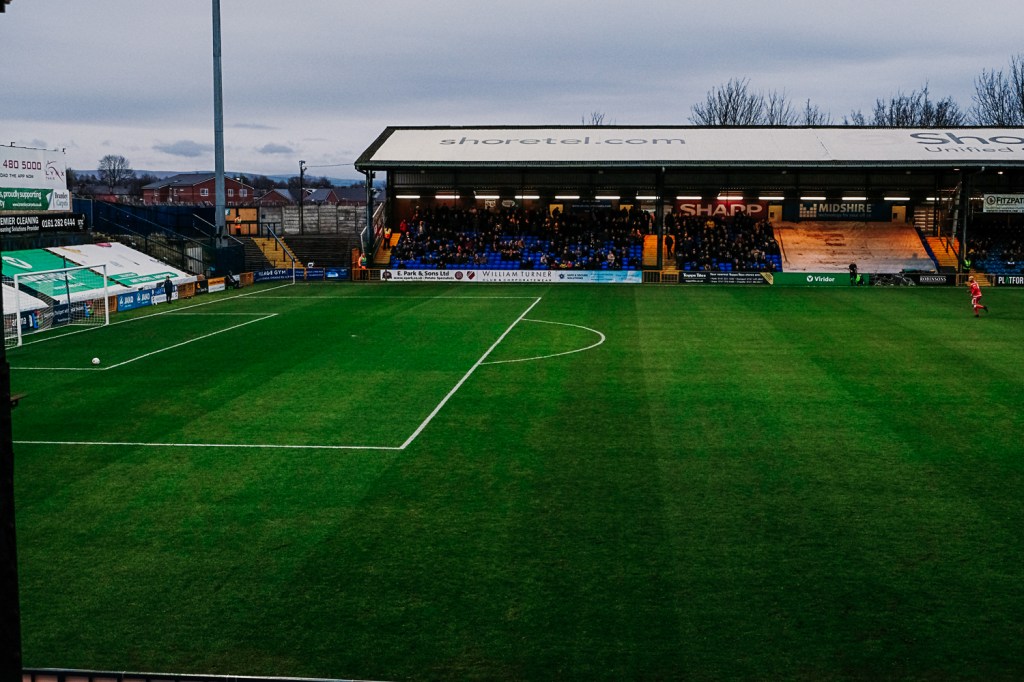
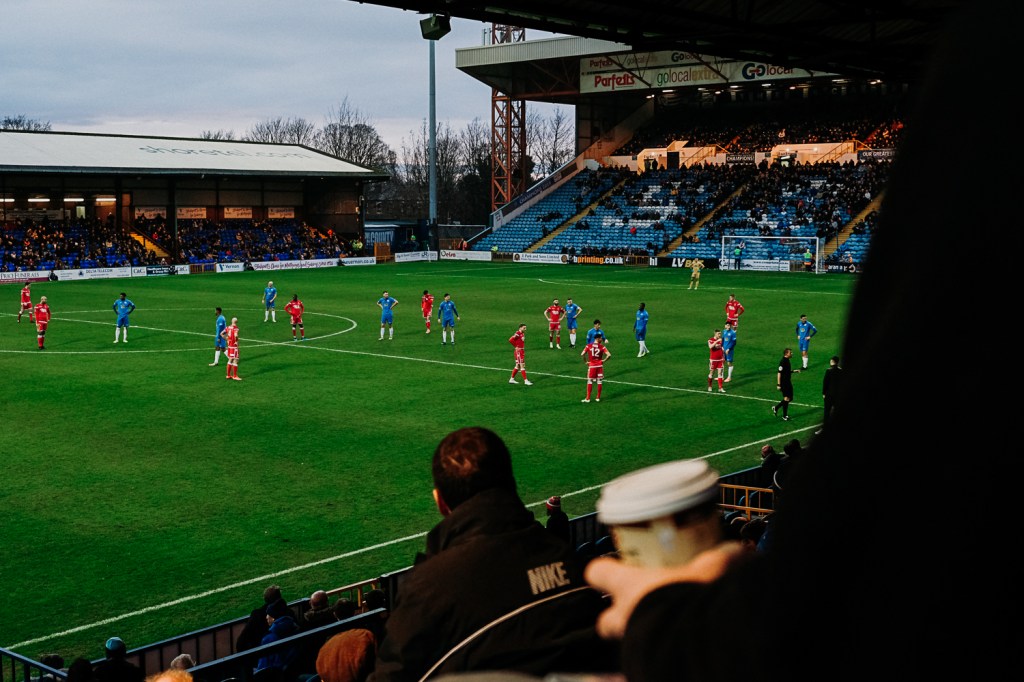
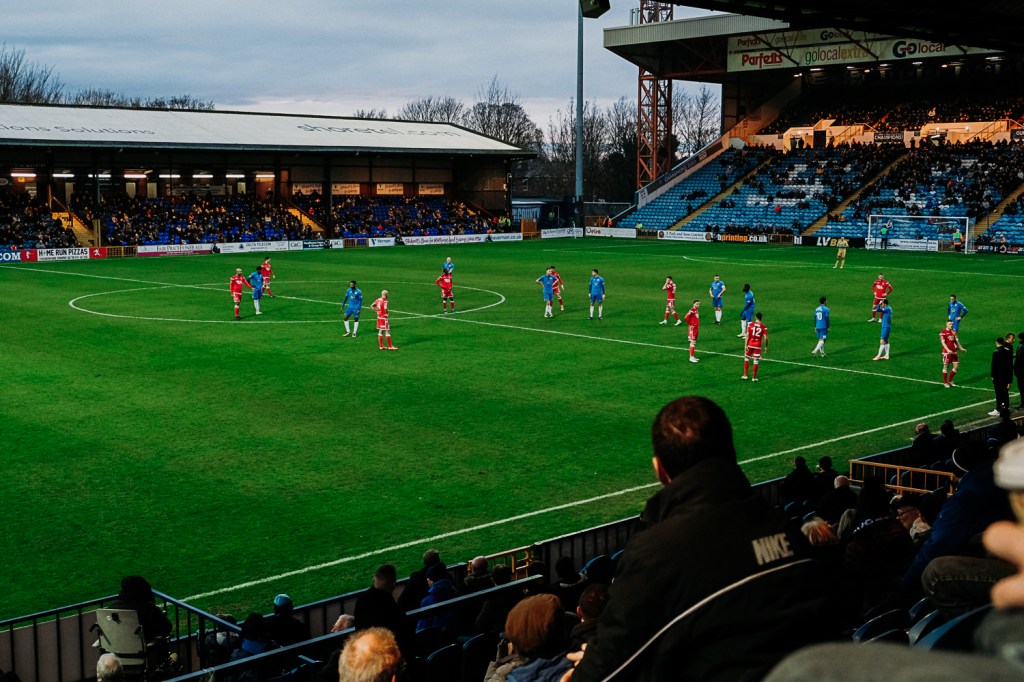
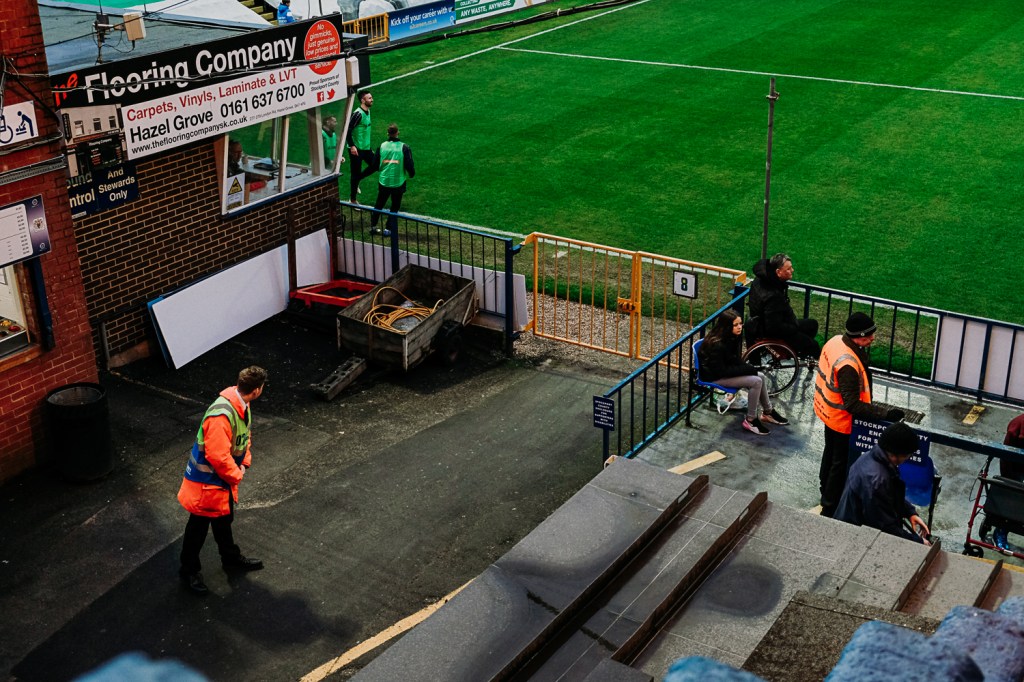
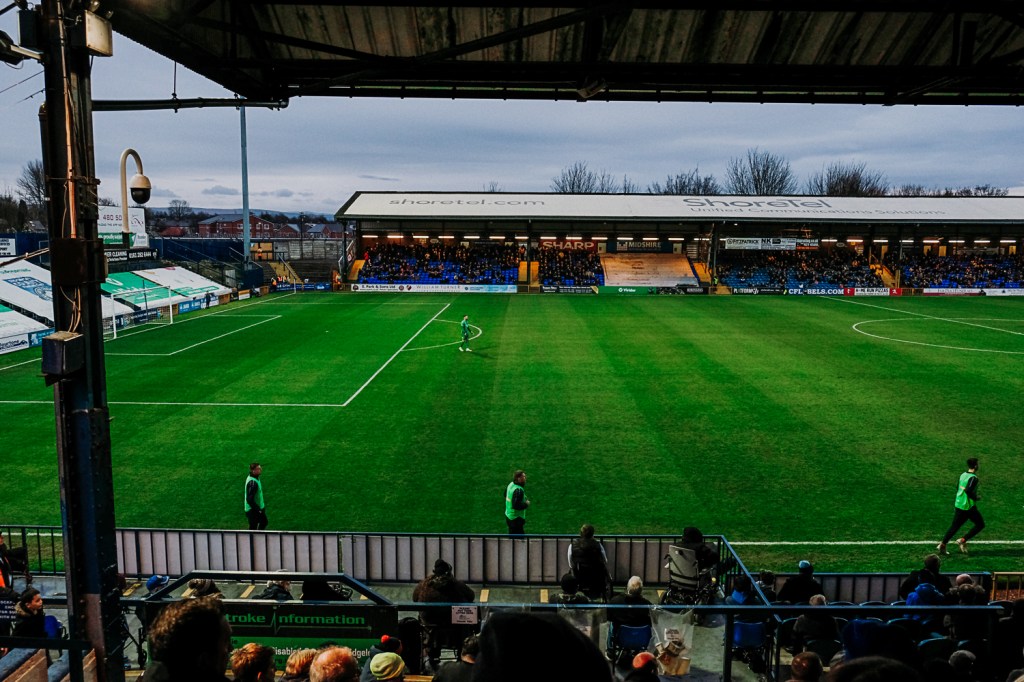
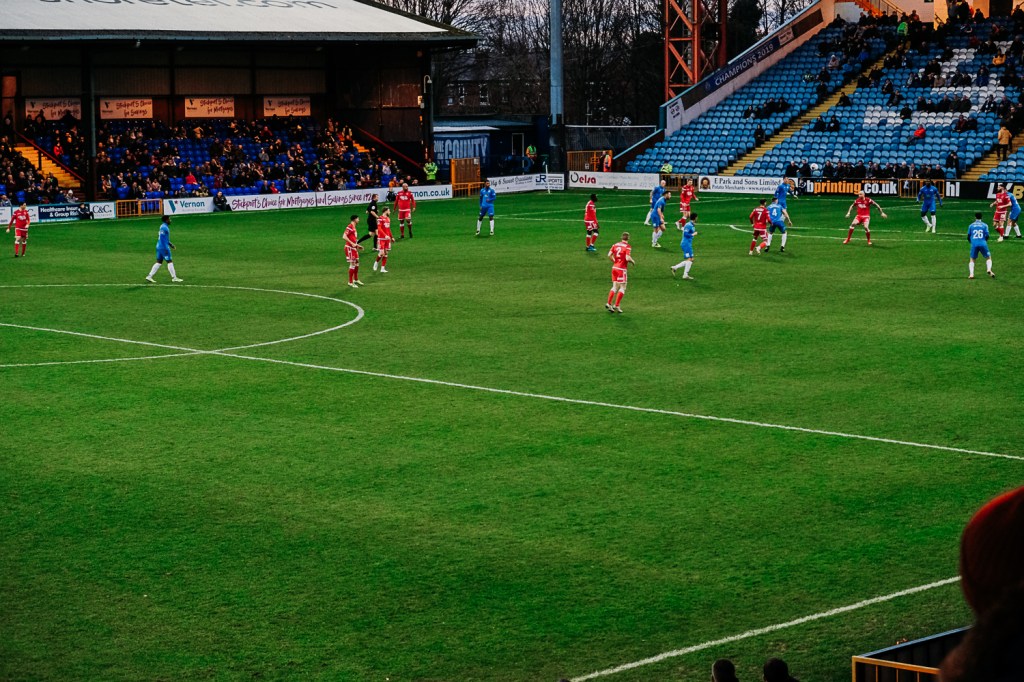
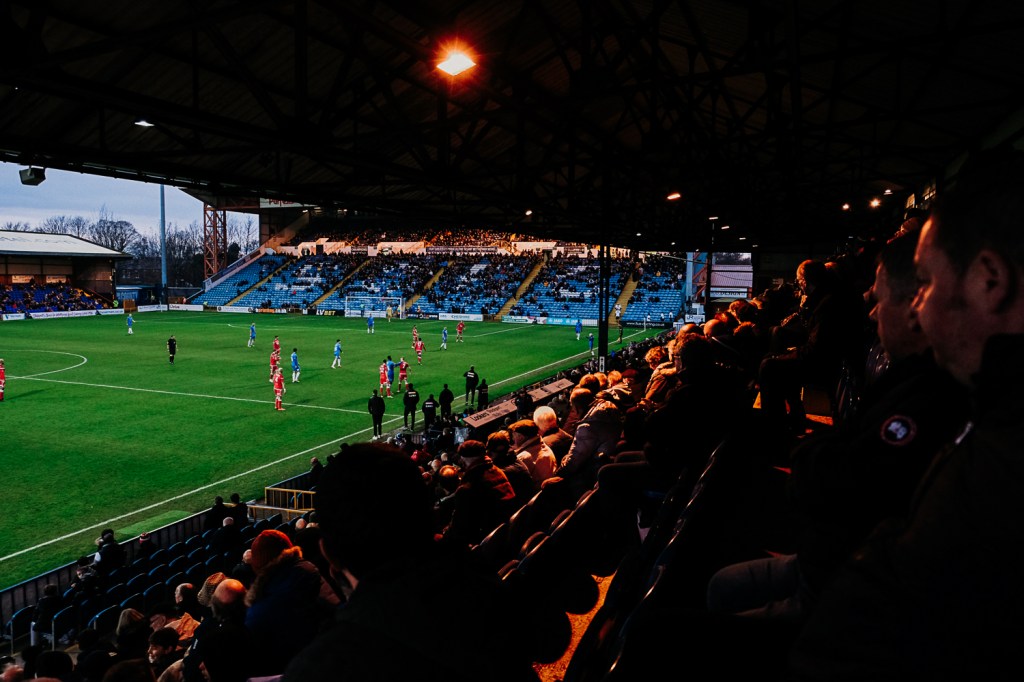
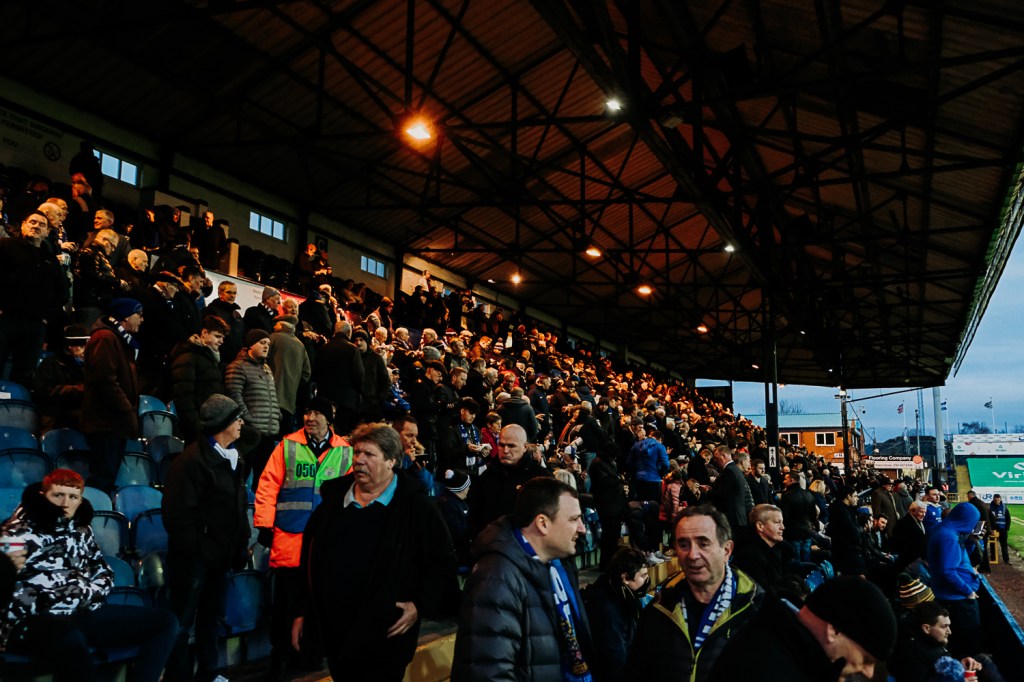
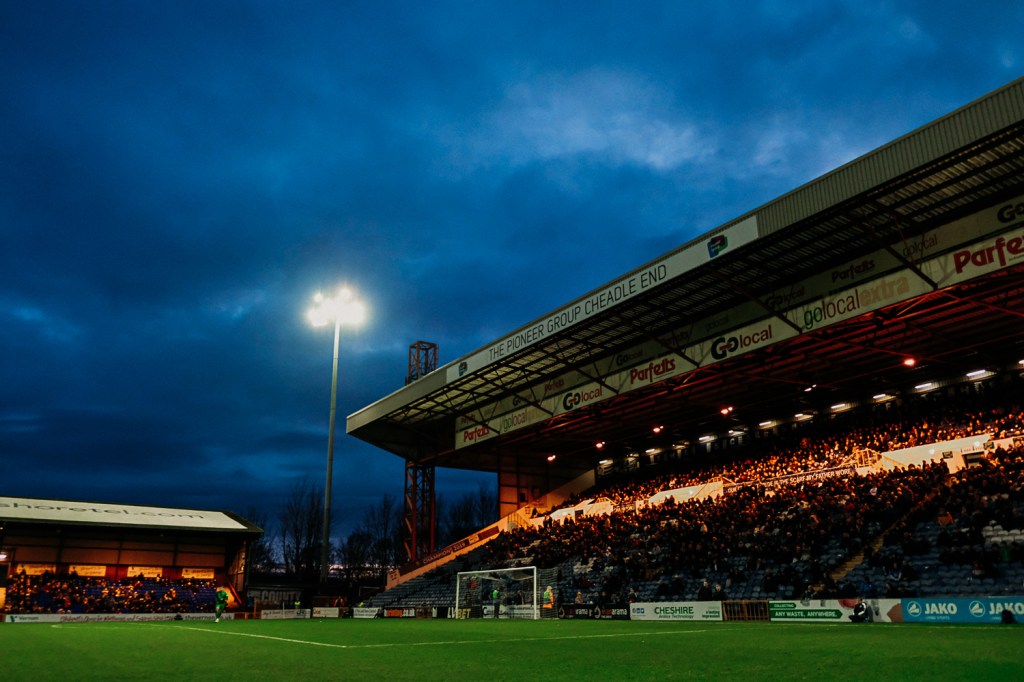
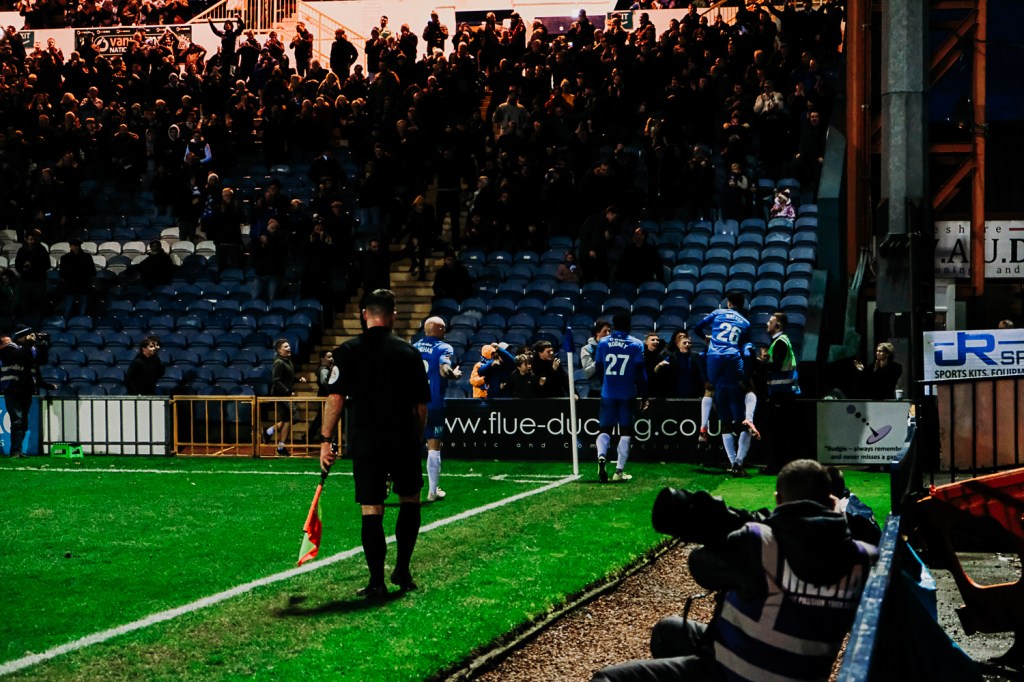
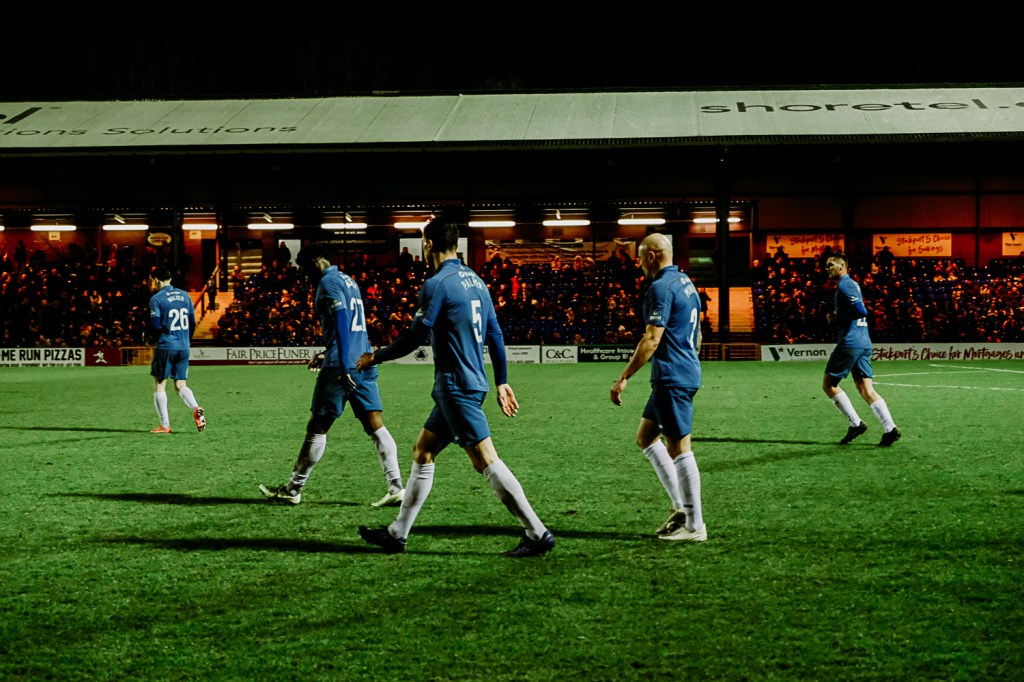
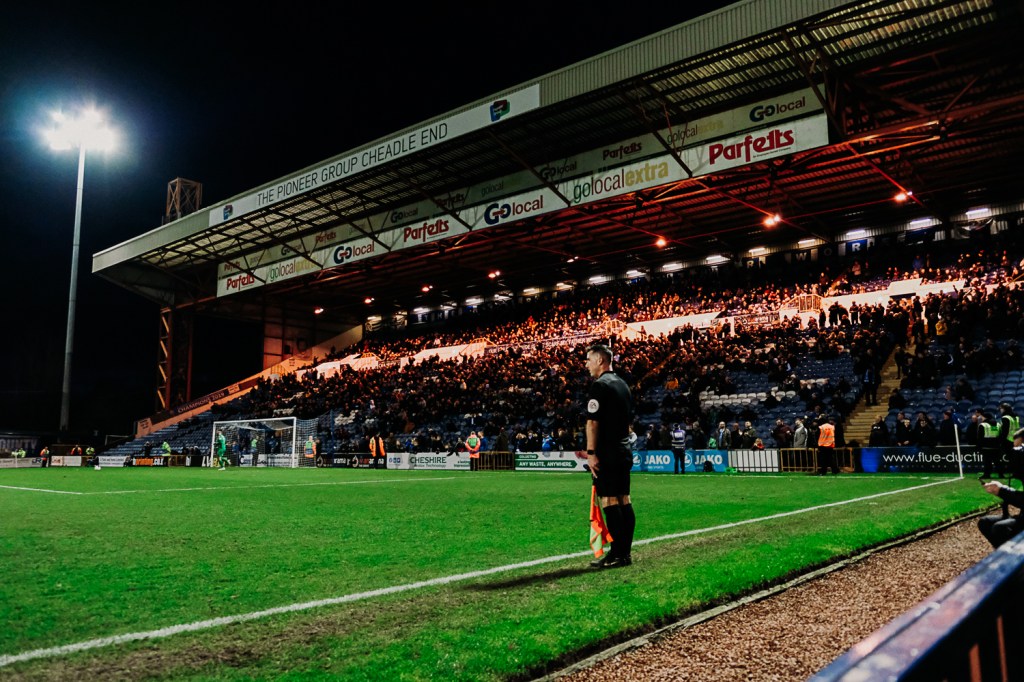
Stockport County V Chorley

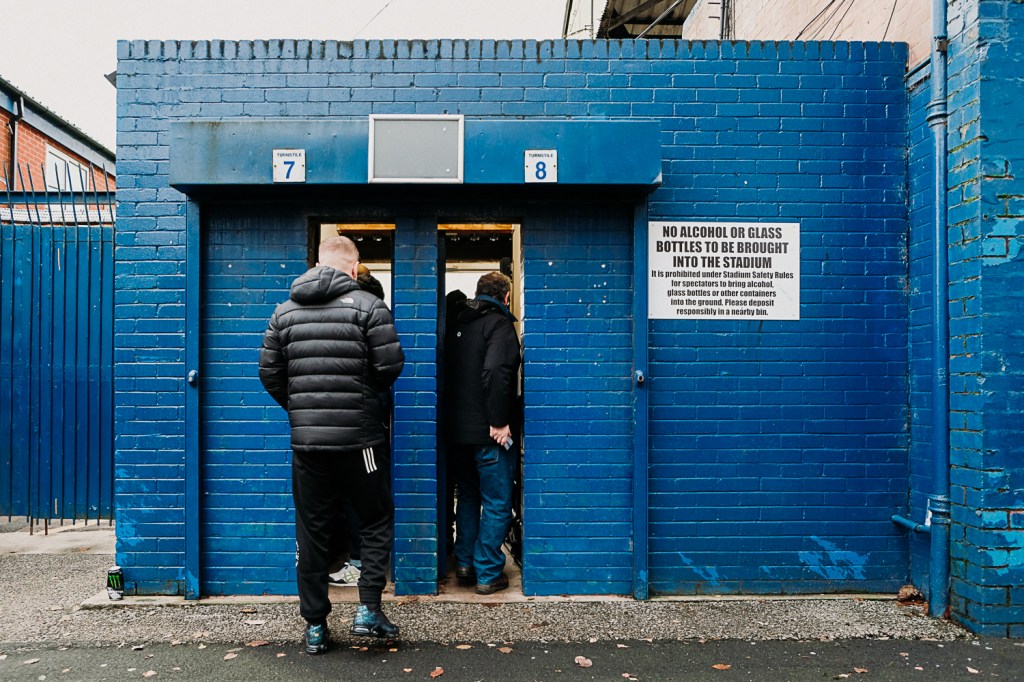
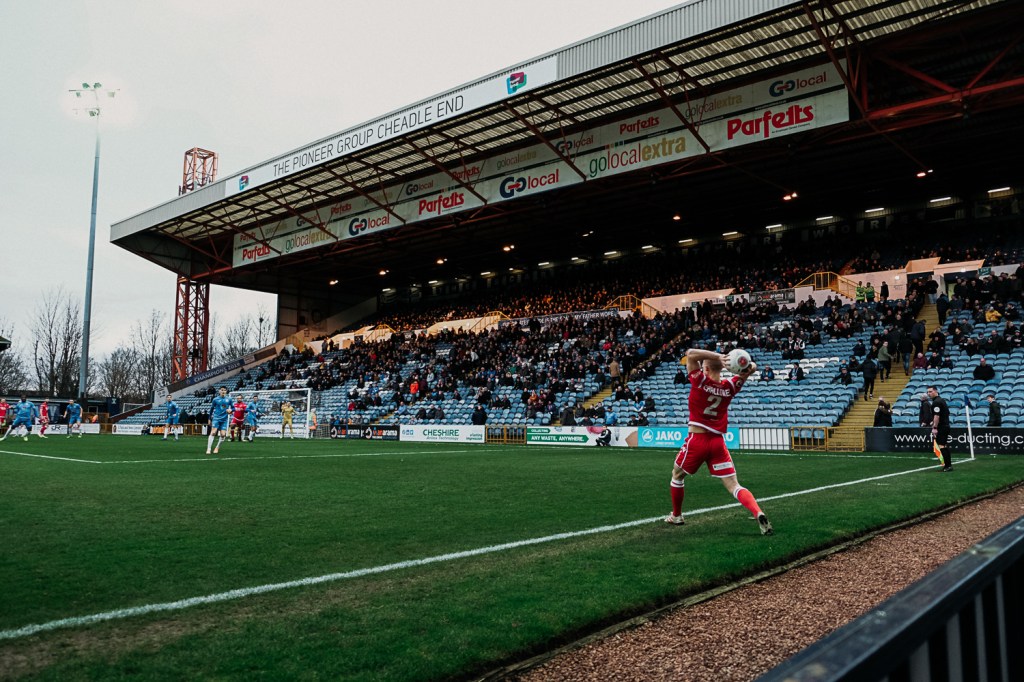
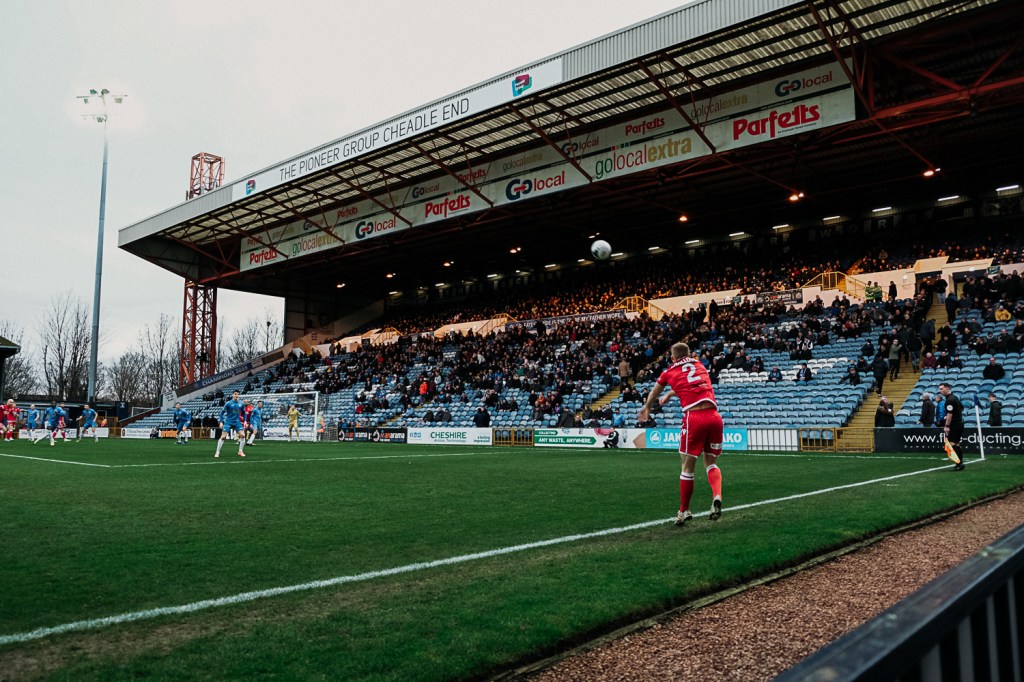
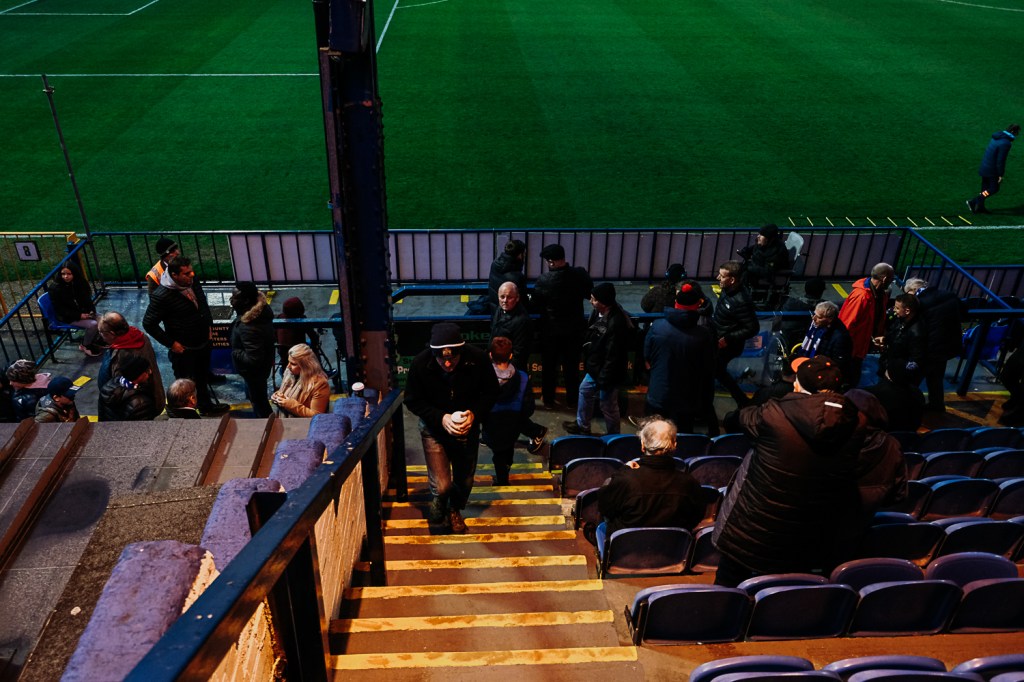
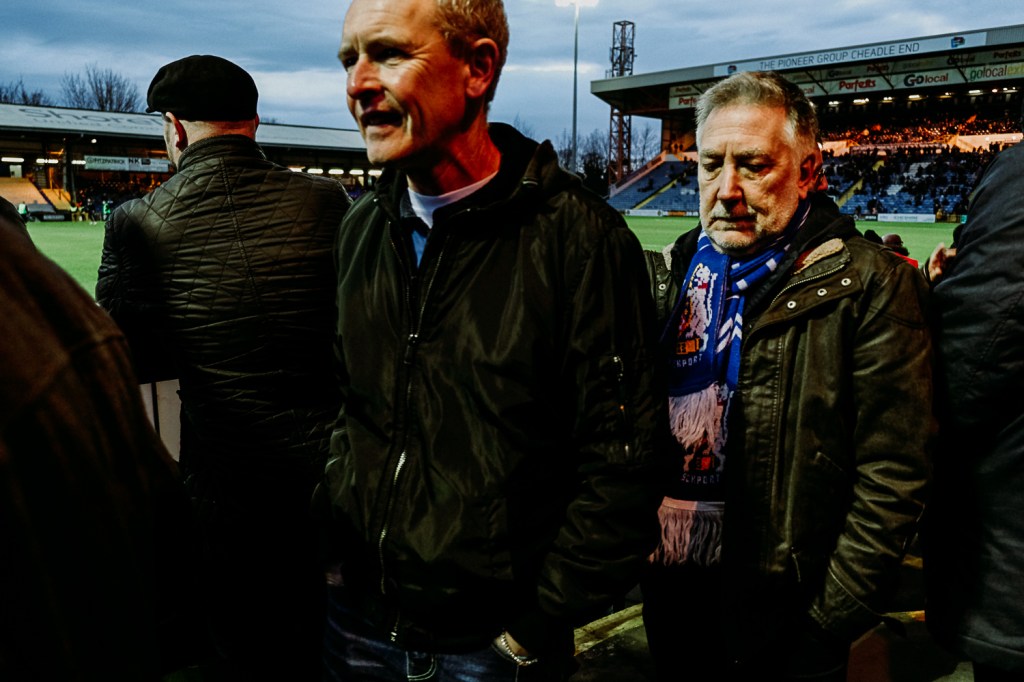
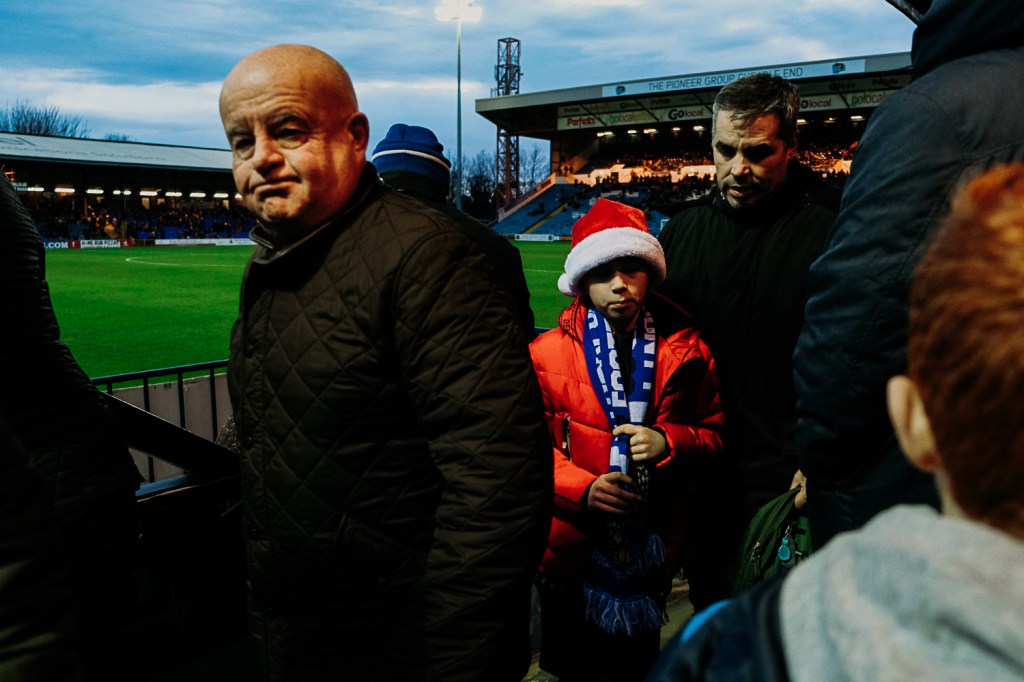
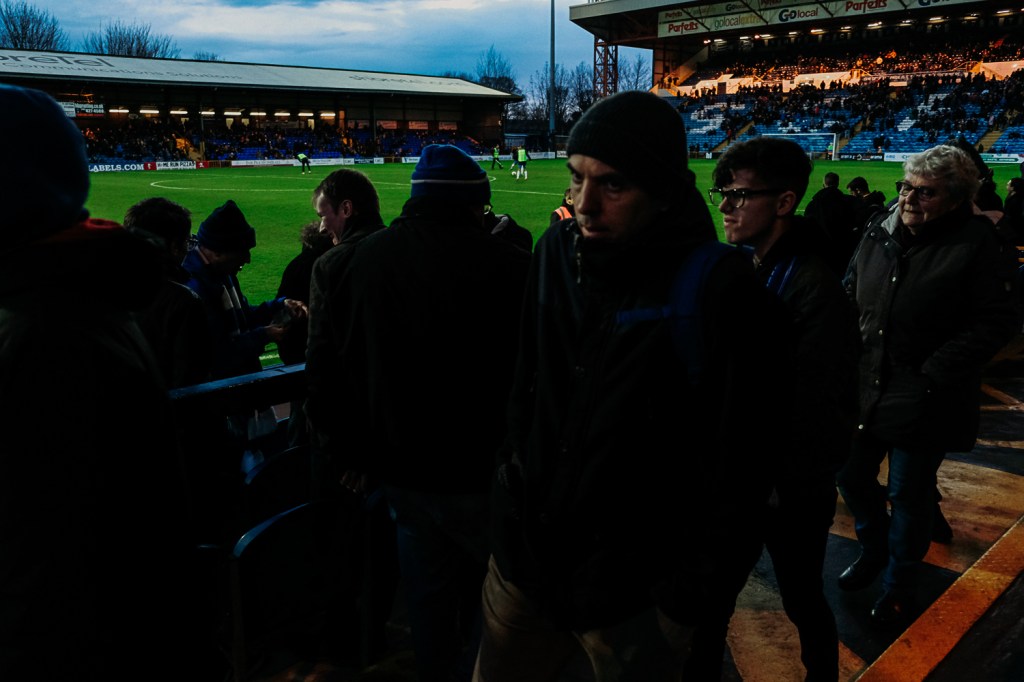
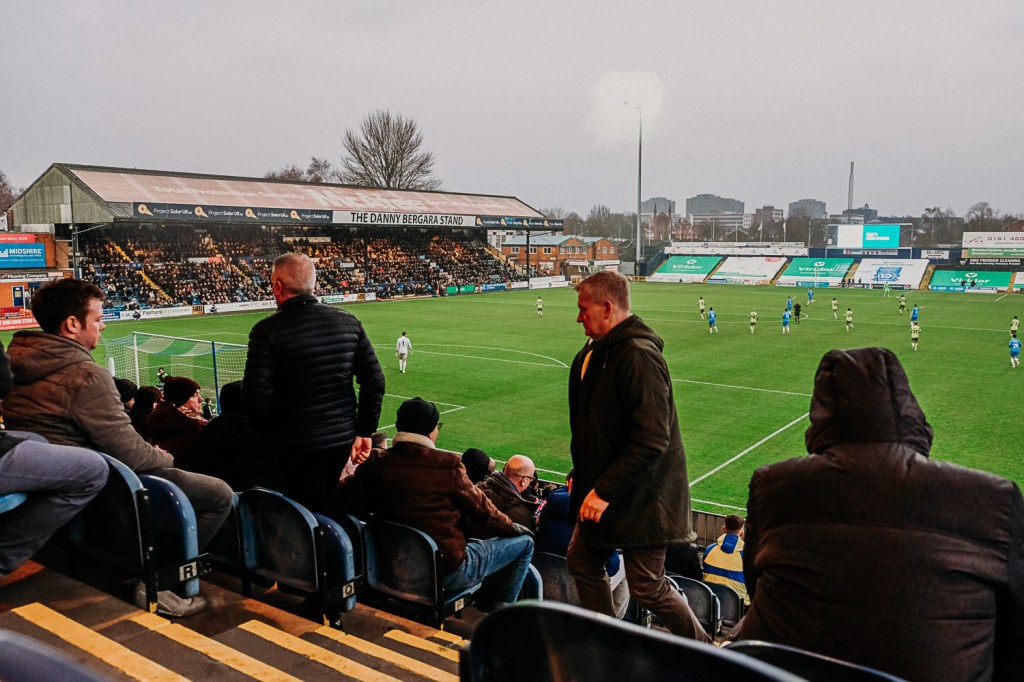
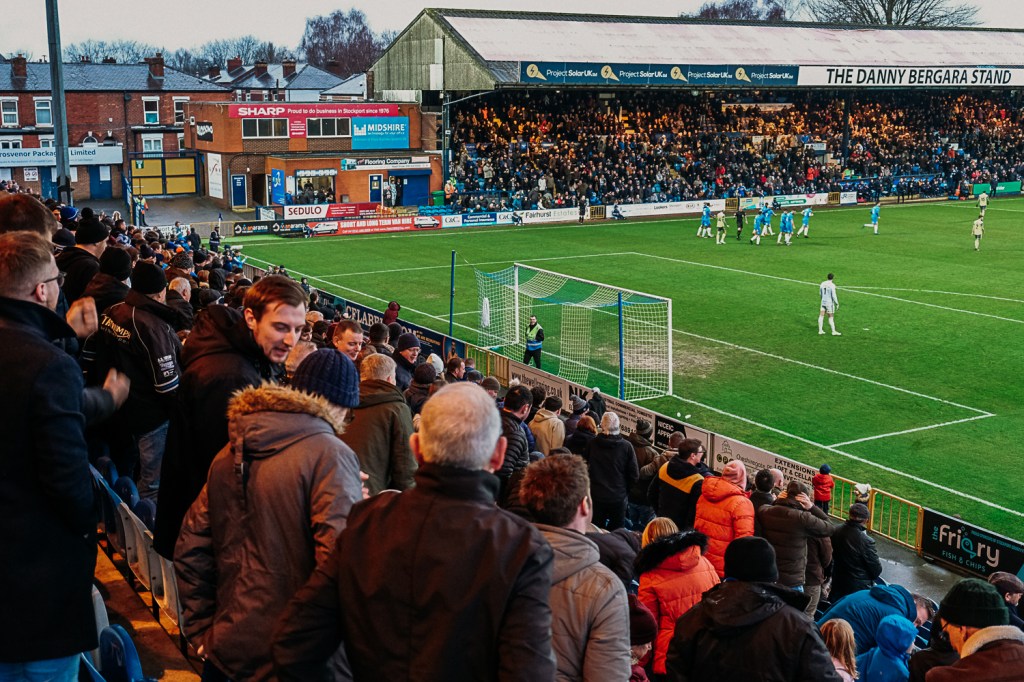
The first visit to Edgeley Park with a camera, the approach for this shoot was to encompass further landscape/wide shots in addition to the documentary approach which has been used at other shoots within the early stages of this project.

Although a less ambitious approach to the shoot it was useful to engage with the style of Van der Meer and apply the techniques which he utilises.

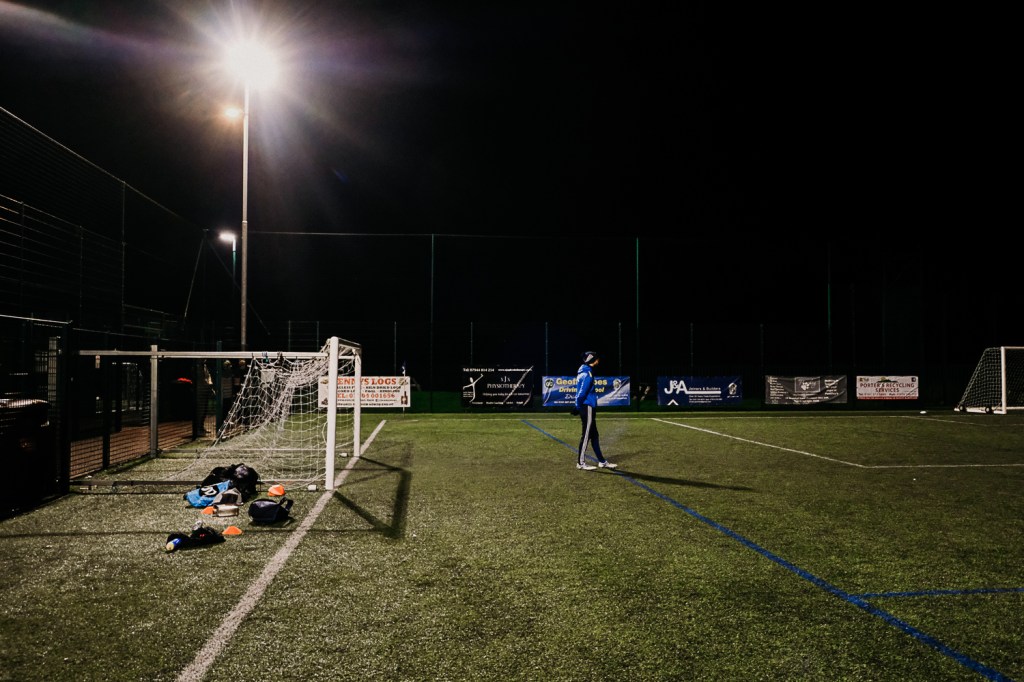
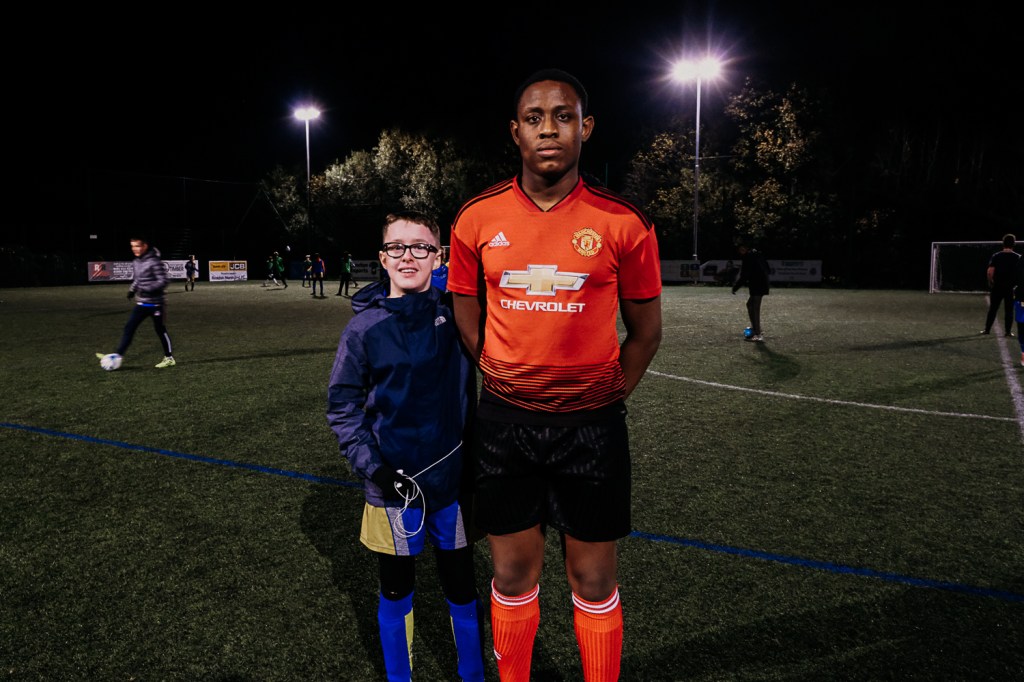
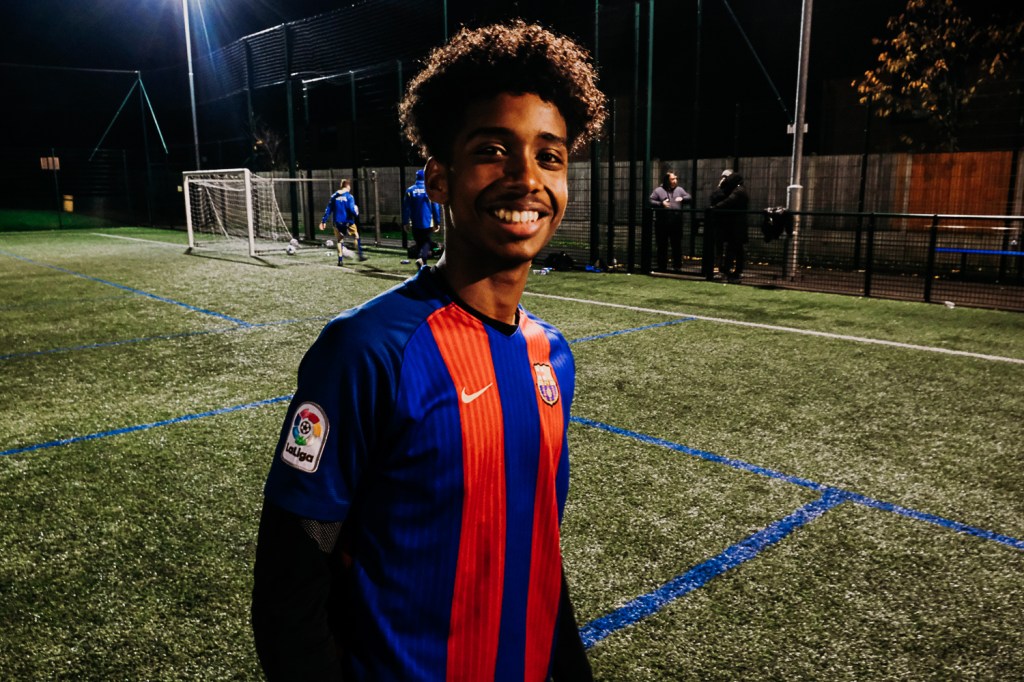
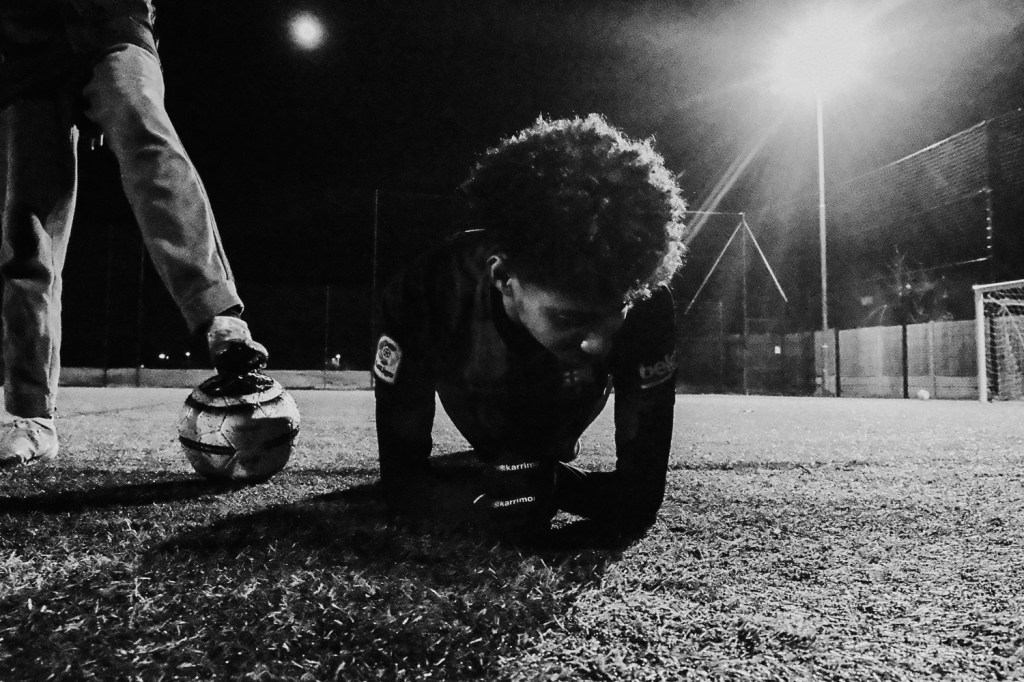
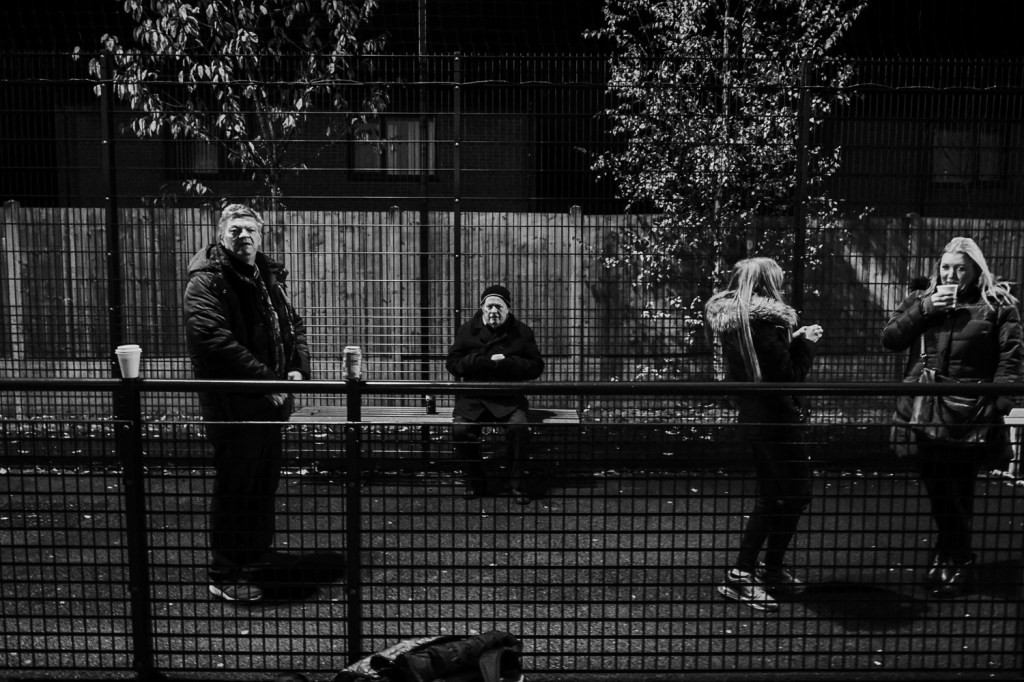
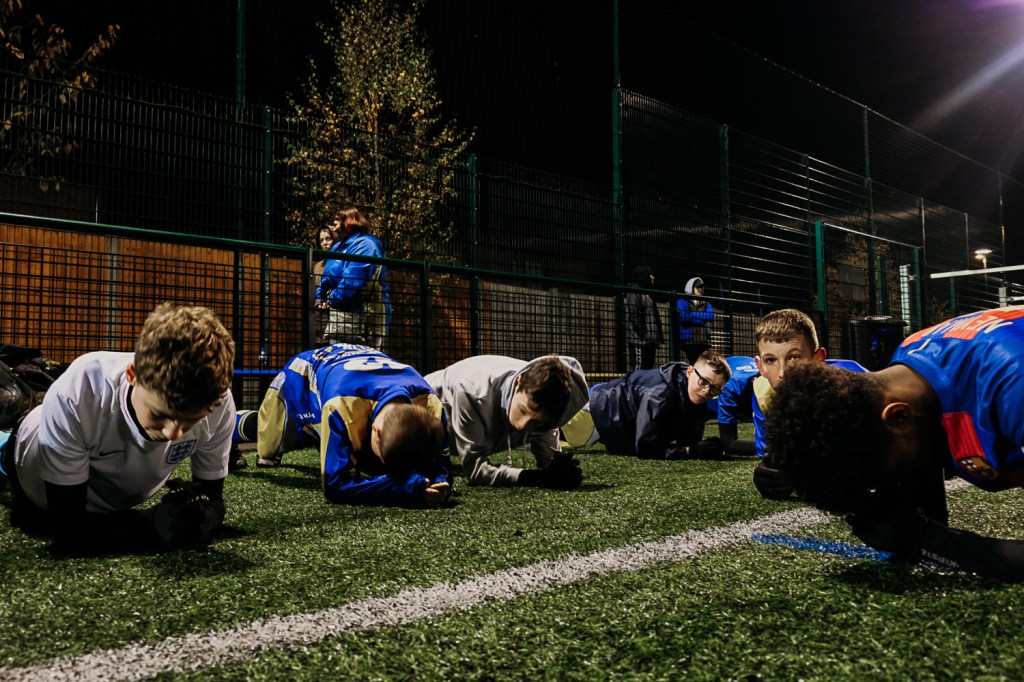
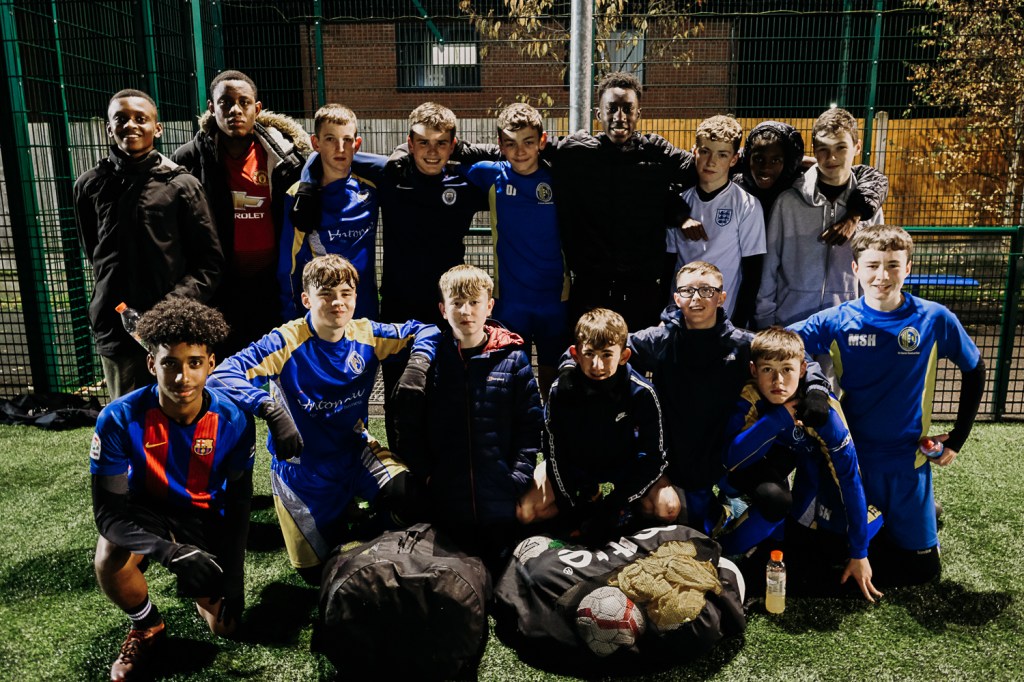
Reddish North End | Training Night

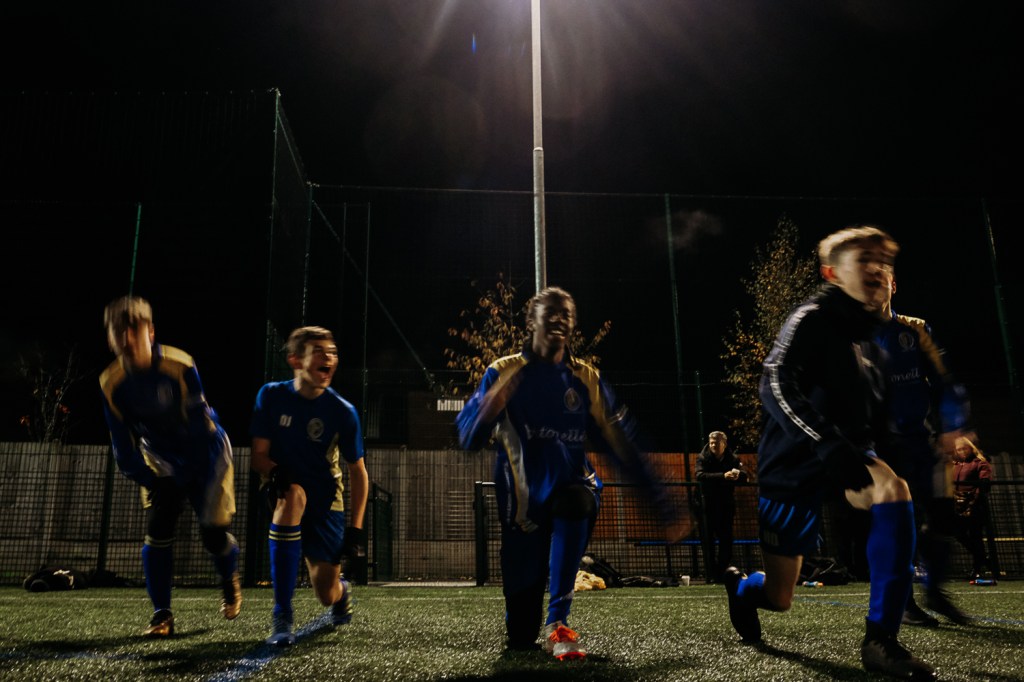
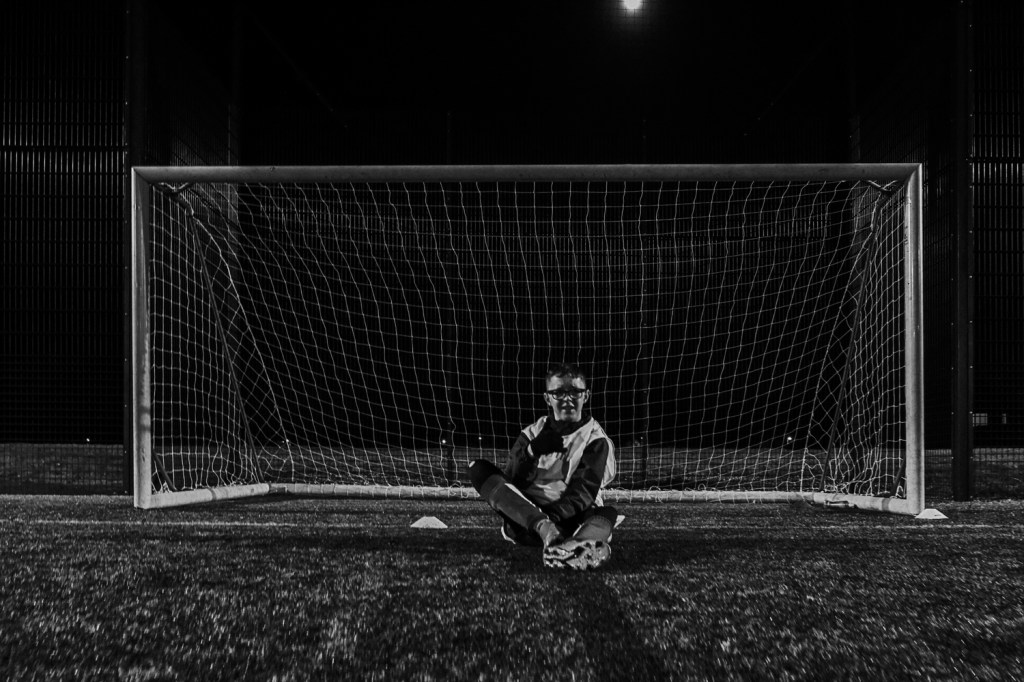
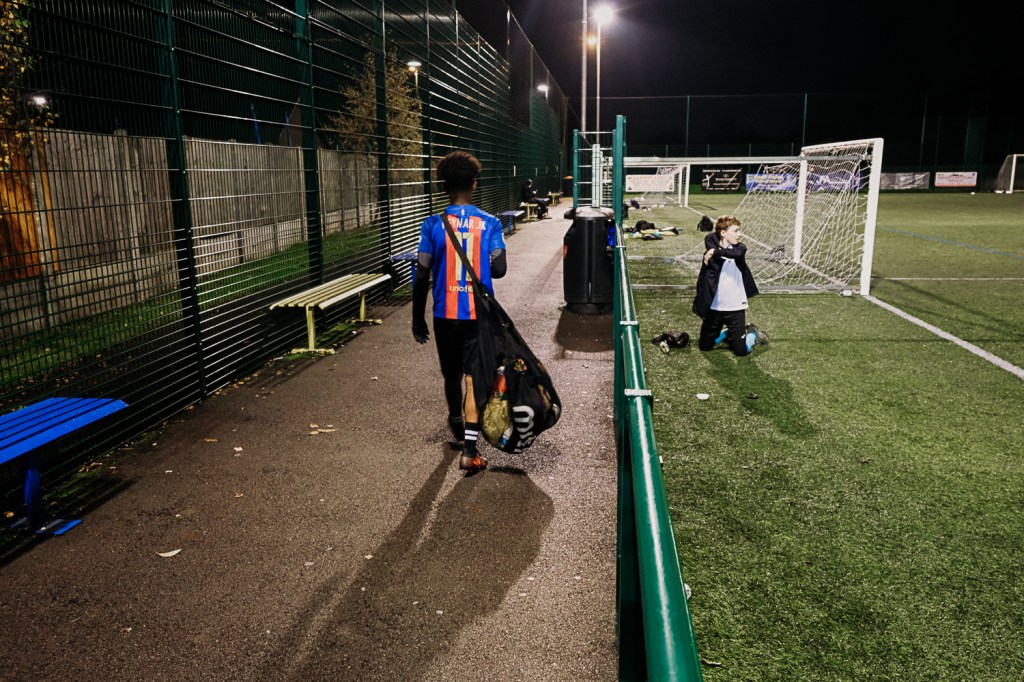
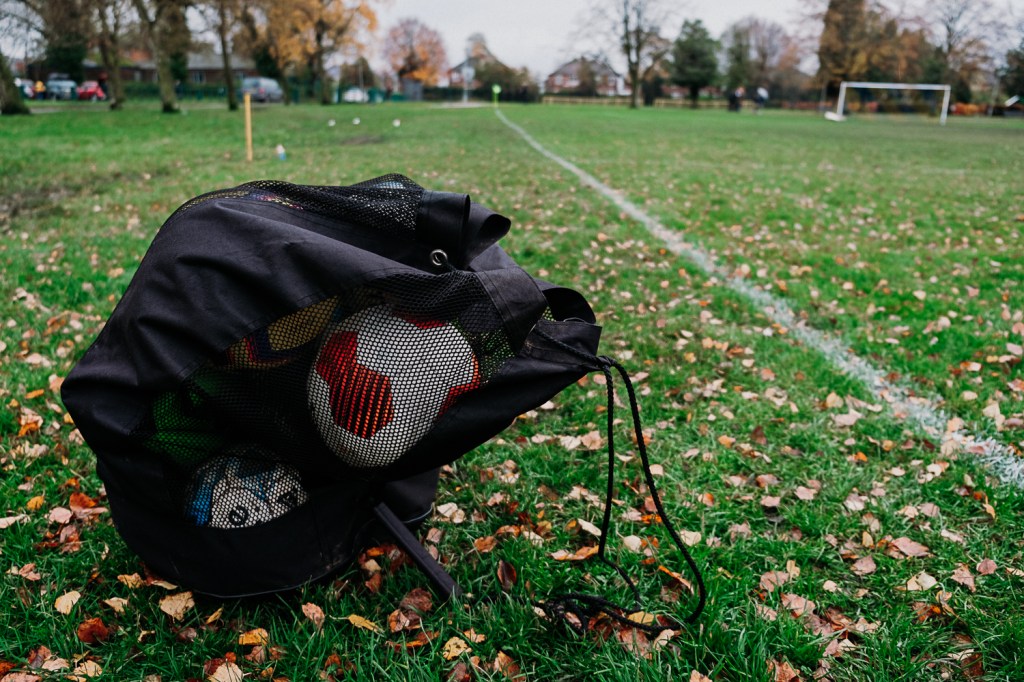
As a mechanism for developing my project based around the non commercial spaces where football takes place I decided to turn my camera towards the under 15s football team that I coach.

To say that they are an interesting group is an understatement however they all turn up often in freezing conditions to train for an hour a week.

The dedication of these boys is commendable and at a time where opportunities for young people to acces youth services is limited, these boys are the living embodiment of positive energy.

They are from a range of backgrounds and all have different reasons for contributing. They all have insecurities and don’t always win the games they play, yet they still attend and invest their time and energy.

The American Dream

When faced with the challenge of thinking about my own research proposal and the task of thinking about the audience for my work and my motivations and objectives. I found this documentary useful in developing my understanding of the task of writing a proposal.

Watching the documentary I was interested in the idea that Lauren created clothes that were aspirational to him and his influences of classic hollywood cinema served to create versions of the ‘American Dream’ . The culmination of the film divulges the motivations of the corporation that ‘anyone can access the American dream’ . I found this interesting when considering my own project which is currently loosely based around the people of football. At this stage I haven’t fully identified how my work will go beyond the context of football but in realising my project is primarily about people, I now recognise that the football sphere may represent the starting point to my work. Football will always be within the DNA of my work and I will continue to revisit and occupy these spaces however when making connections of a personal nature I started to think about my project in a different way.

For a number of reasons the origins of my interest in football themed project is significant, as a child I would probably describe my upbringing as unstable, Mum and Dad were not together and both worked long hours which resulted in spending large amounts of time alone, I remember walking home from primary school on days when I had forgotten my keys contemplating how long it would take to break back into my house and the worry of doing so before my Dad arrived to pick me up for training. I would get in trouble if I was locked out as I wouldn’t be able to change into my football kit. I would usually succeed in my breaking and entering and that would be objective achieved, disaster averted and bollocking from my Dad averted.

This set the tone for the rest of my life as football and all the people that I have met along the way served to create a safe and stable place whether it be the pitch, the changing room or the car park where we would meet to travel to away matches. In a world which is becoming more aware of mental health and the importance of sharing and talking I begun to recognise that the football sphere was a place where people talk and offload their problems and I suspect that this is the greatest achievement of the game.

As Berger talks of being envied and publicity the manufacturer of glamour. Football at the highest level is now glamourised by 24 hour coverage, the real benefit of the game or sport in general isn’t the latest boots worn by Ronaldo or the hair cut of David Beckham. But the spaces both old and new which allow people to socialise, be together and listen to each other.

Whilst an impressionable teenager of around 17 I found myself in a semi professional team being one of the youngest players in the squad. I was initially there for the experience until I earned the respect of this close unit of adults who quickly accepted me and indoctrinated me into the group. It was at this stage I met a man who was probably 9-10 years my senior and possibly the coolest person I had ever met. His name was Rowan, he had bleach blonde hair like David Beckham and I think he drove a Porsche. I was amazed by this person and on reflection, he represented the aspirational version of myself. In my world he had everything and was everything that I thought that I wanted to be. However, as I got to know Rowan I quickly begun to care less that he worked for Ted Baker and that he drove a fast car. This man became my friend for the time we played in the same team. I was able to listen to him, watch how he conducted himself and observed his version of masculinity, at the time he was a mentor and a guiding light in the journey of my coming of age.

In one respect, football was a form of social mobility where I managed to see what was beyond my my own modest one dimensional vision. There are many other stories of people that I have met along the football journey that have changed and shaped my view of the world.

The Ralph Lauren documentary invoked these memories due to the promotion of the aspirational DNA encompassed within the Ralph Lauren brand as reflected within the documentary. Priya Elan in his article for The Guardian criticises the film “Very Ralph has taken amazing access to Lauren’s inner circle and pumped out nothing more than a series of approved images of the man, all–American snapshots that would not be out of place in a Ralph Lauren moodboard.” This is a very relevant argument as the film doesn’t really challenge or sensationalise anything or work as an agent to promote change within the fashion industry. I saw the film as a piece of promotional material for the brand however I couldn’t help but buy into the aspirational nature of the film as a celebration of the ‘American Dream’. What type of American dream or the existence of an American dream may be ambiguous and difficult to define however I couldn’t help but recount my own encounter of the successful man that I met all those years ago.

Going forward with my project in addition to considering the objectives of my proposal I will explore the non commercialised realm of football as a social space where people communicate, solve problems and find safety.

Melancholy Objects

Reflecting on the reading of Sontag, On Photography, I was inspired by the assessment of the relevance of Lewis Hine and his documentary work on the slums and working conditions of children. Around a decade ago I visited Montreal in Canada to meet the Scottish/Canadian branch of my family. It was a monumental trip especially for my Dad who had reconnected with his brother after who he had seen once in around 30 years, and on that occasion was to attend the funeral of their brother Kenny in Glasgow.

As we arrived in Canada I was struck by my Fathers interest in the reservations where the Native American communities lived and I was intrigued by his interest. It seemed that as we were being driven around the area the reservations were often highlighted by small cigarette huts. When I asked my uncle he gave a brief lowdown on the communities and the conflict and distrust between them.

As Sontag recites the work of Hine with regard to idea of an ‘alien reality’. My reflection of the time I spent in Canada, those tobacco huts served to signify the gateway to that alien reality. As tourists I was aware of my fathers lust to visit these areas and find out for himself who these people were and what they were like. This was due to his infatuation with films from the Western genre which he often used to watch as a child.

As a result of my experience I often appropriate those types of Marlboro tobacco huts with the Native American communities I drove past. And for me that evokes memories of my Father and his excitement of the trip we had. My Father was in no doubt the excited tourist ready to invade these Native American reservations although not with a camera but armed with a million question for whoever would listen and contemplate answering them.

With reference to my own work I am intrigued with the idea of spaces that are alien to the middle classes whether rich or poor. In terms of further development I will continue to cultivate my thoughts and look deeper into the idea of alien spaces. The impact of his work serves to reinforce the photograph as a tool to invoke social change in addition to the unglamorous idea of appropriation.

In order to further my ideas I will research further the work of Nick Hedges who documented the oppressive abject living conditions in Scotland. This may be relevant and again points to my Father who would have spent his early years growing up in similar conditions in Scotland.

With my current project in mind which is based on the people who surround uncommercialisegd football, I am interested in the potential of exploring the idea of spectatorship and the dedicated individuals who are committed to following their team around the country to frequent these spaces that would otherwise be alien to them. I suspect that there isn’t much in the way of manufactured glamour or envy in what they do, my question is. Why do they do it? What motivates them to occupy these spaces?