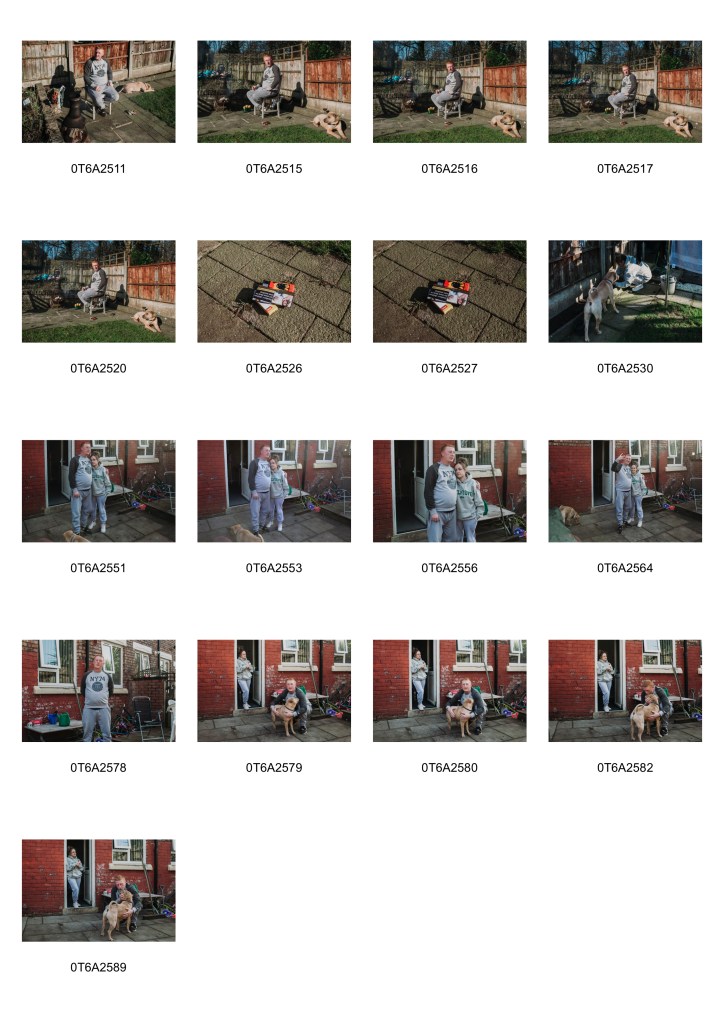
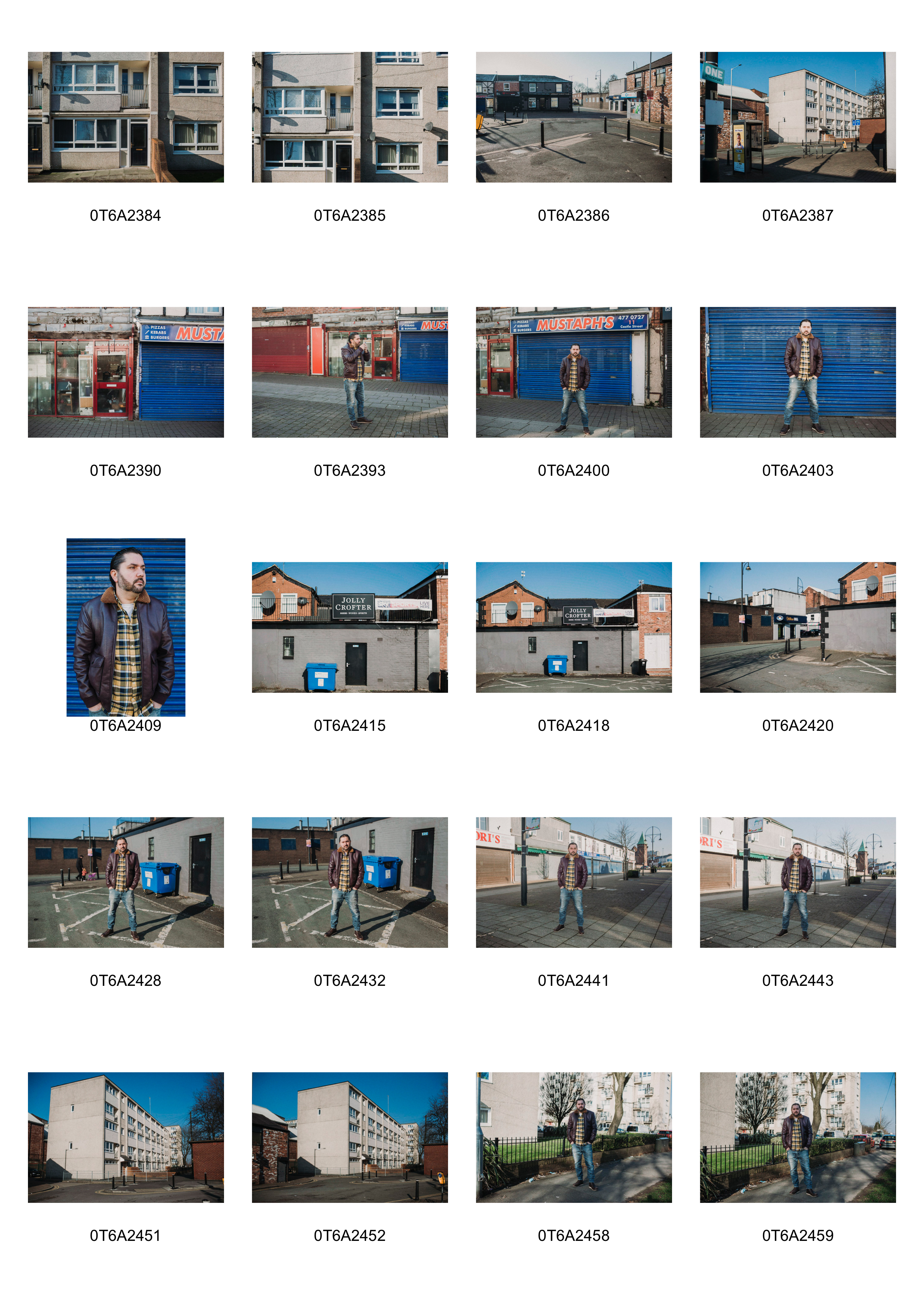
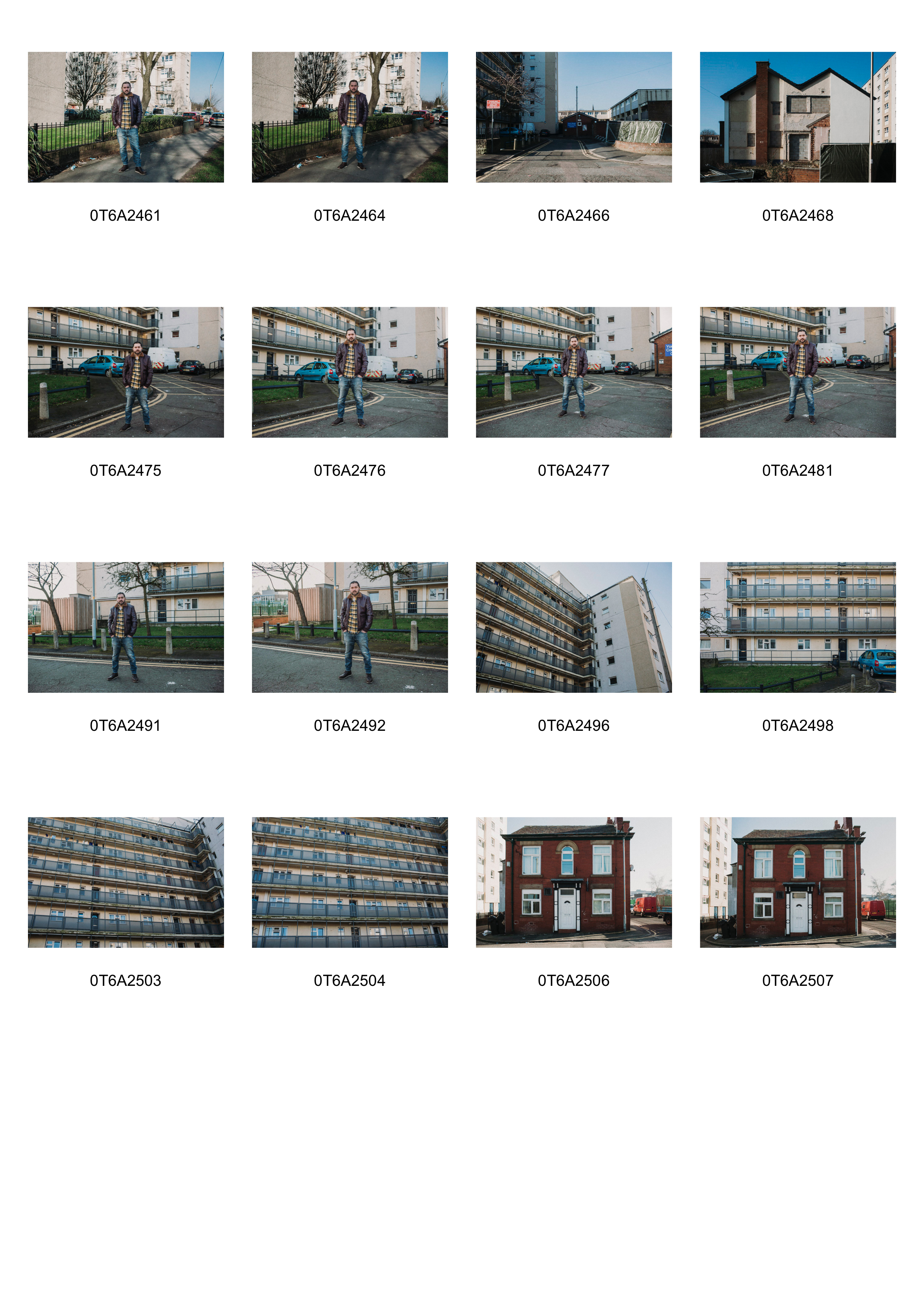
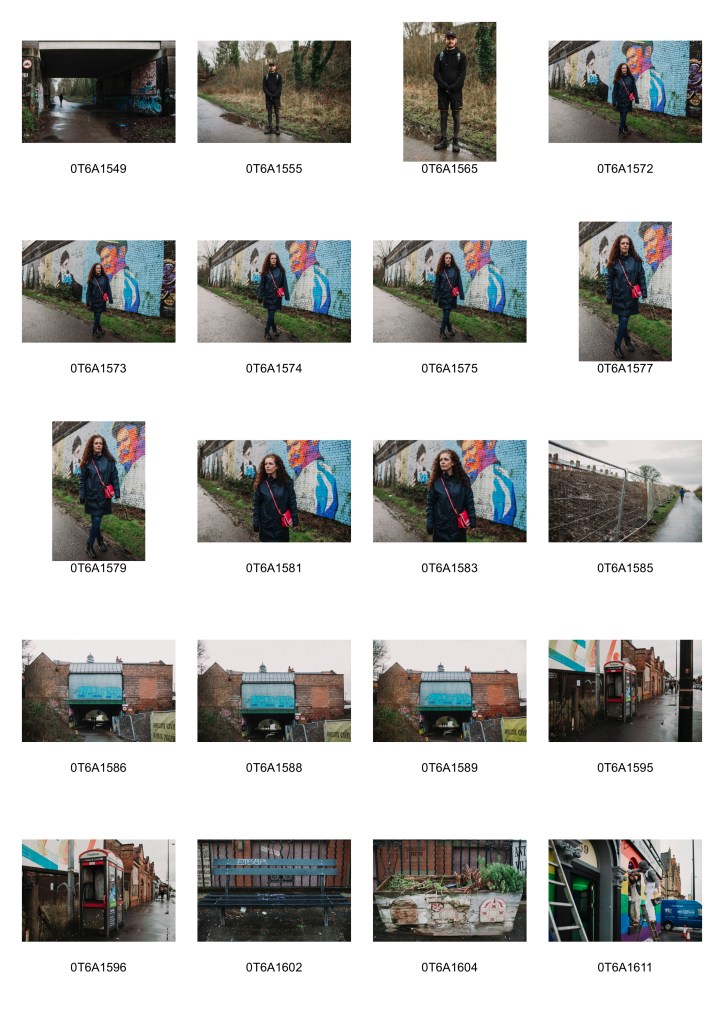
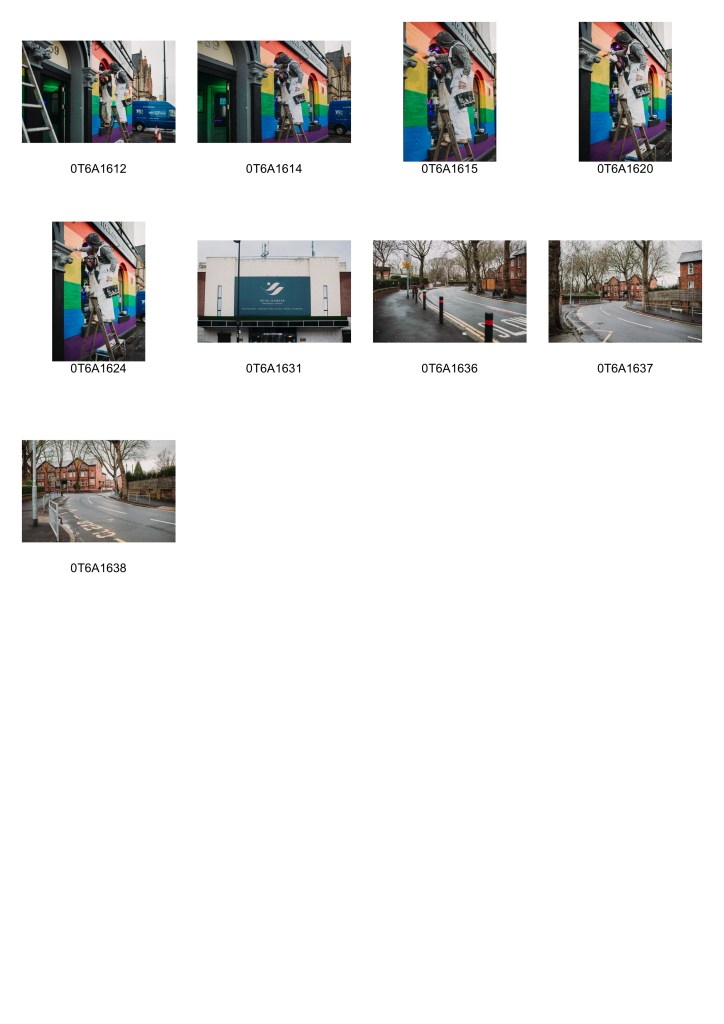
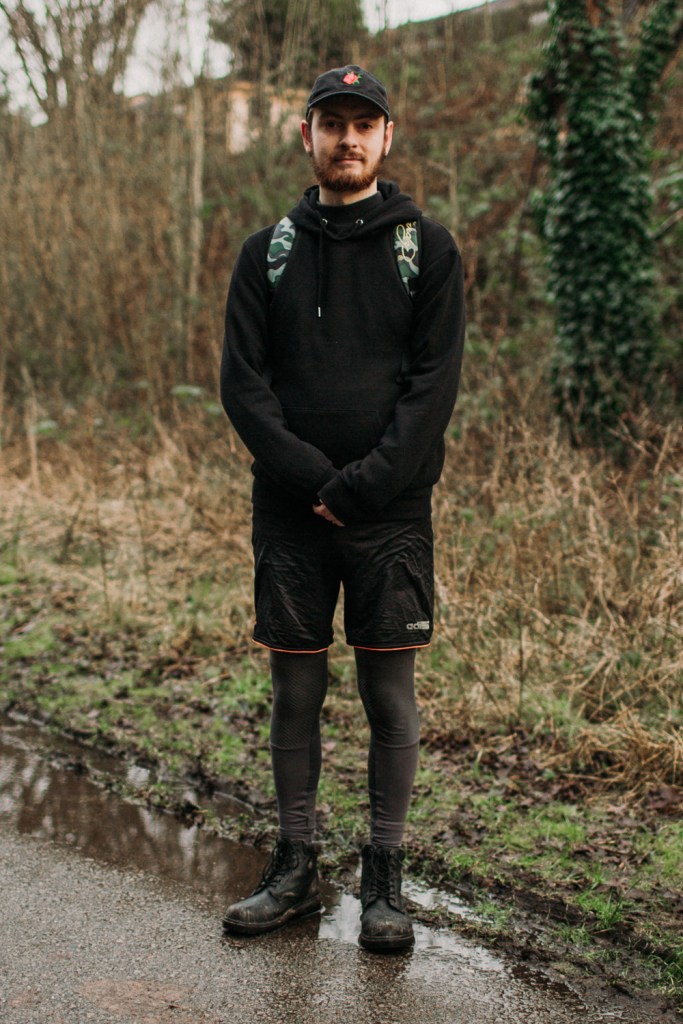
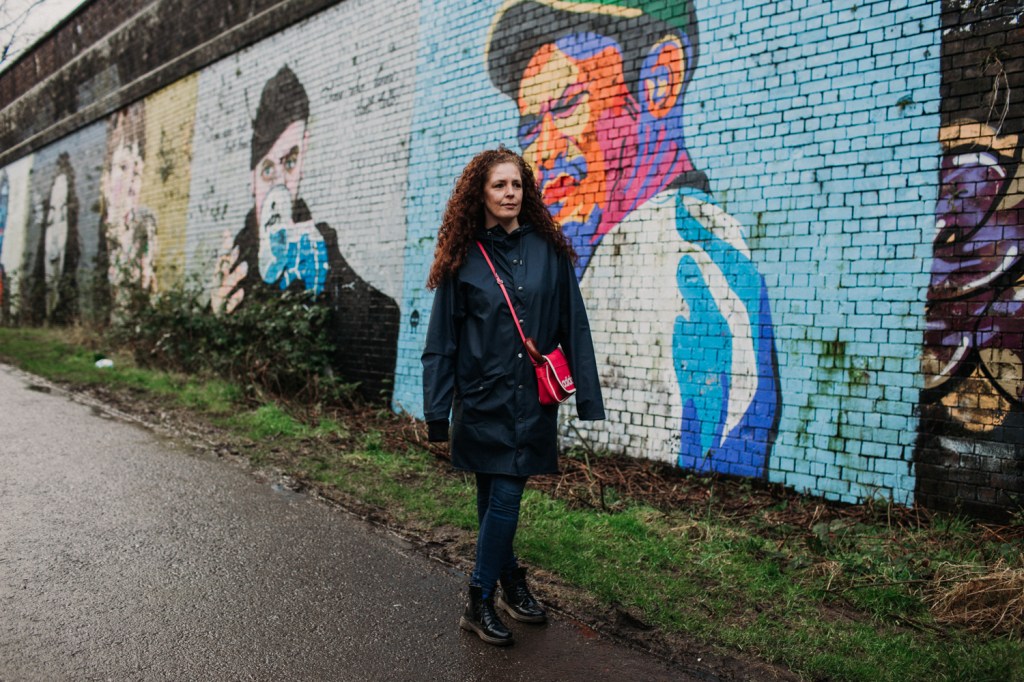
Portfolio Review | Clare Bottomley

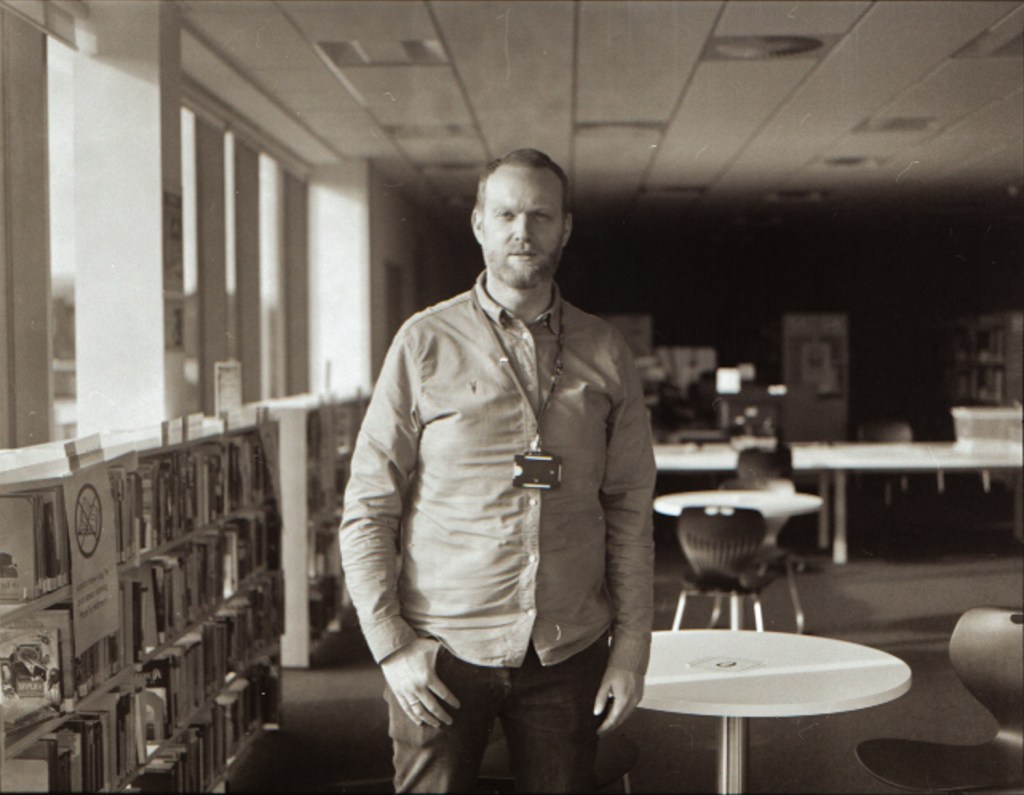
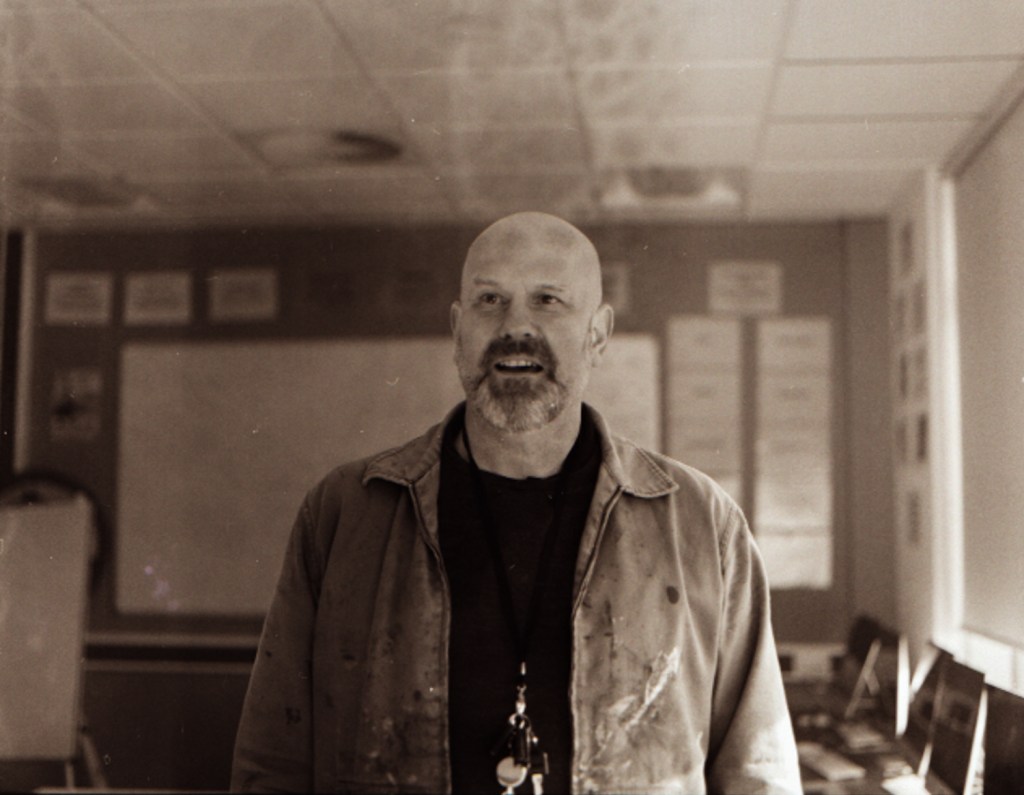
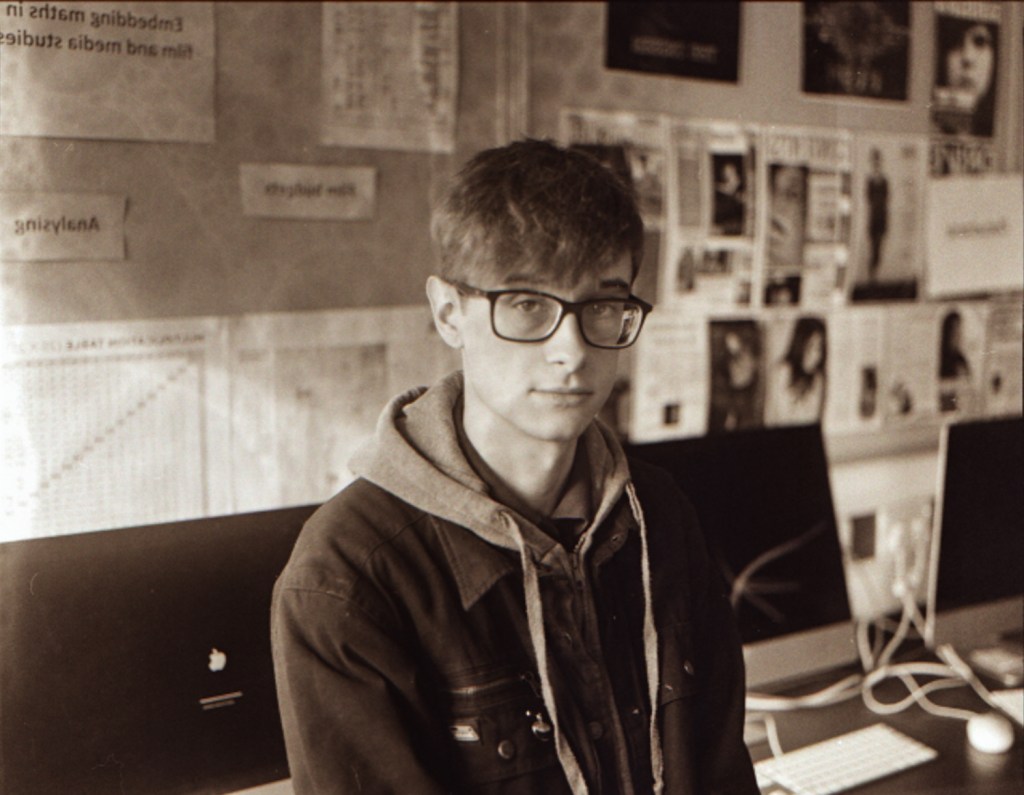
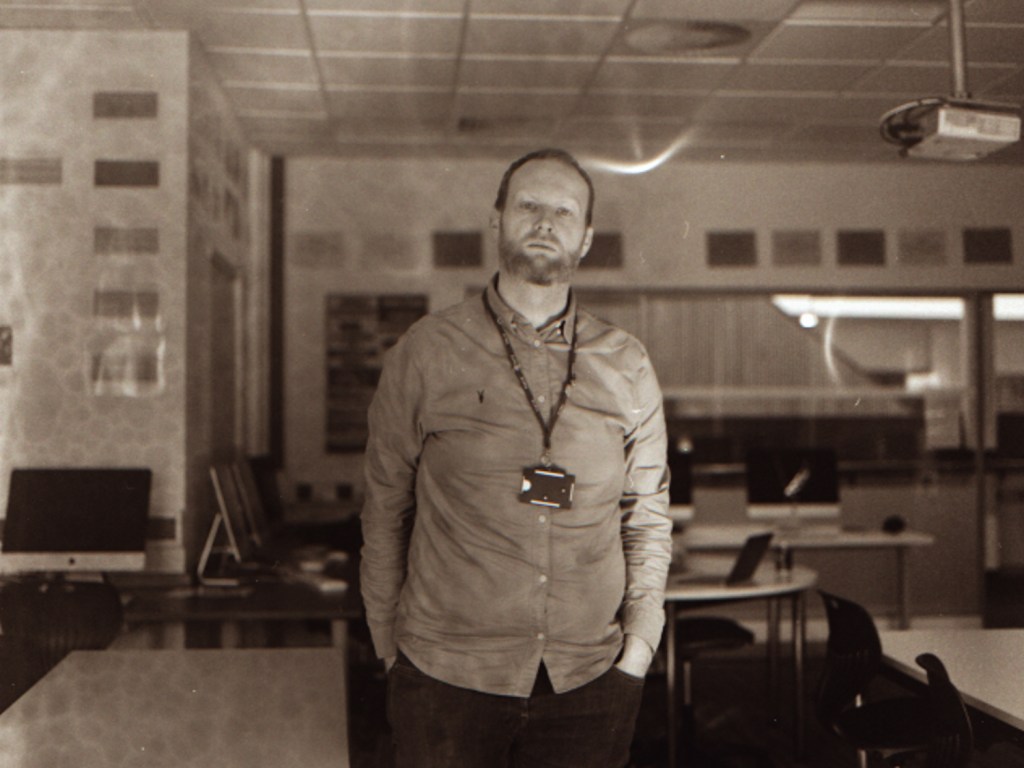
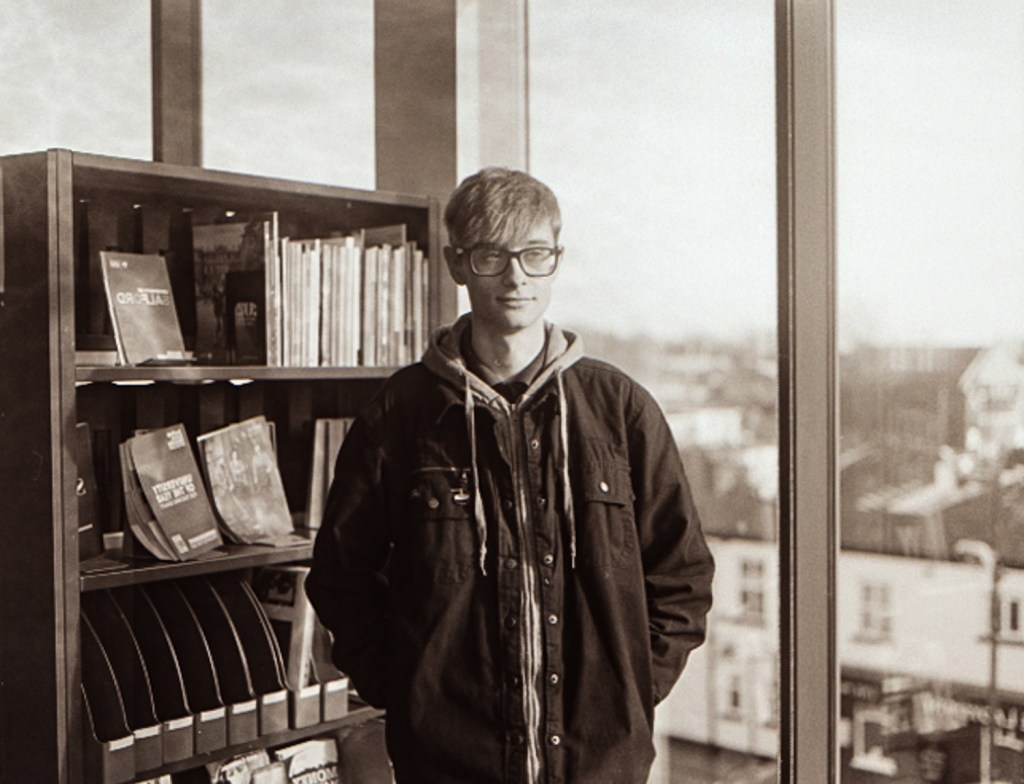
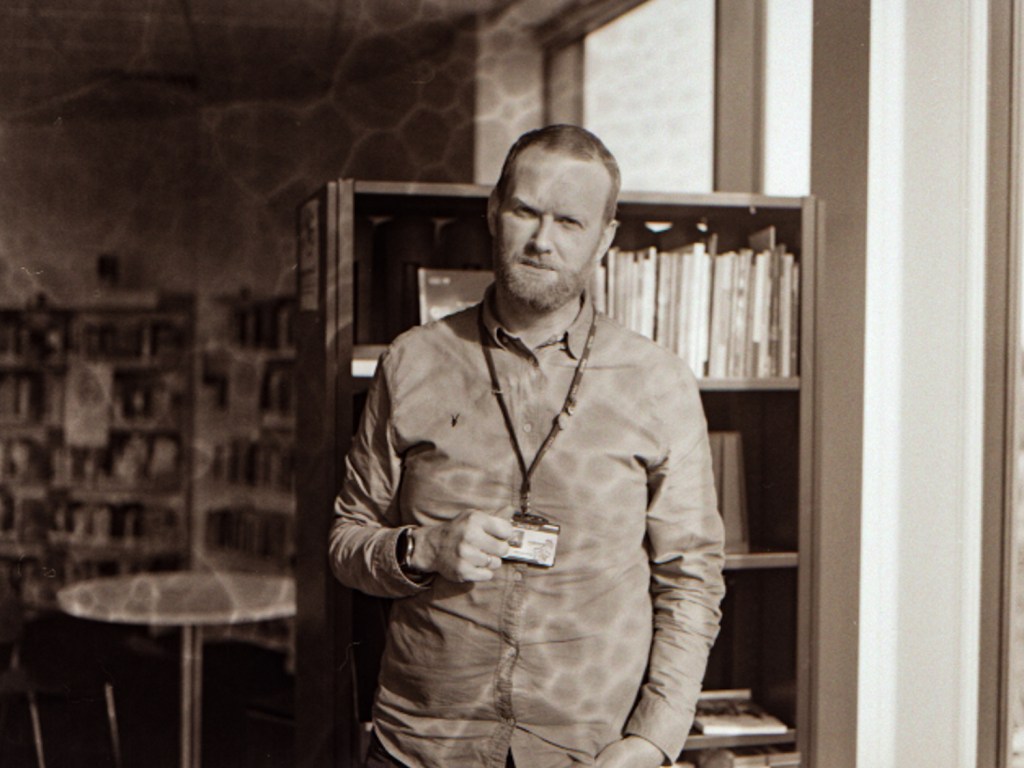
The third and final portfolio of the week was with Clare Bottomley, I wasn’t really sure what to expect which is something I have come to expect from these sessions however, having found my previous experiences enriching and useful I was hoping to get some further critical insight.

In order to prepare appropriately, I took advice from Steph who highlighted the disruption in continuity caused by inconsistent use of flash. In response I decided to present portraits where I have only used flash.

Inadvertently, this served to really narrow down my work and it was interesting to see the portraits in a sequence. My philosophy with using flash is on a ‘need to use’ basis and I would often use it to fill in highlights on a subjects face. Having spoken to Steph, I was surprised she made such an observation but I’m glad she did.

As a result, I felt confident that going into this feedback session I had a body of work that had continuity in addition to a developing sense of style. I have already briefly considered the development of my work in terms of visual language and to now have the further guidance regarding lighting, I felt like I was making further inroads.

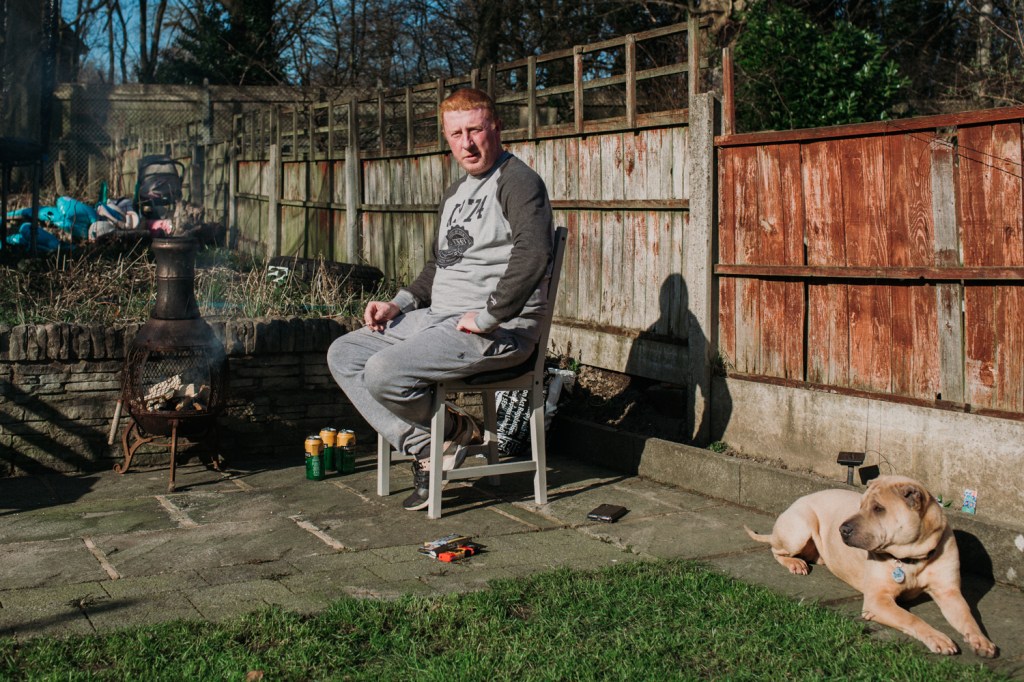
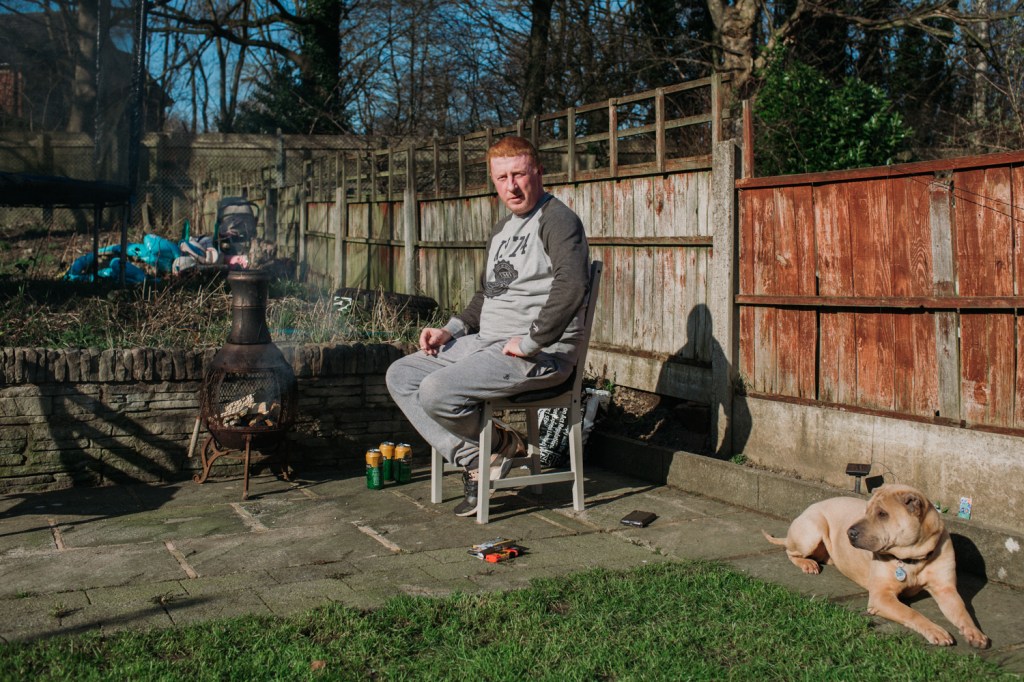
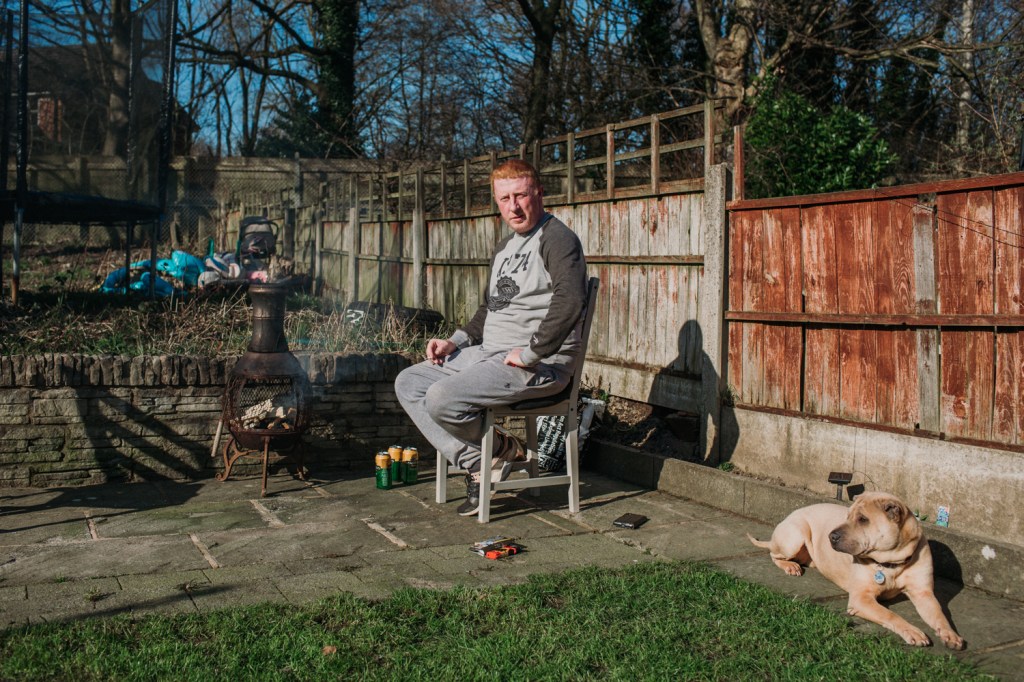
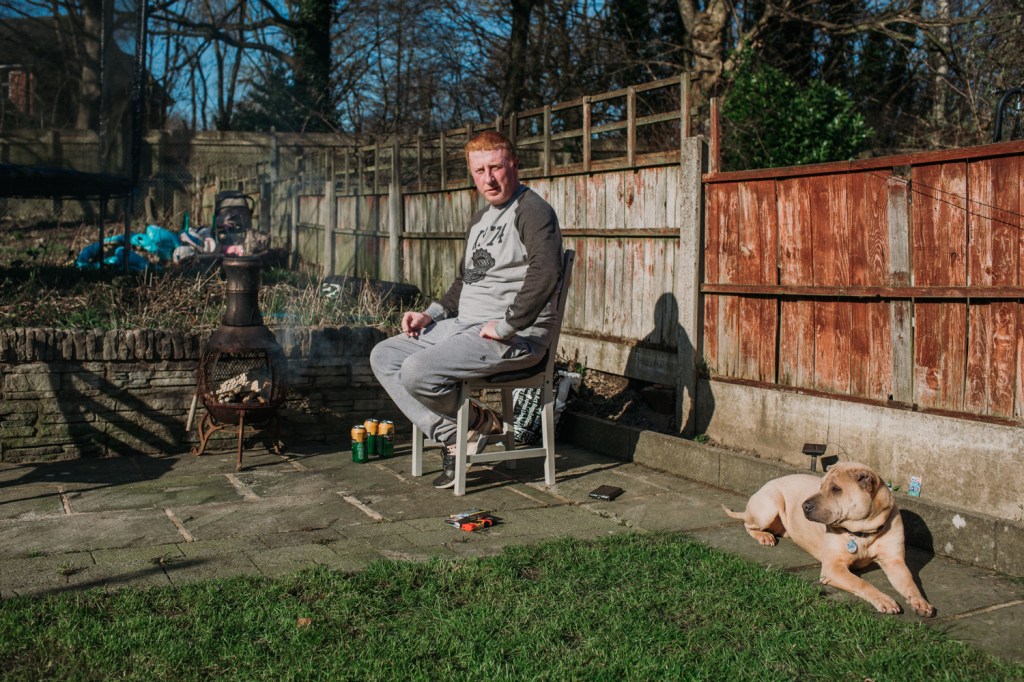
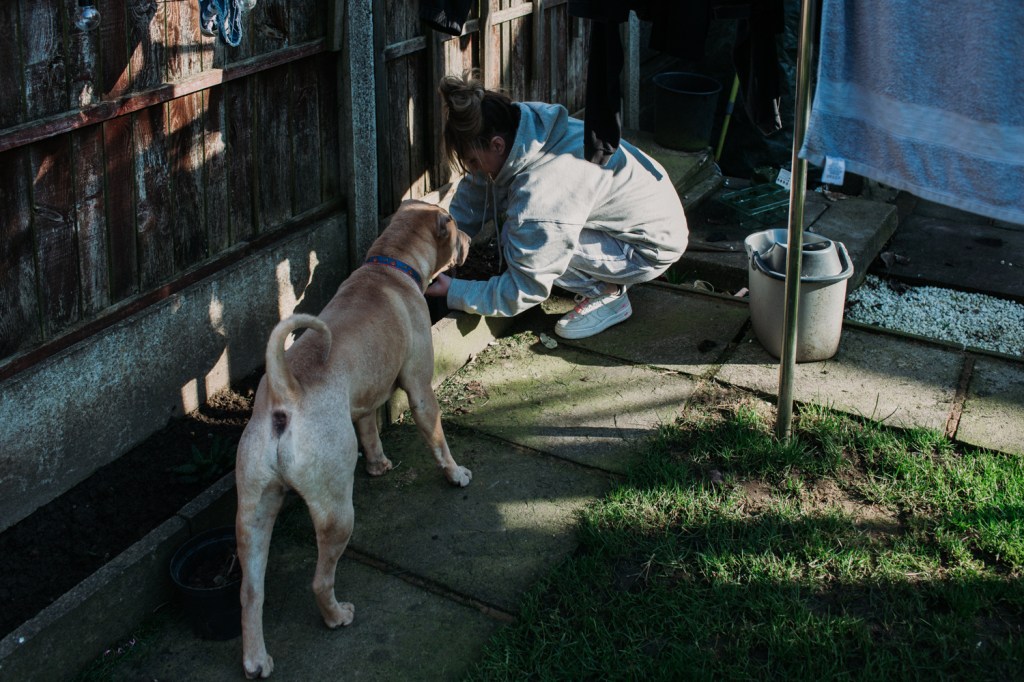
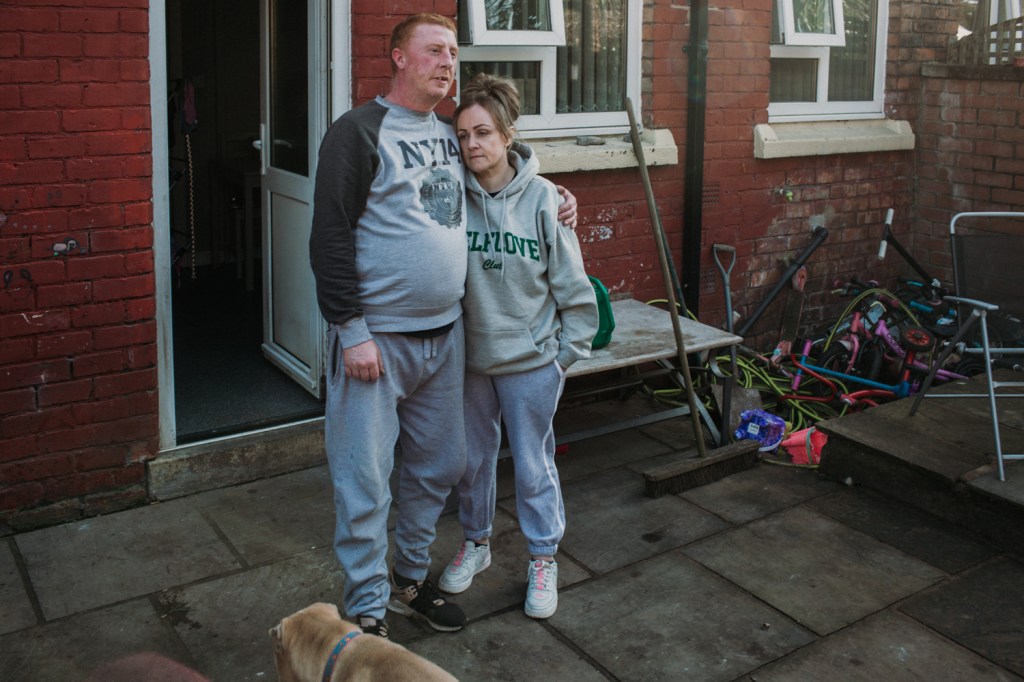
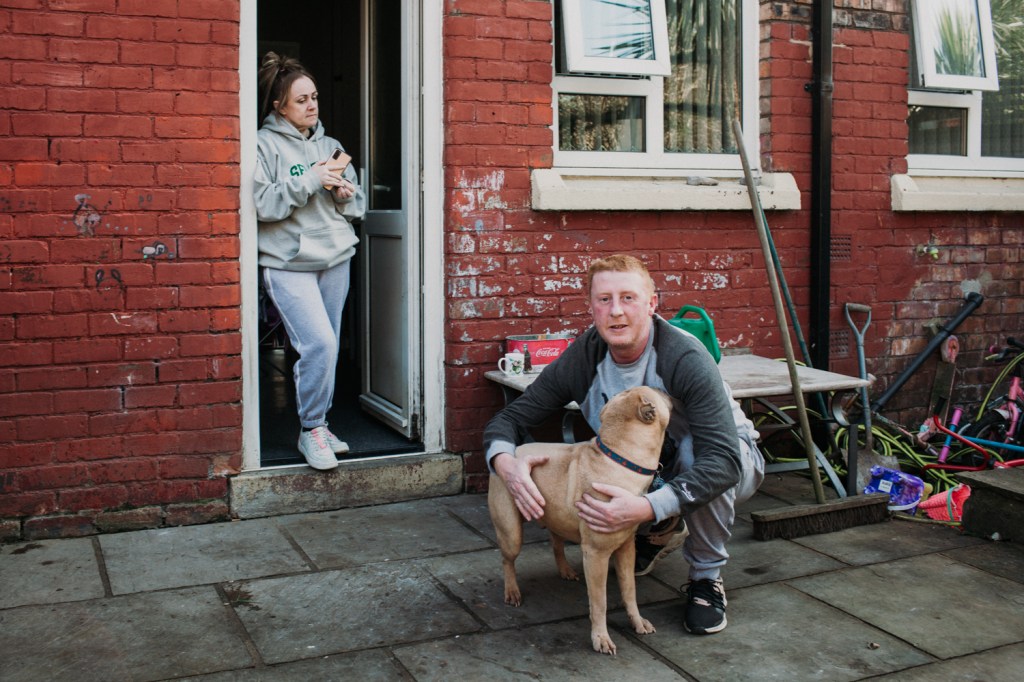
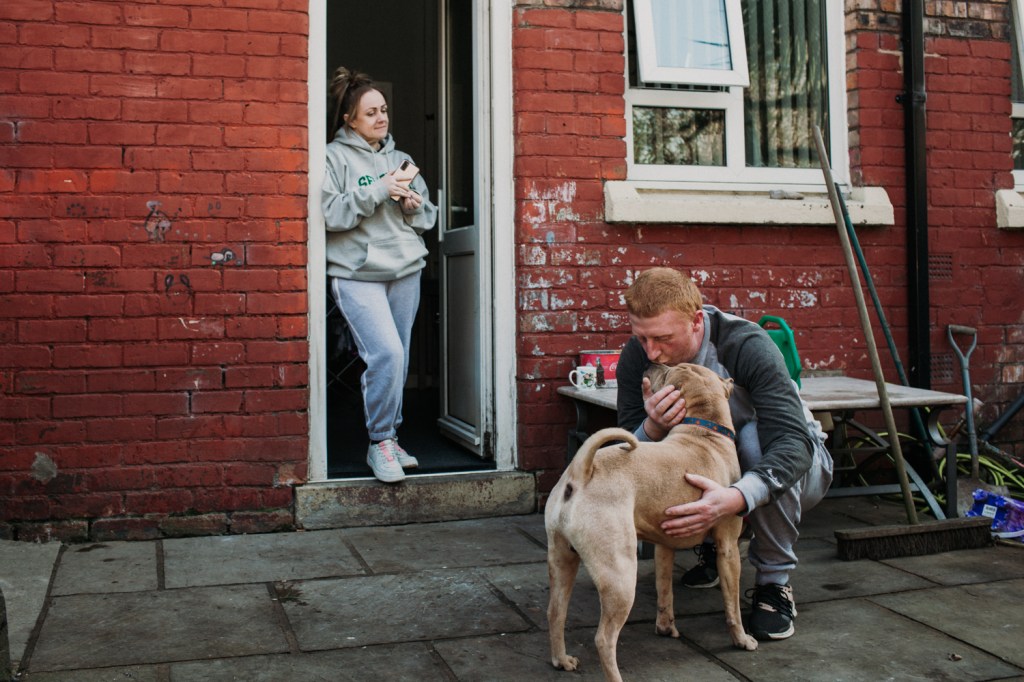
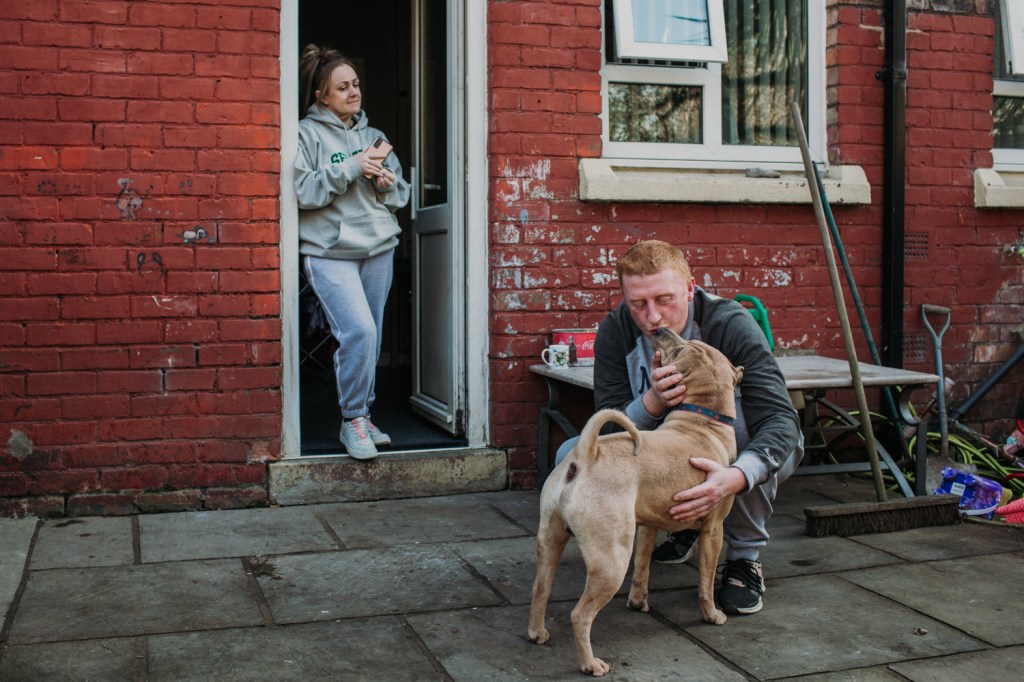
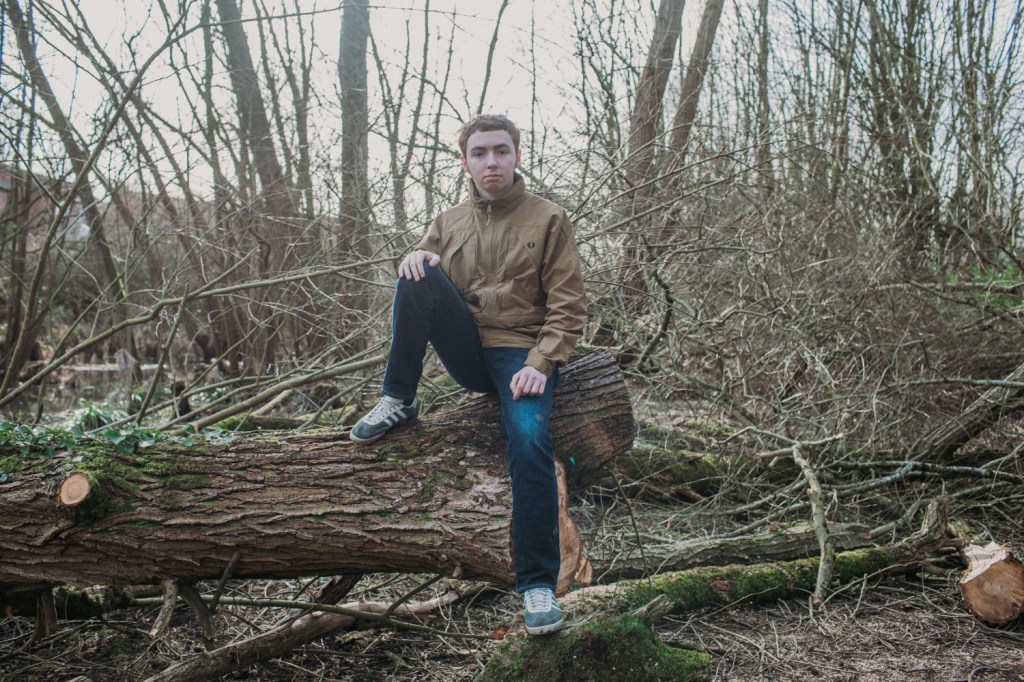
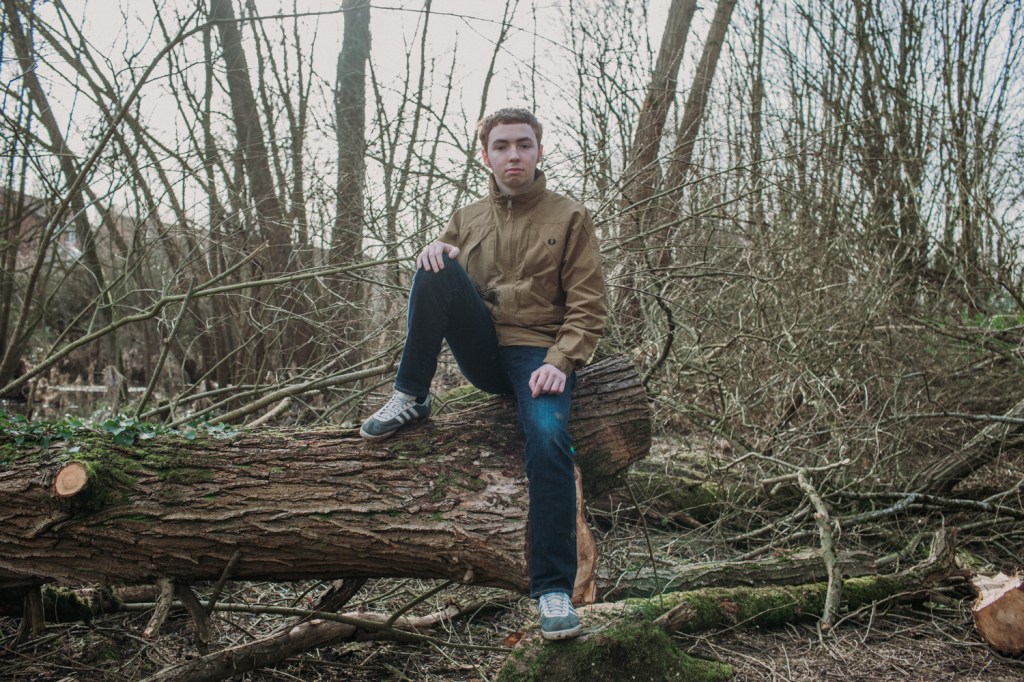
In response to my work she suggested that in an aesthetic sense, my portraits were beautiful which was pleasing to hear and she also stated that the creative choices to present the images in pairs was a good choice. I was really pleased with this but a little surprised. My immediate thoughts regarding this was that the pervious contextual development work I had done, especially looking at the work of Jooney Woodward had really paid off.

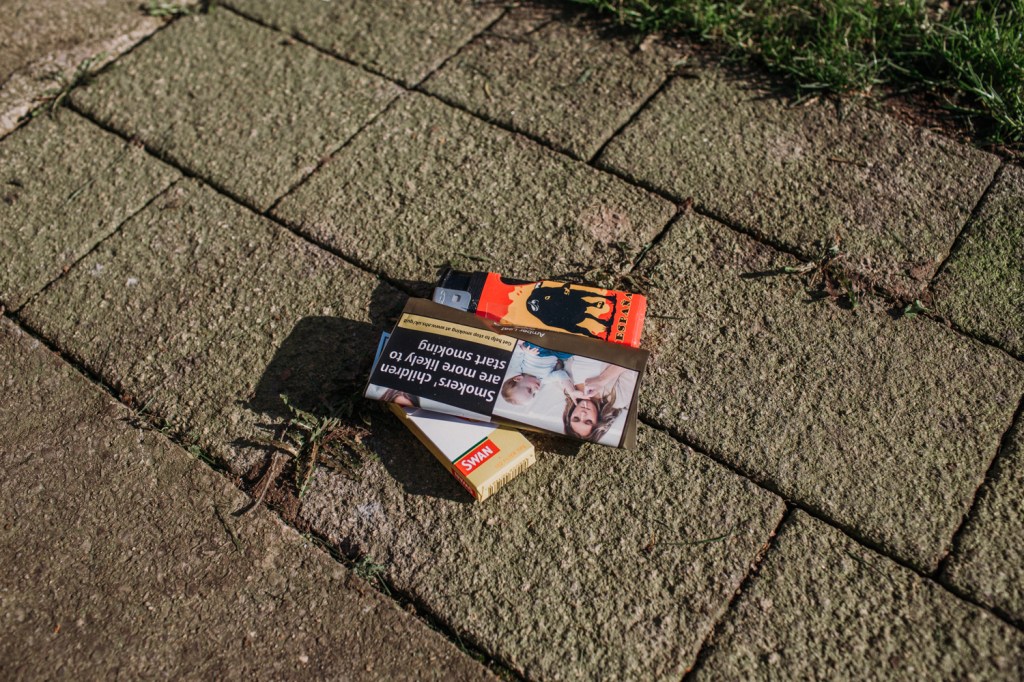
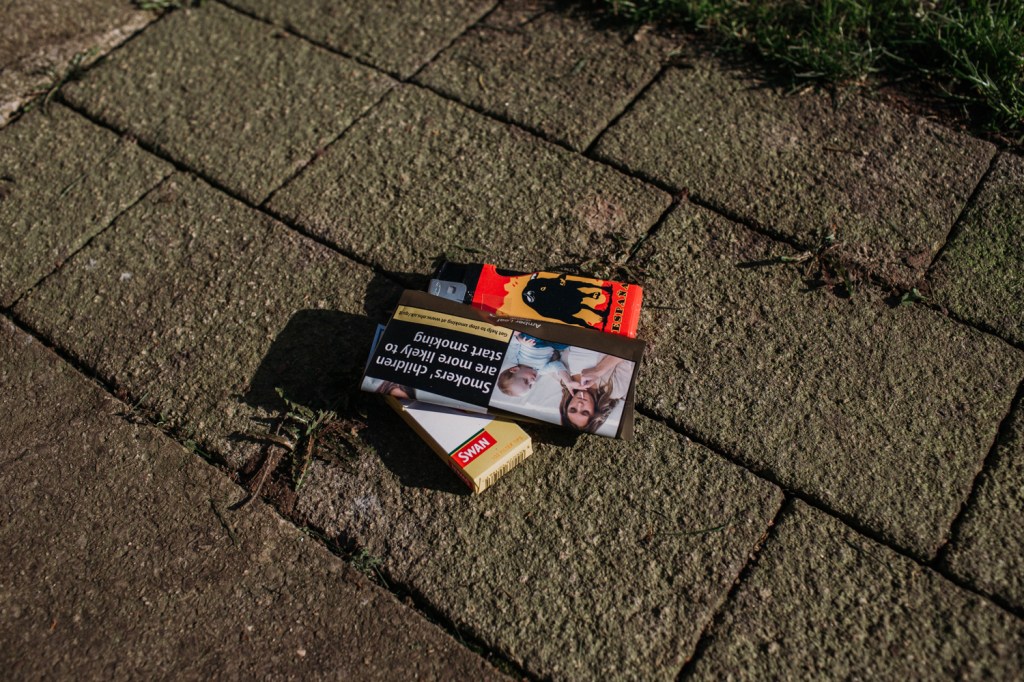
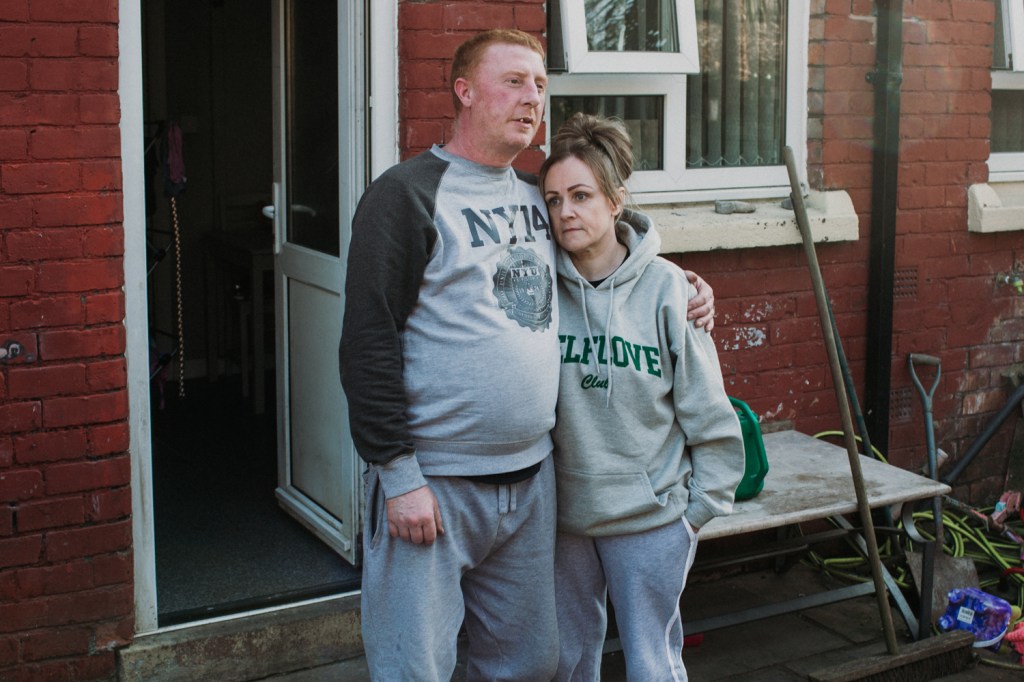
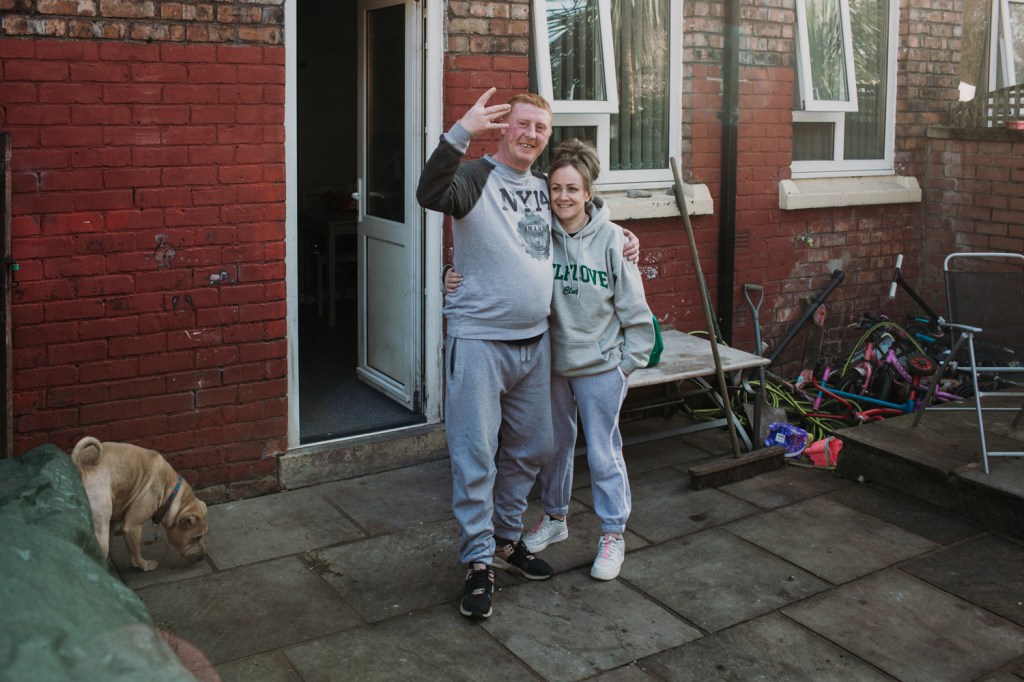
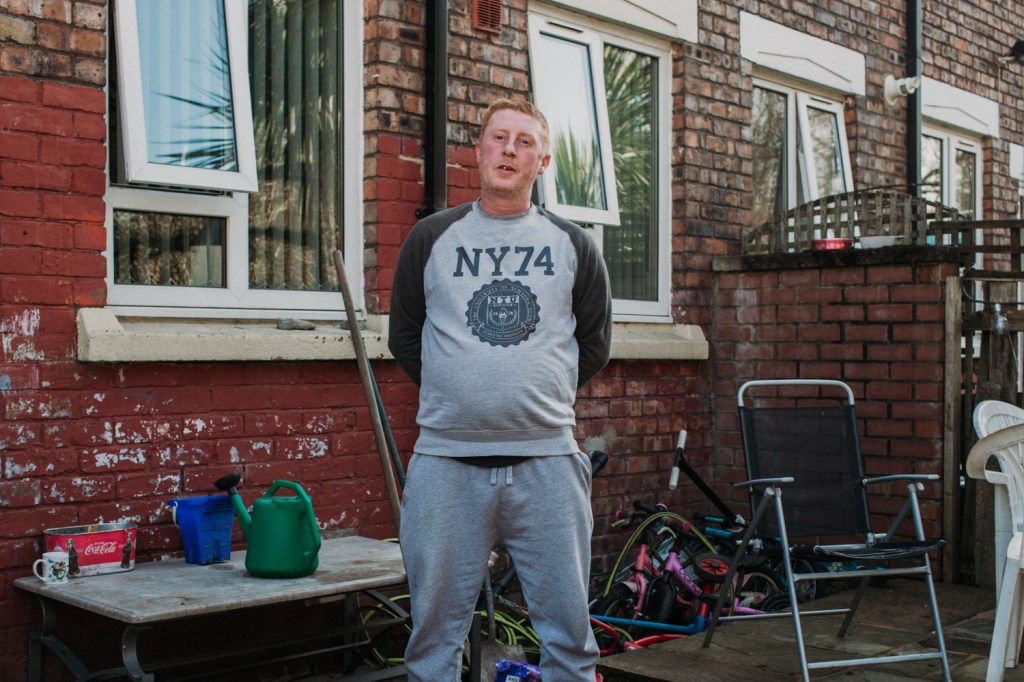
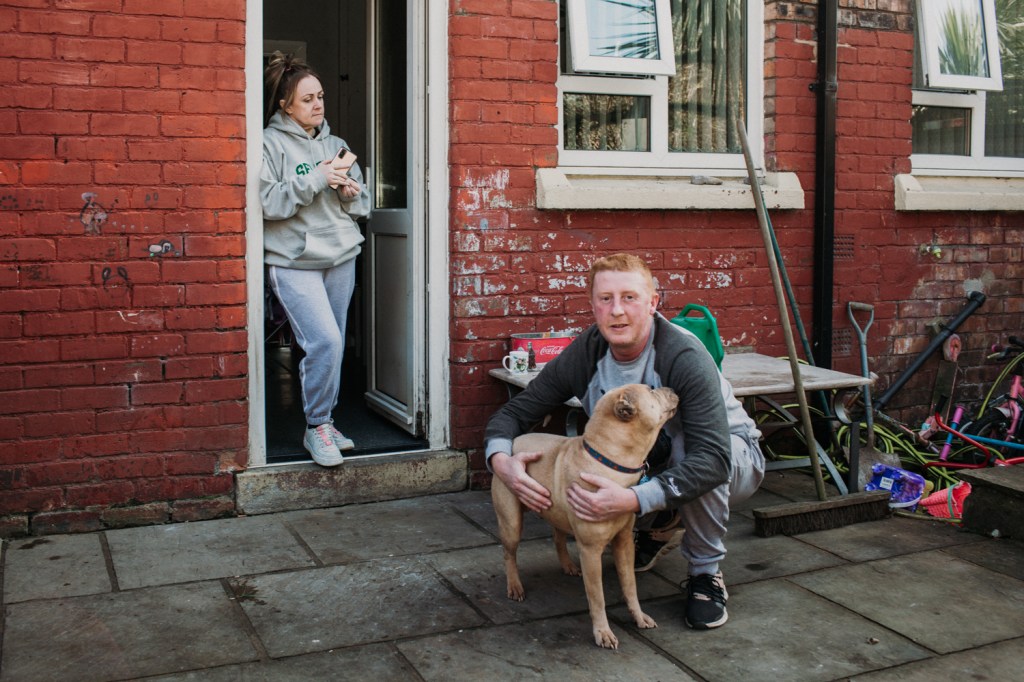
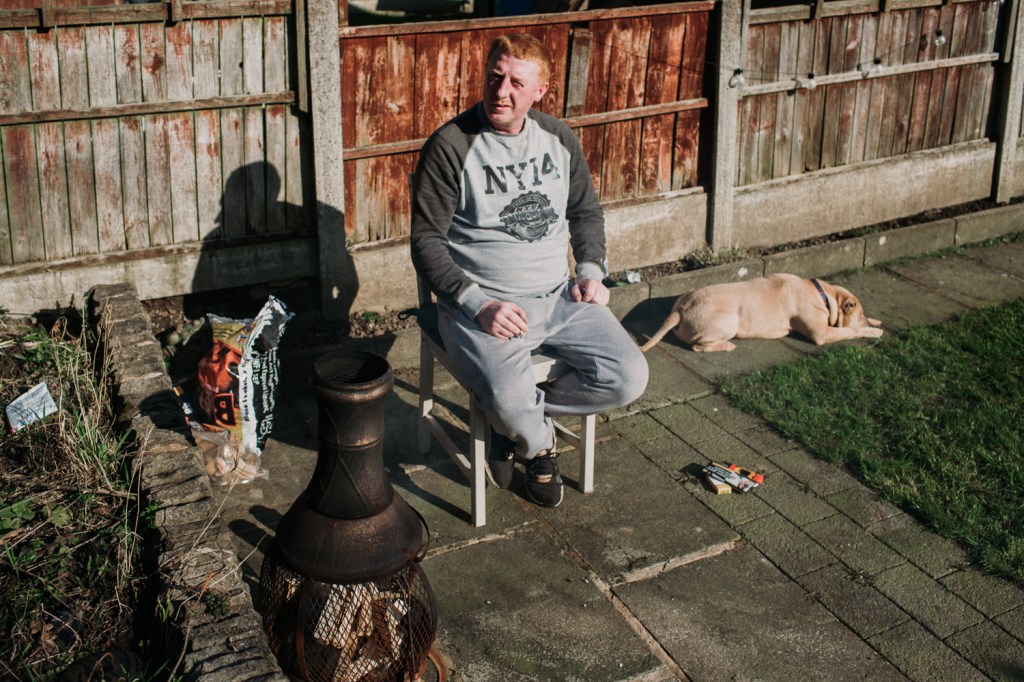
In terms of the more critical feedback, Clare challenged the philosophical approach to making my work. As I have been accompanying my photographs with podcasts, I felt that I had identified a way to get close to my subjects which I feel has substance. However Clare put forward her views regarding the sense of performance within the subjects of my work. A perspective that I hadn’t really considered previously. When viewing work within the mental health theme, I did notice a reoccurring theme with most subjects wearing jogging trousers, this wasn’t surprising and I felt this was very much a hybrid of the uniform of the street in addition to ‘Dad at home’.

Claire furthered her response in noting the interesting representations of masculinities. The conversation then alluded to ideas around performativity using the metaphor that under a mask is another mask. Of which some of my recent work I felt aligned with with her ideas.

To conclude my reflection of the session, I felt that I was encouraged by Clare to look at my work differently, on a philosophical level and consider representation in relations of masculinity that create. At present, I need to further my understanding of this area and look forward to doing so having ordered Judith Butlers book.

With regard to my early research into this area I was struck by comments asserted by Bate (2009, P82) when suggesting…

‘In ‘projection’, the viewer casts off uncomfortable feelings, which arise in themselves, and relocates them within another person or thing.’

I found this pertinent in exploring the potential relationship I have within my own portrait work. The idea that a viewer may identify and be moved by my work is always an intention, maybe even a signifier of success. Making work that may invoke the ‘relocation’ of uncomfortable feelings is a possible location of my work, through the representation of masculinities, jogging pants and deadpan faces. I wonder if i am able to produce work which has such an effect. Certainly an idea that requires further pontification.

Bate concludes (2009,P86) ‘In projection, a viewer can implant their own feelings in a portrait photograph even though it seems as if these meanings come from the actual portrait.’

The self actualisation and power of a portrait on this level, again offers clarity, making work which changes the intrinsic thoughts and feelings of the viewer, I almost consider a secret language of photography. Is this pretentious or the reason that some works move more than others. The challenge going forward is to connect this philosophical approach with the current motivations of my practice. I will continue to question, what is it about my own vernacular and visual language that invokes such emotions.

BATE, D (2009) Photography, The Key Concepts. Oxford, Berg.
Portfolio Review | Steph Cosgrove

Following the review with Colin, the next review was with Steph. Due to spaces not being taken up I felt that I needed to put myself forward for as many reviews as possible for a number of reasons. Firstly, my new project theme is still unstable although I am making progress. I also feel I am at the time when I need to put my work forward in the pursuit of finding an audience. This involves driving down into my work to establish a solid DNA within my approach.

As a result of this review, Steph made some very pertinent observations regarding my practice. Most notably my use of light. Steph commented on the clear distinction between my use of flash. She felt that the distinction between light in the images was significant and encouraged me to seek continuity.

Having explained my idea for the podcasts and their inclusion within a film Steph made a number of recommendations which I will explore over the coming days.

Portfolio Review | Colin Pantall

The opportunity for a review with was a good opportunity to receive further feedback from Colin. Having him as a tutor for the last module was a good experience and resulted in my most successful WIPP submission. I wanted to attend his review session as I find his observations insightful and challenging. Colin won’t spell anything out or be instructional but he does promote scrutiny in within the storytelling process.

In terms of his observations, Colin challenged me to establish the story of my work in further depth, making a distinction between mental health or football culture. He also provided direct feedback on what he felt were the stronger images which was useful as I ensured that the work included in my portfolio was new to him.
Shooting Medium Format

For some time I have been considering shooting medium format, as my research continually takes me to practitioners who use non digital formats especially for personal projects. As I scrutinise images (as much as one can using a screen) I am intrigued by the depth of such images. Looking and sometimes getting lost in the detail. Larger formats seems to invite the viewer into a world defined by the medium with the differing formats appearing comparable to material with my Cannon 5D being cotton and large format being silk.

Throughout the MA I have quietly been building a knowledge base and appreciation of traditional forms which was a subject I was quite unaware of. I’m not from a traditional artistic background although I did enjoy the subject at school. I have also previously read about the benefits of engaging with the process of making as a form of therapy. However, my most pertinent memories of using non digital techniques are ironically, being a runner for a TV show and being charged with the task of digitising hundreds of DV tapes. A task that traumatised me until this day.

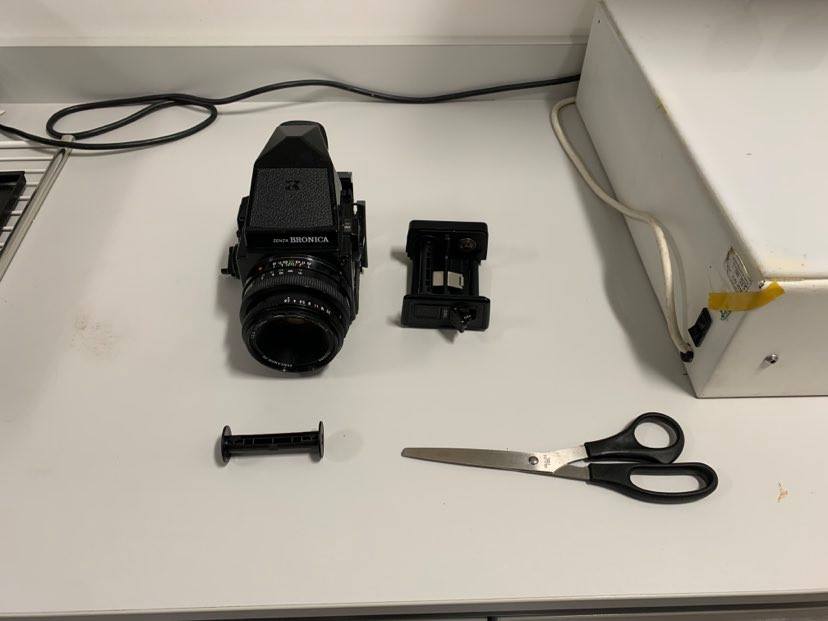
Bronica ETRSi

I have often spoken about this with my tutors who seem to have the same the same response which is to ask ‘why I would be using such techniques?’ A question that I would seldom have a good response for. One of the better reasons I felt is surmised by Zylinska (2010) who suggests

‘in using analogue techniques and collecting such work is important ‘preservers of value and the past, as keepers, against all odds, of a certain world that (allegedly) once was.’  (Zylinska 2010)

A sentiment I whole heartedly agree with and a very admirable reason but although I confer. Such reasons don’t belong to me, or not enough to motivate me to rethink my personal process. I also took note in a tutorial when Colin Pantall described using traditional processes as adding capitol to a project. Once again, an adequate description. However, this wasn’t really a reason to make the jump in a personal sense.

In her project ‘exploring masculinities through mental health’ Jenifer Pattison re-engaged with the process of developing her work in the darkroom in an effort to identify with her Father…

“I decided to use this process because I wanted to physically make something with my hands. To experience some of the same benefits my dad did when he was making his objects as part of his occupational therapies.

Here the process of engaging with the process really became real and travelled beyond a generic justification. This provoked a much deeper thoughts about why I would take the time beyond the obvious ‘self improvement’. To provide some context, I work as a full time FE lecturer in both media and photography, I shoot twenty weddings a year and have three step sons in addition to a four year old Daughter. I am a volunteer football coach and have made it this far into the MA course.

Firs success in developing 120 film

At present I find myself in an odd place, the lockdown period means that I life it seems has slowed down, and due to self awareness I understand that when I slow down I struggle to cope with mental health. Learning how to shoot and develop my own film, at this point is no longer a task for tomorrow.

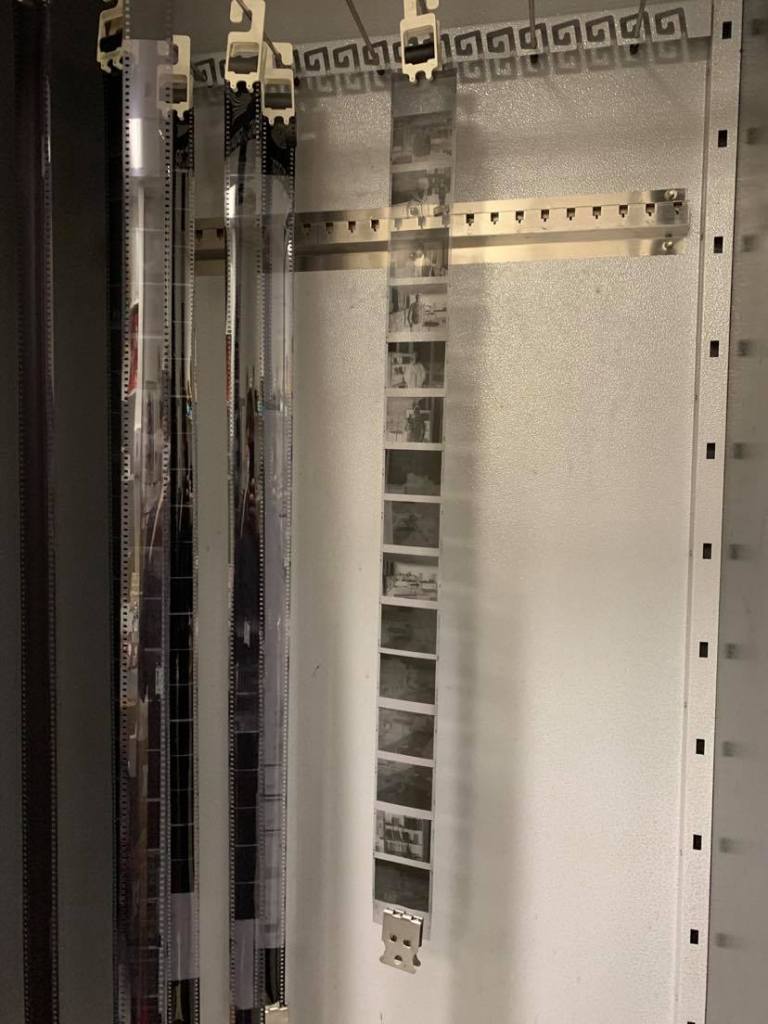
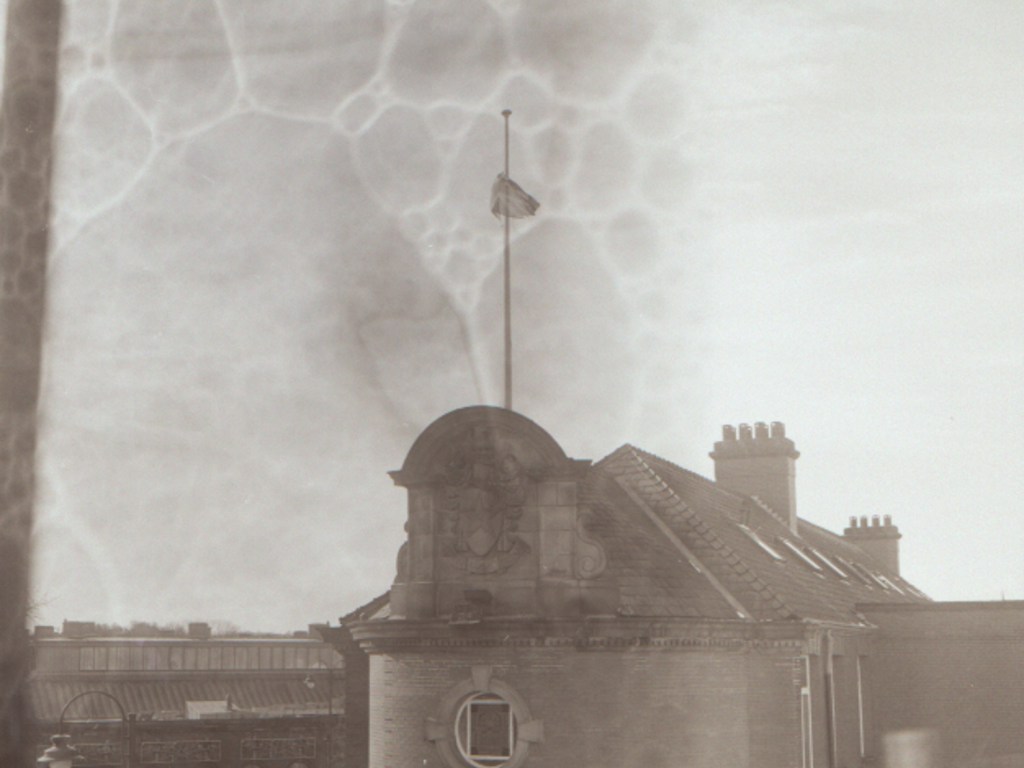
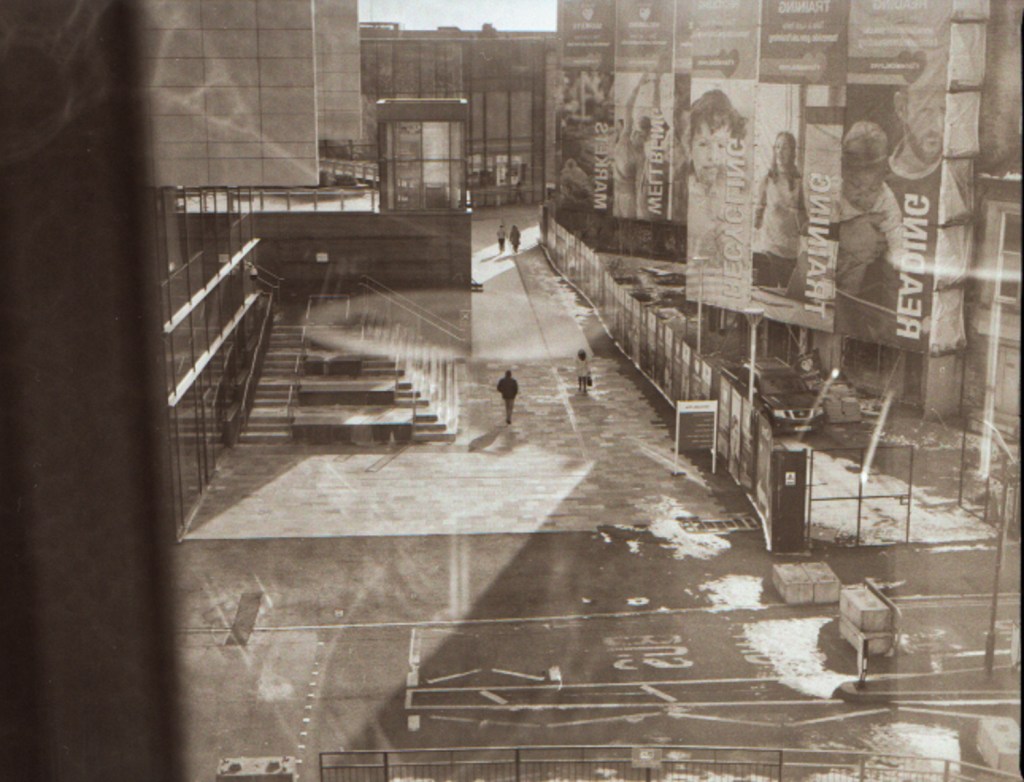
Therefore, I acquired the use of a Bronica ETRSI, took it home, took it apart, put it back together again. I must have done this several times over the course of a week or so before I even attempted to load it with film. Eventually I did and it was another few days before I plucked up the courage to fire the shutter. I shot the film, convinced the technician at work to help me develop the film and…. Ah! The film was completely ruined!

Without being deterred, I loaded another film and shot the roll as quickly as I could by making portraits of those immediately around. I needed to get back to the stage of developing as i’d figured out the camera worked in addition to using a light meter.

Loading the reel in the dark was also an interesting experience but I managed to get there in the end.

Anyways, the second attempt was a success of sorts as I managed to develop the film.

The feeling of achievement was something that I cannot remember experiencing in a long time. And the experience of being alone in the dark room with my images was almost spiritual. At this stage I really identified with Pattison when she highlights her desire to do something physical with her hands.

In my experience, I was able to drift into a world which was much slower and methodical than digital techniques. I now understand that in shooting digital the ethos is always to get the shot, review it as quickly as possible, especially when shooting weddings. The impatience was enjoyable with a slow building of excitement about the potential results.

First observations of the outcome, I always find difficult and i’m not really that concerned with the outcomes as the emphasis of this task was really about the process. This is perhaps fortunate because I had to wash the film again as I didn’t leave it to dry for long enough. Maybe an ironic representation of my journey to being more patient.

Helguera (2011) Education for Socially Engaged Art: A Materials and Techniques Handbook. New York, Jorge Pinto Books.

Pattison, J (2015) Exploring masculinity and mental health through the image. British Journal of Photography [Online] Available at: https://www.bjp-online.com/2015/11/alpha-jennifer-pattison/?fbclid=IwAR19oiLn4ehGZZ4h1yBzIFhgju33mfOdcn2Y0bwYeLQtftWTDWzvntSgx5s (Accessed 2nd Nov 2020)

Rosen (2020) Alex Majoli on Artists and the Rewards of Environmental Portraiture. Magnum Photos [Online] Available at: https://www.magnumphotos.com/arts-culture/art/alex-majoli-artists-environmental-portraiture/  Accessed: 17th Nov 2020

Joanna Zylinska (2010) On Bad Archives, Unruly Snappers and Liquid Photographs, photographies, 3:2, 139-153, DOI: 10.1080/17540763.2010.499608

Longsight and Rusholme

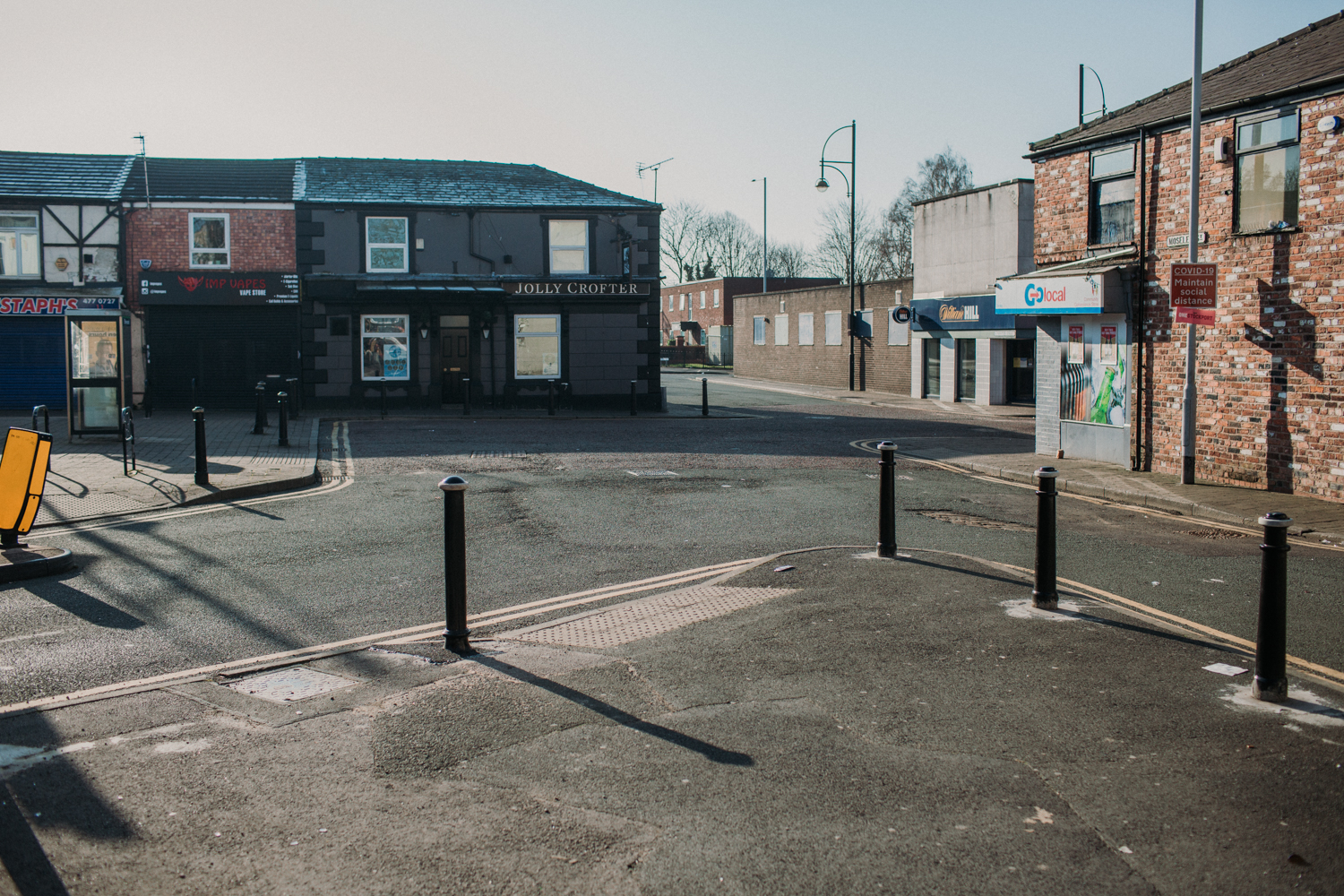
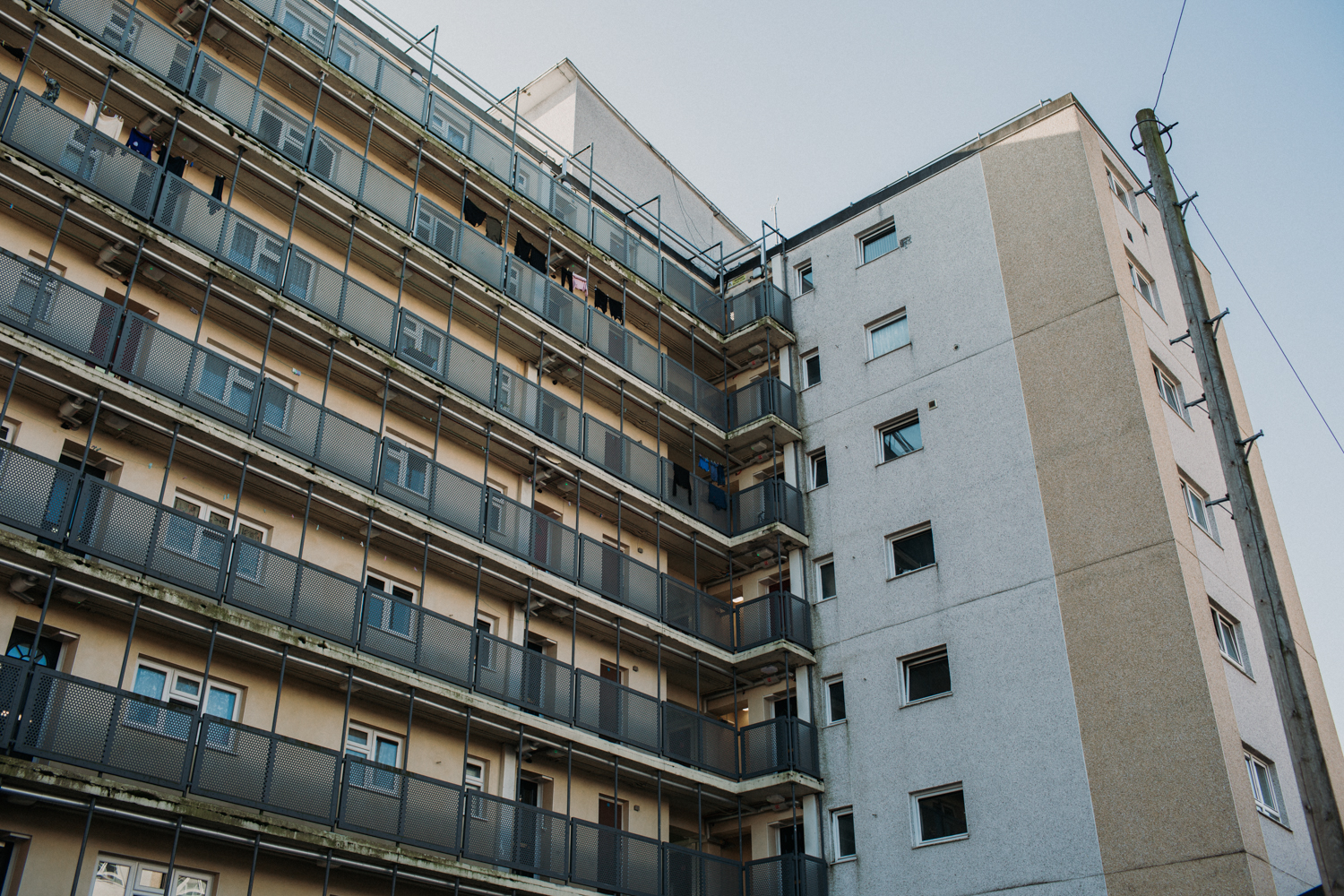
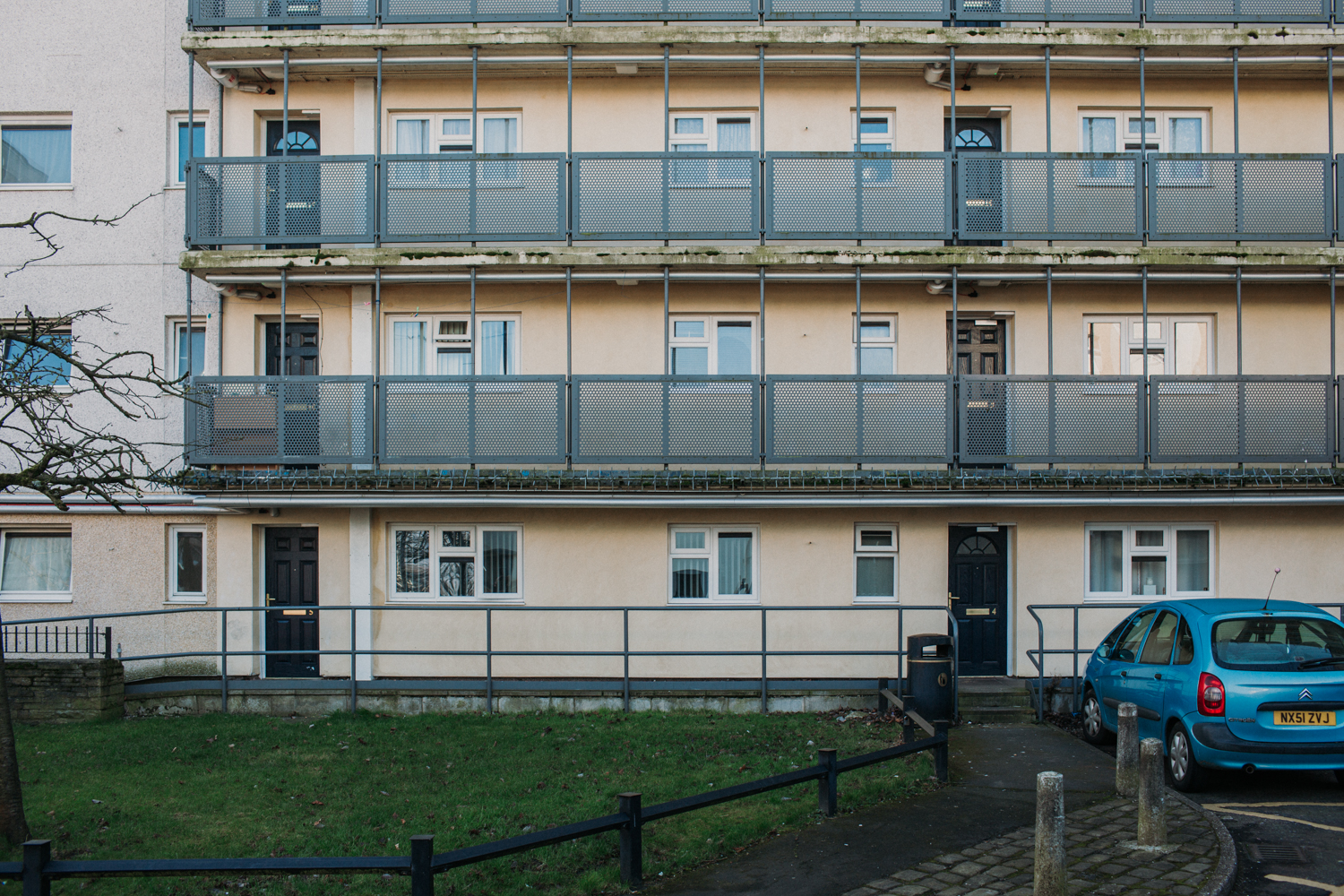
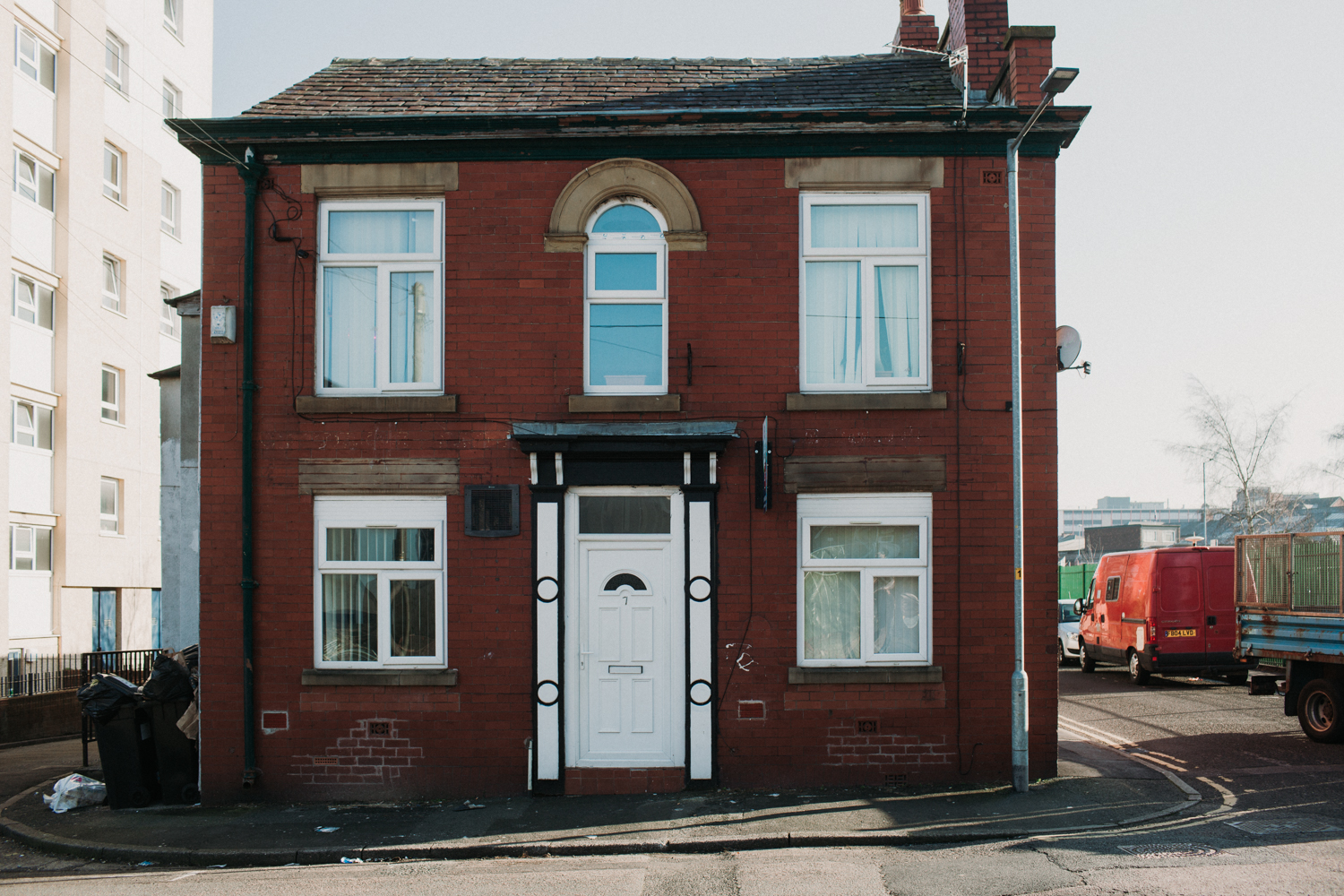
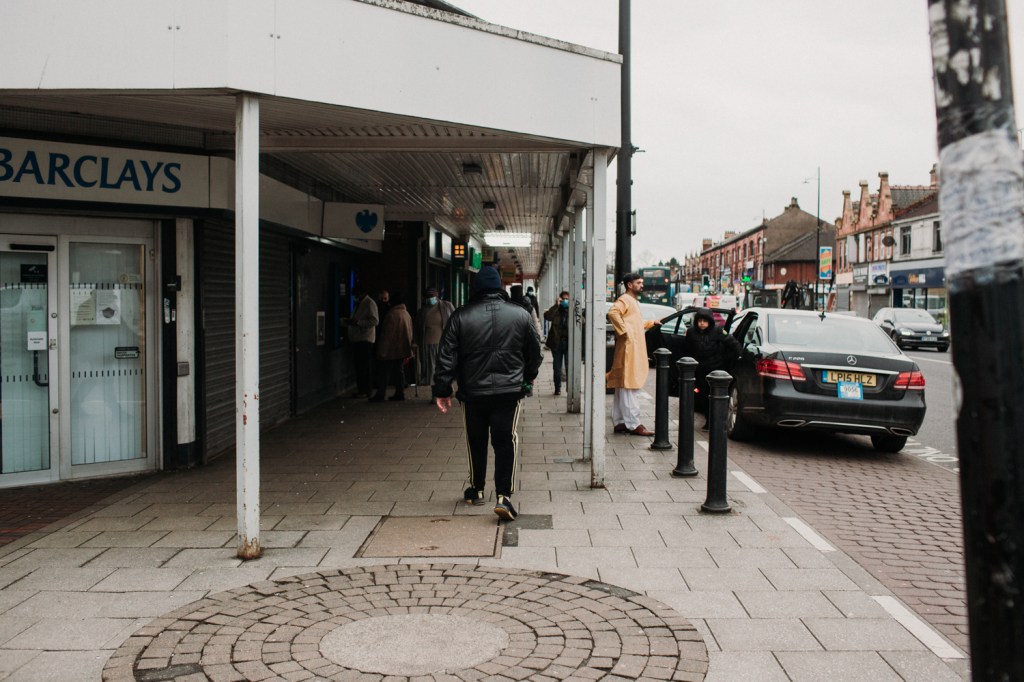
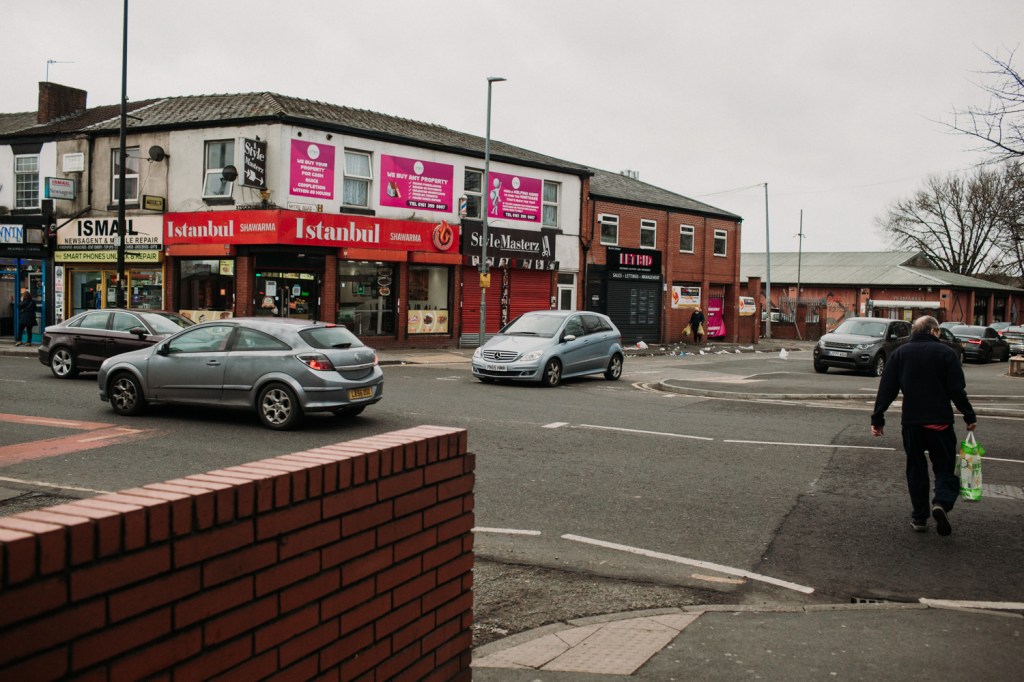
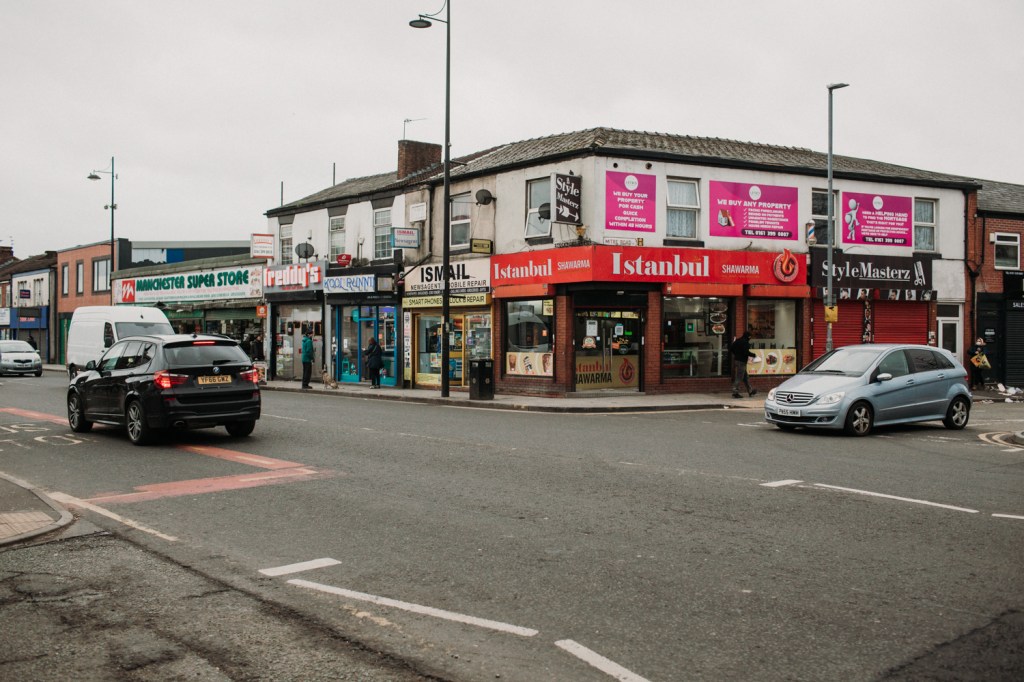
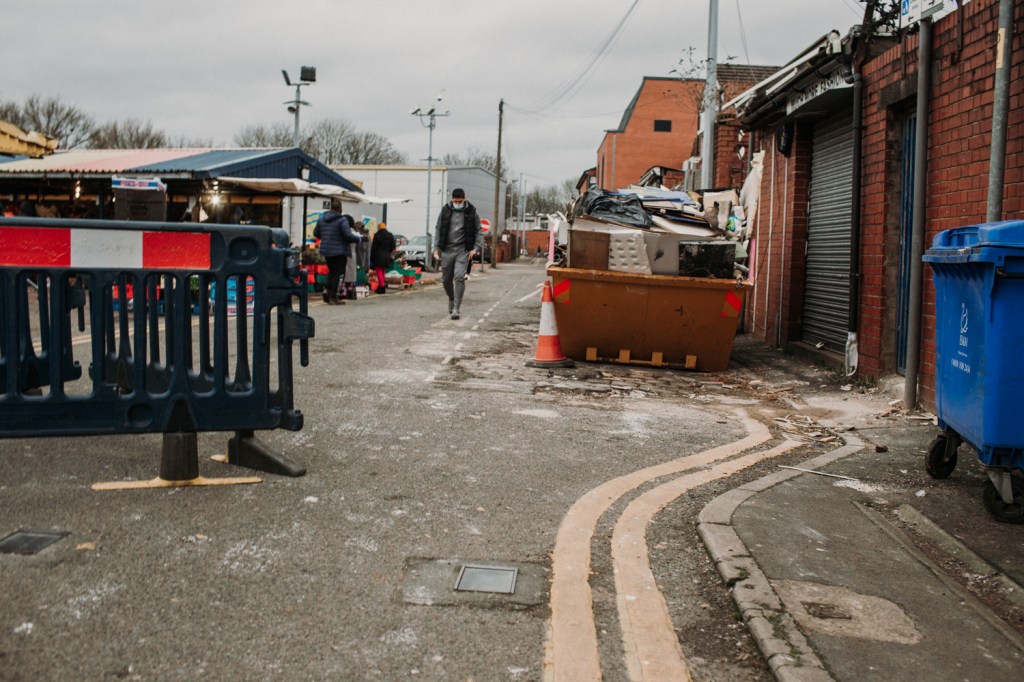
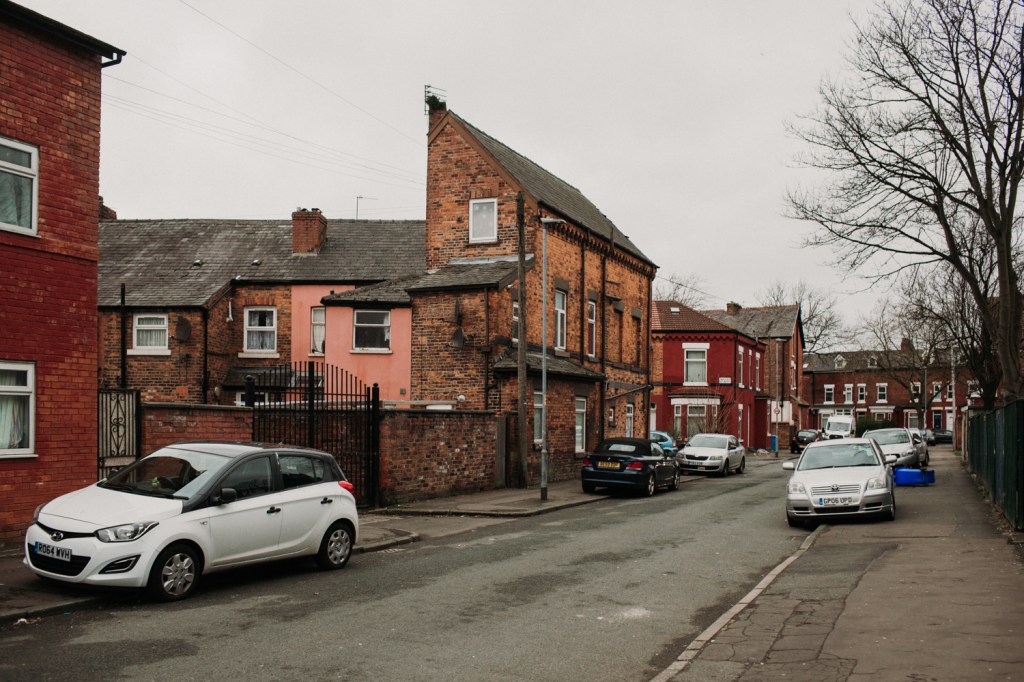
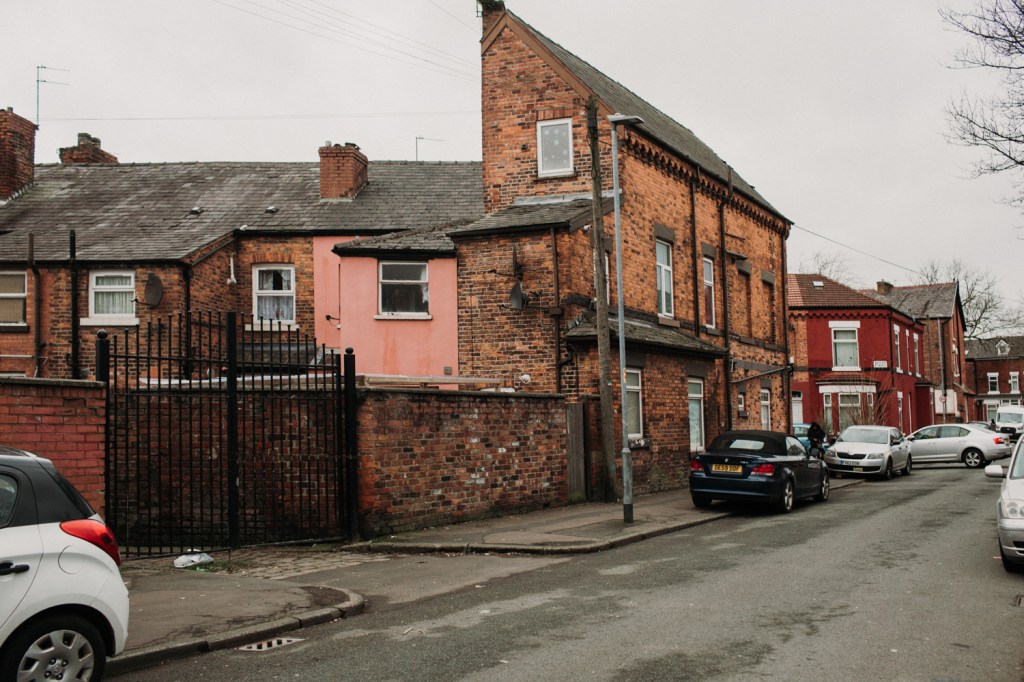
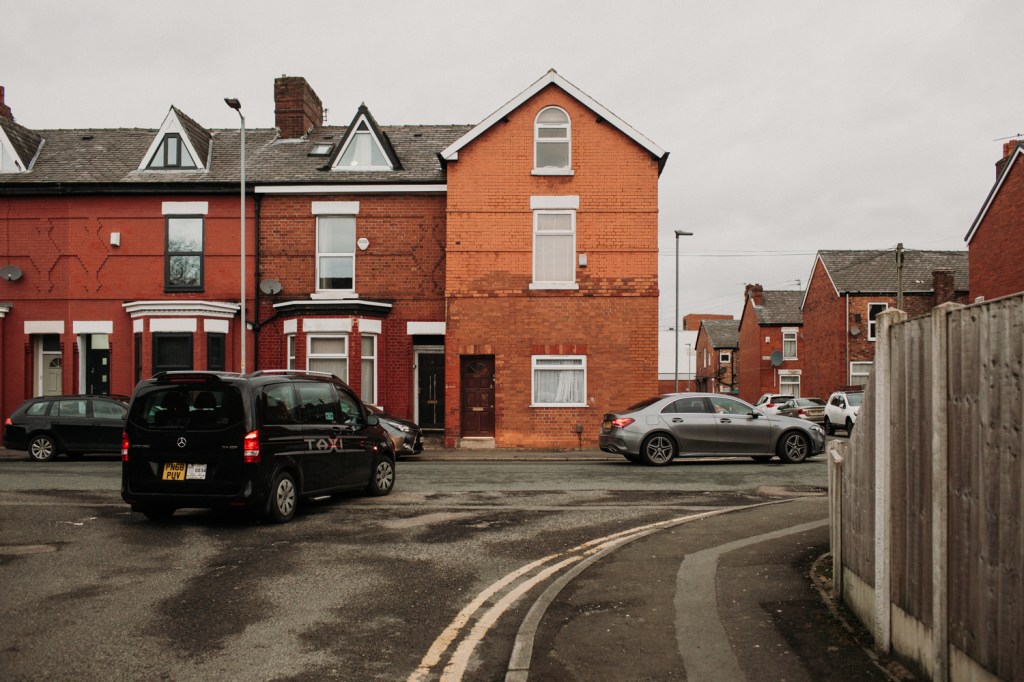
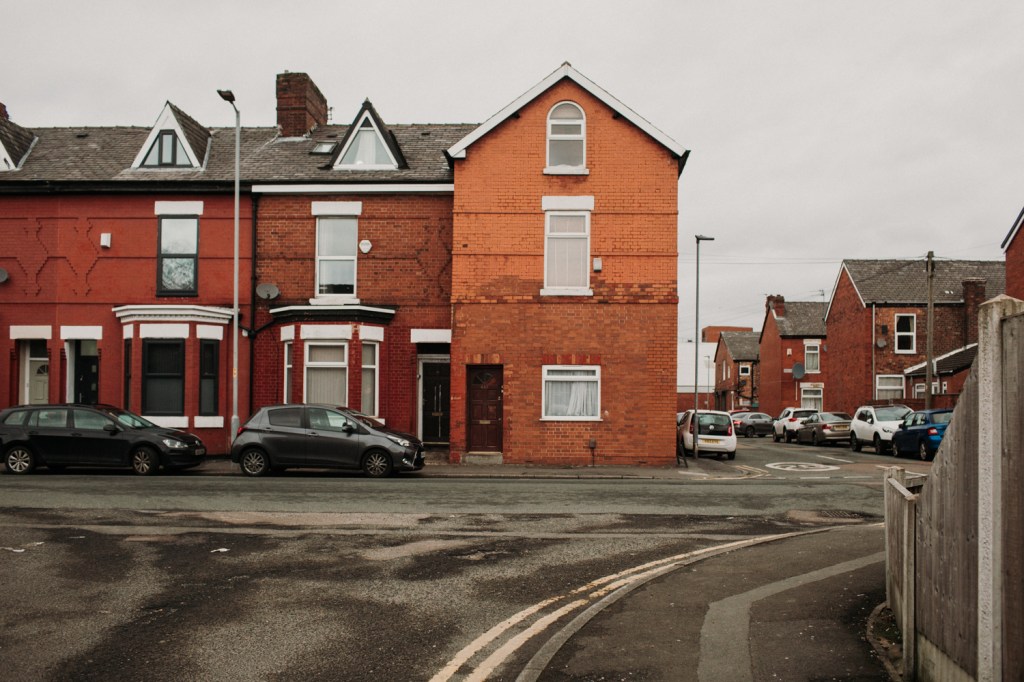
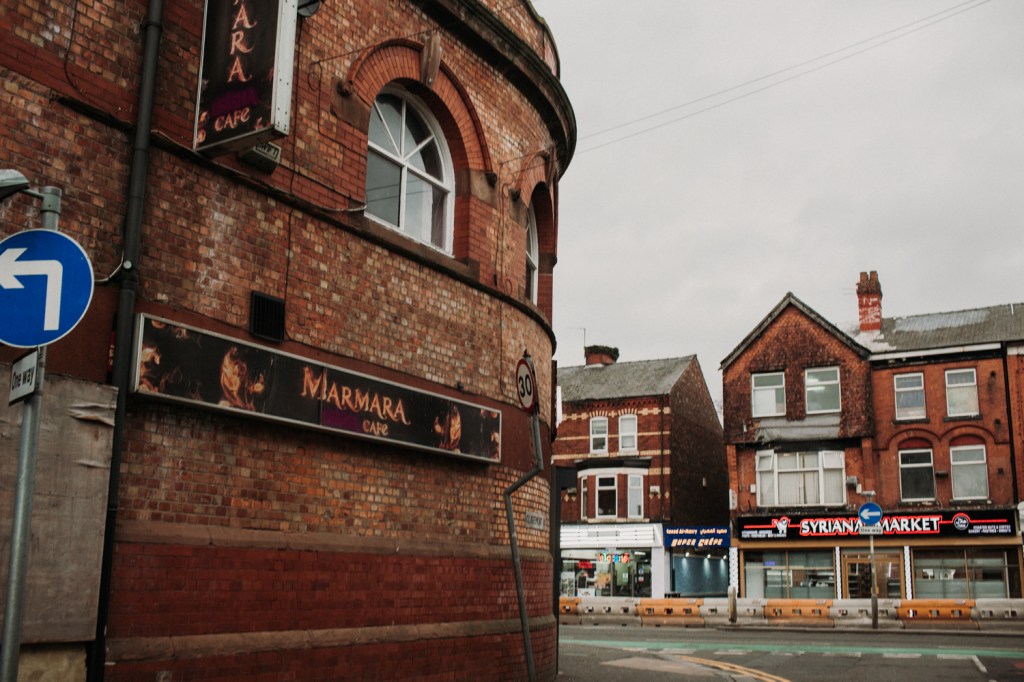
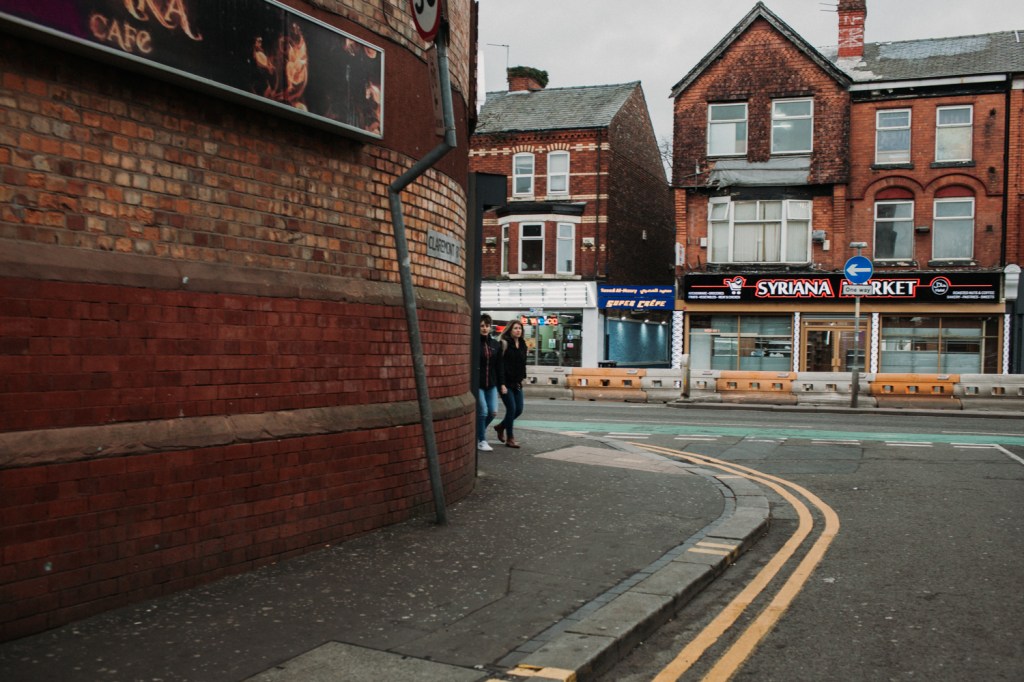
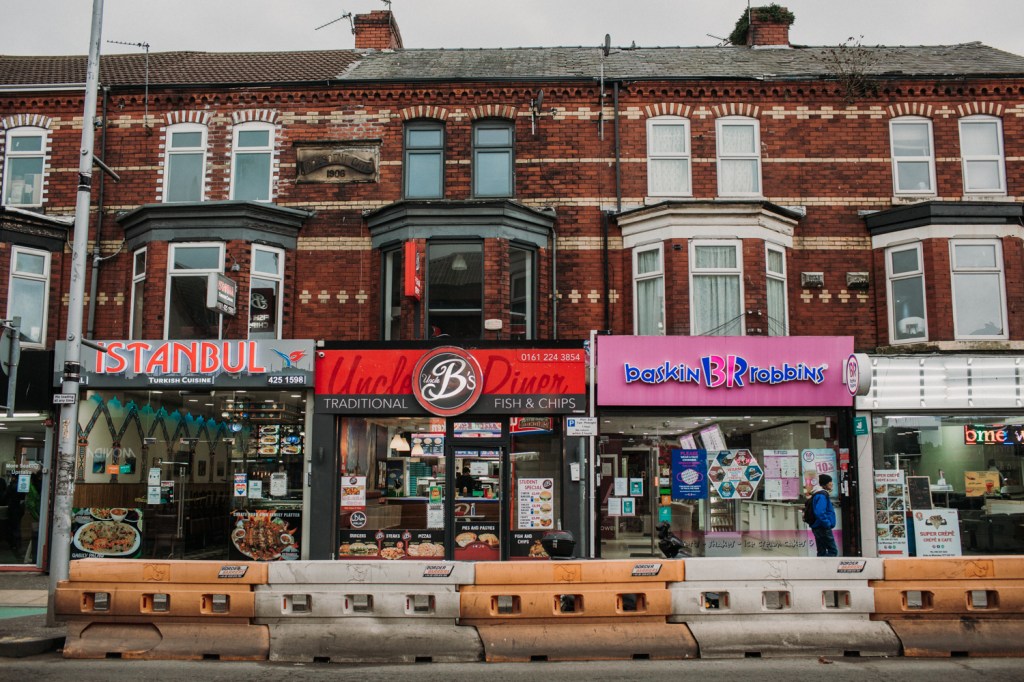
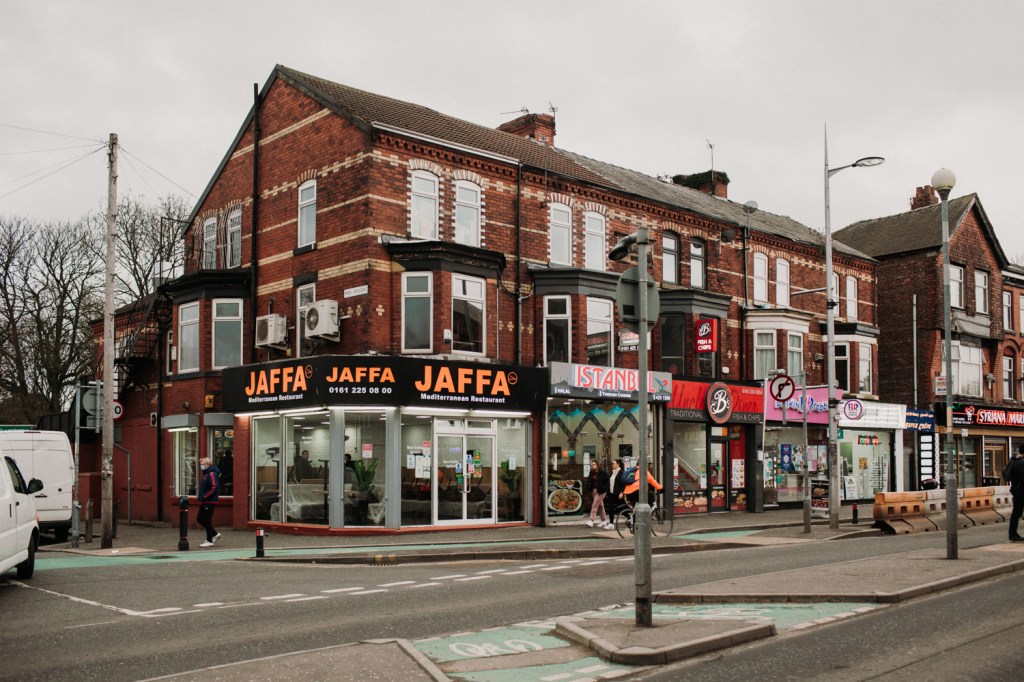
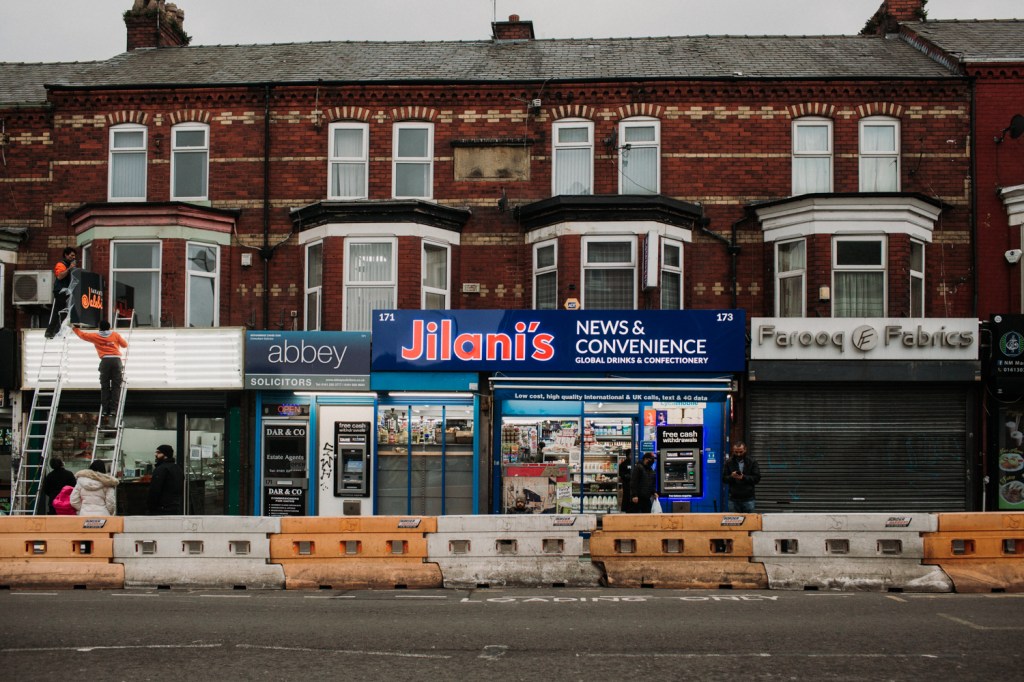
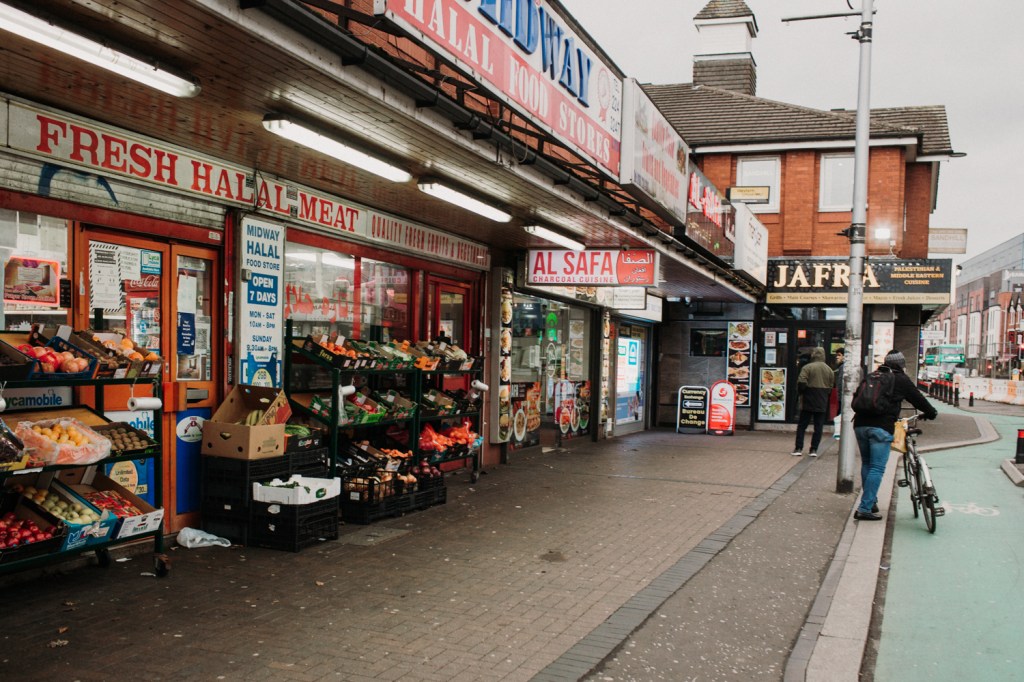
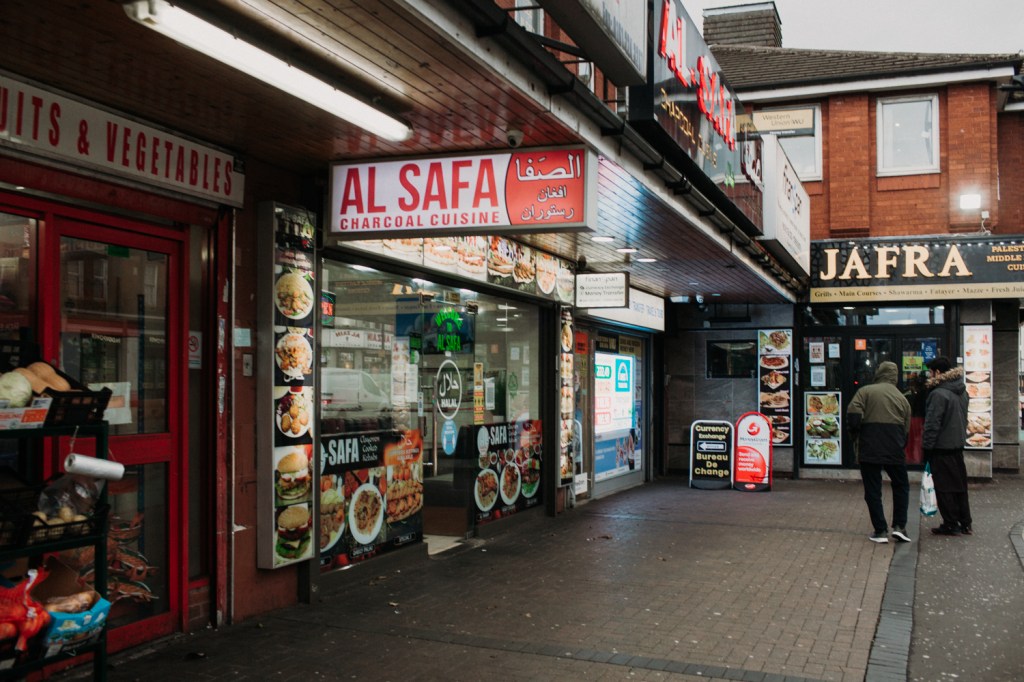
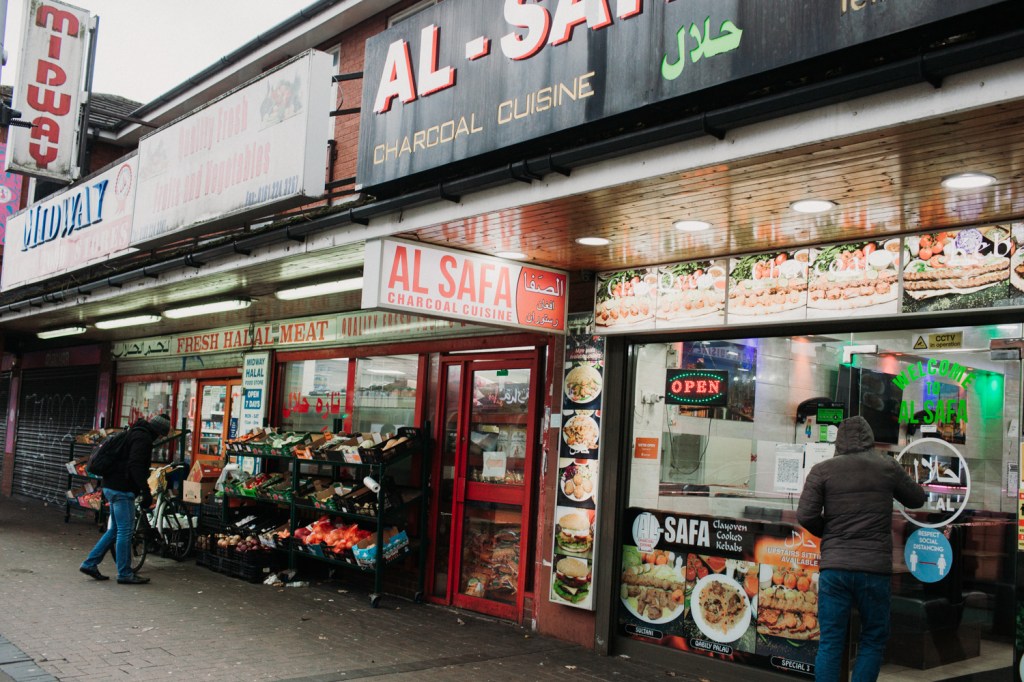
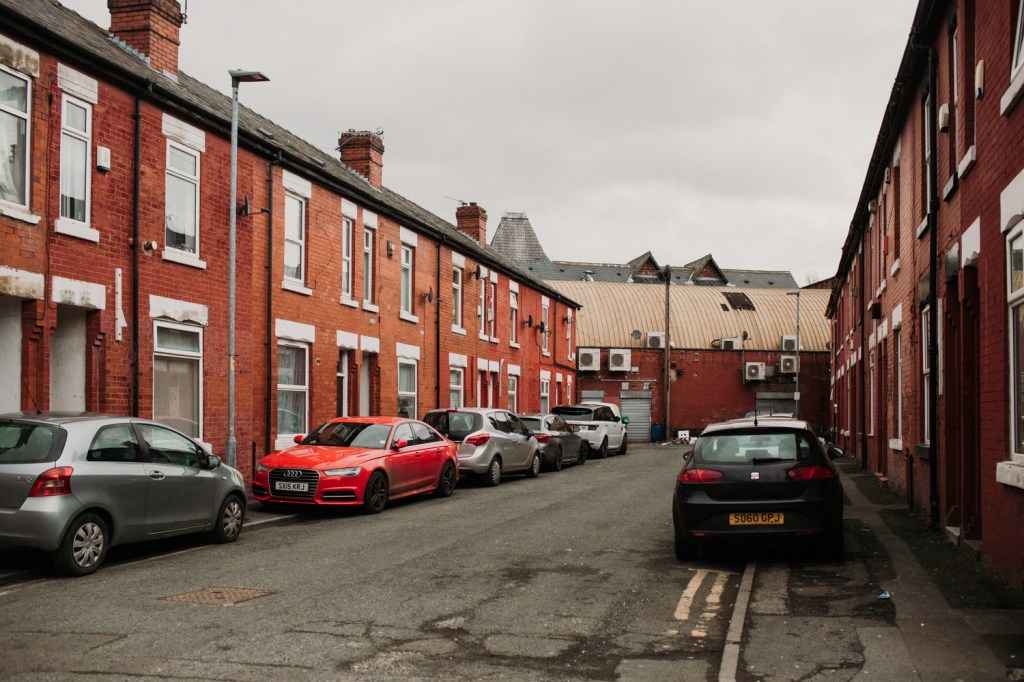
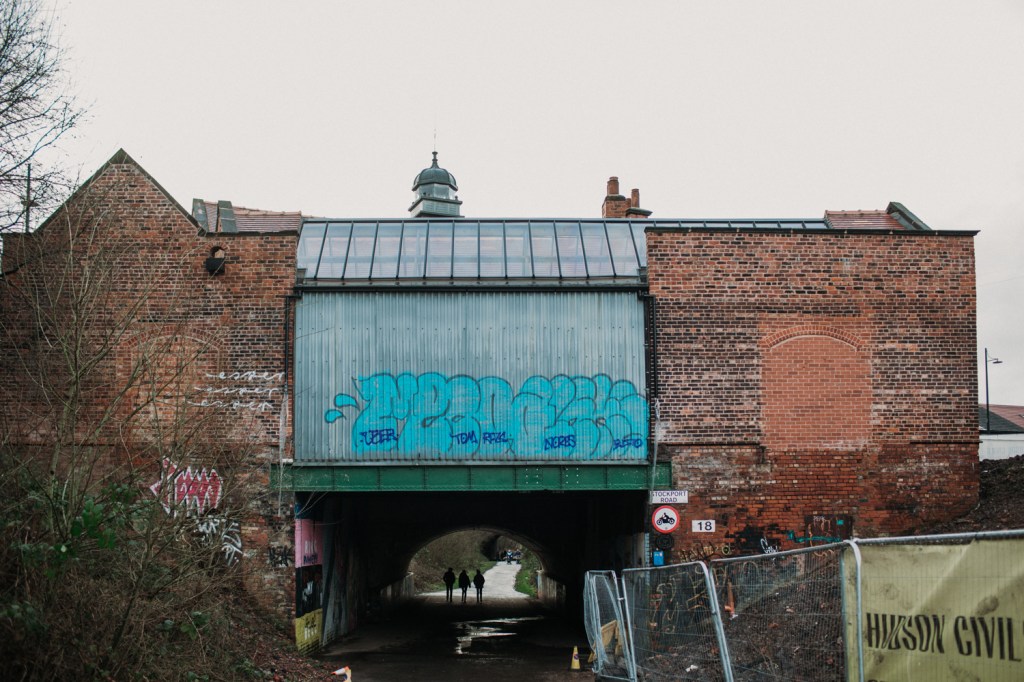
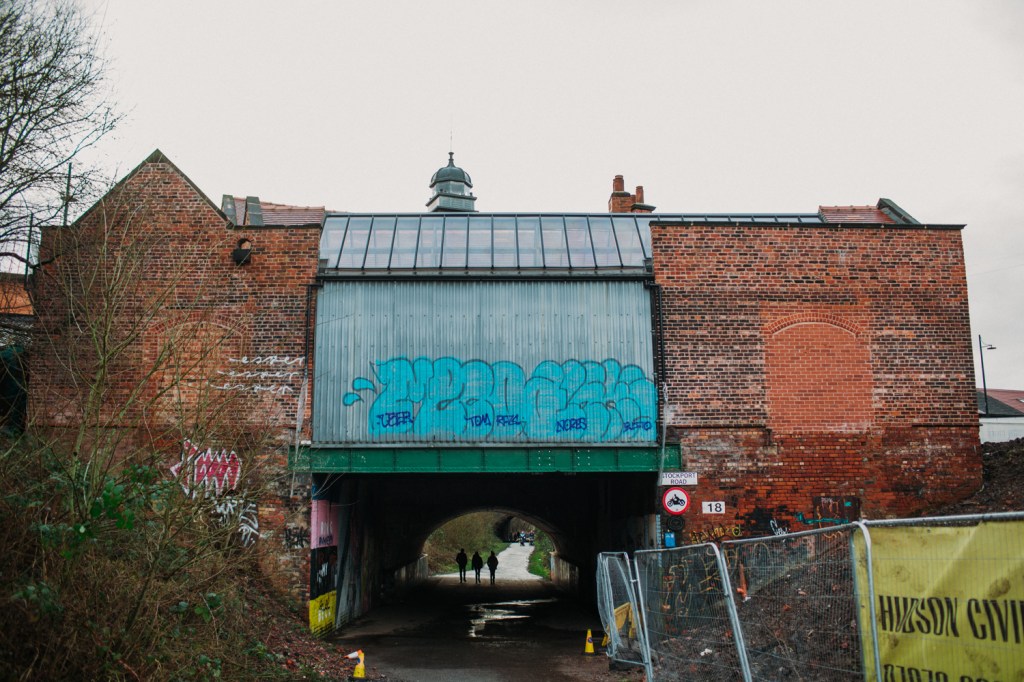
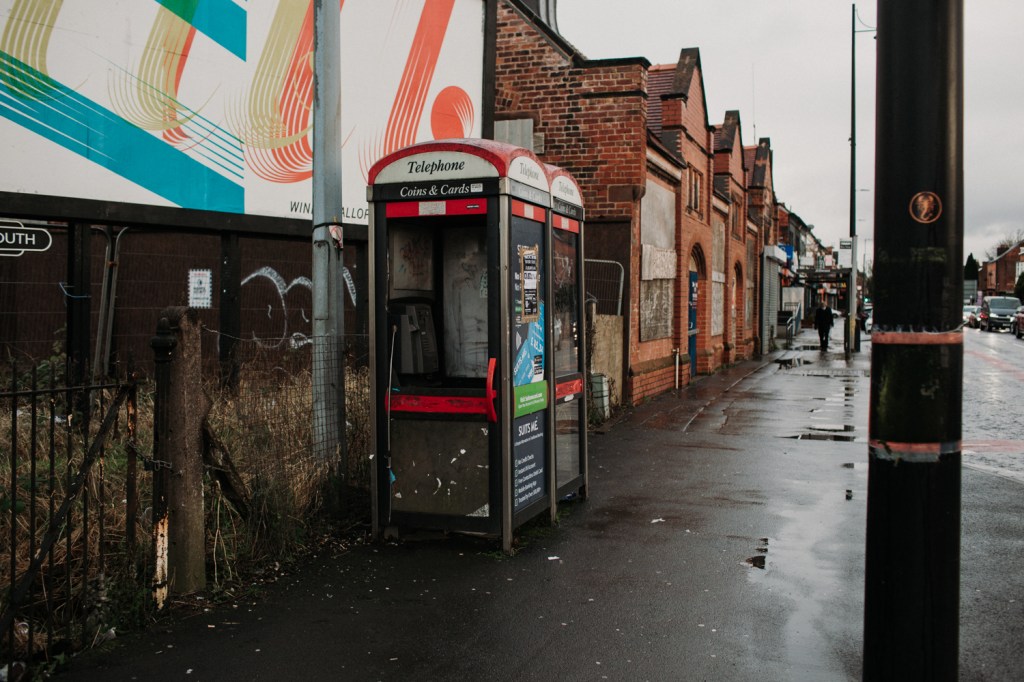
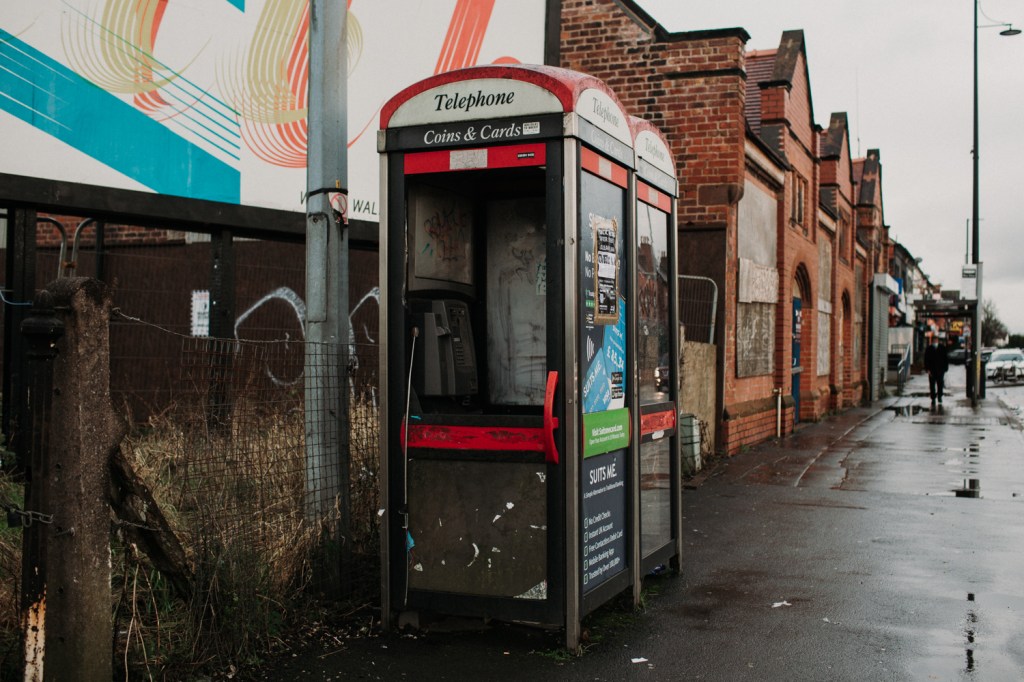
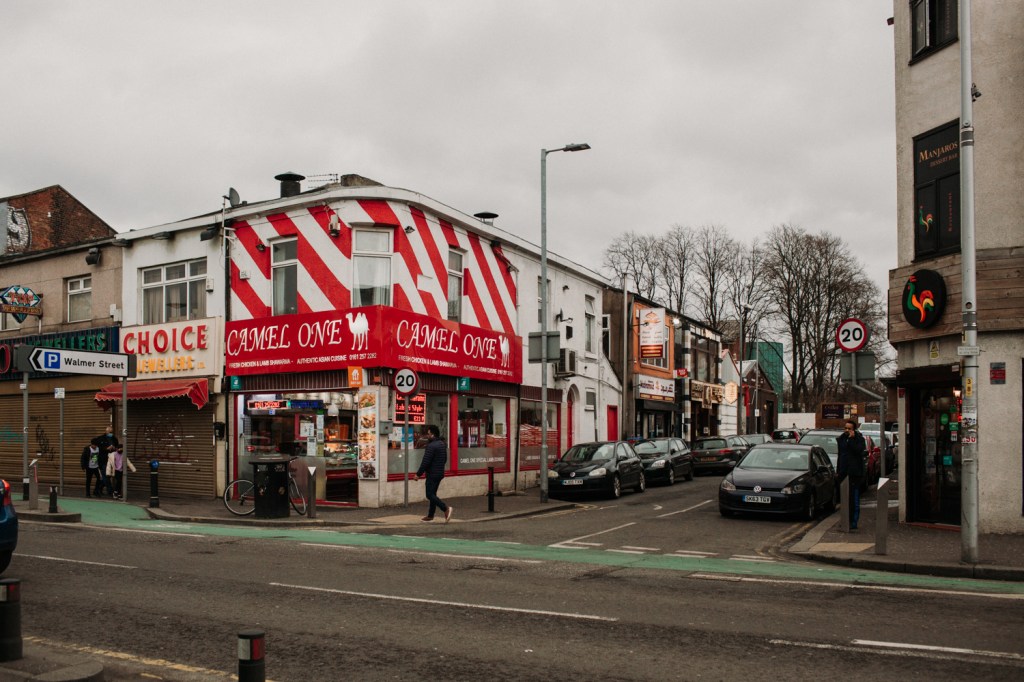
I was quite apprehensive about visiting Longsight. A multicultural, diverse part of Manchester. I know the area well in a visual sense however my understanding of the people of this community is limited beyond the visual.

One of the intentions of my project is to generate a greater understanding of the communities of South Manchester and the main routs that facilitate the distance between Stockport and Manchester. Longsight is a key location however it is also the district I understand the least. It is a suburban area that isn’t the subject of gentrification although multicultural and diverse.

As I frequented the space I felt a sense of unease around my presence, I am unsure whether this was due to the way I looked or the colour of my skin. I didn’t feel welcome. I felt untrusted and a sense of suspicion around. Further factors may have impacted this such as the presence of my camera in or the current social distancing measures. However, I ambled around the shops and built up area, positioning myself as an observer of the local vernacular.

I was struck by the amount of fresh fruit stalls and the people shopping, ladies wearing head scarves and groups of males engaged in what seemed to be serious discussions, all in different languages.

Having scouted the area for twenty minutes or so I decided to approach people to ask if I could take some photographs. On each occasion I was met with an abrupt response of ‘no photograph’ or something to that effect. At points I felt attitudes towards me went beyond suspicion, venturing into the realm of active dislike.

When I returned home I begun to reflect on my experience and question my own perspective in addition to trying to identify with the perspectives of others about my presence. In wanting to further my understanding my reflections then moved away from specific events and I begun to research the idea of social construction and discourse. As a result I came to a conclusion that my experience did occur, but was it a truthful representation of Longsight or was it my own truth of visiting the area. Was it a truth or representation of realism at all? Burr (2003: p7) states

‘Social construction denies that our knowledge is a direct perception of reality. In fact it might be said that as a culture or society we construct our own versions of reality between us.’

Burr’s ideas, appear to advocate the abandonment of any opinions or conclusions i have made regarding this experience. In favour of a broader understanding of why I was there and what impact my presence may have had on others. In occupying this space my ability to experience the reality of this area and represent it is impossible.

I then begun to consider my reasons for being there and understand that my intention is to represent my own experience of someone who has spent a lifetime passing through the area. This leads to the conclusion that this space is used used in a number of ways beyond those that live and work there. My experience of this space is that of someone who passes through. I am not integrated within this community. Burr further states that there are multiple ways of seeing the world, therefore the result of this shoot may be used to reinforce my own perspective of being an ‘outsider’. A respectful outsider with a lack of understanding of how this community functions beyond the surface.

As a result of this shoot I was hoping to make some useful interactions with people and possible make some portraits however the lessons I learned are as useful as the work I have been making recently. I now possess a better understanding having visited this place.

Going forward, I need to consider how I will balance the representation of this place alongside the narrative I intend to pursue. How deep should I engage with this space? And in what context is it relevant?

Burr, V. (2003) Social Constructionism, Second Edition. Routledge, London.

Shoot 3 | Fletcher Moss

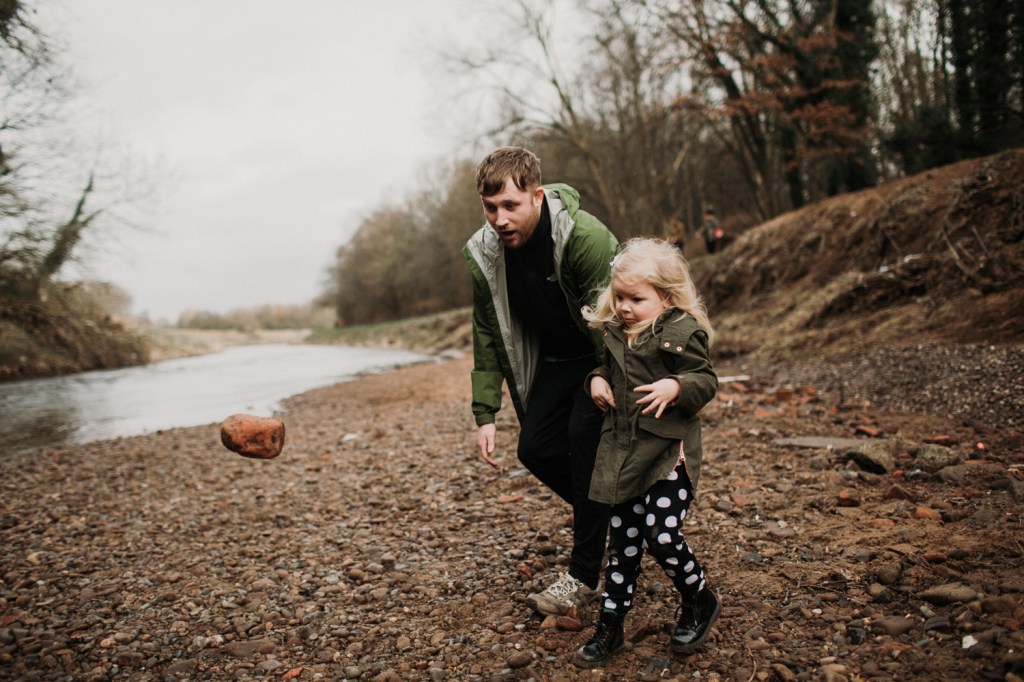
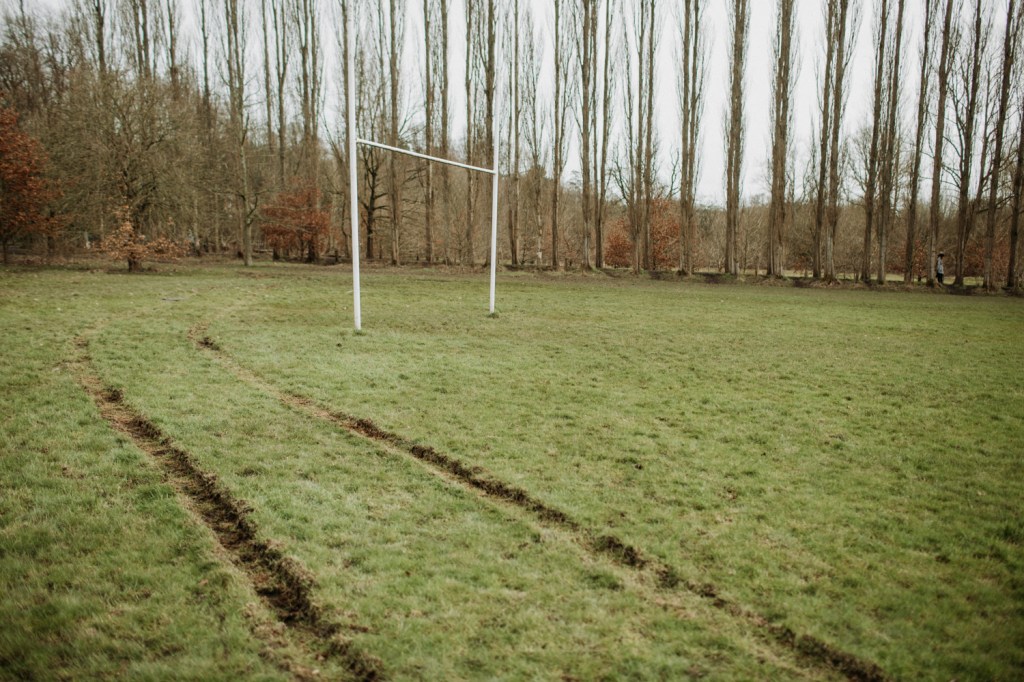
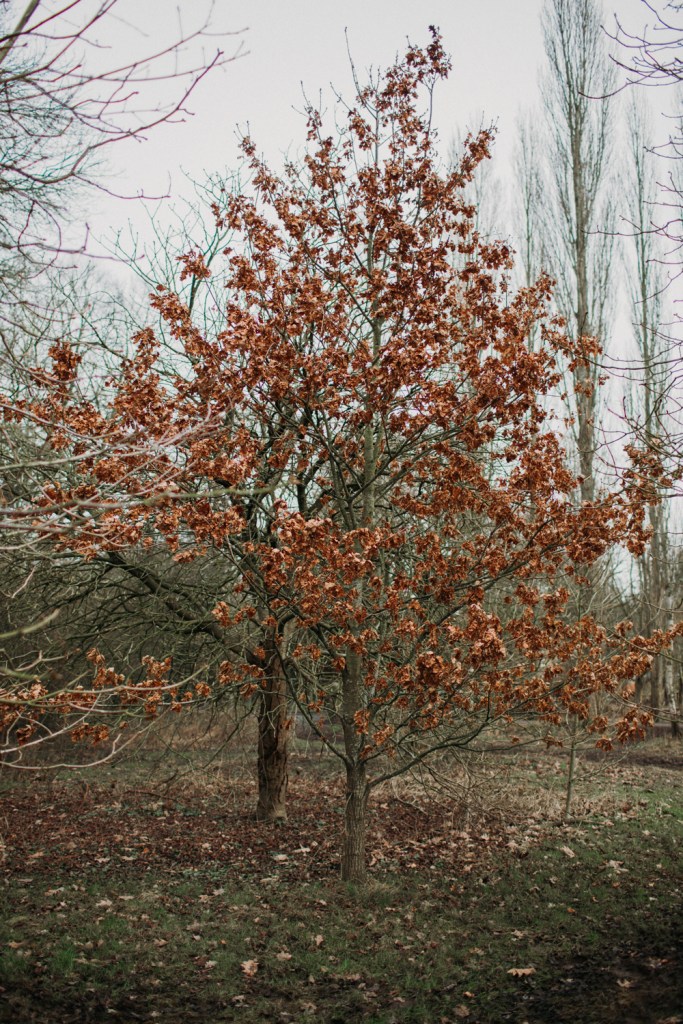
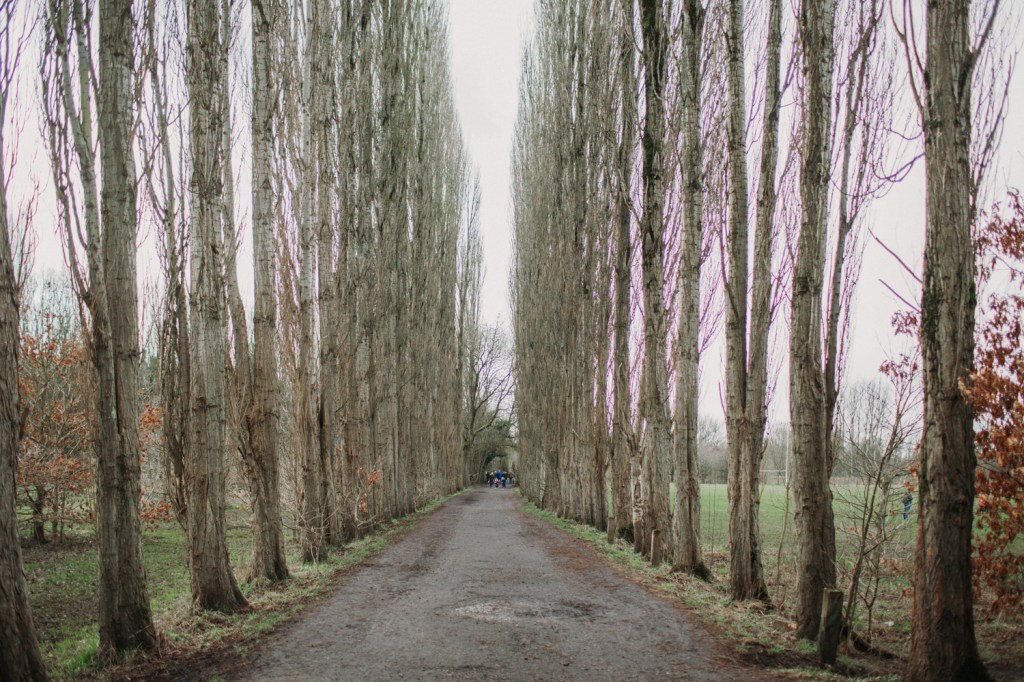
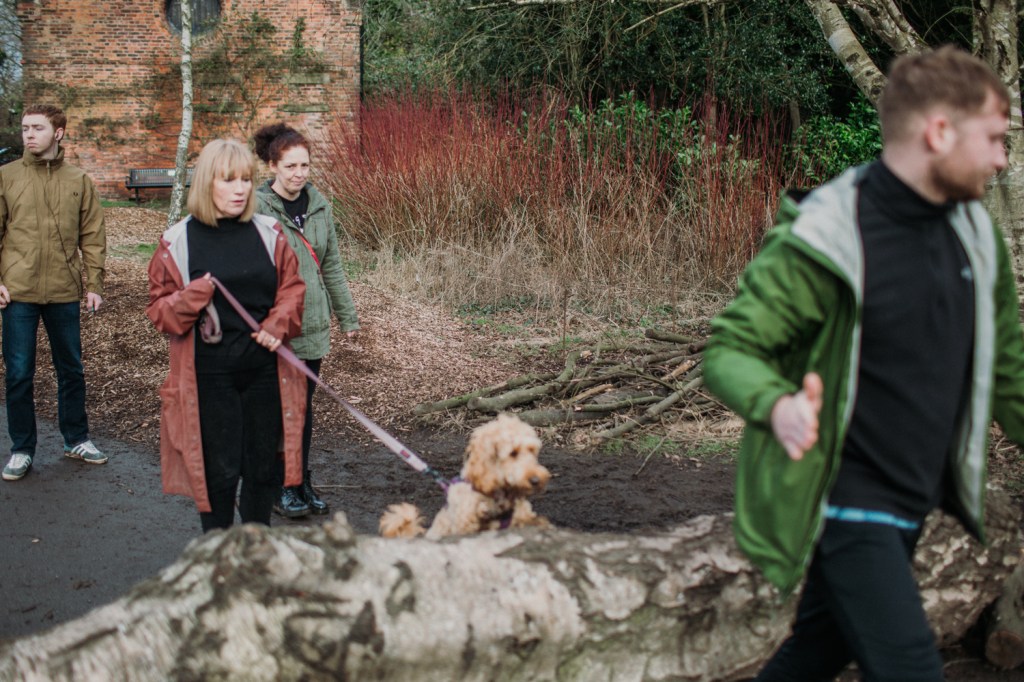
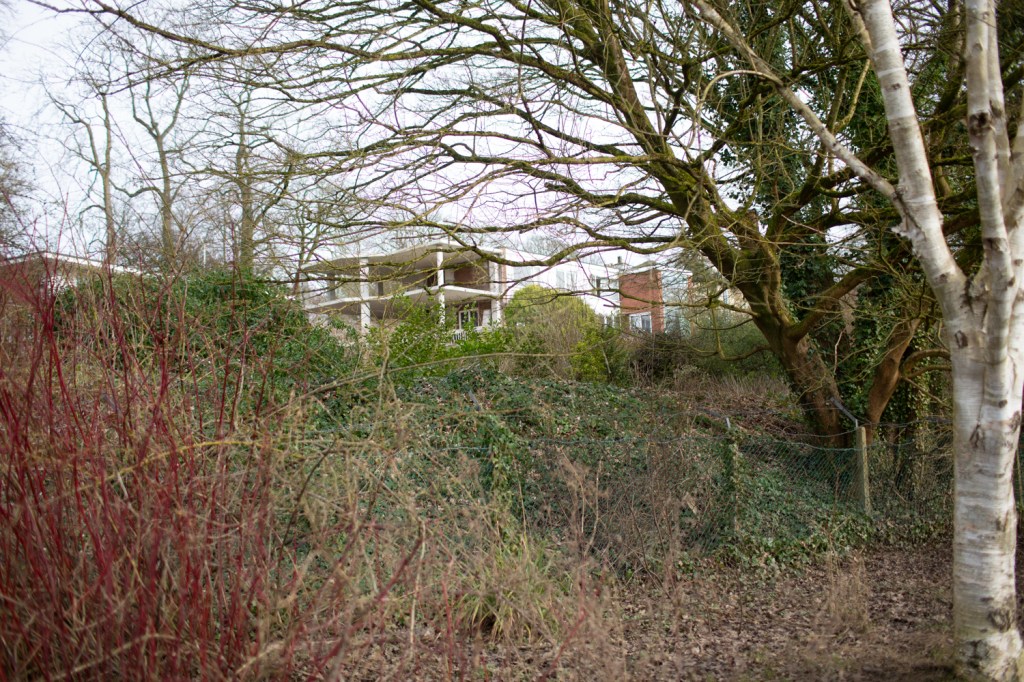
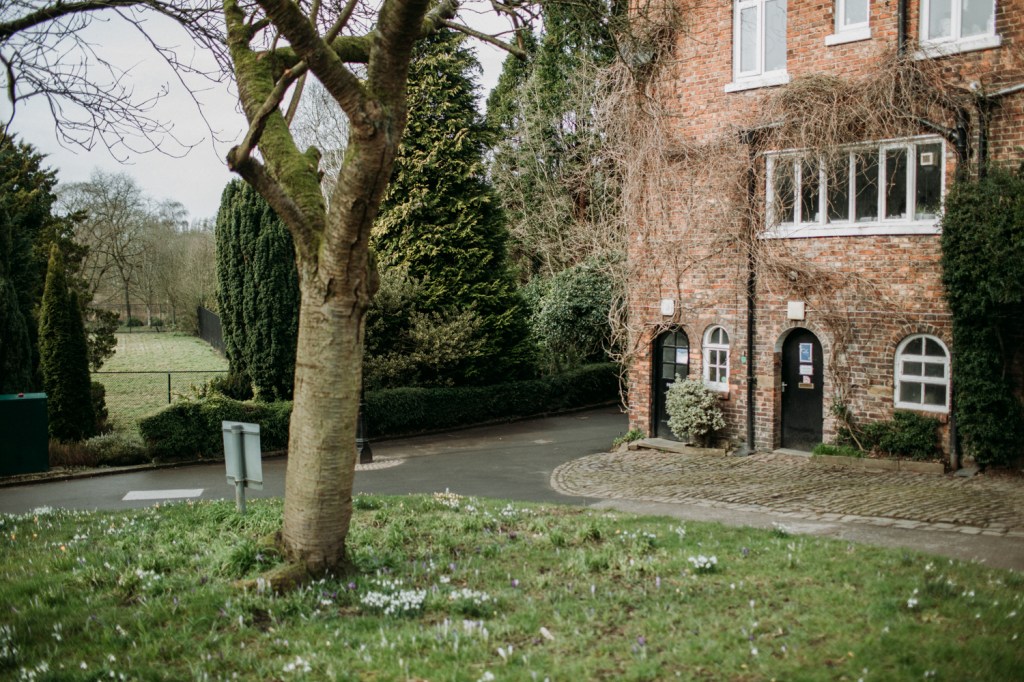
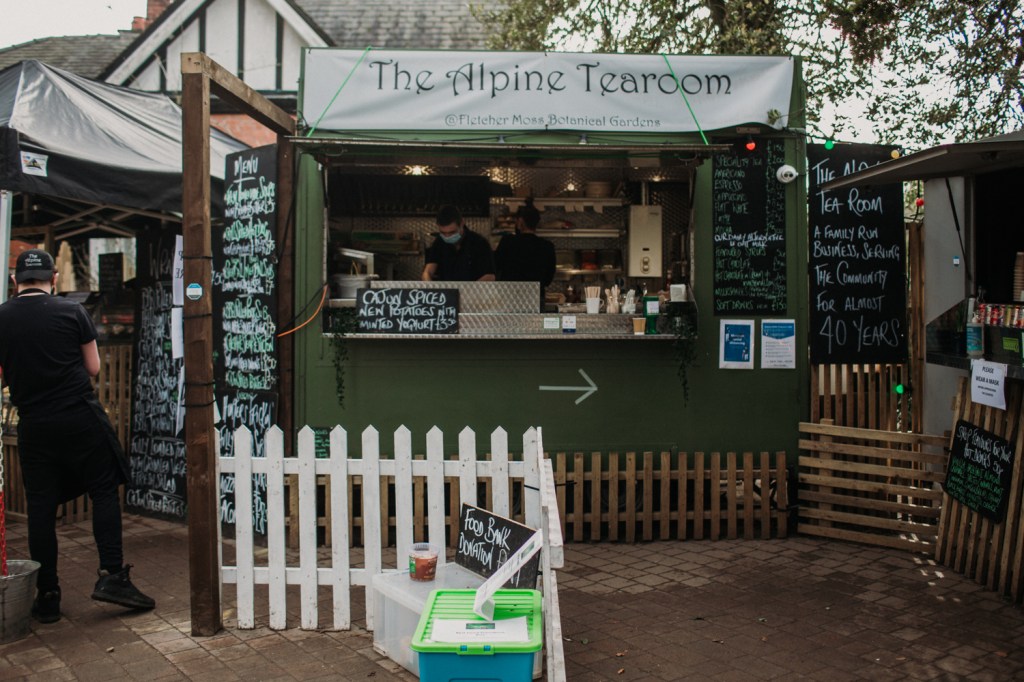
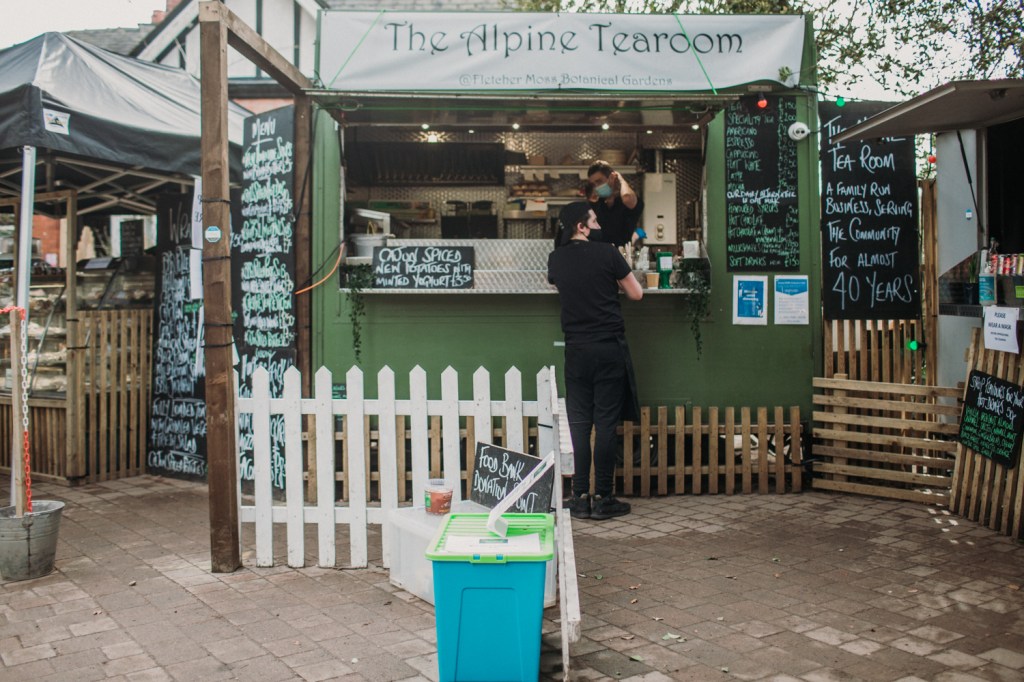
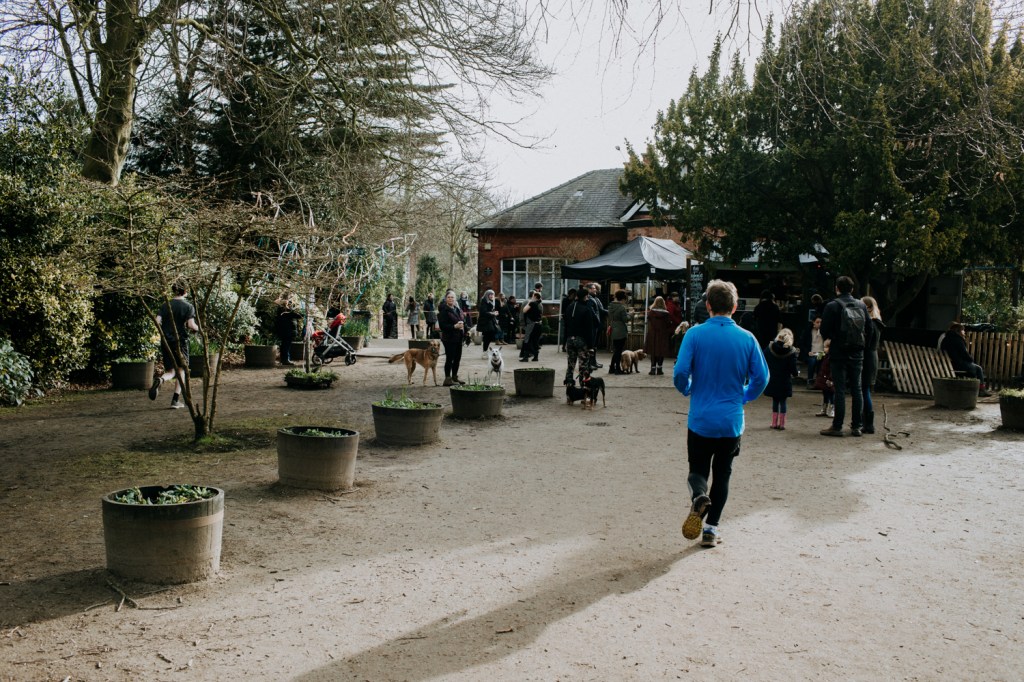
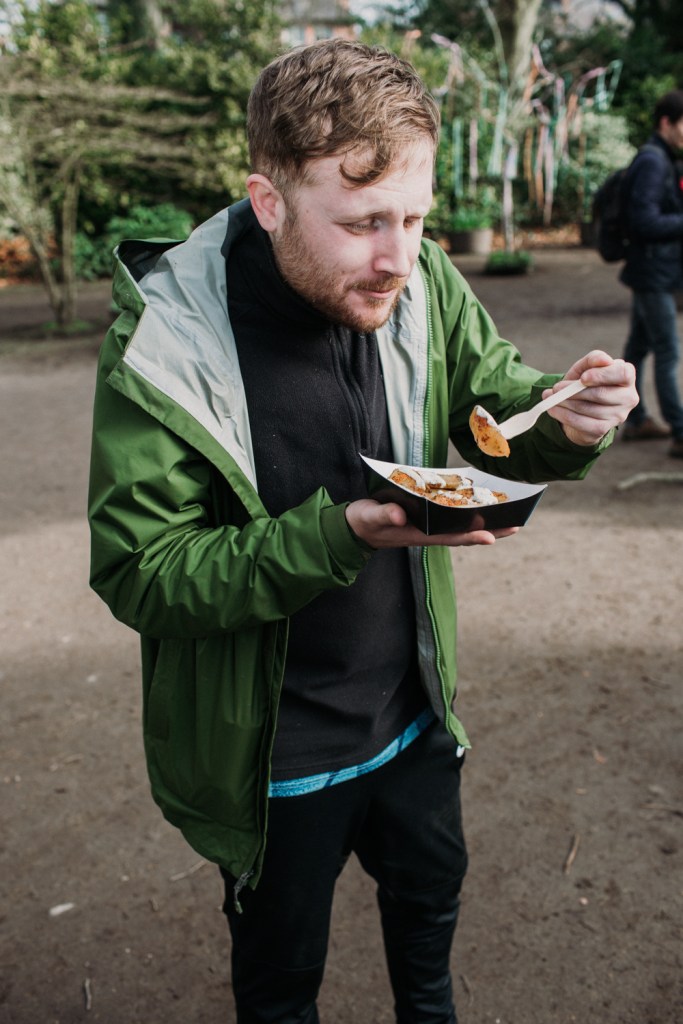
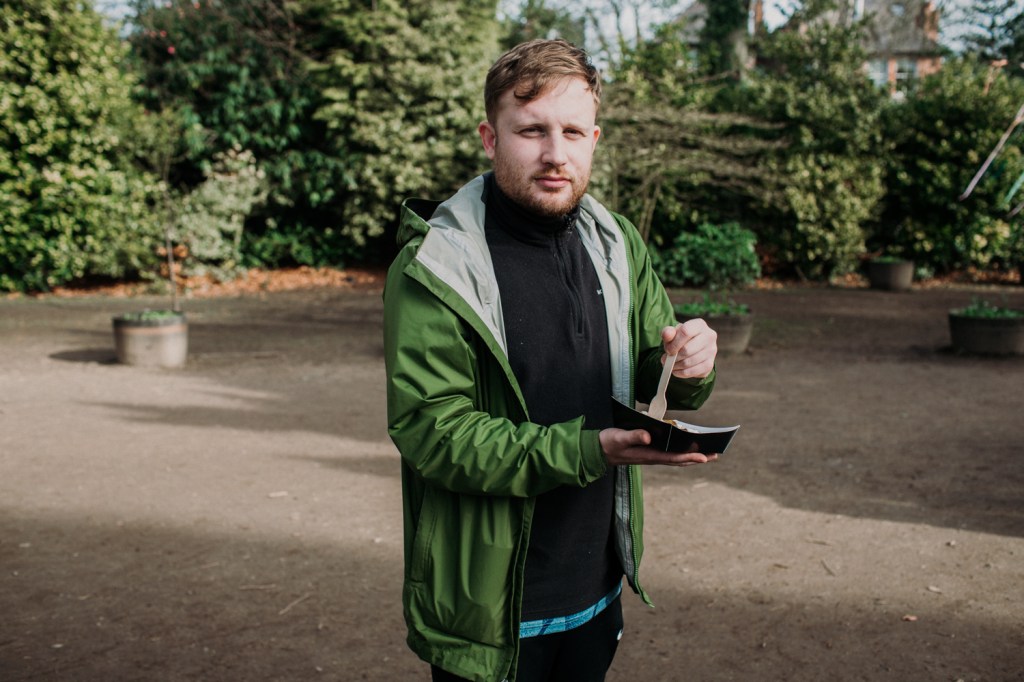
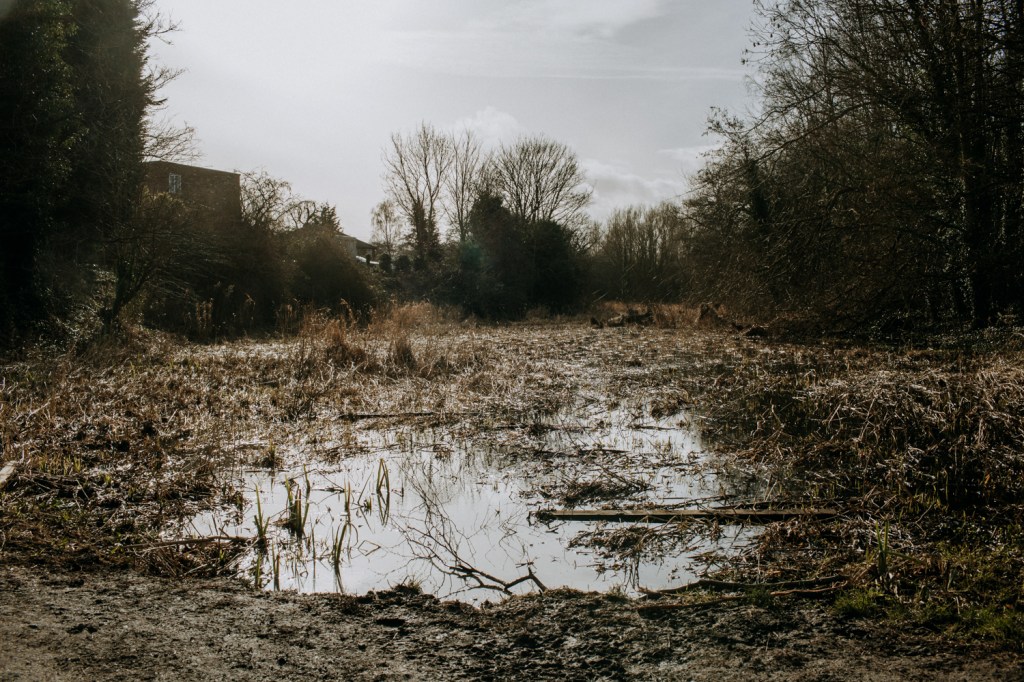
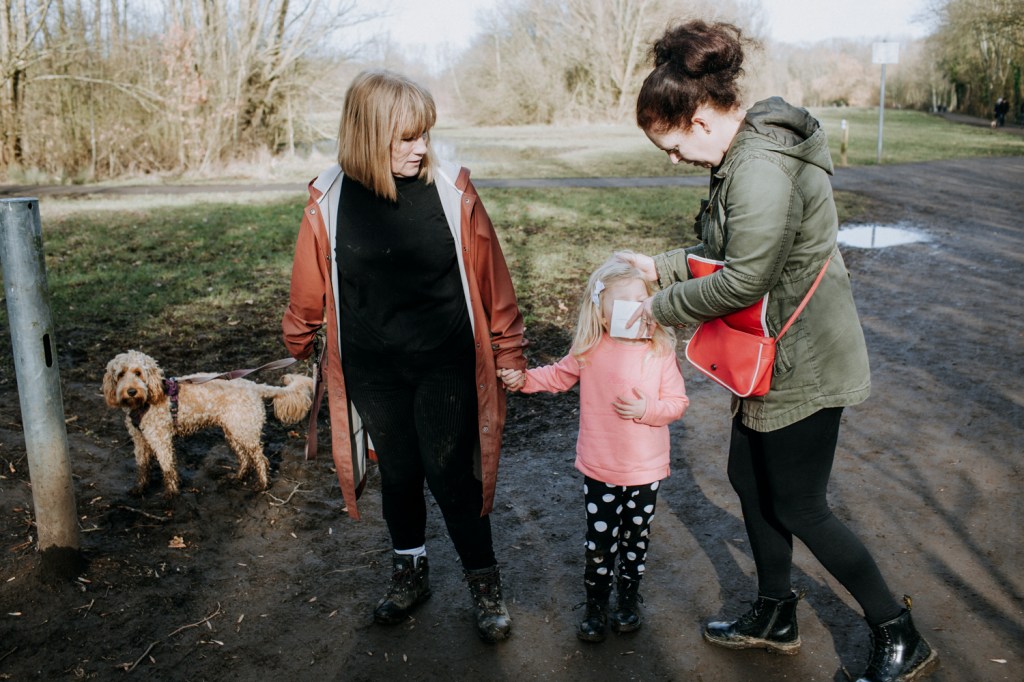
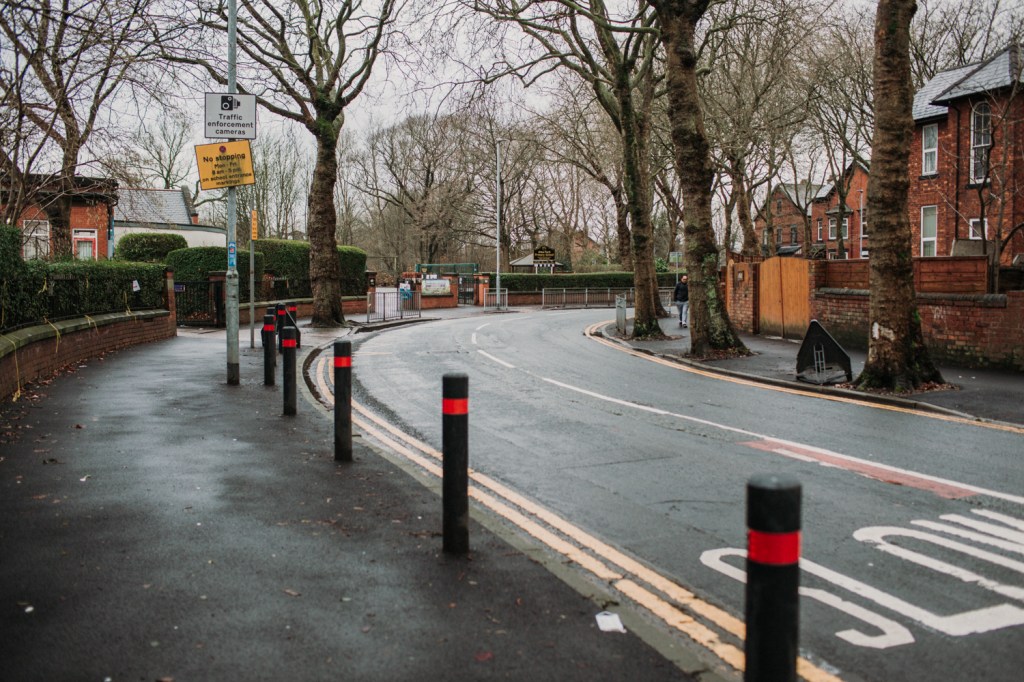
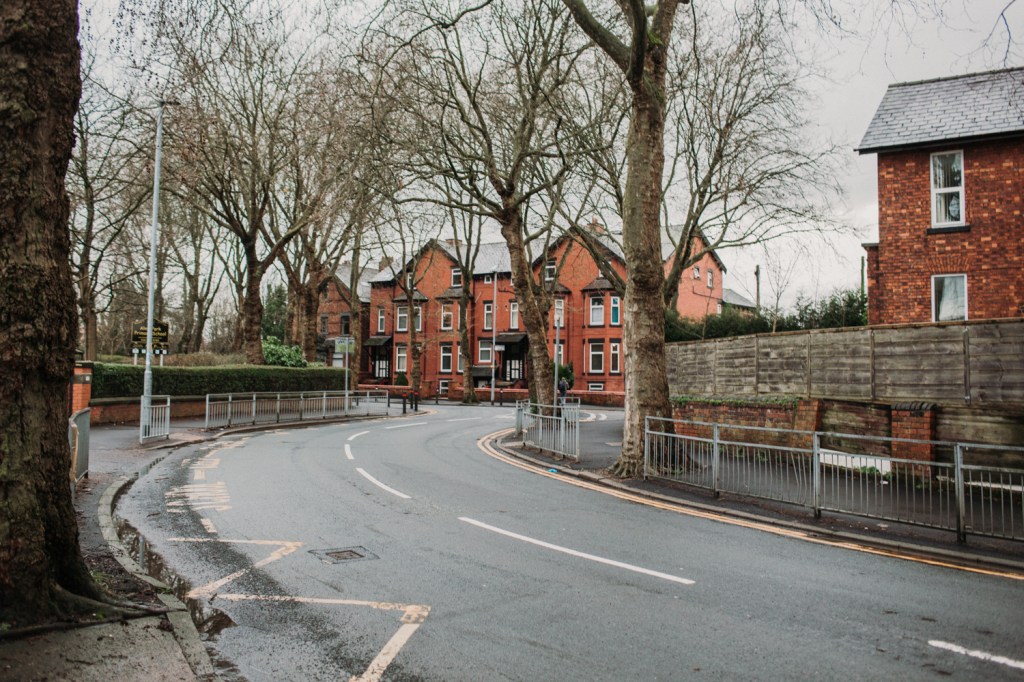
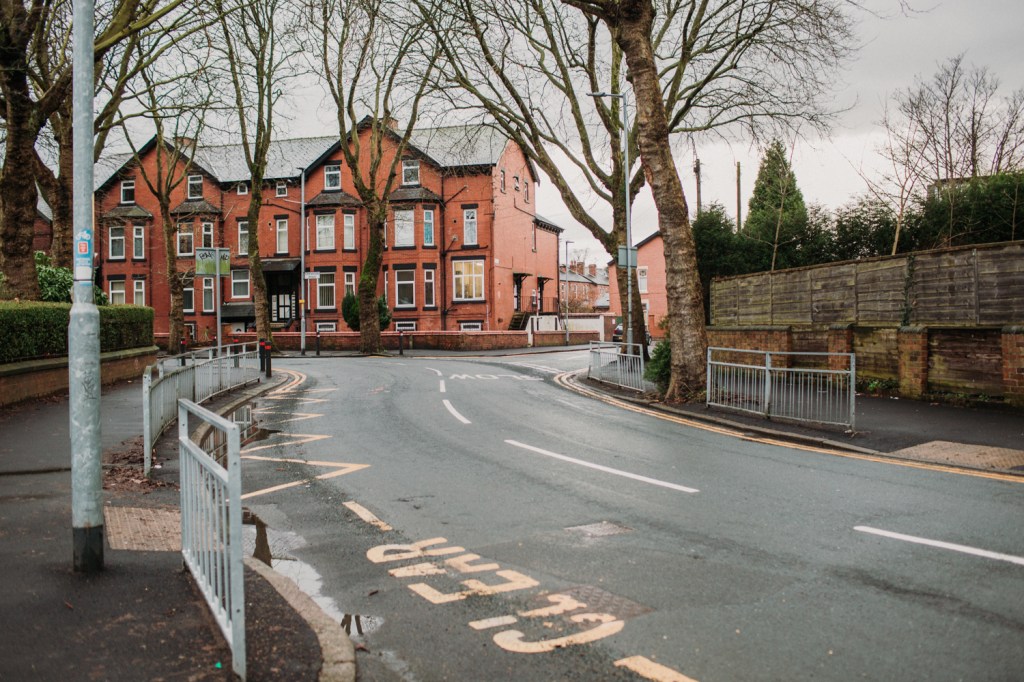
Before this shoot I wasn’t sure how the project was coming together, as I usually shoot in a digital format with a zoom lens I can quickly adapt to situations. However, throughout this project I have decided to shoot only using a 35mm lens in an attempt to think more about my work and work harder to identify vantage points.

Furthering my reflections of the work of Sian Davey I previously highlighted the sense of intimacy within her work. Upon deeper research and reflection, I see her work as being very much rooted in the present. This was an element that occurred to me while on this shoot.

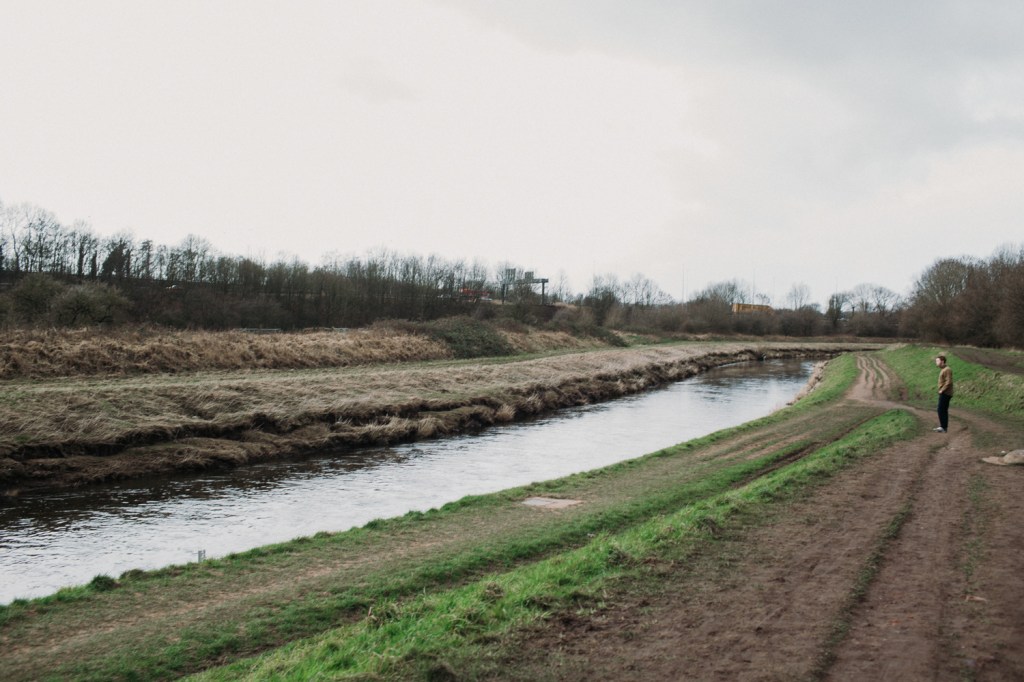
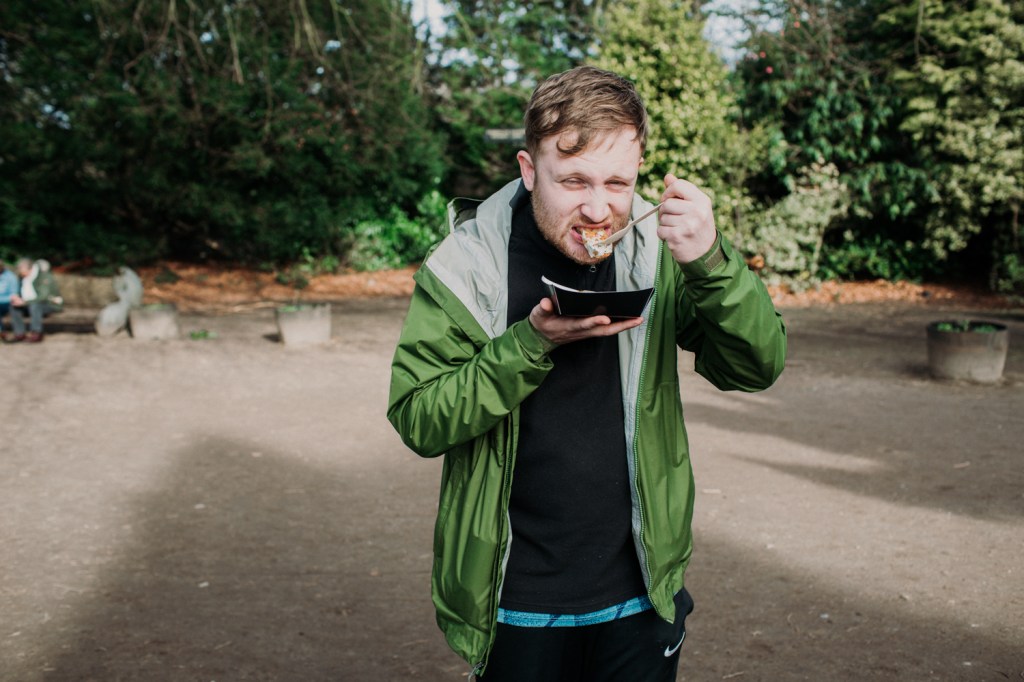
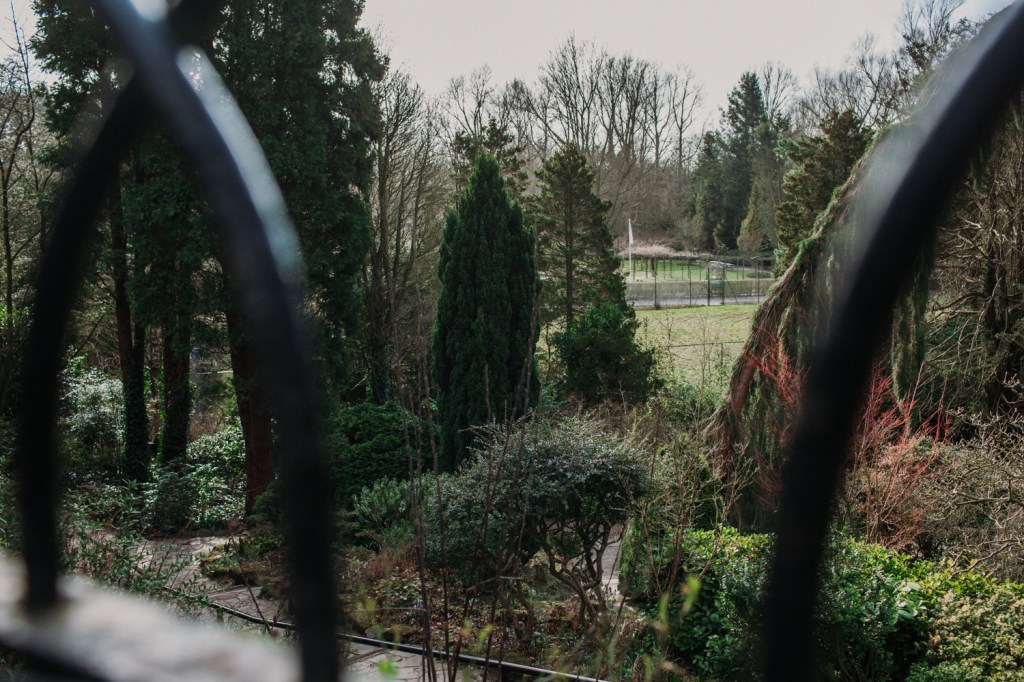
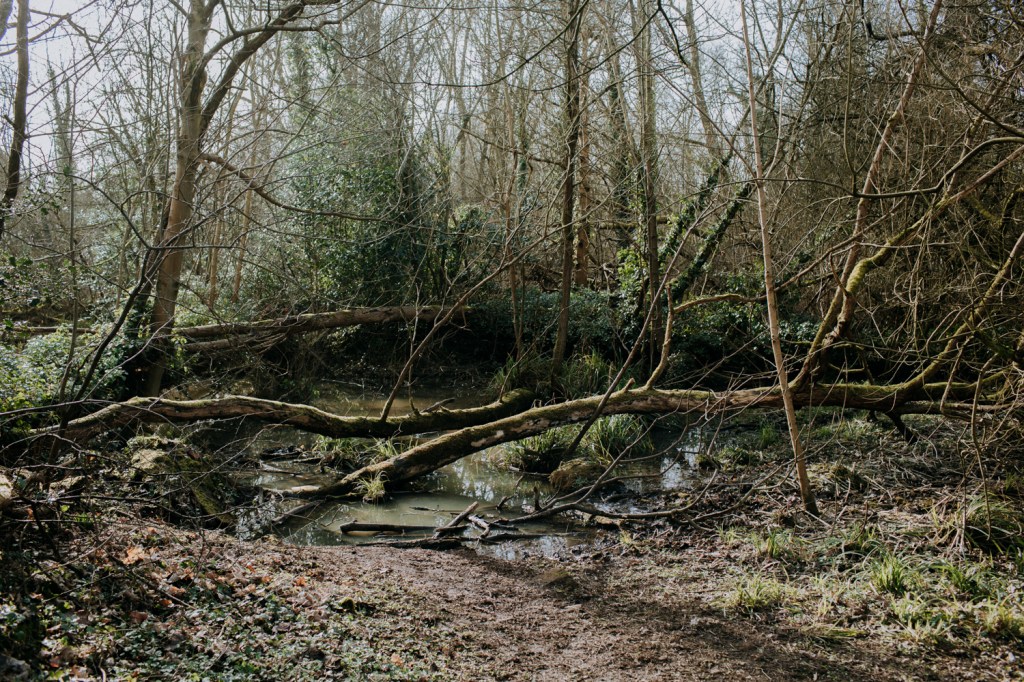
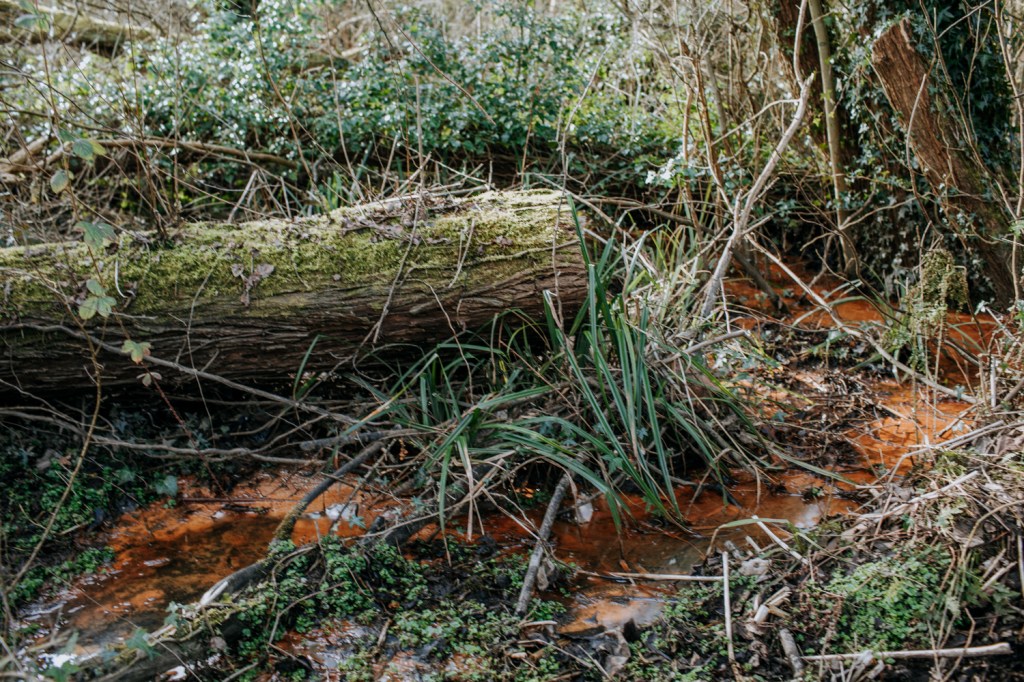
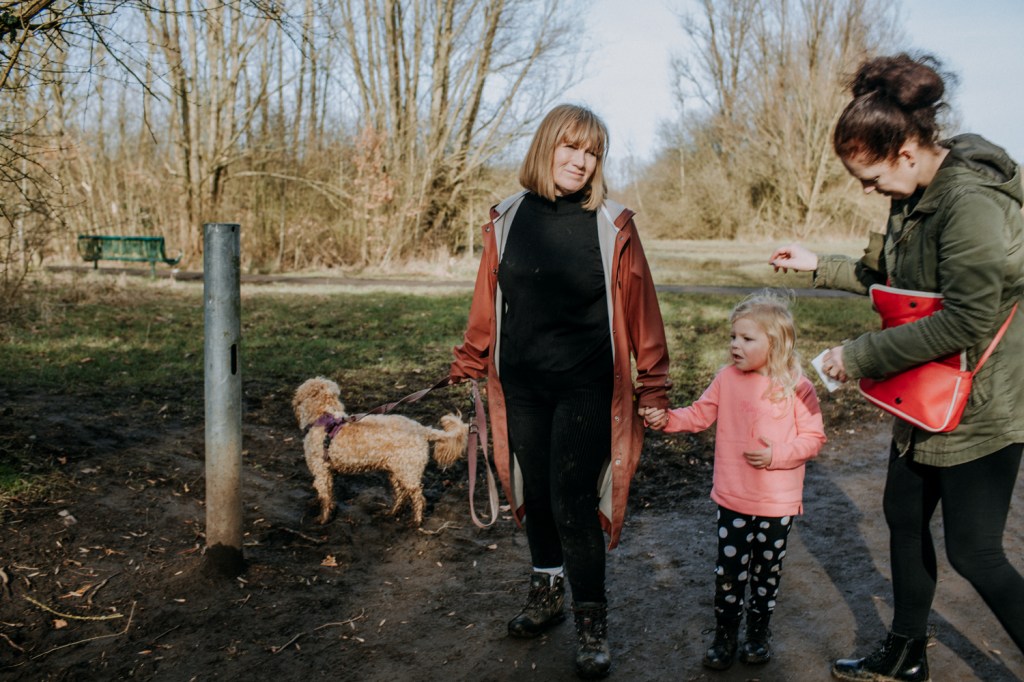
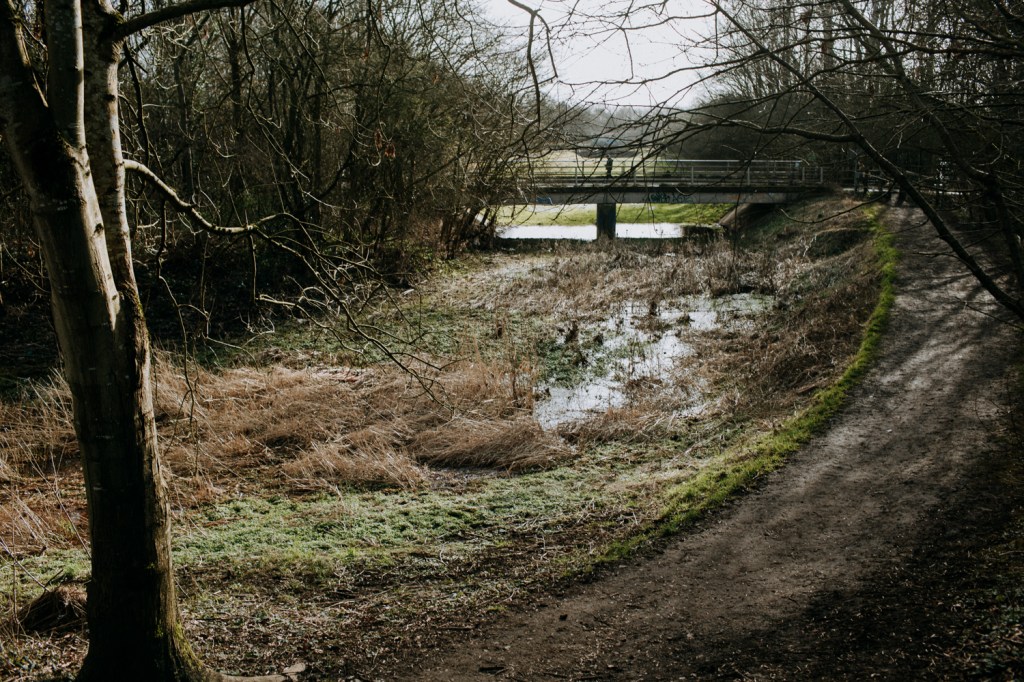
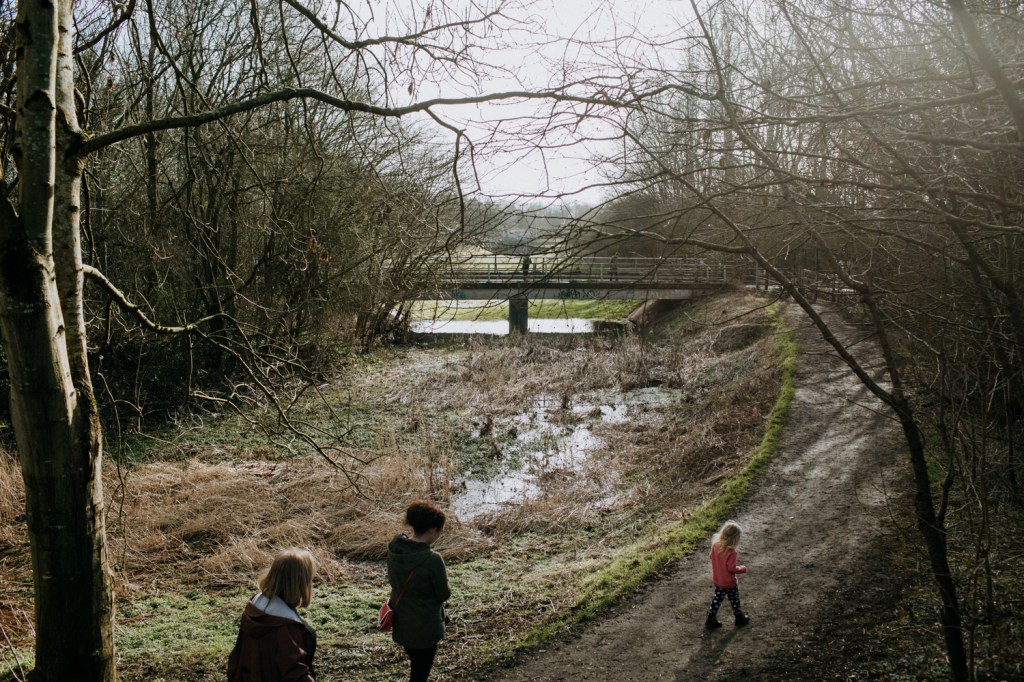
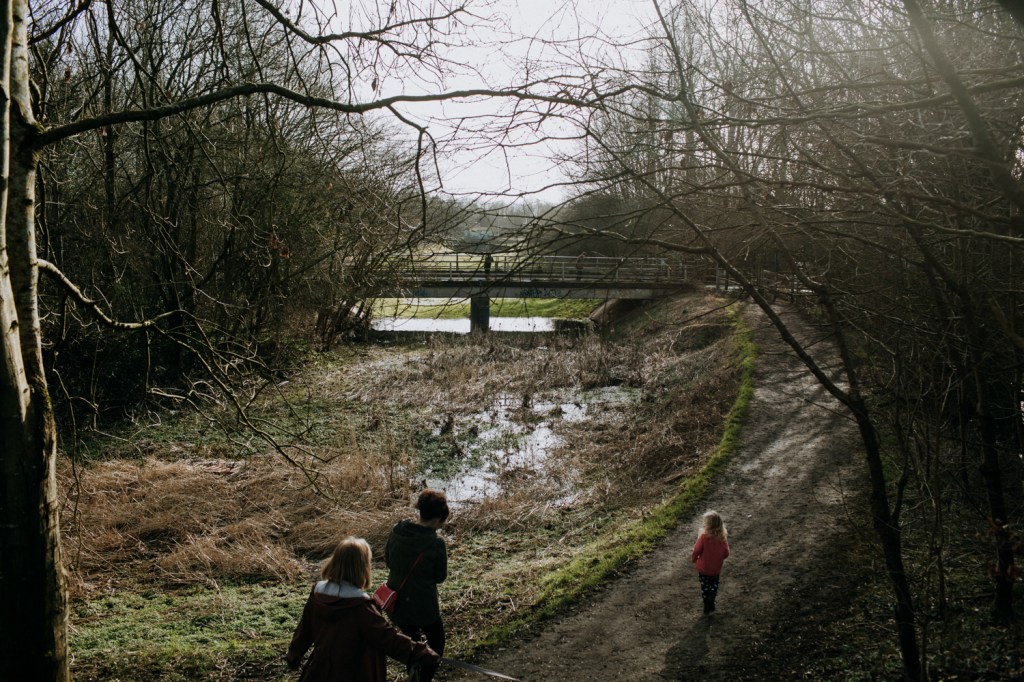
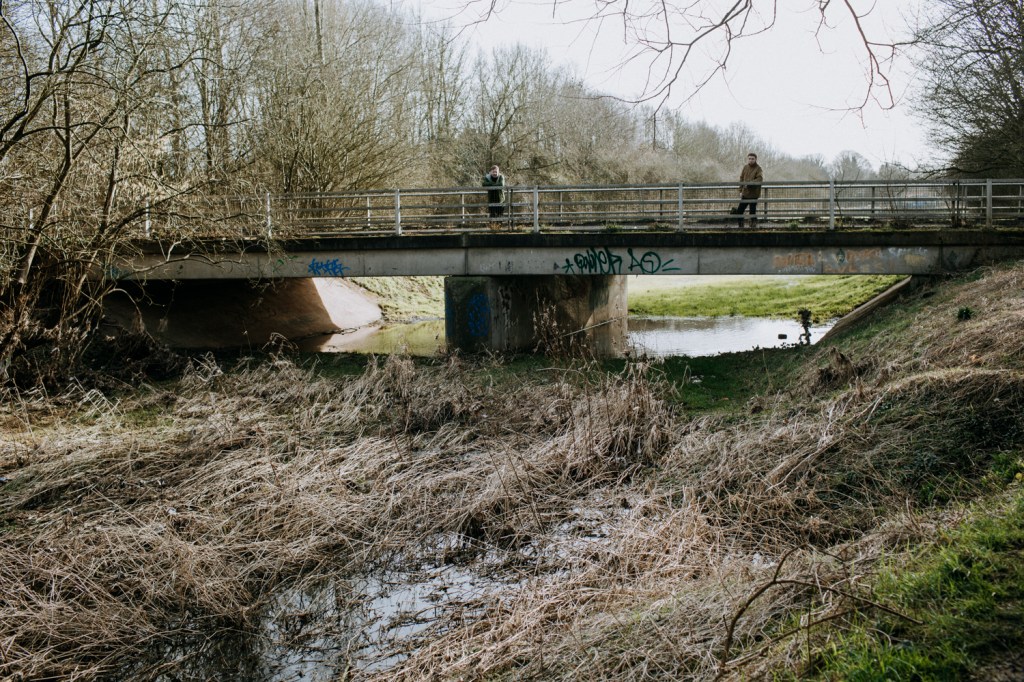
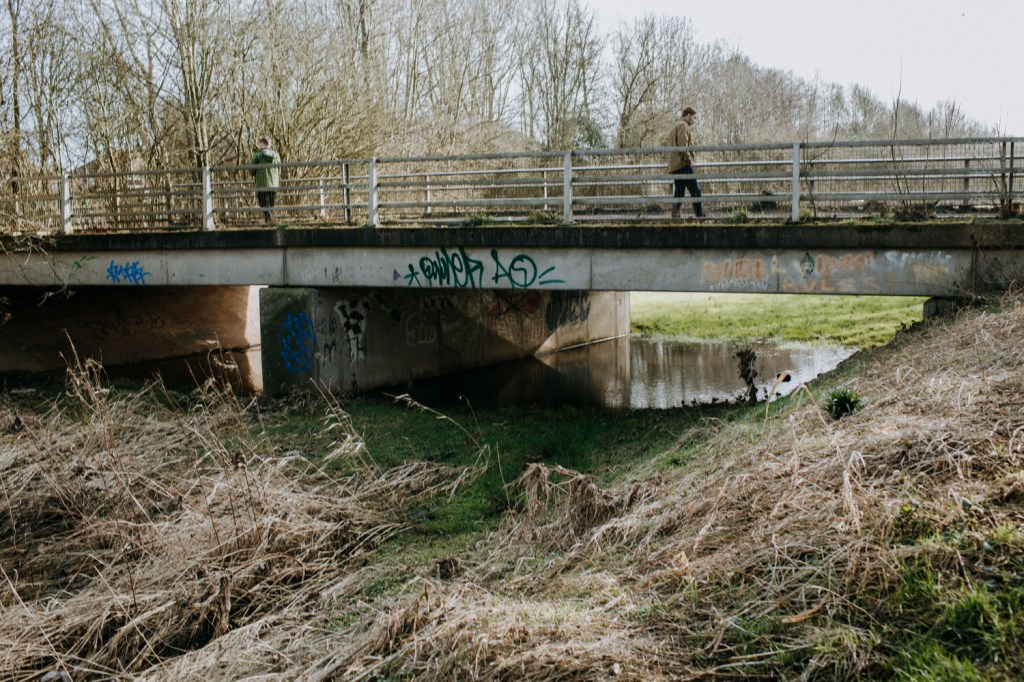
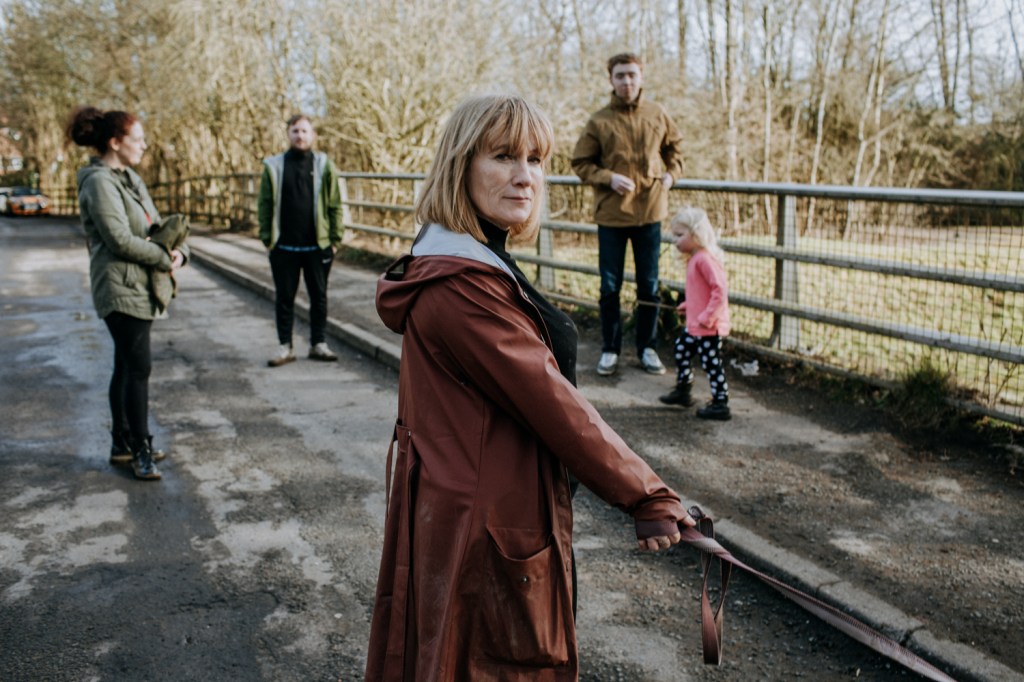
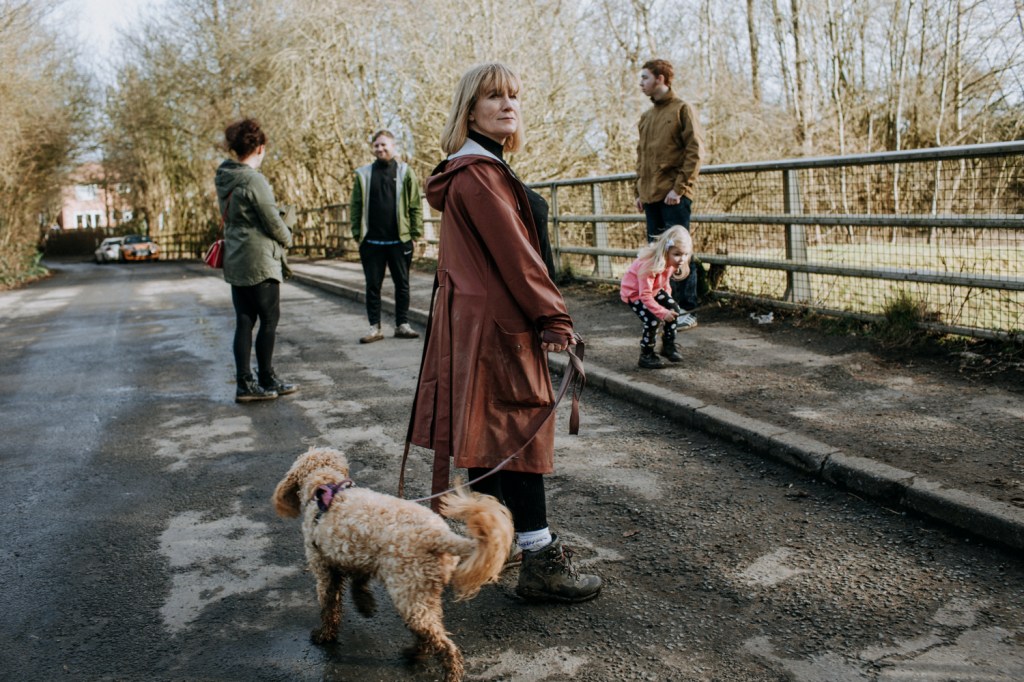
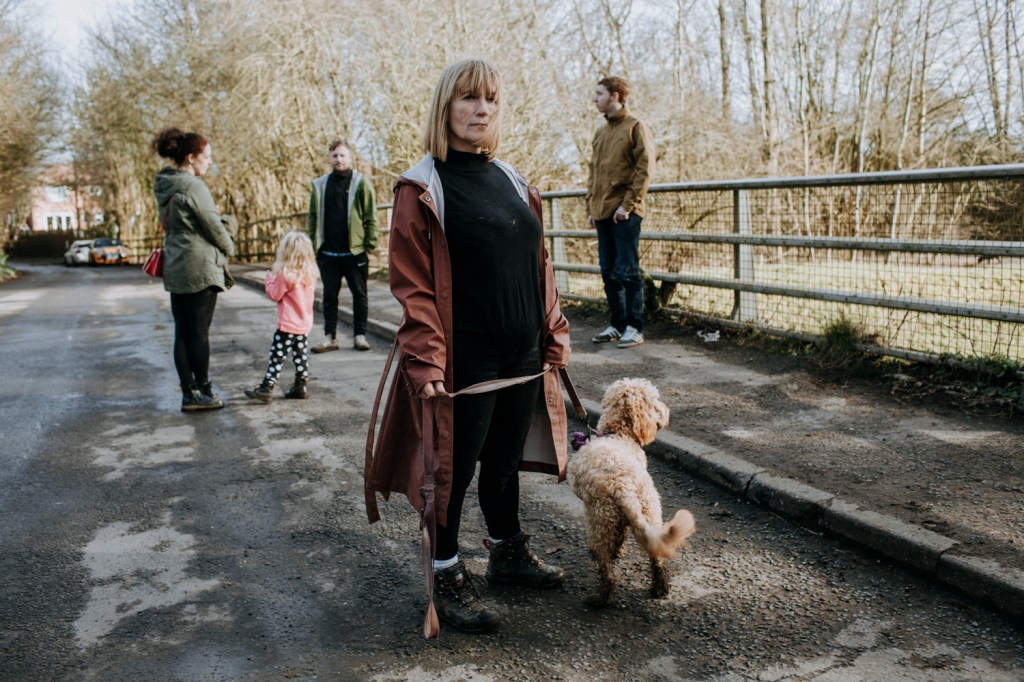
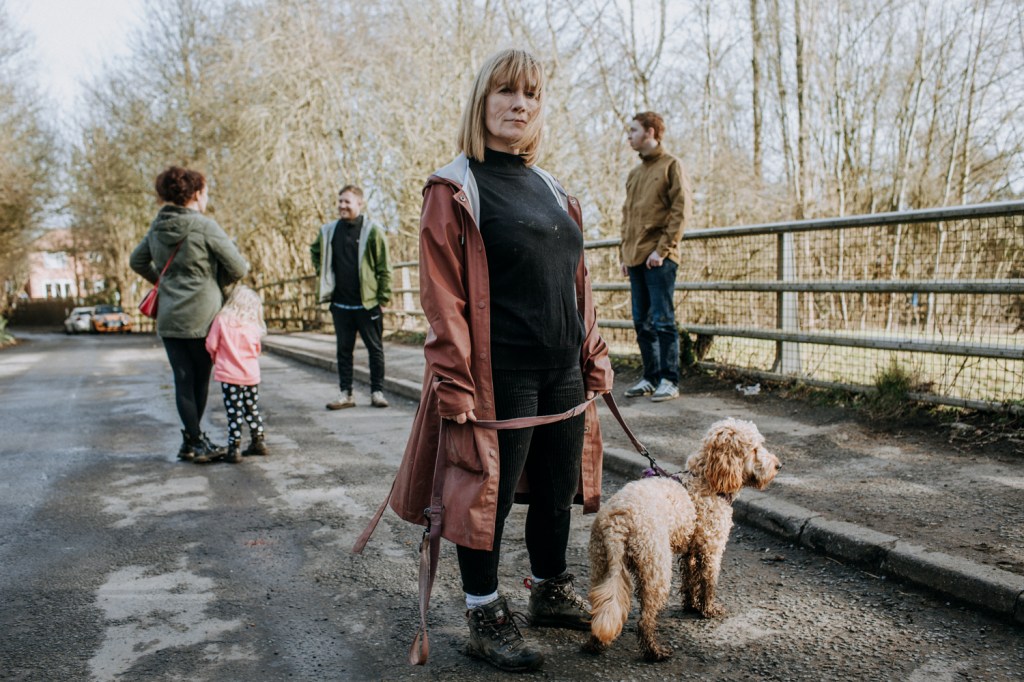
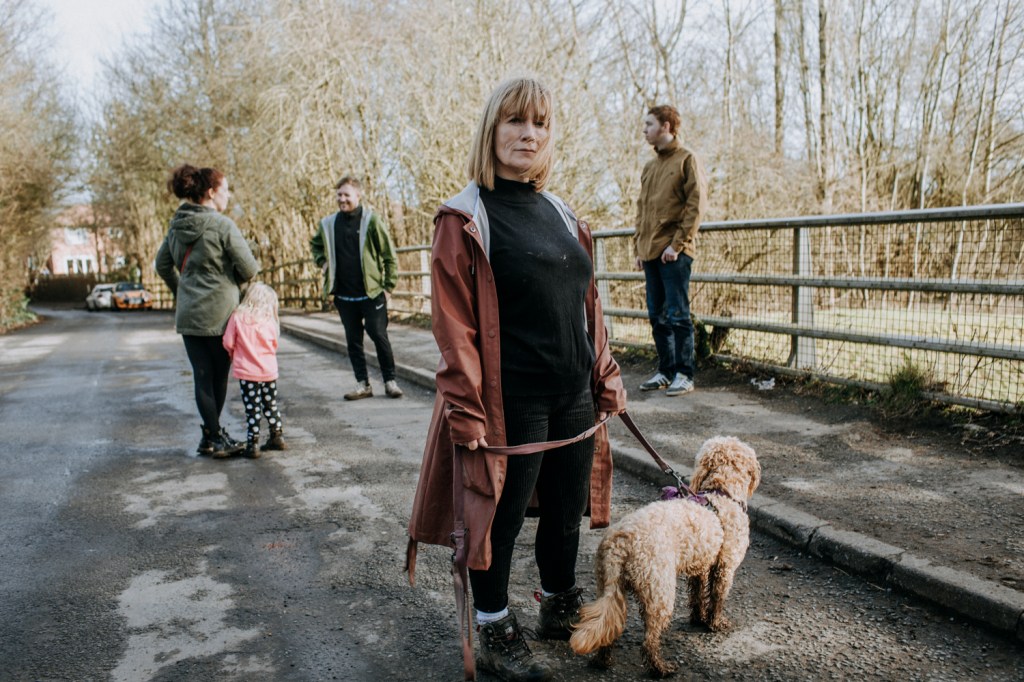
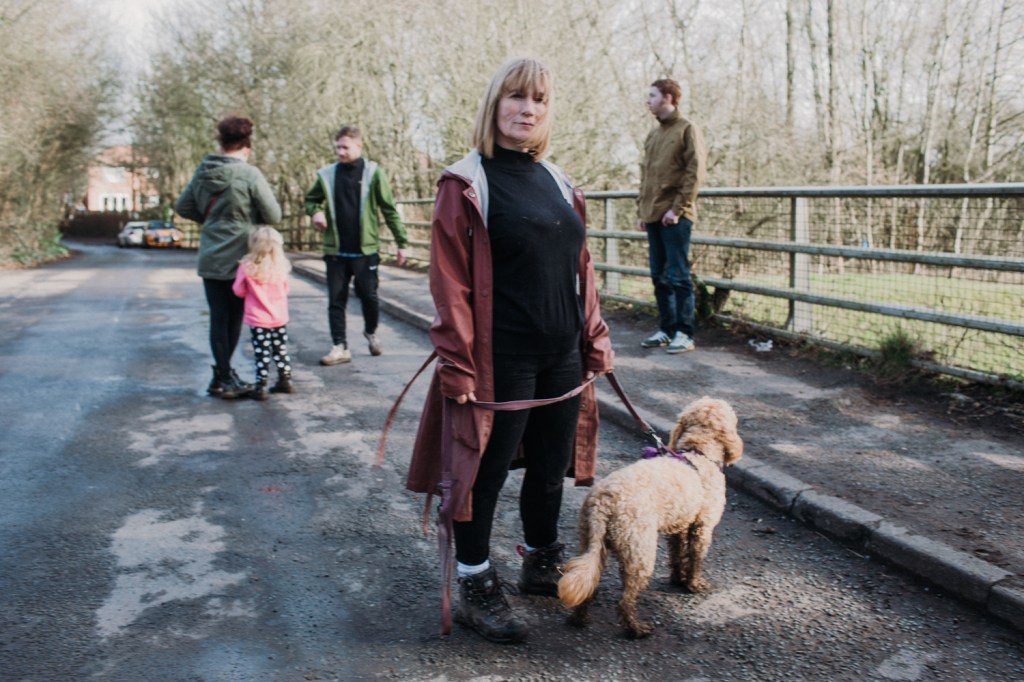
Having previously stated that my work would be the result on an ‘insider’ I used a family walk to engage with this idea. Still trying to interpret and fully reflect on this shoot I feel that I have realised a range of intentions that align with my project:

Making work that is situated in the present

Identifying opportunities to represent a mediation of culture and environment

Making work insular

I am pleased to be considering these themes as the shoot served to alleviate some anxieties I have about the emotional nature of a new project. Furthermore, I see this work possibly making up a small part of a much bigger story. When making work of late, perhaps wrongly or right, I am continually thinking about where work such as this may fit within a broader theme.

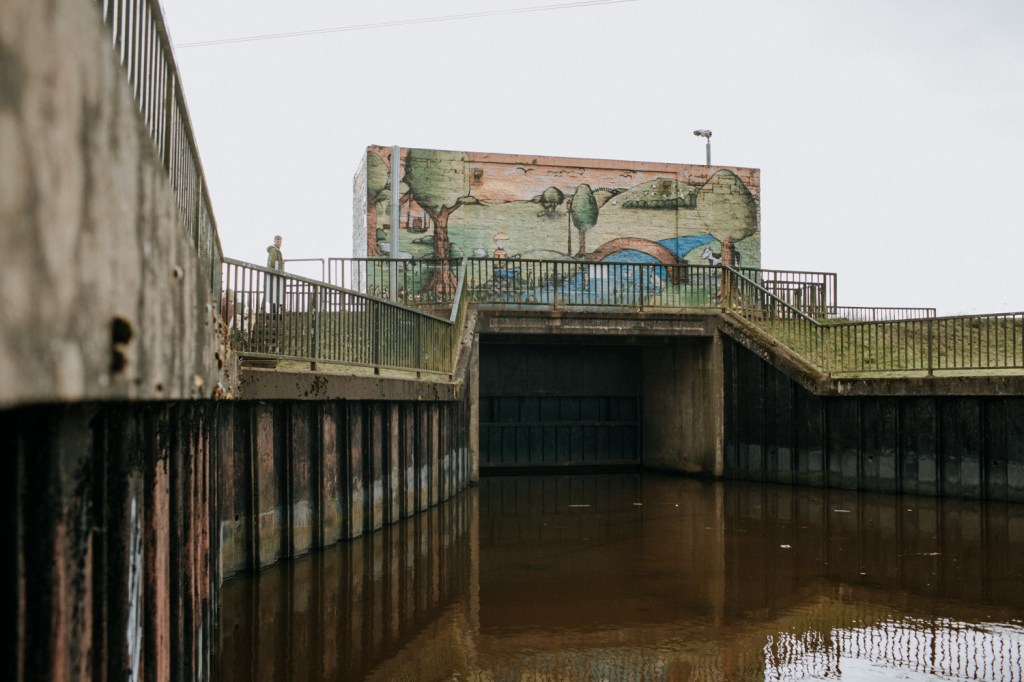
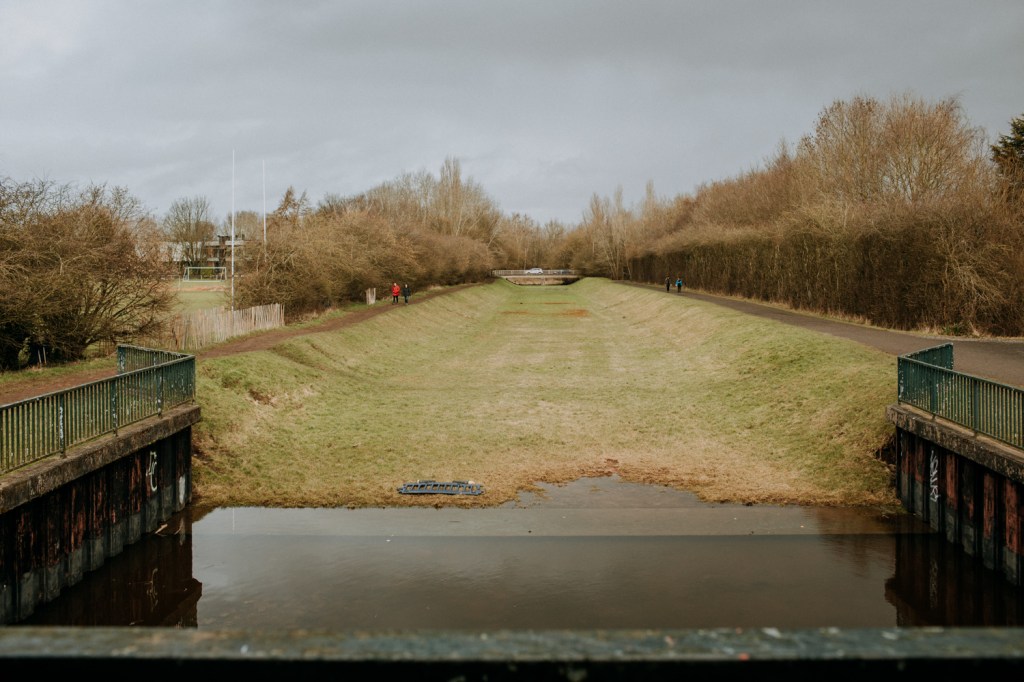
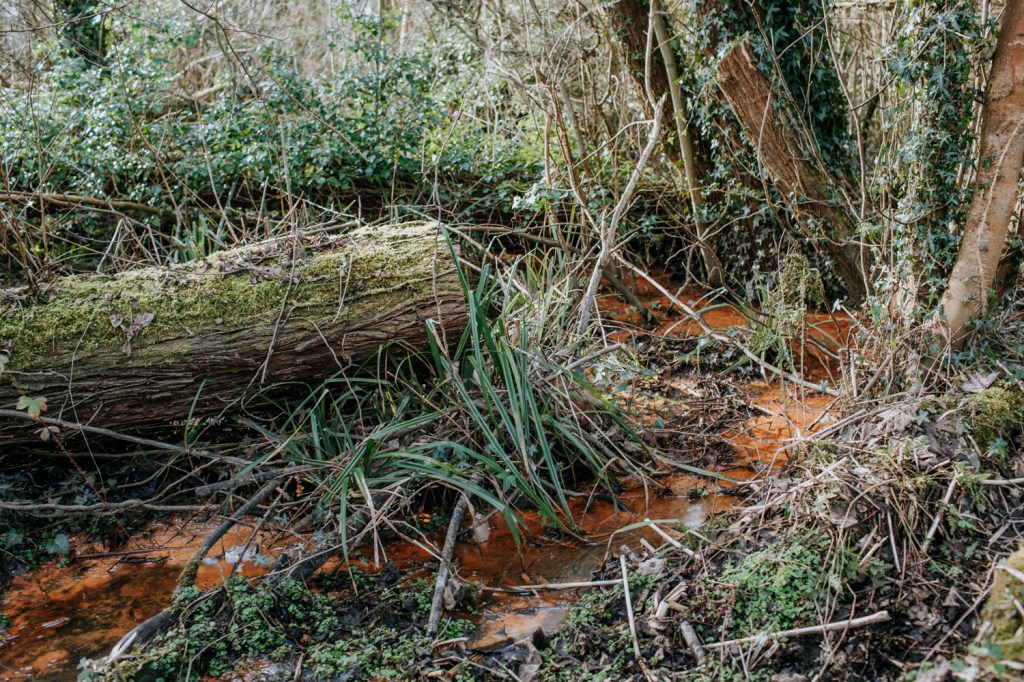
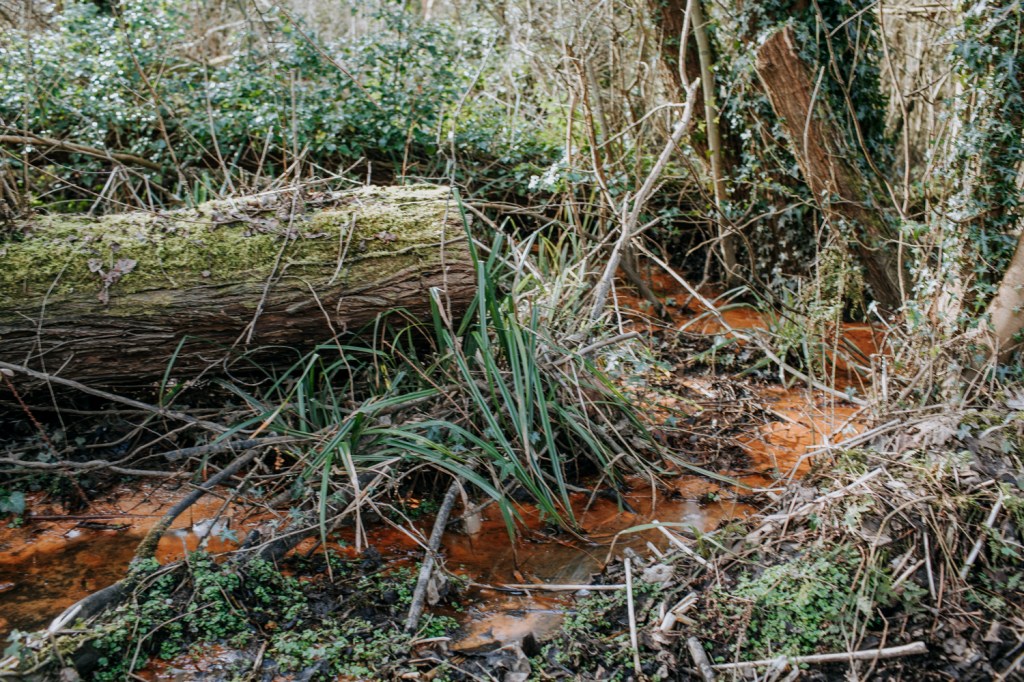
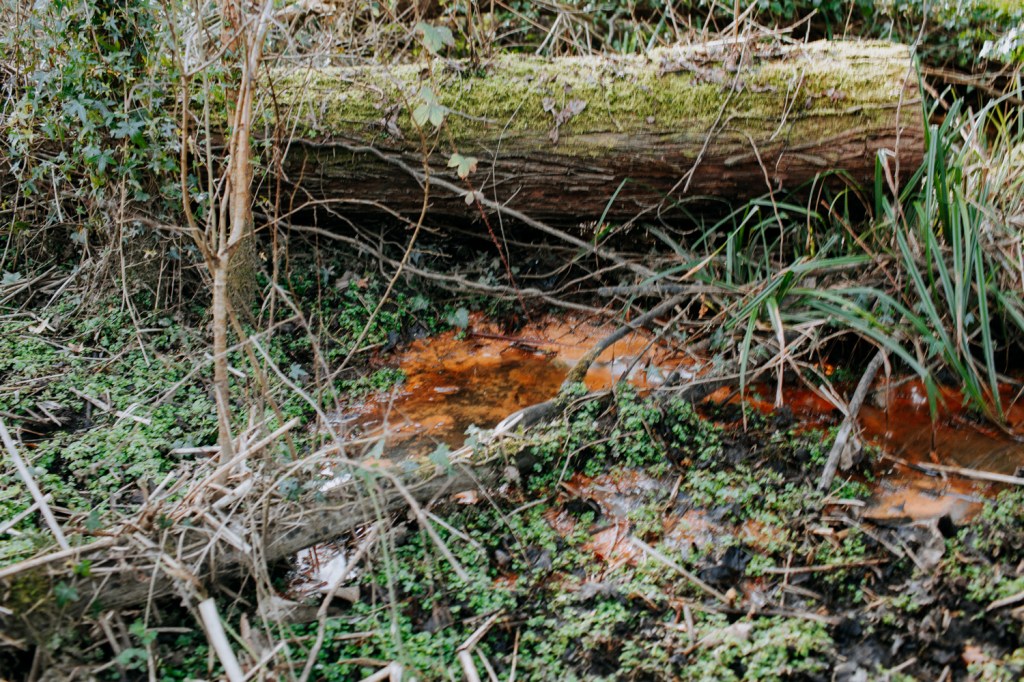
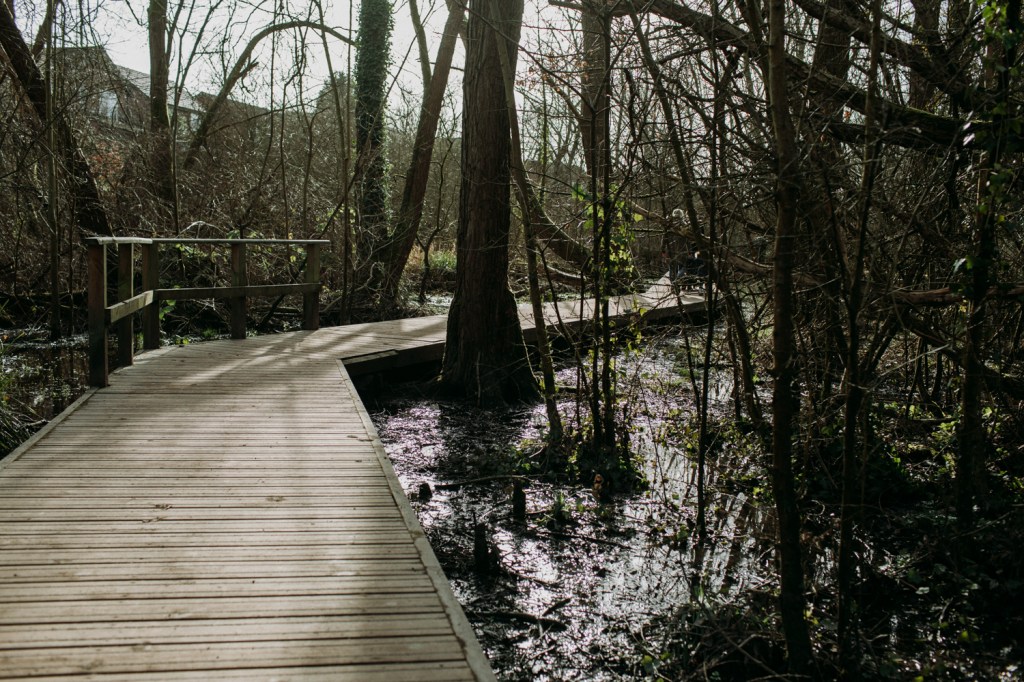
In terms of the question of authenticity, I am quite pleased that I have encompassed elements of the local climate. Manchester is a wet place, and in encompassing echoes of the recent floods confirms the work as in the present.