William Eggleston

When researching the work of people I admire and with the future vernacular of my project in mind. I have come to learn that ‘endless looking’ at photographs especially online is helpful and in doing this I usually re-establish a relationship with photographs that perhaps I had forgotten in the past.

At this stage I have a number of thoughts and ideas in mind, at this moment, my reflections are in the direction of quieter, more poetic work. Reflecting and looking at my own work I feel that I haven’t quite given myself the credit I deserve for my efforts and output. Looking at the body of work i have created over the last eighteen months or so, I think that I probably have a good edit of something. What that is I am unsure, maybe it will reveal itself in months, years to come.

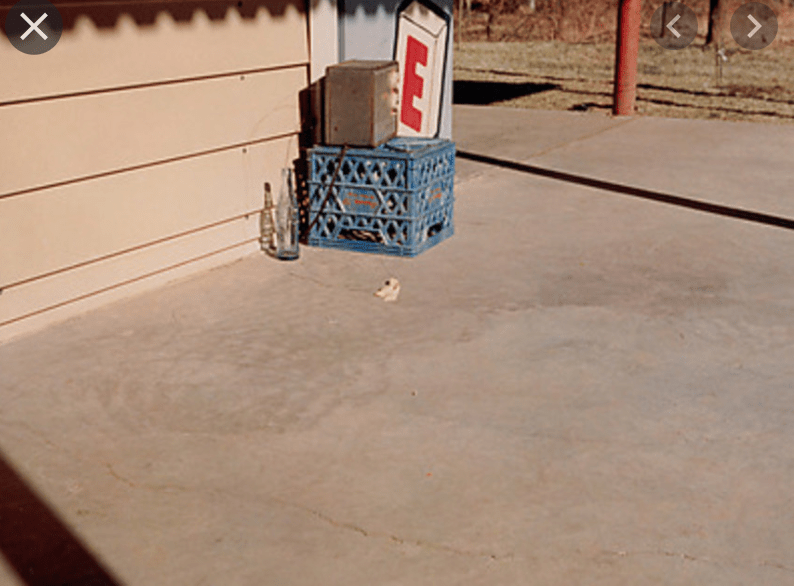
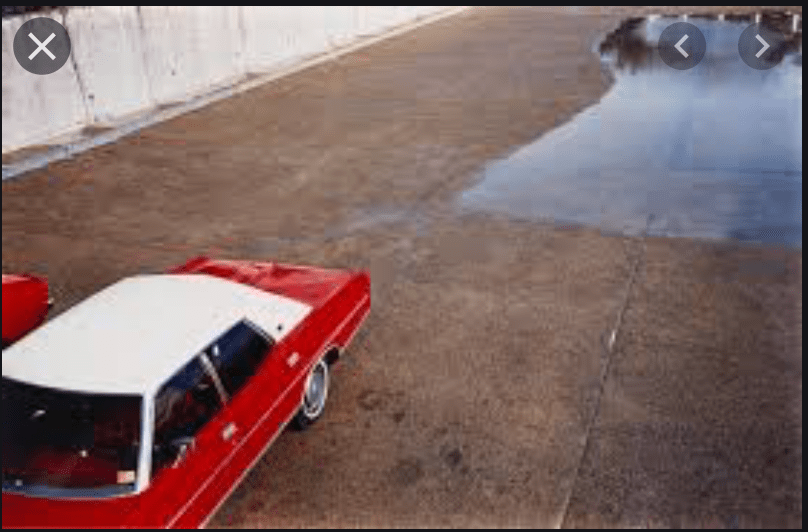
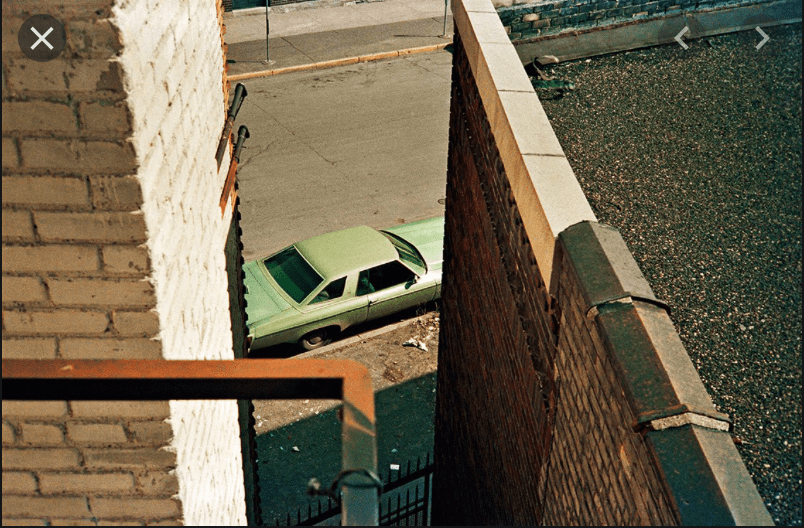
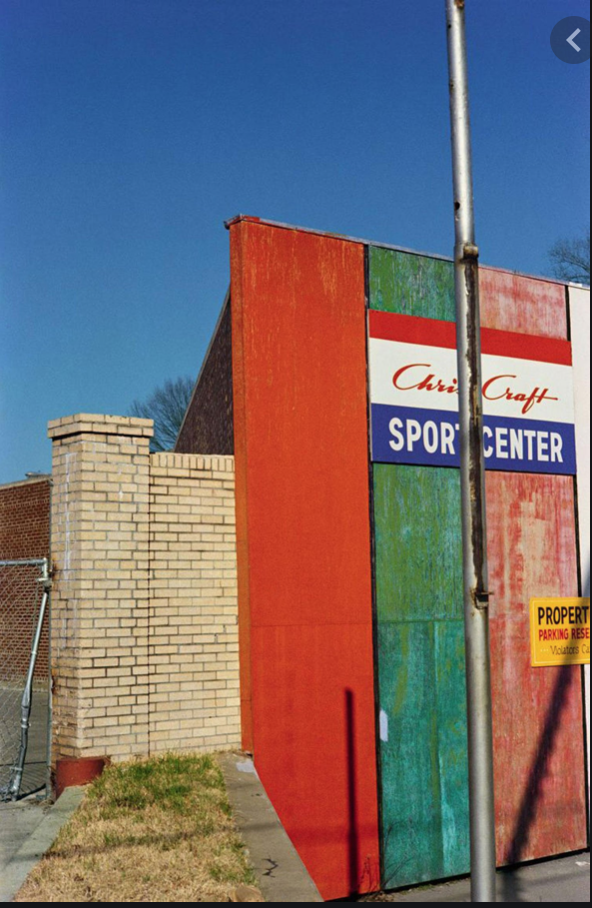
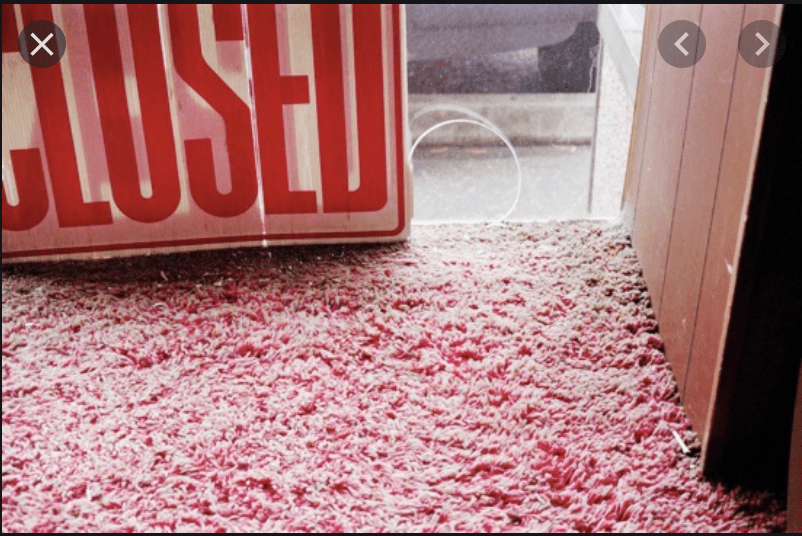
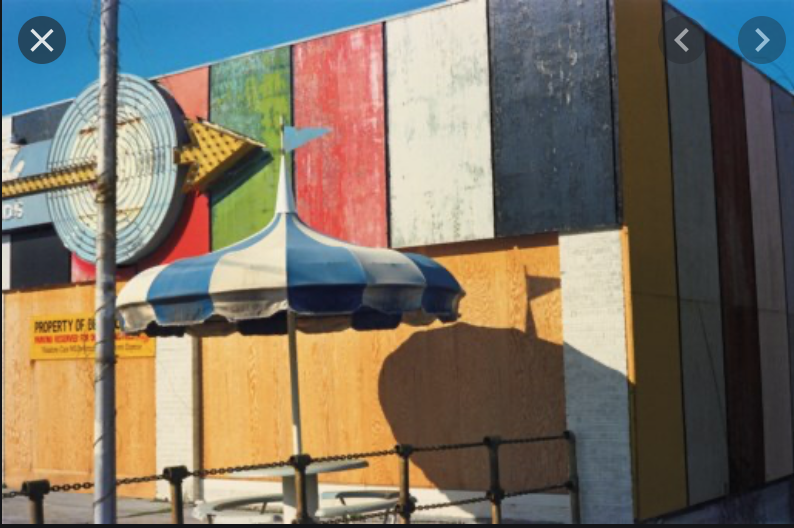
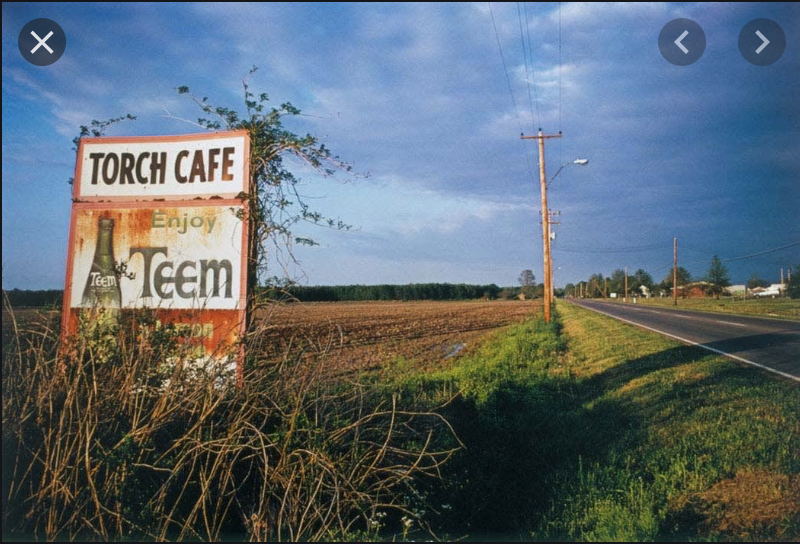
In growing frustrated with my usual method of contextual research I decided to do something different. I set myself the task of researching a specific photographer using google images and taking screen shots of the work that stands out. This process may or may not prove fruitful as a future reference so I thought i’d give it a try.

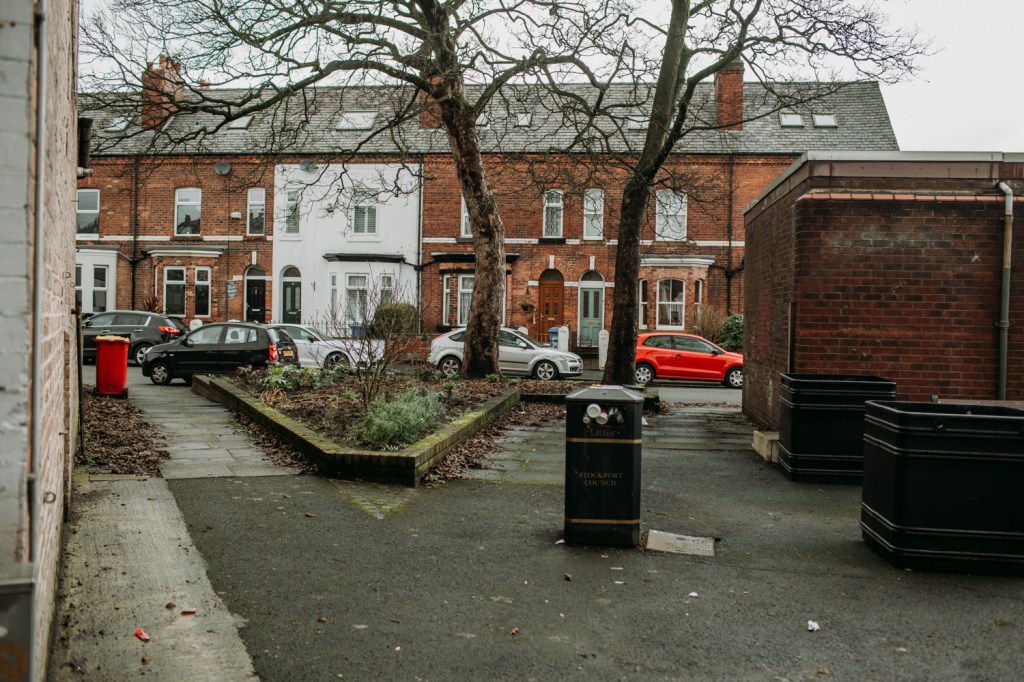
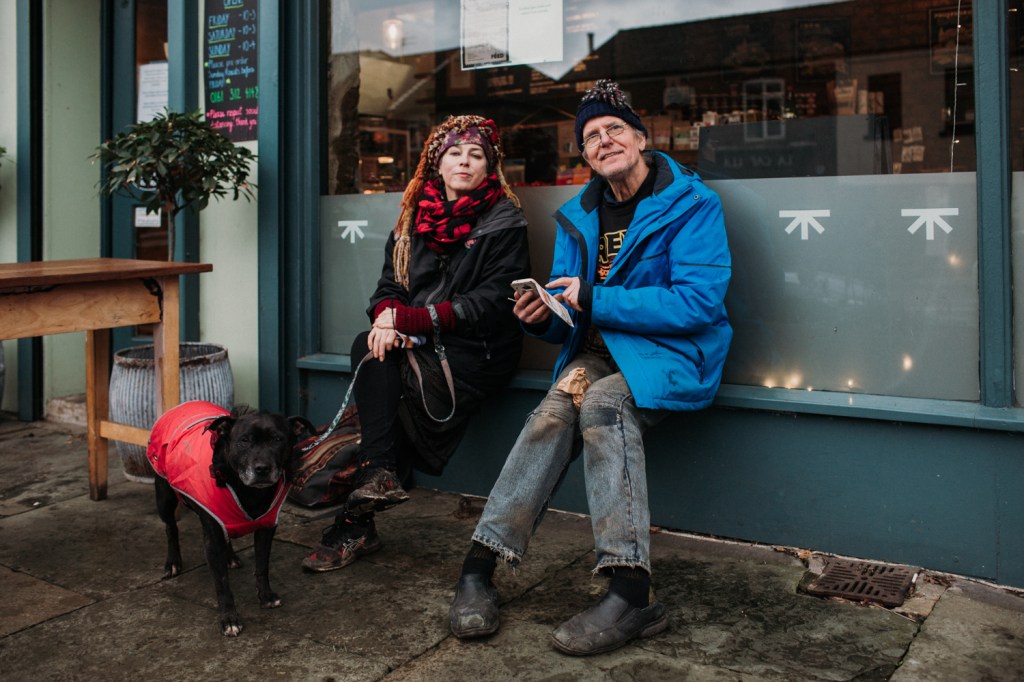
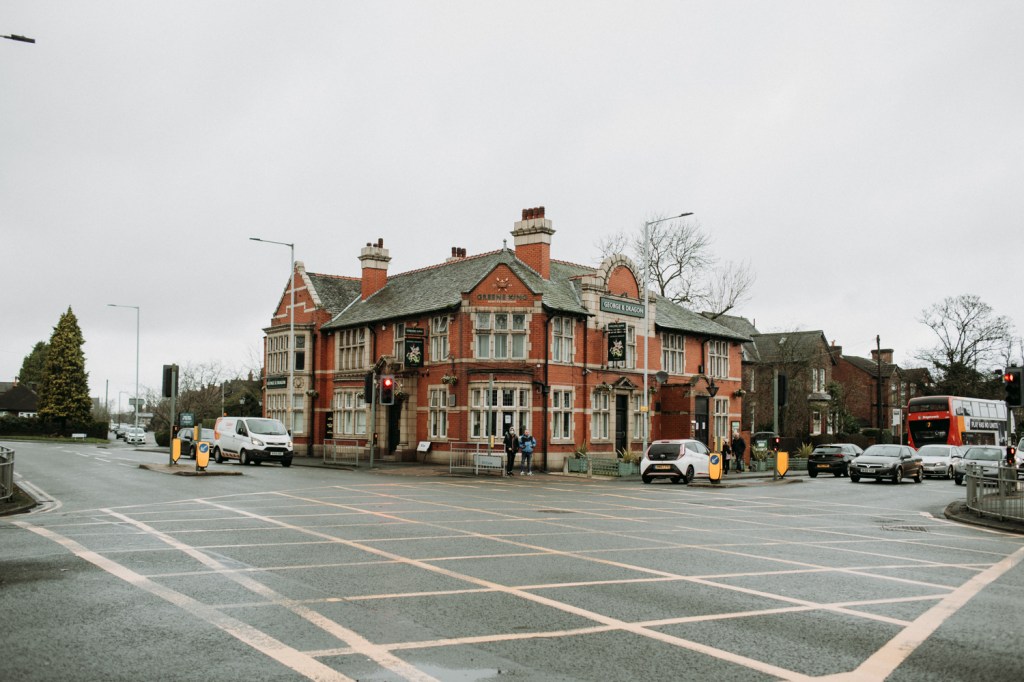
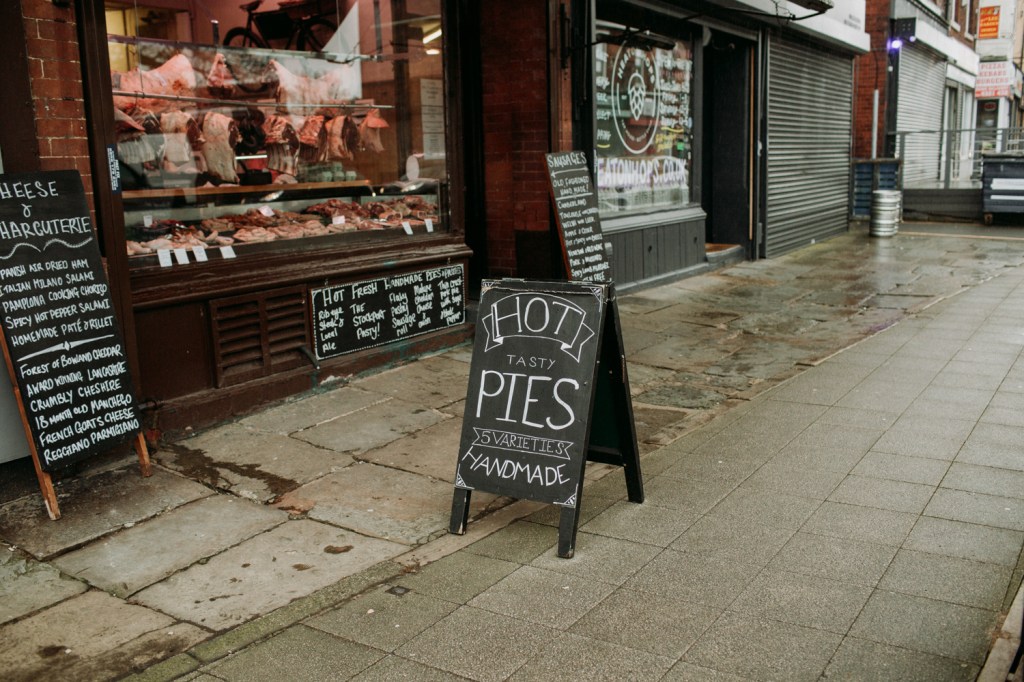
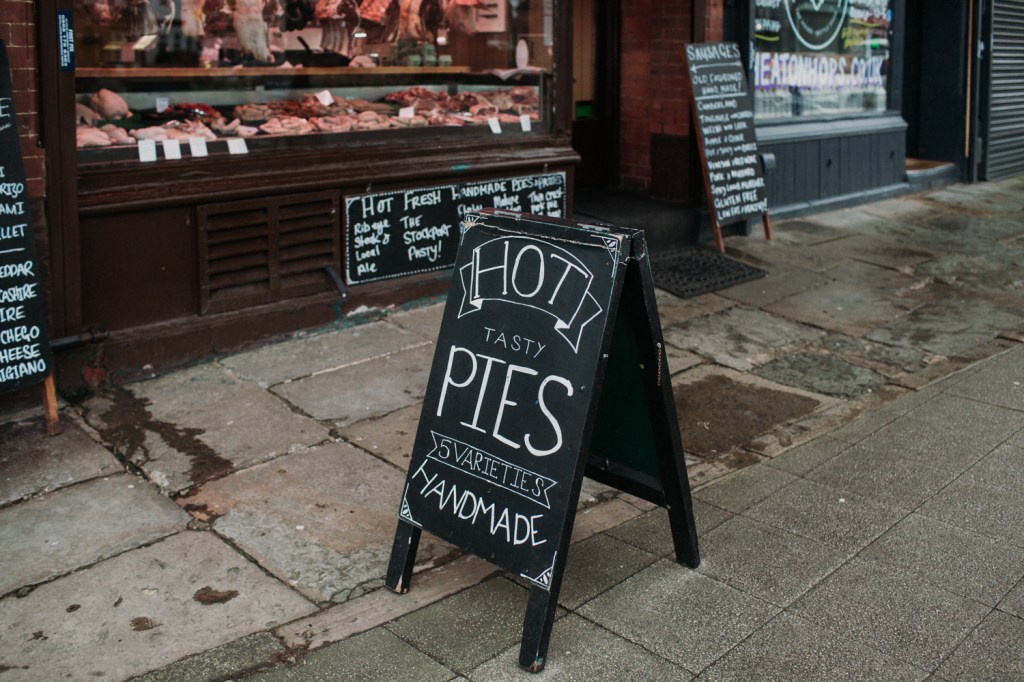
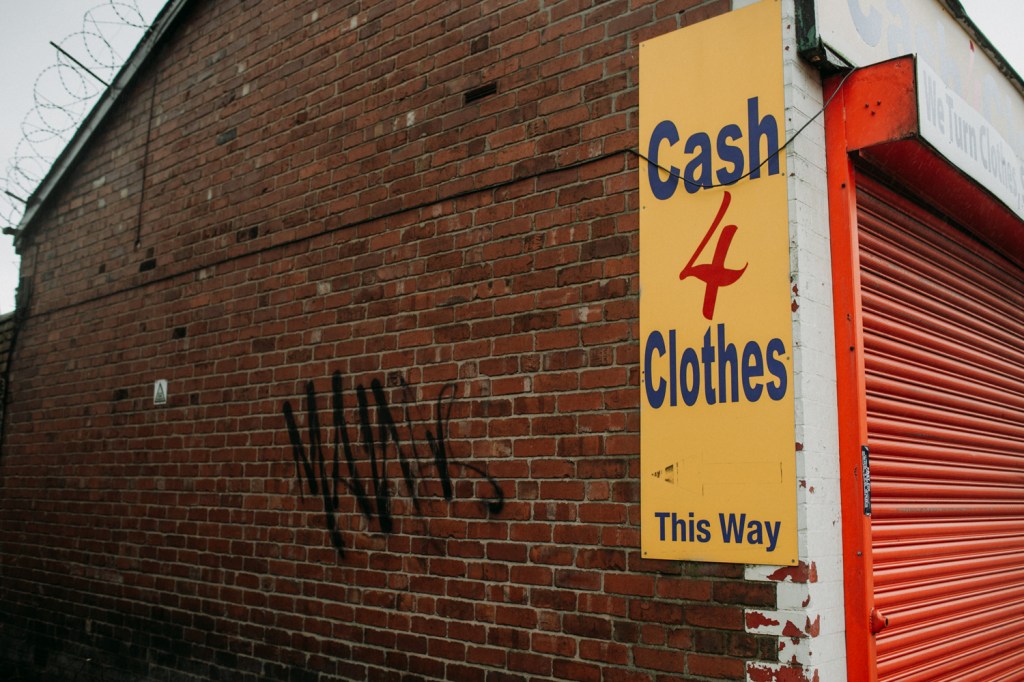
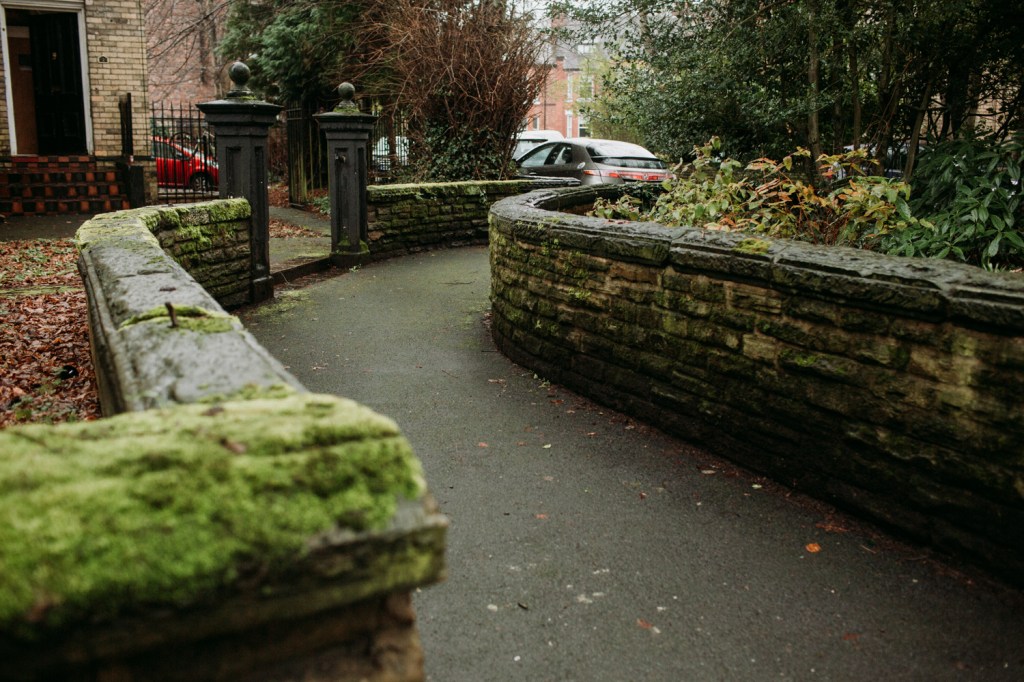
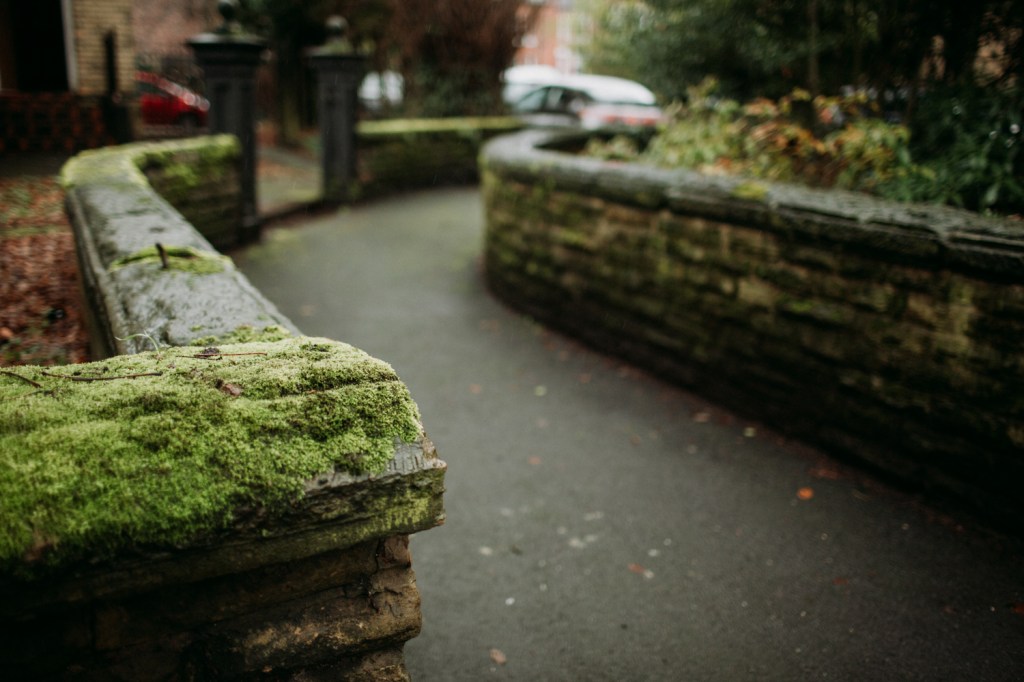
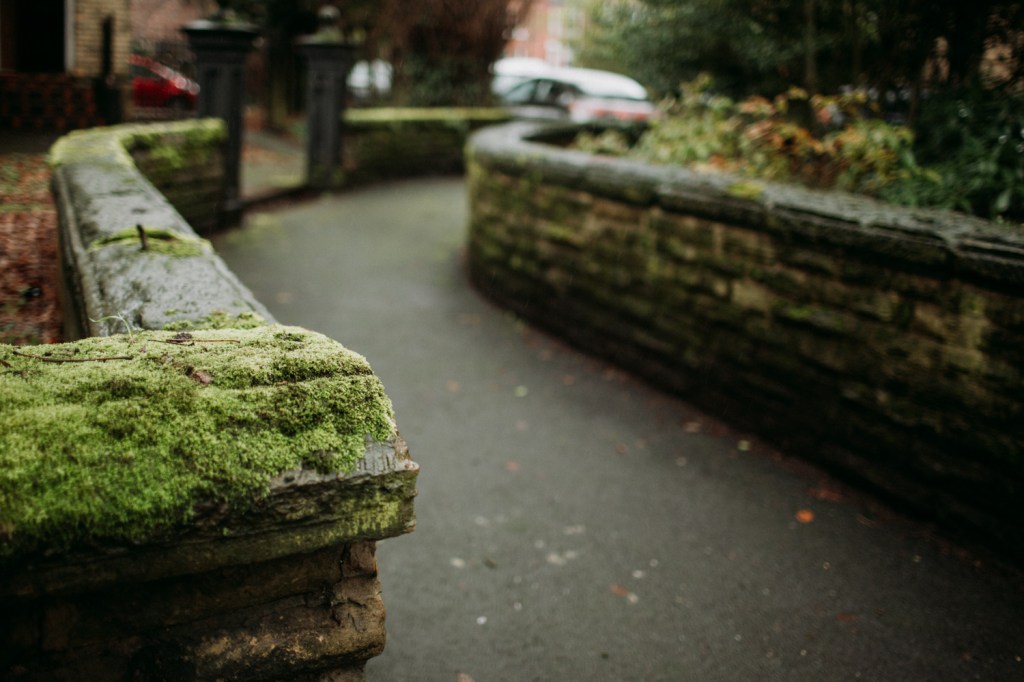
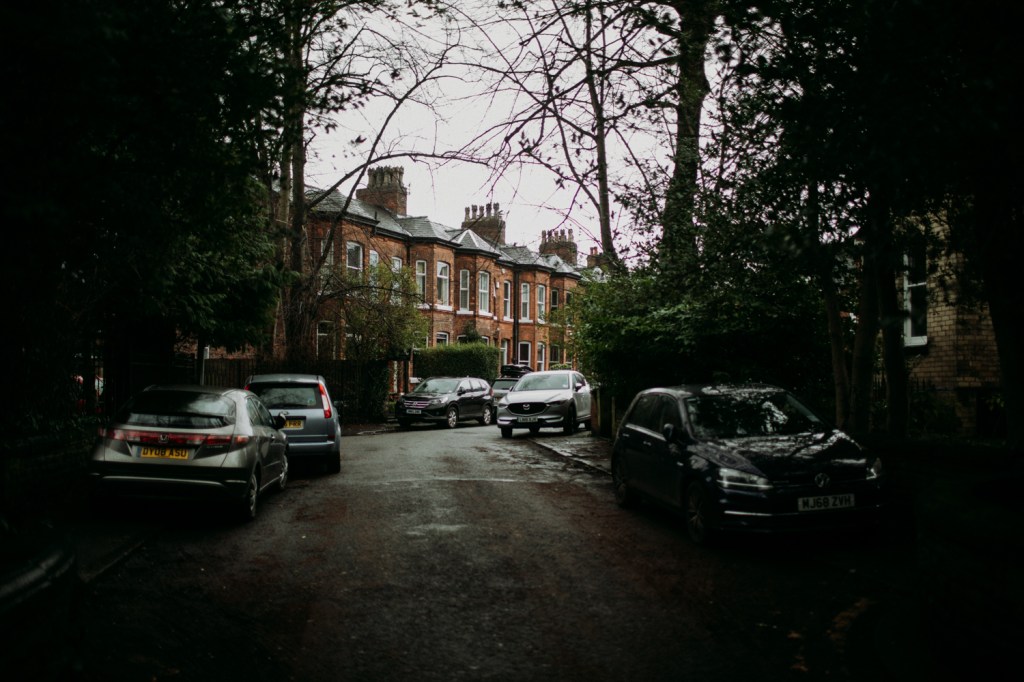
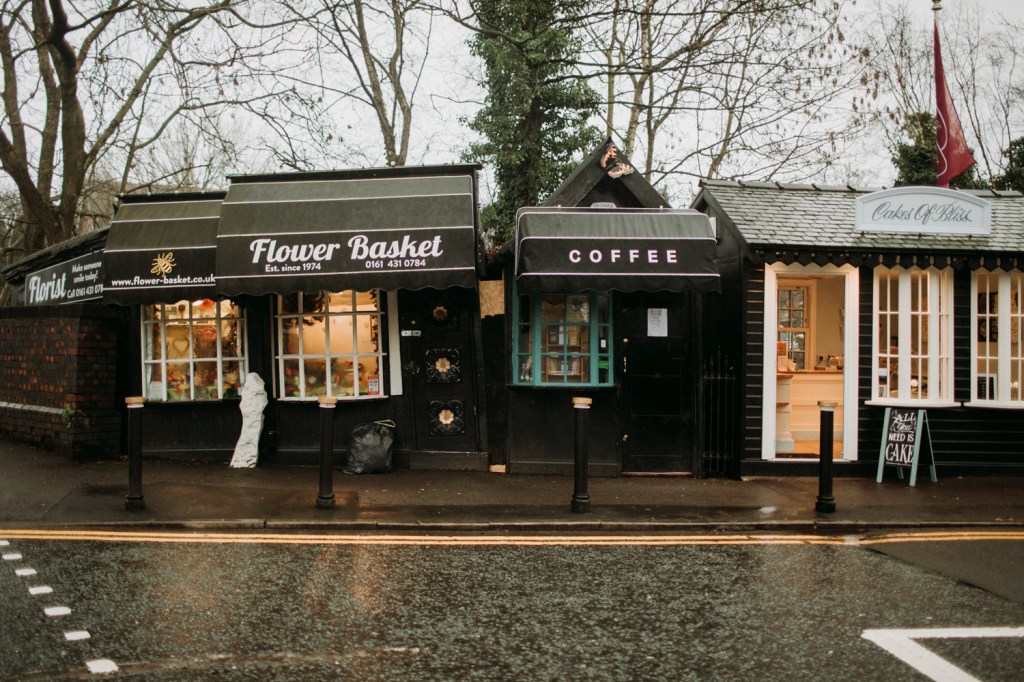
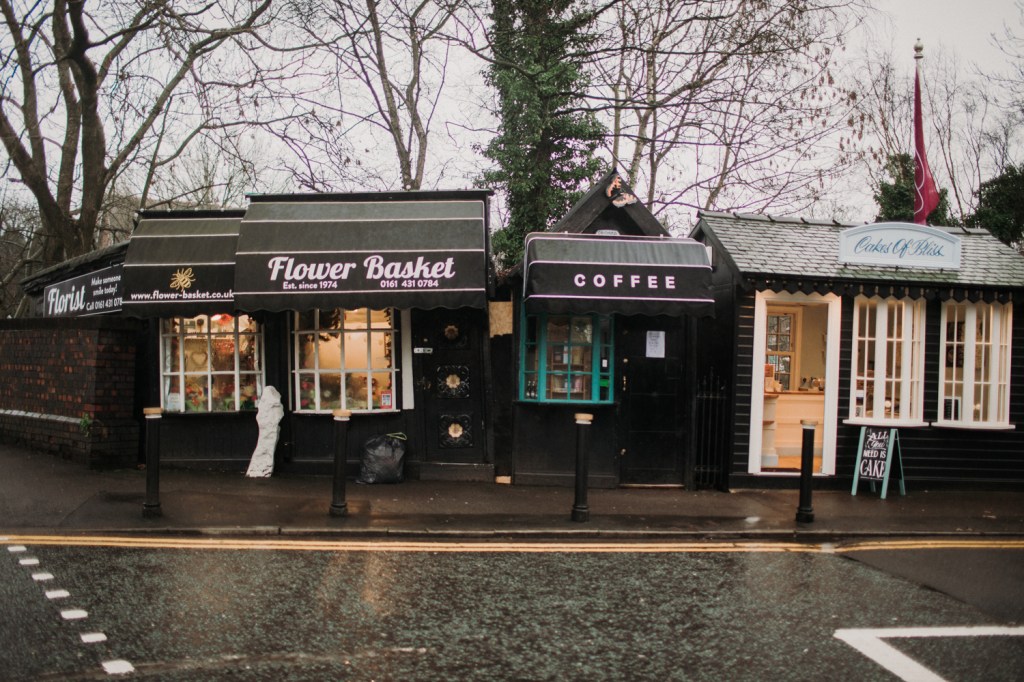
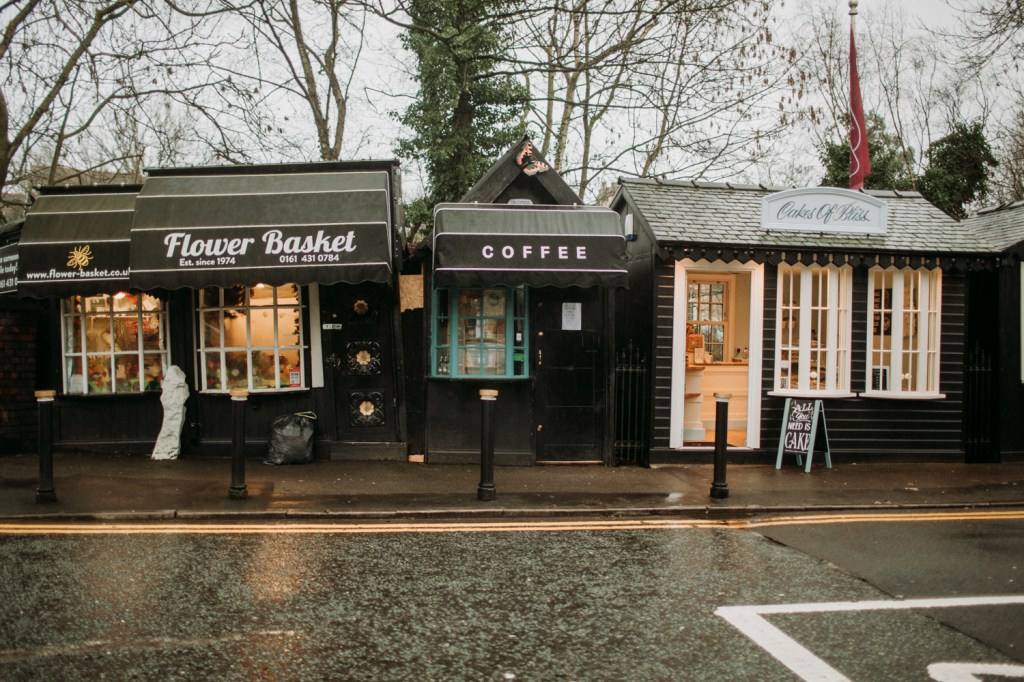
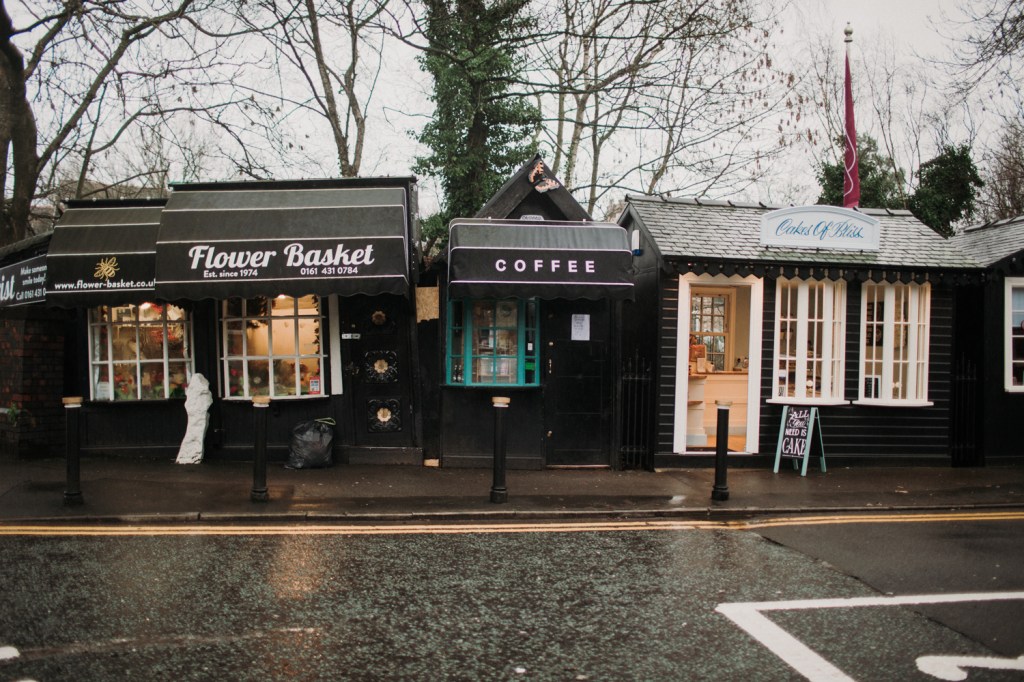
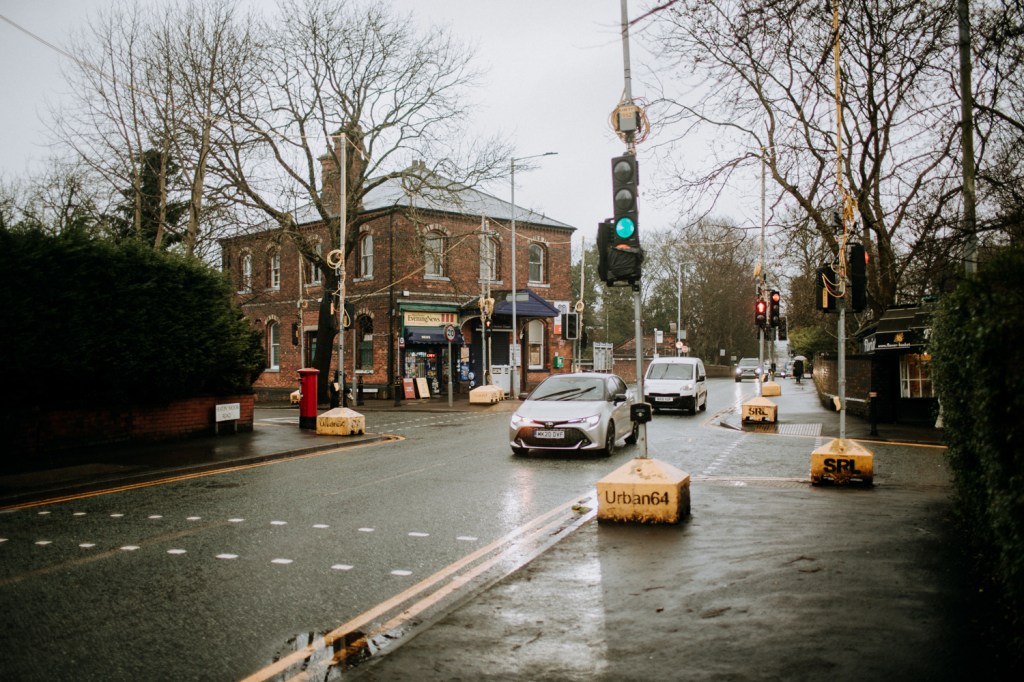
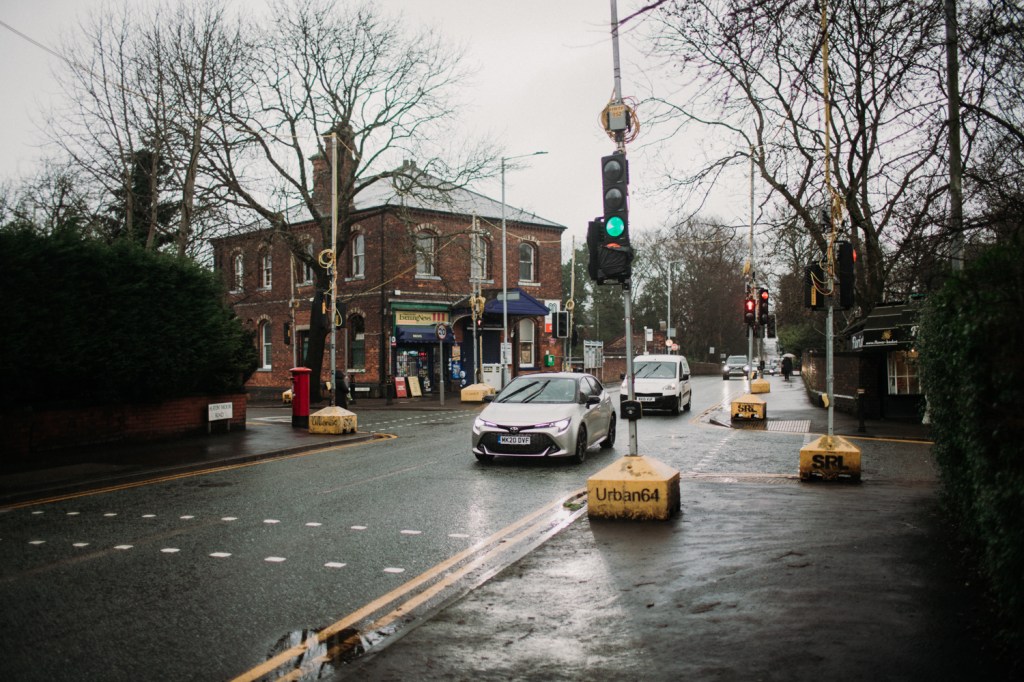
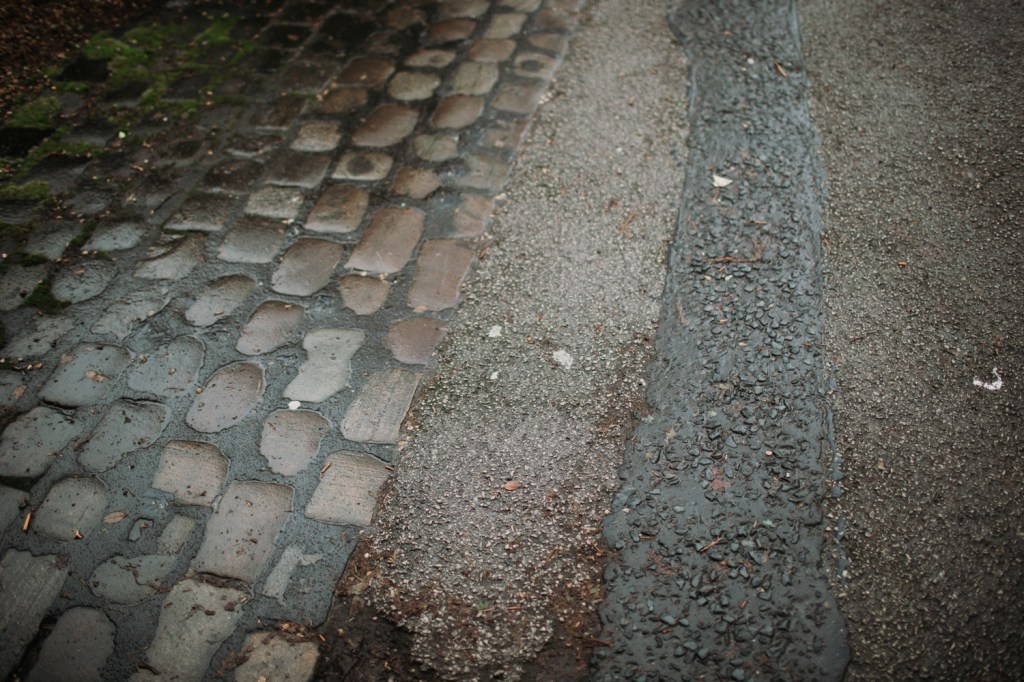
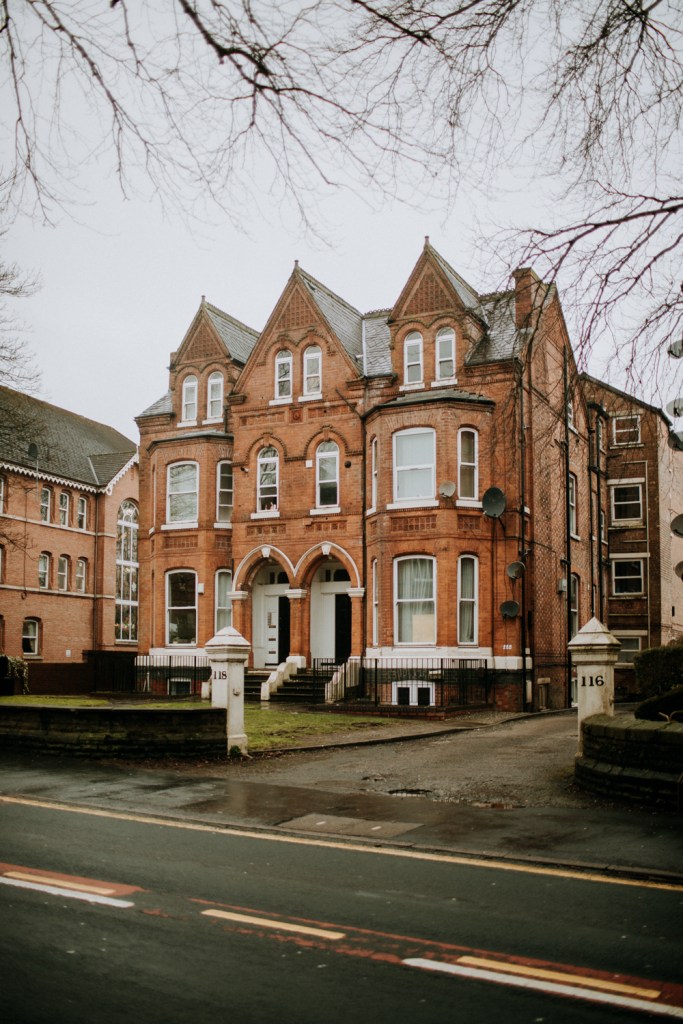
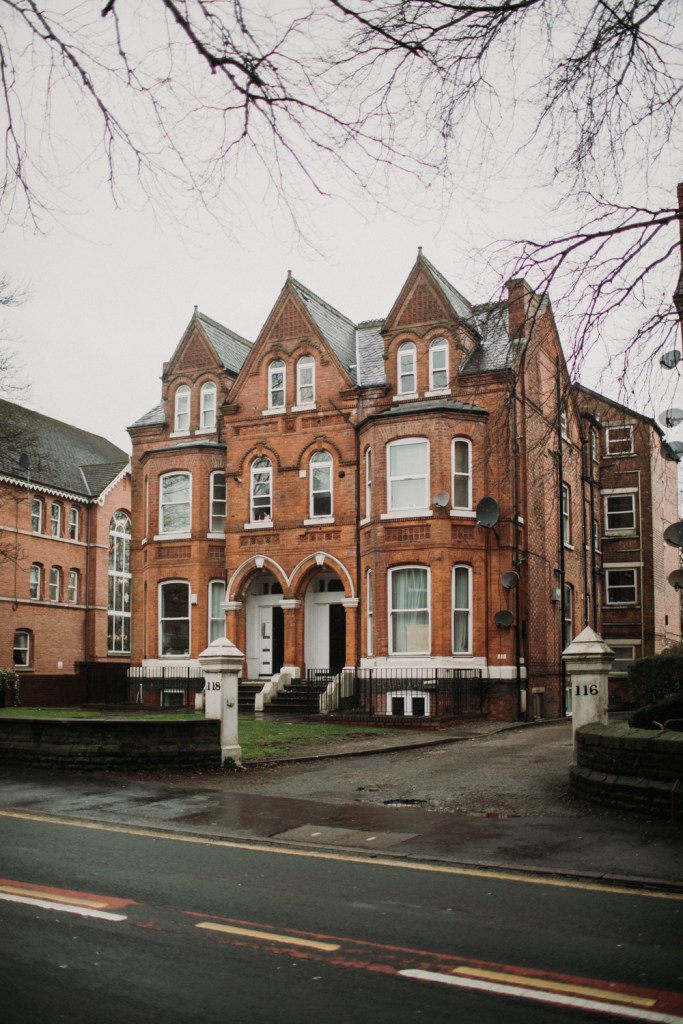
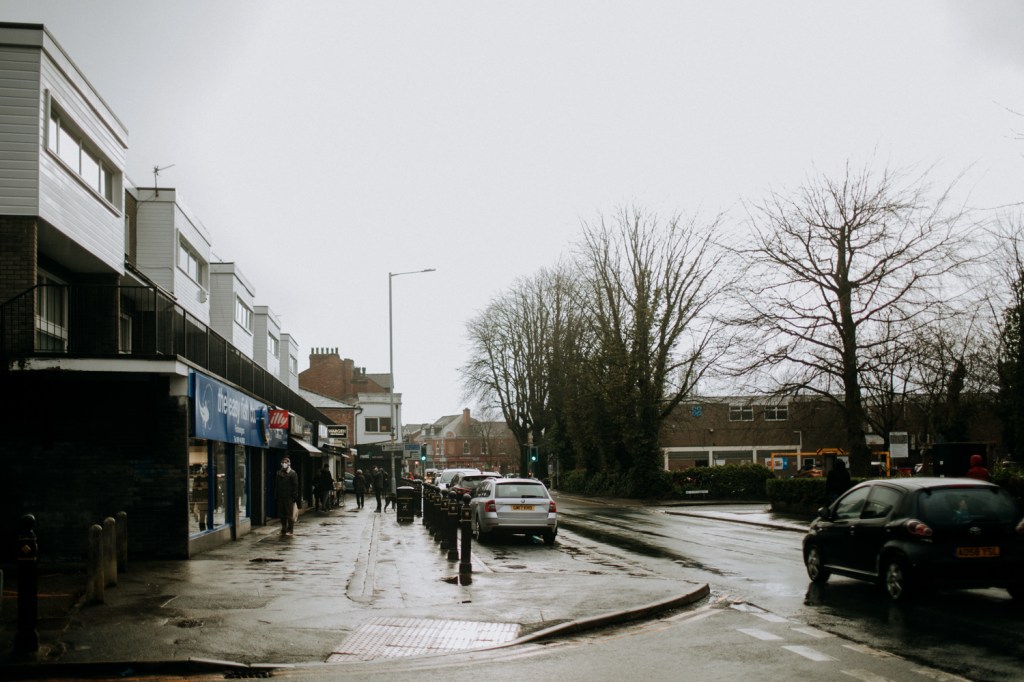
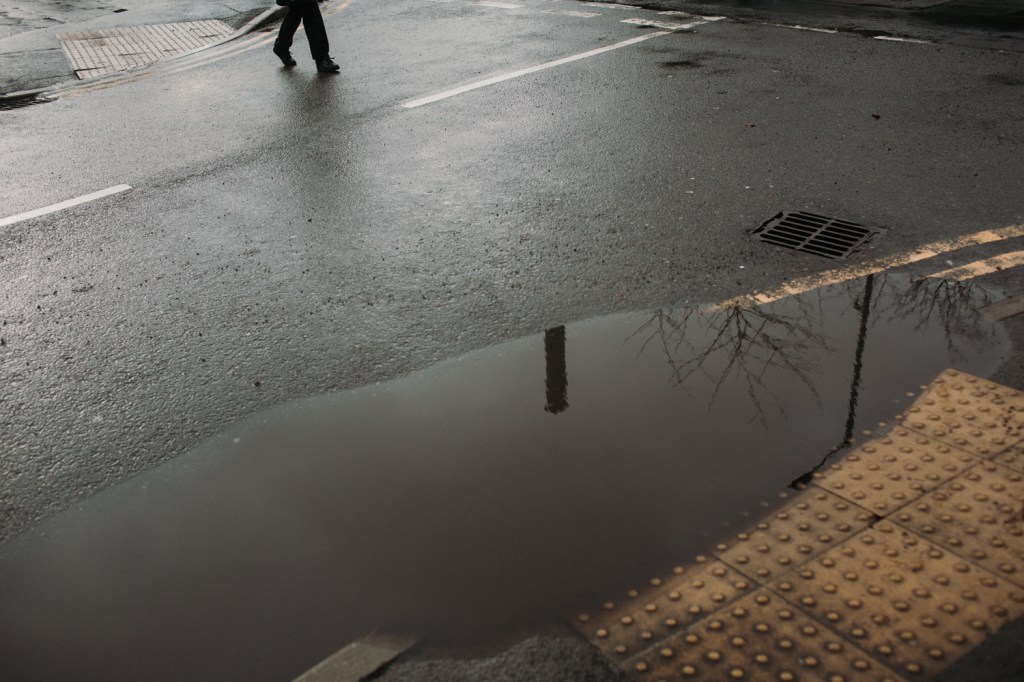
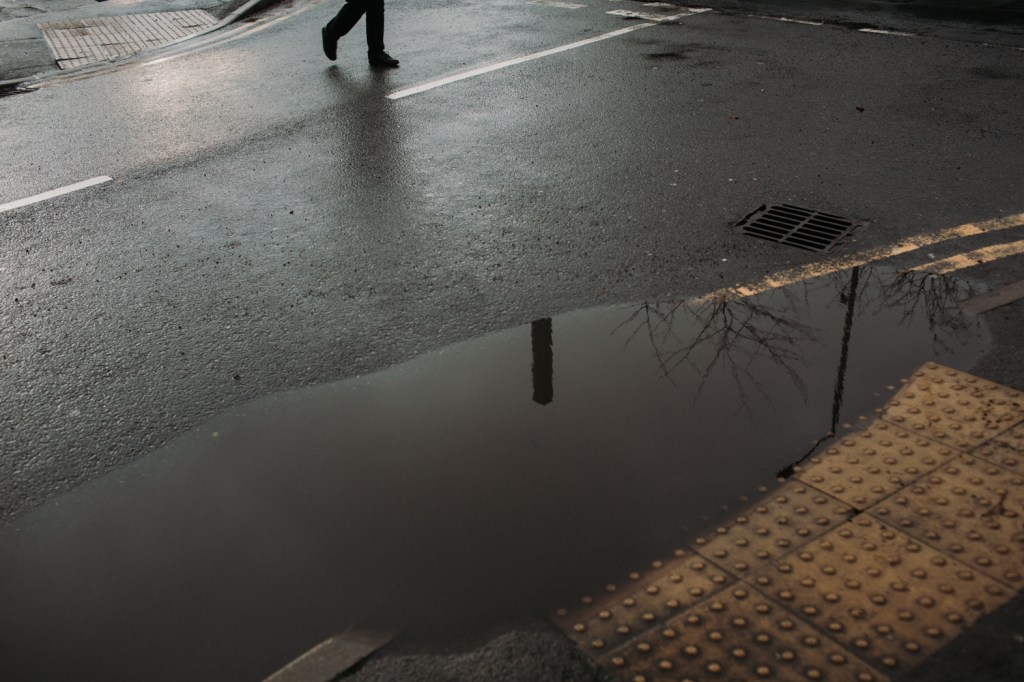
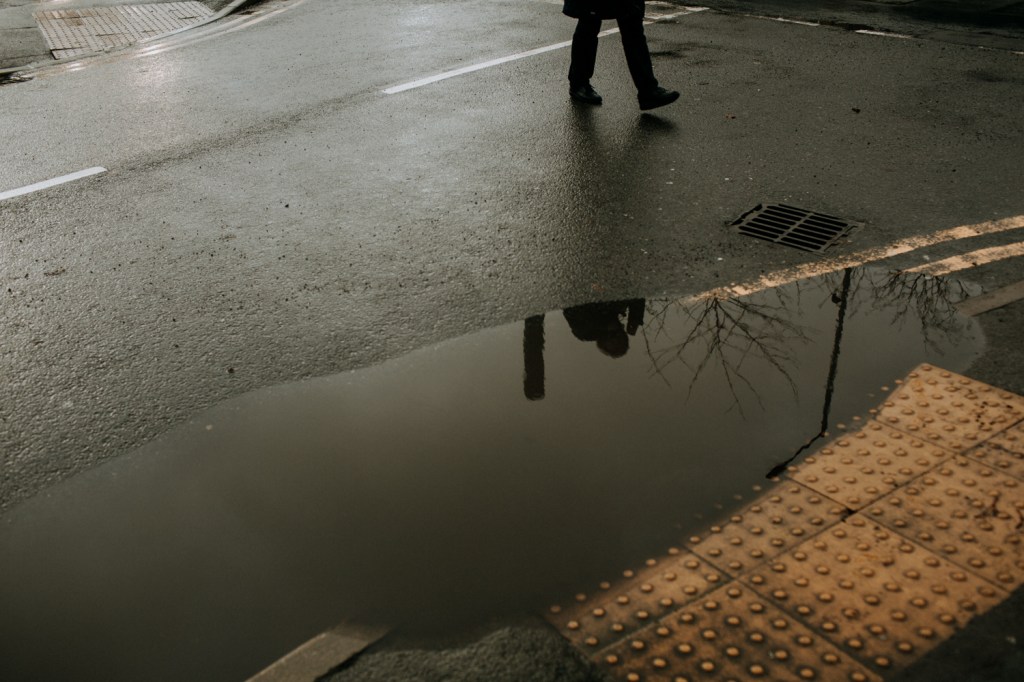
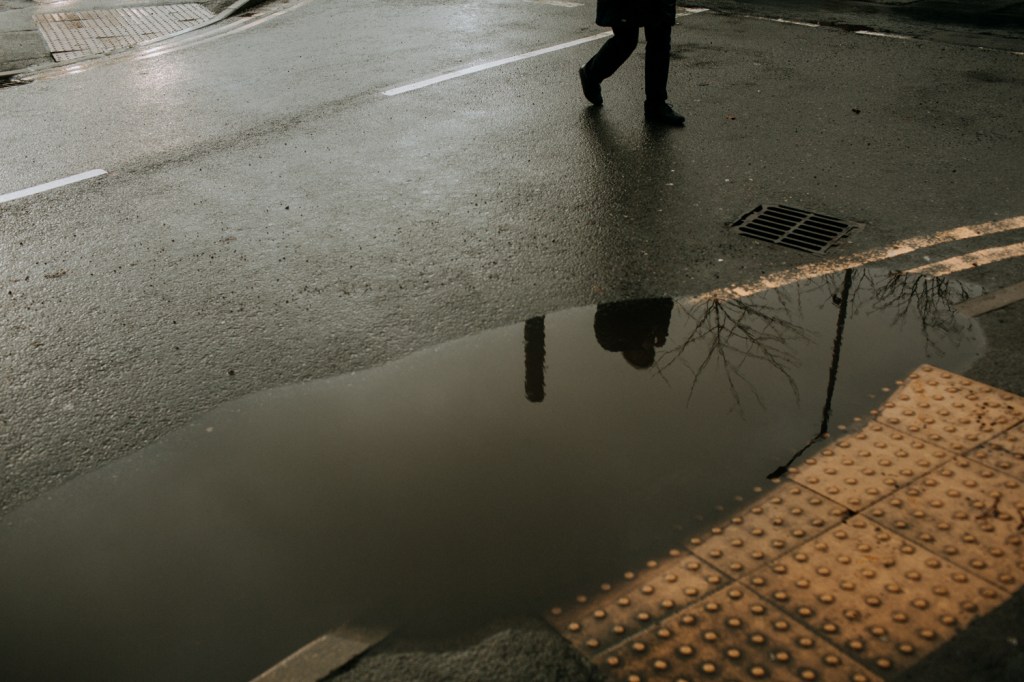
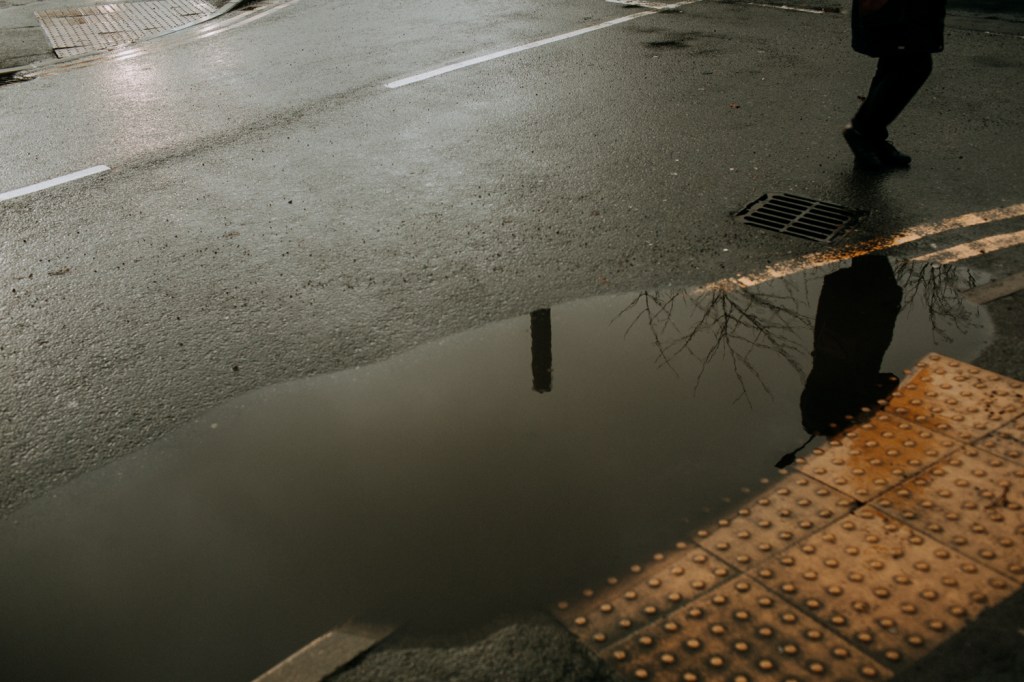
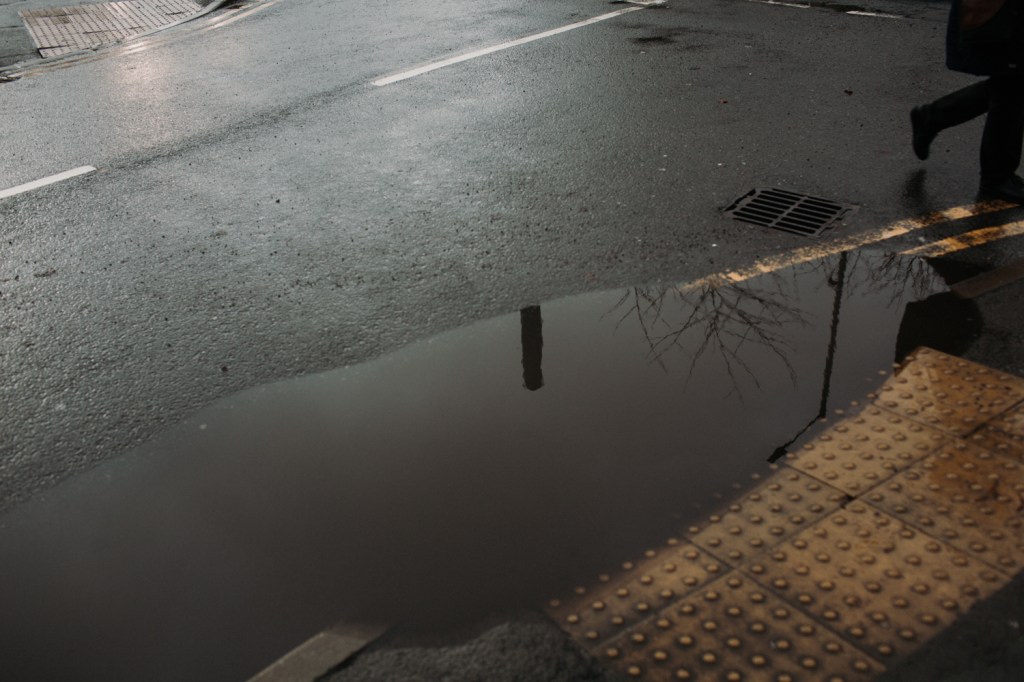
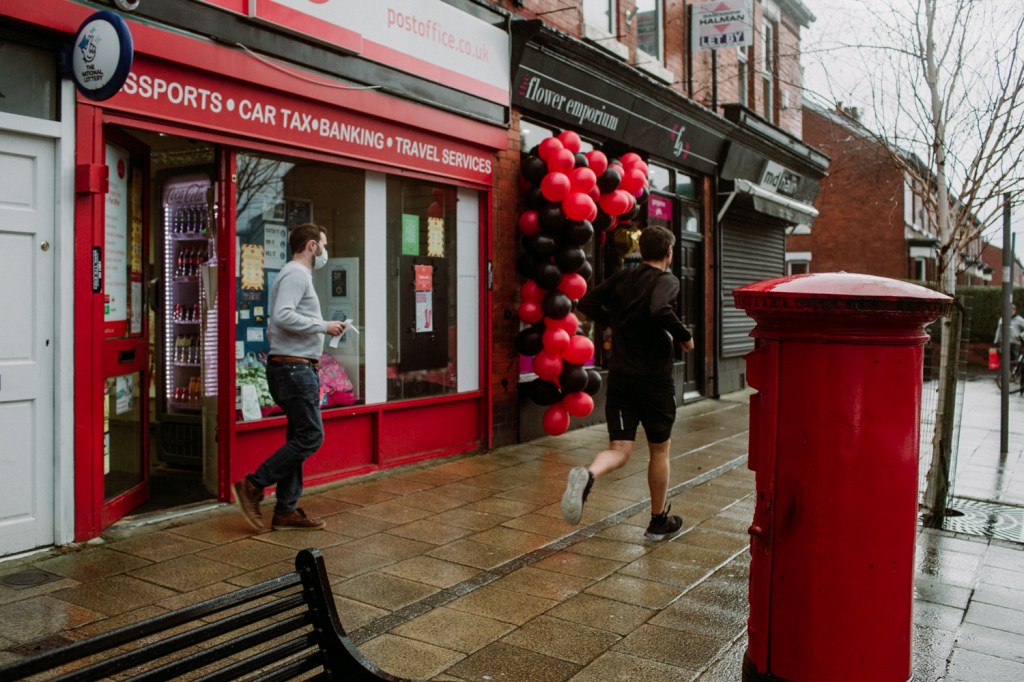
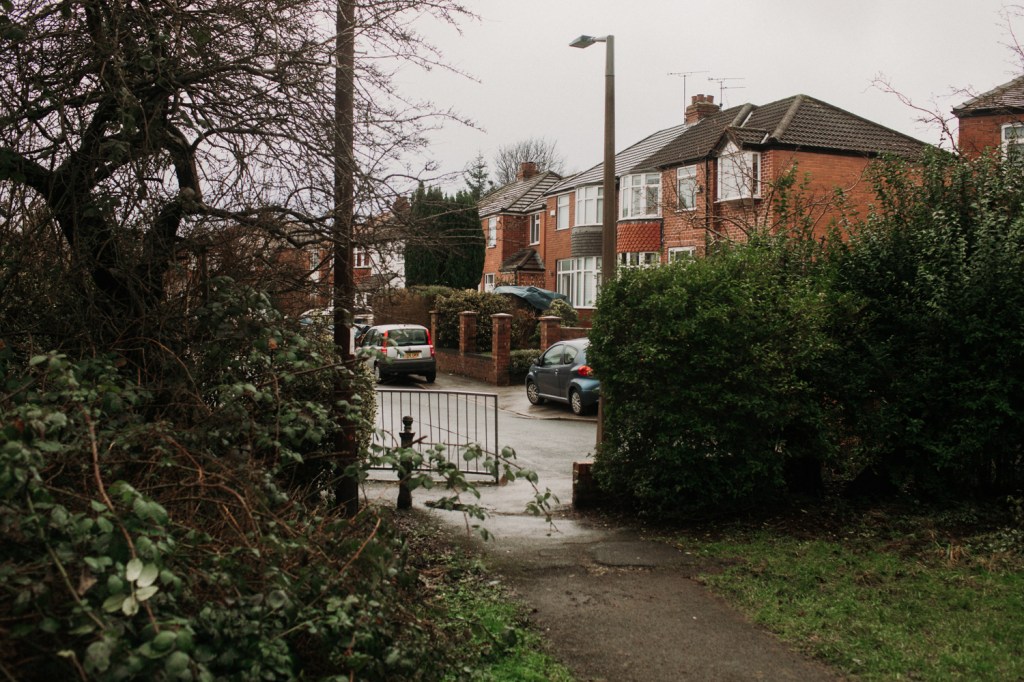
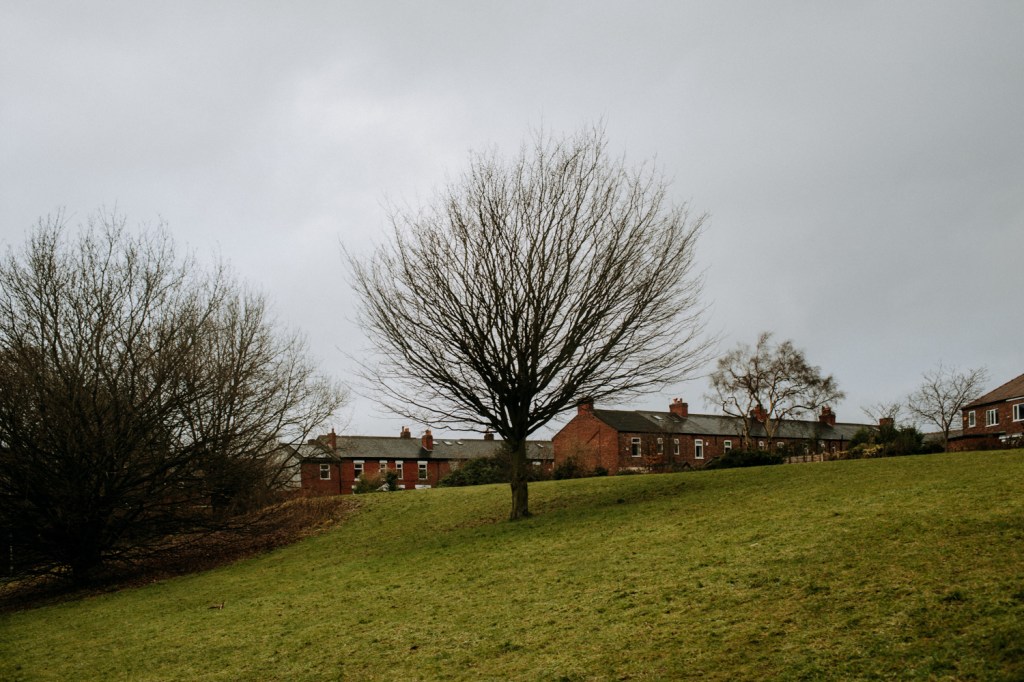
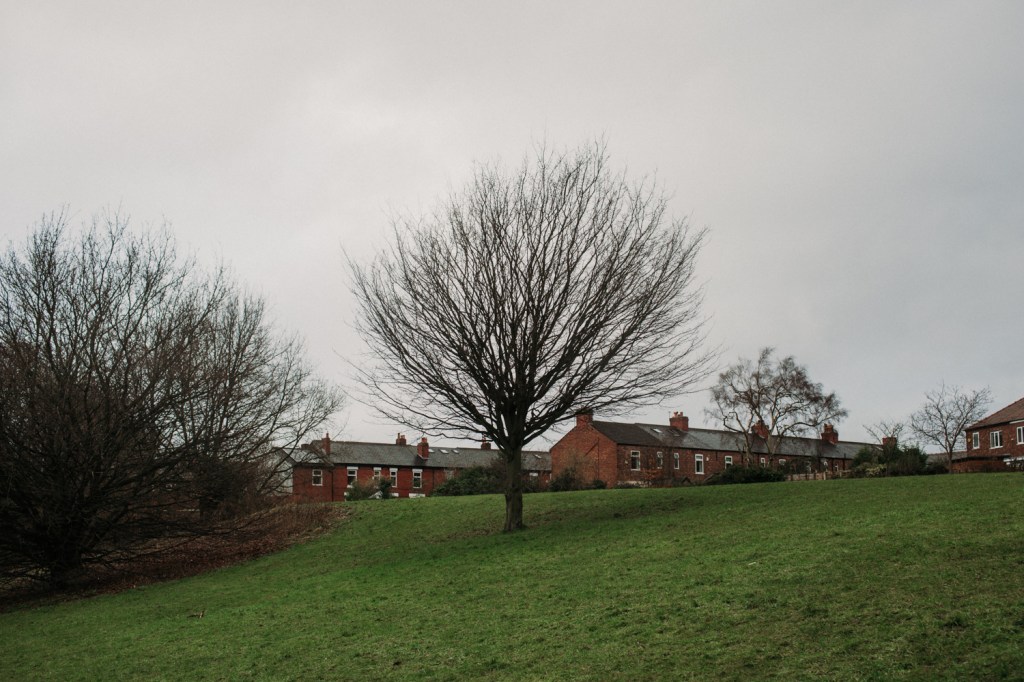
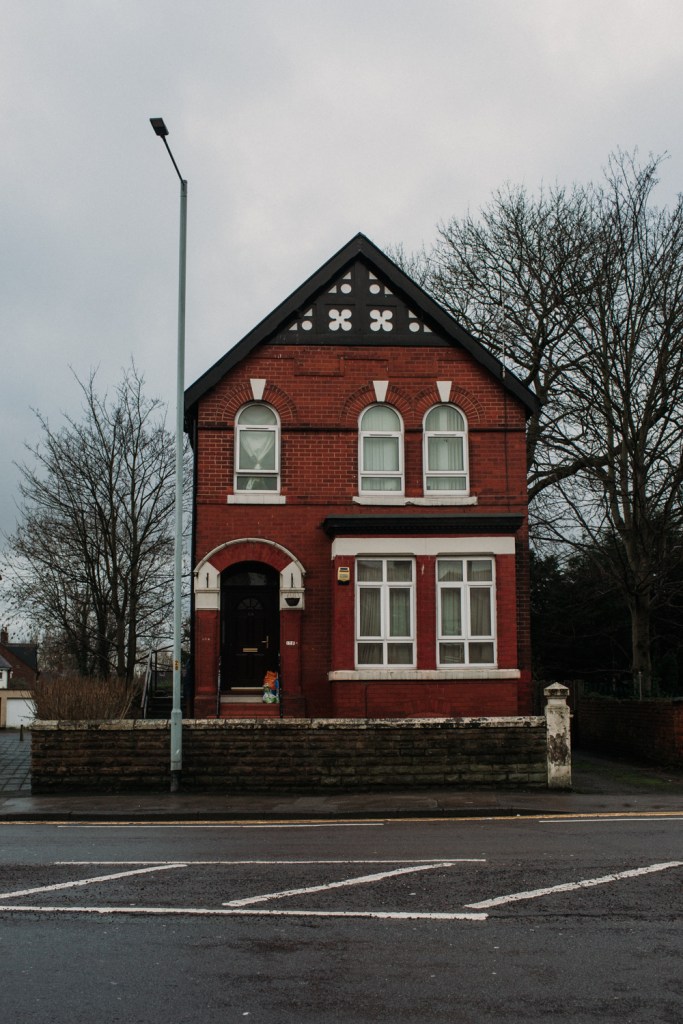
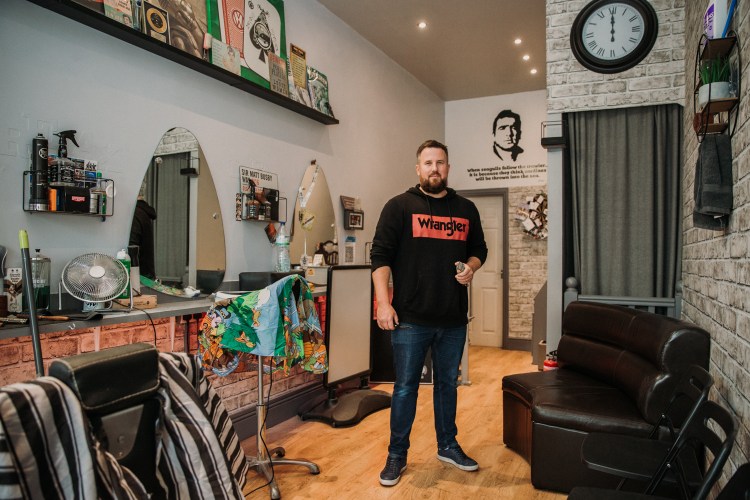
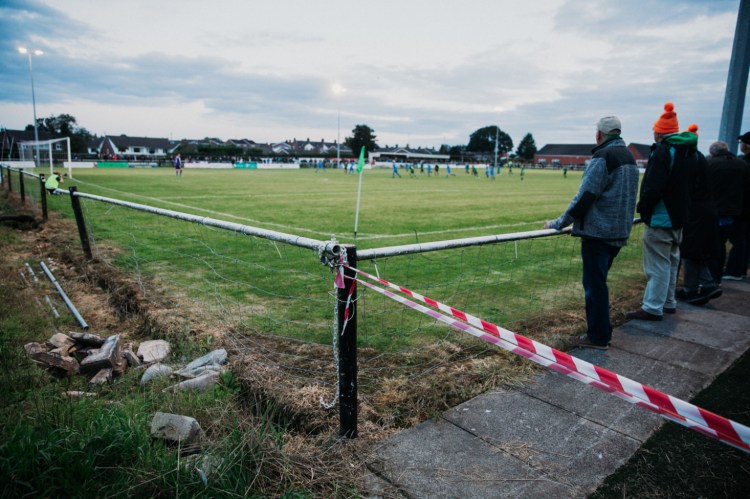
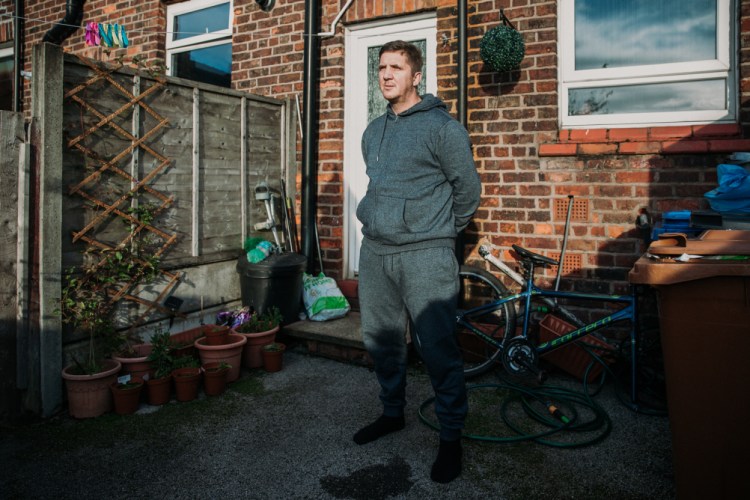
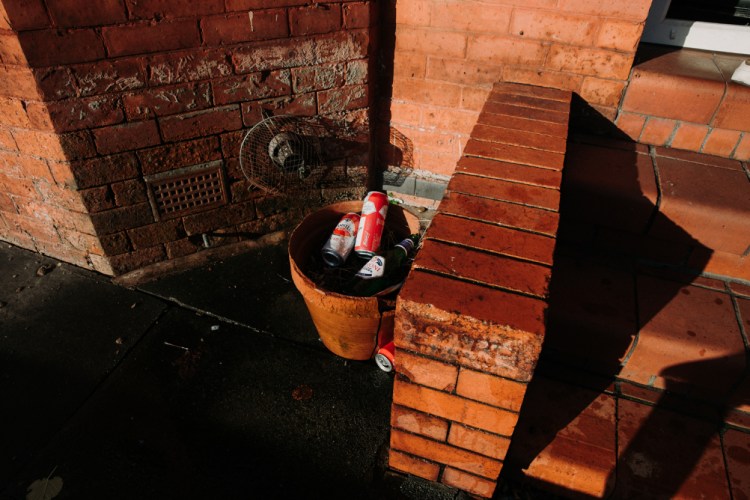
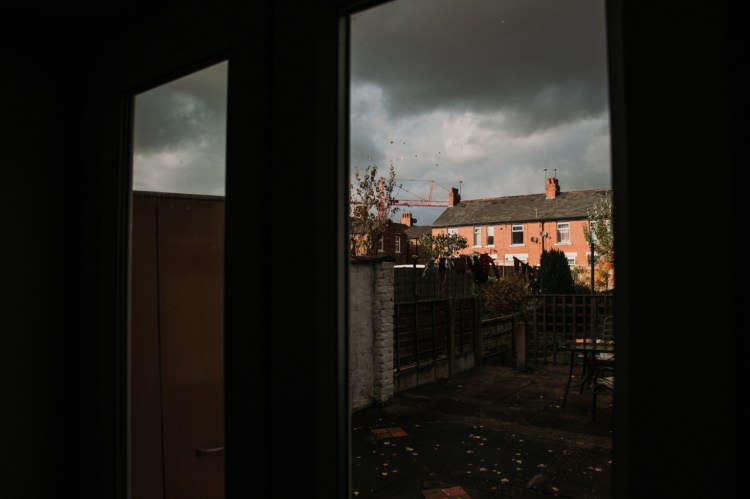
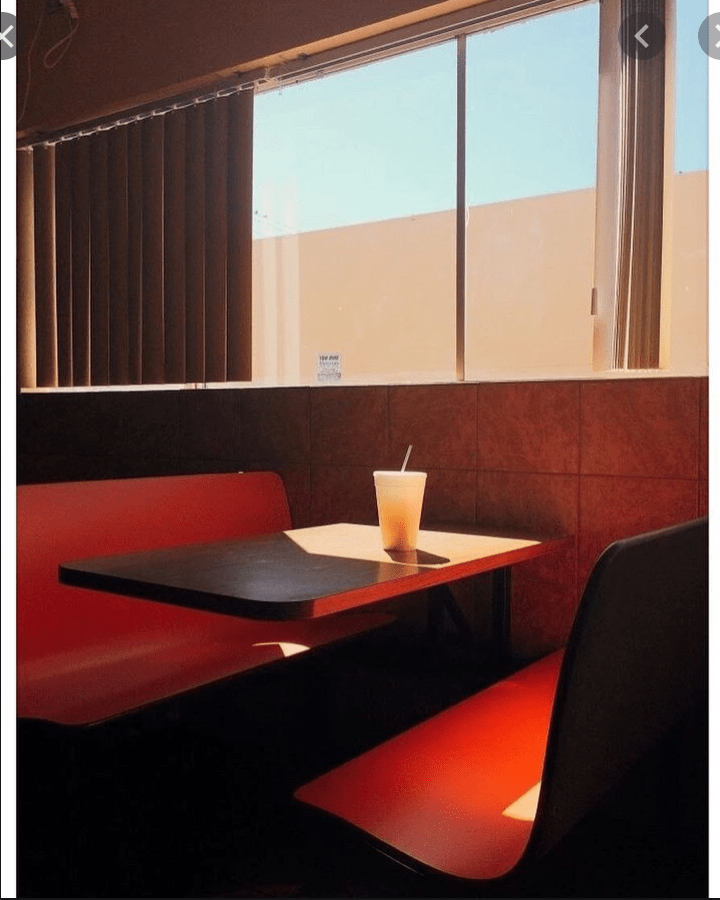
Here is a selection of work from William Eggleston which I felt represents the spaces in between spaces.

Week 1 | FMP Petcha Kutcha Presentation

To say I winged this presentation would be wrong, however the difficulties in deciding to change my project theme have been tough. Deciding to abandon my football project because of COVID restrictions has been upsetting however the prospect of taking my work in a different direction and entering a new context is exciting.

At this stage I understand that I have lots of questions to answer and this presentation is an outline however I feel the central themes are strong and I believe in them.

Andrew Findlay PK Presentation | Jan 2021

FMP Week 1 | In the City

Still in the very early stages of developing my FMP, I have been conducting research in order to understand what themes I will be challenging. I have already established the emotional nature of this work and its connection to me personally. However to pursue this avenue alone would be foolish. Having had a productive first meeting with Laura, the last couple of days have consisted in contextual research specifically looking at the work of Sian Davey and Zed Nelson.

For a number of months I have been looking at the work of Nelson in order to inform my own approach to making portraits. However in researching his book ‘A portrait of Hackney’ Nelson makes a number of pertinent observations similar to the quandaries that I am currently facing. Perhaps the most pertinent at this stage, is how do I put my ideas into some type of order and make comments on the on the connection of lack of, between the places that I intend to include in my story.

Nelson speaks of a juxtaposition between ‘underprivileged teenagers’ and ‘urban hipsters’ and a ‘co-existence in spite of a complete separation’ . A comment that in some respects I feel is relevant to my story, although my project will cover a broader distance, a number of binary opposites are in operation. The most pertinent from a, is the question of identity and geographic location.

Man on Kingsland Road, Hackney. London

As a small boy I, my childhood was spent on an estate on the boarder of Stockport and Manchester. A field separated the communities of Levenshulme and Heaton Chapel and this is where I spent my childhood playing football and running round the streets. Beyond this field was a different city, in a different county. Growing up I was often told that I wasn’t a Mancunian, I was from Stockport. This wasn’t puzzling and is rather obvious. However as I grew older and went to primary school, I would walk down one road and be in Stockport, if I turned off the road I would be in Manchester. As I went to high school, I was faced with the same quandary.

Back to the idea of representation and city living, Franklin (2016:p135)…

City living, in one example of photographic tendentiousness, has been portrayed in film and photography in a highly polarised way. Cities are seen either as the cause of moral decay or as sites of opportunity or chance encounters.

I agree with such representations in a general sense and the ideas purported by Franklin are a good starting point, when looking at historical such as that of Shirley Baker who photographed inner city Manchester slum clearances in the 60’s. The work very much portrayed the city as an urban dystopia, the slum clearances well under way and images of children playing on building sites certainly lends itself to the idea of an urban jungle. However looking at the work of Nelson in Hackney, I feel that the work in more complex. An element which possibly distorts my observation are the timing of his project.

Zed Nelson | A Portrait of Hackney

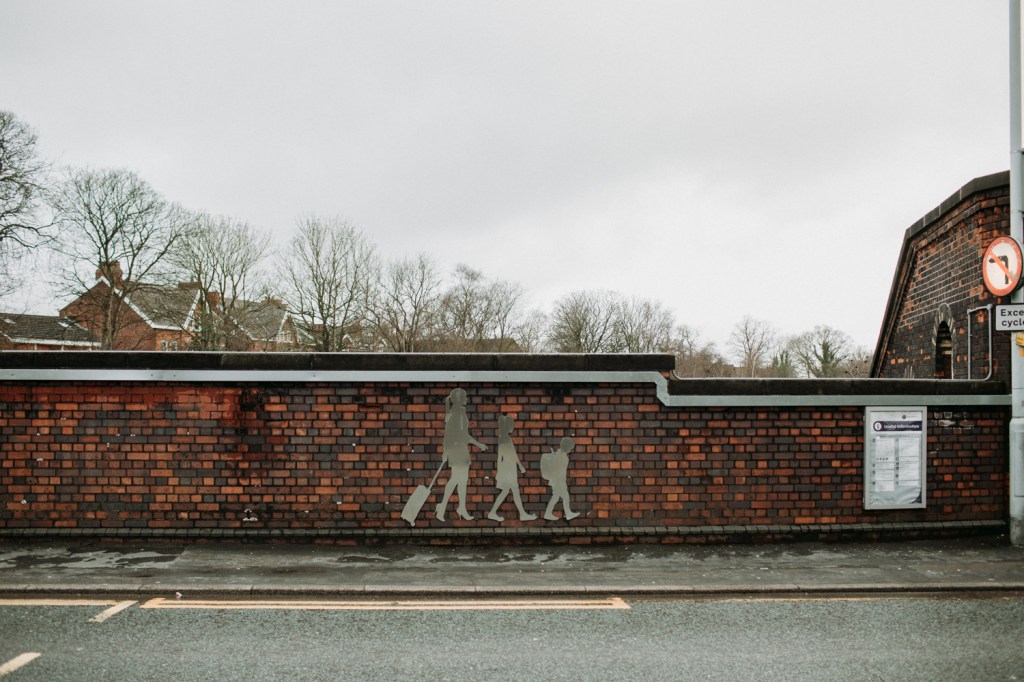
When I went out to take photographs yesterday I wouldn’t be wrong in thinking my surroundings were rather dystopian, the concrete is vivid and grim, the roads are uneven and damaged by the freezing temperatures. However when I look at the work of Nelson, I could be in a film set of a British movie.

How much of this is aided by the weather is a current point of interest as. At this stage the work i’m making looks and feels cold. In Summer I fully expect this to be very different. Nelson and Davey with their iconography of long summer evenings within green spaces dominated by concrete do create a sense of romanticism that I am moved by. And the prospect of making similar work, only with a Northern accent is a prospect that excites.

Franklin, S. (2016) The Documentary Impulse, Phaidon, New York.

Nelson, Z (2014) A Portrait of Hackney, Hoxton Mini Press, London.

Week 1 | FMP

So it starts again, only this time it is the beginning of the end and the time has come to put the learning of the last eighteen months into practice and deliver a project that is meaningful and capable of featuring in an exhibition. At this point I could eulogise about the huge journey I’ve been on however that is obvious and not unusual for a committed MA student.

More importantly, I am currently looking for a route to start this process as the last four days have been challenging and slightly worrying. Having had a productive first meeting with Laura, I received the usual critical insight and have engaged with the contextual research well. At present I have engaged with the work of Sian Davey, and in my position as the ‘spectator’ (Barthes 1980) I had a feeling that I had seen this work before. I hadn’t, but what I was trying to comprehend was the warmth and intimacy of the work I had been researching. Unsure whether this is achieved by the attitude of the photographer? In addition to an overriding consideration of a gendered response. A sense of matriarchy, an intimacy or a specific impulse to fire the shutter.

Such observations led me to consider whether I could achieve this within my own work. Thinking back to one of the earlier modules of the MA, I remember Michelle Sank once commenting that my work is ‘quite dignified’ or something similar, I’m not quite sure. Over the past week or so I’ve been mulling over this point, wondering if it’s a quality in my approach that I can utilise in the future work I make.

Back to the intention of this first post, which has digressed before it has really started. I felt the natural starting point for my FMP should take me back to one of the starting points, in this case, Roland Barthes. Upon re-reading Camera Lucida, only this time from a much more educated starting point. With my project, only a loose consideration at this point the following passages became interesting;

(Barthes, 1980:p36) ‘Society, it seems, mistrusts pure meaning: It wants meaning but at the same time it wants meaning to be surrounded by noise which will make it less acute. Hence the photograph whose meaning is too impressive is quickly deflected; we consume it aesthetically, not politically.’

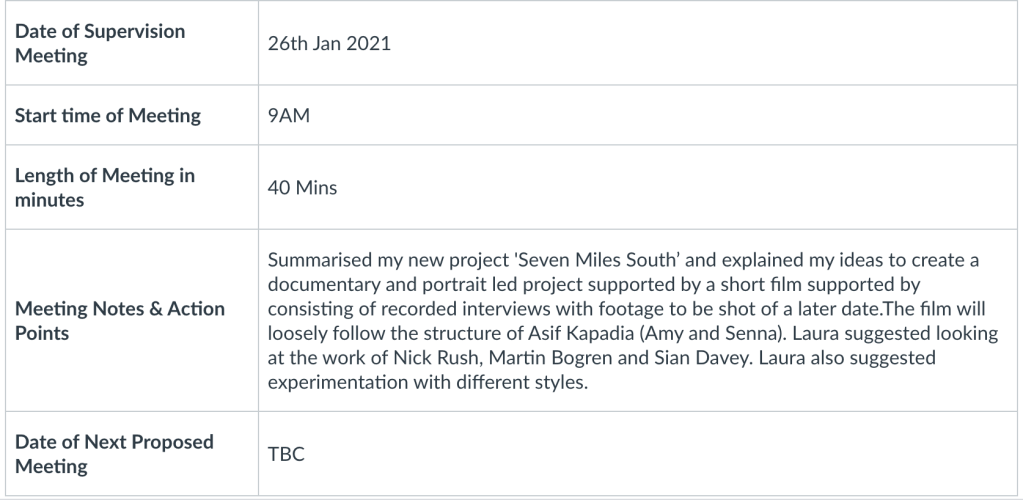
Here Barthes make a pertinent observation when considering my own project ‘Seven Miles South’ . At present I intend to make work led by portraits, supported by quieter work with the intention of furthering a story alluding to meaning. Environmental portraits will raise questions about the space I will be occupying in addition to what Barthes describes as ‘noise’ which will further meanings that may appear less straight forward. I won’t comment specifically on work, rather apply this idea when I have made the work. At present I think of the work of Alec Soth ‘Niagara or Sleeping by the Mississippi. His use of motifs and sequencing and the powerful relationship his bodies of work have collectively to make a sequence.

Barthes (1980:p38) further states…

‘If we expect the realm of Advertising, where the meaning must be clear and distinct only by reason of its mercantile nature, semiology of Photography is therefore limited to the admirable portraitists. For the rest, with regard to the heterogeneity of ‘good’ photographs, all we can say is that the object speaks, it induces us, vaguely, to think. And further: even this risks being perceived as dangerous. At the limit, no meaning at all is safer:

Here Barthes makes meaningful comment in trying to decode my philosophical approach. Whilst at the same time demonstrating the development of my own photographic literacy in the sense that my appreciation of quieter or more metaphorical work has perhaps seen the furthest distance travelled since my time on the course. I see this photographic literacy as a type of restricted code which possibly confirms Barthes idea that the heterogeneity of photography is seen as a threat to a capitalist society. Such observations are complexed and serve to create a wider gap between photography that resonates with new audiences within the community and work that resonates with audiences that have an existing understanding of photographic literacy.

Barthes. R. (1980) Camera Lucida. Vantage Classics, London.

Sustainable Prospects WIPP

Book Presentation:

https://indd.adobe.com/view/b917eb7b-22be-4a94-a61e-c5d1a646bb5d

Artist Statement

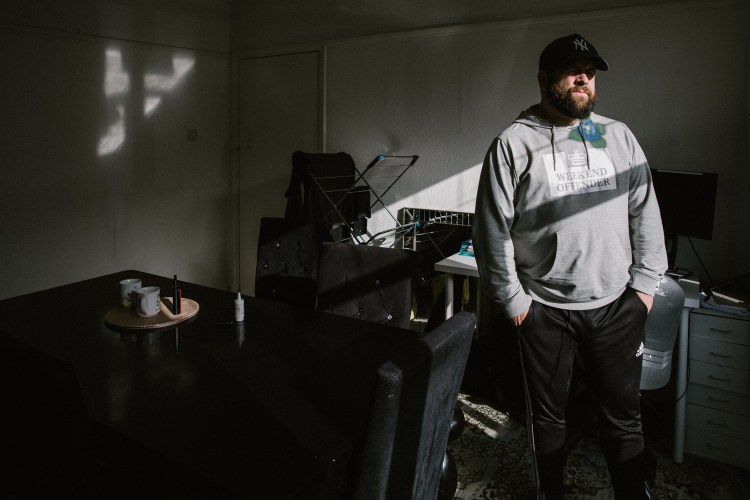
Growing up on council estate on the outskirts of Manchester was tough, Mum and Dad split up when I was around four years old, my Brother who was much older moved out when he was in his late teens and Mum worked long shifts in the local biscuit factory. 

On a daily basis I would walk home from primary school with my mates apart from once a week when my Father would pick me up and take me to a cafe for my tea. Nan and Grandad lived a few doors away so most of the time I had somewhere to go. 

On the unlucky days when I forgot my keys and Nan and Grandad were out. I’d have to break into the house through one of the front windows, tapping the side of the frame until the latch came loose and then RESULT! I was in. My evening meals would often be sourced from the industrial sack of penguin biscuits located under the sink. 

I’d had a few Step Dads over the years, some of them used to hit me around the head when I was naughty, the result would be headaches lasting a couple of days. I didn’t really think this was wrong as it was common to get a smack in the late eighties/nineties when I’d been back chatting or unhappy at my treatment.

School was tough and I found myself needing extra help in most subjects and I didn’t really achieve much. What I did learn at school was that I could hit a rounders ball further than most, run faster and score more goals than the other kids. 

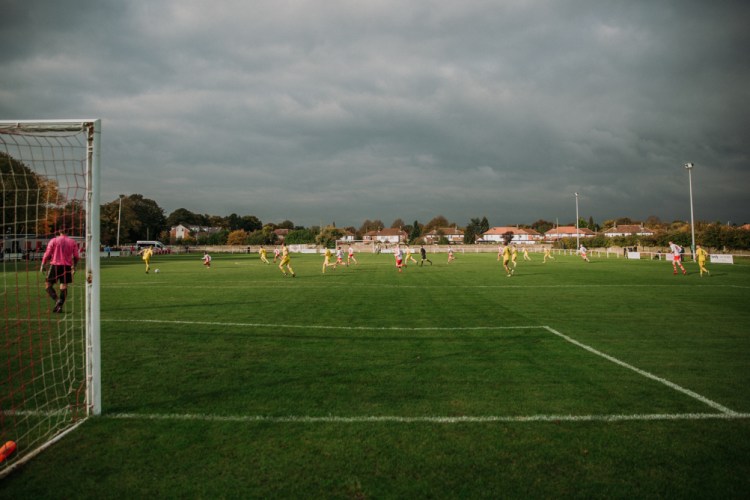
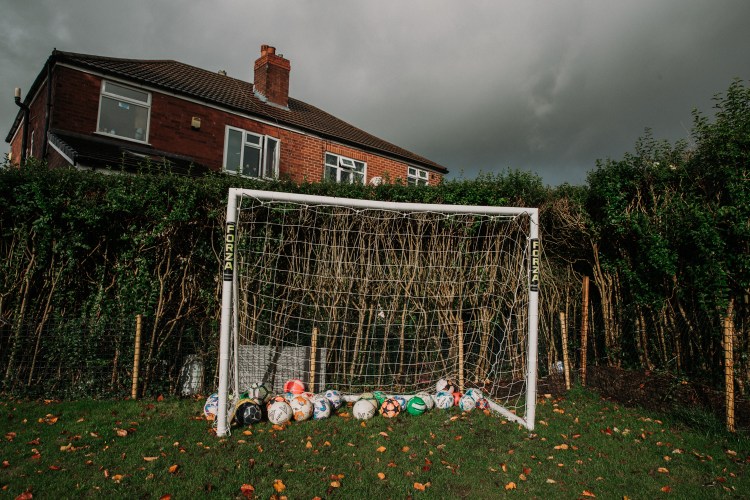
I also had lots of friends and summer evenings were often spent playing football on the local field or the old car park behind the shops opposite my house. Most of the other kids were a bit older so playing against them was tough, if you couldn’t handle it then you wouldn’t be allowed to play, if you won then you would be on the wrong end of a dig, that’s if you allowed them to catch you. Sometimes you would get caught and have to take the repercussions. 

We accepted the way things were in our community and in hindsight, I have no doubt that the competition we had and the respect we learned was an excellent place to learn the rules of the football dressing room. 

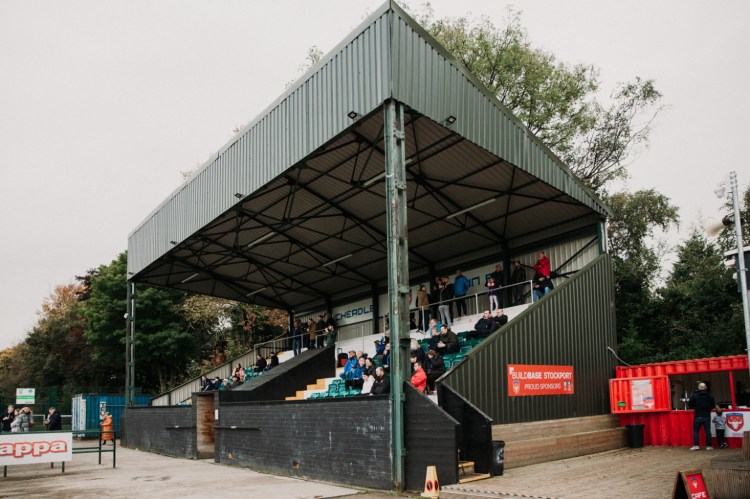
Some went up the levels and illustrated promise within the professional ranks before dropping down to the non league levels. Which is where this story begins. 

Anyone who plays at this level for a prolonged amount of time has my full admiration as my experience was one of learning about my limitations. Coming to realise that a future in the game isn’t possible is a lot to come to terms with. What is more difficult is plotting a route forward. Faced with our own fears and ill discipline, we have all had a difficult journey, we have often shared those difficulties in the dressing room, helped each other, fallen out, been picked up and put back on track. 

Now approaching Forty, the football has gone. The lads disappear as we become parents and role models. For most this is the case, however there are also the people who are no longer here. 

The football community is a unique space to talk, listen and watch. To a large extent, the football environment is where I was brought up. I met people who I aspired to emulate while sharing my problems and fears amongst peers. 

It is a space where expectation on the pitch is paramount, going up the levels that expectation rises and when you stop, you look back with a range of emotions. 

Football was therapy, this body of work has helped me understand the importance of finding new ways to share a conversation. It might just save a life.

Week 11 | Critical Ideas

Below is a list of critical ideas with the potential to inform my work going forward.

Read and Simmons (2017)  Photographers and Research, The Role of Research in Contemporary Photographic Practice. Taylor and Francis, New York.

P218

Read (2017) cites Norfolk ‘when i’m researching i’m still looking back fourteen years and thinking about the line that runs through and joins my work up? 

Citing Okeeffe ‘looking back she had the same concerns in her nineties as she did when she was eighteen and just starting out? 

Read (2017) As a curator I am looking for what is at the core of the work. Powered by authentic concerns of the photographer.

The presence of the authentic voice is what lifts the work above the everyday.

P222 

emphasises ‘feedback from others may necessitate feeling one’s way through the process of making work. 

Citing Dyer ‘You don’t have to know what type of book you are writing till you have written a good deal of it, maybe not until you have finished it.

Books generate a form and style uniquely appropriate to its own needs.

The work may start from a few words, a feeling or question and be a process of discovery, a working towards something which feels right, true or authentic.

Citing Deborah Bright 

The continued process of making work strengthens the artist’s ability to find their way

Intuition is not random but channelled by my individual sensibility, a way of thinking and seeing that has evolved over many years working behind the camera and making and looking at photographs.

Citing Edmund Clarke when making a photograph

‘The decision to is related to all the research i’ve done before. Because you are having to work quickly you are so completely focussed on what you are doing that you trust yourself to make the aesthetic judgement but also to make decisions based on what your brain is telling you is interesting.’

Read (2017) ‘Looking back at the concerns that form the backbone of the work and the interests which fuel it, with or without input from others, will serve to provide evidence of where they have been and point the direction for the future. 

Laurent (2017) Why We Do It: Photographers and Photo Editors on the Passion That Drives Their Work [Online] Available at: https://time.com/4839246/photographers-passion/ 

They are the ones who sort all the chaos of the world into images that bring clarity to the free-for-all of life. They are the witnesses and artists who can distill the mayhem and beauty that surrounds us.

When they direct our eyes and hearts with precision and honesty, we know what we know differently and better. Photographers teach us to look again, look harder. Look through their eyes.

I shoot because I see. I shoot because if I don’t, I don’t know who will. Activism is seen as a dirty word. I shoot because I find peace in being especially active, and being a vigorous advocate for a cause.

How does one define what a “cause” is? According to Webster, it is “a person or thing that acts, happens, or exists in such a way that some specific thing happens as a result; the producer of an effect.”

I wish that every image I photograph reexamines and redefines the image of the black man, the black woman, and the black child. My photography is first and foremost a catalyst or reason to motive human action. Every picture I take asks the questions, “Who am I and what is my role here on this earth?” It is my way of seeing. It is my way of saying this is another way of seeing me.

Photography can defeat time. Images can keep the memory of a loved one alive, hold a moment in history for future generations, be a witness to tragedy or joy.

Now that the image has become devalued as a truth-revealing mechanism, it is free to own its subjectivity and becomes an ideal medium to navigate ideas around humanity, connection, identity, memory, presence, experience and intimacy.

Scott, G (2015) Professional Photography, The New Global Landscape Explained. London, Focal Press.

The Power of a Personal Project 

Scott, G (2015, P83) Our personal visual language is determined by our ability to create from the heart

Scott, G (2015, P83) Allowing them not to be controlled by the head but informed by it. 

Scott, G (2015, P83) Personal work is an essential factor in the DNA of the 21st century photographer 

Scott, G (2015, P83) In an environment in which the ability to capture quality images is available to all, the only difference between one photographer and another is the individual life experiences that shape the photographers unique perspective.

On the photographic Project 

Scott, G (2015, P86) The personal project can be whatever you want it to be. The options are endless but whatever you decide to create, it has to be personal to you by definition.

On the Emotional Project 

Scott, G (2015, P86) The emotional genre of personal projects includes all of the the stories that are close to your life experiences.

Often small scale but rich in detail, explore a subject in depth with sensitivity and understanding. 

Scott, G (2015, P90) Emotional attachment can be a catalyst for a project but very often that initial emotion intensifies as the project develops and grows.

Scott, G (2015, P94) The emotional project is often multilayered and although it may begin on a micro personal level it can both grow and embrace a multitude of elements, people and environments. 

Scott, G (2015, P95) Its concurrent spine is the desire to create a body of work based on a deep seated belief or personal experience.

Scott, G (2015, P95) Personal work takes drive and self motivation, both of which are quickly diminished by a lack of progress.

On Projects 

Scott, G (2015, P103) They don’t have to be unique stories, but like all stories they need to be told well.

Scott, G (2015, P103) The personal project will become the spine of your photographic practice.

Scott, G (2015, P106) Publishing your own work has been titled ‘vanity publishing’ viewed as an option that has been adopted by those whose work has been rejected by the traditional publishers, and is deemed to be inferior quality.

Helguera (2011) Education for Socially Engaged Art: A Materials and Techniques Handbook. New York, Jorge Pinto Books.

 ‘to participate is not to create homogeneity; to participate is to generate vitality’.

Pattison, J (2015) Exploring masculinity and mental health through the image. British Journal of Photography [Online] Available at: https://www.bjp-online.com/2015/11/alpha-jennifer-pattison/?fbclid=IwAR19oiLn4ehGZZ4h1yBzIFhgju33mfOdcn2Y0bwYeLQtftWTDWzvntSgx5s (Accessed 2nd Nov 2020)

This argument may be furthered by Pattison (2015) who states…

‘I had to be extremely sensitive in my approach. I agreed with my father before we started the project that he would have power of veto over how his story was written. It proved to be helpful to have clear boundaries and I believe this protected our relationship.’ 

Rosen (2020) Alex Majoli on Artists and the Rewards of Environmental Portraiture. Magnum Photos [Online] Available at: https://www.magnumphotos.com/arts-culture/art/alex-majoli-artists-environmental-portraiture/  Accessed: 17th Nov 2020
https://www.magnumphotos.com/arts-culture/art/alex-majoli-artists-environmental-portraiture/ 

I learned that the place where one should take a picture of an artist is in their studio.”

Majoli’s sensitivity to the complex interplay between his subjects’ inner worlds and outer lives has made him a gifted portraitist of leading contemporary artists.

Majoli’s environmental portraits reveal the collaborative nature of his approach and the importance of developing a space for mutual engagement between artist and sitter in the creative process. 

Majoli possesses the ability to distill the essence of each artist to reveal the space where mind, spirit, and body become one.

“The artists saw my photography, and some of my conceptual work. They were excited because maybe they didn’t know what I would come up with. Sometimes they would be skeptical, but they were also intrigued and interested in being more experimental.”

For Majoli, dialogue is a critical part of the portrait process, be it through a conversation or shared activities. “Even when I have my camera in front of a person, the person can collaborate with me by suggesting a set-up they would like to try,” he says. “We go from there to another place — that is the best part: just to be free to express ourselves. It has to be a picture of two people, not only one. Then the cross-over of two personalities materializes in the work.”

The results are a series of portraits that stand at the intersection of two creative minds, allowing each portrait to stand apart from one another by offering a unique, often-unexpected insight into the spirit of the subject.

“Shirin Neshat is so beautiful, fragile, and silent. She was dressed in black with painted eyes that reminded me of a cat,” Majoli recalls. “Her home was a minimal place in Soho [in New York] with beautiful light. I tried to [create some] symbiosis and translate what I saw. I entered her place: it was white, she was dressed in black, and the work is black and white. It came naturally to do what I did there.”

“You can fall in love with any man or woman, any artist you photograph, because they are so brilliant of mind.”

As an artist… you wake up in the morning and do what you feel. They keep the flame of creativity focused on the art, rather than how much money they could make with it. I feel like even if they got $1 a day, they would have the same passion and dedication. I am sure — I saw that.”

Colberg, J (2017) Understanding Photo Books, tHE form and Content of the Photographic Book. London, Routledge.

Helguera (2011) Education for Socially Engaged Art: A Materials and Techniques Handbook. New York, Jorge Pinto Books.

Scott, G (2015) Professional Photography, The New Global Landscape Explained. London, Focal Press.Sontag. (1973) On Photography. New York, Dell Publishing.

Sontag. S (1973) On Photography. New York, Dell Publishing.

Websites

Laurent (2017) Why We Do It: Photographers and Photo Editors on the Passion That Drives Their Work [Online] Available at: https://time.com/4839246/photographers-passion/ 

Rosen (2020) Alex Majoli on Artists and the Rewards of Environmental Portraiture. Magnum Photos [Online] Available at: https://www.magnumphotos.com/arts-culture/art/alex-majoli-artists-environmental-portraiture/  Accessed: 17th Nov 2020