Contextual Research | Saul Leiter

It is difficult to know where to start when attempting to write about Saul Leiter. I became aware of his work a couple of years ago when I wedding photographer friend posted a shelfie of his photography books on social media. I instantly took a screen shot and begun to look at the work of the names of the books.

At the time I didn’t have the photographic literacy to explain my thoughts on his work, all I knew is that I loved it.

At this stage of the MA I have produced a number of portraits, some of which I like, some I don’t. Some I like but think are a little safe and some I’m not sure about and are unsafe. What I do understand is that my work is developing and becoming stronger, however I am now at the stage where I need to think beyond the portrait and sequence phase and engage with the task of visualising the journey element of the project.

I have begun to consider work beyond portraits and to date I have looked at a range of work and projects, many of them with really powerful messages behind them and visualise a story in an authentic manner. What I need to do is to research and take influence from work that excites me as a photographer. In stating this I feel the need to further clarify some of the traits that I find alluring.

Contrast: I am drawn to colour and contrast and see the likes of Stephen Shore, William Eggleston and Saul Leiter the masters of this approach. Leiter’s work particularly speaks to me as I am drawn to the dark tones of the night coupled with lights and bold colours. I see this as a route for my work, and the idea of making semi observational documentary, using textures and light.

Saul Leiter

The image above is an interesting perspective and an avenue that I would like to engage with, the light, dark and colour all working to produce a dirty frame which encompasses a sense of loneliness. As my project develops, it is becoming more apparent that my project has an overarching theme of mental health, and when I look at this image I sense a visual discourse that I believe.

At present I have frequented the route of my project several times, and each time returned disappointed that I have created one dimensional work that I find quite frankly boring. Therefore, the time has come to experiment further. Teich (2016) cites Leiter…

“We live in a world full of expectations,” he said. “And if you have the courage, you ignore the expectations.”

I understand that I should be commenting of the technical quality of his work however Leiter’s comments encourage me to let go of any preconceived ideas of how I should make the work. Of late I have felt that I have been making work based on what I think I should do as opposed to holding on to the freedom I had at the start of the course. As a resolution I will endeavour to produce work that is a synthesis of freedom and an informed photographic literacy. Trusting my ambition in the pursuit of my authentic voice. (Burr 2003) comments on perspective

‘A discourse refers to a set of meanings, metaphors representations, images, stories, statements and so on that in some way together produce a particular version of events. It refers to a particular picture that is painted of an event, person or class of persons, a particular way of representing it in a certain light. If we accept the view… That a multitude of alternative versions of events are potentially available through language, this means that, surrounding any one object, event, person etc. There may be a variety of different discourses, each with a different story to tell about the object in question, a different way of representing it to the world’. (Burr 2003)

Having been pontificating this idea for some time, I feel it is relevant to highlight now as my project develops and comes to life. The mental health theme it has emerged is the central concern at this time, as a result I am required to trust my own method of representing the world as I see it. The work as described by Burr contains a discourse that is representative of my own photographic DNA. Having a project which is now beginning to establish itself, a strong theme and a title that I like, the concerns are emotional and powerful. This is a rigorous process and serves of the heartbeat of the project.

Read (2017) reaffirms the fostering intrinsic motivations ‘As a curator I am looking for what is at the core of the work. Powered by authentic concerns of the photographer’. In making this breakthrough I am in a position to increase the volume of the project and take the engagement to new levels. Read then concludes (2017)

‘The presence of the authentic voice is what lifts the work above the everyday’. And at this stage, and lockdown measures easing, it will be all systems go from here.

Burr, V. (2003) Social Constructionism, Second Edition. Routledge, London.

Read and Simmons (2017)  Photographers and Research, The Role of Research in Contemporary Photographic Practice. Taylor and Francis, New York.

Teich (2016) Photographer Saul Leiter in His Own Words: Believing in the Beauty of Simple Things, https://www.wuwm.com. [Online] Available at: https://www.wuwm.com/post/photographer-saul-leiter-his-own-words-believing-beauty-simple-things#stream/0 [Accessed 17th March 2021]
Contextual Research | The Water’s Edge

Following on from an intensive week of portfolio reviews and feedback on my work, I am beginning to consider where the next point of development lies in terms of my approach. Of late, I feel that I had developed my approach to creating portraits and I feel that I’m at a point where I feel at ease in making them in most situations. In recent weeks I have made the transition from shooting with a 24mm lens to a 35mm. This change has led to my work generating a little more atmosphere however my approach essentially remains the same. I did feel happy with this however when attending a group critique with Paul Clements, having reviewed a collection of my work his observations were that my current practice was. a little safe. Again I took the feedback with a positive attitude and on reflection I completely agree with his observation. That’s not to say that being safe is a bad thing as I do feel my portrait work has become clean and tidy and quite carefully considered.

As a result, I am pleased that I have arrived at this stage as I’ve needed to work extremely hard to get to this stage but at the same time, who wants to make work that is safe? Not me.

In terms of developing my practice I subsequently ordered Michele Sank’s photo book ‘The Water’s Edge’. Having read the essay by Lacey, I begun to look at the portrait photographs made by Sank. Initially I was unsure of the work in a technical sense, not about the quality as I think the photographs work very well in relation to the subject matter. However, as someone who is now familiar with Sank’s later work the difference and evolution is evident. My first observation is regarding the choice of shot. Within this book, the photographs mostly crop below or above the knees. I notice this as I have had my own journey with this type of shot. Moving away from a mid shot to include the whole body of a subject then eventually moving back towards excluding lower parts of the body. The continuing use of this approach I feel moves the work towards an example of typology. At this stage of the post I need to acknowledge the work of august Sander here with an emphasis on the idea of ‘collecting’ however, when thinking about the observation made by Paul Clements and being ‘safe‘ I need to consider my response in terms of my future direction as opposed to highlighting a stall in development.

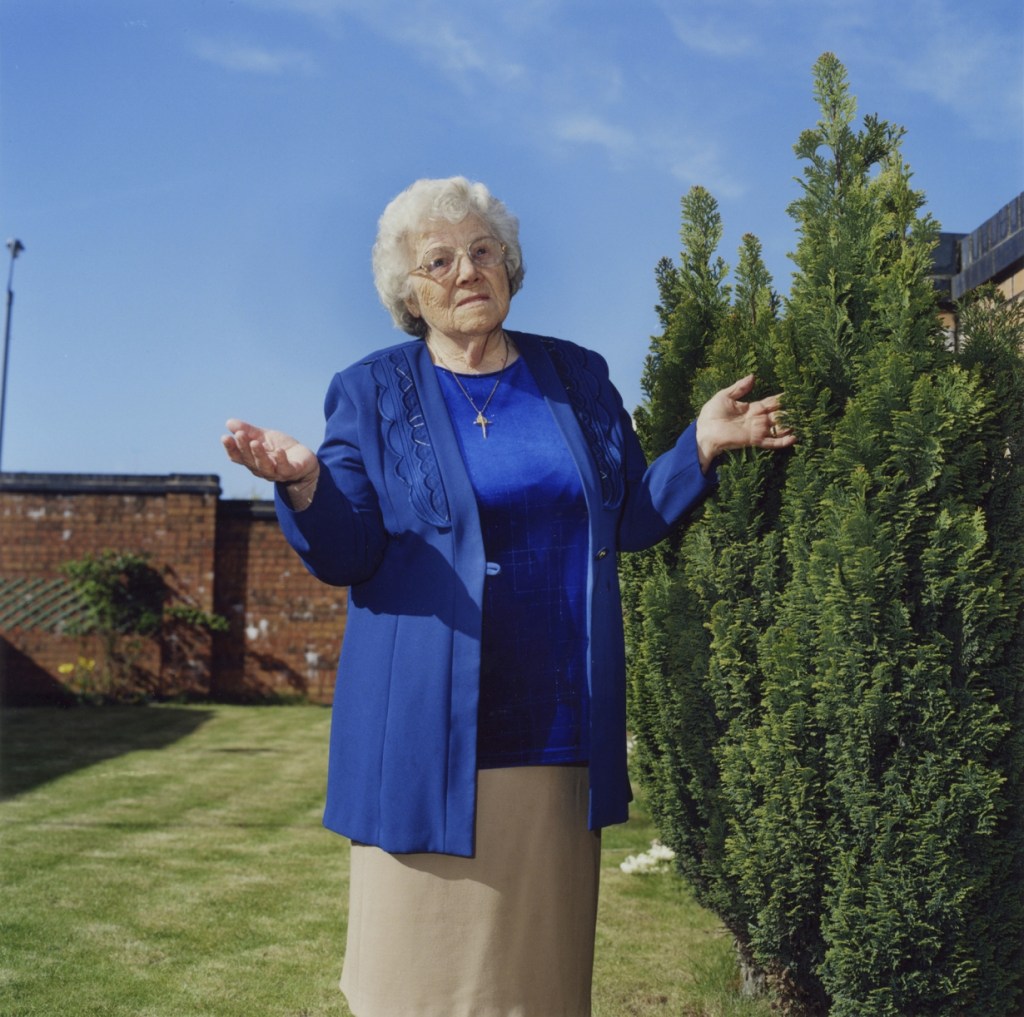
Dolly | Michelle Sank, The Water’s Edge (2007)

Going back to Sank’s work in The Water’s Edge, I feel the real strength of the work is the subtle gestures made by the sitters which hint at their working class roots, almost with a sense of melancholy which I associate with my own upbringing in a similar place with similar people. It then occurred to me that the photographs in this book stimulate my thoughts in a way described by Bate as ‘projection’. He suggests ‘In projection, a viewer can implant their own feelings in a portrait photograph even though it seems as if these meanings come from the actual portrait.’ In the case of the water’s edge, I feel this is definitely true in my own experience.

In terms of selecting a specific example to consider from the book, I could choose any of the images and apply a relatable example of a similar character from my own life. In this instance I am going to choose the photograph of ‘Dolly’ on page thirty. Is she similar to my Nana, yes, similar to the lady who lived opposite in my childhood home on a Stockport council estate, yes. Could she be a family friend yes who you have to refer to as Auntie?.

Her hair takes me to my nana’s home, sitting on her sofa while she makes me a drink and asks if I would like a biscuit. Always dressed well, colour coordinated with pristine and well groomed, silk like hair. Often overhearing conversations when the phone rings, arrangements for her weekly appointment with the hairdresser. In relation to the image of Dolly, I acknowledge the religious gesturing and its connection to the crucifix around her neck. But in my case, the image moves away from my own projection but the relevance here is insignificant because my personal projection of seeing my own life in here has already been achieved. The impact of the subject of the photograph is furthered by the environment Dolly finds herself. Conifers! I have a strange relationship with conifers, my childhood dominated by a large conifer which sat in our front garden for many years. I would stare at it, annoyed that I was unable to past it, but at the same time recognising that it was a unique feature to our house on the estate. Nobody else had a fifteen foot conifer in front of their living room window.

Within the book, Lacy (2007) comments about Sank as ‘having a profound ability to capture the compelling essence of a person’. This exemplified in the front cover image. In addition to the vantage point and choice of shot, the gesture, pose, eyes and placing of the chin serve to produce powerful connotations of the guarded yet aesthetic beauty of the sitter. This is person who is used to being pursued by males while being envied by by her peers. The essence of drama in this photograph probably runs parallel to her life. Berger (1972:47) comments

‘Every woman’s presence regulates what is and is not ‘permissible’ within her presence. Every one of her actions – whatever its direct purpose or motivation – is also read as an indication of how she would like to be treated’.

With reference to the image on the front cover of the book, the presence of the beautiful girl offers insight into her emotional fragility as a result to her guarded body language. Almost a barrier to her emotions, not giving anything away. Probably a matriarch in training, learning how to navigate the route to adulthood. Evolving her own ideas of what is ‘permissible’ although these ideas probably haven’t aligned with her own emotional experience. This is a powerful photograph because of its contested territory between representation and identity.

Blaze | The Water’s Edge, Michelle Sank (2007)

The photograph works on two levels. In one respect, the viewer is invited into her guarded world, whilst looking at the photograph as a projection, I see my own early twenties in this image. The adult and non adult dynamics between love and distrust. Old enough to engage in playing the game of adulthood without the emotional tools and experience which brings maturity. I almost feel the excitement of love and profound hurt when I view this image.

In engaging with Bate’s idea of projection whilst offering some explanation of permissibility as purported by Berger (1972). I am acutely aware of my own perspective as a male reader and the subjectivity that this entails. Viewing the photograph provoked self reflection and the exploration of my personal history. The image takes me to a specific period of time, and reflections of a specific person. Memories specific to myself as an individual. On a human level. Stepping out of this trail of thought and back to attempting to engage with any type of objectivity and engage on a critical level. Burr, V. (2003) cites (Denzin 1995)

‘Readers create texts as they interpret and interact with them. The meaning of a text is always intermediate, open ended and interactional. Deconstruction is the analysis of texts’.

Here, Denzin as cited by Burr reminds us of the importance of maintaining the critical parameters of the FMP. At present, the FMP has affected me due to the emotional nature of the task. I am emotionally invested on a personal level, and it is the MA structure that has enabled me to access such high emotion. Seeing and feeling the work of photographers such as Sank has a huge impact. (Lacy 2007) comments that the collaborative interviews and photographic events were conducted separately by separate people. Which I feel is a useful approach and assists the collaborators in navigating the blurred boundaries between the emotional, personal and professional. I don’t have that luxury which pleases in one sense as I have total control over the project. And with it being a project that I hope has some success in its critical recognition when completed. I feel that i’m somewhat at the mercy of the emotions of the experiences of others. These are sometimes powerful, sad and tragic. Digesting these stories broaden one’s horizons and enriches the soul.

Bate, D (2009) Photography, The Key Concepts. Oxford, Berg.

Berger, J. (1972). Ways of Seeing: Penguin, Harmondsworth

Burr, V. (2003) Social Constructionism, Second Edition. Routledge, London.

Lacey & Sank (2007) The Water’s Edge. Liverpool University Press and Open Eye Gallery, Liverpool.

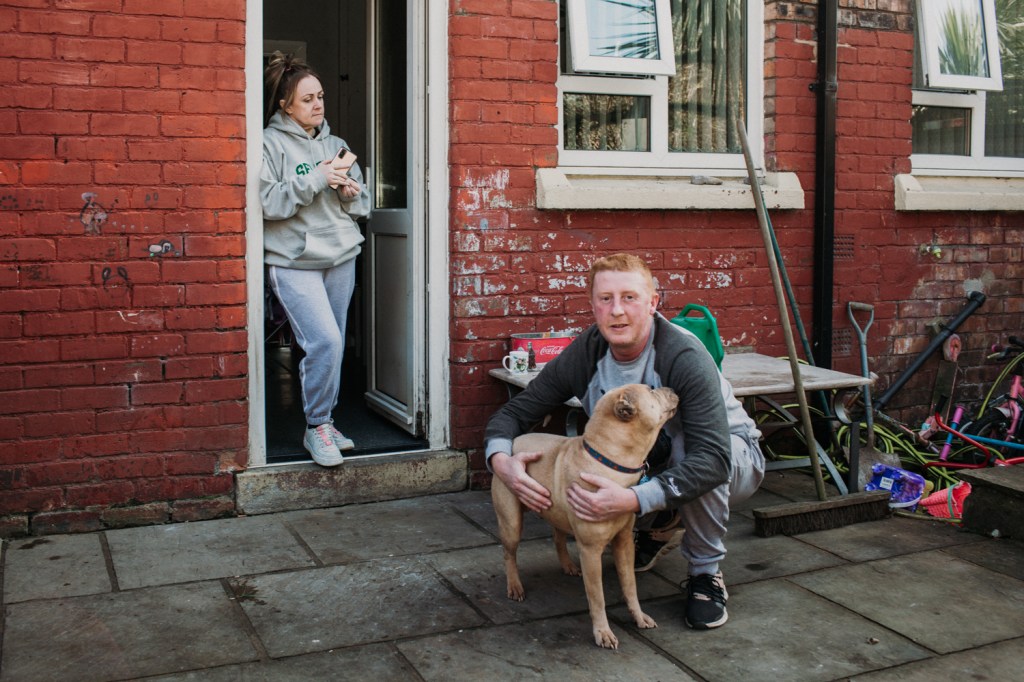
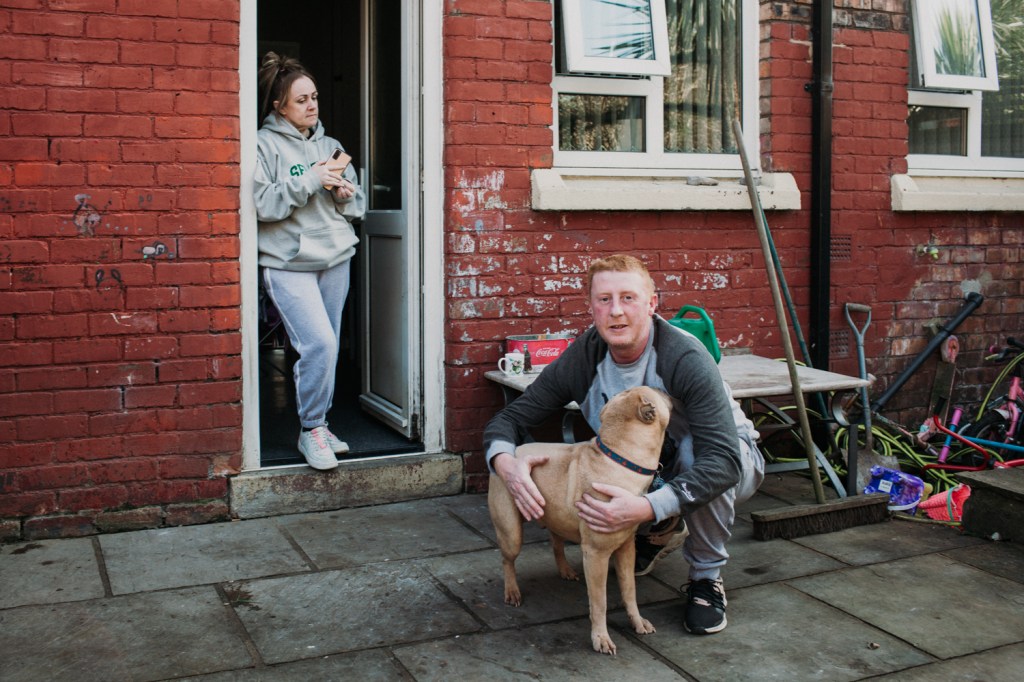
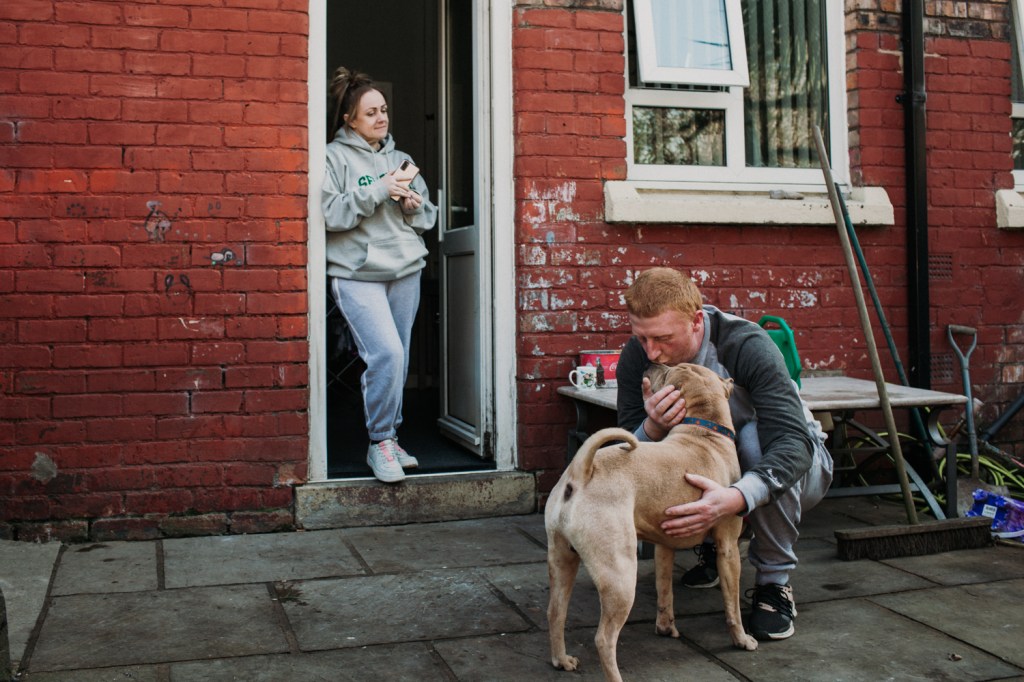
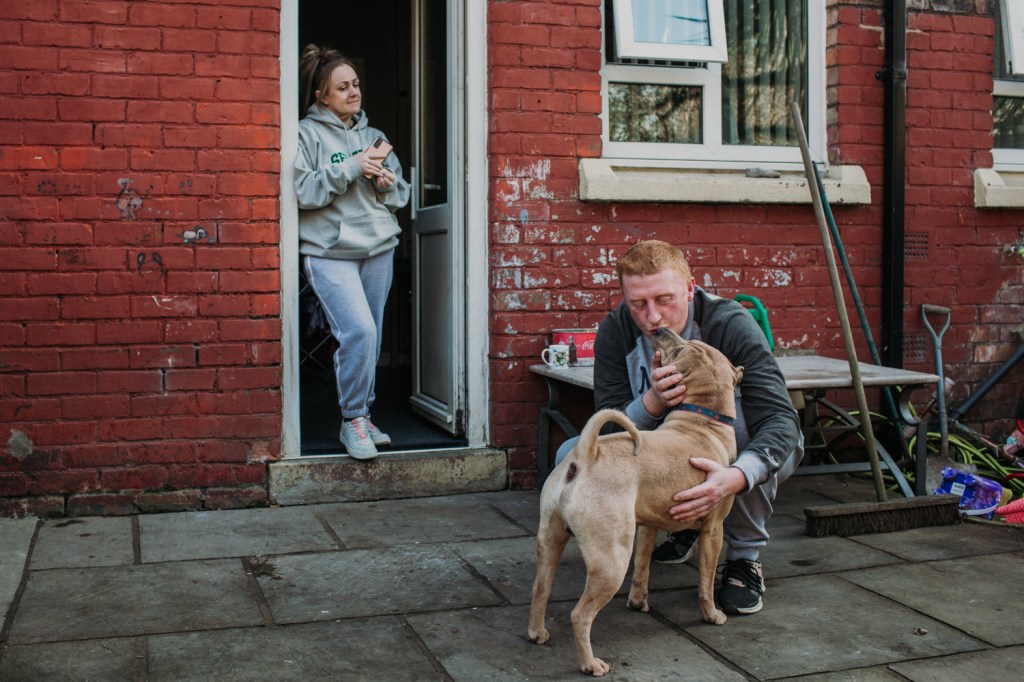
Podcast Production | Nathan

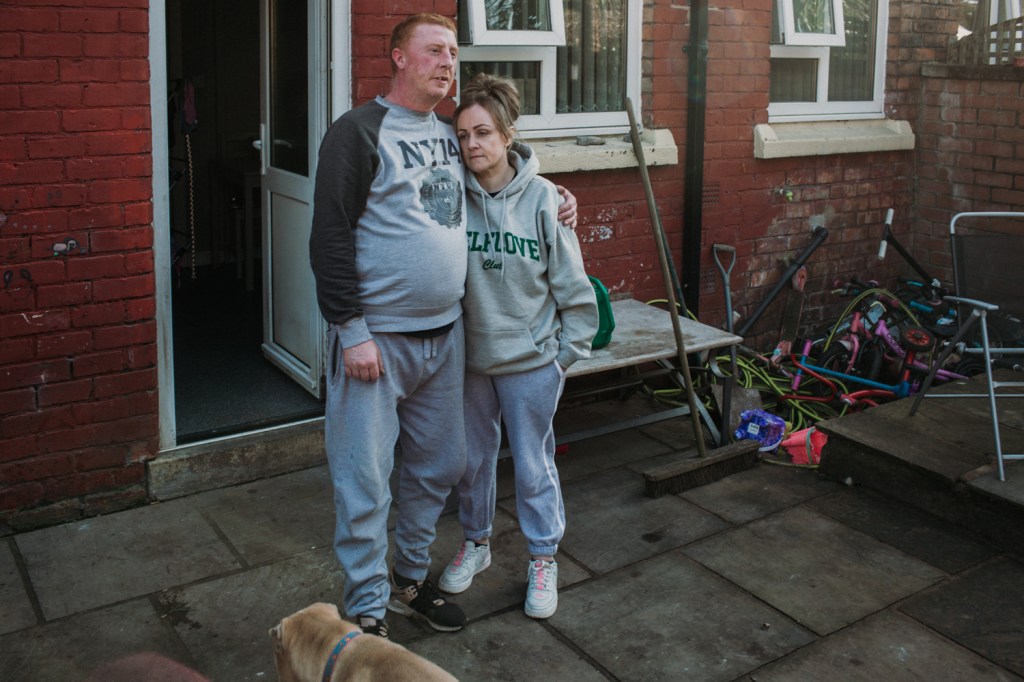
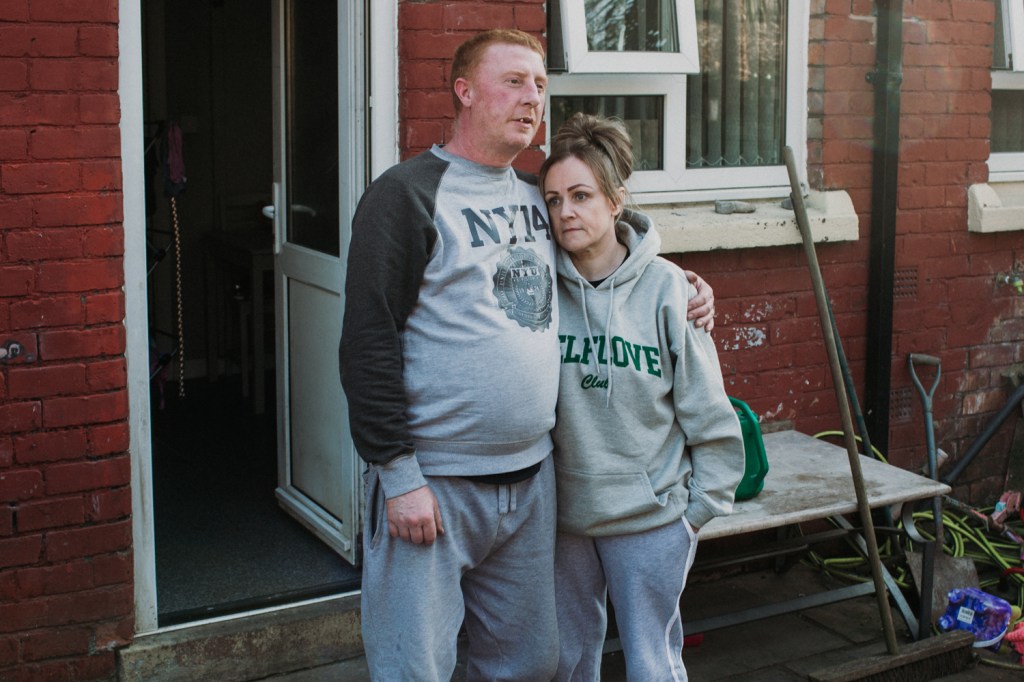
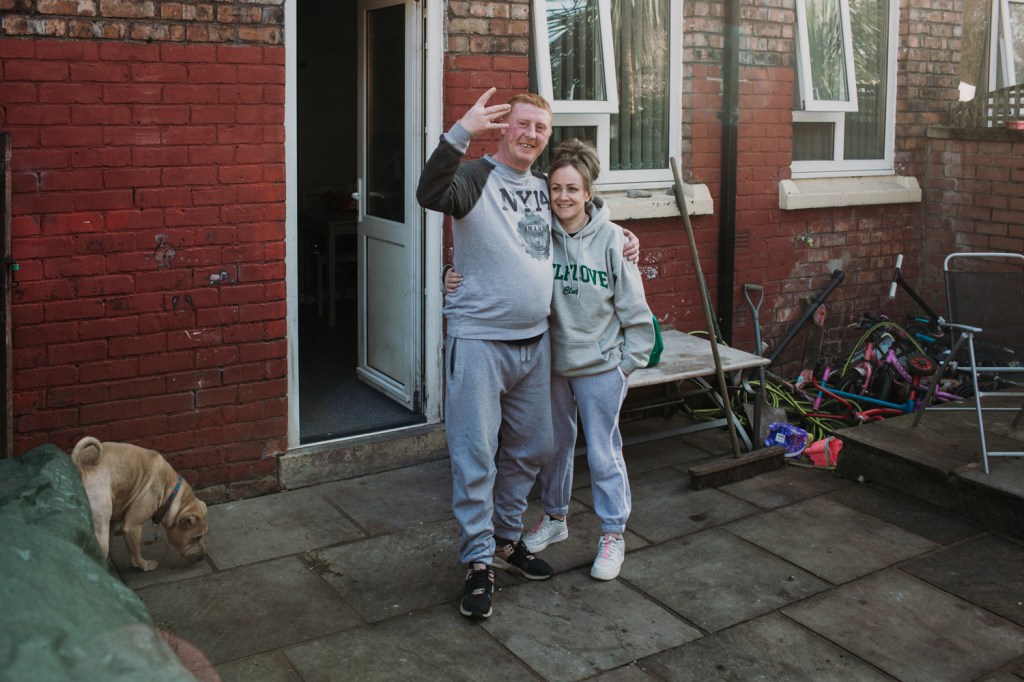
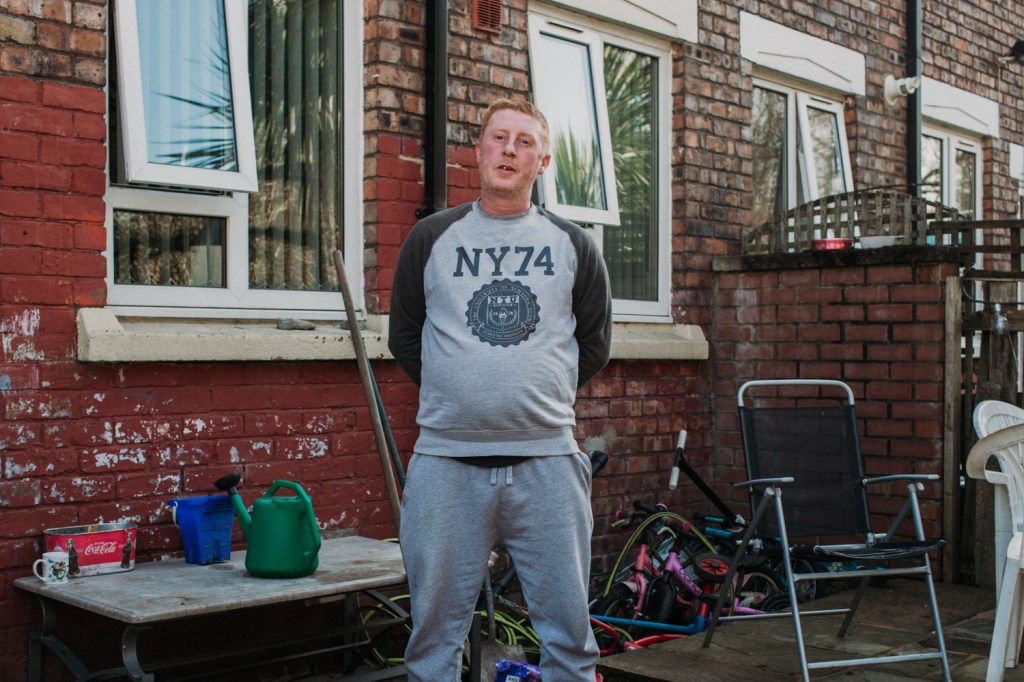
Having produced and edited new work I was conscious that I needed to engage with the task of editing the recorded interviews that I conducted. I was reluctant to do this immediately as it is an emotional task to listen to the struggles of others and needs to be done when I am alone which isn’t very often in my household.

When reviewing the audio I felt at odds regarding the appropriate production values I should be applying to this work. In order to make this work I have been using the voice recording function using my phone. I did consider using a zoom microphone but I felt that would be an unnecessary barrier between myself and the interviewees.

A mobile phone is an everyday item which most carry around with them, therefore I felt this was a good option as this project is about emotion as opposed to aesthetics. And in using a mobile phone I feel that in using an everyday item, It was one less barrier in addition to the camera. I made this choice because it felt like the correct thing to do. The camera is already an object which carries aggressive connotation, as Sontag refers to its ability to violate someone. Having already conducted some interviews, I feel that the more I act like I am making a production, the more guarded a collaborator would be. In this instance, the person I am collaborating with, I care about greatly.

In this instance Chalfen (2011) reminds that ‘a project initiated by a caring individual within a context may be an act of responsibility or personal interest’. Sentiments that very much apply this this project. Although, with a technical mid frame taken from a background working in factual TV. I felt that to enable Nathan to tell his story with maximum authenticity, he needed to collaborate with a trusted friend and not a documentary maker. Barthes (1981) suggests that  “authentication exceeds the power of representation”. and I agree in case, the content of the interview being far more important than the production values. I also feel that the strength of the collaboration is rooted in the power of the content which moves the project beyond the aesthetic.

When editing the audio, I started by removing as much of my voice as possible. I didn’t want the presentation to encompass any manipulation on my part. This is a further contested territory but an approach which reminds of the advice provided by Colin Pantall in recent webinars who continually encourages to think about the work in relation to being able to frame a broader story and in the case of the story I am trying to tell, my input regarding the words of others I feel needs to be minimal. However I am aware that I am very much a collaborator within this process by enabling participants to express their thoughts and views. My approach to this is informed by (Helguera 2011) who suggests that ‘participation creates vitality‘. Which aligns with my views on the process of conducting interviews as I feel that my role is to facilitate an open dialogue. In my last meeting with Laura I asked her about how she creates a sense of intimacy within her own work and she simply responded by suggesting ‘I’m an open book’. Which may seem an ambiguous statement but I totally understand this comment as a result of the interview experiences.

Having performed an initial cull of the audio, my thoughts were that I still had too much information therefore, having had a break, I went back to the edit and cut the interview further, in doing this, my objective begun to emerge in a clearer sense. At this stage I had begun to establish some specific micro narratives which were insightful in the area of the mental health theme I was challenging. As a result, I felt the relevant areas of this interview were:

Early years and childhood

Time in prison

Experiences of poor mental health

Having established these themes I then needed to consider the quandary of how to frame, or present the story. At this stage the technical versus the emotional required mediation. In response, the passages I have included within this post, encompass what I would describe as semi structured or open narratives. This felt like the correct direction as it is my intention to provide context to the aesthetics of the photographs whilst still requiring the audience to still engage with a level of interpretation. Hall (1999, p. 514) highlights ‘By the word reading we mean not only the capacity to identify and decode a certain number of signs, but also the subjective capacity to put them into a creative relation between themselves and with other signs’ And in discussing the act of interpretation, I am now at a stage where I am interested in how an audience would read the audio an image in order to produce interpretations. I will need to seek feedback on this issue and it will be necessary to take on board critical feedback attentively. Read (2017) Comments ‘feedback from others may necessitate feeling one’s way through the process of making work’. And offers a tangible way of negating the process of conducting interviews. At this stage I feel that my edits are short, engaging and have a type of narrative which offers a resolution. However feedback on this issue will be as important as my own thoughts in this area.

Helguera (2011:P11) Comments that ‘socially engaged art is often characterised by the activation of members of the public in roles that go beyond passive receptor…. in the spirit of these practices, often expands expand the depth of the social relationship promoting empowerment, criticality and sustainability’.

In collaborating with Nathan I feel that the impact on him was a positive one, he commented that he had told me that having spoken about his personal experiences made him good in addition to receiving a positive message from his partner on the evening after the collaboration with her suggesting that the impact on him was positive.

Going forward I will be editing my second interview in order to extrapolate the richest information in addition to being economical in producing micro narratives which are able to hold audience attention.

The coming week will not be prioritised with making work, rather the emphasis will be to focus on presenting the work I already have in order to amplify its meaning/impact on the audience.

Barthes, Roland (1981) Camera Lucida, London, Vintage.

Chalfen, R. ‘Differentiating Practices of Participatory Visual Media Production’ in Pauwels, L. & Margolis, E. (2011) The SAGE handbook of visual research methods. Los Angeles: Sage.

Hall, Stuart (1999) ‘Encoding, Decoding’ in The Cultural Studies Reader. London, Routledge.

Helguera (2011) Education for Socially Engaged Art: A Materials and Techniques Handbook. New York, Jorge Pinto Books.

Read and Simmons (2017)  Photographers and Research, The Role of Research in Contemporary Photographic Practice. Taylor and Francis, New York.

Portfolio Review | Clare Bottomley

The third and final portfolio of the week was with Clare Bottomley, I wasn’t really sure what to expect which is something I have come to expect from these sessions however, having found my previous experiences enriching and useful I was hoping to get some further critical insight.

In order to prepare appropriately, I took advice from Steph who highlighted the disruption in continuity caused by inconsistent use of flash. In response I decided to present portraits where I have only used flash.

Inadvertently, this served to really narrow down my work and it was interesting to see the portraits in a sequence. My philosophy with using flash is on a ‘need to use’ basis and I would often use it to fill in highlights on a subjects face. Having spoken to Steph, I was surprised she made such an observation but I’m glad she did.

As a result, I felt confident that going into this feedback session I had a body of work that had continuity in addition to a developing sense of style. I have already briefly considered the development of my work in terms of visual language and to now have the further guidance regarding lighting, I felt like I was making further inroads.

In response to my work she suggested that in an aesthetic sense, my portraits were beautiful which was pleasing to hear and she also stated that the creative choices to present the images in pairs was a good choice. I was really pleased with this but a little surprised. My immediate thoughts regarding this was that the pervious contextual development work I had done, especially looking at the work of Jooney Woodward had really paid off.

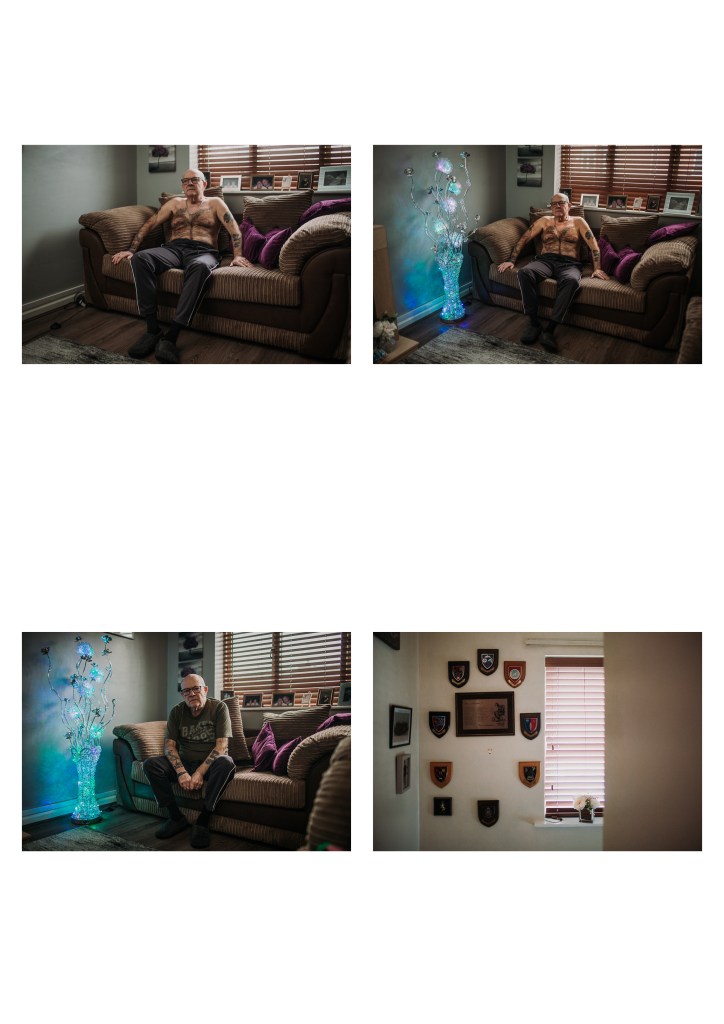
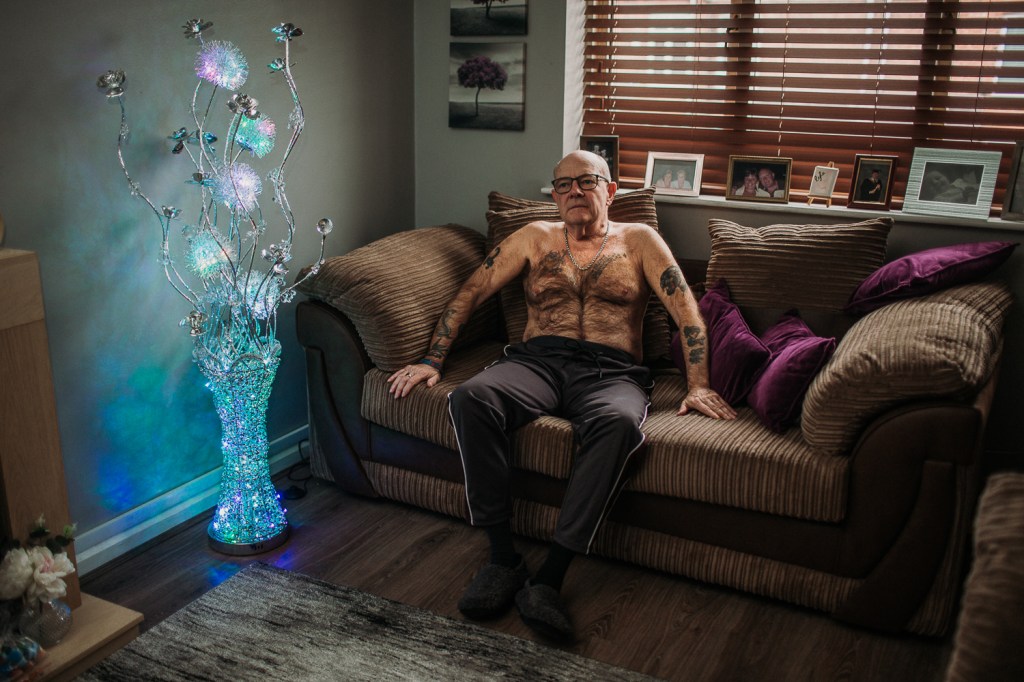
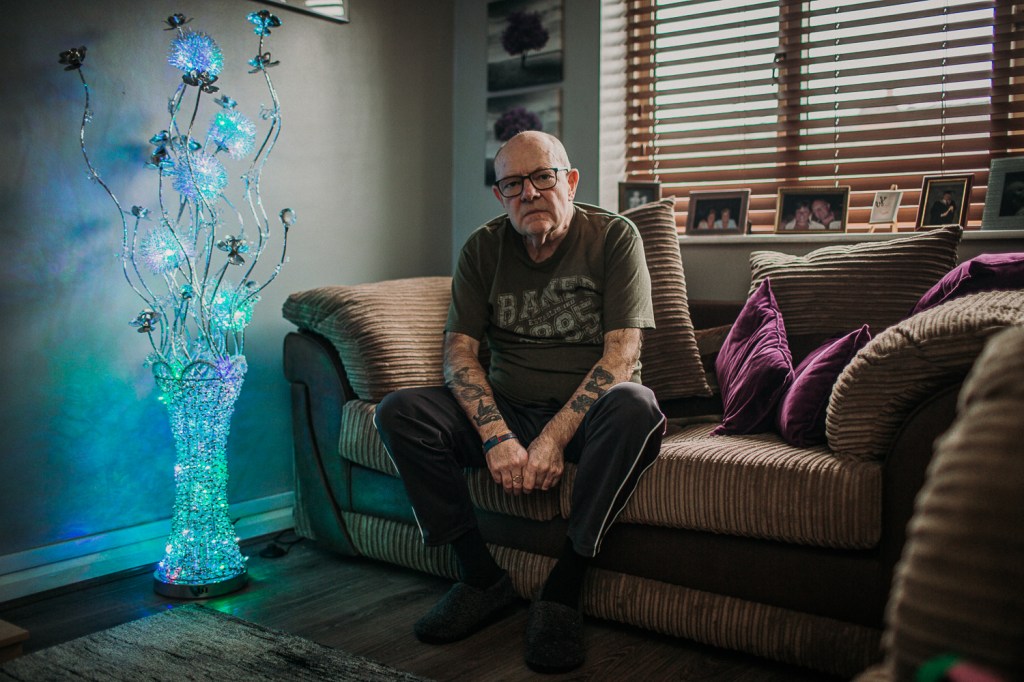
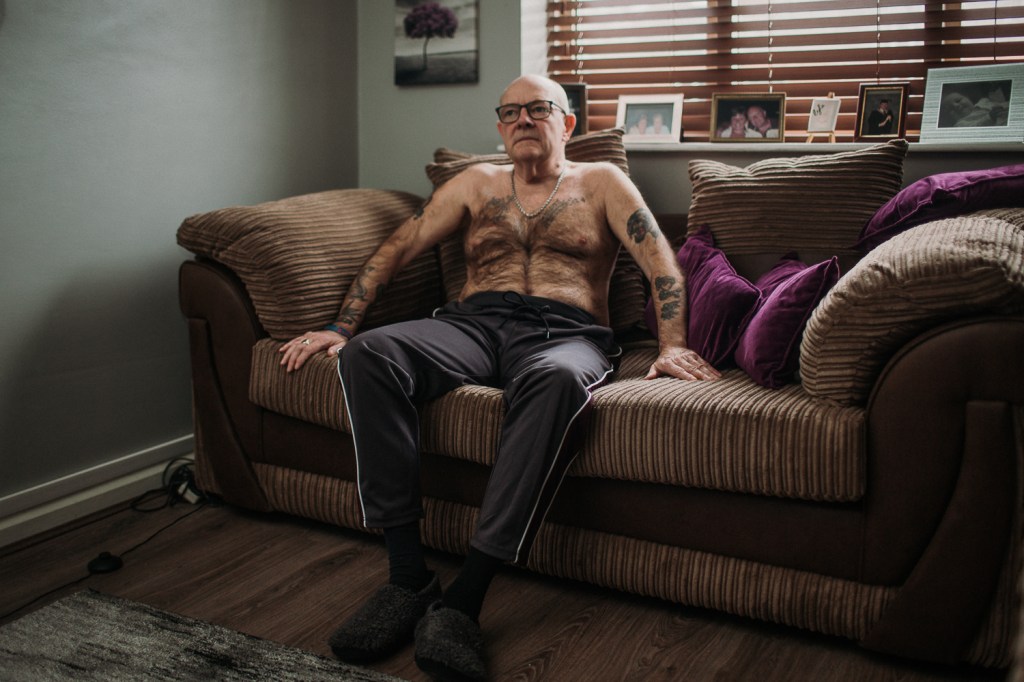
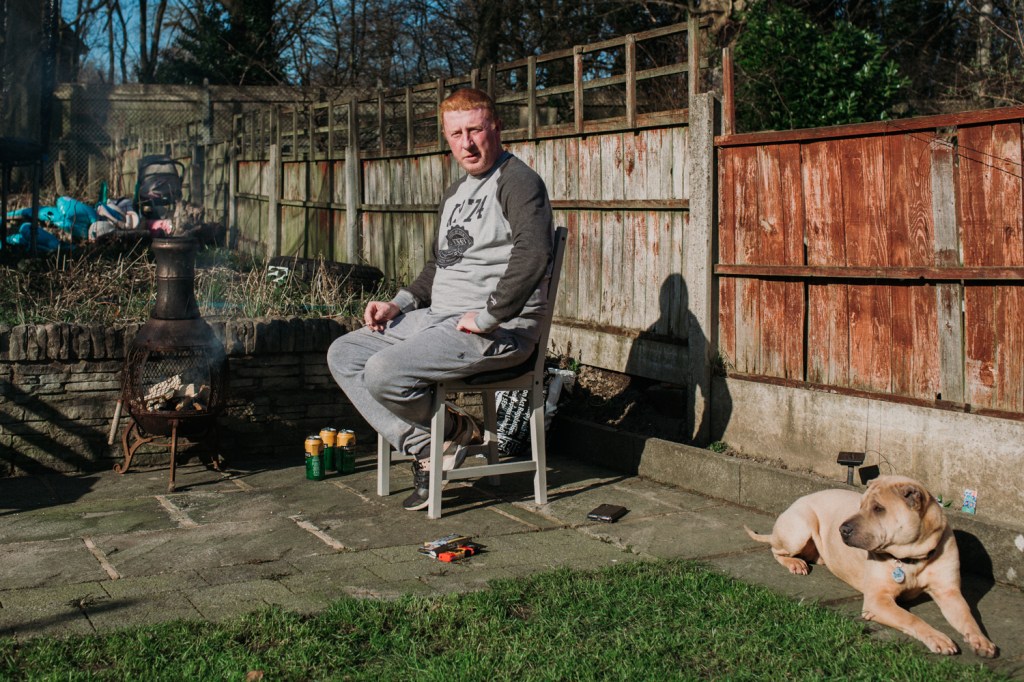
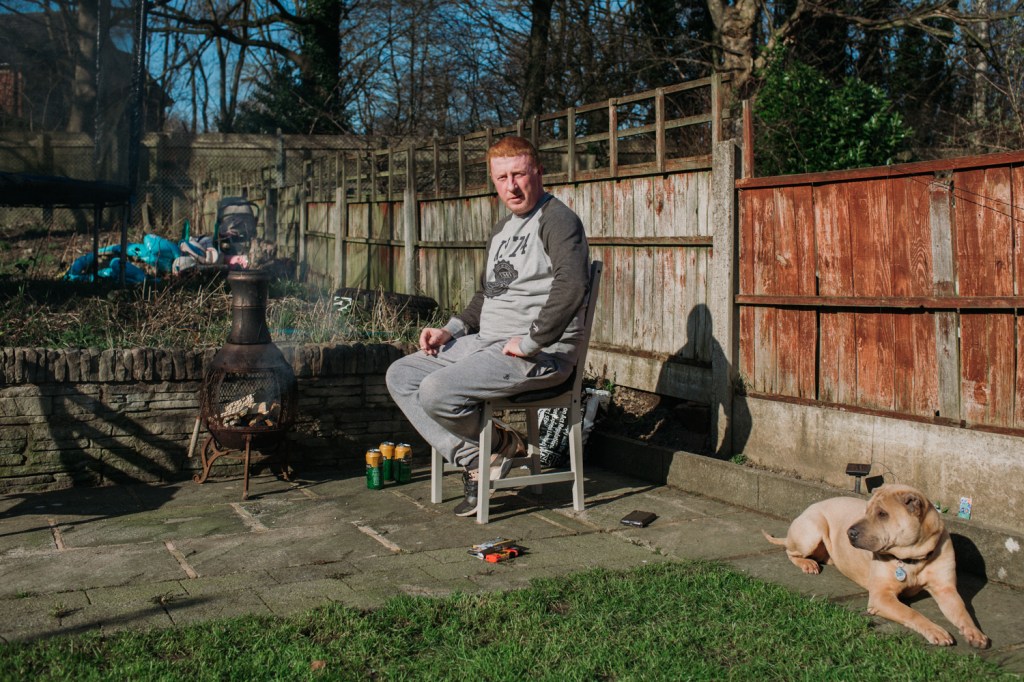
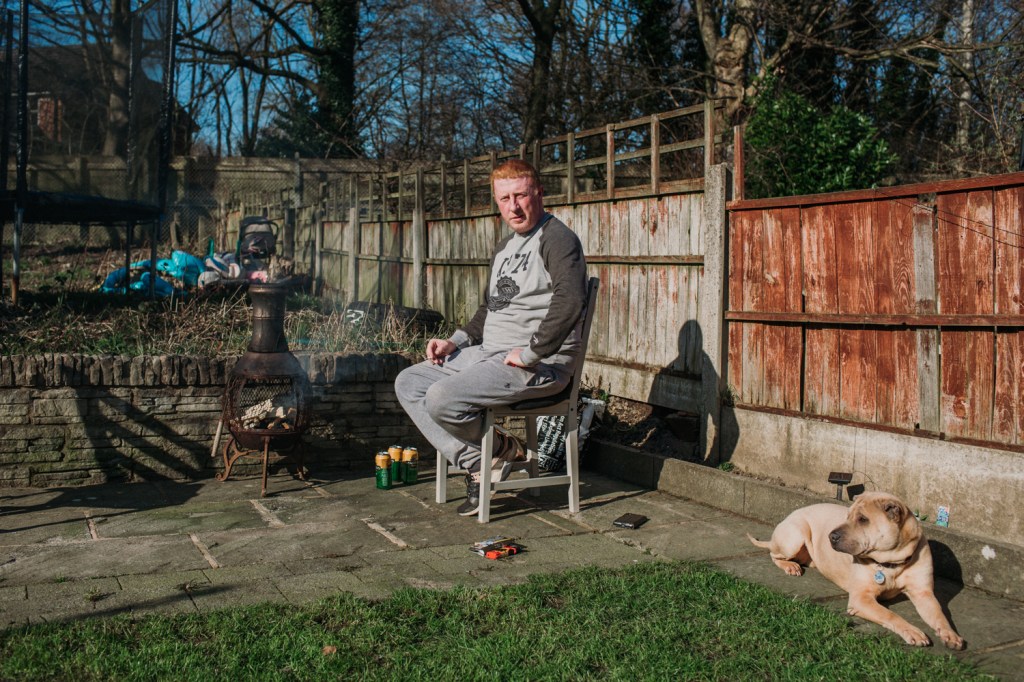
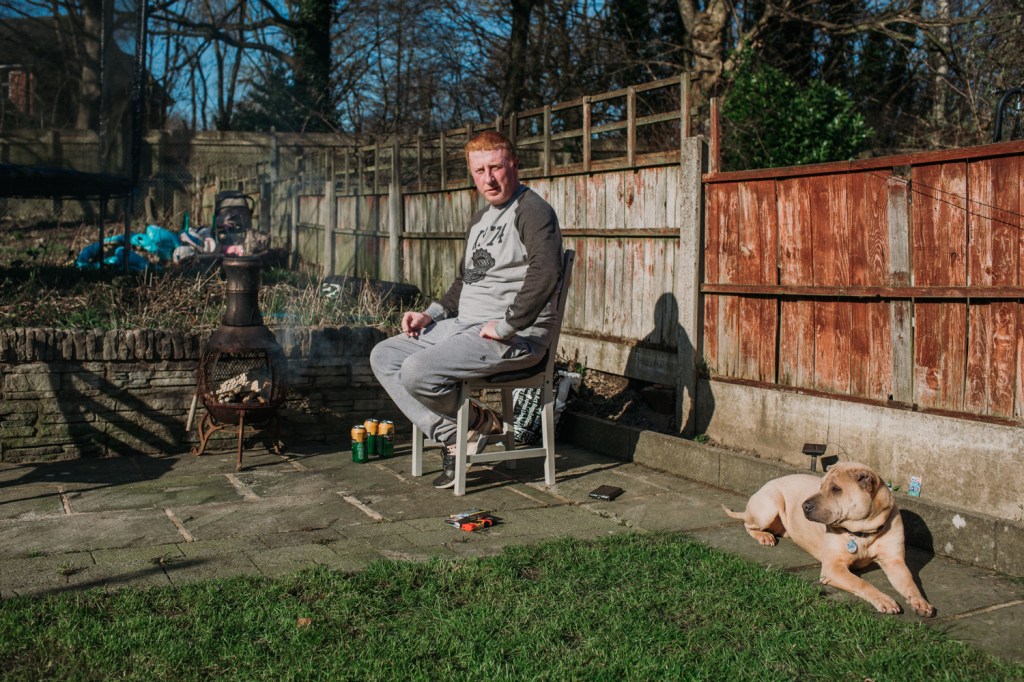
In terms of the more critical feedback, Clare challenged the philosophical approach to making my work. As I have been accompanying my photographs with podcasts, I felt that I had identified a way to get close to my subjects which I feel has substance. However Clare put forward her views regarding the sense of performance within the subjects of my work. A perspective that I hadn’t really considered previously. When viewing work within the mental health theme, I did notice a reoccurring theme with most subjects wearing jogging trousers, this wasn’t surprising and I felt this was very much a hybrid of the uniform of the street in addition to ‘Dad at home’.

Claire furthered her response in noting the interesting representations of masculinities. The conversation then alluded to ideas around performativity using the metaphor that under a mask is another mask. Of which some of my recent work I felt aligned with with her ideas.

To conclude my reflection of the session, I felt that I was encouraged by Clare to look at my work differently, on a philosophical level and consider representation in relations of masculinity that create. At present, I need to further my understanding of this area and look forward to doing so having ordered Judith Butlers book.

With regard to my early research into this area I was struck by comments asserted by Bate (2009, P82) when suggesting…

‘In ‘projection’, the viewer casts off uncomfortable feelings, which arise in themselves, and relocates them within another person or thing.’

I found this pertinent in exploring the potential relationship I have within my own portrait work. The idea that a viewer may identify and be moved by my work is always an intention, maybe even a signifier of success. Making work that may invoke the ‘relocation’ of uncomfortable feelings is a possible location of my work, through the representation of masculinities, jogging pants and deadpan faces. I wonder if i am able to produce work which has such an effect. Certainly an idea that requires further pontification.

Bate concludes (2009,P86) ‘In projection, a viewer can implant their own feelings in a portrait photograph even though it seems as if these meanings come from the actual portrait.’

The self actualisation and power of a portrait on this level, again offers clarity, making work which changes the intrinsic thoughts and feelings of the viewer, I almost consider a secret language of photography. Is this pretentious or the reason that some works move more than others. The challenge going forward is to connect this philosophical approach with the current motivations of my practice. I will continue to question, what is it about my own vernacular and visual language that invokes such emotions.

BATE, D (2009) Photography, The Key Concepts. Oxford, Berg.

Portfolio Review | Steph Cosgrove

Following the review with Colin, the next review was with Steph. Due to spaces not being taken up I felt that I needed to put myself forward for as many reviews as possible for a number of reasons. Firstly, my new project theme is still unstable although I am making progress. I also feel I am at the time when I need to put my work forward in the pursuit of finding an audience. This involves driving down into my work to establish a solid DNA within my approach.

As a result of this review, Steph made some very pertinent observations regarding my practice. Most notably my use of light. Steph commented on the clear distinction between my use of flash. She felt that the distinction between light in the images was significant and encouraged me to seek continuity.

Having explained my idea for the podcasts and their inclusion within a film Steph made a number of recommendations which I will explore over the coming days.

Portfolio Review | Colin Pantall

The opportunity for a review with was a good opportunity to receive further feedback from Colin. Having him as a tutor for the last module was a good experience and resulted in my most successful WIPP submission. I wanted to attend his review session as I find his observations insightful and challenging. Colin won’t spell anything out or be instructional but he does promote scrutiny in within the storytelling process.

In terms of his observations, Colin challenged me to establish the story of my work in further depth, making a distinction between mental health or football culture. He also provided direct feedback on what he felt were the stronger images which was useful as I ensured that the work included in my portfolio was new to him.