Within this podcast Mike talks of his struggle to find his identity as one of three brothers, suffering crippling anxiety and a making his way to a train station with the intention of taking his own life.
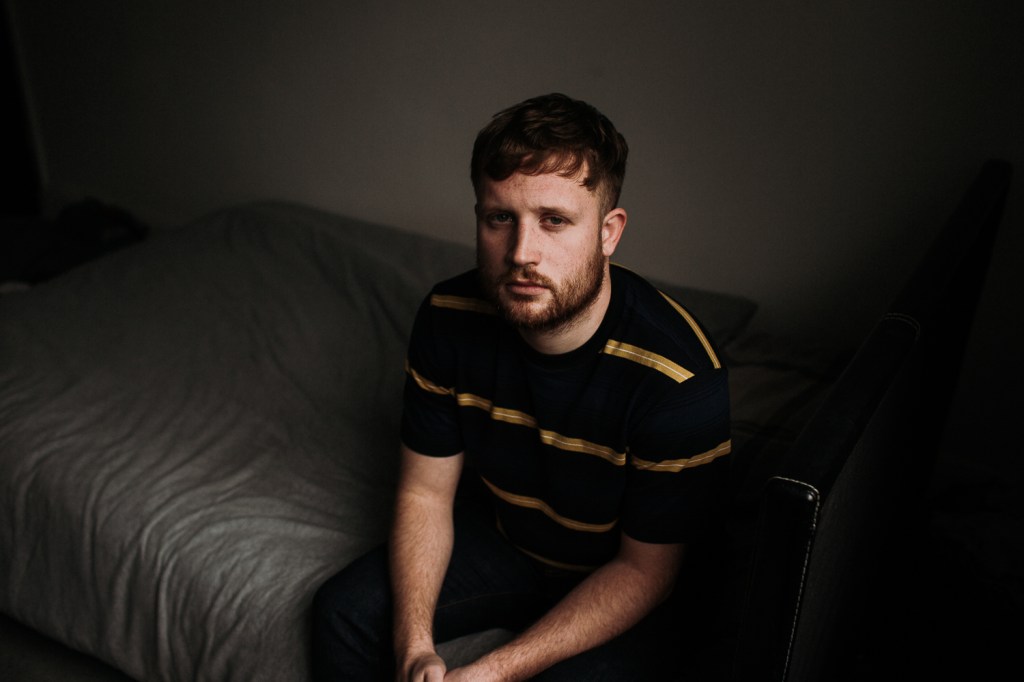
Within this podcast Mike talks of his struggle to find his identity as one of three brothers, suffering crippling anxiety and a making his way to a train station with the intention of taking his own life.
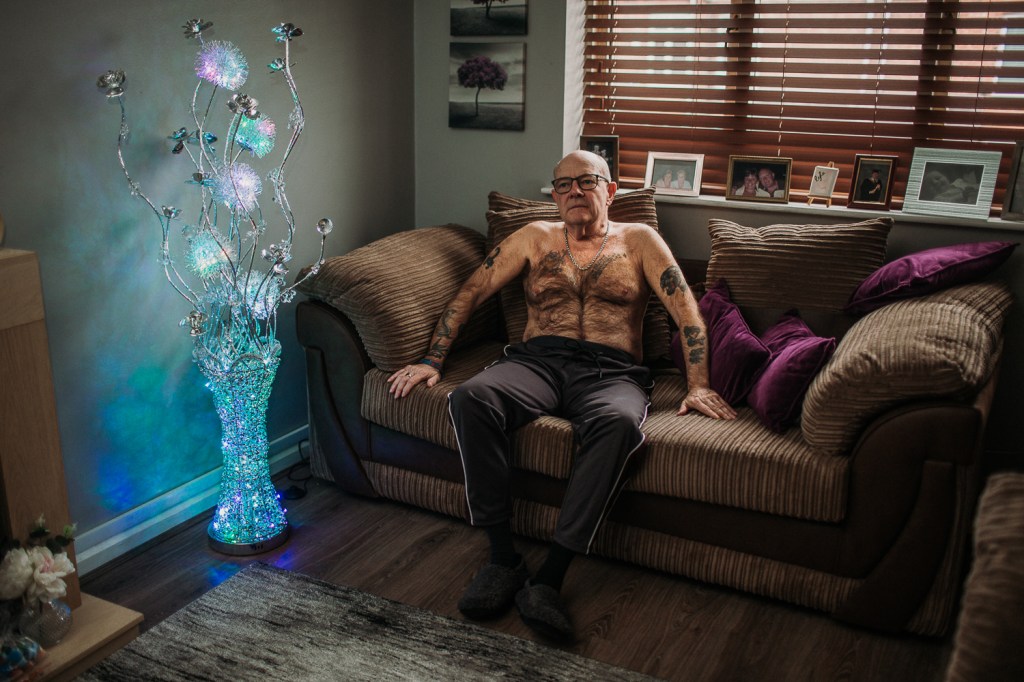
Within this interview ‘Chip’ speaks of his experience of PTSD from his time in the British army in addition to the heartbreak of losing a Son to a brain tumour.
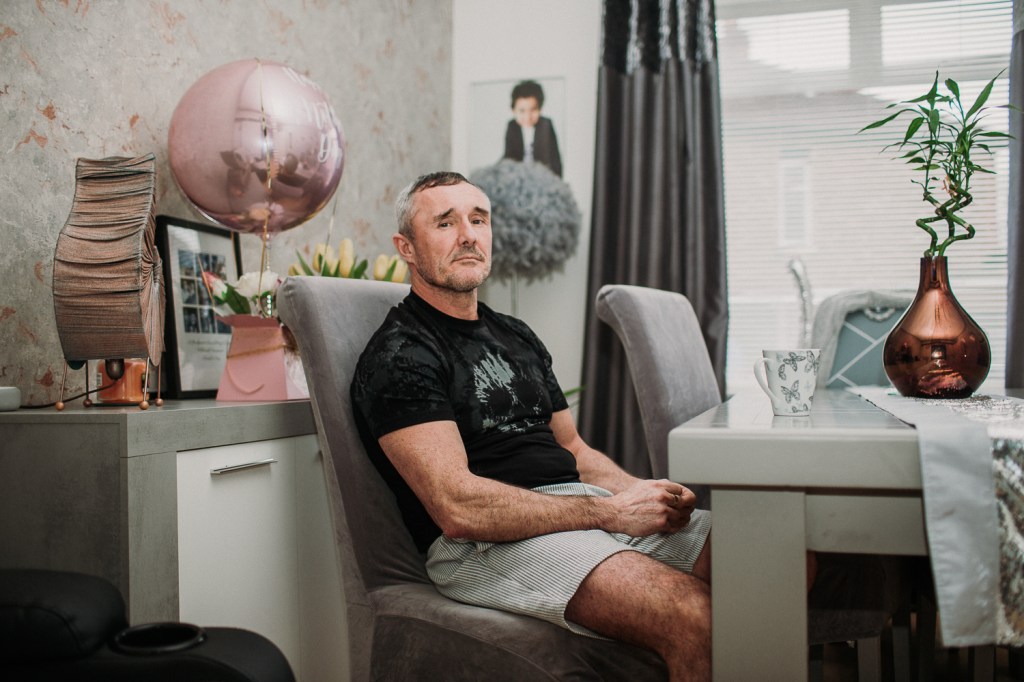
Within this podcast ‘Irish’ talks about a lifetime caring for his mother who was mentally ill and piecing his life together after prison. Having his own struggles with depression and self loathing, he is now putting his extraordinary life experience to use by working in the care sector. A moving story about life, resilience and suffering.
Starting research into the broader subject matter of mental health in males feels a bit like trying to jump into a sea of information and knowing where to start is quite difficult although it isn’t hard to find statistics which make rather grim reading.
Within this article published by mentalhealth.org I found some interesting info regarding the possible reasons of male mental illness. And in consuming this info I will hope to offer some personal insight from my own experience and of those I have interviewed as part of my project.
Societal expectations and traditional gender roles
Whilst progressing my work I have certainly noticed that maintaining gender roles has been an important factor and although participants have in the main been very frank and honest in sharing their experiences, I feel that a male discourse is present in both photographic work and in the audio recordings. When collaborating with participants I feel that I have been able to access some emotion, however at the few points a metaphorical mask has been removed I feel the mask is quickly replaced with another mask. Almost a tick box approach as if to say ‘I’ve done the honest bit now’. By no means do I intend to demean this level of honesty, rather an acceptance of the patriarchal view of looking at the world.
Men are less likely to discuss or seek help for their mental health problems
Although probably true, I have spoken to a number of participants who have sought help for their mental health. And from personal experience, one of the main reasons I am probably still here is due to the intervention of a female GP. At my most vulnerable I had a weekly appointment where my GP, although not a specialist was able to provide emotional support on a human level. In maintaining this relationship I felt a she eventually was able to understand my issues and offer critical insight.
Socioeconomic hardship, unemployment
In pursuing this theme I certainly identify with this. Working as a media teacher in the FE sector I have been employed at the same institution for nearly nine years. Around five years ago I experienced a new management structure being implemented and saw many colleagues leave their posts. I’m still not sure why many employees left the college but more importantly in a personal sense. I’m not sure why I haven’t been asked to leave. I understand this may represent a lack of confidence in my own personality and it is possible that I am good at my job. However the feeling of insecurity is something that I have lived with for a long period of time. Sometimes stressful and a source of anxiety which can have a huge impact on myself and my family. At the same time, I feel scared to leave and seek employment elsewhere as I’ve been employed in the same place for so long. A strange conundrum that I haven’t yet solved.
https://www.mentalhealth.org.uk/a-to-z/m/men-and-mental-health [Accessed 8th April 2021]
It has been really tough to get to this blog of late for a number of reasons. In terms of my project, I recently spoke to Laura about the impact of the work I have been making in a personal sense. When preparing a sequence of images to present at the meeting, I spoke of the feeling of being nauseous and having butterflies in my stomach from seeing the work together. Portraits that probably represent the reasons I chose to do an MA however the powerful emotions I felt weren’t anticipated.
The choice to conduct recorded interviews with the encounters serves to reinforce the personal impact although at present this may not be experienced by audiences as I’ve not presented this part of the project as yet. However the experience of editing listening to the audio after the encounter has been immersive and powerful. Obrist, H (2015: p55) speaks of the process of conducting interviews as ‘somehow bringing him closer to his art’ an idea that certainly aligns with my own experience of the last few weeks in making work. I had also wondered about my approach to making this work, raising questions relating to the equipment. Currently using an iPhone voice recorder application I’ve often thought if I should be formalising this process by using a better recorder or even possibly filming my encounters as a way of archiving or adding value. Obrist, H (2015) advocates an informal approach stating that such scenarios offer a more interesting, in what context he means by this, I am unsure but from my own experience I have found that the use of everyday technology appears less threatening. The iPhone is an object that I would have had in my pocket whether making work or not. And in this I feel that I am able to make encounters less formal, making participants feel more comfortable than if an alien object intruded their space such as a voice recorder.
In terms of the current development of my project the next destination is to explore avenues to open the work further in addition to pursuing the portrait and interview approach. As stated earlier the impact of hearing personal stories about suicide attempts and severe mental health issues, stories about people I know that I had no idea about. Served to reinforce the superficial nature of surface depth, this led to pontificating the idea of surface depth, and it is in this consideration which increasingly leads to the subject of gender and more importantly the masculinities that I might be challenging with some success. Having been encouraged to explore this avenue in a portfolio review with Clare Bottomley, Butler (1990) suggests:
‘when we say that gender is performed, we usually mean that we’ve taken on a role; we’re acting in some way…. To say that gender is performative is a little different… For something to be performative means that it produces a series of effects. We act and walk and speak and talk that consolidate an impression of being a man or being a woman… we act as if that being of a man or that being of a woman is actually an internal reality or simply something that is true about us. Actually, it is a phenomenon that is being produced all the time and reproduced all the time’.
Thinking about the role that interviewees have taken when collaborating, encounters are usually met with suspicion and intrigue. When I explain my intention, the suspicion lessens. As conversations unfold, I am becoming increasingly aware that male participants become increasingly confident in explaining their thoughts, experiences and emotions and in doing this I feel that participants voluntarily lead in the dismantling some of the performative tropes highlighted by Butler. The way people speak about their experiences, talk about their vulnerabilities and as an interviewer, I sense the lessening of the performative element. In doing this, I agree with Butlers conclusion to some extent when she argues that gender is a ‘phenomenon that is produced and reproduced all the time.’ In the context of my project I feel that the idea of ‘production, and reproduction’ may reach beyond masculinities and be applicable within the context of social position, class and ethnicity.
Moving back towards the mechanics of my work, one of the overarching quandaries I have been in pursuit of, is the relationship between the photographic, and the poetic. As a starting point for reflecting on such ideas Soth in Franklin (2016: pp 167) suggests
“I see poetry as the medium most similar to photography… Or at least the photography I pursue. Like poetry, photography, is rarely successful with narrative. What is essential is the ‘voice’ (or eye) and the way this voice pieces together fragments to make something tenuously whole and beautiful”
Although Soth’s ideas are helpful, I still struggle to see beyond this statement and decipher between narrative and poetry. Aware of Barthes ideas about connotation and the suggestion of meaning as a microcosm in a photograph. Now considering ideas on a much broader level through the bigger form of a monograph, and the thought of what my FMP might look like when it’s finished. My recent reading has been directed towards Barthes (1958) book ‘Mythologies’. In a sense I feel frustrated that I hadn’t discovered this book earlier but at the same time I’m happy that at this point in my creative education, I am probably mature enough to read such a book and feel ideally placed to be able to take maximum meaning from the text. My initial assessment leads to the enjoyment of reading but on a more intellectual level, I think the book is a successful examination of symbolism and the explanation of the potential of an object or practice to be representative of something else in relation to social activity and value. Upon reading his essay ‘Steak and Chips’ I was able to decode the idea of the meal as a metaphor of nationalism, masculinity, loyalty and status. In the many relevant passages I am most drawn:
‘Steak is adorned with a supplementary virtue of elegance, for among the apparent complexity of exotic cooking, it is a food which unites, one feels succulence and simplicity. Being part of a nation, it follows the index of patriotic values: it helps them rise in wartime, it is the very flesh of the French soldier, the inalienable property which cannot go over to the enemy except by treason’.
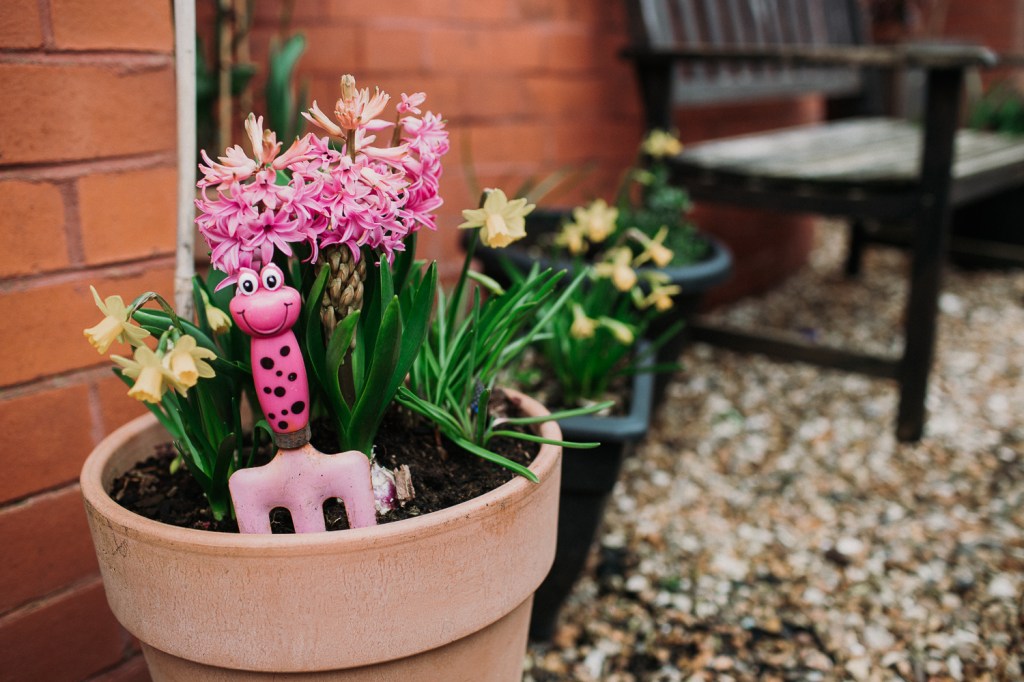
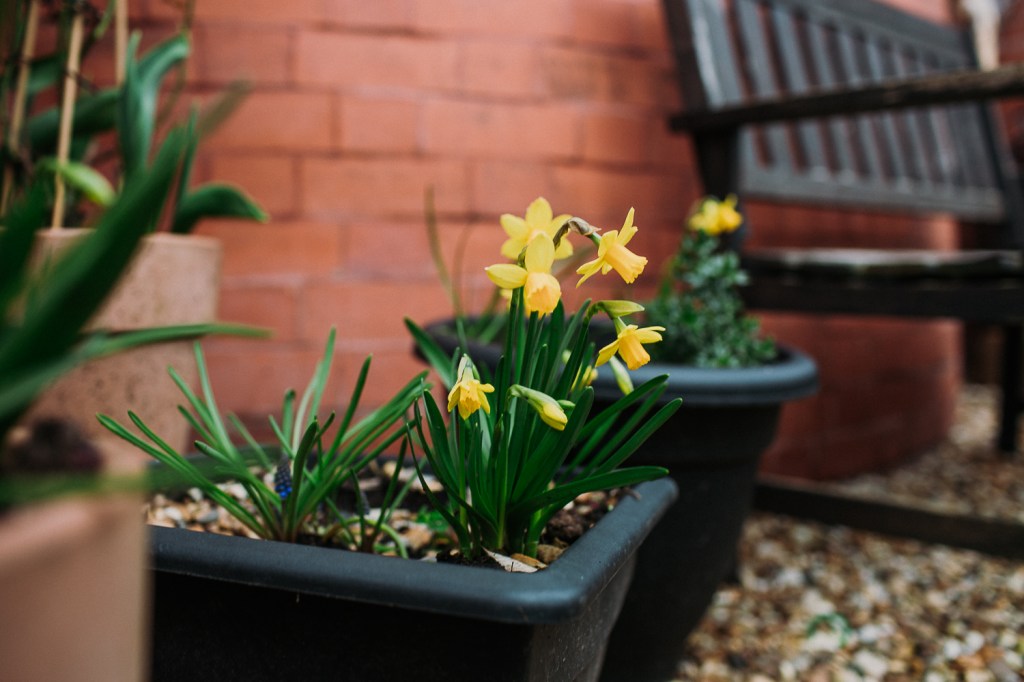
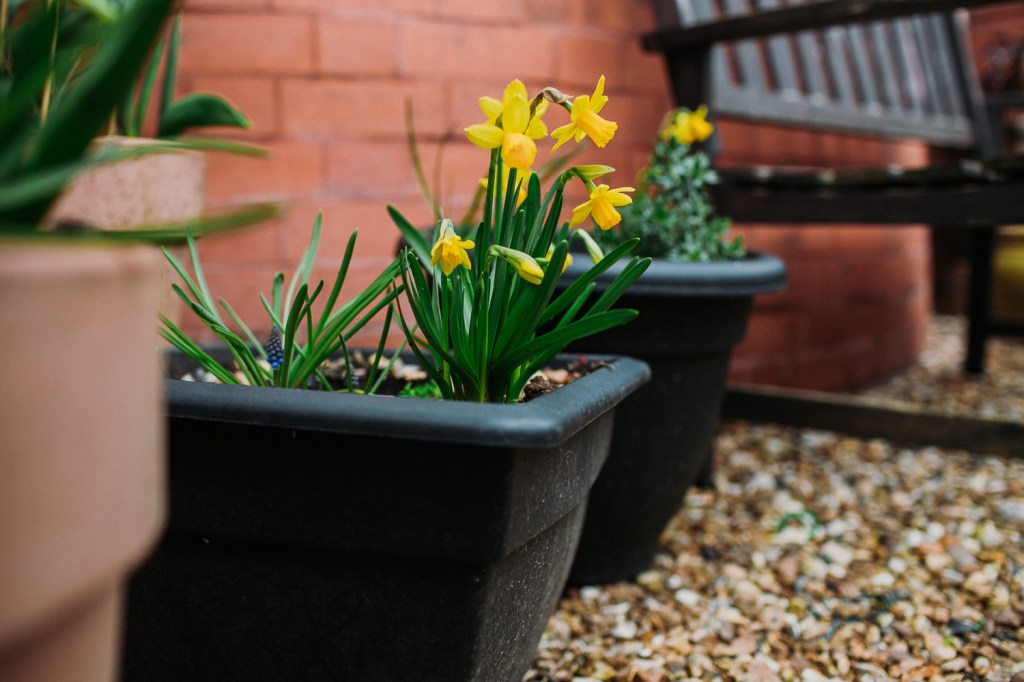
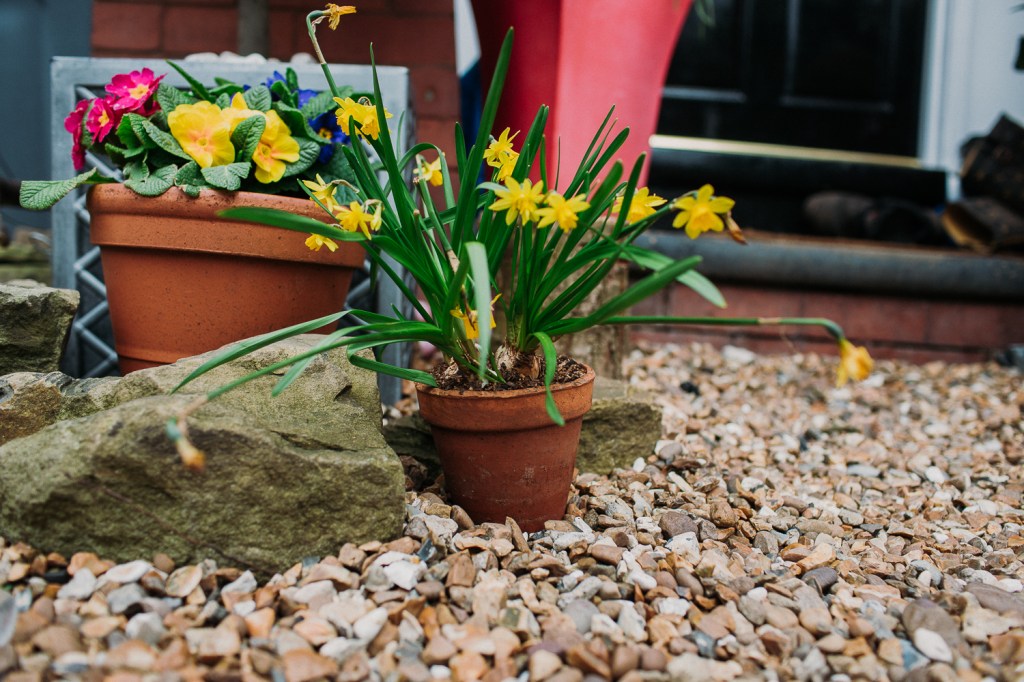
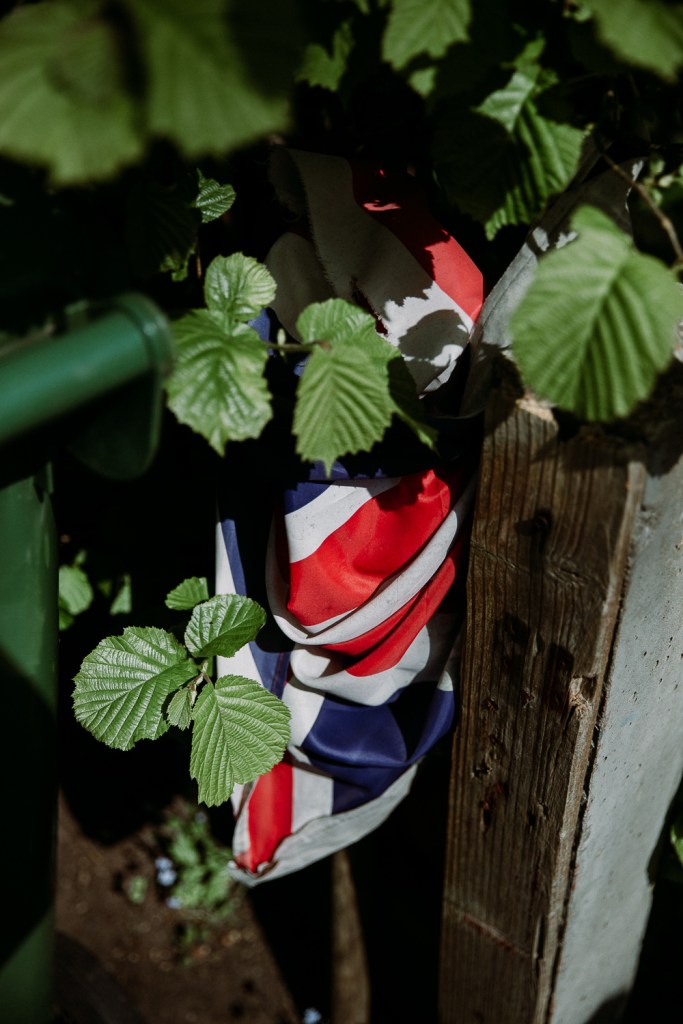
Without unpicking the metaphorical value of this statement I would rather apply the idea of objects taking on meaning beyond their own vernacular to my own project with the inclusion of daffodils within my own work. In an aesthetic sense, my work has been described as dark and cinematic. The use of flash to create contrast which adds to this idea in addition to a sense of continuity. However I feel that my work is slightly one dimensional in terms of its masculine vernacular. The presence of objects such as bottles of beer, trainers and tracksuits add to appearances which may have further connotations of class and status amongst working class males, possible low education and modest means. However, in reducing people to few recognisable tropes such as these I am failing to account for the emotional intelligence I have encountered in the collaboration in the form of interviews.
Burr (2003) comments regarding discourses ‘It refers to a particular picture that is painted of an event, person or class of persons, a particular way of representing it in a certain light. If we accept the view… That a multitude of alternative versions of events are potentially available through language, this means that, surrounding any one object, event, person etc. There may be a variety of different discourses, each with a different story to tell about the object in question, a different way of representing it to the world’.
Both Burr and Barthes support the idea of a multitude of discourses, representations and meanings within a text and in relation to my context. The inclusion of floral objects assists in the construction of meanings of fragility, combined with the typically male environment, I am keen to continue to develop the sense of humility and vulnerability within my work. I am aware that in a theoretical sense this seems a comprehensible direction however I’m not currently happy with the methodology of this work. At present I have been photographing flowers in their natural environment, looking for the floral in the urban landscape but a future direction may rely on the further construction of work in order to turn up the volume of my work.
Barthes, R. (1958) Mythologies. Vantage, London
Butler, J. (1990). Gender Trouble: Feminism and the Subversion of Identity. Abingdon: Routledge.
Burr, V. (2003) Social Constructionism, Second Edition. Routledge, London.
Franklin, S. (2016) The Documentary Impulse, Phaidon, New York.
Obrist, H (2015) Ways of Curating Hans Ulrich Obrist. Penguin, London
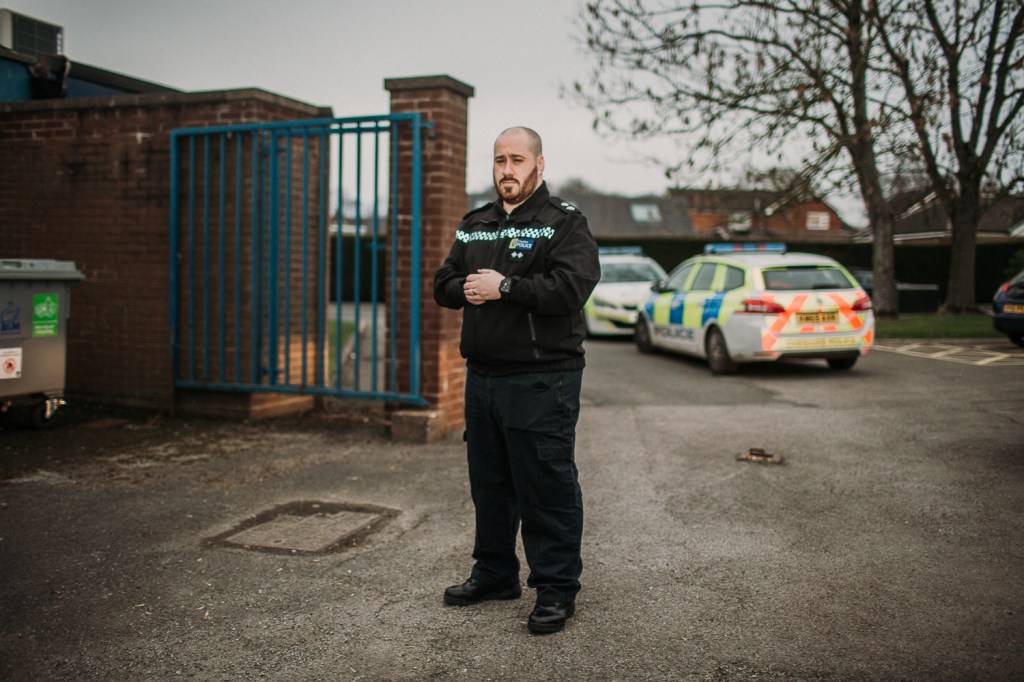
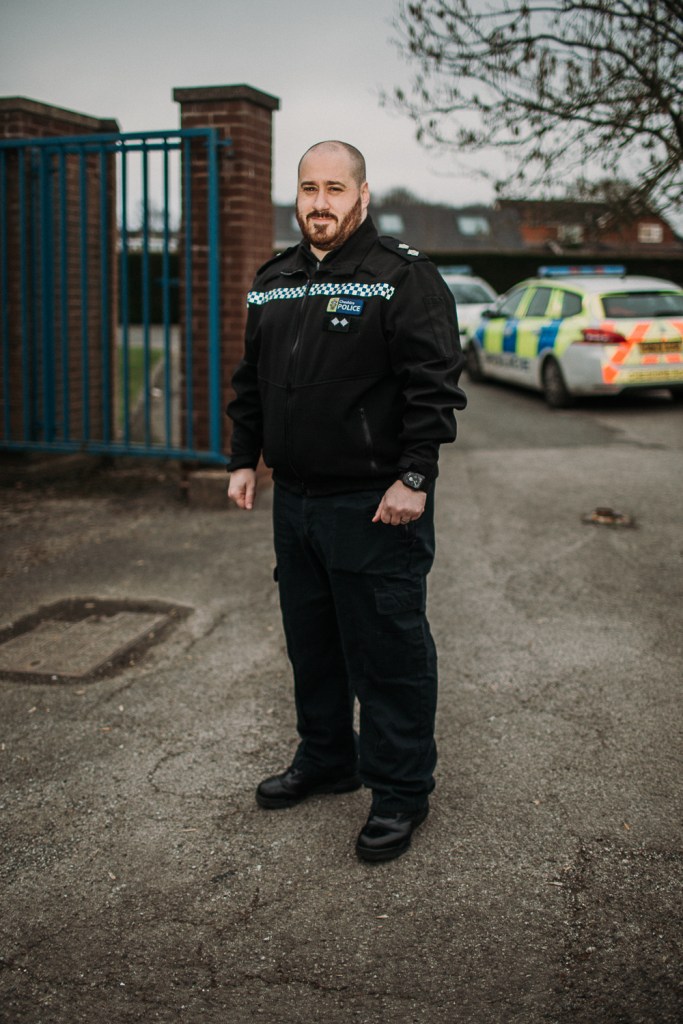
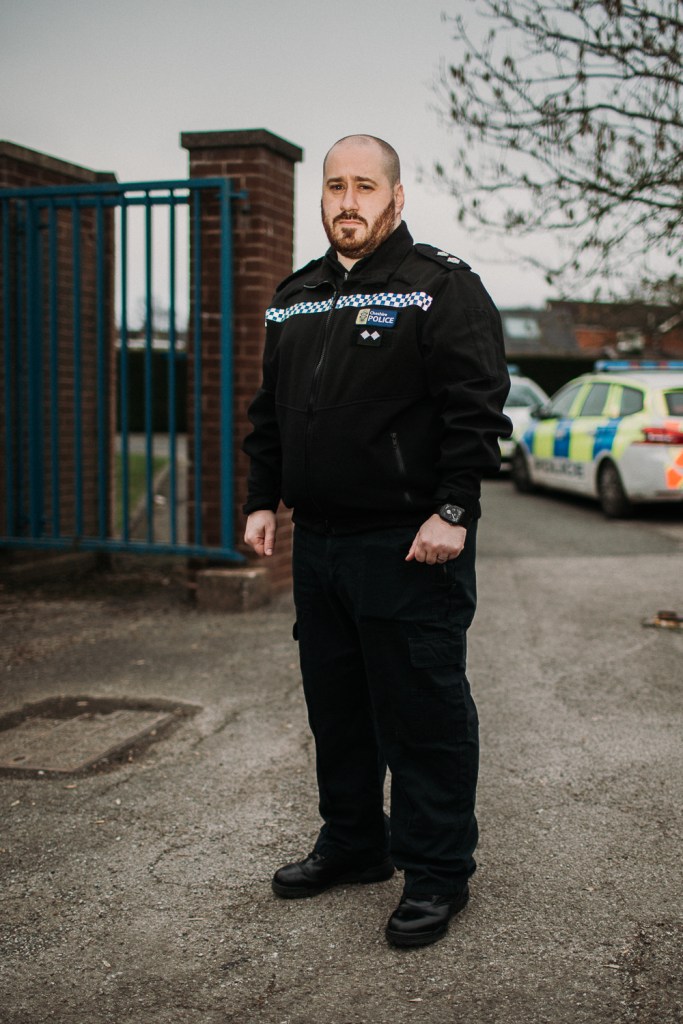
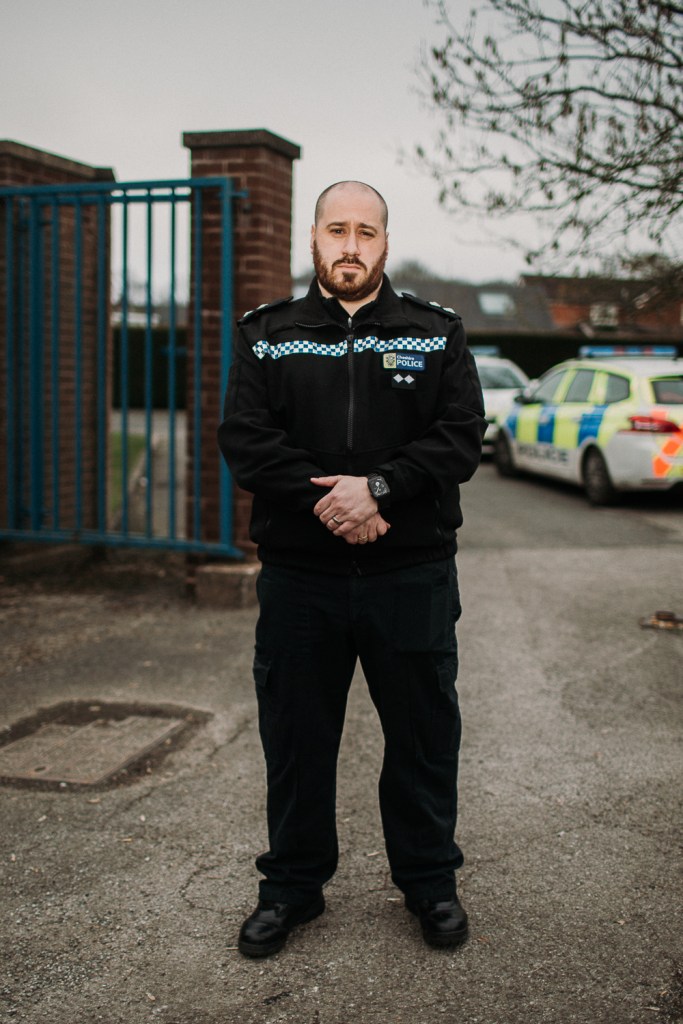
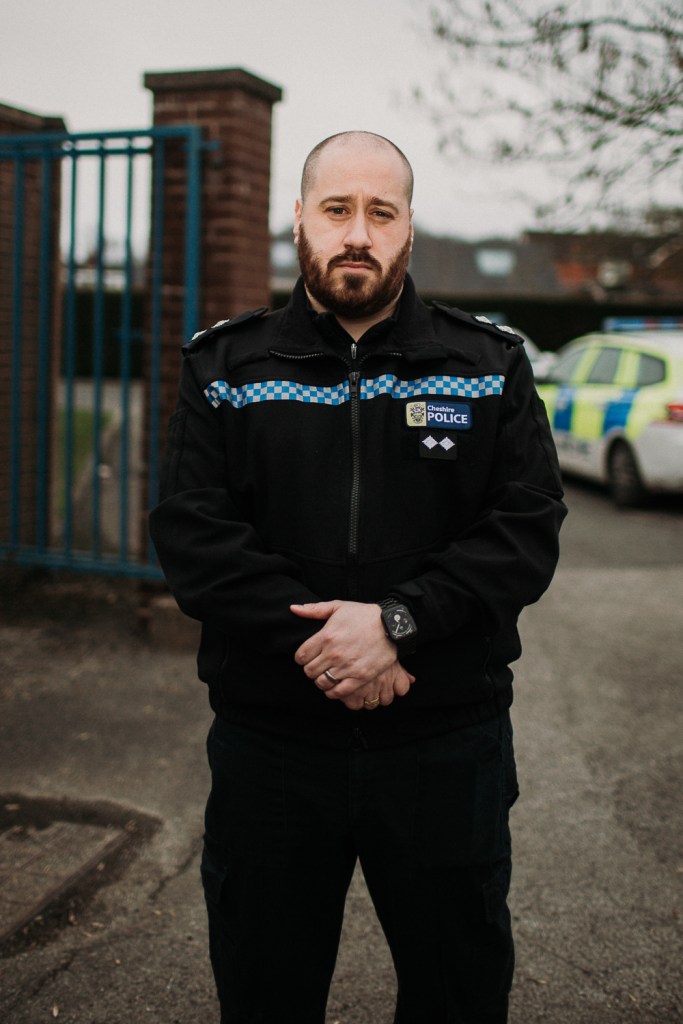
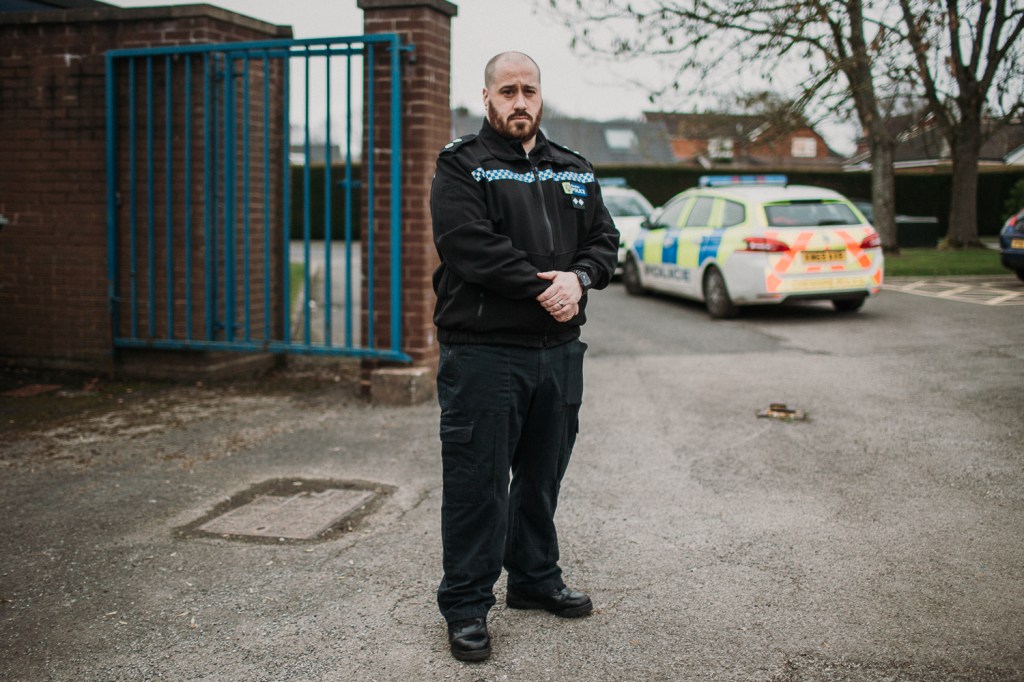
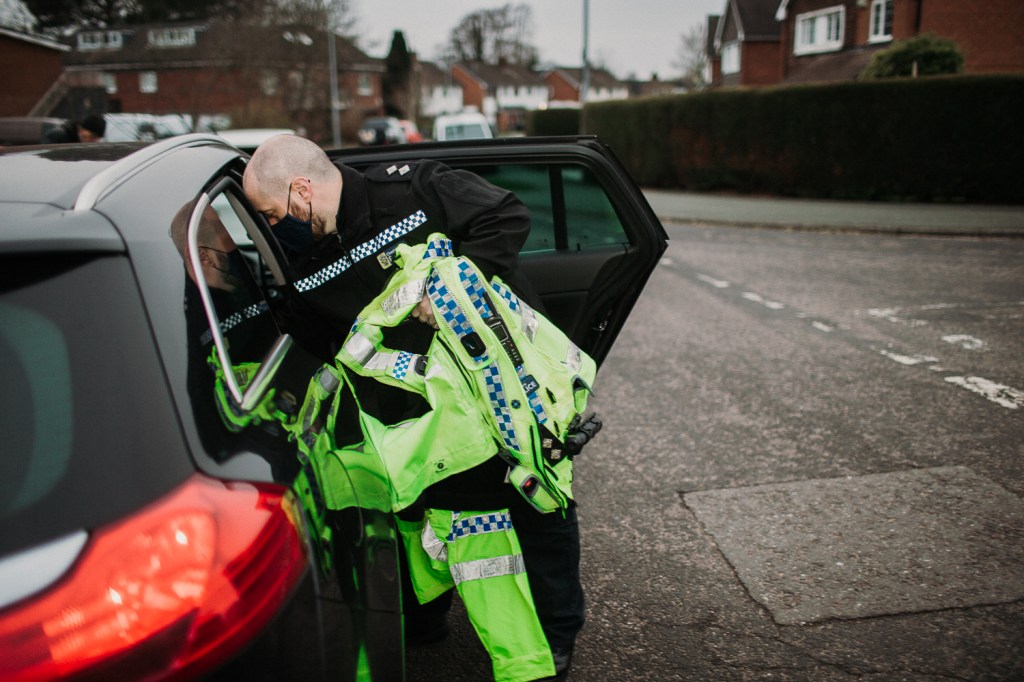
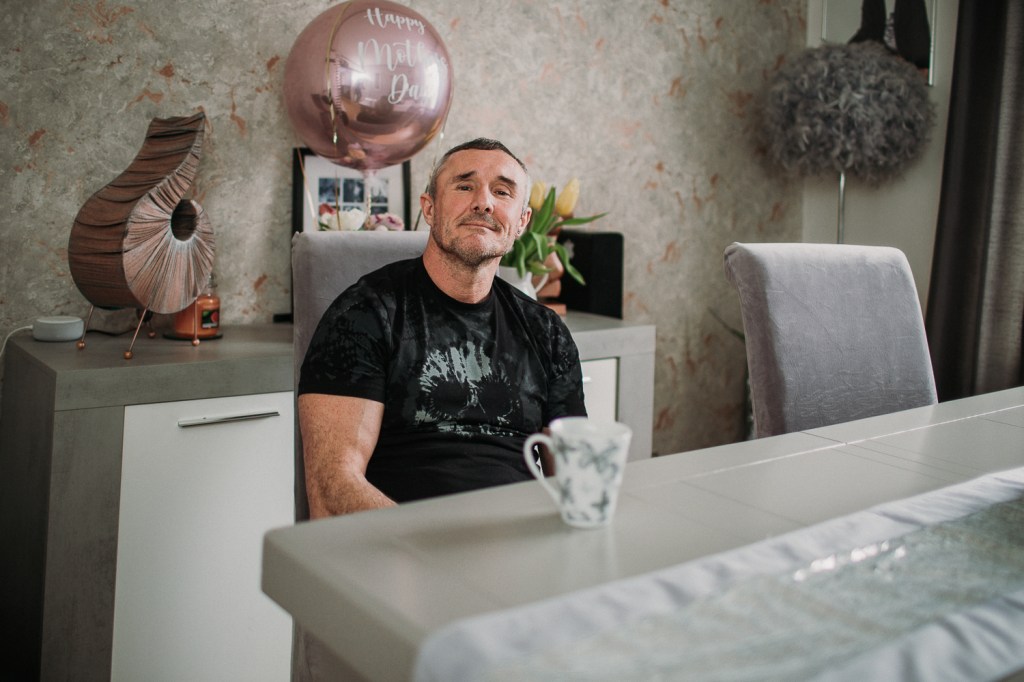
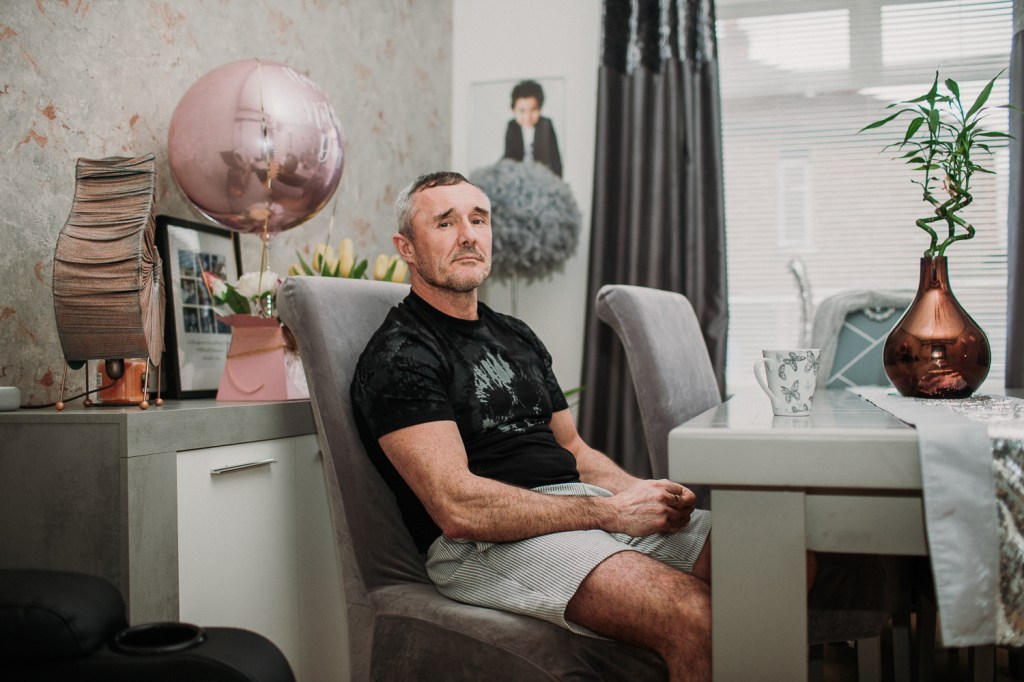
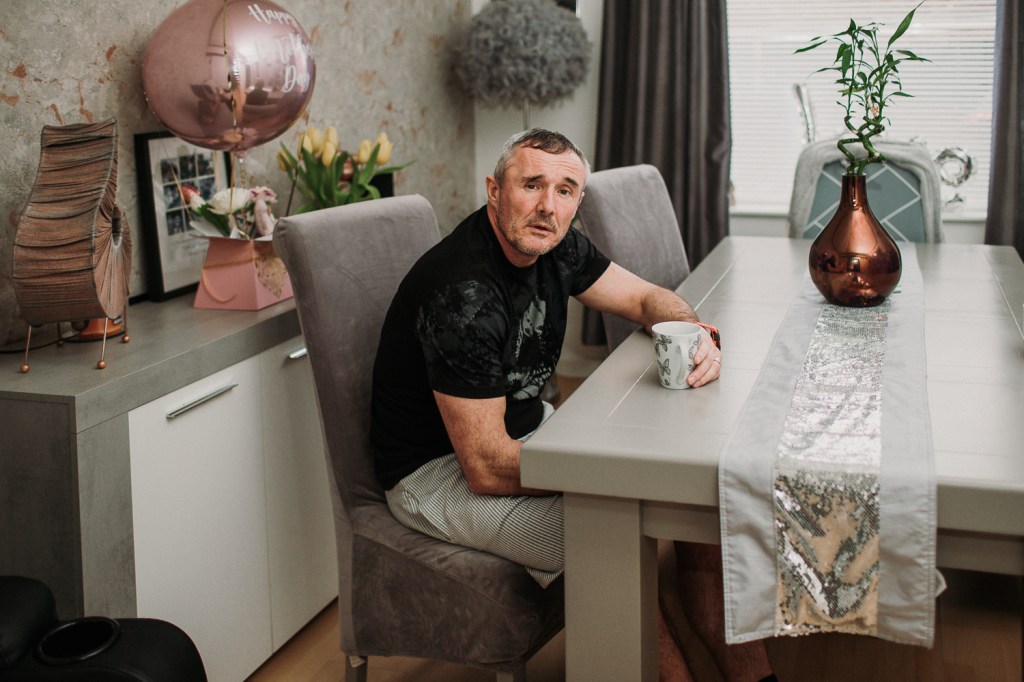
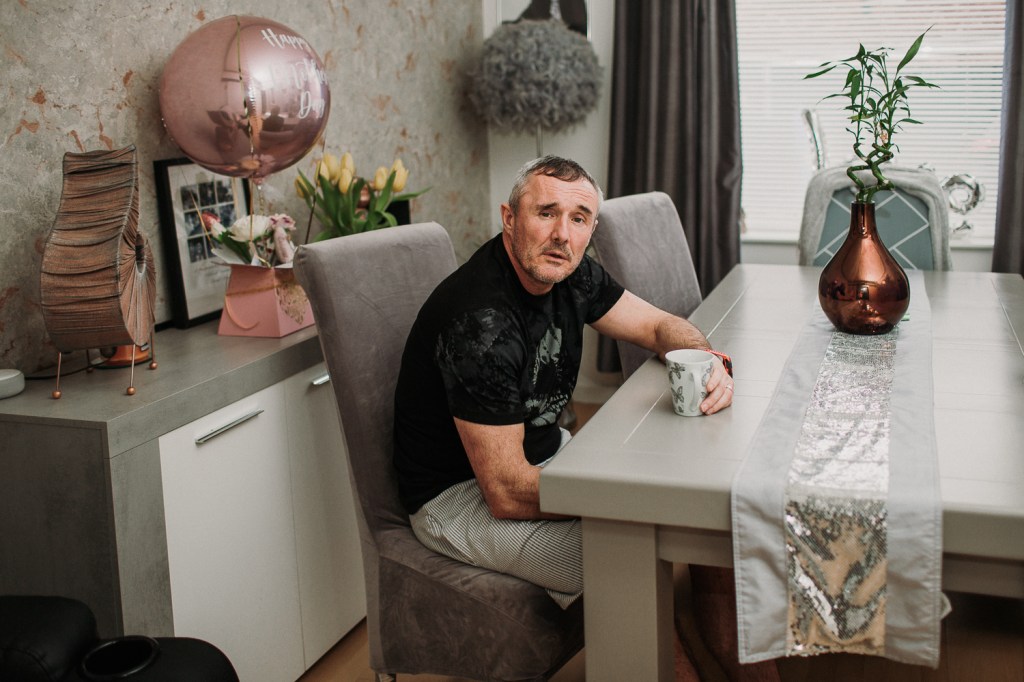
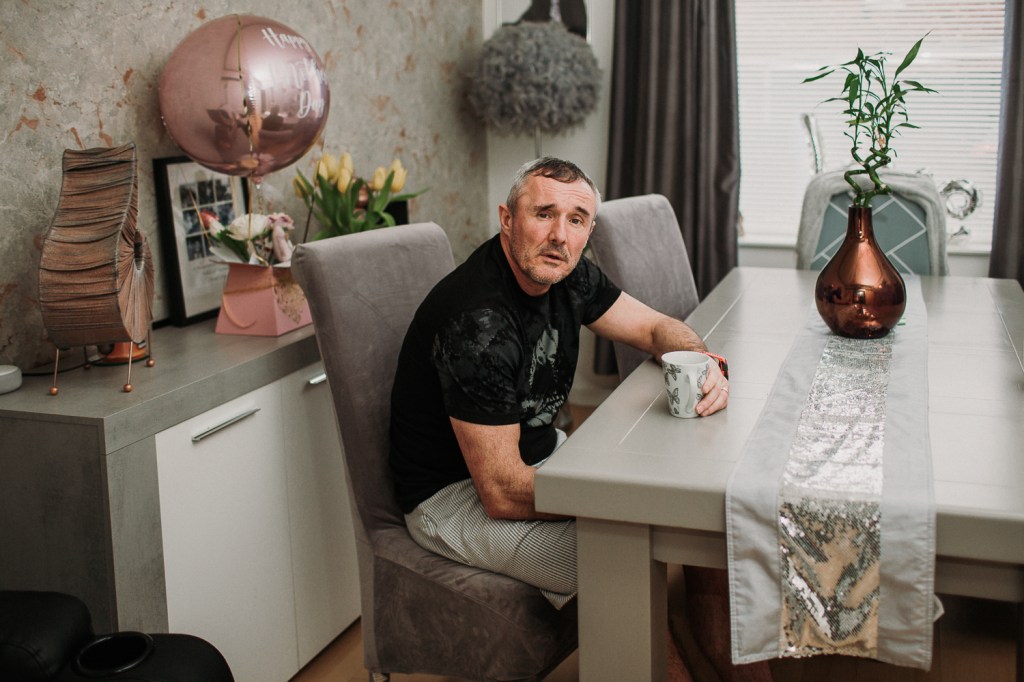
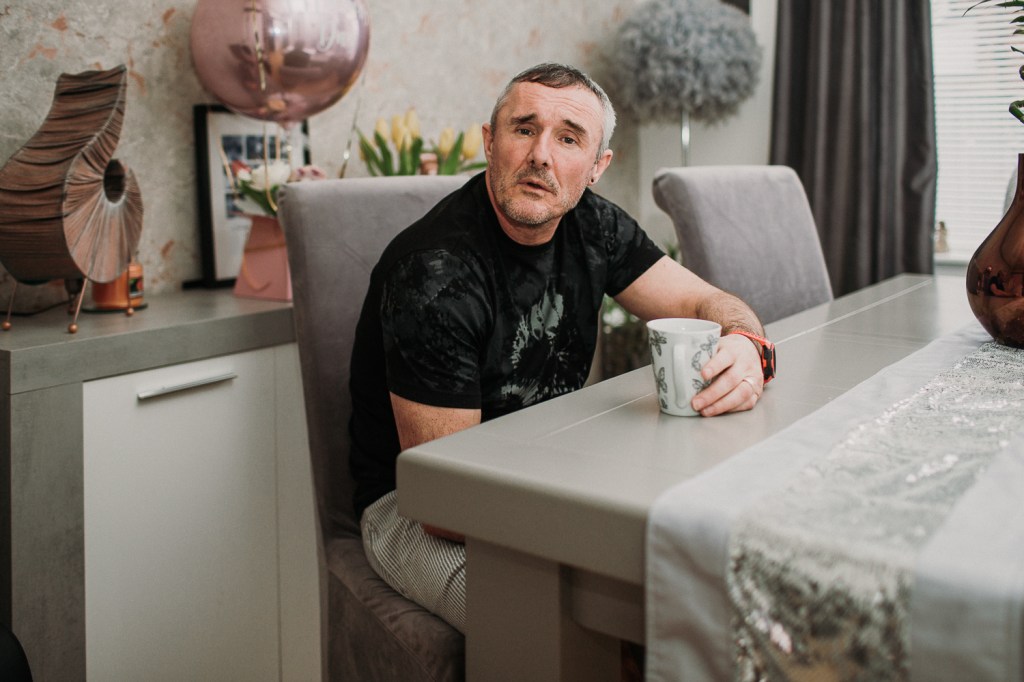
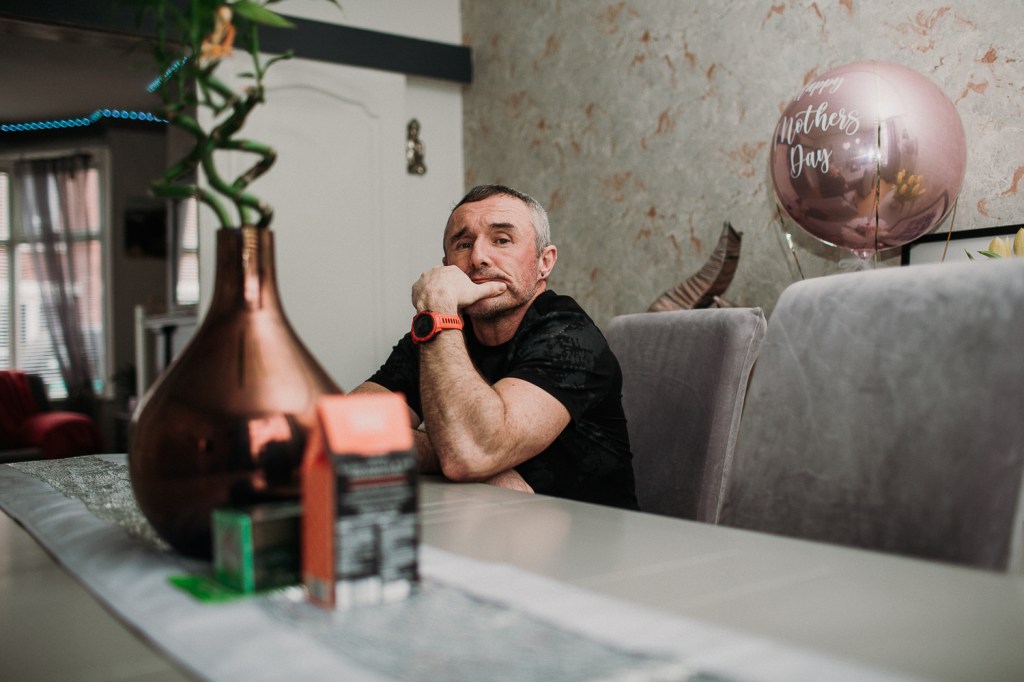
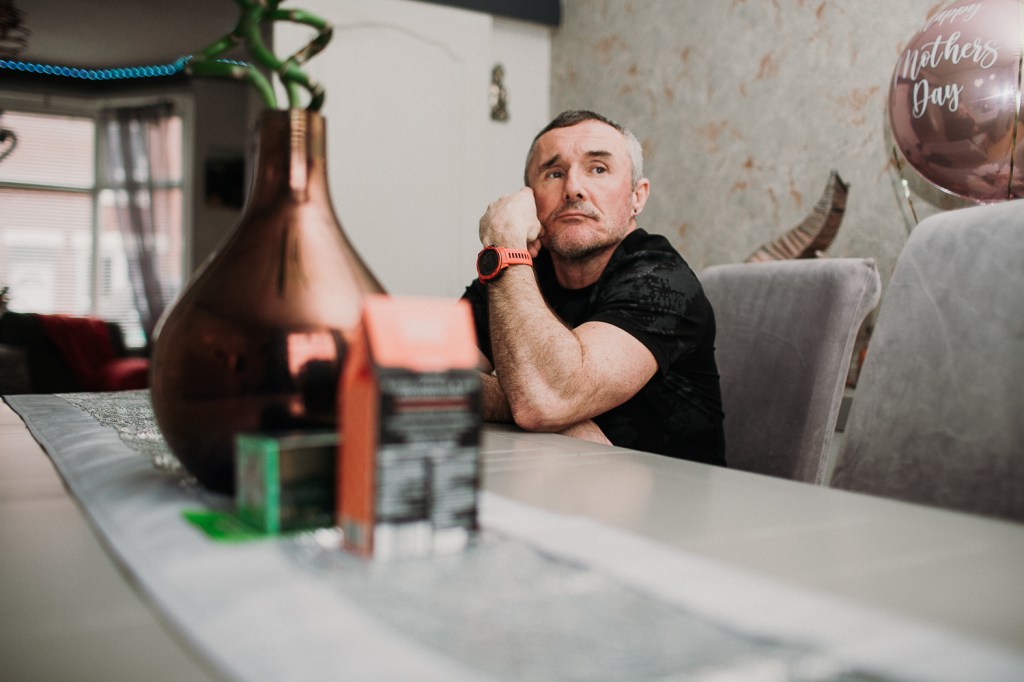
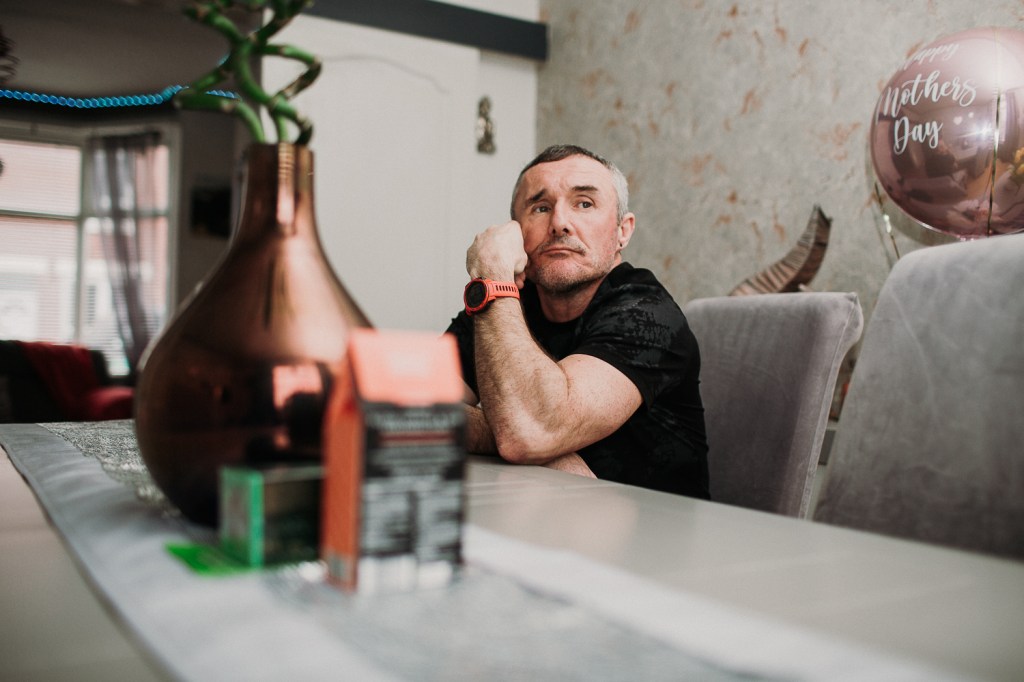
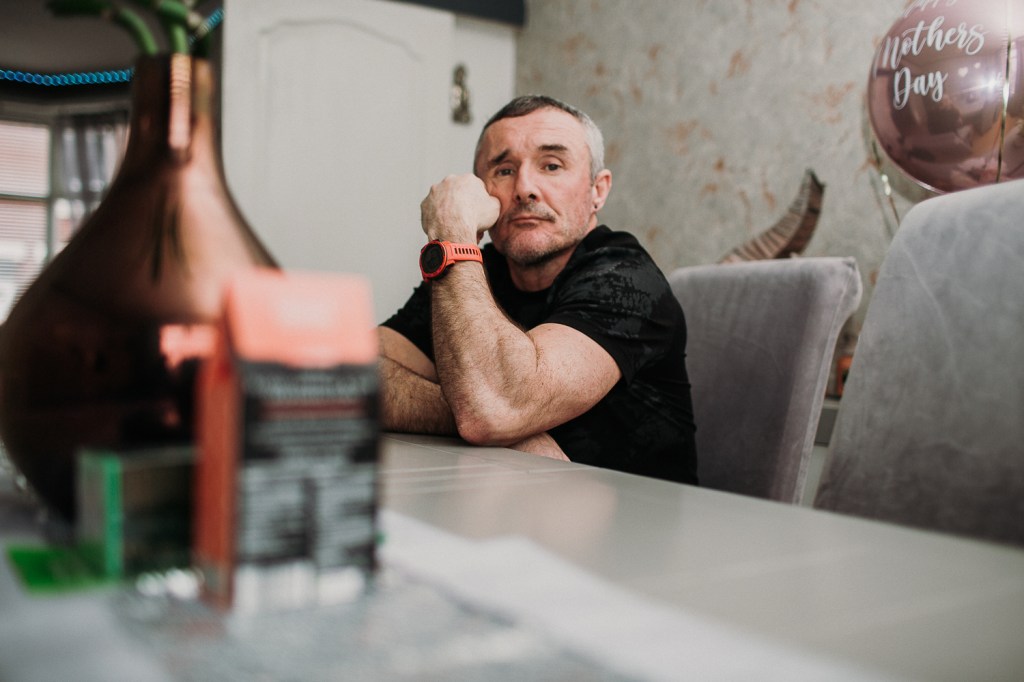
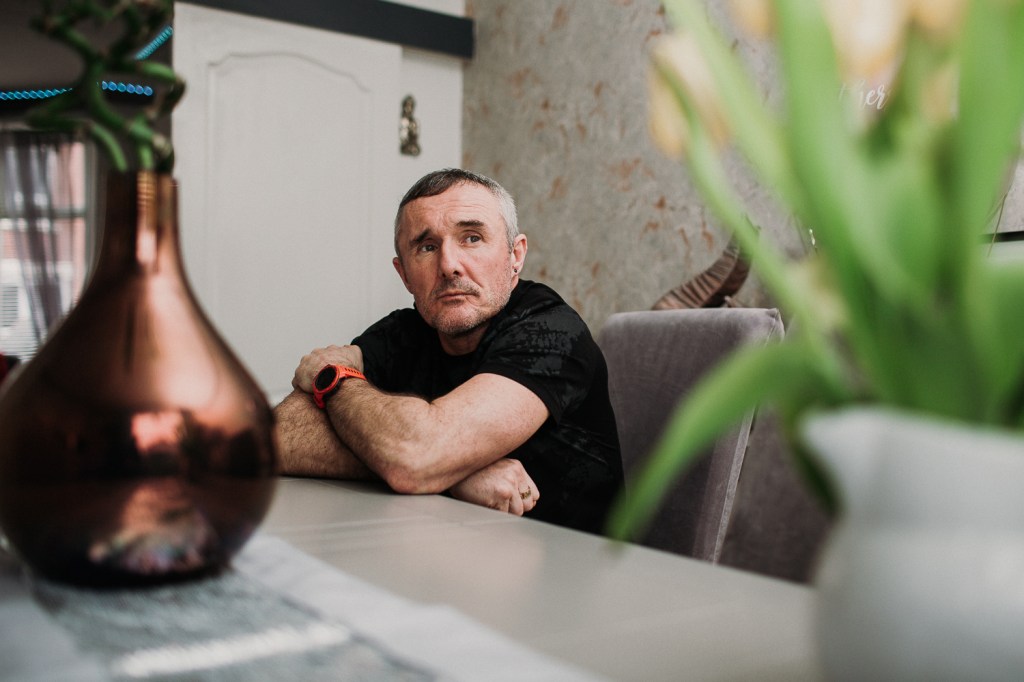
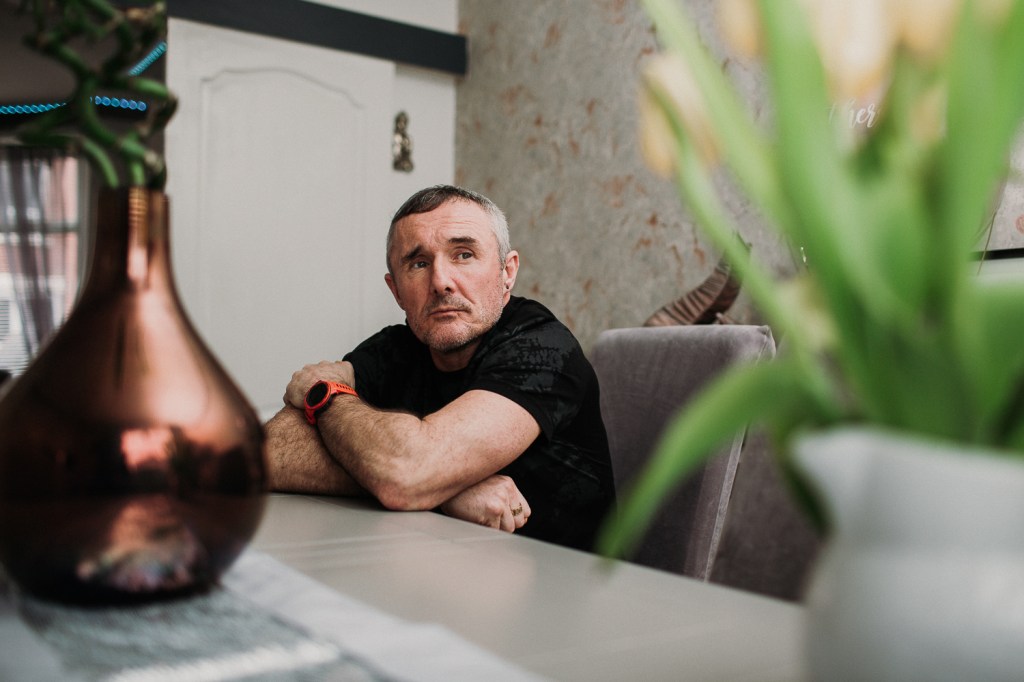
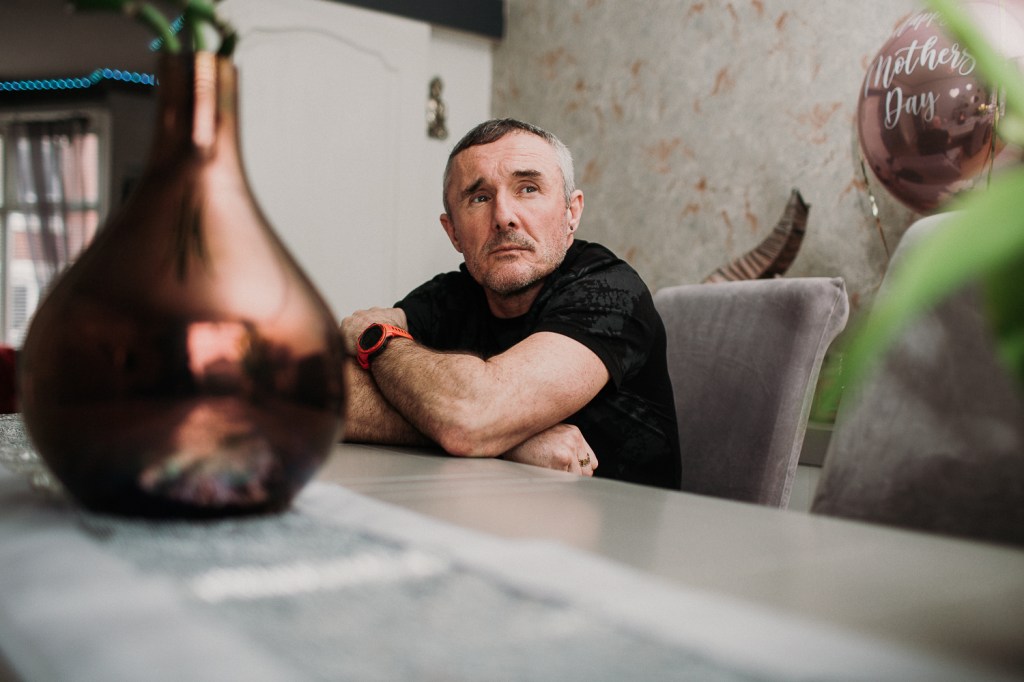
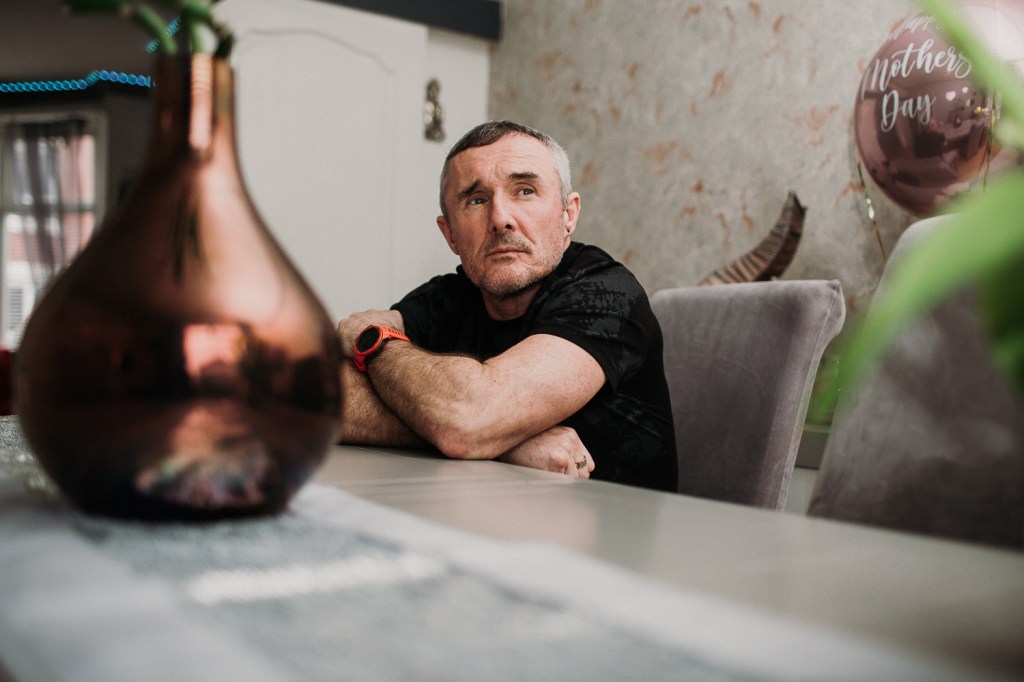
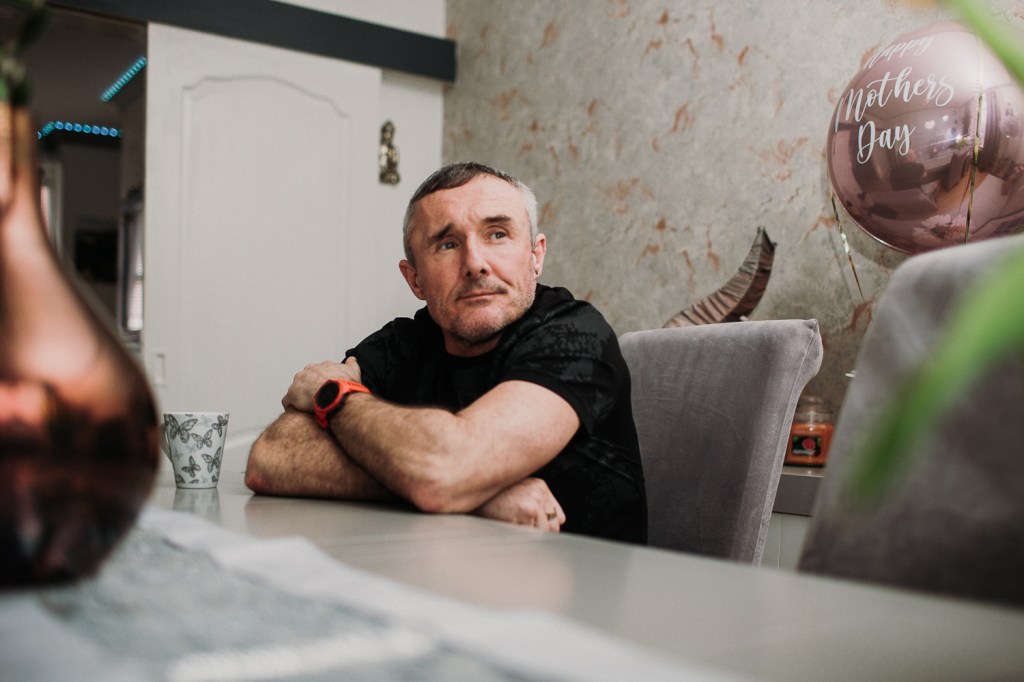
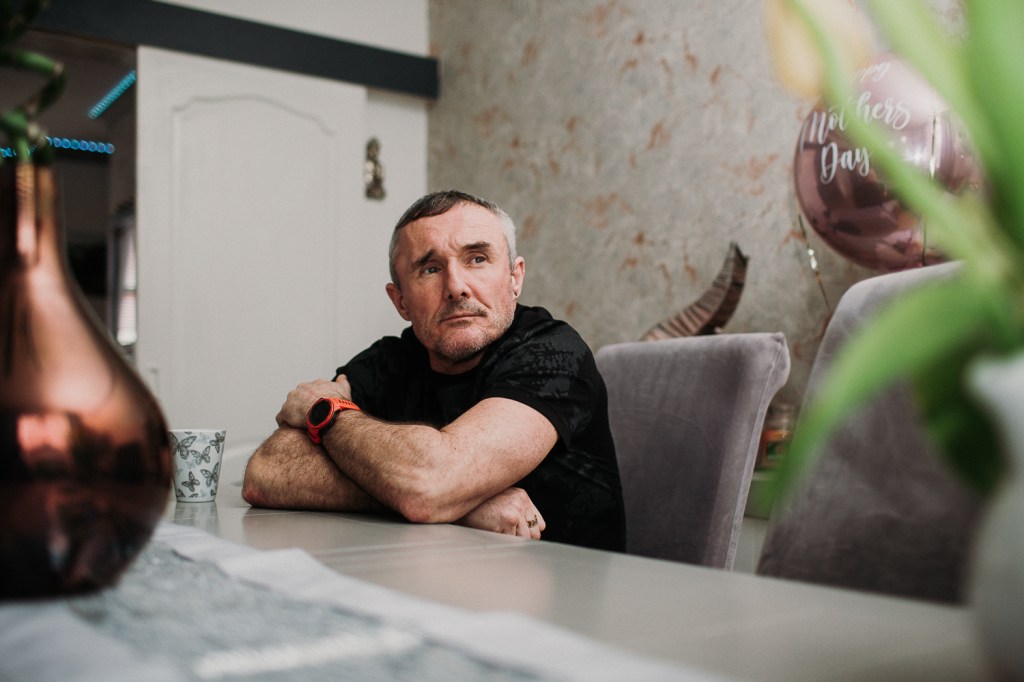
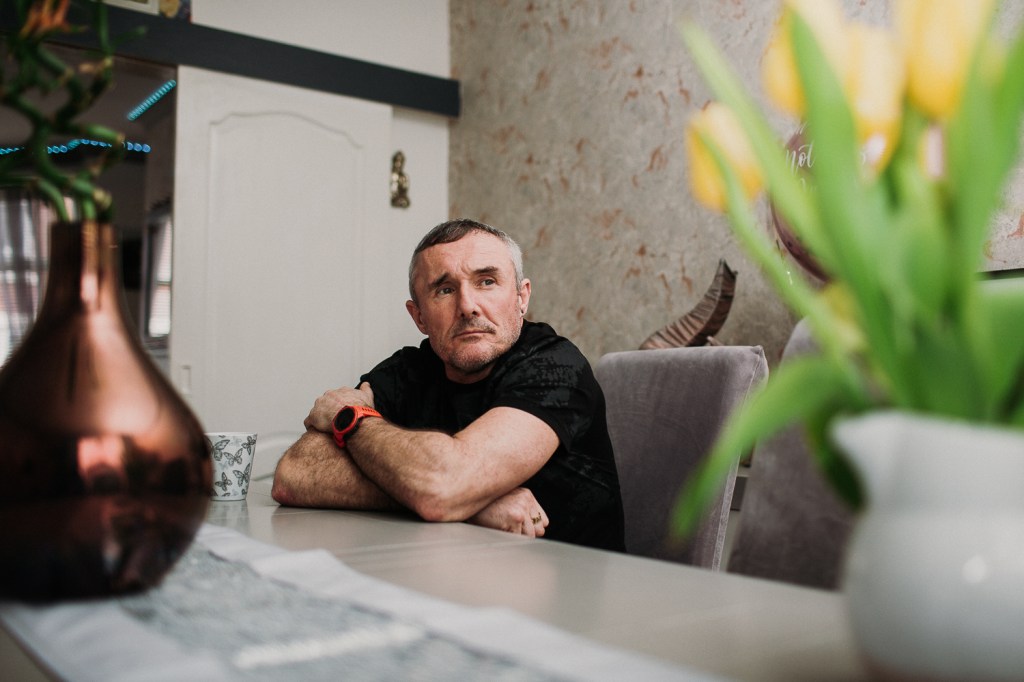
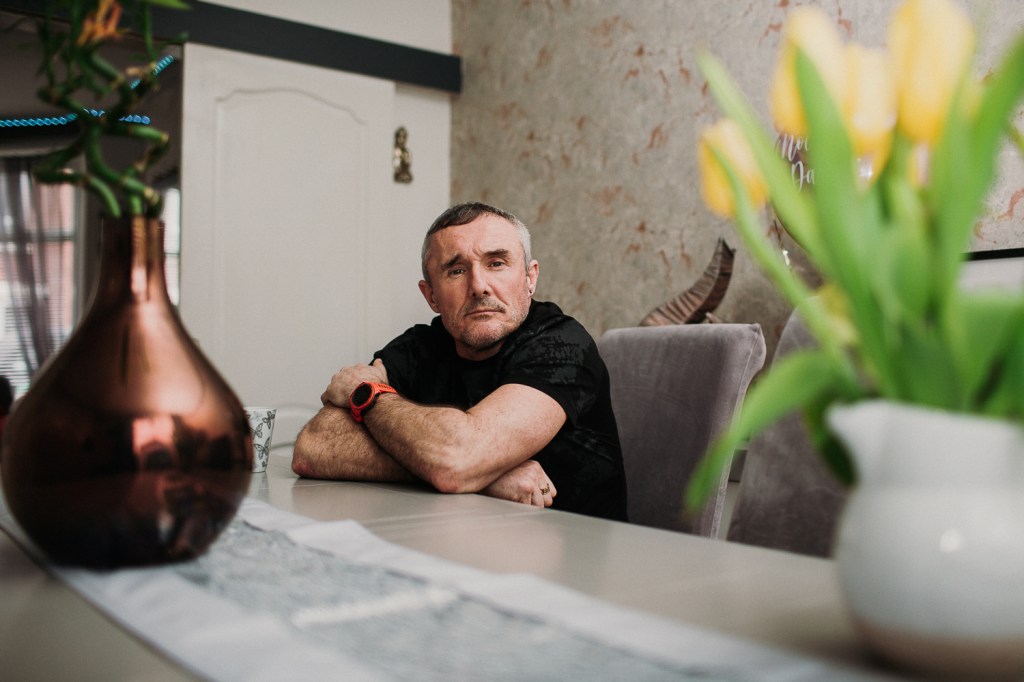
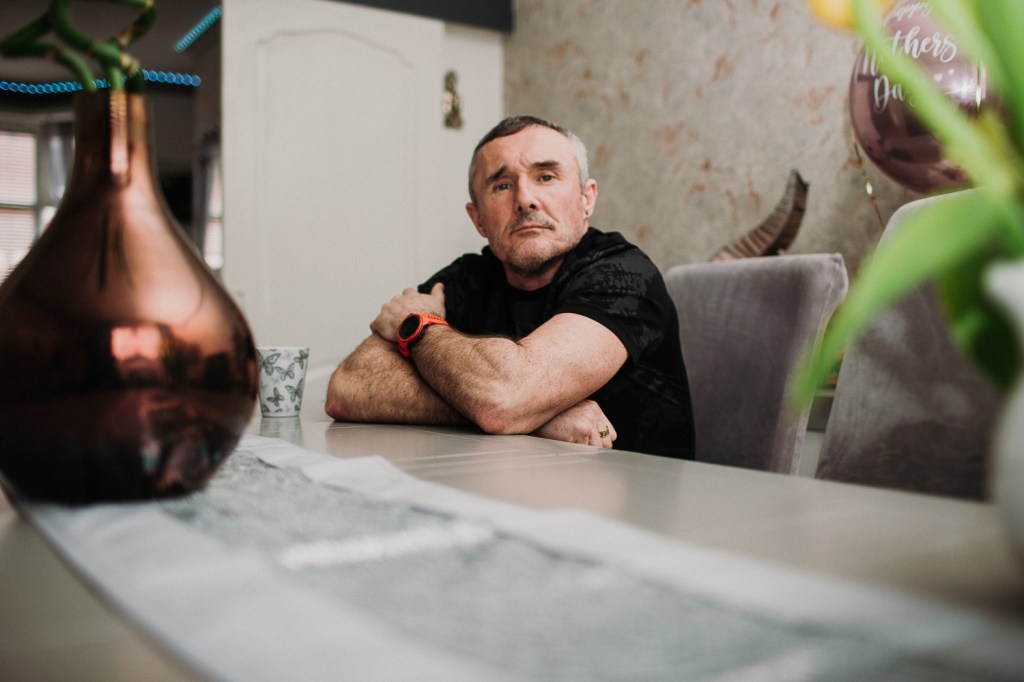
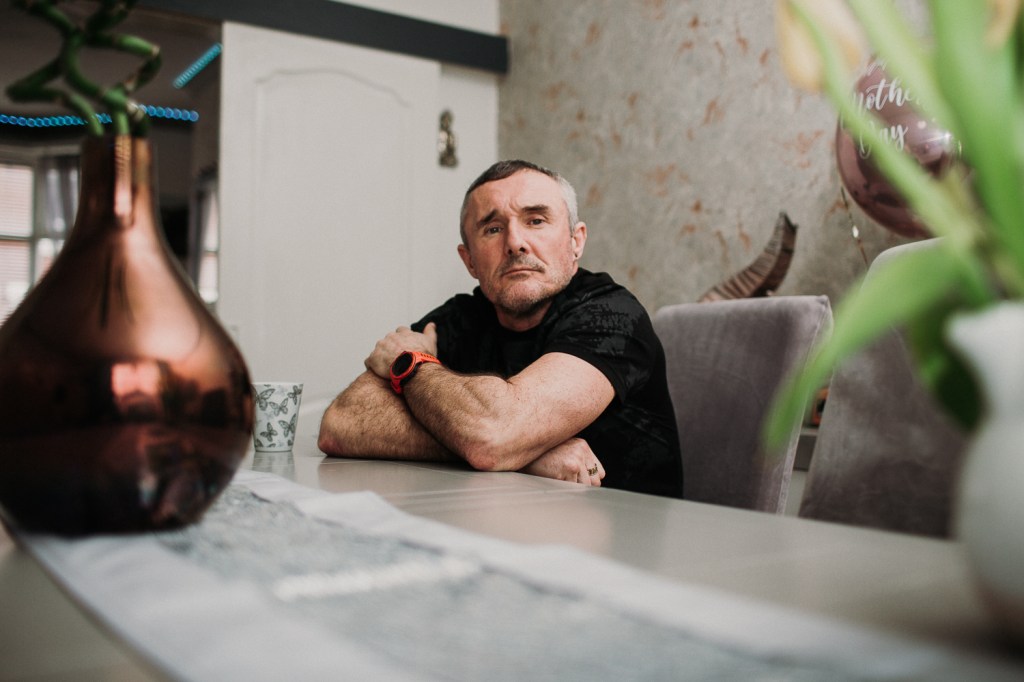
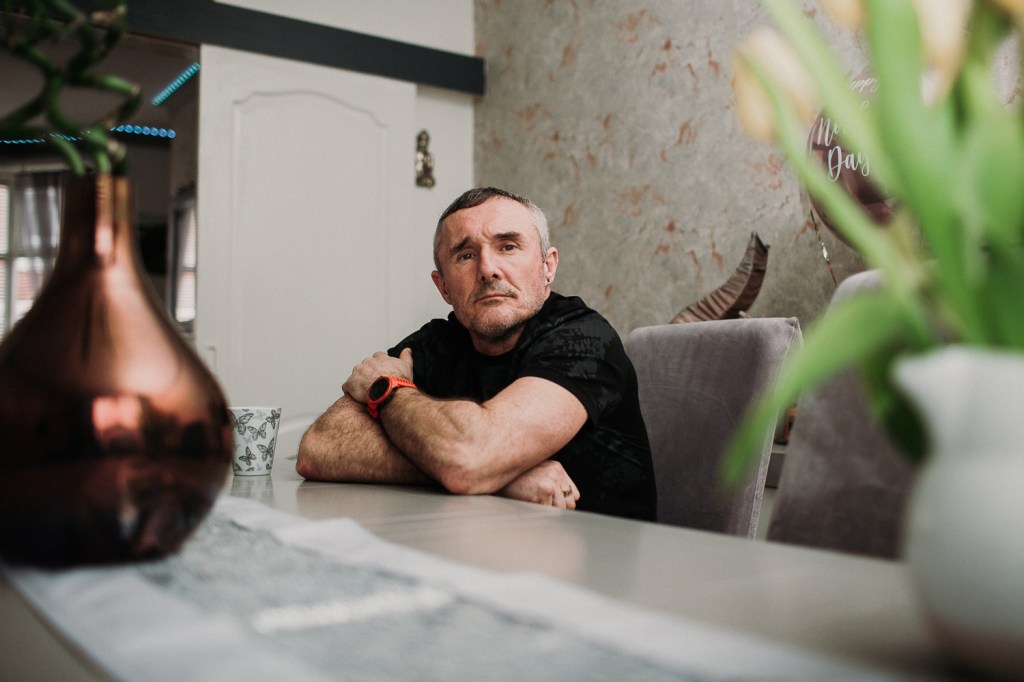
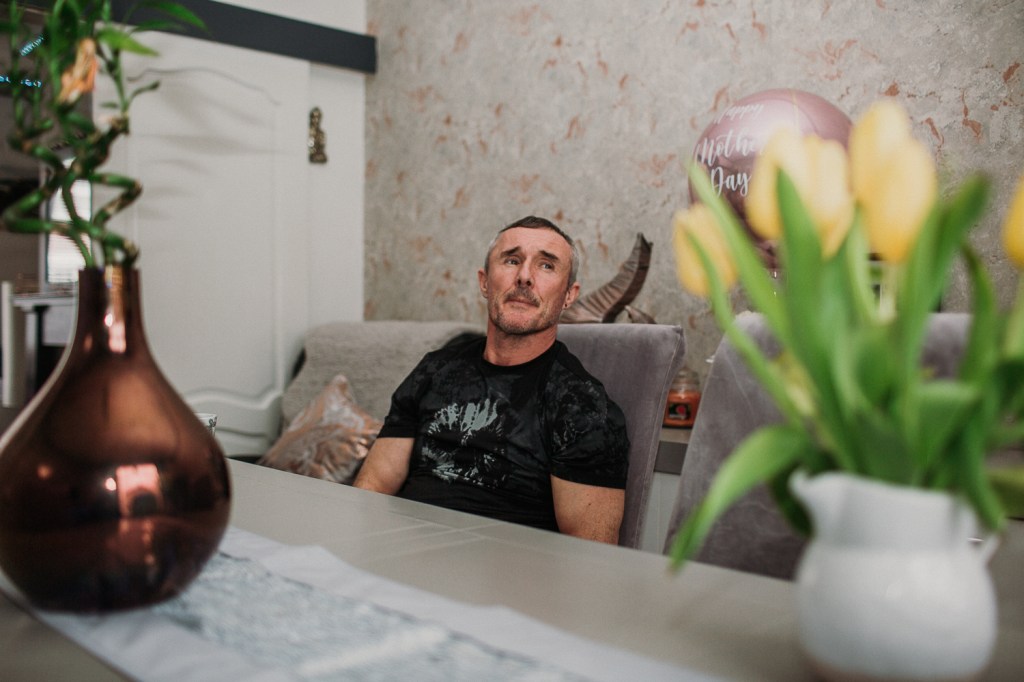
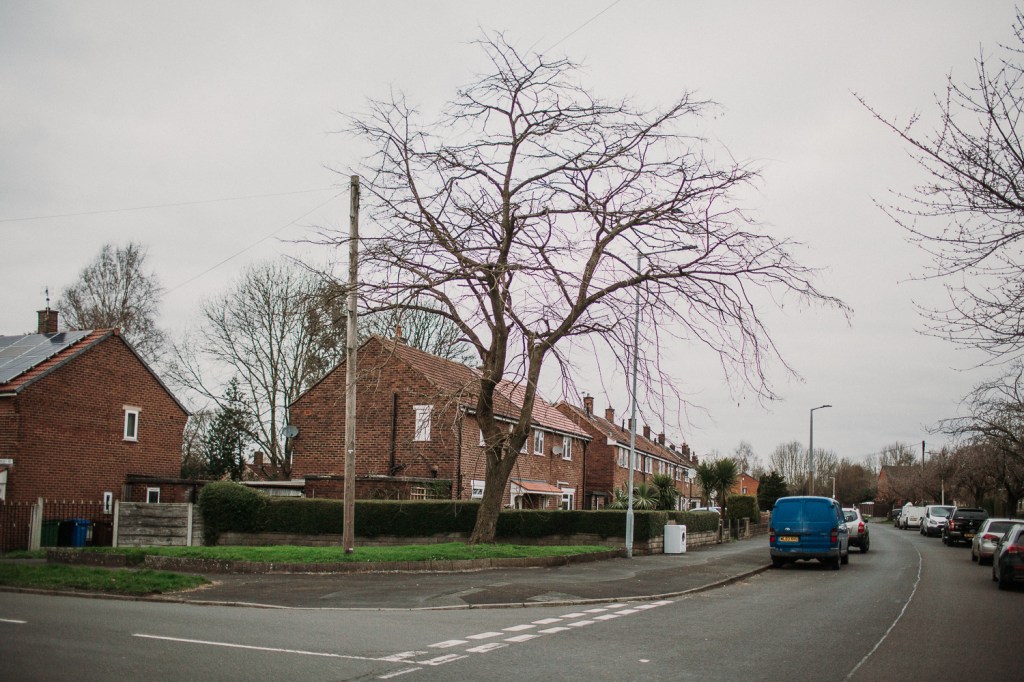
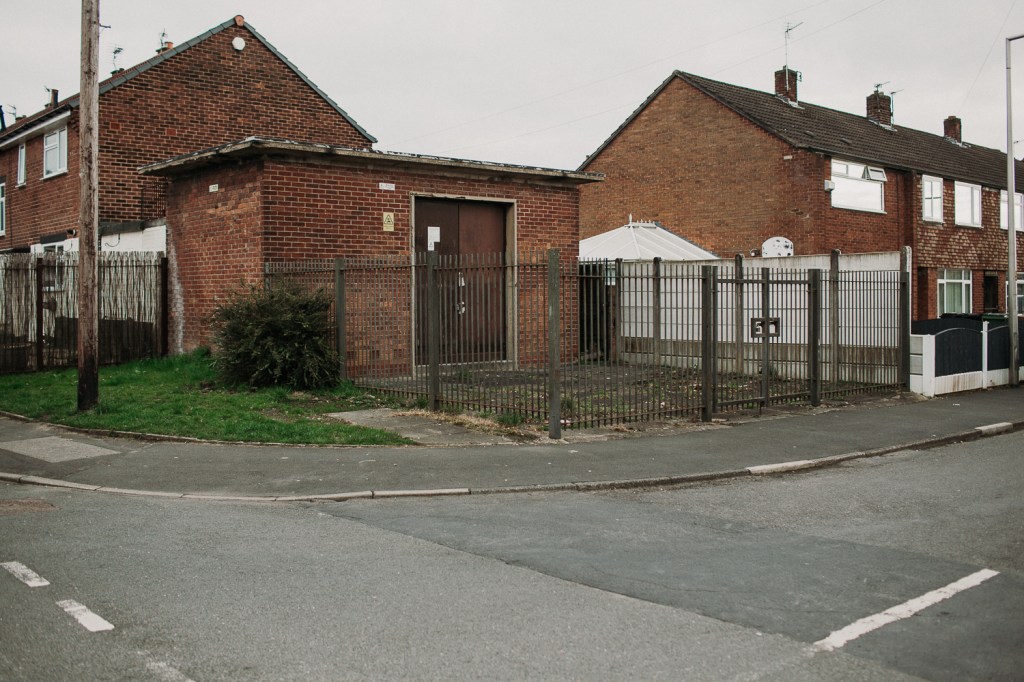
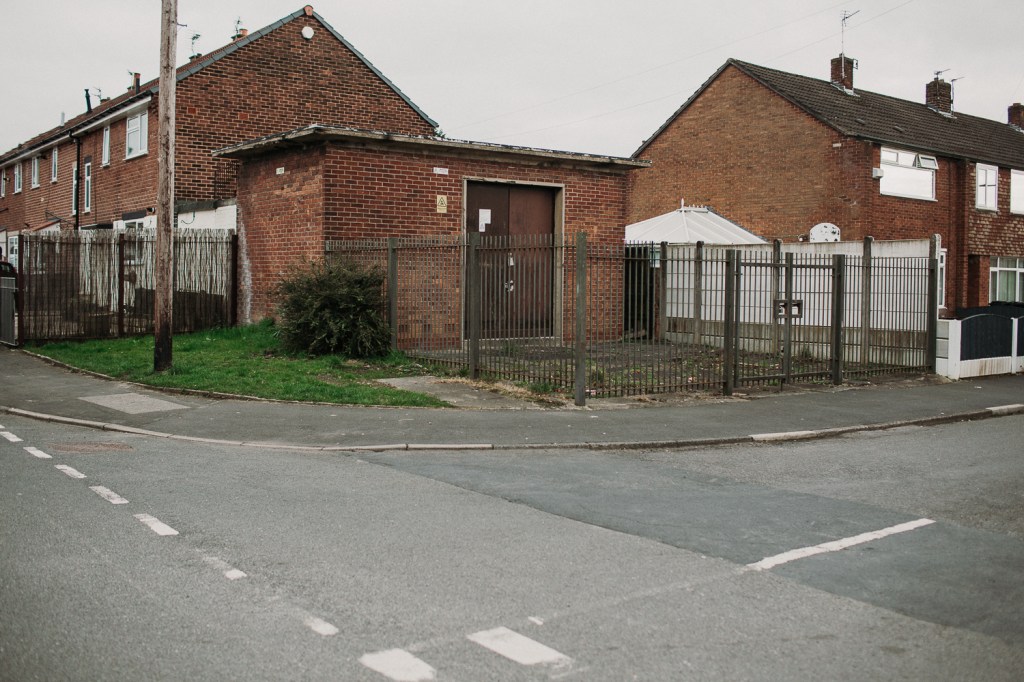
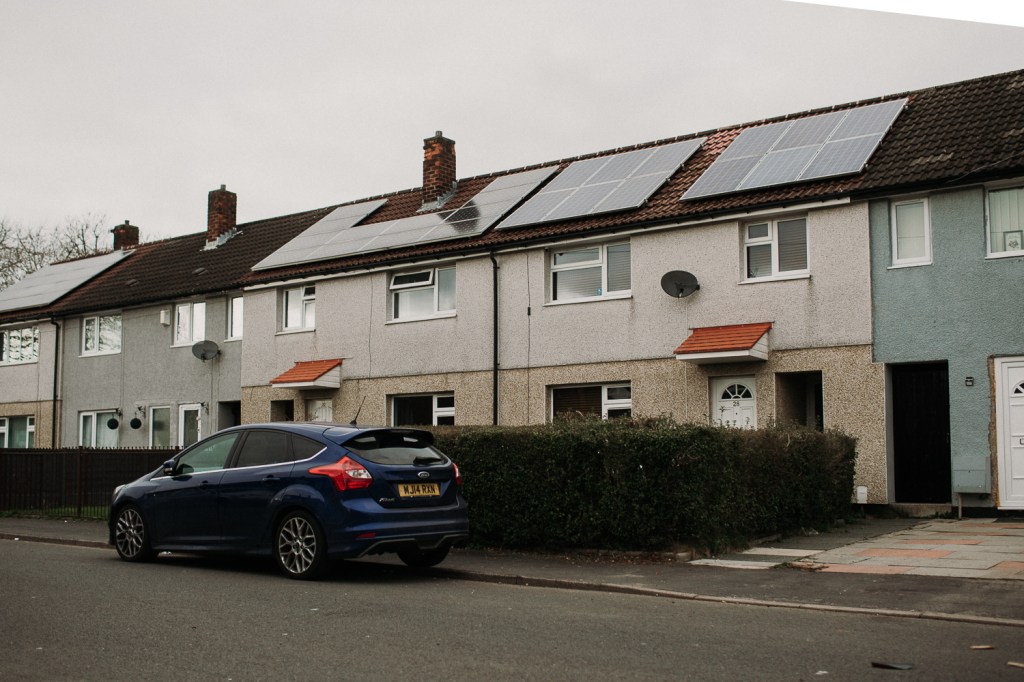
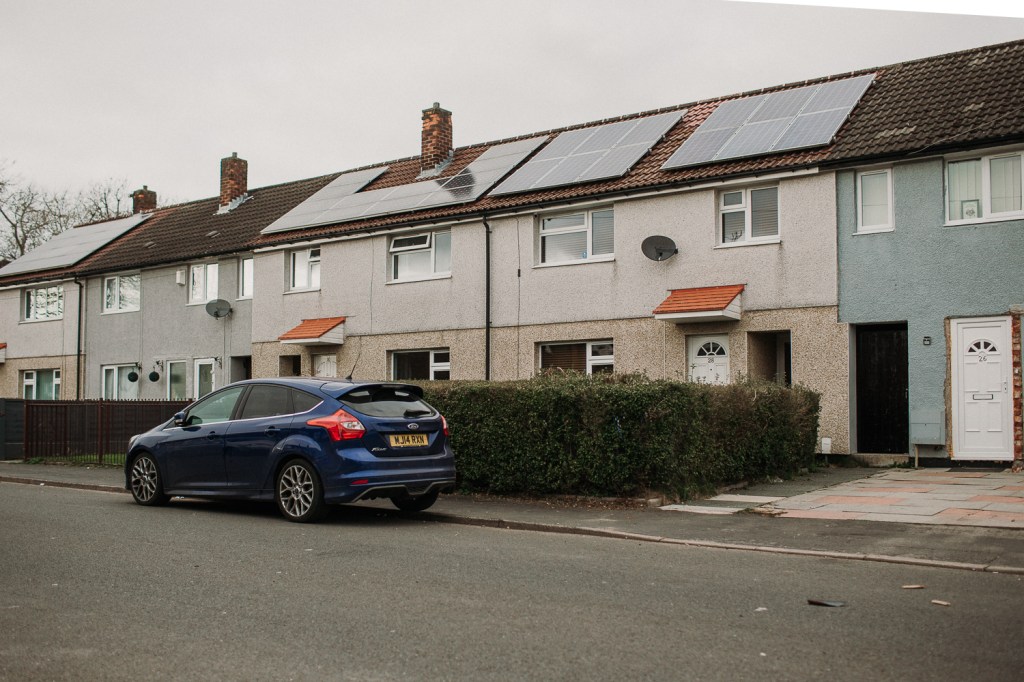
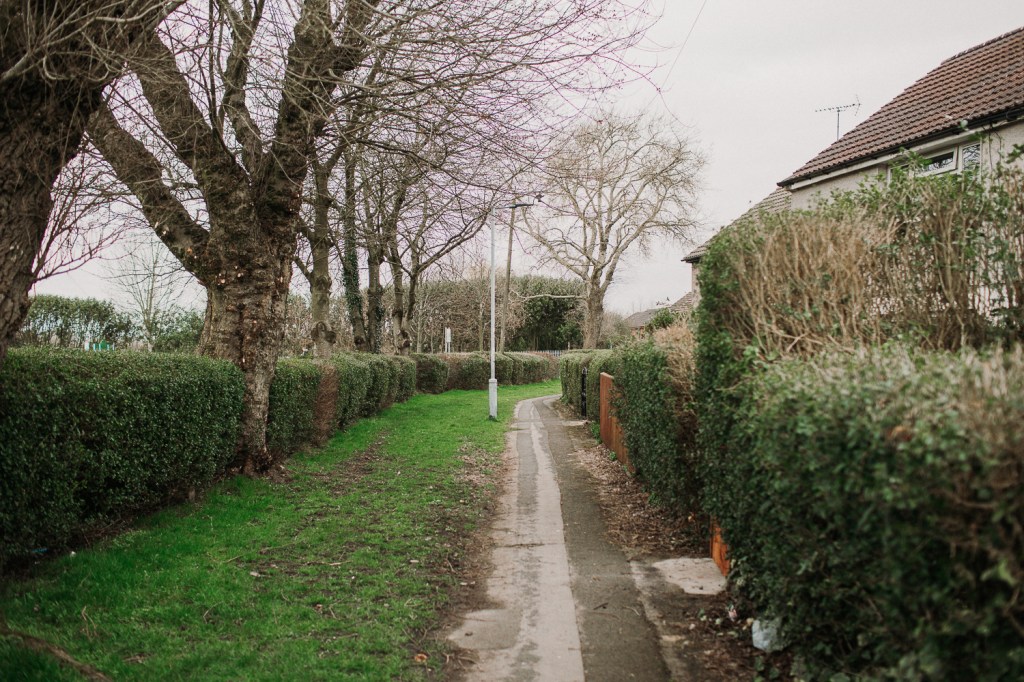
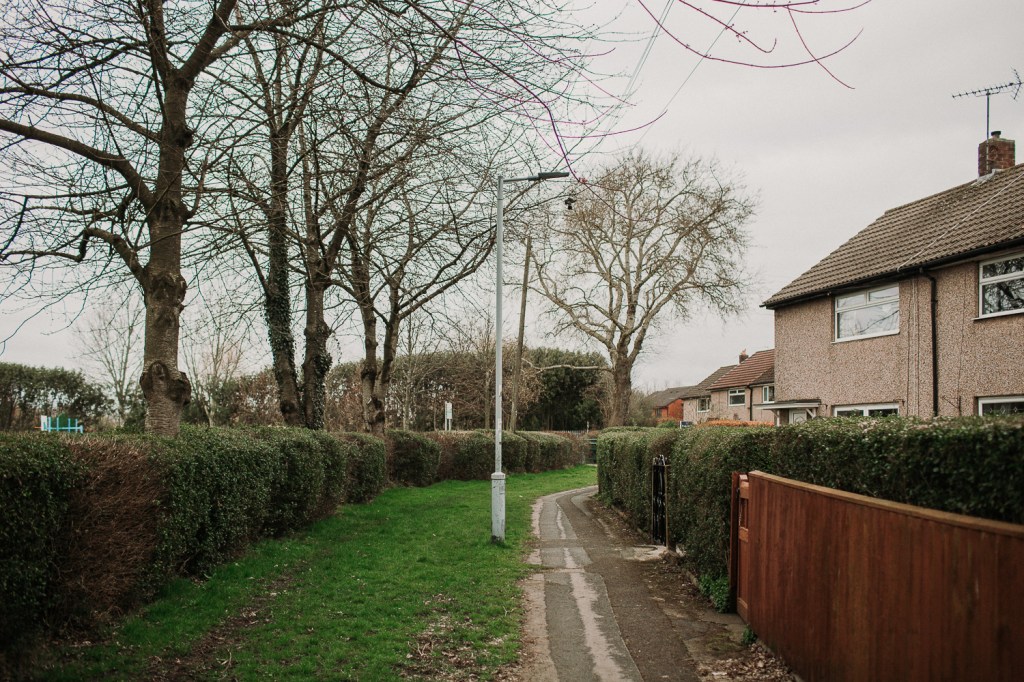
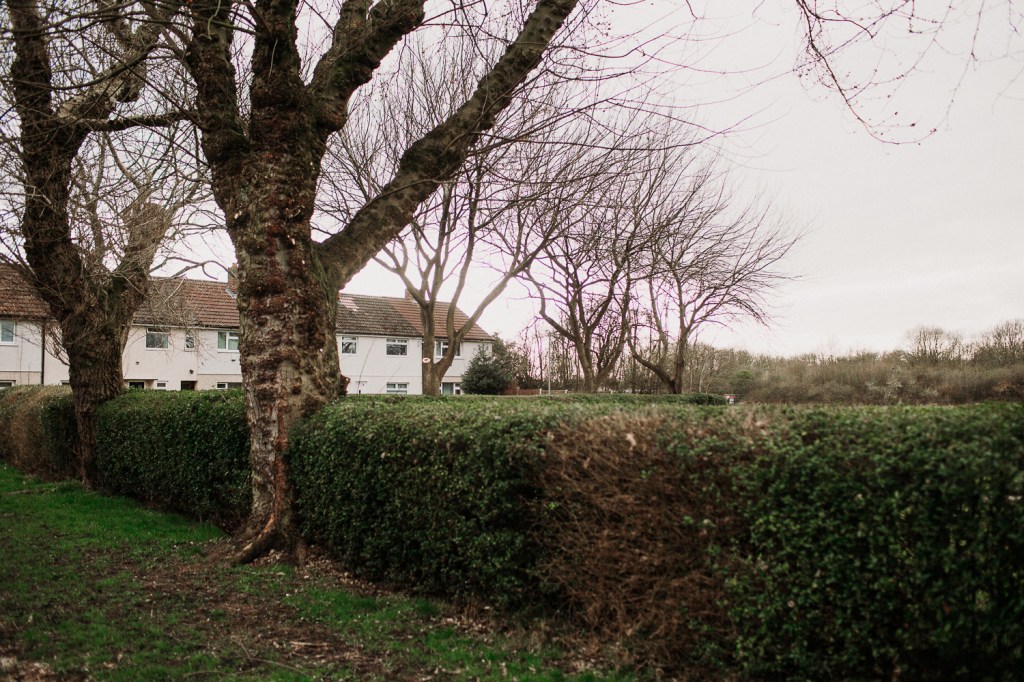
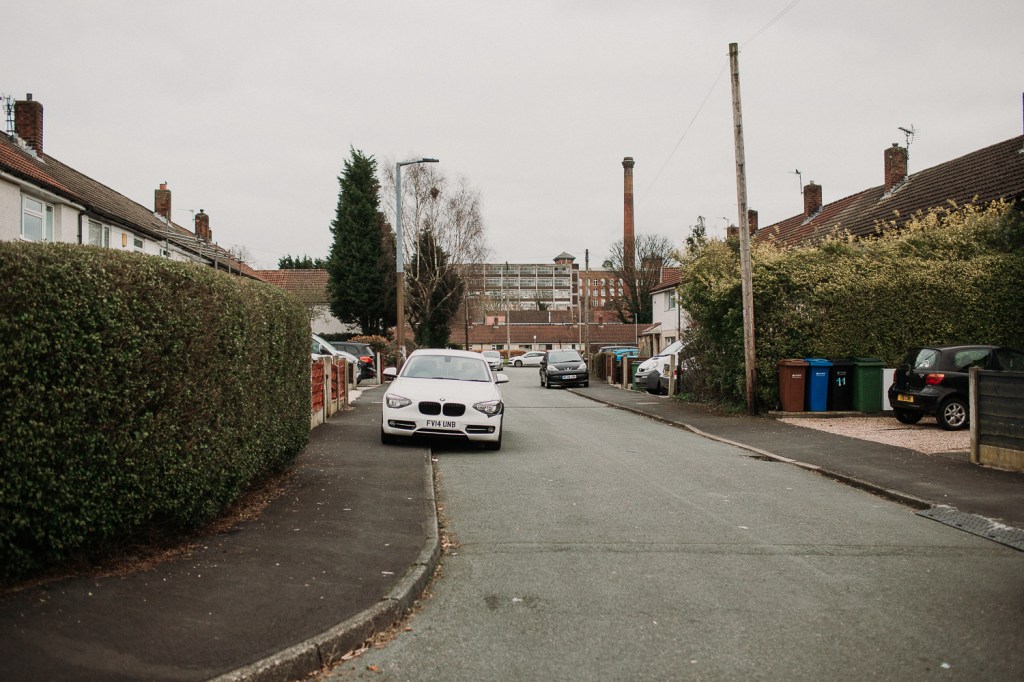
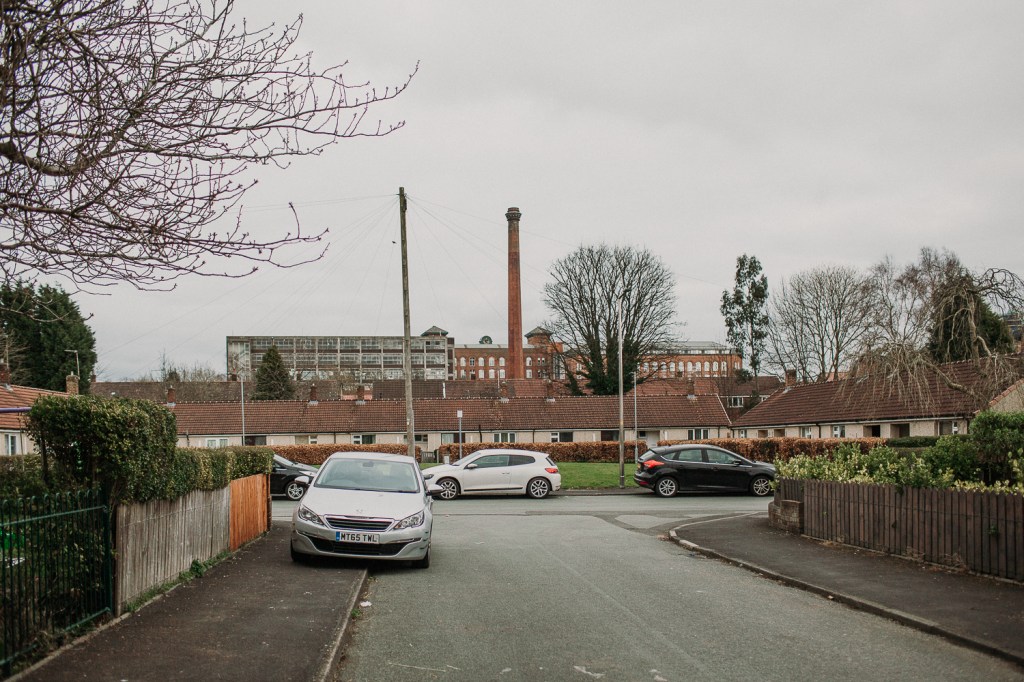
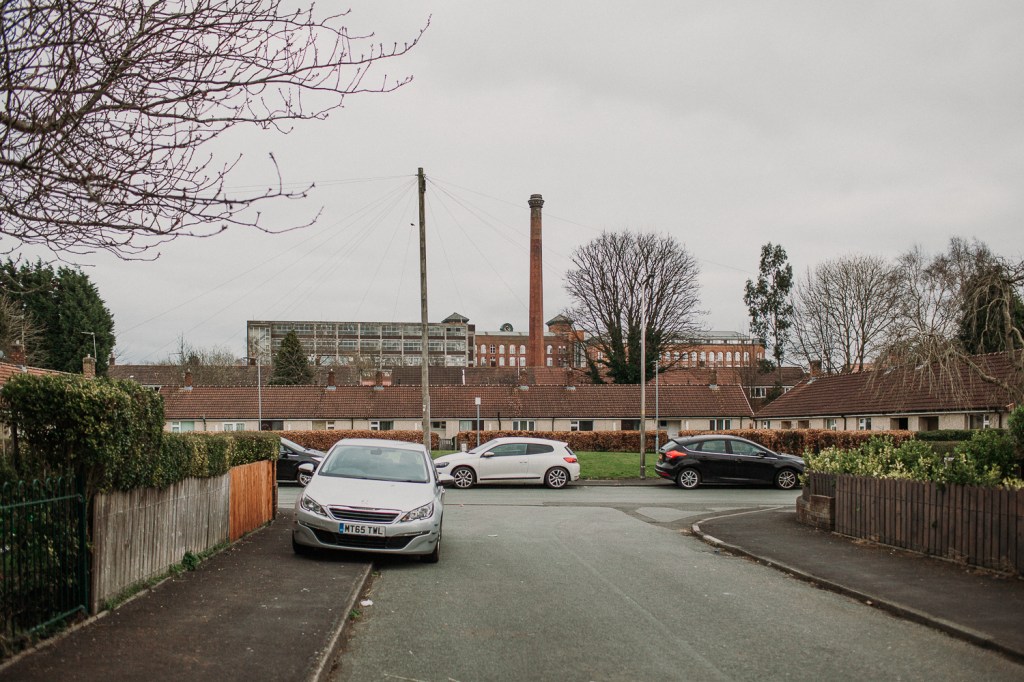
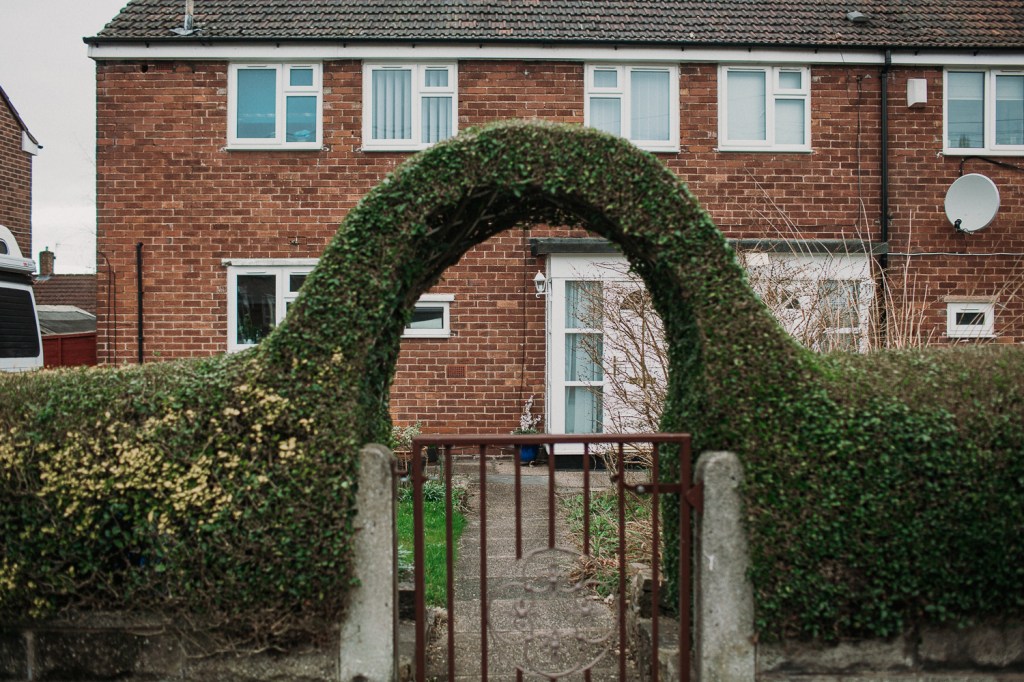
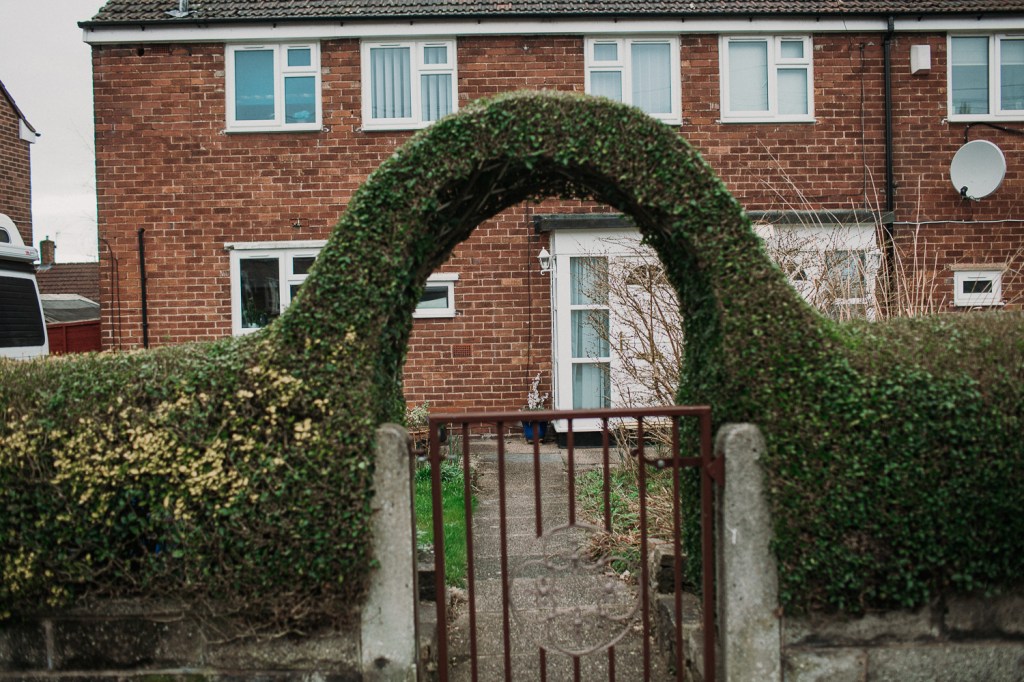
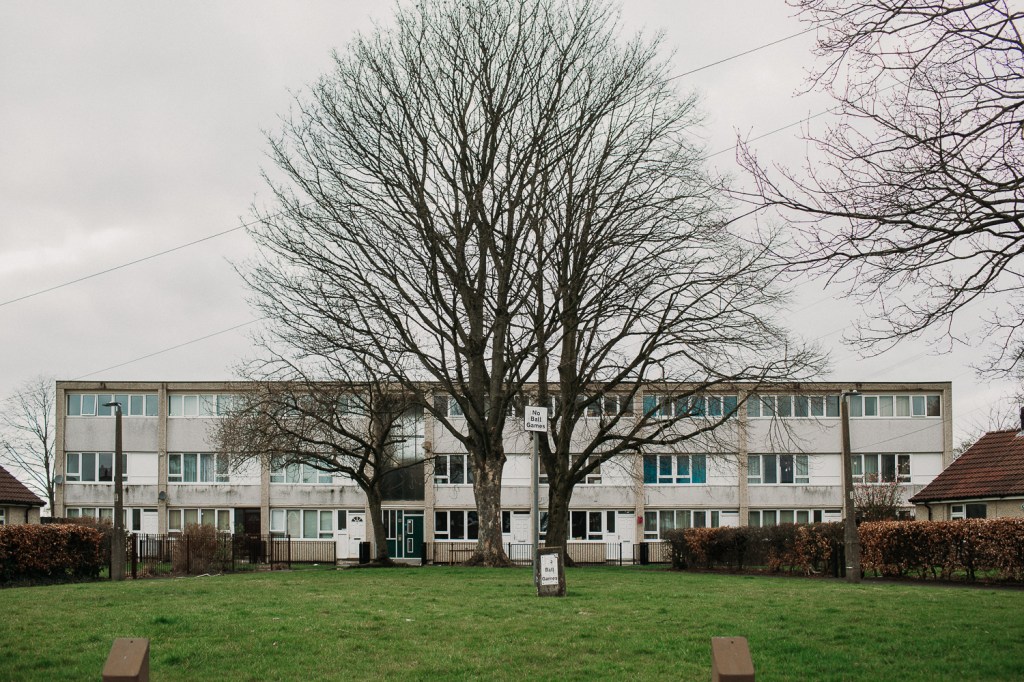
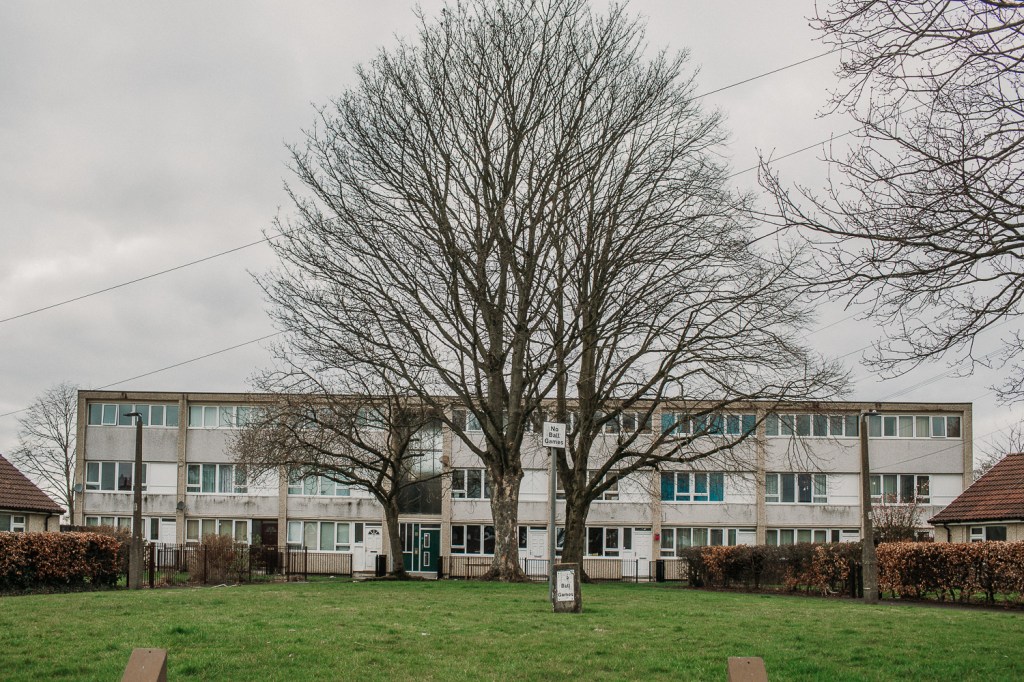
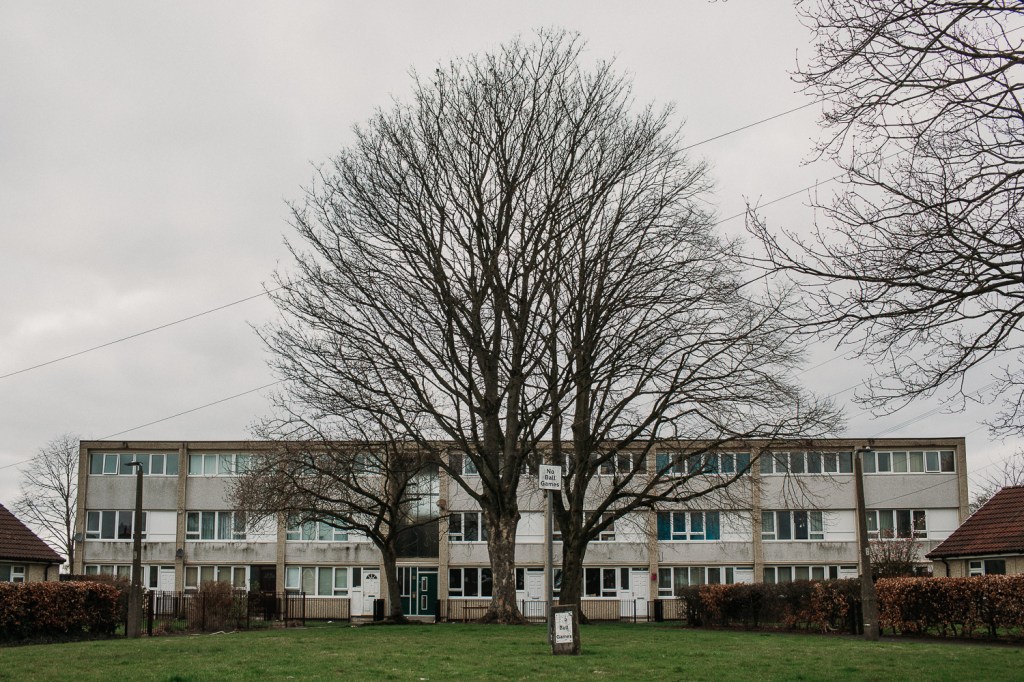
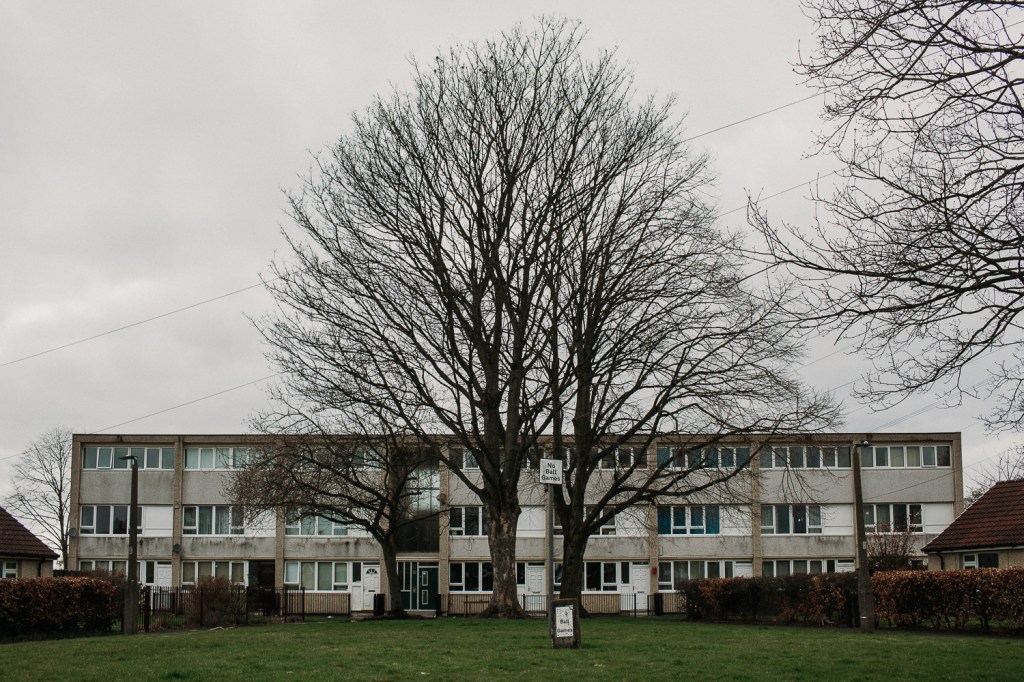
As a result of my open call for participants I organised a shoot with Mike. I was aware of his difficulties with mental health in a general sense but I was unsure of what the outcome of this encounter would reveal.
In summary, Mike referred to being the middle child of three boys and related this as a barrier in him finding his own identity. Once again, failures in the football environment in addition to struggling with maintaining intimate relationships. The interview culminated with him sharing his experience of considering suicide whilst stood on the platform of a train station.
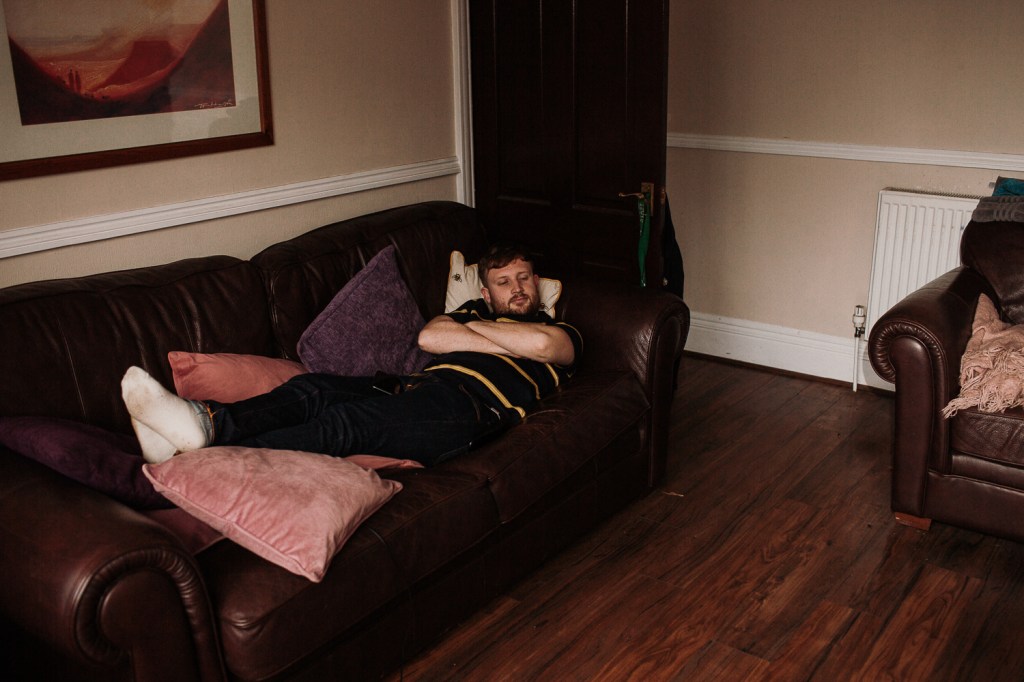
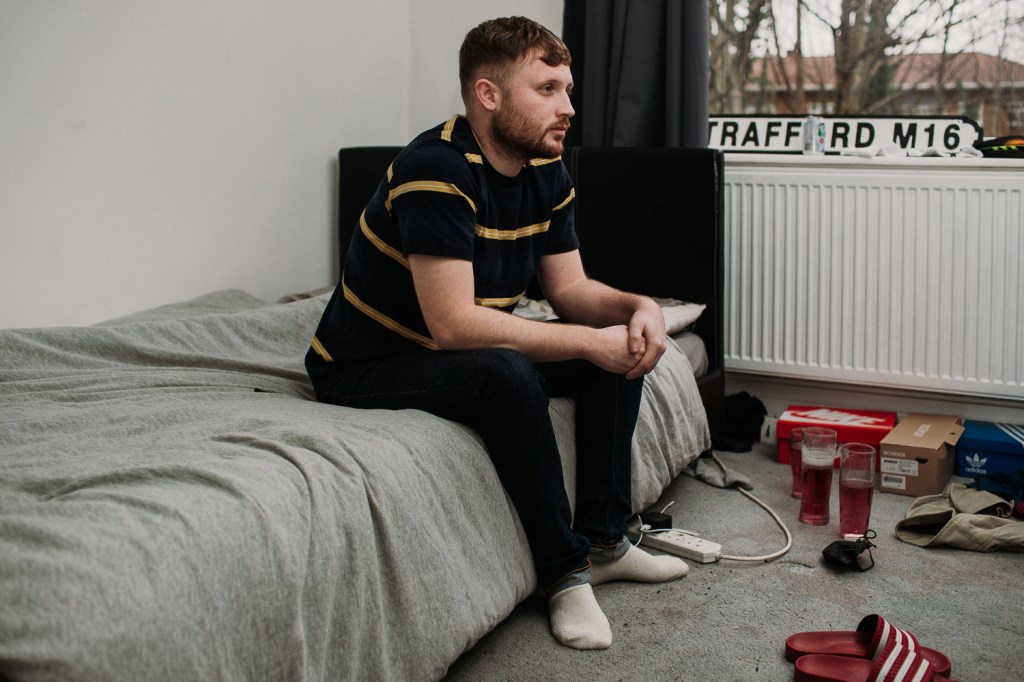
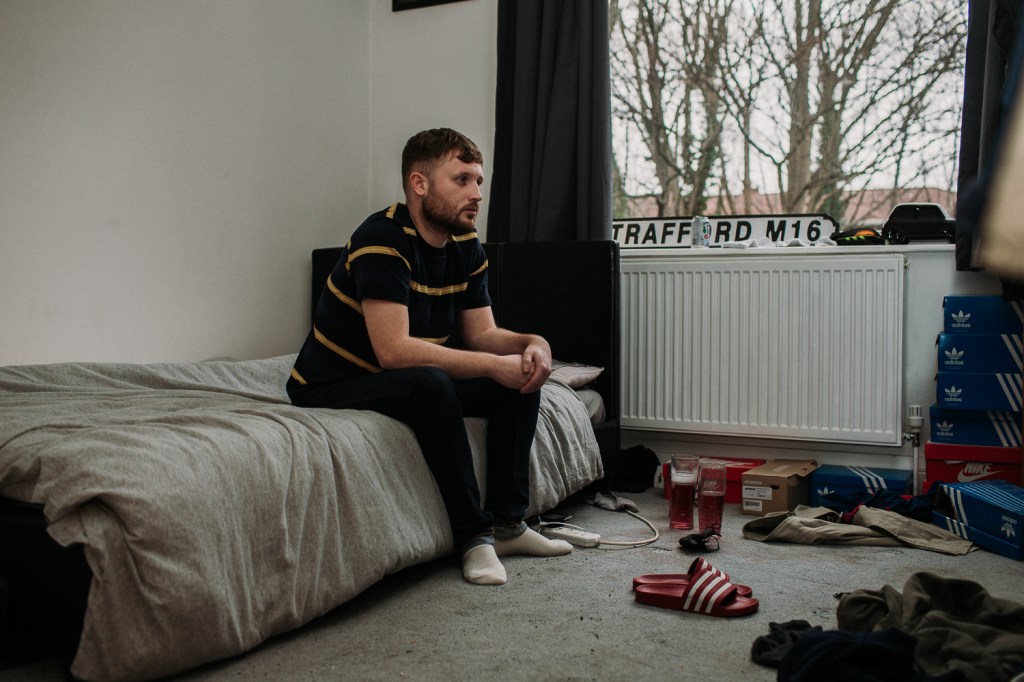
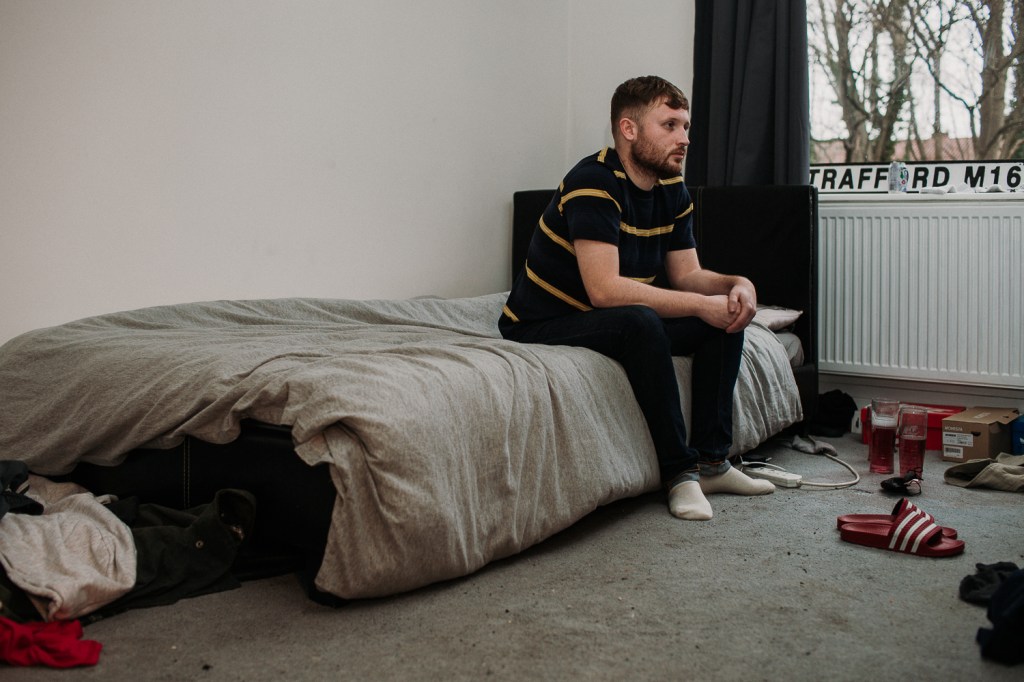
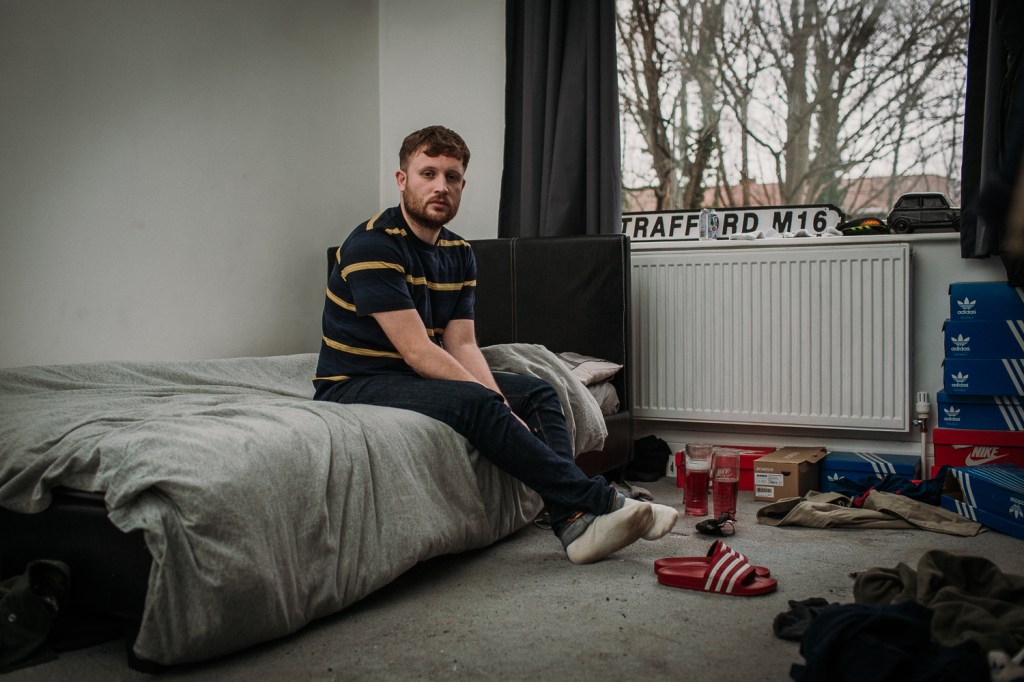
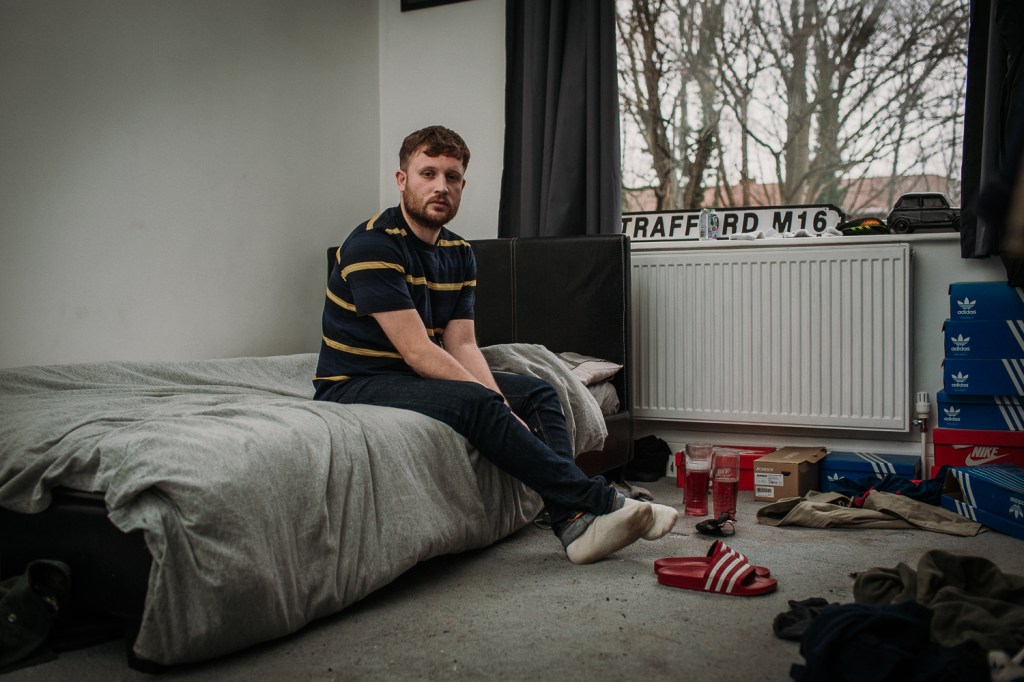
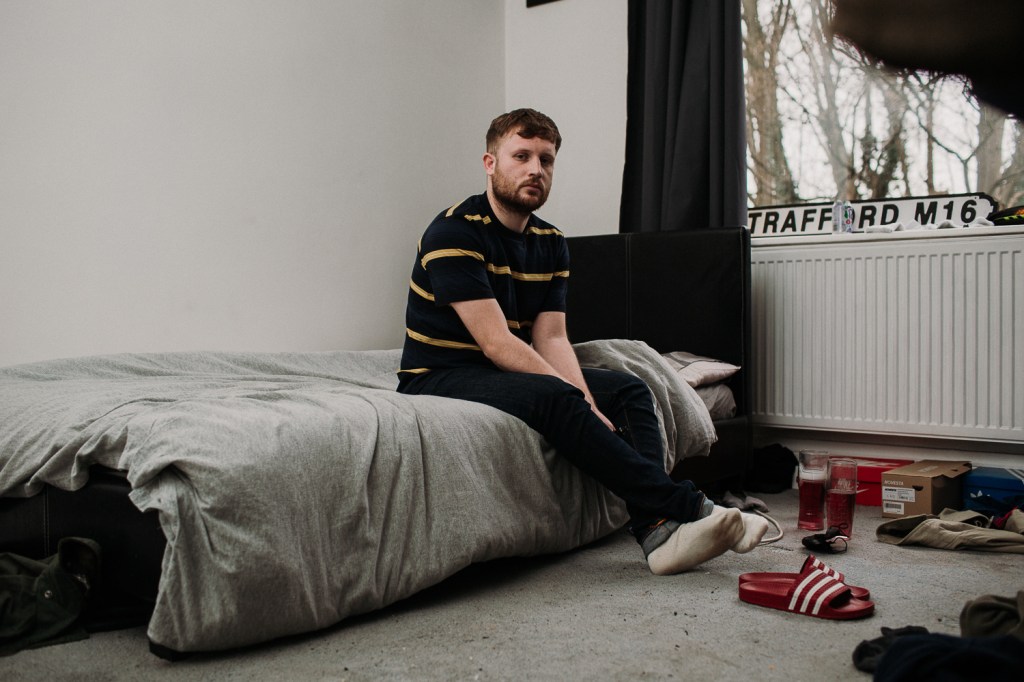
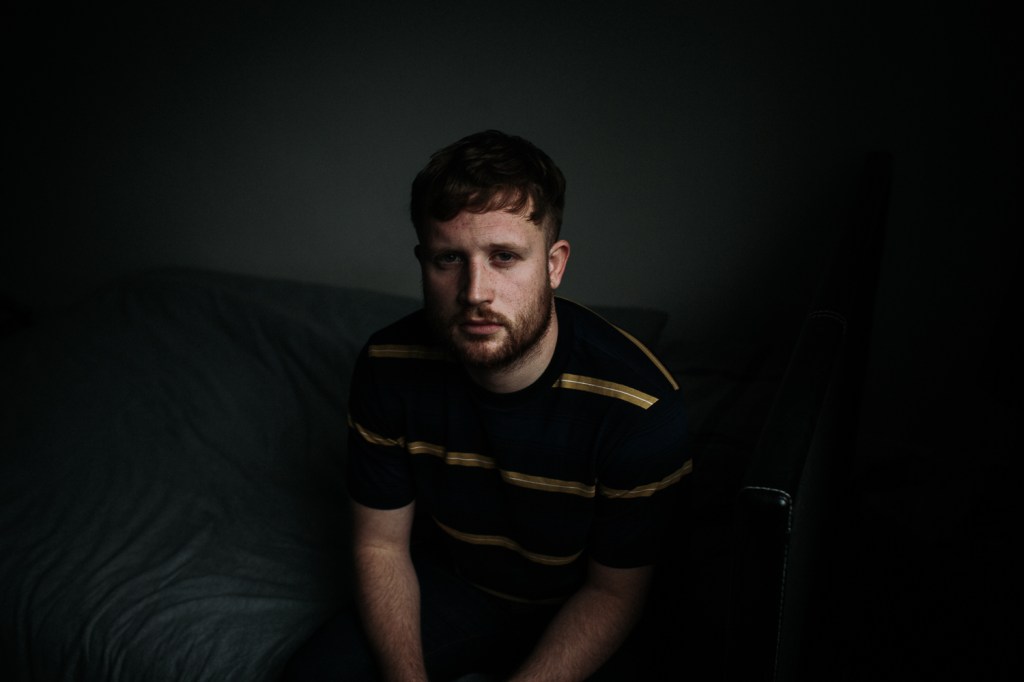
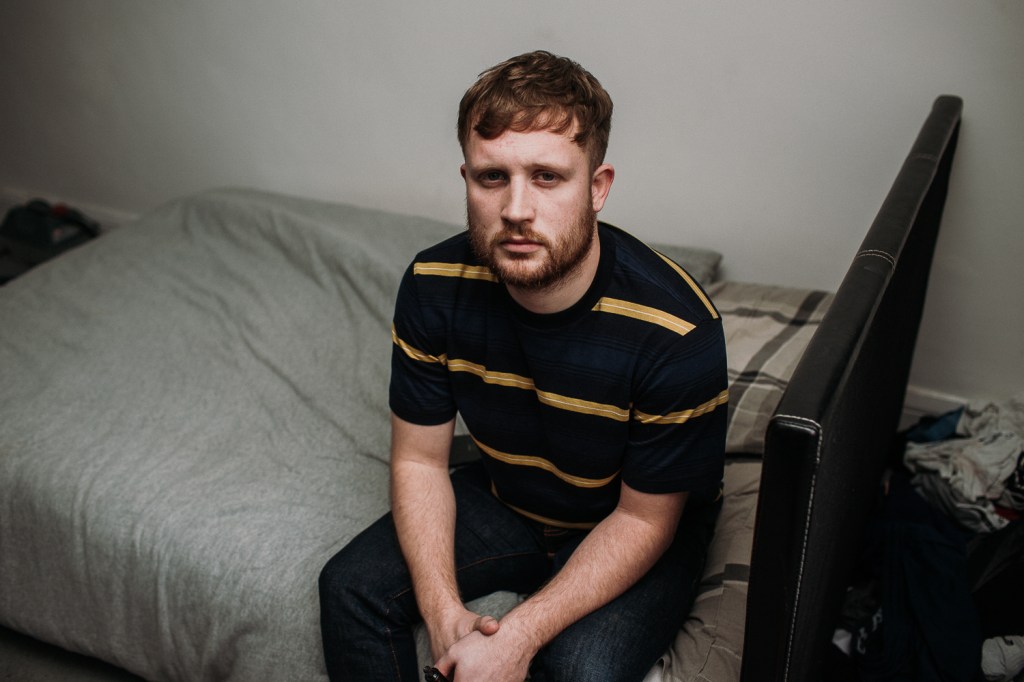
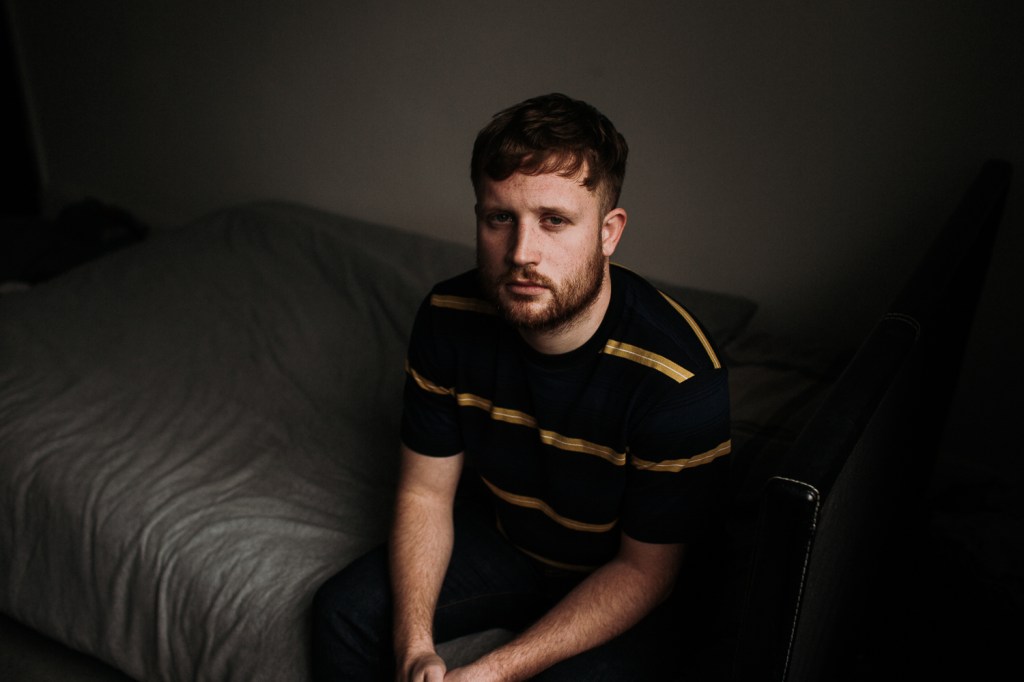
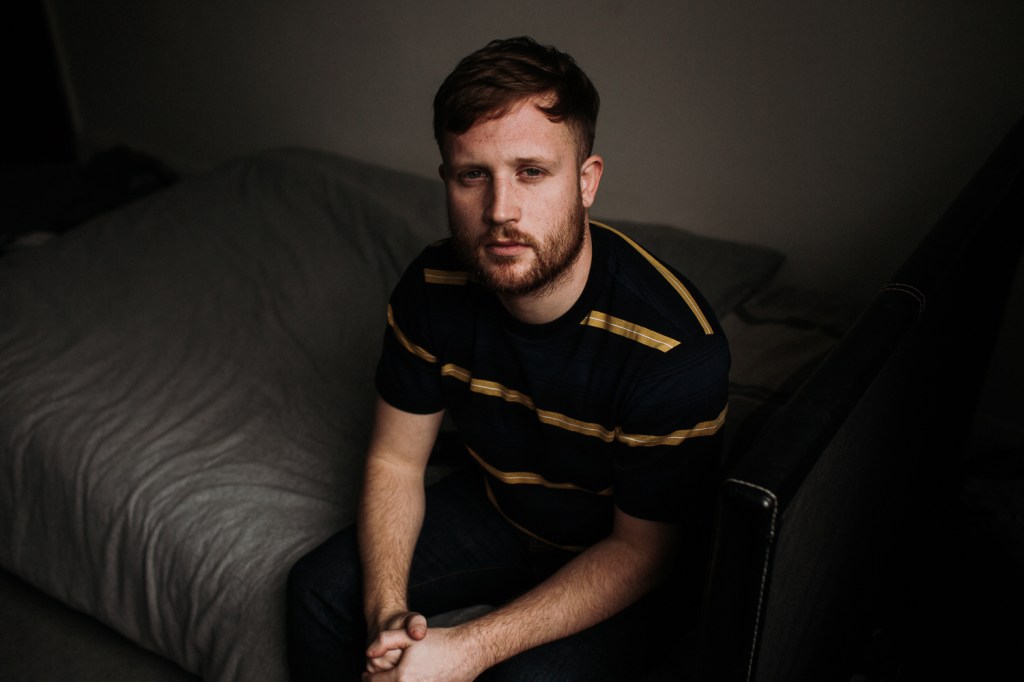
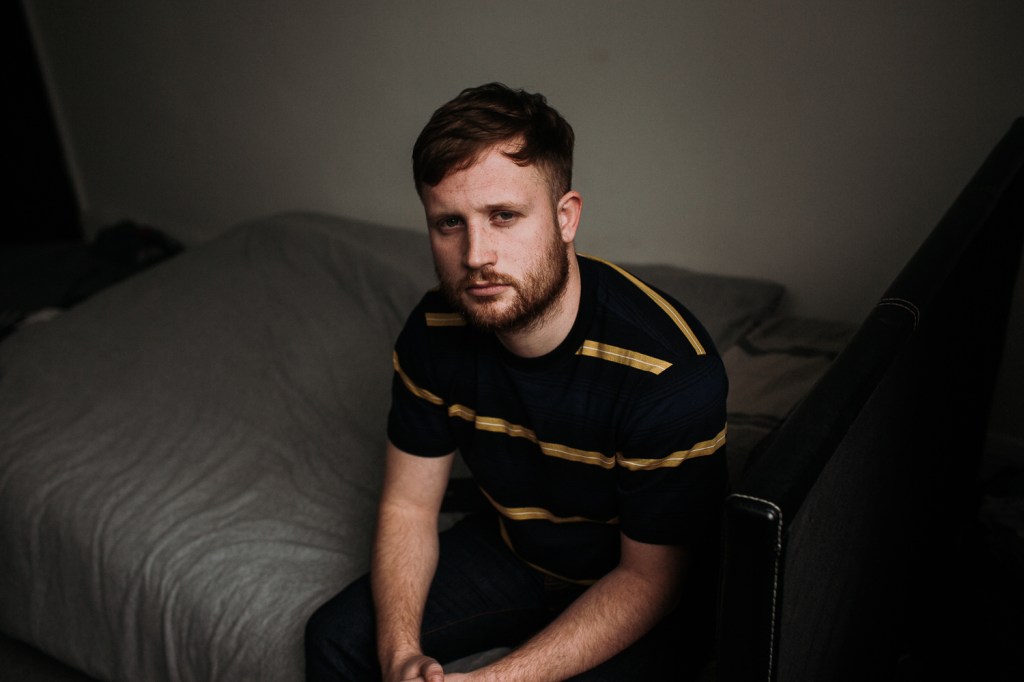
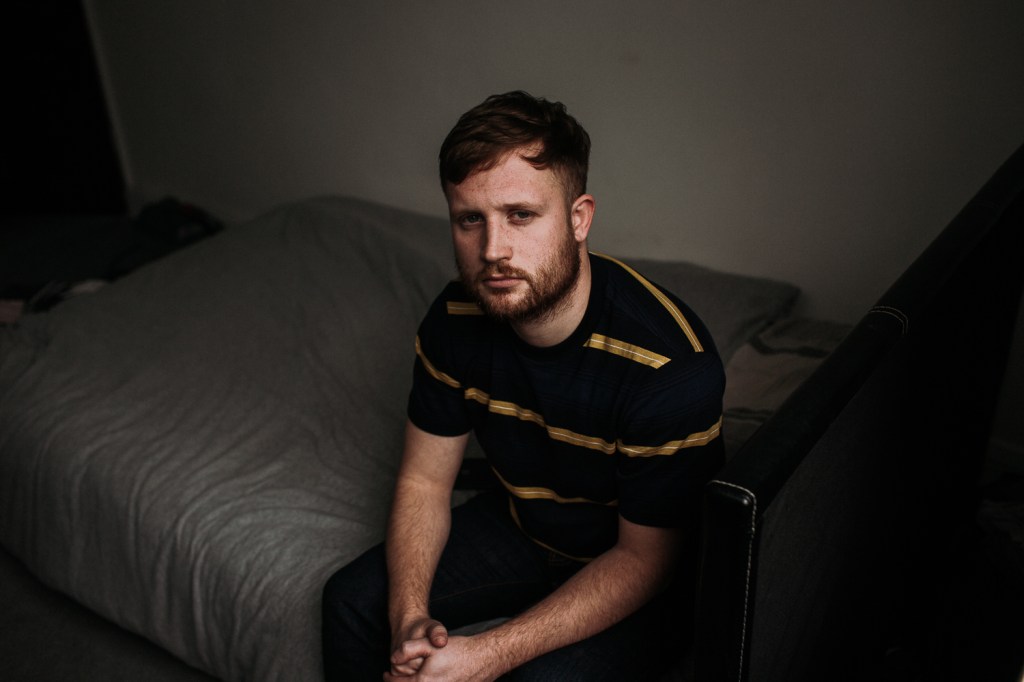
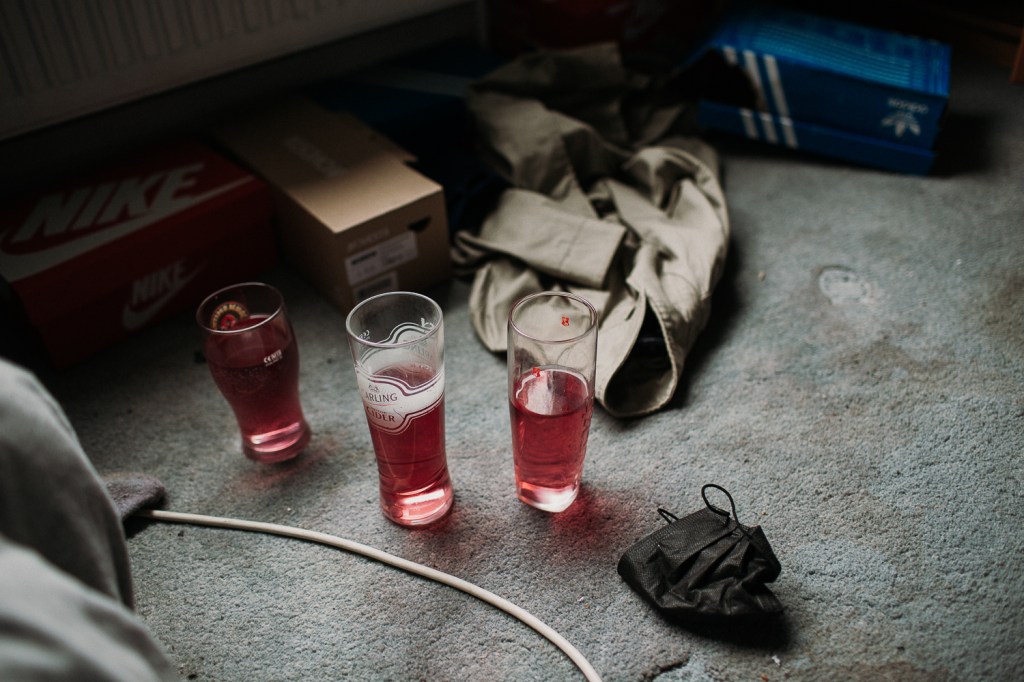
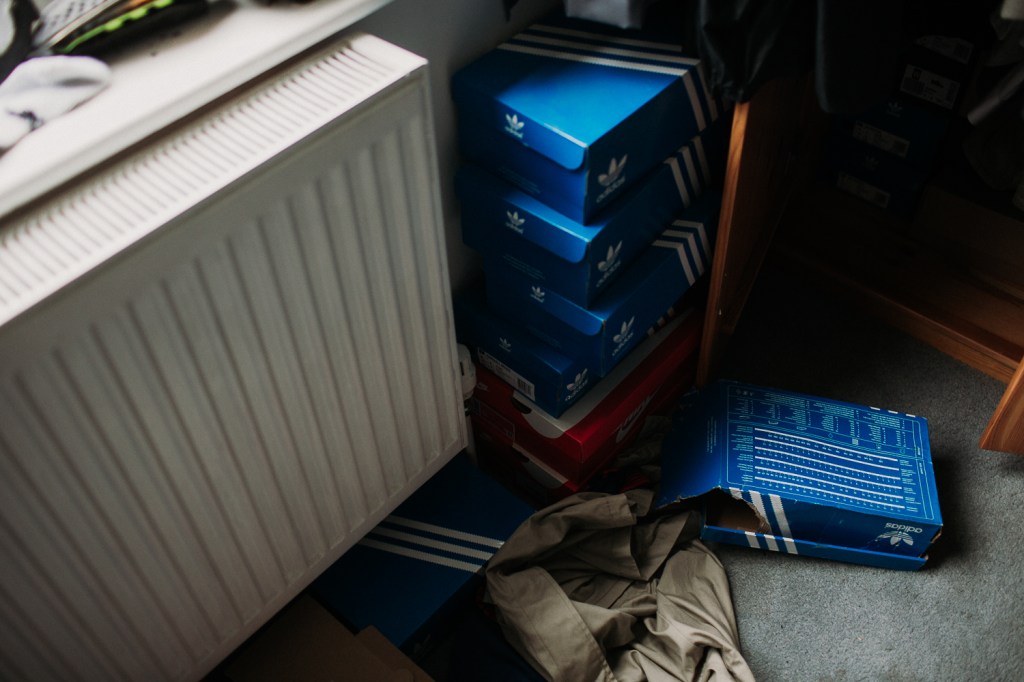
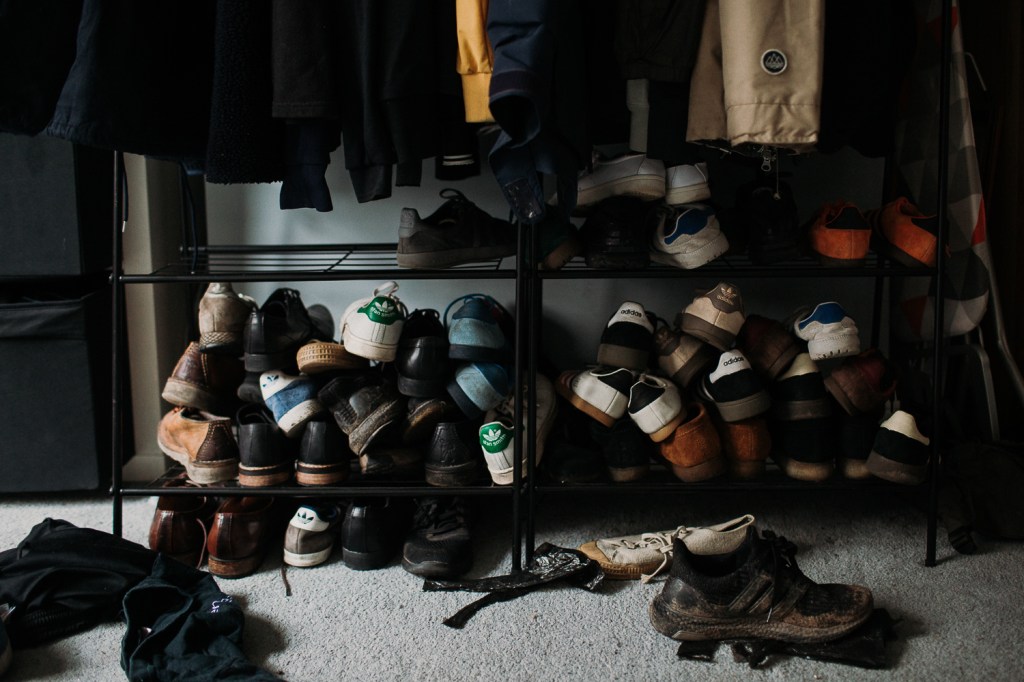
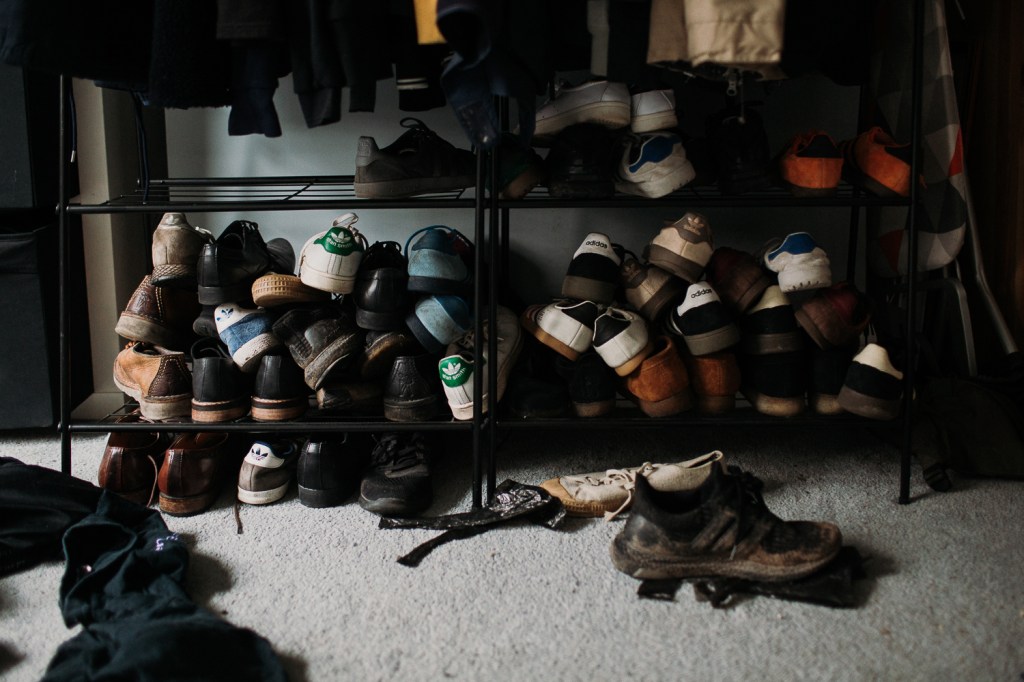
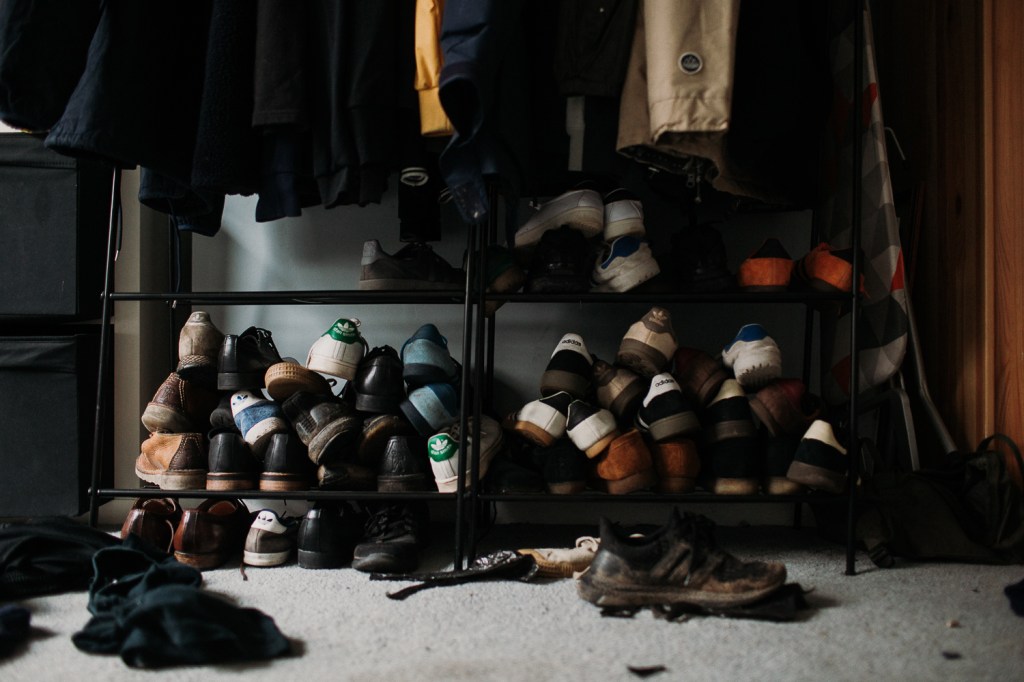
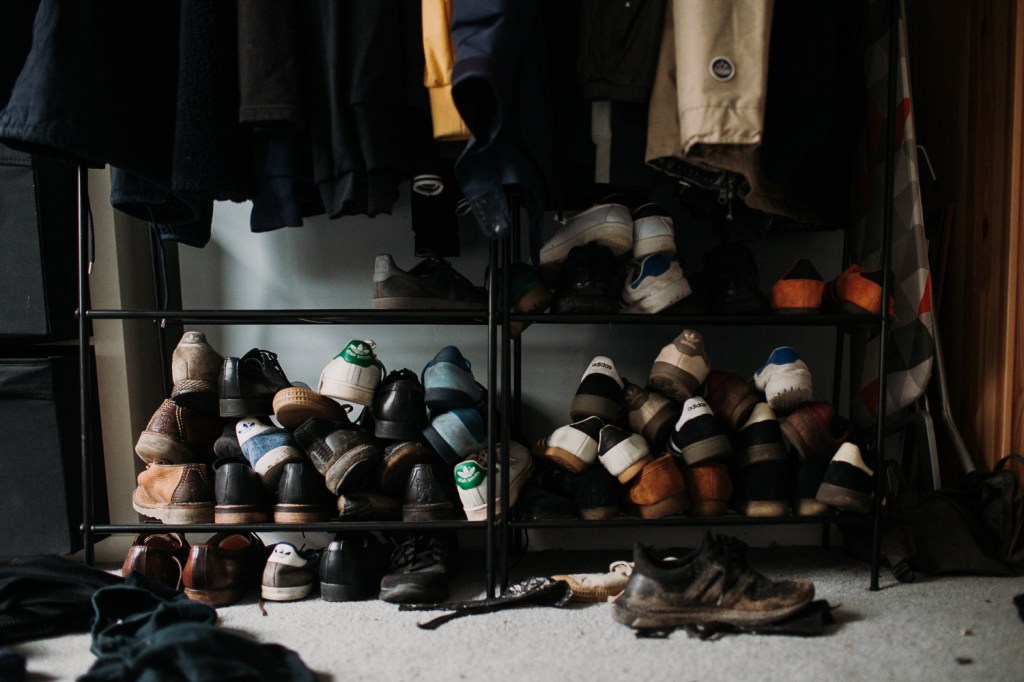
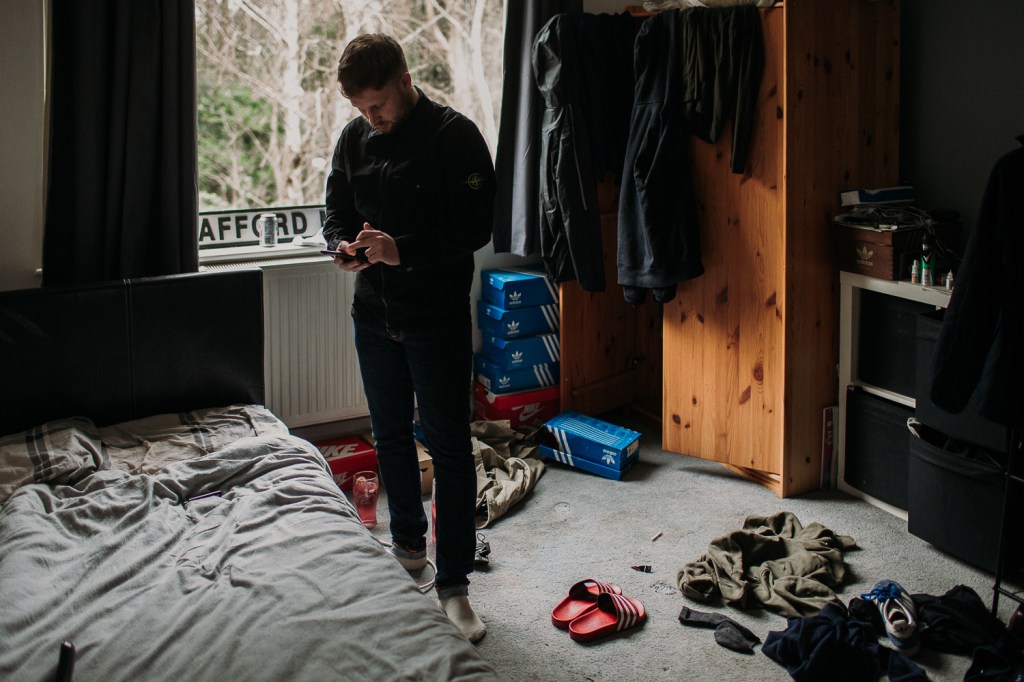
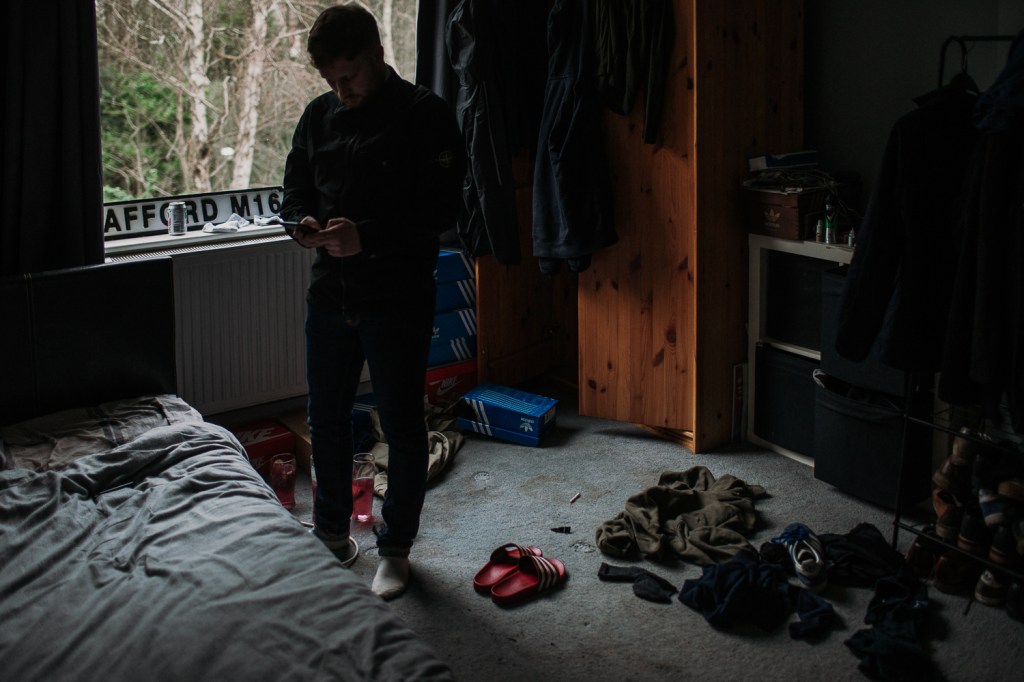
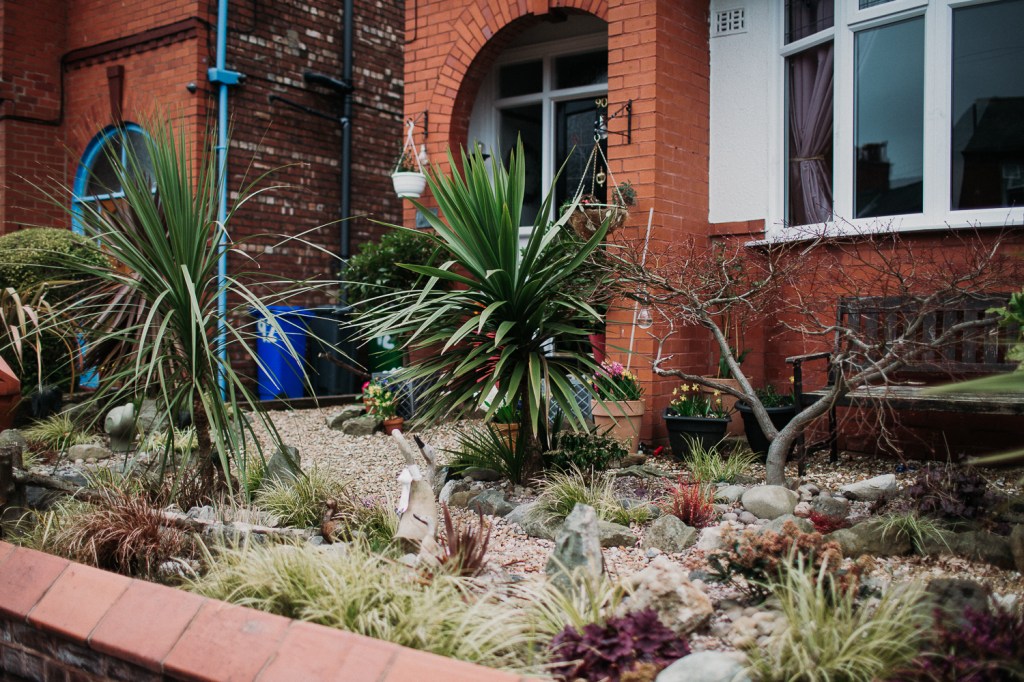
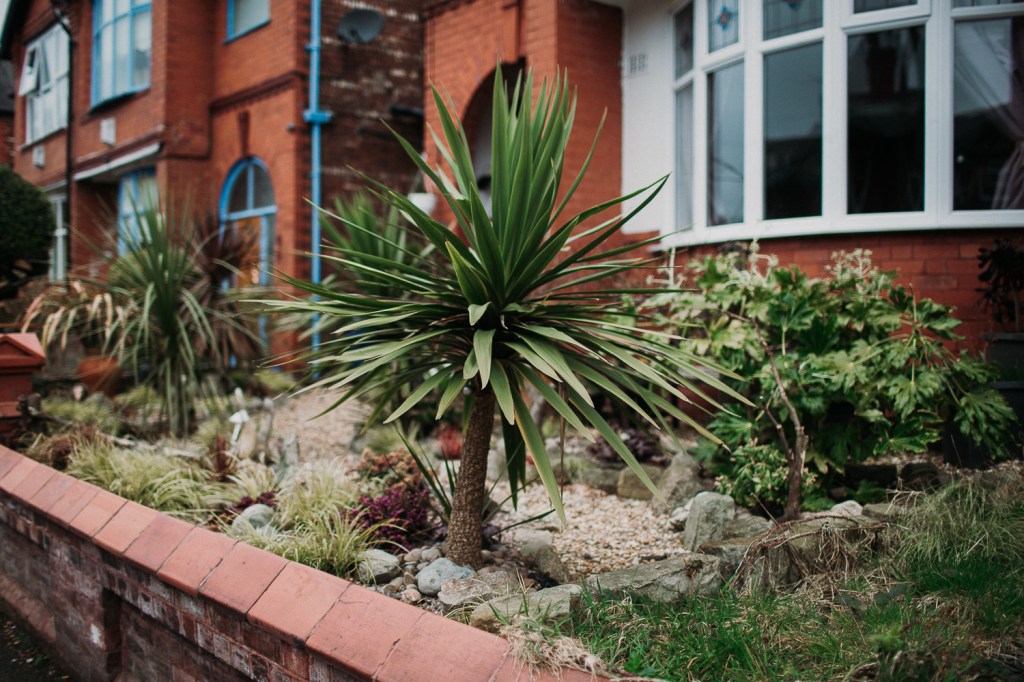
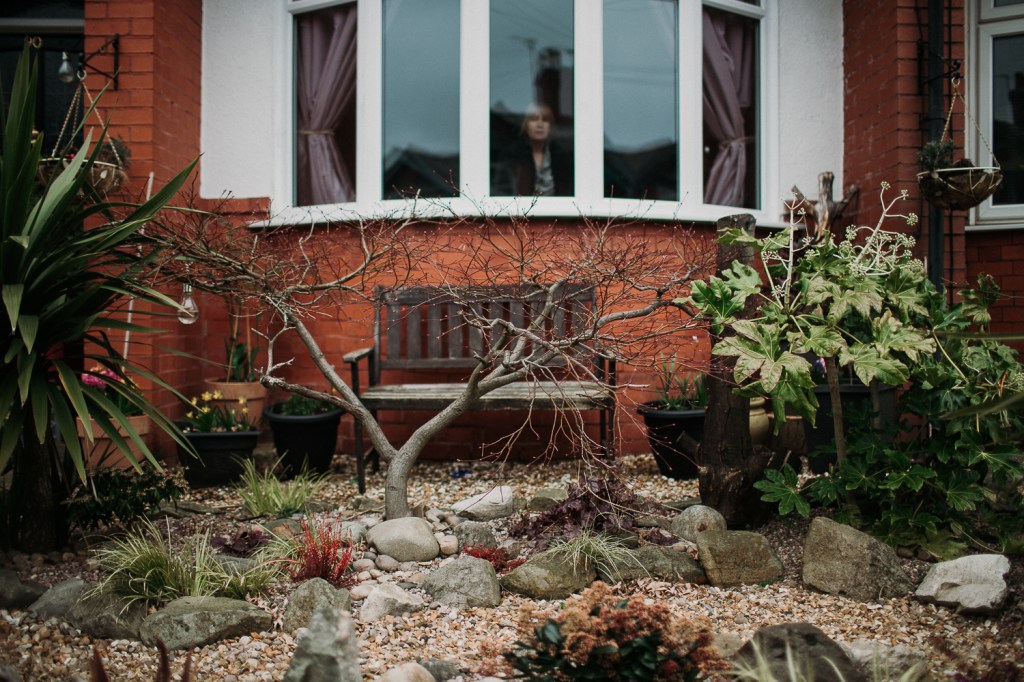
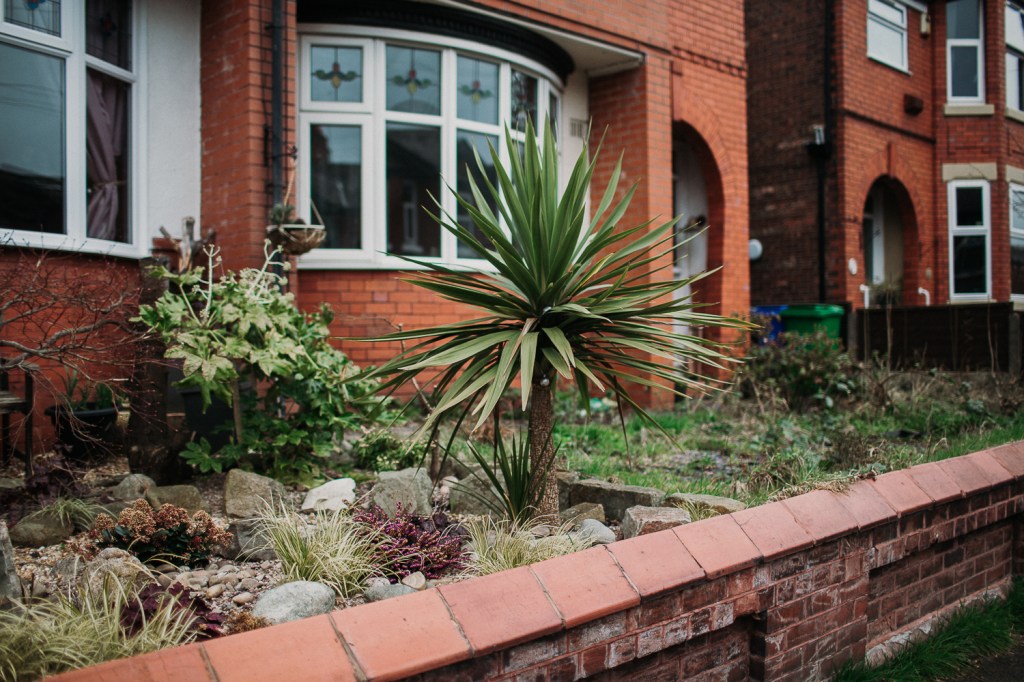
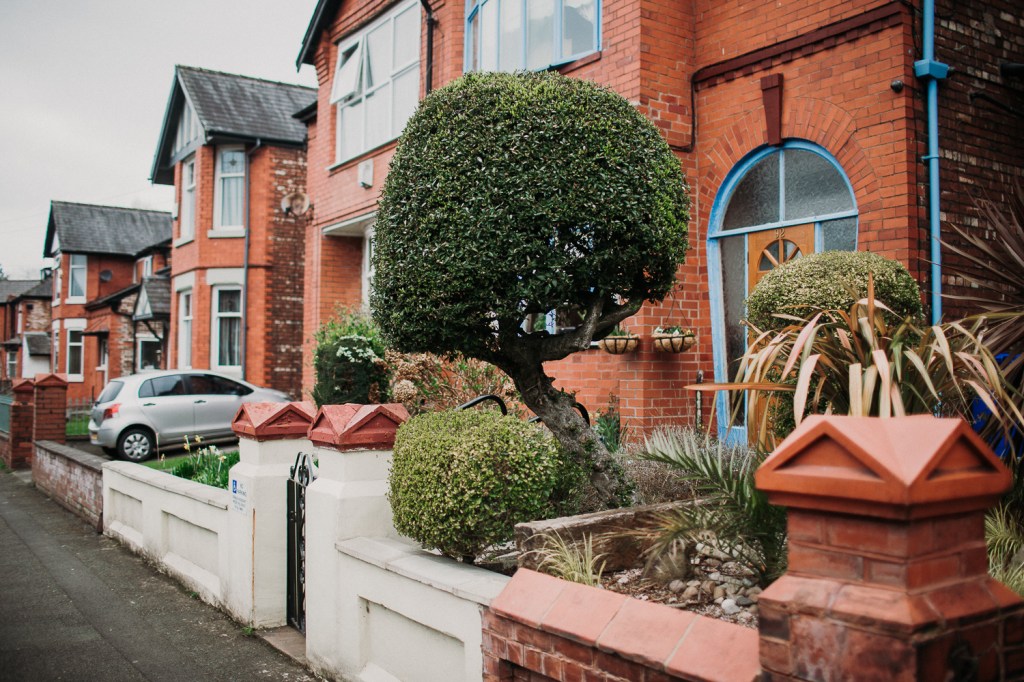
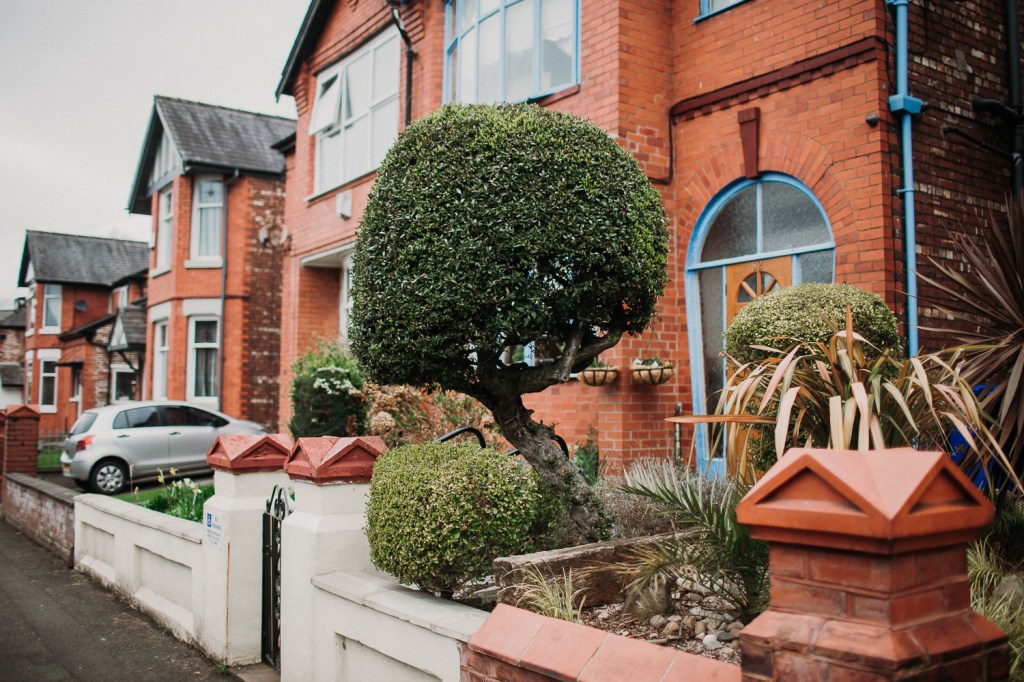
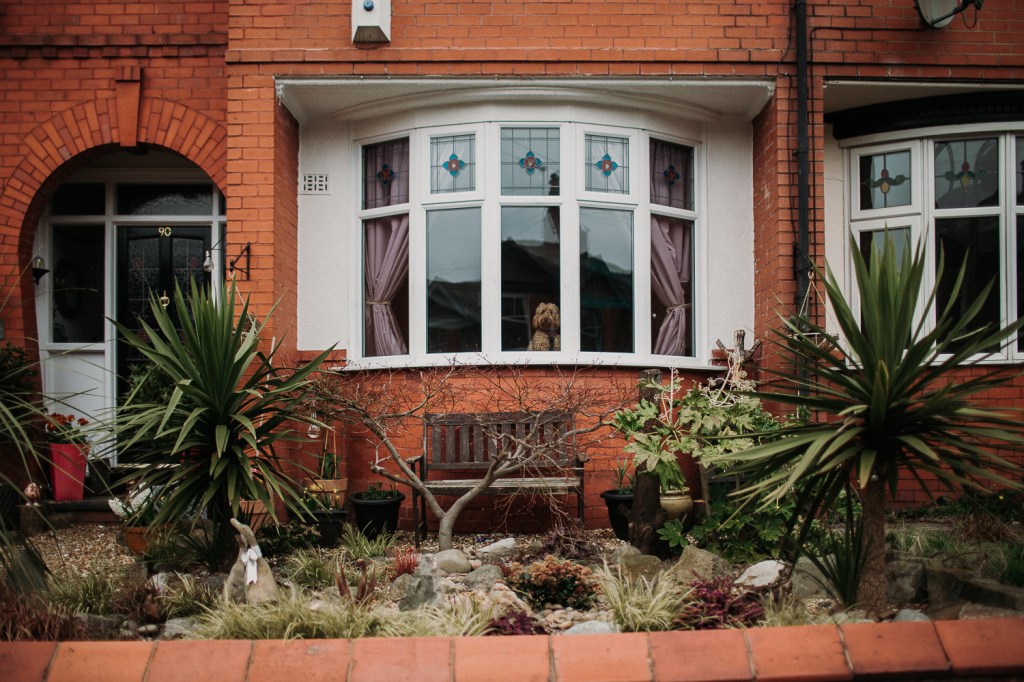
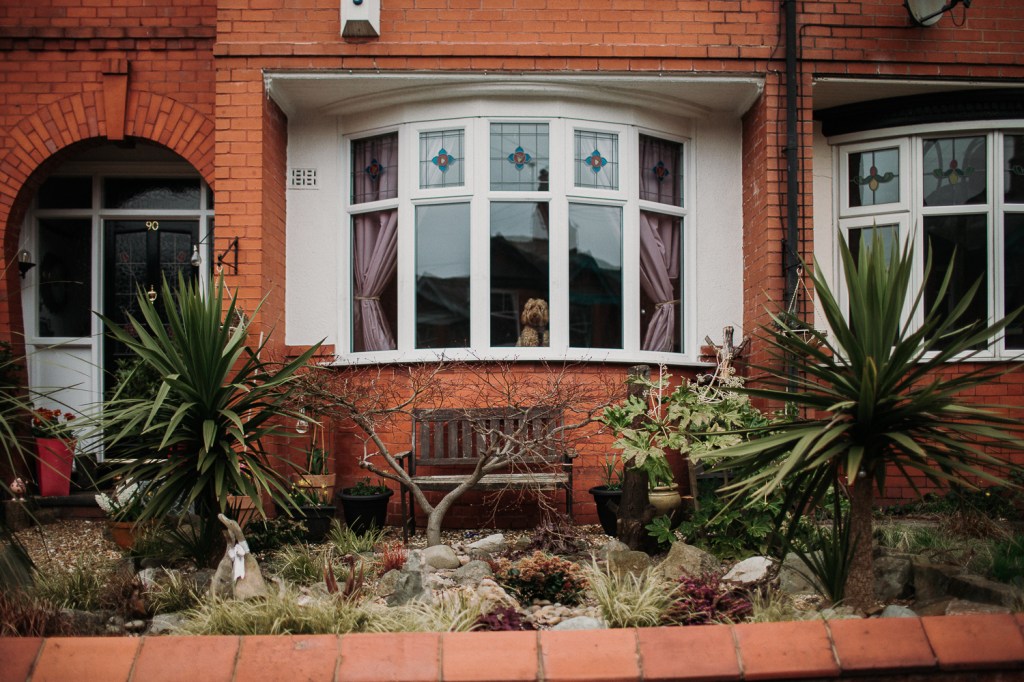
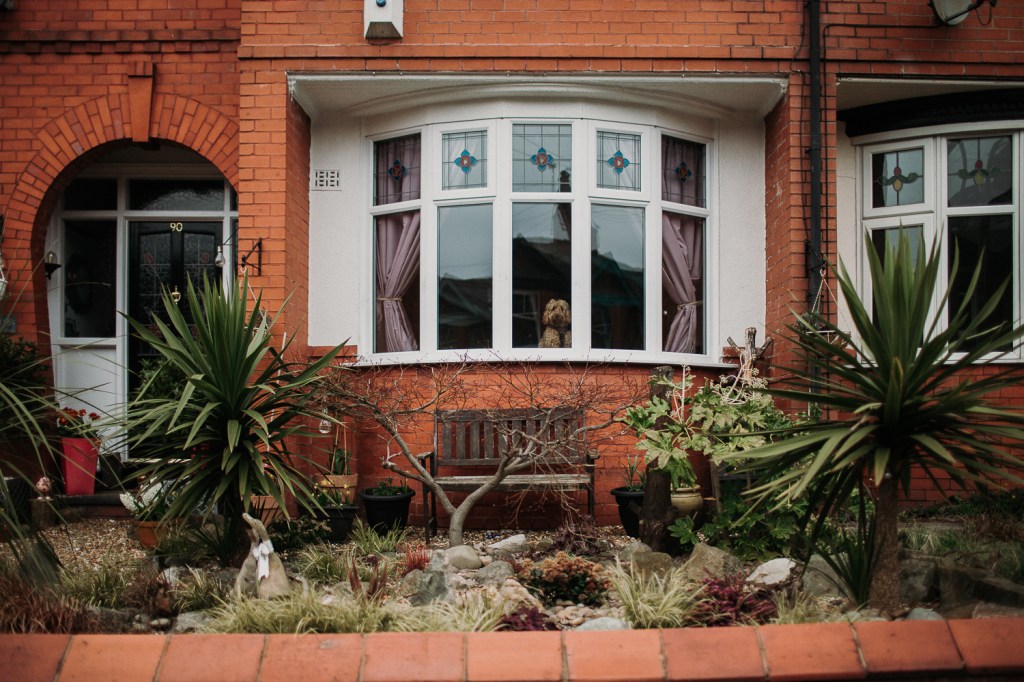
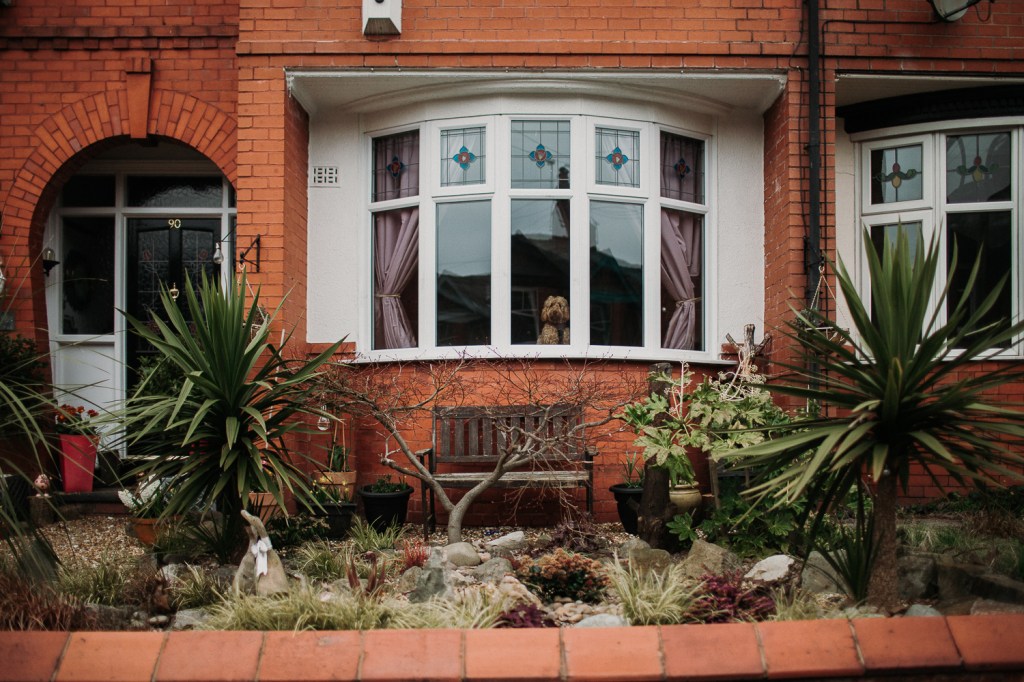
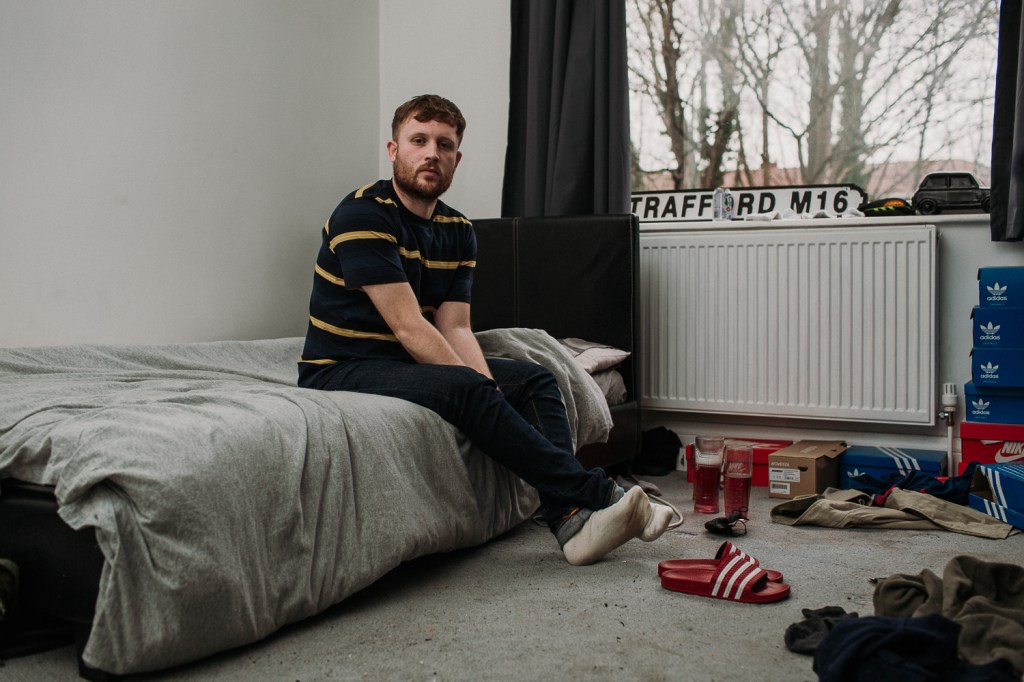
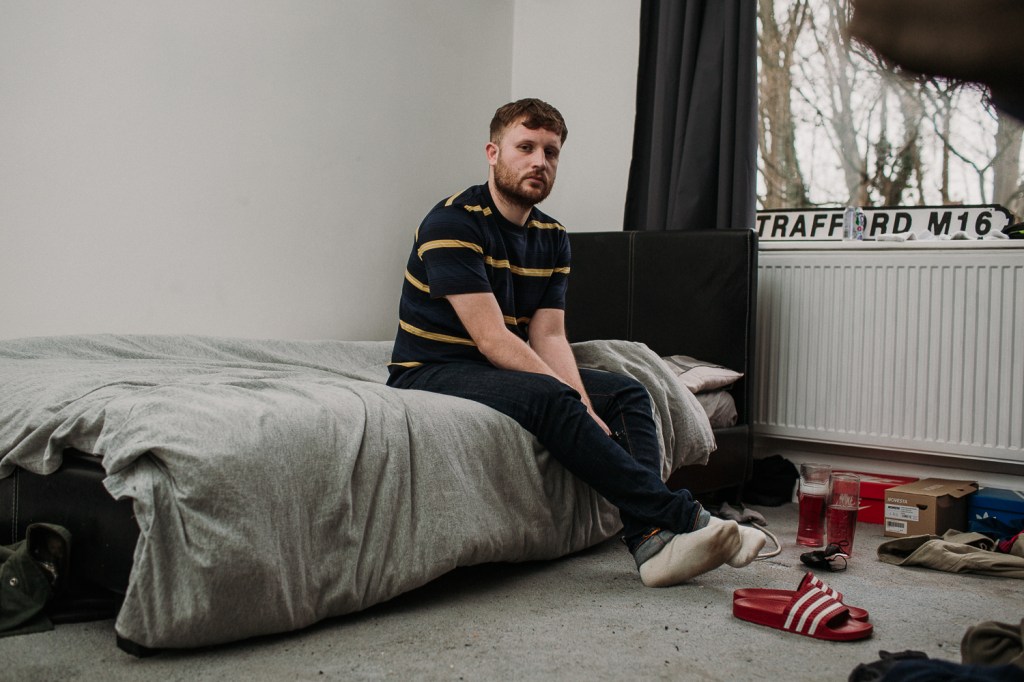
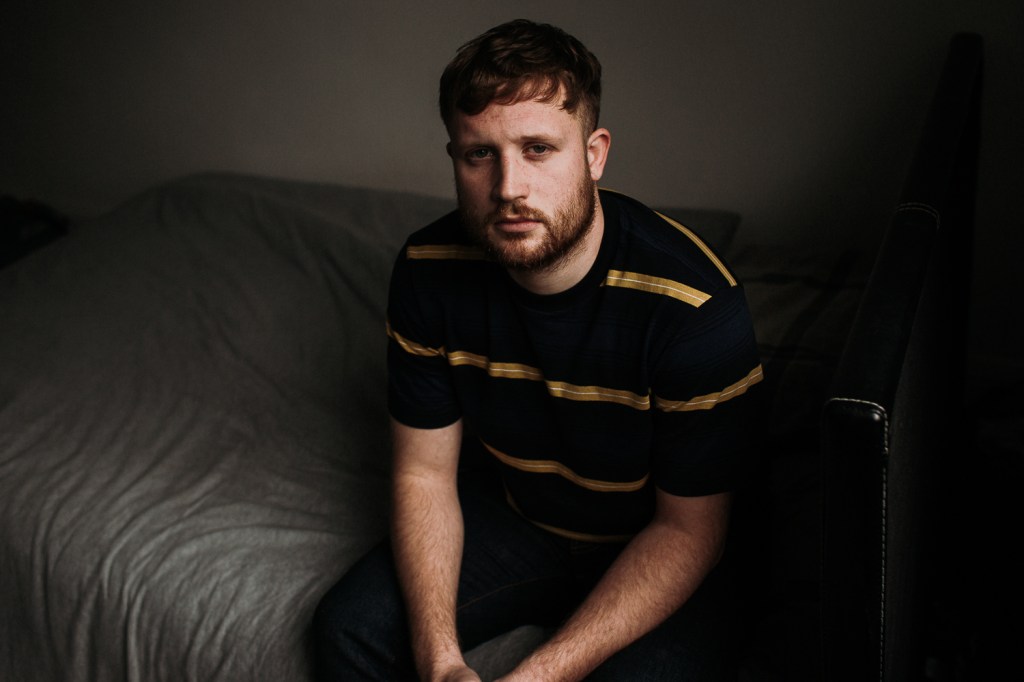
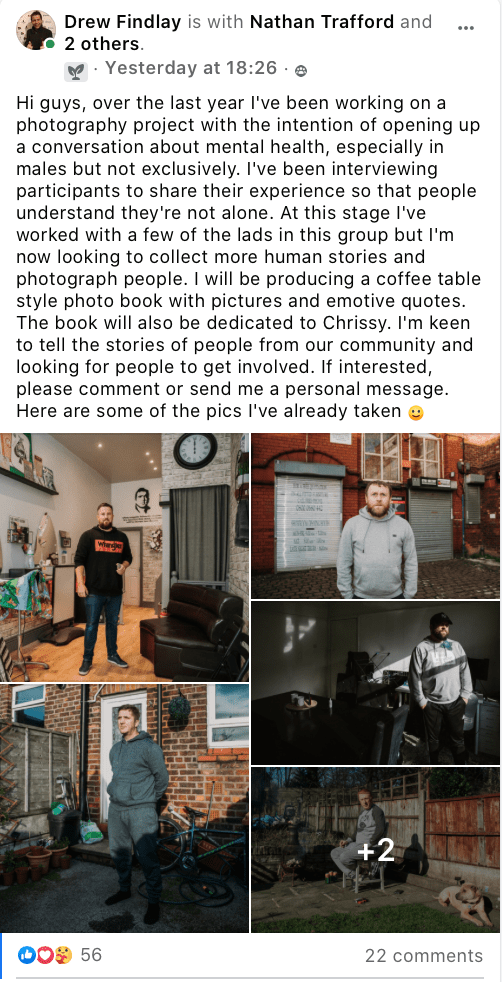
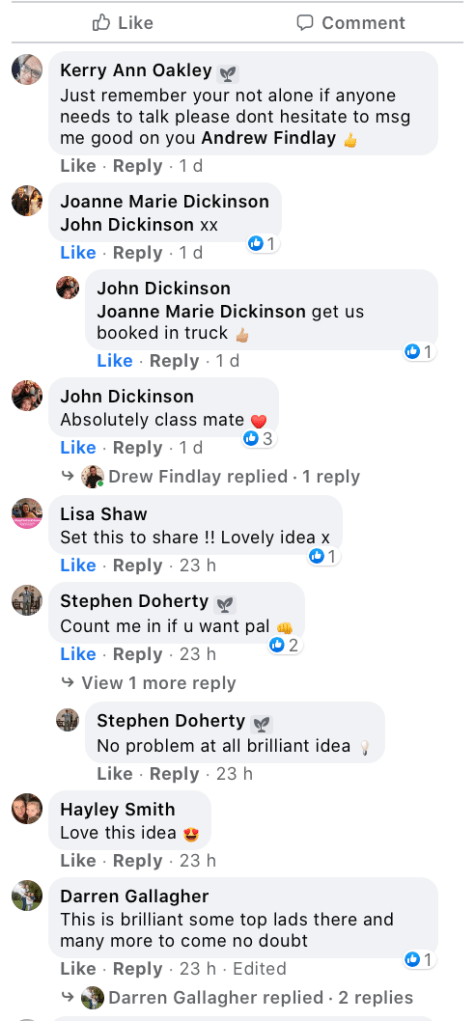
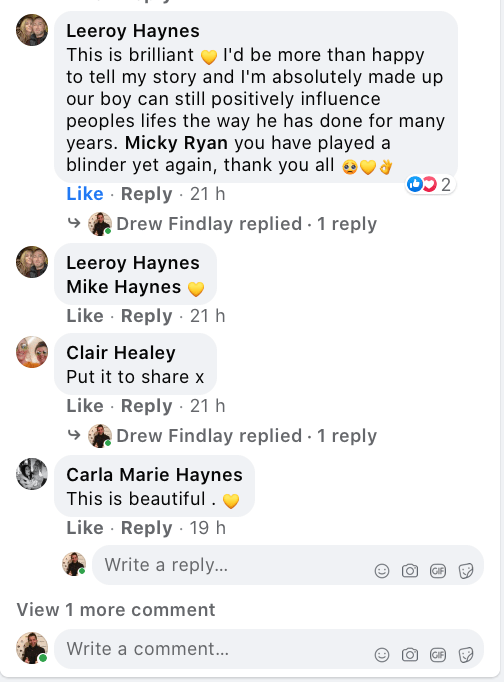
In order to develop my project I felt that I needed to go beyond my immediate community and seek more stories to tell from tell. As a response I decided to put an open call for participants using facebook in a specific group which brought a specific group.
The group I reached out, was brought together as a result of the death of a personal friend. Chrissy was in is early forties and my connection to him was via the football environment. However, he was know to many in the area and when news of his death spread an online community formulated to celebrate stories of him, this then turned into a charity football match and has now become a memorial community where people share stories and connect.
Having challenged a mental health theme in the last module I felt compelled to continue to open up the conversation about mental health within this module. I’d originally decided to move away from this theme however my thoughts continually lead back to my personal concerns. Read surmises the nagging feeling at the back of my mind appropriately by stating.
Read (2017) ‘Looking back at the concerns that form the backbone of the work and the interests which fuel it, with or without input from others, will serve to provide evidence of where they have been and point the direction for the future.
In following my personal feelings, as a result of events of the past, my outlook on the course has shifted and the experience of loss leads to a type of reassessment. And the opportunity I have to utilise my photographic literacy to make a positive contribution to the community.
Laurent (2017) in the Time website writes about photographers as ‘the ones who sort all of the chaos of the world into images that bring clarity to the free for all of life.’ Referring to the photographic literacy developed throughout the course, I find myself in a unique position to represent my local community in challenging the theme of mental health, especially in males.
In keeping with the rational of conducting interviews and making photographs I am able to represent the community by producing a photo book. This is the most appropriate direction as a book will become a type of album to celebrate the community in addition to encouraging people to contribute to something precious.
Taking quotes from the interviews to use as text within the book feels like an appropriated direction as it will anchor the meaning of the photographs and produce a sense that the emergence of the book is a direct result of the photographer.
Abel-Hirsch (2014) cites Subotzky “People see a camera and think you’re photographing for the Daily Sun,” he says. So it was essential to explain what they were doing. Photography has always been about relationships for Subotzky anyway — “the pressing of the button is almost a by-product of engaging with people”.
By coupling the photographs with the interviews I have found the photographic event less of an aggressive act when collaborating with the community. And Subotzky makes very relevant comments her which apply to the work I will continue to make.
Abel-Hirsch, H. (2014) Ponte City and the urban myth. The Mail and Guardian. [Online] Available at:
https://mg.co.za/article/2014-08-22-00-ponte-city-and-the-urban-myth/ (Accessed 12th Feb 2021)
Laurent (2017) Why We Do It: Photographers and Photo Editors on the Passion That Drives Their Work [Online] Available at: https://time.com/4839246/photographers-passion/ [accessed ]18th March 2021
Read and Simmons (2017) Photographers and Research, The Role of Research in Contemporary Photographic Practice. Taylor and Francis, New York.
 Drew Findlay